
An Assigned Spot Should Actually Be Yours To Use
Few apartment annoyances are as ridiculous as coming home, finding somebody else’s car in the parking space assigned to you, and then discovering management seems considerably less bothered by it than you are. If that space is genuinely part of your lease, condo rights, or HOA parking assignment, repeated unauthorized use isn’t something you necessarily have to shrug off.
First, Make Sure The Space Is Really Assigned To You
Before declaring parking war, pull out the paperwork. Apartment leases frequently identify assigned parking by space number, and there may also be a separate parking addendum. Condo and HOA residents should check their declaration, deed, parking agreement, community rules, or assignment records. A space that everyone casually calls “yours” may legally be different from one specifically granted for your exclusive use. Knowing exactly what the documents say makes every conversation with management considerably easier.
Your Lease Can Be Your Best Evidence
For renters, the strongest document may be the lease itself. If it specifically says Unit 304 gets Space 42, that’s much more useful than an old email saying management usually lets you park there. Parking terms written into a lease generally shouldn’t be treated like an informal perk that can simply disappear whenever somebody ignores them. Save a copy of the lease and parking addendum somewhere accessible because you may need to quote the exact language in future complaints.

Condo Parking Can Get Surprisingly Complicated
Condo parking arrangements aren’t always straightforward. A space might be individually owned, assigned as an exclusive-use area, designated as a limited common element, or merely allocated under association rules. Those distinctions can affect who controls the space and who has the power to enforce restrictions. Don’t assume the painted number on the pavement tells the entire story. Check the declaration and other governing documents to determine precisely what rights came with the unit.
Start Photographing Every Offense
The first time somebody takes your spot, it feels like an annoyance. The tenth time, you’ll wish you had documented the previous nine. Take a clear photograph showing the vehicle, license plate, parking-space number, and enough surrounding area to establish where it is. Save the date and approximate time. You don’t need a dramatic photo shoot every evening, but consistent evidence makes it much harder for management to dismiss the problem as an occasional misunderstanding.

Keep A Simple Parking Log
Create a note on your phone listing every incident. Record the date, how long the vehicle remained there if known, where you had to park instead, and whether you contacted management. Also record responses such as “security was notified” or “we’ll speak with the resident”. A pattern matters. Five documented offenses over two weeks tells a different story than telling a property manager, “That blue SUV is always stealing my spot”.

Make Sure You Have The Right Car
In communal lots, vehicles change. Residents borrow cars, have guests, get rentals, or replace vehicles without immediately updating the office. Before accusing a specific neighbor, make sure you’re actually dealing with the same vehicle repeatedly. Photographing the license plate is more reliable than remembering “the gray crossover”. Management may also be able to match plates or parking permits with its resident vehicle registry without putting you in the middle of a neighbor-to-neighbor dispute.

One Friendly Conversation Might Solve It
If you know whose vehicle it is and feel comfortable speaking with them, one calm conversation may save weeks of aggravation. They may genuinely believe the space is unassigned, have been given the wrong number by management, or think the restriction only applies during certain hours. Keep it simple rather than confrontational: explain that the space is assigned to your unit and you need it kept open. If the same person continues afterward, move the dispute into writing with management.
 Supavadee butradee, Shutterstock
Don’t Turn The Windshield Note Into A Manifesto
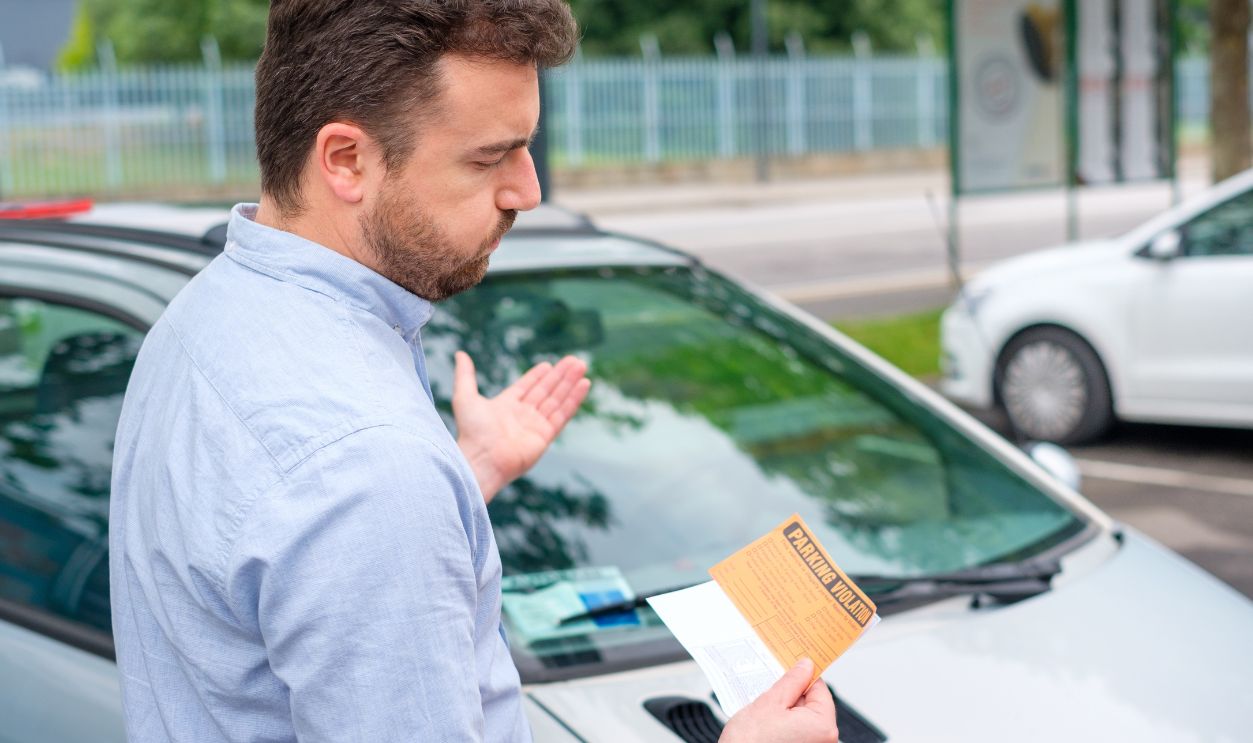
A short note can work when you can’t identify the driver, but this isn’t the place for a three-page essay threatening lawsuits and towing companies. Something as simple as “This space is assigned to another resident. Please don’t park here” gets the point across. Avoid insults, threats, or touching the vehicle unnecessarily. If the car keeps returning, save your energy for the property manager or association that has actual enforcement authority.
Put Your Complaint In Writing
If management hasn’t fixed the issue after verbal complaints, switch to email or another traceable written method. Identify your unit, the assigned space, the vehicle involved if known, the dates of recent offenses, and what you want management to do. Attach a couple of representative photos rather than dumping 47 images into someone’s inbox. Written communication creates a record showing that management knew about an ongoing problem and had repeated opportunities to address it.
Ask For A Specific Solution
“Please do something” is easy to acknowledge and forget. Ask management what its parking enforcement procedure is and what action will be taken if the vehicle returns. Does security issue warnings? Can management contact the resident? Are parking offenses fined? Is there an authorized towing contractor? Who can approve a tow? Specific questions force a more useful answer and can expose whether the property has an enforcement system at all or simply hopes neighbors eventually sort things out themselves.

Check The Parking Rules Yourself
Don’t rely entirely on whatever the front desk says that afternoon. Get a copy of the current parking rules, lease addendum, HOA regulations, or condominium policies. Look for sections covering reserved spaces, guest permits, unauthorized vehicles, warnings, fines, and towing. HOA and condo rules should generally be grounded in the association’s governing authority, while apartment parking obligations may be spelled out directly in rental documents. Knowing the actual rule prevents everyone from arguing based on assumptions.

Find Out Who Actually Has Enforcement Authority
The person answering the management office phone may not be able to order a tow. Depending on the property and local law, authorization might have to come from the owner, property manager, HOA board, security company, designated agent, or another authorized party. Some communities allow individual residents with assigned spaces to initiate certain enforcement steps, while others absolutely do not. Ask management who has authority over your specific space rather than assuming you can call a tow truck yourself.

Be Careful About Calling A Tow Company Yourself
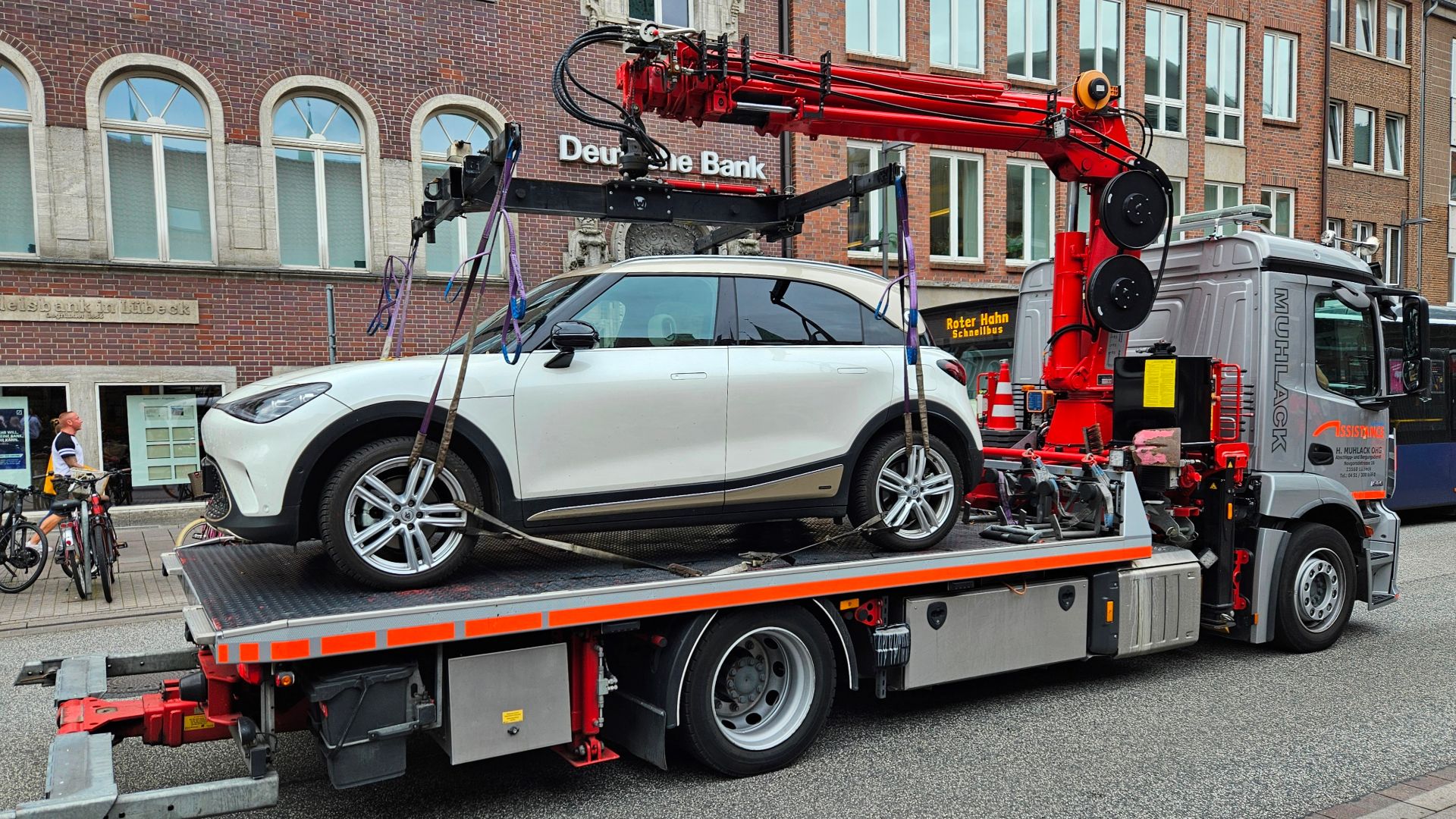
Watching the repeat offender get hauled away may sound enormously satisfying, but unauthorized towing can create a much bigger problem. Private-property towing is heavily regulated, and requirements differ by state and municipality. Rules can address authorization, signage, warnings, documentation, towing-company licensing, and who is legally allowed to request removal. Unless your governing documents and local rules clearly give you that authority, don’t independently summon a random towing company and hope everything works out.
Towing Rules Can Be Very Specific
Some states have detailed rules specifically addressing vehicles parked in assigned residential spaces. New Jersey regulations, for example, contain provisions for towing unauthorized vehicles from clearly marked assigned spaces in residential communities, while Colorado rules specifically address vehicles occupying individually designated, rented, or purchased resident spaces. The details aren’t identical from place to place, which is exactly why residents shouldn’t assume a towing procedure they saw online applies in their own community.

Look At The Signs Around The Lot
Private-property towing laws frequently care about signage. Walk around the entrances to the lot and photograph whatever towing notices are posted. Check whether signs identify restricted parking, the towing company, or contact information. Missing or inadequate signage might limit what management or a towing contractor can legally do in some jurisdictions. On the other hand, clearly posted towing rules may mean management already has an enforcement mechanism it simply hasn’t been using consistently.
Law Enforcement Usually Aren’t Your Parking Enforcement Department
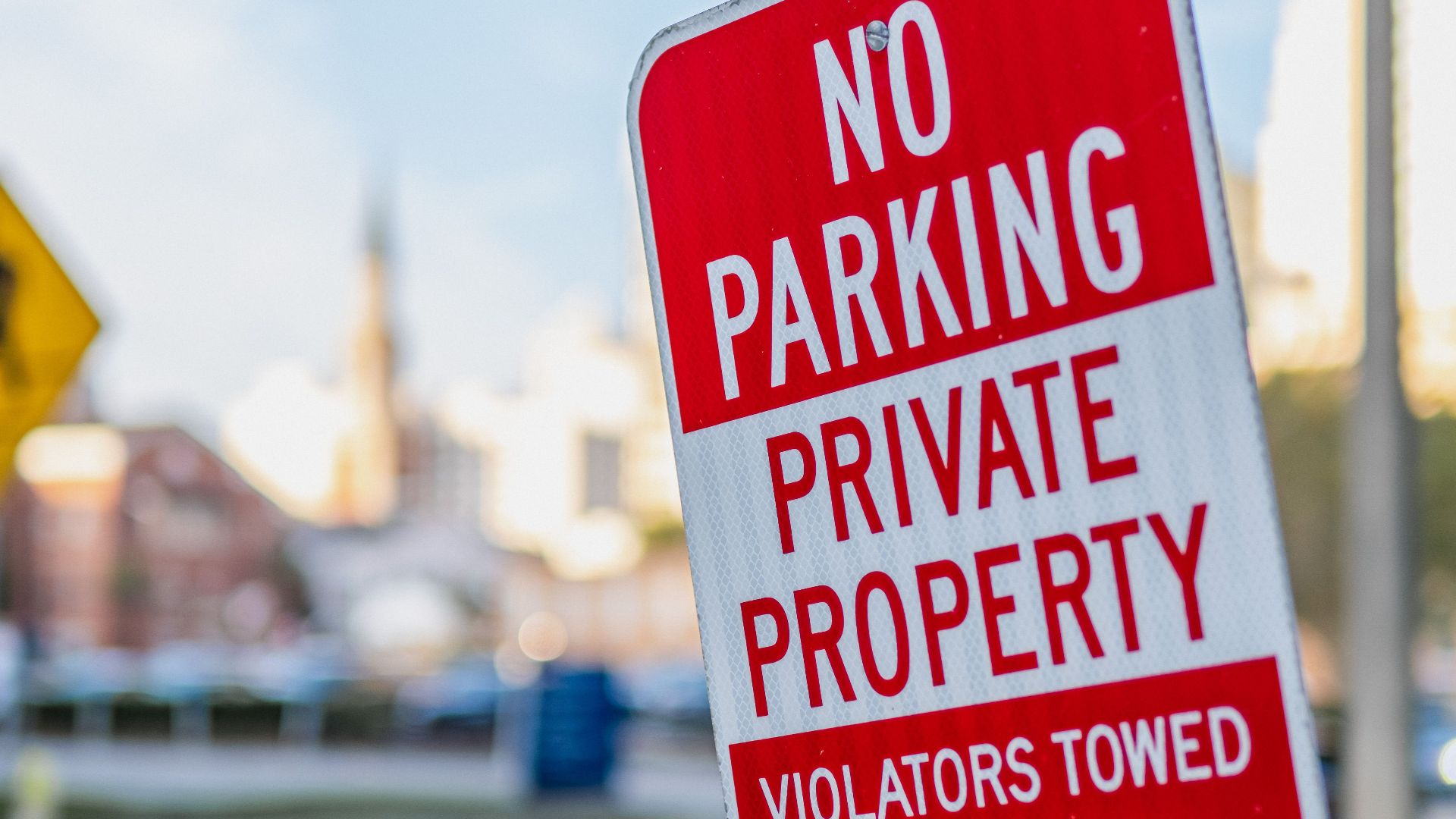
A resident occupying your assigned space on private property is typically a management or association issue rather than an emergency matter. Law enforcement may become relevant when a vehicle is stolen, abandoned under applicable law, creating a safety problem, blocking emergency access, or violating some separate public law. But calling law enforcement because your neighbor took Space 17 is not the move. Start with the property’s established enforcement process and local nonemergency resources when appropriate.
HOA Residents Can Escalate To The Board
If the property manager keeps producing variations of “we’re looking into it,” HOA or condo owners can take the issue to the board. Follow whatever complaint or hearing procedure appears in the governing documents. Send the board a concise timeline, photographs, copies of previous management correspondence, and the rule governing assigned parking. The point isn’t to deliver a 40-minute speech at the next meeting. It’s to make the board confront a documented enforcement issue that management hasn’t resolved.

Fines May Be An Option For Associations
HOAs and condominium associations commonly use enforcement tools such as warnings and fines, but those tools need to follow the community’s governing documents and applicable state law. Due-process requirements can include notice and an opportunity for the accused resident to respond. That can make enforcement feel slower than simply hooking up a tow truck, but a predictable fine schedule may solve a repeat-parking problem without creating a towing dispute every Saturday night.

Consistent Enforcement Matters
If the community aggressively tickets one resident while ignoring identical offenses by others, the dispute can become much messier. Associations are generally better served by clear rules applied consistently, and residents can reasonably ask management to explain how the parking policy is being enforced. If the same vehicle has taken your space six times while management claims its hands are tied, ask what normally happens when residents break other assigned-parking restrictions.

Renters May Need To Involve Their Landlord Too
Condo renters can fall into an especially annoying gap where building management says “contact the owner” while the landlord says “contact management”. If you rent from an individual condo owner, send the complaint to your landlord as well. The owner may have standing with the association that you don’t, and association rules may formally require owners to deal with offenses involving their tenants or assigned spaces. Give the landlord copies of your documentation rather than forcing them to reconstruct the story.

Ask For Temporary Parking While It Gets Sorted Out
Management may not be able to make the offending car vanish instantly, but it may be able to reduce the inconvenience. Ask whether you can use a vacant resident space, staff space, guest permit, or other designated area whenever your assigned spot is occupied. Get that permission in writing so your attempt to solve one parking offense doesn’t end with your own car getting ticketed or towed.
Keep Receipts If The Problem Is Costing You Money
If you repeatedly have to use paid street parking, a garage, or another paid facility because your assigned space is unavailable, keep the receipts. Whether you’re legally entitled to reimbursement will depend on your lease, governing documents, and state law, so don’t simply deduct the expense from rent or association dues on your own. The records are still valuable when asking management for reimbursement, negotiating a parking credit, or discussing your options with a local attorney.

Disability-Related Parking Raises Additional Issues
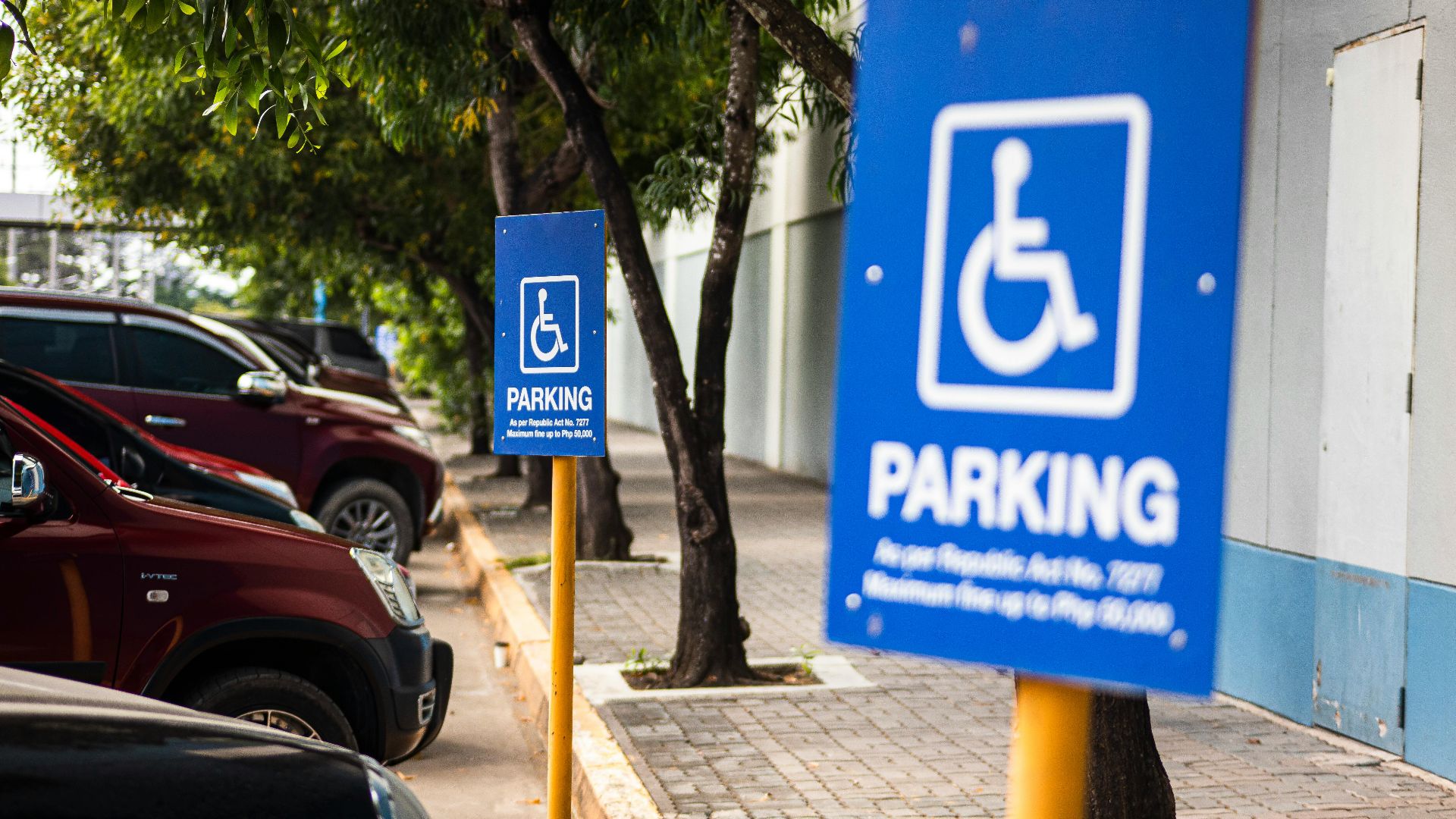
If the assigned spot is connected to a disability accommodation, accessibility issue, or necessary proximity to the resident’s home, say so clearly when contacting the housing provider. Federal fair-housing rules can require reasonable accommodations to policies or practices when necessary for a person with a disability to have an equal opportunity to use and enjoy their housing. Parking is specifically recognized as an area where reasonable accommodations may be relevant, making persistent interference potentially more serious than an ordinary parking squabble.
Cameras Can Help, But Check The Rules First
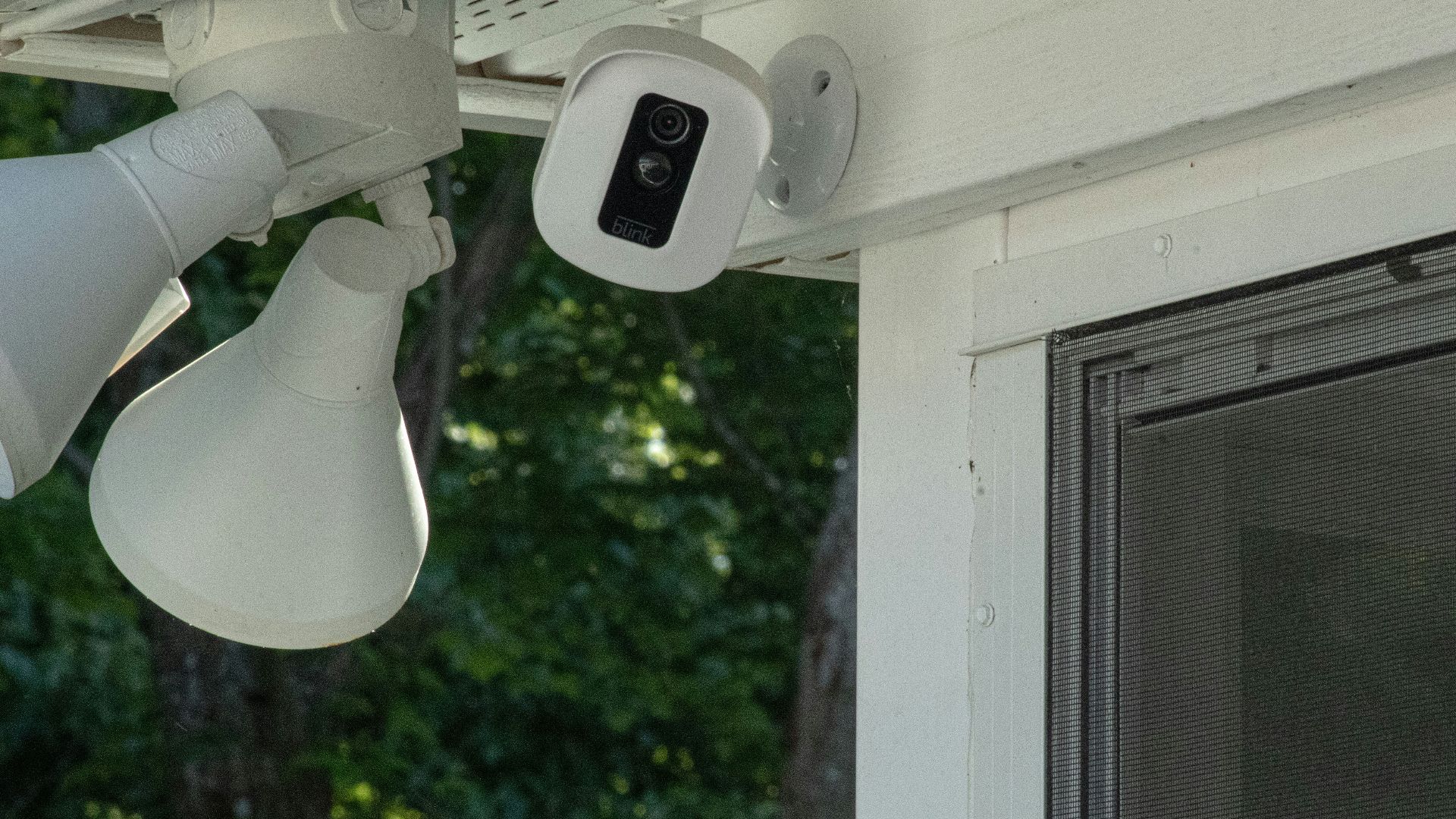
A security camera or dashcam might establish which vehicle keeps entering the space, but apartment buildings and associations can have rules about installing cameras in common areas, garages, hallways, or building exteriors. State privacy laws can also vary. If the lot already has property surveillance, ask management whether footage can be reviewed after a documented incident. Don’t install equipment on communal property without permission just because you’ve officially reached your limit.
Don’t Block The Other Car In
Parking directly behind the offending vehicle may feel like poetic justice. It can also create a fresh offense involving your own car, obstruct traffic, interfere with emergency access, or escalate a manageable disagreement into a confrontation. The same goes for letting air out of tires, moving the vehicle, covering it with stickers, or damaging it. Keep yourself firmly on the reasonable side of the dispute because that makes management’s continued failure to act much harder to defend.
Escalate The Paper Trail Before The Temper
If ordinary complaints accomplish nothing, send a more formal written notice to the landlord, property-management company, or board. Reference the section of the lease or governing documents that assigns the space, summarize the documented offenses, attach earlier unanswered correspondence, and request a written response explaining how the problem will be corrected. For a renter, tenant-rights organizations or a local landlord-tenant attorney can help interpret the lease. Owners may need an attorney familiar with condominium or HOA law.

Small Claims May Become Relevant When There Are Real Losses
A parking disagreement doesn’t automatically belong in court, but repeated offenses that cause documented financial losses can eventually justify asking a local attorney or judicial-aid organization about available remedies. Small-claims procedures differ widely among states, and whether the landlord, association, offending resident, or anyone else could be responsible depends on the underlying rights and facts. This is another reason receipts, photographs, written complaints, and the exact parking agreement matter much more than angry verbal exchanges.
Management’s Inaction Doesn’t Mean You’re Out Of Options
An assigned space isn’t very useful if everyone except its assigned resident gets to use it. Start with the document that gives you the parking right, build a clear record of offenses, put management on written notice, and ask exactly how the property enforces its rules. If the ordinary process stalls, escalate through the landlord, board, management company, or appropriate local judicial channels. The solution may ultimately be a warning, fine, permit change, tow, or better enforcement, but persistent documentation gives you a much stronger position than simply circling the lot every night and getting angrier.

You May Also Like: