The Gate, The Ticket, and the Bad Surprise
You pull into a gated garage, grab a ticket, pay the posted rate, and figure your car has at least some protection. Then it gets stolen, and the operator points to a sign or fine print saying it is not responsible. That feels absurd, but the fight usually comes down to a basic legal question: What exactly did you pay for?

What You Probably Thought You Were Paying For
Most drivers see gates, cameras, attendants, and payment machines and read them as signs of security. In everyday life, a paid lot seems like more than rented pavement. That assumption makes sense, but courts and consumer agencies often draw a line between paying for a parking space and paying for custody of the car.

The First Big Legal Question: Who Had Control?
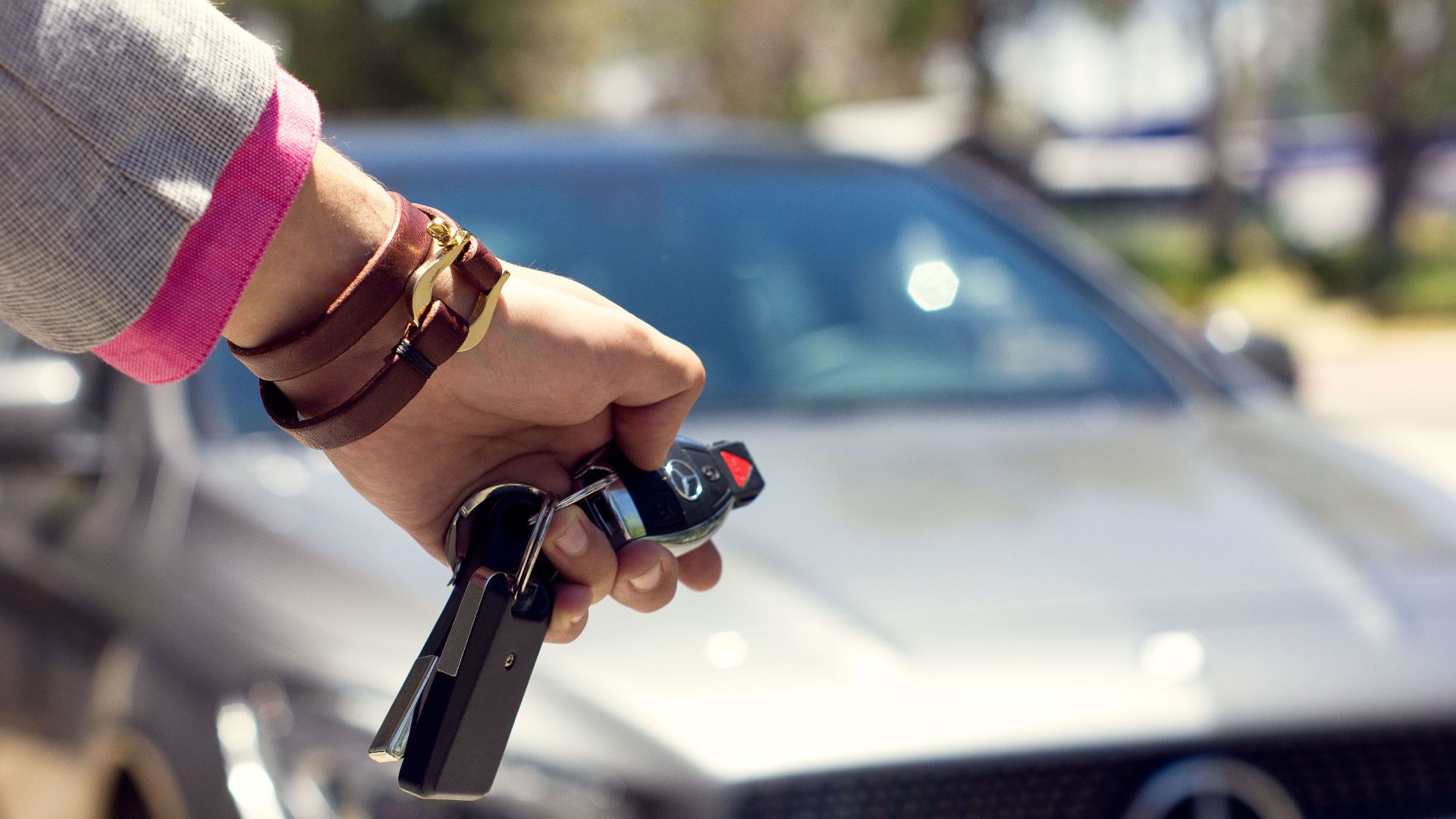
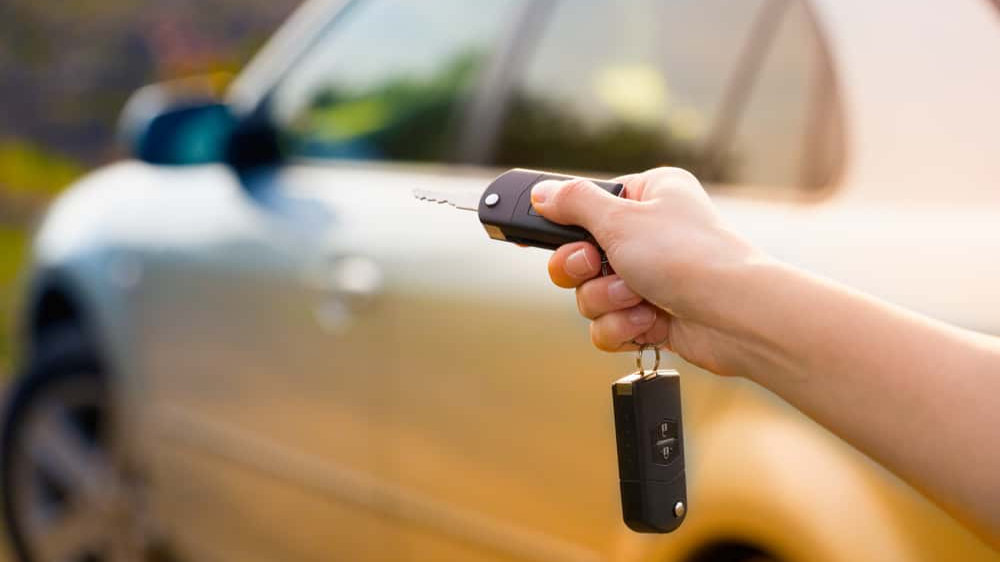
In these cases, one of the biggest facts is whether you kept control of the car or handed it over. If you parked it yourself, kept your keys, and walked away, the lot is often treated as giving you permission to use a space, not taking responsibility for the vehicle. If a valet or attendant took the keys and moved or stored the car, the operator may have taken on more legal responsibility.
Why Bailment Matters
A bailment is a legal relationship created when someone takes possession of your property for a specific purpose. The Legal Information Institute explains that the bailee may owe a duty of care depending on the arrangement. In plain terms, if the garage had custody of your car, your case gets stronger.

Self-Park and Valet Are Two Different Situations
That split shows up again and again in legal guidance and consumer advice. Nolo notes that when a customer parks, locks the car, and keeps the keys, courts are less likely to say the garage took responsibility for the car or items inside it. When the operator takes the keys, the picture changes because control changed hands.
Fine Print Can Matter a Lot
The rough part is that garages often try to limit liability with signs, claim checks, or contract language. Those disclaimers do not always win automatically, but they matter. Whether they hold up can depend on state law, how clearly they were disclosed, and whether the garage was negligent.
A Sign Is Not an Automatic Get-Out Clause
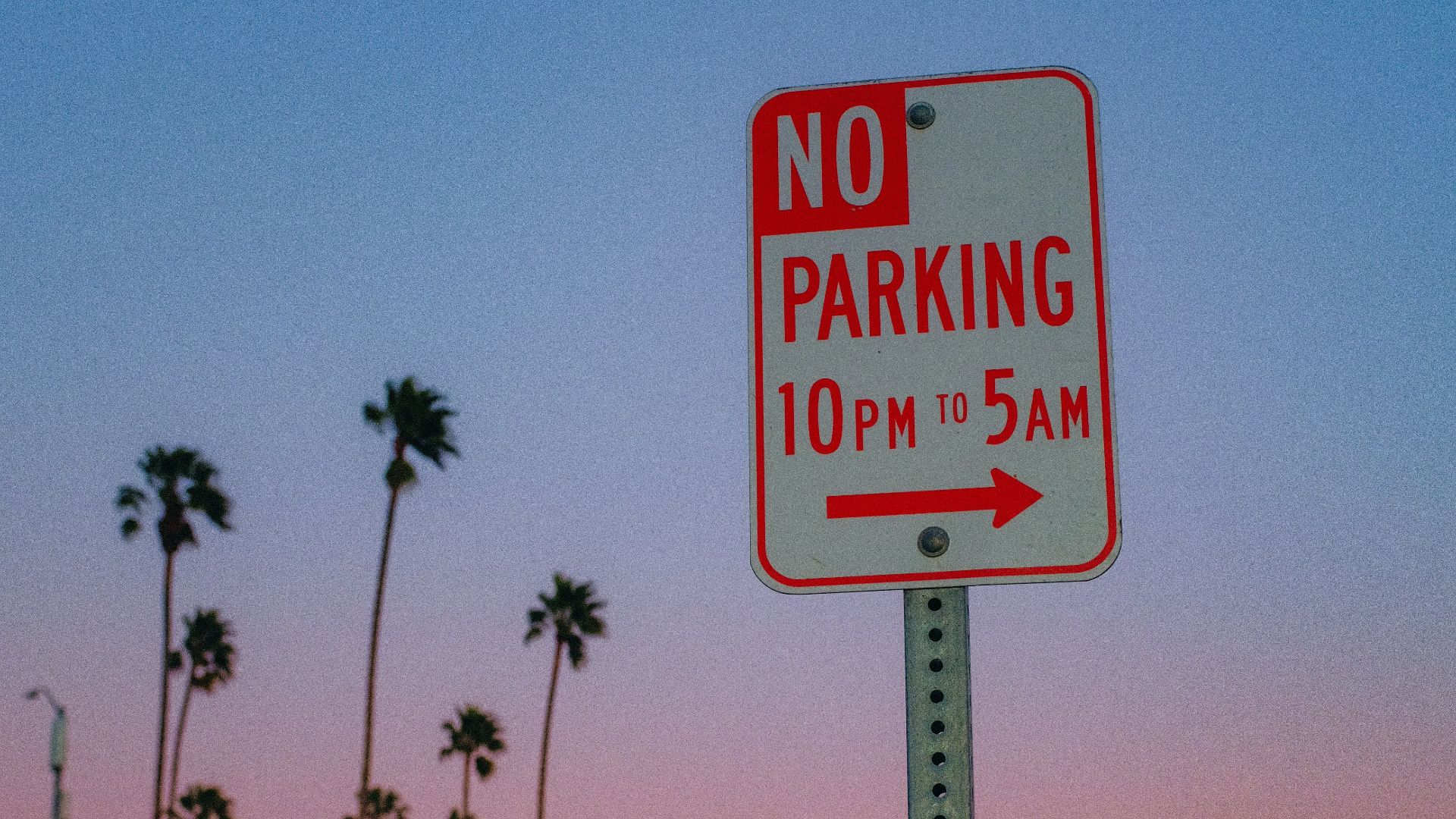
Even a big sign saying not responsible for theft does not always settle the issue. Consumer guidance from state and local agencies often warns that a business cannot erase every duty just by posting a notice. If the operator was negligent, such as leaving a security gate broken or ignoring known access problems, the disclaimer may not carry the day.
 RandompersonSWE, Wikimedia Commons
Negligence Is the Other Major Issue
The second big question is not just who had the car, but whether the garage acted reasonably. If the facility advertised secure parking, charged extra for controlled access, or knew the gate and cameras were not working, those facts can matter a lot. A theft in a gated lot does not automatically prove negligence, but failed security measures can become a serious issue.

Security Hype Can Turn Into Evidence
Words like gated, monitored, patrolled, and secure are not just marketing fluff once a dispute starts. If a garage used those claims to attract customers, they can shape what a customer reasonably expected. Save screenshots, photos of signs, app listings, and receipts, because that language may later matter as evidence.
 Xinhua News Agency, Getty Images
What Operators Usually Say They Sold You
Parking operators often argue that you paid for temporary use of a space, not insurance against theft. That is why so many tickets and signs say you park at your own risk. From their side, the gate helps control entry and payment, but it is not a promise that no one can steal a car.
What to Do First if Your Car Is Stolen
Report the theft to police right away and get the report number before details start to blur. Then notify your insurer and the garage operator in writing, not just by phone. The Consumer Financial Protection Bureau and insurance guidance both stress acting quickly and keeping a paper trail.

Ask for the Footage Immediately
Time matters because surveillance systems often overwrite recordings within days or weeks. Ask the garage, in writing, to preserve all video footage, entry and exit logs, payment records, gate maintenance records, and incident reports. If the operator later says nothing was saved, your early request may matter.

Take Photos Before Anything Changes
Photograph every sign at the entrance, payment kiosk, elevator, and cashier booth. Capture the wording on your ticket, any posted terms, and anything showing the condition of gates, doors, lighting, and cameras. Those details can disappear fast after a theft or after management realizes a claim may be coming.

Keep the Boring Records Too
Your receipt, bank statement, parking app confirmation, and monthly contract can all help show what service was sold and when. If the garage promised reserved, secure, monitored, or controlled-access parking, those words matter. So does any proof that the gate was open, broken, or easy to bypass.

Your Insurance May Pay Before the Garage Does
If your car was stolen, comprehensive auto coverage is usually the part of your own policy that applies. The Insurance Information Institute explains that comprehensive coverage generally covers theft, subject to your deductible. That may be the fastest path to payment while the dispute with the garage is still unresolved.

Items Inside the Car Are Often a Separate Fight
Stolen laptops, tools, golf clubs, and other personal items may not be covered the same way as the car itself. Depending on your policies, homeowners or renters insurance may be the better place to look for those losses. Check the limits and exclusions, because cash, business equipment, and aftermarket parts may be treated differently.

Monthly Parkers Should Read the Contract Carefully
People with monthly parking agreements often assume the longer relationship creates stronger obligations. Sometimes it does, especially if the contract promises specific security measures. Just as often, the monthly agreement includes broad liability waivers, claim rules, or short deadlines that casual drivers never see.

When a Gated Lot May Owe More
Facts that may help your case include a history of similar thefts, repeated gate failures, broken cameras, missing attendants during posted staffed hours, or false claims about security. If the operator knew about weak spots and did little or nothing, that may support a negligence claim. A lawyer will want dates, maintenance records, and any prior complaints.

When Your Case Gets Tougher
Your position is weaker when you self-parked, kept the keys, saw clear disclaimers, and have no evidence the garage did anything careless. That does not mean you have no claim, but it does mean the operator has familiar defenses. Courts often focus closely on control, notice, and whether the operator actually promised protection.
Valet Changes Things Quickly
If an attendant took your keys, tagged the car, and parked it somewhere out of your control, the garage may have assumed a higher duty as a bailee. In that setup, you can more convincingly argue that the operator accepted custody, not just payment for a space. It still depends on the facts, but valet cases usually get more serious attention.
Credit Card Help Is Usually Limited
Many drivers wonder whether a credit card chargeback can fix the problem. Usually it cannot replace an insurance claim or legal claim, because the dispute is about theft and liability, not just whether parking was provided. Still, if the garage misrepresented the service or refused a promised refund, it may be worth calling the card issuer.

Small Claims Court Is Often Where This Ends Up
For many drivers, the practical next step is small claims court rather than a full lawsuit. It is cheaper, faster, and built for disputes backed by receipts, photos, police reports, and written communications. Check your state's filing rules and dollar limits, and bring every piece of evidence showing what was promised and what went wrong.

What to Put in a Demand Letter
Keep it calm and direct. State the date of the theft, where the car was parked, what you paid, what security features were advertised or visible, and why you think the operator failed to act reasonably. Ask for records to be preserved and request a written response by a clear deadline.
 Andrii Iemelianenko, Shutterstock
So What Are You Really Paying For?
In the most literal sense, you are usually paying for permission to use a space for a set amount of time. The gate often exists to control access and collect payment, not to guarantee protection against theft. That answer is not very satisfying, but it is where many operators and courts begin unless the facts show custody, negligence, or a stronger promise.

Why Drivers Still Feel Misled
The frustration is easy to understand. A gated, paid facility signals order, control, and at least some deterrence, especially compared with a dark curbside spot. If the operator profits from that impression while denying almost all responsibility after a loss, it is fair to wonder whether the security message was more sales pitch than reality.

The Smart Way to Buy Parking
Before you leave your car, check the posted terms and take a few seconds to notice whether cameras, gates, and doors actually seem to work. Do not leave valuables inside, and treat a gate as a barrier, not a guarantee. If the garage advertises security, save the listing before you ever need it.
The Bottom Line for Drivers
If your car was stolen from a gated, paid lot, the operator's claim that it is not responsible may be legally strong, but it is not always the last word. The outcome often turns on who had possession, what was promised, what warnings were posted, and whether the garage was negligent. In short, you may have paid for a space, but the facts decide whether you also paid for a duty of care.