That Sick Feeling in the Morning
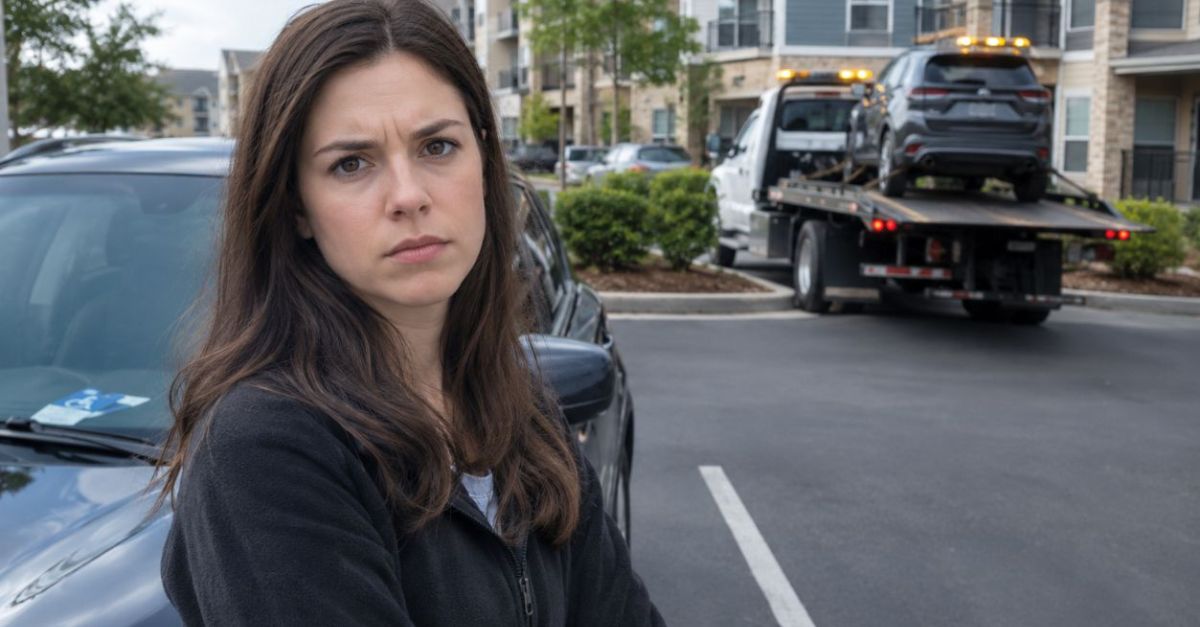
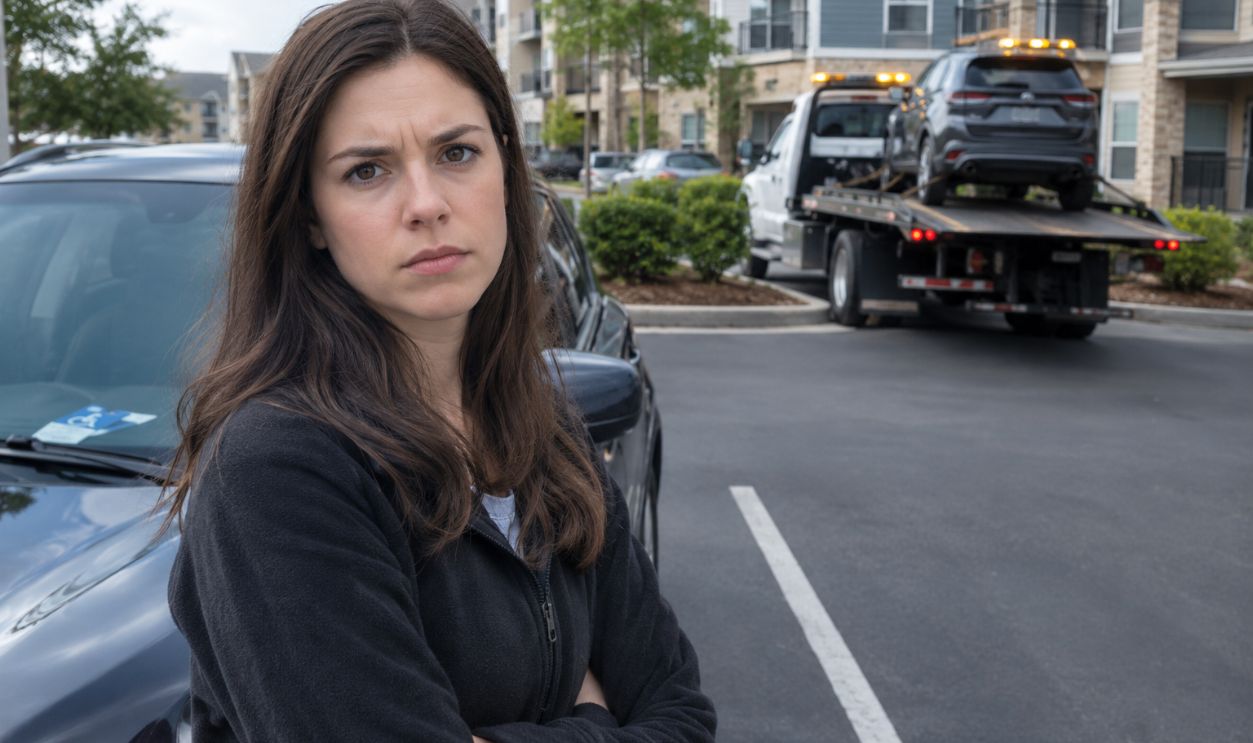
You head out to your car with coffee in hand and the space is empty, with a note that it's been towed. You don't understand, and then it hits you: the parking permit must have slipped off the dashboard overnight. As ridiculous as it sounds, that is definitely enough for a tow truck to take your car in many apartment complexes.
There Are Ways To Get Your Money Back
You might be able to get the towing fee back. It depends on your lease, your state and local towing laws, and whether the apartment complex and tow company followed all the rules. A permit falling out of sight does not automatically make the tow illegal. But if they broke notice rules, signage rules, authorization rules, or fee limits, you may have a real argument.

Start With the Lease Before You Start Arguing
Your lease or parking addendum is usually the first thing to check. Many complexes say permits have to be clearly displayed at all times and that cars can be towed without more notice if they are not. If that language is in the contract you signed, the complex starts out in a stronger position.

But a Lease Does Not Override State Law
Even if the lease is strict, landlords and towing companies still have to follow state and local law. In many places, that means rules about signs, written authorization, access to your car, fee caps, and how fast they have to release the vehicle. If they skipped a legal step, the lease does not fix that for them.
 Andrii Iemelianenko, Shutterstock
The Biggest Question Is Whether the Tow Was Properly Authorized
One of the first things to find out is who ordered the tow and how. Some states require a property owner, manager, or agent to specifically approve each tow from private property. If the tow company was just cruising the lot and towing cars without the required approval, that can be a serious problem for them.

California Gives Drivers a Useful Example
California Vehicle Code section 22658 lays out detailed rules for private property towing. It covers signs, authorization, and what a tow operator has to do after taking a vehicle. It also limits when a company can tow a car and what records it has to keep, which can matter later if you challenge the bill.

Signs Matter More Than Most Drivers Realize
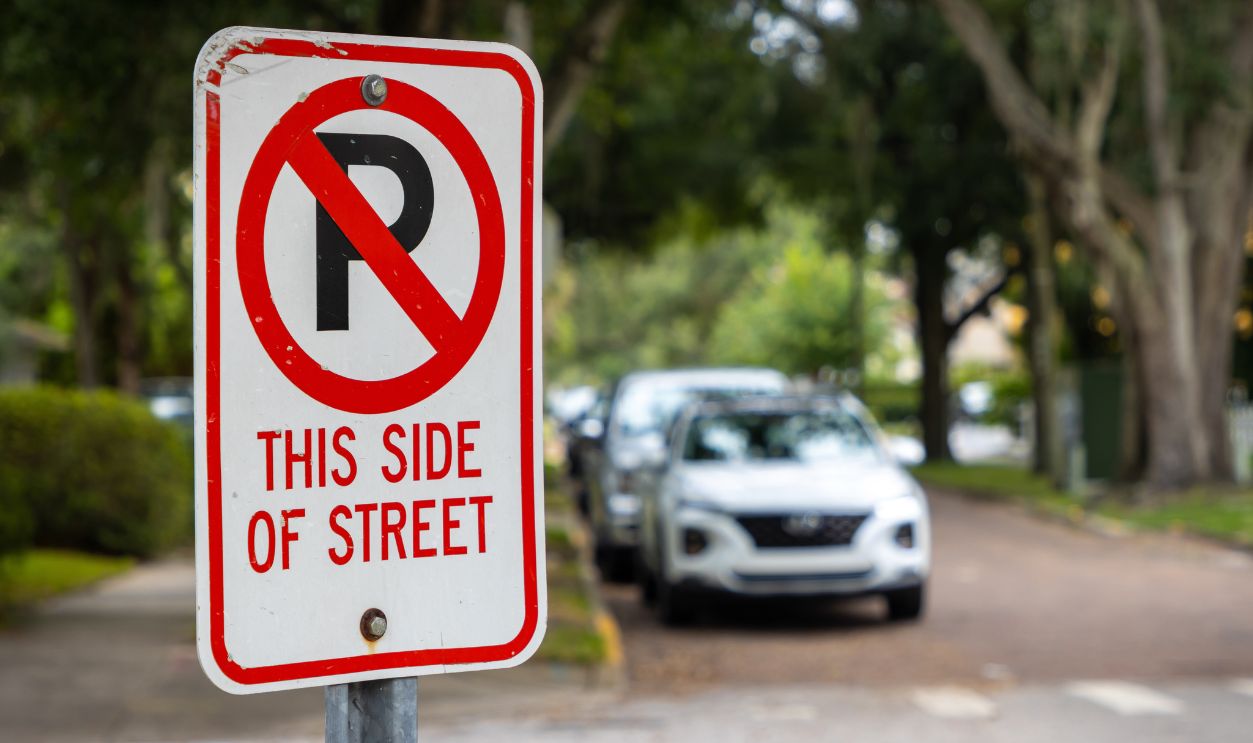
In many states, warning signs are not optional. California law, for example, requires specific signs at private property entrances in many towing situations, including lettering rules and the phone number of local traffic law enforcement. If the apartment complex did not post the signs the law requires, the tow may be open to challenge.
A Hidden Permit Can Still Be a Gray Area
If your permit slipped off the dashboard, the complex will probably argue that the car looked unauthorized when they checked it. That is not an unreasonable argument, and a lot of judges or property managers may see it that way. Your best response usually is not just that you had a permit. It is that the tow process itself was flawed or unreasonable under the law that applies.

Some States Require Photos or Records
Depending on where you live, tow companies may have to document the condition of the car, the reason for the tow, or the authorization behind it. Those records can matter a lot if your position is that the car was legally parked and the permit simply fell. Ask for everything tied to the tow, including photos, timestamps, and the name of the person who approved it.

Texas Has a Formal Path for Disputes
Texas drivers have a pretty clear process. The Texas Department of Licensing and Regulation explains that a vehicle owner can request a tow hearing in justice court to challenge a nonconsent tow. That kind of review can be one of the fastest ways to find out whether the tow company and property owner actually followed the rules.

Timing Can Make or Break Your Case
If you plan to fight the tow, move fast. Deadlines for tow hearings can be short, and storage fees can pile up daily. Even if you want to dispute the charge, you may still need to pick up the car first so the bill does not keep growing.

Washington, DC Shows Why Fee Rules Matter
The District of Columbia has detailed rules for private towing, including limits on certain fees and rules on signage and charges. If a tow company charged more than the law allows, that alone may support a refund demand, even if the tow itself was otherwise allowed. A challenge is not always all or nothing.
Ask for an Itemized Bill
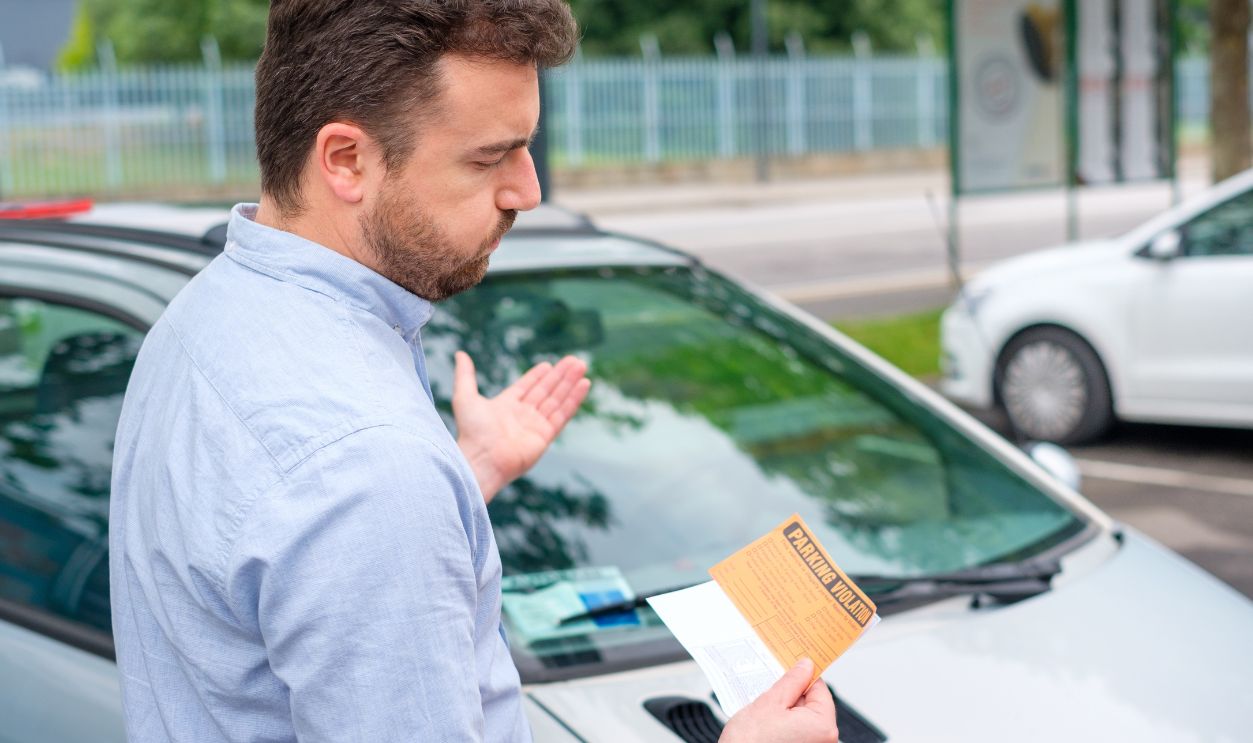
Do not accept a vague total. Ask for the tow fee, storage fee, gate fee, release fee, and every other line item in writing. If the bill includes charges that are not allowed under local law, that can strengthen your case for a partial or full refund.

The Federal Consumer Protection Angle Is Smaller, but Real
The Federal Trade Commission does not handle local towing disputes, but it does warn consumers about unfair billing and recordkeeping problems in many industries. In a case like this, your main rights usually come from state or city law, not federal law. Still, accurate billing and good records matter, so keep every document.

Your Photos Can Be Gold
If you have older photos showing your permit, or if you found the permit on the floorboard right after the tow, document it right away. Take pictures of the permit, your assigned parking spot, the entrance signs, and every sign in the lot. That may not win the case by itself, but it makes your version of events much harder to brush off.

Get the Tow Authorization in Writing
Ask the apartment manager who requested the tow, when they requested it, and what rule they relied on. Then ask the tow company for the tow authorization record and the time the car was removed. If the timelines do not match, or nobody can say who approved the tow, that is useful.

Local Governments Sometimes Add Extra Protections
City and county rules can be stricter than state law. Some local governments cap fees, require faster releases, or ban certain extra charges. So the apartment complex could have followed the lease and still messed up under a local ordinance.

Consumer Agencies Can Help Point You in the Right Direction
State attorneys general and consumer affairs offices often publish guidance on private property towing and complaint options. The California Attorney General, for example, has consumer information on vehicle towing and storage issues. These agencies may not act as your lawyer, but their materials can help you spot problems quickly.

Do Not Ignore the Storage Clock
This is the rough part. Even if you are sure the tow was wrong, leaving the car in storage while you argue can get expensive fast. In most situations, the practical move is to get the car back first and then go after reimbursement.

What to Say to the Apartment Manager
Keep it calm and direct. Explain that you had a valid permit, it slipped out of view, and you want copies of the parking rules, tow authorization, and any photos taken before the tow. Ask clearly whether they will reimburse the fee as a customer service fix, especially if you have no history of parking problems.

What to Say to the Tow Company
Ask for the legal basis for the tow, the total charges, when storage started, and what you need to do to get the car released. Request copies of all records they are required to keep under state law. A calm paper trail usually works better than arguing at the counter.
 Frame Stock Footage, Shutterstock
If the Complex Admits You Were Registered, Press That Point
If management confirms that you were an approved resident with a valid permit on file, that helps. It does not erase a display-rule violation, but it can make the tow look excessive. In some cases, that is enough to convince a manager to refund the fee even if the tow company will not.

Small Claims Court Is Often the Real Battleground
If informal complaints go nowhere, small claims court may be the most practical option. Bring your lease, permit, photos, tow receipt, screenshots of the signs, and copies of the towing law you think they violated. Judges usually care more about a clear timeline and solid documents than outrage.

Better Business Bureau Complaints Are Not Magic
A BBB complaint can create some pressure, but it is not a legal decision. It may help if the towing company cares about public ratings or quick settlements. For actual legal rights, your stronger tools are state laws, local ordinances, tow hearings, and small claims court.

Look Closely at Sign Placement and Wording
Drivers often focus on the permit and overlook the signs. But legal sign requirements can be picky about size, placement, and wording. A faded sign hidden behind bushes is not the same as a legally compliant warning at the entrance.
If the Car Was in Your Assigned Space, Mention It
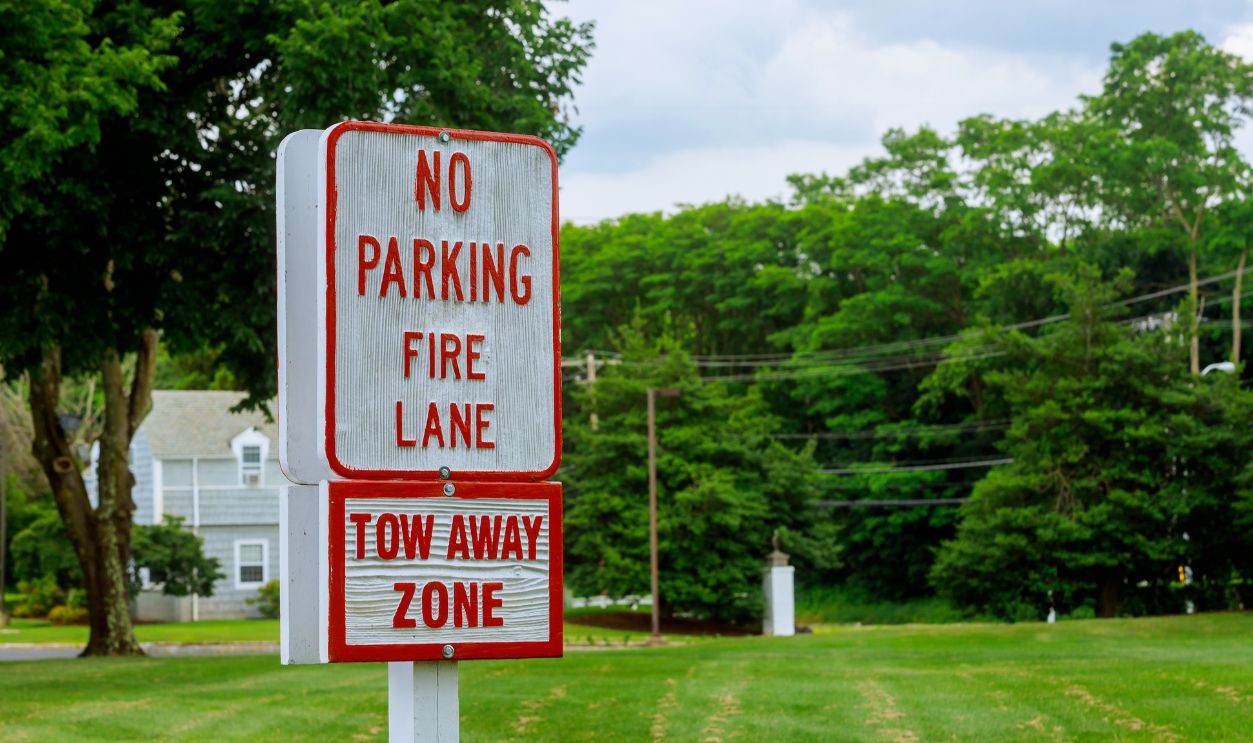
This can matter, especially if you were not blocking anyone, parked within the lines, and were otherwise allowed to be there. It will not always defeat a tow based on the display rule, but it helps the fairness argument. Managers are more likely to bend when the car was not causing any real problem.
Your Best Case Usually Looks Like This
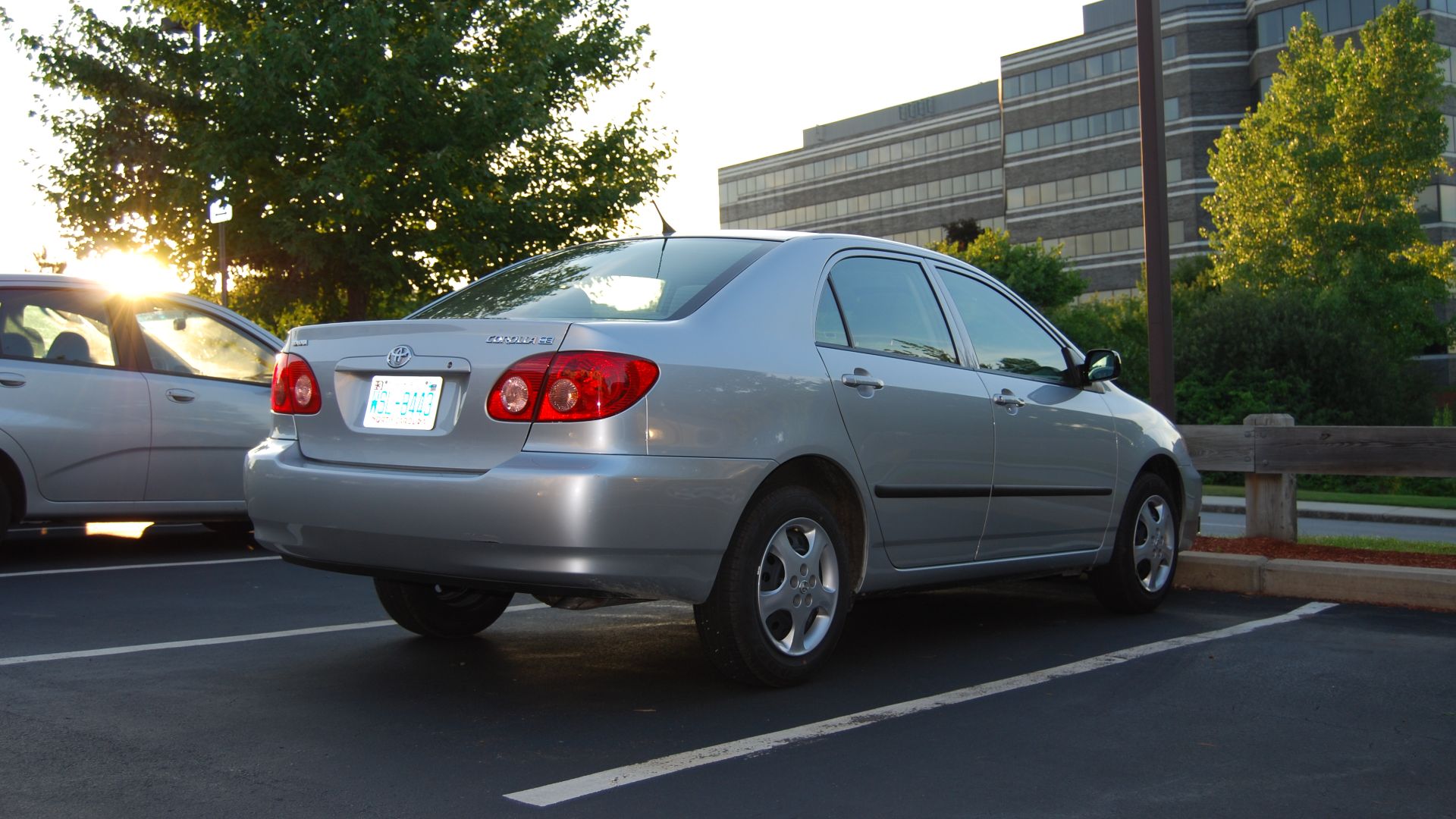
The strongest refund cases usually have a few things going for them at once. You had a valid permit, the car was parked where it belonged, the permit simply slipped, and the complex or tow company missed a legal requirement such as signs, authorization, or fee rules. One fact alone may not do much, but together they can be persuasive.
 heb@Wikimedia Commons (mail), Wikimedia Commons
Your Weakest Case Usually Looks Like This
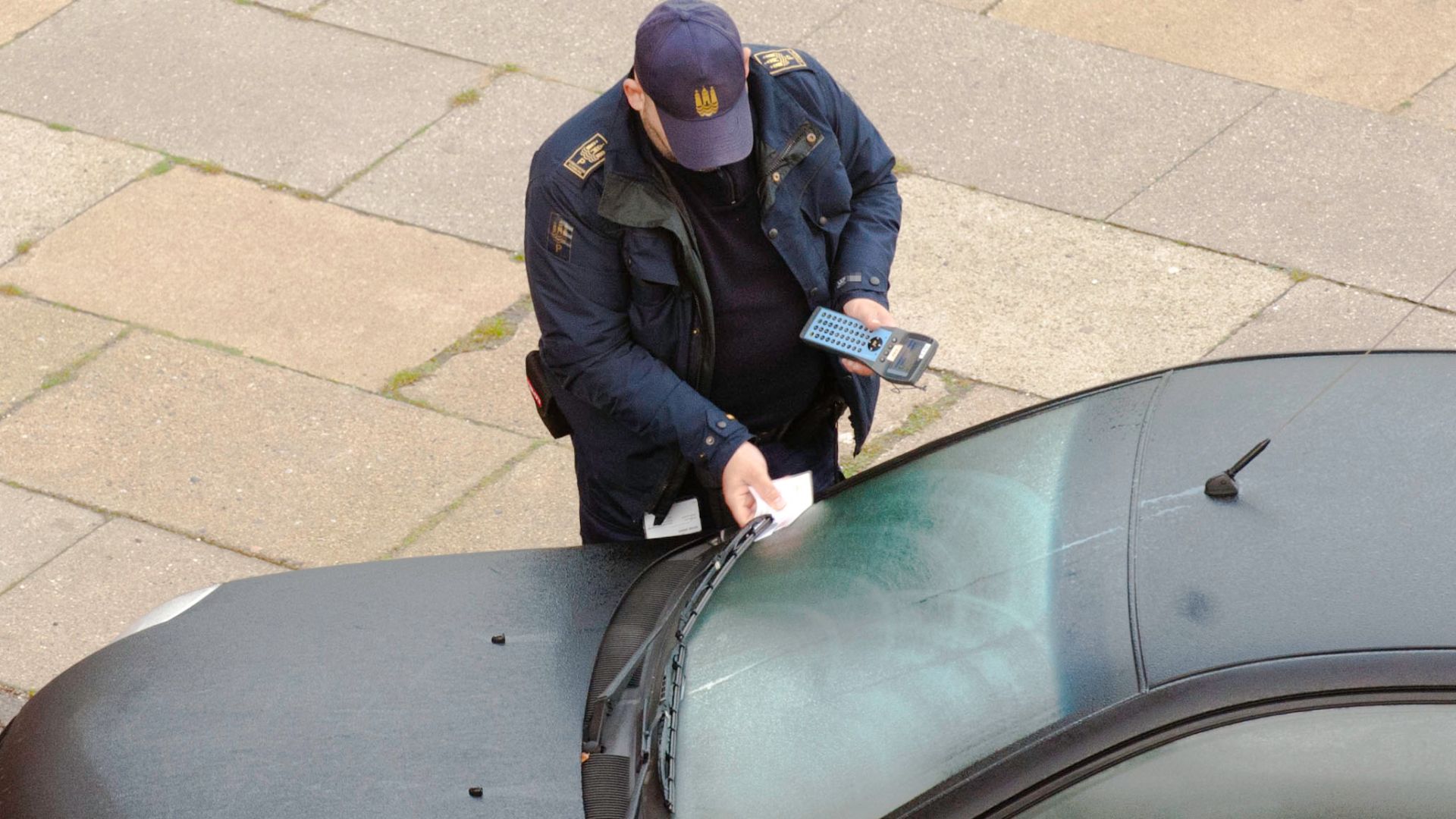
If the lease clearly required visible display, the signs were compliant, the tow was properly authorized, the fees were lawful, and the records are clean, your chances drop. In that situation, your best shot may be a goodwill refund from apartment management rather than a legal win. It is frustrating, but courts often care more about the rules than the fact that the permit fell by accident.
So Do You Have a Real Chance
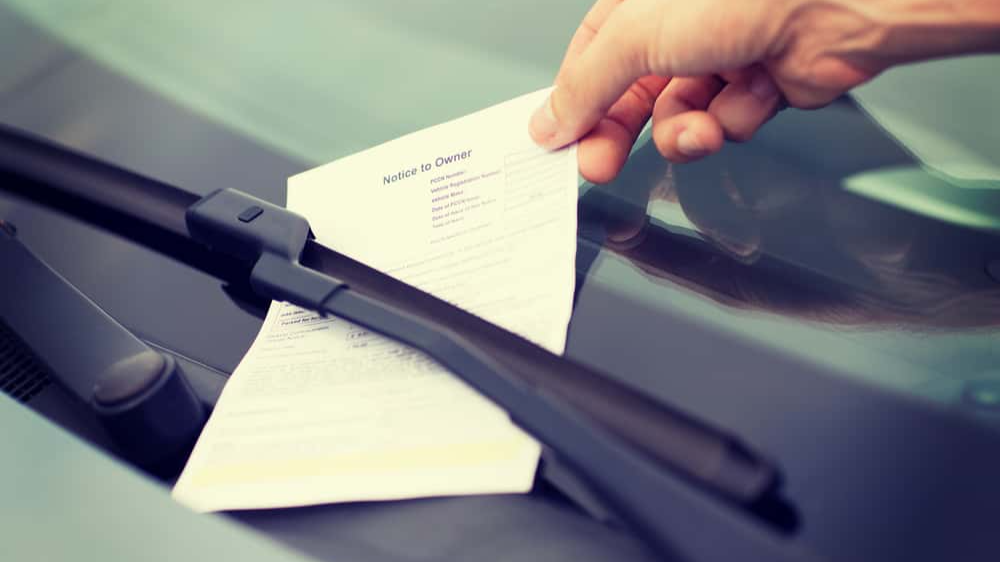
Yes, but it does not turn only on whether you had a permit. The real question is whether the apartment complex and tow company followed the law exactly when they towed your car and charged you. If you gather records quickly, check your state and local rules, and focus on the right pressure points, you may be able to get some or all of your money back.