The Pickup Truck Fight That Starts Overnight
A visitor parks a pickup truck for the night, and suddenly the HOA says it has to go because it “looks like a work vehicle.” That can turn into a fight fast, especially when the truck is just a normal pickup and not some obvious commercial rig. The real question is whether an HOA can single out a vehicle based on how it looks, how it’s used, or how it’s classified.
What HOAs Usually Have Power Over
Homeowners associations usually get their power from recorded covenants, conditions, and restrictions, often called CC&Rs, along with bylaws and adopted rules. Those documents can regulate parking on common property and, in many neighborhoods, even on driveways or private streets. But the rule still has to come from the governing documents, and in many states it also has to be reasonable and enforced the same way for everyone.
Start With The Actual Rule
If an HOA says visitors cannot park pickup trucks overnight, ask for the exact written rule. A board member’s personal view of what “looks like” a work vehicle is not the same thing as a valid rule. The wording matters because many of these disputes come down to whether the restriction bans commercial vehicles, oversized vehicles, vehicles with signs on them, or pickup trucks as a category.

A Pickup Truck Is Not Automatically A Commercial Vehicle
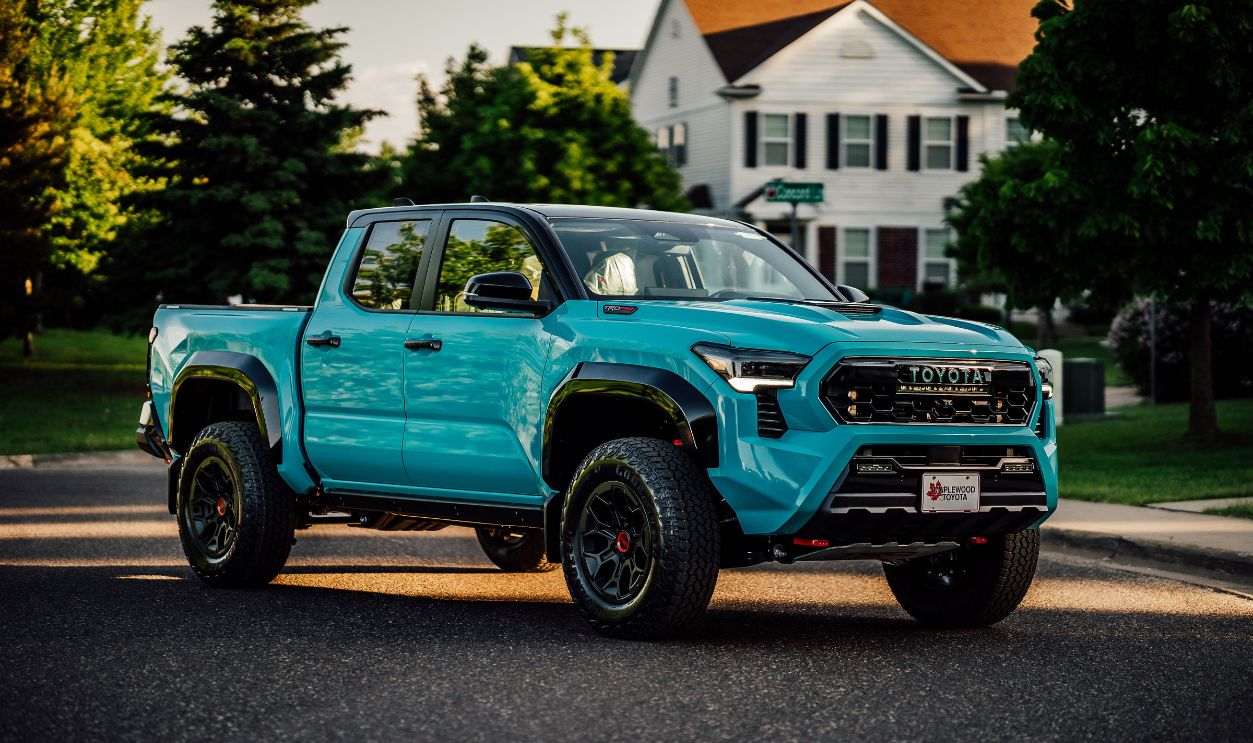
This is where a lot of HOA parking disputes go sideways. A pickup can be a personal vehicle, a mixed-use vehicle, or a commercial vehicle depending on state registration, weight class, equipment, and actual use. If the HOA is judging by looks alone, that can be a weak argument unless the governing documents clearly define what is banned.
Why “Looks Like A Work Vehicle” Can Be A Problem
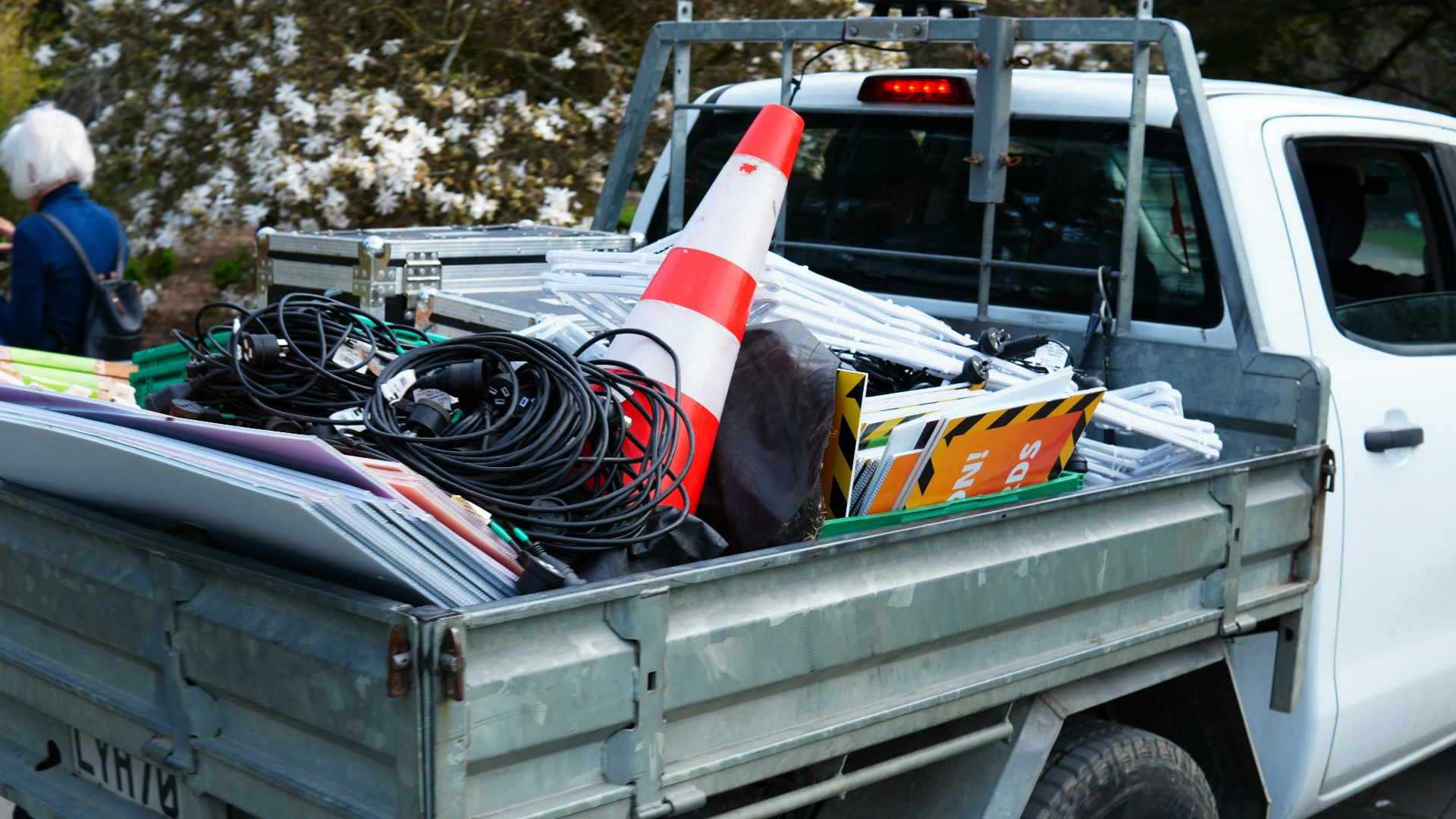
Rules based only on appearance get vague very quickly. One board may think a toolbox in the bed makes a truck commercial, while another focuses on ladders, racks, decals, or a commercial plate. Vague rules often lead to disputes because owners and guests cannot easily tell what is allowed before they park.
Courts Often Look At Reasonableness
In many HOA disputes, courts look at whether the association acted reasonably and stayed within the authority given by its governing documents. The Restatement of the Law, Property, Servitudes, published by the American Law Institute, says rules in common-interest communities must be reasonable. That does not mean every bad rule is automatically illegal, but it does mean arbitrary enforcement can be challenged.

Selective Enforcement Can Be An Even Bigger Issue
If the HOA lets some pickups stay overnight but cites others, the bigger problem may be selective enforcement. Associations usually need to enforce parking restrictions consistently or risk claims that the rule is arbitrary, waived, or unfairly applied. Photos, dates, and written notices can matter a lot if the pattern suggests the board is picking favorites.
Visitors And Owners Are Not Always Treated The Same
Some communities have separate rules for guest parking, time limits, and overnight stays. That means the HOA may have more control over visitor parking than over a resident’s own vehicle. Even so, a visitor restriction still usually needs to be tied to an adopted rule, and it cannot conflict with state law or the association’s own recorded documents.

Commercial Vehicle Restrictions Are Common
Many HOA documents specifically restrict commercial vehicles, especially those with advertising, equipment racks, or visible business materials. Those rules are common because boards often say they protect neighborhood appearance or preserve parking space. Trouble starts when a board stretches a commercial-vehicle rule to cover any pickup truck, even when the truck is privately owned and used like any other personal vehicle.

State Law Can Change Everything
Whether an HOA can restrict pickups often depends on the state. Some states have laws that limit how associations regulate certain vehicles, especially noncommercial passenger vehicles and pickups below certain weight limits. So the answer is not the same everywhere, and the state where the property sits matters a lot.

Texas Is A Major Example
Texas lawmakers put real limits on HOA vehicle restrictions in Texas Property Code Section 202.020. The law says a property owners’ association may not adopt or enforce a rule that prohibits or effectively prohibits an owner from parking or storing a passenger vehicle, including a pickup truck, in the owner’s driveway if the vehicle is authorized, operable, and fits in the driveway. That wording makes clear that lawmakers saw pickups as ordinary personal vehicles, not just work trucks.
Texas Still Allows Some Limits
Texas does not give every vehicle total protection. The statute includes exceptions involving public health, safety, temporary visitor parking, vehicles used for business storage, and vehicles with certain commercial features or conditions in some cases. But the key point is that Texas specifically included pickup trucks in the protected category for owner driveway parking.

Florida Moved In A Similar Direction
Florida updated its HOA law in 2024 through changes to Section 720.3075 of the Florida Statutes. The law says an association may not prohibit a property owner or certain listed people from parking a personal vehicle, including a pickup truck, in the owner’s driveway or other area where parking is allowed by the governing documents. That is a direct sign that a pickup is not automatically something an HOA can ban.

Florida’s Rule Turns On Personal Use
The Florida statute also says an HOA may not ban a work vehicle that is not a commercial motor vehicle if it is not a visible commercial vehicle. That wording matters because it draws lines between personal vehicles, work vehicles, and commercial motor vehicles. It also shows that labels alone do not settle the issue.

Guest Parking Can Still Be A Separate Battle
Even in states that protect owners, visitor parking on common property may be regulated more strictly. If a guest is parked in a designated visitor area, the HOA may have broader authority than it would over a vehicle in an owner’s driveway. In other words, where the truck is parked can matter just as much as what kind of truck it is.

California Often Comes Down To The Documents
California’s Davis-Stirling framework gives HOAs a broad structure for making rules, but boards still have to follow the statute’s procedures and their own governing documents. Parking disputes in California often come down to whether the CC&Rs or operating rules clearly authorize the restriction and whether notice requirements were followed. Davis-Stirling materials commonly used in HOA matters also stress that rules should be clear, properly adopted, and enforced consistently.
 AI25.Studio AI GENERATIVE, Pexels
Classification Matters More Than A Hunch
If the HOA says a pickup is a banned work vehicle, ask what objective standard it is using. Is the truck state-registered as commercial, over a weight limit, covered in business signs, or carrying trade equipment overnight. A rule based on measurable facts is much easier to defend than one based on a board member’s gut feeling.

Federal Fair Housing Law Usually Is Not About Pickups
When people hear the word discrimination, they often think of federal civil rights law. The federal Fair Housing Act bans discrimination based on protected traits like race, color, religion, sex, disability, familial status, and national origin. Vehicle type is not a protected class by itself, so a pickup ban is usually a contract, property, or state HOA law issue unless it is being used as cover for discrimination against people.
 https://kaboompics.com/, Pexels
Disability Accommodations Can Change The Analysis
There is one important fair housing twist. If a resident or occupant needs a certain vehicle setup or parking arrangement as a reasonable accommodation for a disability, the HOA may have legal duties under fair housing law. In that situation, what looks like a routine parking dispute can become a much more serious legal issue.

Ask Whether The Rule Was Properly Adopted
Boards usually cannot just invent a new restriction in the middle of a complaint. Many states require notice, an open meeting, and formal adoption procedures for operating rules. If the overnight pickup ban is not in the CC&Rs or adopted rules, the HOA may be on shaky ground.

Read The Definitions Closely
Some of the most important language may be hidden in the definitions section. Terms like commercial vehicle, recreational vehicle, inoperable vehicle, and nuisance may be defined in ways that change the whole analysis. If pickup truck is not listed and commercial vehicle is tied to registration or signage, that can help show the board is reaching too far.

Documentation Usually Wins
If you are challenging the restriction, gather the governing documents, the violation notice, photos of the truck, and any evidence of similar vehicles being allowed to stay overnight. Save emails and ask for responses in writing. HOA parking fights are often won with a paper trail, not an argument in the street.

A Calm Challenge Works Better
Start by asking for clarification, not by accusing the board of harassment. Ask for the exact rule, the date it was adopted, and the definition the HOA is using for work vehicle or commercial vehicle. A polite request for specifics often reveals whether the association has a real rule or just a strong opinion.

State Statutes Matter More Than Online Advice
Parking disputes attract a lot of confident opinions online, but the real answer is in your governing documents and your state’s statutes. Legislative text, official state resources, and established HOA law references are the safest place to start. That matters because one state may protect pickups while another may leave most of the issue to private rules.

So Can An HOA Discriminate By Vehicle Type
Sometimes yes, but not always, and not in any way it wants. An HOA can often regulate vehicle types if the governing documents or valid rules clearly allow it and state law does not block it. But a blanket claim that a visitor’s pickup cannot stay overnight because it “looks like a work vehicle” may be open to challenge if the rule is vague, enforced unevenly, or conflicts with state protections for pickups and personal vehicles.

The Practical Bottom Line
If this happens to you, do not guess. Read the CC&Rs, check the parking rules, and look up your state’s HOA laws before moving the truck or starting a fight. In one state, a pickup may be treated like any other personal vehicle. In another, it can turn into an overnight headache because of the fine print.