
The Pitch Sounds Almost Too Good
Your friend isn't making things up this time. Many car subscription programs really do roll maintenance, roadside assistance, and sometimes insurance into one monthly payment. The catch is that all that convenience can start to look a lot like renting forever if you stay in it for years and never build any ownership. It can work for some people, but you need to make sure you're making the right choice.

What A Car Subscription Actually Is
A car subscription is a month-to-month or short-term vehicle program that usually includes the car, routine maintenance, and an easier way to cancel or switch vehicles than a traditional lease. Cox Automotive has described subscriptions as an access model that sits somewhere between leasing and renting. In plain terms, you are paying for use and convenience, not ownership.

Why Repairs Are Such A Strong Selling Point
Repair bills are one of the biggest headaches in car ownership, so subscriptions lean hard on that fear. If the program covers maintenance and wear-related service, you can avoid surprise repair costs that wreck a monthly budget. That can sound like a smart move, especially when repair prices and labor costs are still high.

Ownership Has A Different Kind Of Payoff
When you own a car, each payment can move you closer to a vehicle that is fully yours. With a subscription, that finish line usually never comes. Consumer Reports has noted that subscriptions can offer flexibility, but they often cost more than a lease and much more than keeping a car for the long haul.

So Is It Just Renting Forever
In one big sense, yes. You are paying for ongoing access, not for an asset you get to keep at the end. The difference from standard renting is that subscriptions are often aimed at drivers who want a more premium, bundled package and more flexibility than a lease gives them.

The Industry Has Been Testing This Idea For Years
This is not some brand-new app idea. Automakers and retailers started testing subscription-style models in the late 2010s, especially around 2017 and 2018. Brands including Porsche, Volvo, Cadillac, and BMW all tried versions of the concept, though several programs were later changed, paused, or shut down.
 Eden, Janine and Jim from New York City, Wikimedia Commons
Volvo Helped Make Subscriptions Mainstream
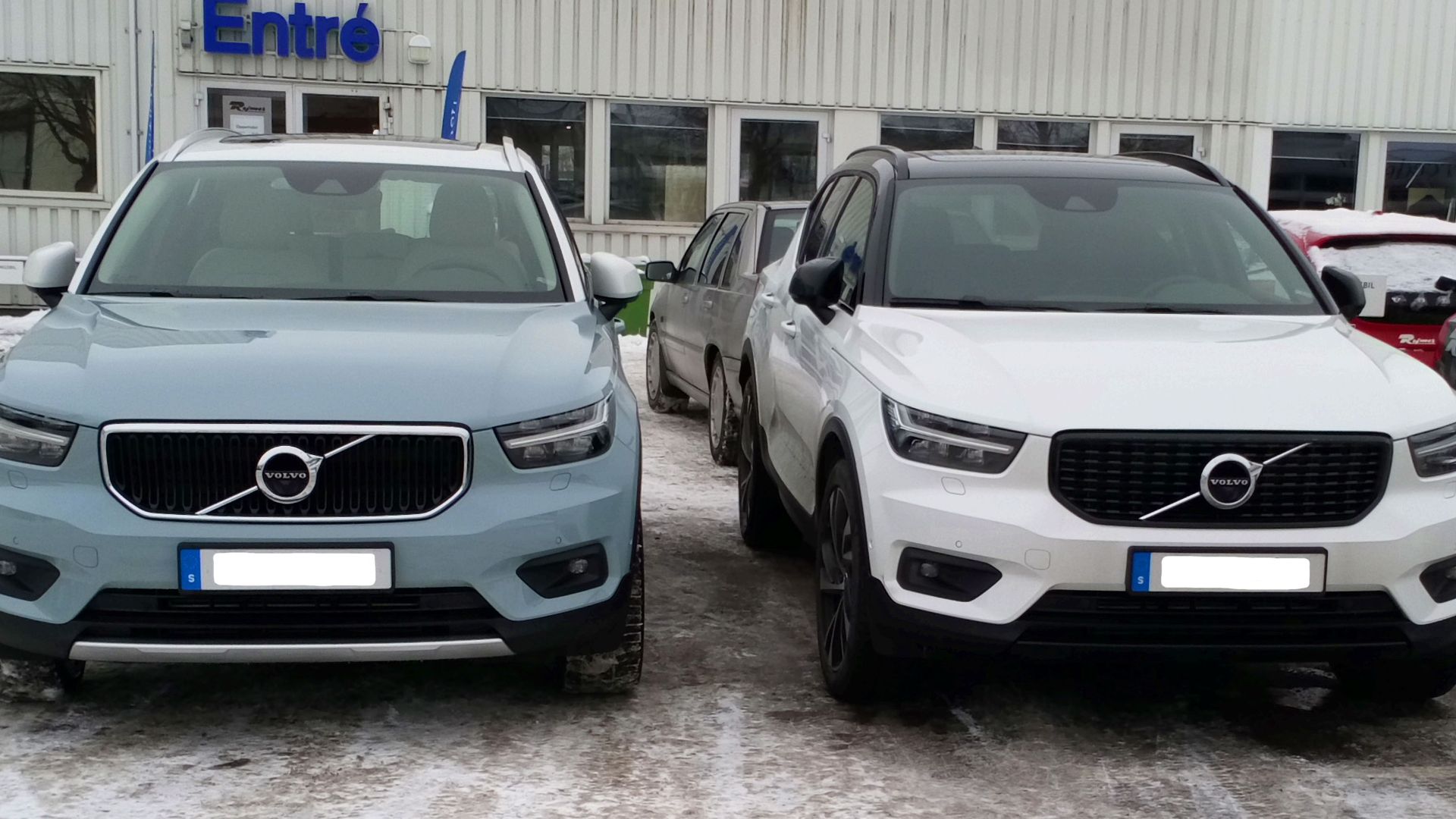
Volvo got major attention with Care by Volvo, which launched in the United States in 2017 around the XC40. The program pushed a simpler monthly payment with maintenance and other services bundled in. It showed why subscriptions were appealing, but it also made clear that simplicity usually comes with a higher price.
 Herranderssvensson, Wikimedia Commons
Porsche Went Even More Upscale
Porsche Passport launched as a subscription pilot in Atlanta in 2017, according to Porsche Cars North America. It gave drivers access to multiple vehicles for a steep monthly fee, making it a sharp test of whether affluent drivers valued flexibility more than ownership. The answer was mixed, but it showed there was real curiosity in the market.
 OWS Photography, Wikimedia Commons
Cadillac Tried It Too
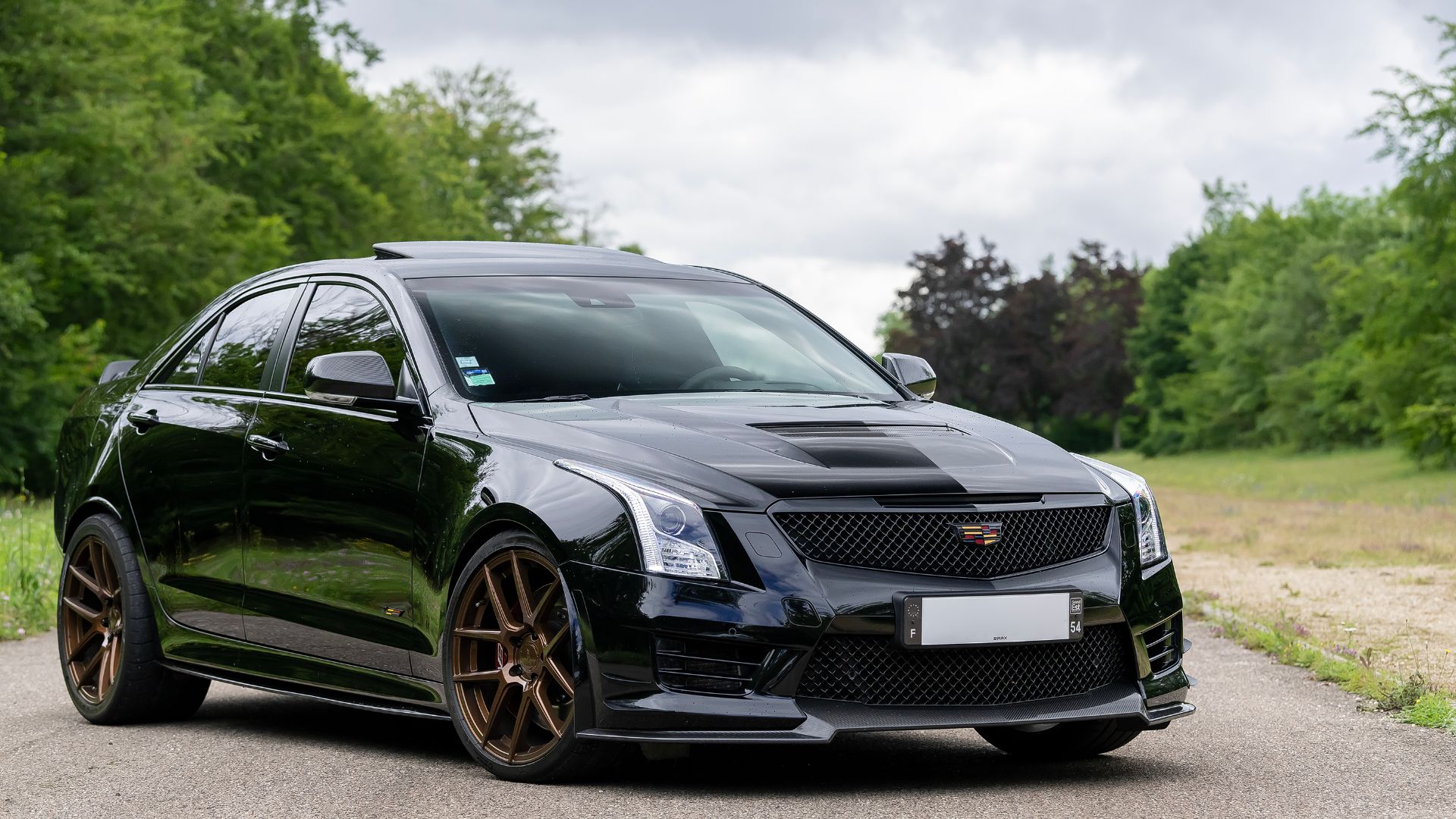
Cadillac BOOK entered the conversation in 2017 as another high-profile subscription experiment. It promised access, concierge-style service, and vehicle swaps, but it was eventually paused and later reworked. That matters because it shows how hard it is to make subscriptions both attractive to drivers and profitable for automakers.
 Alexandre Prevot, Wikimedia Commons
BMW And Mercedes Also Explored The Space
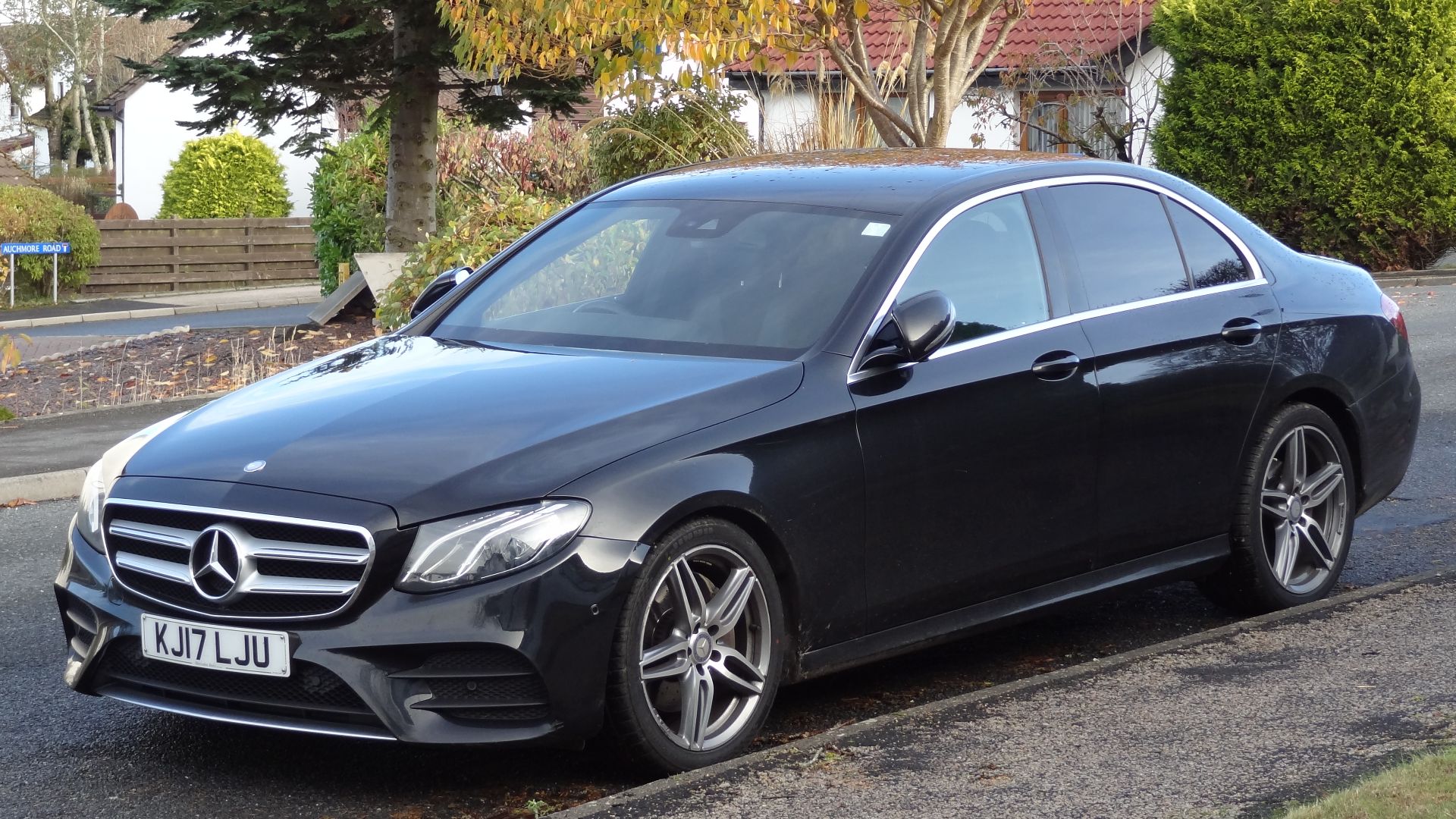
Luxury brands saw subscriptions as a way to attract drivers who wanted flexibility without signing up for a long lease. BMW and Mercedes-Benz each tested programs in the United States in the late 2010s. Several of those pilots were later discontinued, suggesting the model looked stronger on paper than it did in everyday business.
 Iain Cameron, Wikimedia Commons
What You Usually Get In The Monthly Price
The exact package depends on the program, but subscriptions often include the vehicle, scheduled maintenance, roadside assistance, and registration-related costs. Some programs also included insurance, though many did not. That detail matters because insurance is a major expense, and the whole deal looks very different once you add your own policy.

Repairs Included Does Not Mean Everything Included
This is where people get tripped up. Most subscriptions cover routine maintenance and manufacturer-backed service needs, but they do not wipe out every possible charge. Excess wear, damage, mileage overages, and fees for swapping vehicles or ending service can still show up in the fine print.

The Fine Print Is Where The Real Story Lives
If your friend says subscriptions are smarter because repairs are included, the next question is simple: included under what terms. Programs can have mileage caps, geographic limits, cleaning rules, and restrictions on who can drive the vehicle, all of which change the real-world value.

A Subscription Buys Predictability
There is a real advantage here, and it should not be brushed aside. A flat monthly cost can make budgeting easier because you are less exposed to random repair shocks. For people with shifting schedules, temporary moves, or a deep dislike of ownership hassles, that predictability can be worth paying extra for.

But Predictability Usually Costs More
That convenience is rarely cheap. Consumer Reports and multiple industry analyses have warned that subscriptions are usually more expensive than a traditional lease for the same vehicle. If your goal is the lowest total cost, subscriptions are usually not the best answer.

Leasing Is The Closest Traditional Comparison
A lease also shields you from many major repair worries during the term, especially if the car stays under warranty. In that sense, a subscription is not totally unique. What makes it different is the shorter commitment, easier exit options in some cases, and a bundle of services that cuts down on hassle.

Owning A Reliable Car Can Beat Both
The cheapest path for many drivers is still buying a dependable vehicle and keeping it for a long time. Once the loan is paid off, your monthly cost can drop in a big way, even if you budget for maintenance and the occasional repair. It is not flashy, but boring is often where the savings are.

New Cars Already Come With Warranty Protection
If your friend is focused on repairs, remember that many new vehicles already come with factory warranty coverage for several years. That shrinks the repair-risk gap between owning, leasing, and subscribing in the early years. The subscription is adding convenience and flexibility more than solving a one-of-a-kind problem.

Used Car Buyers Need To Think Differently
Someone buying an older used car faces more repair risk than someone subscribing to a nearly new vehicle. In that case, the subscription can feel safer because the maintenance burden shifts to the provider. Still, the monthly cost may be high enough that building a repair fund would be cheaper over time.

Mileage Matters More Than People Expect
Many subscriptions come with mileage limits, just like leases. If you drive a lot, the included repairs may not save you from overage fees. A high-mileage commuter should compare the full annual cost very carefully before calling a subscription the smarter move.
Insurance Can Change The Whole Equation
Some early subscription programs grabbed attention because insurance was part of the package. Others required drivers to carry their own coverage, which made the monthly price look a lot less magical once all costs were added up. Before comparing options, make sure you know whether insurance is bundled or separate.

Flexibility Is The Real Luxury
The strongest case for a subscription is usually not repair coverage by itself. It is the chance to get in and out more easily, sometimes switch vehicles, and avoid the long commitment of a lease or loan. That can be valuable for people whose lives change fast, but not everyone should pay extra for that freedom.

Automakers Learned A Hard Lesson
Several high-profile programs from the late 2010s did not survive in their original form. Reuters reported that some automakers pulled back because the economics were difficult and consumer demand was more limited than the hype suggested. That does not mean subscriptions are useless, but it does mean they are not an obvious win for everyone.

The Smarter Choice Depends On Your Timeline
If you only need a car for a few months or want a temporary bridge without ownership hassles, a subscription can make a lot of sense. If you expect to drive the same car for five years or more, owning usually becomes much easier to justify financially. Your timeline is what really decides the argument.

Ask These Questions Before You Sign
How many miles are included each month. What maintenance is covered, and what counts as damage or excess wear. Can you cancel anytime, and what fees apply if you do. Those questions will tell you faster than any sales pitch whether this is useful convenience or just expensive packaging.
 Henri Mathieu-Saint-Laurent, Pexels
There Is Also A Psychological Factor
Some drivers sleep better knowing a provider handles service and maintenance. Others hate the idea of making payments forever without owning anything at the end. Neither reaction is irrational, because money choices are partly about math and partly about peace of mind.

So What Should You Tell Your Friend
Tell them they are partly right. Car subscriptions can be smart for people who value convenience, short commitments, and protection from many maintenance headaches. But if the question is whether it is basically renting forever, the honest answer is still yes, because you are paying for access, not building ownership.

The Bottom Line For Real Drivers
Repairs included is a nice perk, but it is not a magic trick that suddenly makes subscriptions cheap. For short-term needs and hassle-free driving, subscriptions can be appealing. For long-term value, a sensible purchase or even a traditional lease will often come out ahead.