How Did The Repair Bill Suddenly Double?
Most people expect car repairs to be expensive. What they don’t expect is walking into a repair shop thinking the bill will be manageable, only to get hit with charges thousands of dollars higher than the original estimate. Suddenly the shop won’t release the car until you pay, you can’t afford a lawyer, and the whole situation starts feeling like a financial hostage situation. The good news is that while repair shops do have certain legal rights, customers still have protections too, and there are more options available than panicked drivers initially realize.
Estimates Aren’t Always Final Prices
This is one of the biggest misunderstandings people have about auto repair shops. In many places, an estimate is exactly what it sounds like: an estimate, not a guaranteed final bill. Once mechanics start taking vehicles apart, they sometimes discover additional damage, worn parts, or hidden problems that increase the total cost significantly.

But Shops Usually Can’t Just Charge Anything They Want
Even though estimates can change, repair shops still generally have legal obligations regarding authorization and communication. In a lot of states and provinces, mechanics must get customer approval before performing additional work beyond a certain dollar amount. If they skip that step entirely, the dispute becomes much more serious.

Verbal Approvals Create Huge Problems Later
A lot of repair disputes become messy because conversations happen quickly over the phone. A mechanic may claim the customer verbally approved extra work, while the customer insists they never agreed to thousands of dollars in additional repairs. Without written records, those situations often become frustrating “he said, she said” disputes.
Some Shops Won’t Release The Vehicle Until Payment Happens
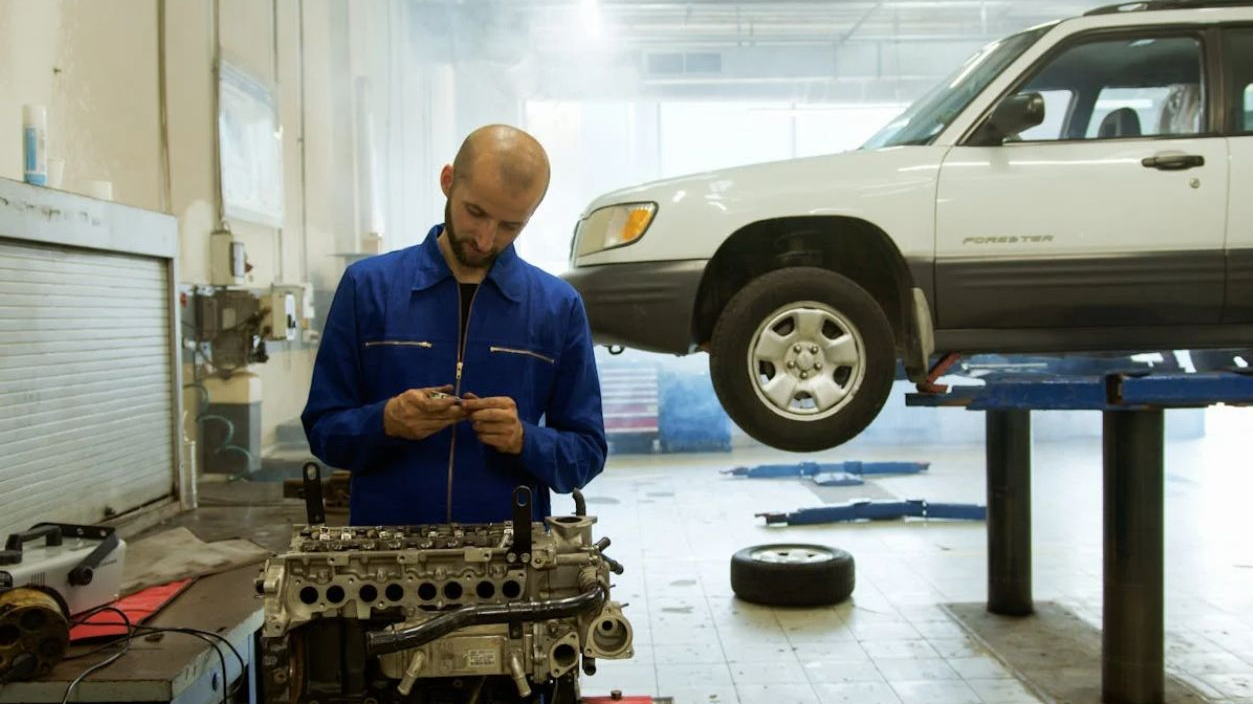
This is where people start feeling trapped financially. Many repair shops can legally hold onto a vehicle under what’s called a mechanic’s lien until the outstanding bill gets paid. In other words, even if you dispute the charges, the shop may still refuse to hand back the keys immediately.
Mechanic’s Liens Are Real, But They Have Rules
A lot of drivers assume holding the vehicle hostage must automatically be illegal. But mechanic’s liens exist in many places specifically to protect repair businesses from unpaid work. The important detail is that shops usually must follow very specific legal procedures for the lien to remain valid.

You Still Have The Right To See An Itemized Bill
If the charges suddenly exploded far beyond the estimate, ask for a detailed breakdown immediately. Legitimate repair shops should generally be able to explain labor hours, parts costs, taxes, shop fees, and exactly what additional work was supposedly required.

Hidden Fees Sometimes Make The Situation Worse
Some customers get shocked by how many extra charges appear on repair invoices. Environmental fees, storage charges, diagnostic labor, disposal costs, specialty tool fees, and markups on parts can quietly push the final total much higher than expected.

Storage Fees Can Add Pressure Fast
Once disputes start, some repair shops begin charging daily storage fees while holding the vehicle. That creates enormous pressure because every extra day potentially makes the bill even larger. People often feel forced into quick decisions simply to stop the costs from growing further.
Financing Options Sometimes Exist
A lot of repair shops partner with third-party financing companies or offer payment plans directly. Obviously, taking on debt is not ideal, especially after an already painful surprise bill. But temporary financing may sometimes help people recover the vehicle while they figure out longer-term solutions.

Credit Card Payments May Offer Some Protection
If the repair bill was paid partially or fully by credit card, certain consumer protections may apply depending on the dispute itself. Chargebacks are not magic solutions, but they sometimes become part of negotiations when customers believe unauthorized work or misleading estimates occurred.

Documentation Matters More Than Almost Anything Else
Save every estimate, invoice, text message, email, voicemail, and written communication connected to the repairs. If the mechanic gave updates over the phone, write down dates, names, and what was discussed. The more organized your records are, the stronger your position becomes later.
 Vodafone x Rankin everyone.connected, Pexels
Consumer Protection Laws May Actually Help You
A lot of people assume they’re powerless without hiring a lawyer. But many places have consumer protection laws specifically covering auto repair estimates, authorization requirements, deceptive business practices, and billing disputes. Small claims court also exists partly for situations exactly like this.

Small Claims Court Exists For A Reason
This is important because people often hear “court” and immediately assume massive legal bills. Small claims court is specifically designed for lower-cost disputes where hiring a full attorney usually isn’t necessary. Rules vary by location, but many repair-bill disputes fall squarely into that category.

State Repair Boards Or Licensing Agencies Sometimes Investigate Shops
In some states or provinces, repair shops operate under licensing systems or automotive repair oversight agencies. Customers may be able to file complaints if they believe unauthorized repairs, deceptive estimates, or improper billing practices occurred.

Some Shops Absolutely Do Pressure Customers
Unfortunately, aggressive repair tactics do happen sometimes. Certain shops know customers feel vulnerable once the car is already disassembled or undrivable. That pressure can make people agree to repairs they never would have approved calmly beforehand.
But Sometimes The Extra Repairs Were Legitimate
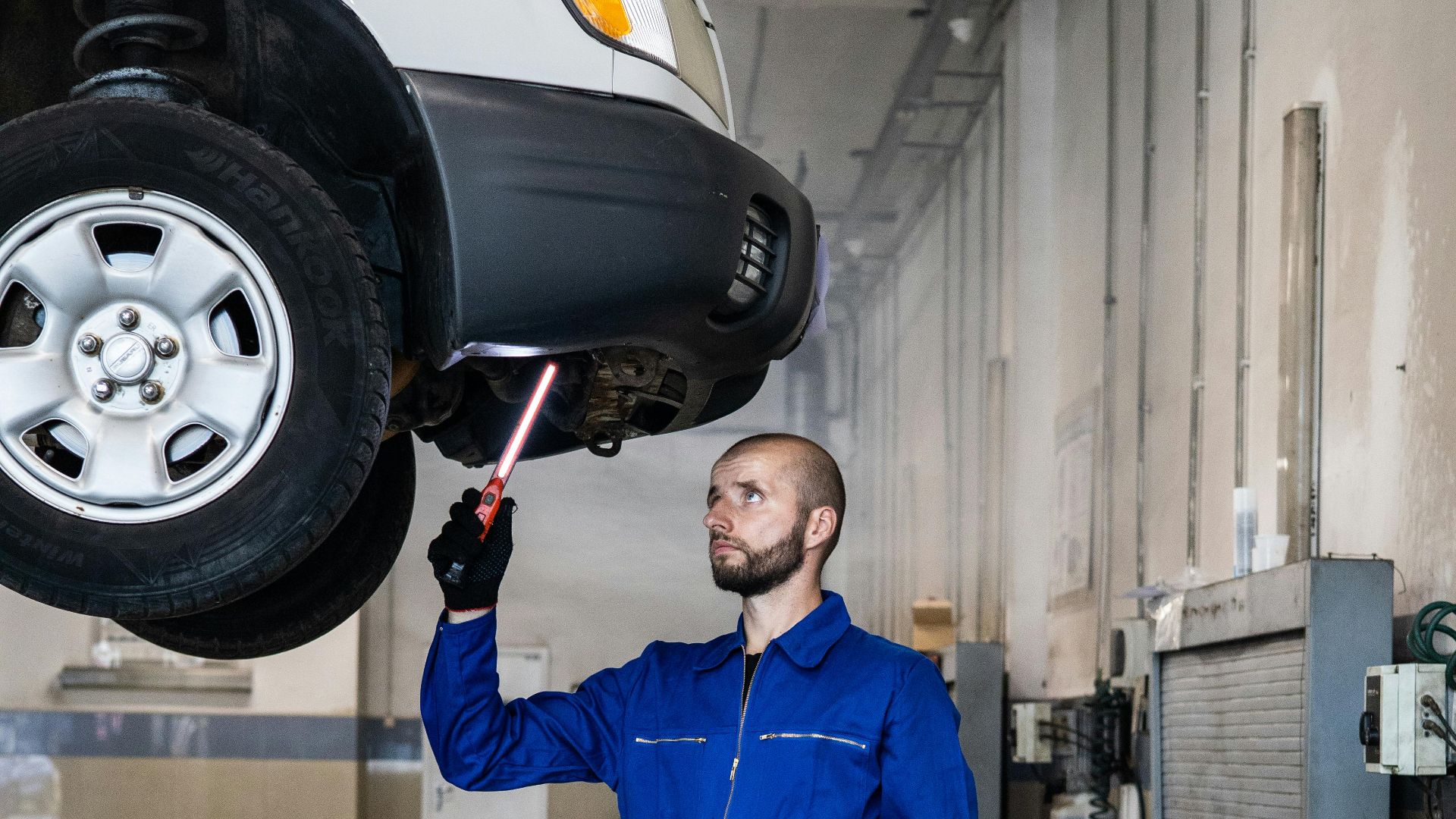
This is the uncomfortable reality in some cases. Modern vehicles are complicated, and mechanics genuinely do uncover hidden problems after opening things up. A shop finding additional damage does not automatically mean fraud or dishonesty occurred.
Second Opinions Become Hard Once The Car Is Torn Apart
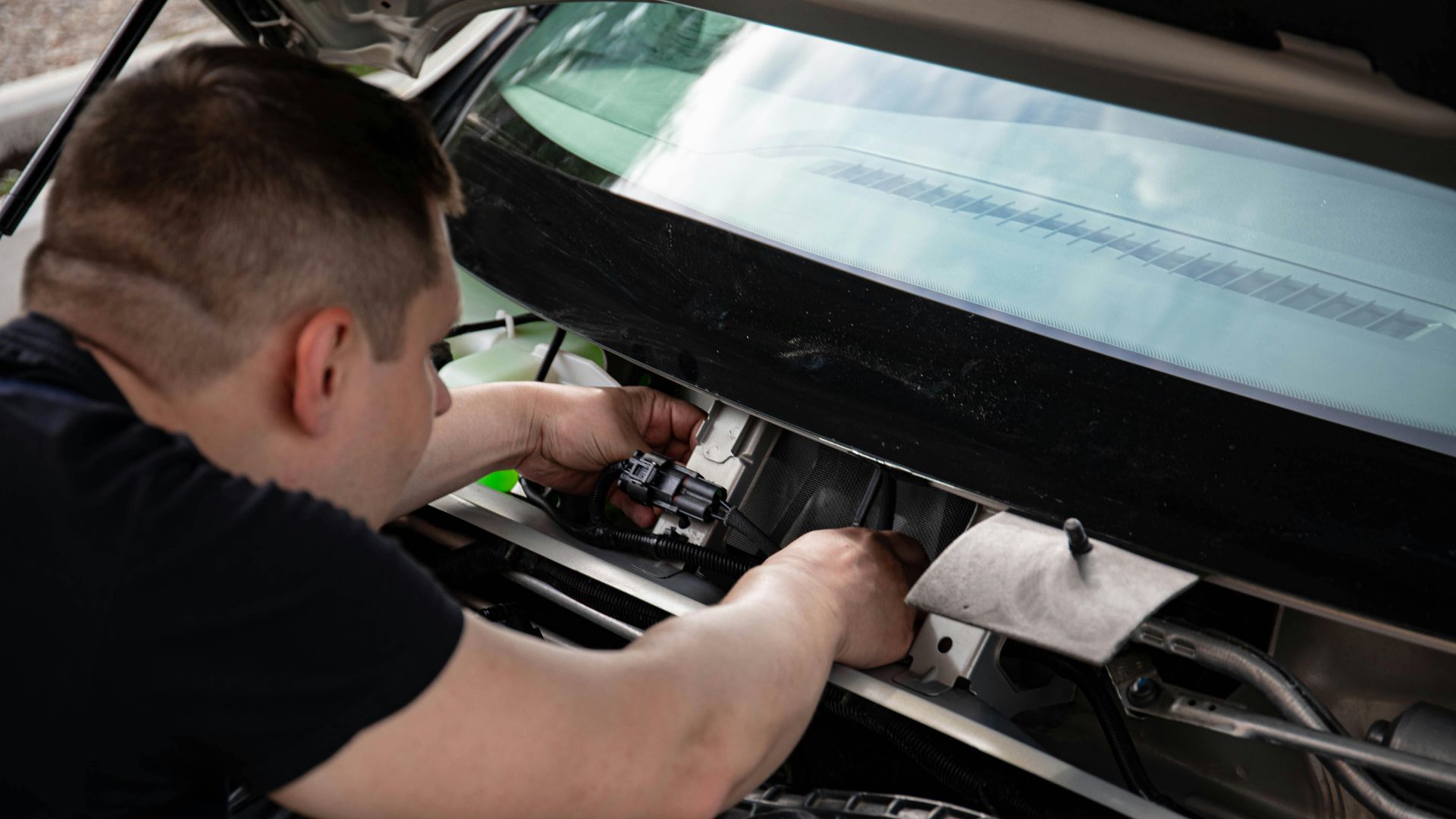
A lot of customers say they wish they’d gotten another opinion earlier. Unfortunately, once a vehicle is already disassembled inside the repair shop, moving it somewhere else for a second estimate becomes much more difficult and expensive.
A Lot Of People Feel Embarrassed Asking For Help
People often blame themselves for not reading paperwork carefully or not understanding repairs better. But honestly, repair disputes happen to plenty of smart, responsible drivers. Auto repair billing gets complicated fast, and many customers only learn how these systems work after getting blindsided once themselves.

So What Should You Do Right Now?
First, ask for a complete itemized invoice and compare it carefully against the original estimate. Then gather every text, email, authorization record, and receipt connected to the repairs. If the shop performed major work without proper approval, look into local consumer protection laws, repair licensing boards, or small claims court options before assuming you’re completely stuck.

Final Thoughts
Getting hit with a repair bill thousands above the estimate feels incredibly stressful, especially when the shop still has your car and hiring a lawyer sounds financially impossible. But repair shops do not automatically get unlimited power simply because the vehicle is already in their garage. Between authorization rules, consumer protection laws, payment disputes, licensing complaints, and small claims court, there are often more options available than frustrated customers initially realize. The key is staying organized, understanding your rights, and not assuming the shop’s first answer is automatically the final word.

You May Also Like:
I got a traffic ticket, but I didn’t think I broke any rules. What's the best way to fight it?