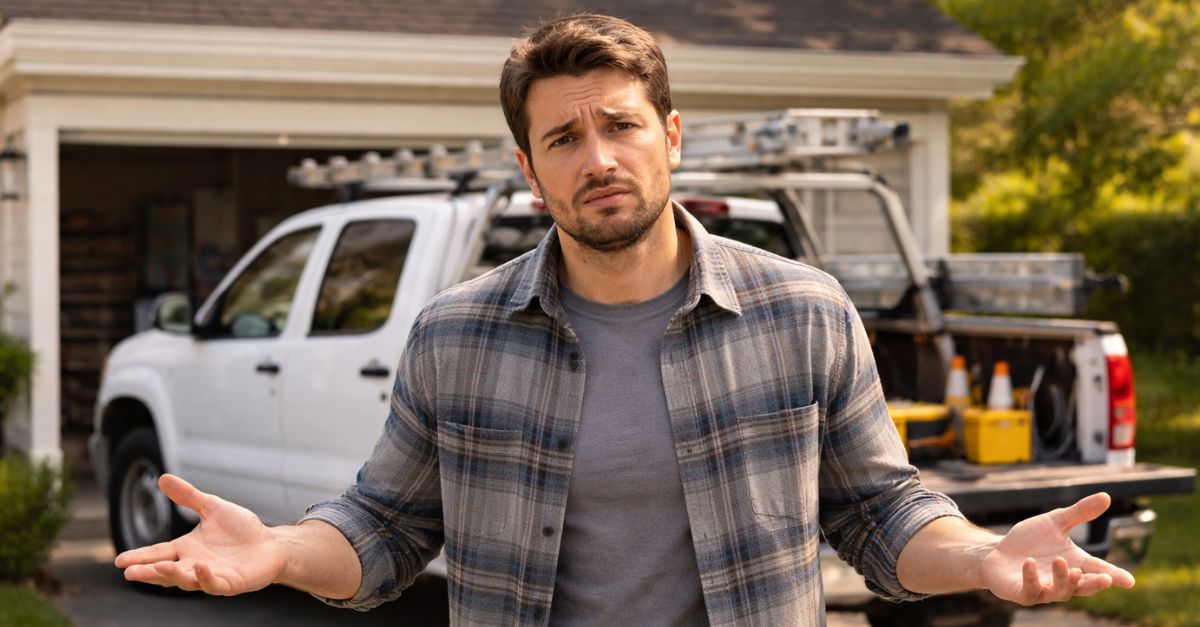
The Letter On Your Windshield Feels Personal
Days after arriving at your new home, the HOA notice shows up on your windshield. It says your work van is a banned “commercial vehicle,” and it will be towed if you continue parking it in your own driveway. Well, believe it or not, homeowners associations really can control what you park in plain view. Whether they can do it in your case depends on the exact rules, your state—and sometimes more specific details like the vehicle’s size, weight, or signage.

Start With The Boring But Important Document
The first place to look is not a neighborhood Facebook group or your next-door neighbor’s opinion. It is your HOA’s official governing documents. Usually this means the declaration of covenants, conditions, and restrictions, often called the CC&Rs, along with any parking rules adopted by the board. The Community Associations Institute notes that parking, signs, and visible property-use restrictions are common in these documents, and they can be enforceable if they were properly adopted.

Why HOAs Usually Have Real Power
HOAs are not just clubs that send passive-aggressive emails. They are private associations created through recorded covenants that come with the property, and courts often treat those covenants as binding on owners. In plain terms, that means an HOA can often regulate driveway parking if the recorded restrictions or validly adopted rules clearly give it that power.

The Whole Fight Usually Comes Down To Definitions
This is where things get messy. “Commercial vehicle” sounds clear until people start trying to define it. Some HOAs ban any vehicle with business lettering, ladders, racks, or visible tools. Others use weight ratings, number of axles, or whether the vehicle is mainly used for work.

Your Work Van Might Not Be “Commercial” Under State Law And Still Be Banned By The HOA
This is the part many owners miss. A vehicle can be registered as a passenger vehicle or light truck under state motor vehicle law and still be treated as “commercial” under HOA rules if the covenants use a broader definition. That does not automatically mean the HOA is right, but it does mean your DMV paperwork may not settle the argument.

Courts Usually Read The Exact Words Closely
When these disputes end up in court, judges usually start with the text of the covenant. If the HOA documents clearly ban commercial vehicles and define them in a way that includes your van, the association often has the stronger case. If the wording is vague, inconsistent, or sloppy, owners may have more room to fight back.

California Added A Notable Limit In 2023
California changed things for some owners with Senate Bill 407, signed in 2023 and folded into the Davis-Stirling Common Interest Development Act. The law says an HOA may not ban parking a public safety agency vehicle in an owner’s driveway if the vehicle is assigned to the owner and certain conditions are met. It is a narrow rule, but it is a real example of a state stepping in to limit HOA parking bans.

What California’s Public Safety Rule Actually Covers
The California legislative materials and the Davis-Stirling explanation make clear that this is not a free pass for every work truck in the neighborhood. The protection is aimed at vehicles assigned by a public safety agency and parked in the owner’s driveway. If you drive a plumber’s van, electrician’s Transit, or HVAC box truck, this specific California rule probably does not help you.

Florida Went Further For Some First Responders
Florida lawmakers also carved out protection, and the timing matters. In 2024, Florida updated its homeowners association law to limit associations from banning certain first responder vehicles, including law enforcement vehicles, in some cases. The statutory language is targeted, not broad, but it shows lawmakers know these fights are common and politically charged.

That Does Not Mean Every Worker Gets A Pass
If you are a contractor, mobile technician, pest control worker, or delivery driver, your rights probably depend on your HOA documents and state law. Most states do not have broad statutes saying an HOA must allow all work vans in driveways. In practice, that means the person with the logo-covered cargo van often has fewer automatic protections than the person with a marked police cruiser under a state-specific rule.

Federal Fair Housing Rules Can Matter Too
There is another angle that can matter a lot. The U.S. Department of Housing and Urban Development says housing providers, including community associations, may need to make reasonable accommodations for residents with disabilities under the Fair Housing Act. If a vehicle is tied to a disability-related need, a blanket parking rule may have to bend.

An Accommodation Request Is Not Just Asking For A Favor
This is where details matter. A resident cannot just say the rule is inconvenient and expect the HOA to drop it. But if the van carries specialized equipment tied to a disability, or the parking setup is connected to a medical or mobility need, the association may have to consider the request under fair housing law.
Signs, Racks, And Tools Often Trigger The Complaints
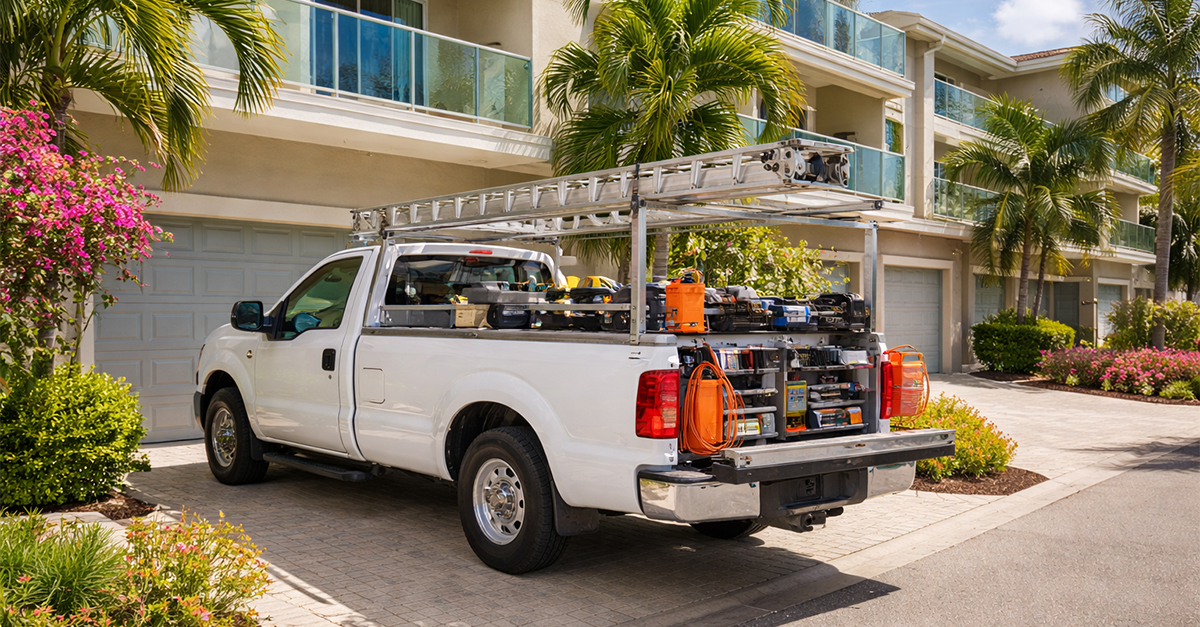
In many neighborhoods, the problem is not just the van. It is what the van suggests. Bright company decals, pipe racks, ladders, bins, and visible inventory tend to draw complaints and push boards to enforce the rules. Some owners reduce conflict by removing magnetic signs after work or parking another vehicle in front, though that only helps if the rules focus on visibility instead of ownership or use.
Weight Limits Can Be A Hidden Problem
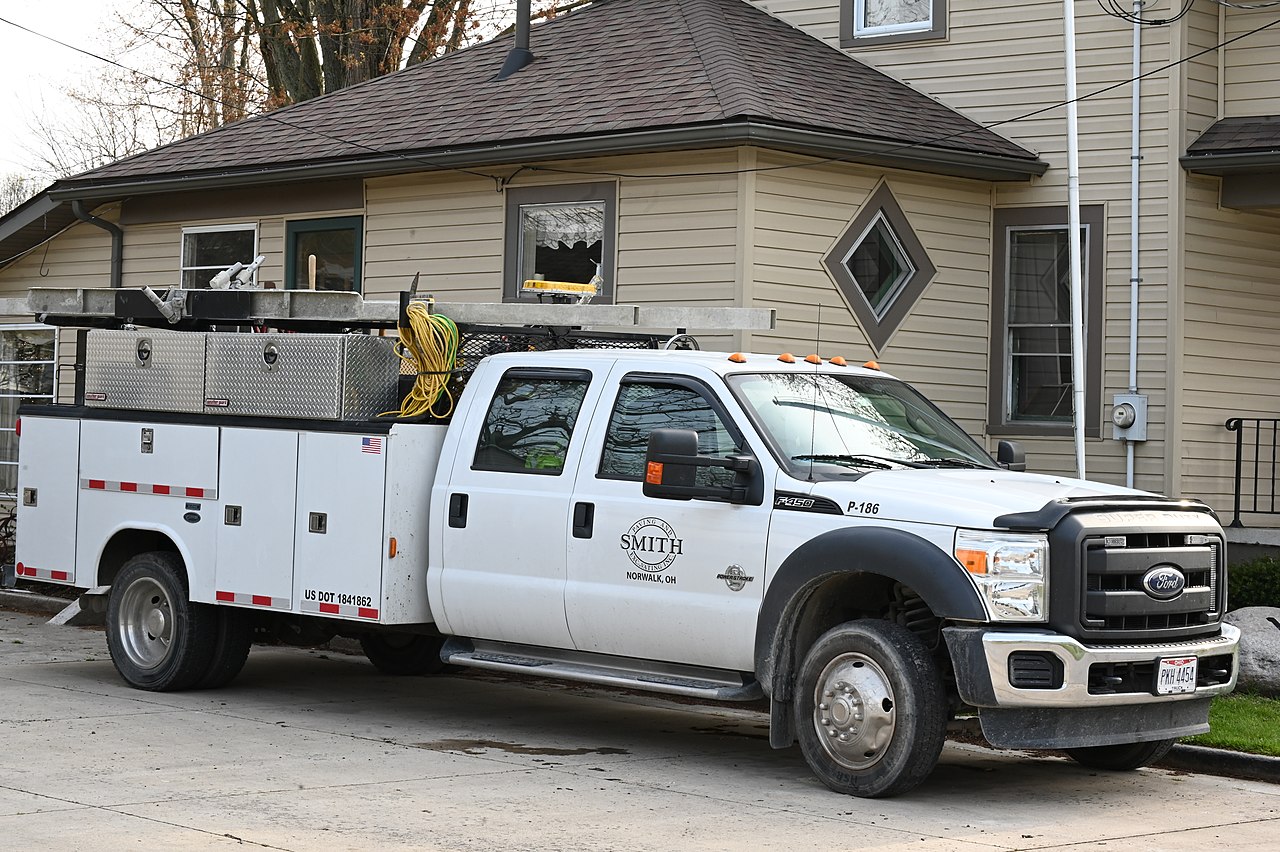
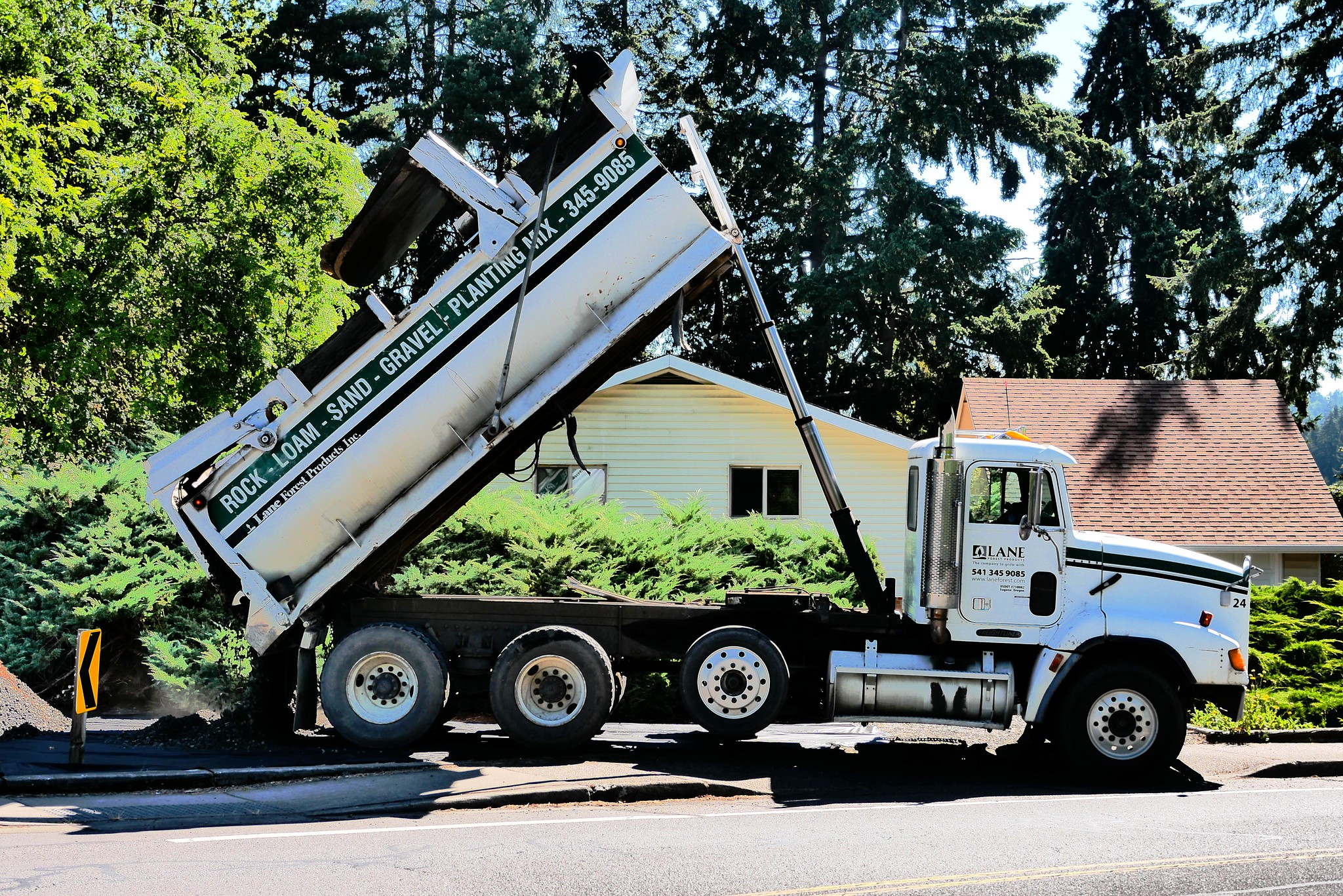
Some HOA rules do not even use the word “commercial.” Instead, they ban trucks over a certain gross vehicle weight rating, oversized vans, or any vehicle with more than two axles. That matters because a work van could violate the rule even without company lettering, while a small unmarked van might slip through if it stays under the stated limits.
Street Parking Is Not Always The Easy Way Out
Lots of owners think they can just move the van from the driveway to the curb and be done with it. That can fail for two separate reasons. The HOA may control private streets in the community, and the city may have its own rules on overnight parking, oversized vehicles, or commercial vehicles on public streets.
Selective Enforcement Can Be A Strong Defense
If your HOA is going after your van while ignoring the same type of vehicles elsewhere, that can matter. Many states recognize some version of a selective enforcement or waiver argument when an association enforces a rule unevenly. It is not always easy to win that way, but photos, dates, addresses, and repeated examples can make your position much stronger.

Procedure Matters More Than Most Owners Think
An HOA usually cannot create a new driveway ban through a casual email blast. The association generally has to follow the procedures in its governing documents and state law to adopt rules, issue fines, and hold hearings. If the board skipped notice requirements, hearing rights, or voting procedures, the violation may be open to challenge even if the rule itself looks valid.

State HOA Laws Can Change Everything
Every state handles community associations a little differently, and those details can completely change the outcome. Florida has extensive HOA statutes. California has the Davis-Stirling Act. Other states lean more on general property and contract law. Before you give in or gear up for a fight, check whether your state has passed a narrow rule that fits your situation.

Do Not Assume “Commercial Plates” End The Debate
Owners often focus on whether the vehicle has commercial plates. That can matter, but it is rarely the whole story. An HOA might define commercial vehicles by how they look or how they are used, while a local ordinance might use registration class, and those systems do not always line up.

Your Best First Move Is A Paper Trail
Ask the HOA, in writing, to identify the exact covenant or rule you supposedly violated. Request the full definition of “commercial vehicle,” the date the rule was adopted, and copies of the violation and hearing procedures. That pushes the conversation away from opinions and toward the actual text that controls.

Photos Can Cut Through A Lot Of Noise
If your van is plain white, fits in the driveway, and has no visible business branding, document that clearly. If similar pickups, vans, or marked vehicles are parked openly in the community, document those too with dates and locations. HOA disputes get heated fast, and a calm set of photos often works better than an angry phone call.

Sometimes The Smartest Move Is A Practical One
If your documents are strong and the board is on solid ground, the cheapest answer may be practical instead of dramatic. Off-site parking, removable signage, garage storage, or switching to a less obvious personal-use vehicle can end the fight. That may feel unfair, but it can cost far less than a legal battle over fuzzy covenant language.

When It Makes Sense To Push Back
You may have a stronger case if the rule is vague, was not properly adopted, is being enforced selectively, or clashes with a specific state-law protection. The same goes if the HOA is stretching a narrow ban into something much broader than the recorded language allows. A short consultation with a local attorney who handles HOA law can quickly tell you whether this is just an annoying fine or a dispute worth fighting.
 Krakenimages.com, Shutterstock
Watch Out For Fines That Start Small And Grow Fast
The real danger in these cases is usually not the first warning letter. It is the pile of fines, late fees, legal costs, and enforcement actions that can come after if you ignore the notice. Depending on the state and the governing documents, an HOA may be able to pursue collections and, in more serious cases, place a lien for unpaid amounts.

There Is No One National Rule
This is the bottom line most drivers do not want to hear. There is no universal rule in the United States saying your HOA can always ban your work van, and there is no universal rule saying it cannot. The answer usually sits in the overlap between your association documents, state statutes, local parking laws, and the specific facts of your vehicle.

So Can They Actually Do It
Often, yes. If the CC&Rs or properly adopted rules clearly restrict commercial vehicles or oversized work vans, and no state-law exception applies, the HOA usually has real power to enforce driveway parking rules. But if the definition is weak, the rule was adopted the wrong way, enforcement is selective, or your state created a targeted exception, the HOA may be pushing too far.
The Smart Driver’s Checklist
Read the CC&Rs and parking rules word for word. Check your state’s HOA statutes and any local parking ordinances, then compare them to your vehicle’s size, markings, registration, and actual use. Put your questions and objections in writing, gather photos, and get legal advice early if the fines start piling up.

The Fine Print Usually Decides It
The fight over your work van may feel ridiculous, but the outcome usually is not decided by common sense. It is decided by definitions, dates, adoption procedures, and a few lines of recorded covenant language most buyers never read closely. In HOA country, the fine print can reach all the way to your driveway.