That One Night Can Echo For Years
If your son crashed the family car while street racing, the fallout may go well beyond the wreck itself. One reckless-driving incident can lead to claim payouts, higher rates, nonrenewal, and a much harder time finding affordable coverage later. In a lot of cases, one bad decision really can reshape a family’s insurance situation, even if it's your name at the top of the policy.
Why This Feels So Scary
Most parents are not just worried about the repair bill. They are worried about whether the insurer will drop the policy, whether rates will spike, and whether the whole household will now be seen as high risk. Those fears are not overblown. Insurers pay close attention to serious violations and at-fault crashes.

Street Racing Is Not A Minor Ticket
Street racing is not treated like an ordinary speeding stop. Depending on the state, it can lead to criminal charges, license suspension, vehicle impoundment, and major insurance trouble. When there is also a crash, things get even more serious because the insurer is looking at both dangerous behavior and a claim loss.

What Insurers Usually Look At After A Crash
Insurance companies usually look at fault, how serious the loss was, the driver’s record, and whether the behavior points to unusually high future risk. A simple fender bender and a crash tied to racing are not viewed the same way. A carrier may see racing as a sign that the driver is much more likely to cause another costly claim.

Yes, A Company Might Drop You
In plain terms, yes, your insurance company might decide not to keep your policy. Consumer guidance from major insurers and insurance-information groups makes clear that a carrier may choose not to renew after serious violations or multiple claims. It does not happen every time, but it is absolutely possible after a racing-related crash.

Cancellation And Nonrenewal Are Not The Same Thing
This difference matters. Cancellation usually means the insurer ends the policy before the term is over, while nonrenewal means it will not continue coverage once the current term ends. State rules often limit when a company can cancel a policy midterm, but nonrenewal at renewal time is usually easier for insurers if they give proper notice.

What State Regulators Say
State insurance departments lay out these rules clearly. In general, companies must give written notice before cancellation or nonrenewal, and the amount of notice depends on state law and the reason. So you may not lose coverage overnight, but you could still get bad news when renewal gets close.

Why One Claim Can Hit So Hard
Not every accident wrecks a policy, but a major claim can. If the family car is totaled, if another driver was hurt, or if property damage was extensive, the payout can be large. Insurers price coverage based on risk, and a big at-fault loss tied to dangerous behavior can quickly push that risk calculation in the wrong direction.
The Son’s Driving Record Matters Too
If your son already had tickets, prior crashes, or other moving violations, this incident can look even worse. Carriers often rate households in part based on the riskiest drivers on the policy. A young driver with a fresh racing-related crash can become the reason premiums jump for everyone in the home.
Young Drivers Already Cost More To Insure
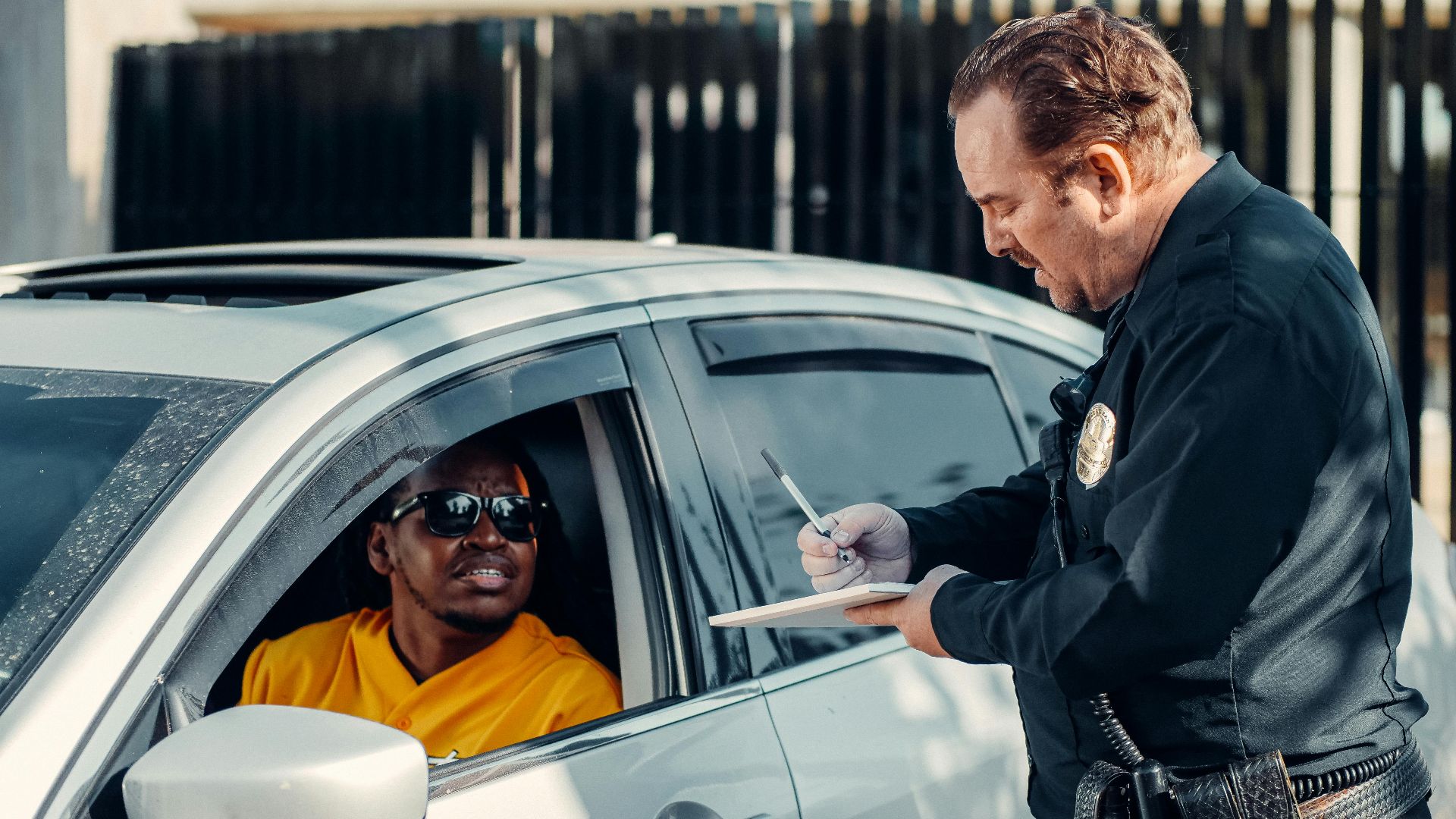
Teen and young adult drivers usually cost more to insure because they have less experience and are statistically more likely to crash. The Insurance Information Institute has long noted that insurers use claim history and other risk factors when setting premiums. Add a street-racing crash to that picture, and the increase can be brutal.

Reckless Driving Can Be The Real Insurance Trigger
Sometimes the paperwork that matters most is not the phrase street racing itself, but the actual citation or conviction behind it. Reckless driving, excessive speeding, exhibition of speed, or racing on highways can all signal major risk to an insurer. If the court record shows a serious violation, the carrier may act even if the family hoped the crash would be treated like a normal accident.

What Happens If There Was A Conviction
A conviction can follow the claim for years. Insurers often pull motor vehicle reports at renewal, and newly posted violations can affect both price and eligibility. If your son pleads guilty or is found guilty of a serious driving offense, that can become a key reason for a rate hike or nonrenewal.

Could The Claim Be Denied Entirely
That depends on the policy wording and the facts, so families should not guess. Standard personal auto policies cover many accidents caused by negligence, but intentional acts, excluded uses, fraud, or major misstatements can lead to coverage disputes. Street racing does not automatically mean every claim gets denied, but it can make the investigation much tougher.

Liability Coverage Is The Biggest Financial Danger
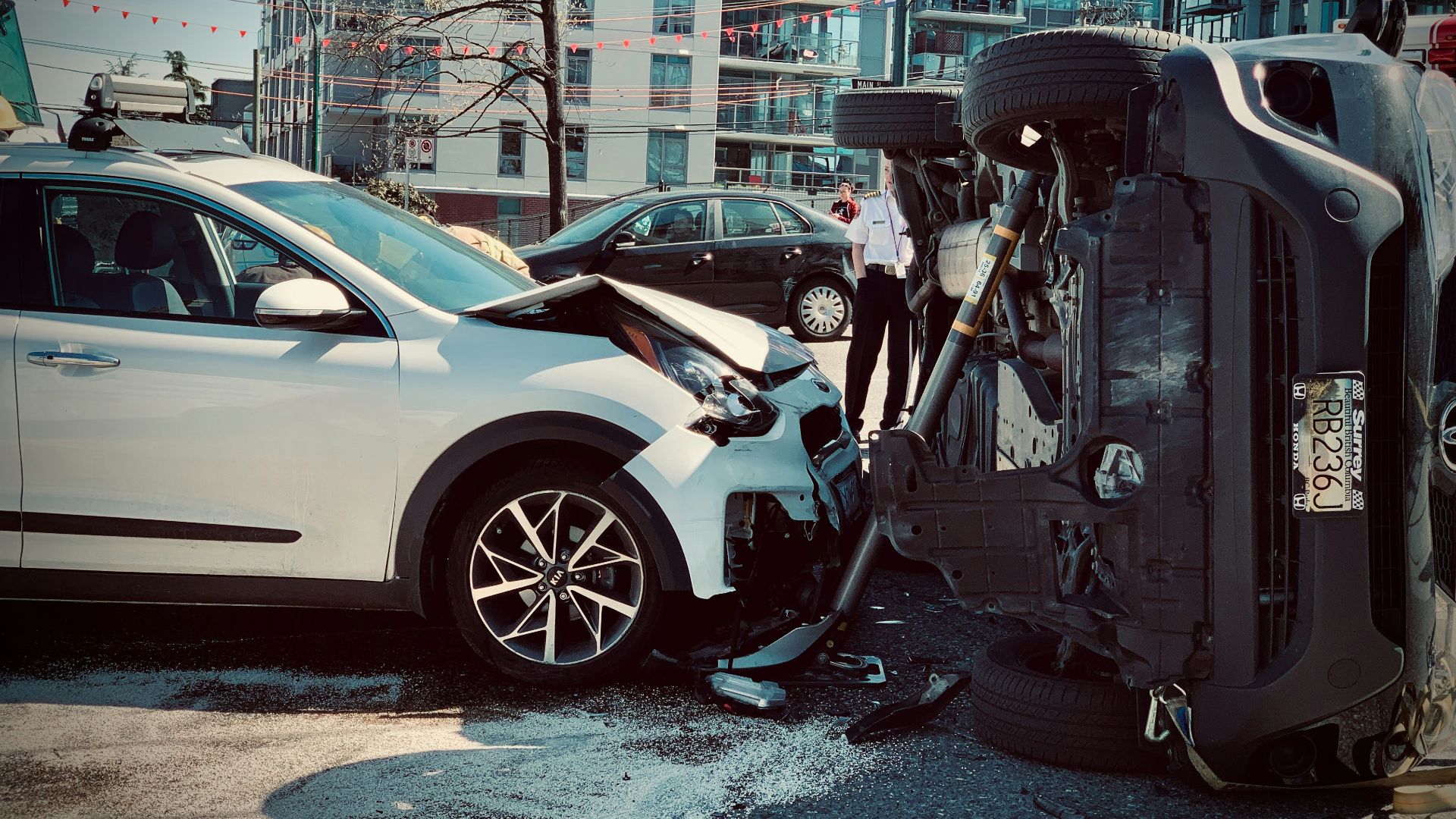
The biggest risk is often not the family car. It is the damage your son may have caused to other people, their cars, or their bodies. If there were injuries and the costs go beyond your liability limits, the family could be left facing out-of-pocket losses beyond insurance.
If Your Son Lives At Home, The Whole Policy Can Feel It
In many households, all resident drivers are part of the risk picture, even if they do not drive every car every day. If your son is listed on the policy, or should have been disclosed as a household driver, his crash can affect the premium for the whole family. That is one reason one person’s mistake can drag down everyone else in the house.

Can You Remove Him From The Policy
Sometimes yes, but it is not always simple. If he lives with you and has regular access to the cars, the insurer may require him to be listed, rated, or formally excluded where state law allows. Excluding him can reduce future risk to the policy, but it also means he cannot legally drive the covered cars and still expect coverage under that policy.

An Excluded Driver Is A Serious Step
Families sometimes hear this option and think it fixes everything. It can help protect the household policy from future losses tied to that driver, but it draws a hard line. If an excluded driver takes the car anyway and crashes, coverage may not apply, and that can create a much bigger financial mess.

If The Company Nonrenews, You Still Have Options
Being dropped by one insurer does not mean you can never get coverage again. It does mean shopping may get painful and expensive, especially with a recent major violation on the record. Independent agents, high-risk insurers, and state residual market options may all become part of the next step if standard carriers say no.

Expect Premiums To Climb
Even if the insurer keeps you, the renewal offer may be rough. Rate increases can reflect the at-fault crash, how costly the claim was, and any serious moving violation tied to the incident. Families often get hit twice, first by the accident itself and then by the long stretch of higher premiums that follows.

How Long Will This Follow You
That depends on state law, insurer rules, and the exact violation. Driving infractions and at-fault accidents often affect premiums for several years, though the timeline varies. The sharpest hit usually comes in the first renewal cycle after the crash, when both the claim and the driving record are fully visible to underwriting.
 Vodafone x Rankin everyone.connected, Pexels
Do Not Wait For The Renewal Letter
If a racing-related crash just happened, now is the time to call the insurer and understand the claim status, not six months from now. Ask whether the driver will remain acceptable on the policy, whether exclusions are possible, and when underwriting will review the file. Straight answers early can help you prepare for shopping around or making changes at home.

Be Careful What You Say, But Be Honest
Families should tell the truth during the claims process and when applying for new insurance. Misstatements can create even bigger coverage problems and make future underwriting harder. Stick to documented facts, provide what the carrier asks for, and if the stakes are high, consider getting legal advice.
 National Cancer Institute, Unsplash
This Is Also A License Problem
The insurance problem may be only part of the damage. State motor vehicle agencies and courts can impose suspensions, points, fines, and other penalties for racing or reckless driving. If your son loses his license, that may affect whether he can or should stay on the household policy at all.
Parents Often Ask If They Are Legally On The Hook
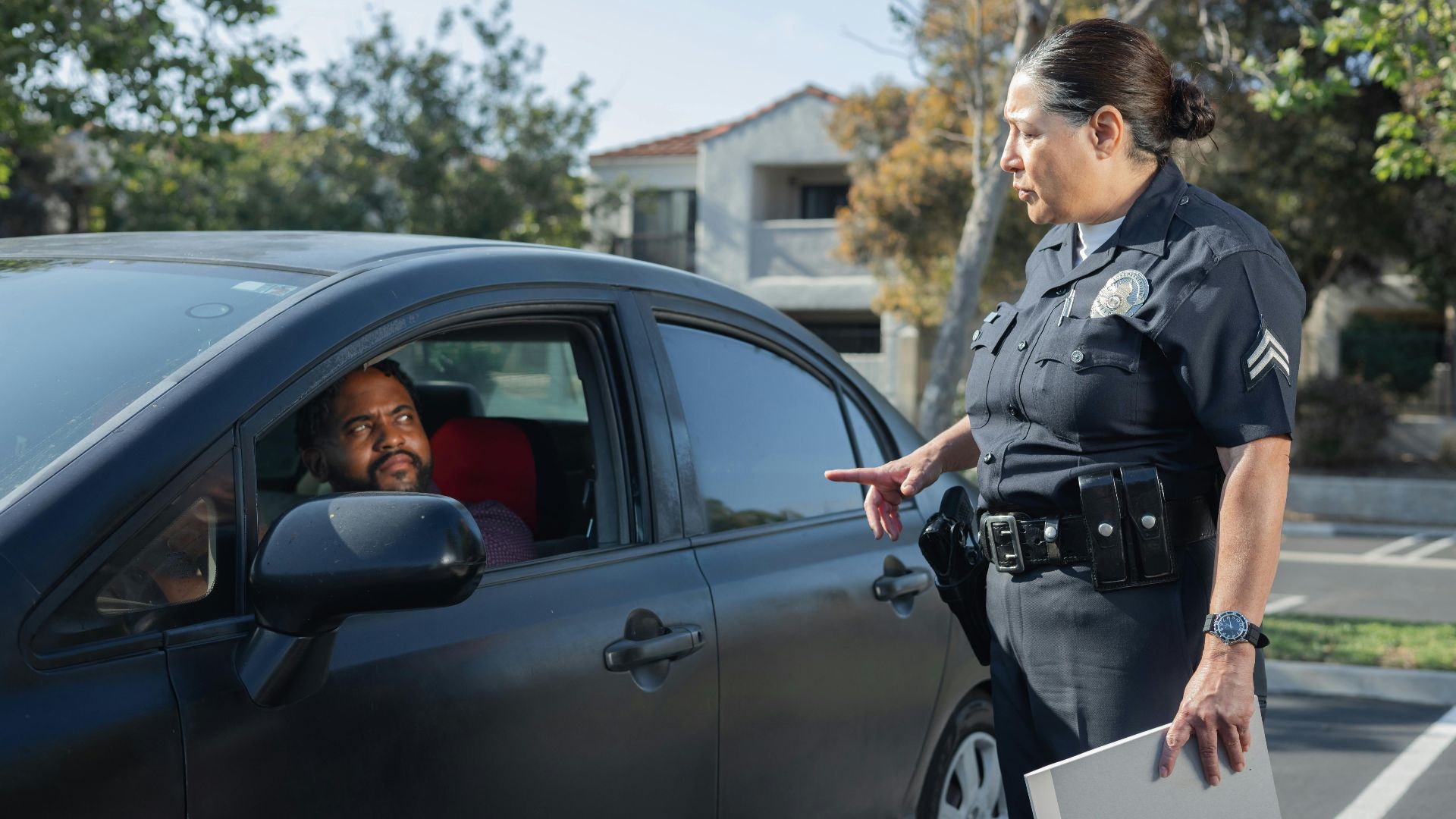
The answer depends on who owns the car, state law, your son’s age, and what exactly happened. If the parents own the vehicle, signed for a minor’s license, or face claims tied to negligent entrustment, the risk can grow fast. That is why serious injury crashes involving family vehicles can justify a call to a lawyer, not just an adjuster.

What To Do Right Now
Start by gathering the crash report, the citations, the current declarations page, and the full policy wording. Confirm who was driving, what charges were filed, what injuries or property damage are being claimed, and when the policy renews. Then ask the insurer direct questions and get quotes elsewhere before you are forced to scramble.

What To Do Before It Happens Again
Lock down access to the keys if your son is not supposed to drive. Consider excluding him from the policy if the insurer and state rules allow it, or require him to carry separate coverage if he has his own car. Most of all, make it clear that street racing is not harmless teenage behavior. It is a fast way into legal, financial, and insurance trouble.

So, Can One Mistake Really Ruin Everything
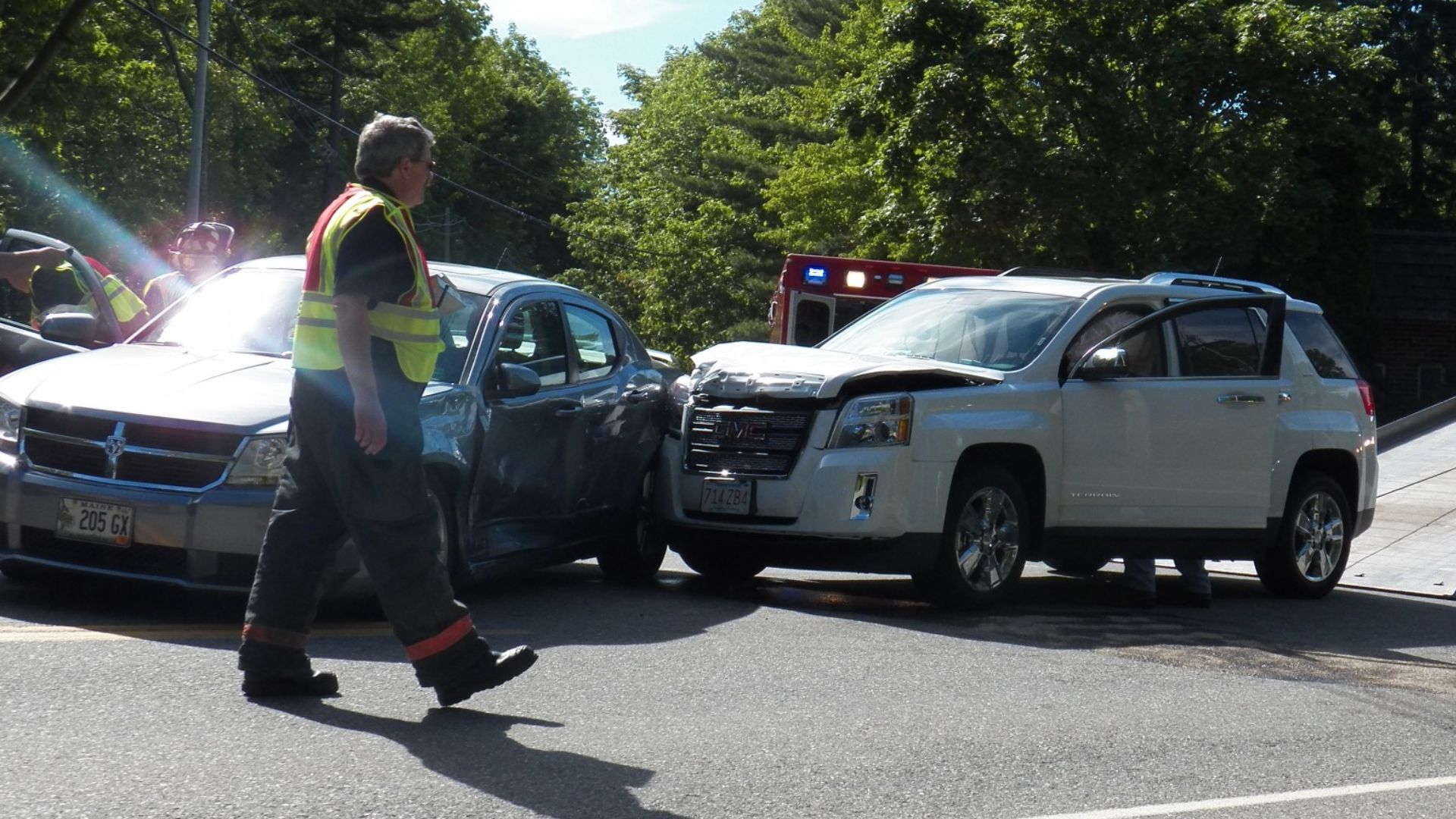
It may not ruin everything, but it can absolutely change everything. One street-racing crash can lead to nonrenewal, much higher premiums, a damaged driving record, and major financial stress for the whole household. There is usually still a path forward, but after a mistake like this, that path is often narrower, pricier, and far less forgiving.
 Junior Libby, Wikimedia Commons