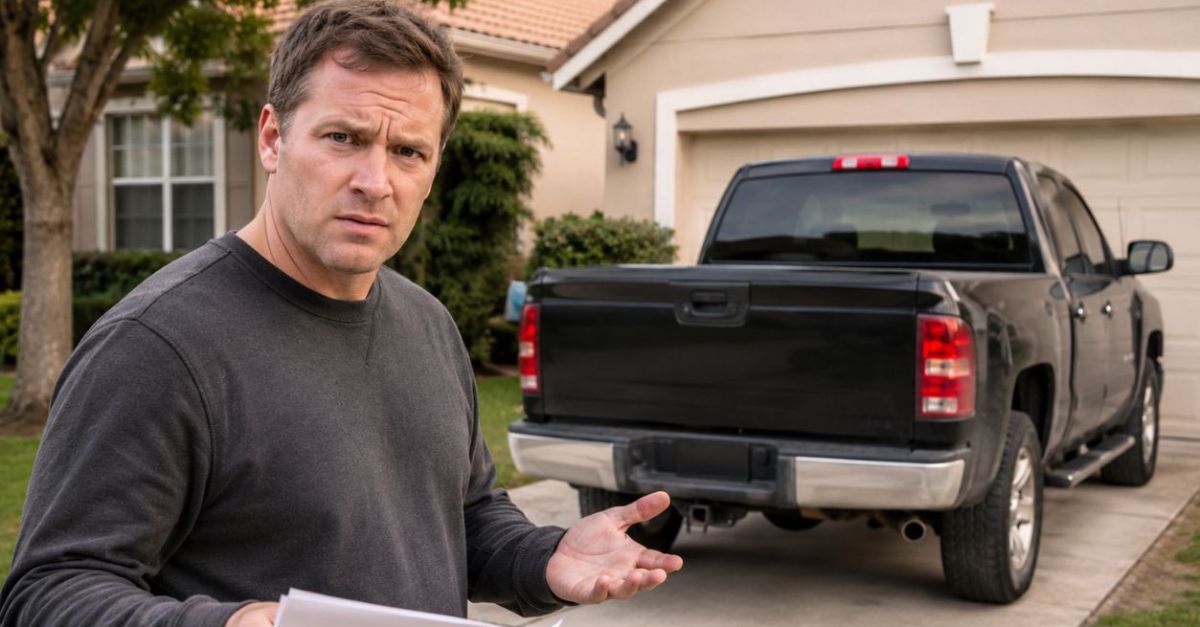
Why Your Pickup Can Turn Into An HOA Fight
You come home in the work pickup you use like any other personal vehicle, and then a letter shows up saying it looks “too commercial” for the driveway. It sounds ridiculous until you realize many homeowners associations really do regulate what can be parked in view. Whether they can enforce it depends less on anyone’s opinion about trucks and more on the exact wording in the community’s rules and state law.
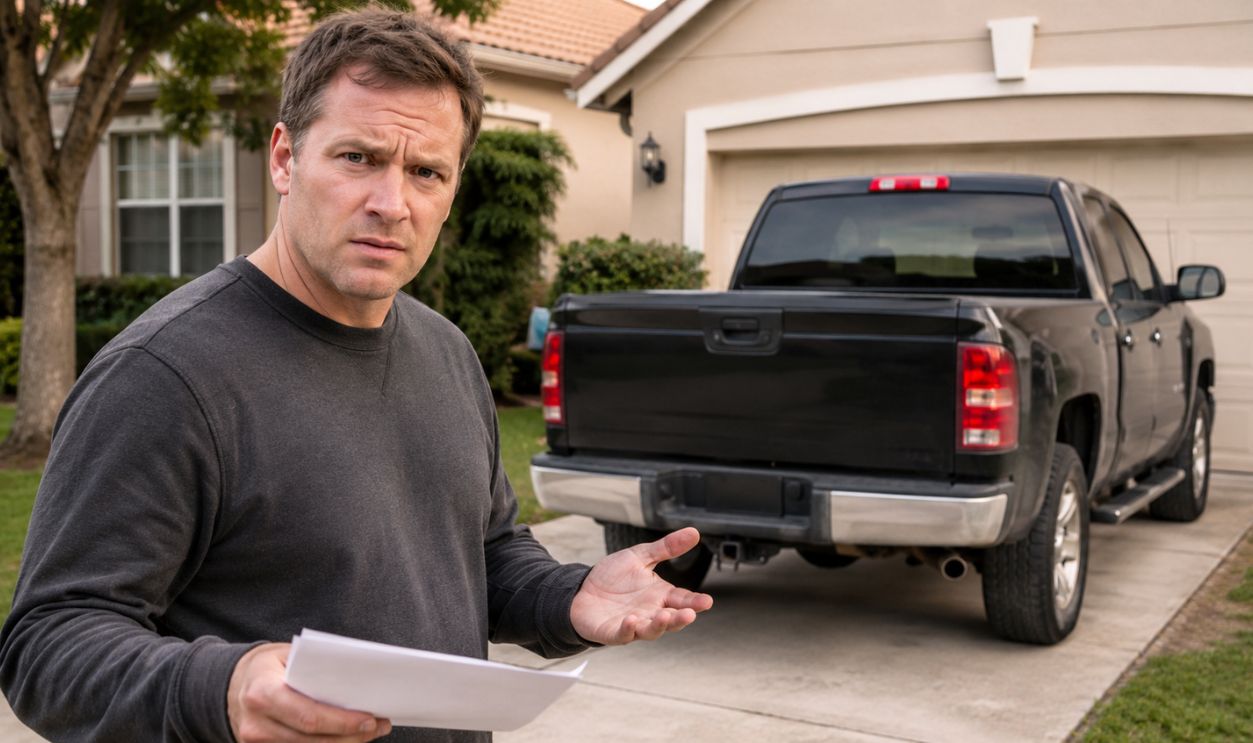
The First Place To Look Is Not The Driveway
The answer usually starts with your HOA’s declaration of covenants, conditions, and restrictions, often called the CC&Rs. Those recorded rules are the core of what the association can regulate, and parking limits are often buried there or in separately adopted rules. If the wording is fuzzy, the whole fight can come down to how “commercial vehicle” is defined, or whether it is defined at all.

What “Commercial Vehicle” Usually Means
This is where things get tricky. Some HOAs define commercial vehicles by weight, signage, ladder racks, tool bins, or whether the vehicle is registered to a business. Others use much looser wording like vehicles with a commercial appearance, which is exactly the kind of phrase that sparks fights over ordinary pickups.
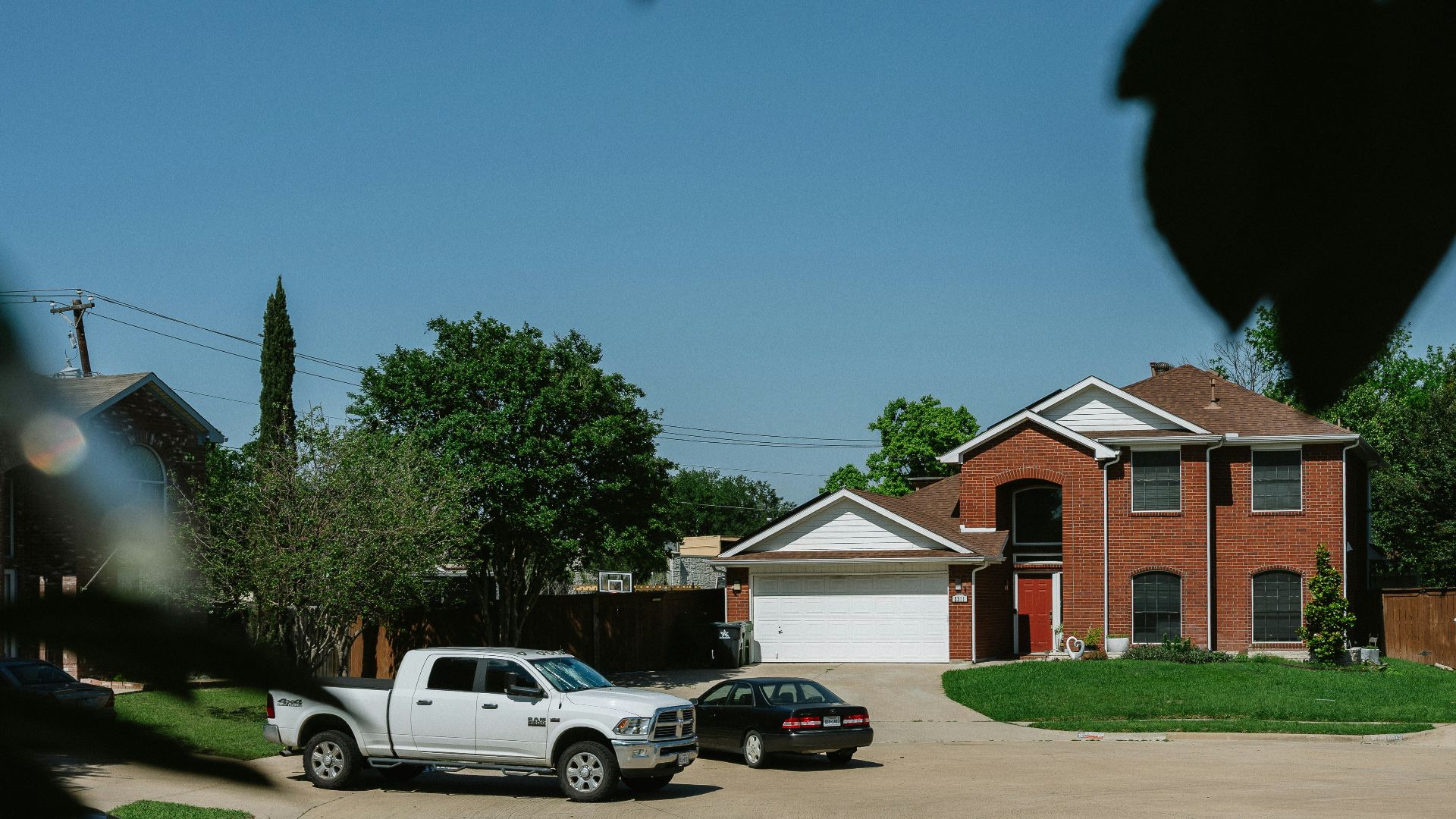
Why A Plain Pickup Is Not Automatically Commercial
A pickup truck is not automatically a commercial vehicle in ordinary legal use. Plenty of people drive pickups for family trips, commuting, towing, and weekend projects with no business use at all. If your HOA wants to ban it, the issue usually comes down to whether the governing documents clearly say that a pickup, or a truck with certain visible features, cannot be parked in the driveway.
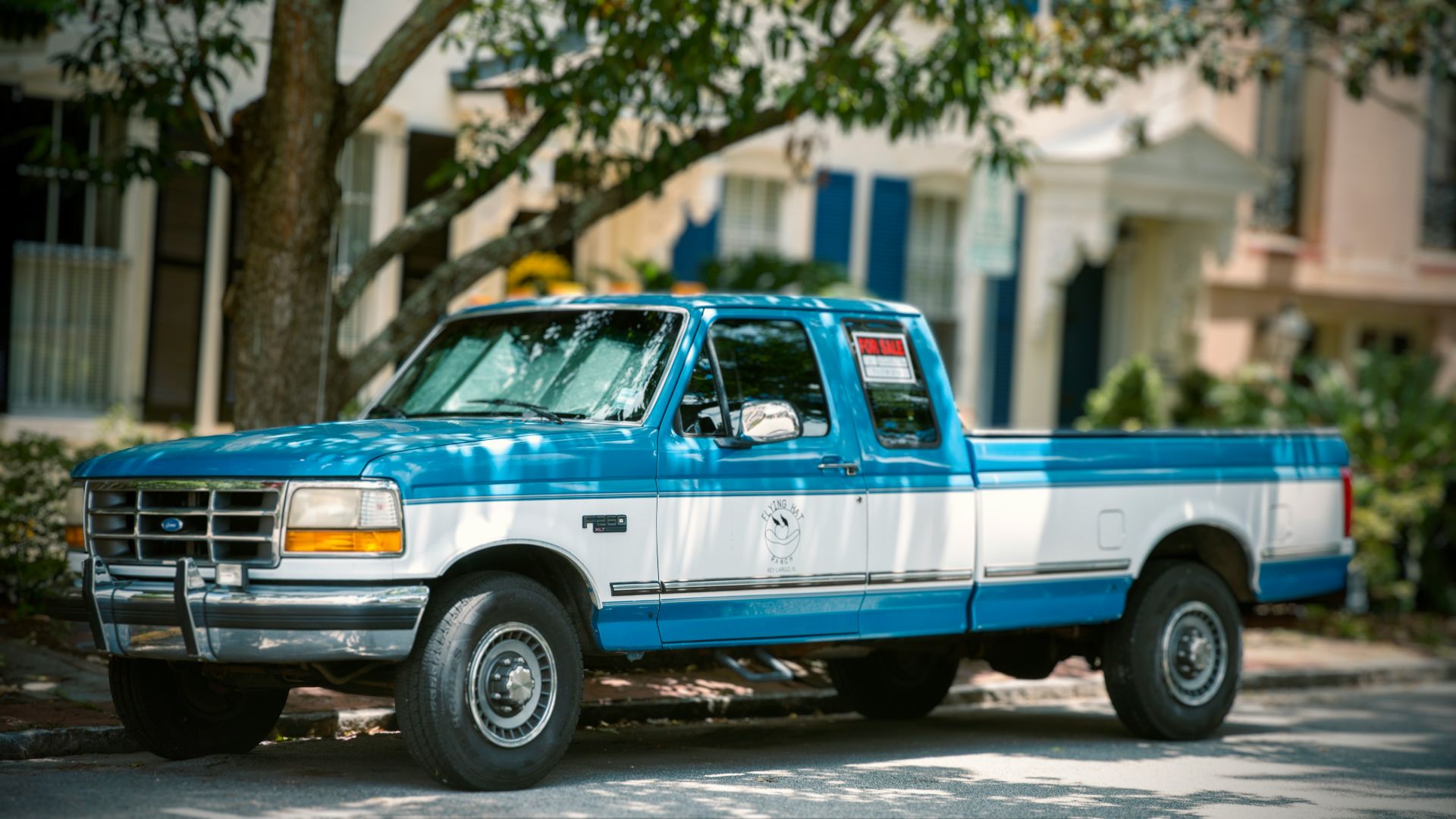
Courts Usually Start With The Actual Words On The Page
Judges do not usually start with whether a board member thinks your truck looks classy or ugly. They start with the recorded covenant language and ordinary rules of contract interpretation. If the restriction is clear, courts often enforce it. If the wording is vague, some courts read that ambiguity narrowly instead of letting an HOA stretch the rule after the fact.

One Big Lesson From HOA Law
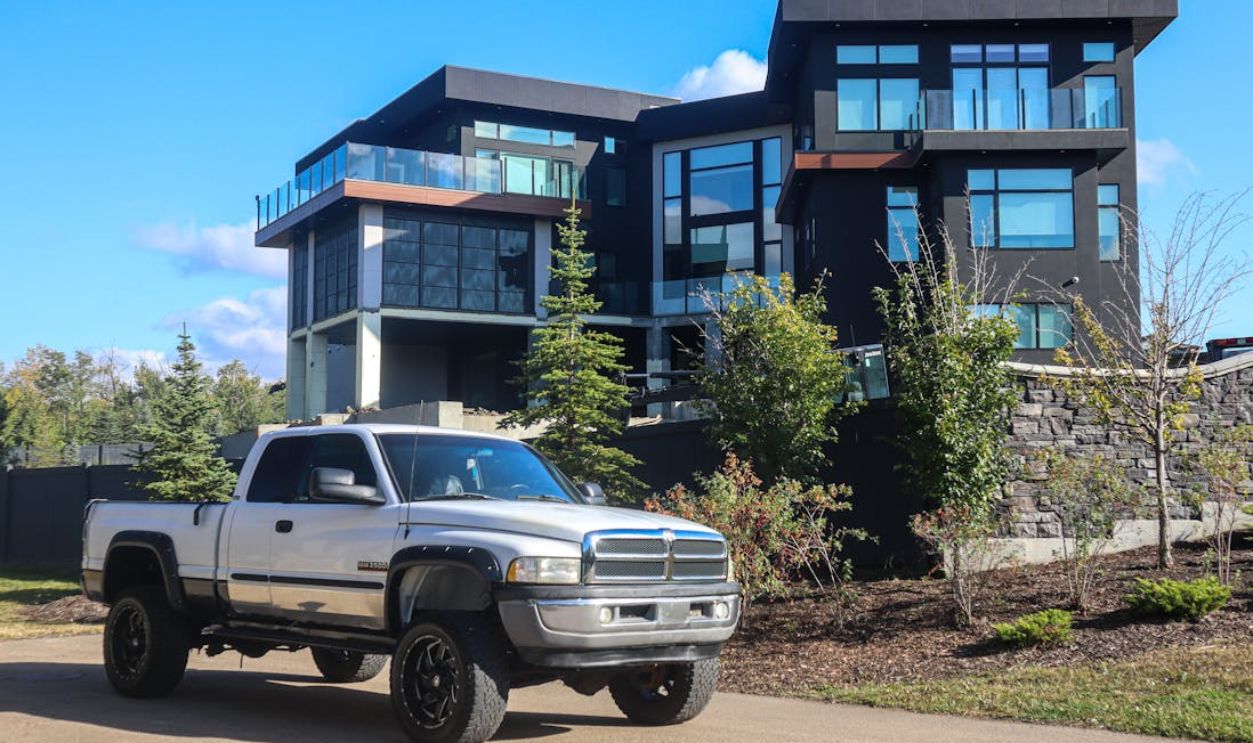
The Community Associations Institute, a major trade group for community associations, says associations need clear governing documents and consistent enforcement. That matters because selective enforcement can weaken an HOA’s position fast. If five similar trucks are parked in plain view and only yours gets cited, that inconsistency can become part of your defense.
State Law Can Matter More Than You Think
Even when CC&Rs seem broad, state statutes can limit what an HOA may do. In Arizona, for example, lawmakers addressed the issue directly. Arizona Revised Statutes section 33-1818 says an association shall not prohibit a motor vehicle from parking in the owner’s driveway if the vehicle is not otherwise prohibited and is not parked for more than seventy-two hours, with listed exceptions such as certain buses, limousines, hearses, large recreational vehicles, or a vehicle with commercial signage on the outside.

Arizona Is A Big Deal In This Debate
That Arizona statute is unusually specific, and it shows that lawmakers know pickup-truck fights are real. The law gives owners more protection than many people expect, especially if the vehicle is a standard passenger pickup without exterior business advertising. If you live in Arizona, your HOA’s dislike of the truck’s look may not be enough.

Florida Also Put Limits On HOA Parking Bans
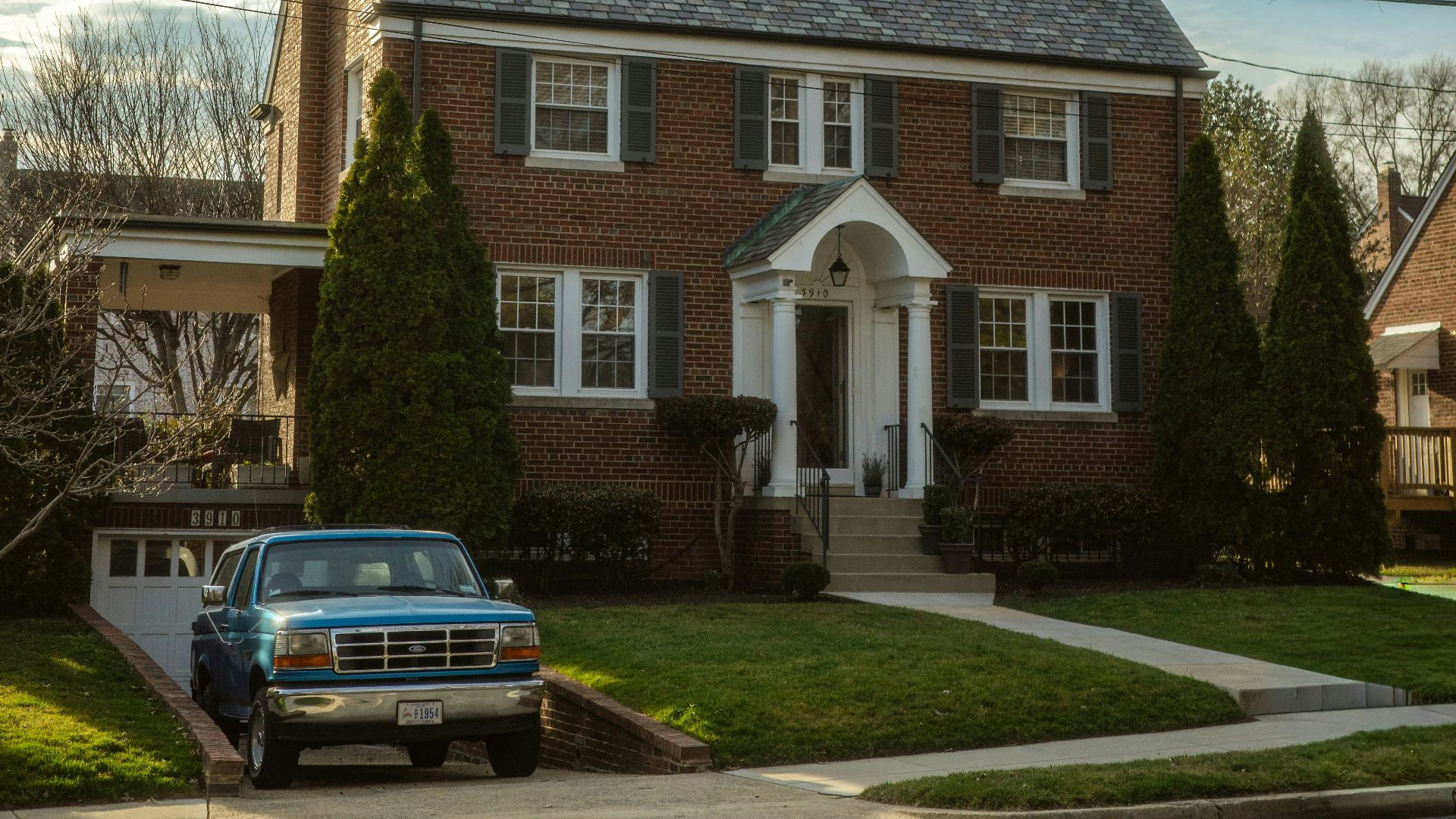
Florida has also narrowed how far associations can go. Section 720.3075 of the Florida Statutes says homeowners associations may not prohibit a property owner, tenant, guest, or invitee from parking a personal vehicle, including a pickup truck, in the owner’s driveway or other rights-of-way if the vehicle is not a commercial motor vehicle as defined by state law. That language matters because it specifically mentions pickup trucks.
Florida’s Definition Fight Is Not About Vibes
Florida does not leave “commercial motor vehicle” entirely up to neighborhood taste. The statute points to legal definitions rather than a board’s impression that a truck looks like it belongs at a jobsite. That means a personal-use pickup is in a much stronger position than a heavy truck that meets formal commercial criteria.

North Carolina Offers Another Reality Check
North Carolina has also stepped into the issue. Under section 47F-3-121 of the North Carolina General Statutes, an association generally cannot restrict parking of a personal vehicle on a public street, public road, or public right-of-way for which the state or local government has assumed responsibility, and it also bars some overly broad restrictions on personal vehicles in certain situations. The exact reach depends on the community type and local facts, but the trend is clear: state law is increasingly pushing back on blanket vehicle bans.

Why “Commercial Appearance” Can Be A Weak Hook
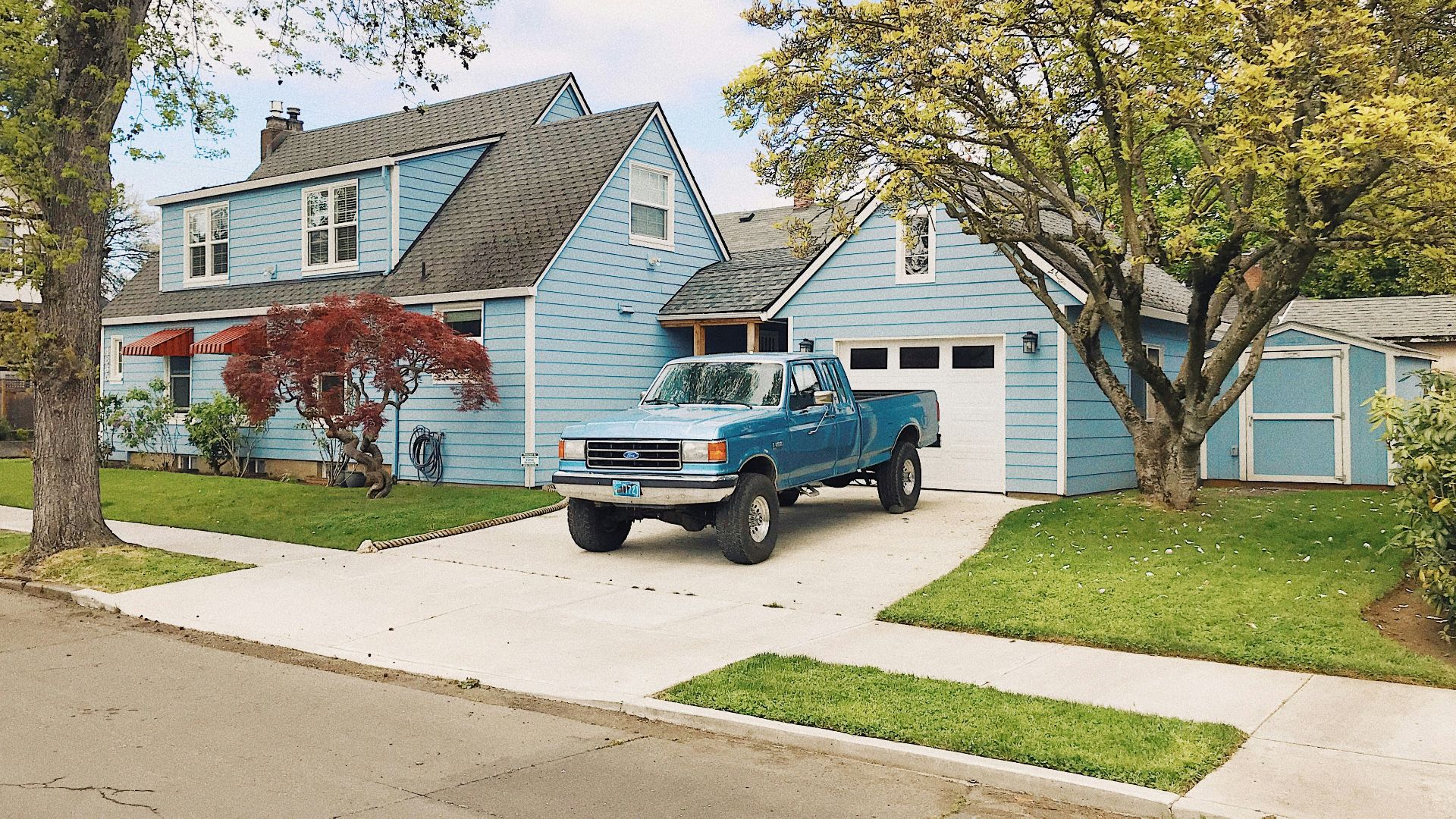
If your HOA rule says “commercial appearance” without defining it, that can create a real enforcement problem. A plain half-ton pickup with no signage, no equipment racks, and no oversized dimensions may be hard to classify consistently under that standard. The more subjective the language, the more room there is to argue the rule is arbitrary or too vague.
Visible Features Often Change The Analysis
Add a ladder rack, contractor cap, external toolboxes, permanently mounted equipment, or large logos, and the HOA’s argument may get stronger. Associations often focus on what is visible from the street because many documents are written around neighborhood appearance. In practical terms, a pickup dressed like a work truck is more likely to trigger an enforceable violation than a stock personal truck.
Registration And Weight Can Also Matter
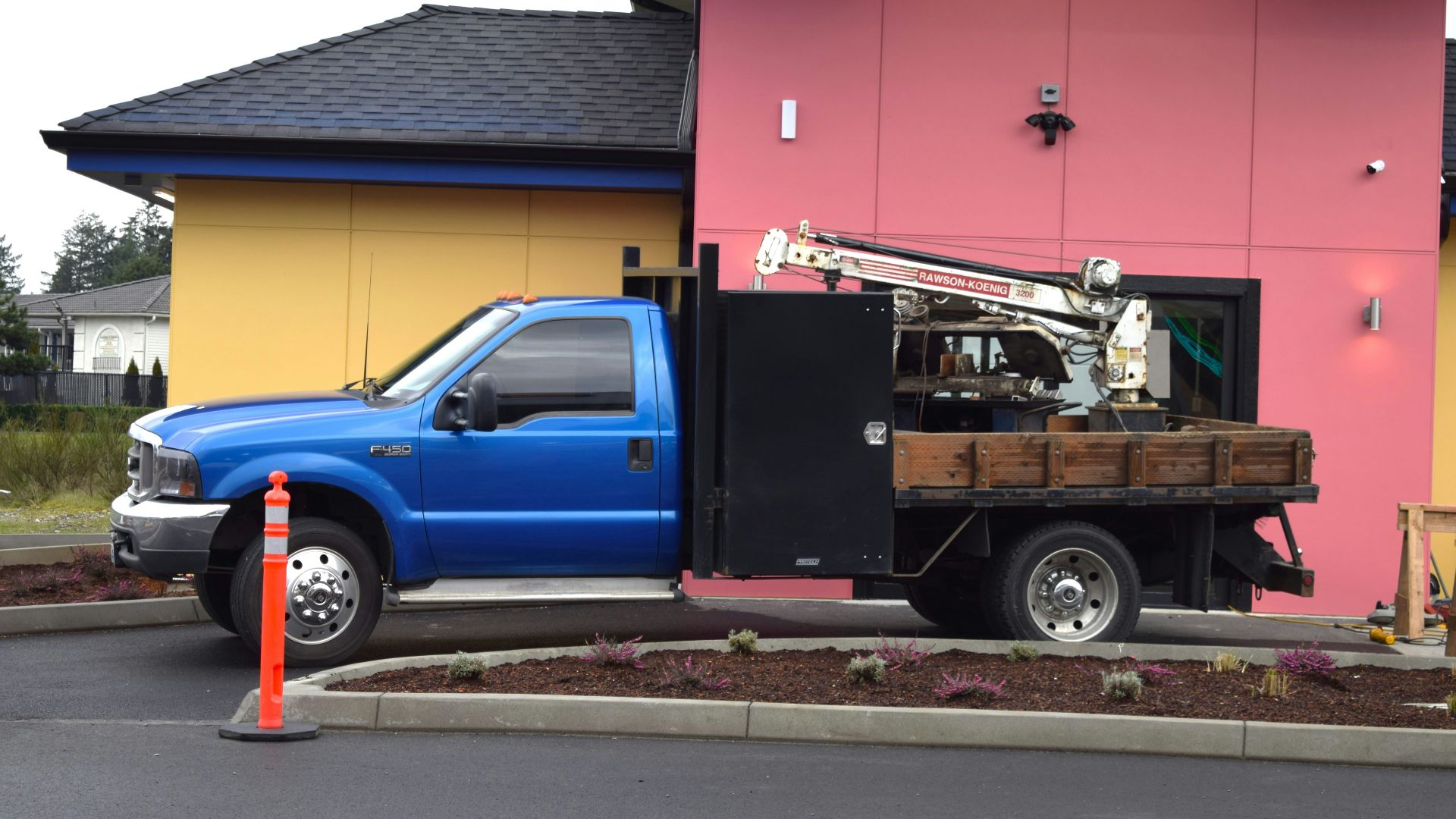
Some declarations define prohibited vehicles by gross vehicle weight rating, by whether they exceed a certain tonnage, or by business registration. That can catch larger heavy-duty pickups even when they are privately owned. If the rule uses an objective number, the dispute becomes a lot less emotional and a lot more about the documents.
Selective Enforcement Is Where HOAs Often Get Vulnerable
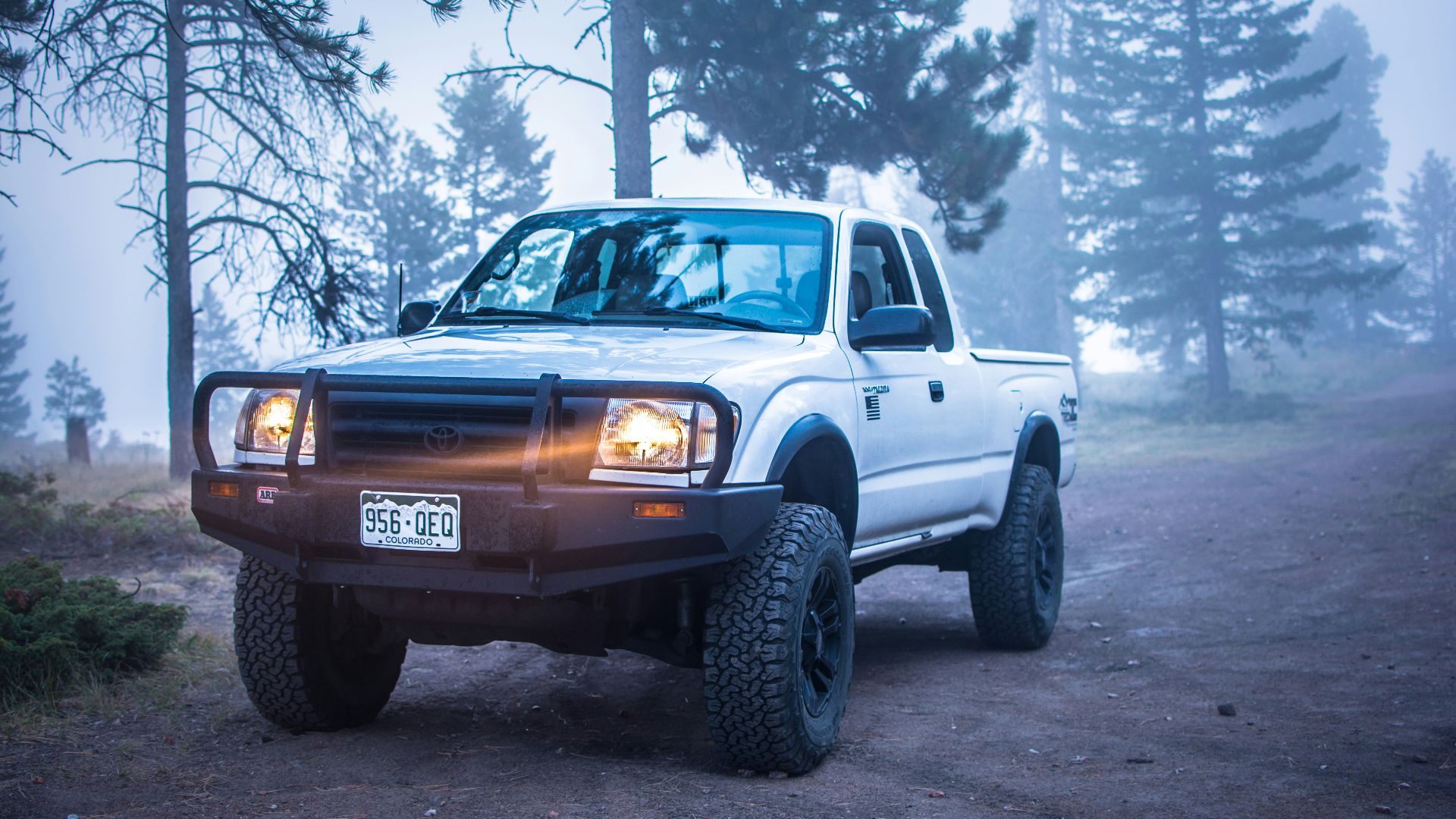
An HOA usually needs to enforce restrictions consistently. If similar pickups are allowed in neighboring driveways while yours gets singled out, that can support arguments about arbitrary enforcement or waiver depending on state law. Photos, dates, and addresses can be more useful than angry emails when you are building that record.

Procedure Matters Almost As Much As The Rule
Even if the HOA has a valid restriction, it still usually has to follow required procedures for notice, hearings, and fines. Those steps are often set by state statute, the bylaws, or both. A board that skips the process can turn a strong case into a weak one.

Do Not Assume A Board-Created Rule Is Equal To A Recorded Covenant
Many communities have both recorded CC&Rs and later board-adopted rules. Courts and statutes often treat recorded covenants more seriously than after-the-fact rules that add major new restrictions. If your declaration does not clearly limit pickup trucks, but a recent parking policy suddenly does, ask whether the board actually had authority to create that rule without a membership vote.

Fine Print Can Decide Everything
One community may ban only “commercial vehicles displaying advertising.” Another may ban “trucks other than standard passenger pickup trucks under three-quarter ton.” Another may prohibit all pickups unless kept in a garage. These are very different rules, and your odds depend on the exact text, not on what people in the neighborhood think the text should say.

Federal Fair Housing Concerns Can Sometimes Enter The Picture
Most pickup disputes are ordinary contract-and-statute fights, but not all of them stay that simple. If a vehicle is tied to a disability accommodation need, the Fair Housing Act can come into play. The U.S. Department of Housing and Urban Development has long explained that housing providers, including associations, may need to make reasonable accommodations in rules when necessary for a person with a disability.

That Does Not Mean Every Exception Must Be Granted
A reasonable accommodation claim still needs facts. The request usually must relate to a disability-related need, and the accommodation must be reasonable under fair housing law. Still, this is a major reason HOAs should be careful before treating every parking issue like a beauty contest.

What To Do Before You Fight
Start by asking for the exact rule in writing and requesting the specific section the HOA says you violated. Then compare your truck to the definition in the documents and to any state statute that may override the rule. This is the moment to gather your registration, photos of the truck, and photos of similar vehicles parked in the community.

Ask The Key Questions In Writing
Is the truck privately registered. Does it have exterior business signage. Does it exceed any stated weight or size limit. Has the association allowed similar vehicles before. Those questions push the dispute away from subjective complaints and toward facts that can actually be checked.

Try The Simple Fixes First
If the issue is based on visible commercial cues, removing decals, racks, or external equipment may solve it faster than a drawn-out battle. Some owners also ask for a variance or temporary approval while they seek clarification. That is not surrender. It is often the cheapest way to keep your truck and your peace of mind.

When A Lawyer Becomes Worth It
If the HOA threatens fines, towing, liens, or legal action, it may be time to talk to a local attorney who handles community association law. A short consultation can tell you whether your state has owner-friendly statutes like Arizona or Florida, and whether the HOA followed proper procedure. In many cases, one well-aimed letter gets more traction than ten frustrated emails.

What Boards Are Really Trying To Protect
From the HOA side, these rules usually come from appearance and property value concerns, not a belief that every pickup owner is doing something wrong. The problem is that broad aesthetic rules can collide with the fact that pickups are among America’s most common personal vehicles. When associations write old-school restrictions too loosely, they set up exactly the kind of conflict that makes neighbors miserable.
The Short Answer On Enforceability
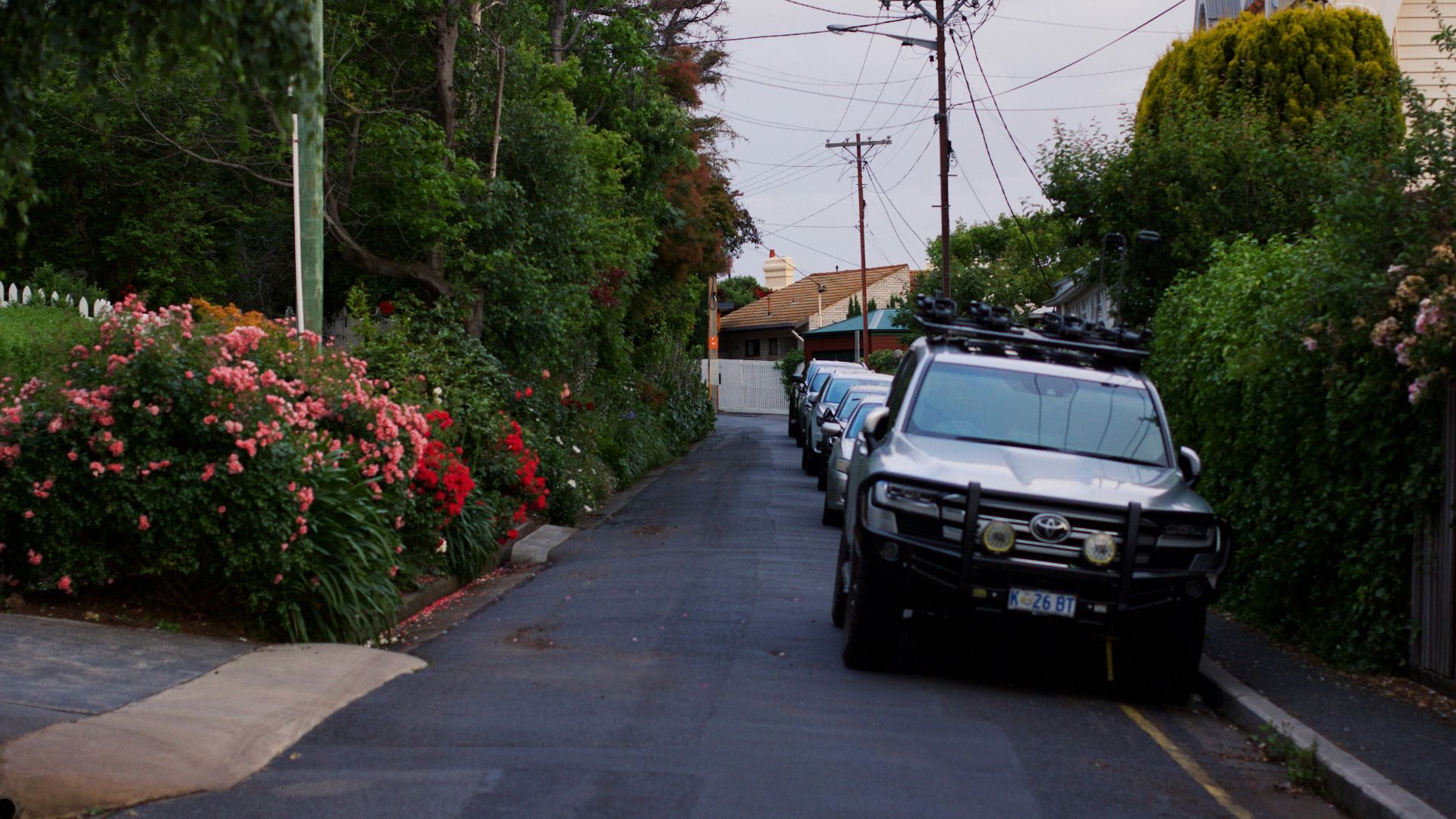
Yes, an HOA can sometimes enforce a driveway ban on a pickup that fits a valid and clearly written vehicle restriction. No, it cannot do so just because someone on the board says the truck feels too commercial if the documents and state law do not back that up. Enforceability usually turns on a mix of CC&R language, state statutes, consistent enforcement, and whether your truck actually meets an objective definition of a prohibited vehicle.
 Tingey Injury Law Firm, Unsplash
The Takeaway For Truck Owners
If your pickup is a normal personal vehicle, do not assume the HOA automatically wins. Read the governing documents line by line, check your state statutes, and make the board point to real language instead of neighborhood vibes. The fight may be annoying, but the law is often much more concrete than the complaint letter makes it sound.