The Shiny Truck Temptation
A brand-new 2026 truck sitting under dealership lights can feel like destiny. The paint gleams, the seats smell expensive, and the salesperson says the deal is “too good to miss.” But as a new driver, the smartest choice is not always the newest one.

Start With The Real Question
Before asking whether the truck is a good deal, ask whether it is a good truck for you. New drivers need confidence, visibility, easy parking, reasonable insurance, and forgiving costs. A big new truck can be awesome, but it can also be a pricey classroom.

A Dealership Deal Is Still A Sale
Dealerships are very good at making expensive things feel urgent. Rebates, low monthly payments, and limited-time offers can sound amazing. But a “great deal” on a brand-new truck may still mean spending far more than you would on a smart used vehicle.

Monthly Payments Can Be Sneaky
A low monthly payment does not always mean a cheap truck. The loan might stretch for six, seven, or even eight years. That can keep payments comfortable, but it also means you are tied to that truck long after the new-car excitement fades.

New Trucks Depreciate Fast
The moment a new truck leaves the lot, it usually becomes worth less than you paid. That is depreciation, and it can hit hardest in the first few years. Buying used lets someone else absorb that early drop while you get more truck for your money.

Insurance May Shock You
New drivers already tend to face higher insurance costs. Add a brand-new truck, big repair costs, and possibly full coverage requirements from a lender, and the monthly bill can jump fast. Before signing anything, get an insurance quote for the exact truck.

Trucks Are Not Cheap To Feed
Even modern trucks can be thirsty, especially full-size gas models. Fuel costs matter when you are driving to school, work, errands, and weekend plans. A used midsize truck or smaller SUV might leave more money in your pocket every month.

Repairs Versus Payments
A used vehicle may need repairs sooner than a new one, and that scares some buyers. Fair enough. But a new truck comes with huge payments. The trick is comparing realistic used-car maintenance against the guaranteed cost of a new-truck loan.
 LightField Studios, Shutterstock
Warranty Is A Real Advantage
The new truck does have one major win: warranty coverage. If something goes wrong early, you are probably protected. For a new driver who wants peace of mind, that matters. Just remember, peace of mind should not require financial panic.

Used Does Not Mean Worn Out
A used truck does not have to be a rusty mystery machine with weird smells and three warning lights. Certified pre-owned models, lease returns, and well-kept private-sale trucks can be reliable, clean, and much cheaper than brand-new models.

Certified Pre-Owned Is Worth A Look
Certified pre-owned trucks usually cost more than regular used ones, but they often include inspections and warranty coverage. For a new driver, that middle ground can be perfect: less depreciation than new, but more reassurance than buying the cheapest listing online.

Big Trucks Feel Bigger In Real Life
A truck that feels powerful on a test drive may feel massive in a tight parking lot. New drivers should think about blind spots, turning radius, lane width, and parking stress. Confidence matters, and sometimes a smaller vehicle makes you a better driver faster.

Do You Actually Need A Truck?
This is the big one. Are you towing? Hauling tools? Moving dirt bikes? Helping family with projects every weekend? Great, maybe a truck makes sense. But if you mostly want the look and the height, a used SUV could do the job for less.

Payload And Towing Can Be Overkill
Dealerships love talking towing numbers. But many new drivers never tow anything heavier than a small trailer. Paying for capability you rarely use is like buying hiking boots for a walk to the mailbox. Useful? Technically. Necessary? Probably not.

Technology Can Help New Drivers
New trucks often come with great safety tech: backup cameras, blind-spot alerts, lane assist, automatic emergency braking, and parking sensors. Those features can be helpful. The good news is many recent used vehicles have them too, without the brand-new price.
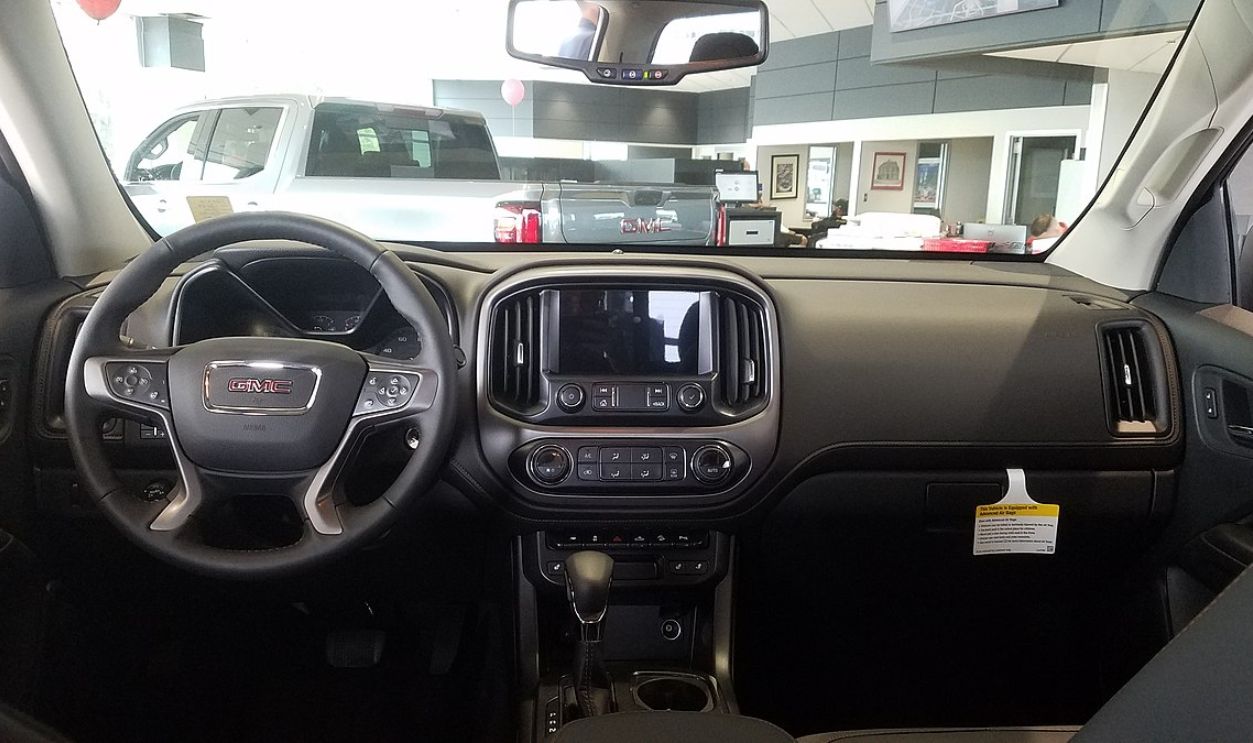 deathpallie325, CC BY-SA 4.0, Wikimedia Commons
Check The Total Cost
Do not only compare sticker prices. Add insurance, fuel, taxes, registration, loan interest, maintenance, tires, and parking reality. A truck is not just bought once. It keeps asking for money, politely at first, then loudly when the tires need replacing.

New Tires Can Be Painfully Expensive
Truck tires are bigger, heavier, and usually more expensive than car tires. If you buy new, you may not worry immediately. If you buy used, check tire condition carefully. A “cheap” used truck needing four tires next month may not be cheap anymore.

Used Trucks Hold Value Well
Trucks often hold value better than many cars, which is good and bad. Good because you may resell it later for decent money. Bad because used trucks can still be surprisingly expensive. Be patient, compare listings, and do not fall in love too quickly.

Financing Can Change Everything
A new truck may come with special financing, while used loans often carry higher rates. That can narrow the price gap. Still, a lower interest rate on a much higher price is not automatically better. Run the full loan cost, not just the monthly payment.

Bring A Calm Adult
No, really. Bring someone who is not emotionally attached to the truck. A parent, mechanic friend, experienced driver, or spreadsheet-loving cousin can save you thousands. Their job is simple: interrupt the fantasy and ask annoying but useful questions.

Never Skip The Test Drive
Drive the truck in traffic, on the highway, through a parking lot, and into a tight space. Test visibility, brakes, steering, seat comfort, and controls. If it feels stressful after twenty minutes, imagine owning it during rush hour in the rain.

Get Any Used Truck Inspected
If you go used, pay for a pre-purchase inspection. A mechanic can spot leaks, accident damage, frame rust, worn suspension, and hidden problems. It is not glamorous, but neither is discovering your “bargain” needs thousands in repairs.
Beware Of First-Car Ego
Everyone wants their first vehicle to say something cool. A brand-new truck definitely says something. But the best first vehicle says something better: “I made a smart choice.” Future you will appreciate money saved more than chrome you barely noticed after month two.

When New Might Make Sense
The new 2026 truck could make sense if you have stable income, low insurance quotes, a strong down payment, a short loan, and a real need for truck capability. It also helps if the deal is genuinely below market, not just wrapped in dealership confetti.

When Used Is Smarter
Used is probably smarter if you are still building driving experience, watching your budget, or unsure what kind of vehicle fits your life. A reliable used truck, SUV, or car gives you freedom without chaining your wallet to a long loan.

The Best Answer For Most New Drivers
For most new drivers, buying used is the better move. Not ancient, not sketchy, not “bring jumper cables” used—just sensible used. Look for a well-maintained vehicle with modern safety features, reasonable mileage, clean history, and costs you can actually live with.
 Zoriana Zaitseva, Shutterstock
Take Your Time And Win
Do not let dealership urgency drive the decision. A brand-new 2026 truck might be exciting, but excitement is not a budget plan. Shop slowly, price insurance first, compare used options, and buy the vehicle that helps you drive confidently without financial regret.

You May Also Like:
Cars Likely To Become Collectibles
I made a payment arrangement with my lender, but my car was repossessed anyway. What can I do?