Something Doesn’t Add Up
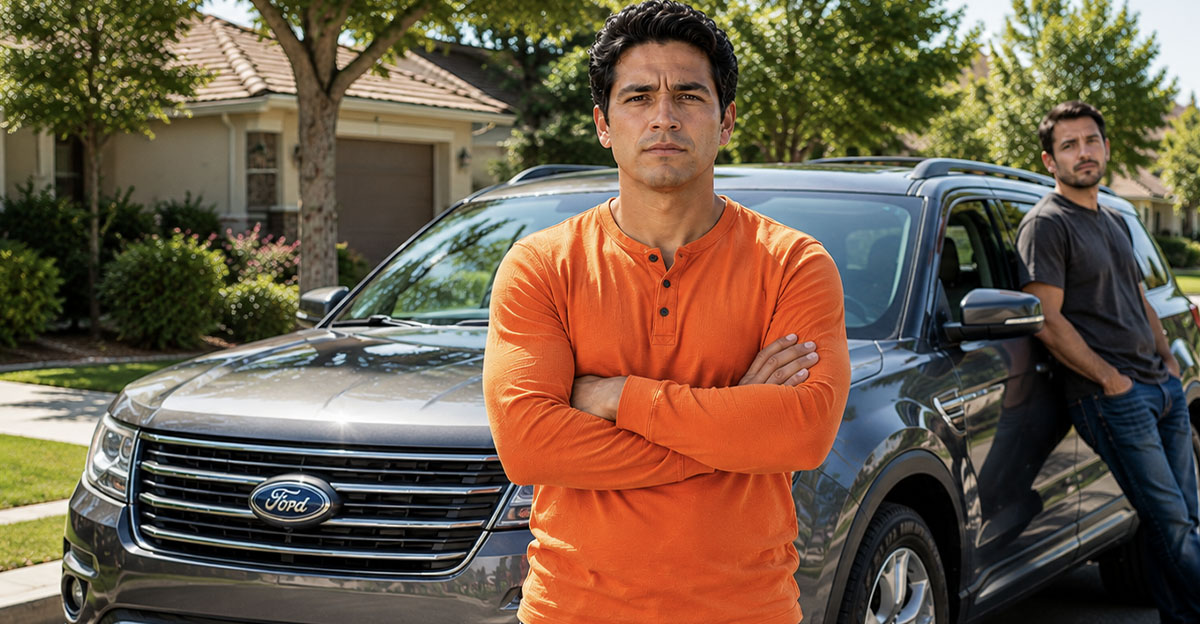
Low mileage sells confidence. It also sells cars—fast. But when visible wear doesn’t match what the odometer claims, that confidence collapses quickly, leaving behind a far more unsettling question about how much of the deal was actually real.

Low Mileage Is Supposed to Mean ‘Safe’
Most buyers are trained to chase low numbers. Fewer miles usually mean less wear, fewer repairs, and a longer life ahead. That’s why low-mileage used cars sell faster—and for more money. Which also makes them very attractive to scammers.
The Moment Everything Felt Off
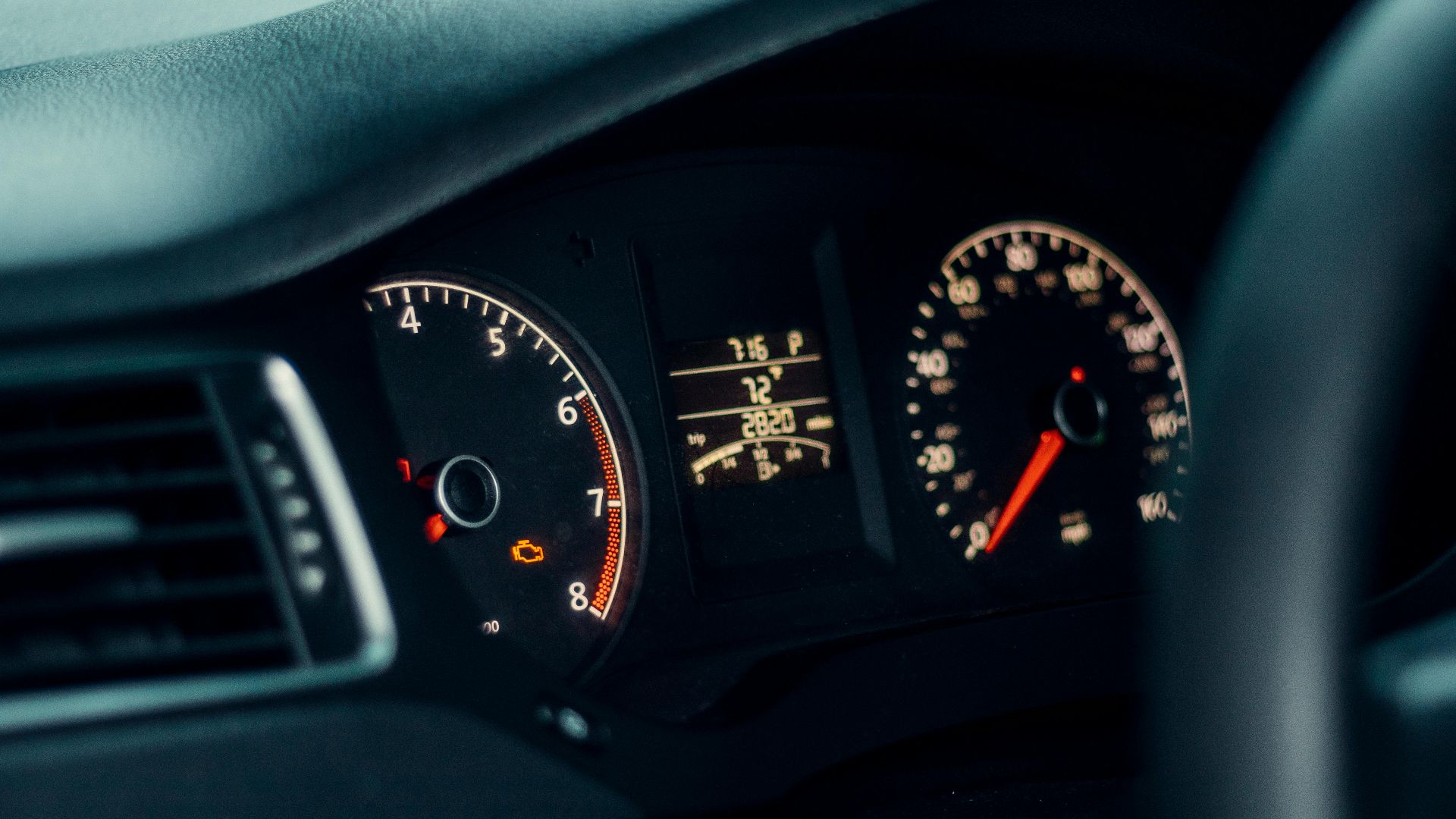
As far as we know the mechanic didn’t make any specific accusations. He simply noted that some visible wear didn’t seem consistent with what the odometer showed. However, that contrast alone does raise legit questions.

Is Odometer Rollback Still a Thing?
Yes—just less obvious than it used to be. Rolling back analog odometers was easy. Digital ones are harder, but not impossible. Specialized tools, cluster swaps, and software manipulation still exist, especially in high-turnover used-car markets.
How Common Is Odometer Fraud, Really?
According to the National Highway Traffic Safety Administration, more than 450,000 vehicles are sold each year in the U.S. with false mileage readings, costing buyers over $1 billion annually. It’s not rare—it’s just quieter now.

Why Wear Can Tell a Different Story
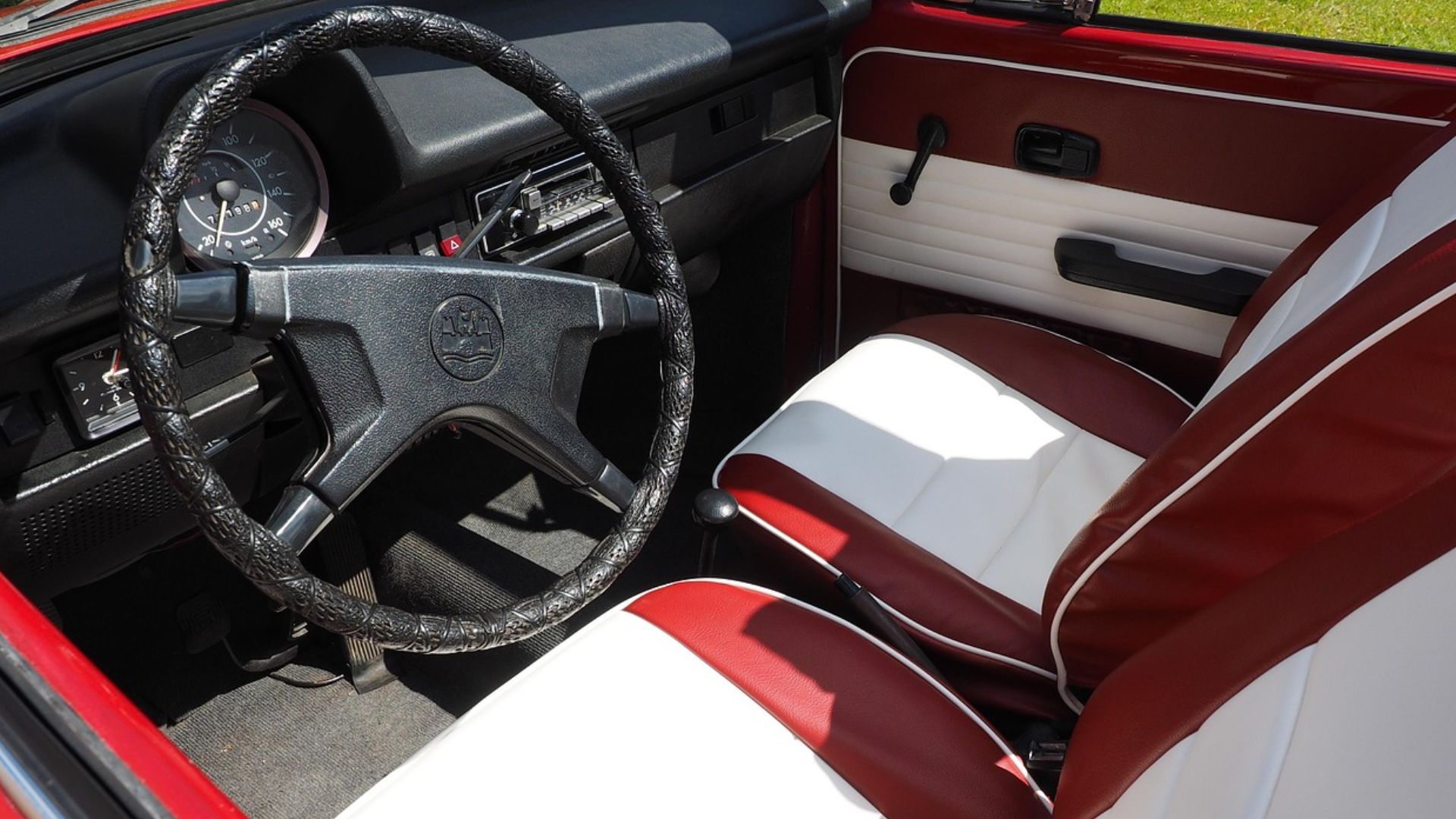
Certain parts don’t lie well. Pedals, steering wheels, driver’s seats, and suspension components usually age consistently with mileage. When those look heavily used but the odometer says otherwise, mechanics take notice—and so should buyers.
The FTC Doesn’t Mince Words
The Federal Trade Commission flatly states that odometer fraud is a federal crime, and sellers must disclose if mileage isn’t accurate. The problem isn’t the law—it’s proving the rollback happened after the fact.

But There Are Innocent Explanations
Not every mismatch means fraud. Lots of short trips, aggressive driving, skipped maintenance, or years of city use can cause heavy wear with relatively low miles. Age matters too—rubber and seals degrade whether the car is driven or not.

Why Mechanics Spot Red Flags First
Technicians see hundreds of cars a year. They develop an internal feel for what 40,000 miles versus 120,000 miles usually looks like. When something seems off, it’s usually because they’ve seen that pattern before.

Why a Pre-Purchase Inspection Matters
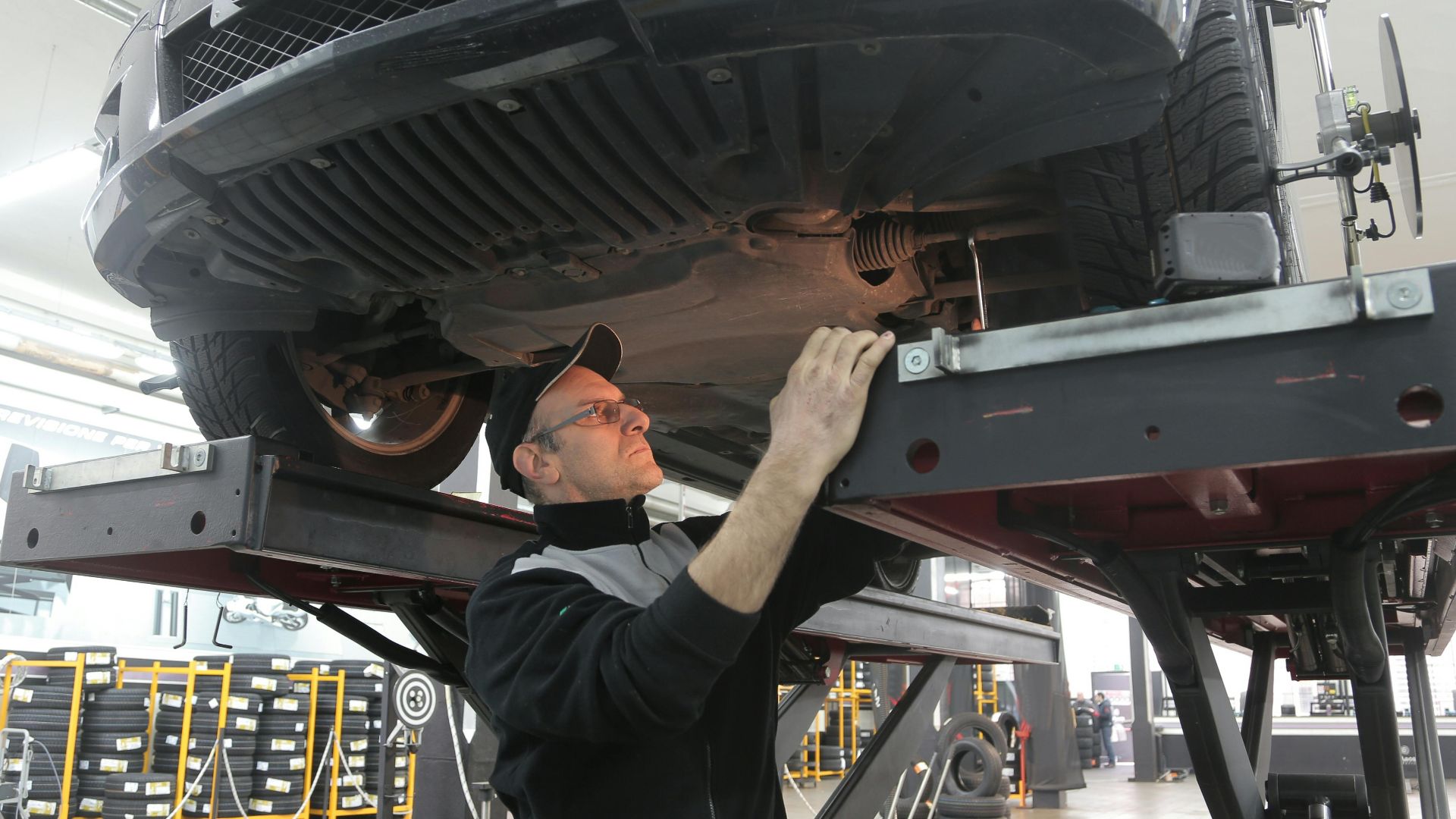
This is exactly why anyone who knows anything will tell you to get a routine inspection before buying a used car, which is the best way to catch warning signs long before paperwork is signed. Independent mechanics have no incentive to sell the car—and often spot wear, inconsistencies, or red flags that don’t show up on a test drive or history report.
Service Records Matter More Than the Dash
Oil change stickers, dealership records, inspection logs, and repair invoices often list mileage. When those numbers don’t align—or suddenly jump backward—it’s one of the clearest signs something isn’t right.

Vehicle History Reports Help—But Aren’t Perfect
Carfax and AutoCheck are useful, but they’re only as good as the data reported. Gaps in ownership, out-of-state moves, or unreported service can allow altered mileage to slip through unnoticed.

Title Language Can Be a Clue
Some titles quietly say ‘Not Actual Mileage’ or ‘Mileage Exempt.’ Many buyers miss this entirely. It doesn’t always mean fraud—but it does mean the odometer shouldn’t be taken at face value.
Why Low Mileage Is a Prime Target
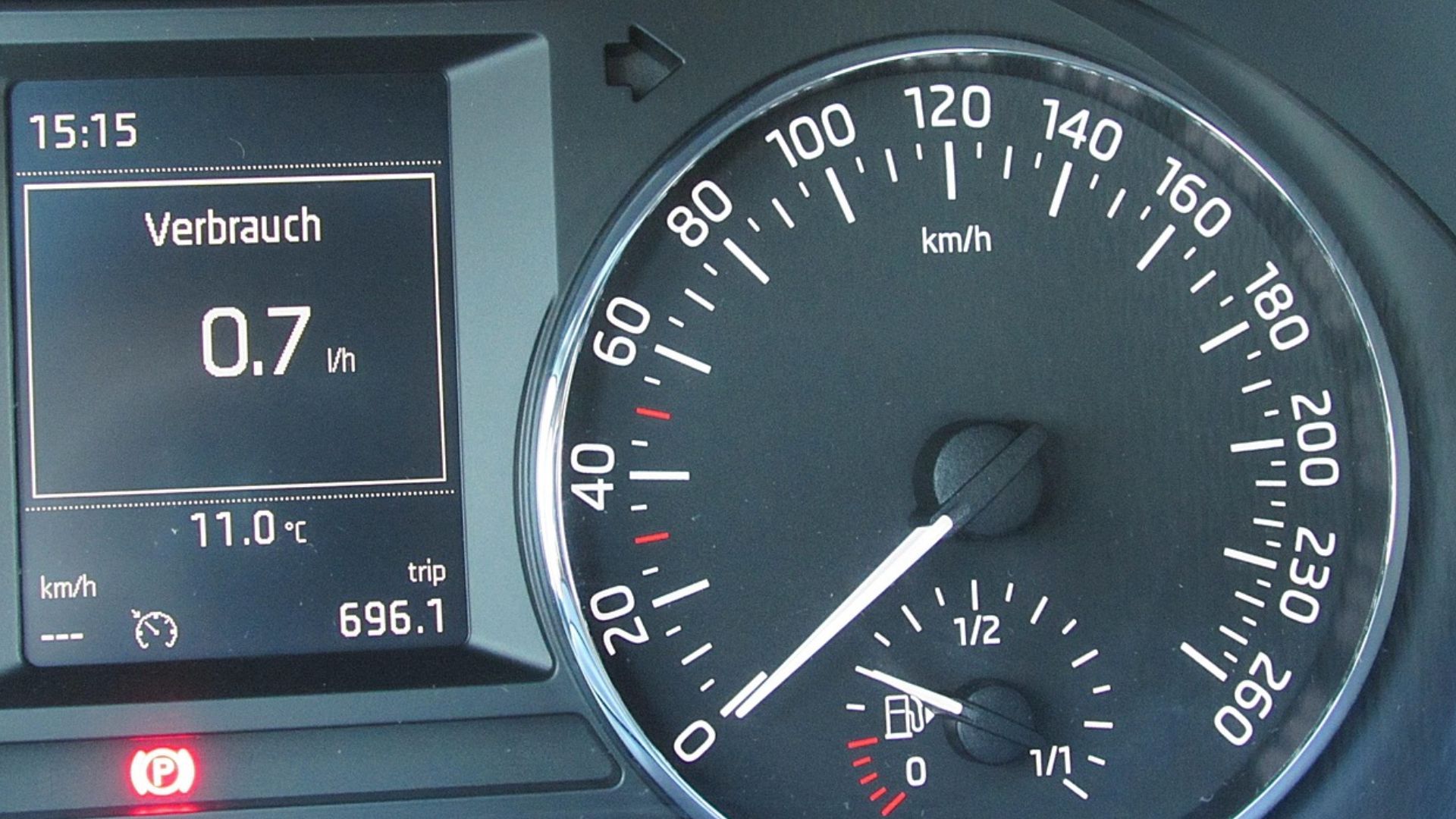
Rolling back 30,000 miles doesn’t just sound better—it can add thousands to a car’s resale value. That financial incentive is exactly why odometer fraud hasn’t disappeared, even with modern tech.
Digital Doesn’t Mean Untouchable
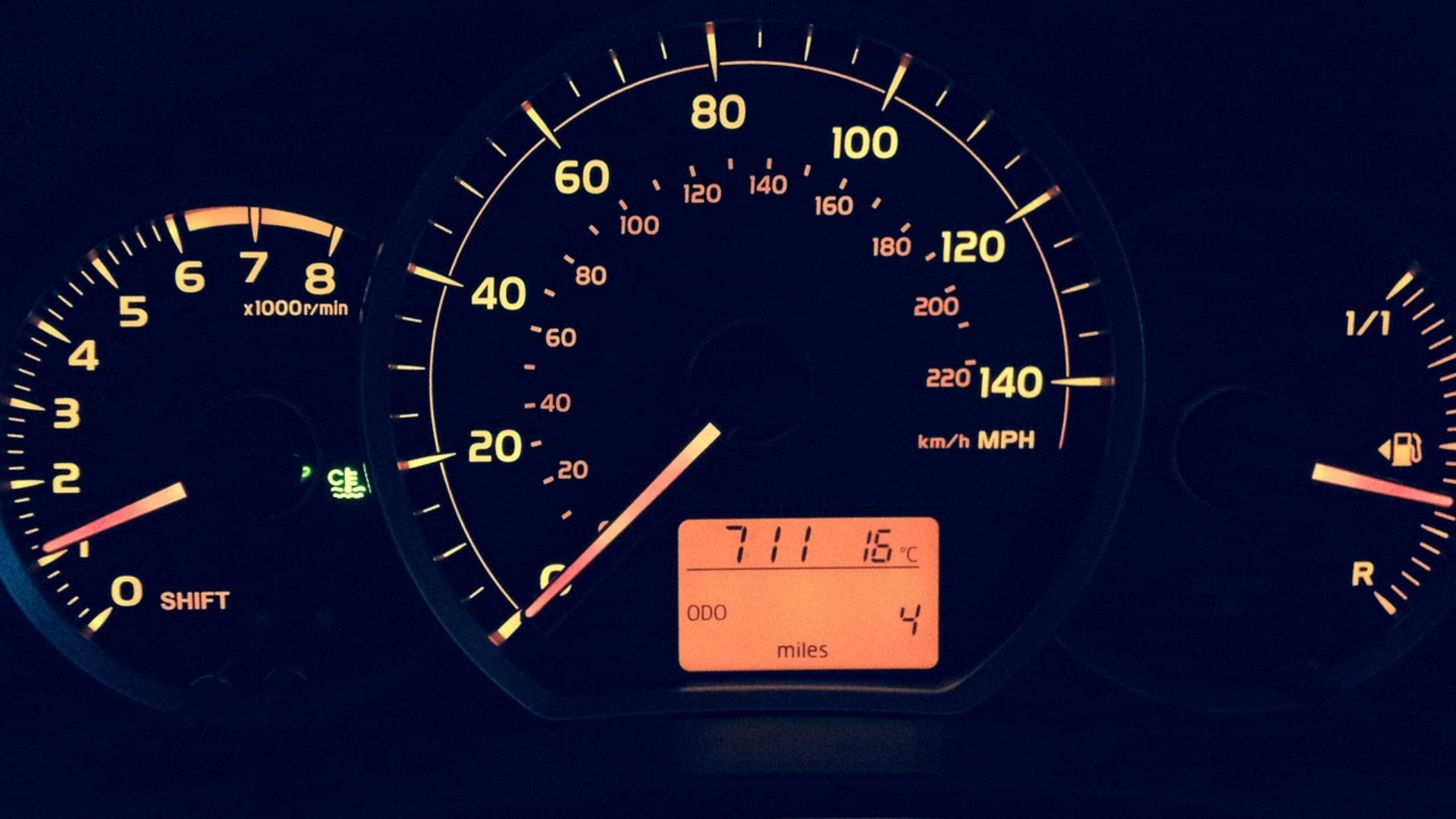
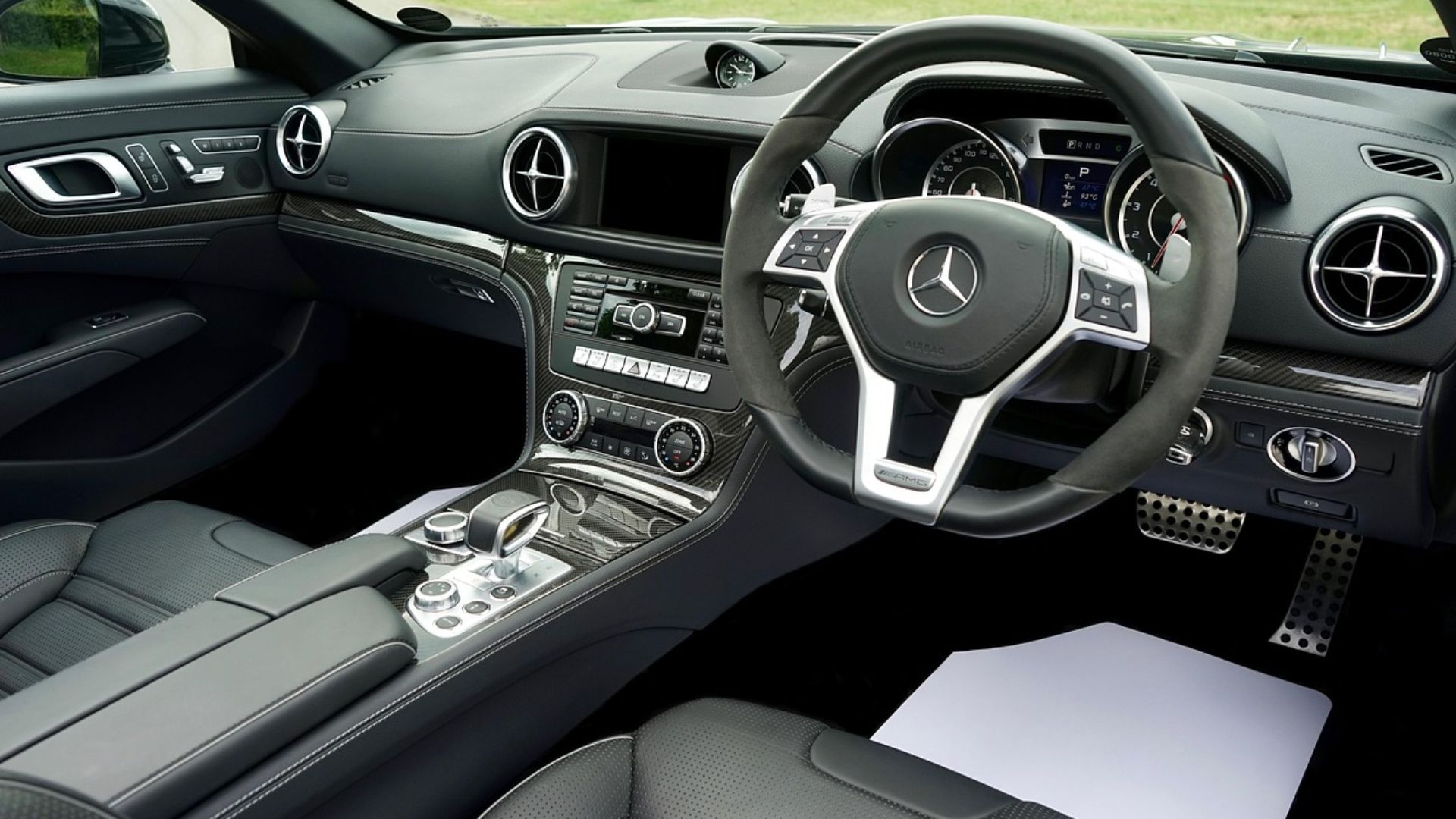
While modern vehicles store mileage in multiple modules, those systems can still be altered by professionals—or mismatched when parts are swapped. A clean dashboard doesn’t always mean a clean history.
What a Second Opinion Can Reveal
If one mechanic raises an eyebrow, another can confirm or dismiss it. Asking directly—“Does this wear match the mileage?”—often gets a clearer, more confident answer than vague inspection notes.

If You Bought From a Dealer
Dealers are legally required to disclose mileage accuracy. If fraud is proven, buyers may have strong legal remedies, including buybacks or damages. Documentation is everything—opinions alone won’t be enough.

Private Sales Are Trickier
Private sellers don’t get a free pass, but proving intent is harder. Still, knowingly misrepresenting mileage is illegal, even in private transactions. The challenge is evidence, not legality.

Why This Scam Feels So Personal
Mileage is trust. It’s a number buyers rely on to make huge financial decisions. When that number is wrong, it feels less like a bad deal and more like a betrayal—because it kind of is.

What To Do If You Suspect Rollback
Don’t panic—but don’t ignore it. Gather records, request history reports, take photos, and write down what mechanics say. If patterns emerge, you’ll want everything documented before confronting anyone.

Sometimes the Truth Is Uncomfortable—but Useful
Even if fraud isn’t proven, discovering heavier wear early can change how you maintain the car, negotiate future repairs, or decide whether to keep it long-term. Information is still power.

The Bottom Line
Yes, odometer rollback is possible. No, suspicion alone isn’t proof. But when mileage and wear tell different stories, it’s worth listening—because that little number on the dash might not be the whole truth.
You Might Also Like: