The Nightmare No Used Car Buyer Expects
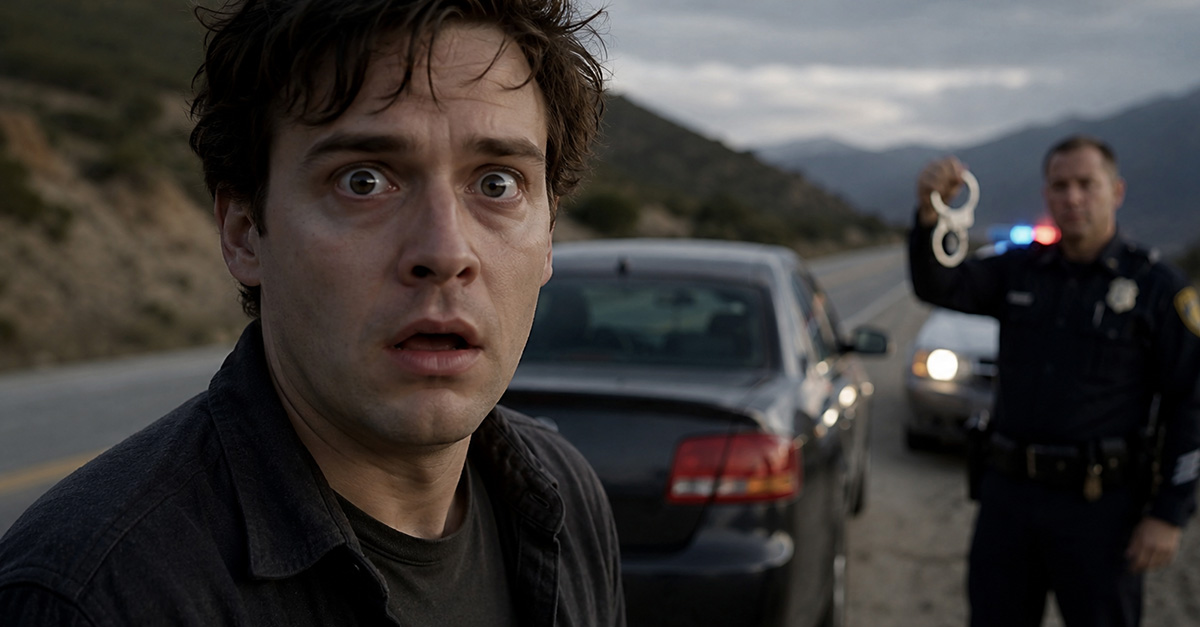
Buying a car privately can feel like scoring a secret menu special. You found the ad, met the seller, checked the tires, haggled like a champion, and drove home glowing. Then, days or weeks later, police say the car was used in a crime—and somehow your name is tangled in it.
First, Do Not Panic-Drive Into Chaos
The urge to explain everything instantly is strong. Resist the movie-scene meltdown. A warrant is serious, and mistaken identity is not something to freestyle. Your first job is to slow the situation down, protect your rights, and turn your story into organized proof instead of nervous chatter.

Treat The Warrant Like A Red Warning Light
A warrant is not a parking ticket with extra drama. It means the authorities may have legal authority to arrest someone connected to the case. Whether the mistake involves your name, your car, or bad paperwork, assume the situation needs immediate legal attention and careful handling.
Call A Criminal Defense Lawyer Immediately
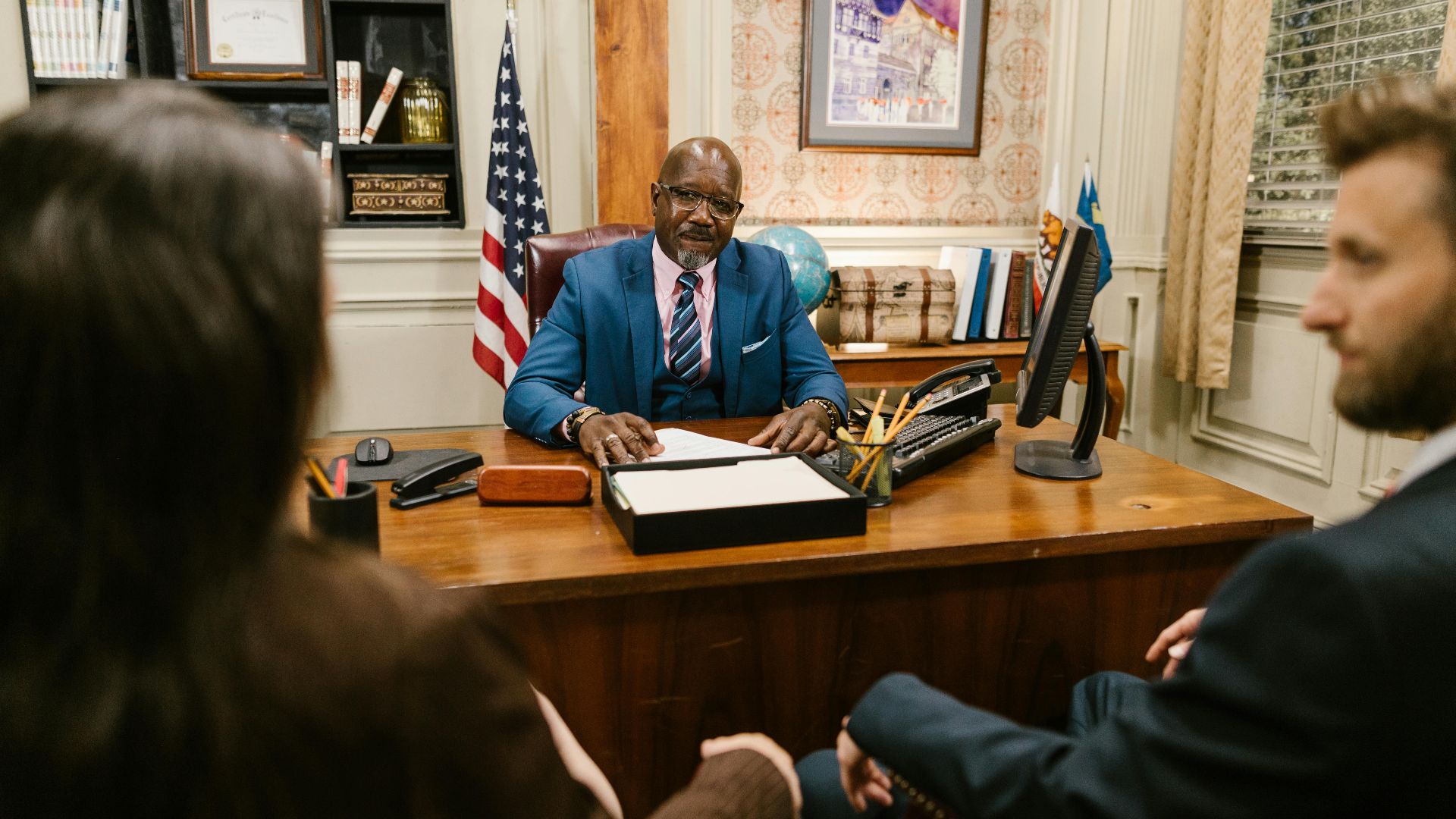
This is not the moment to ask your cousin’s roommate who once watched a courtroom show. A criminal defense lawyer can contact police or prosecutors, confirm what the warrant is for, and help arrange the safest way to address it. That professional buffer can prevent a misunderstanding from growing teeth.
Do Not March Into The Police Station Alone
It feels noble to walk in and say, “There has been a huge mistake.” Unfortunately, noble can still end in handcuffs. Let your lawyer guide any contact with police. You want the truth heard clearly, not buried under panic, confusion, or accidentally volunteered statements that create new problems.
Build A Timeline Like A Detective With Coffee
Start writing down everything: when you saw the listing, when you contacted the seller, when you met, when money changed hands, when you received the keys, and when you learned about the warrant. A clean timeline helps show where your ownership began—and where your involvement did not.

Save Every Message From The Seller
Texts, emails, marketplace chats, call logs, screenshots, and voicemails matter. Do not delete anything, even if it seems boring. The dull little message that says “meet at 6 by the gas station” could become the breadcrumb that proves when and how you bought the car.

Preserve The Listing Before It Vanishes
Private-sale listings disappear faster than fries in a road-trip cupholder. Screenshot the ad, seller profile, price, vehicle description, photos, VIN, license plate, mileage, and location. If the platform provides a transaction history or message archive, save that too. Your lawyer may need it later.
 Michiel1972 at Dutch Wikipedia, Wikimedia Commons
Gather The Paper Trail
Pull together the bill of sale, title transfer documents, registration, insurance start date, safety inspection, emissions paperwork, bank withdrawal, certified check receipt, e-transfer record, or cash receipt. The goal is simple: show exactly when you became the owner and what you knew at the time.

Check The VIN Like It Owes You Money
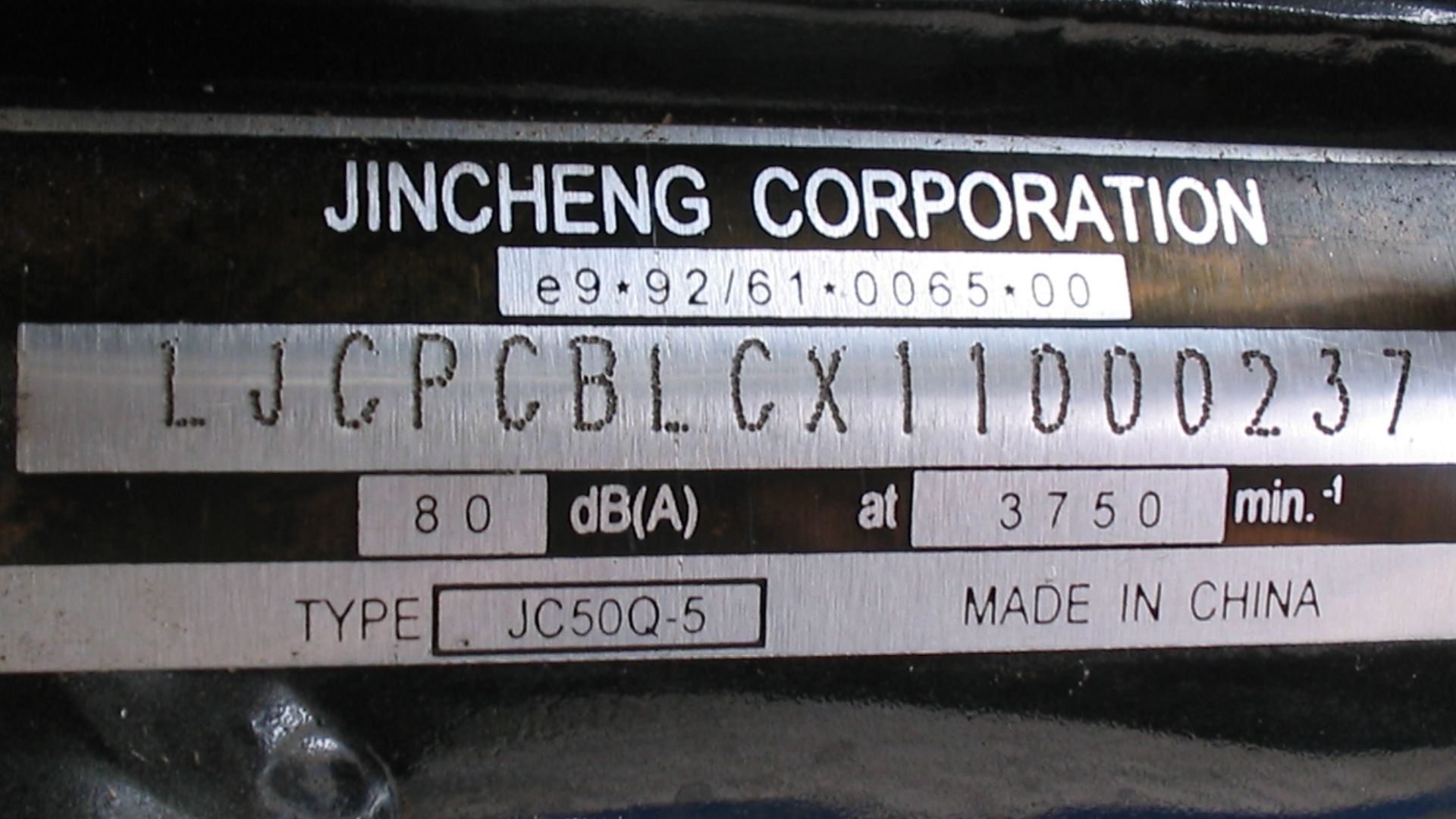
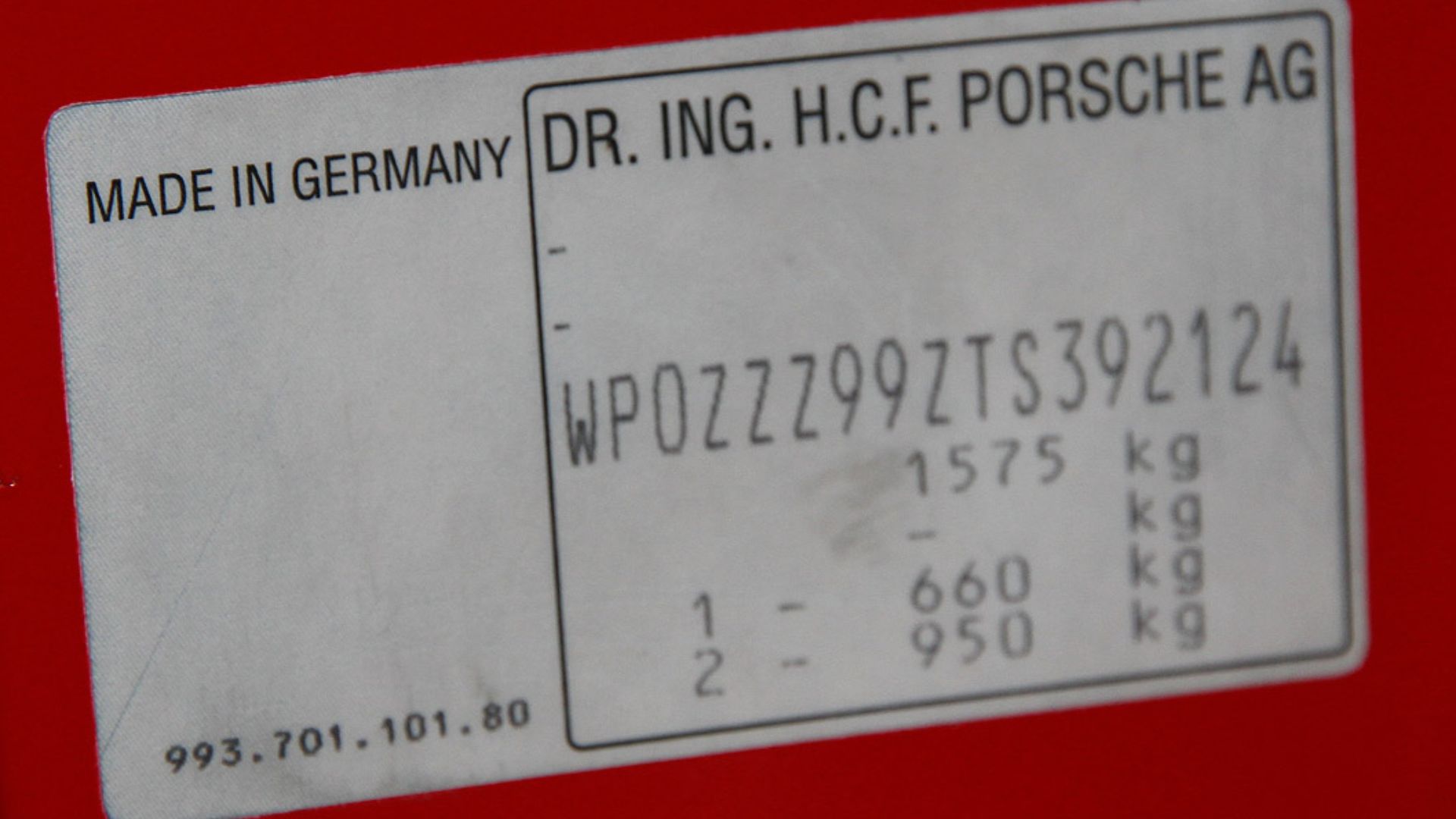
The vehicle identification number is the car’s fingerprint. Compare the VIN on the dashboard, door jamb, title, bill of sale, insurance, and registration. Any mismatch is a giant neon sign. Photograph each VIN location clearly and keep those photos backed up somewhere safe.
 The Car Spy, Wikimedia Commons
Do Not Sell, Scrap, Or Modify The Car
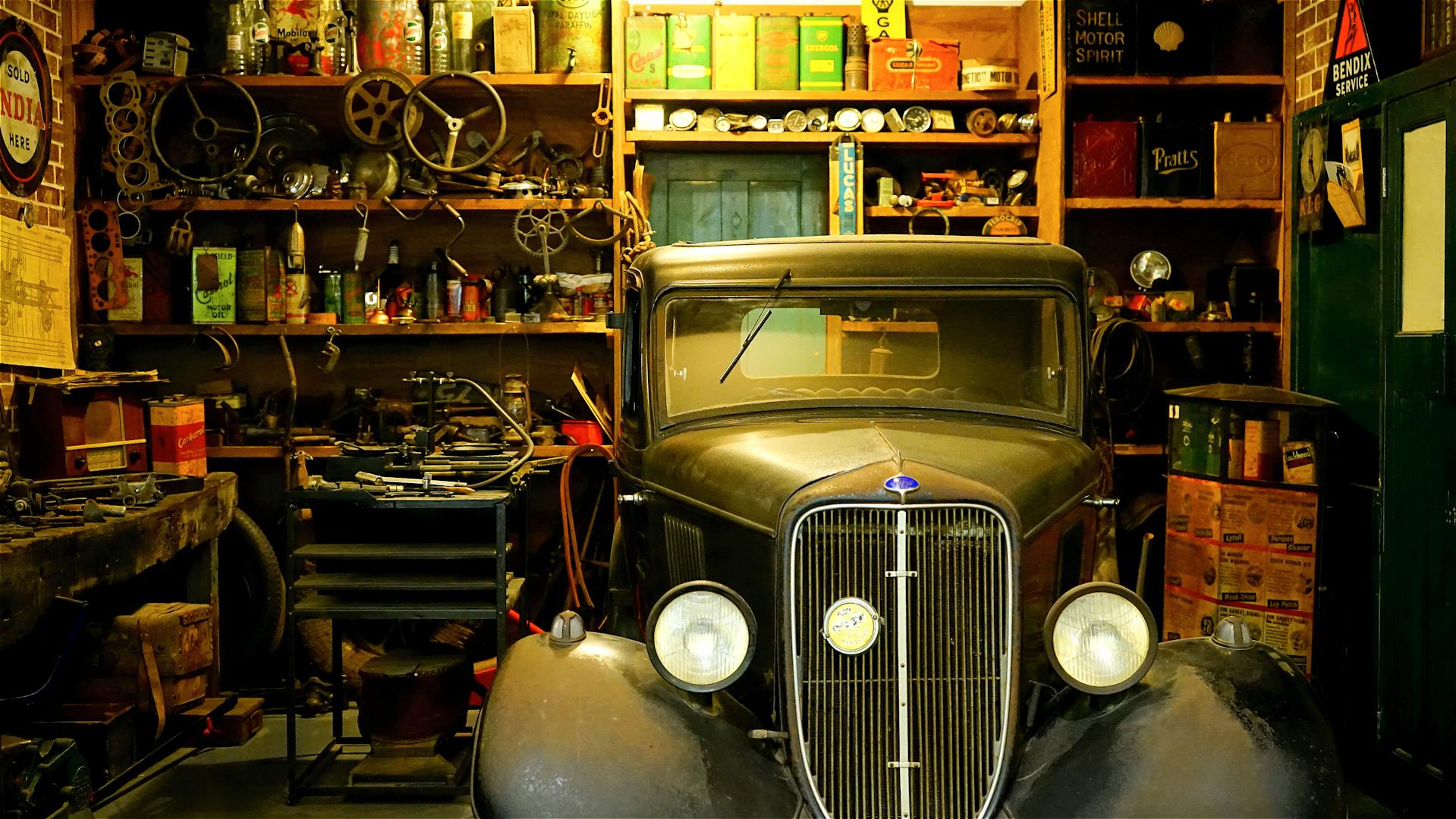
When a car is connected to an investigation, changing its condition can look suspicious, even if you are innocent. Do not repaint it, replace plates without advice, deep-clean it, remove parts, or send it to auction. Ask your lawyer what to do before touching anything important.
Photograph The Car From Every Angle
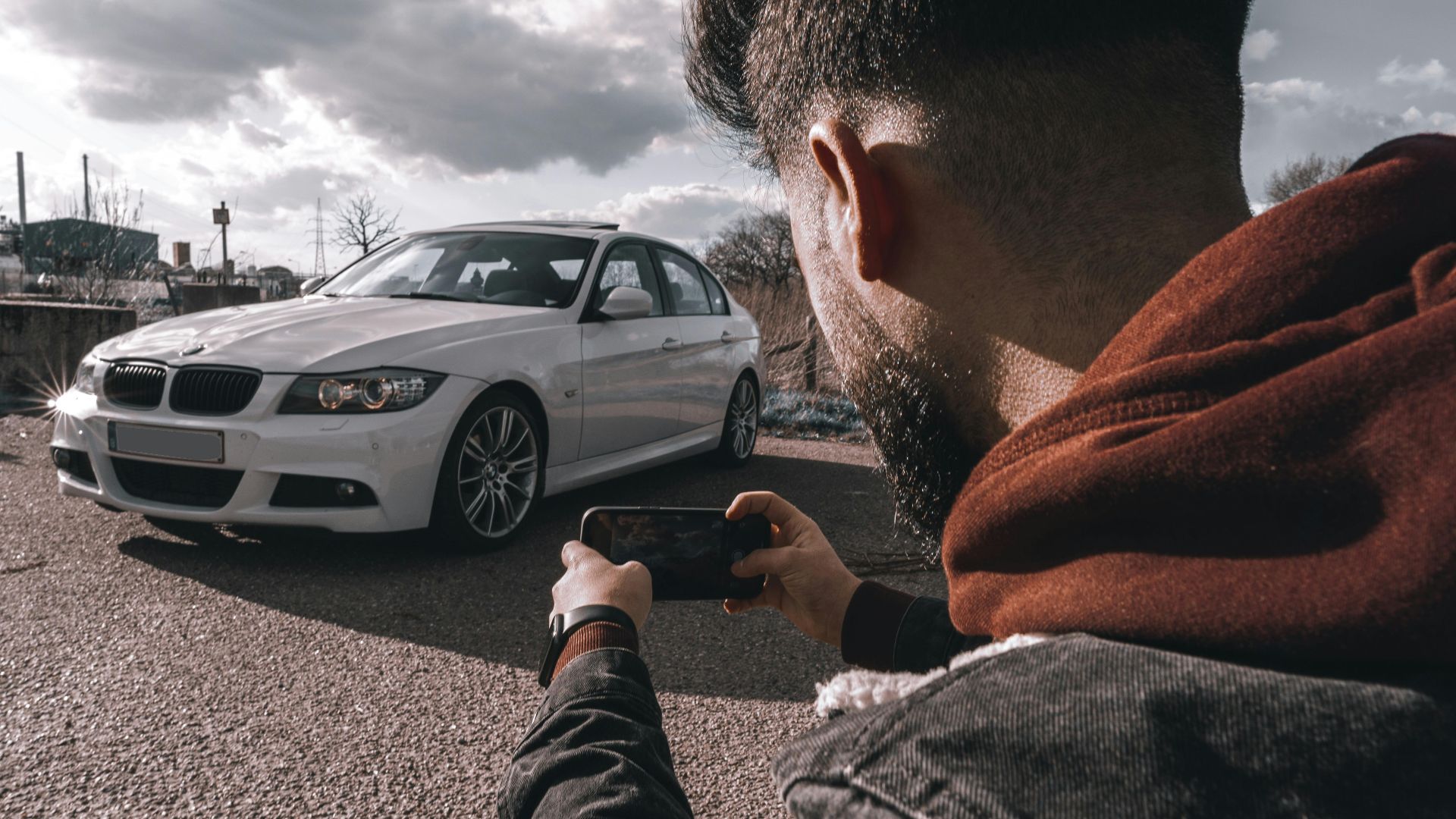
Take clear photos of the exterior, interior, odometer, plates, VIN plates, documents, keys, and any damage. You are preserving the car as it was when you learned about the problem. Think of it as creating a calm, boring photo album that says, “Here are the facts.”
Identify Where You Were During The Crime
Mistaken identity often collapses when timelines collide. If police think you were involved on a certain date, collect proof of where you actually were. Work records, phone location history, toll records, store receipts, parking apps, security footage, hotel bills, or witness statements may help.

Separate The Car From The Driver
A car can be involved in a crime without the current owner being involved. Private sales change hands all the time. Your task is to show that possession, control, and knowledge changed at a specific point. The cleaner that line is, the easier it is to explain.

Watch For Stolen Identity Problems
Sometimes the car is only part of the mess. A prior owner, fake seller, or fraudster may have used your name or details. If your identity was misused, report it through the proper identity theft channels, file a police report, and keep copies of every report number.

Ask Your Lawyer About Surrendering Safely
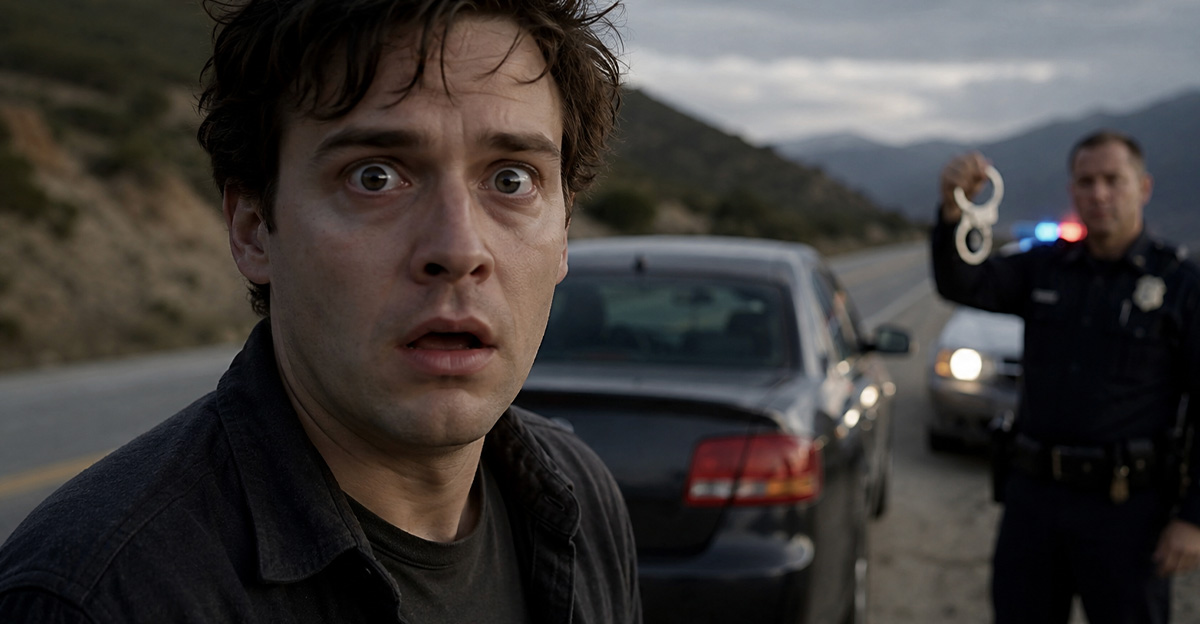
If the warrant is valid under your name, ignoring it is like ignoring smoke from the engine bay. Your lawyer may arrange a controlled surrender, court appearance, or communication with authorities. The goal is to handle the warrant before it surprises you during a traffic stop.

Stay Off Social Media
Do not post “LOL apparently my car was used in a crime” with a selfie and a shrug emoji. Prosecutors, police, insurers, and nosy neighbors can all see more than you think. Keep the story offline until your lawyer says otherwise. Mystery is your friend here.

Do Not Contact The Seller Recklessly
You may want to call the seller and demand answers. That could be risky. They might vanish, threaten you, lie, or delete evidence. Ask your lawyer before making contact. If contact is approved, keep it documented and calm. No dramatic driveway confrontations, no action-movie speeches.

Tell Your Insurance Company Carefully
Your insurer may need to know if the vehicle is tied to fraud, theft, or seizure risk. But do not ramble. Ask your lawyer how to report the issue accurately. Insurance companies love details, but they also love recorded statements, so choose your words like lug nuts.

Expect The Car May Be Examined
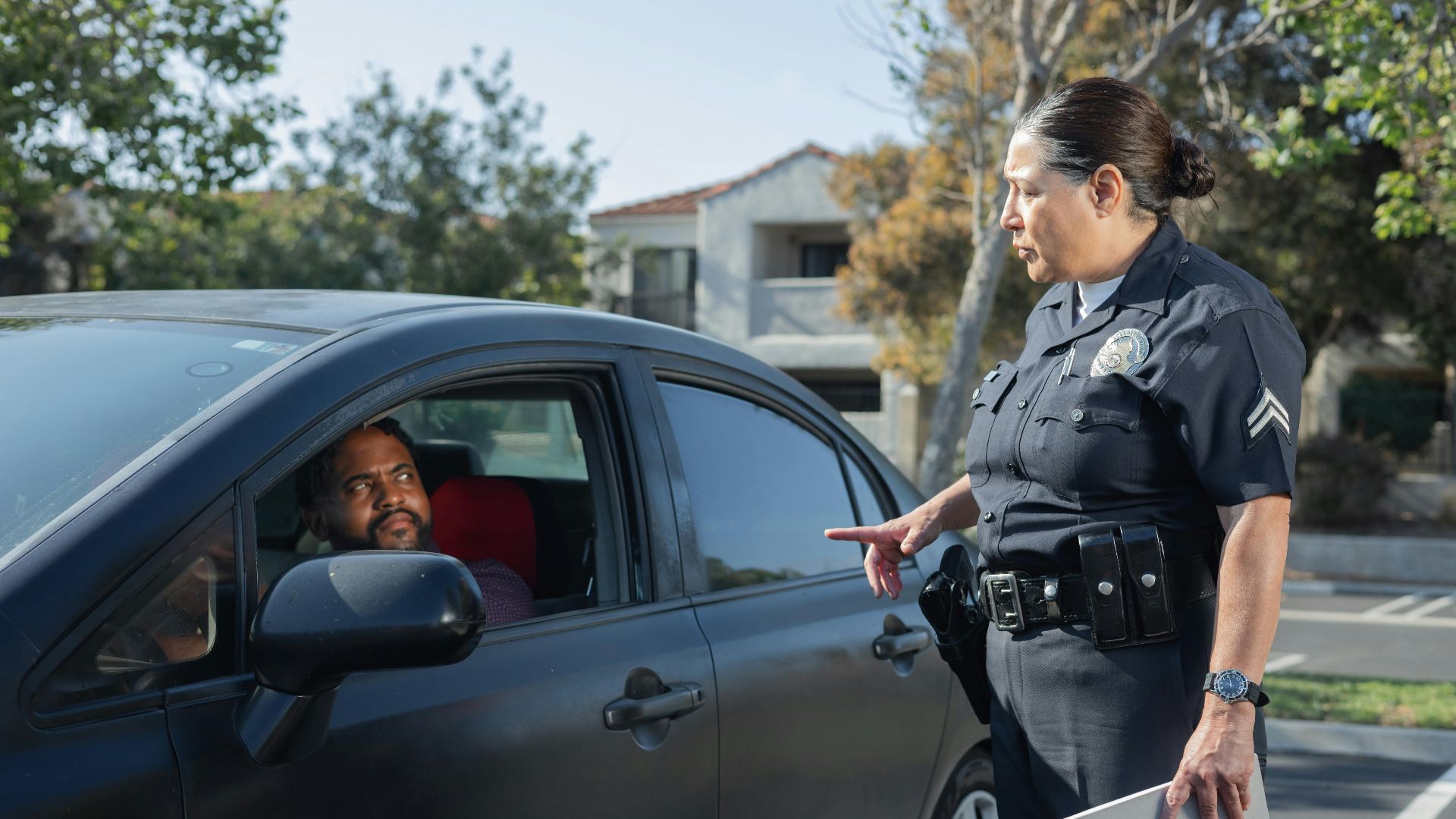
Police may want to inspect, seize, or process the vehicle. That can feel unfair when you paid good money for it, but evidence rules can be bigger than your weekend plans. Get receipts, seizure paperwork, officer names, case numbers, and instructions for getting the vehicle back.
Ask About Title And Ownership Issues
A crime-linked car may also have title problems, liens, stolen status, cloned VINs, or fraudulent paperwork. Your lawyer may suggest contacting the motor vehicle department, title office, or registry. A clean-looking title is comforting, but it is not magic armor against a bad history.

Keep A Case Folder Like A Pro
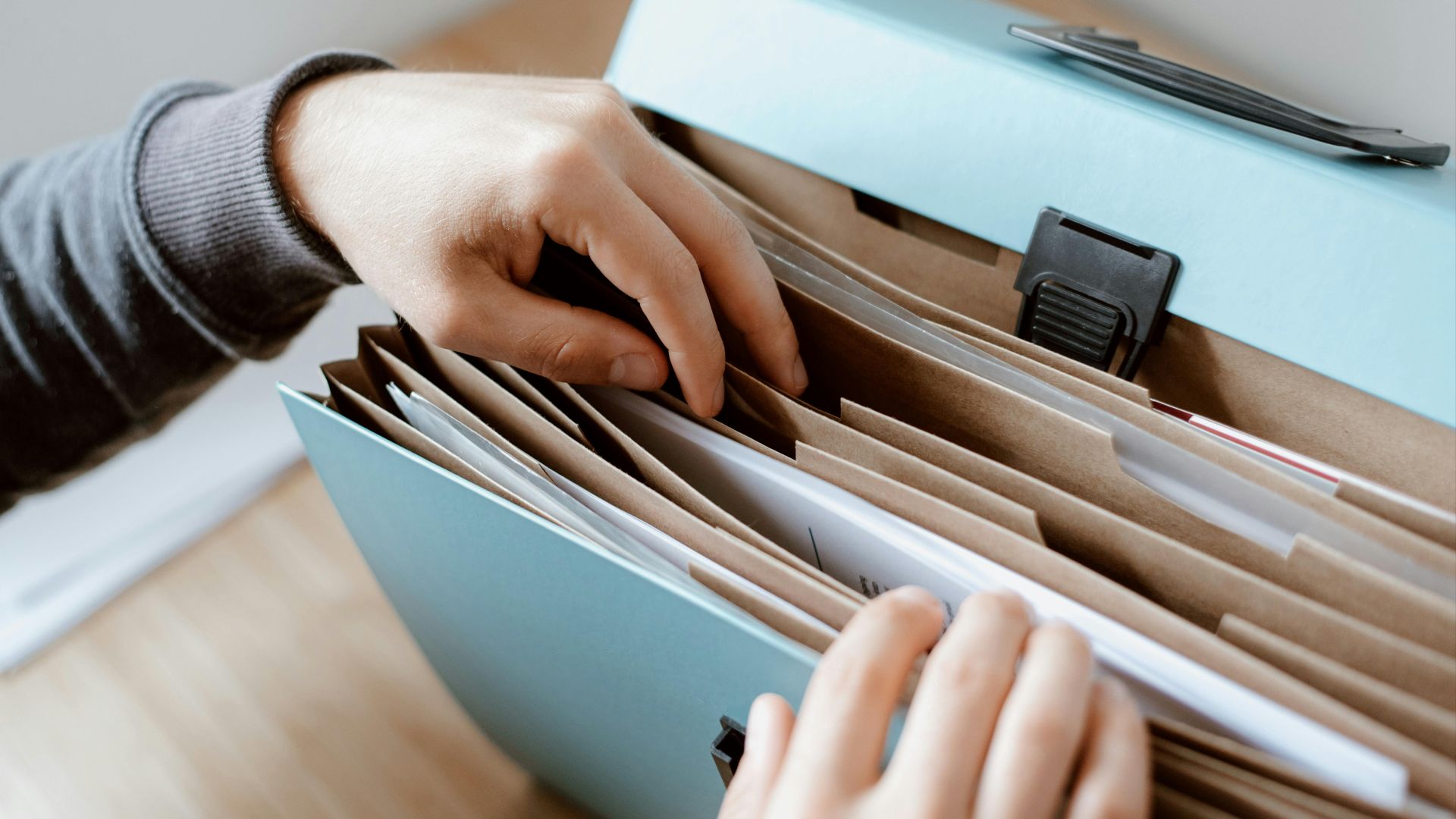
Create one folder for everything: documents, screenshots, photos, reports, lawyer notes, receipts, letters, and call logs. Use dates in file names. Back it up. A tidy folder makes you look organized, credible, and less like someone trying to explain a tornado with napkins.
Be Honest About What You Do Not Know
It is okay to say, “I do not know what happened before I bought it.” Do not guess. Do not fill in blanks with theories about the seller’s cousin or a suspicious backpack. Stick to what you can prove. Facts are torque. Speculation is wheel spin.

Learn From The Private Sale Trap
Private car deals can be great, but they require caution. Before buying, check the VIN, seller ID, title status, lien status, service history, and payment trail. Meet somewhere safe, avoid rushed deals, and be suspicious of sellers who treat paperwork like it is optional seasoning.

A Pre-Purchase Check Can Save Your Sanity
A mechanic checks the metal. A title search checks the story. Both matter. Spending a little before buying can prevent a wallet-sized victory from becoming a legal bonfire. In used cars, the cheapest deal can become expensive if the history is wearing a fake mustache.
The Good News: Proof Can Untangle The Mess
Mistaken identity feels terrifying because it sounds official. But official mistakes can be challenged with records, timelines, documents, and legal help. You do not prove innocence by yelling louder. You prove it by showing the right people the right evidence in the right order.

Drive Away Smarter
Buying a car privately should end with a happy driveway photo, not a warrant. If it happens, stay calm, call a lawyer, preserve evidence, document the sale, and handle police contact carefully. The truth needs traction—and with the right paperwork, it has a much better chance of gripping the road.

You May Also Like:
Car Dealership Tactics That Customers Should Always Question