That Car Show Confidence Is About To Get Tested
You can spot a GTO across a parking lot. You know what a Hemi sounds like. But how much do you remember about the strange options, unexpected parts, and factory decisions behind these cars? Keep score through these 20 questions—and answer before moving to the next slide. Eight might be harder than you think.
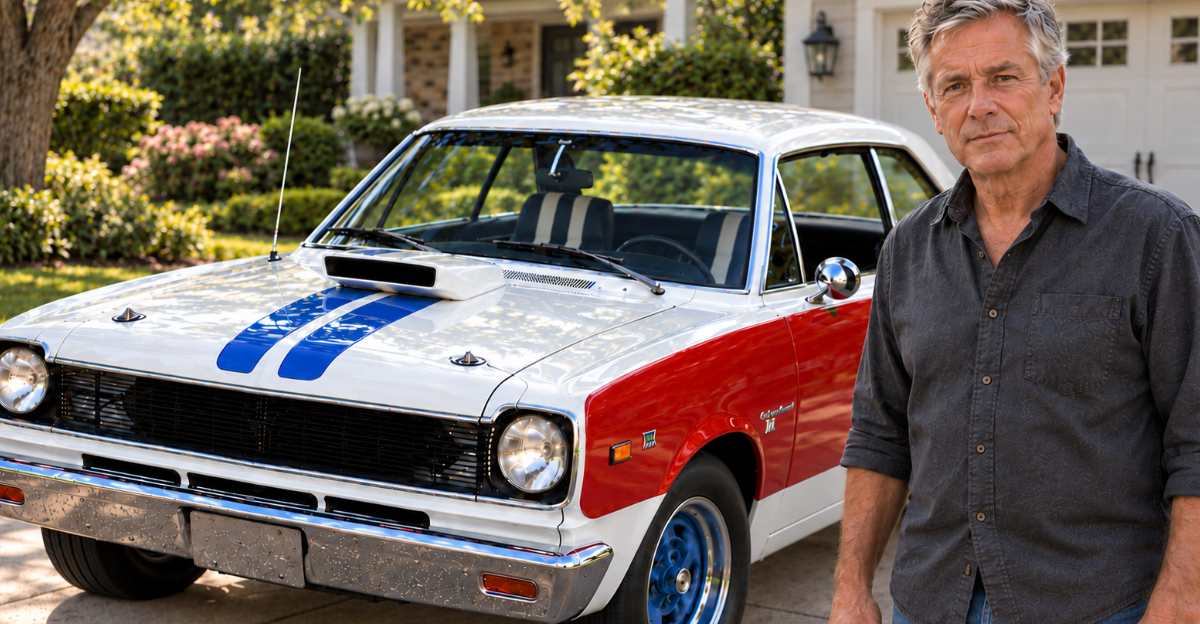
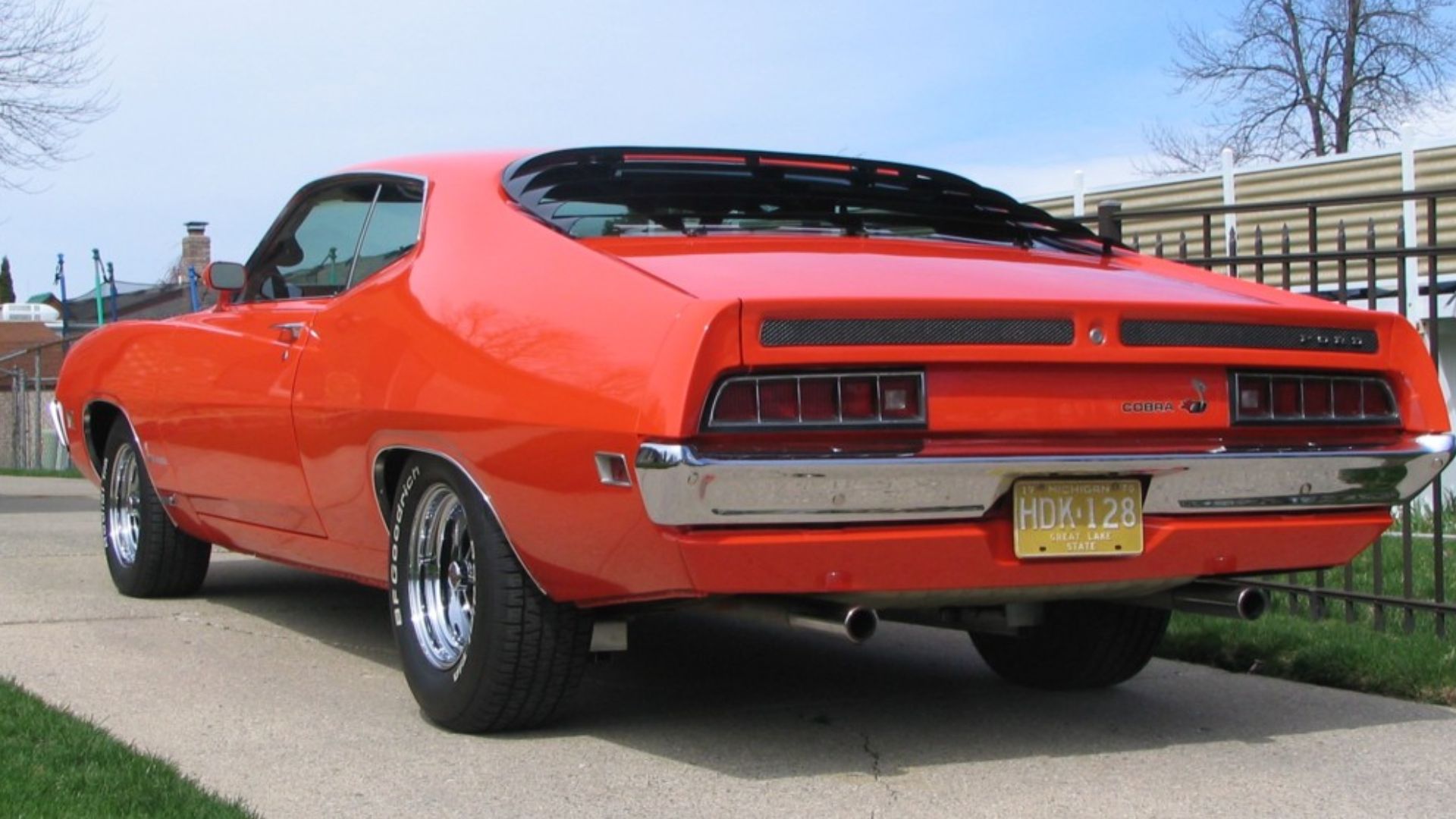
1: What ordinary Ford part was modified to become the 1969 Talladega’s front bumper?
Ford’s NASCAR-inspired Talladega needed a front bumper that fit its special aerodynamic nose. Rather than starting completely from scratch, the people building it found something useful elsewhere on the car.
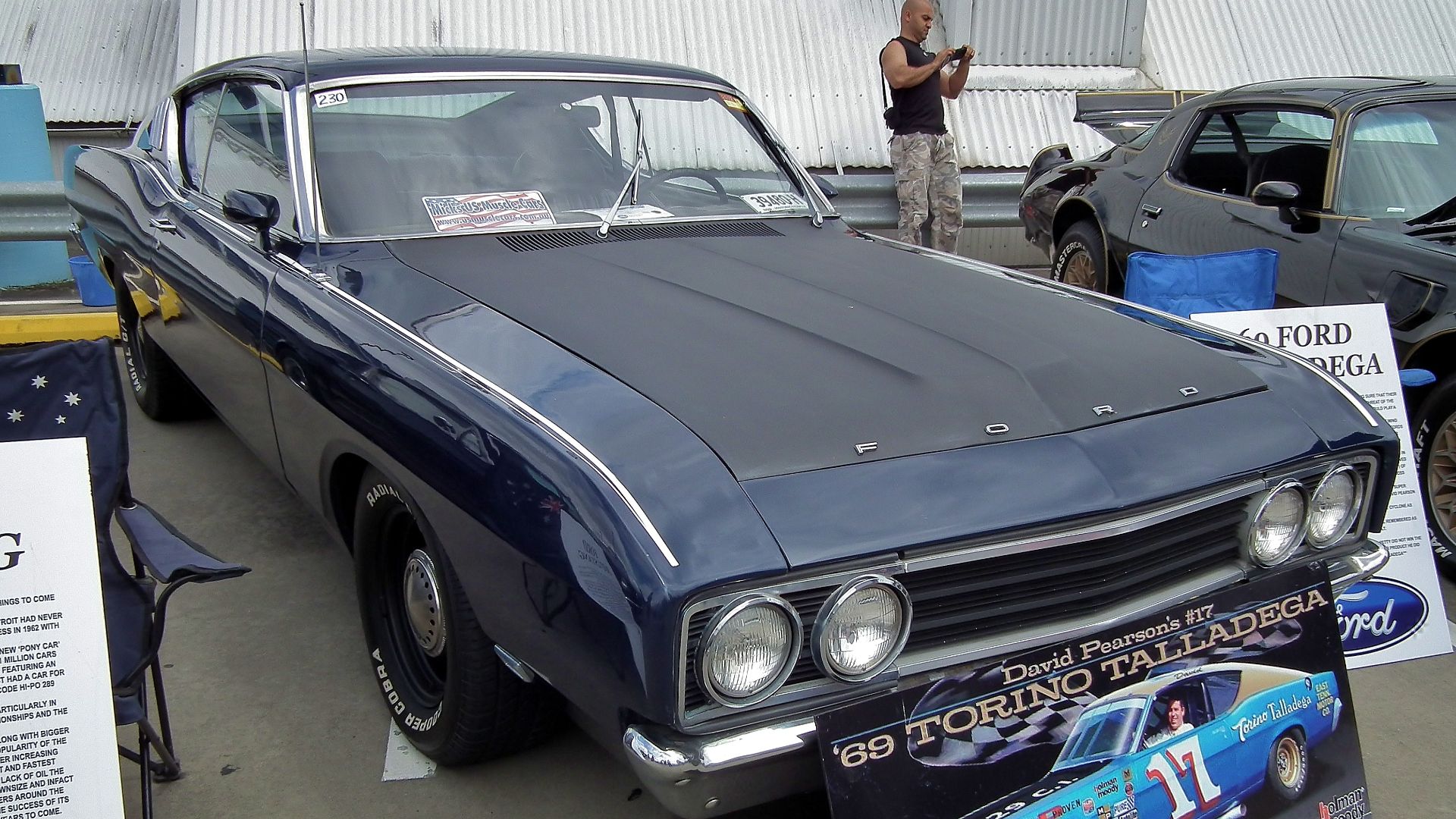
A: A Fairlane/Torino rear bumper
The Talladega’s front bumper started as a Fairlane/Torino rear bumper, which was cut, reshaped, and narrowed to fit its new job. The modification helped it tuck closely against the aerodynamic nose. Apparently, building a faster Ford sometimes meant putting the back on the front.
 Caprice 96 at English Wikipedia, Wikimedia Commons
2: Which specialist company handled the Boss 429 Mustang conversions for Ford?
The Boss 429 required more than dropping a bigger engine into a Mustang. Ford brought in a specialist to handle the necessary conversion work—but can you name the company?
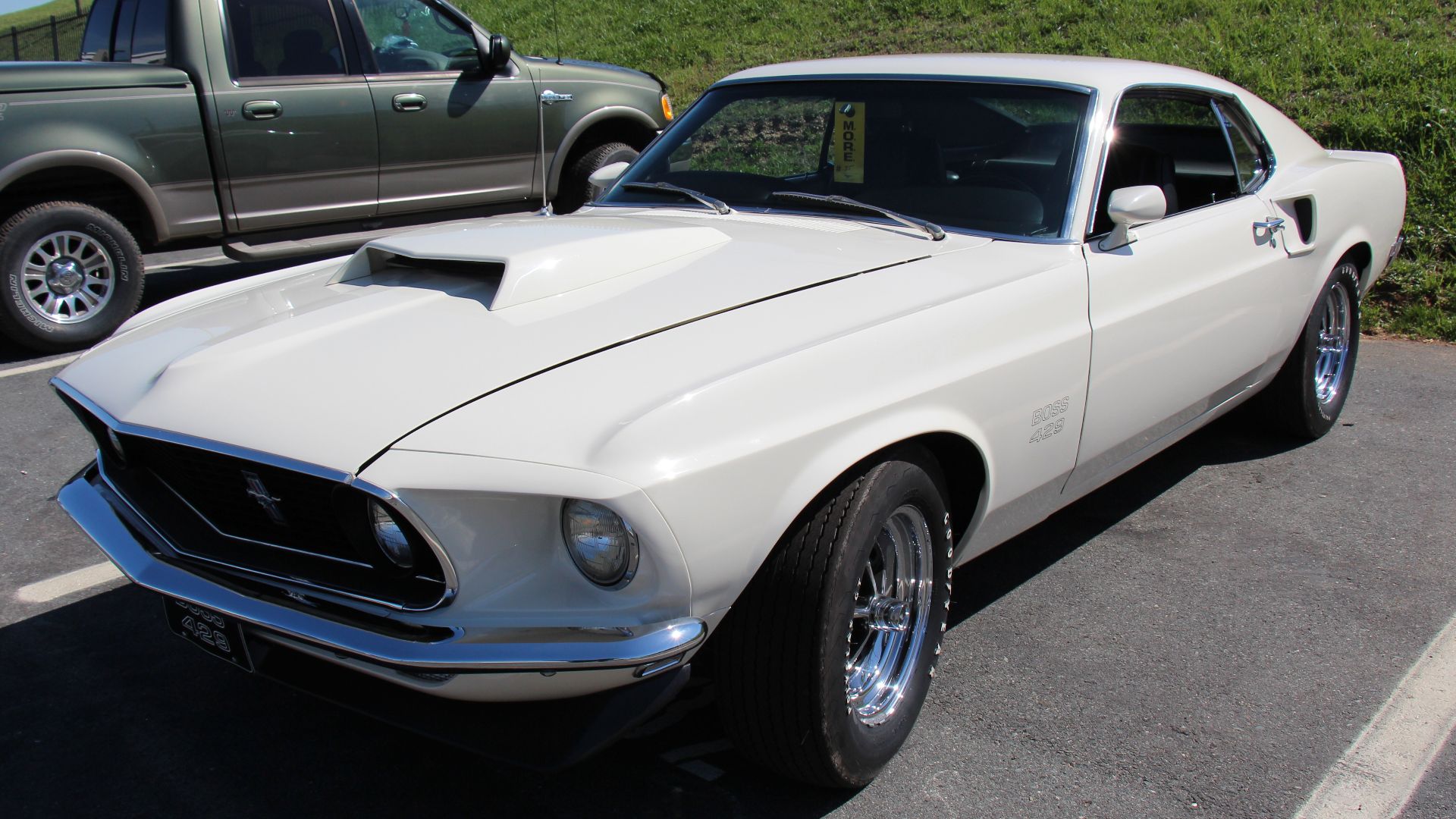
A: Kar Kraft
Kar Kraft in Brighton, Michigan, completed the Boss 429 Mustangs and installed their enormous engines. Fitting that engine required specially engineered front-end components and a substantially revised engine compartment. Even Ford’s own Mustang needed some fairly serious persuasion to become this particular Mustang.
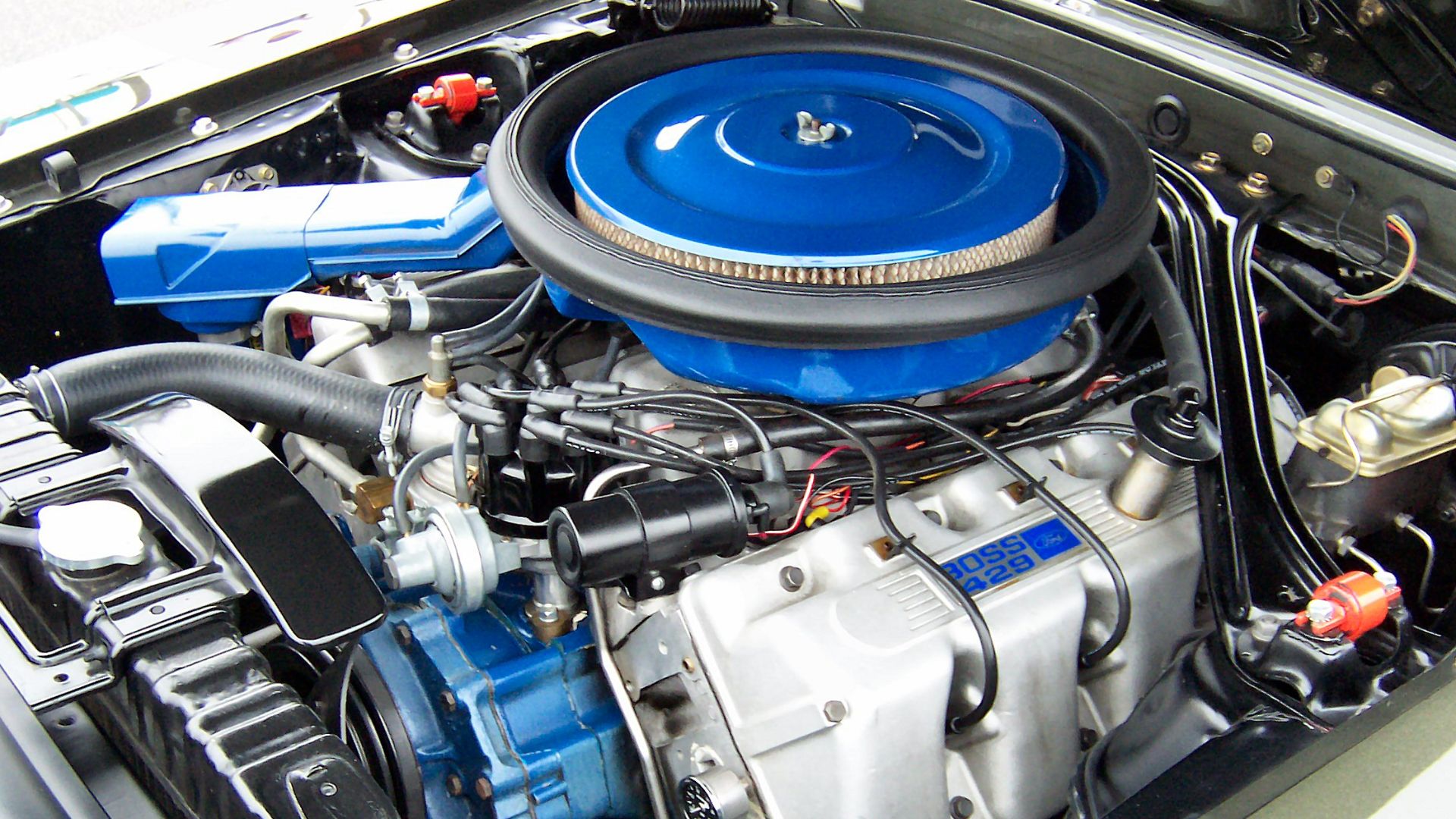 Photo by User:Morven., Wikimedia Commons
3: The 1970 Plymouth Superbird borrowed its front fenders from which car?
A) Dodge Charger
B) Plymouth Fury
C) Dodge Coronet
D) Plymouth GTX
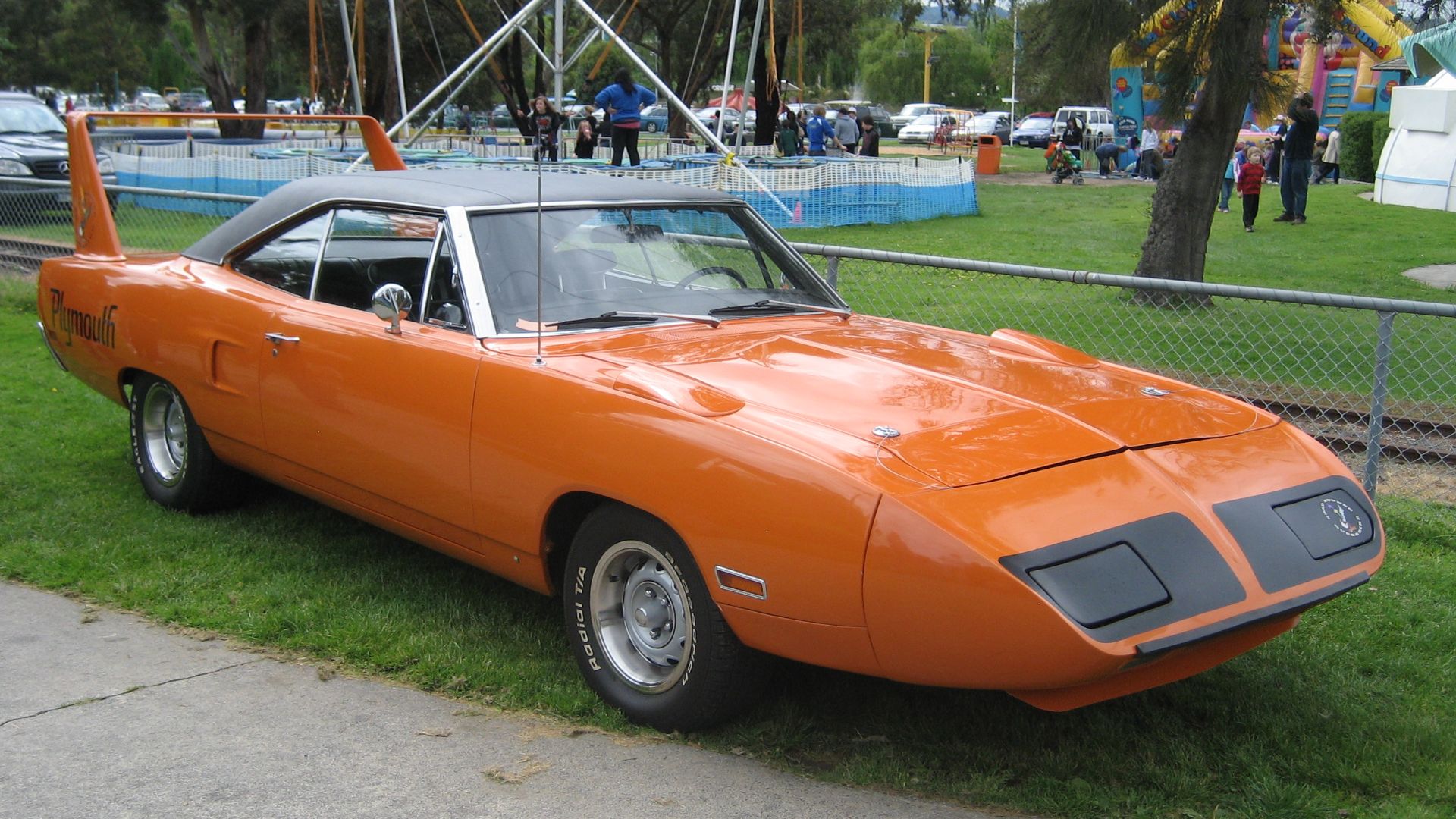
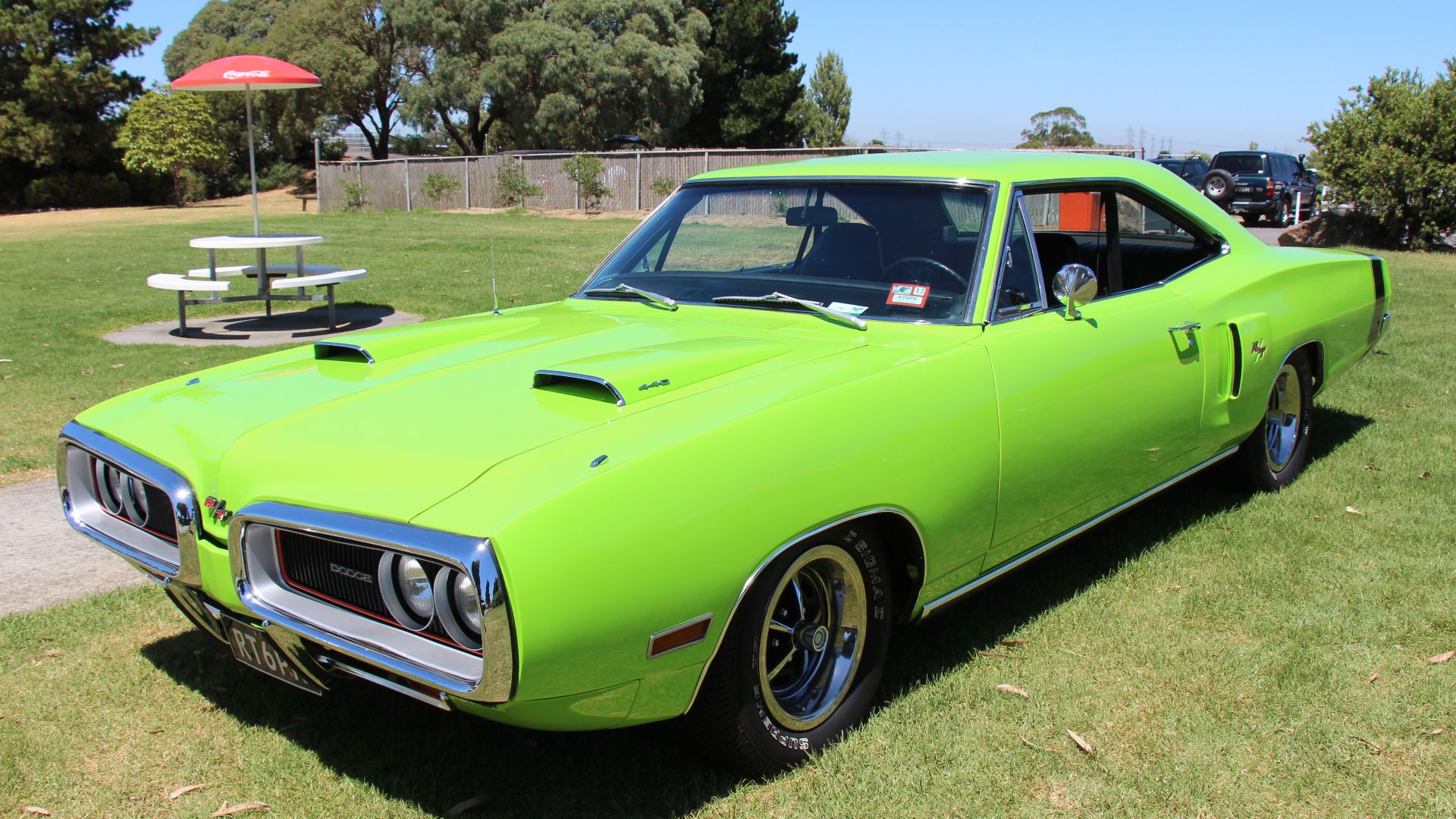
A: The 1970 Dodge Coronet
The Superbird used modified 1970 Dodge Coronet front fenders, along with a modified Coronet hood, to help accommodate its special nose. Underneath the Plymouth identity was some very important Dodge sheet metal. That’s a useful detail to remember before calling somebody’s restoration incorrect.
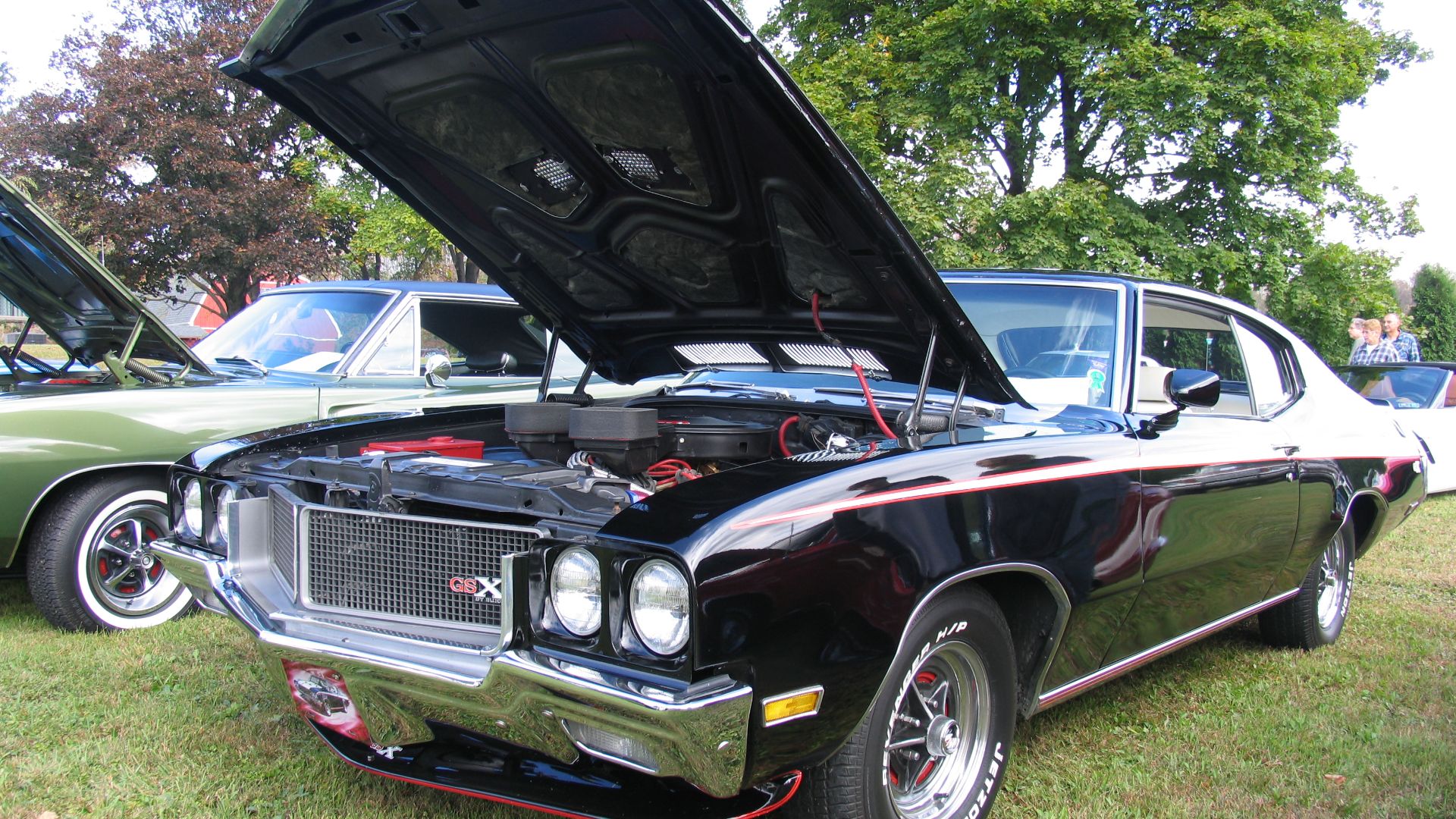
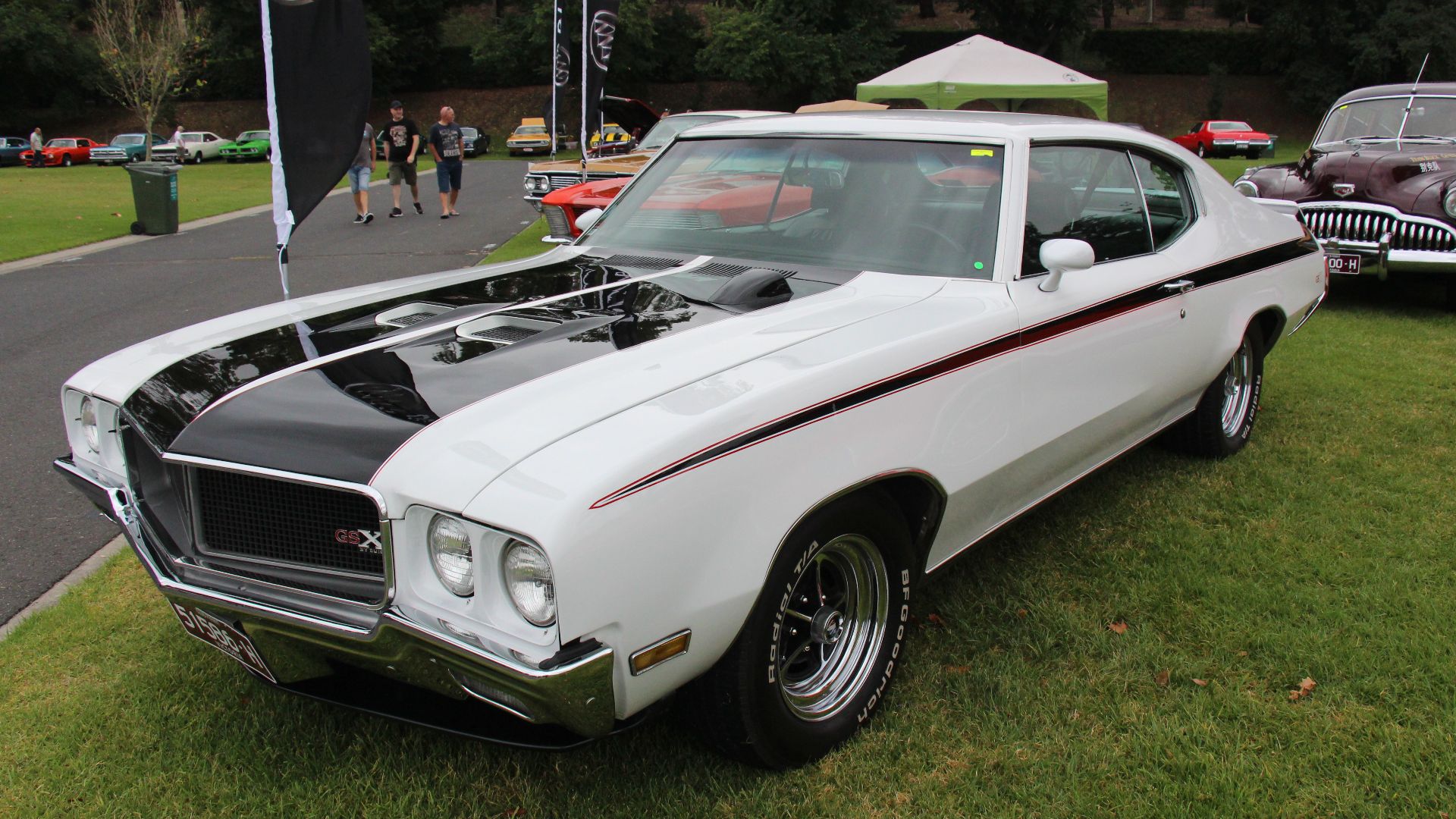
4: What were the only two factory colors offered on the 1970 Buick GSX?
You don’t need the paint codes, but you do need both color names. Buick gave GSX buyers a surprisingly short selection for the car’s first model year.
 ilikewaffles11, Wikimedia Commons
A: Saturn Yellow and Apollo White
For 1970, the GSX came in Saturn Yellow or Apollo White, with contrasting graphics that made either version difficult to overlook. Buick offered more GSX colors in later years. For the original, though, choosing the paint probably took less time than choosing the radio station.
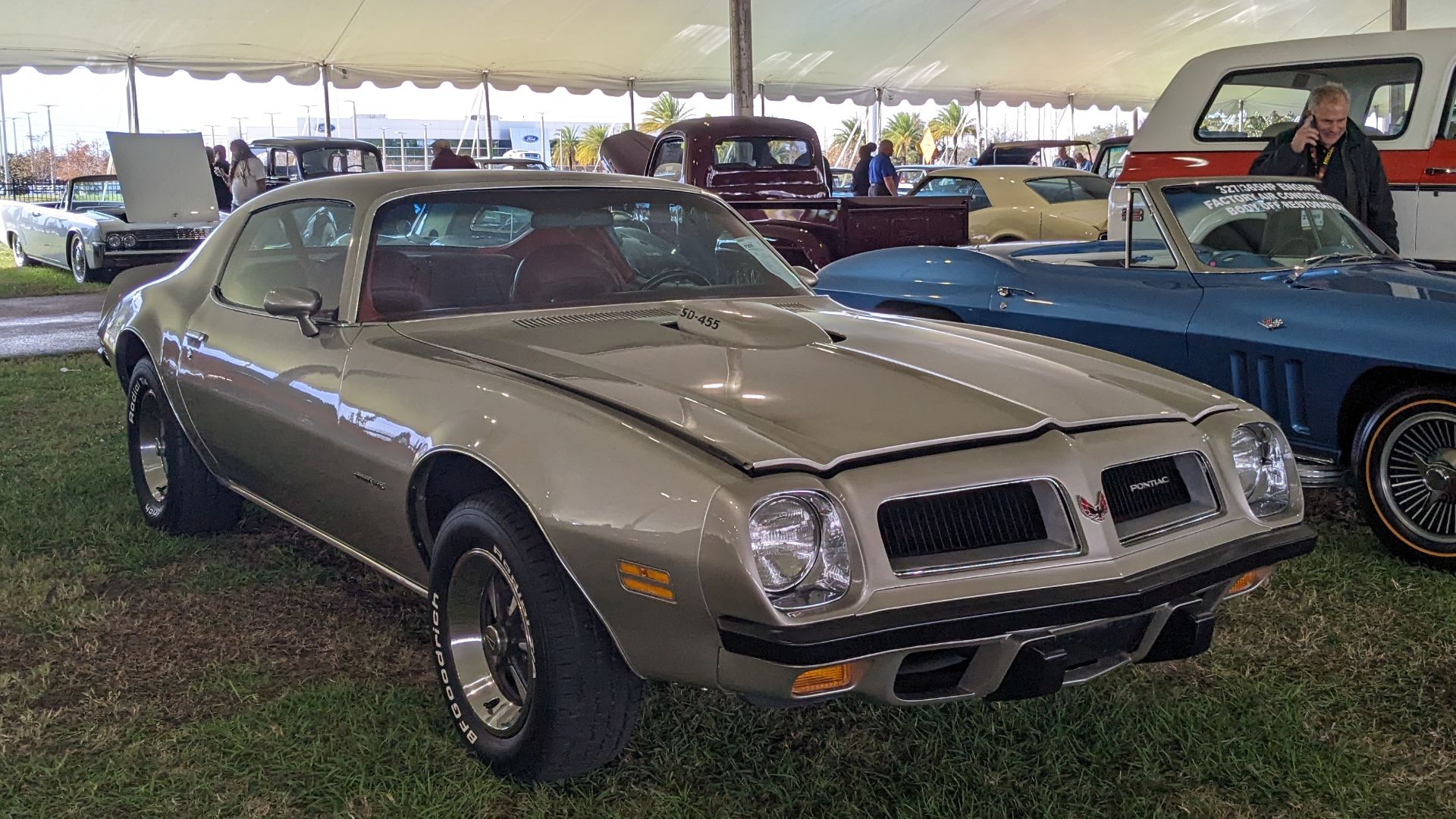
5: Besides the Trans Am, which Firebird model could get the Super Duty 455 in 1973?
The Trans Am gets most of the attention whenever Pontiac’s Super Duty engine comes up. But another Firebird could leave the factory with that same highly desirable engine.
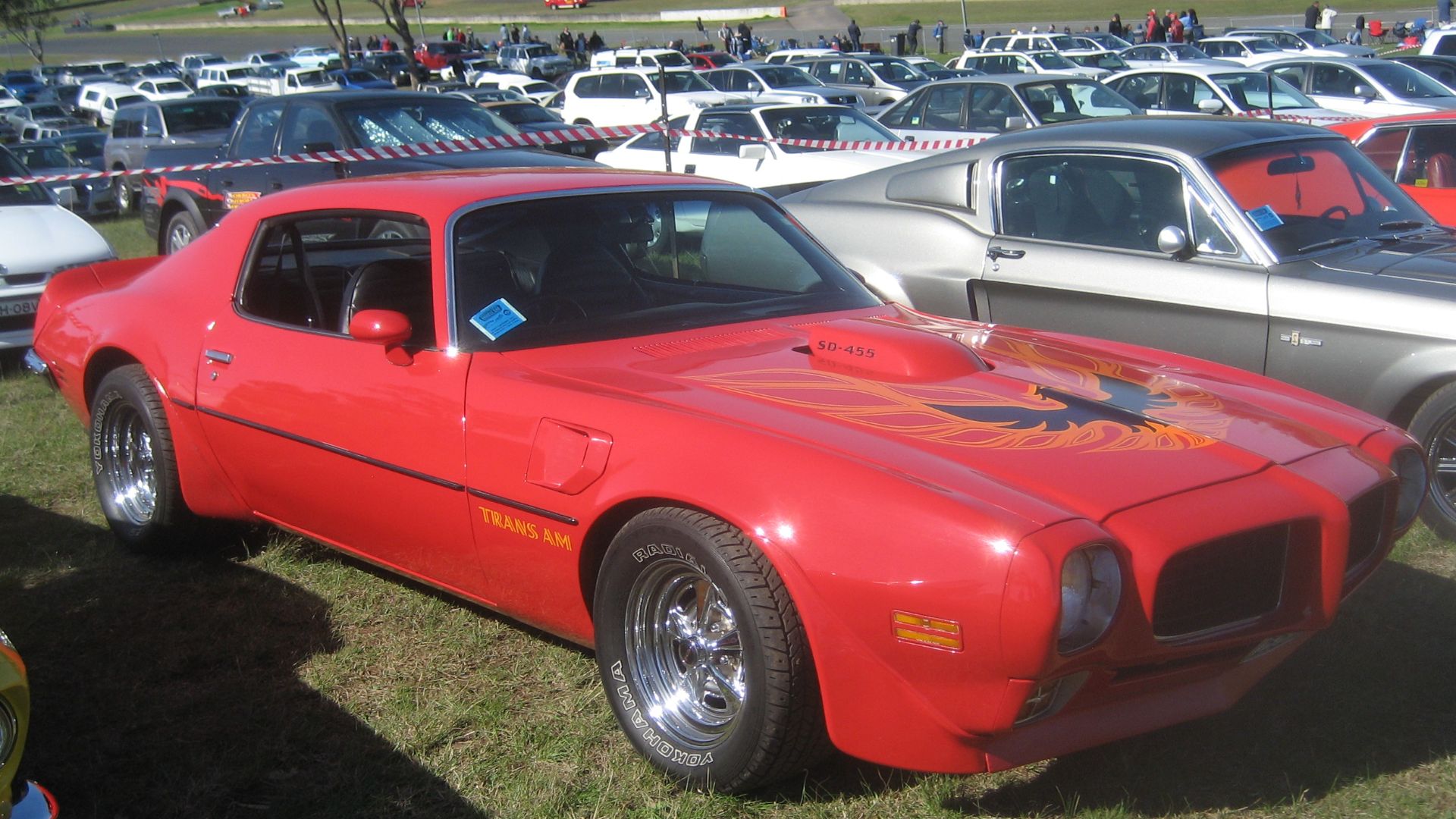
A: The Firebird Formula
The Formula could also receive the Super Duty 455, although very few buyers ended up with one. Pontiac built just 43 SD-455 Formulas for 1973, compared with 252 Super Duty Trans Ams. That quieter-looking Firebird beside you might have deserved a second look.
 Pokemonprime, Wikimedia Commons
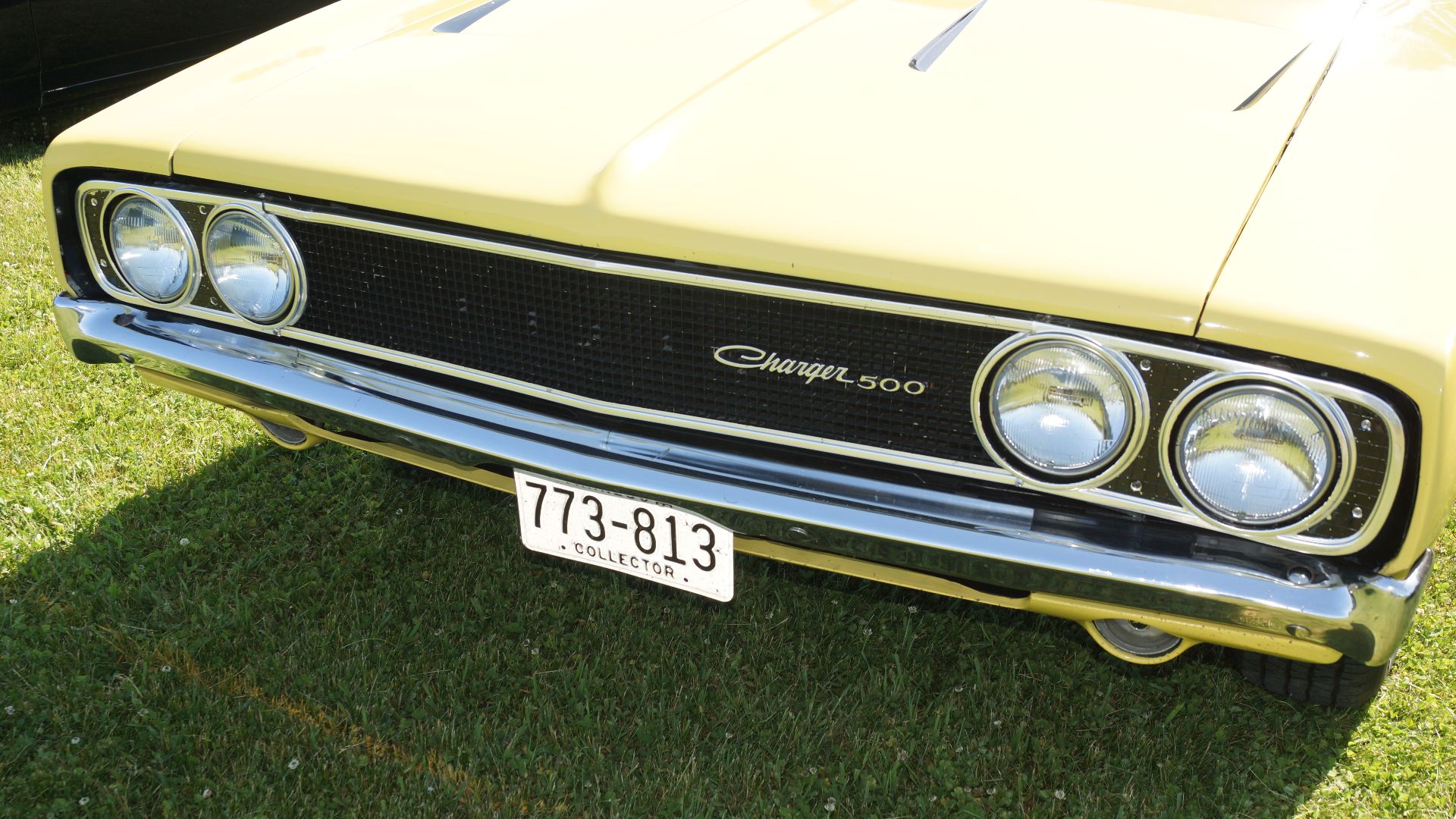
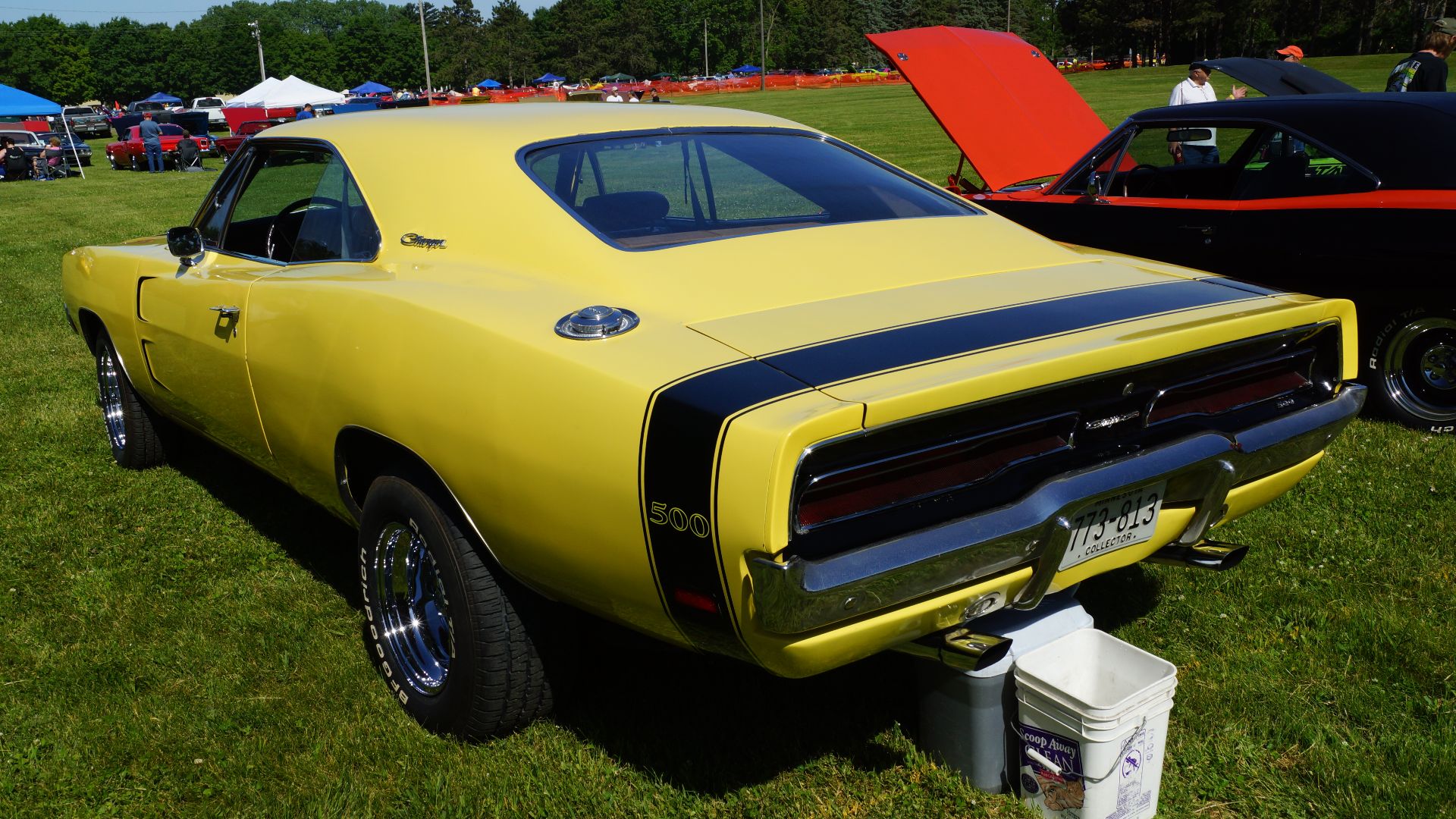
6: What happened to the rear window on the special 1969 Dodge Charger 500?
This question is about the NASCAR-inspired 1969 model, rather than later Chargers wearing the 500 name. Dodge changed something important about how its rear glass sat in the body.
 Greg Gjerdingen from Willmar, USA, Wikimedia Commons
A: It became flush-mounted
The regular Charger’s recessed rear window looked great, but it created aerodynamic problems at racing speeds. The Charger 500 received a flush rear-window treatment, along with a revised front end. Sometimes making a muscle car faster meant changing the glass rather than adding more engine.
 Greg Gjerdingen from Willmar, USA, Wikimedia Commons
7: What did Chevrolet’s rare JL8 option add to a 1969 Camaro?
A) Four-wheel power disc brakes
B) A cross-ram intake with two carburetors
C) A heavy-duty four-speed transmission
D) A special cold-air hood
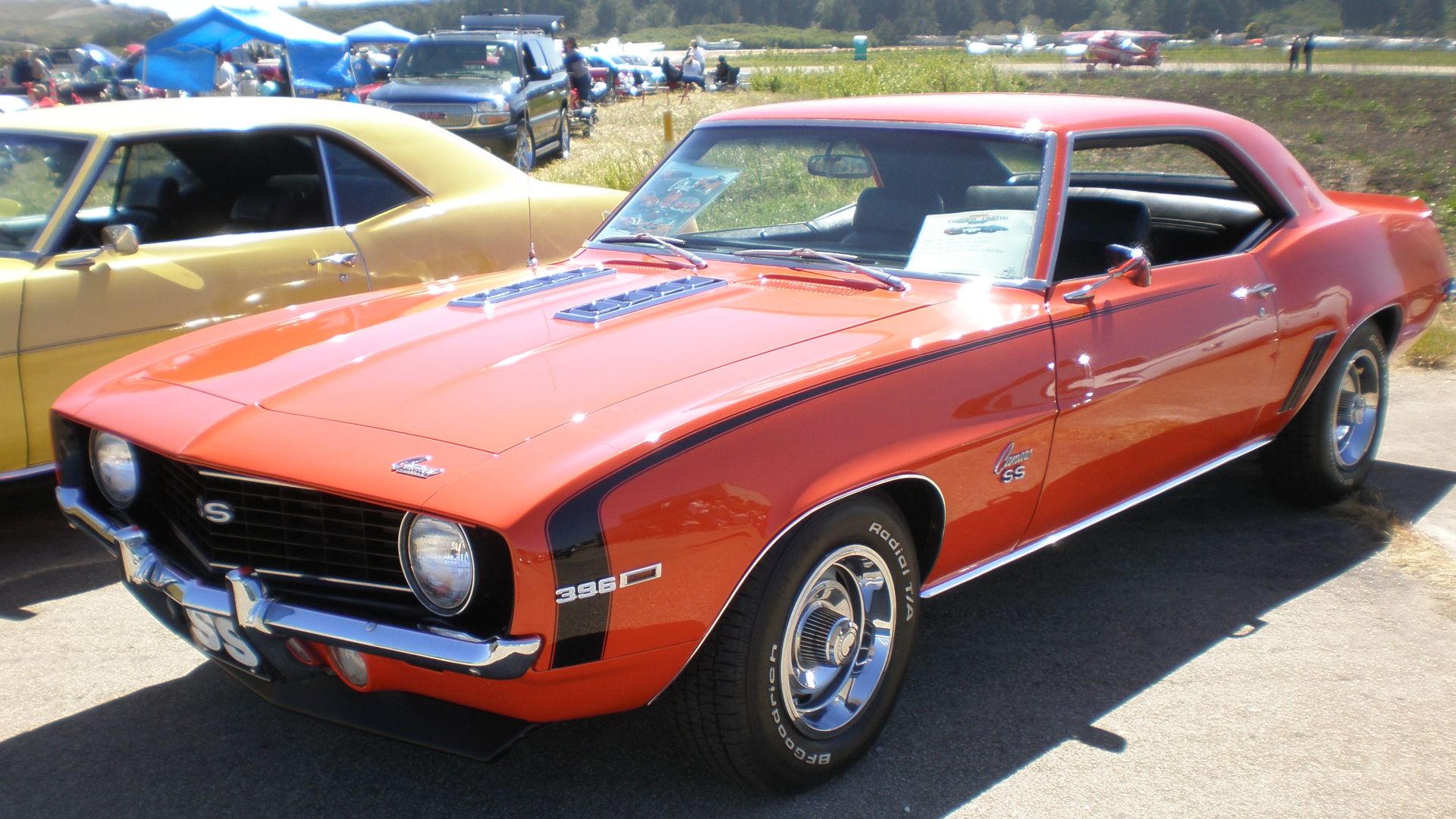 BrokenSphere, Wikimedia Commons
A: Four-wheel power disc brakes
JL8 gave the Camaro power disc brakes at all four wheels, an unusual factory offering for the time. Only 206 cars received the production option, according to the Camaro Research Group. It was an expensive way to improve the part of performance everyone forgets: stopping.
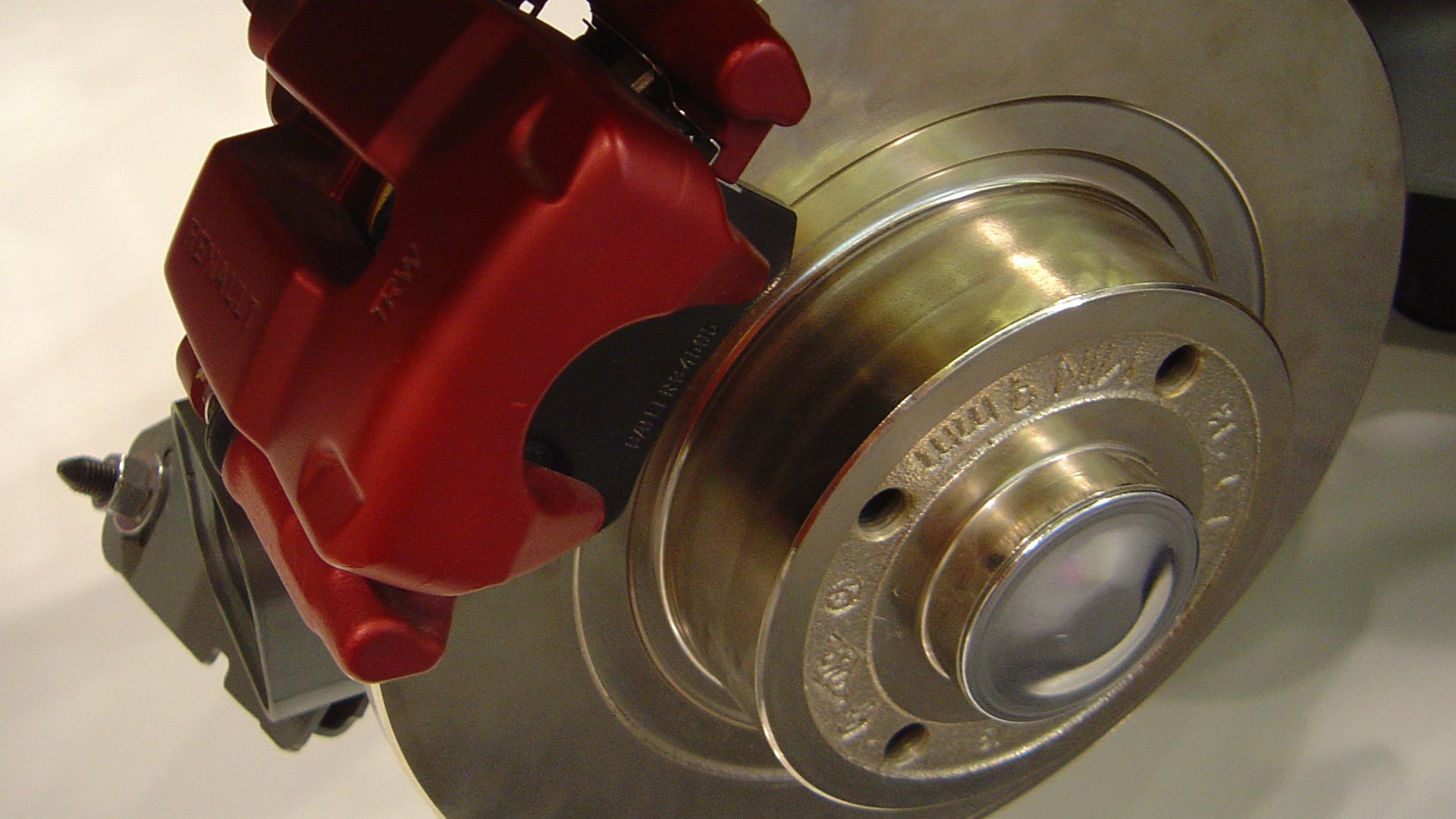 David.Monniaux, Wikimedia Commons
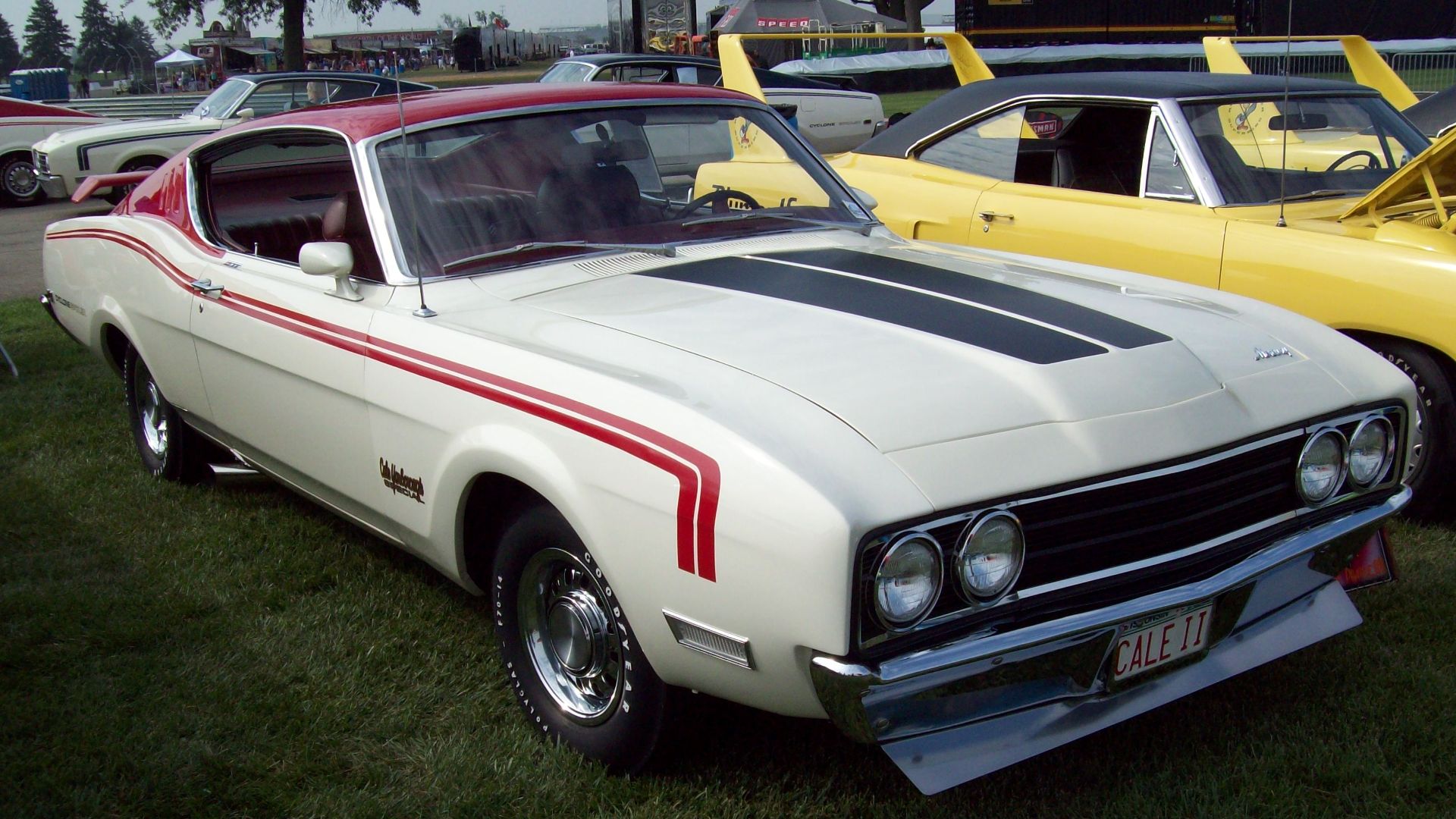
8: Which two racing drivers had special editions of the 1969 Mercury Cyclone Spoiler II?
Mercury didn’t simply give its aerodynamic special a long name and send it out the door. The two versions also carried the names of two very accomplished drivers.
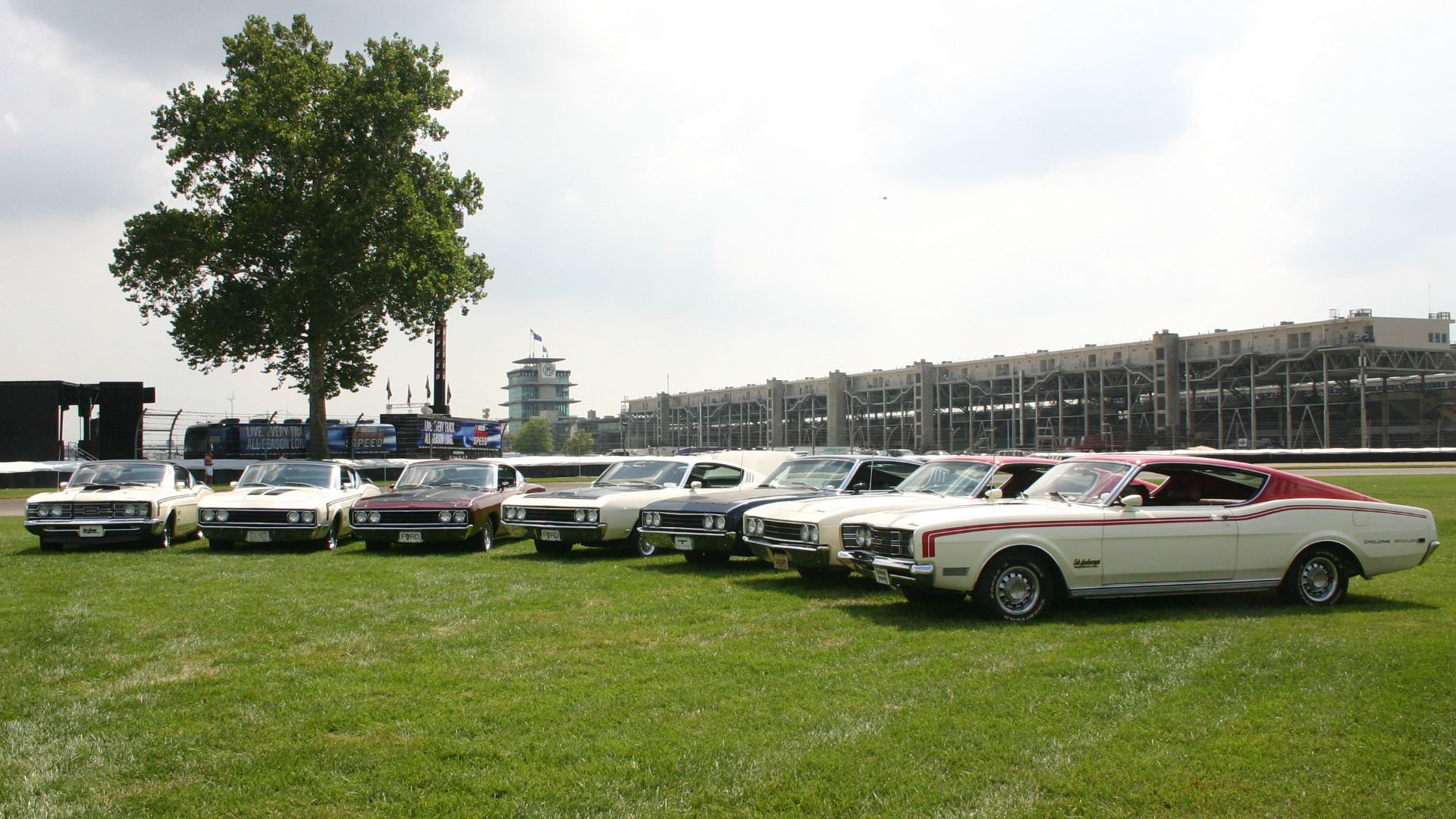
A: Cale Yarborough and Dan Gurney
The Cale Yarborough cars wore red-and-white paint, while the Dan Gurney versions wore blue and white. Underneath those racing connections, production Spoiler IIs used a 351 Windsor V8 and an automatic transmission. The showroom version wasn’t simply a NASCAR engine with license plates.
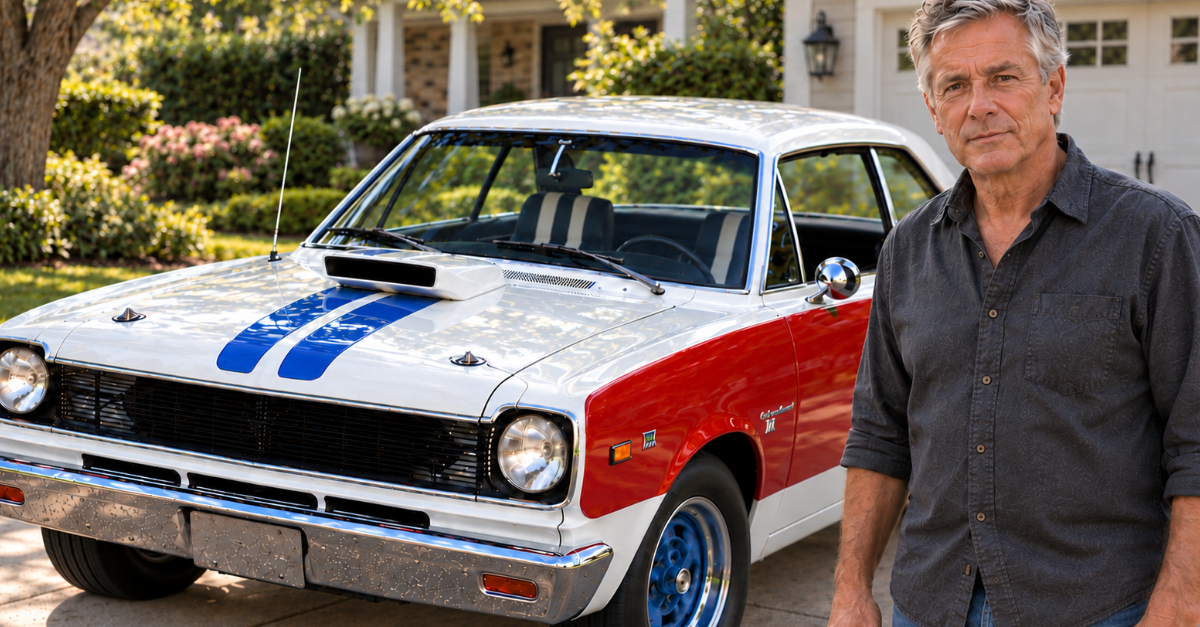
9: What engine powered the 1970 AMC Rebel Machine?
A) 343-cubic-inch V8
B) 360-cubic-inch V8
C) 390-cubic-inch V8
D) 401-cubic-inch V8
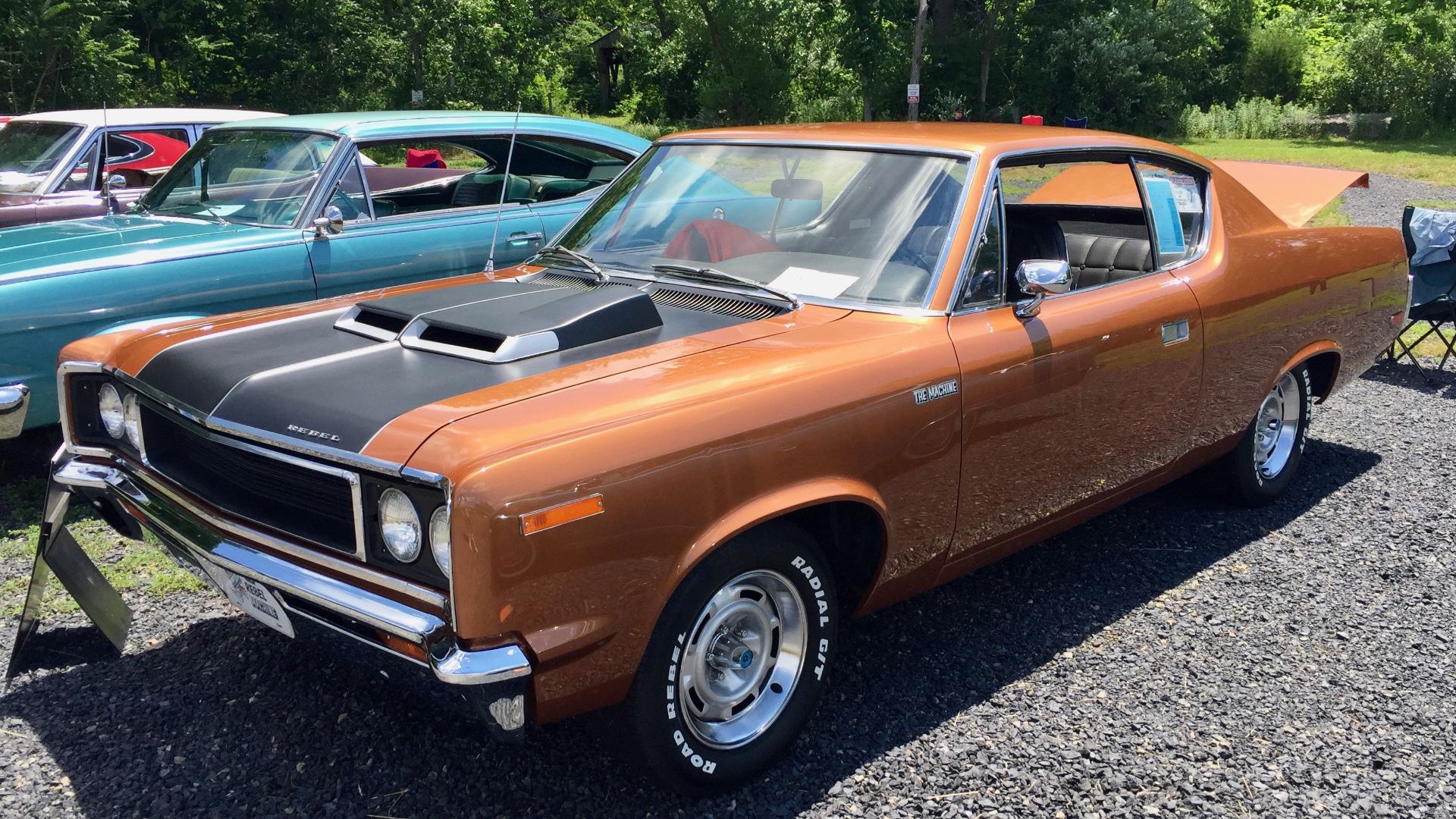
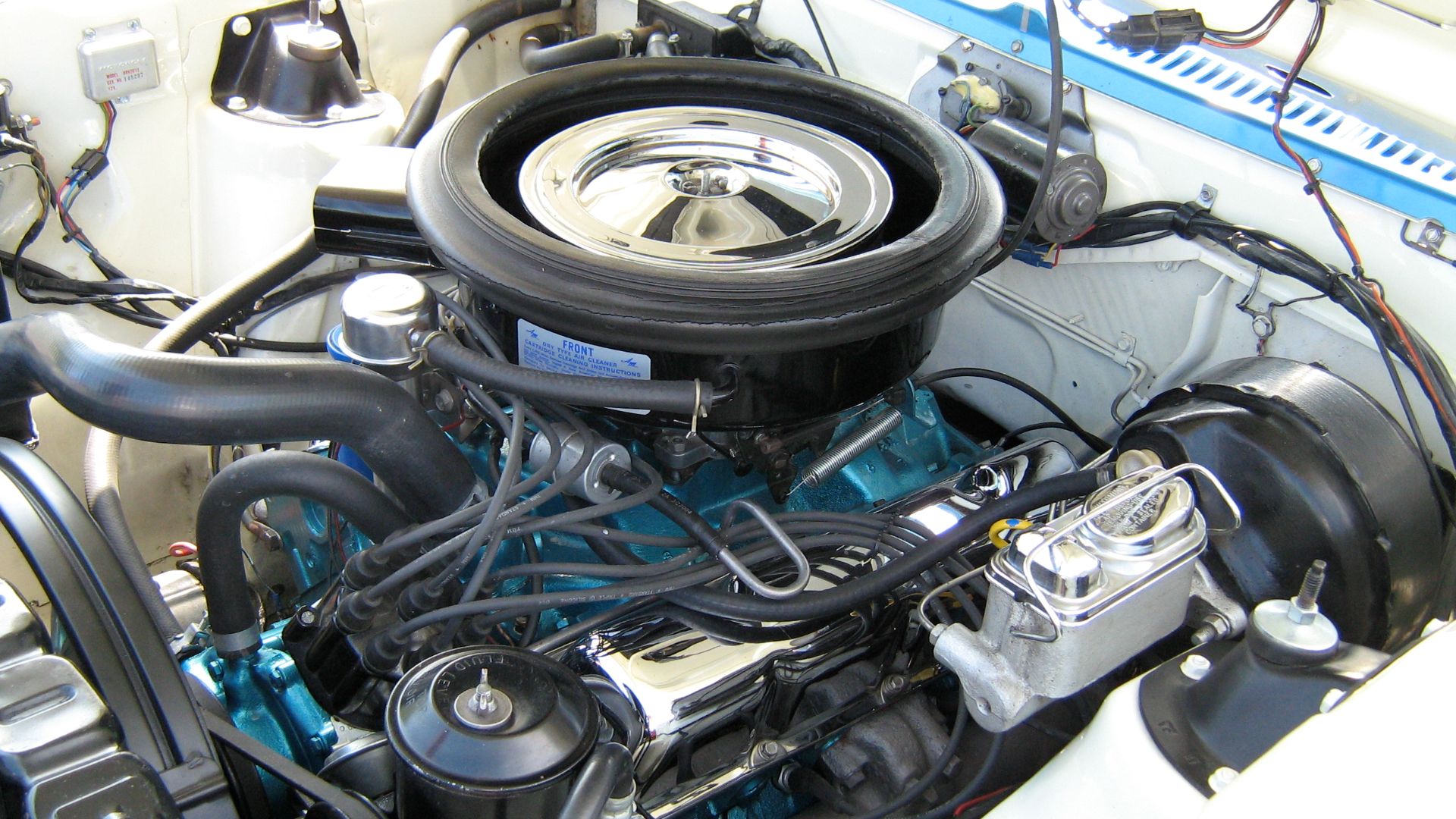
A: A 390-cubic-inch V8
The Rebel Machine used a specially equipped 390 V8 rated at 340 horsepower, rather than the 401 some people remember from later AMC performance cars. Its functional hood scoop helped announce the occasion. Calling the whole thing “The Machine” wasn’t exactly an attempt at modesty, either.
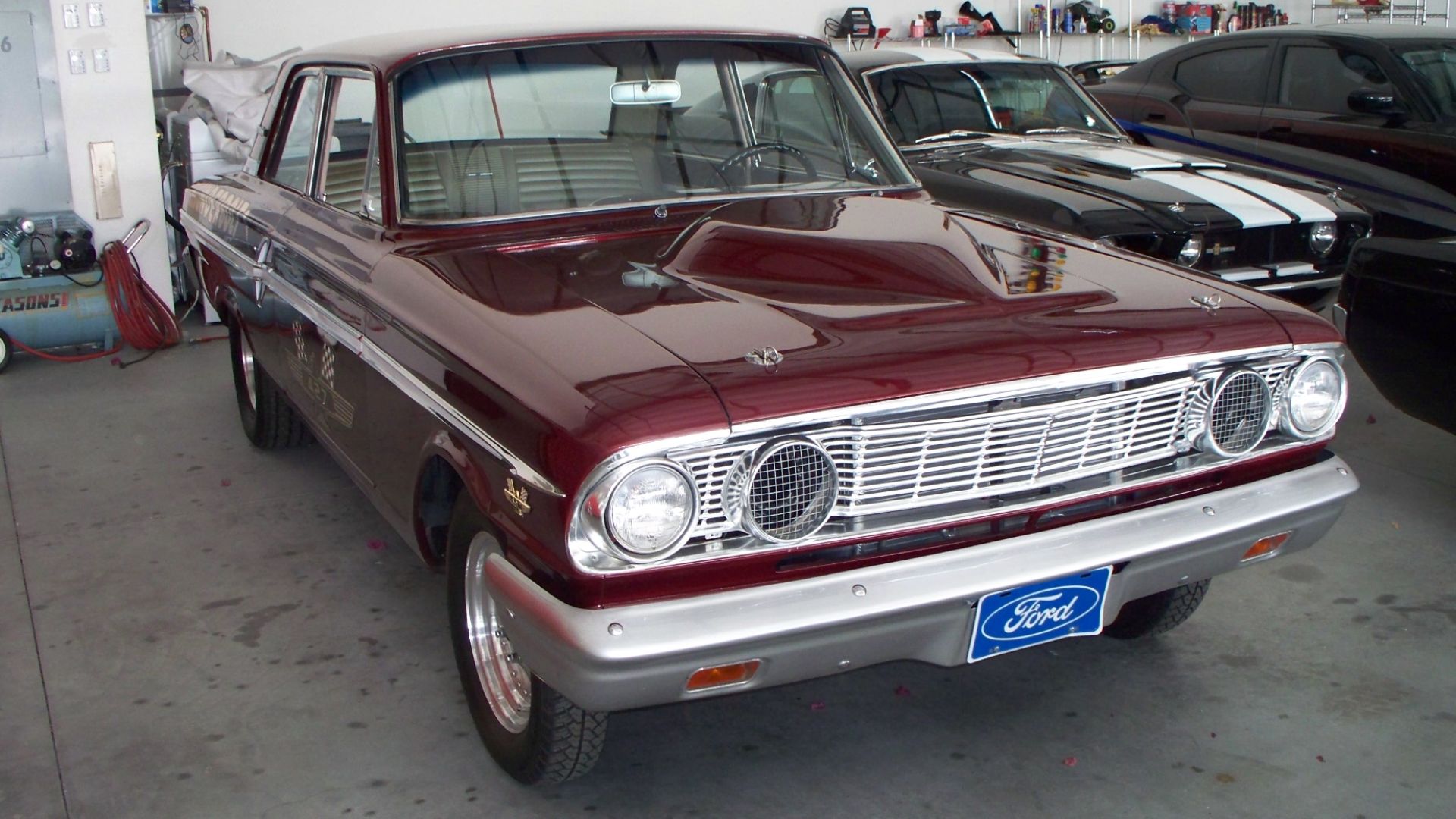
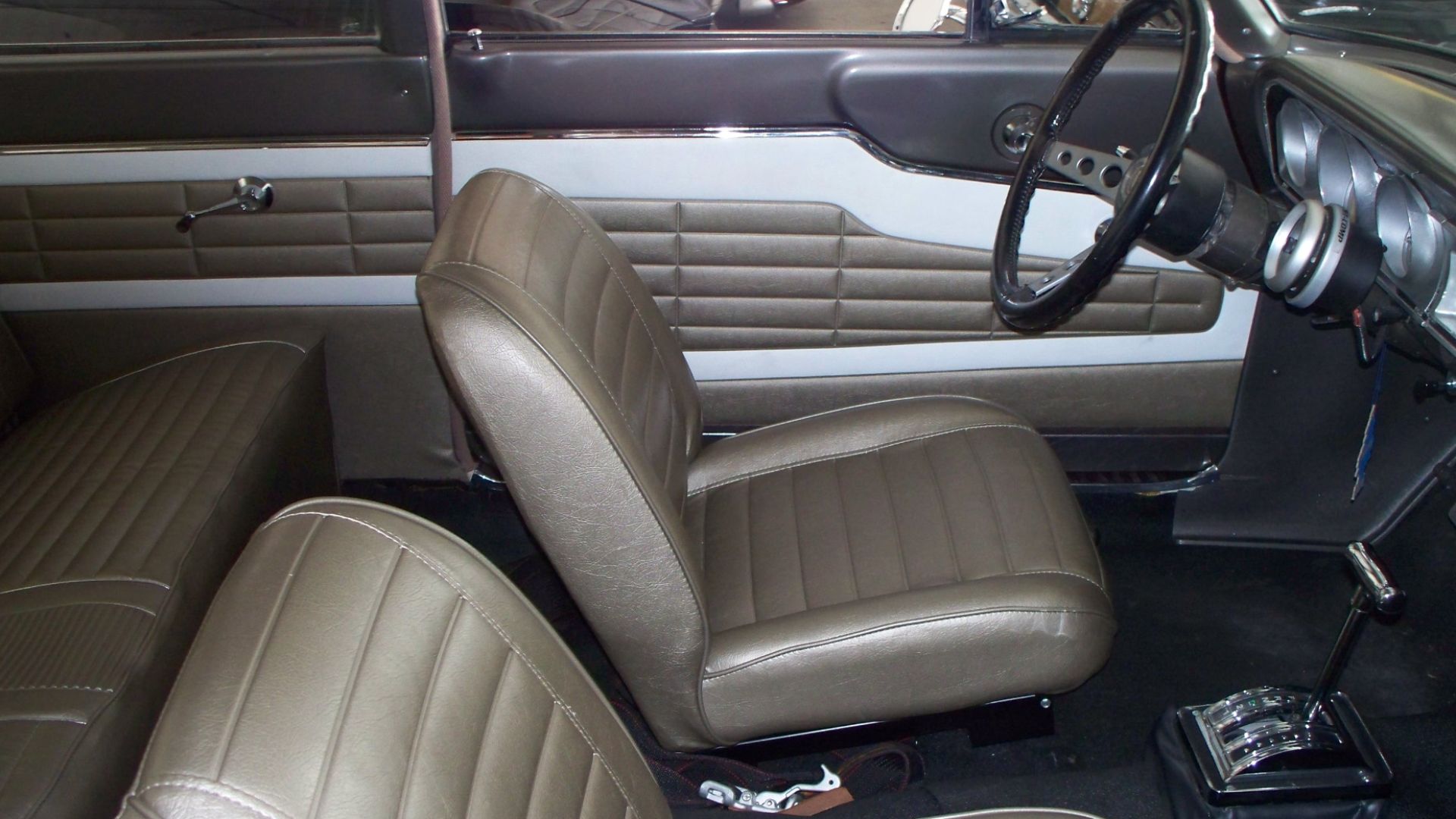
10: Which Ford commercial-vehicle line supplied lightweight bucket seats used in the 1964 Fairlane Thunderbolt?
A) Econoline
B) Ranchero
C) F-Series
D) C-Series
 PMDrive1061, Wikimedia Commons
A: Econoline
Lightweight Econoline van bucket seats were among the weight-saving parts used in Thunderbolts. These drag-strip specials also sacrificed plenty of the comfort equipment ordinary buyers expected from a Fairlane. Somewhere inside one of Ford’s fiercest performance cars was a little bit of delivery-van practicality.
 PMDrive1061, Wikimedia Commons
11: Why did Chevrolet drop chambered exhaust as standard equipment on the 1969 Camaro Z/28?
A) Premature corrosion failures
B) Excessive noise complaints
C) New fuel-economy requirements
D) A shortage of exhaust components
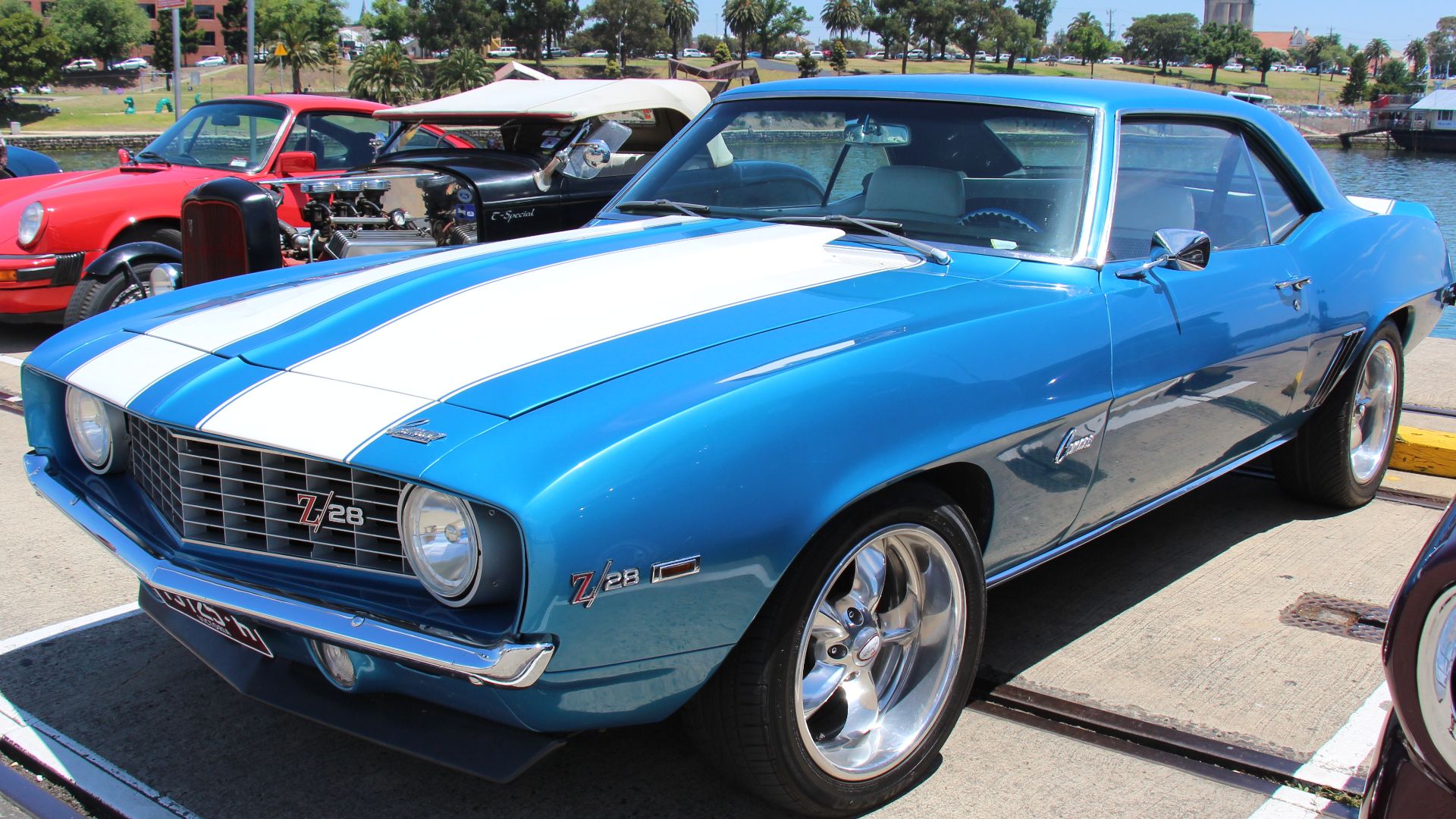
A: Excessive noise complaints
The chambered exhaust attracted noise complaints and ran into local noise restrictions, prompting Chevrolet to remove it from the Z/28’s standard equipment in November 1968. It remained optional for a time afterward. That factory exhaust could apparently get you noticed by exactly the wrong people.
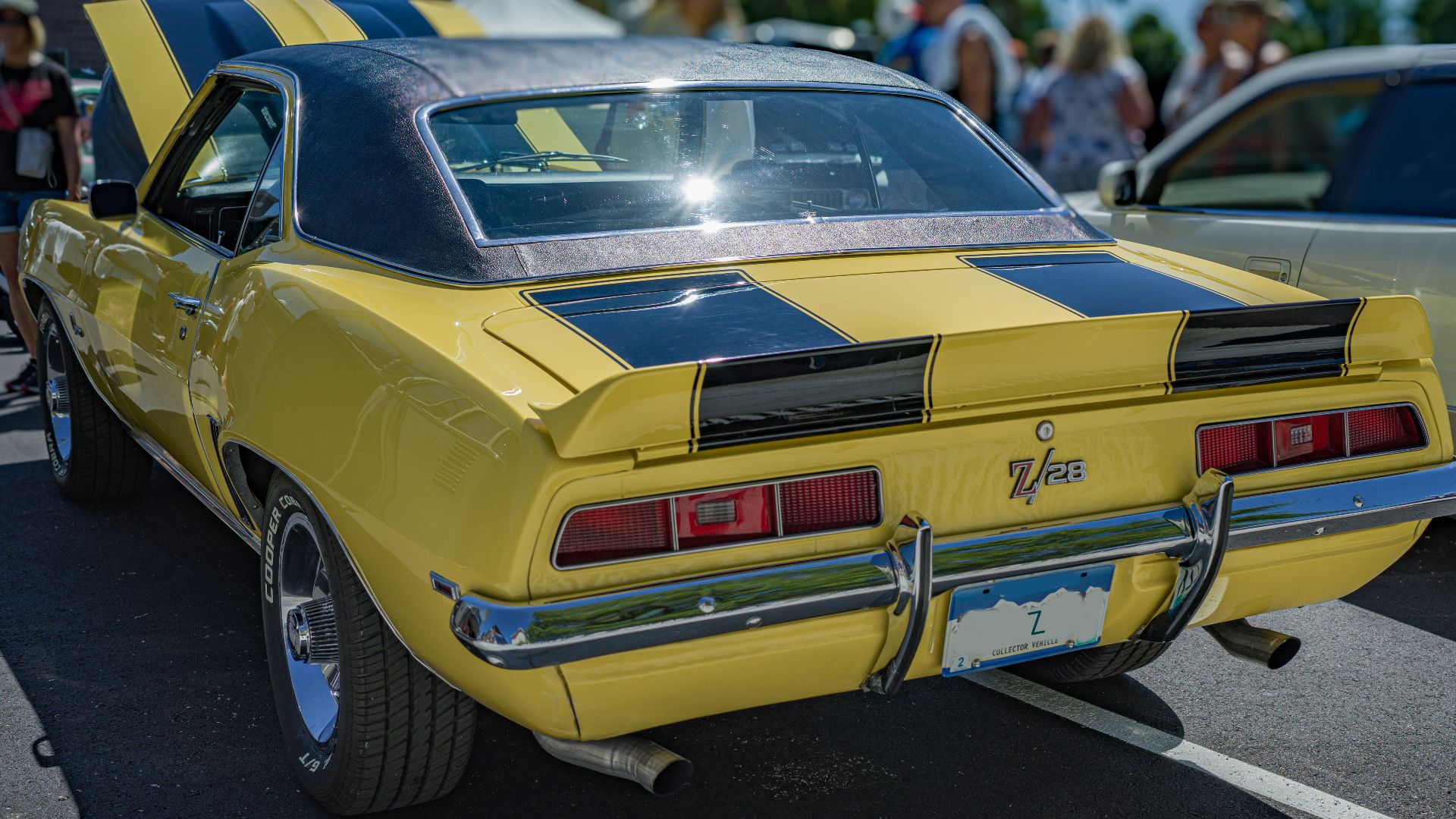
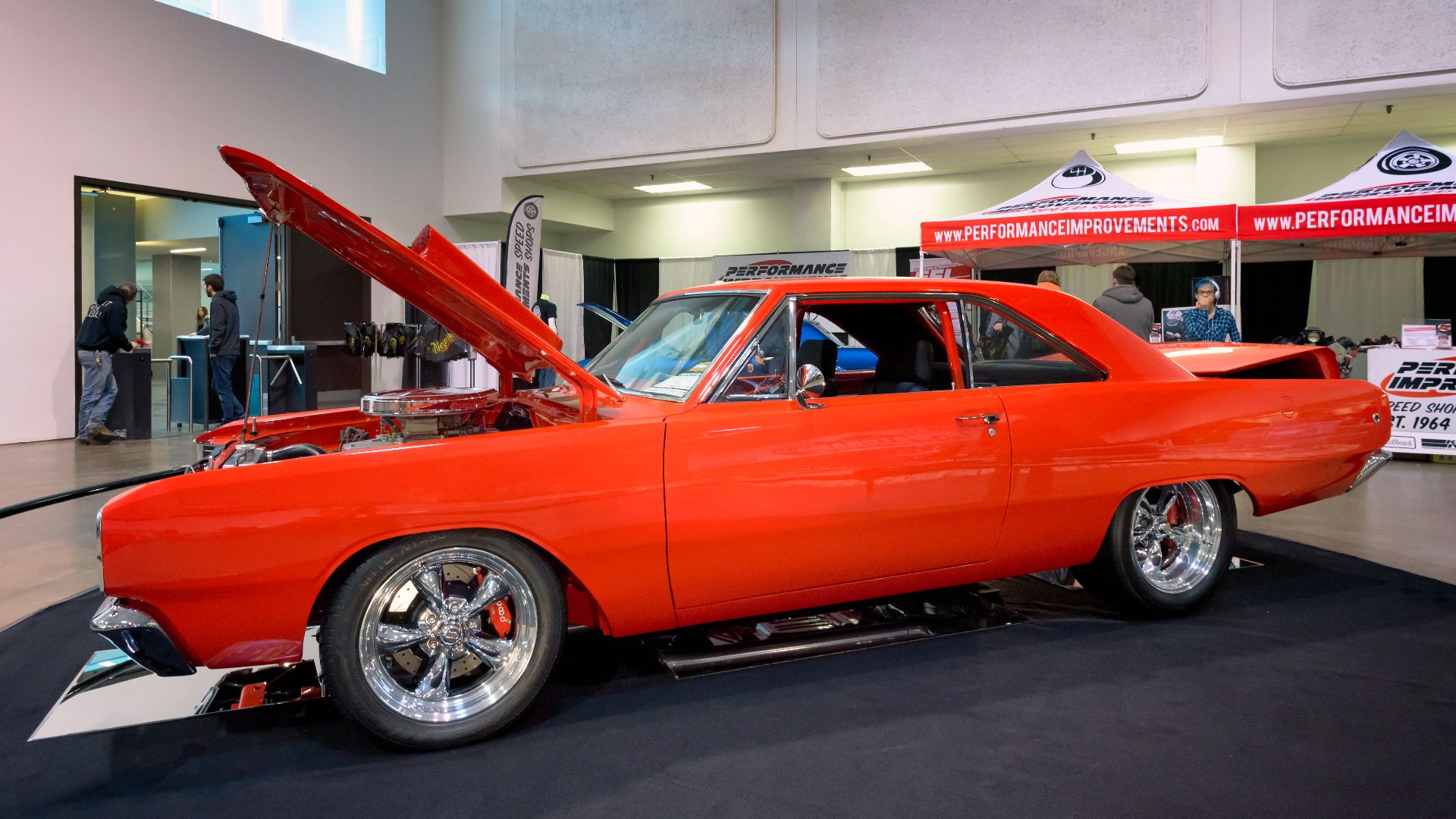
12: What replaced the normal front-window mechanisms in the 1968 Super Stock Hemi Dart?
These factory-backed drag cars went through an aggressive weight-saving program. Even operating the side windows became a different experience—but what did the driver use instead of the usual window crank?
 Joe deSousa, Wikimedia Commons
A: Adjustable seatbelt straps
The Super Stock Hemi Dart used adjustable seatbelt straps to raise and secure its lightweight side windows, replacing the heavier conventional mechanisms. Dodge also removed comforts such as the heater and rear seat. When the priority was winning races, even winding down a window became unnecessary luxury.
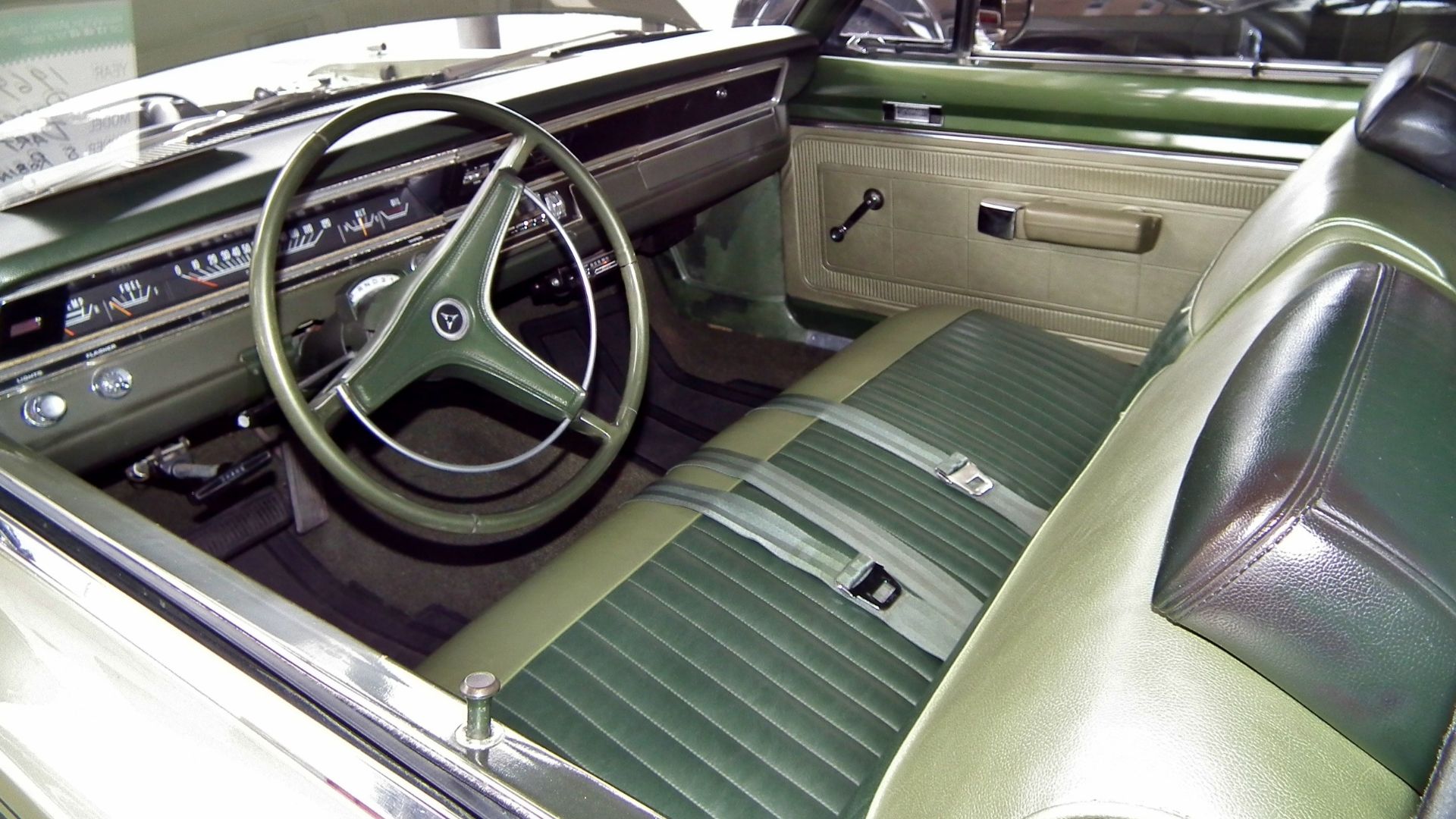
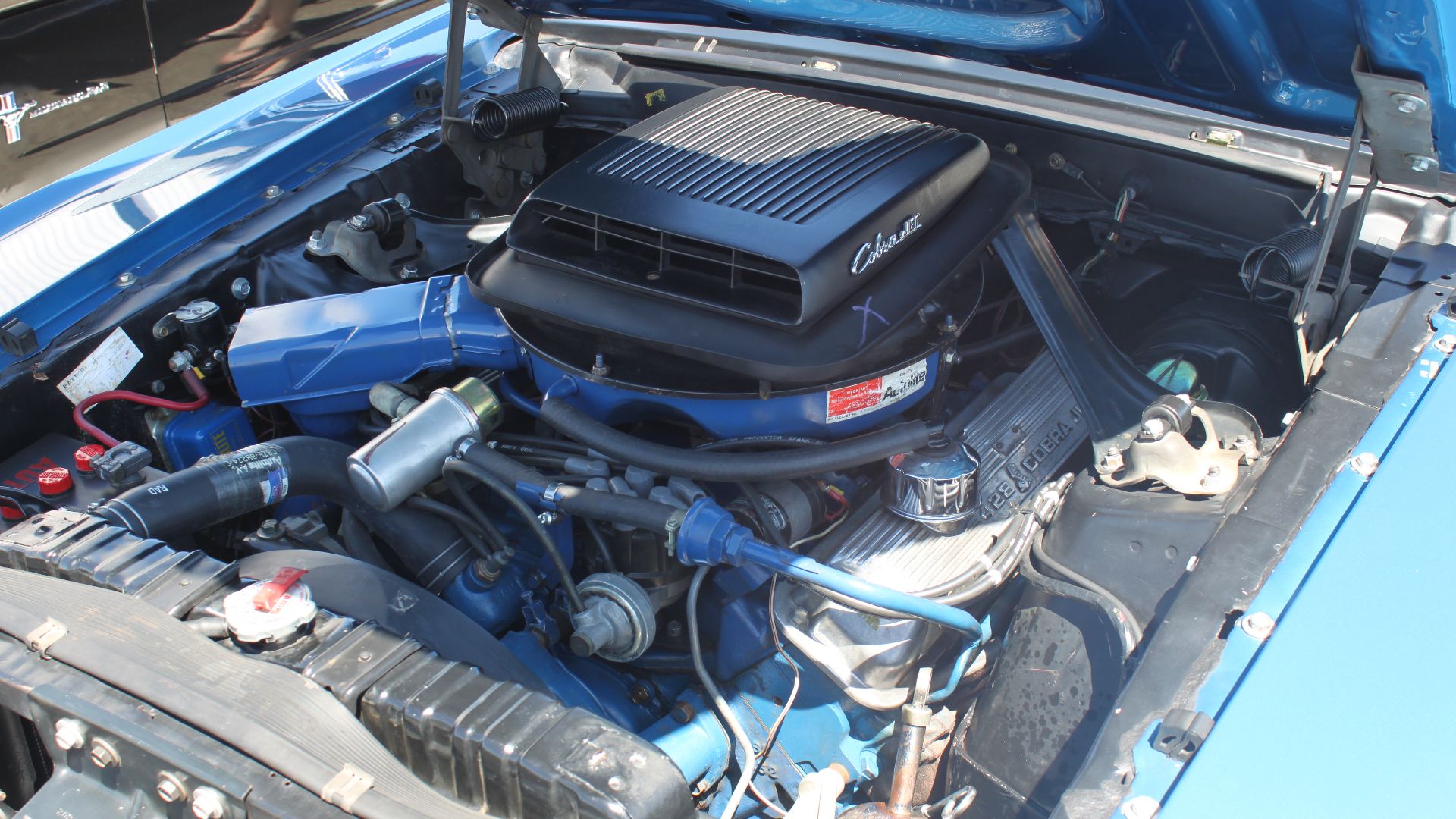
13: Which option could trigger Super Cobra Jet upgrades on a 1969 Mustang with the 428 Cobra Jet?
Once the Super Cobra Jet package became available, buyers could trigger its engine upgrades through a selection elsewhere on the order form. What were they choosing?
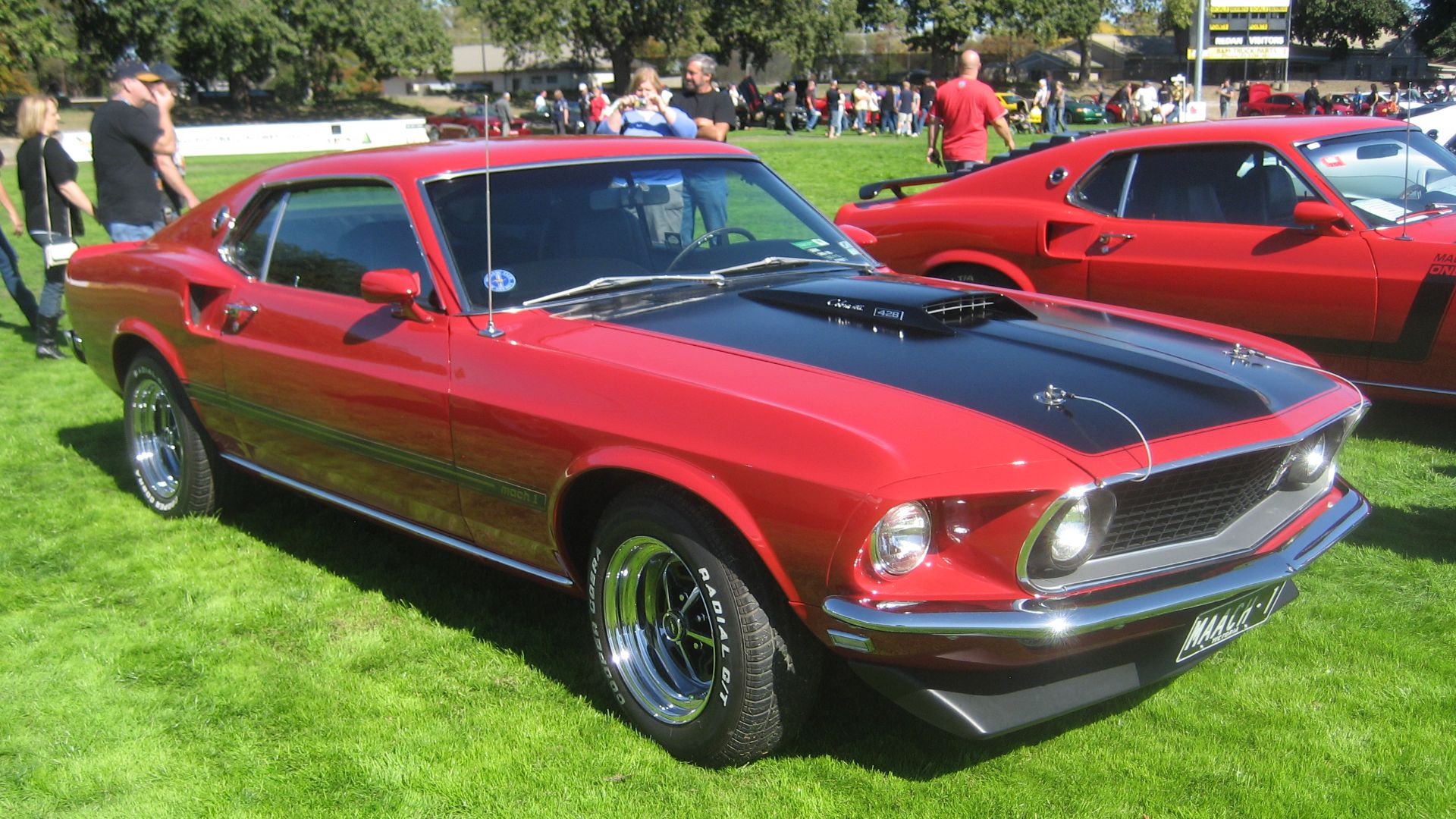
A: A 3.91:1 or 4.30:1 rear-axle ratio
Choosing either of those axle ratios brought the Super Cobra Jet specification, including tougher engine internals and an external oil cooler. The complete combination became known as the Drag Pack. You were choosing rear-end gearing, but Ford was doing considerably more than changing a few gears.
 Jeremy from Sydney, Australia, Wikimedia Commons
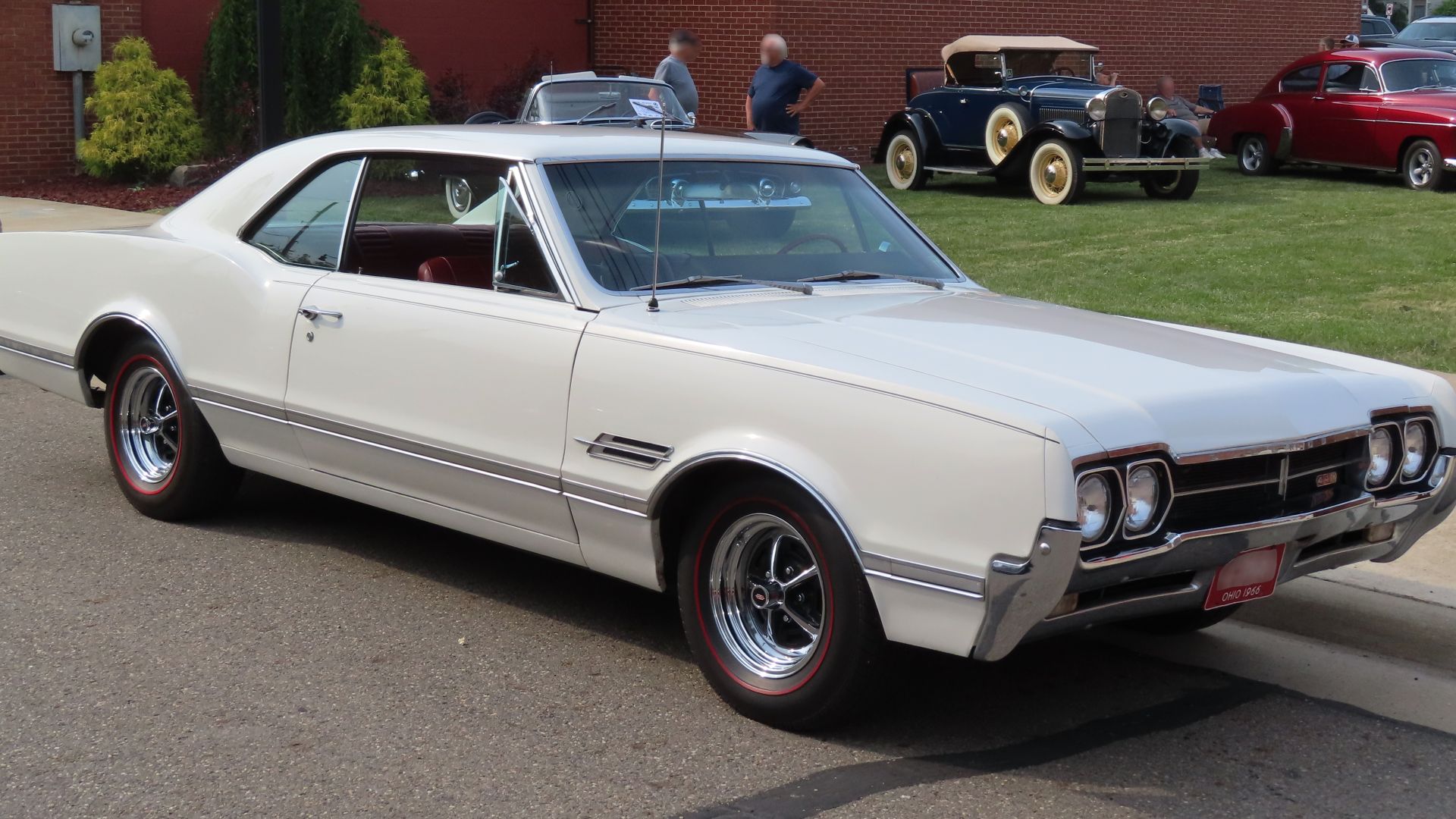
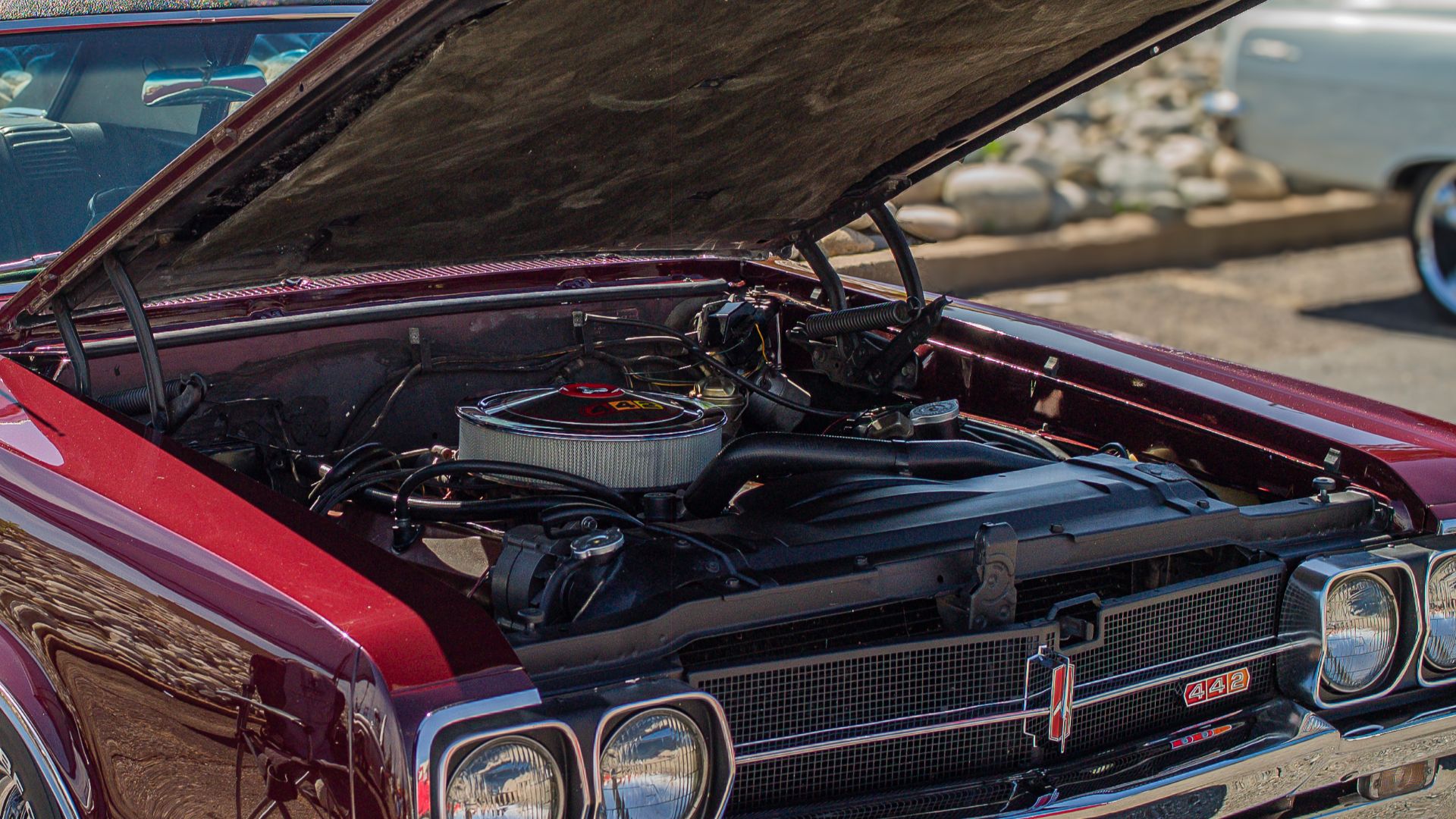
14: Which model year offered the factory L69 three-carburetor engine in the Oldsmobile 4-4-2?
A) 1964
B) 1966
C) 1968
D) 1970
 MercurySable99, Wikimedia Commons
A: 1966
The L69 setup gave the 1966 4-4-2 three two-barrel carburetors on its 400-cubic-inch V8, with an advertised 360 horsepower. It was a one-year factory offering. Pontiac gets plenty of attention for Tri-Power, but Oldsmobile had its own brief turn at feeding an engine this way.
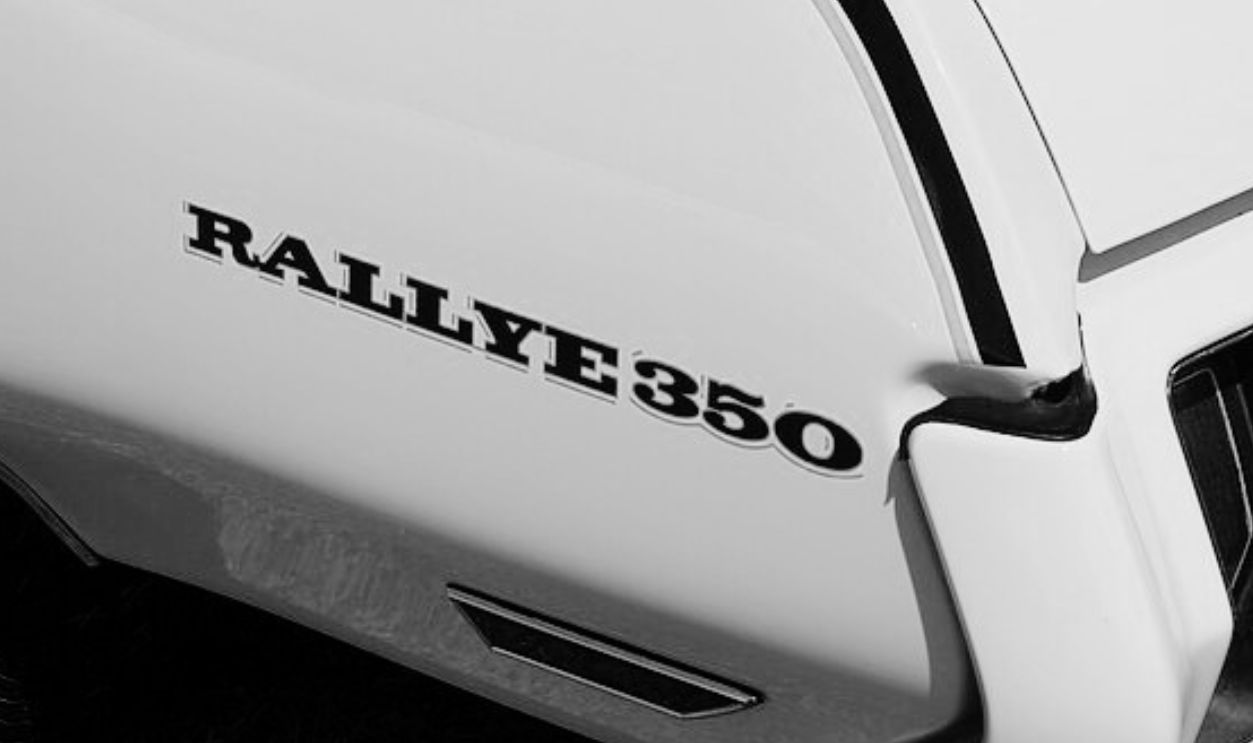
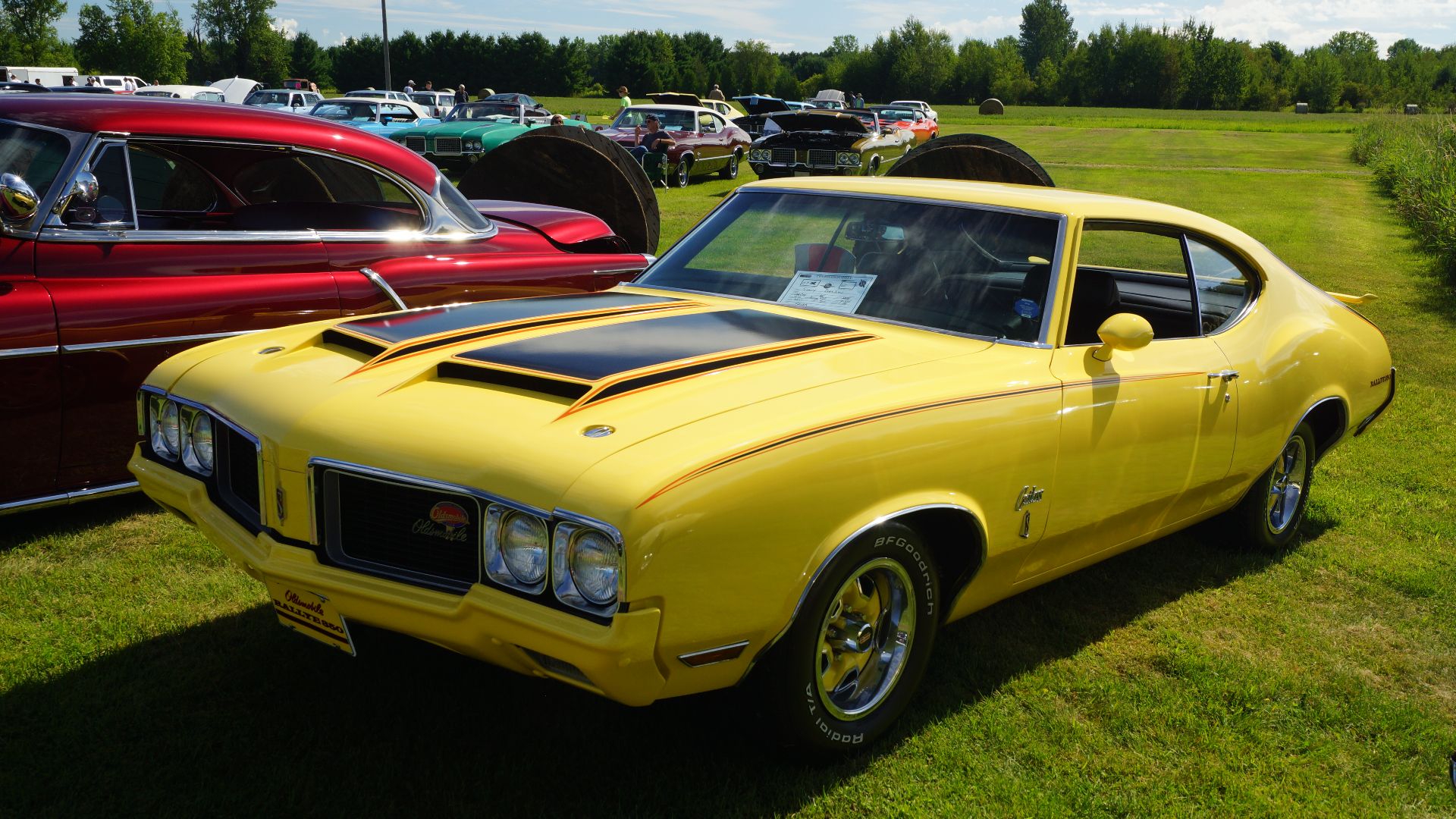
15: What was the only factory paint color for the 1970 Oldsmobile Rallye 350?
A) Rally Red
B) Sebring Yellow
C) Viking Blue
D) Cameo White
 Greg Gjerdingen from Willmar, USA, Wikimedia Commons, Modified
A: Sebring Yellow
Every factory Rallye 350 wore Sebring Yellow, and Oldsmobile carried the color onto the bumpers, mirrors, and wheels. Contrasting graphics completed the look. If you wanted the performance package but hoped to blend quietly into traffic, Oldsmobile had chosen the wrong color for you.
 Greg Gjerdingen from Willmar, USA, Wikimedia Commons
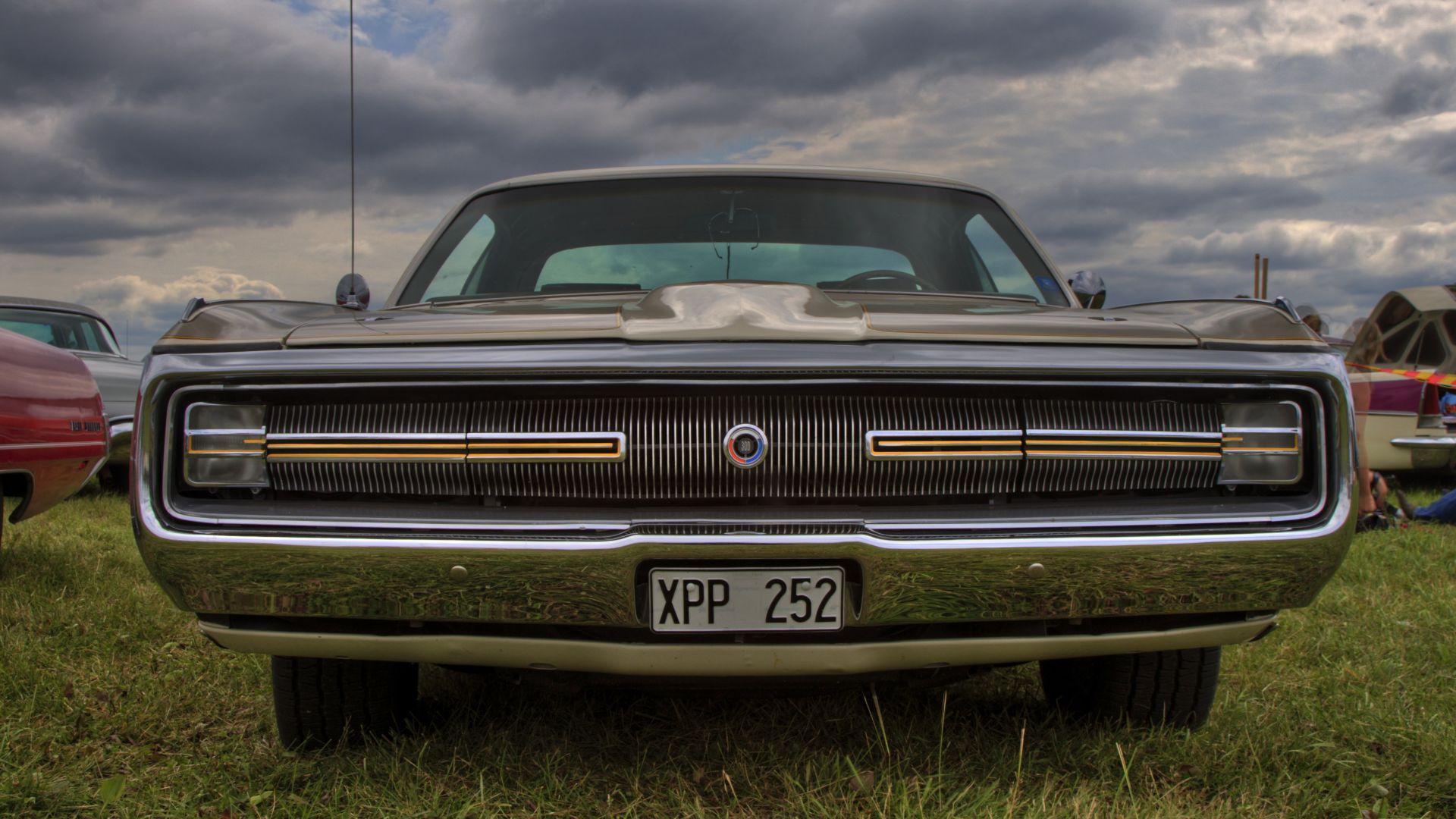
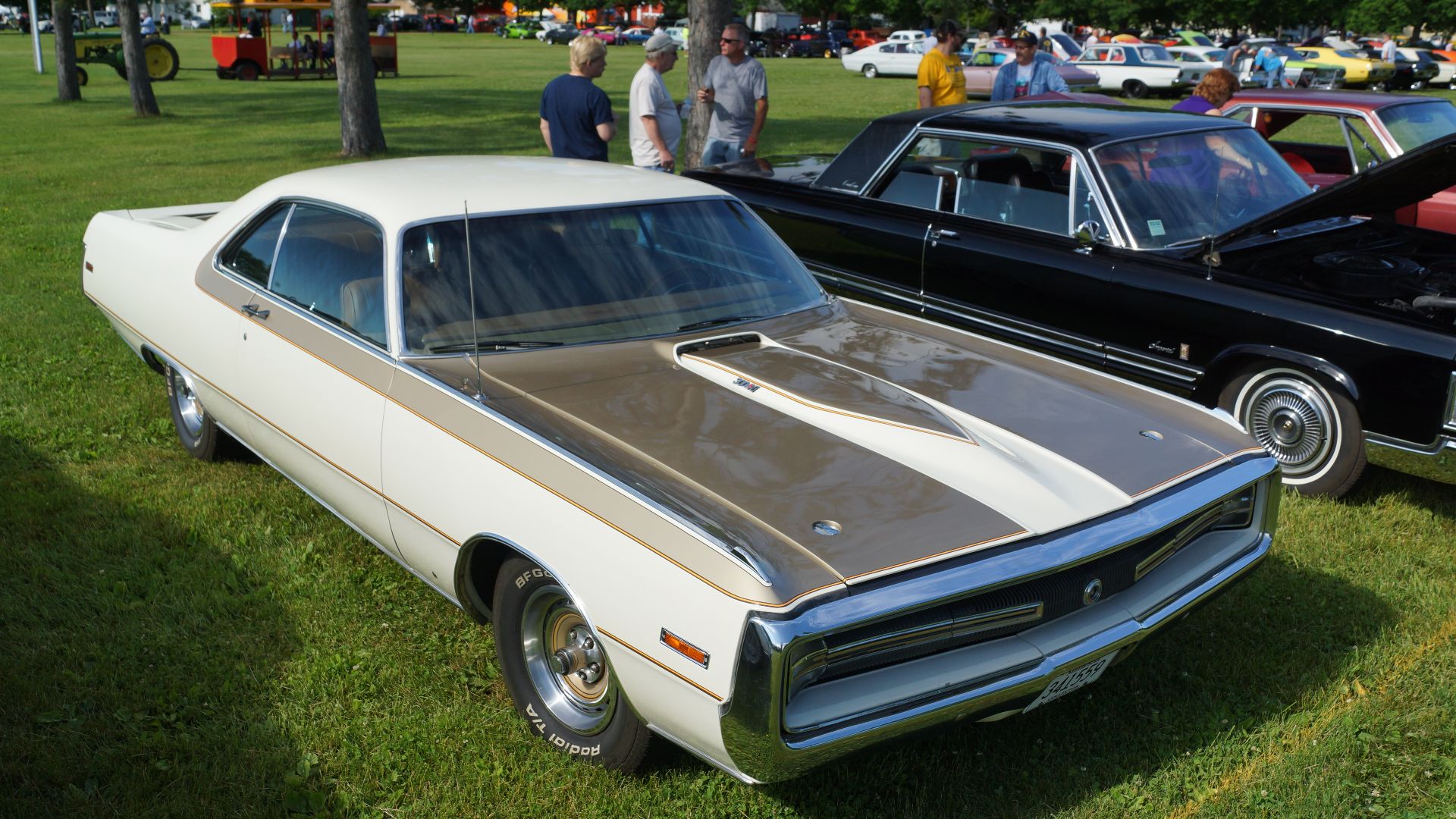
16: True or false: The 1970 Chrysler 300 Hurst came with a four-speed manual transmission.
The Hurst name might make you picture a floor shifter and some enthusiastic gear changes. But what transmission actually came in this enormous white-and-gold performance Chrysler?
 Triple-green, Wikimedia Commons
A: False
The 300 Hurst used Chrysler’s three-speed TorqueFlite automatic, paired with a 440 TNT V8. A factory four-speed manual wasn’t part of the package. The Hurst connection delivered plenty of presence, but you didn’t need to exercise your left leg to enjoy this particular car.
 Greg Gjerdingen from Willmar, USA, Wikimedia Commons
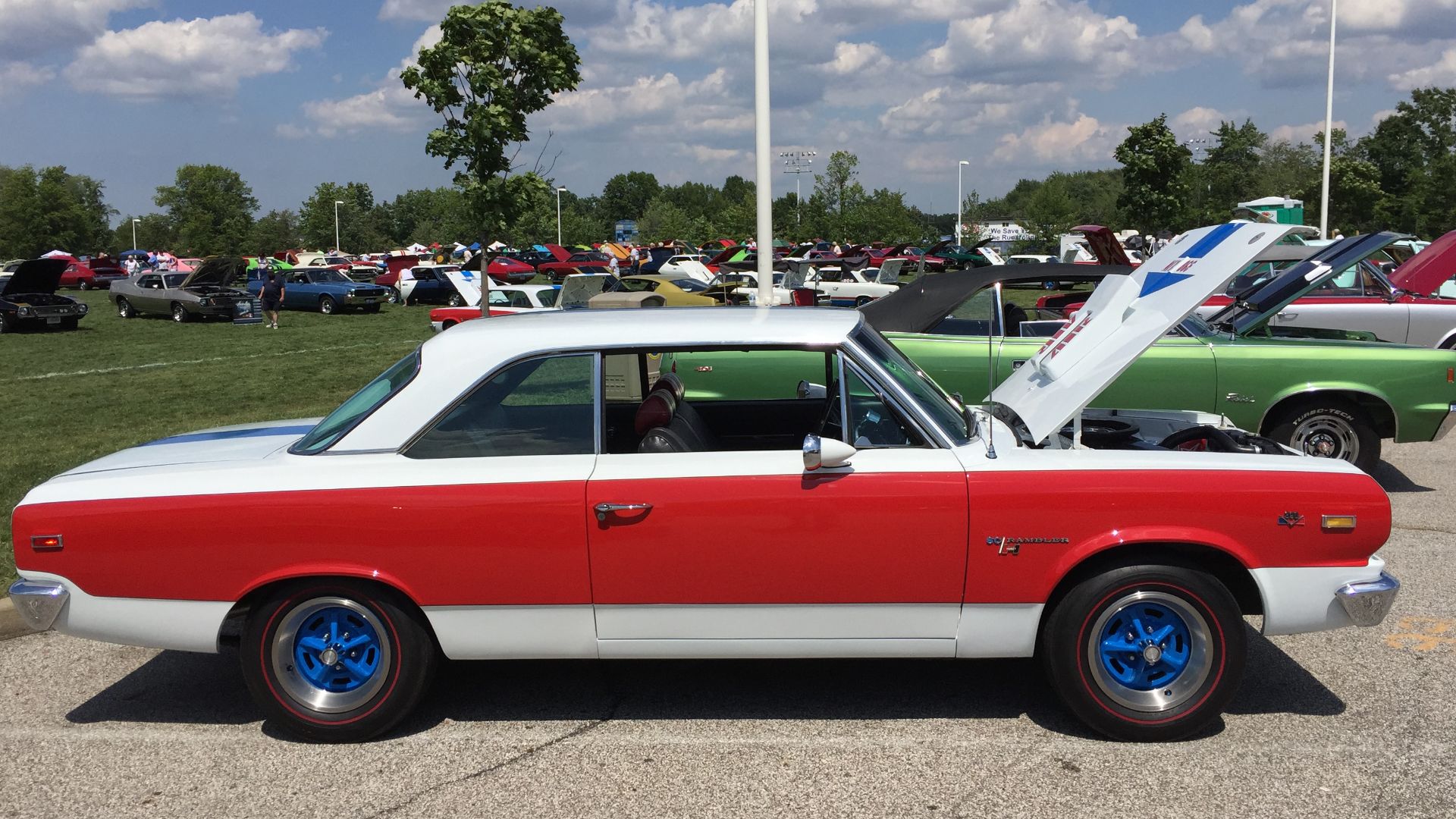
17: True or false: Every factory 1969 AMC SC/Rambler came with a four-speed manual.
AMC’s compact performance special had a very specific equipment package. Was the four-speed mandatory, or could buyers order an automatic and let the car handle the shifting?
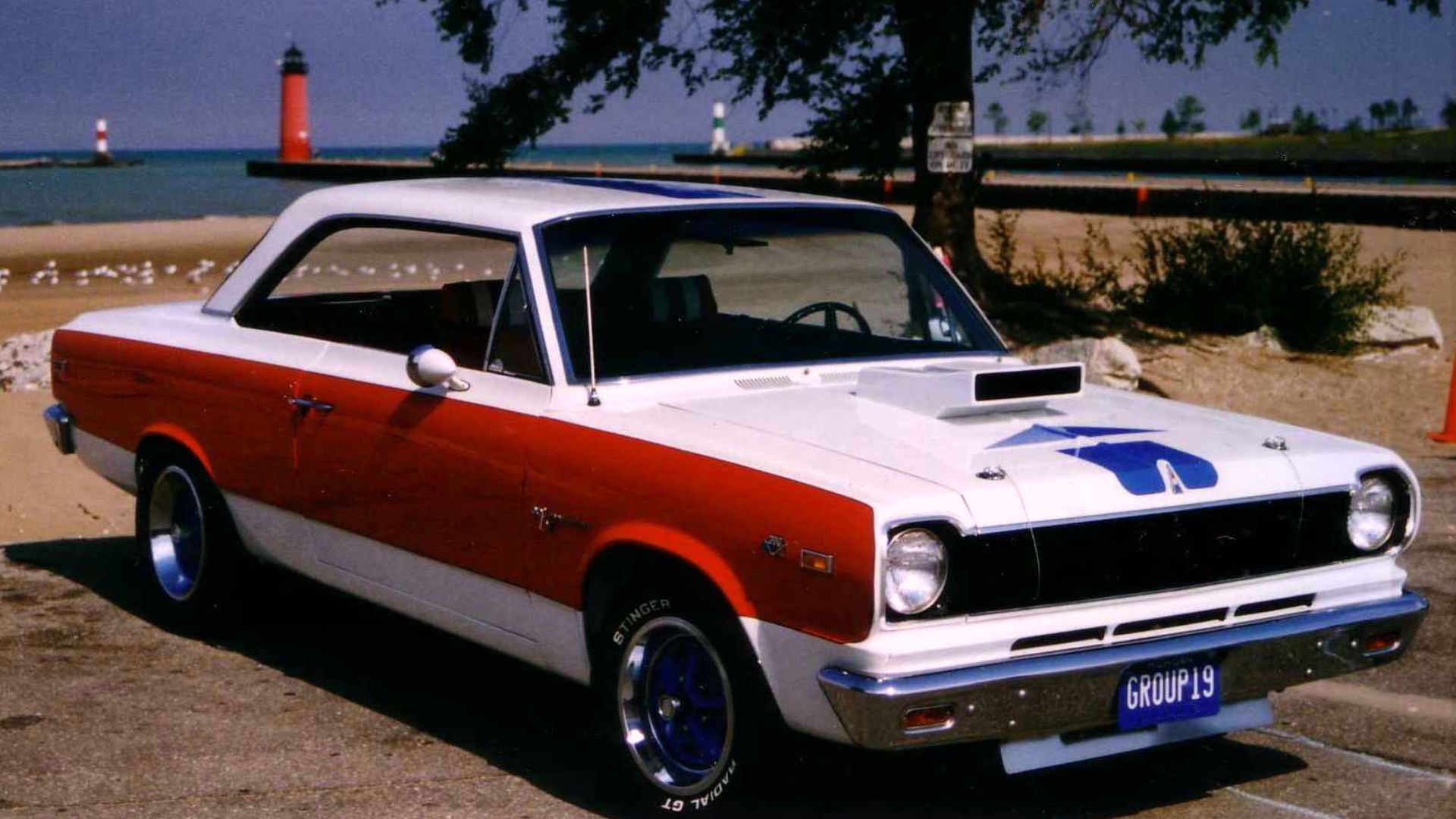
A: True
The SC/Rambler came with a four-speed manual and a Hurst shifter; an automatic wasn’t available. Its 390 V8 and limited-slip rear axle were also part of the package. AMC gave buyers a surprisingly serious little performance car, then expected them to do their own shifting.
18: How much did Pontiac agree to pay the SCCA for each car carrying the Trans Am name?
Pontiac borrowed the name of the Sports Car Club of America’s racing series for its new performance Firebird. But the arrangement came with a per-car licensing fee—how much?
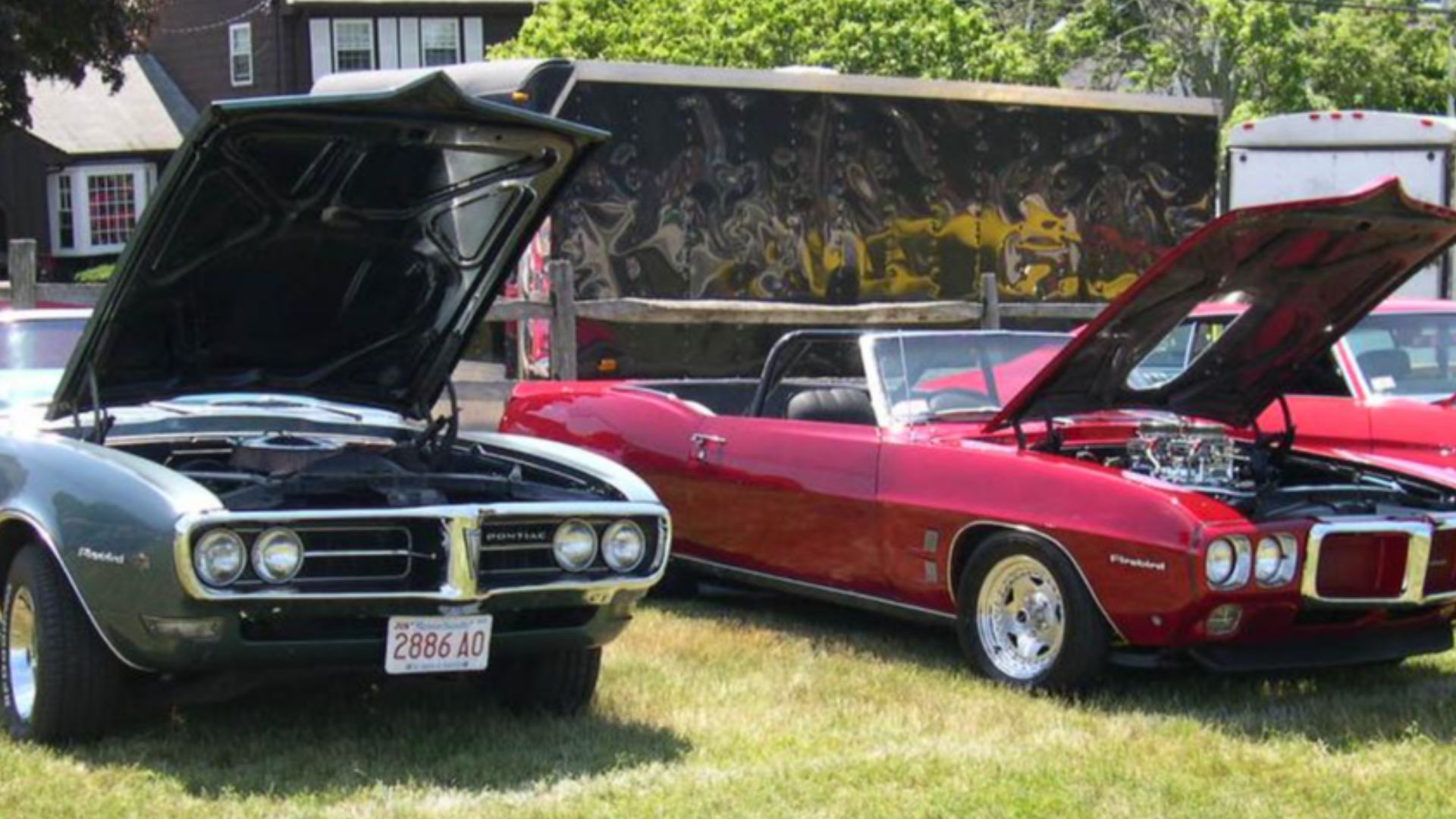
A: Five dollars per car
Pontiac agreed to pay the SCCA five dollars for each Trans Am built in exchange for using the name. That made the famous badge more than an advertising department’s bright idea. Every car carrying it also represented a small payment to the organization behind the racing series.
 https://kaboompics.com/, Pexels
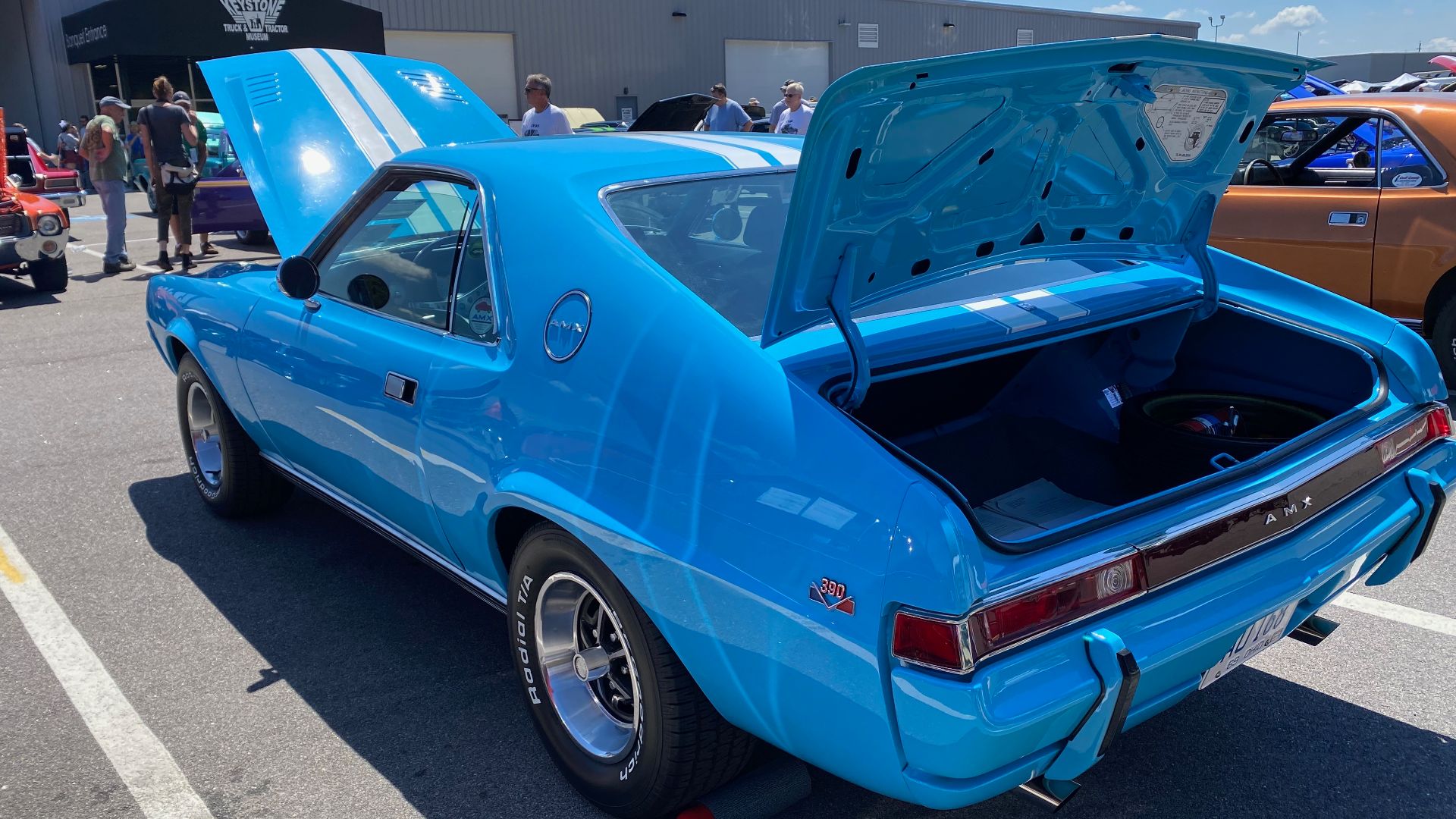
19: Besides bright paint, what distinctive exterior feature came with the 1969 AMX’s Big Bad color option?
A) A black vinyl roof
B) Body-colored bumpers
C) White-painted wheels
D) A blacked-out grille surround
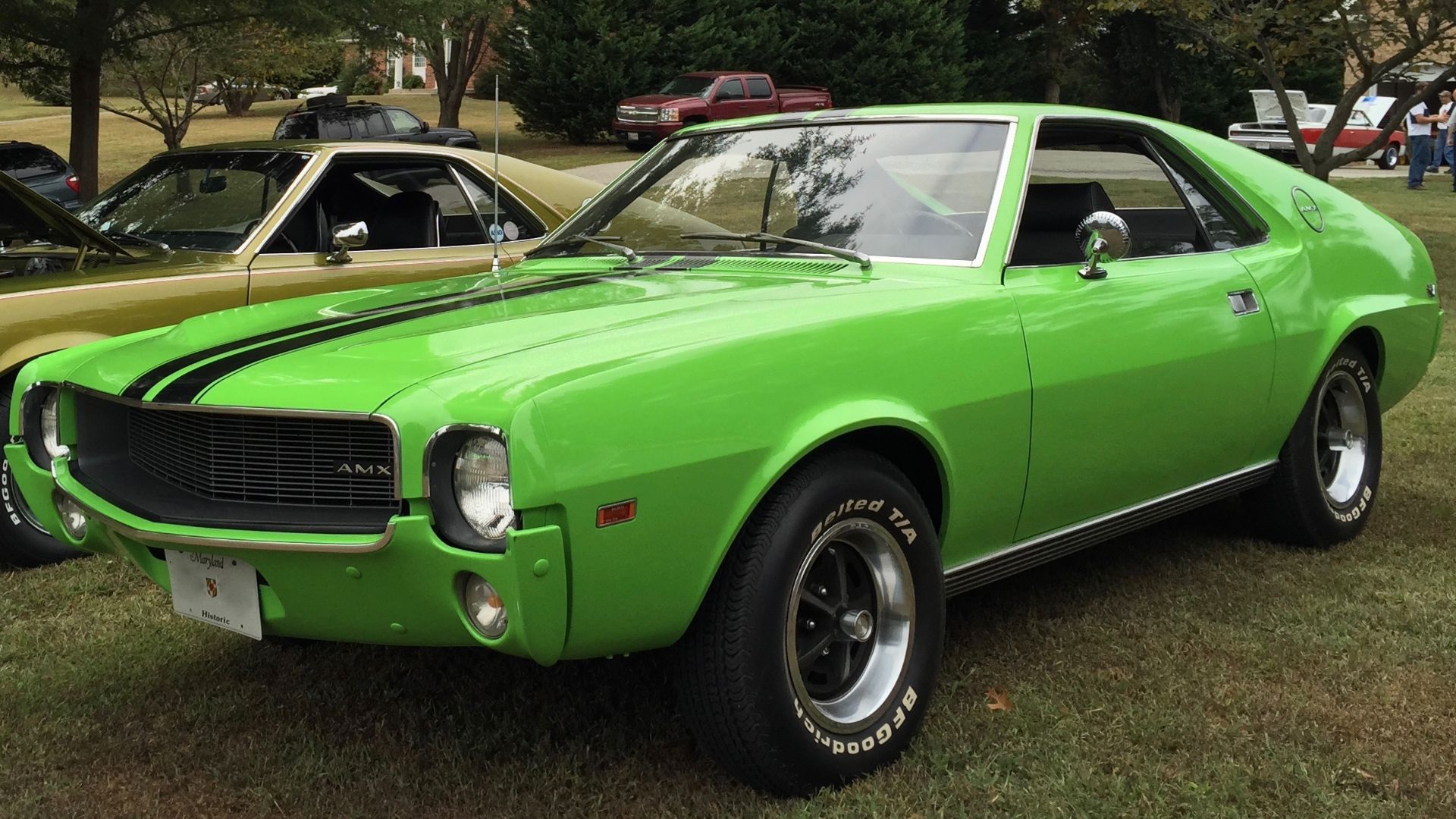
A: Body-colored bumpers
The 1969 Big Bad color option paired vivid blue, green, or orange paint with matching painted bumpers. Those colors continued into 1970, but the AMX returned to conventional chrome bumpers. That makes the year worth remembering before you confidently correct somebody at a car show.
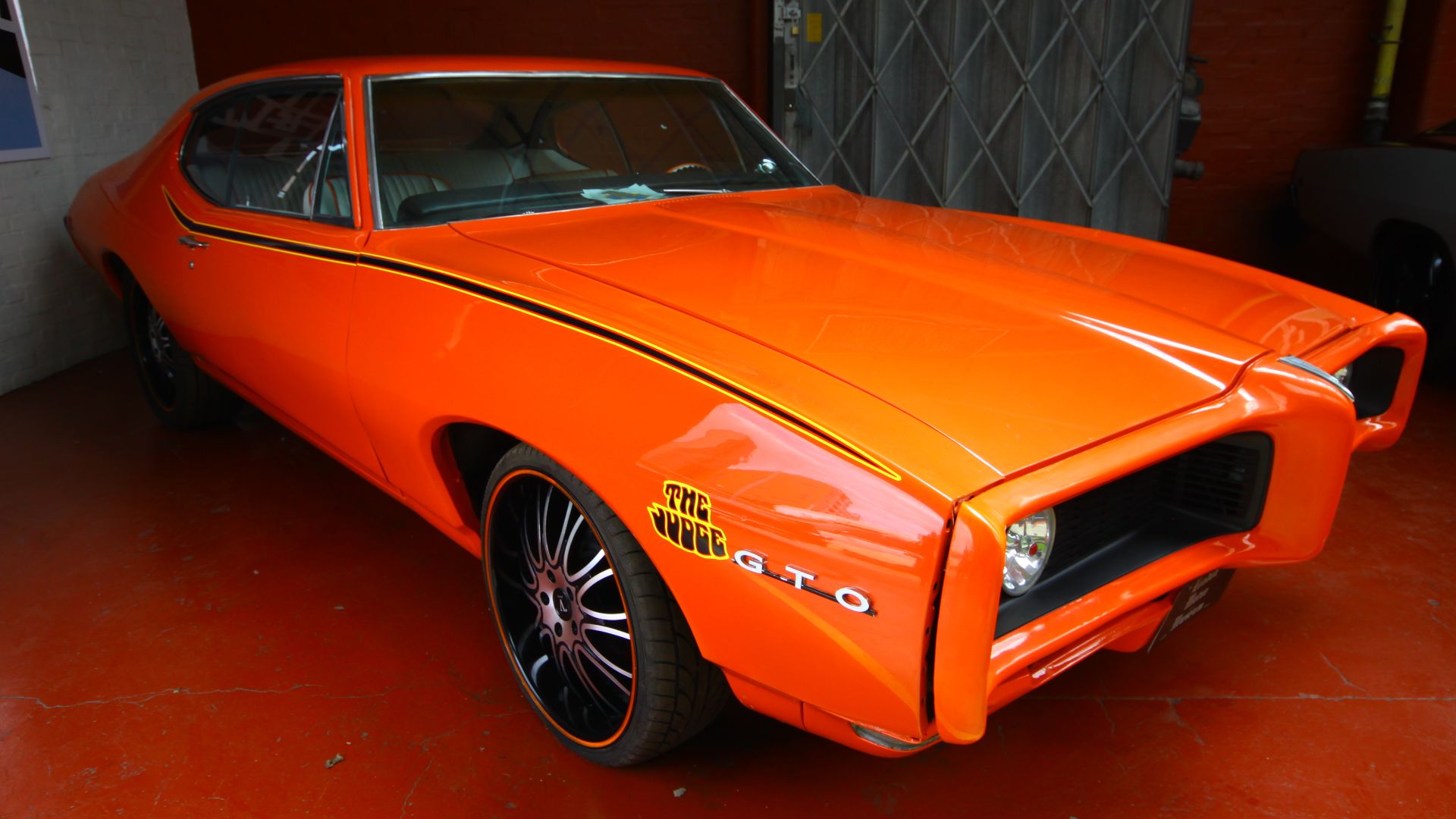
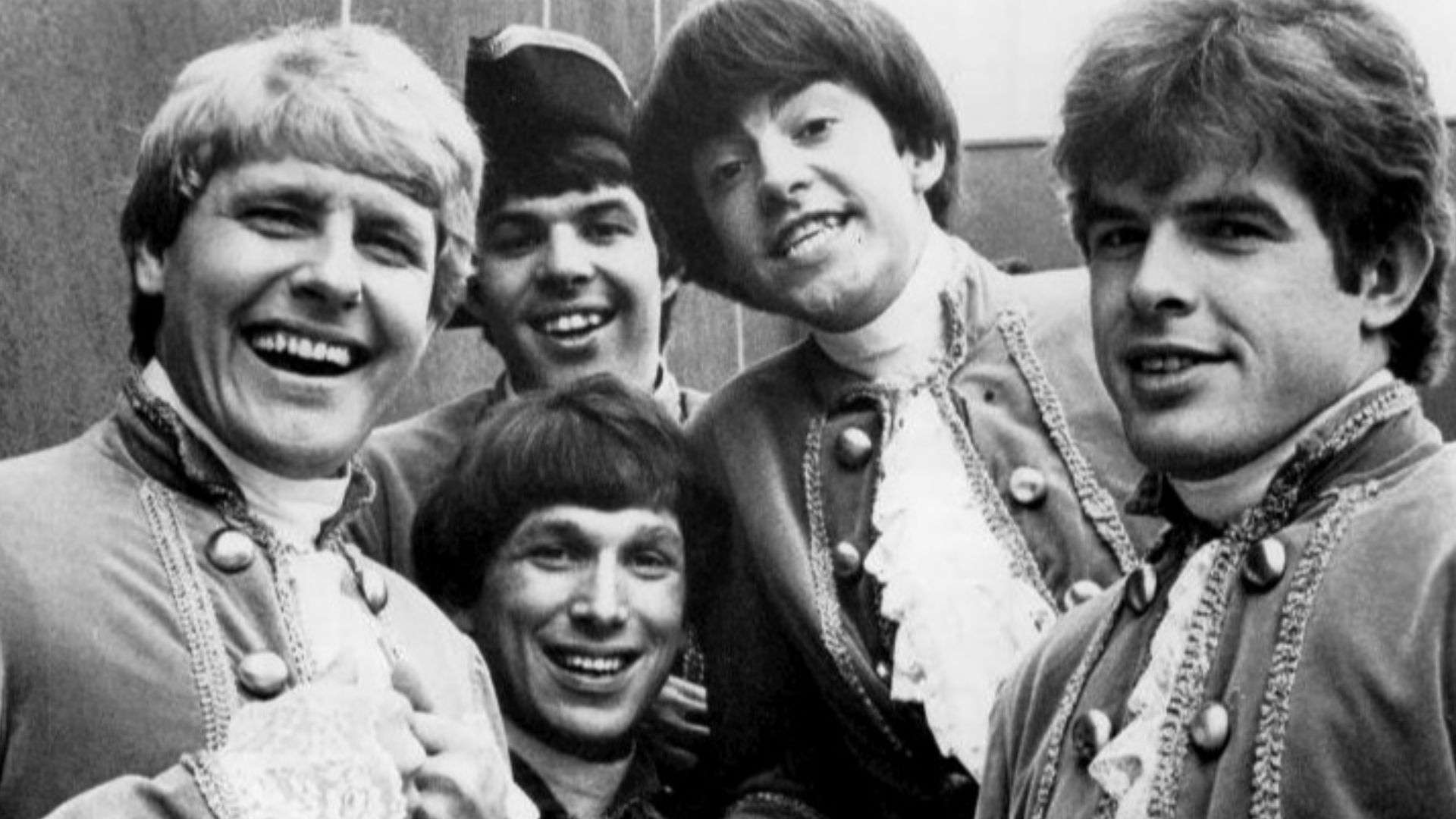
20: Which band appeared in a television commercial promoting the 1969 Pontiac GTO Judge?
A) The Monkees
B) The Beach Boys
C) Paul Revere and the Raiders
D) The Grass Roots
 Shane's Stuff, Wikimedia Commons
A: Paul Revere and the Raiders
Paul Revere and the Raiders appeared in the commercial and performed a song promoting the Judge. Pontiac was selling an image as enthusiastically as it was selling horsepower. If you remembered the band without needing the choices, your muscle car knowledge apparently comes with a soundtrack.
 Perenchio Artists, Inc. Los Angeles. (management), Wikimedia Commons
How Did You Do?
0–7: These factory details caught you out.
8–12: You cleared the challenge.
13–16: You’re the person everyone brings along to inspect a classic.
17–20: Be honest—how much of your house is currently occupied by old sales brochures?
Tell us your score.

You Might Also Like:
Only Baby Boomers Can Explain What These Dashboard Controls Used To Do—Can You?
American Cars From The 1970s And 1980s That Were Secretly Built By Foreign Automakers