The Open Road Meant Something Special
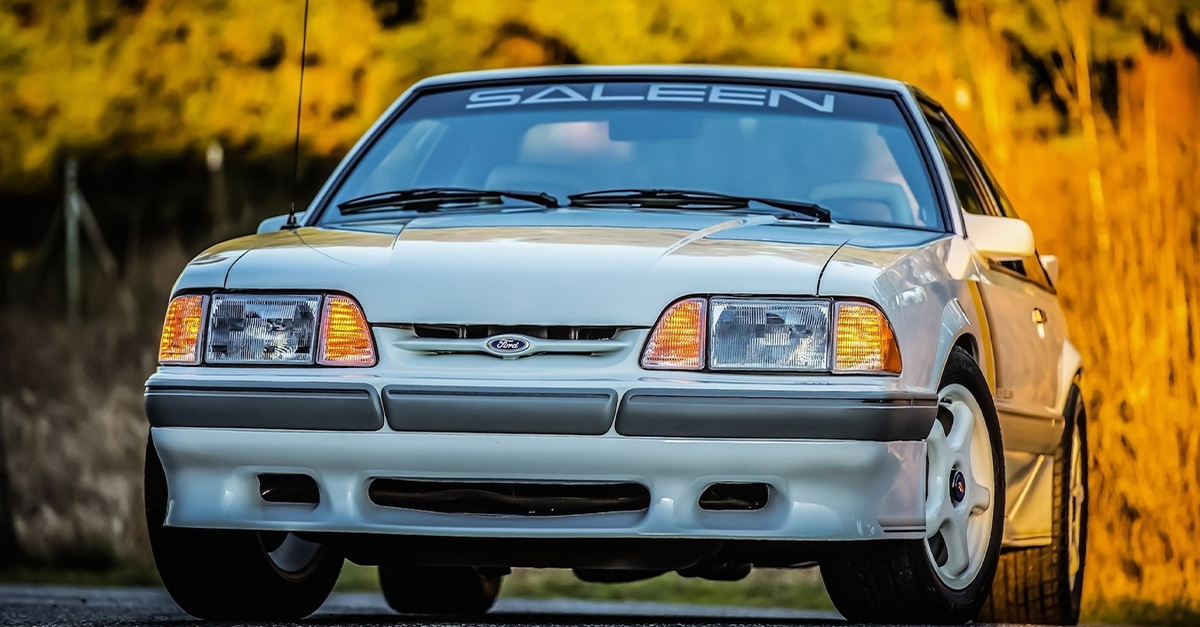
If you grew up before everything became computerized, you know driving used to feel different. For Gen X, it was the last generation to really experience cars in a raw, mechanical way. It sat right between the muscle car glory days and today’s tech-heavy vehicles, creating a sweet spot that many enthusiasts still miss.
Driving Still Required Skill And Feel
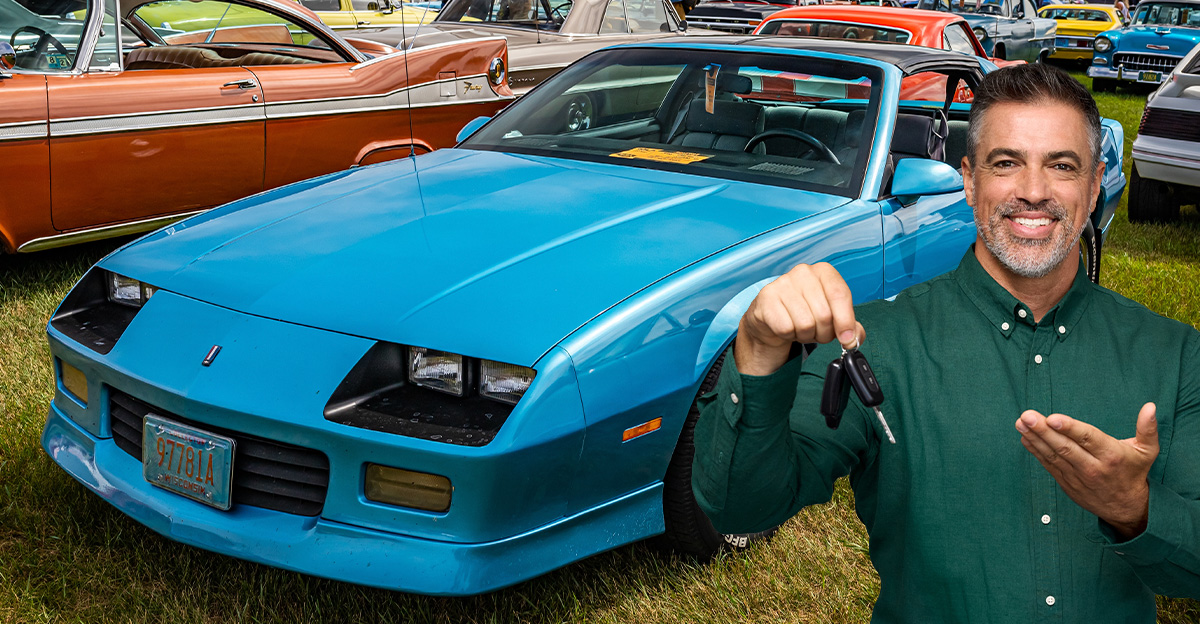
Back then, driving wasn’t passive—it was something you did. You worked the clutch, timed your shifts, and felt every bump through the steering wheel. Cars talked to you, and good drivers listened. That connection is something modern cars have mostly filtered out.
Performance Was Finally Within Reach
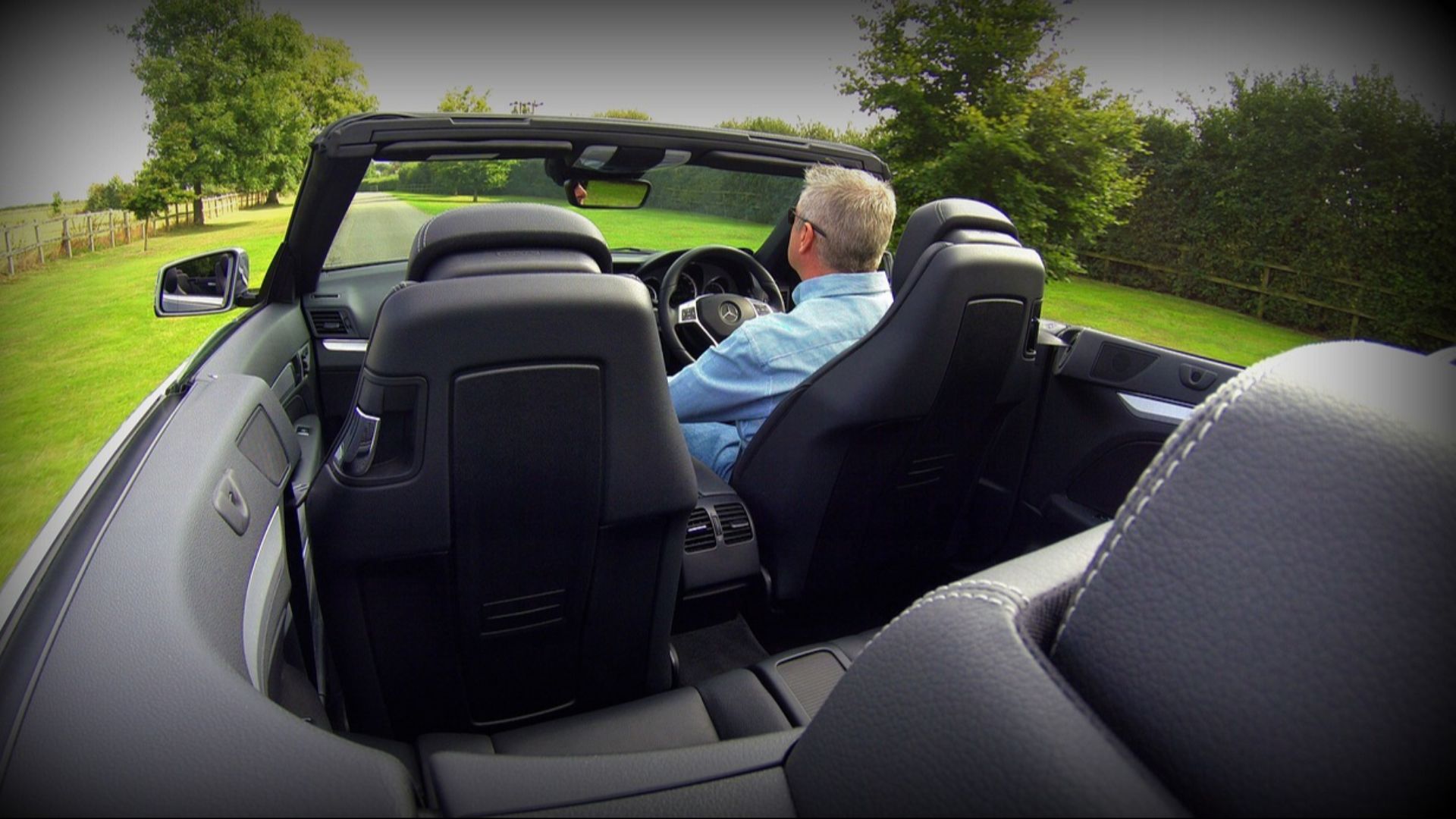
One of the best parts of the era was how accessible performance became. You didn’t need exotic money to get a quick, fun car. Dealerships were full of machines that could actually move, and enthusiasts had plenty of options to choose from.

The Fox Body Mustang Kept Muscle Alive
The Fox Body Mustang was simple, light, and packed with V8 potential. It wasn’t fancy, but it didn’t need to be. Gearheads loved how easy it was to modify, turning it into anything from a street cruiser to a serious drag car.
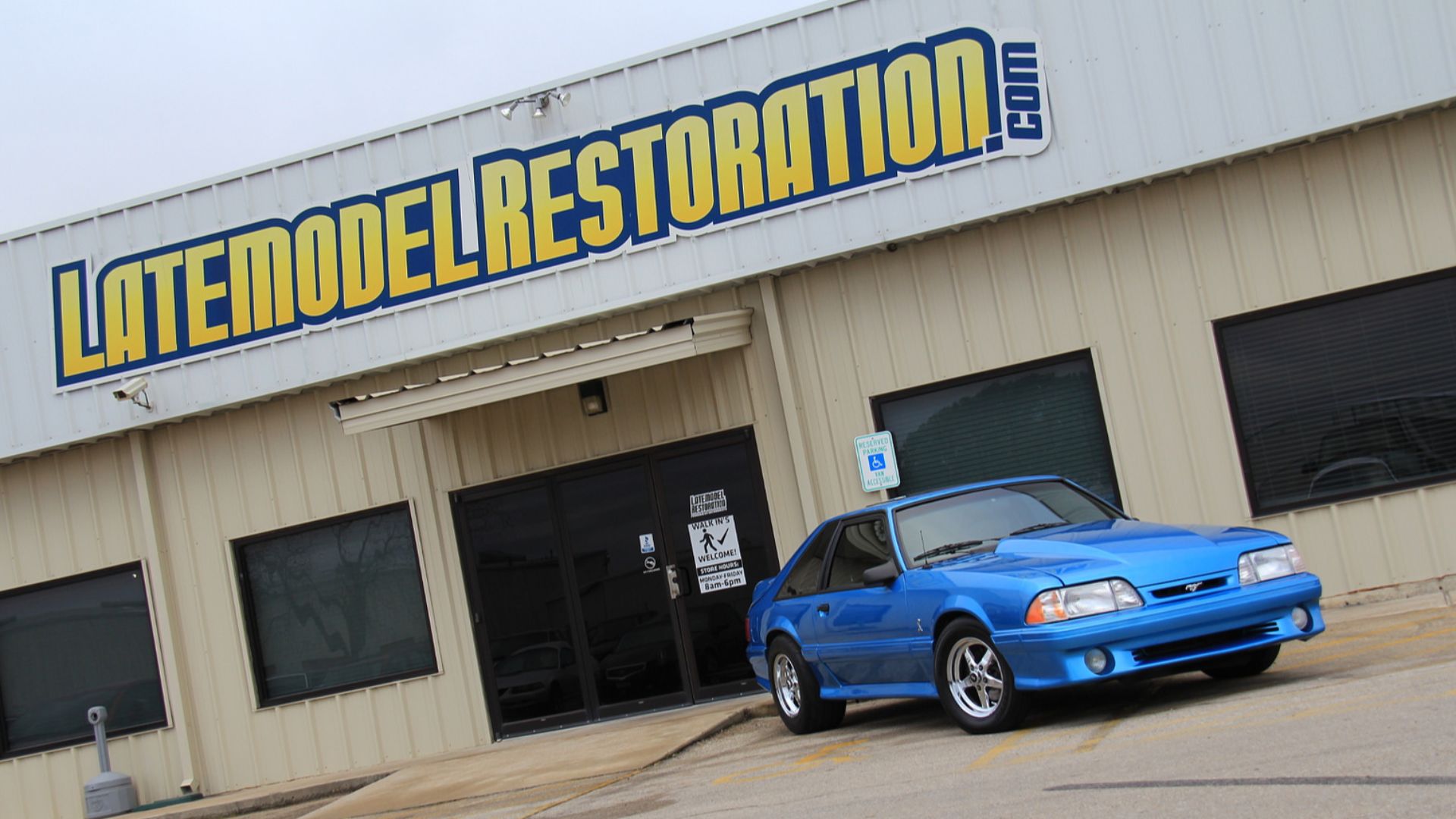 Jeff LatemodelResto, Wikimedia Commons
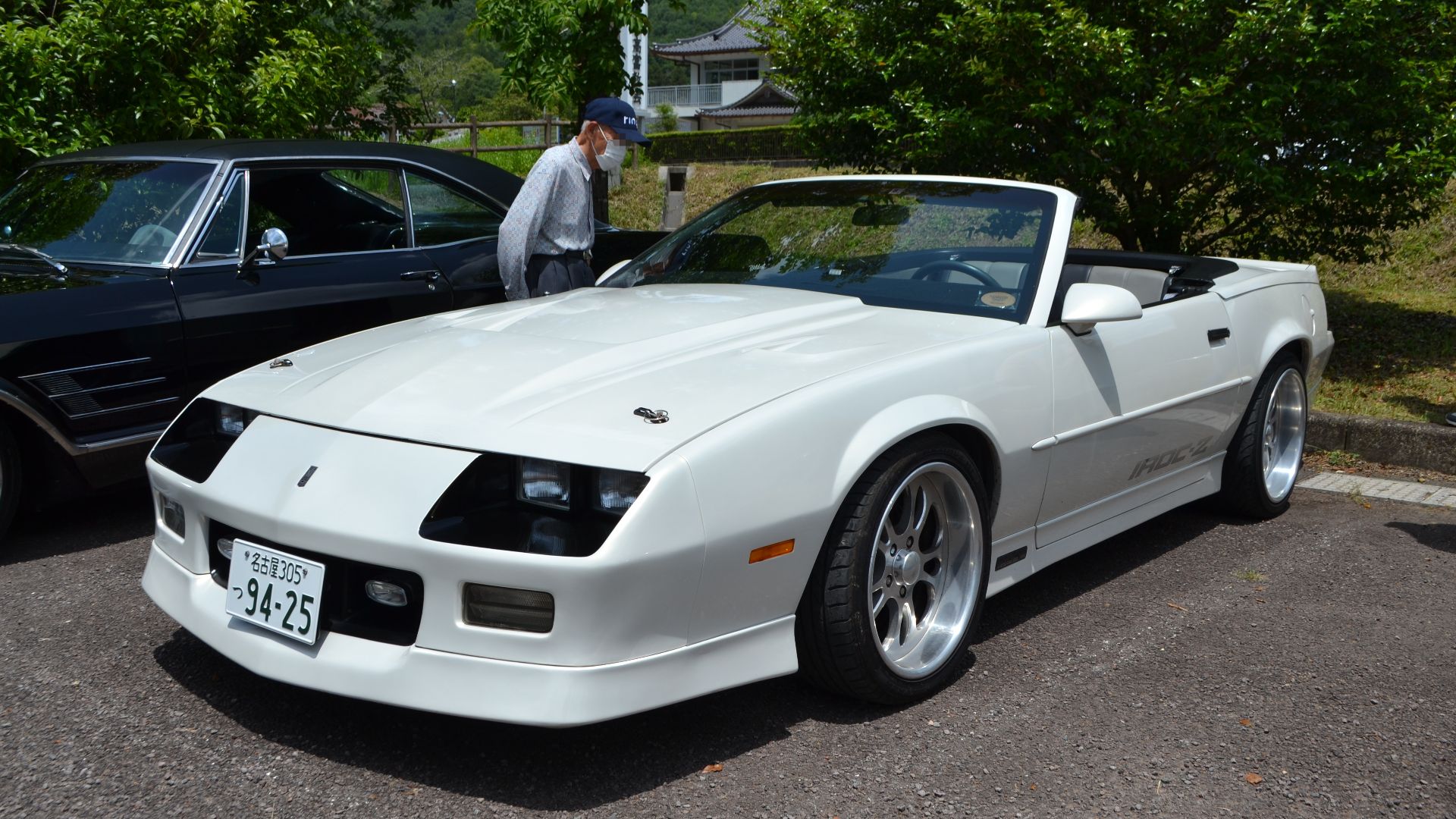
Camaro IROC-Z Brought Back Street Presence
The IROC-Z Camaro had bold styling and real attitude. With its low stance and aggressive look, it felt like a throwback to classic muscle. Under the hood, it delivered enough punch to back up the image and satisfy performance fans.
 Beginning with the simplest steps, Wikimedia Commons
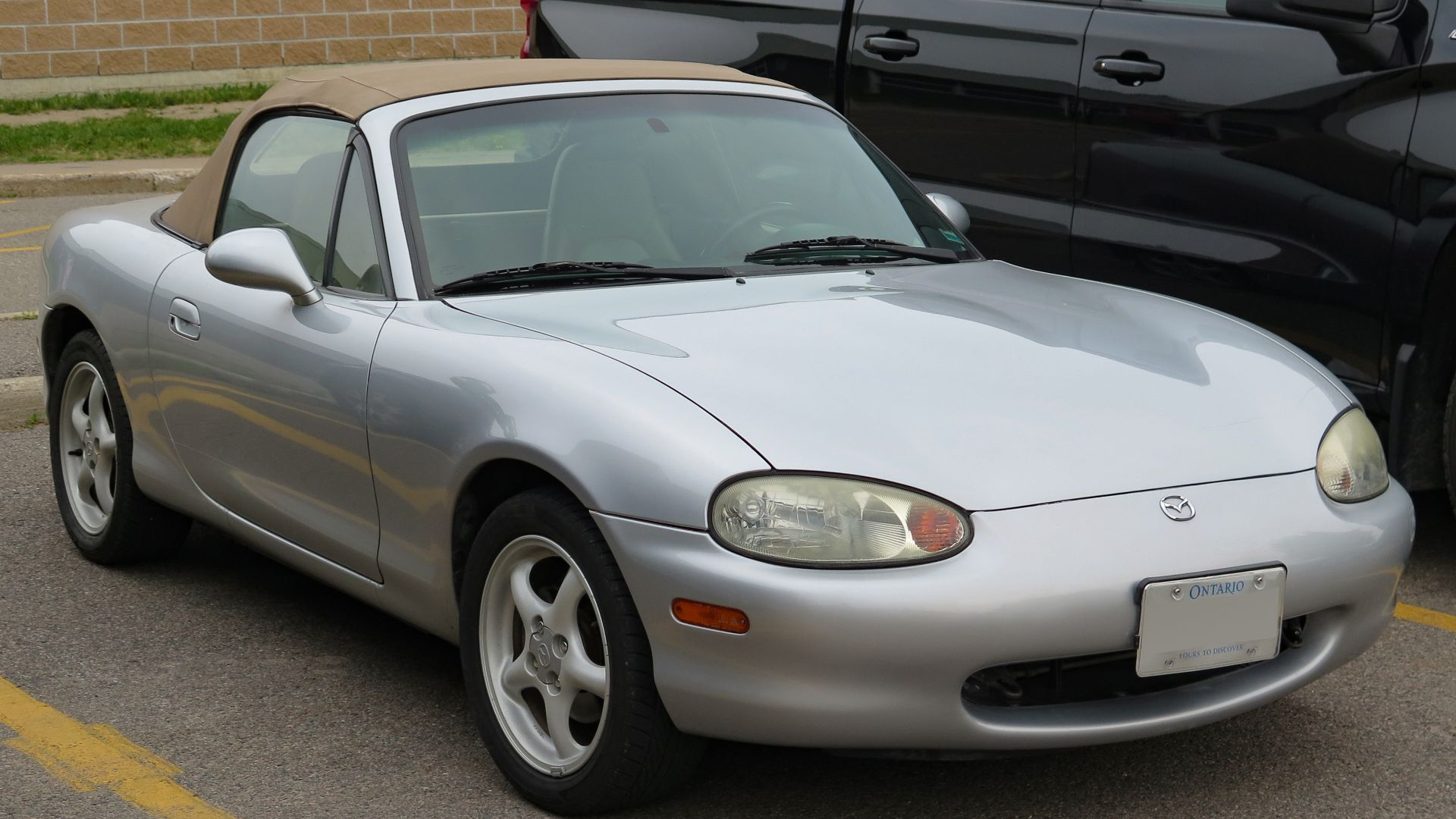
The Miata Rekindled Simple Driving Joy
The Miata proved you didn’t need huge horsepower to have fun. It was light, balanced, and incredibly responsive through corners. For drivers who cared about handling and feel, it delivered one of the purest driving experiences of the era.
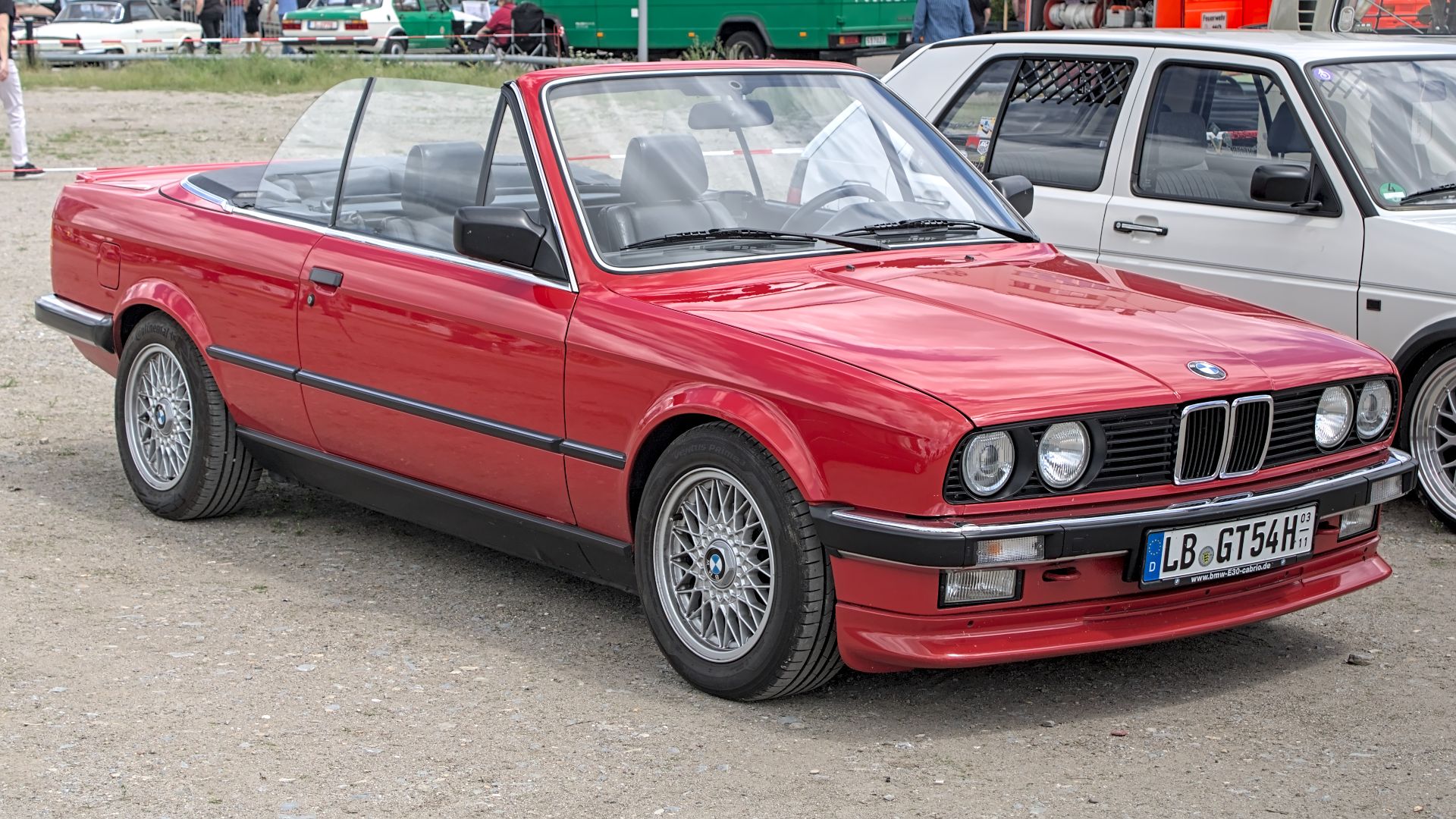
BMW E30 Delivered European Precision
The E30 was all about balance and control. It wasn’t the fastest car out there, but it handled beautifully and felt planted in every corner. For enthusiasts, it showed how rewarding a well-engineered chassis could be.
 Alexander-93, Wikimedia Commons
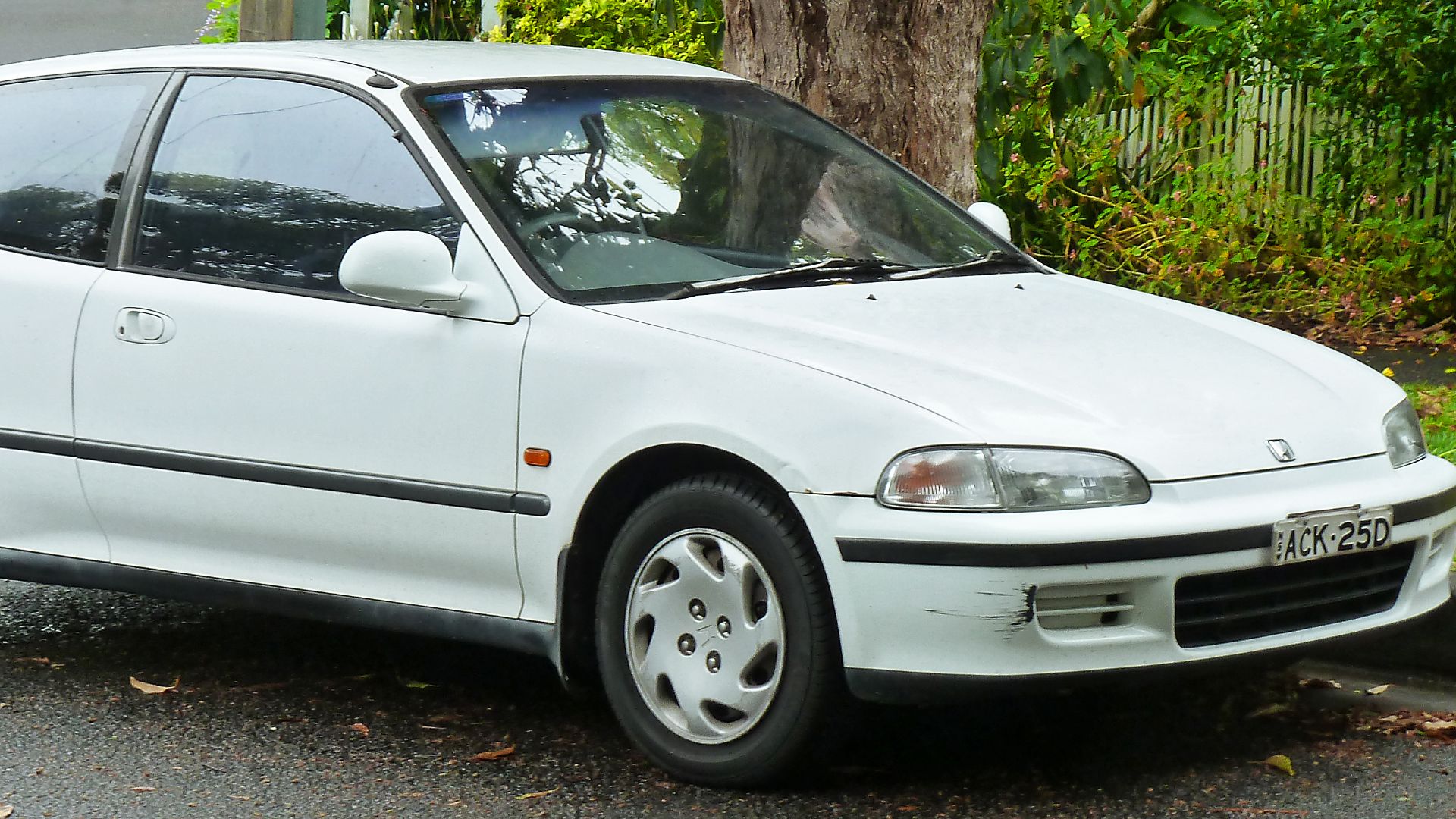
Honda Civic And CRX Started A New Movement
The Civic and CRX opened the door to a new kind of car culture. They were light, efficient, and incredibly easy to modify. Gearheads quickly realized you didn’t need big engines—just the right setup and a little creativity.
Toyota Supra Showed What Engineering Could Do
The Supra earned respect for its strong engine and tuning potential. It was built tough and responded well to upgrades. For many enthusiasts, it became a platform that could handle serious power without falling apart.
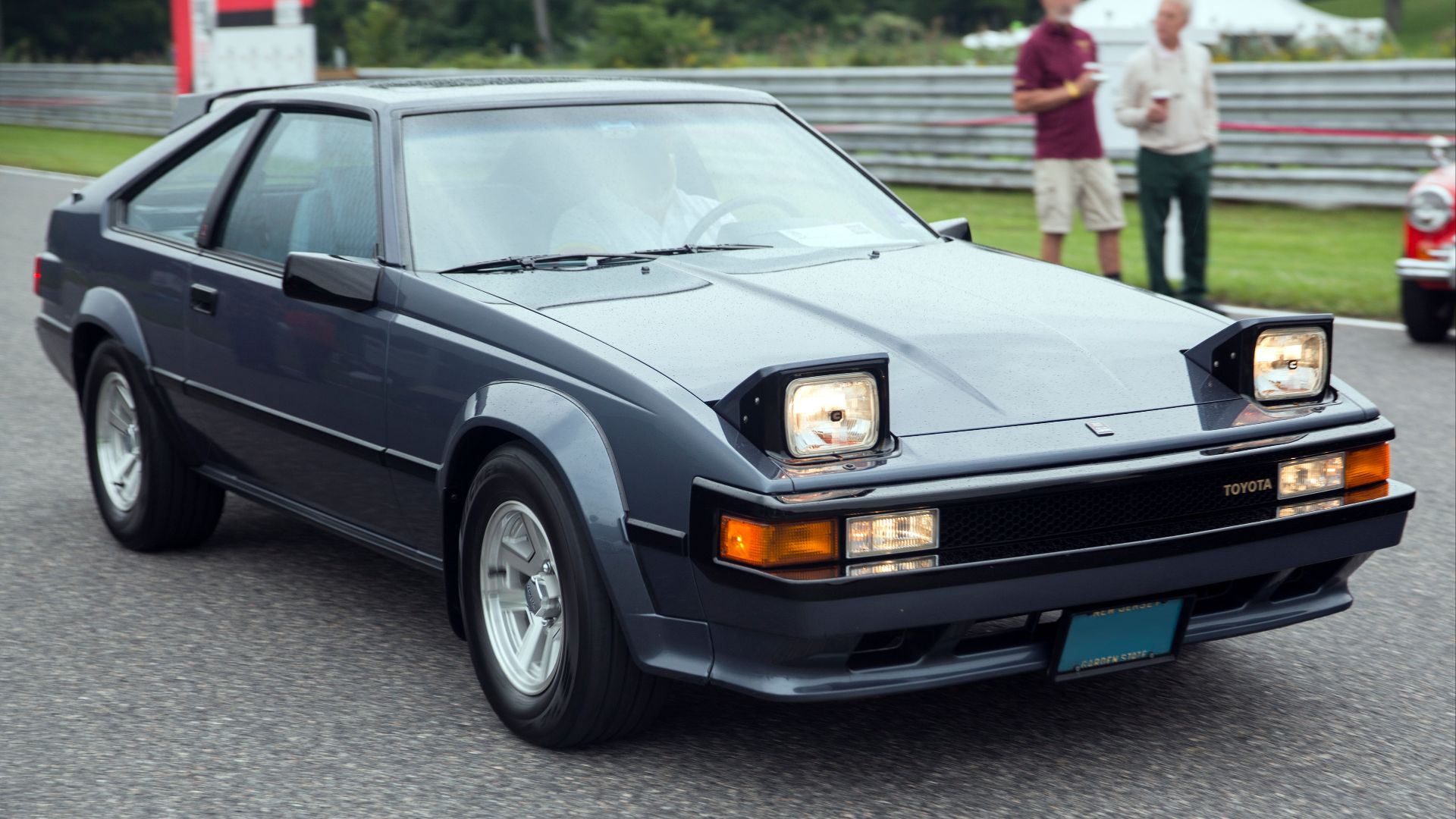 Mr.choppers, Wikimedia Commons
Nissan 300ZX Felt Ahead Of Its Time
The 300ZX looked futuristic and drove like it too. It combined sharp styling with advanced features and solid performance. For gearheads, it showed how technology could enhance driving without completely taking it over.
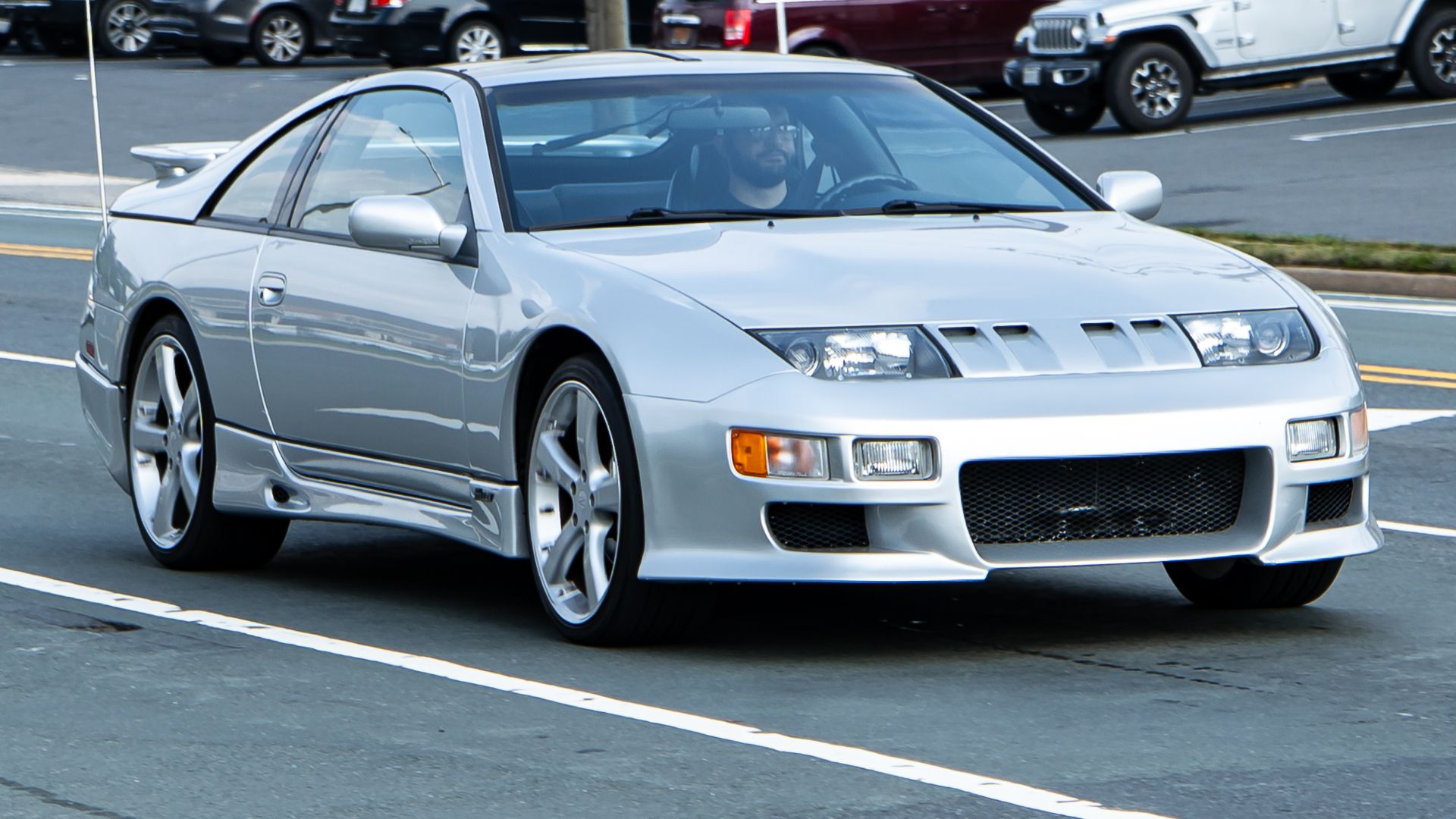 OWS Photography, Wikimedia Commons
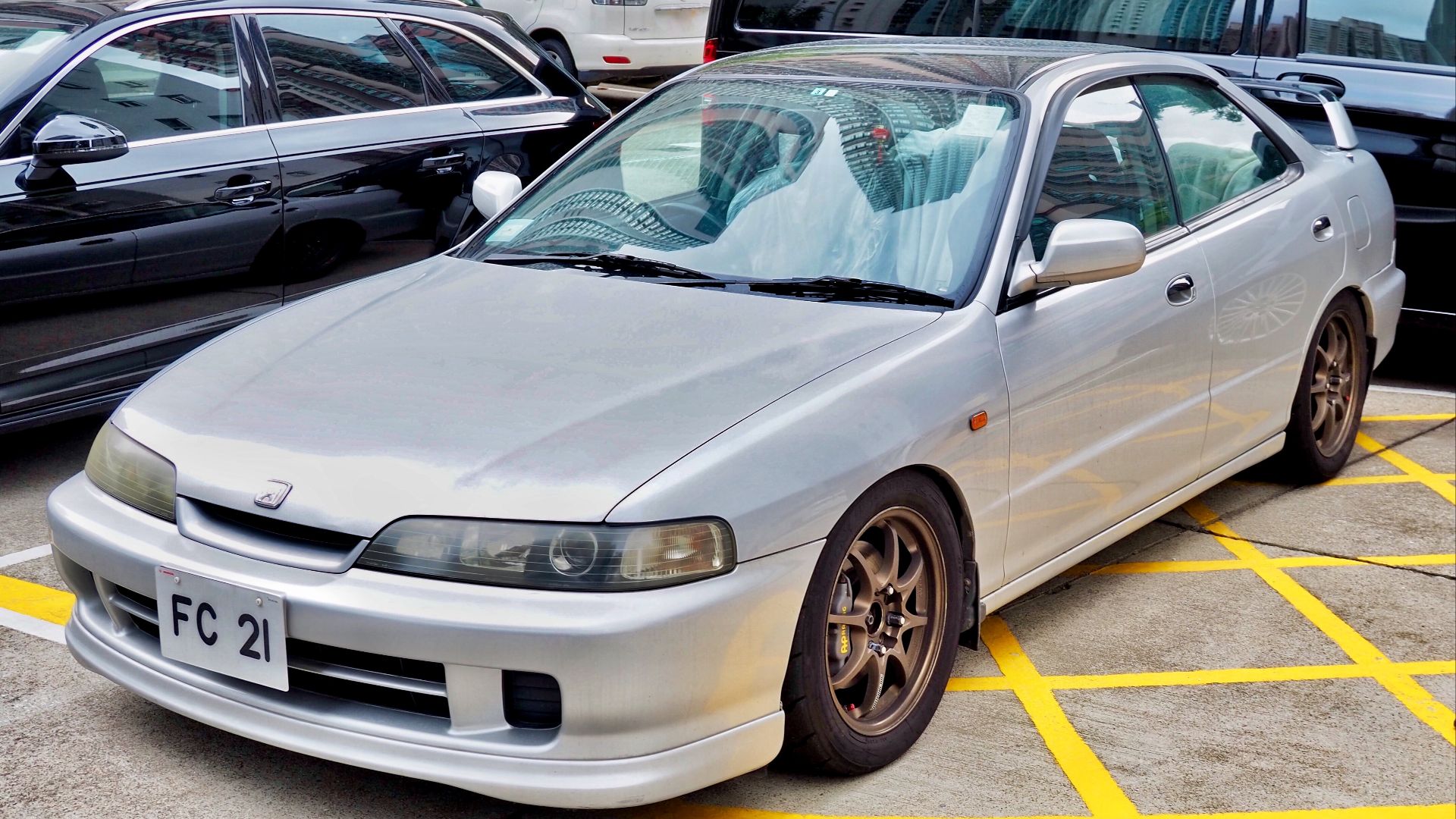
Acura Integra Offered Refined Sportiness
The Integra was one of those cars that just felt right. It revved high, handled well, and stayed reliable even when pushed. For enthusiasts, it was a perfect mix of daily usability and genuine driving enjoyment.
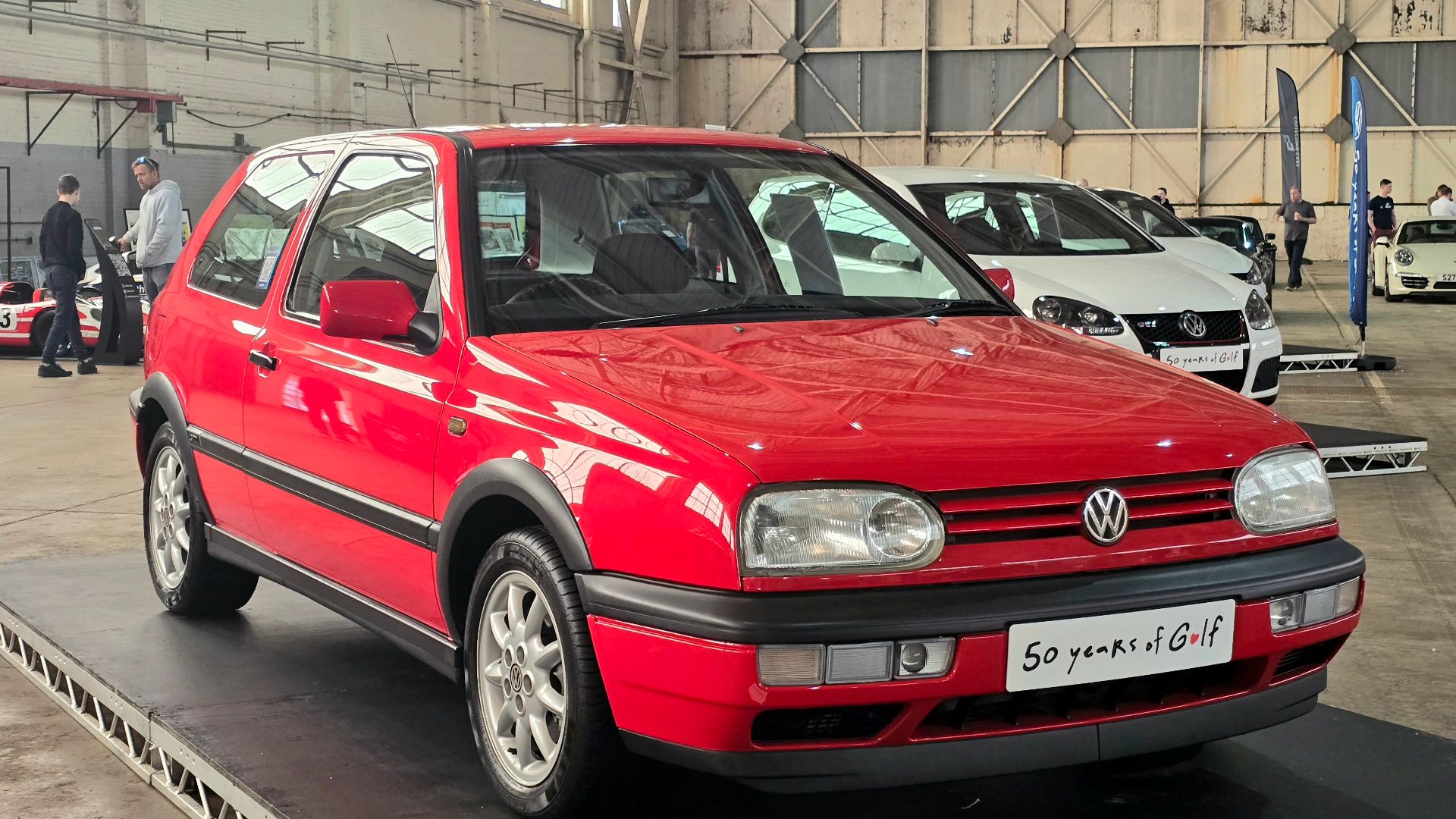
Volkswagen GTI Proved Practical Could Be Fun
The GTI showed that a small, practical car could still deliver serious fun. It was quick, nimble, and easy to live with. For drivers who wanted one car that could do everything, it was hard to beat.
Porsche 944 Made The Brand More Accessible
The 944 gave enthusiasts a chance to experience Porsche handling without the 911 price. It was balanced, predictable, and rewarding to drive hard. For many, it was their first real taste of European performance engineering.
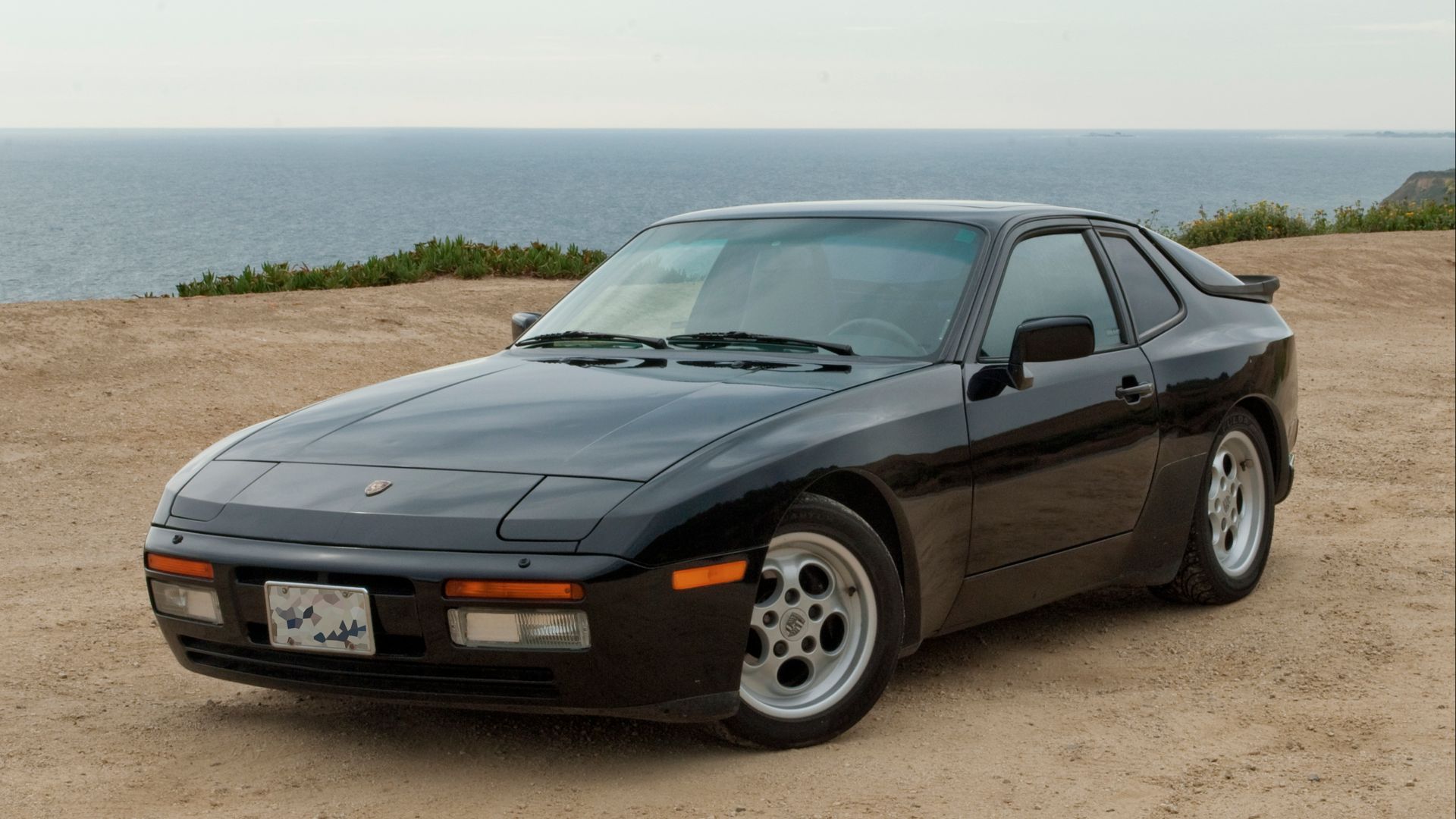 Daniel J. Leivick, Wikimedia Commons
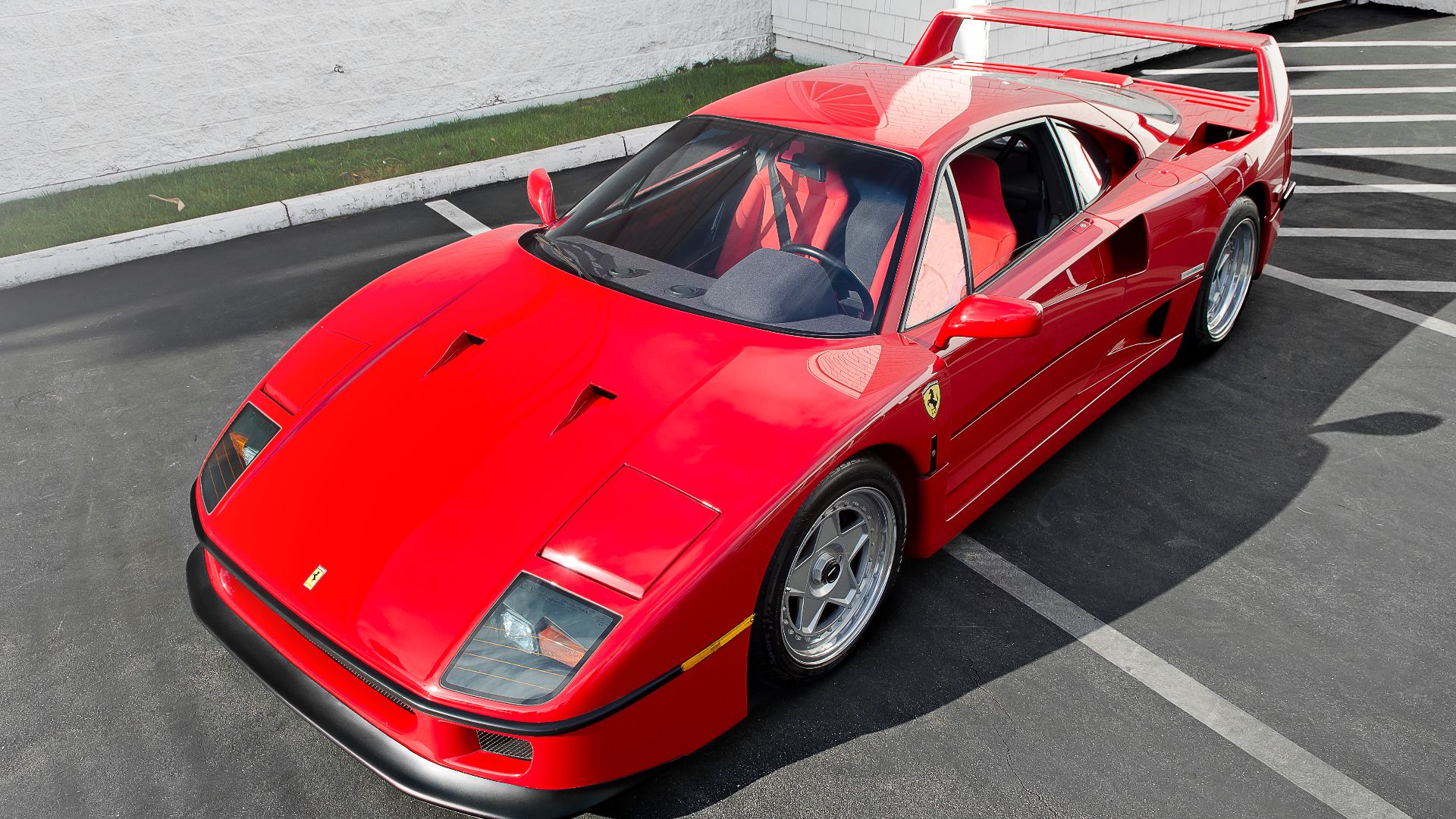
Ferrari F40 Represented Pure Performance
The F40 was raw in a way modern supercars just aren’t. Twin turbos, lightweight construction, and almost no driver aids made it intense. It was the kind of car that demanded skill and rewarded those brave enough to push it.
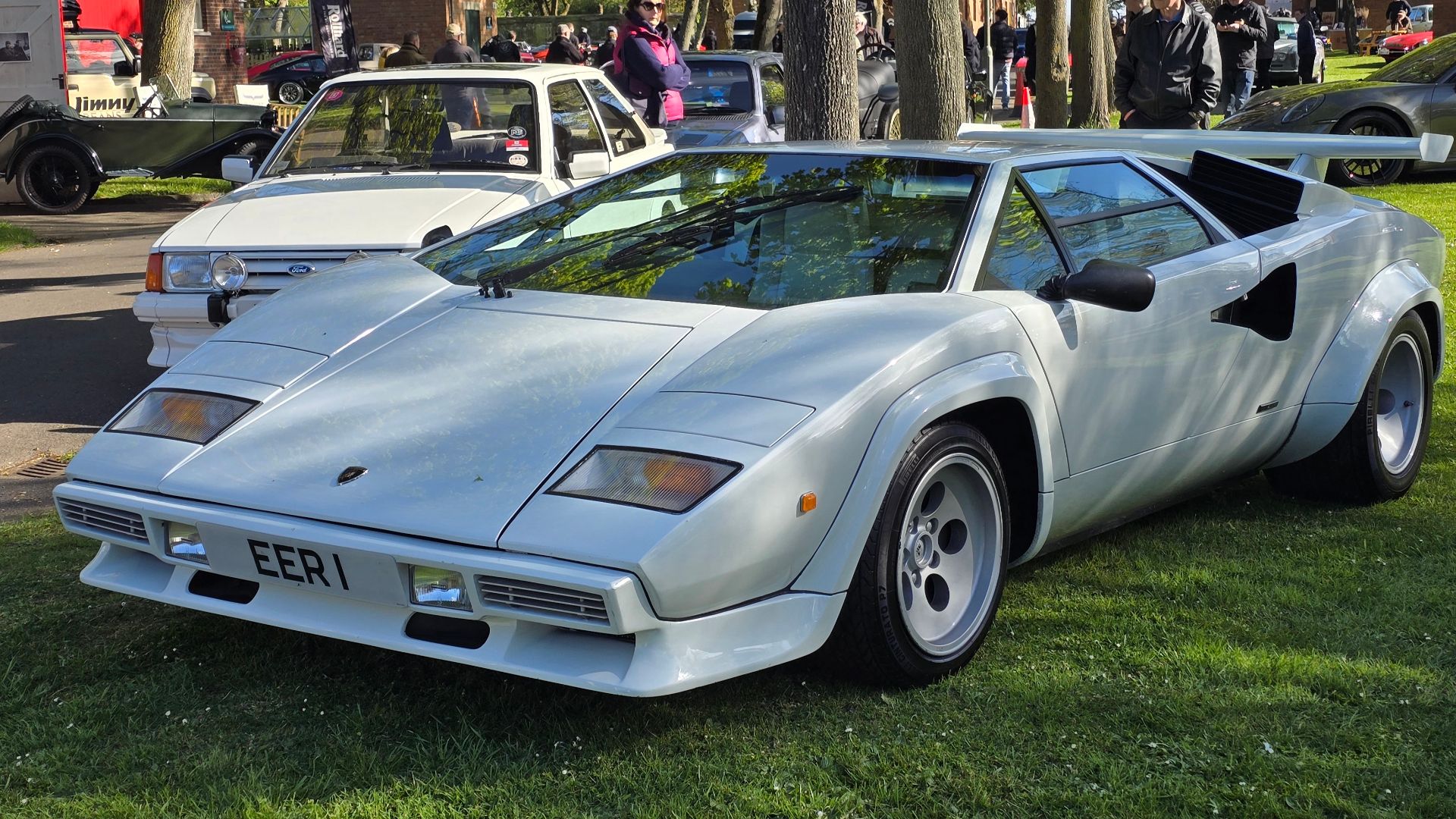
Lamborghini Countach Turned Heads Everywhere
The Countach was pure drama on wheels. From its sharp angles to its scissor doors, it looked like nothing else. It wasn’t the easiest car to drive, but that didn’t matter—it was all about presence and excitement.
Jeep Wrangler Kept Adventure Alive
The Wrangler wasn’t about speed—it was about capability. Solid axles, four-wheel drive, and simple mechanics made it a favorite for off-road enthusiasts. It proved that driving fun didn’t have to stay on pavement.
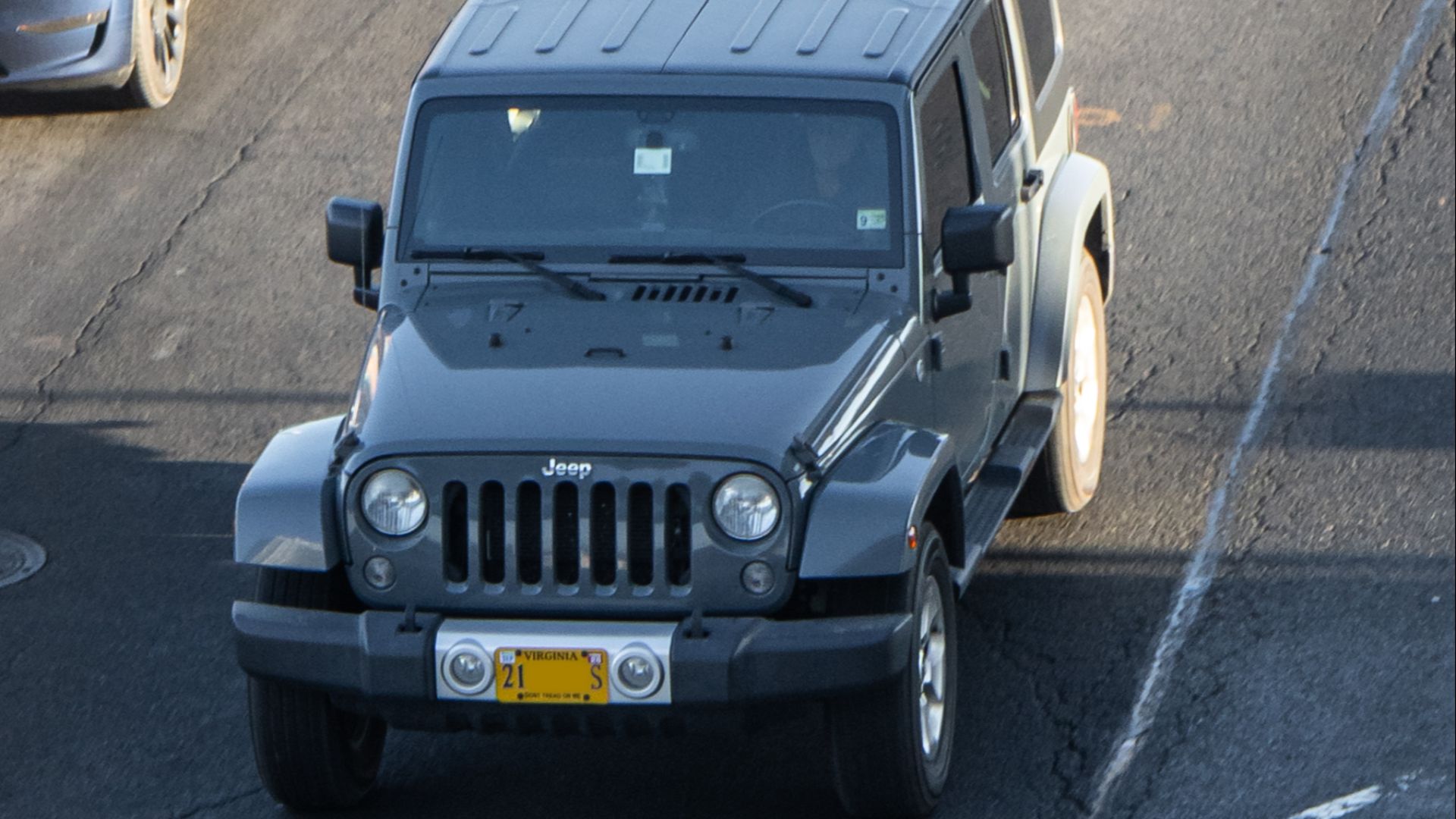 OWS Photography, Wikimedia Commons
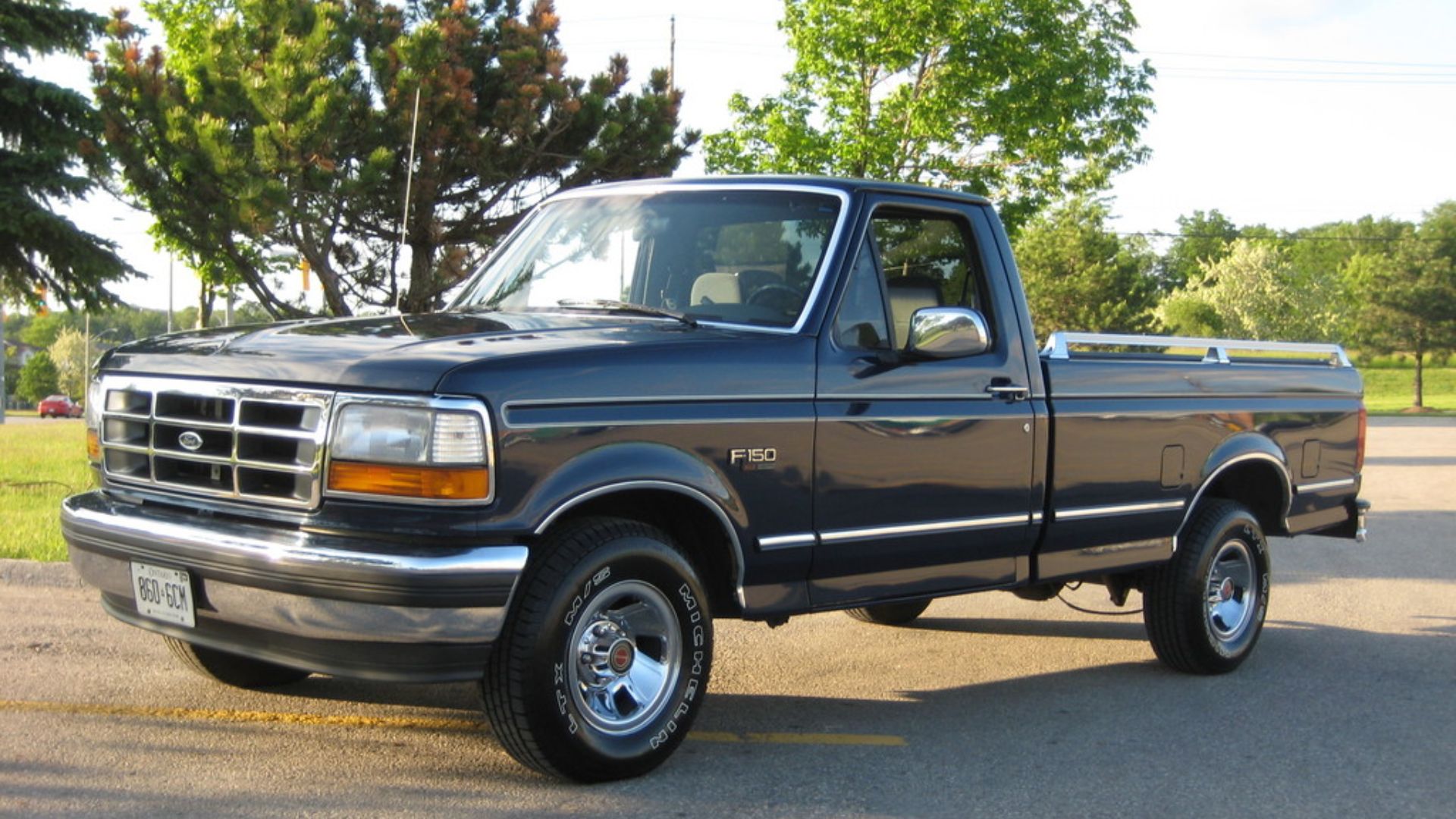
Ford F-150 Became More Than A Work Truck
The F-150 started to evolve into something more than just a job site tool. It became comfortable enough for daily driving while still being tough and reliable. For many, it was the perfect mix of utility and everyday practicality.
 Henry.hilliard, Wikimedia Commons
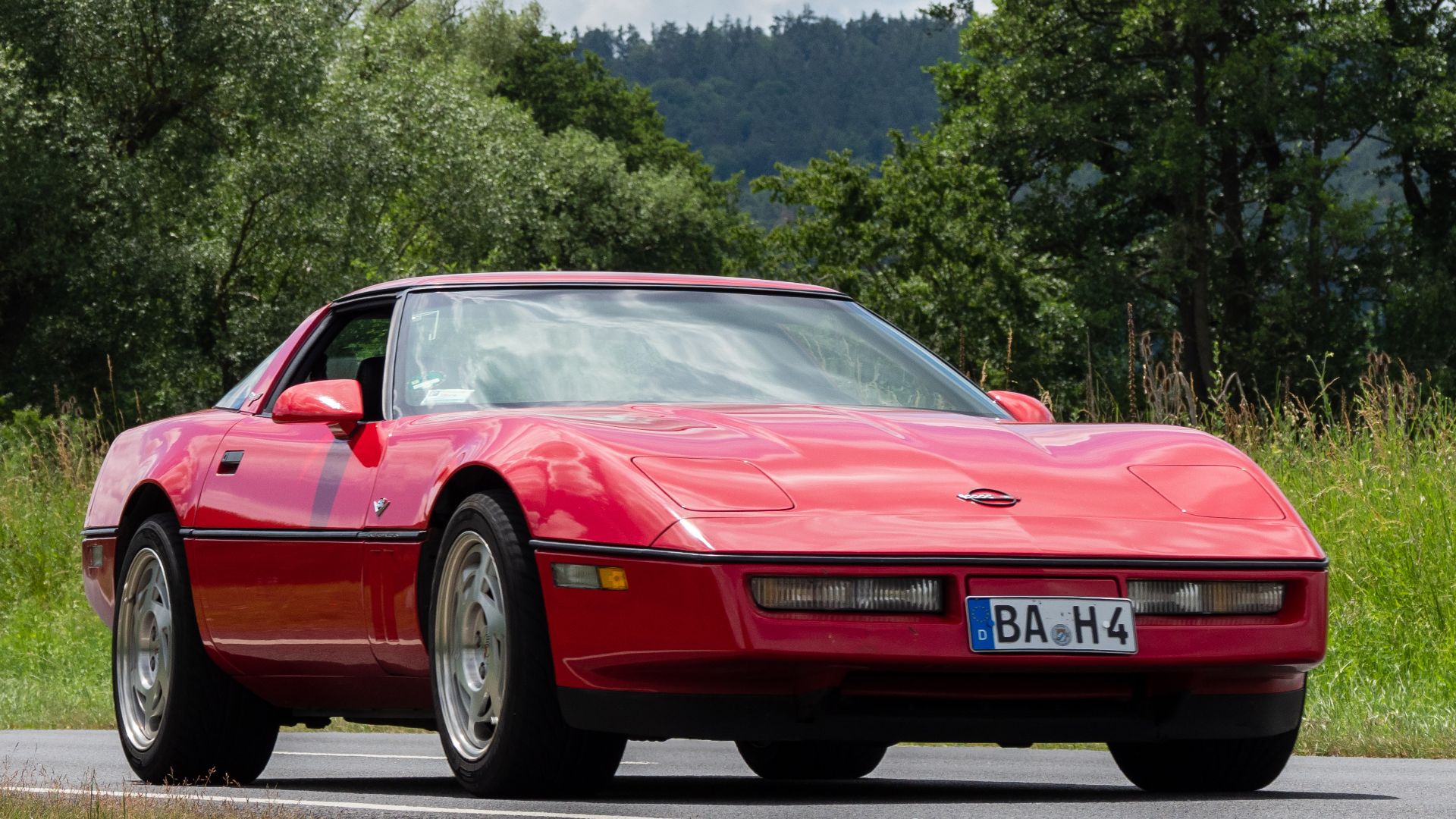
Corvette C4 Modernized American Performance
The C4 Corvette brought a more refined approach to American sports cars. It handled better than earlier models and felt more planted at speed. For enthusiasts, it showed that performance wasn’t just about straight-line power anymore.
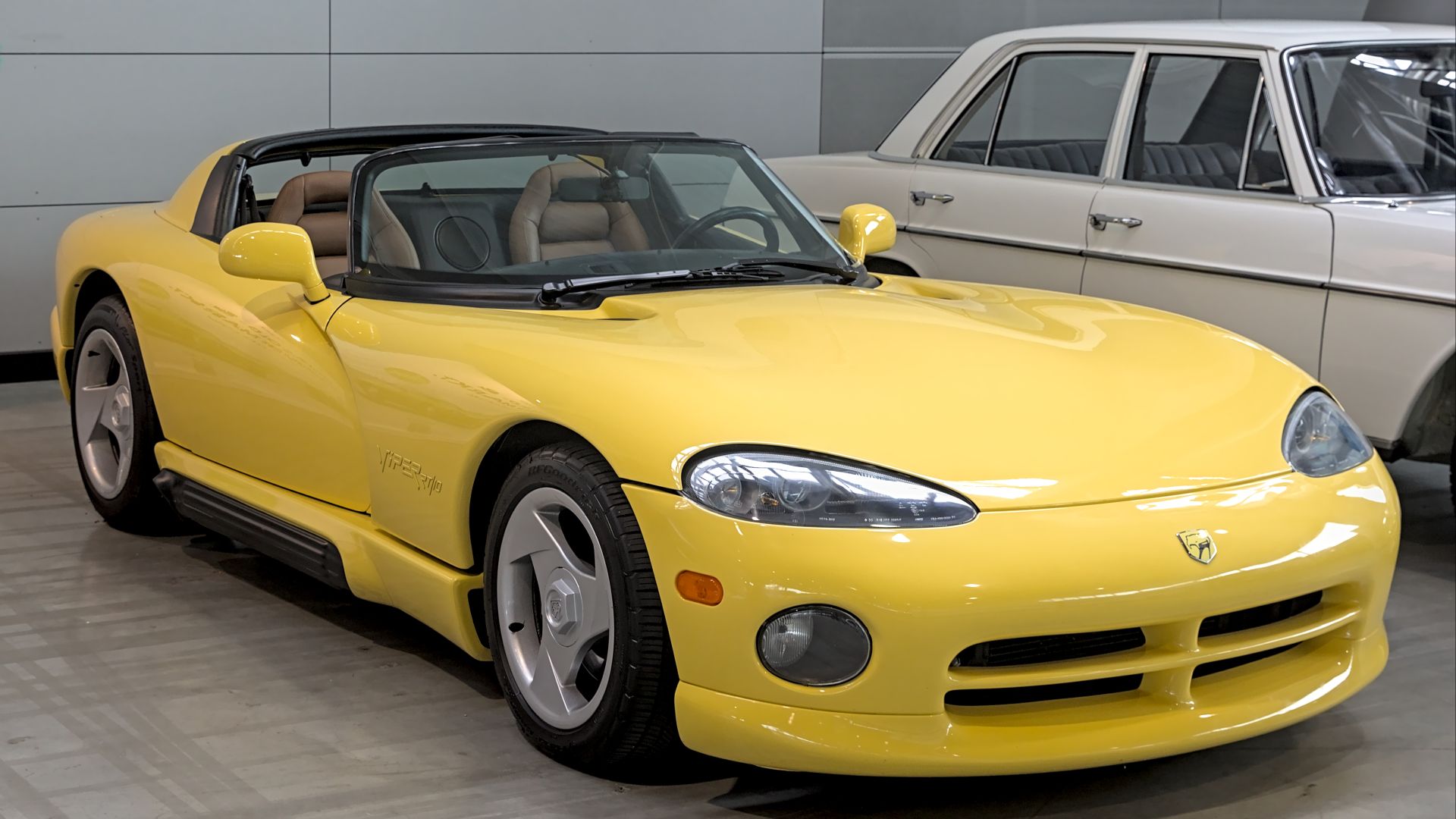
Dodge Viper Brought Back Raw Power
The Viper was about as raw as it gets. Huge V10, no traction control, and very few safety nets. It demanded respect every time you got behind the wheel, making it one of the most intense driving experiences of the era.
 Alexander-93, Wikimedia Commons
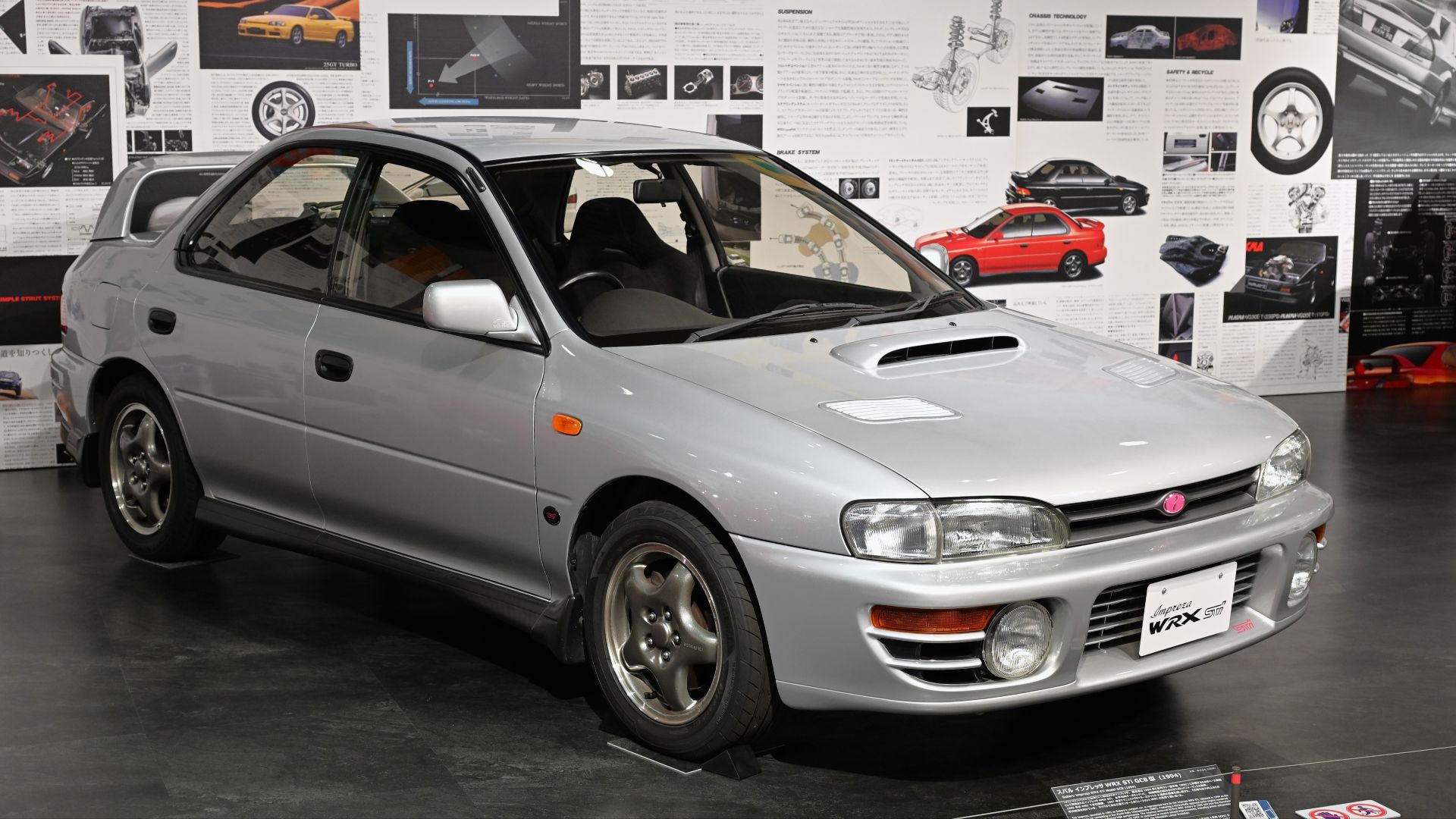
Subaru WRX Introduced A New Kind Of Speed
The WRX changed how people thought about performance. Turbocharged and all-wheel drive, it put power down in any condition. For gearheads, it opened the door to rally-inspired builds and year-round driving fun.
Mitsubishi Eclipse Captured A Generation
The Eclipse mixed sharp looks with real performance, especially in turbo AWD form. It became a favorite among tuners and street racers. For many enthusiasts, it was their introduction to the import performance world.
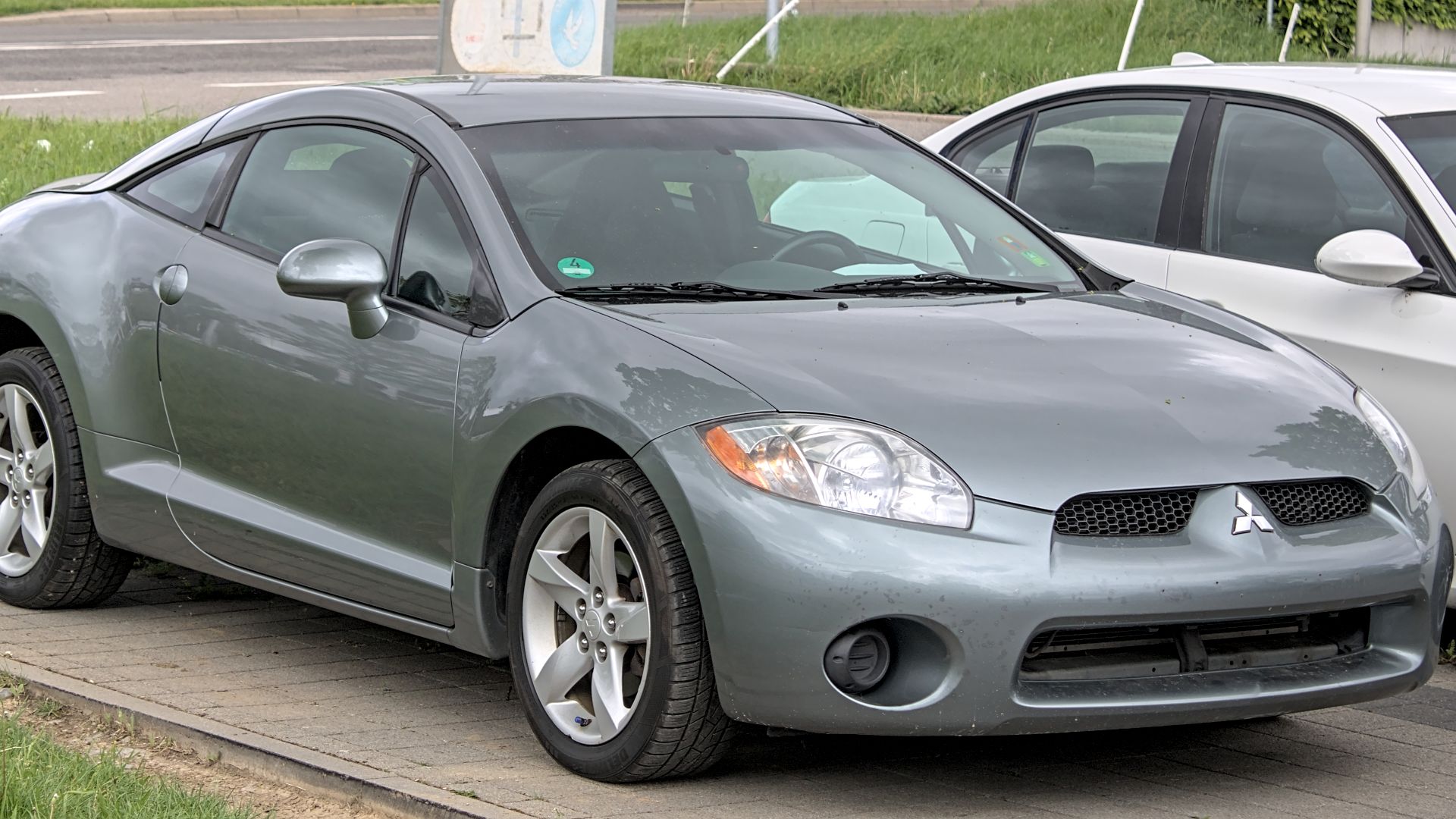 Alexander-93, Wikimedia Commons
Saab 900 Offered Something Different
The Saab 900 stood out with its unique design and turbocharged engines. It wasn’t trying to be like anything else. For drivers who liked something a little different, it offered personality along with solid performance.
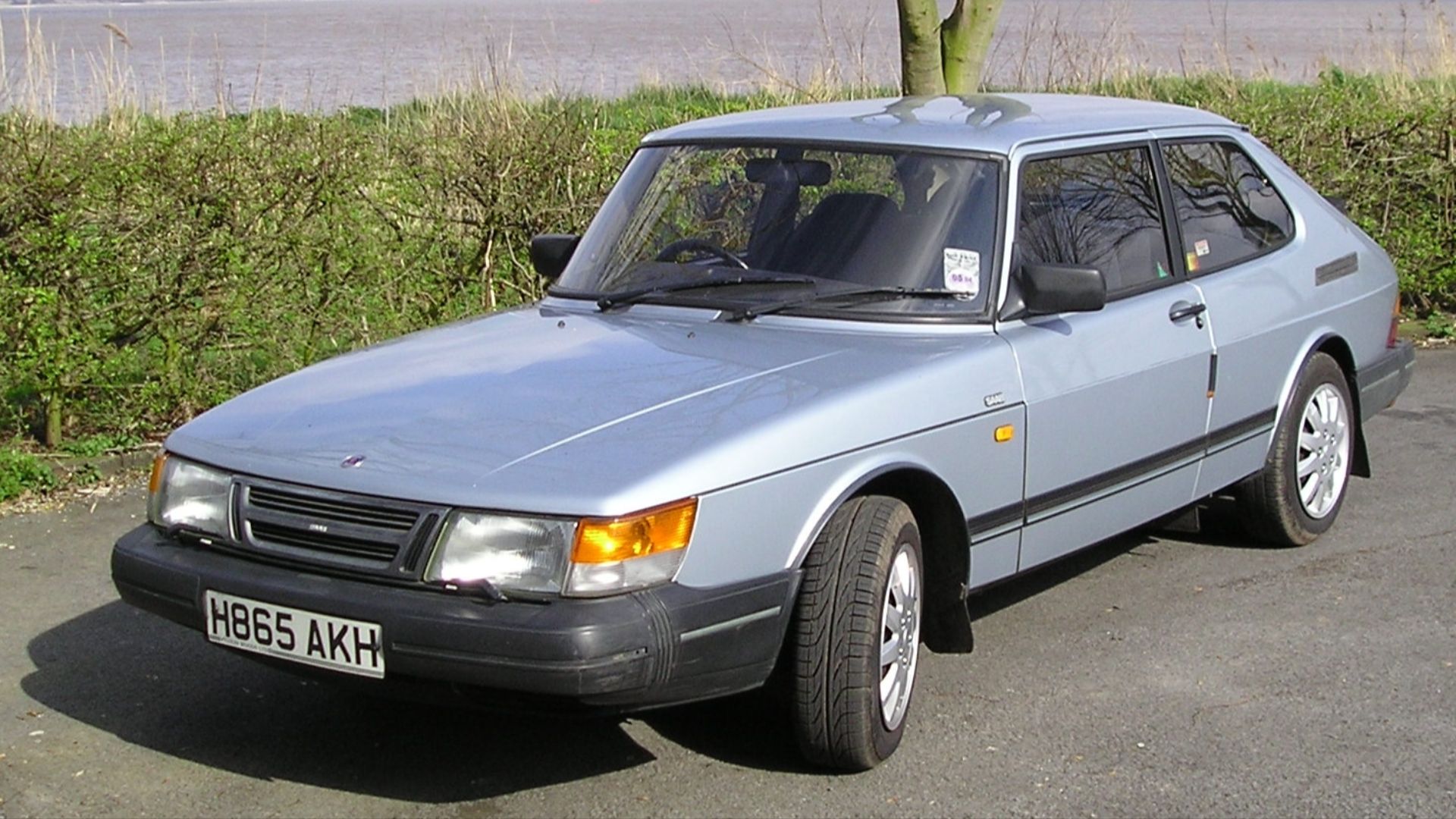 David Wright, Wikimedia Commons
Mercedes-Benz 190E Balanced Class And Capability
The 190E showed that a smaller luxury car could still be fun to drive. It felt solid, handled well, and had motorsport roots. For enthusiasts, it proved refinement and performance could go hand in hand.
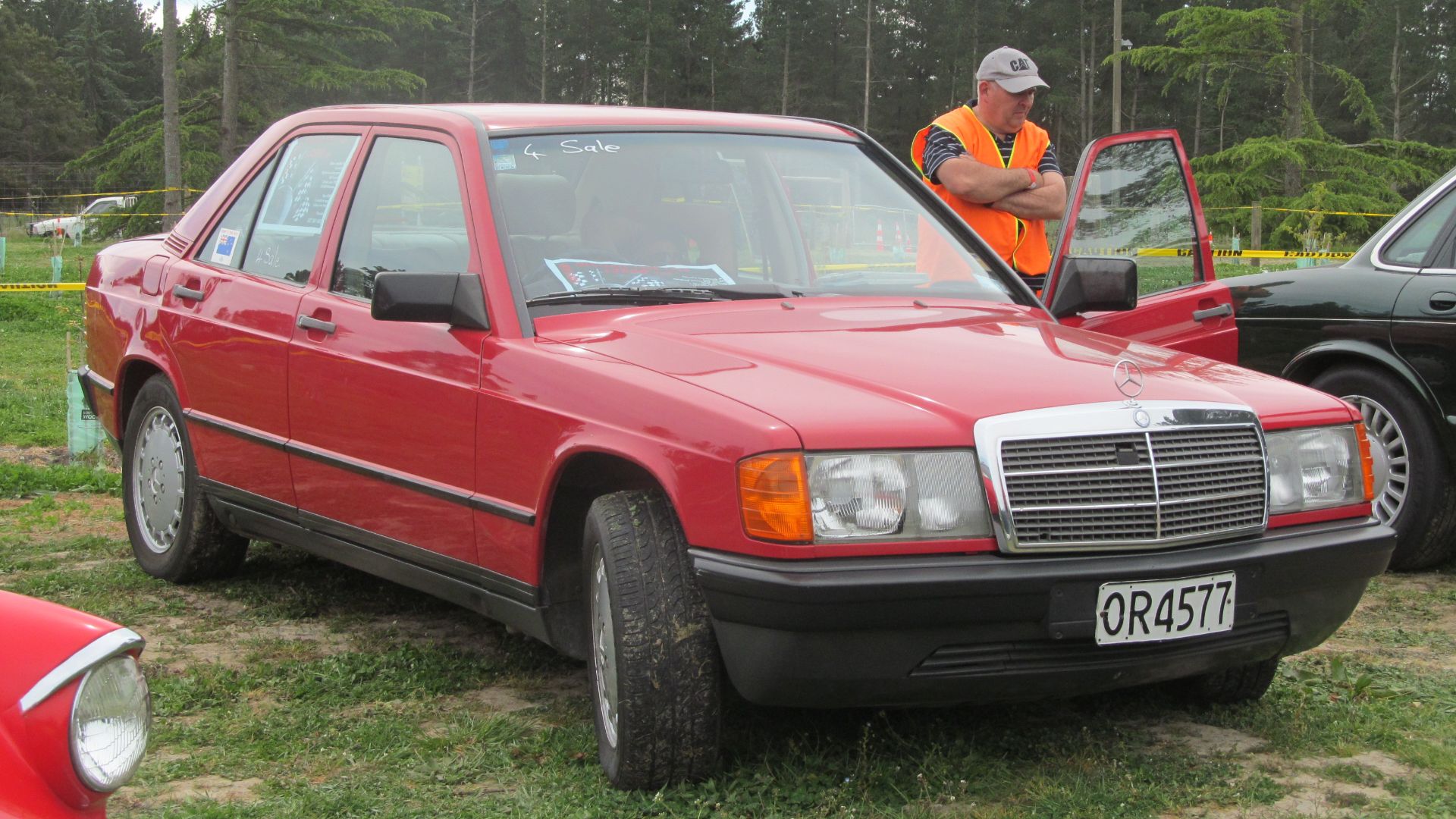 Riley from Christchurch, New Zealand, Wikimedia Commons
Pontiac Trans Am Delivered Bold Personality
The Trans Am brought aggressive styling and strong V8 performance together. It wasn’t subtle, and that’s exactly why people loved it. For muscle car fans, it carried forward that loud, proud attitude.
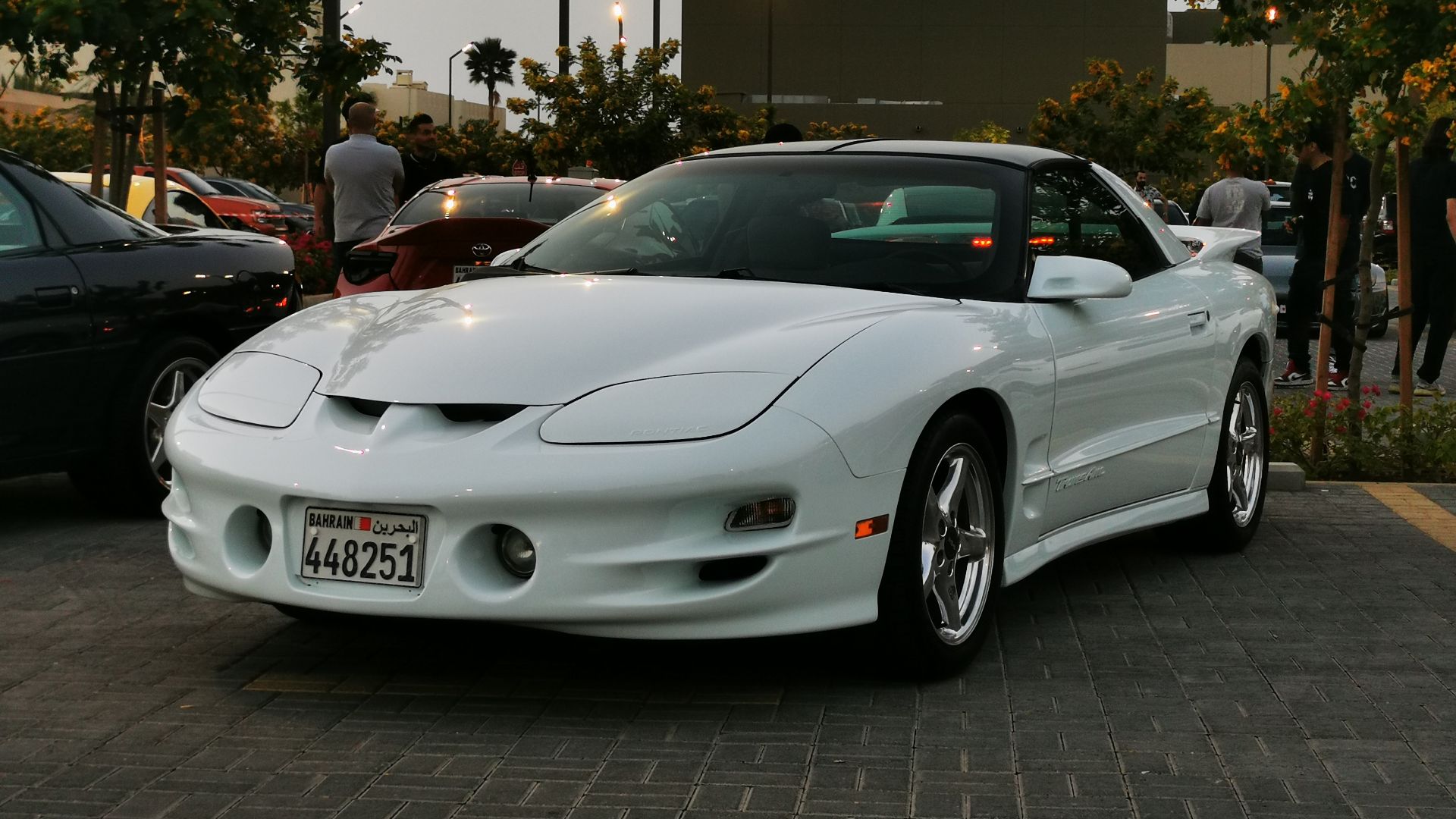 Mohammed Hamad, Wikimedia Commons
Music Made Every Drive Personal
Back then, driving and music went hand in hand. Whether it was a cassette or a CD, you picked your soundtrack before hitting the road. It made every drive feel like an event, not just another trip.

The Roads Felt More Open Back Then
Traffic was lighter, distractions were fewer, and driving felt more relaxed. You could actually enjoy the road without constant interruptions. For many enthusiasts, that freedom was just as important as the cars themselves.
Why That Era Still Stands Out Today
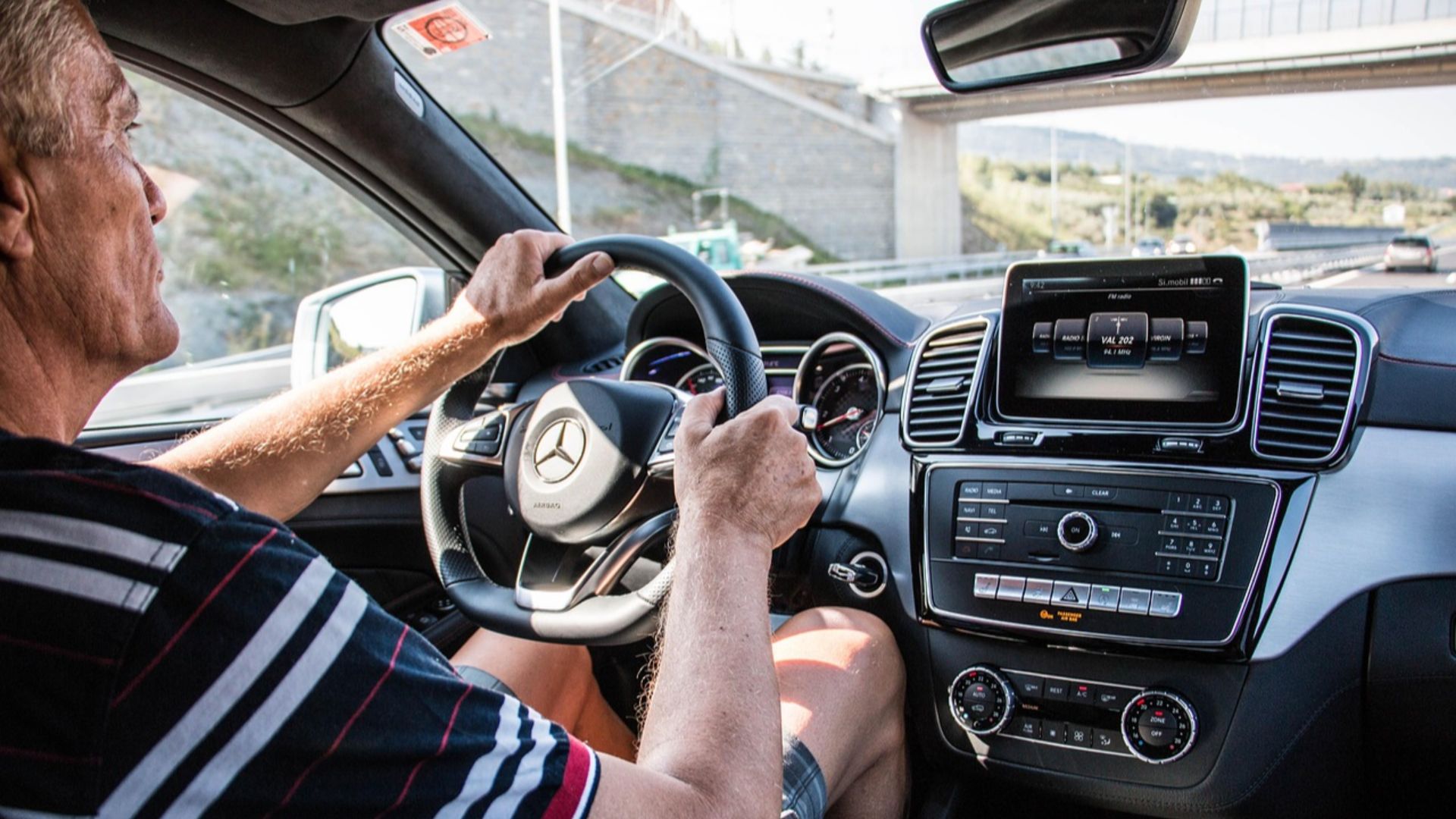
For gearheads, the Gen X driving era hit a perfect balance. Cars had real personality, performance was accessible, and driving still required skill. It was a time when machines felt alive, and the connection between driver and car was something truly special.

You May Also Like: