Just Out Of Reach
American buyers have access to a wider variety of pickups than almost anyone else, yet some of the world's most interesting trucks remain tantalizingly out of reach. From indestructible diesels to tiny workhorses and strange car-based haulers, these are the foreign-market pickups that make American truck enthusiasts wonder why we can't have them.
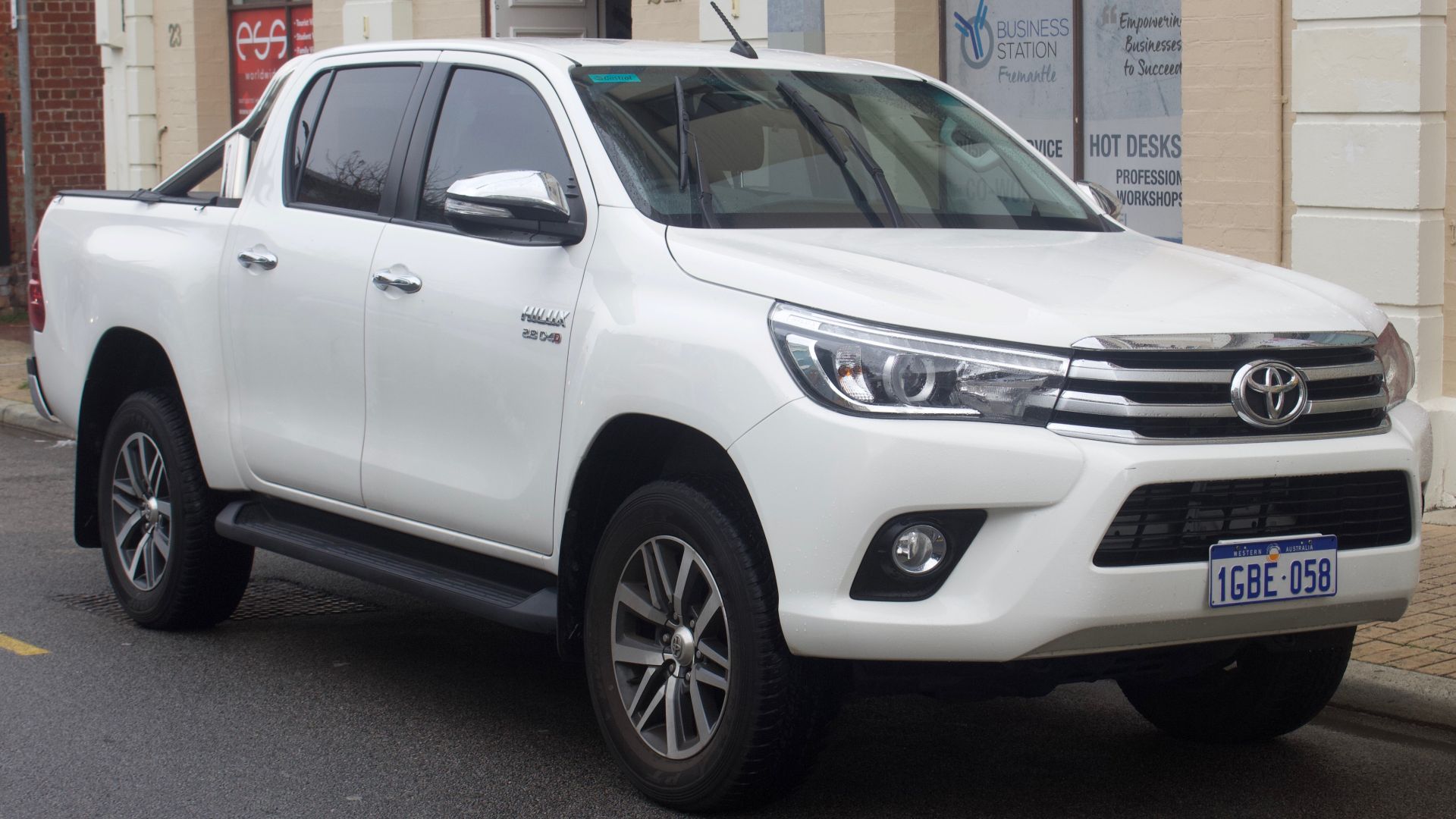
Toyota Hilux (1968–Present)
This is the obvious one. Americans once received versions of the Hilux as the Toyota Pickup, but the global Hilux eventually went its own way while the Tacoma became Toyota's North American midsizer. Today's Hilux remains enormously popular internationally, with Toyota selling the nameplate across more than 180 countries and regions.
 EurovisionNim, Wikimedia Commons
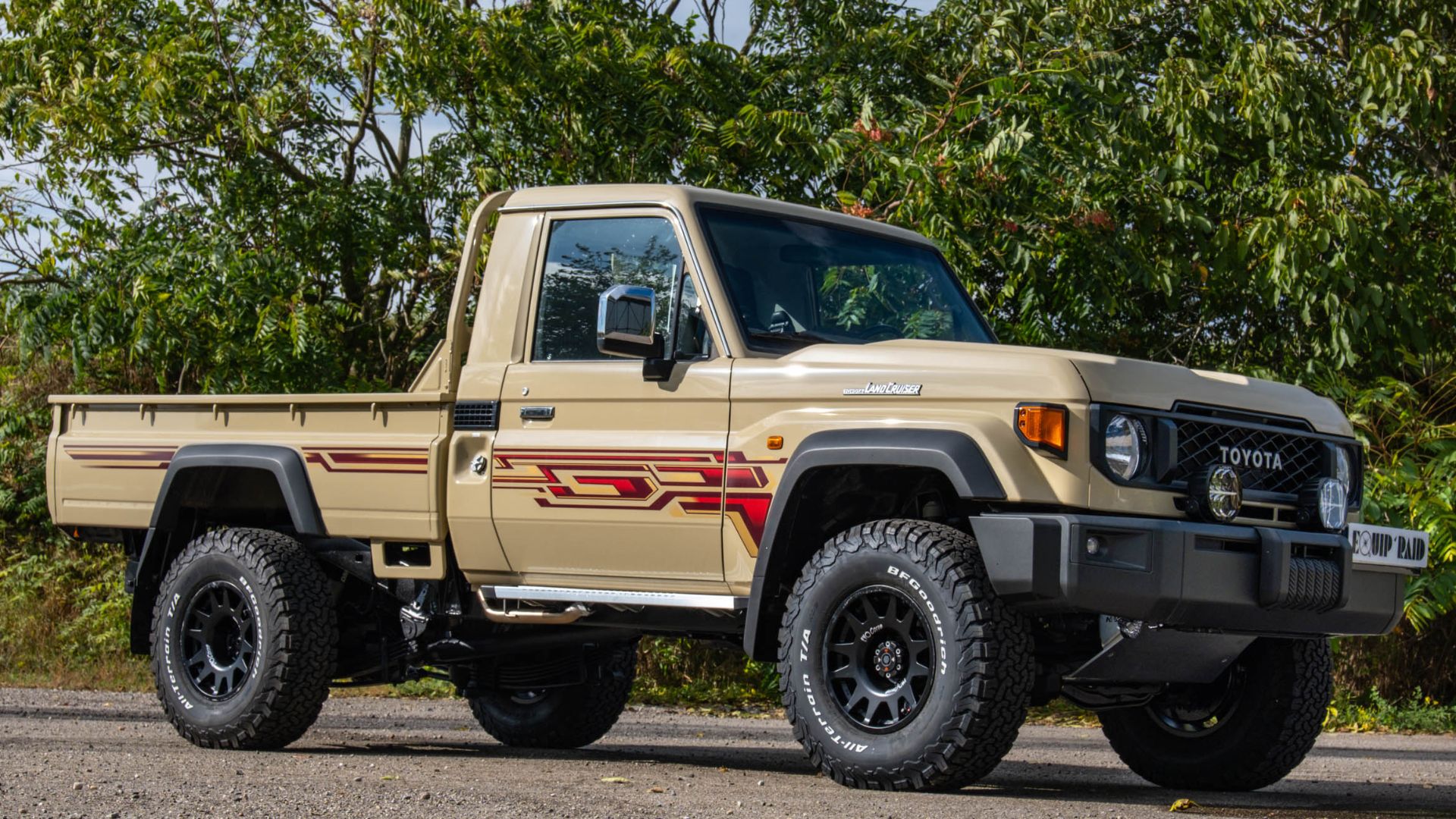
Toyota Land Cruiser 79 (1999–Present)
If the Hilux seems rugged, the Land Cruiser 70 Series is practically agricultural equipment with headlights. The 79 Series pickup combines the legendary Land Cruiser name with a separate bed and old-school utility-first construction. Americans get sophisticated modern Land Cruisers, but not this wonderfully stubborn survivor designed for genuinely punishing work.
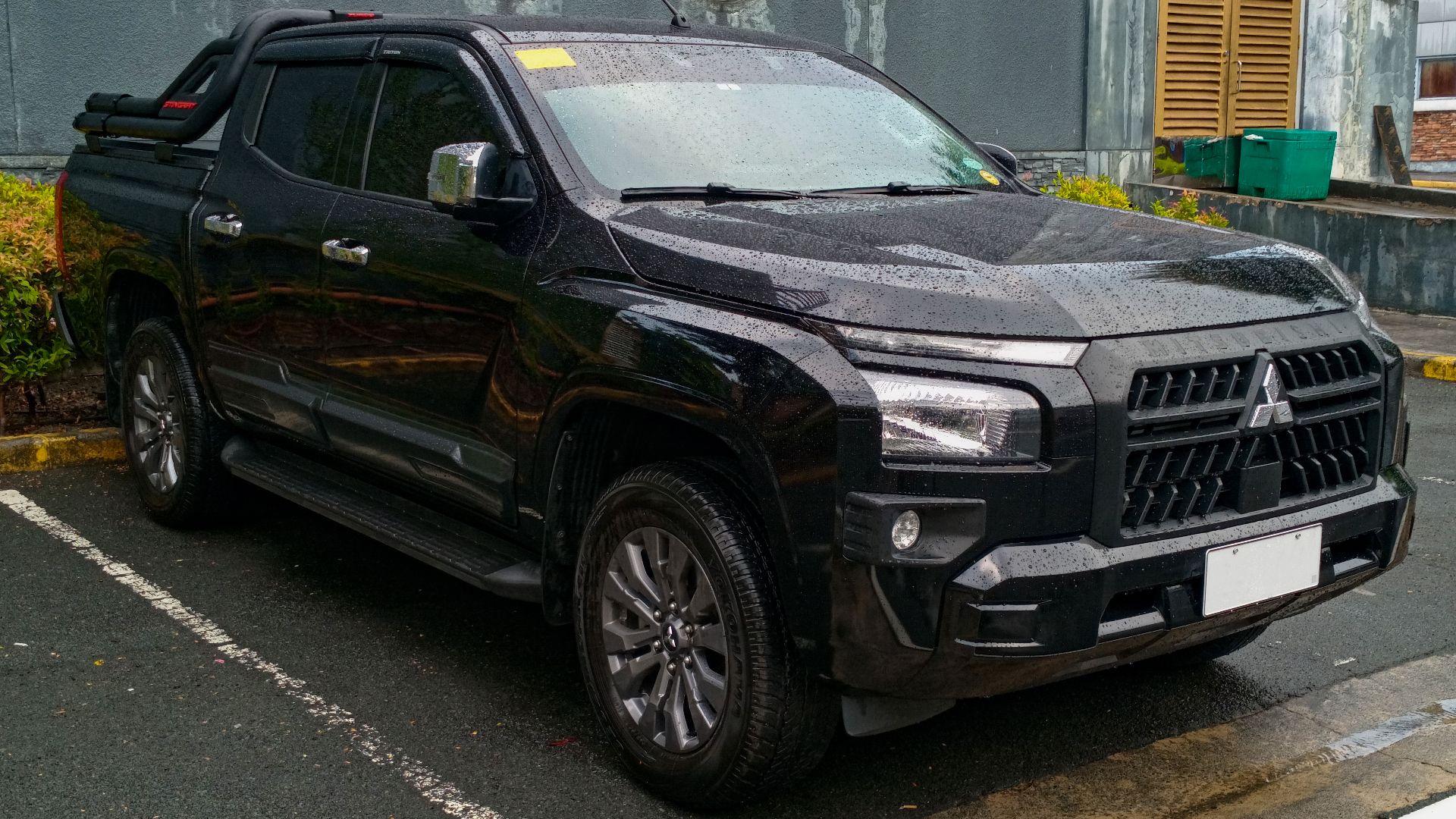
Mitsubishi Triton (1978–Present)
Mitsubishi once sold American pickups under its own name, and its trucks also formed the basis of the Dodge D50 and Ram 50. The modern descendant is the Triton, also known in some markets as the L200. Mitsubishi describes the Triton lineage as combining ladder-frame toughness with passenger-vehicle comfort.
 Ethan Llamas, Wikimedia Commons
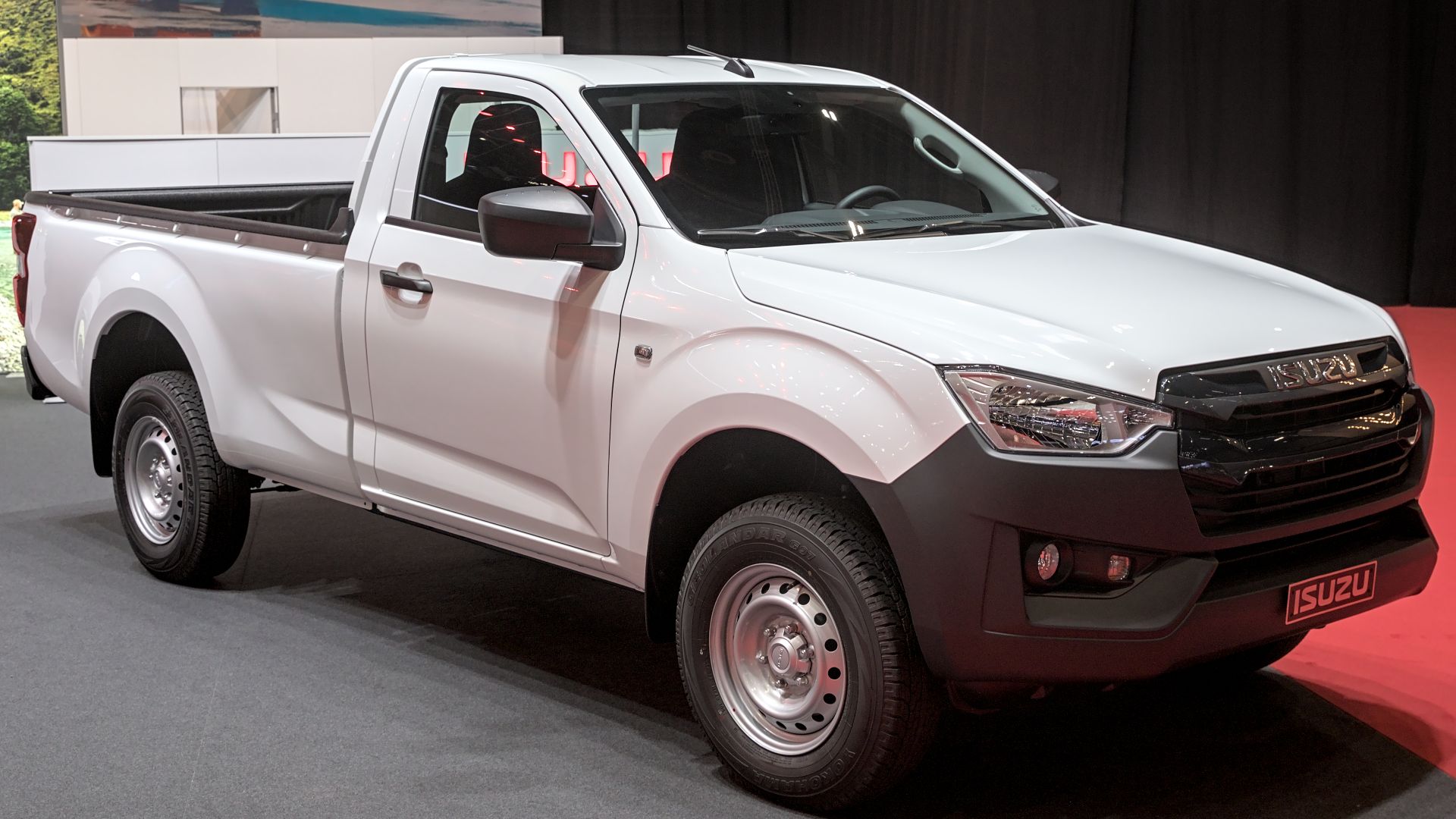
Isuzu D-Max (2002–Present)
Americans of a certain age remember Isuzu pickups everywhere, usually with wonderfully straightforward styling and reputations for durability. Isuzu eventually abandoned the American light-vehicle market, but overseas the company kept developing pickups. The D-Max is now a thoroughly modern diesel workhorse sold across numerous Asian, European, African, and Australasian markets.
 Alexander-93, Wikimedia Commons
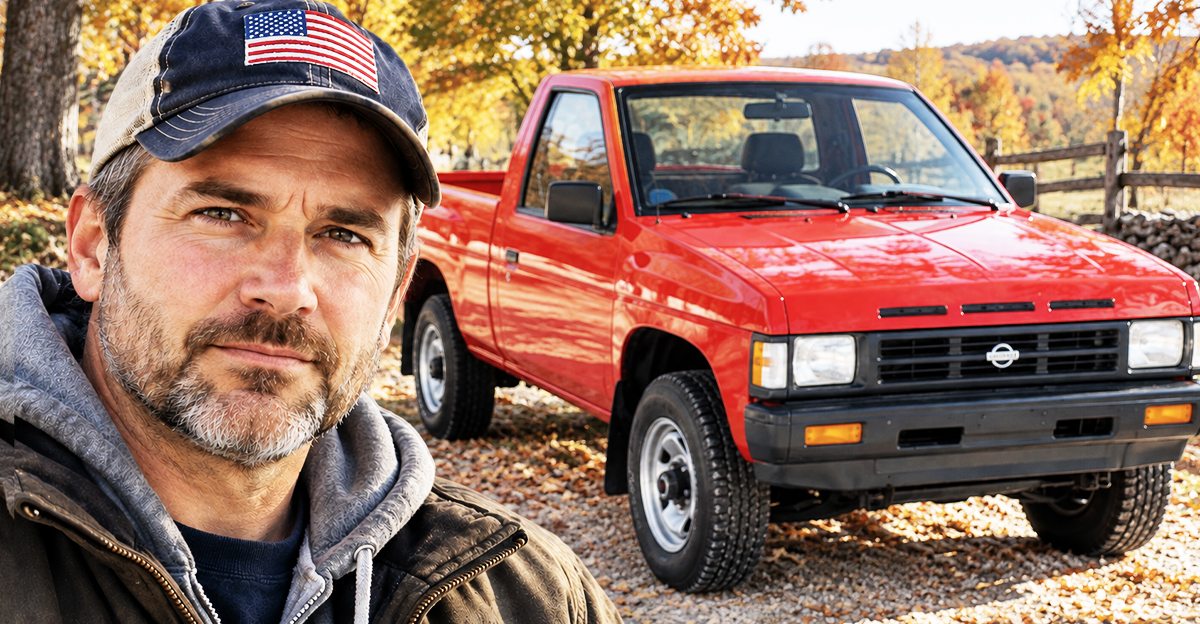
Nissan Hardbody (1985–Present)
America gets the Nissan Frontier, but much of the rest of the world has known Nissan's midsize Hardbody pickup as the Navara. Previous generations shared plenty of DNA with North American Nissan trucks, but their paths diverged. Diesel engines and market-specific configurations have made overseas Navaras just as tempting to American Nissan enthusiasts.
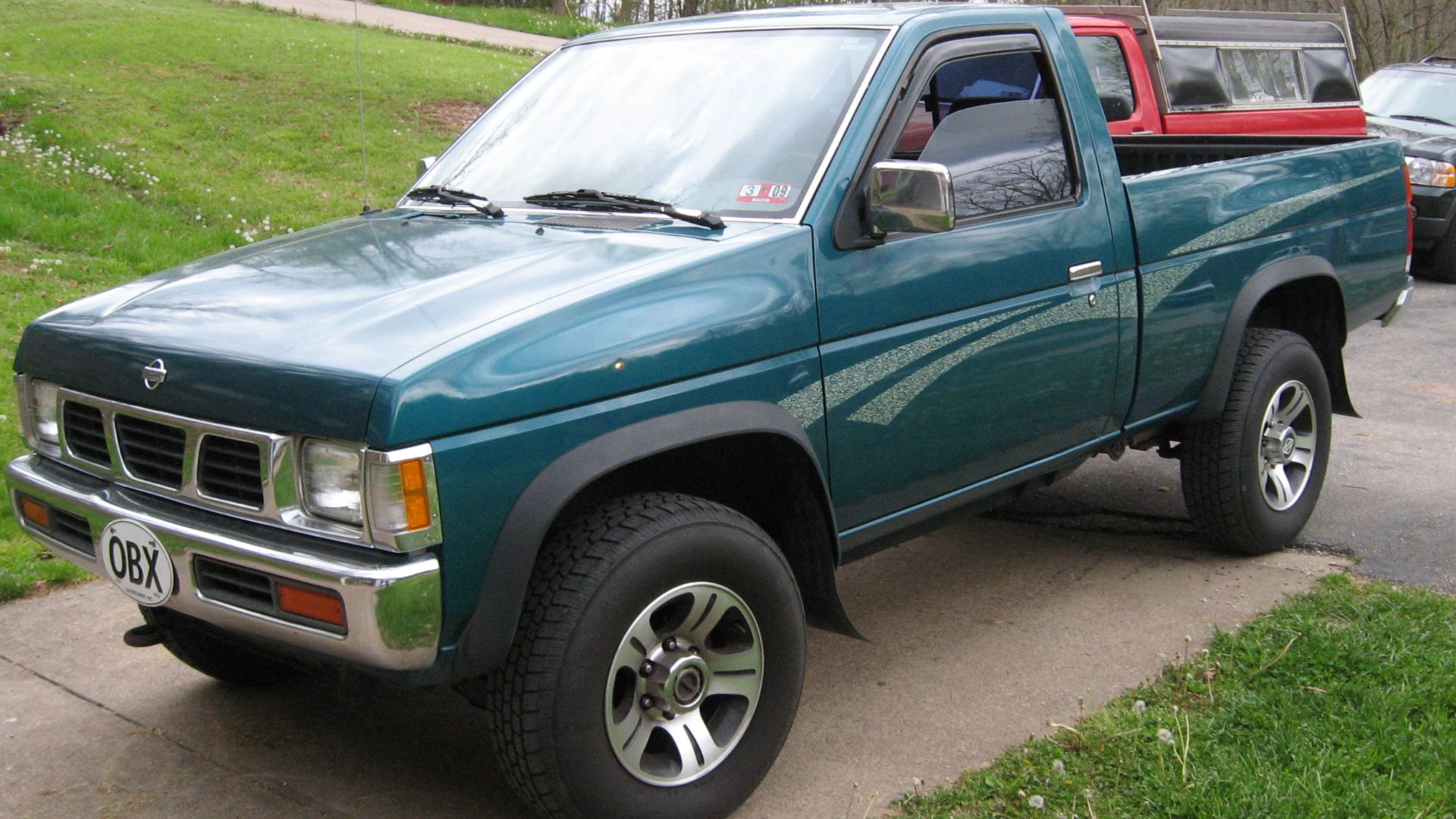 Bballman35676, Wikimedia Commons
Mazda BT-50 (2006–Present)
Remember when Mazda sold pickups in America? The old B-Series eventually became closely related to the Ford Ranger here, but Mazda never abandoned pickups globally. Today's BT-50 is based on the Isuzu D-Max, wears Mazda's distinctive styling, and provides one of the stranger answers to the question, "What would a modern Mazda pickup look like?"
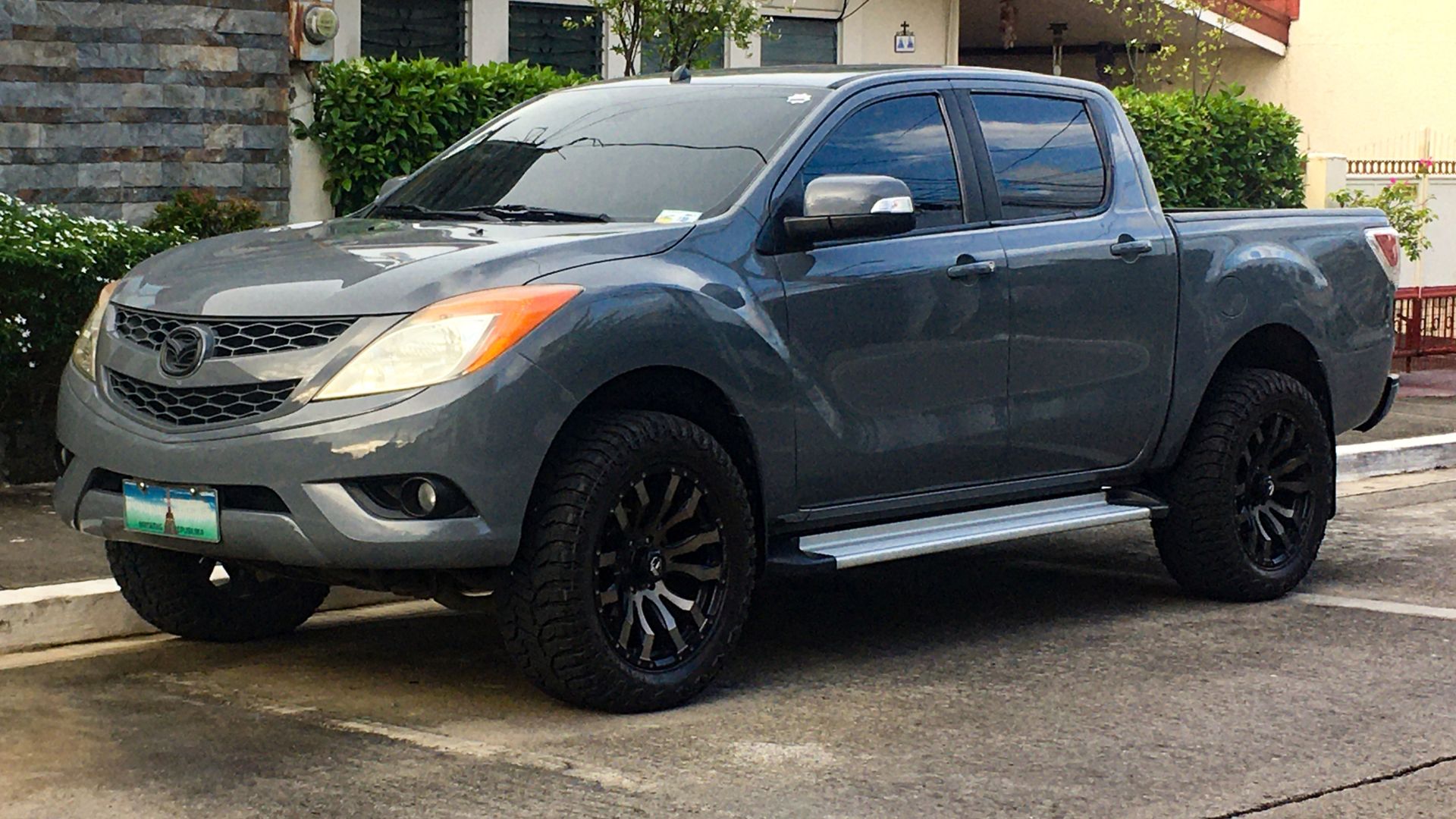 Ethan Llamas, Wikimedia Commons
Volkswagen Amarok (2010–Present)
Volkswagen has repeatedly flirted with American pickup buyers without giving them its own production truck. The Amarok arrived internationally in 2010 and established an unusual niche as a comparatively upscale midsize pickup. The current generation shares its basic architecture with the global Ford Ranger, making its absence from American VW dealerships even more conspicuous.
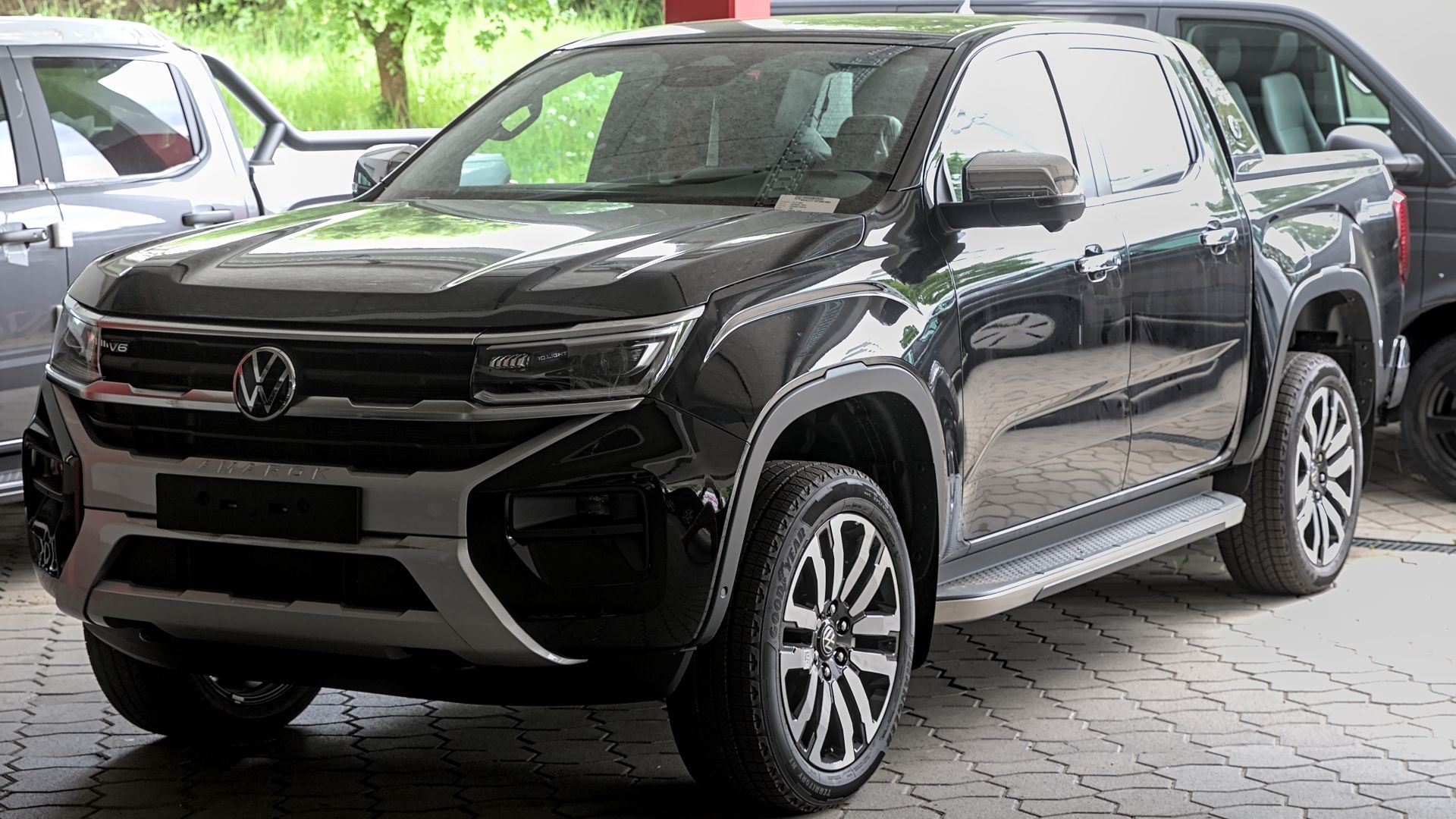 Alexander-93, Wikimedia Commons
Mercedes-Benz X-Class (2017–2020)
Yes, Mercedes really sold a pickup. Introduced in 2017, the X-Class was closely related to the Nissan Navara but received extensive Mercedes styling and engineering changes. Buyers could even get a Mercedes V6 diesel. Sales never justified the experiment, and production ended in 2020, making this one permanently forbidden-fruit flavored.
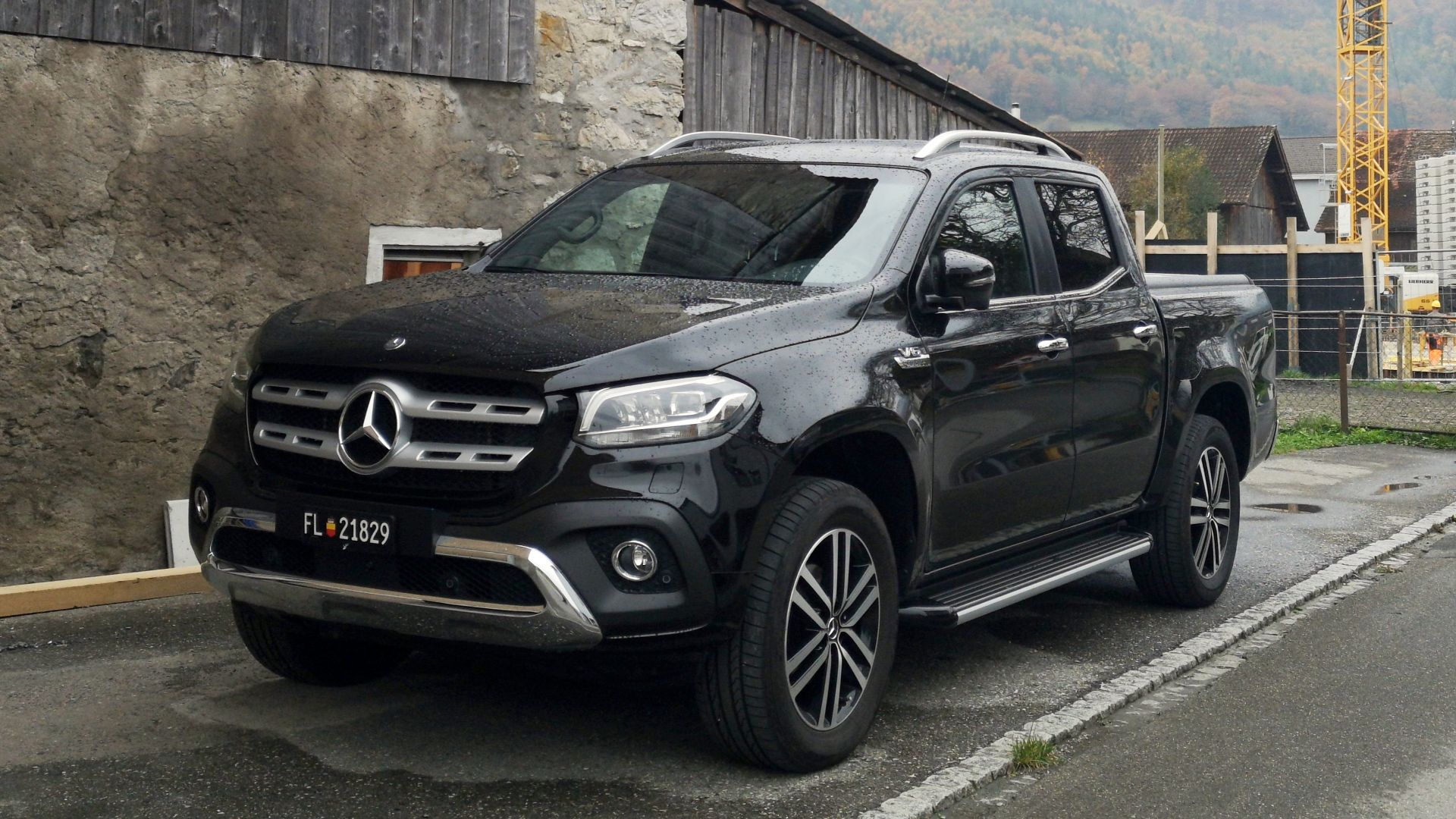
Renault Alaskan (2016–Present)
The Nissan Navara produced another unlikely relative: the Renault Alaskan. Renault gave Nissan's truck its own front-end styling and sold it in selected international markets. To American eyes, simply seeing the Renault diamond on the grille of a conventional four-door pickup makes the Alaskan look like something from an alternate automotive universe.
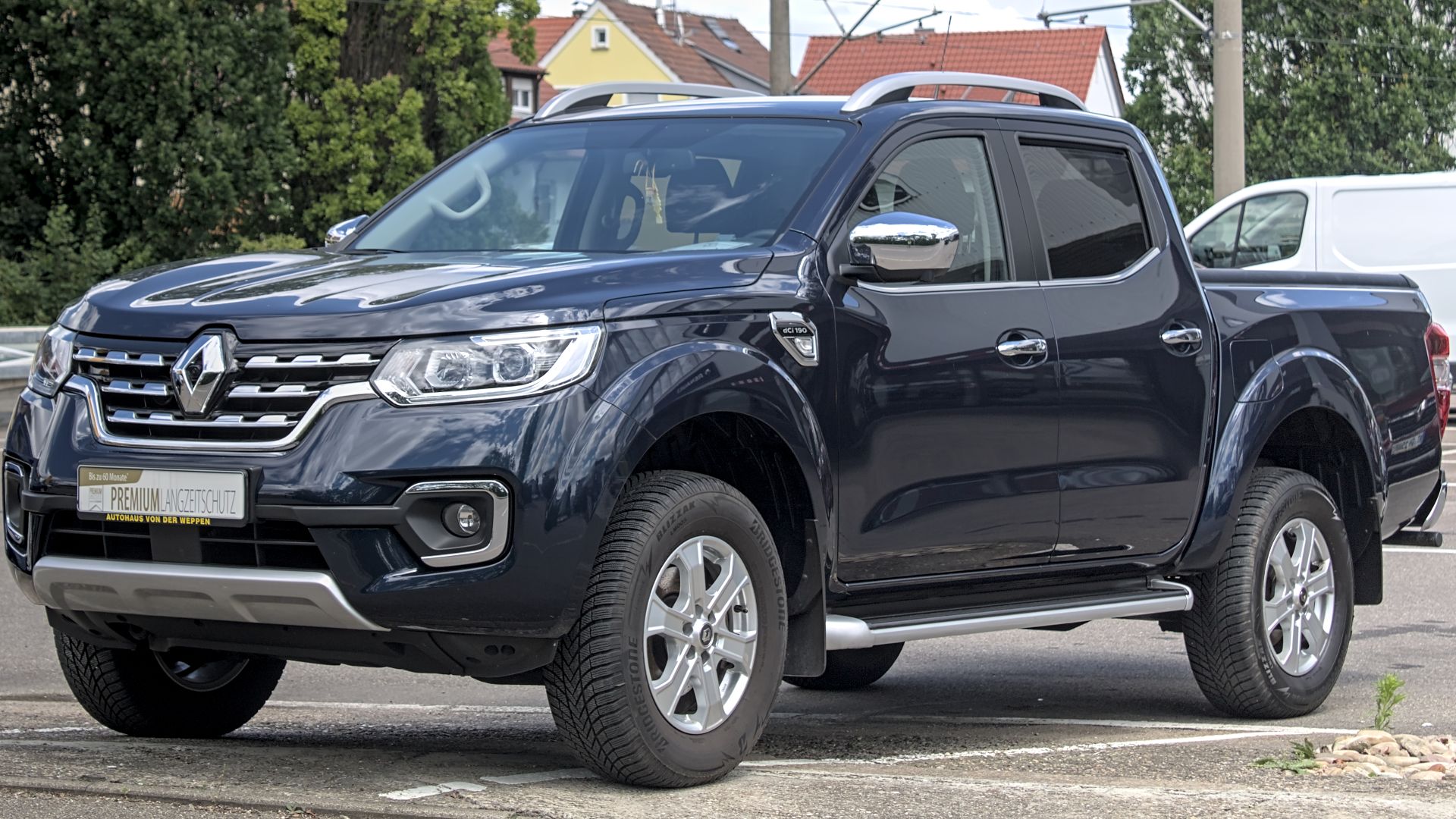 Alexander-93, Wikimedia Commons
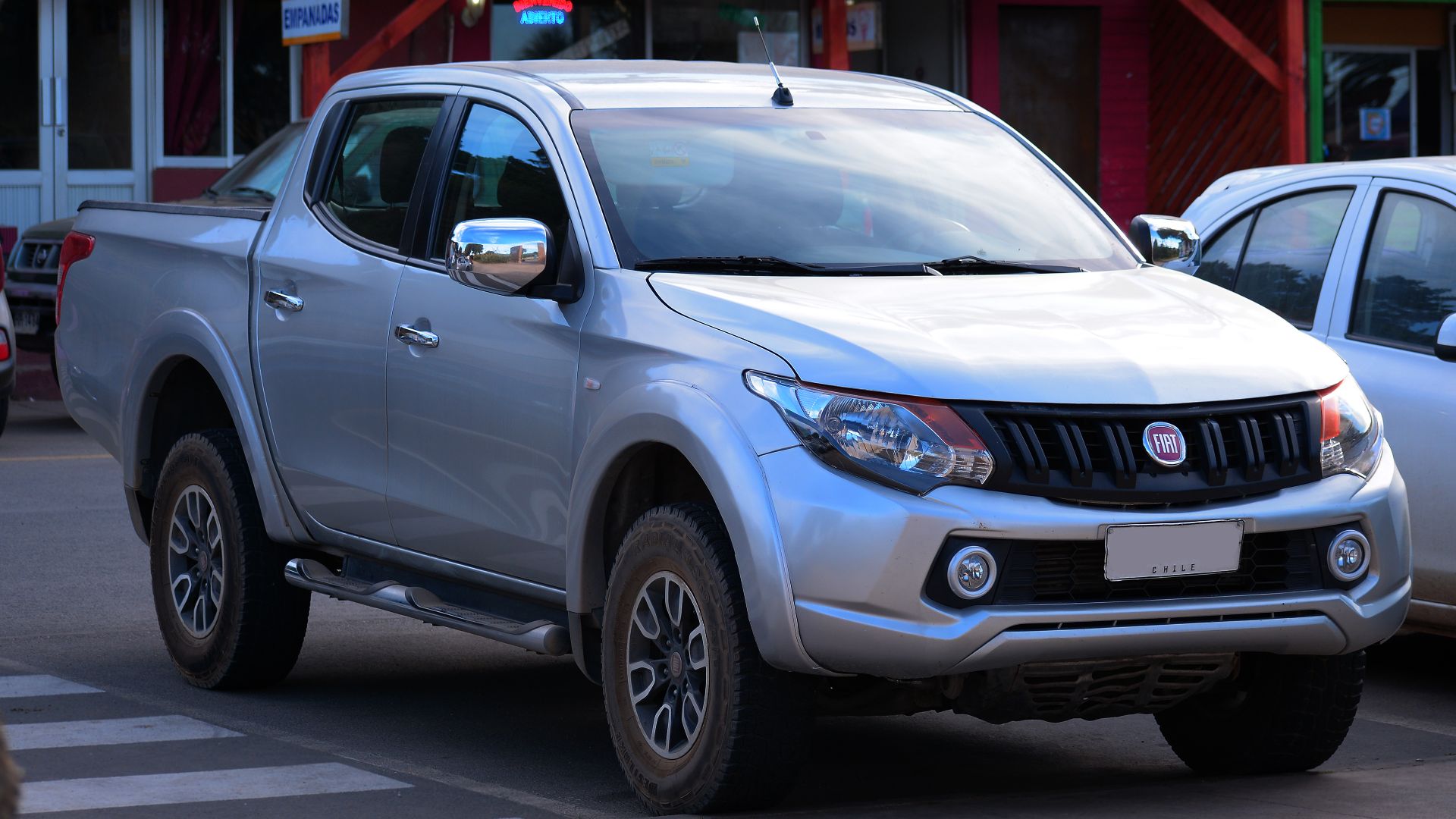
Fiat Fullback (2016–2019)
Mitsubishi's Triton also spent several years wearing Fiat badges. Introduced in the mid-2010s, the Fullback gave Fiat a serious one-ton-class pickup for markets where such trucks were increasingly popular. It was essentially a rebadged Triton and didn't last particularly long, but an American-market Fiat pickup would certainly have been memorable.
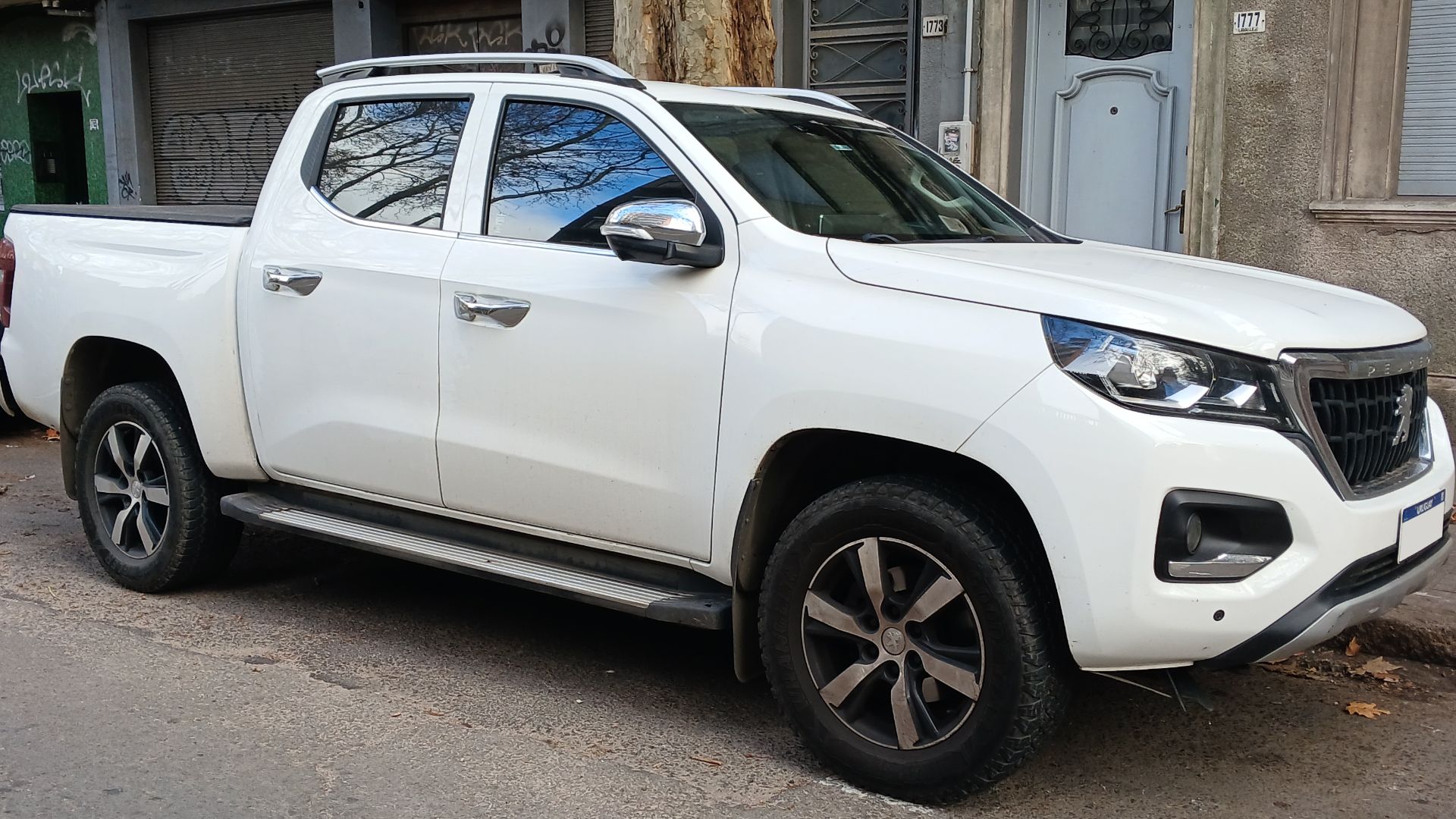
Peugeot Landtrek (2020–Present)
Peugeot hasn't sold cars in the United States since 1991, making its modern pickup particularly exotic to American eyes. The Landtrek was developed for markets including Latin America and Africa and offered the familiar double-cab, diesel-powered formula. Nothing quite says "foreign-market forbidden fruit" like a Peugeot with a cargo bed.
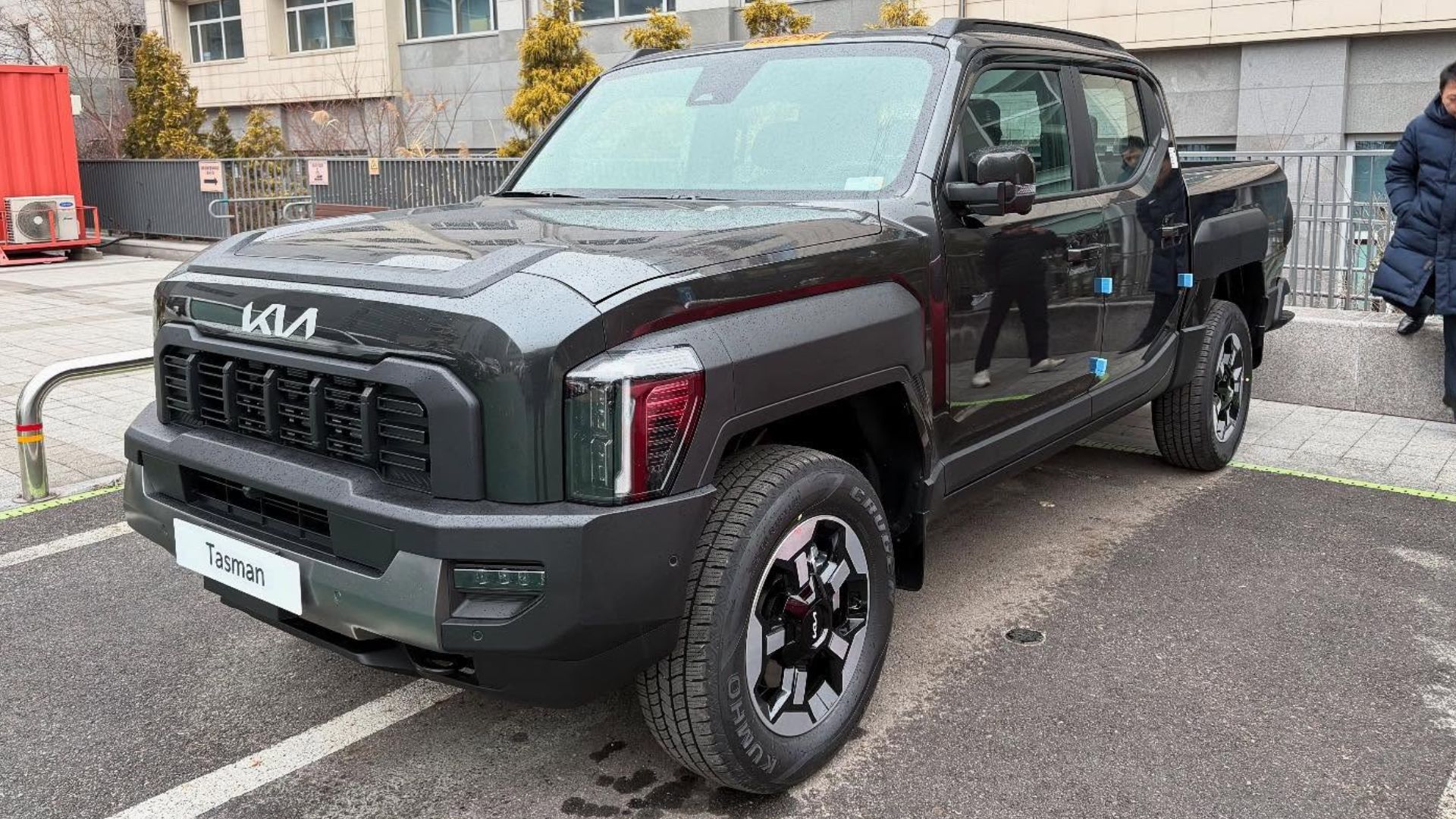
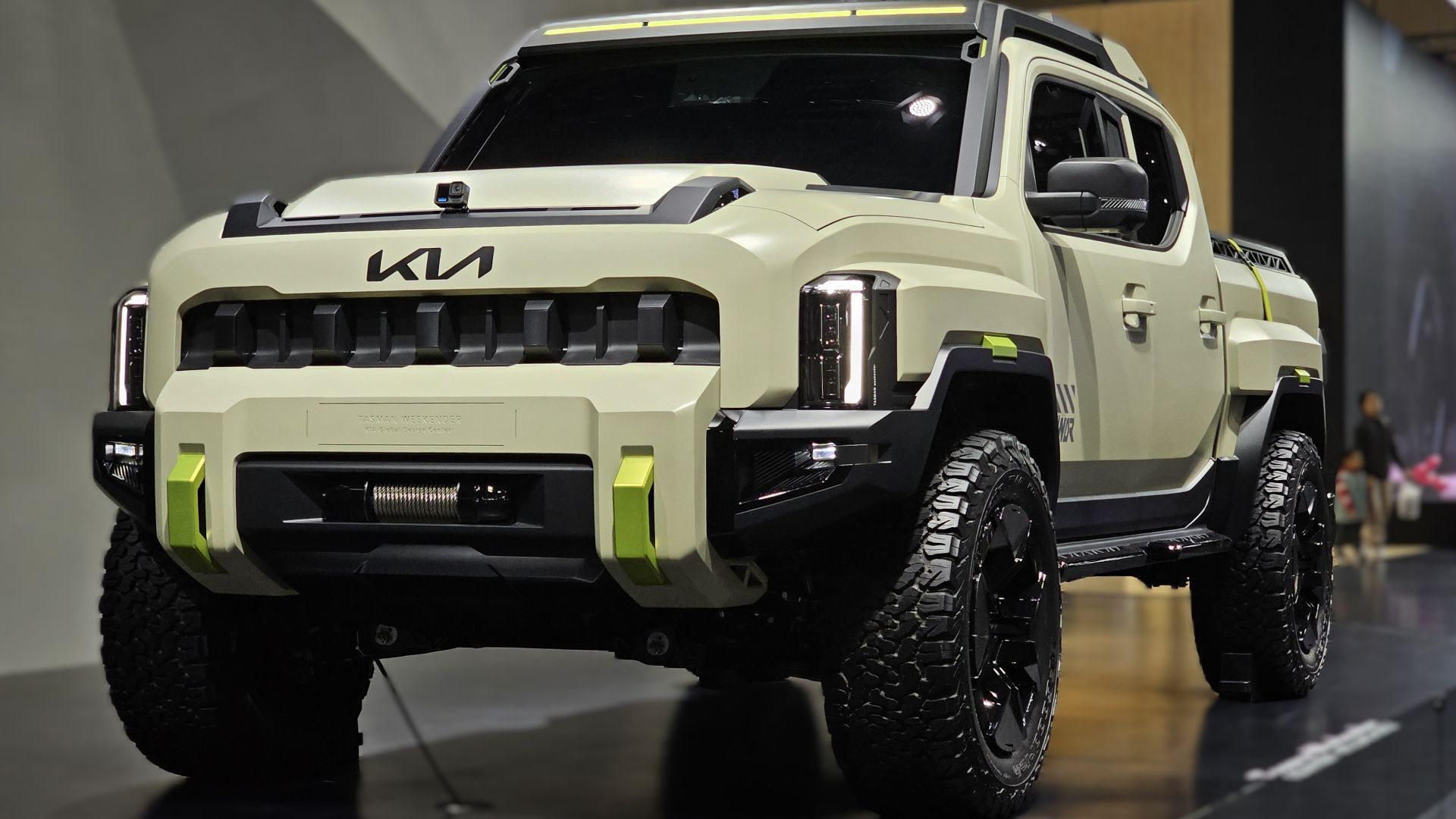
Kia Tasman (2025–Present)
Kia finally entered the serious pickup business with the Tasman, unveiled in 2024 for markets including Korea, Australia, Africa, and the Middle East. Its deliberately unconventional styling immediately generated debate. For Americans accustomed to Tellurides and Sportages, the idea of a rugged body-on-frame Kia pickup is fascinating all by itself.
Mahindra Pik Up (2007–Present)
Mahindra has spent decades building rugged utility vehicles for demanding markets, and the simply named Pik Up follows that tradition. American enthusiasts may remember Mahindra's unsuccessful attempts to bring a diesel pickup to the United States years ago. Overseas buyers actually got the truck Americans were repeatedly told was coming.
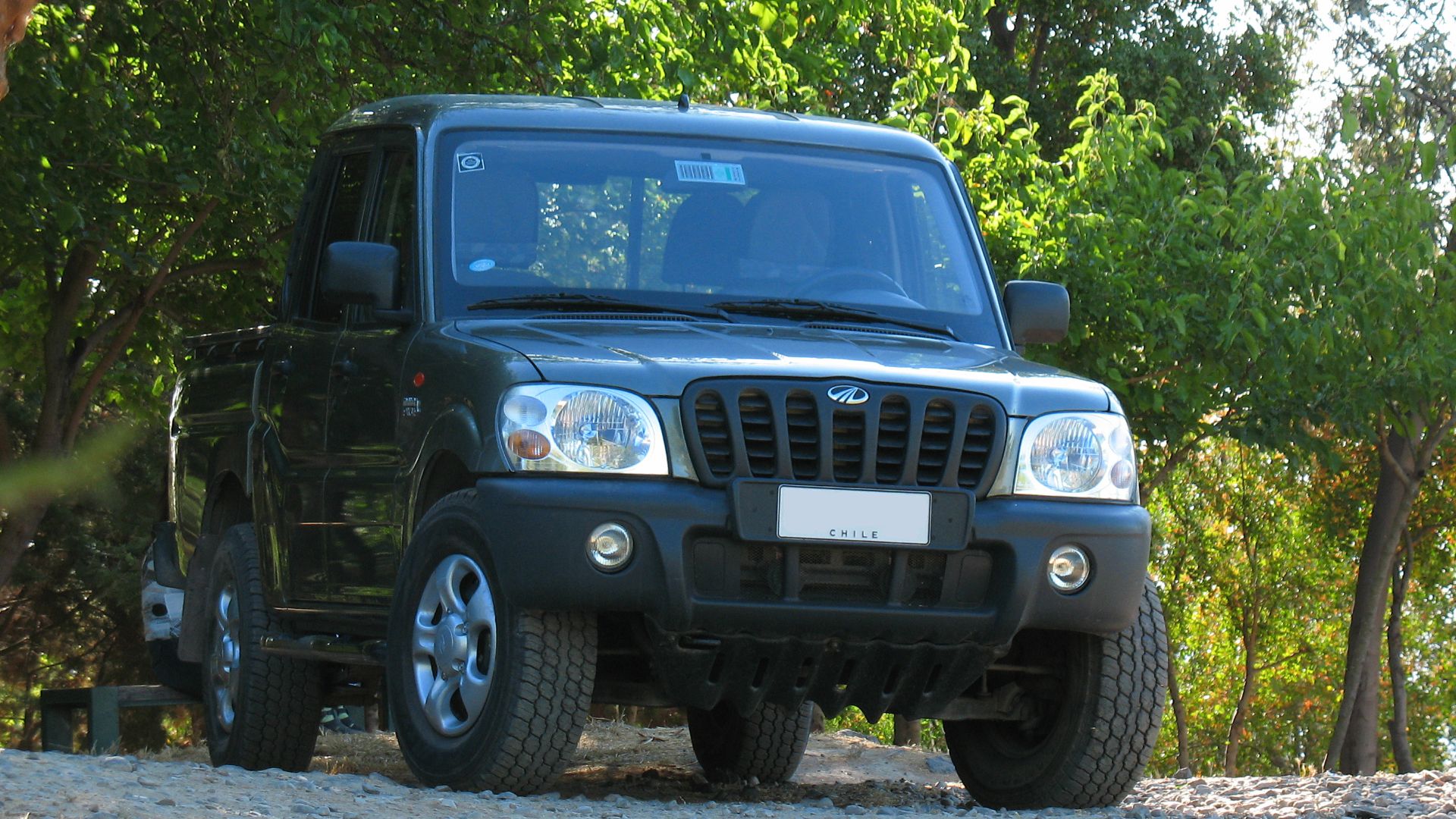 RL GNZLZ from Chile, Wikimedia Commons
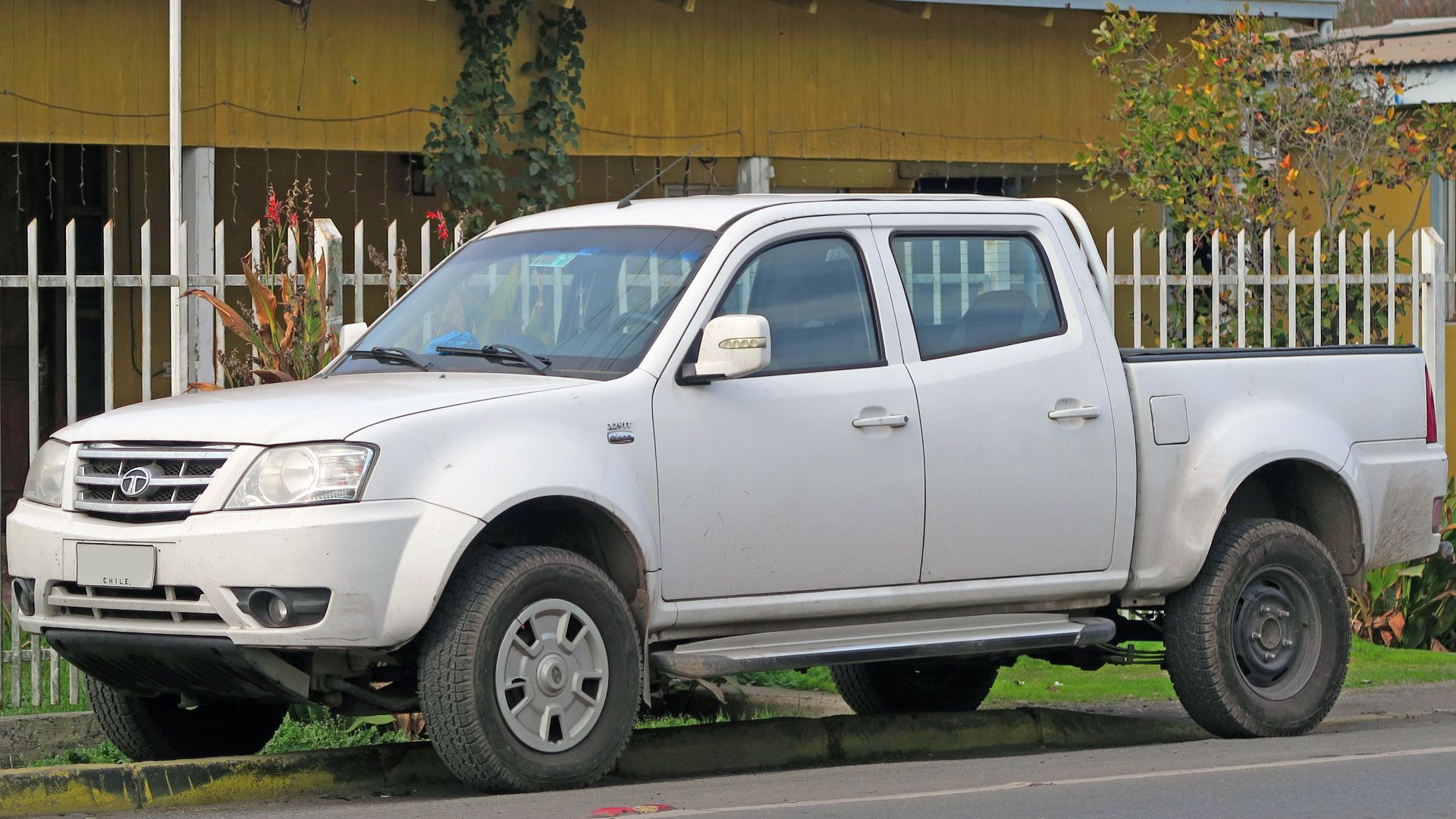
Tata Xenon (2006–2023)
India's Tata Motors has experimented with several pickups, including the Xenon, which was exported to a variety of international markets. It wasn't trying to compete with a leather-lined F-150 Platinum. This was fundamentally inexpensive transportation and working equipment, precisely the kind of straightforward truck some American buyers insist has disappeared.
Great Wall Cannon (2019–Present)
China's pickup industry has become increasingly sophisticated, and Great Wall Motor's Cannon is a particularly interesting example. Depending on market and specification, the truck can look remarkably upscale while remaining designed for serious utility. Chinese-made passenger vehicles face enormous barriers in America, making a Cannon on a U.S. dealer lot highly unlikely.
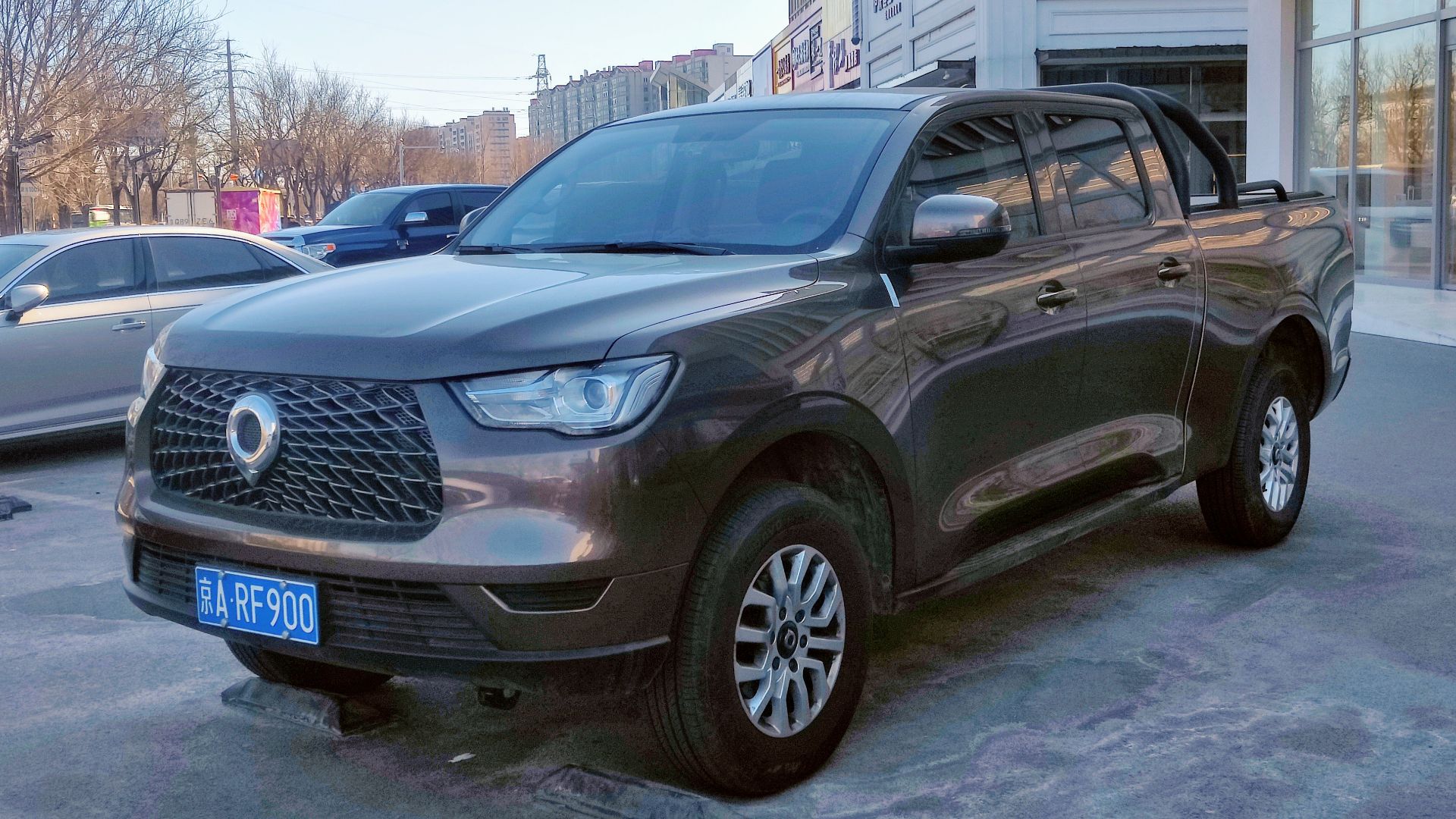 Anonymousfox36, Wikimedia Commons
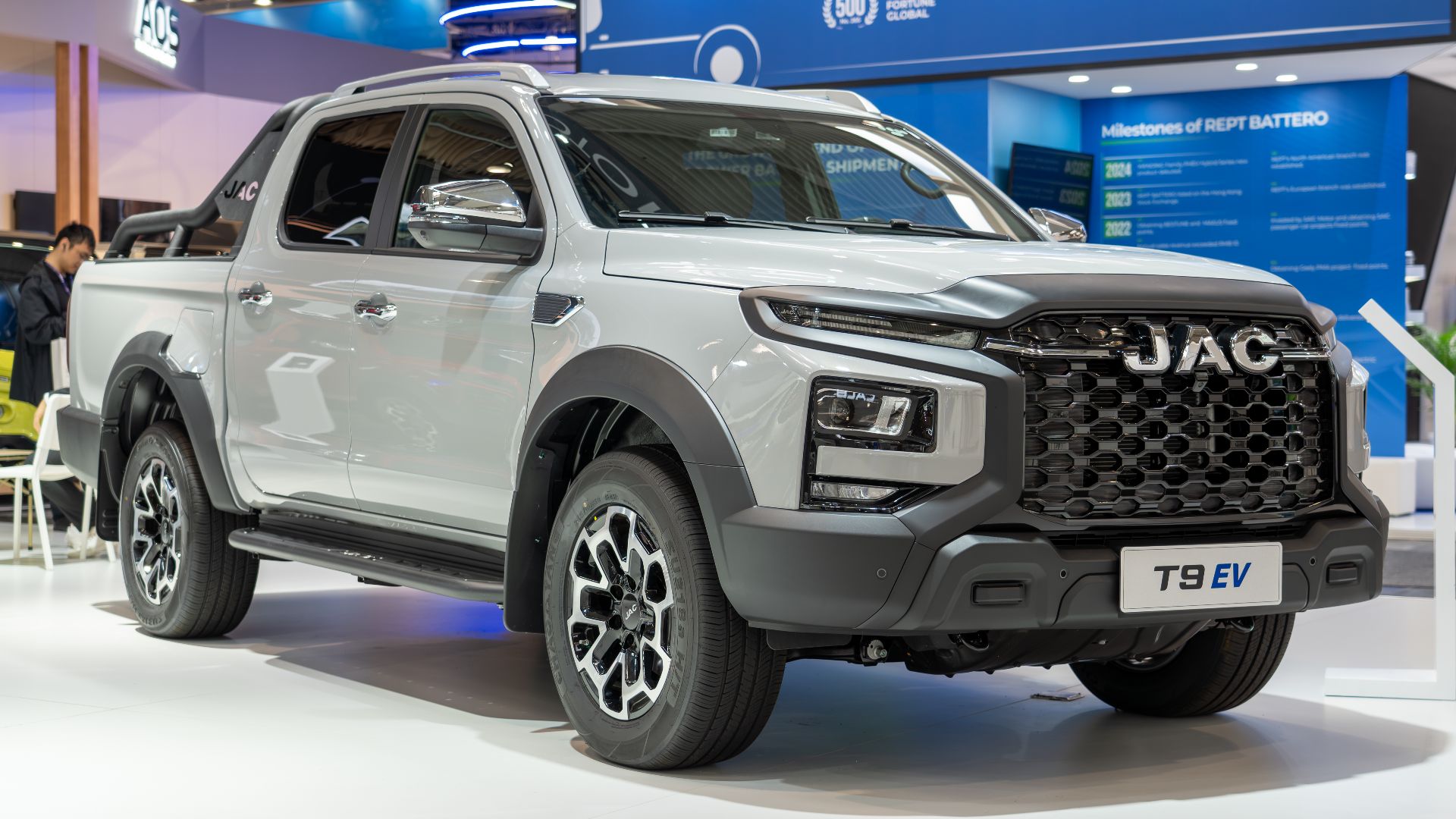
JAC T9 (2020–Present)
Another Chinese-market truck that has spread internationally is the JAC T9, a large double-cab pickup aimed directly at established Japanese competitors. Modern versions demonstrate just how quickly China's pickup manufacturers have moved beyond bare-bones commercial vehicles toward the comfort, technology, and styling expected by recreational truck buyers.
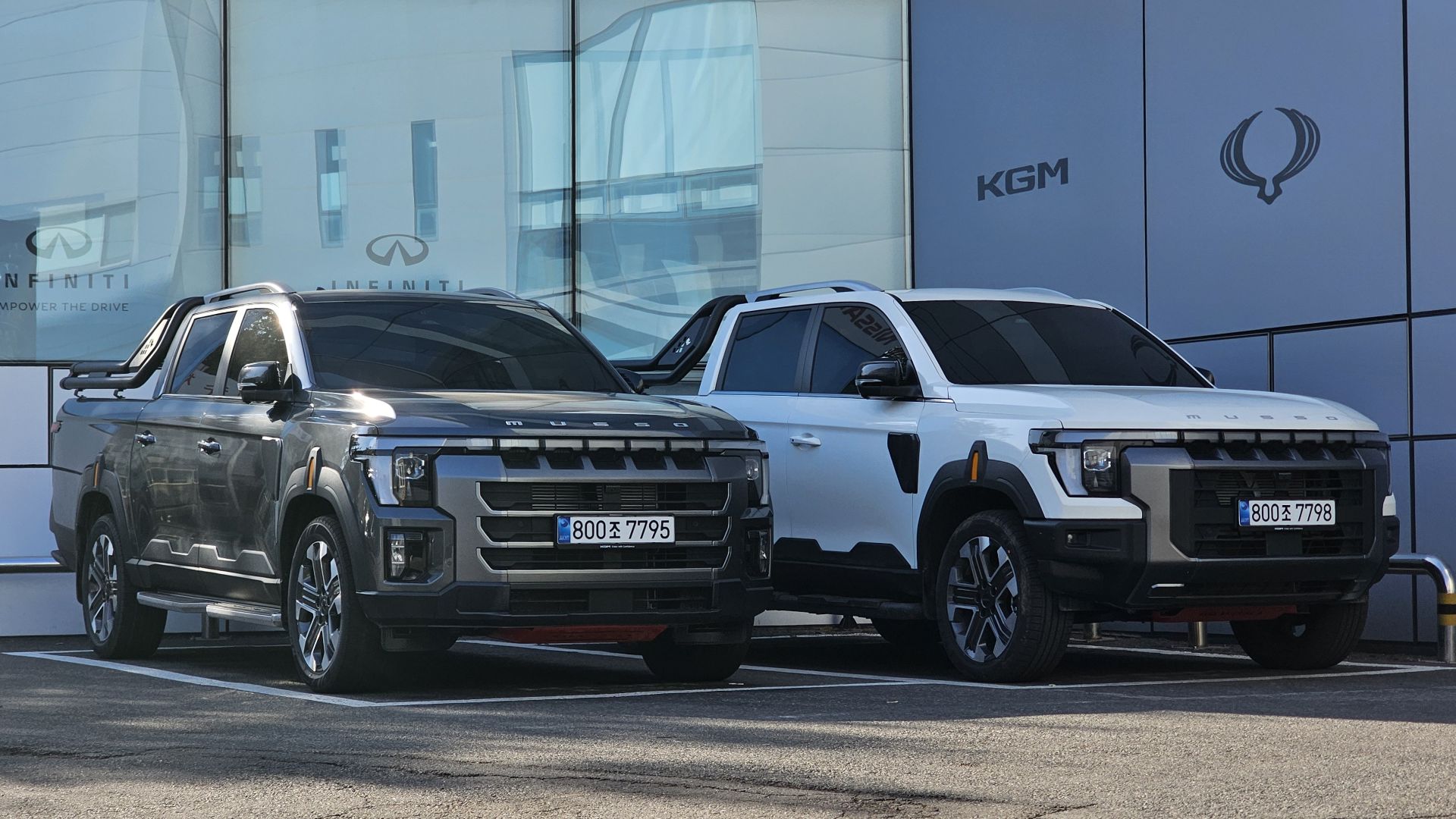
KGM Musso (2018–Present)
South Korea has another pickup maker Americans rarely encounter. Formerly sold under the SsangYong name, KGM offers the Musso, a pickup related to its body-on-frame SUV family. The Musso has found buyers in places including Australia and Britain, yet remains virtually unknown to American motorists.
 Damian B Oh, Wikimedia Commons
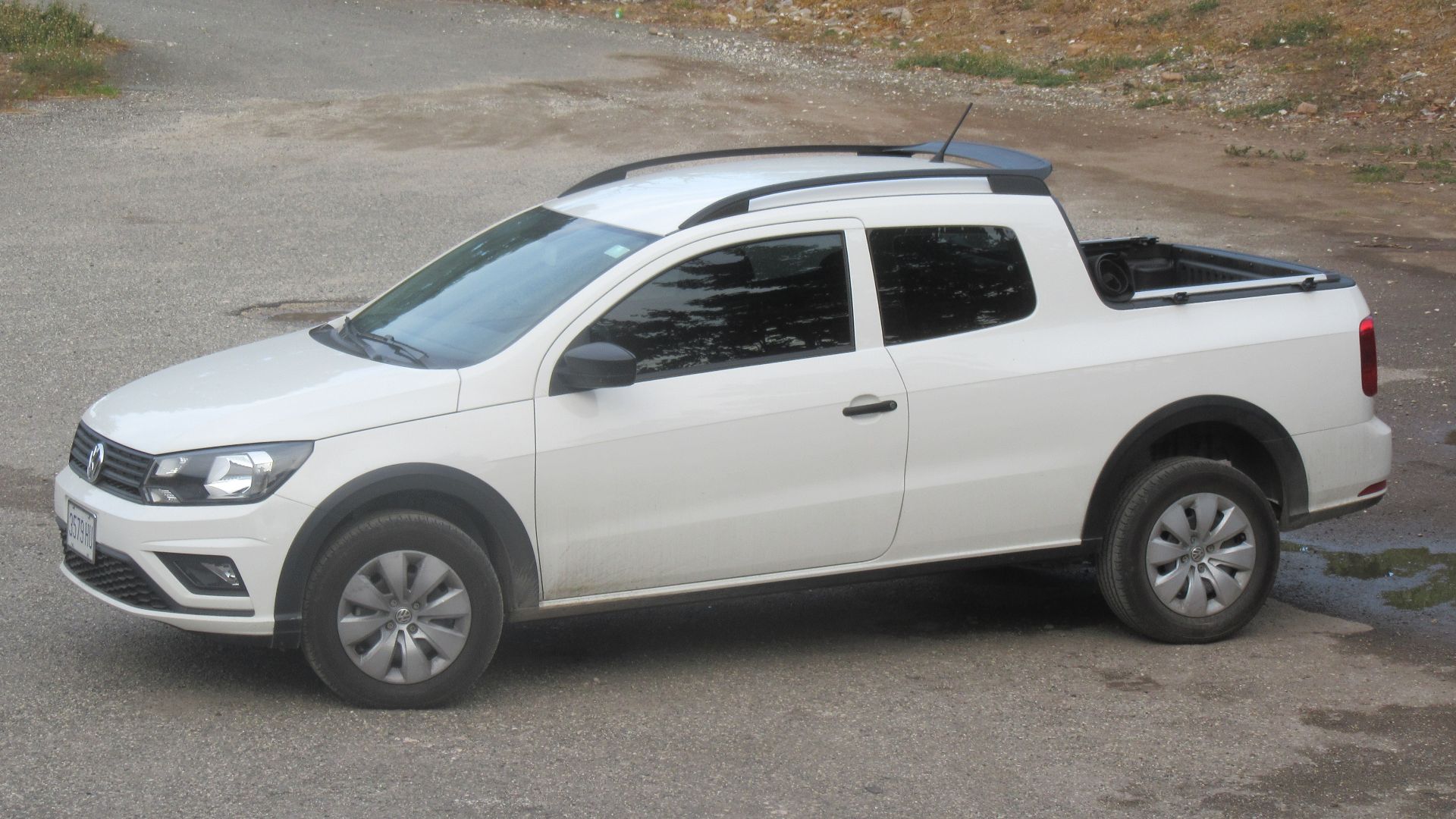
Volkswagen Saveiro (1982–Present)
Not every pickup needs to be enormous. The Brazilian-built Volkswagen Saveiro has spent decades proving that point. Derived from Volkswagen's small-car family, it combines compact dimensions with an open cargo bed. Think of it as the spiritual opposite of an F-350: inexpensive, maneuverable transportation that happens to carry stuff.
 Jason Lawrence, Wikimedia Commons
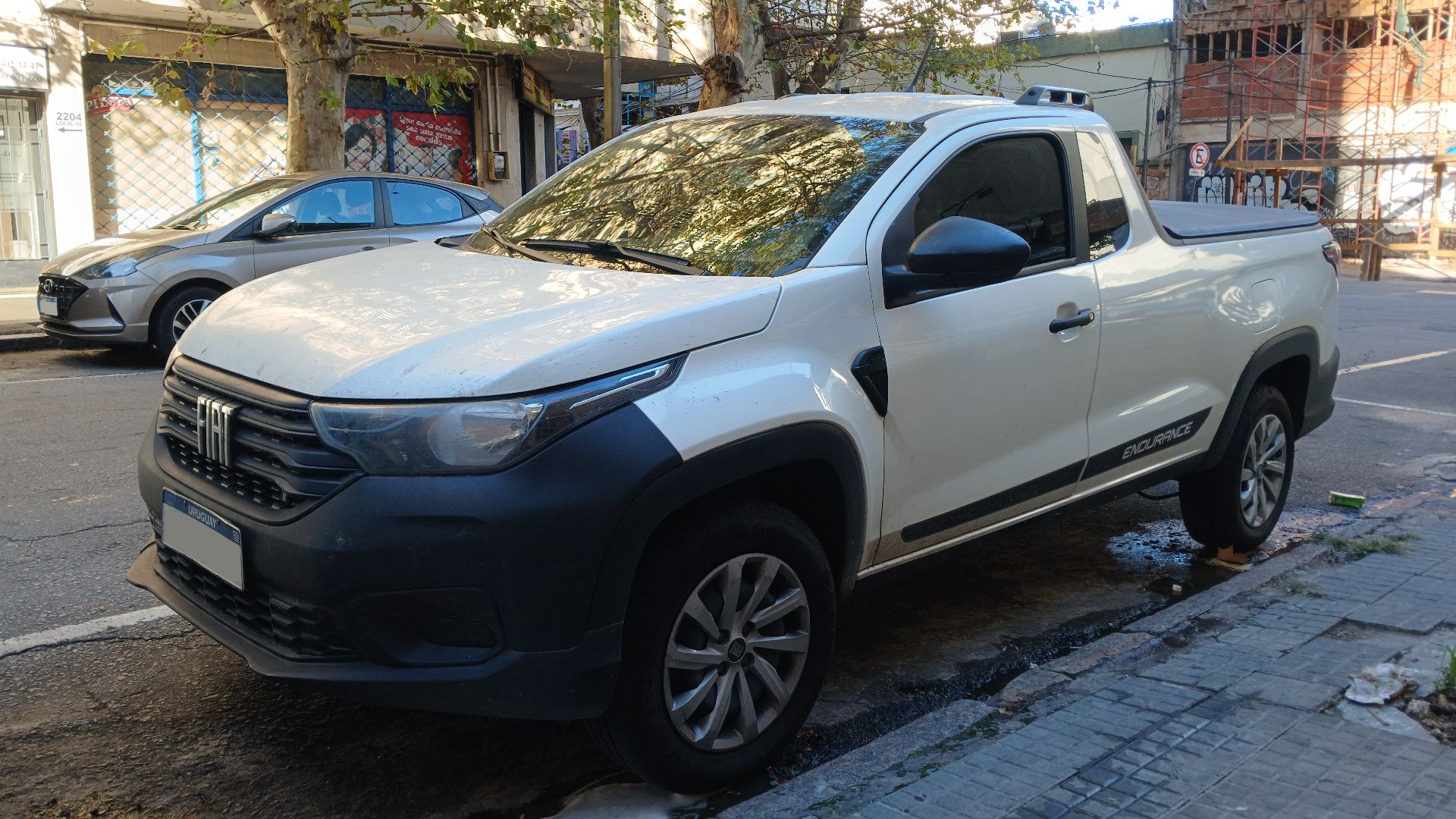
Fiat Strada (1998–Present)
The Fiat Strada is another South American answer to the question America rarely asks anymore: how little truck do you actually need? Based around small-car architecture, generations of Stradas have provided economical hauling without the size, weight, or price of conventional midsize pickups. In Brazil, the formula has been enormously successful.
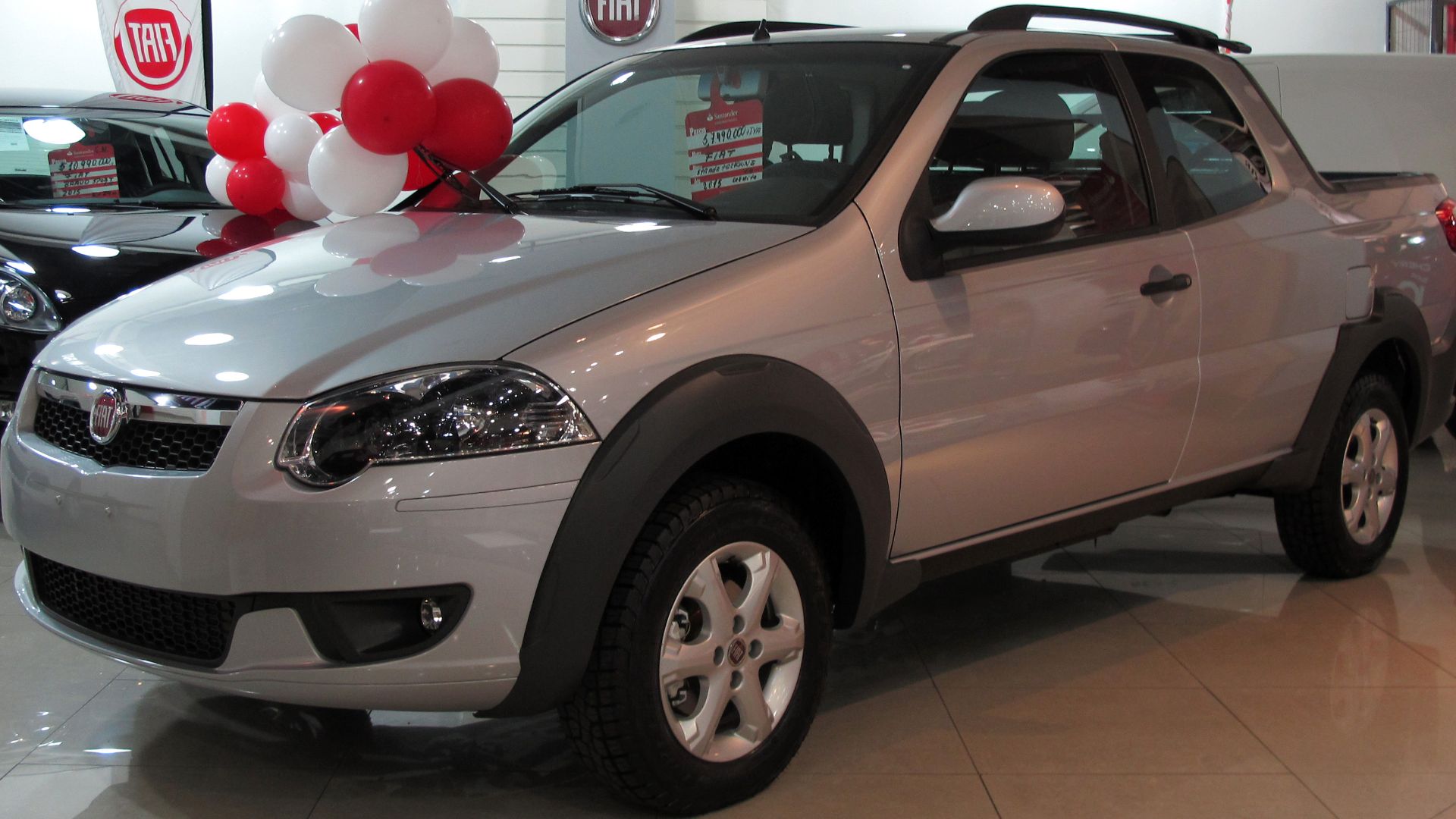
Ram 700 (2014–Present)
Here's where things get wonderfully confusing. In Mexico and some Latin American markets, versions of the Fiat Strada have been sold as the Ram 700. That means Ram, the company Americans associate with increasingly massive pickups, has also put its badge on a tiny front-wheel-drive truck that makes a Ram 1500 look gigantic.
 order_242 from Chile, Wikimedia Commons
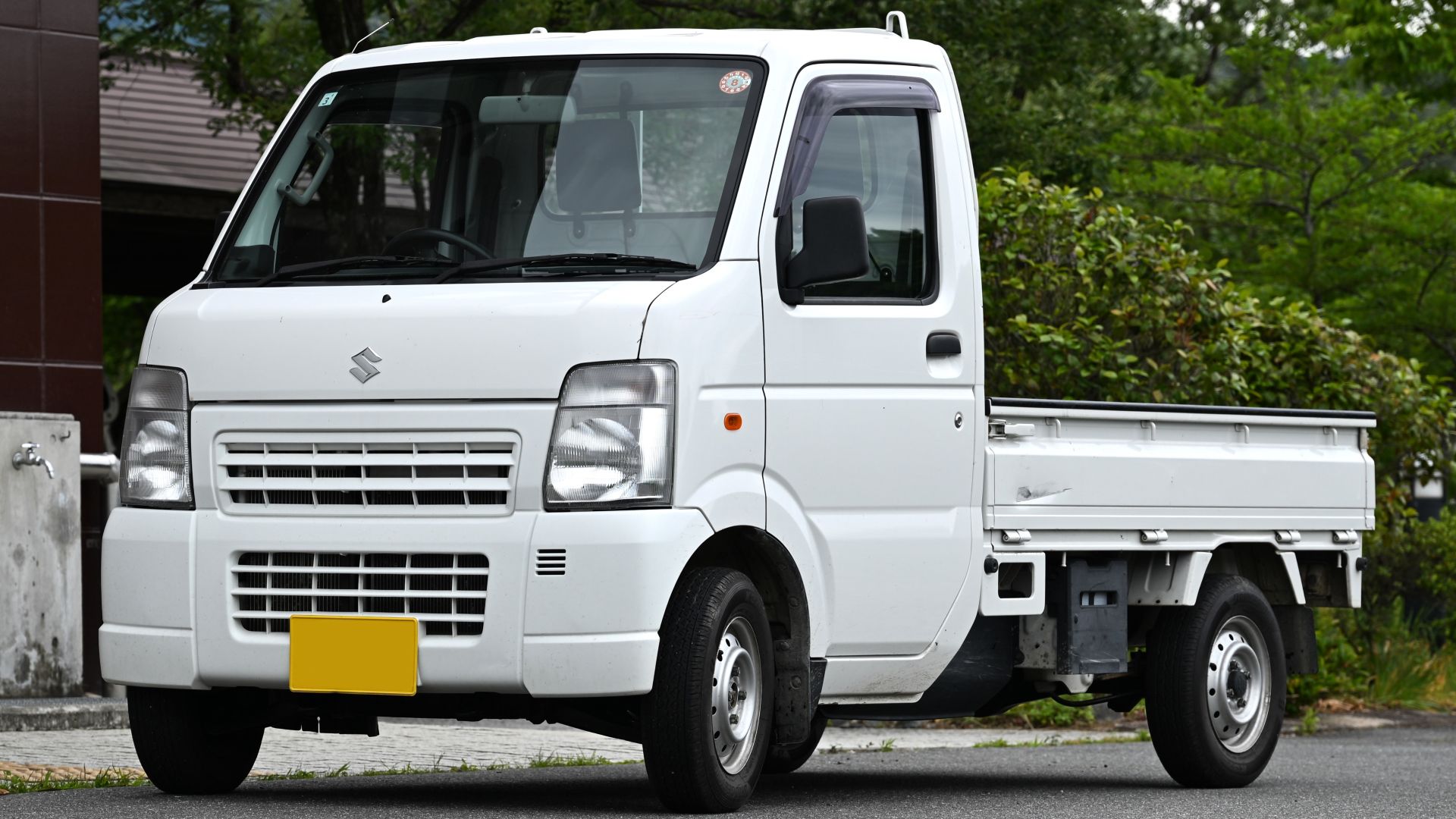
Suzuki Carry (1961–Present)
The Carry belongs to Japan's wonderful world of kei (light) trucks. Tiny engines, narrow bodies, surprisingly useful beds, and cab-over proportions allow these little Suzukis to squeeze into places where an American full-size pickup barely fits its mirrors. Older examples can enter America under the 25-year rule, which has created an enthusiastic following.
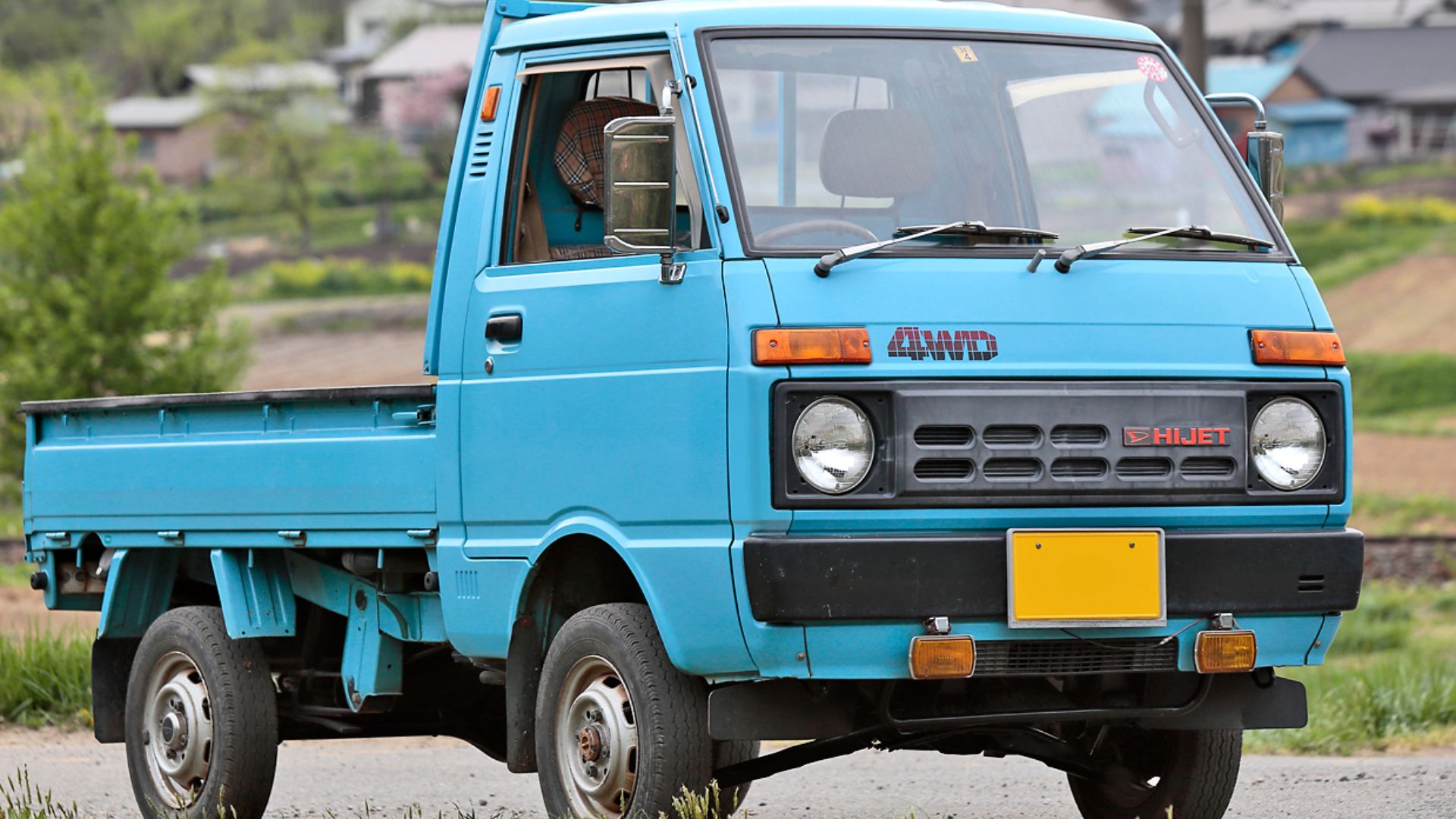
Daihatsu Hijet (1960–Present)
The Hijet is another kei-class workhorse that has become increasingly familiar to American enthusiasts through used imports. These trucks were designed around Japanese dimensional and engine regulations rather than American expectations. The result is almost comically small, yet remarkably practical for farms, campuses, industrial properties, and short-distance hauling.
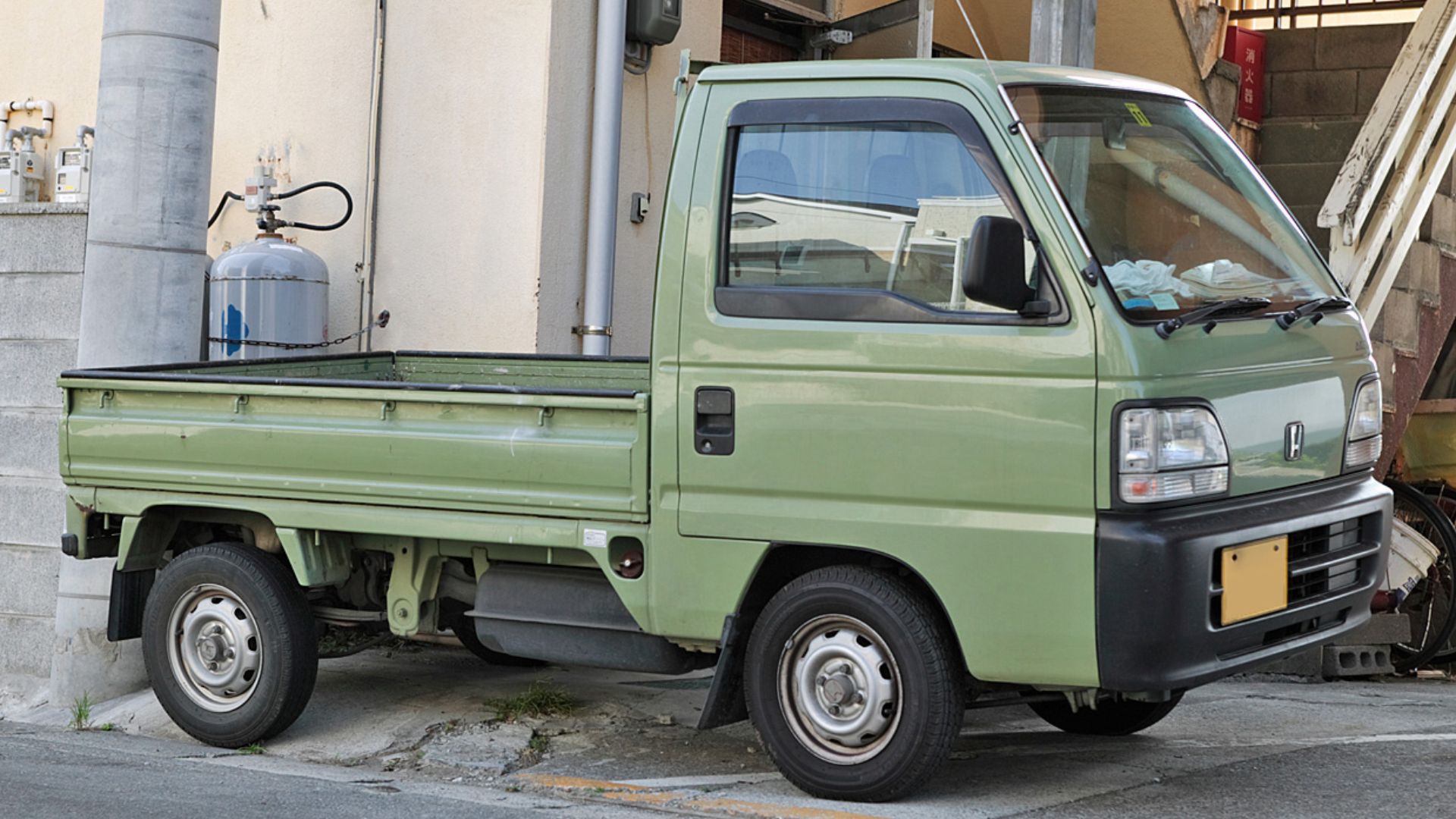
Honda Acty (1977–2021)
Honda once built a pickup very different from the Ridgeline. The Acty was a tiny kei truck produced for decades in Japan, often with its engine mounted beneath or behind the cab. Production ended in 2021, but older Actys have become popular gray-market imports because they're charming, simple, and genuinely useful.
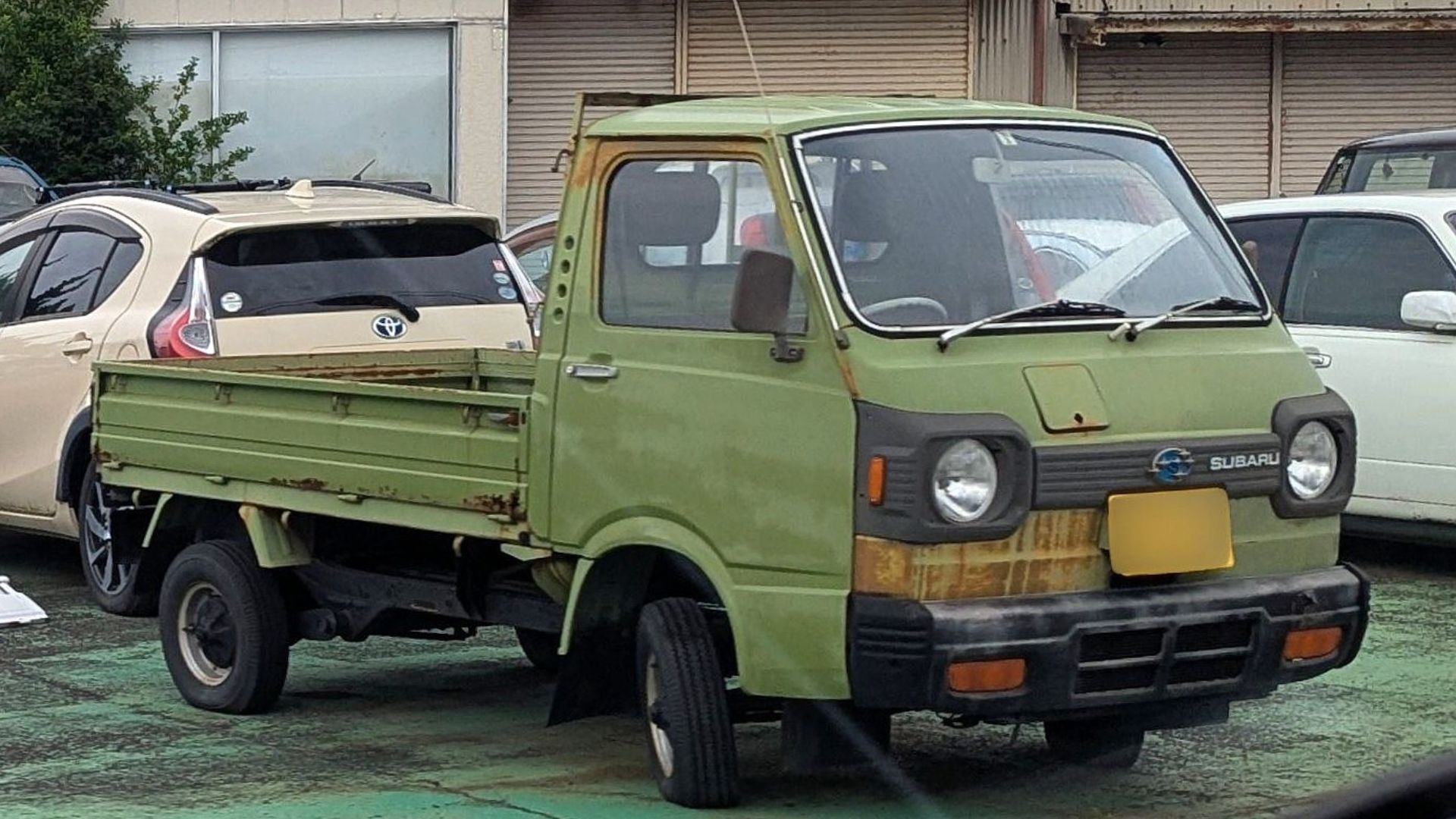
Subaru Sambar (1961–Present)
Long before the Baja, Subaru had the Sambar. Generations of this little kei truck offered cab-over packaging and, depending on era, Subaru's own distinctive engineering. Older Sambars have developed a cult following in America, particularly among buyers who discover that a microscopic Japanese truck can handle a surprising amount of actual work.
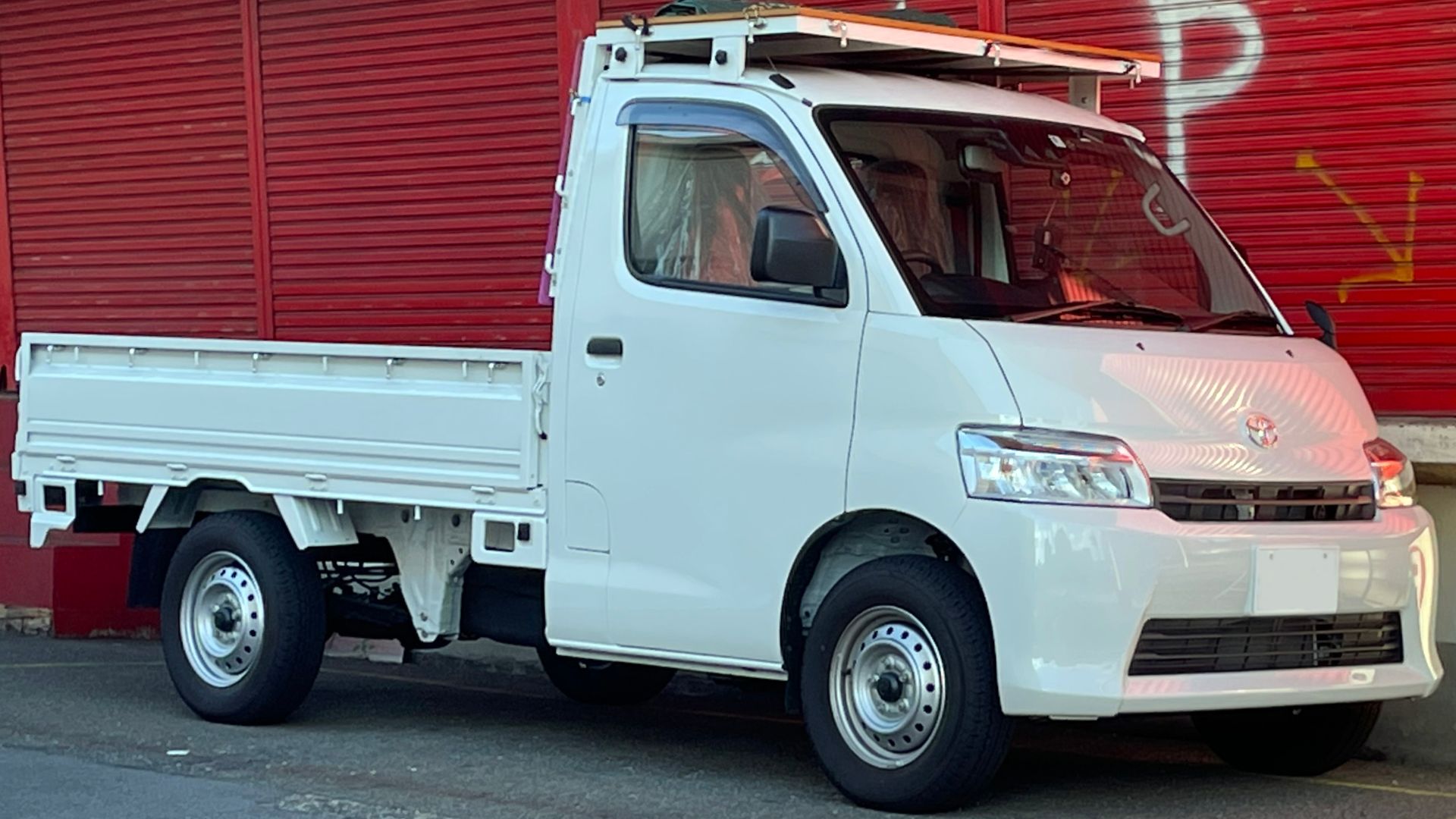
Toyota TownAce Truck (1976–Present)
Toyota's global truck catalog has included far more than Tacomas, Tundras, and Hiluxes. The TownAce Truck used compact cab-over proportions to maximize bed space without creating a huge vehicle. It's exactly the sort of utilitarian machine that seems completely logical in crowded cities and increasingly alien beside today's American pickups.
 Tokumeigakarinoaoshima, Wikimedia Commons
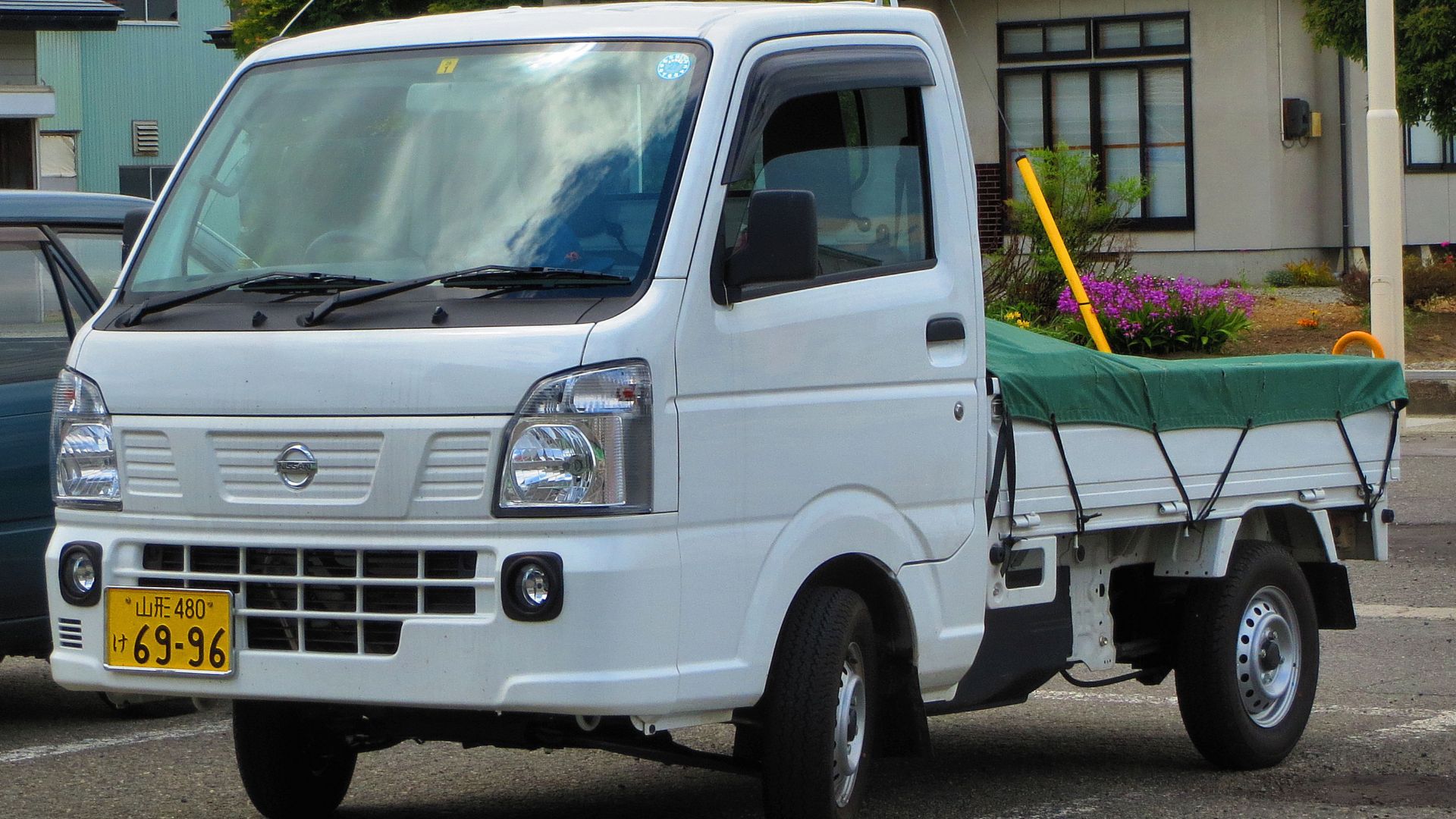
Nissan NT100 Clipper (2012–2024)
Japan's kei-truck market also produced the Nissan NT100 Clipper, although badge engineering means its family tree overlaps with other Japanese mini-trucks. With its upright cab, tiny wheels, and useful flat bed, it represents a philosophy almost entirely absent from American showrooms: make the truck only as large as the job requires.
Why America Gets Different Trucks
There is a reason our showrooms look different. U.S. safety and emissions certification, consumer tastes, manufacturing strategy, and the famous 25% tariff historically imposed on many imported light trucks all shaped what manufacturers chose to sell here. Building trucks in North America became an especially effective way around the problem.

They Brought Big Changes
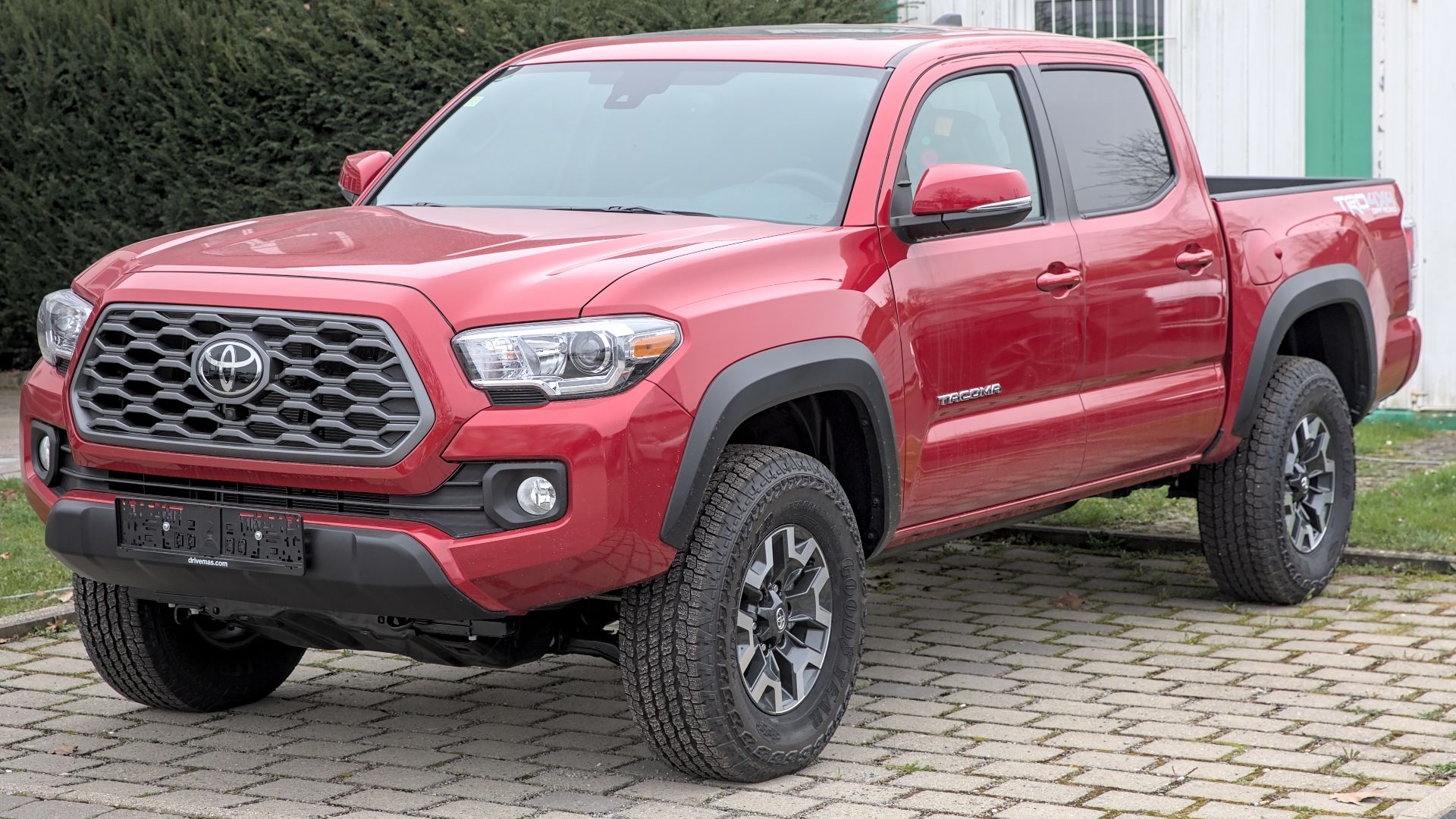
Foreign pickups nevertheless changed America profoundly. Toyota and Datsun demonstrated that small pickups could be dependable everyday transportation, while later Japanese trucks helped popularize extended cabs, compact 4x4s, and increasingly comfortable interiors. Today's Tacoma, Frontier, Ranger, Colorado, and Maverick inhabit a market those early imports helped create.
 Alexander-93, Wikimedia Commons
Rare Prizes
Maybe that's why these forbidden trucks are so appealing. Americans already have enormous choice, but many enthusiasts aren't asking for another 6,000-pound luxury pickup. They want something smaller, simpler, diesel-powered, unusual, or unapologetically utilitarian. Sometimes the most desirable truck is simply the one the dealership won't sell you.
 Damian B Oh, Wikimedia Commons
You May Also Like:
Toyota Built A Brand-New Pickup Truck For Just $13,000—So Why Can’t Americans Buy It?
Forgotten Compact Pickups That Now Seem Like They Made More Sense Than Today’s Giant Trucks
Pickup Trucks From The 1990s That Drivers Still Refuse To Give Up
Sources: 1, 2, 3, 4, 5, 6, 7, 8, 9, 10, 11, 12, 13, 14, 15, 16, 17, 18, 19, 20, 21, 22, 23