
The Trucks That Refuse To Retire
The 1990s produced pickups that were tough, recognizable, and refreshingly straightforward. Some became performance legends, while others quietly accumulated hundreds of thousands of miles hauling tools, towing trailers, and surviving daily abuse. Decades later, devoted owners are still repairing, restoring, and driving these trucks rather than trading them for something newer.
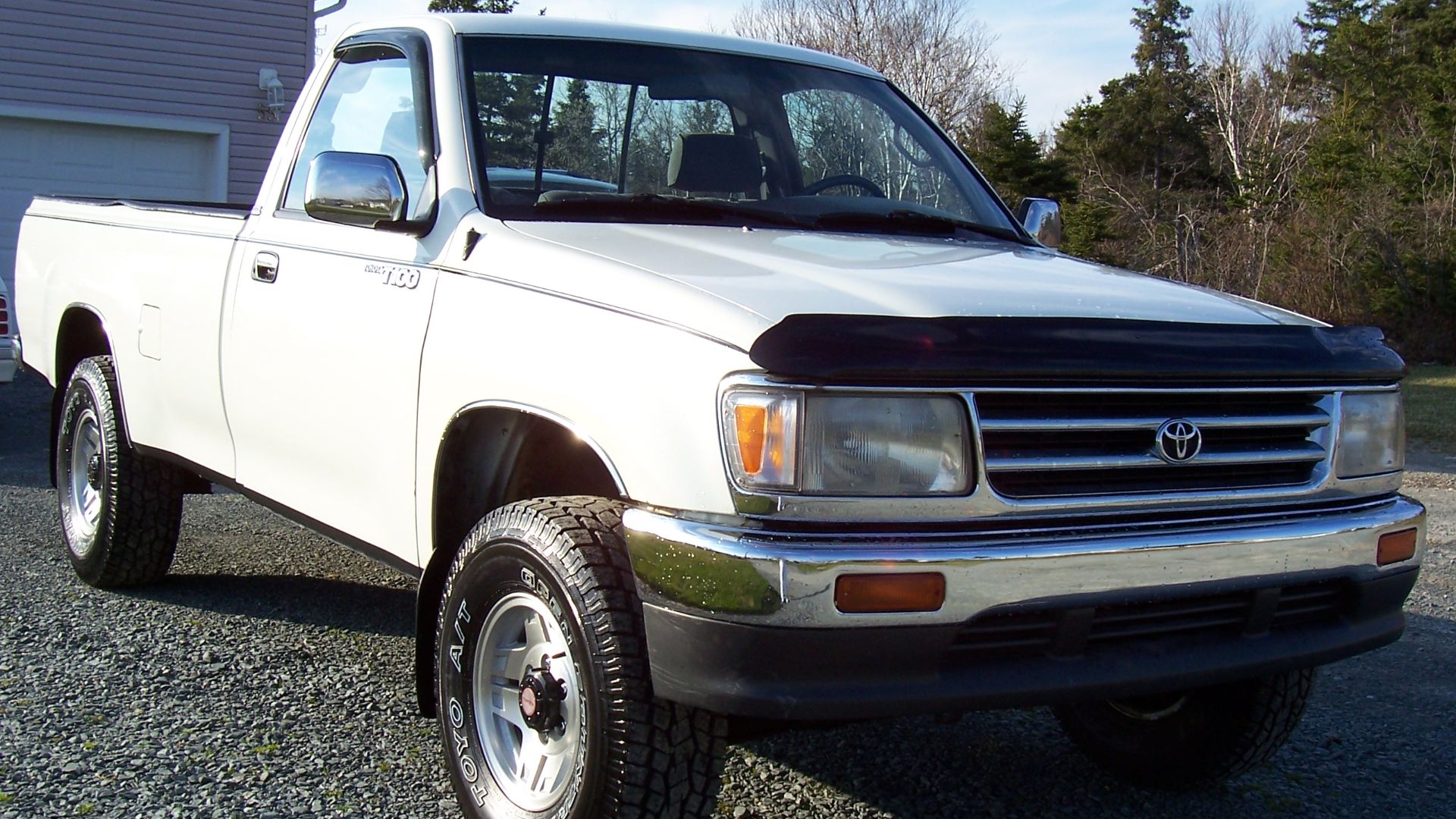
1993–1998 Toyota T100
The Toyota T100 arrived for 1993 as the company’s first serious attempt to challenge America’s full-size pickups. It was smaller and initially less powerful than many domestic rivals, but its manageable dimensions and straightforward engineering attracted drivers who valued durability over brute force. Later models offered Toyota’s 3.4-liter V6, an engine that also earned a strong following in the Tacoma and 4Runner. The T100 never dominated sales, but surviving examples often inspire remarkable owner loyalty.
 Ric17 at English Wikipedia, Wikimedia Commons
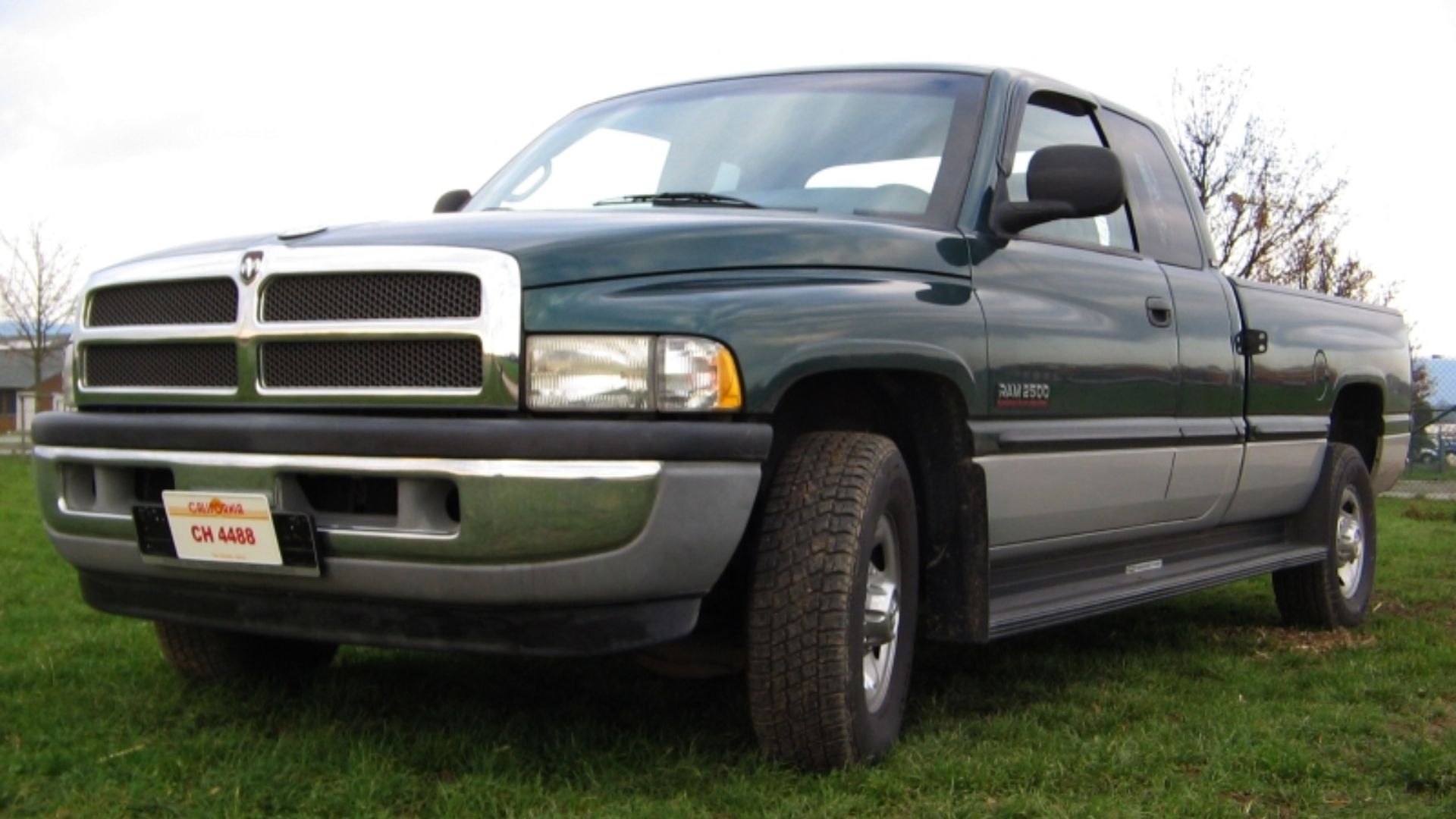
1994–2002 Dodge Ram 2500 And 3500
The second-generation Dodge Ram 2500 and 3500 debuted for 1994 with a bold, semi-truck-inspired grille that immediately separated them from the competition. Buyers could choose serious work engines, including the 5.9-liter Cummins turbodiesel and an enormous 8.0-liter gasoline V10. The redesign helped transform the Ram from a distant third-place contender into a major force in the truck market. Diesel versions remain especially desirable among owners who appreciate their torque, mechanical character, and unmistakable sound.
 Chucky Kretschmann at de.wikipedia, Wikimedia Commons
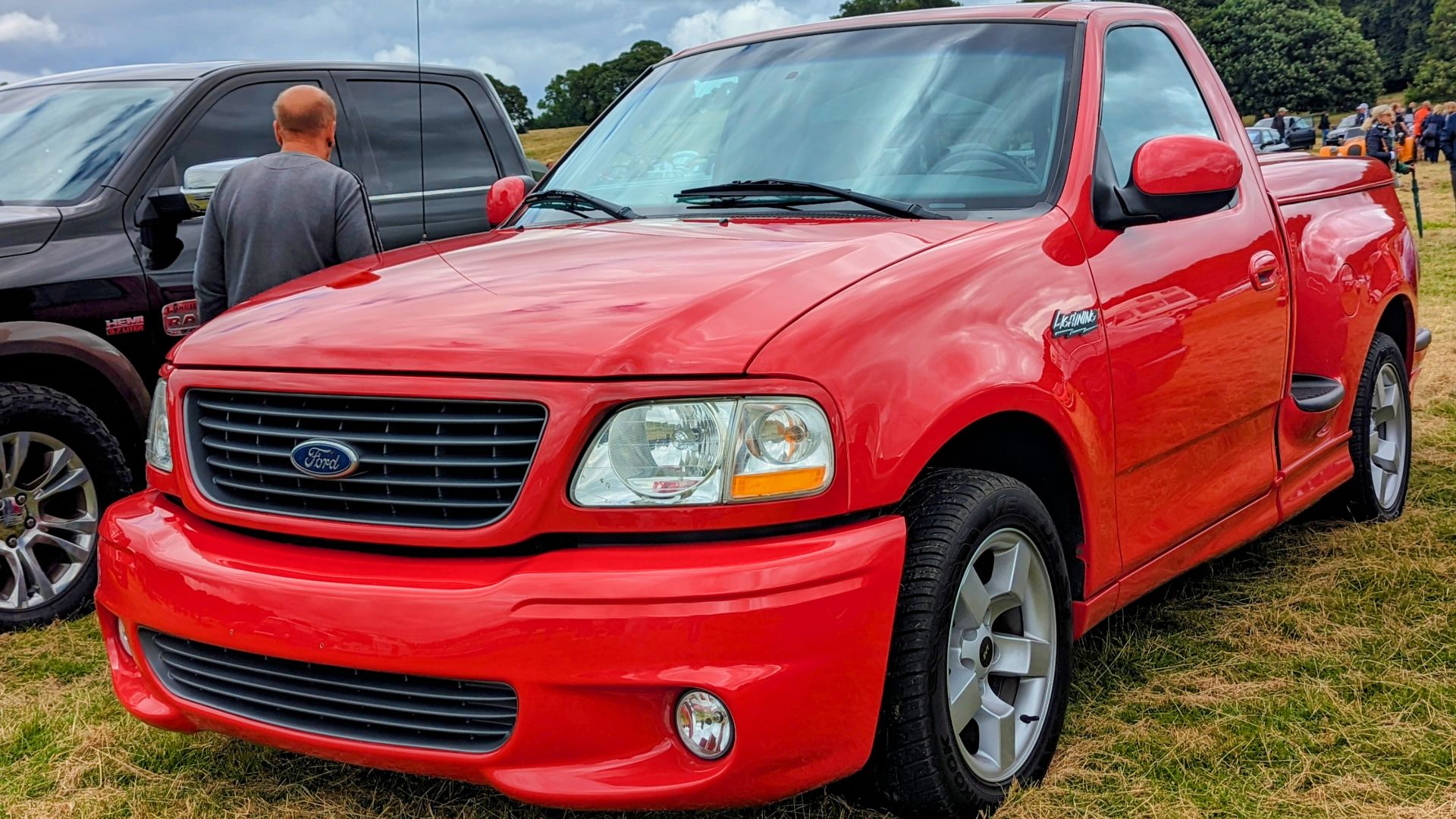
1993–1995 Ford F-150 SVT Lightning
Ford’s Special Vehicle Team introduced the first F-150 SVT Lightning for 1993. Its specially tuned 5.8-liter V8 produced 240 horsepower, while upgraded suspension, steering, and brakes made the truck far more responsive than an ordinary work pickup. Ford built it to compete with performance trucks such as Chevrolet’s 454 SS, but the Lightning developed an identity all its own. Owners still treasure these trucks because they combine classic F-Series styling with genuine factory performance.
1995–2004 Toyota Tacoma
Toyota introduced the Tacoma in 1995 as the North American replacement for the compact Toyota Pickup. It was engineered with greater attention to comfort, road manners, and safety while retaining the toughness buyers expected from a small Toyota truck. Available four-cylinder and V6 engines gave customers a choice between efficiency and stronger towing or off-road performance. Clean first-generation examples have become difficult to find because so many owners would rather repair theirs than sell them.
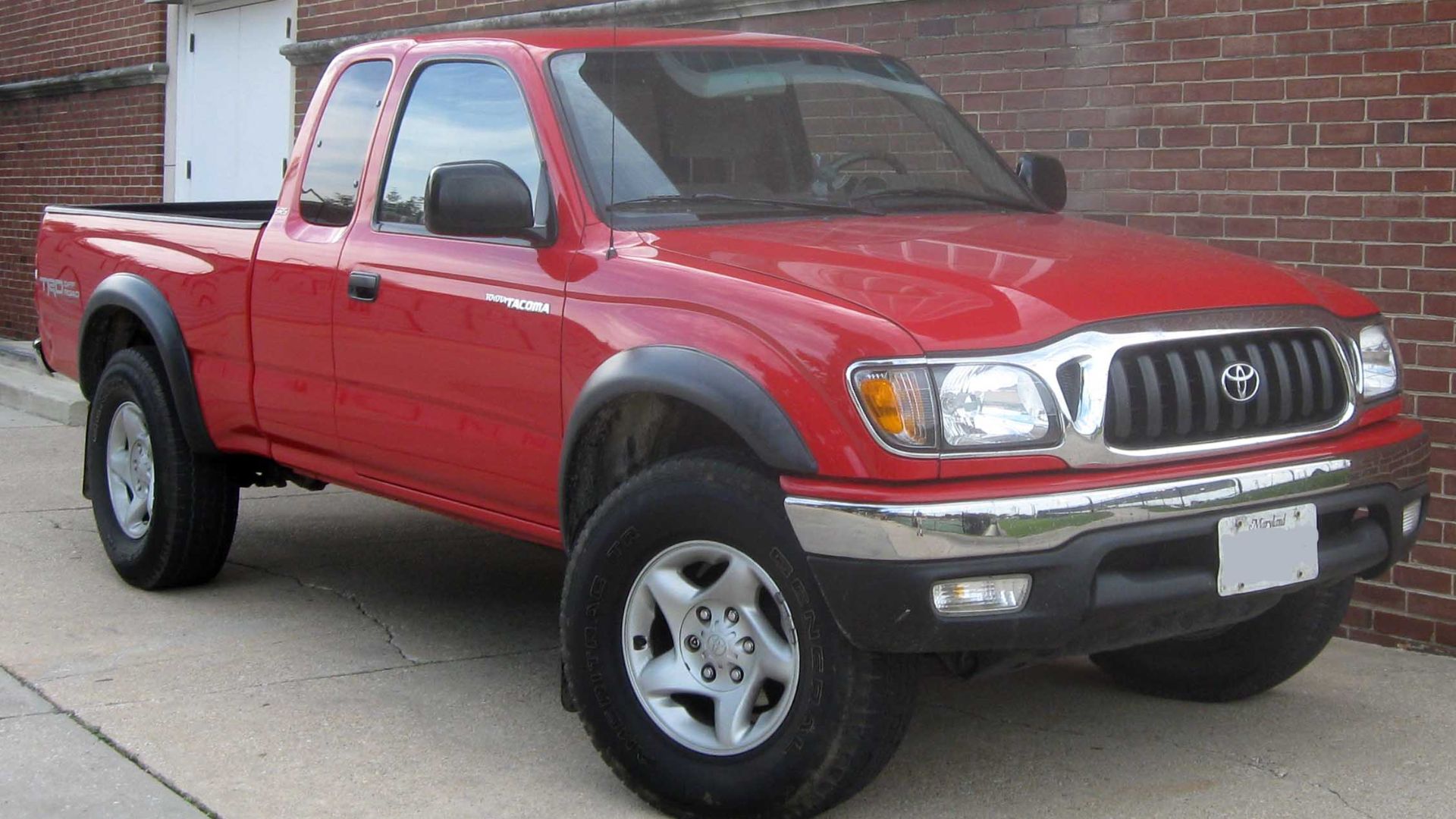
1988–1998 Chevrolet C/K
GM’s fourth-generation Chevrolet C/K trucks, commonly known by the GMT400 platform designation, served everyone from suburban commuters to contractors and farmers. The family included light-duty C1500s, heavier C2500s, four-wheel-drive K-series models, and numerous cab and bed configurations. Chevrolet also created the 454 SS, a two-wheel-drive performance pickup powered by a 7.4-liter big-block V8. That variety is one reason the generation remains popular with restorers, custom builders, and drivers who still use them for work.
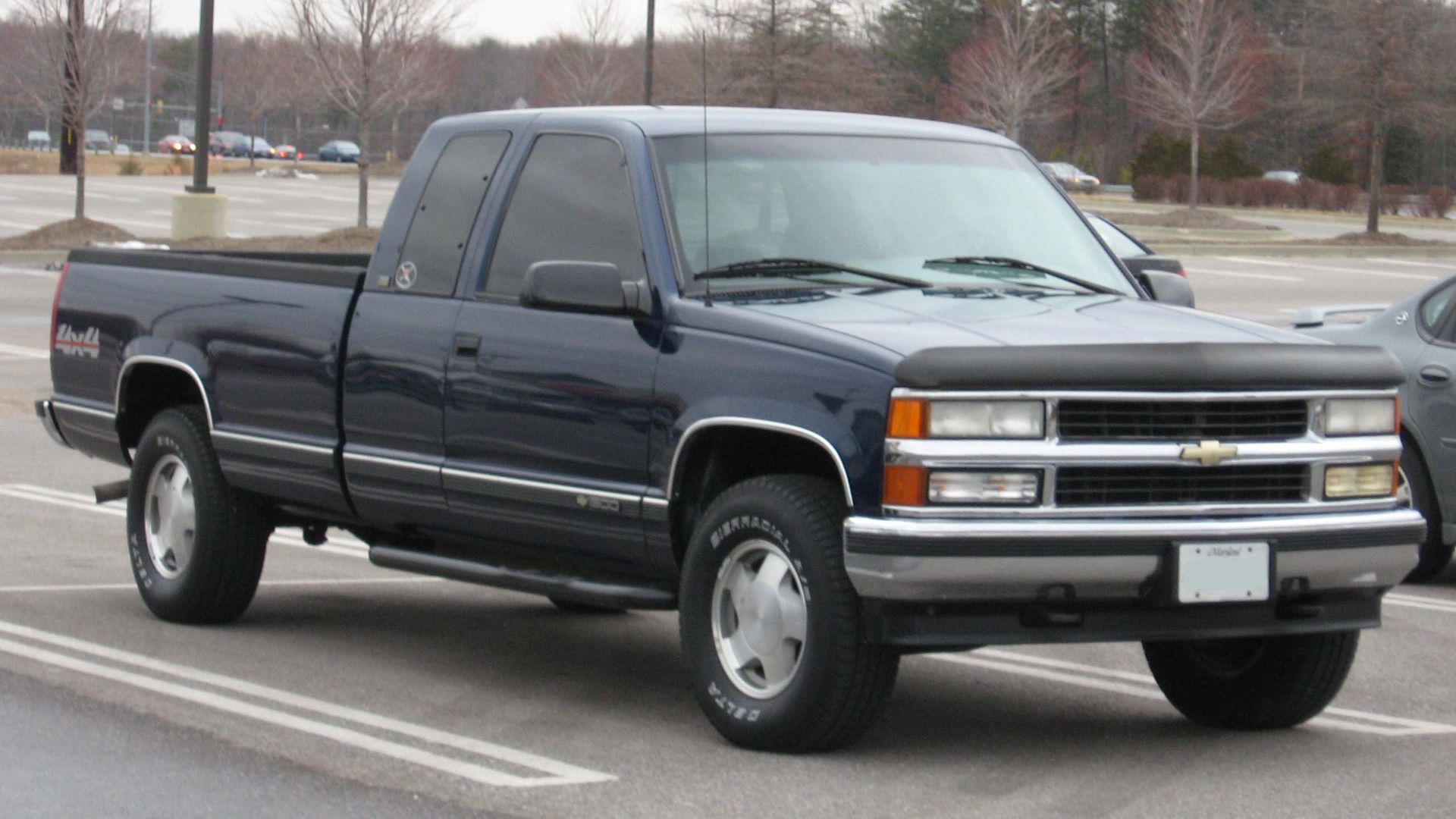
1986–1997 Nissan D21 Hardbody
The Nissan D21 became widely known as the Hardbody because of its double-wall cargo bed and tough, squared-off styling. Sold in the United States through the 1997 model year, it was available with four-cylinder or V6 power and multiple cab, bed, and drivetrain combinations. The truck was compact enough for daily driving but rugged enough to become a familiar sight on construction sites. Its simple proportions and dependable mechanical components continue to attract owners who prefer an old-fashioned compact pickup.
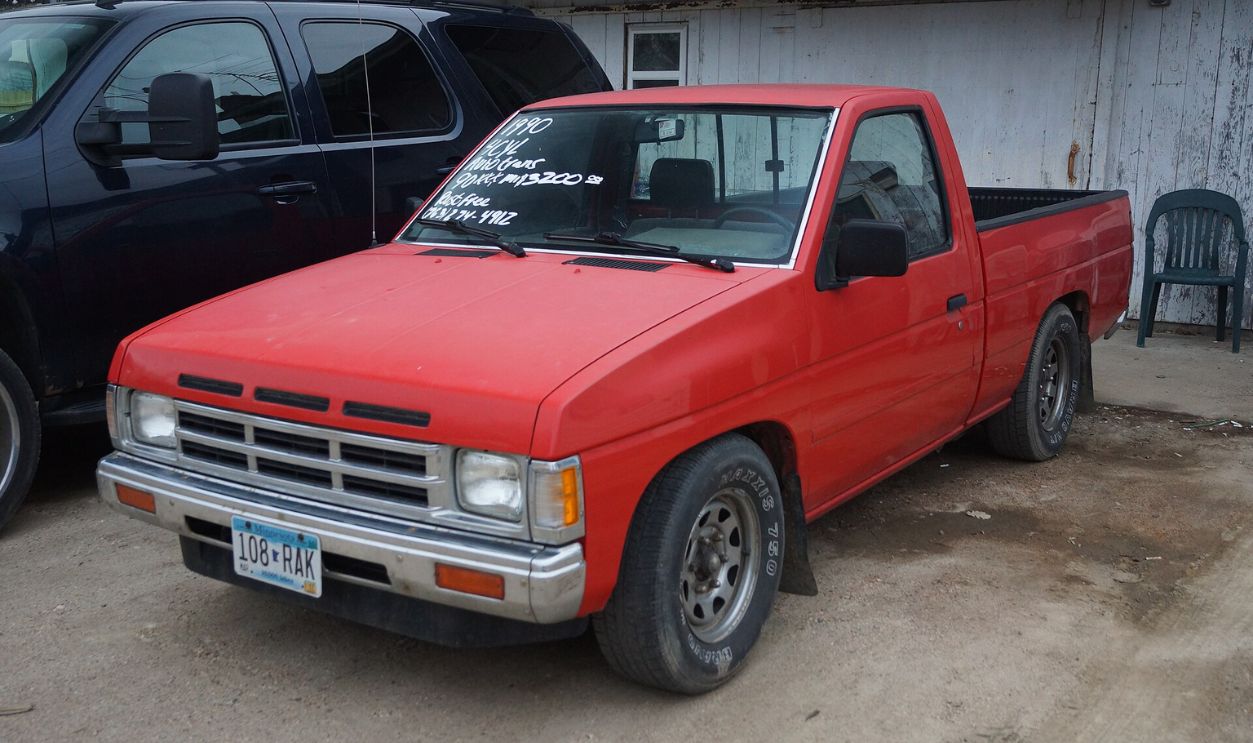 Greg Gjerdingen from Willmar, USA, Wikimedia Commons
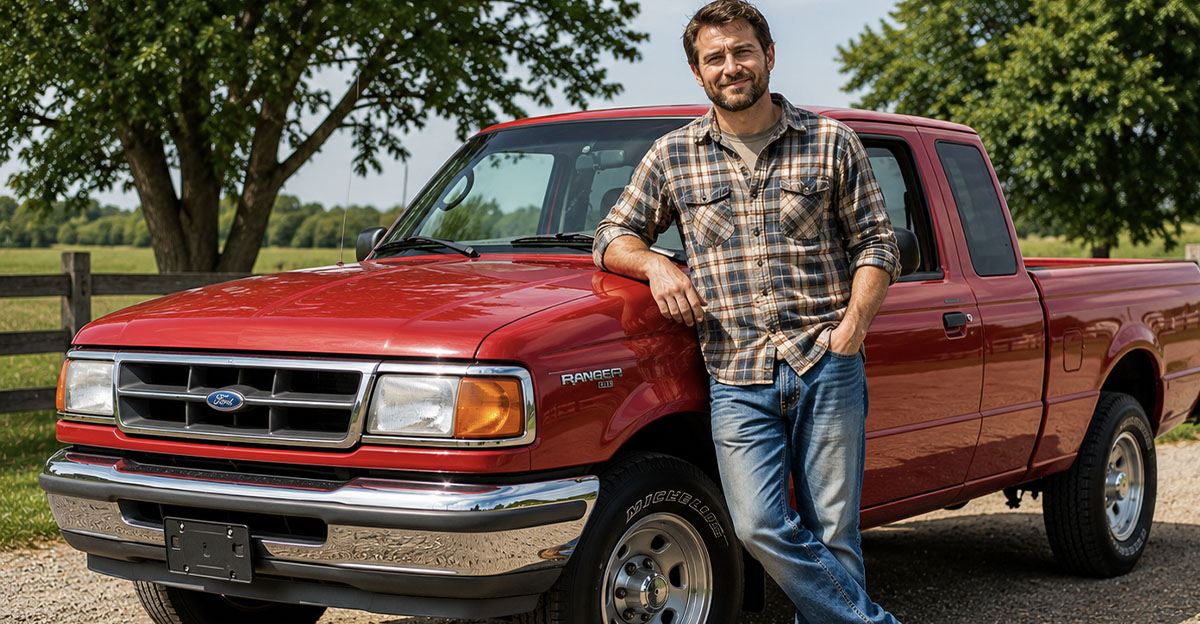
1993–1997 Ford Ranger
Ford introduced the second-generation Ranger for 1993 with smoother bodywork and a more modern interior. Buyers could select four-cylinder, 3.0-liter V6, or 4.0-liter V6 engines, along with rear-wheel drive or four-wheel drive. The Ranger’s manageable size made it useful for commuters, homeowners, tradespeople, and recreational drivers without the bulk of a full-size truck. Many remain in service because replacement parts are widely available and the basic design is relatively approachable for home mechanics.
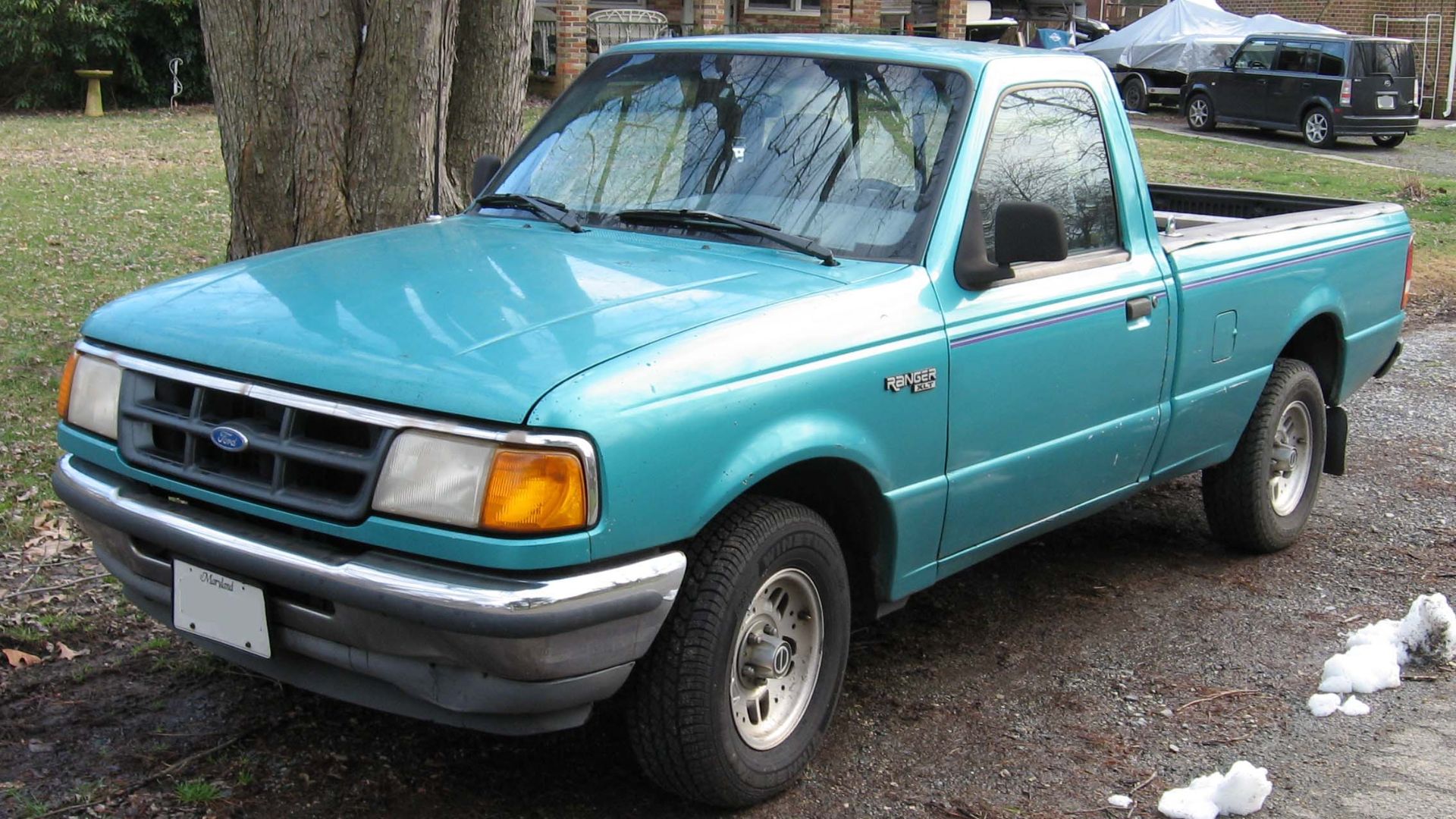
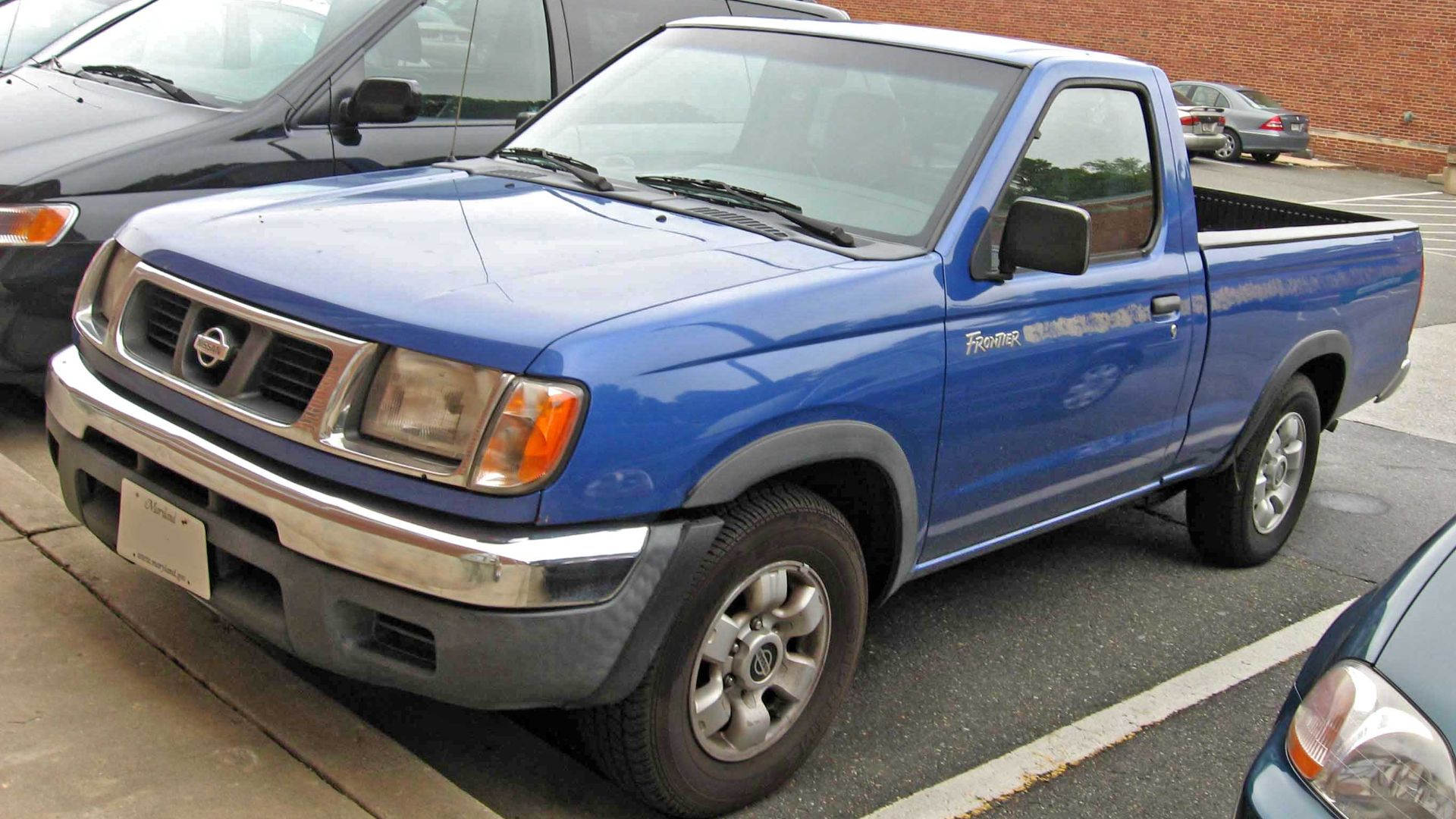
1998–2004 Nissan Frontier And D22 Navara
Nissan introduced the D22 pickup in North America as the Frontier for the 1998 model year, while related versions were sold internationally under the Navara name. The early Frontier retained the compact footprint and practical character that had made the D21 Hardbody successful. Four-cylinder models emphasized economy, while available V6 power gave the truck more useful performance. These early Frontiers have never been the flashiest pickups, but owners often keep them because they are simple, familiar, and inexpensive to use.
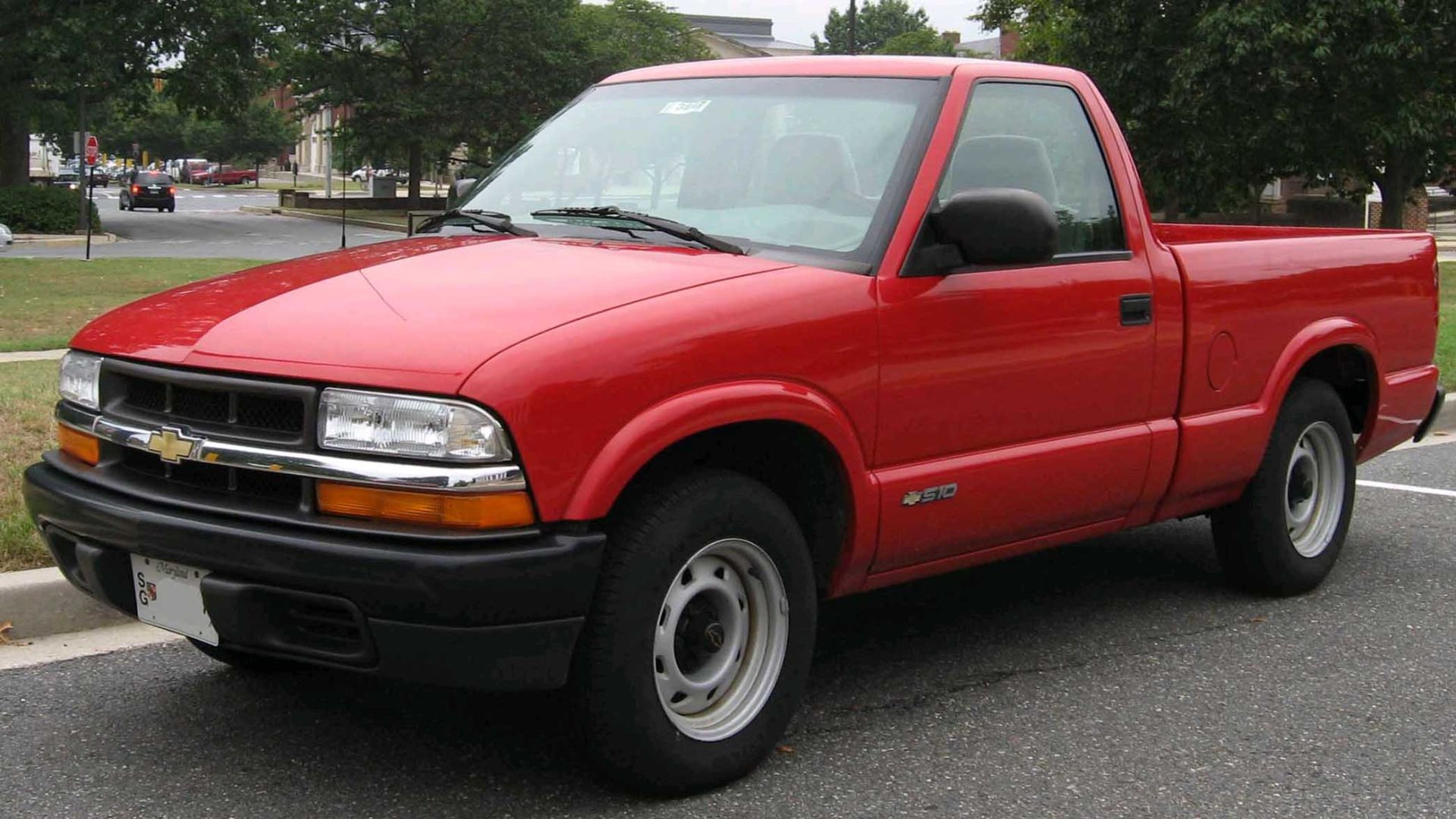
1994–2004 Chevrolet S-10, GMC Sonoma, And Isuzu Hombre
The second-generation Chevrolet S-10 and GMC Sonoma arrived for 1994 with rounder styling and improved comfort. Isuzu later sold a closely related version called the Hombre, giving the same basic compact-truck formula another badge and slightly different bodywork. Engine choices ranged from economical four-cylinders to GM’s 4.3-liter V6, which delivered considerably stronger performance. Their shared components and broad production numbers make many repairs manageable, helping these compact pickups remain viable decades later.
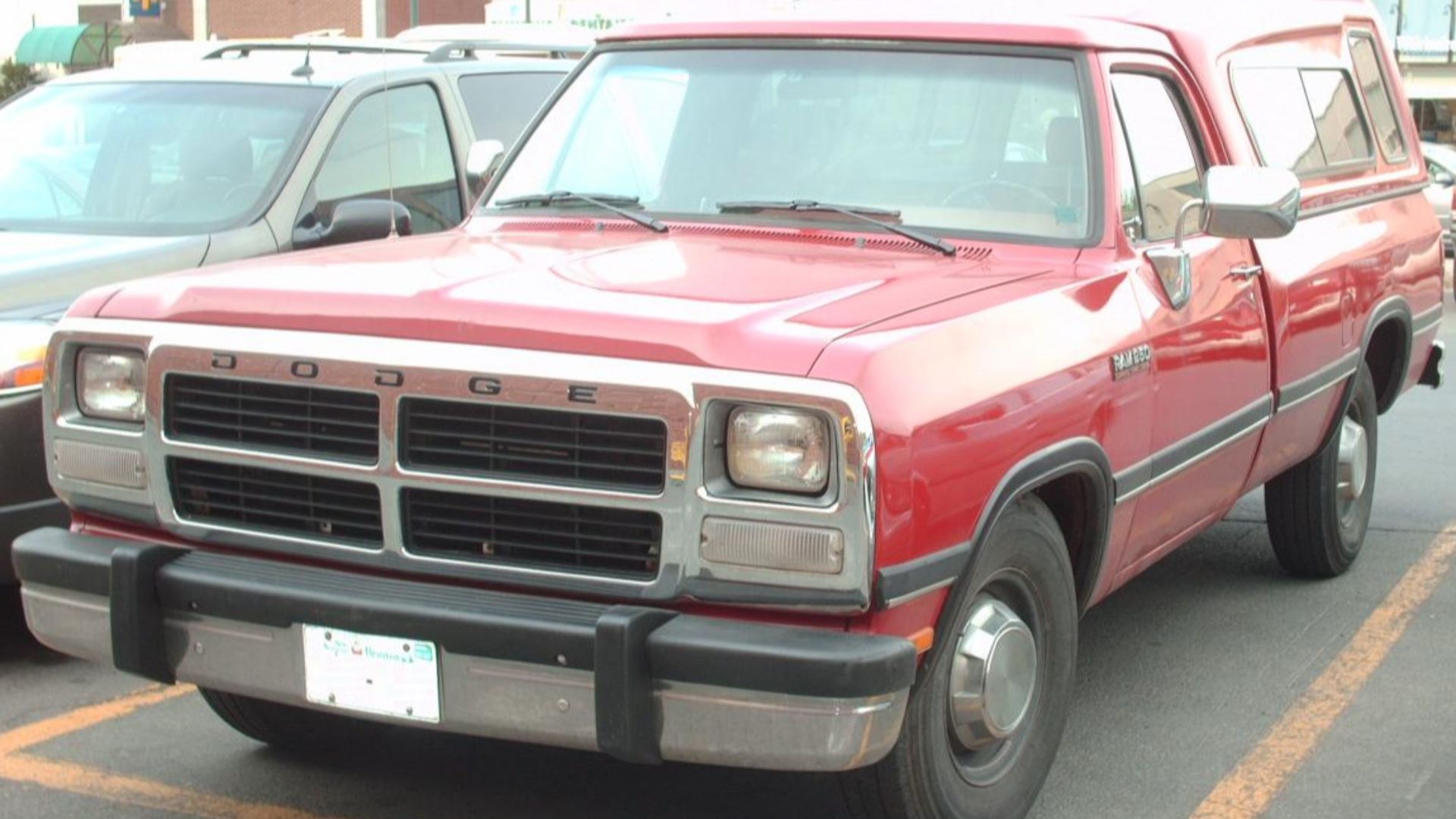
1991 Dodge Power Ram
The 1991 Dodge Power Ram belonged to the company’s first-generation full-size Ram family, with the Power Ram designation identifying four-wheel-drive models. Its squared body and traditional cabin reflected a design that had changed gradually since the early 1980s. Available engines included gasoline V8s and the increasingly respected 5.9-liter Cummins turbodiesel. These trucks feel noticeably more agricultural than the redesigned 1994 Ram, which is exactly what many devoted owners enjoy about them.
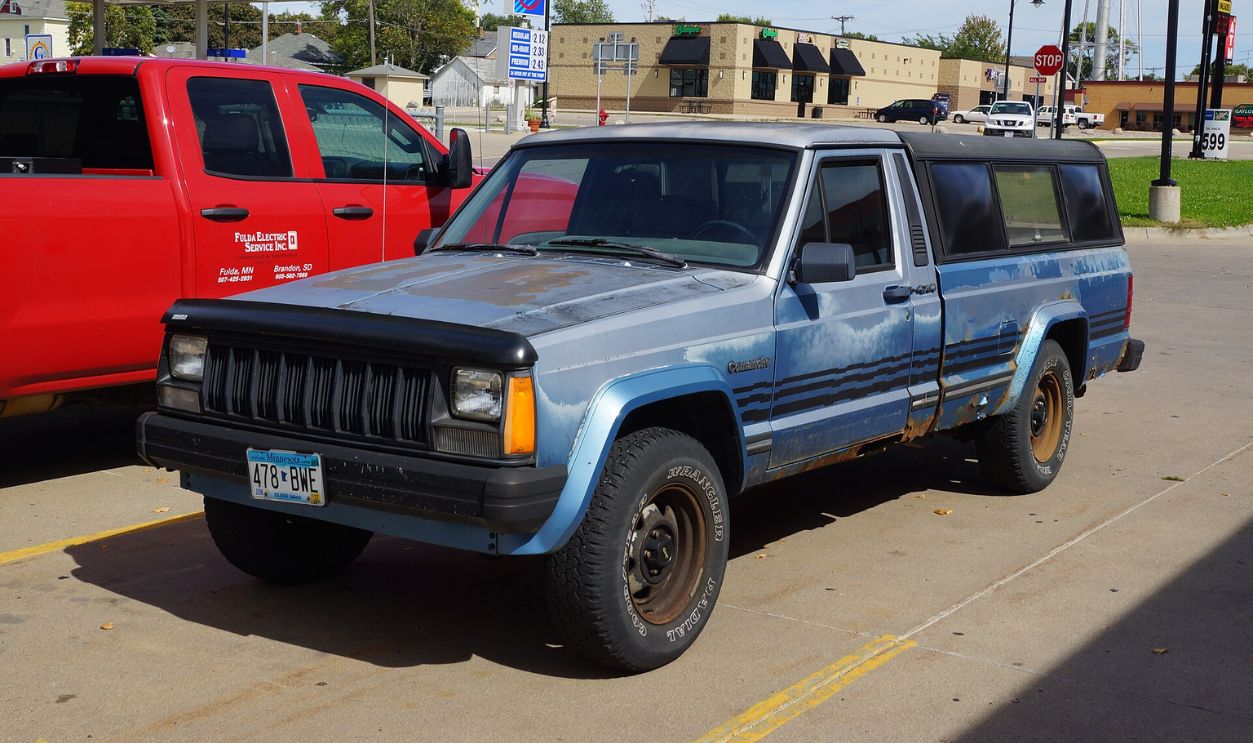
1991 Jeep Comanche 5-Speed
The Jeep Comanche combined elements of the XJ Cherokee with a separate cargo box and a reinforced structure behind the cab. By 1991, buyers could obtain the respected 4.0-liter inline-six with a manual transmission, creating a particularly appealing combination for off-road enthusiasts. Production ended in 1992 after sales declined and Chrysler positioned Dodge as its primary truck brand. Its relatively short run and unusual Jeep identity now make surviving Comanches highly sought after.
 Greg Gjerdingen from Willmar, USA, Wikimedia Commons
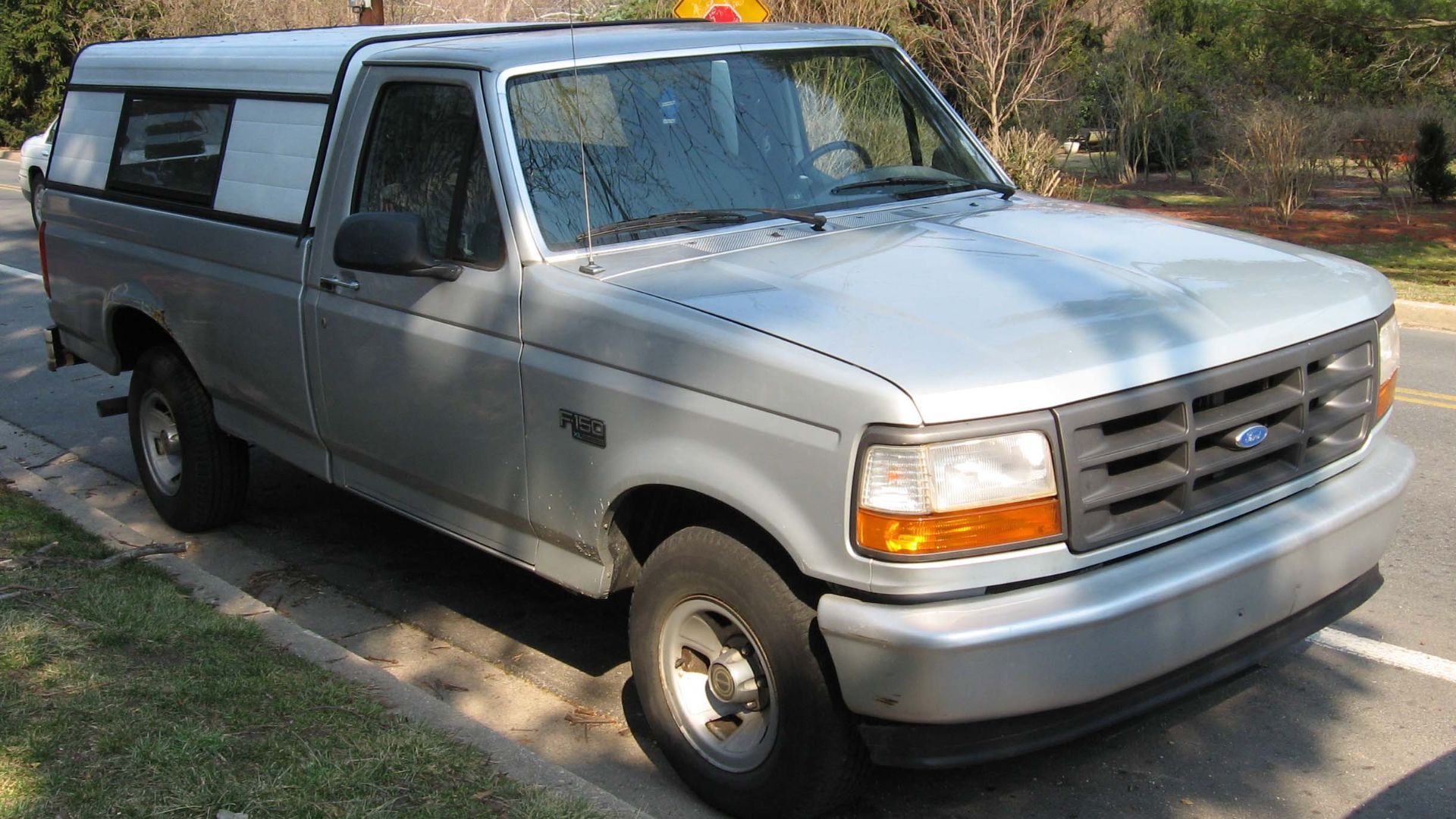
1992–1996 Ford F-Series
Ford updated its F-Series for 1992 with a smoother front end that enthusiasts often call the Aeronose design. These trucks are also commonly grouped under the enthusiast term OBS, meaning old body style, although that nickname was never an official Ford designation. Buyers could choose from numerous gasoline engines, cab layouts, bed lengths, and heavy-duty configurations. Their combination of traditional truck construction and more modern styling has made them a favorite foundation for restorations and diesel builds.
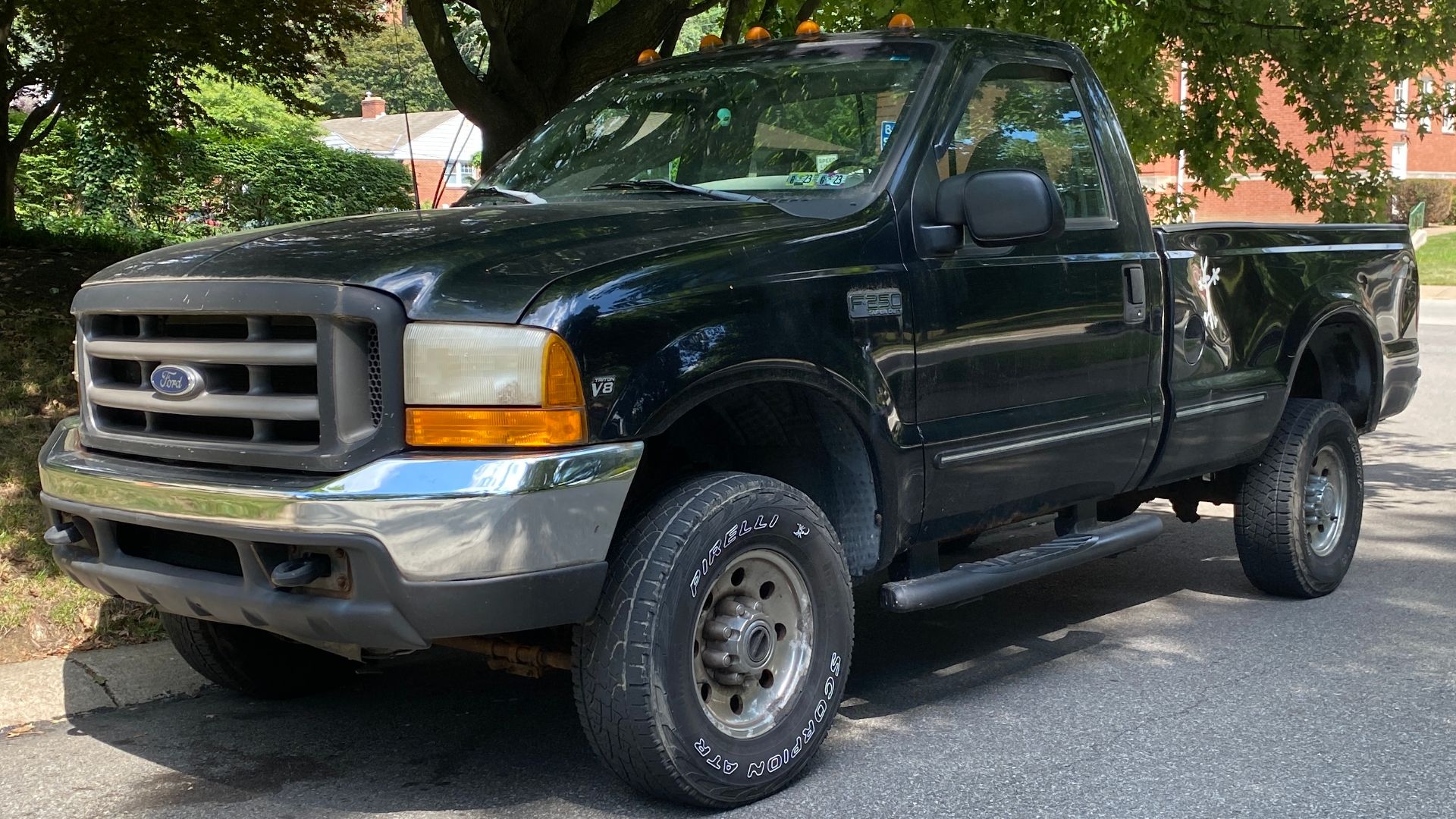
1999 Ford Super Duty 7.3L Power Stroke
Ford launched the separate Super Duty line for the 1999 model year, giving its heavy-duty pickups distinct bodywork and engineering rather than treating them as strengthened F-150s. The available 7.3-liter Power Stroke turbodiesel quickly earned a devoted following for its torque and long-term service potential. These trucks became popular with people towing large trailers, hauling equipment, and operating commercial fleets. Well-maintained examples remain valuable because many owners trust the older diesel’s familiar design more than newer, increasingly complex systems.
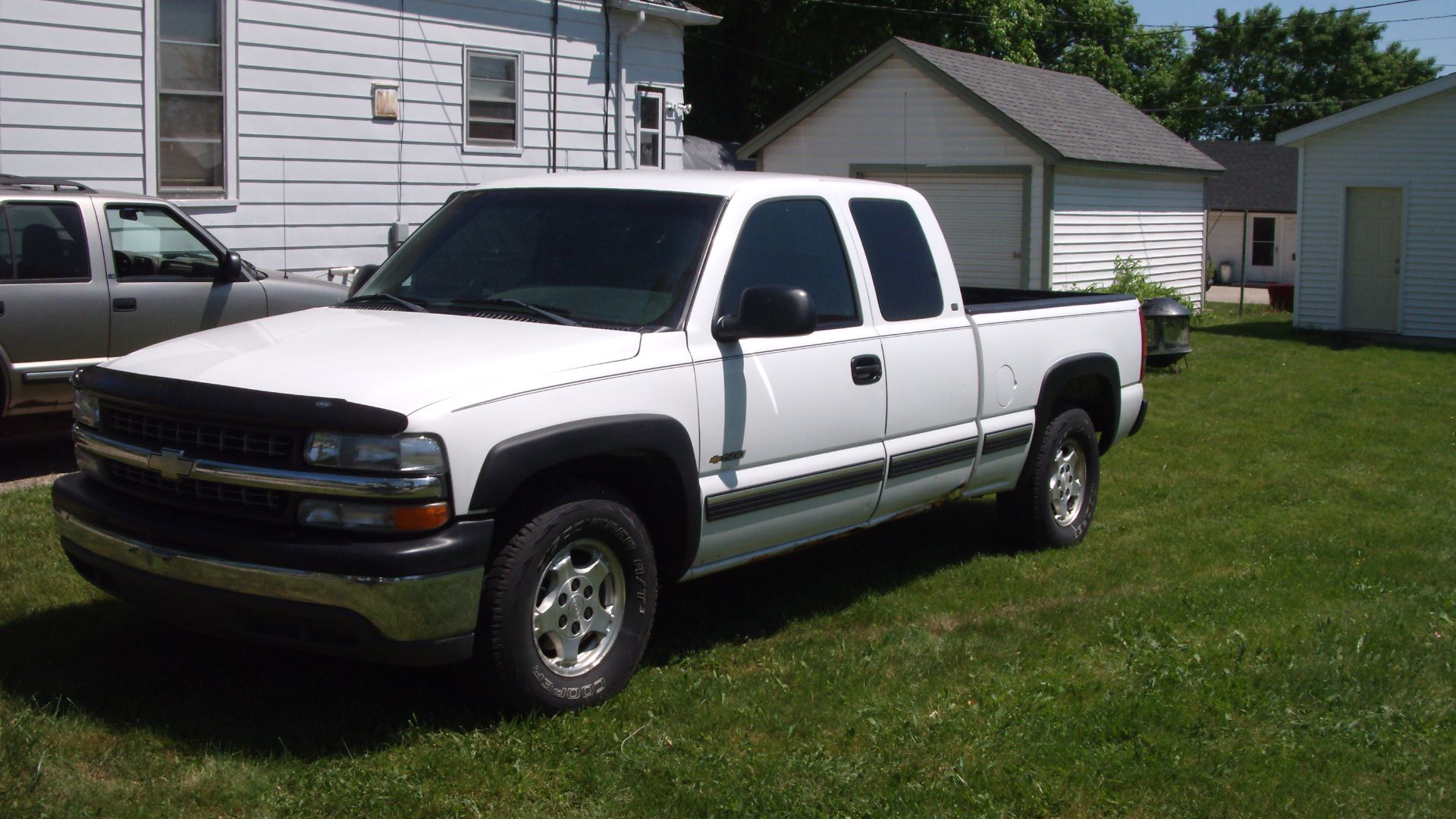
1999 Chevrolet Silverado
The GMT800 Chevrolet Silverado began arriving for the 1999 model year as the successor to the long-running GMT400 C/K. It introduced fresh styling, a redesigned chassis, and GM’s new generation of Vortec V8 engines, including the 4.8-liter and 5.3-liter small-blocks. The Silverado also offered a more comfortable and refined driving experience without abandoning its basic work-truck mission. Early examples remain popular because they combine modern everyday usability with fewer electronic systems than many current pickups.
 Lord Laitinen, Wikimedia Commons
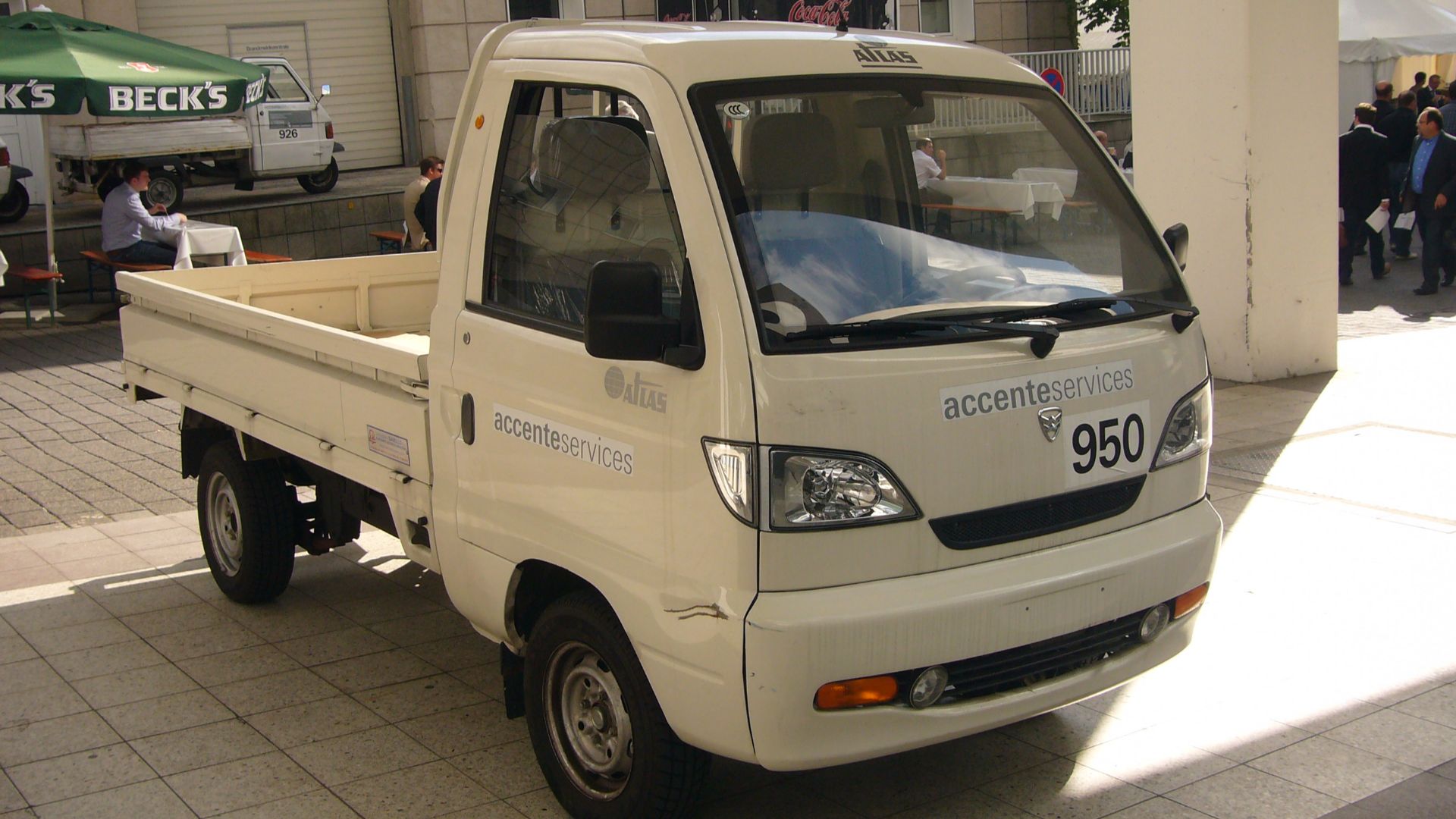
1999 Hafei Ruiyi
The Hafei Ruiyi entered production in 1999, rather than 1998 as it is sometimes listed. Developed from the Hafei Zhongyi microvan and styled with assistance from Pininfarina, it used a cab-forward design to maximize cargo space within a tiny footprint. Small-displacement engines and a five-speed manual transmission made it better suited to light urban work than highway towing. It is an unusual inclusion beside American full-size trucks, but its efficient packaging earned it loyal users in several international markets.
 Rutger van der Maar, Wikimedia Commons
1998 Dodge Ram 1500
The 1998 Dodge Ram 1500 carried the bold styling that had helped redefine the brand earlier in the decade. Its raised hood, large crosshair grille, and available V8 engines gave the half-ton pickup a tougher presence than many rivals. Buyers could choose regular, Club Cab, and Quad Cab configurations, with the newly introduced rear-hinged Quad Cab doors making the back seat easier to access. Drivers still hold onto these trucks for their distinctive looks, useful capability, and straightforward mechanical character.
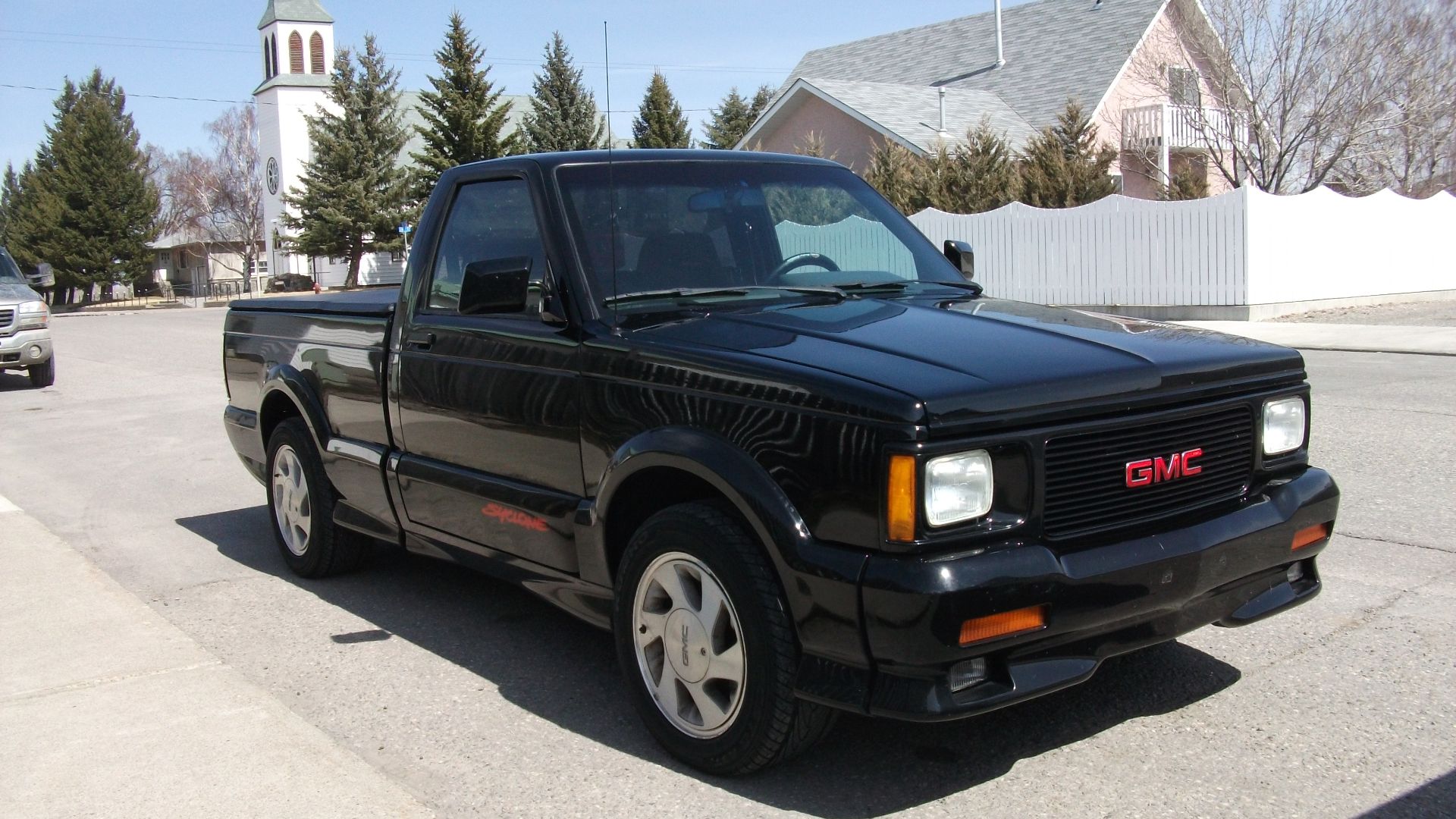
1991 GMC Syclone
The 1991 GMC Syclone transformed the compact Sonoma into one of the decade’s most memorable performance vehicles. Its turbocharged and intercooled 4.3-liter V6 produced 280 horsepower and 350 pound-feet of torque, while all-wheel drive helped deliver that power to the pavement. Contemporary testing showed that the Syclone could accelerate more quickly than many respected sports cars of the period. Limited production and outrageous performance have made it a collectible that owners rarely surrender casually.
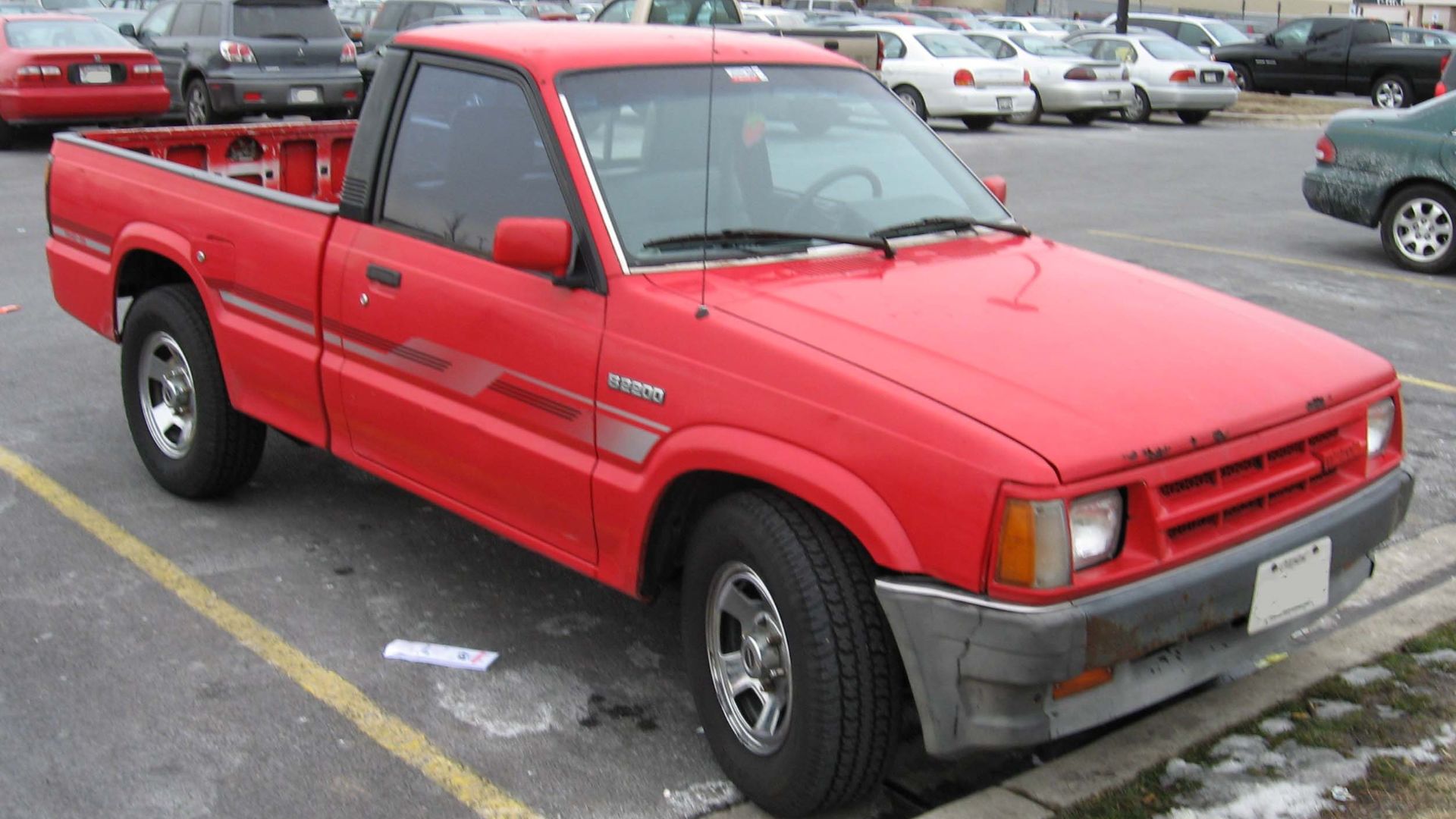
1992 Mazda B2200
The 1992 Mazda B2200 represented the final years of Mazda’s independently designed compact pickup in the United States before later B-Series models became closely related to the Ford Ranger. Its 2.2-liter four-cylinder engine was not especially powerful, but it was economical and relatively straightforward to maintain. The truck’s tidy dimensions also made it popular for commuting, light hauling, and mini-truck customization. Survivors remain appealing to people who miss genuinely small pickups with manual transmissions and uncluttered interiors.
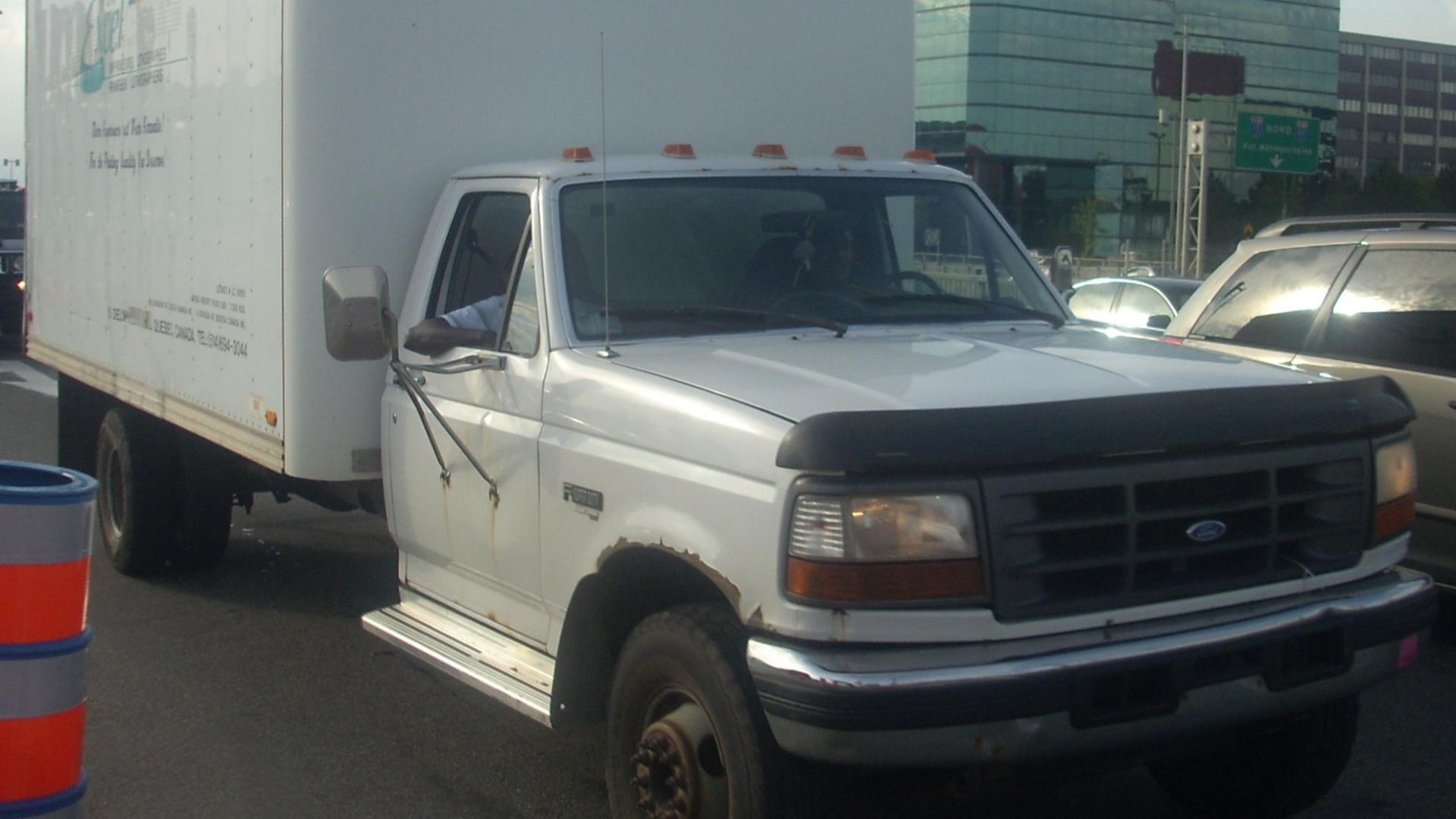
1997 Ford F-450 Flatbed
A 1997 Ford F-450 flatbed, also associated with Ford’s F-Super Duty chassis-cab line of the era, was designed as commercial equipment rather than a lifestyle accessory. Owners commonly fitted these trucks with flatbeds, utility bodies, towing equipment, or other specialized hardware. Diesel-powered versions were especially useful for businesses that needed dependable low-speed pulling strength and substantial carrying capacity. Many are still working because replacing a serviceable commercial truck can cost far more than repairing the one already earning money.
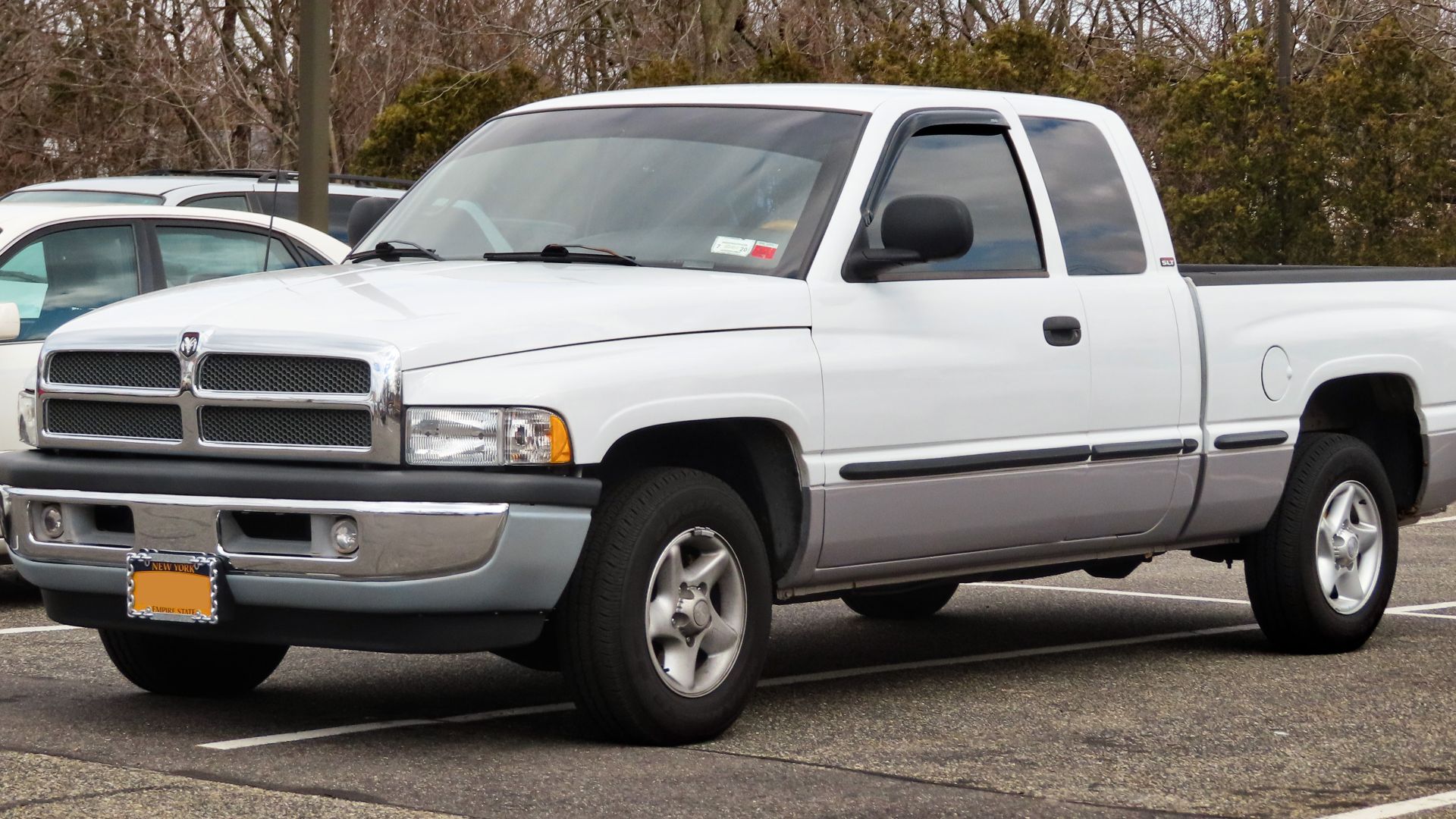
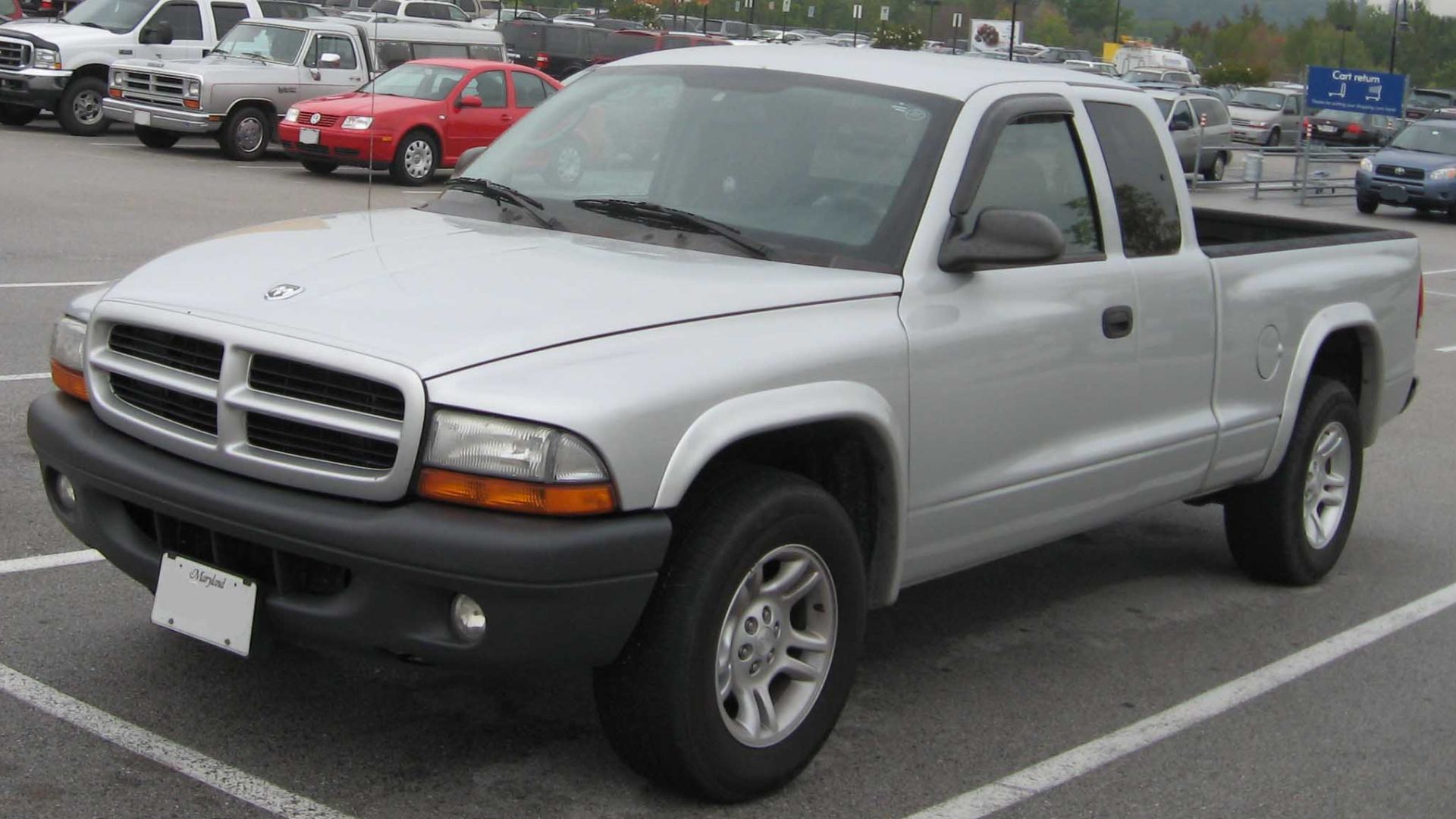
1998 Dodge Dakota
The second-generation Dodge Dakota arrived for 1997 with styling inspired by the larger Ram. By 1998, it offered compact-truck maneuverability with greater cabin room and capability than many smaller competitors. Available V6 and V8 engines made the Dakota especially attractive to drivers who wanted meaningful towing power without moving to a full-size pickup. It occupied a useful middle ground that few rivals matched, which helps explain why some owners continue maintaining them long after production ended.
You May Also Like:
Cars That Were Supposed To Be “The Next Corvette”—But They Never Took The Crown
Car Features Baby Boomers Used All The Time That Millennials Have Never Even Heard Of

.jpg)
