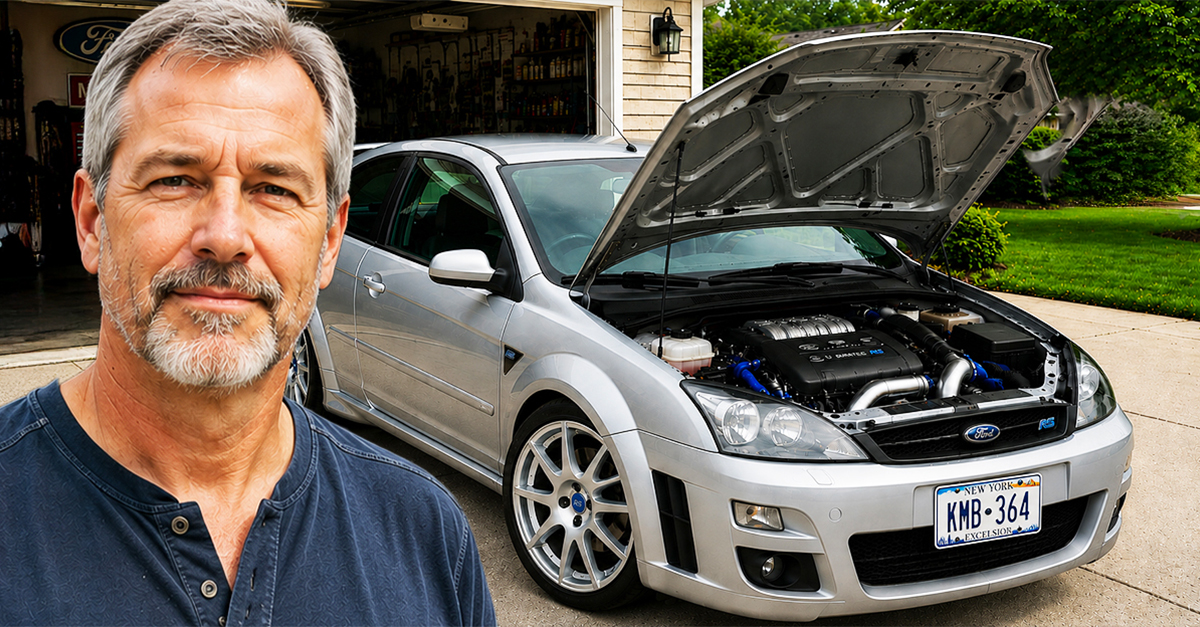
The Engine That Helped Modernize Ford
When Ford introduced the Duratec line of engines during the 1990s, the company was trying to move beyond aging pushrod designs and compete with smoother, more efficient Japanese and European engines. Over time, the Duratec earned a reputation for reliability that still makes mechanics and used car buyers seek it out today.
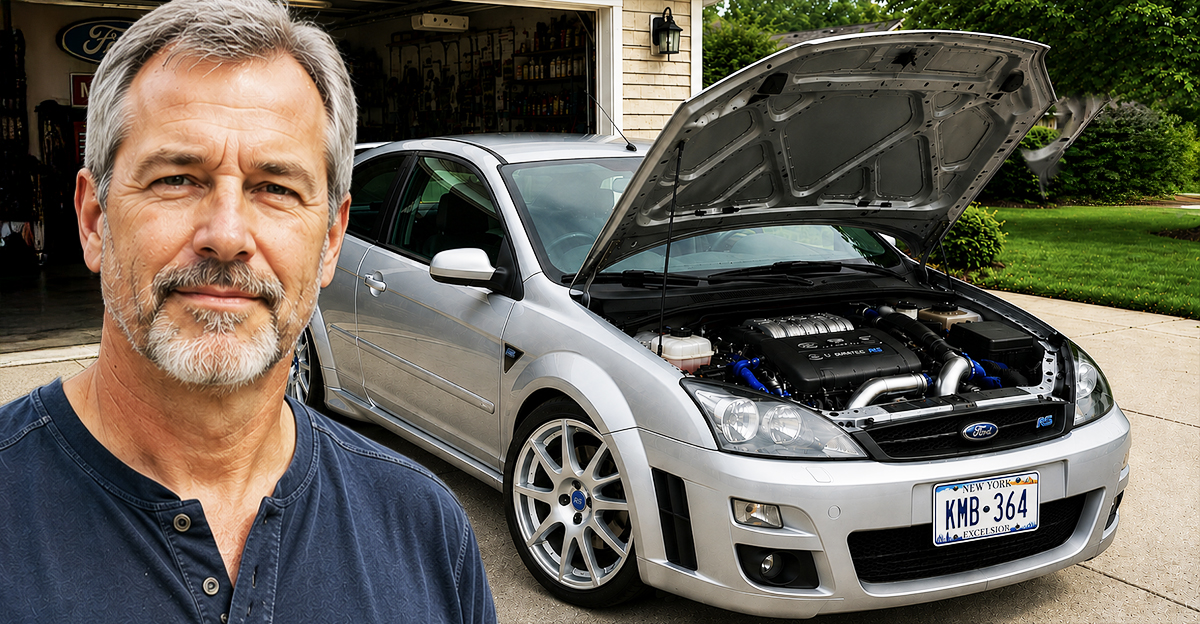
Ford Needed A New Generation Of Engines
By the early 1990s, Ford needed modern overhead cam engines that could deliver better fuel economy, smoother operation, and lower emissions. The Duratec family became a major part of that transition and eventually powered millions of vehicles across Ford, Mazda, Mercury, and Lincoln lineups.
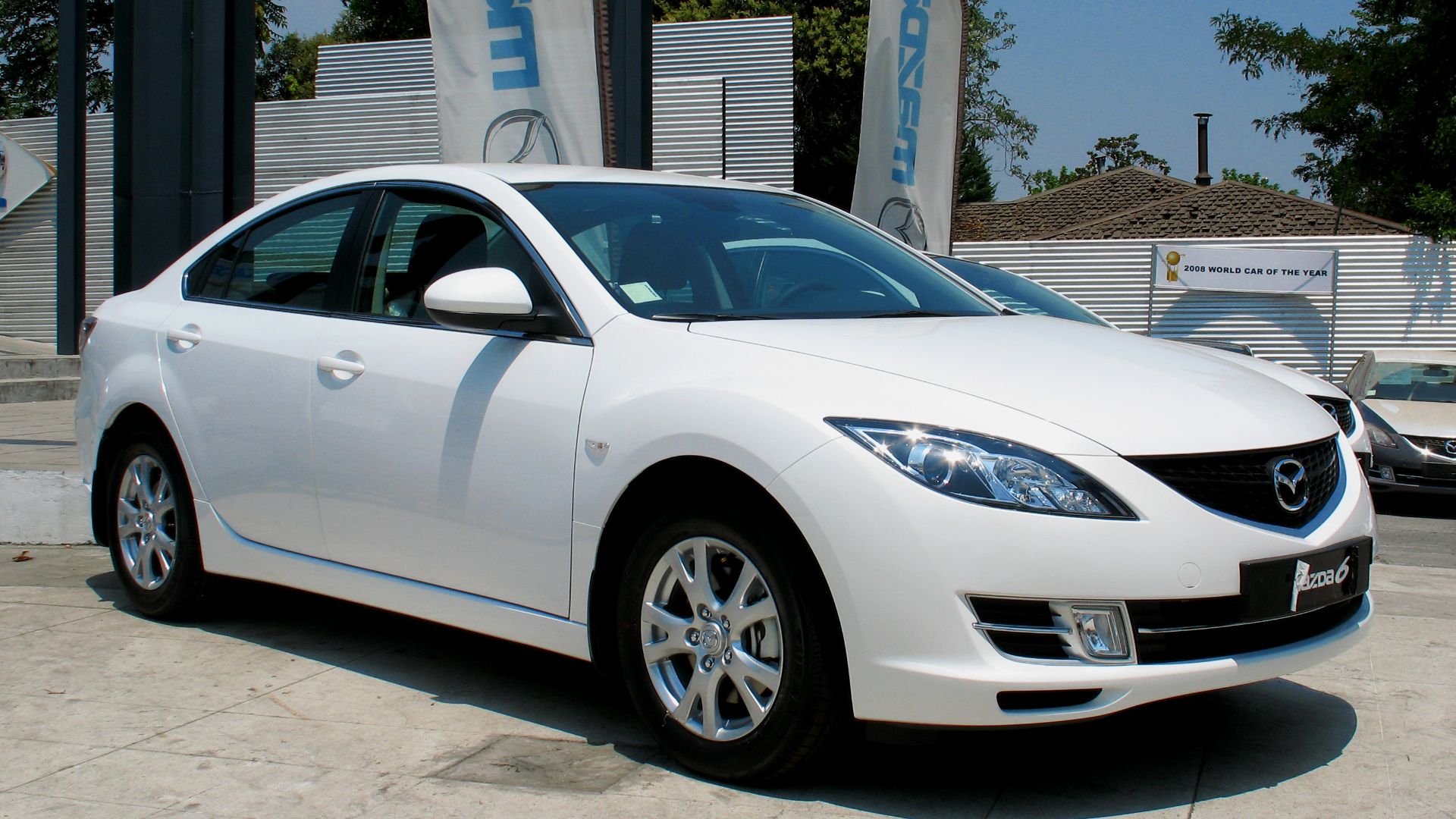 RL GNZLZ from Chile, Wikimedia Commons
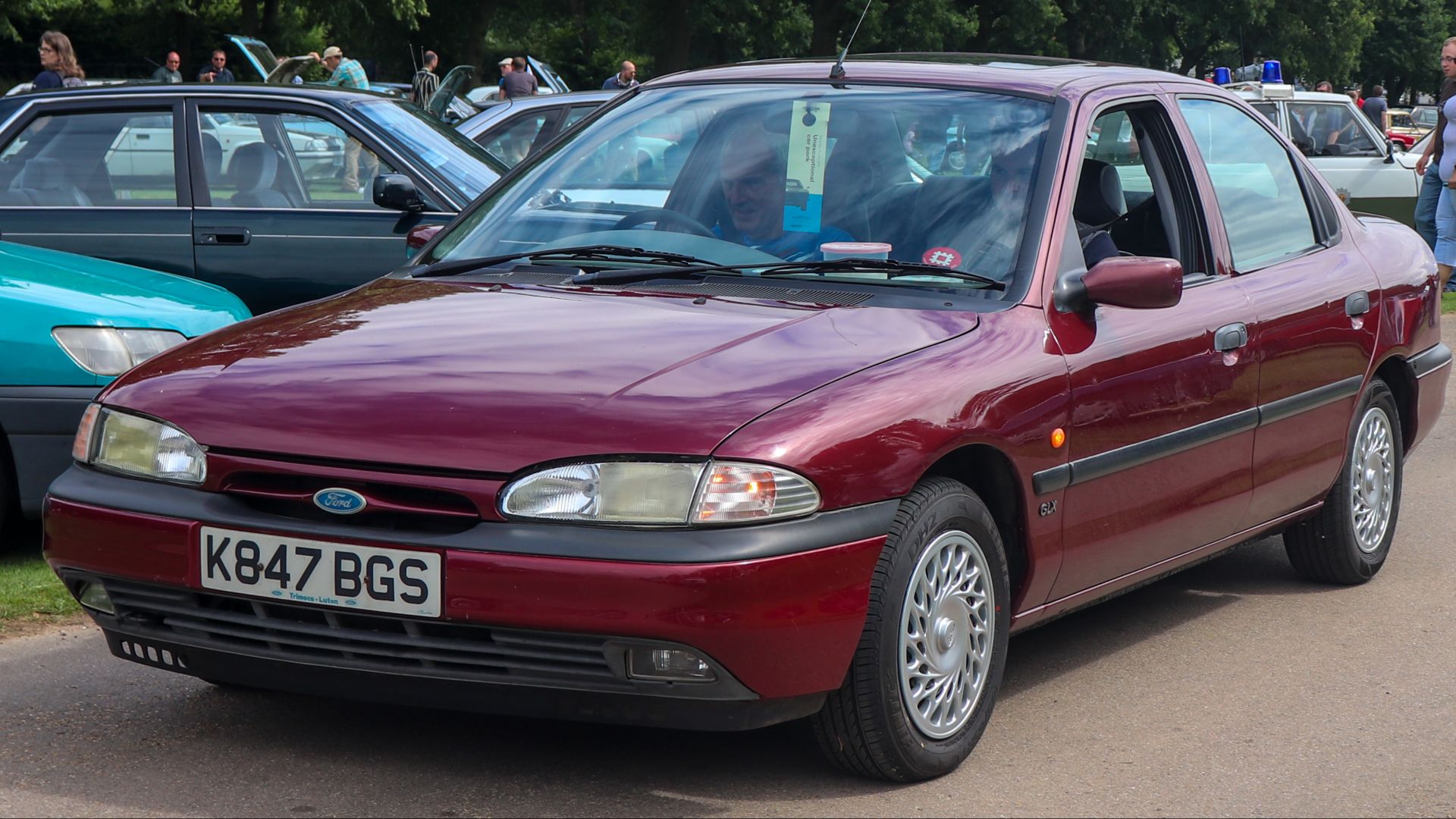
The First Duratec Arrived In 1993
The original Duratec V6 debuted in 1993 in the European Ford Mondeo before eventually appearing in North American models. The engine featured aluminum construction and dual overhead cams, which helped distinguish it from many older American V6 designs of the era.
Porsche Helped Refine The Early Design
Ford worked with Porsche Engineering during development of the original Duratec V6. The collaboration helped refine the engine’s lightweight aluminum architecture and smooth high-revving characteristics, giving the engine a more modern feel than many domestic competitors during the 1990s.
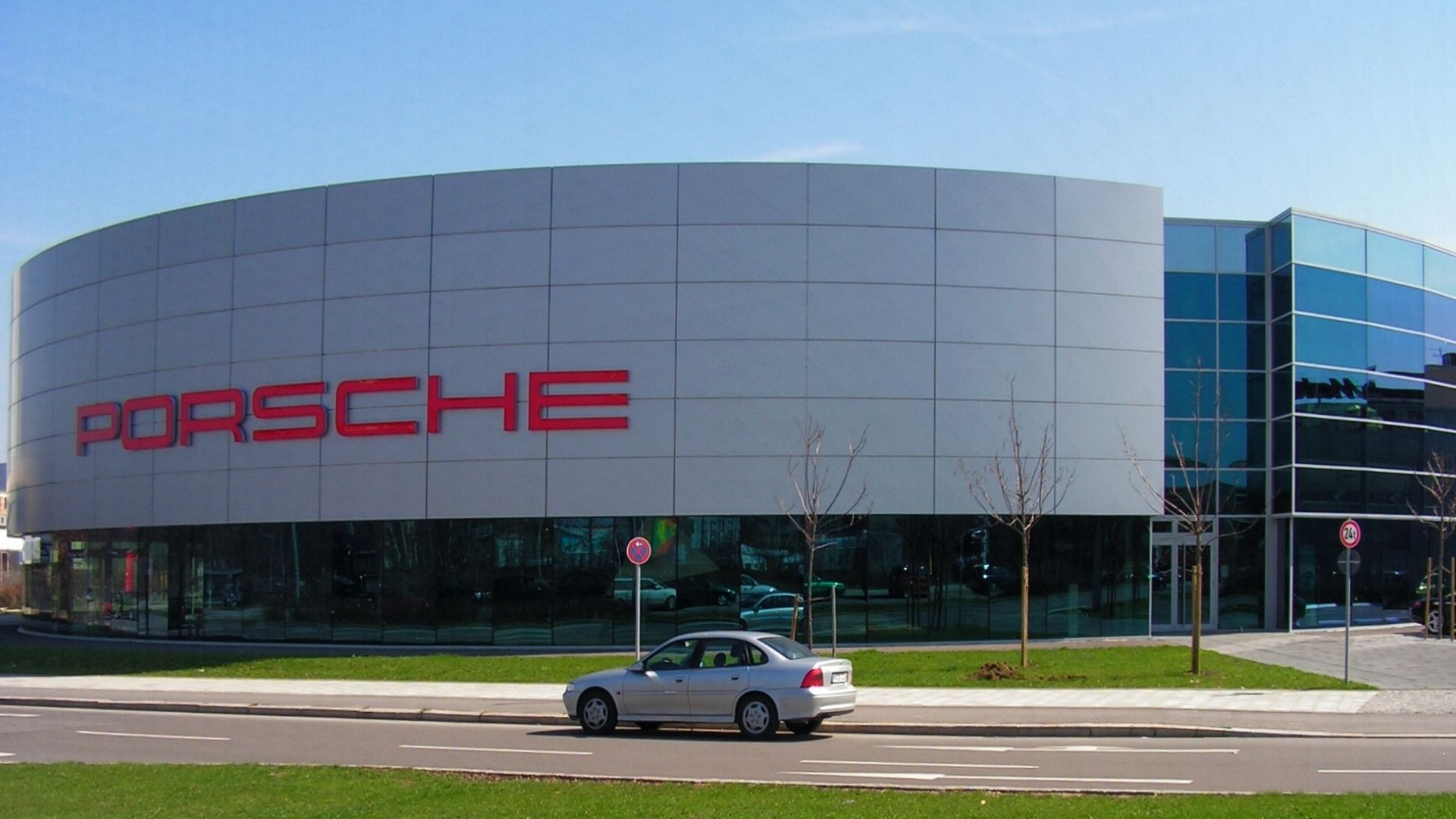 Wolfgang Pehlemann, Wikimedia Commons
The 2.5-Liter Became A Standout Variant
One of the earliest and most respected Duratec variants was the 2.5-liter V6. Found in cars like the Ford Contour SVT and Mercury Cougar, the engine earned praise for combining strong reliability with a surprisingly good performance at higher RPMs.
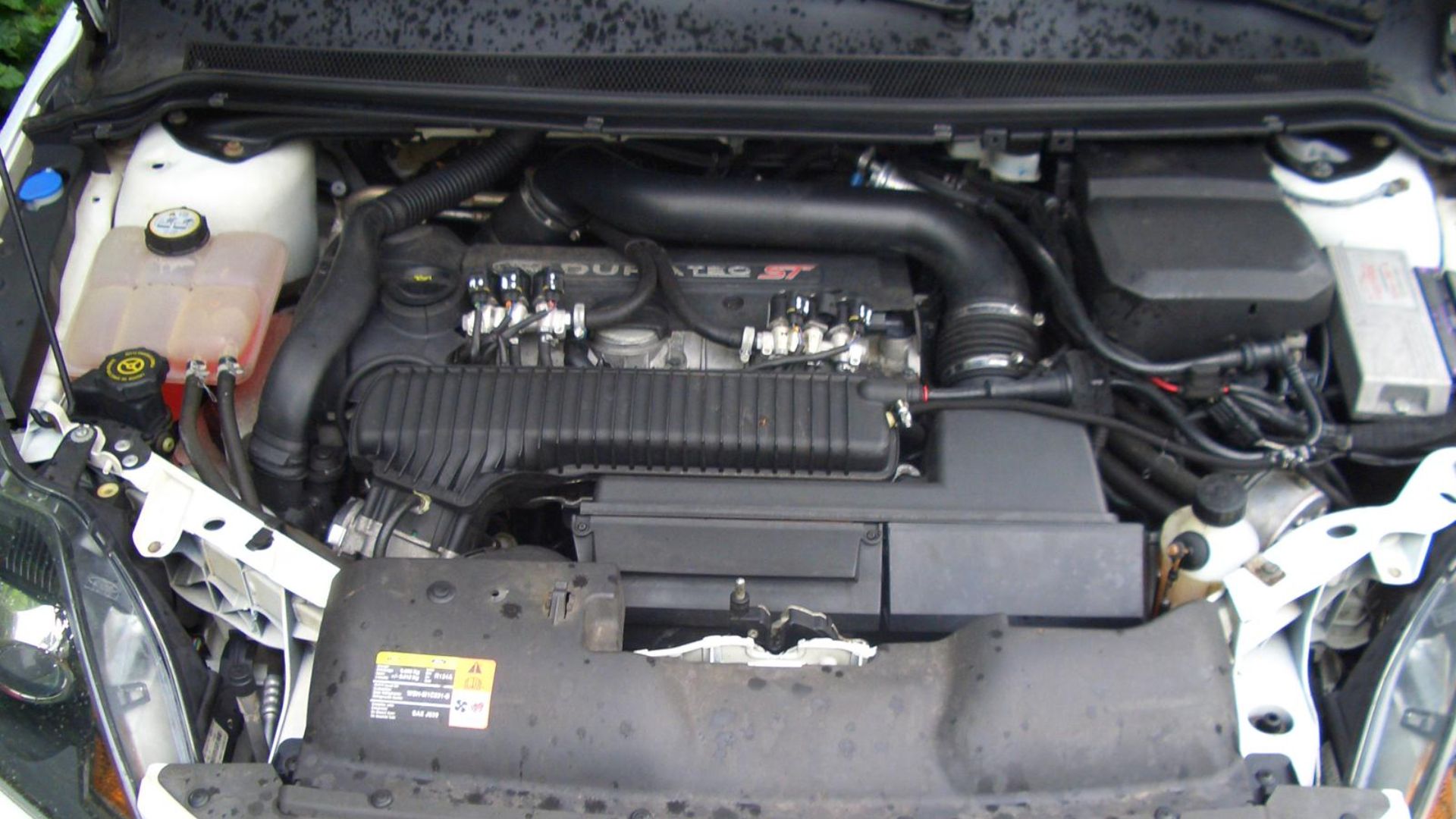
The Duratec Powered The Ford Taurus
Ford eventually placed Duratec engines into mainstream family cars like the Taurus. This move exposed millions of drivers to the engine line and helped build its reputation for durability, especially among owners who accumulated extremely high mileage without major failures.
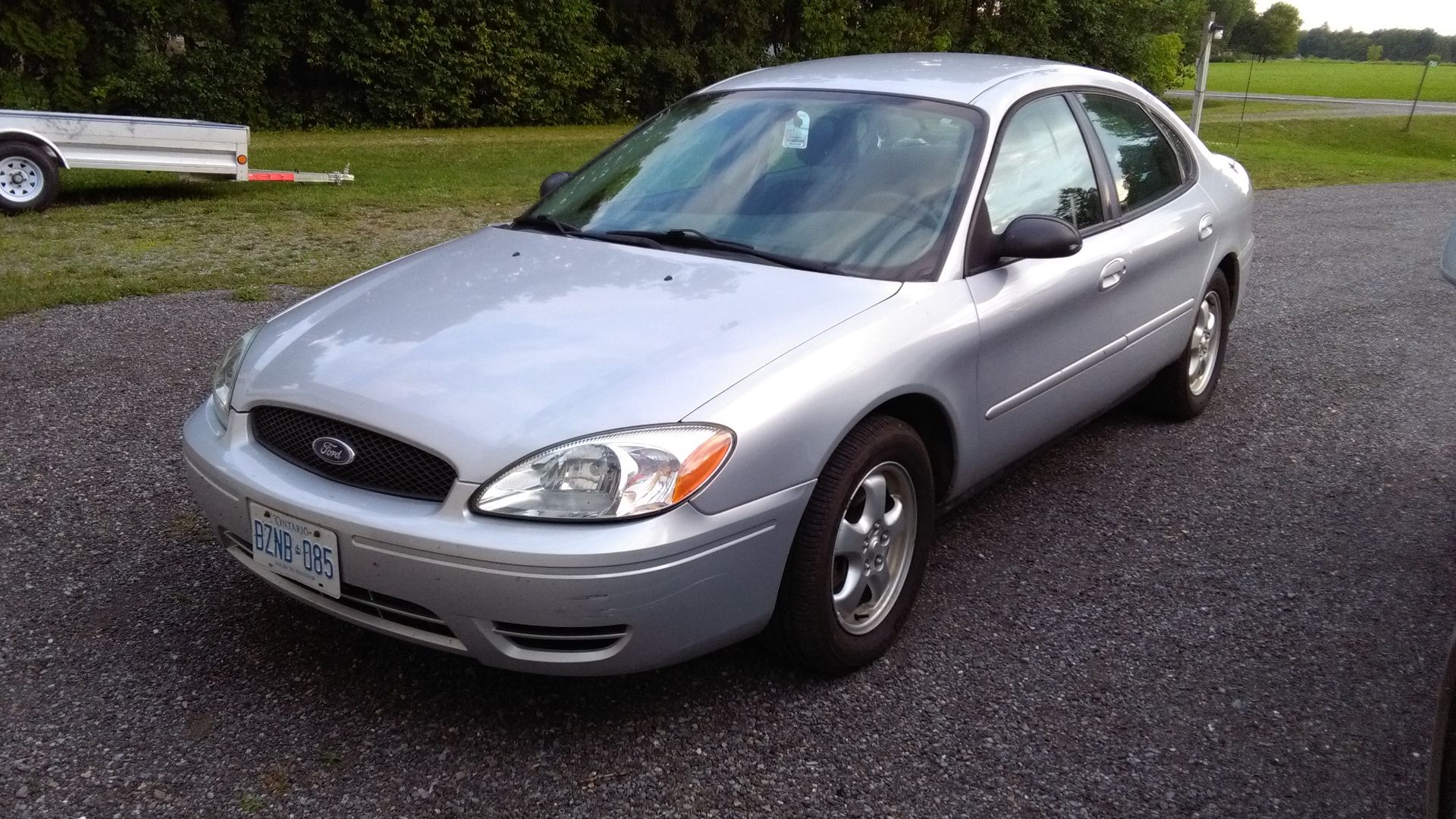 Cameron Hill, Wikimedia Commons
Mazda Shared The Duratec Architecture
Ford’s close partnership with Mazda meant several Mazda vehicles used Duratec-based engines or closely related designs. The Mazda 6 and Ford Fusion, for example, shared powertrains that became known for surviving years of hard daily driving with minimal major mechanical problems.
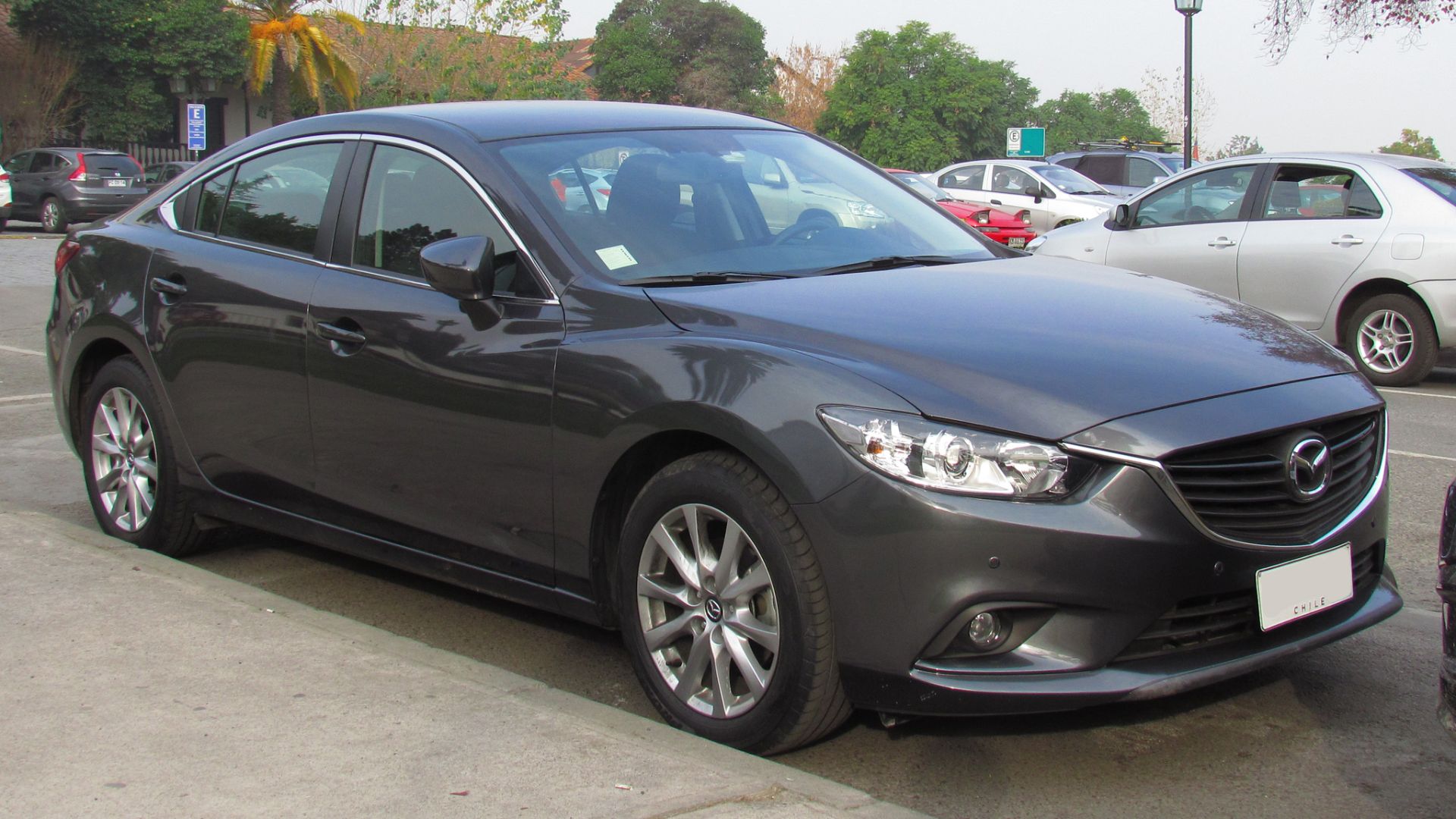 order_242 from Chile, Wikimedia Commons
Aluminum Construction Reduced Weight
A major feature of the Duratec family was its aluminum block and cylinder head construction. This reduced engine weight significantly compared with older cast iron designs and helped improve handling, fuel economy, and cooling efficiency in many Ford vehicles.
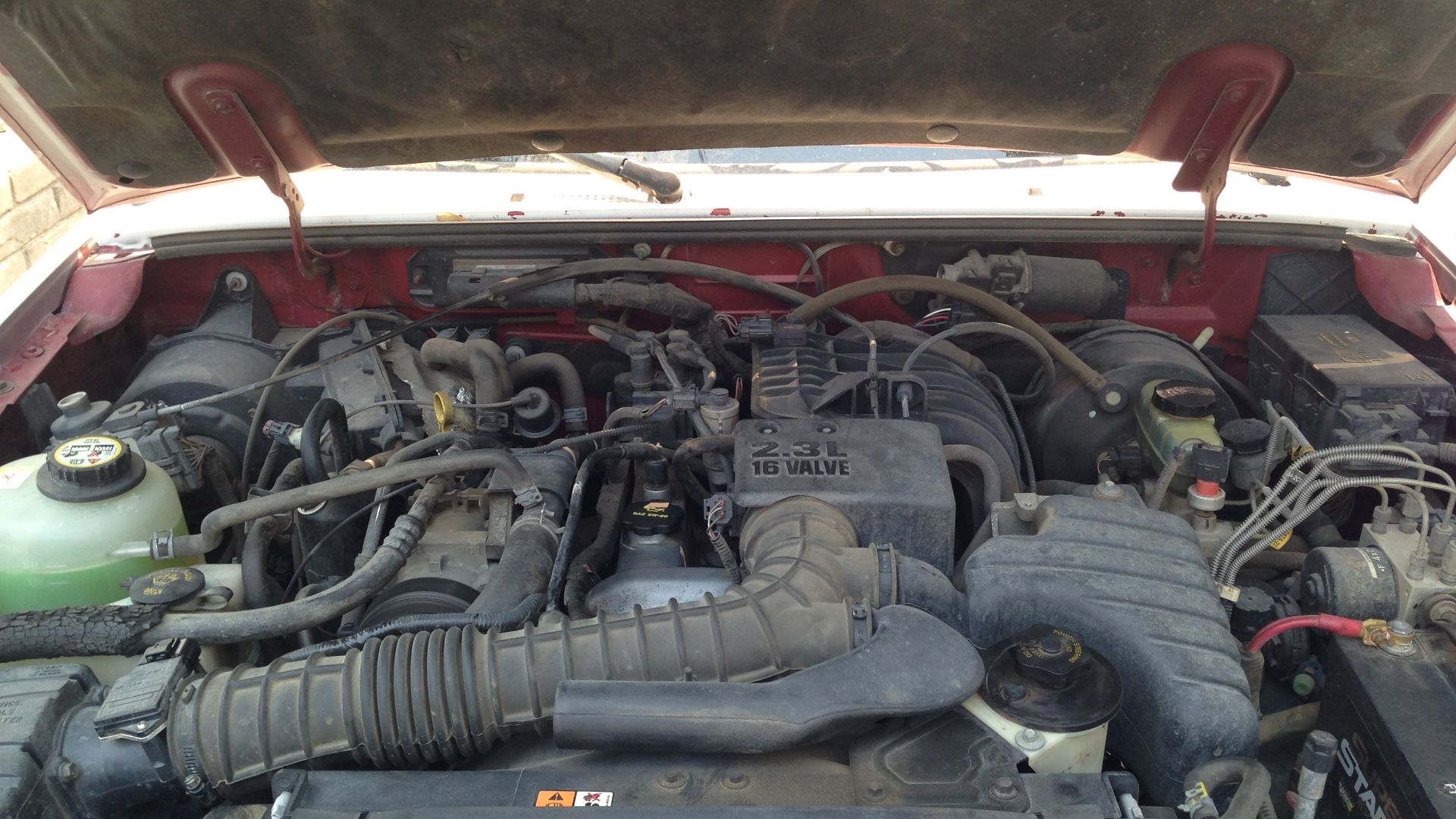 J.C. Fields (Talk) (Uploads), Wikimedia Commons
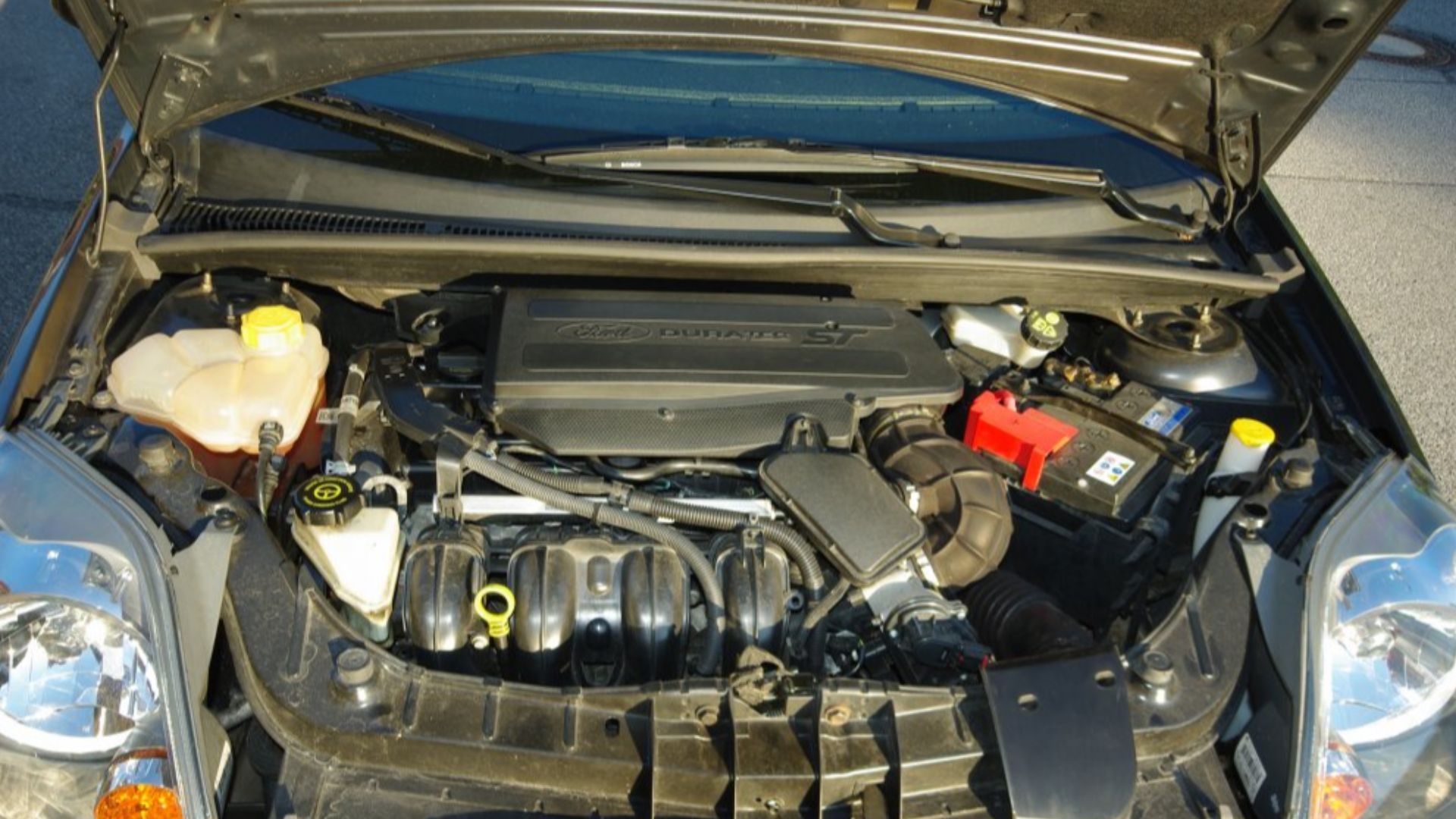
Dual Overhead Cams Improved Efficiency
Most Duratec engines used dual overhead camshaft layouts with four valves per cylinder. This layout gave better airflow and combustion efficiency, helping the engines produce competitive power with relatively smooth running.
Timing Chains Helped Durability
Many mechanics point to the use of timing chains instead of timing belts as one reason Duratec engines developed strong reliability reputations. Timing chains generally last much longer and reduce the risk of catastrophic failures caused by neglected belt replacements.
 Stephen Foskett, Wikimedia Commons
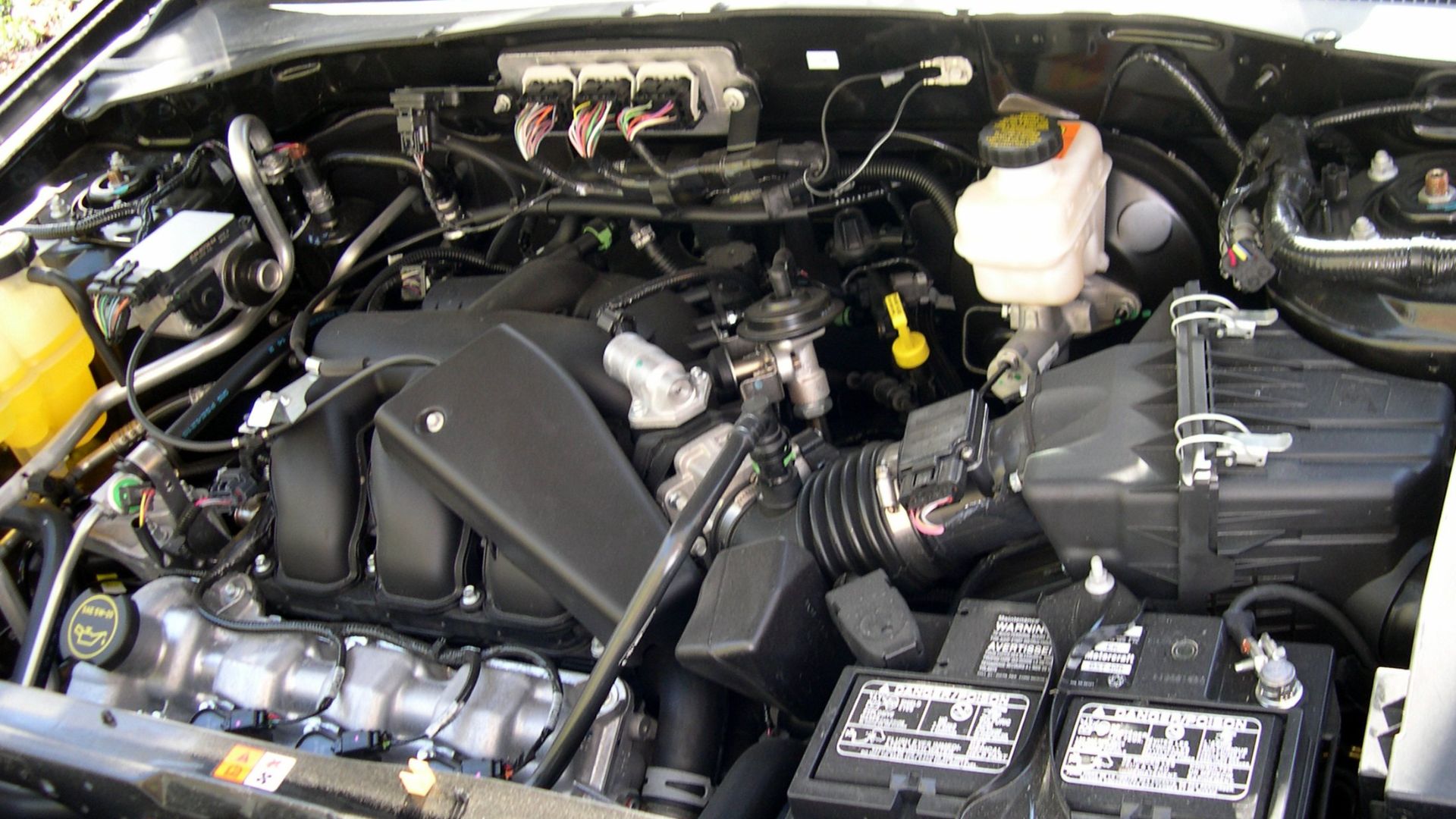
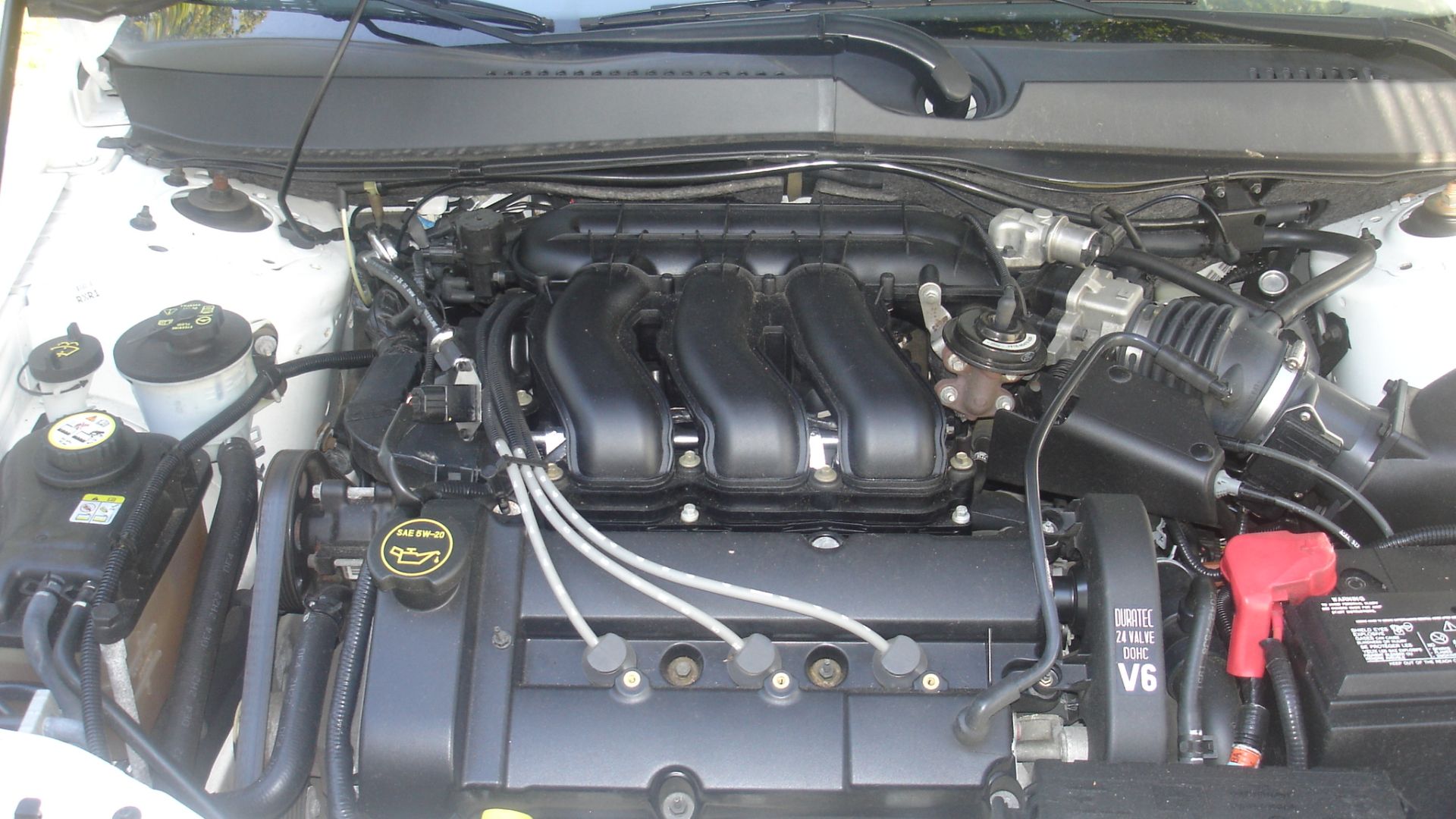
The 3.0-Liter Duratec Became Legendary
The 3.0-liter Duratec V6 became one of Ford’s most respected engines during the 2000s. Used in vehicles ranging from the Taurus to the Escape and Fusion, the engine earned praise for surviving well past 200,000 miles with proper maintenance.
 Karrmann at English Wikipedia, Wikimedia Commons
Ford Escape Owners Praised The Engine
The Duratec-powered Ford Escape developed a particularly strong reputation among owners. Many drivers reported high mileage durability even under difficult conditions, including towing, cold climates, and years of commuting with only routine maintenance and occasional wear-item replacements.
 Mr.choppers, Wikimedia Commons
The 2.5-Liter Inline-Four Earned A Cult Following
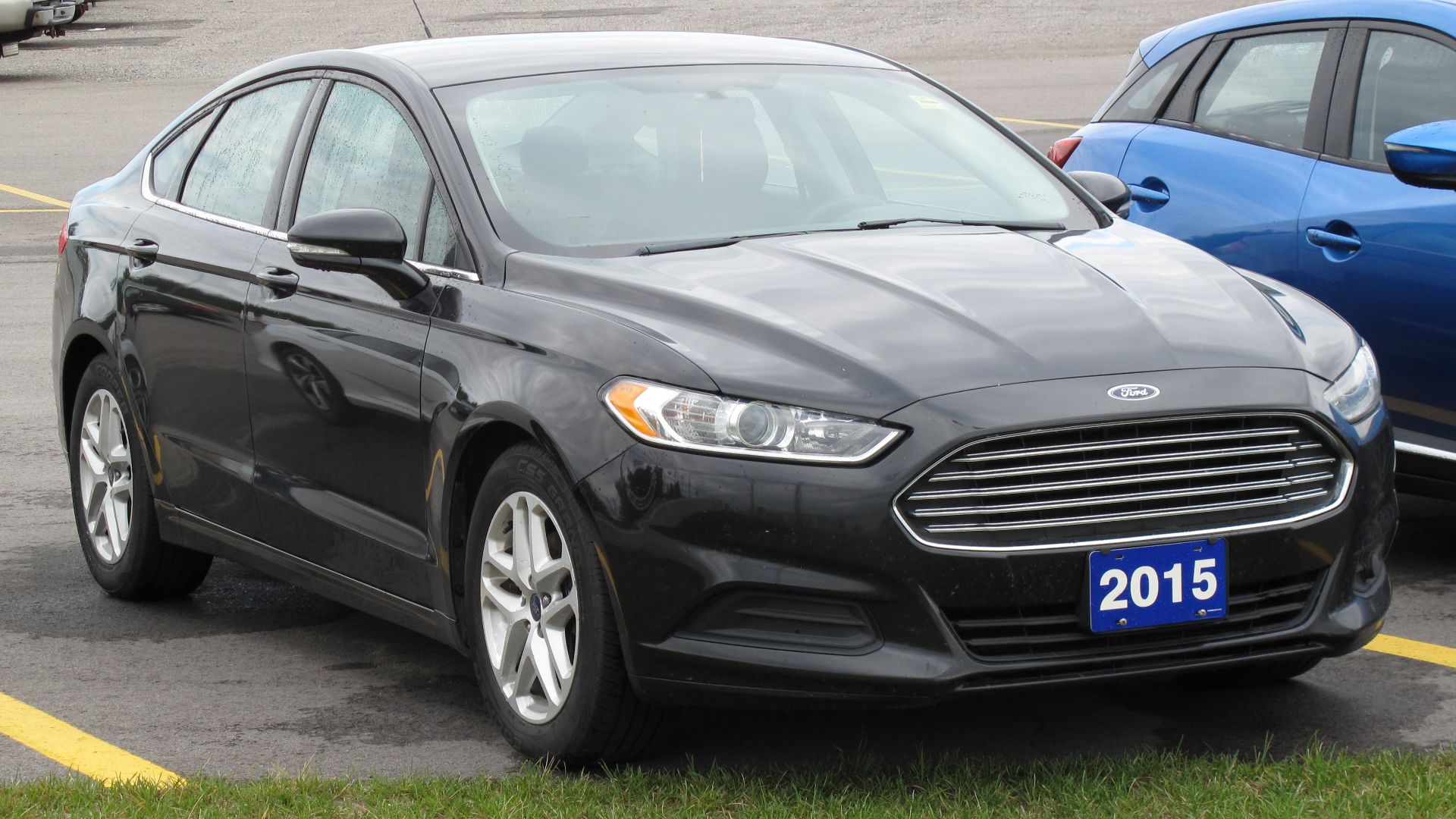
The 2.5-liter Duratec inline-four became especially popular among used car buyers. Installed in vehicles like the Ford Fusion and Escape, the engine gained recognition for routinely reaching extremely high mileage with few internal engine problems.
Simplicity Helped Longevity
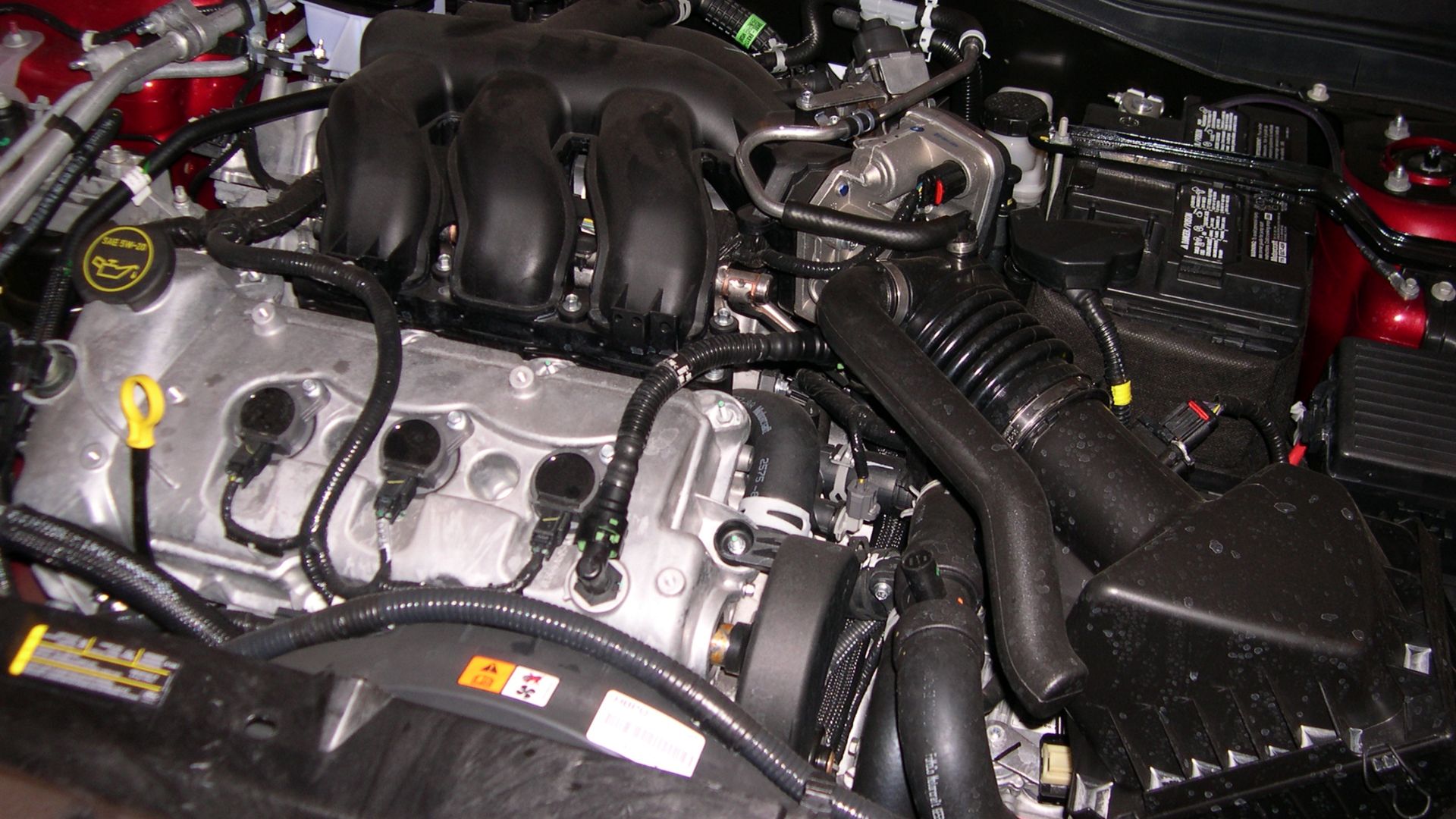
Part of the Duratec’s durability came from relatively simple naturally aspirated designs. Unlike many modern turbocharged engines, several Duratec variants avoided excessive complexity, reducing heat stress and minimizing the number of expensive components likely to fail.
The Engine Tolerated Neglect
Mechanics often note that Duratec engines can survive poor maintenance better than many competitors. While regular oil changes remain important, numerous examples have continued operating reliably despite years of delayed service and high mileage use.
Taxi Fleets Proved Reliability
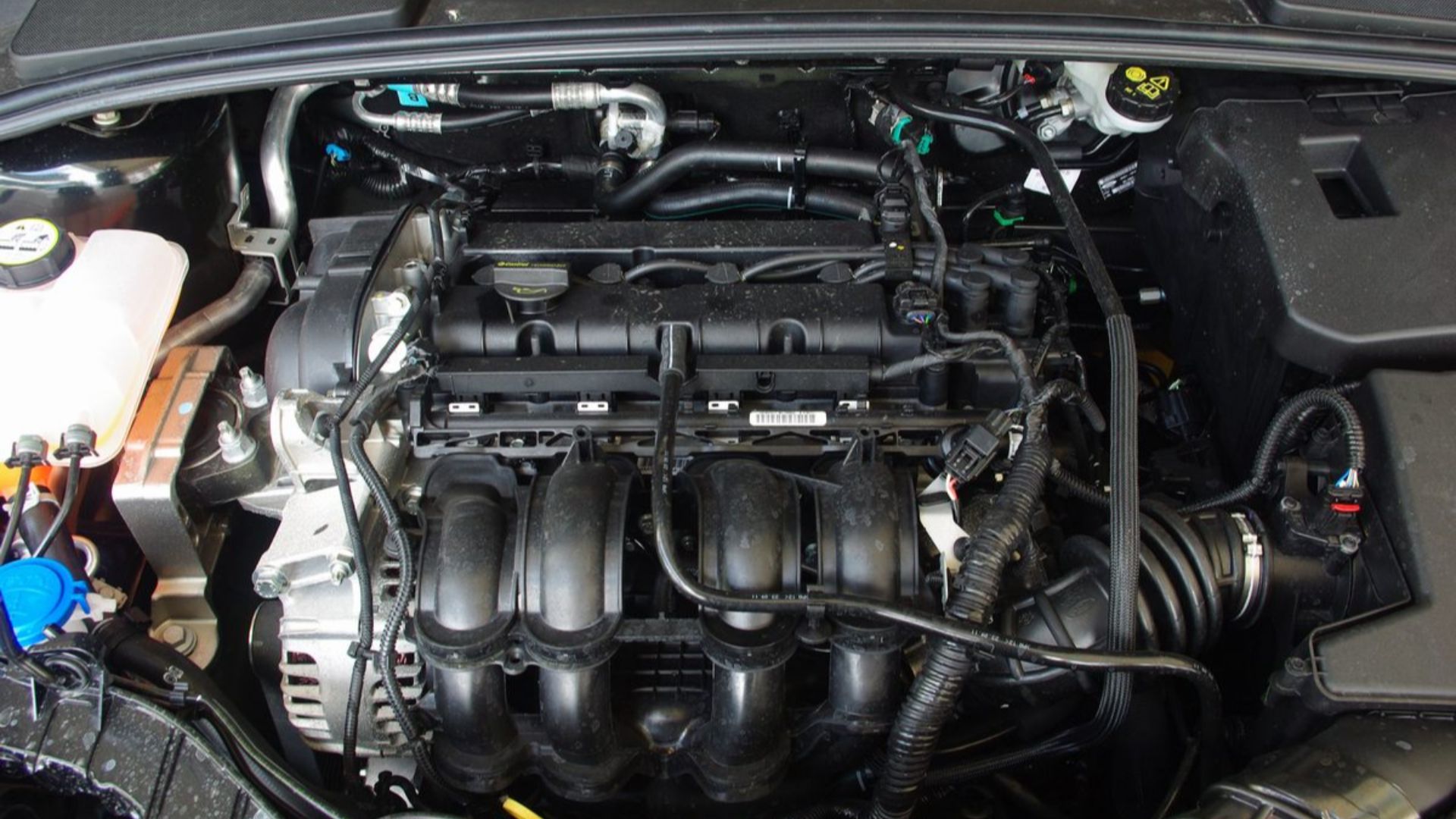
Duratec-powered Ford sedans frequently appeared in taxi and fleet service during the 2000s. Fleet operators valued the engines because they could endure constant operation, heavy idling, and long mileage accumulation without requiring frequent rebuilds or major repairs.
Strong Cooling System Design
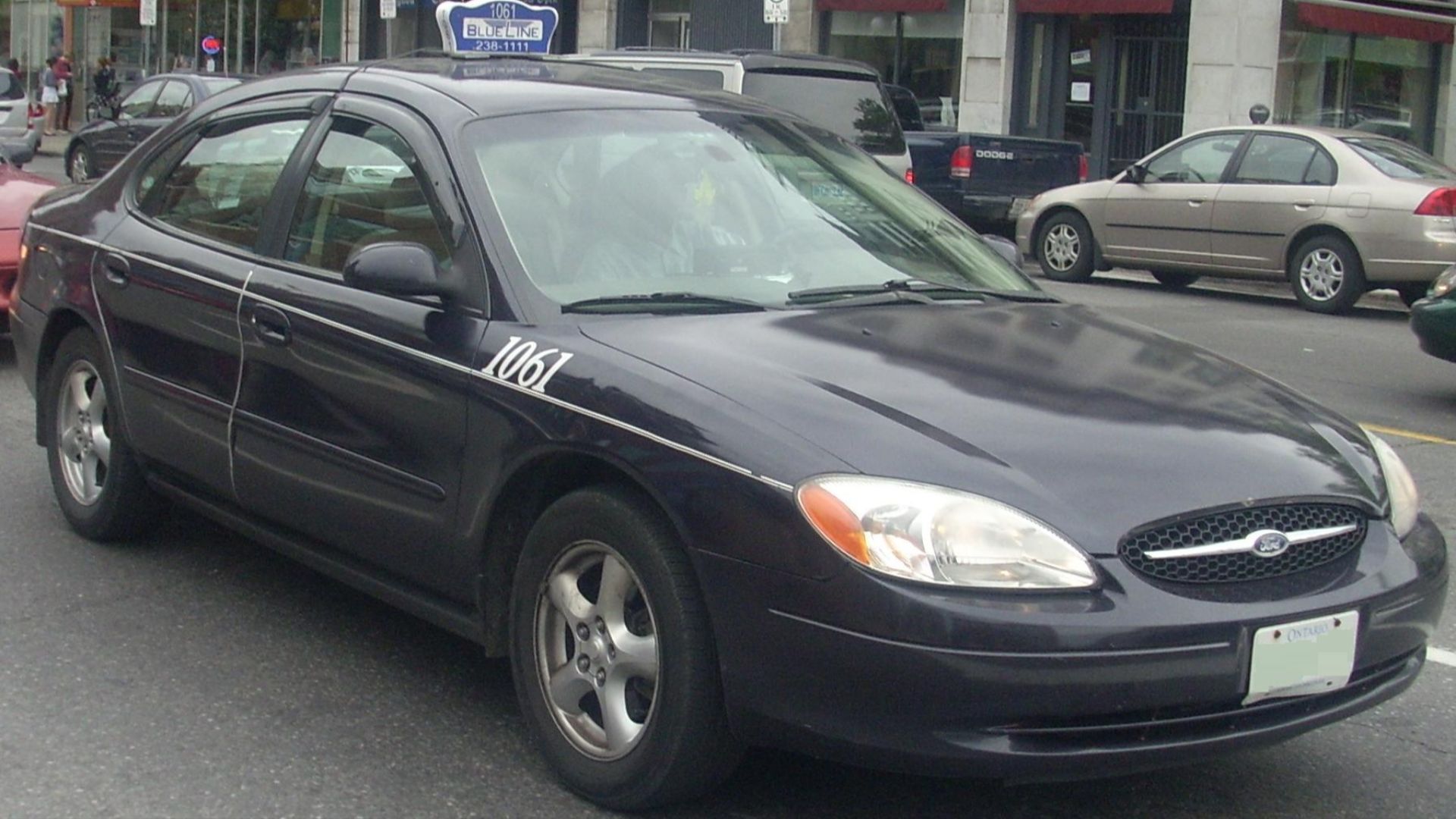
Many Duratec engines developed reputations for stable cooling performance. Compared with some competing engines prone to overheating or head gasket failures, properly maintained Duratec variants often handled heat management surprisingly well over extended ownership periods.
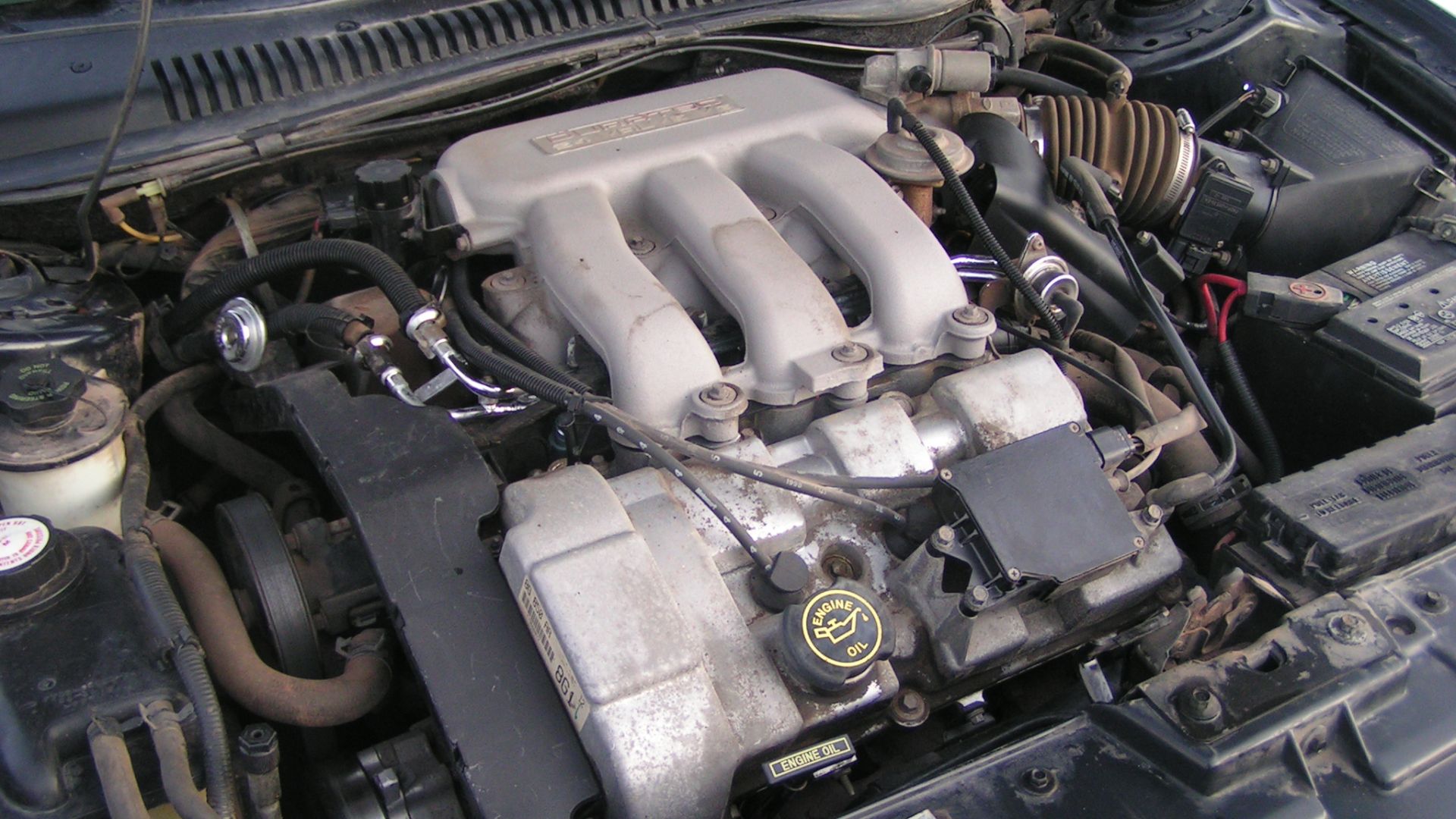 dave_7 from Lethbridge, Canada, Wikimedia Commons
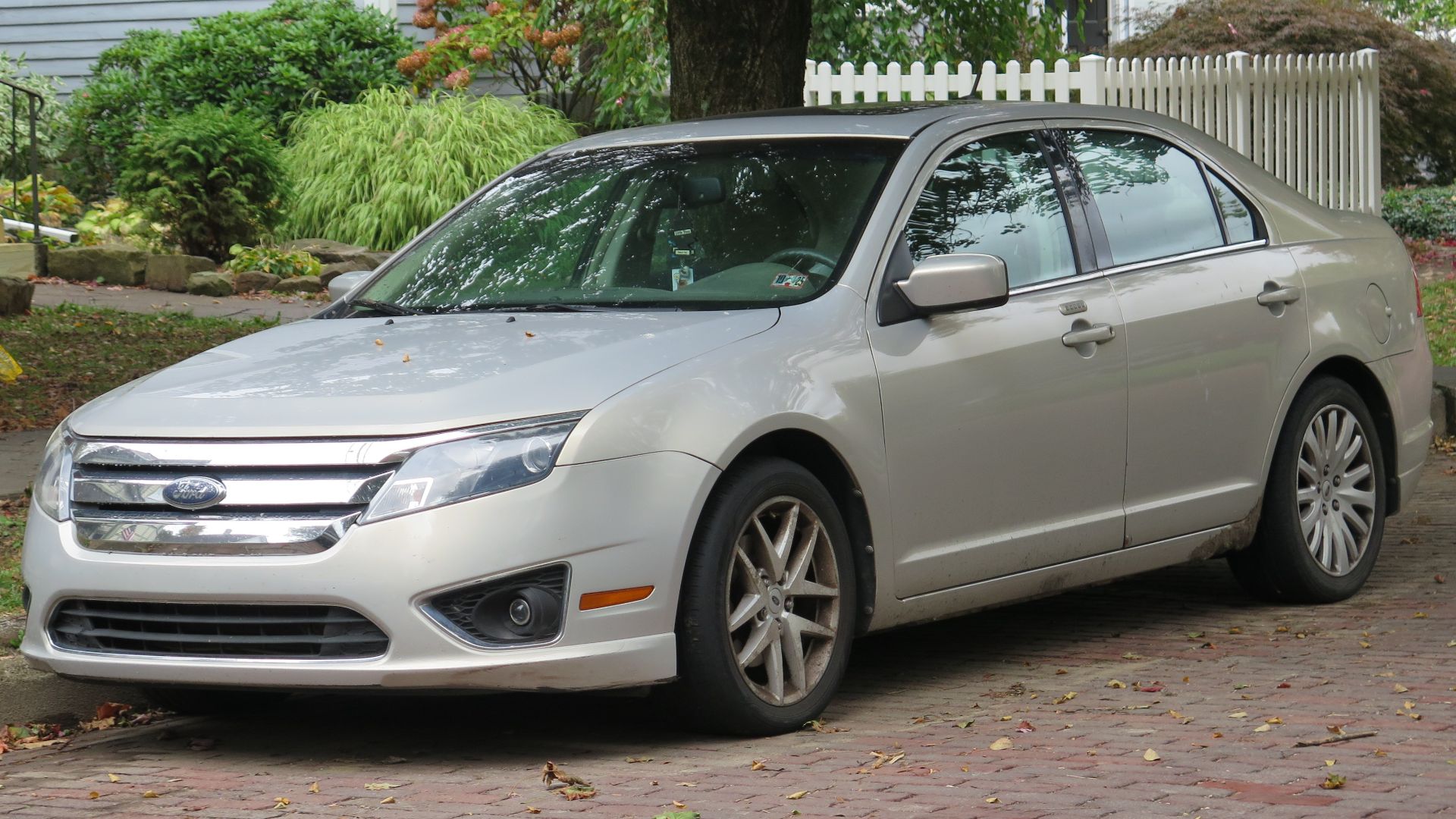
The Fusion Became A Reliability Favorite
The Ford Fusion equipped with the 2.5-liter Duratec became especially respected among used car shoppers seeking dependable transportation. Owners frequently reported surpassing 250,000 miles while facing relatively modest repair costs compared with many competing midsize sedans.
Some Versions Used Variable Valve Timing
As emissions standards tightened during the 2000s, Ford updated several Duratec engines with variable valve timing technology. These improvements helped maintain competitive fuel economy and power output without affecting the engine's underlying reliability.
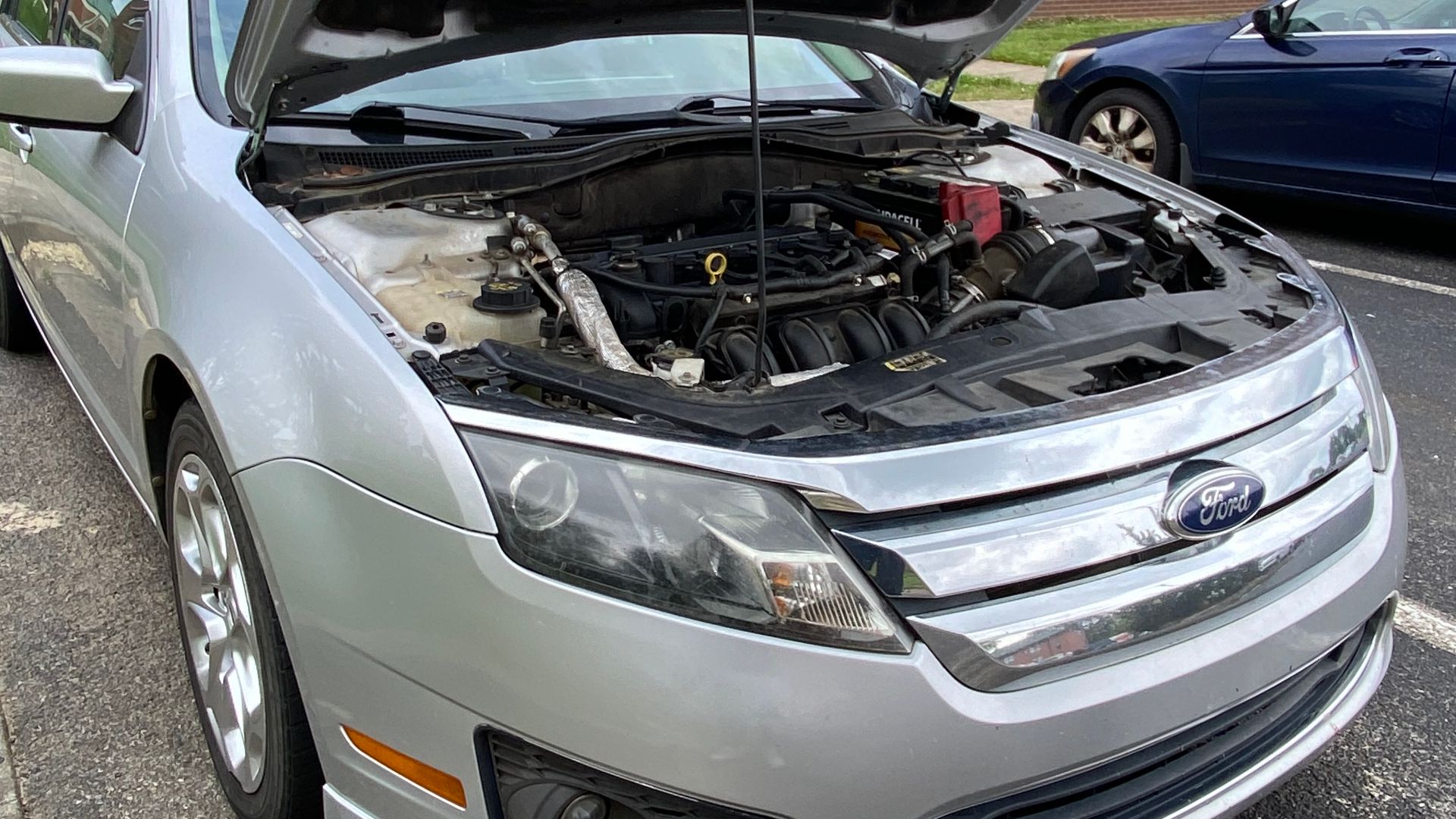 Supersonic7654, Wikimedia Commons
Water Pumps Were One Notable Weakness
Despite their strong reputation, certain Duratec V6 engines developed issues involving internal water pumps. In some configurations, pump failures could leak coolant into the engine oil, potentially causing severe engine damage if not caught quickly. Defective water pumps in models with Duratec has become a class action ltitgation in Canada in 2022
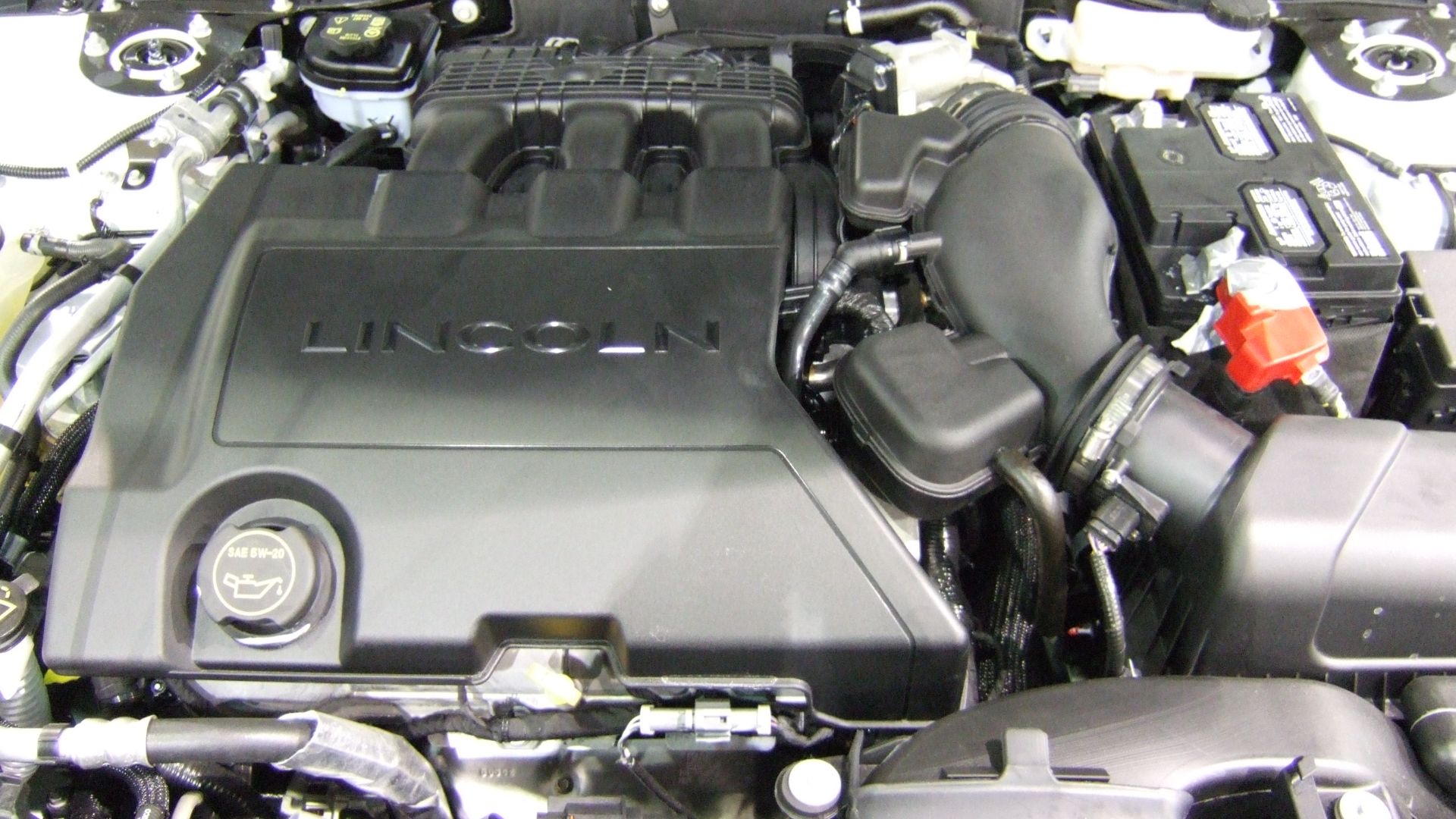 Analogue Kid at English Wikipedia, Wikimedia Commons
Ignition Coils Could Occasionally Fail
Another relatively common issue involved ignition coil failures, particularly on higher mileage engines. While usually inexpensive to repair, failing coils could cause rough running, misfires, and reduced fuel economy until replaced.
Oil Leaks Appeared With Age
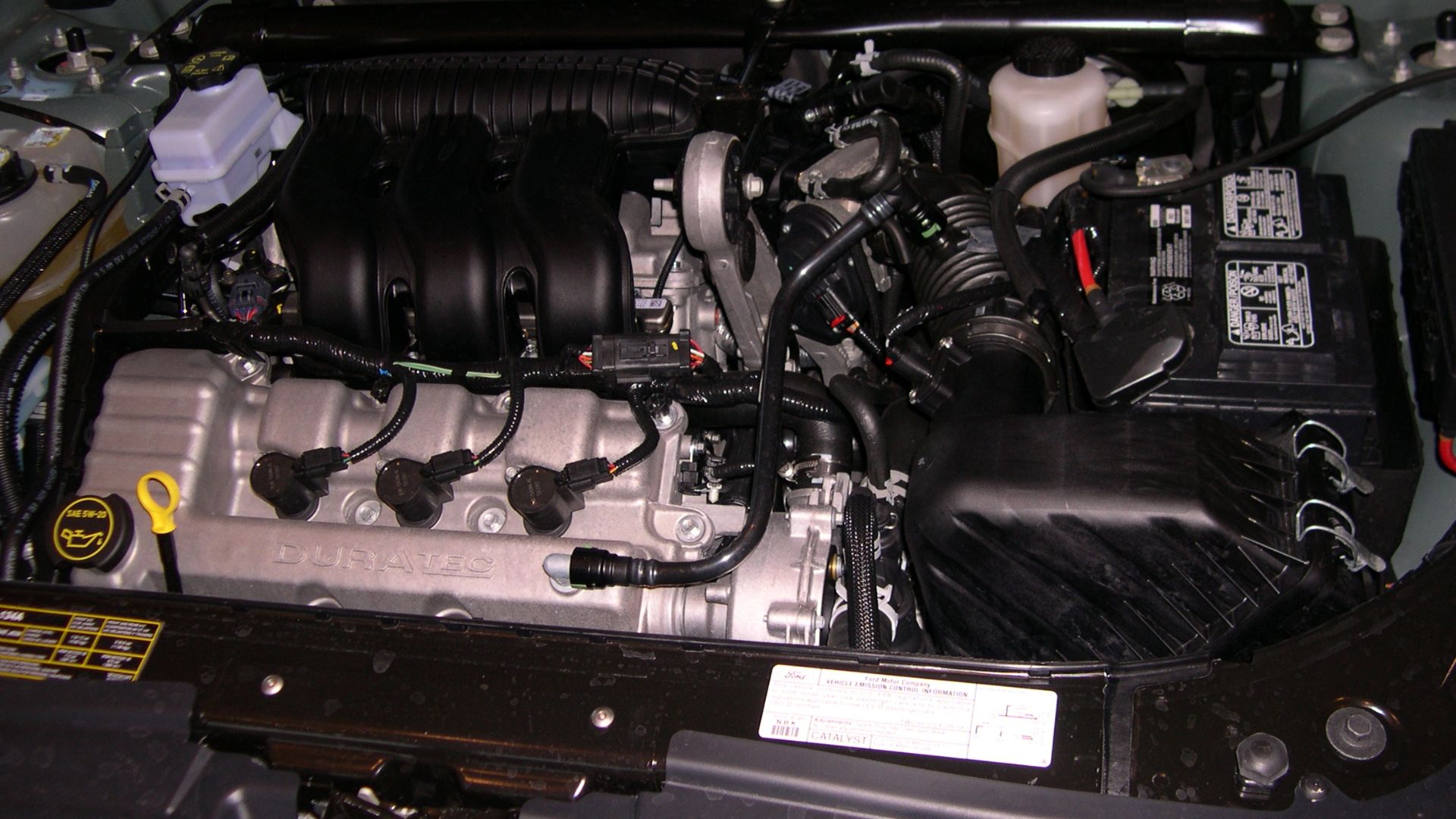
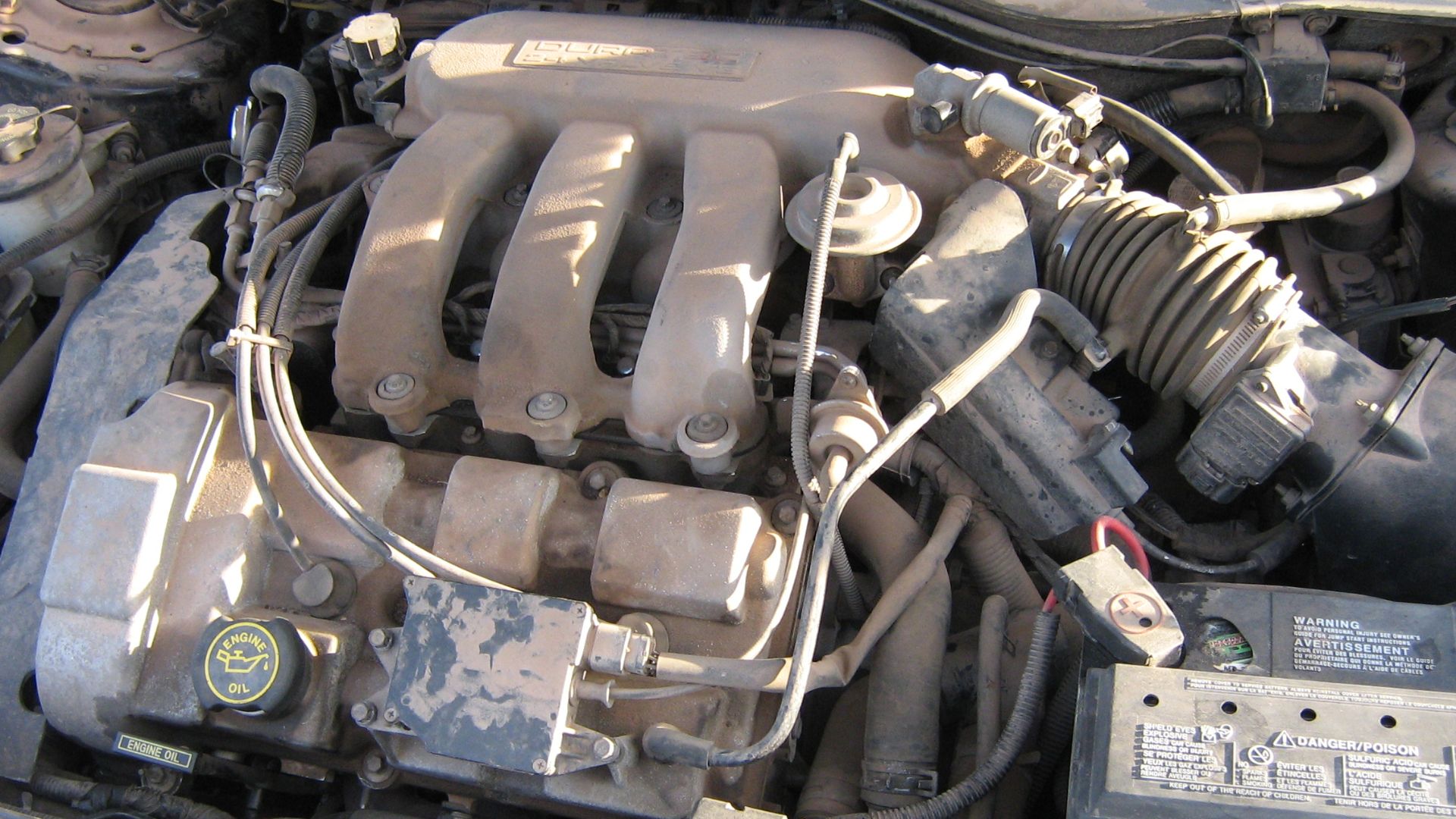
As many Duratec-powered vehicles aged, oil leaks from valve cover gaskets and seals became increasingly common. These leaks were generally manageable repairs rather than catastrophic failures, but they became familiar maintenance items for long-term owners.
 dave_7 from Lethbridge, Canada, Wikimedia Commons
Rust Often Killed The Cars First
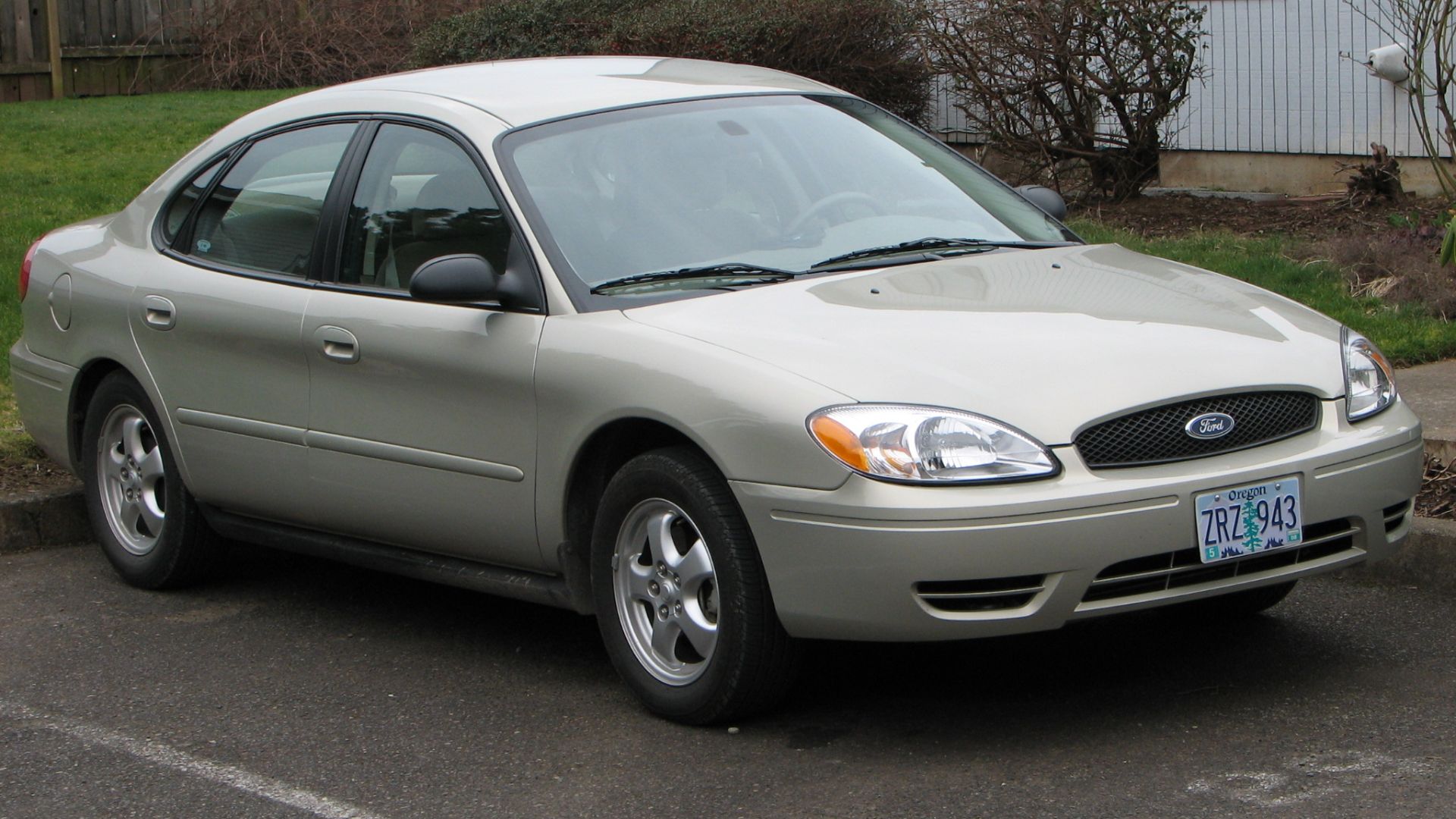
In northern climates, mechanics frequently joked that the vehicle surrounding the Duratec would rust apart before the engine itself failed. Many owners scrapped otherwise functional cars because body corrosion or transmission issues became uneconomical long before the engine wore out.
Enthusiasts Still Seek Out Duratec Cars
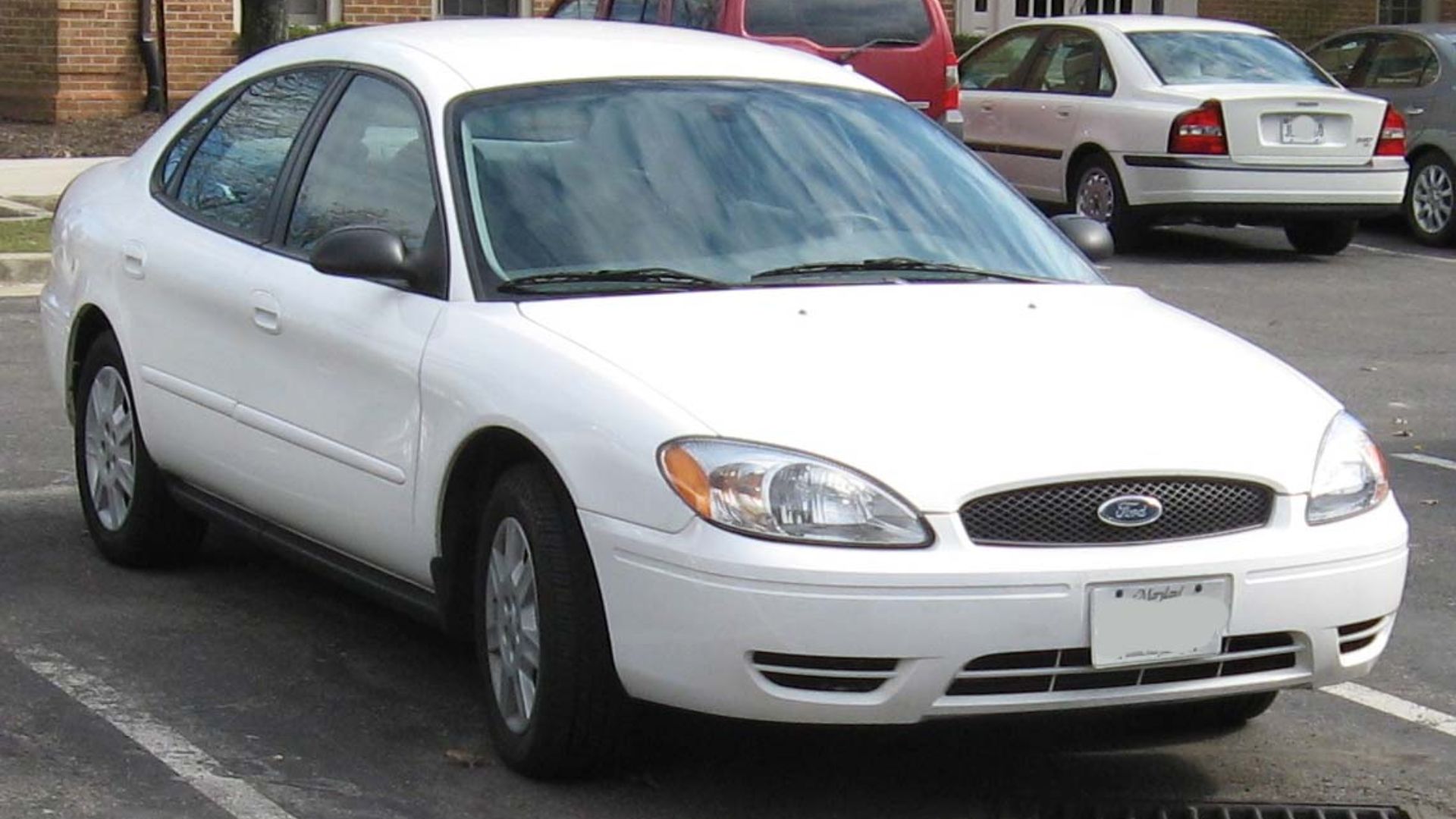
Even today, certain Duratec-powered vehicles maintain loyal followings among enthusiasts and budget-minded buyers. The combination of affordability, simple maintenance, and proven longevity continues attracting people searching for dependable older Ford products.
Modern Turbos Changed Ford’s Direction
During the 2010s, Ford shifted heavily toward smaller turbocharged EcoBoost engines. While these newer engines offered more power and efficiency, many mechanics still view the naturally aspirated Duratec family as easier to maintain and potentially longer lasting over very high mileage.
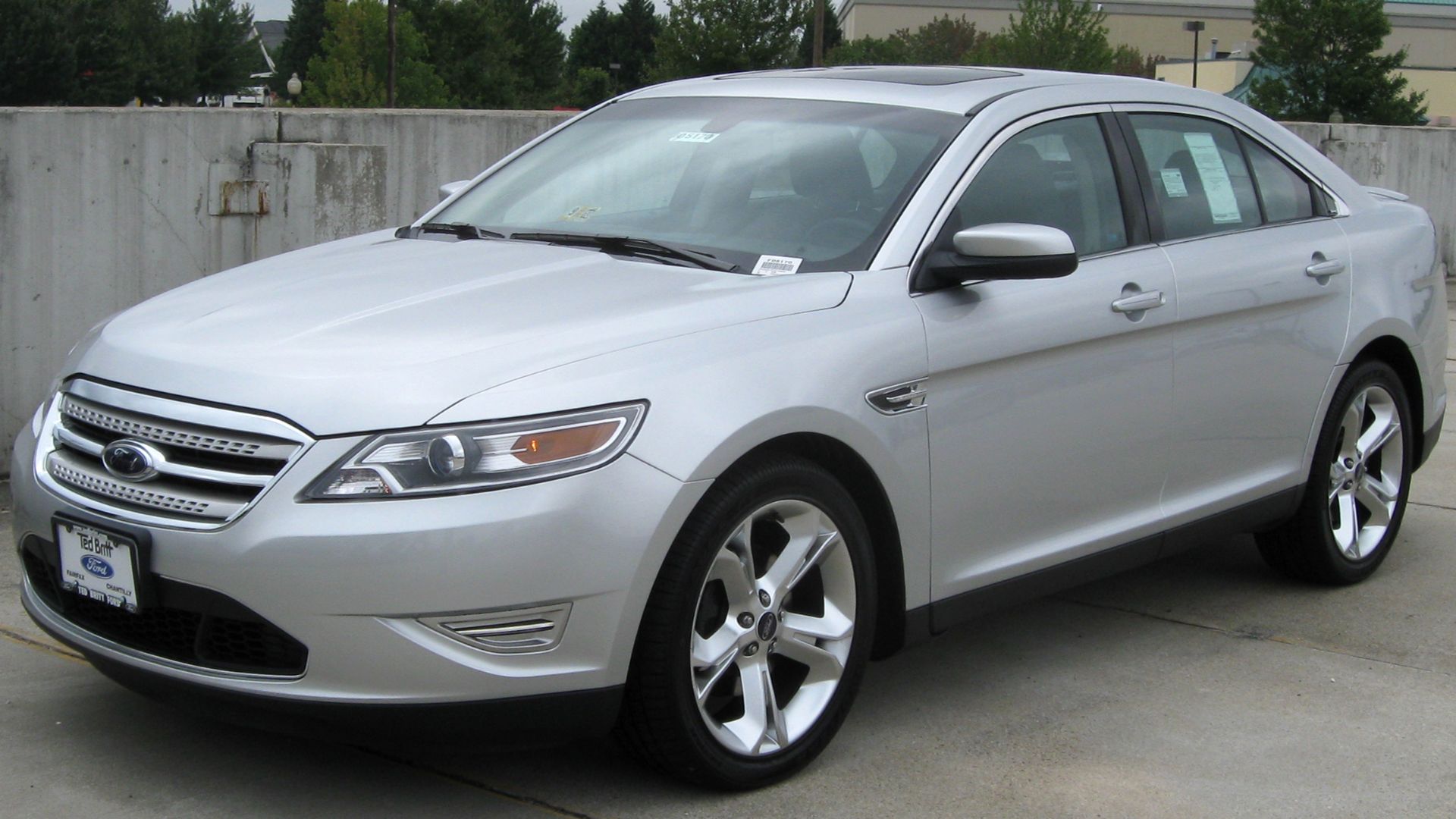
Why Mechanics Still Respect The Duratec
The Duratec family earned its reputation through millions of miles of real-world service across countless vehicles. While no engine is truly indestructible, the Duratec consistently demonstrated an ability to survive hard use, neglected maintenance, and enormous mileage totals better than many competing engines of its era.
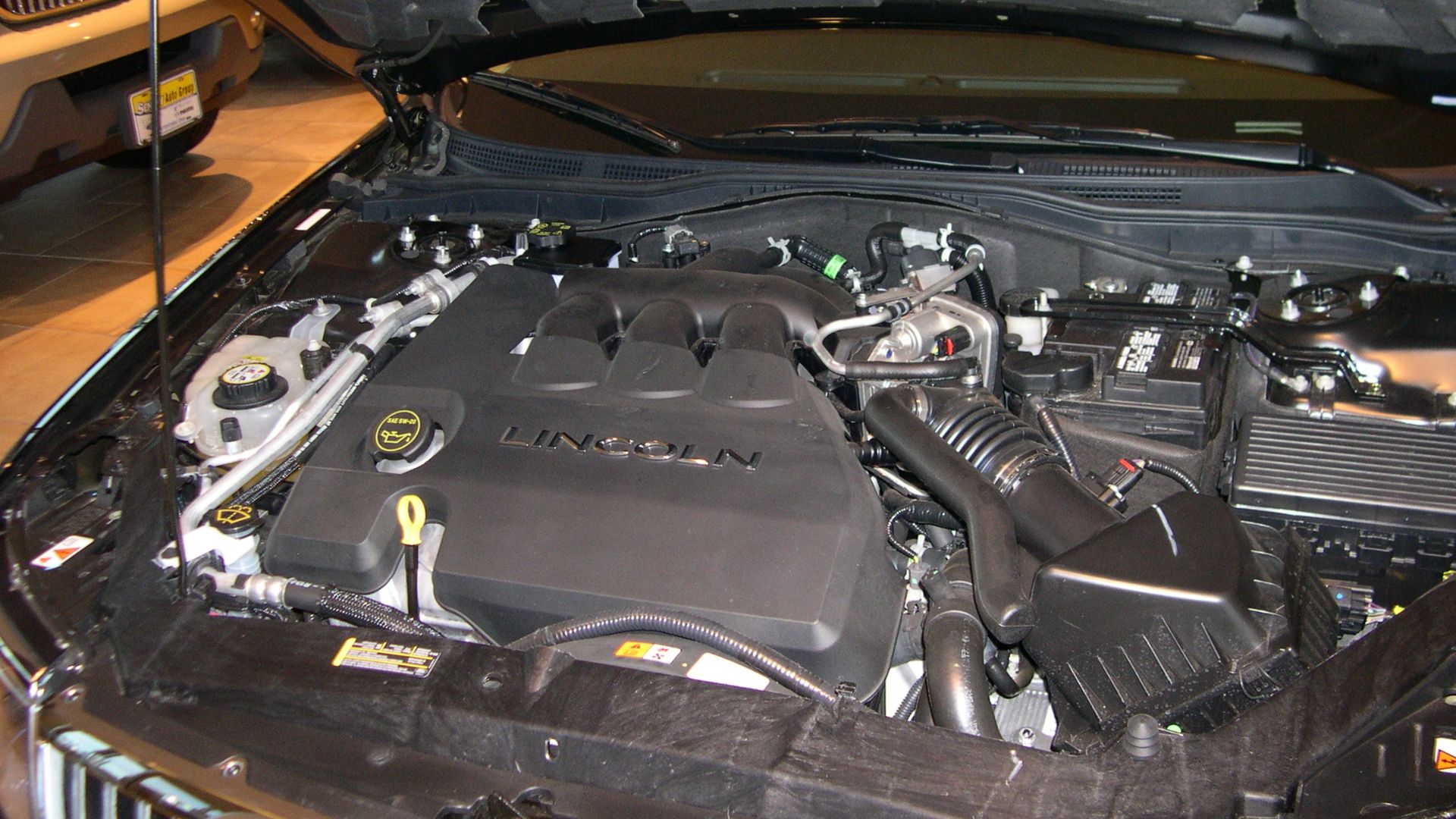
Ford’s Bulletproof Motor
More than three decades after its introduction, the Duratec remains one of Ford’s most respected engine families. Its blend of simplicity, durability, and broad availability helped make it a favorite among mechanics, fleet operators, and used car buyers searching for long-term reliability without excessive repair costs.
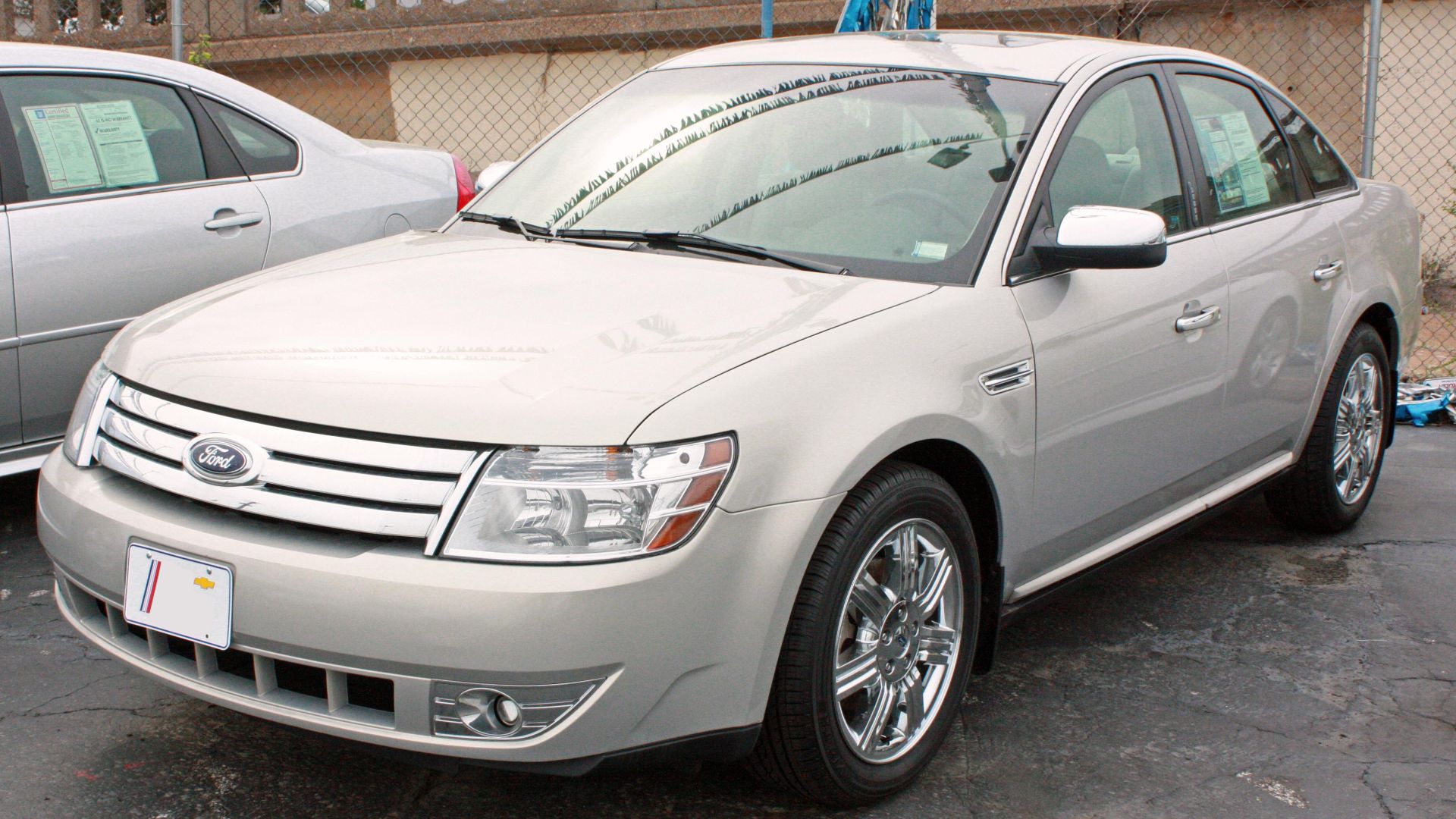 Ryanandlenny, Wikimedia Commons
You May Also Like:
The Best Affordable Turbocharged Cars
Everyone Remembers The Hemi Cuda, But These Muscle Classics Would Have Left It In Their Dust
The Most Overbuilt Engines Ever Made—And Why They’re Still Running Decades Later