
The Best Cars Do Not Always Show Off
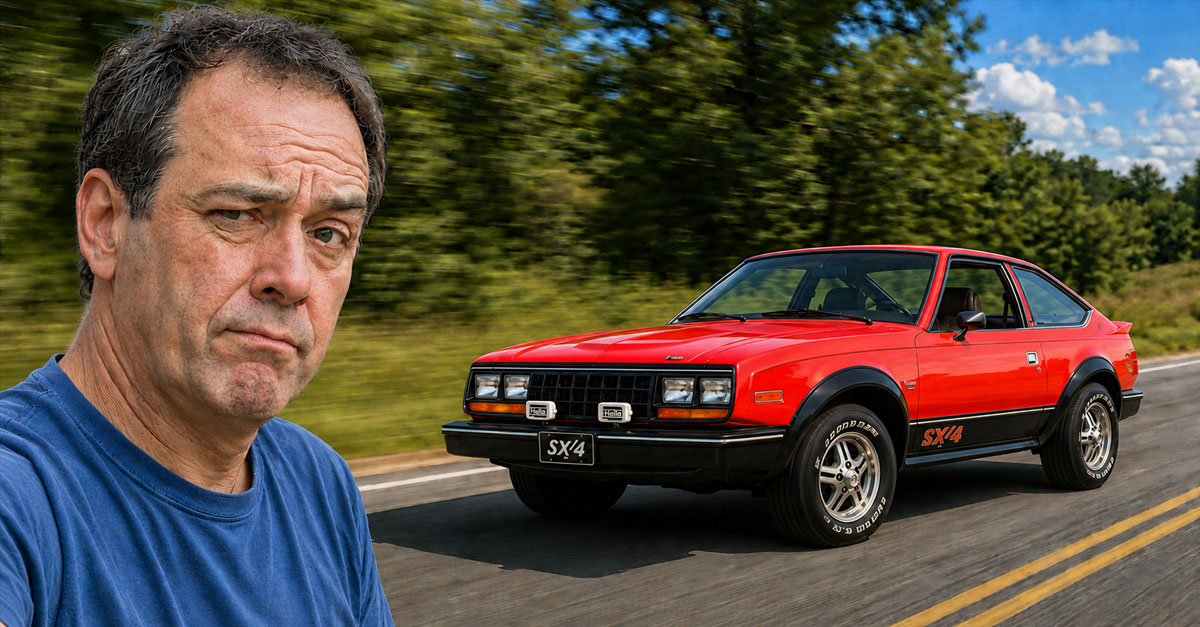
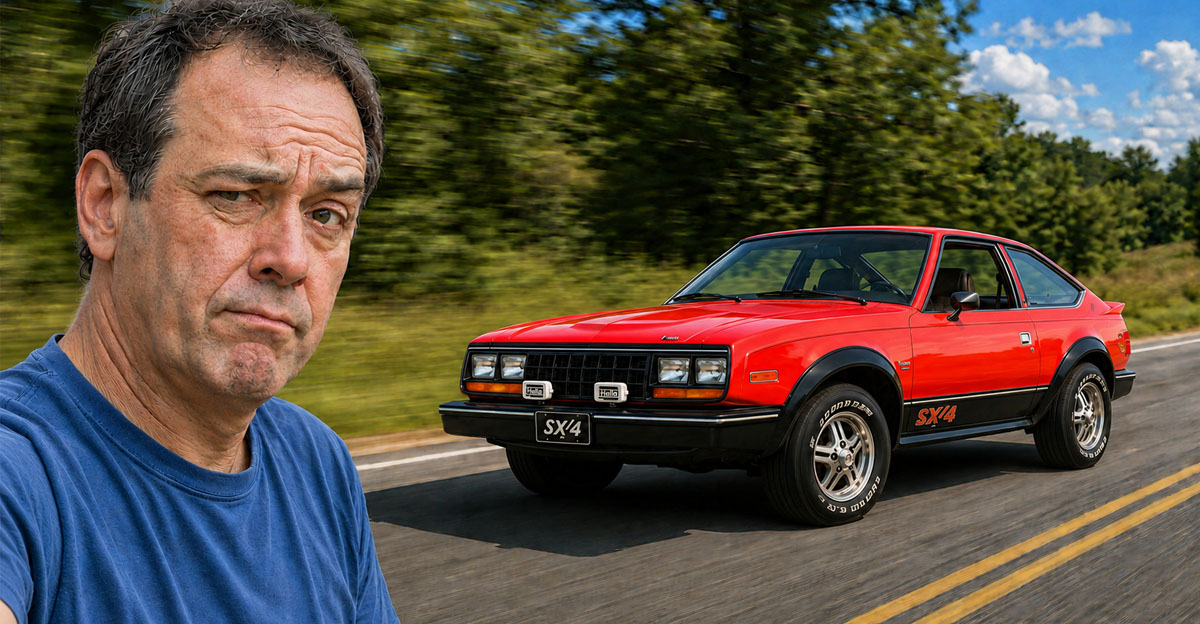
Some cars announce themselves with giant spoilers, bright paint, and roaring exhausts. Others resemble sensible family transportation until someone explains what makes them special. By offering surprising performance, unusual engineering, or unmatched practicality, these understated machines quietly developed a loyal cult following.
The Volvo 240
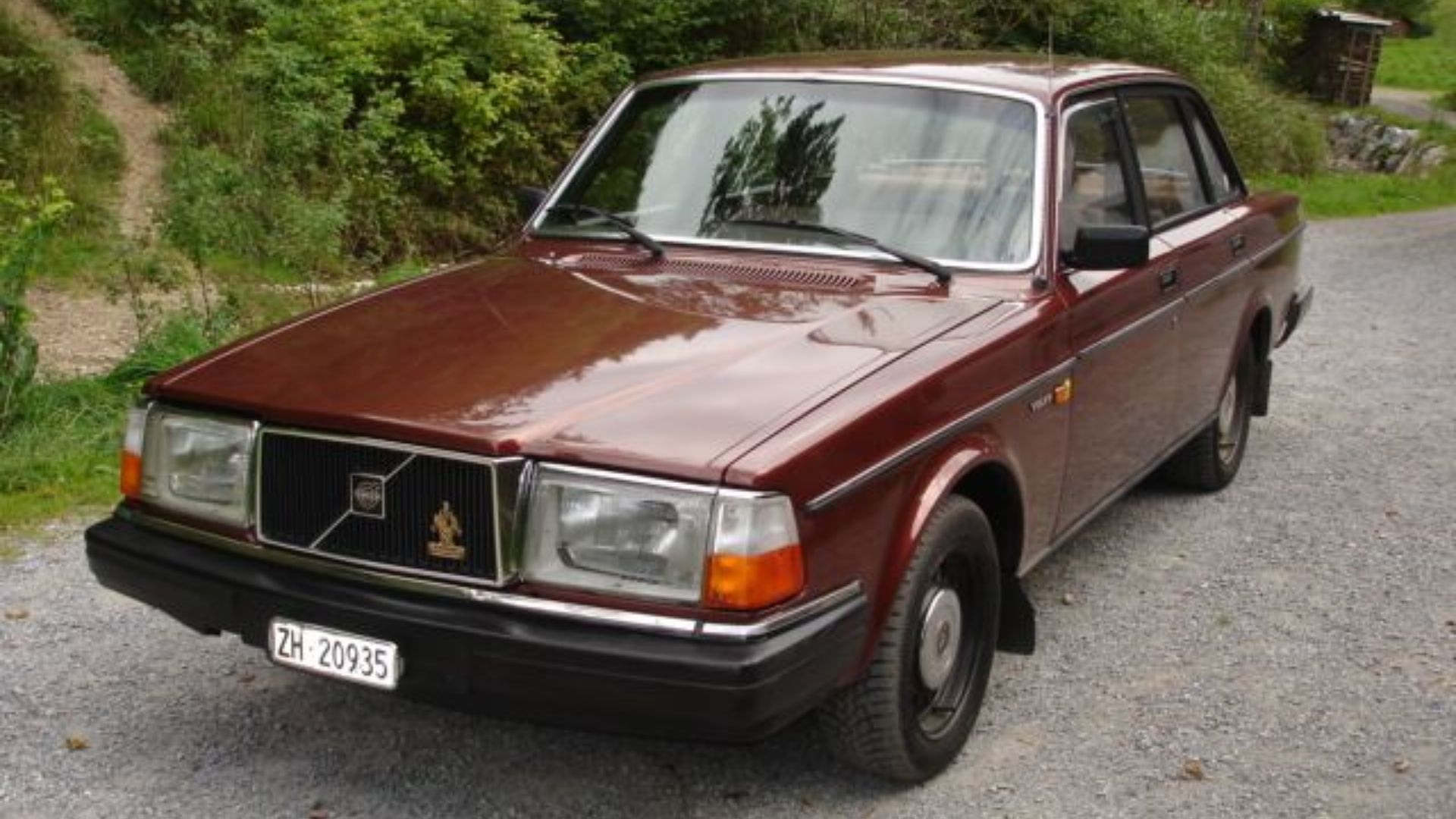
The Volvo 240’s upright body, flat surfaces, and enormous glass area made it look relentlessly practical. Volvo produced the series from 1974 through 1993, giving it an unusually long life by modern standards. Sedans hauled commuters, while the boxy wagon became a familiar fixture outside schools, universities, and hardware stores.
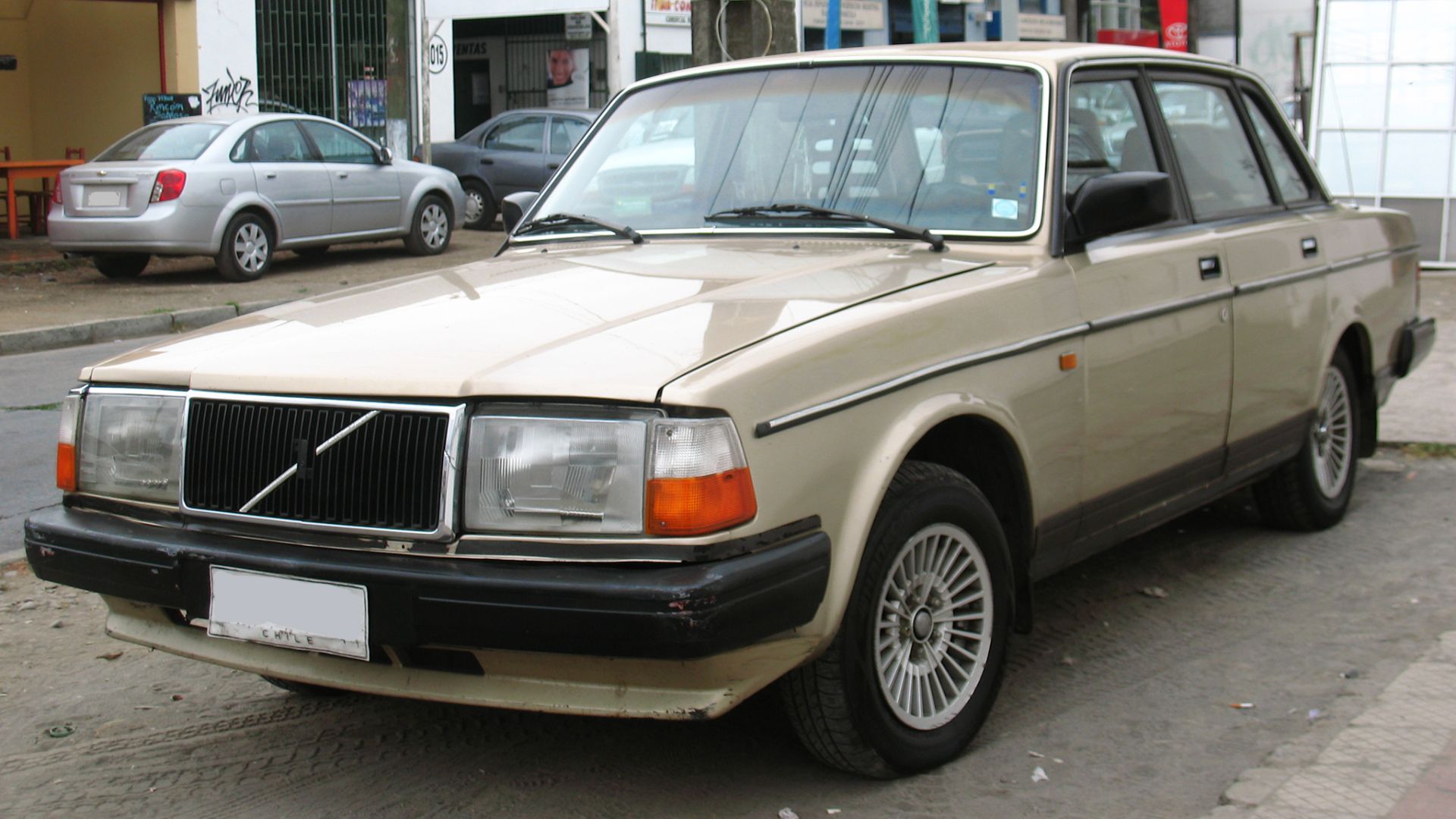 order_242 from Chile, Wikimedia Commons
Its Simplicity Became Its Superpower
Rear-wheel drive, durable engines, and relatively straightforward mechanical systems helped many 240s survive for decades. Enthusiasts also discovered that the roomy engine compartment and robust platform welcomed repairs, restorations, and performance modifications. A car once associated with cautious parents gradually became a beloved symbol of function-first design.
The Saab 900
The classic Saab 900 appeared to be another sensible European hatchback, although its steep windshield and curved body gave it a slightly unusual silhouette. Its engine sat longitudinally but faced backward, and the ignition switch lived between the front seats. Those peculiar decisions made sense within Saab’s distinctive approach to safety, packaging, and front-wheel drive.
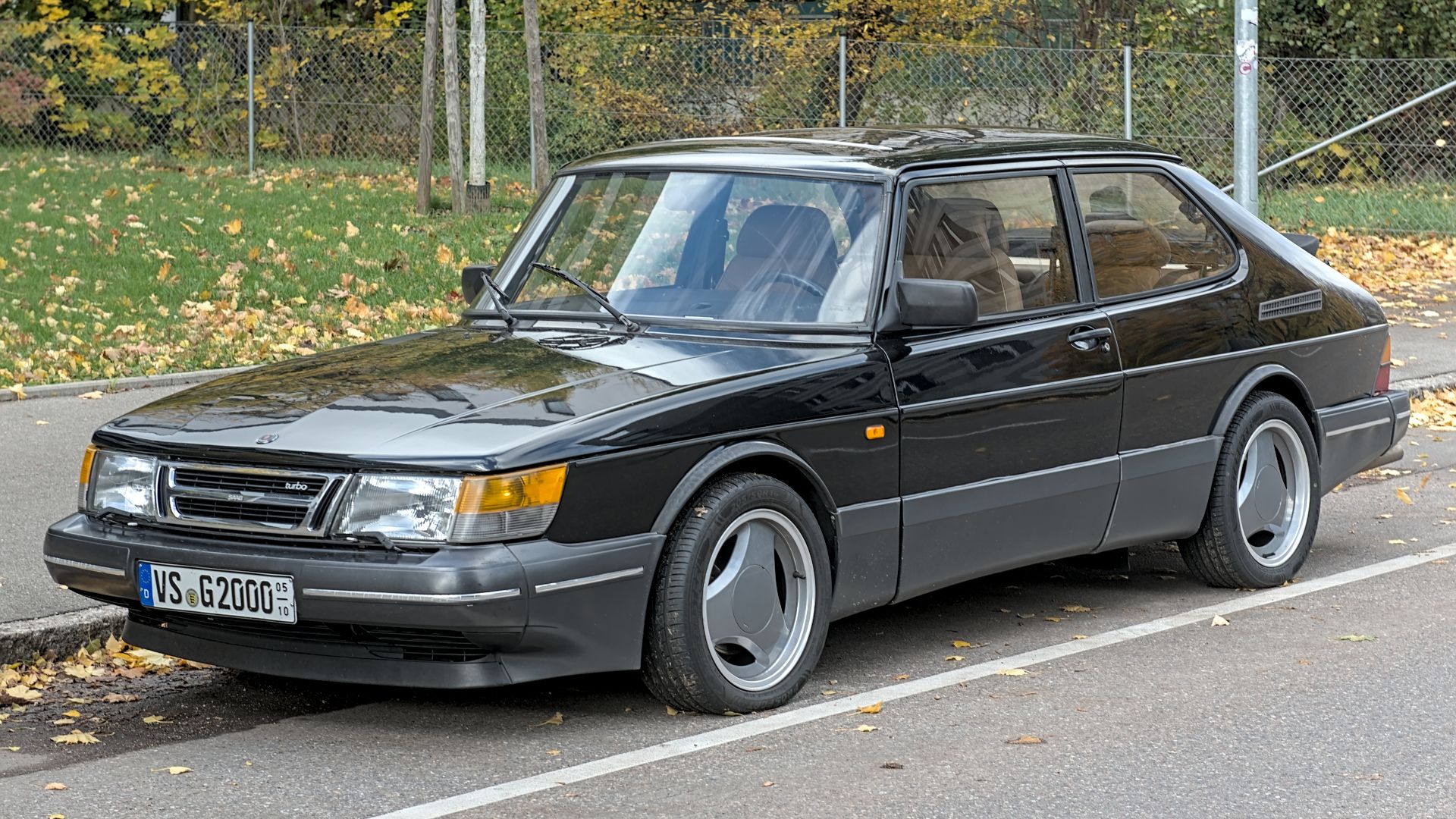 Alexander Migl, Wikimedia Commons
Owners Joined A Very Swedish Club
Turbocharged versions gave the 900 unexpected speed without erasing its everyday usefulness. The hatchback could carry a remarkable amount of cargo, while its driver-focused dashboard and unusual controls made every trip feel different. Saab’s eventual disappearance only strengthened the bond among enthusiasts determined to preserve the cars and their unconventional engineering.
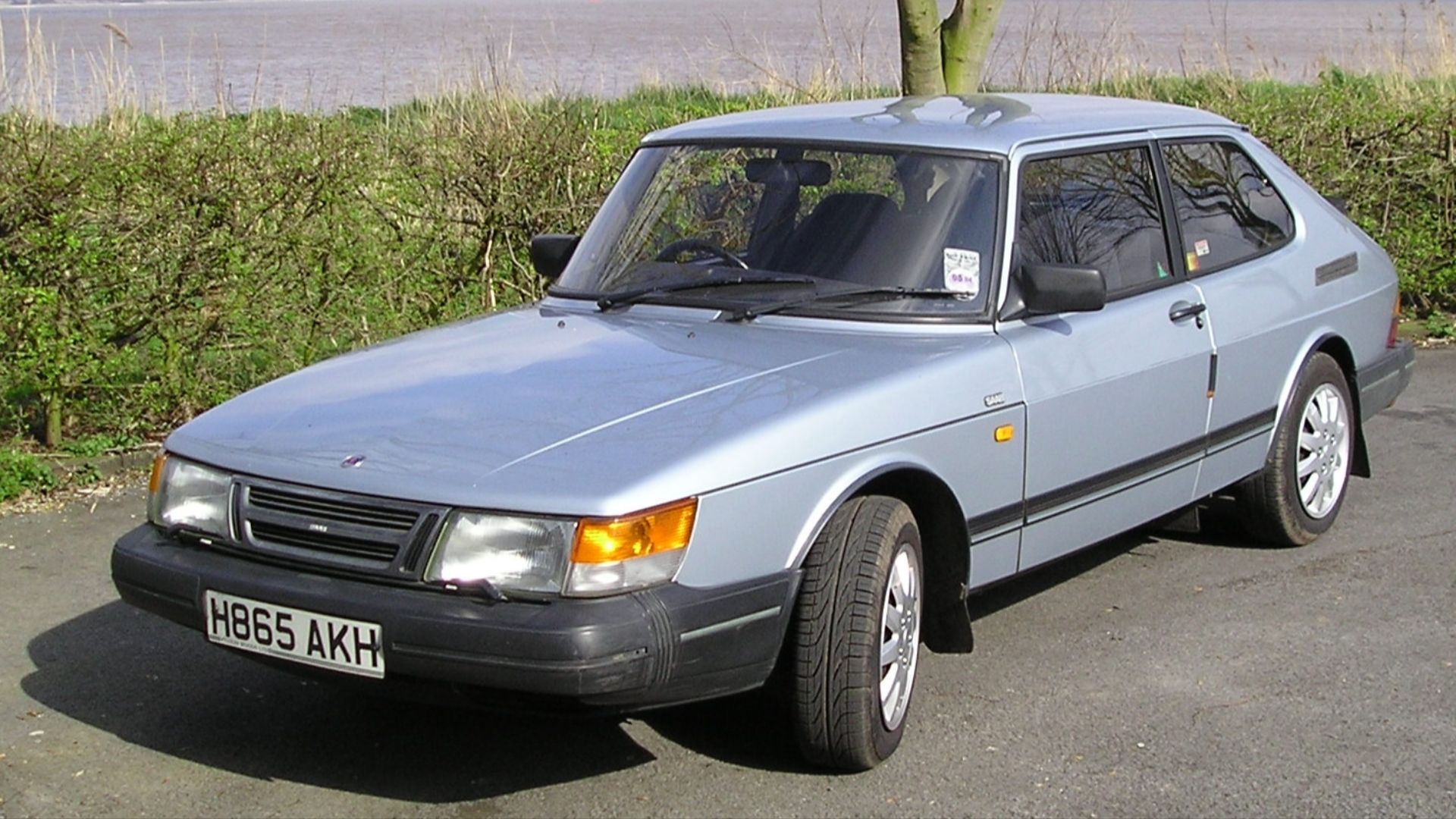 David Wright, Wikimedia Commons
The Honda Element
When Honda introduced the Element for 2003, its upright shape and contrasting body panels divided opinion. The wide-opening side doors, flat floor, and configurable rear seats mattered more than conventional beauty. Honda had designed it for active younger buyers, yet families, pet owners, campers, and small-business operators also recognized its usefulness.
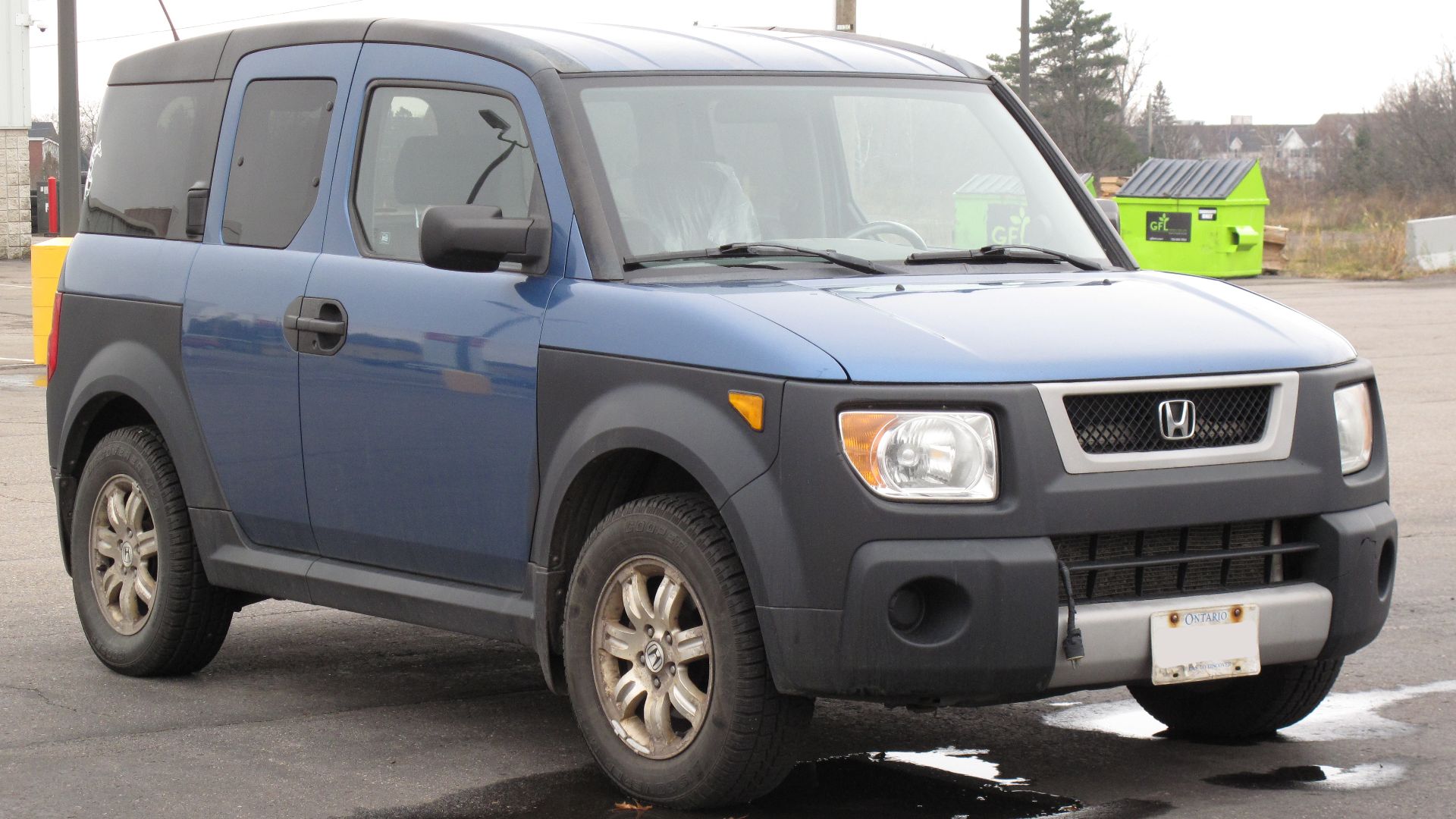
Its Practicality Aged Beautifully
Owners learned that the rear seats could fold against the walls or be removed, creating an unusually flexible cargo area. The durable interior and low step-in height made the Element particularly useful for outdoor equipment and dogs. Sales eventually declined and production ended after 2011, but the model retained such a strong following that clean used examples remained unusually desirable.
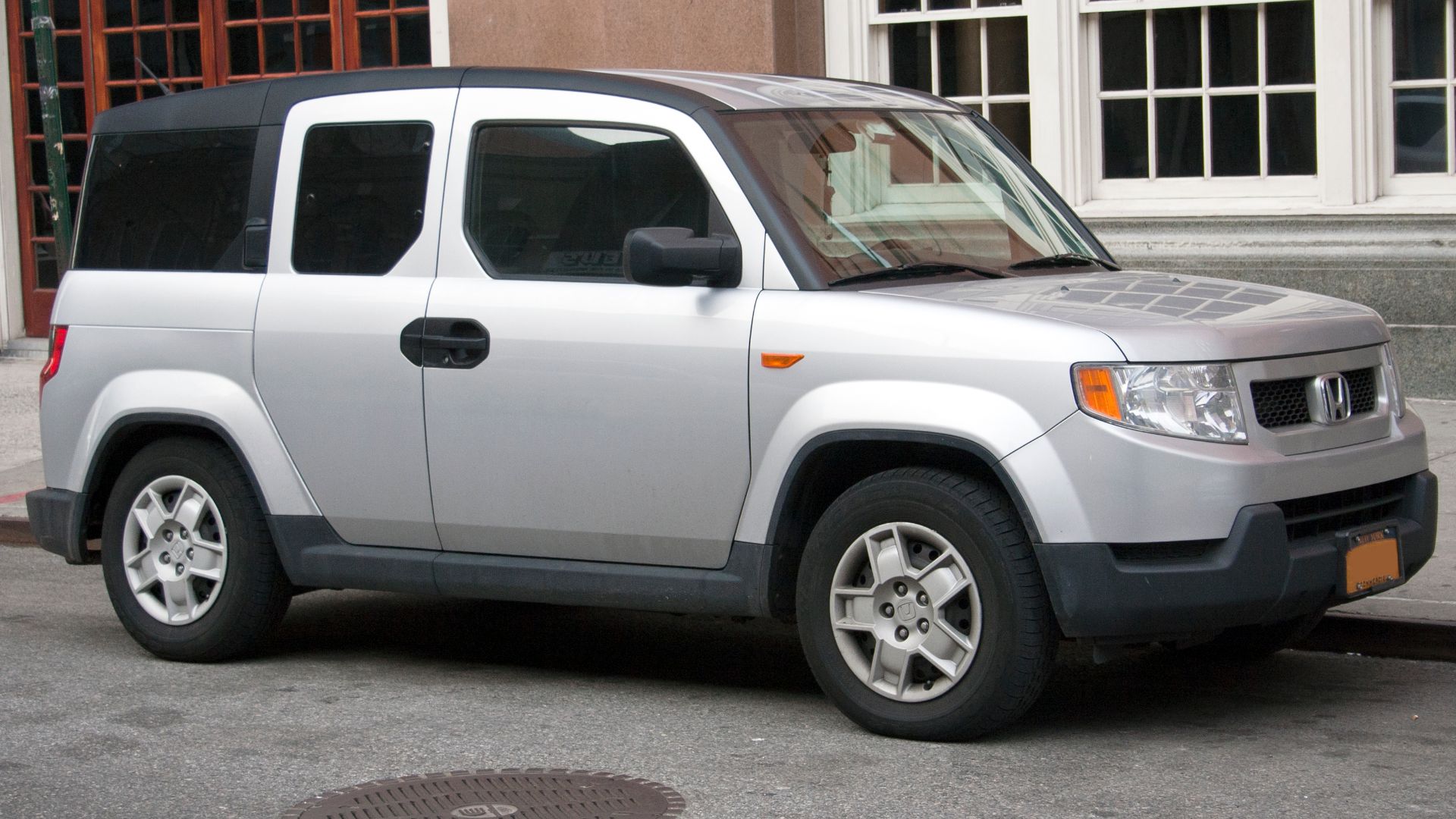 Mr.choppers, Wikimedia Commons
The Pontiac Vibe
At first glance, the Pontiac Vibe seemed like another tall compact hatchback from the early 2000s. It was created through a partnership between General Motors and Toyota, with Toyota engineering the vehicle and GM shaping its Pontiac identity. Production took place at the jointly operated NUMMI factory in Fremont, California.
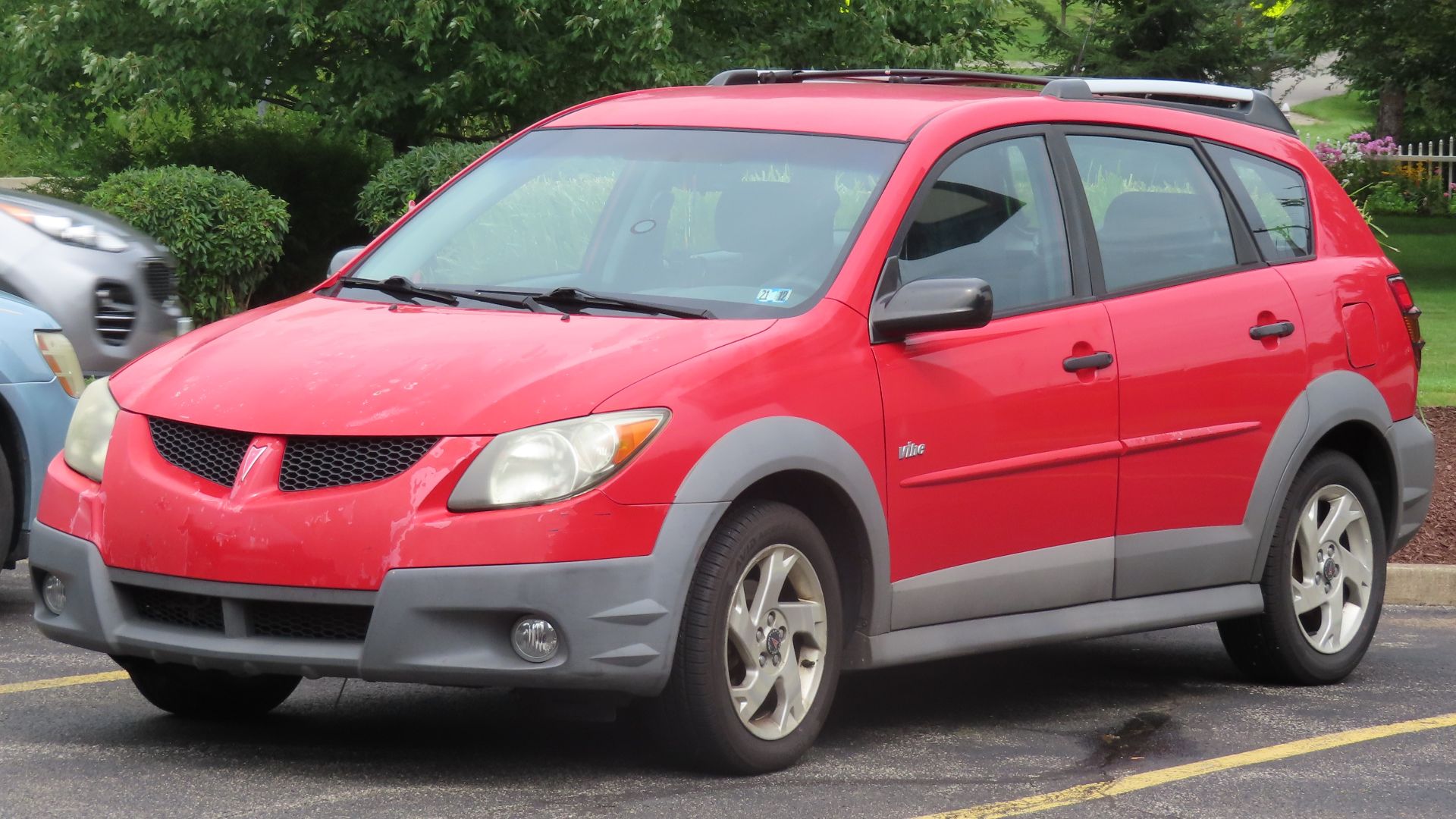 MercurySable99, Wikimedia Commons
Practical Buyers Eventually Caught On
The Vibe shared much of its mechanical foundation with the Toyota Matrix, giving buyers Toyota-derived engineering under a Pontiac badge. Its hatchback body, folding cargo surfaces, and available all-wheel drive made it more versatile than its modest appearance suggested. Enthusiasts later embraced the rarer Vibe GT, which paired a high-revving engine with a six-speed manual transmission.
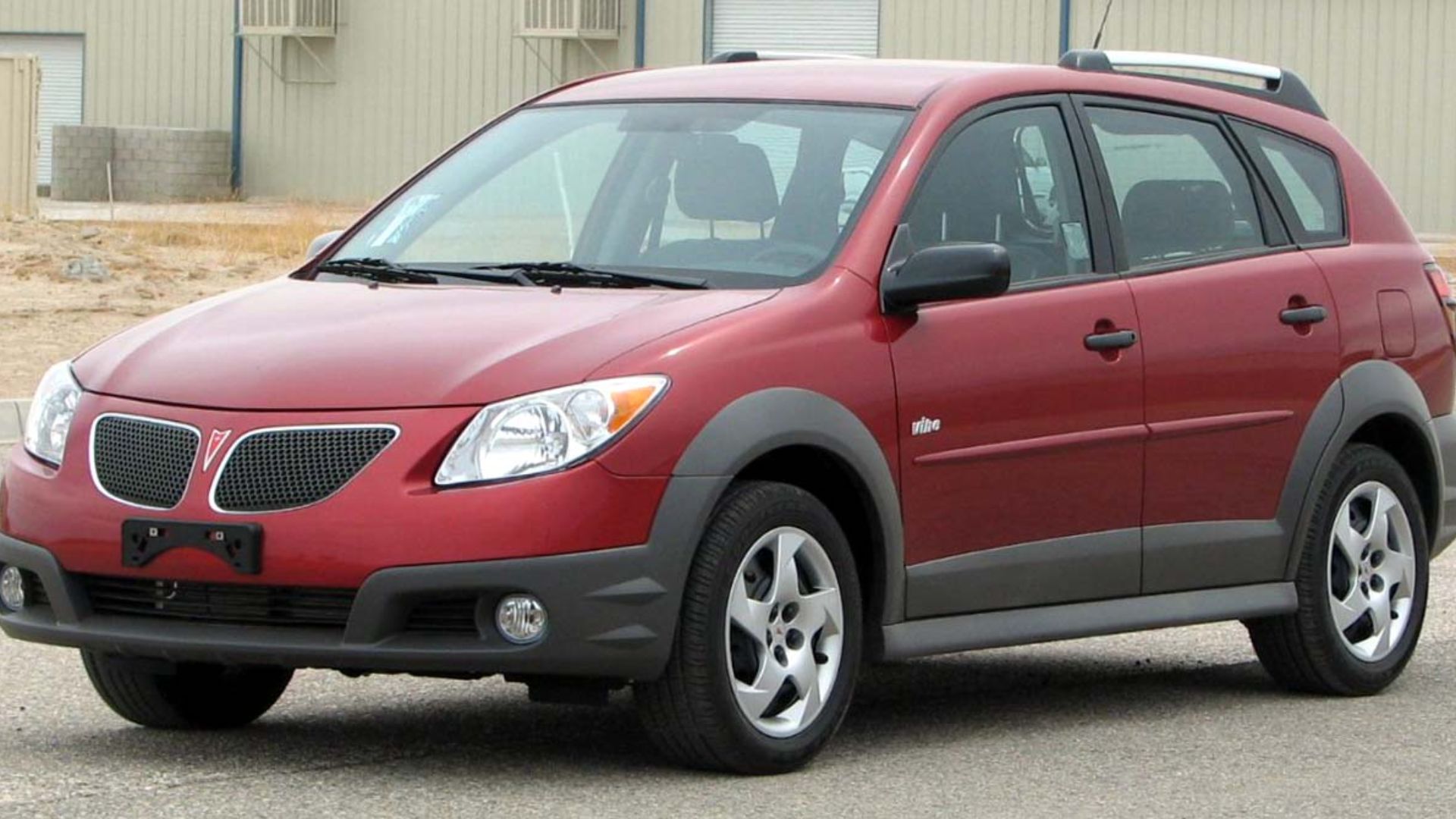 U.S. National Highway Traffic Safety Administration, Wikimedia Commons
The Toyota Previa
Toyota’s egg-shaped Previa looked more futuristic than aggressive when it reached North America for the 1991 model year. Underneath, however, it used an unusual mid-engine layout that placed its four-cylinder engine beneath the front seating area. Early versions were available with rear-wheel drive, all-wheel drive, and even a manual transmission.

Then Toyota Added A Supercharger
The Previa’s original engine struggled when the van was carrying a full load, so Toyota introduced a supercharged version for the 1994 model year. Buyers could combine that engine with all-wheel drive, creating one of the strangest minivan configurations ever offered in North America. Its engineering, spacious cabin, and unmistakable shape eventually turned an overlooked family van into an enthusiast curiosity.
 Dinkun Chen, Wikimedia Commons
The Buick Roadmaster Estate
The Buick Roadmaster Estate was a massive, softly sprung wagon with available simulated wood trim. It looked perfectly suited to quiet vacations and slow trips to the grocery store. Its traditional body-on-frame construction and rear-facing third-row seat also made it feel like a survivor from an earlier American era.
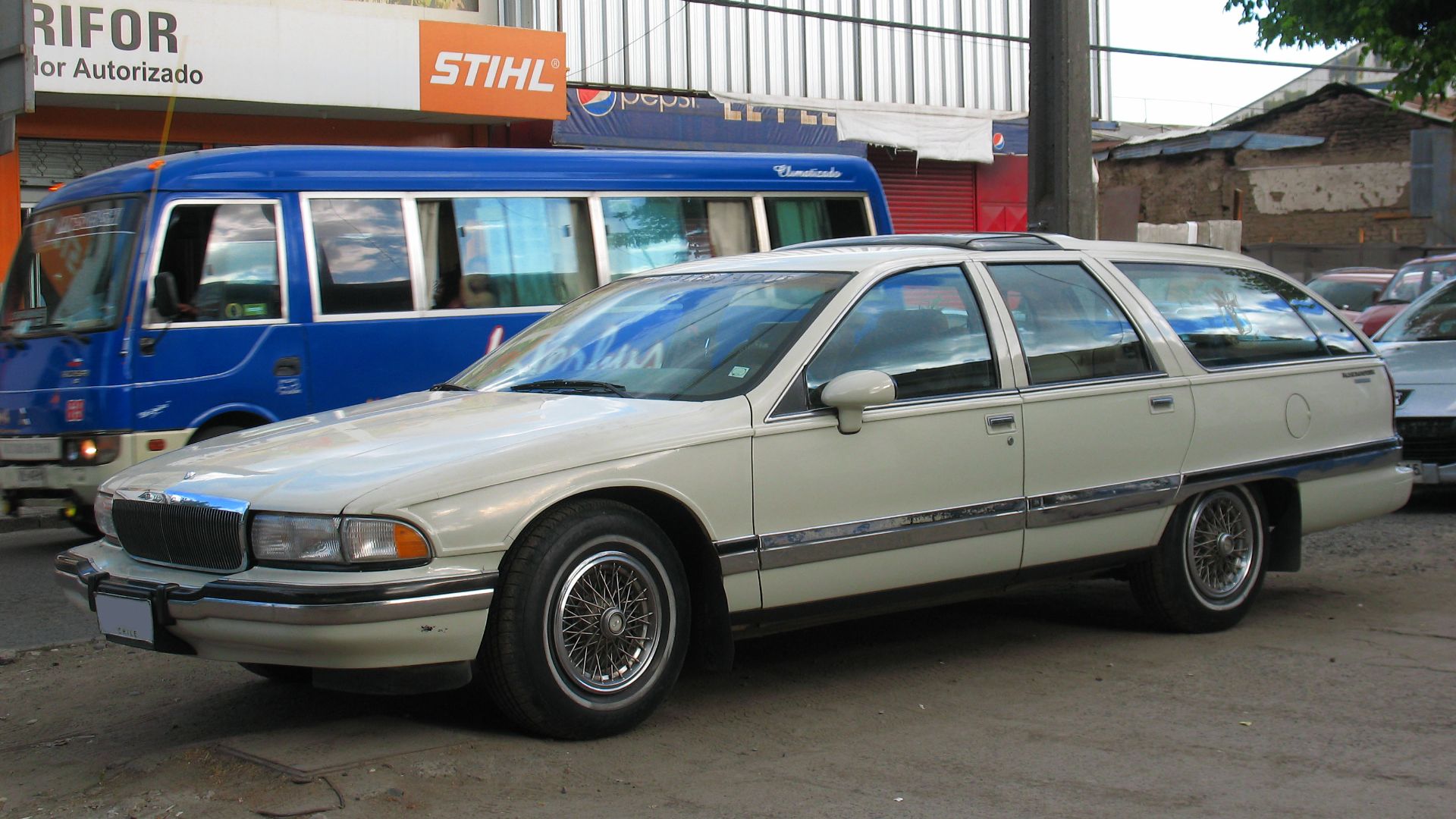 order_242 from Chile, Wikimedia Commons
A Corvette Relative Lived Underneath
Beginning with the 1994 model year, the Roadmaster received GM’s 5.7-liter LT1 V8, adapted from the engine family used in the Corvette. The wagon combined strong torque and rear-wheel drive with room for up to eight occupants. That unlikely mixture inspired owners to call it a wood-grain muscle car and made the final 1996 models particularly appealing.
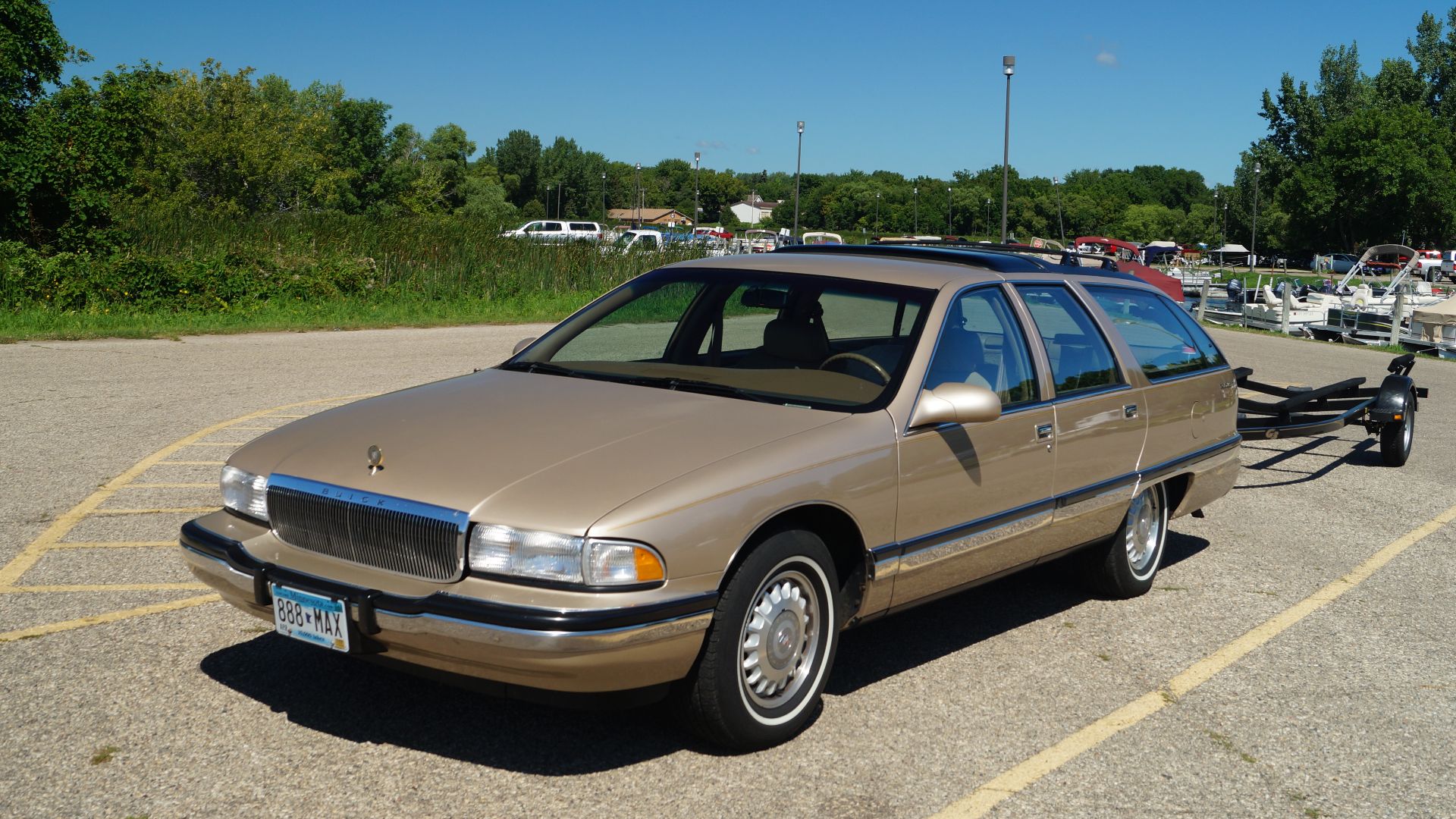 Greg Gjerdingen from Willmar, USA, Wikimedia Commons
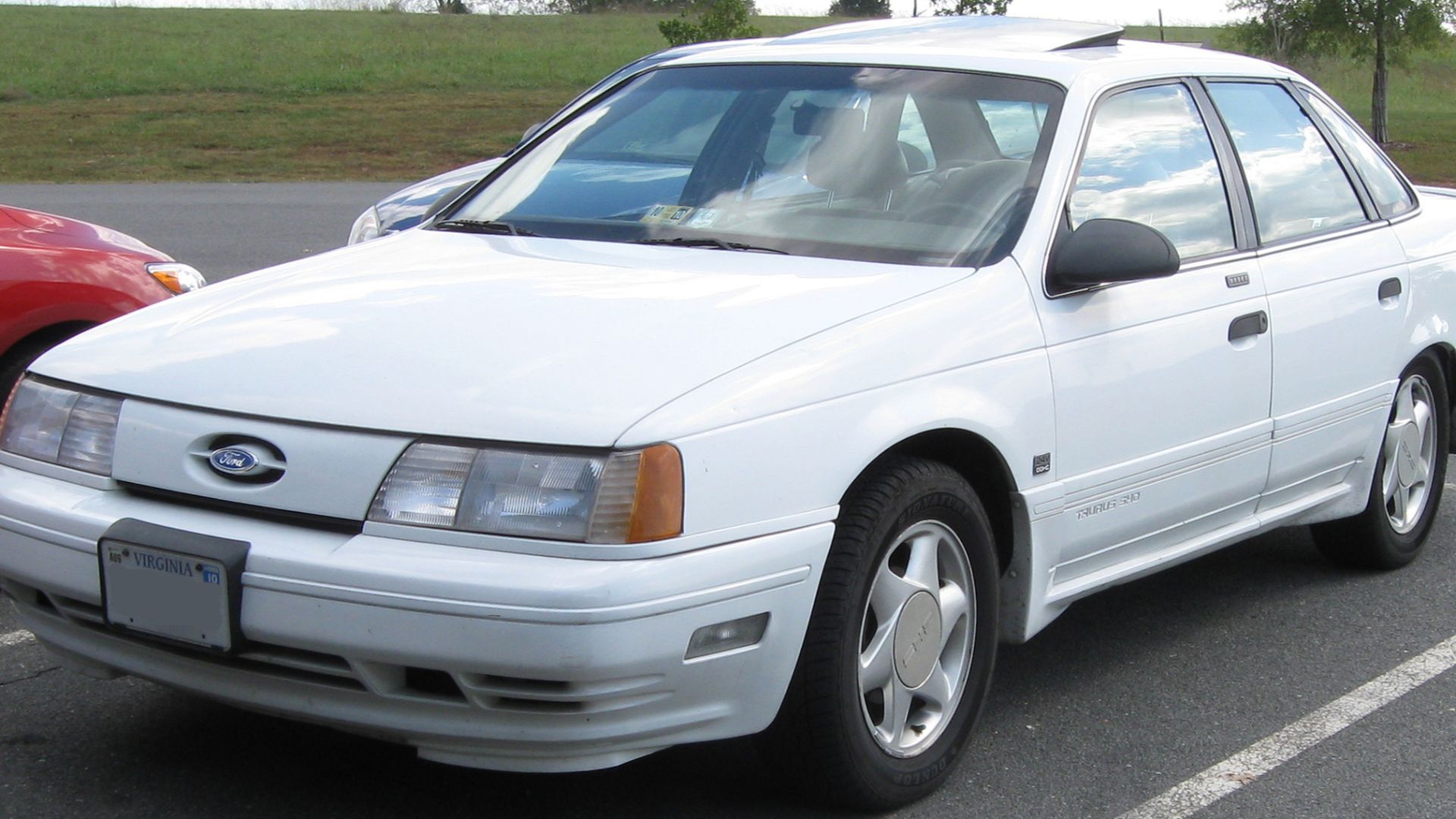
The Ford Taurus SHO
The original Taurus was a revolutionary family sedan, but millions of ordinary versions soon made its shape familiar. Ford’s SHO variant hid its intentions behind modest spoilers, discreet badges, and restrained bodywork. Unless someone noticed the special wheels or looked beneath the hood, it could disappear into commuter traffic.
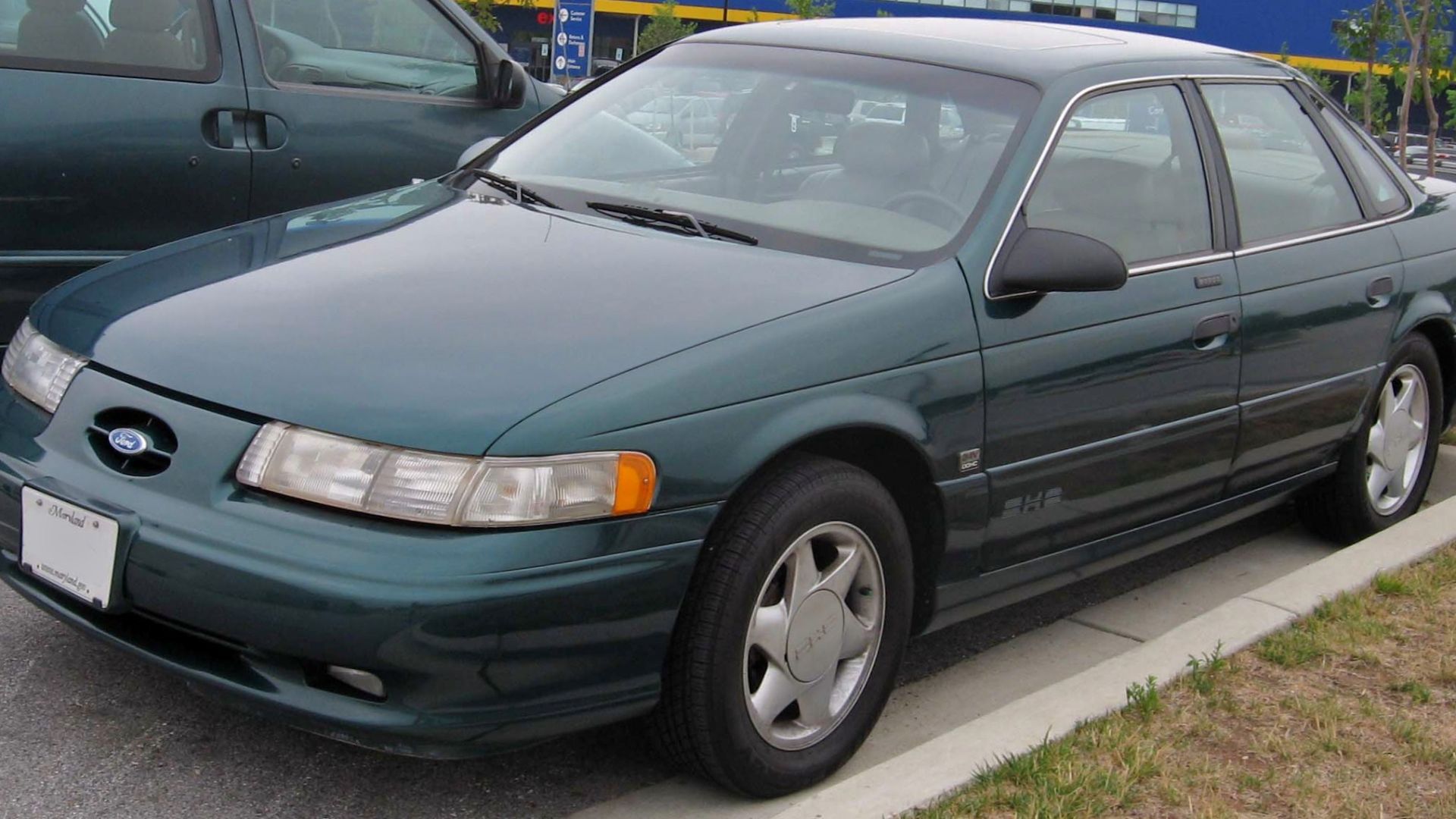
Yamaha Supplied The Big Surprise
The first-generation SHO used a sophisticated 3.0-liter V6 developed with Yamaha and producing 220 horsepower. A five-speed manual transmission was standard, giving the roomy front-wheel-drive sedan performance that challenged expensive European competitors. Its combination of speed, affordability, and anonymity established the template for a new generation of American sleeper sedans.
The Mercury Marauder
Mercury revived the Marauder name for a performance version of the Grand Marquis in 2003. Black paint, larger wheels, and reduced chrome added attitude, but the basic shape remained familiar from rental fleets and retirement communities. That visual restraint was exactly what attracted drivers who wanted something fast without looking flashy.
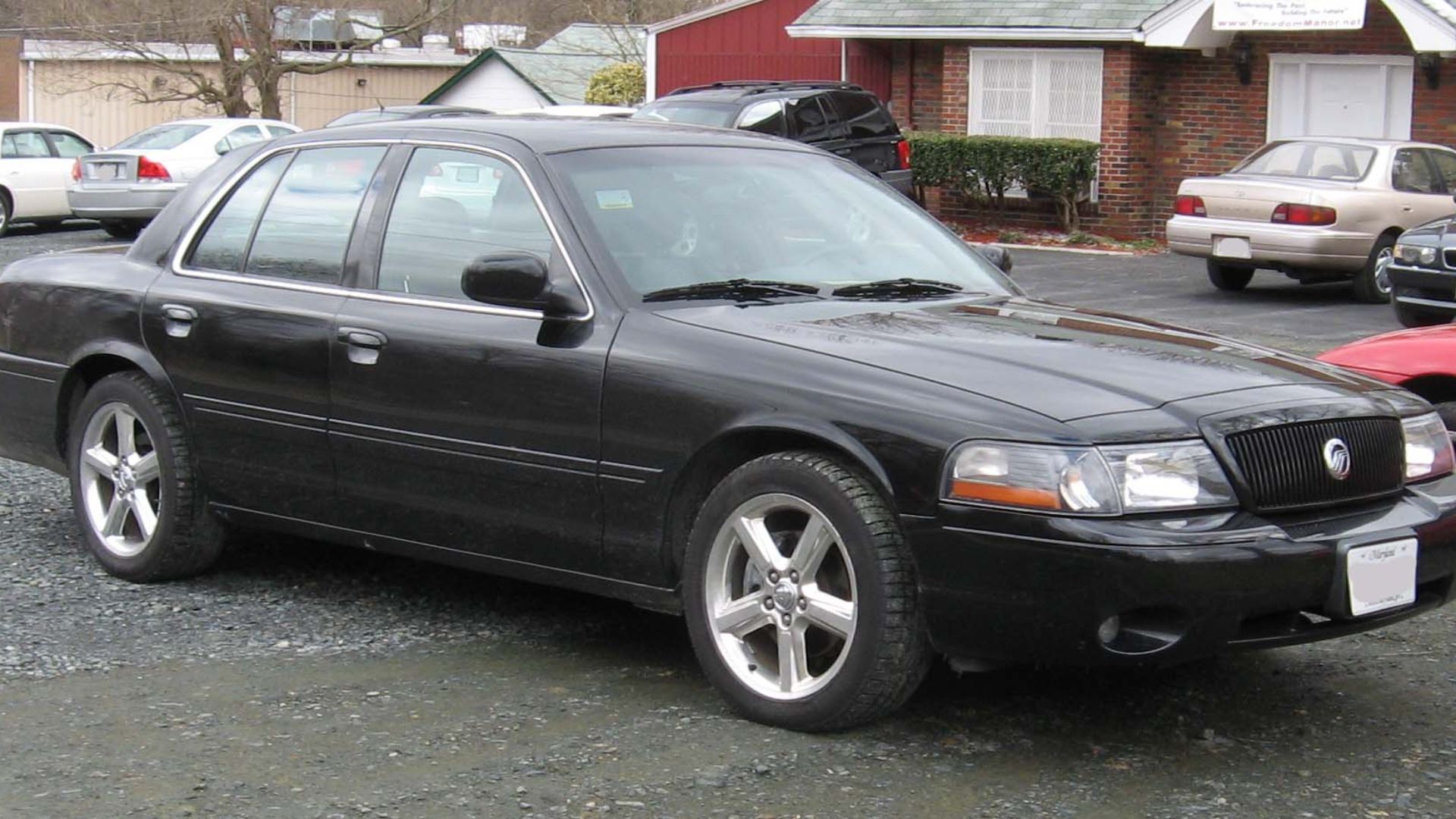
Traditional American Muscle Made One Last Stand
The Marauder used a 302-horsepower, 4.6-liter dual-overhead-cam V8, rear-wheel drive, and a strengthened four-speed automatic transmission. Chassis upgrades included revised suspension components, larger tires, and more precise rack-and-pinion steering. It lasted only through 2004, helping turn the relatively rare sedan into a favorite among fans of Ford’s durable Panther platform.
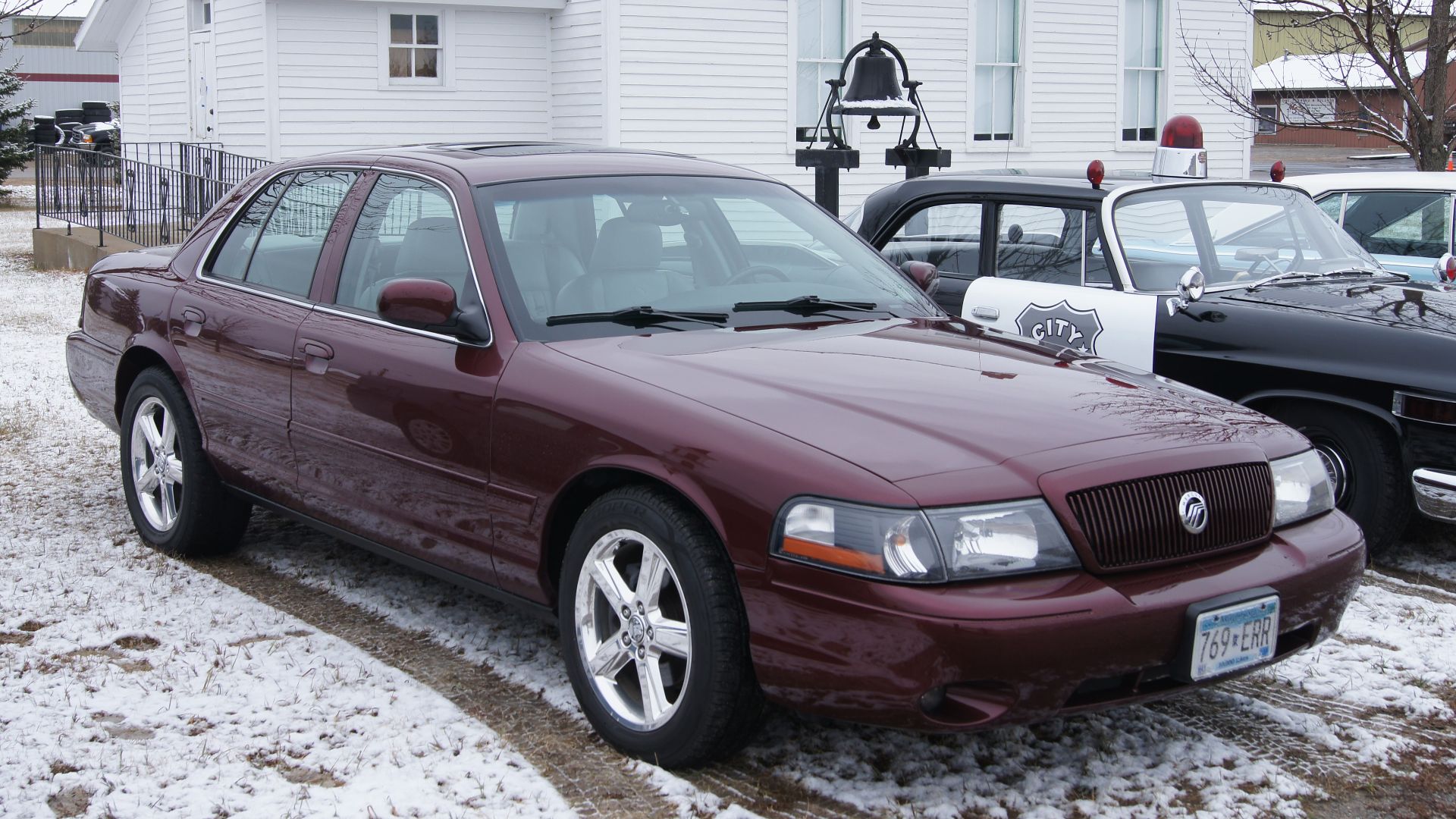 Greg Gjerdingen from Willmar, USA, Wikimedia Commons
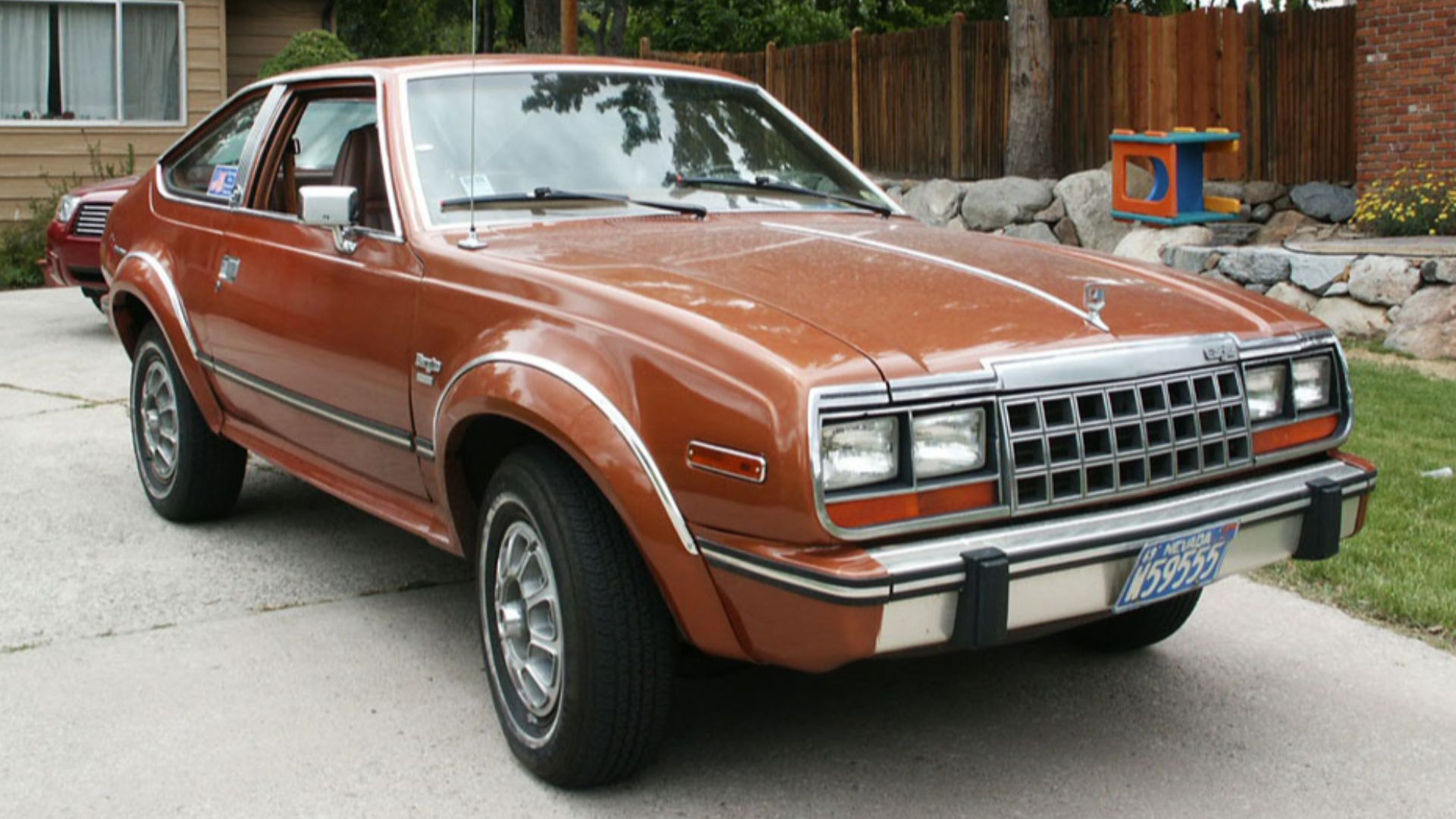
The AMC Eagle
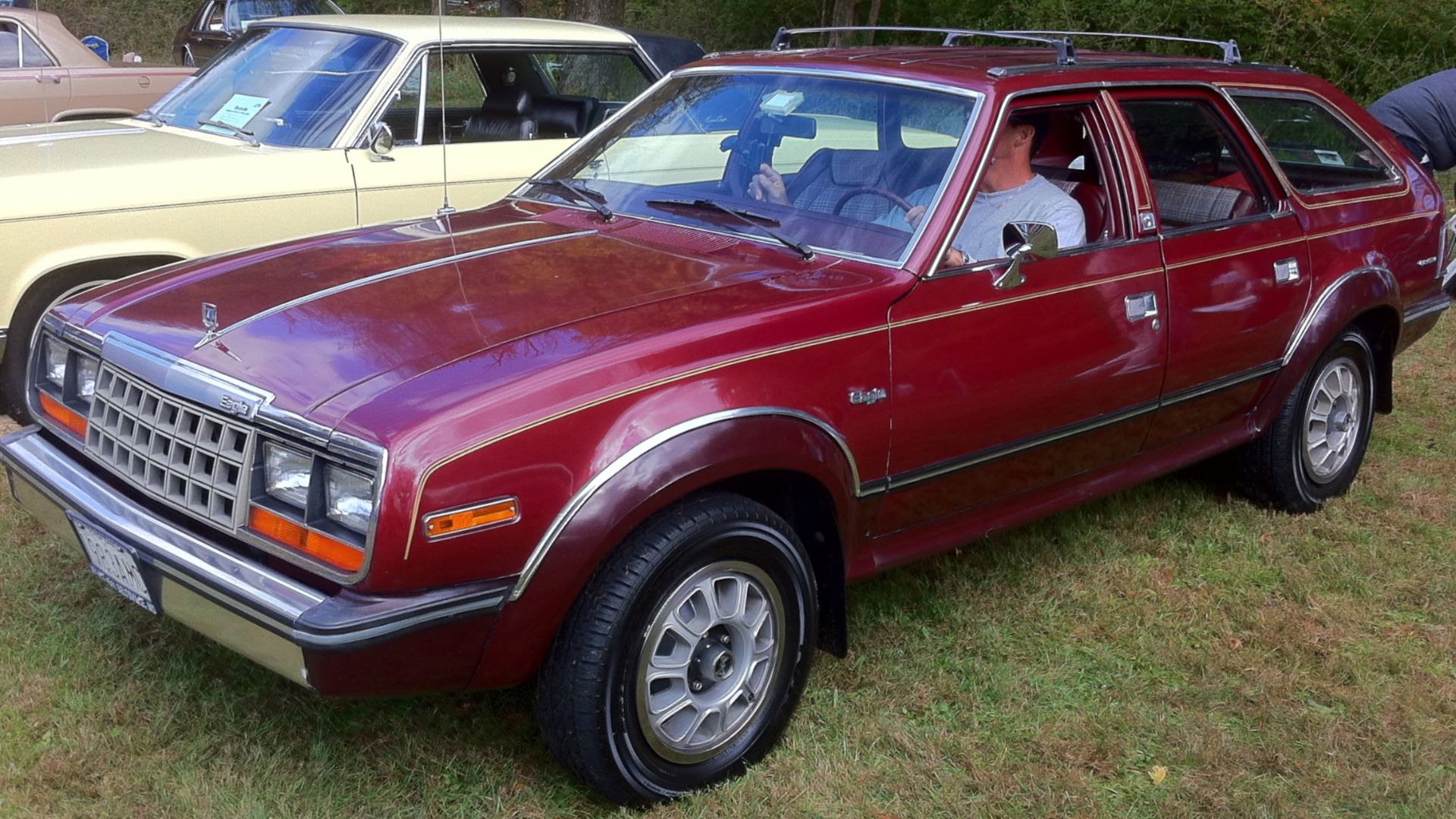
The AMC Eagle combined the body of an ordinary passenger car with increased ground clearance and four-wheel drive. Introduced for 1980, it appeared in sedan, coupe, and wagon forms rather than resembling a conventional truck. Its styling was awkward, but the basic idea now looks remarkably familiar.
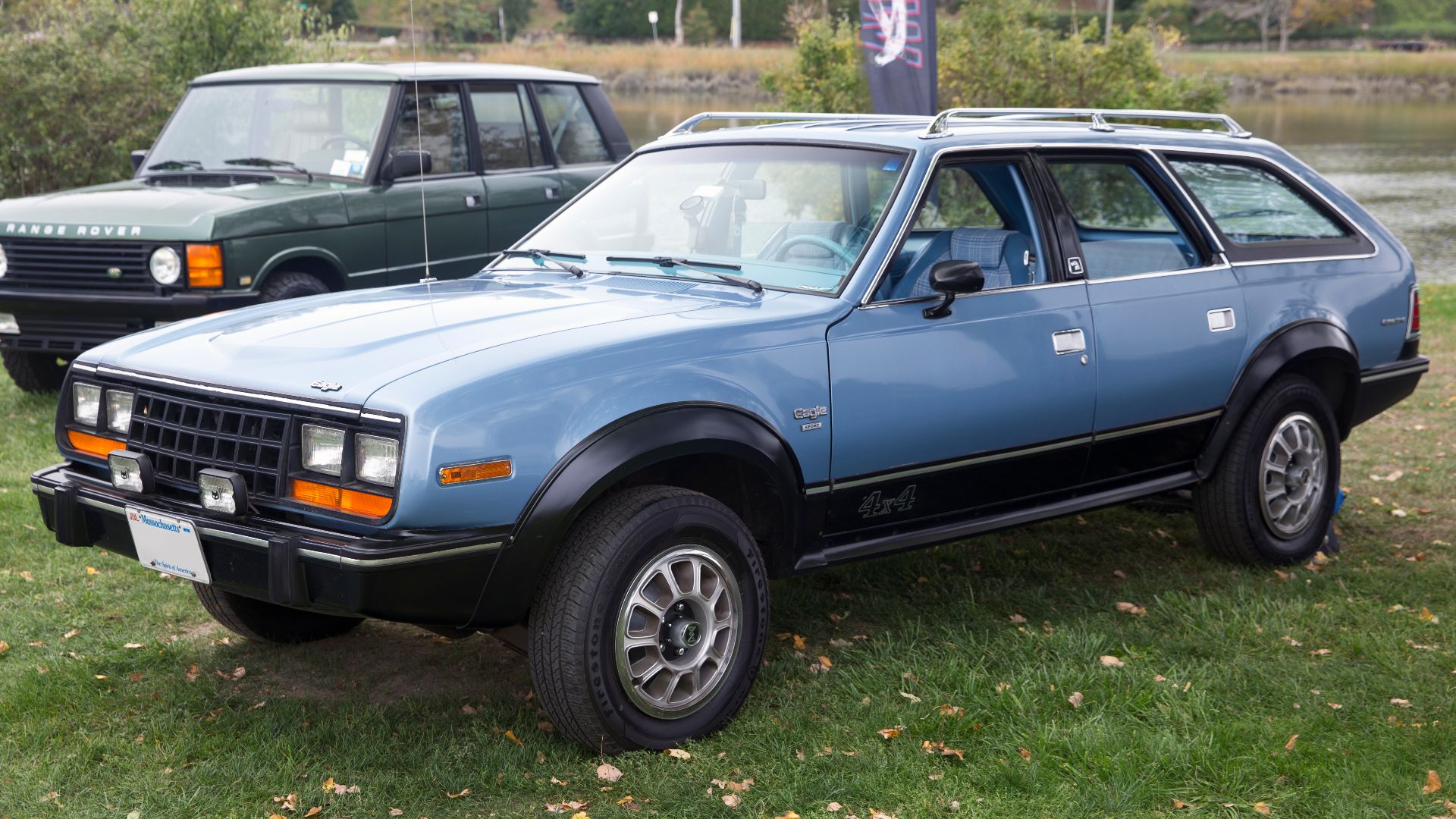 Mr.choppers, Wikimedia Commons
It Quietly Predicted The Crossover
The Eagle offered carlike seating and road manners while giving drivers additional traction in poor weather. AMC continued producing versions of it through the 1988 model year, long before crossovers came to dominate North American roads. Surviving wagons now attract enthusiasts who appreciate both their historical importance and their wonderfully improbable appearance.
The Subaru Baja
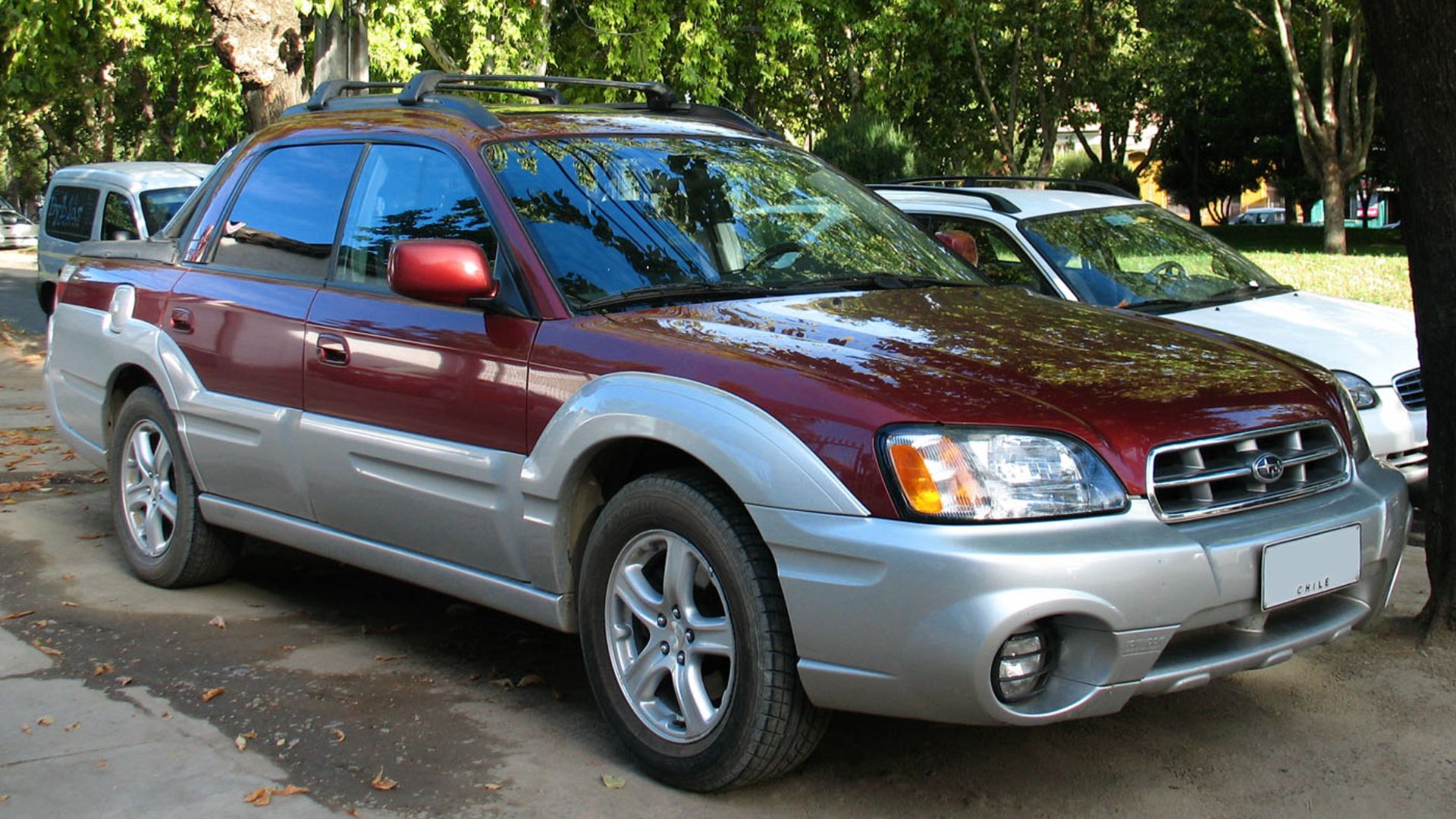
Subaru transformed part of its Outback wagon into a small four-door pickup and called the result the Baja. The short cargo bed included a pass-through that could extend into the passenger compartment, giving the vehicle more flexibility than its proportions suggested. Buyers struggled to categorize it, and sales never matched Subaru’s original expectations.
Failure Made It More Interesting
The Baja was offered in North America from the 2003 through 2006 model years, making its production run brief. All-wheel drive came standard, while later turbocharged versions added the performance enthusiasts wanted. As compact pickups and adventure-oriented vehicles became fashionable again, the once-mocked Baja began to look unusually forward-thinking.
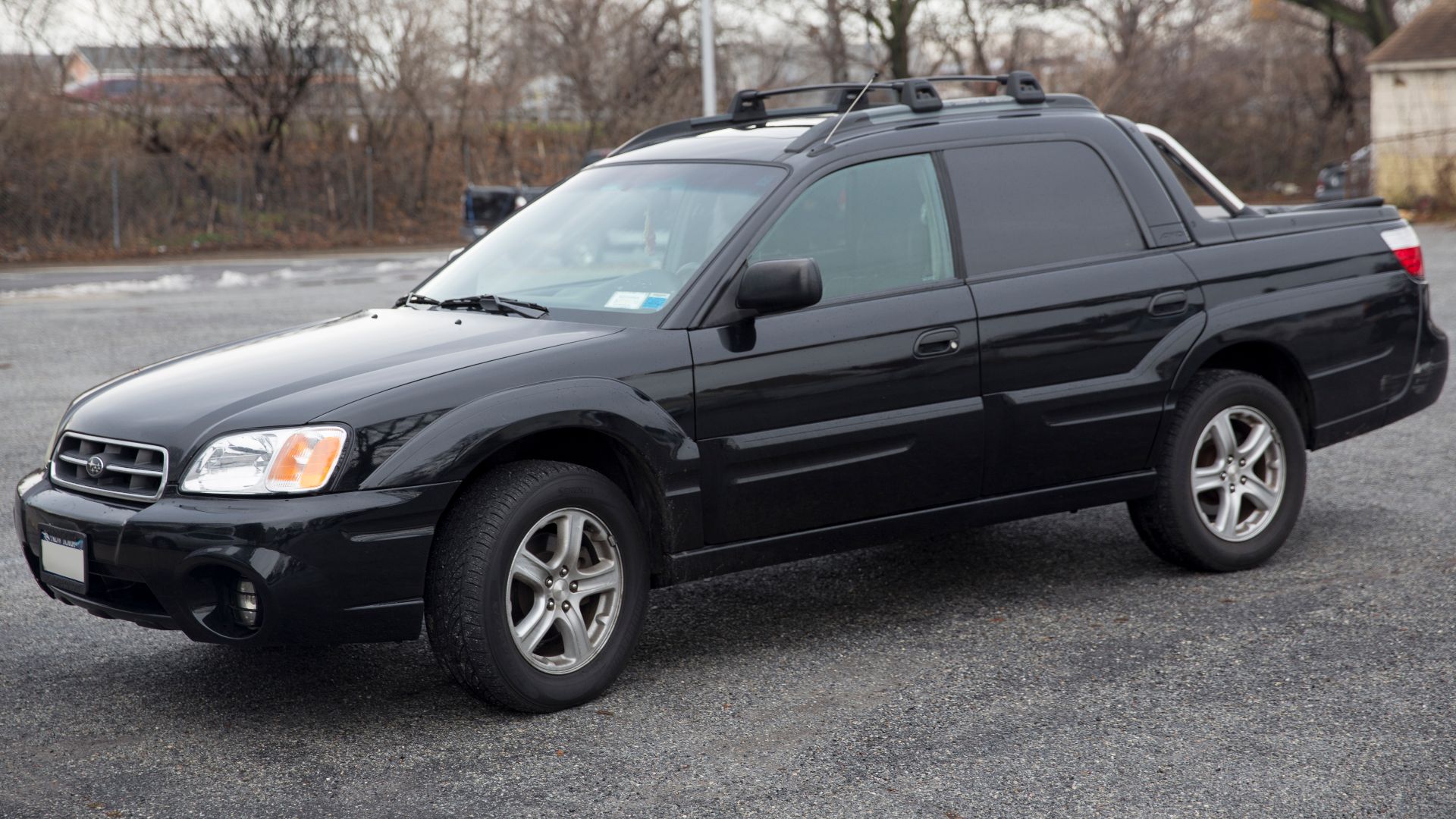 Mr.choppers, Wikimedia Commons
The Volkswagen Phaeton
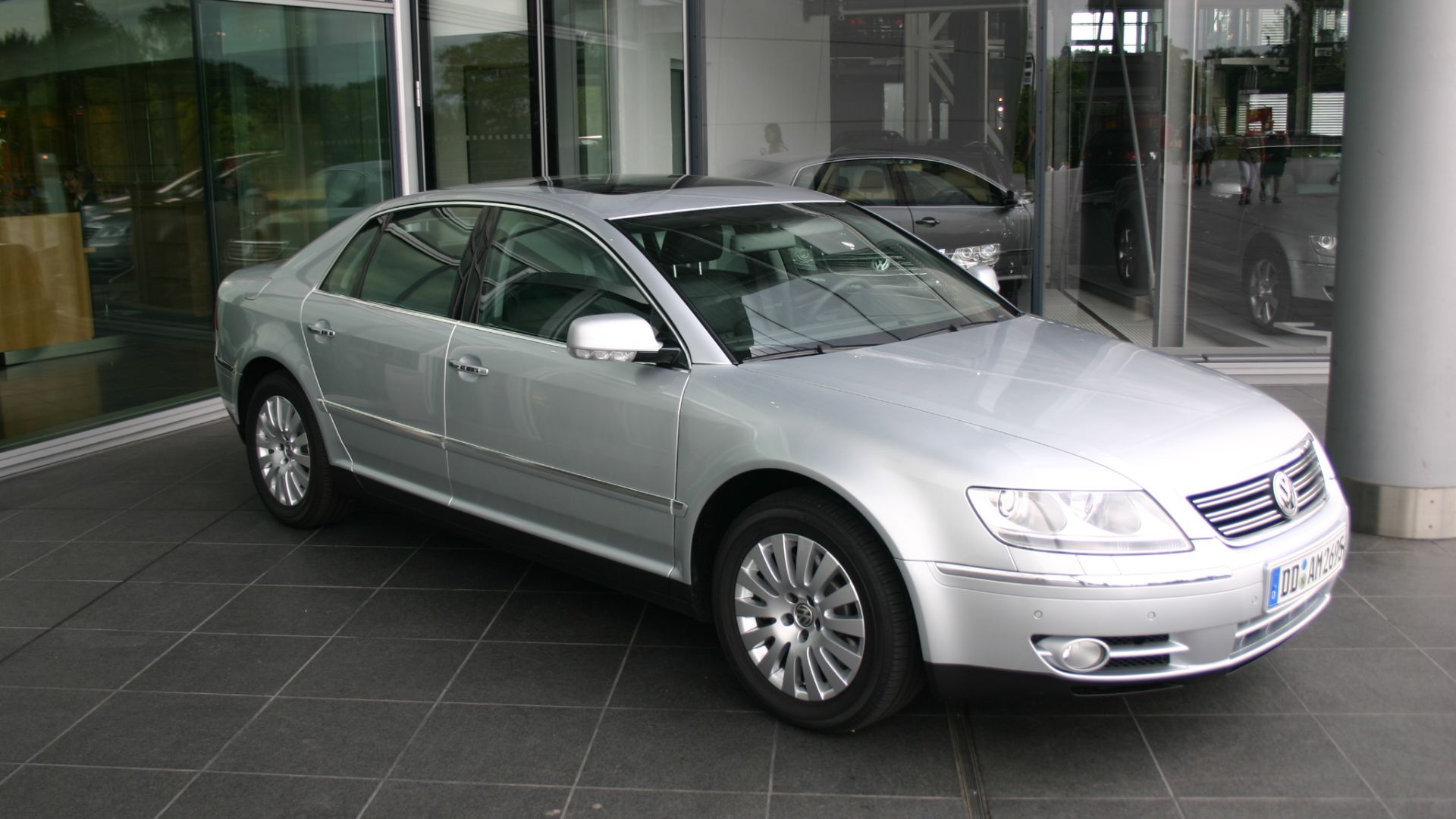
The Phaeton resembled an enlarged Passat, and its Volkswagen emblem made its luxury-car price difficult for many buyers to accept. That understated body concealed a flagship sedan developed to compete in the highest reaches of the market. Volkswagen built it by hand in Dresden’s Transparent Factory and equipped it with more than 100 patented technologies.
 Stephan Herz, Wikimedia Commons
Its Engineering Borderlined On Obsession
Depending on the market, Phaeton buyers could choose engines ranging from six cylinders to a 450-horsepower W12. Air suspension, four-zone climate control, and available 18-way seats gave it genuine limousine credentials. Volkswagen built 84,235 examples through 2016, and enthusiasts now admire its rare combination of anonymity, comfort, and extravagant engineering.
 Damian B Oh, Wikimedia Commons
The Chevrolet SS
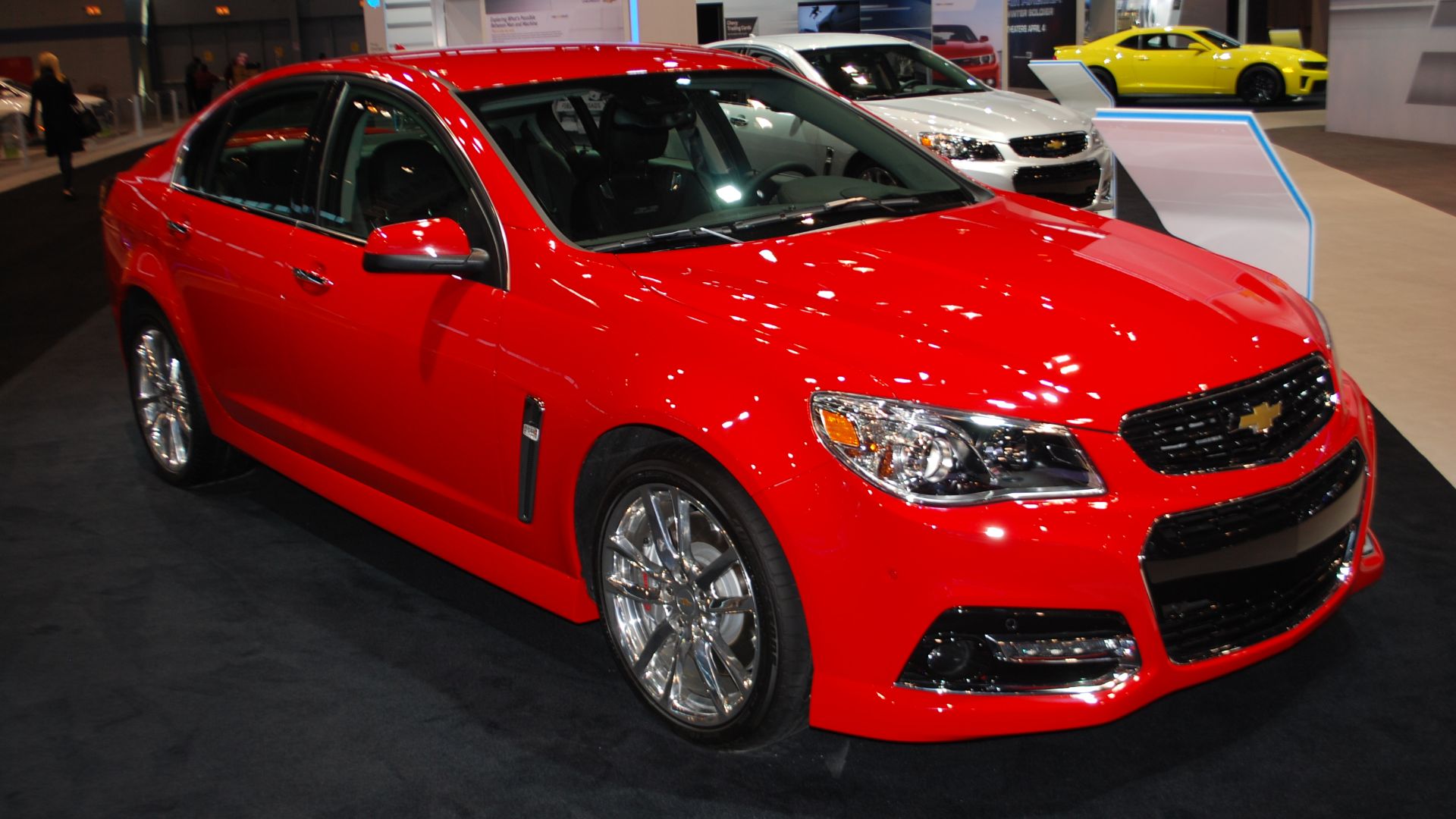
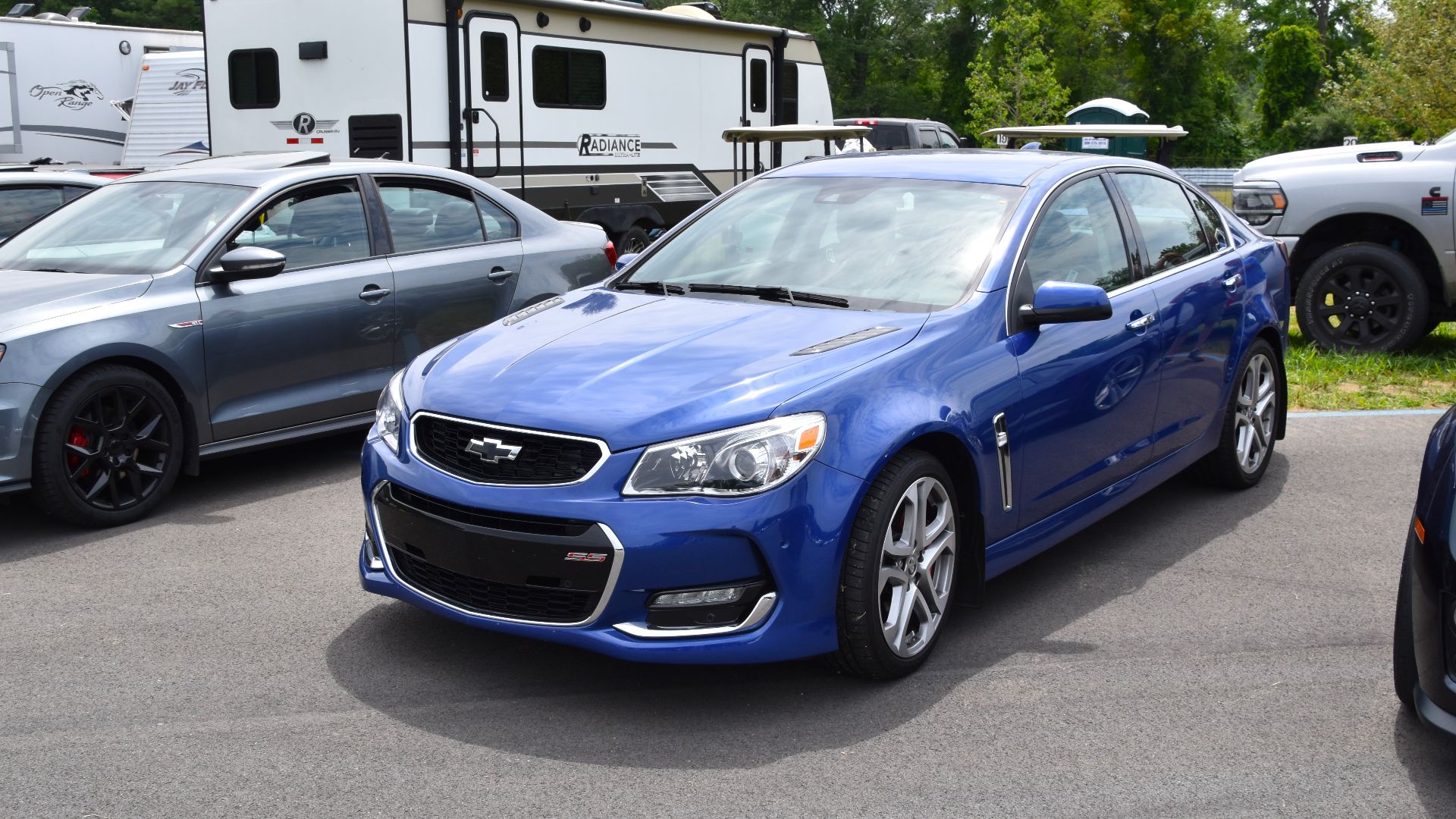
Chevrolet sold the SS in the United States from 2014 through 2017 with little visual drama and an exceptionally generic name. Its clean body could easily be mistaken for a Malibu or another mainstream family sedan. In reality, it was an Australian-built Holden Commodore with serious performance equipment.
It Was A Four-Door Camaro In Disguise
A 6.2-liter LS3 V8 sent 415 horsepower to the rear wheels, while later models offered a six-speed manual transmission. Magnetic Ride Control and Brembo brakes further separated the SS from ordinary Chevrolet sedans. Modest sales led to its disappearance, but limited supply and the end of Australian Holden production helped transform it into a modern collectible.
 Charles from Port Chester, New York, Wikimedia Commons
The Volvo 850 T-5R
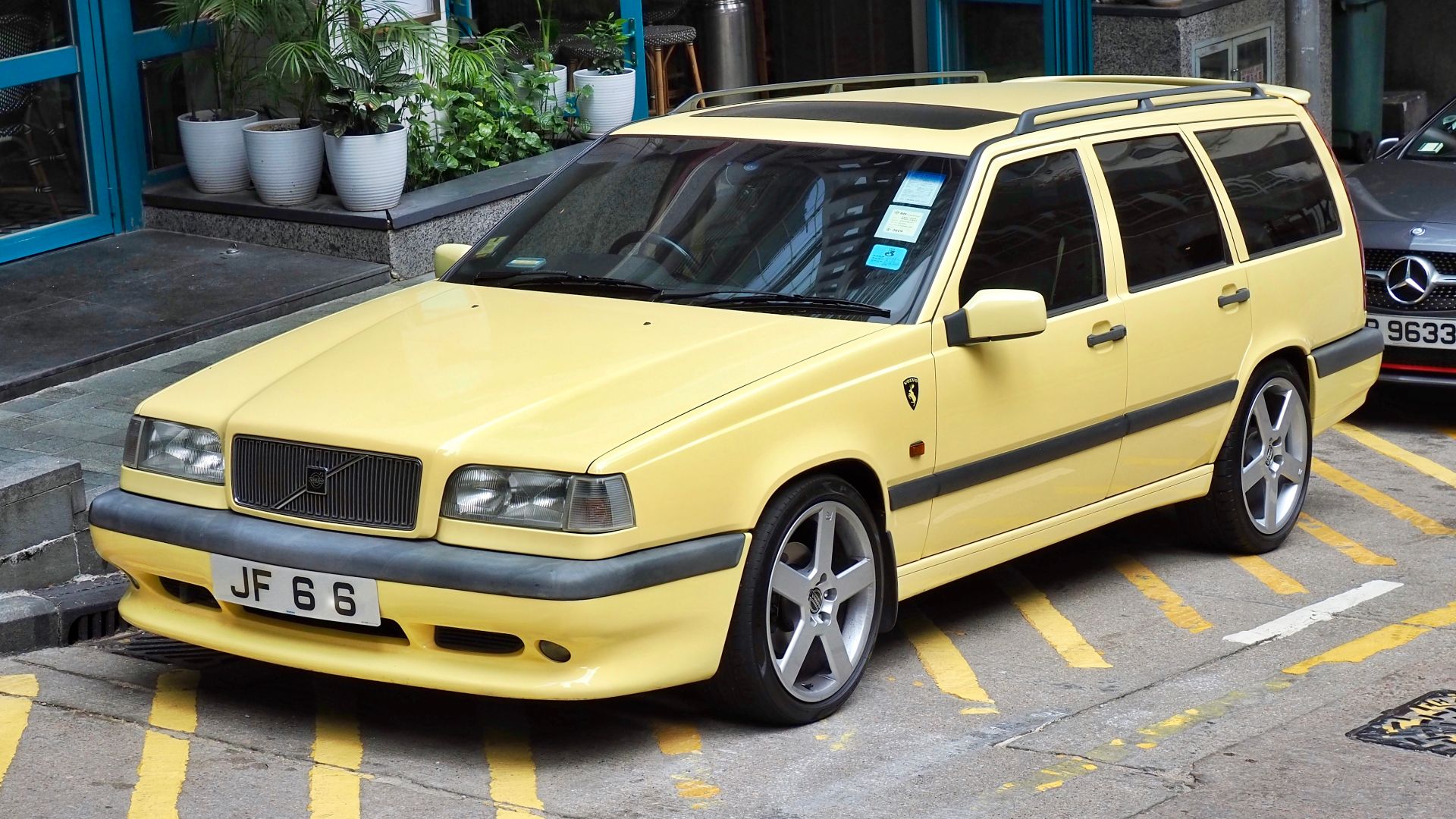
A standard Volvo 850 wagon looked like responsible transportation for someone with children, luggage, and sensible shoes. The 1995 T-5R retained that square profile but added turbocharged performance and subtle exterior changes. Even its most famous Cream Yellow paint could not fully disguise the fact that it was fundamentally a practical family car.
Racing Made The Box Cool
The T-5R’s turbocharged five-cylinder engine produced up to 240 horsepower, giving the wagon performance few people expected from a Volvo. Its reputation also benefited from Volvo’s decision to race an 850 estate in the 1994 British Touring Car Championship. That unforgettable motorsport experiment helped establish the fast Volvo wagon as a cult-car category of its own.
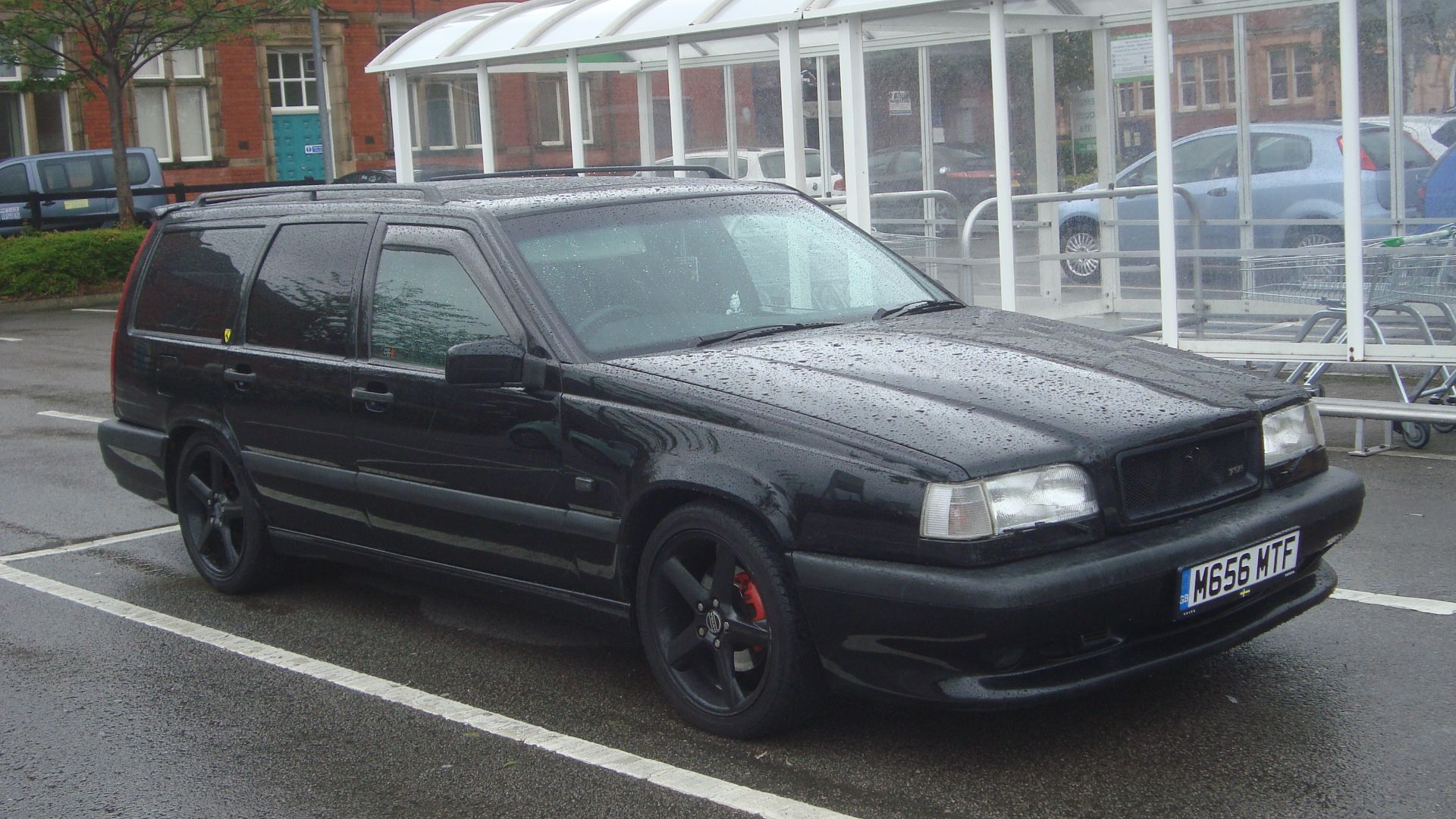 Kieran White from Manchester, England, Wikimedia Commons
Ordinary Shapes Can Hide Extraordinary Stories
These cars became favorites because they offered more than their styling initially promised. Some concealed powerful engines, while others introduced practical ideas or engineering layouts that only made sense years later. Their understated looks became part of the appeal because recognition now feels like a secret handshake between informed drivers.
You May Also Like:
The Millennial Driving Experience Was Shaped By These Cult Classics
Sources: 1, 2, 3, 4, 5, 6, 7, 9, 10, 11, 12, 13, 14, 15, 16, 17, 18, 19, 20






.jpg)