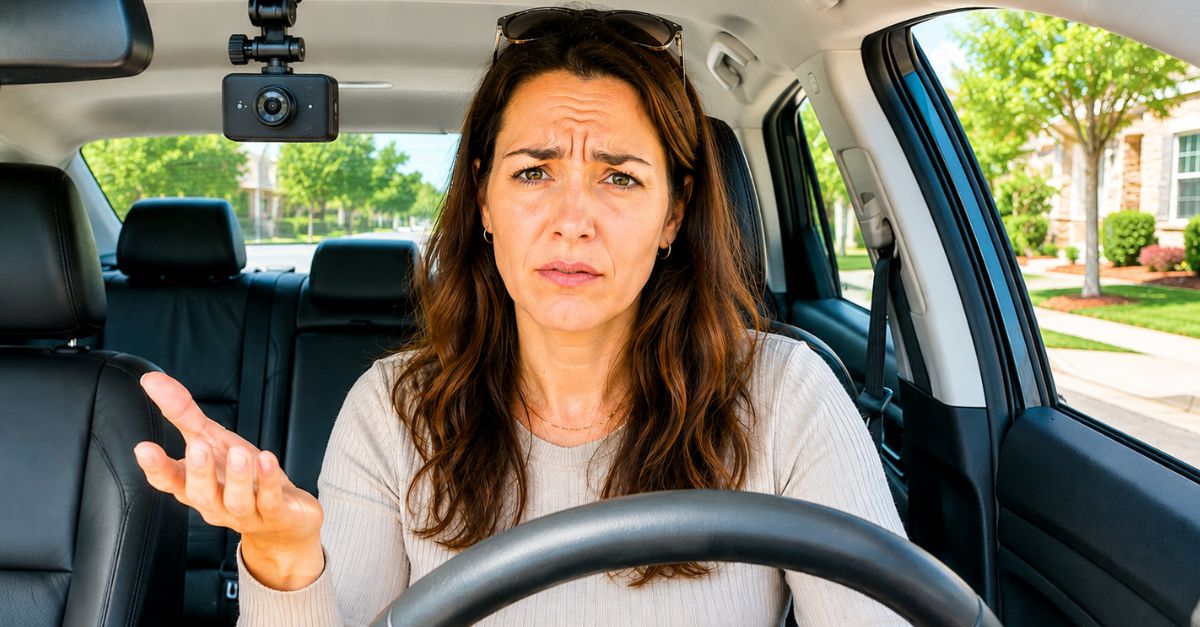
You Bought A Dashcam For Protection, Then Your Bill Went Up
It sounds backward, but it really happens. Dashcams are marketed as a way to protect you after a crash by saving video evidence. But your insurer can still raise your premium after you install one, and the reason usually has less to do with the camera than with everything else that changed around it.
Dashcams Usually Do Not Earn An Insurance Discount
Start with the basic point. In the United States, dashcams are not a standard auto insurance discount the way airbags, anti-theft devices, or some telematics programs can be. CarInsurance.com reported in 2025 that major insurers generally do not offer a direct dashcam discount, even though claims experts say footage can help settle accidents faster.
What Insurers Actually Price
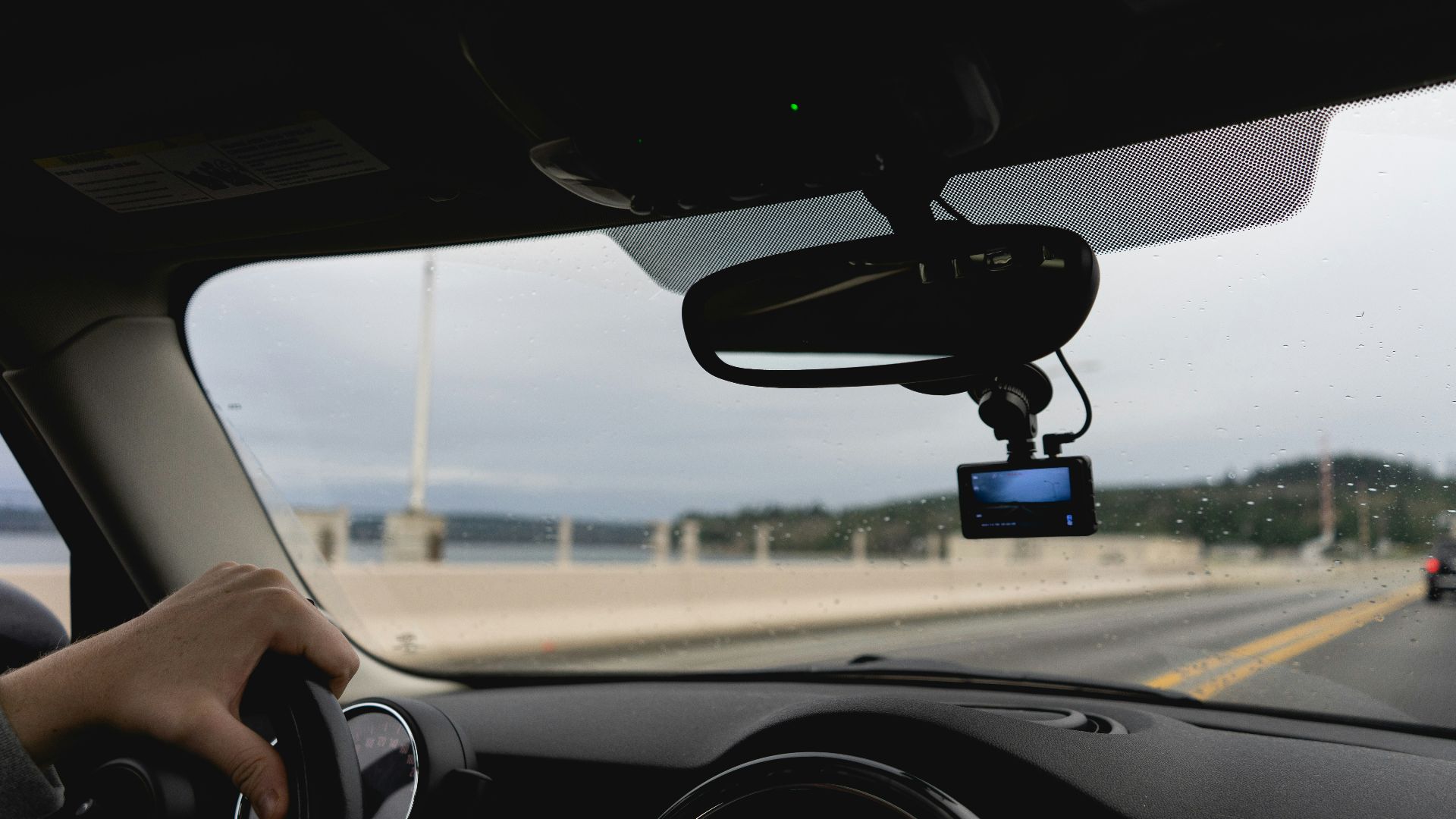
Insurance companies set rates using risk factors they can measure and file with state regulators. That usually includes your driving record, claims history, location, vehicle, yearly mileage, and, where allowed, your credit-based insurance score. A dashcam does not wipe out those factors, so your premium can go up even if the camera might help you in a future claim.
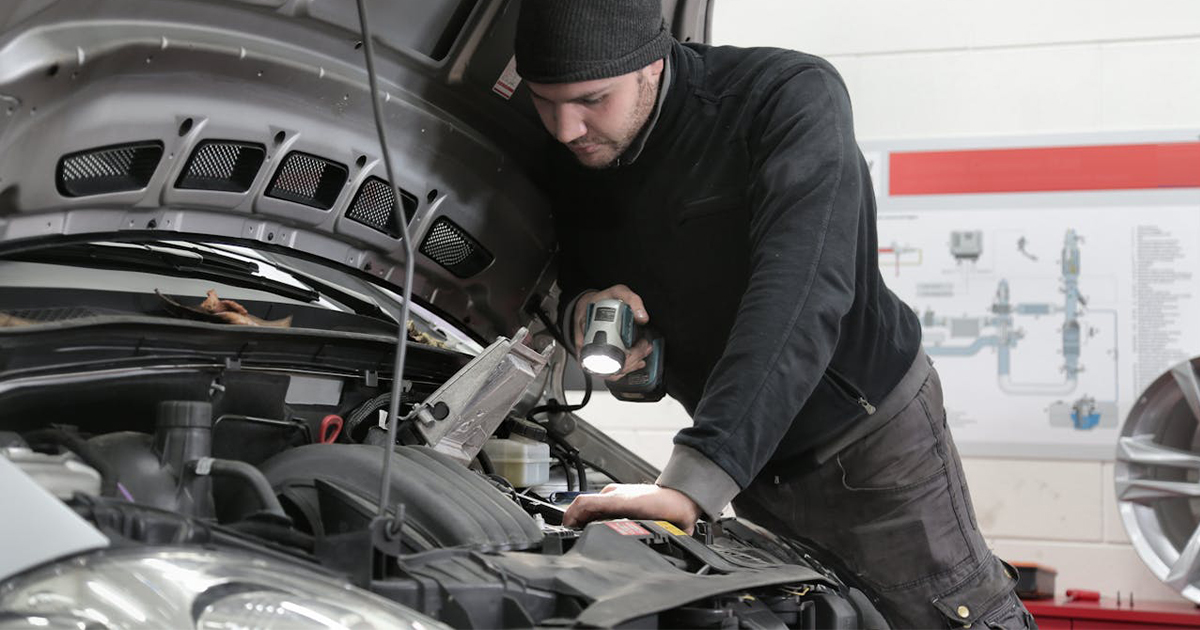
 LinkedIn Sales Solutions, Unsplash
Why The Timing Can Be Misleading
This is where a lot of drivers get confused. If your rate went up at renewal, the real cause may have been a companywide repricing, a claim, or a traffic violation from months earlier. The dashcam gets blamed because you installed it before the bigger bill showed up.

Rate Hikes Have Been Hitting Drivers Everywhere
Across the market, premium increases have been common in recent years. The Zebra reported that as of February 2024, U.S. auto insurance rates were up 20 percent year over year based on Bureau of Labor Statistics data. If your premium jumped around that time, the dashcam may have had nothing to do with it.

Repair Costs Have Climbed Fast
Insurance companies have been paying more for parts, labor, and replacement vehicles. The Insurance Information Institute has pointed to rising repair costs, more expensive cars, and larger claim losses as major reasons premiums have gone up. That means even safe drivers have been getting ugly renewal notices.

A Dashcam Can Help In A Claim Without Lowering Your Rate
That may feel unfair, but it is normal. Video can help prove the other driver was at fault, speed up a liability decision, or expose fraud. But that real-world benefit does not usually show up as a formal discount on your policy.
Claims History Can Still Raise Your Premium
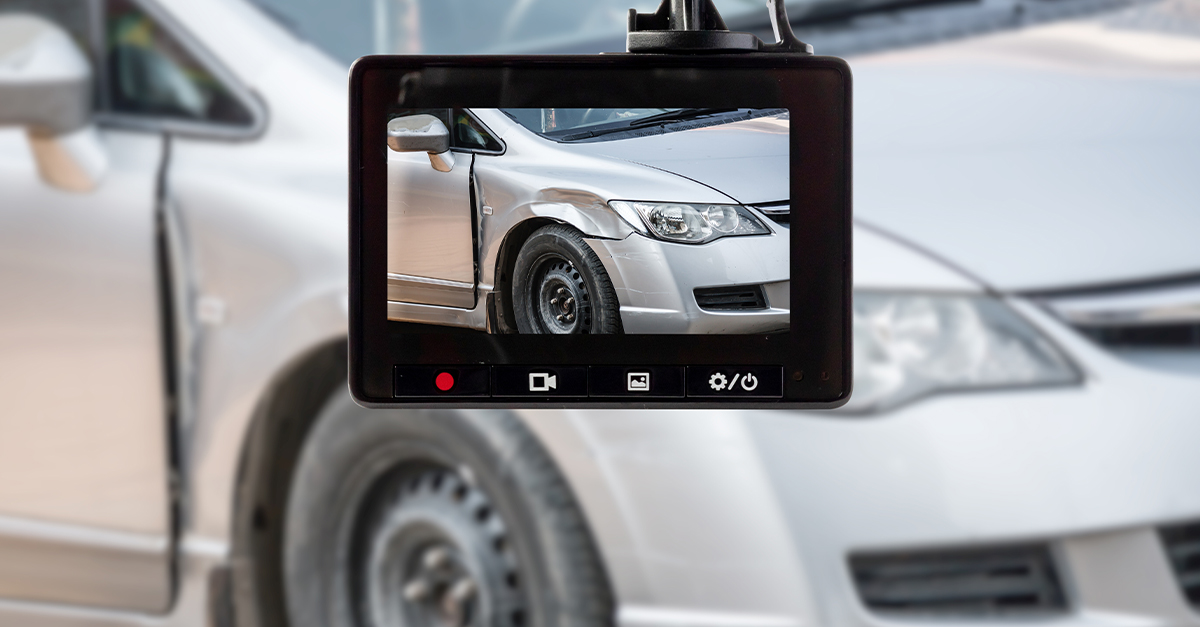
If you installed the dashcam after a crash, your insurer may have already updated your risk profile because of that claim. Depending on your state and the details, a recent accident or loss can affect renewal pricing even if the footage later backs up your story. The claim itself, not the camera, may be what changed the price.

Not At Fault Does Not Always Mean No Rate Change
This is one of the most frustrating parts of car insurance. Consumer guidance from insurers like Progressive says rate changes after a not-at-fault accident depend on state rules and company practices. So even if your dashcam proves you were not to blame, your premium can still change in some states.

Dashcams And Telematics Are Not The Same Thing
Some drivers assume any device that records something in the car should help lower insurance costs. Insurers usually do not see it that way. Telematics programs track measurable driving behavior like hard braking, speeding, mileage, and phone use. A basic dashcam mostly records video for review later.

Why Telematics Often Gets The Discount Instead
Insurers can build pricing programs around telematics because the data is steady, standardized, and easy to score. Companies like Progressive and Allstate openly promote usage-based or behavior-based programs that may offer discounts, though risky driving can also push rates up depending on the program. A regular dashcam usually does not provide that same kind of pricing data.

Some Dashcams Capture More Than Just Video
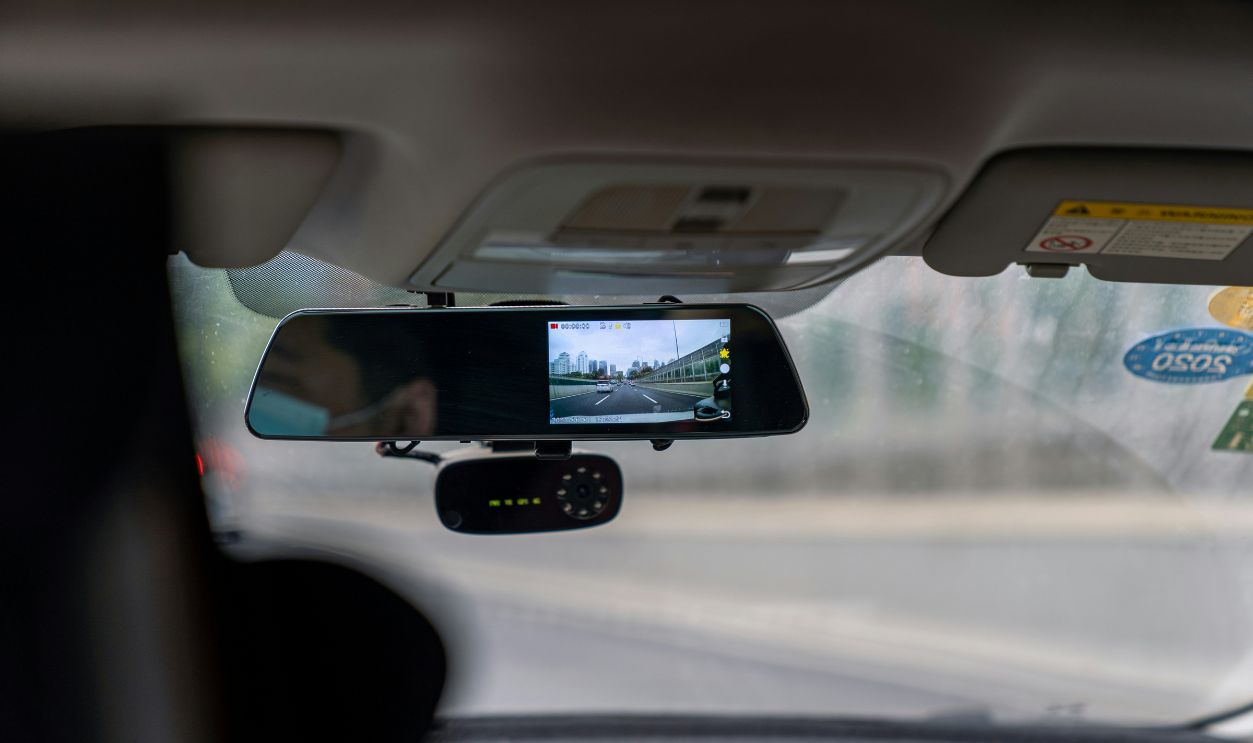
This is where things get more complicated. Some dashcams include GPS speed data, harsh-event recording, driver-facing cameras, or fleet-style monitoring features. If that data is shared with an insurer through another program or during a claim, it can become part of how your driving gets judged.
Your Own Video Can Help Or Hurt
Dashcams can protect drivers from false blame. But the footage can also show speeding, distraction, tailgating, rolling stops, or other mistakes. If a claims investigator reviews the video, the same evidence that clears things up can also weaken your case if it shows you helped cause the crash.

A Dashcam Usually Matters More In A Claim Than In Pricing
Underwriting is how an insurer judges risk before and during a policy. For most personal auto policies, simply having a dashcam is not a common pricing factor by itself. But changes tied to it, like how the car is used, who drives it, or what evidence exists after a crash, can matter a lot.

If You Told Your Insurer About It, Ask What Really Changed
Some drivers tell their insurer after adding accessories or windshield-mounted devices. That can trigger a policy review, but the review may uncover unrelated changes like updated mileage, a new garaging address, different household drivers, or a shift in vehicle use. Ask for the exact reason code or underwriting explanation behind the increase.

Windshield Rules Can Also Matter
State laws often control what can be mounted on a windshield and where it can go. The International Association of Chiefs of Police has published summaries of state windshield obstruction laws, and states have their own rules as well. That does not mean your insurer raised your premium because your dashcam broke the law, but bad placement can create trouble after a traffic stop or a claim.
A Poor Installation Can Create Other Problems
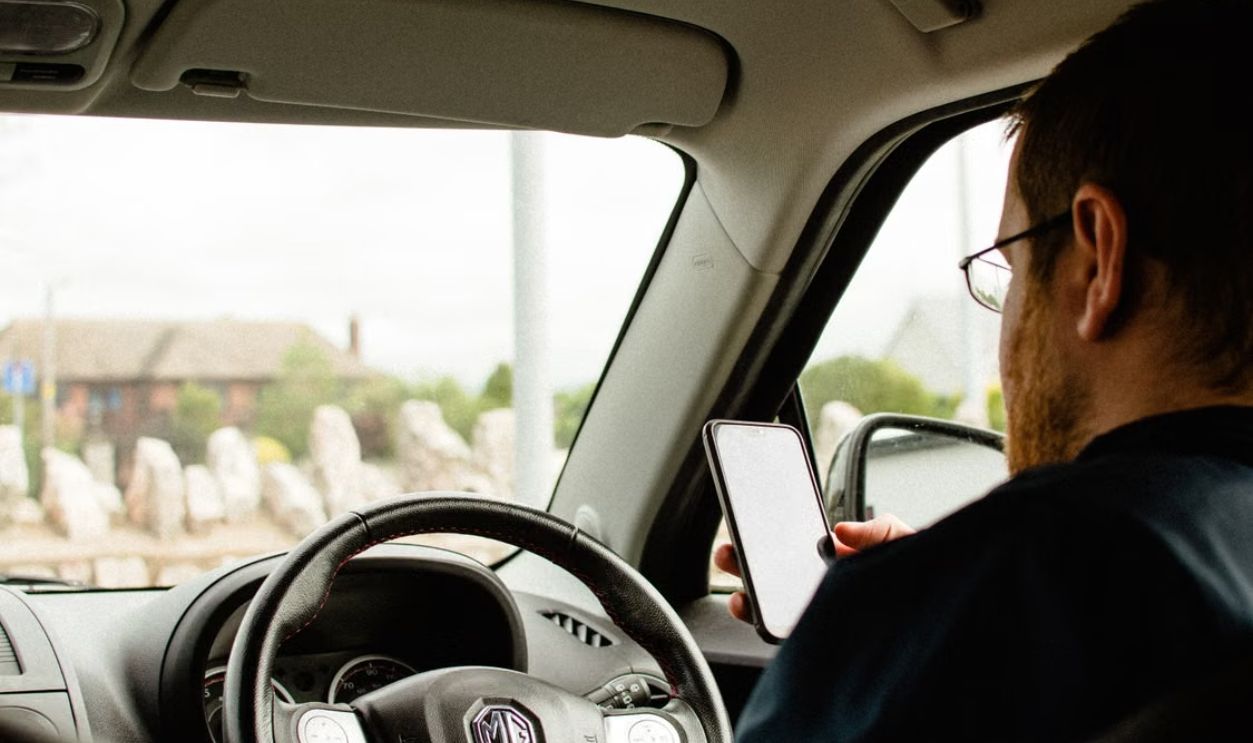
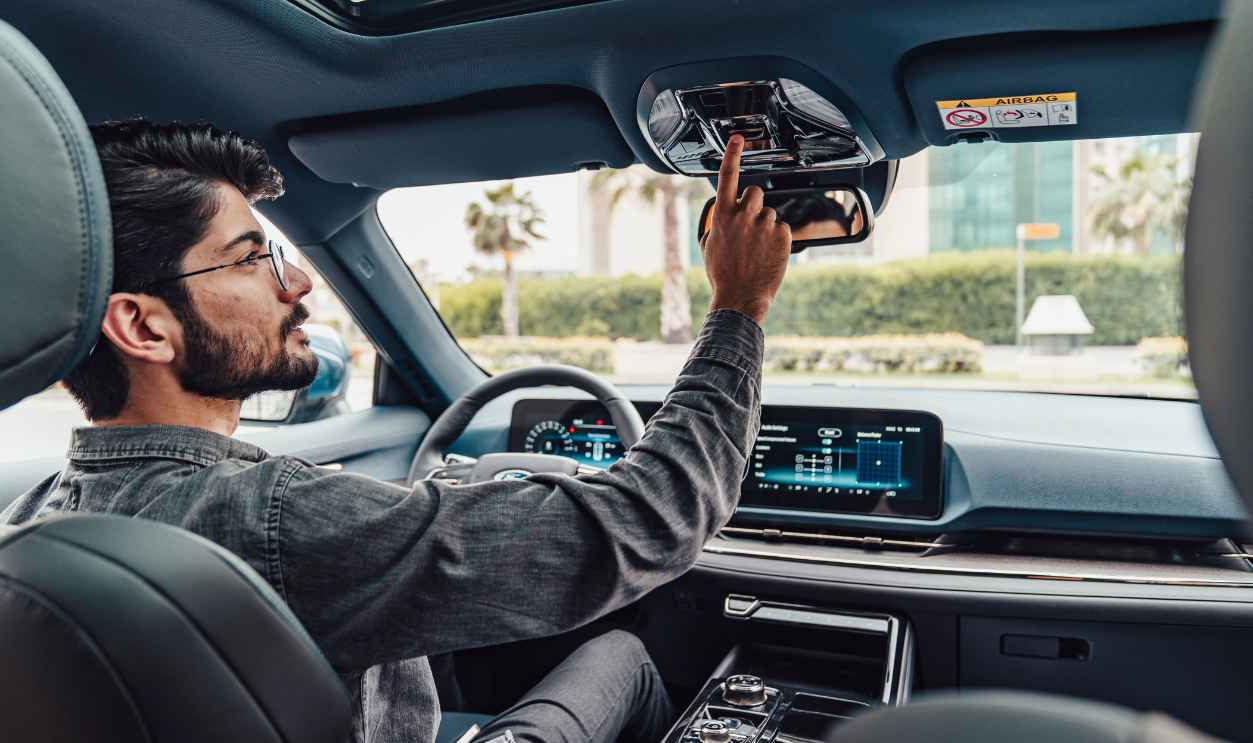
Modern cars often have cameras and sensors near the top center of the windshield. If a dashcam installation interferes with advanced driver assistance systems or leads to windshield work, it can make future repairs more complicated. That is not usually a direct pricing factor, but it is one more reason to install the camera carefully.
Insurers Sometimes Reprice Whole Groups Of Drivers
Your premium can rise because your insurer decided an entire slice of drivers had become more expensive to cover. That might include drivers in your ZIP code, owners of your car model, or people with similar claim patterns. If that happened around the same time you added a dashcam, it can look like the camera caused the increase when it really did not.
State Rules Shape What Insurers Can Charge
Auto insurance is regulated state by state, so pricing rules are not the same everywhere. Some states limit certain rating factors more than others, and some set tighter rules on surcharges after specific kinds of claims. If you want a clear answer, start with your insurer and then check your state insurance department.

What To Ask Your Insurer Right Now
Be direct. Ask whether the increase was caused by a renewal rerate, a claim, a violation, mileage, a vehicle symbol change, an address update, a household change, or anything tied to the dashcam. Also ask whether the company offers any dashcam-related program, because with most major insurers, the answer is usually no.

A Dashcam Can Still Save You Money Indirectly
Even without a discount, a dashcam can still be worth it. Good footage may help you avoid being blamed for a crash you did not cause, fight a fraudulent claim, or back up a police report. That can save you a deductible, protect your record, and reduce the odds of a worse insurance outcome later.

Do Not Ignore Privacy And Audio Laws
Video is only part of the legal picture. If your dashcam records audio inside the car, consent laws may matter depending on your state and the situation. It is smart to check local rules before counting on audio in a dispute.

Placement And Settings Matter More Than Most Drivers Think
A dashcam should not block your view or interfere with factory safety sensors. If your car has advanced safety tech near the mirror area, use a reputable installer. And make sure the camera is set to save important clips automatically so key footage is not erased after a crash.
Cheap Insurance Is Not Always Best At Handling Video
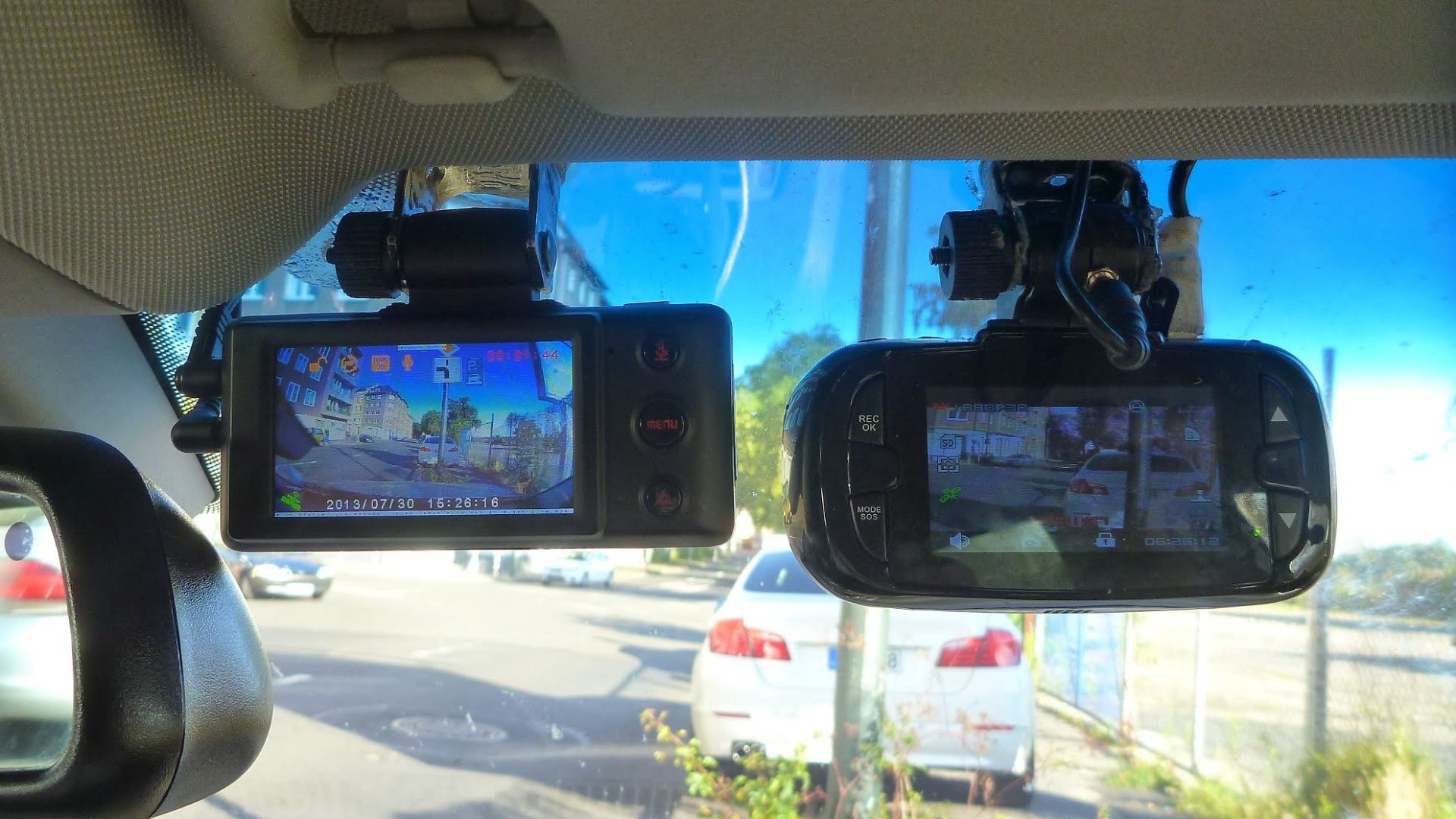
Claims handling can matter just as much as price. If dashcam footage matters to you, ask how the insurer accepts video, how quickly adjusters review it, and whether there is an easy upload process. A company that can use your evidence well may be worth paying a little more for.

Shopping Around Is Often The Fastest Answer
If your insurer raised your premium and gave you a vague explanation, compare quotes. Insurance companies weigh risk in different ways, and another carrier may price the same driver and car much better. That is especially worth doing during a period of broad market increases, when sticking with the same company can get expensive.

The Bottom Line On Dashcams And Insurance Rates
Dashcams can absolutely help. They just usually do not help in the way many drivers expect, which is an automatic lower premium. In 2024 and 2025, the clearest picture is that dashcams mainly help with evidence and claims, while rate increases are usually driven by broader underwriting decisions and market forces.