When The Market Already Peaked
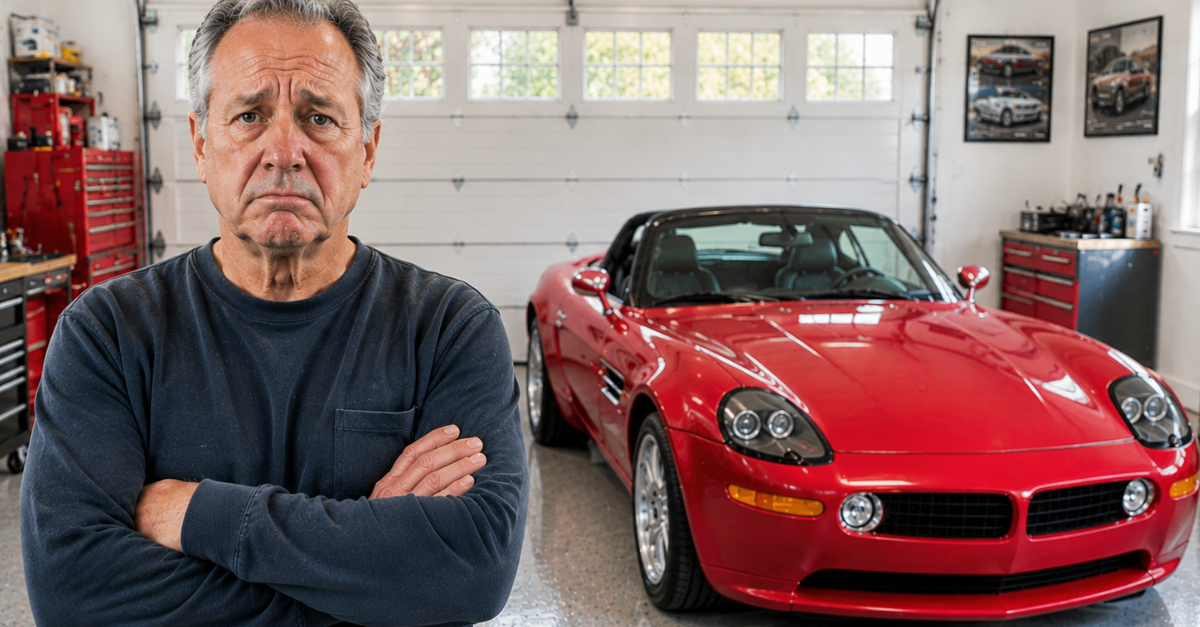
Some collectible cars quietly hit their sweet spot years ago. Owners thought prices would keep climbing forever, so they held on. Instead, the hype faded, buyer tastes changed, and values either flattened or slipped backward. These cars aren’t worthless today—but they are worth less than when collector excitement was at its peak.
BMW Z8
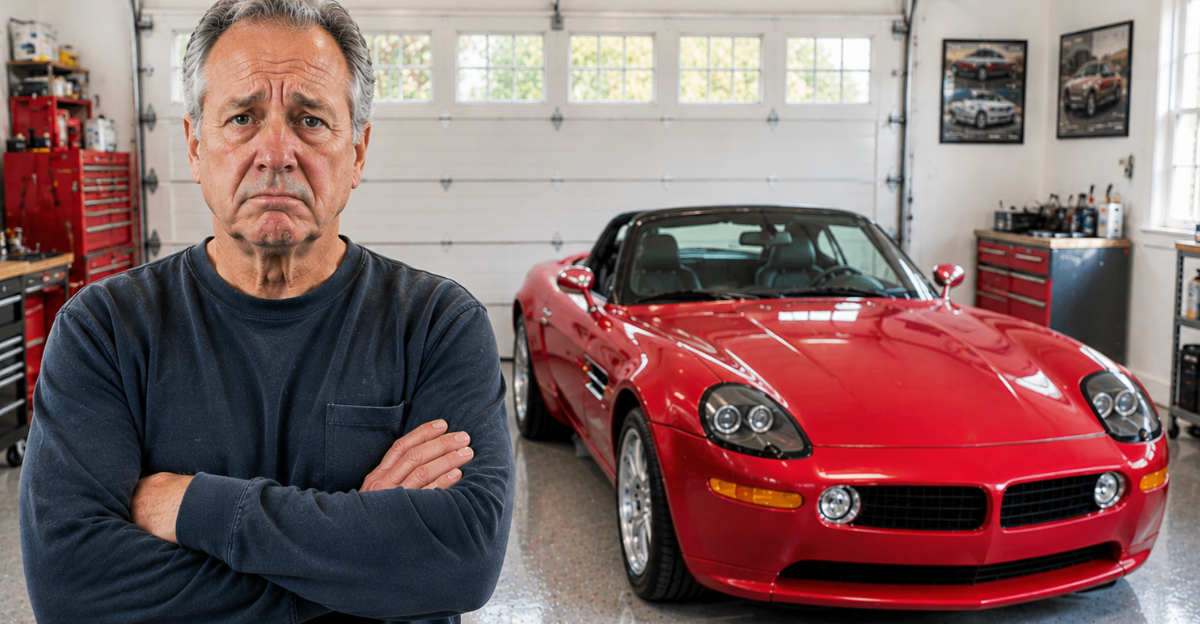
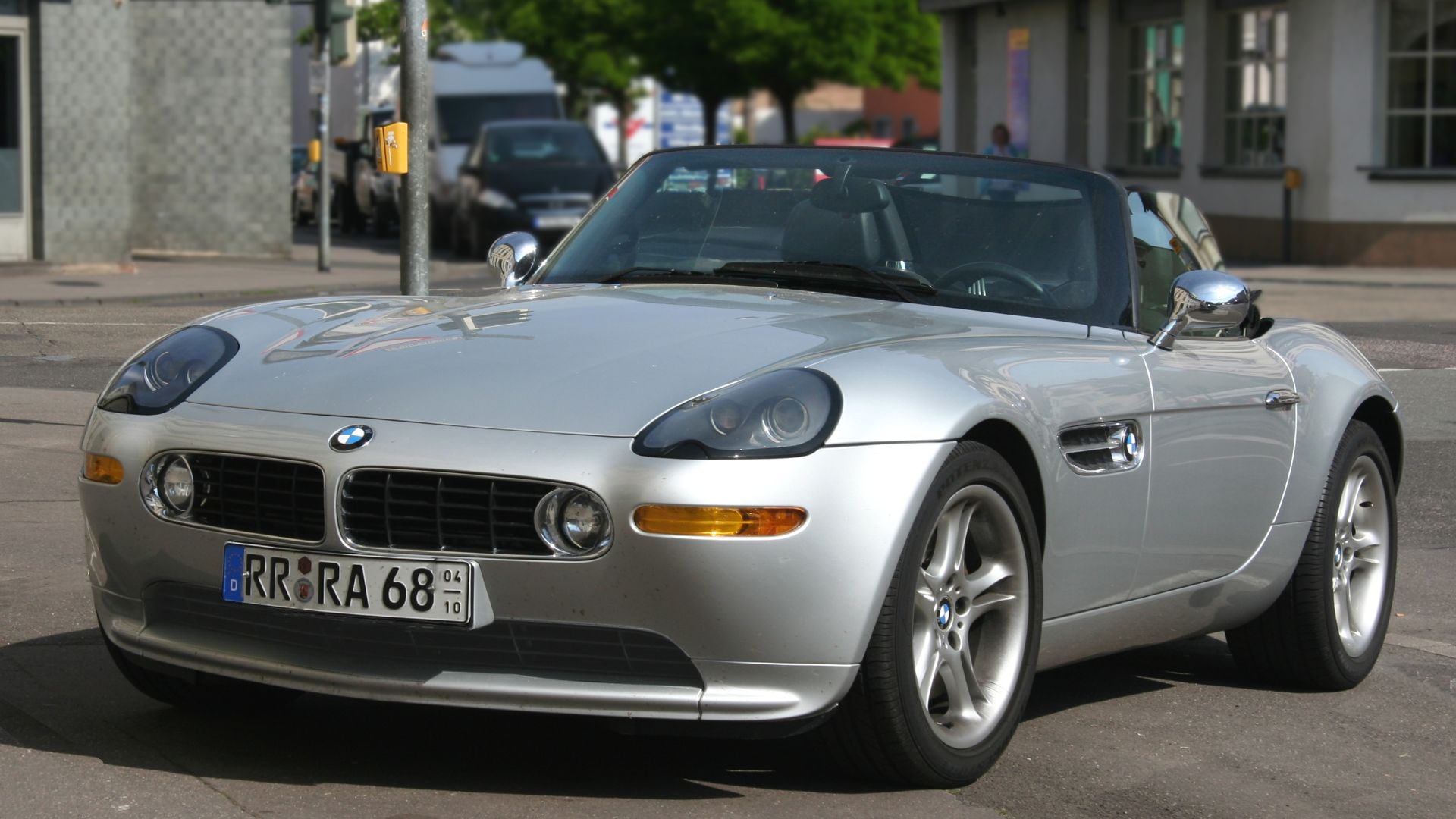
The Z8 exploded in value during the 2010s collector frenzy. Celebrity ownership, rarity, and James Bond connections pushed prices sky-high, and many owners expected endless appreciation. Some even passed on enormous offers during the market peak, only to watch prices eventually stabilize instead of continuing upward.
 Spurzem - Lothar Spurzem, Wikimedia Commons
Ferrari 360 Modena
Around the early-to-mid 2010s, the 360 became one of the hottest “entry-level” Ferraris on the market. Prices surged as collectors rushed into analog-era exotic cars. But owners who expected F1-transmission cars to appreciate like manual versions were often disappointed once the market cooled.
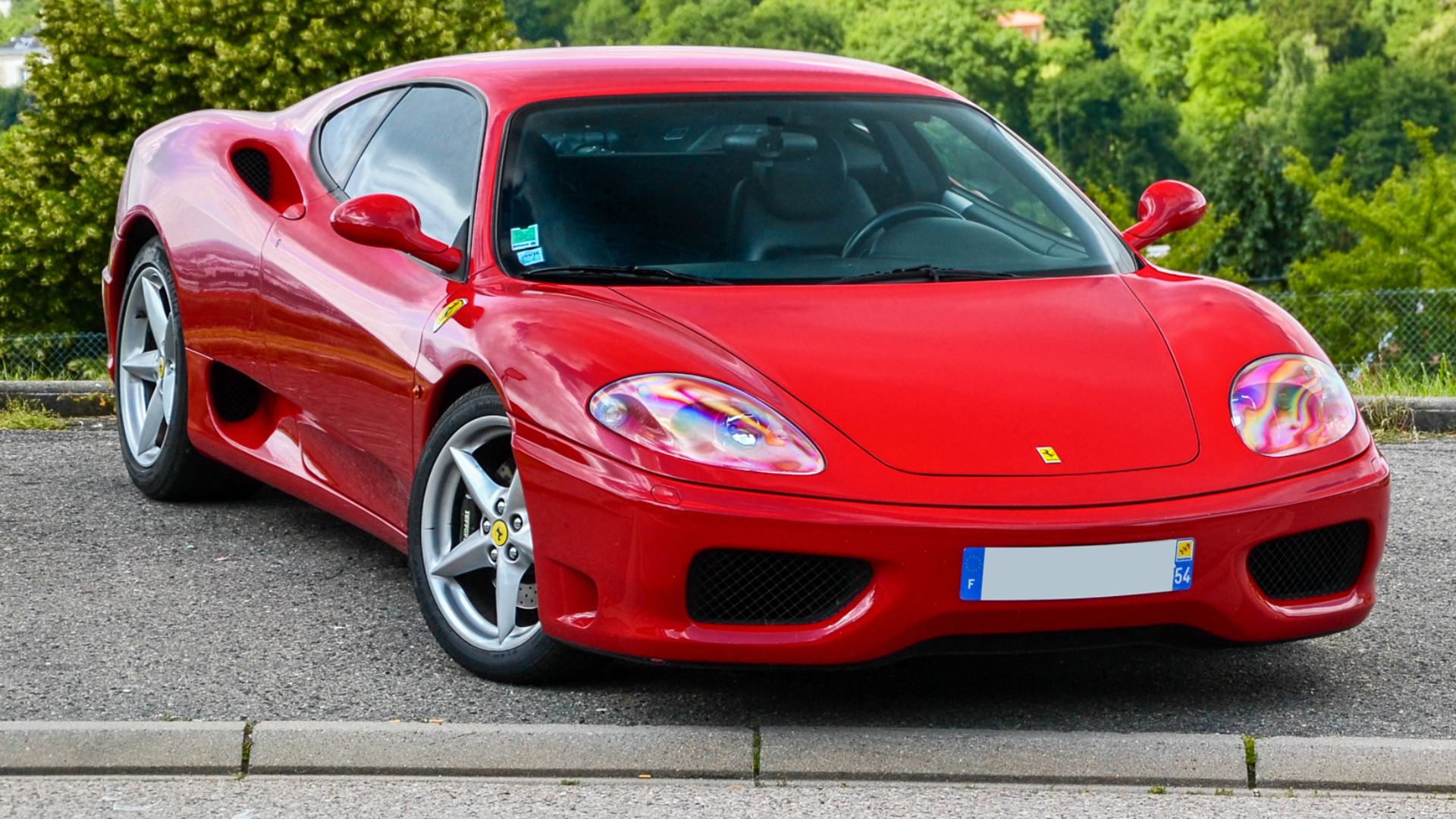 Alexandre Prévot from Nancy, France, Wikimedia Commons
Porsche 928
The 928 experienced a major resurgence roughly 10–15 years ago when collectors rediscovered front-engine Porsches. Prices climbed quickly, and many owners expected the car to become the next air-cooled 911. Instead, values eventually plateaued well below the explosive appreciation investors had predicted.
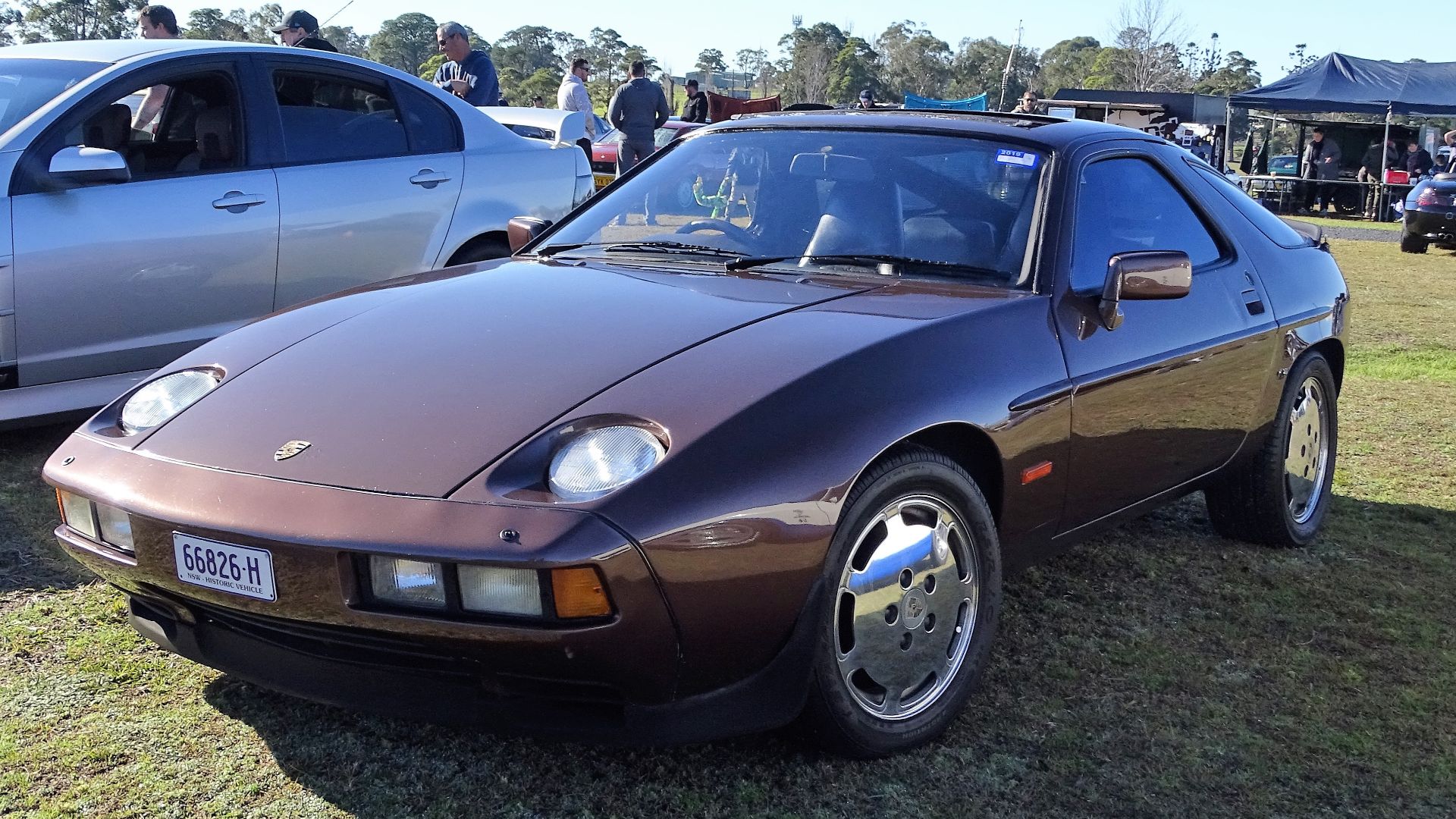
Corvette C4 ZR-1
For years, collectors treated the ZR-1 like a future blue-chip Corvette. Prices rose steadily during the collector boom of the late 2000s and early 2010s, and many owners refused to sell. But appreciation slowed considerably once newer high-performance Corvettes entered the spotlight.
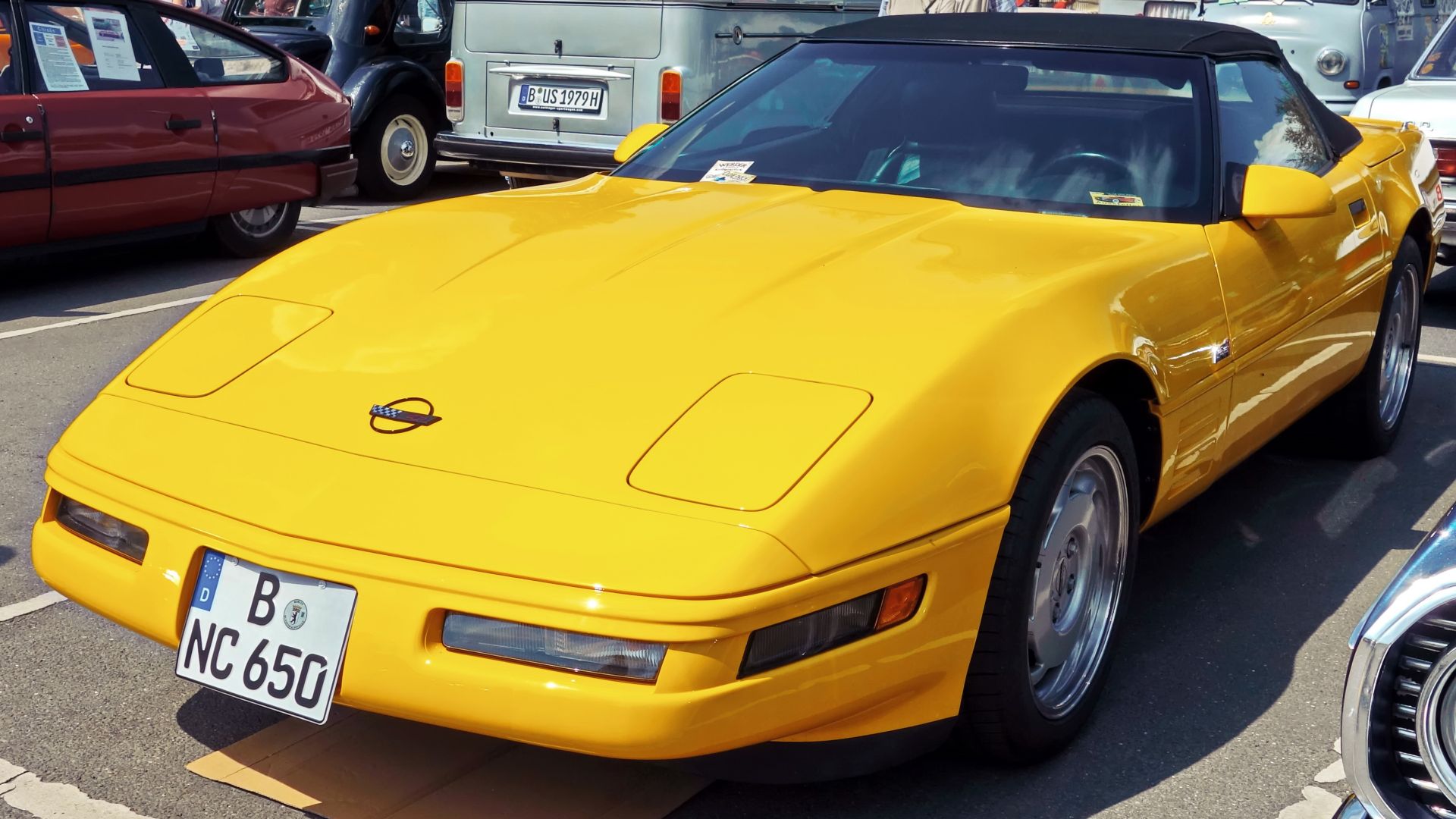 More Cars from Berlin, Germany, Wikimedia Commons
Dodge Viper RT/10
Early Vipers surged in popularity when analog performance cars became highly collectible around 2010. Low-mileage RT/10s especially saw major price increases as buyers chased raw driving experiences. But while prices stayed respectable, they never reached the six-figure investment territory many owners predicted.
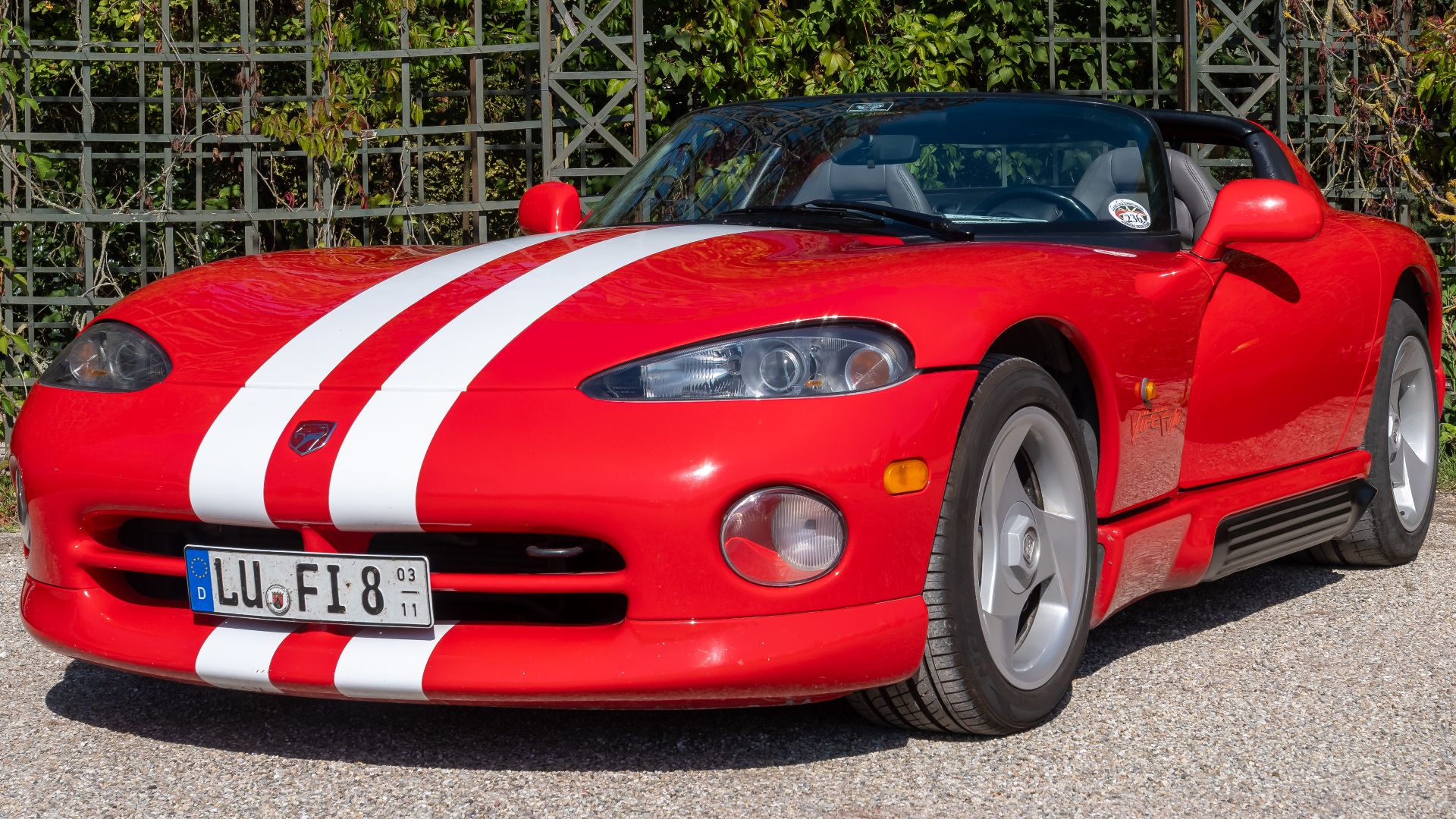 Matti Blume, Wikimedia Commons
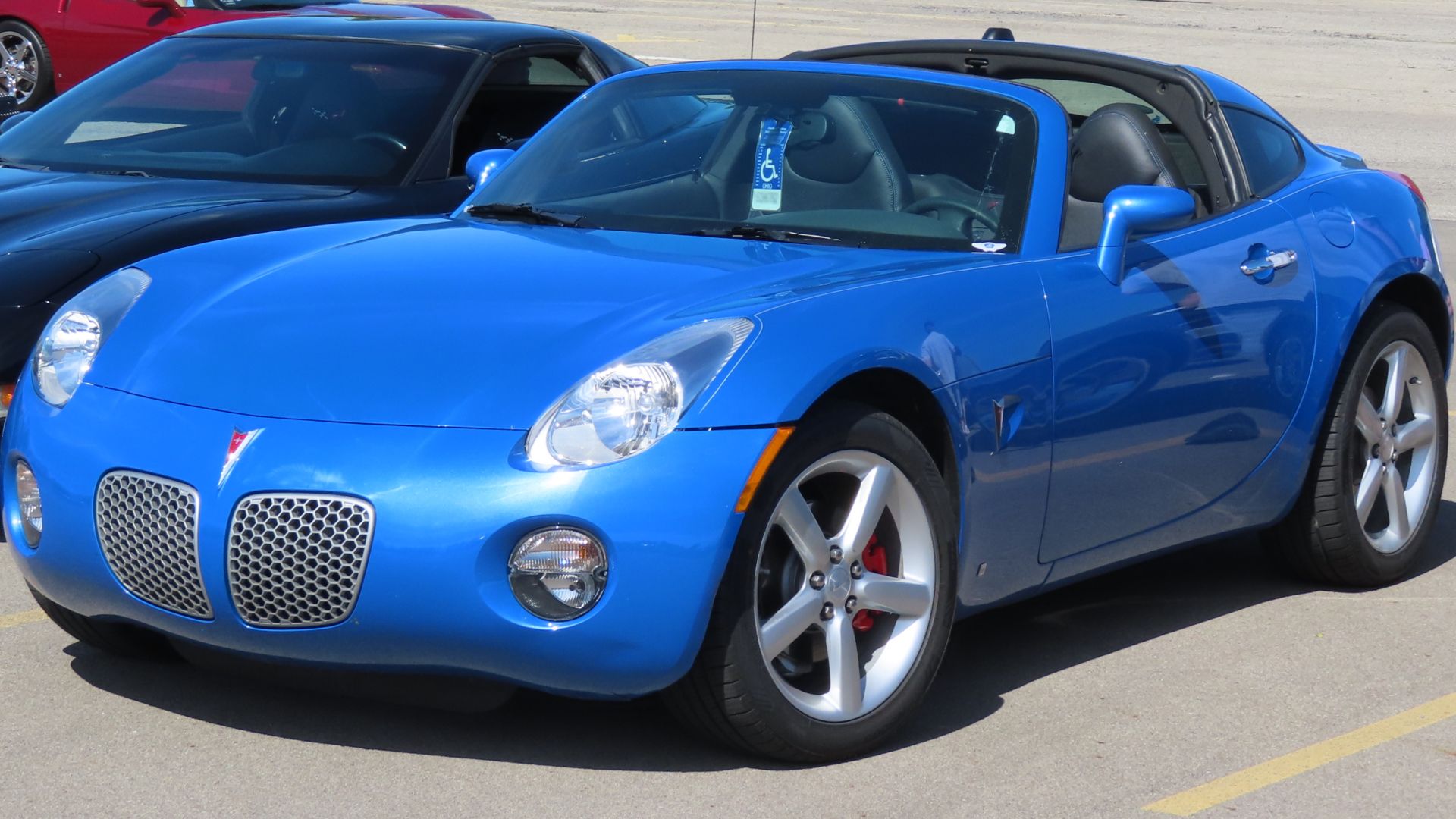
Pontiac Solstice Coupe
When Pontiac shut down, panic-buying immediately hit rare Pontiac models like the Solstice Coupe. Prices climbed rapidly as collectors scrambled to secure one of the brand’s final specialty cars. But once the initial excitement faded, the market stabilized well below the lofty expectations many owners had.
 MercurySable99, Wikimedia Commons
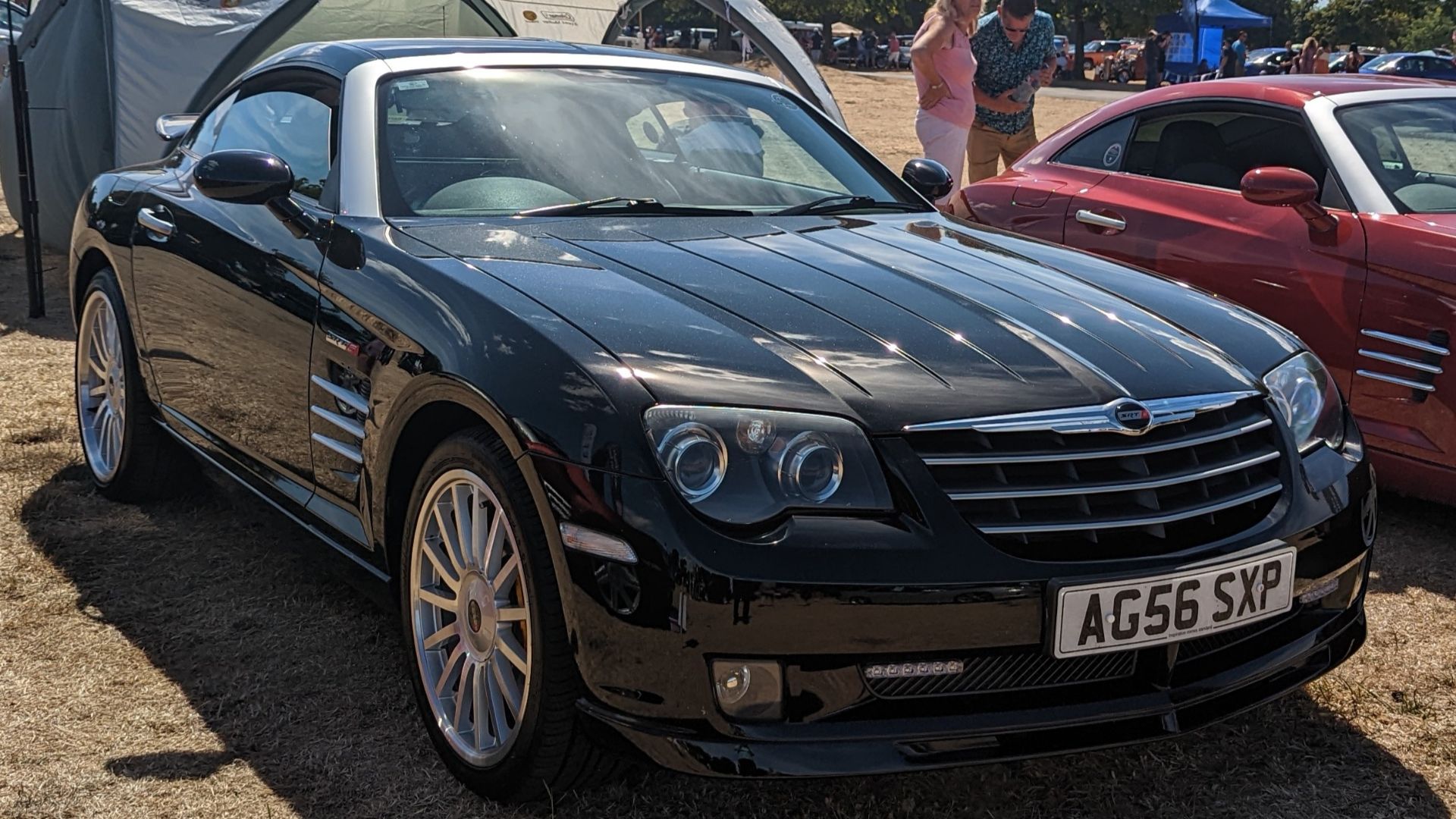
Chrysler Crossfire SRT-6
The SRT-6 briefly became a collector darling thanks to its rarity and AMG-derived performance hardware. During the late 2000s, prices strengthened as buyers searched for overlooked performance cars. But the market cooled quickly once collectors realized demand wasn’t growing fast enough to sustain the hype.
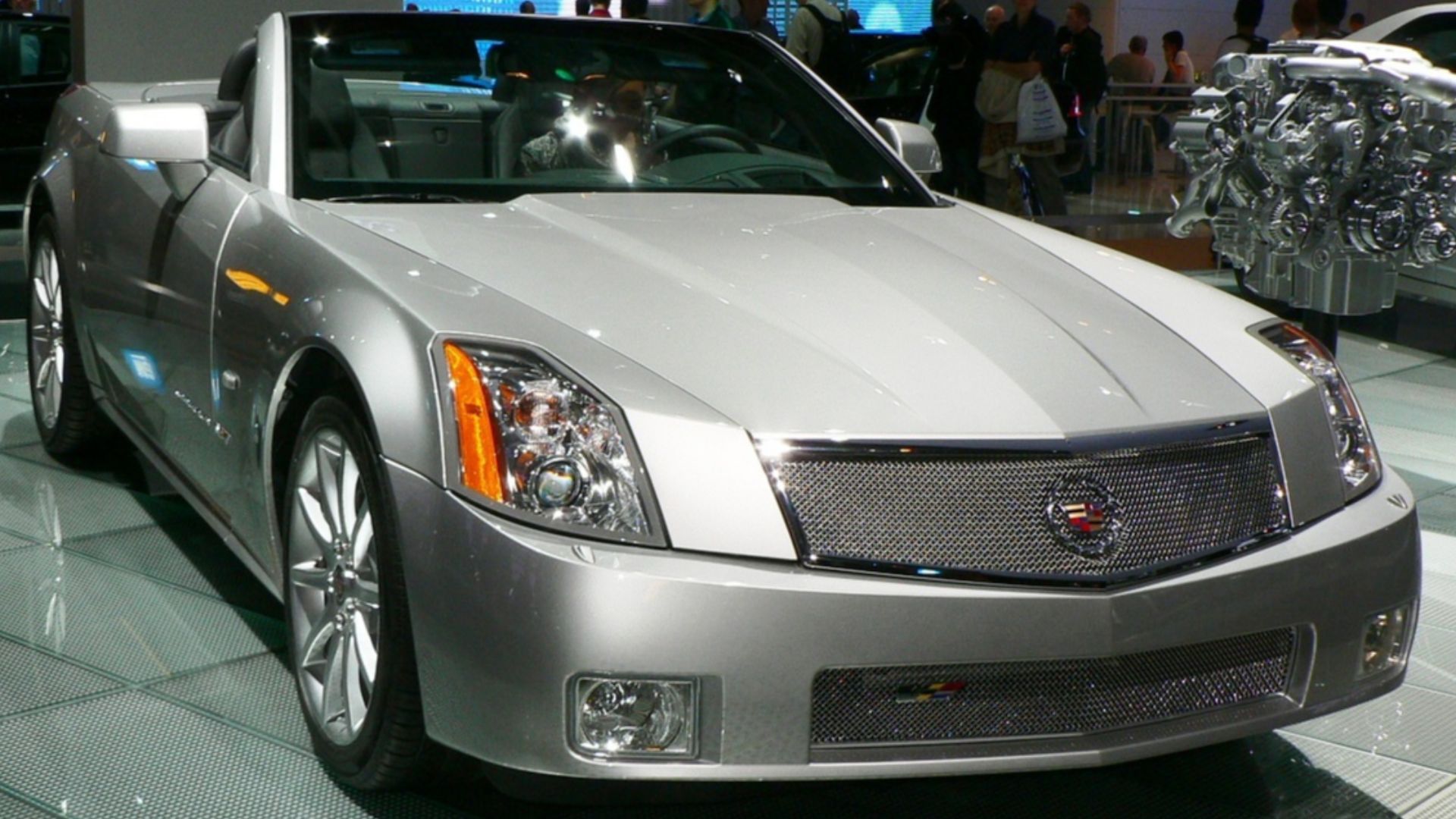
Cadillac XLR
For a brief period, the XLR looked like a sleeper collectible. Low production numbers and Corvette underpinnings generated serious optimism among collectors in the late 2000s and early 2010s. But expensive electronics and limited enthusiast demand eventually pushed prices back down to earth.
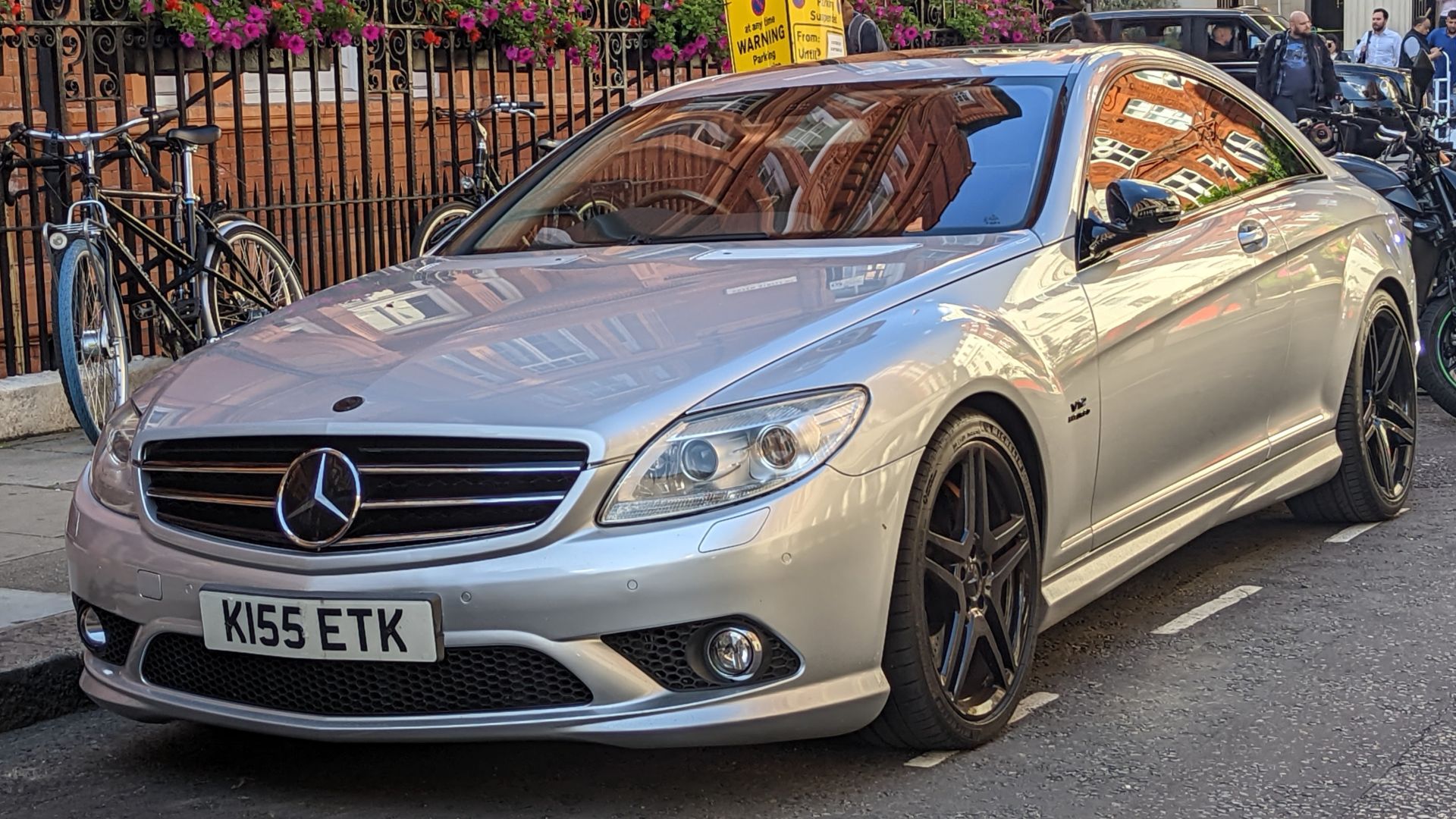
Mercedes-Benz CL600
During the late 2000s, overengineered V12 Mercedes models suddenly became fashionable among collectors. Some pristine CL600s gained serious value momentum as buyers chased ultra-luxury German coupes. Then repair costs and aging electronics scared away many enthusiasts, causing prices to retreat from those highs.
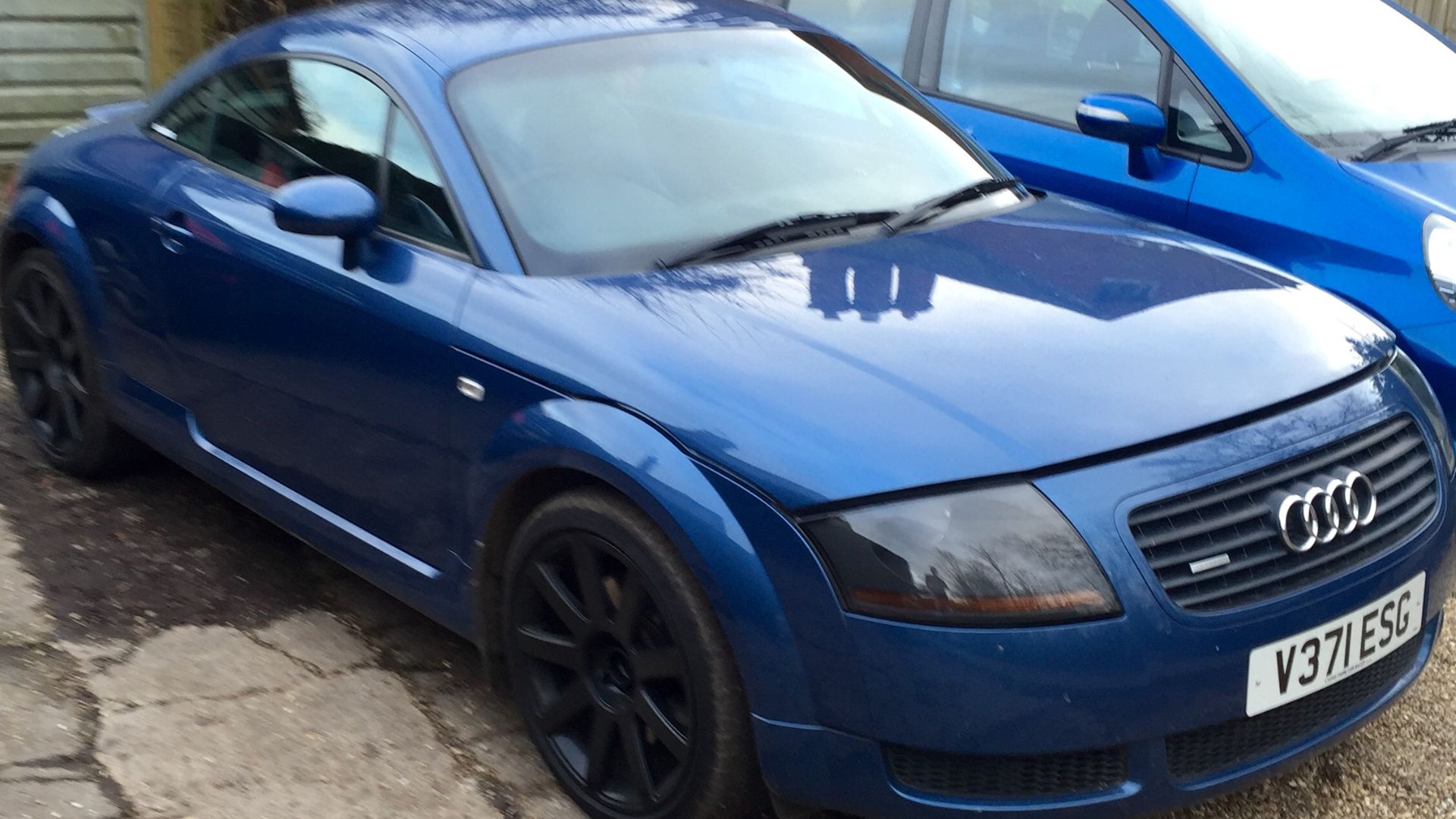
Audi TT Mk1
The first-generation Audi TT enjoyed a huge nostalgia wave during the early 2010s. Buyers rushed to preserve clean examples, convinced the iconic design would guarantee future appreciation. But Audi built more of them than many realized, and values softened once the collector excitement settled down.
 Connor Ferry, Wikimedia Commons
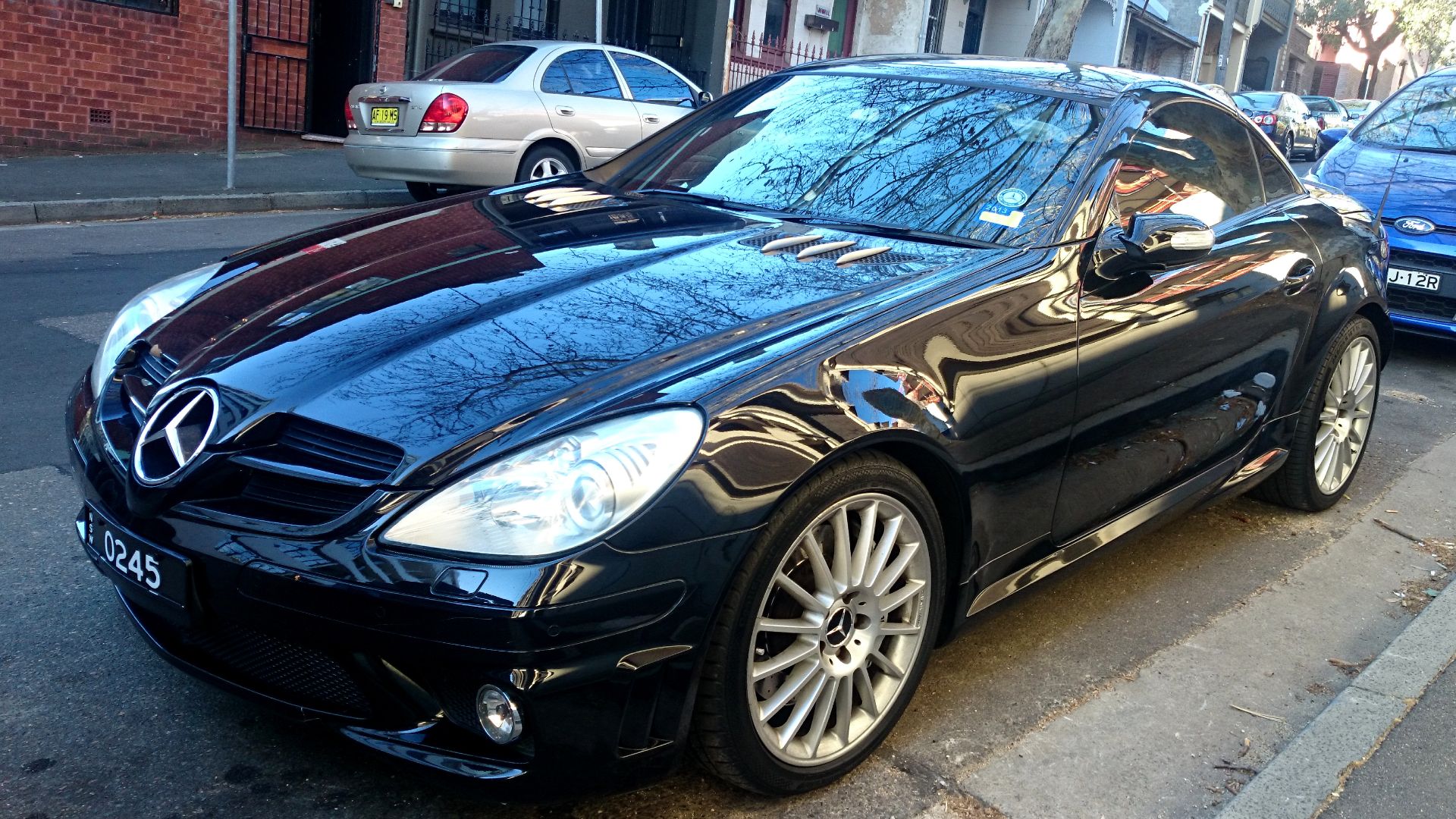
Mercedes-Benz SLK55 AMG
Naturally aspirated AMG cars became red-hot collector items in the early 2010s, and the SLK55 briefly rode that wave. Prices climbed as buyers chased analog AMG performance. But collector focus eventually shifted toward more iconic AMG models, leaving many SLK55 owners waiting for another spike.
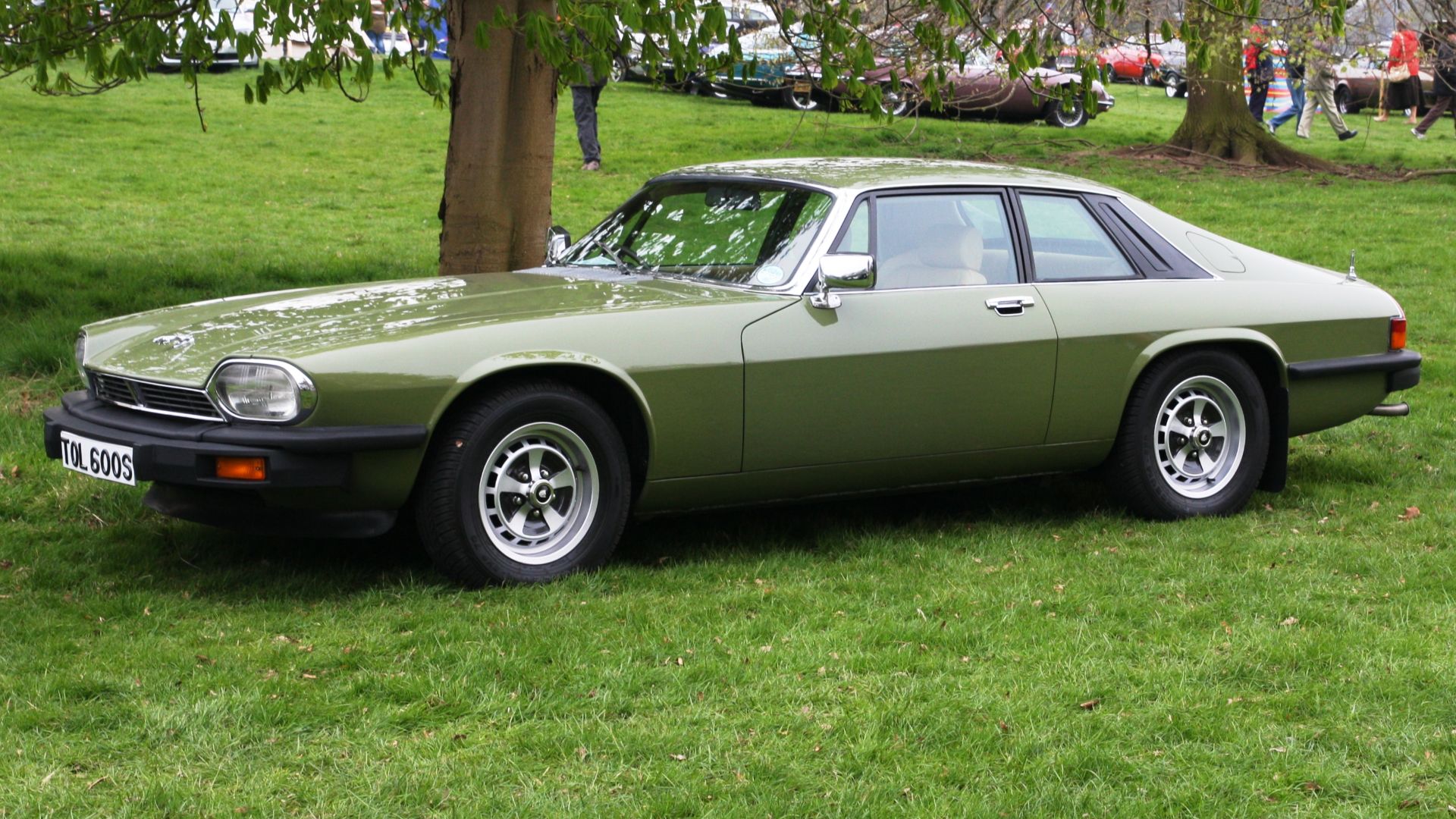
Jaguar XJS
Collectors spent years insisting the XJS was overdue for a huge breakout. Around the late 2000s, clean V12 cars finally started climbing in value as enthusiasm for classic British grand tourers grew. But the excitement cooled long before owners saw the massive gains they expected.
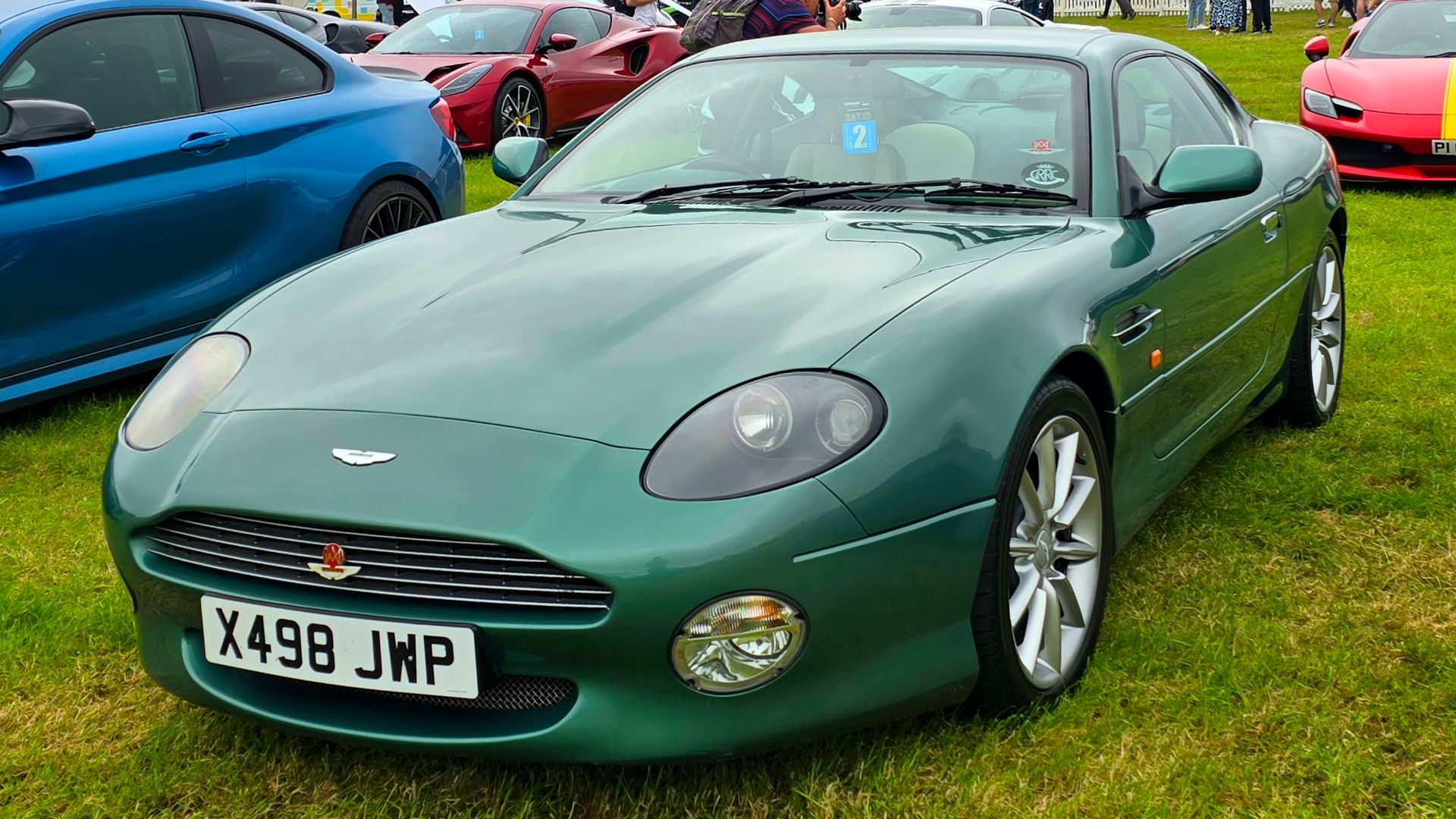
Aston Martin DB7
The DB7 gained momentum during the affordable-exotic boom about 15 years ago. Buyers saw it as an inexpensive way into Aston Martin ownership with plenty of upside. But maintenance costs and a crowded luxury market eventually slowed appreciation before it ever reached supercar territory.
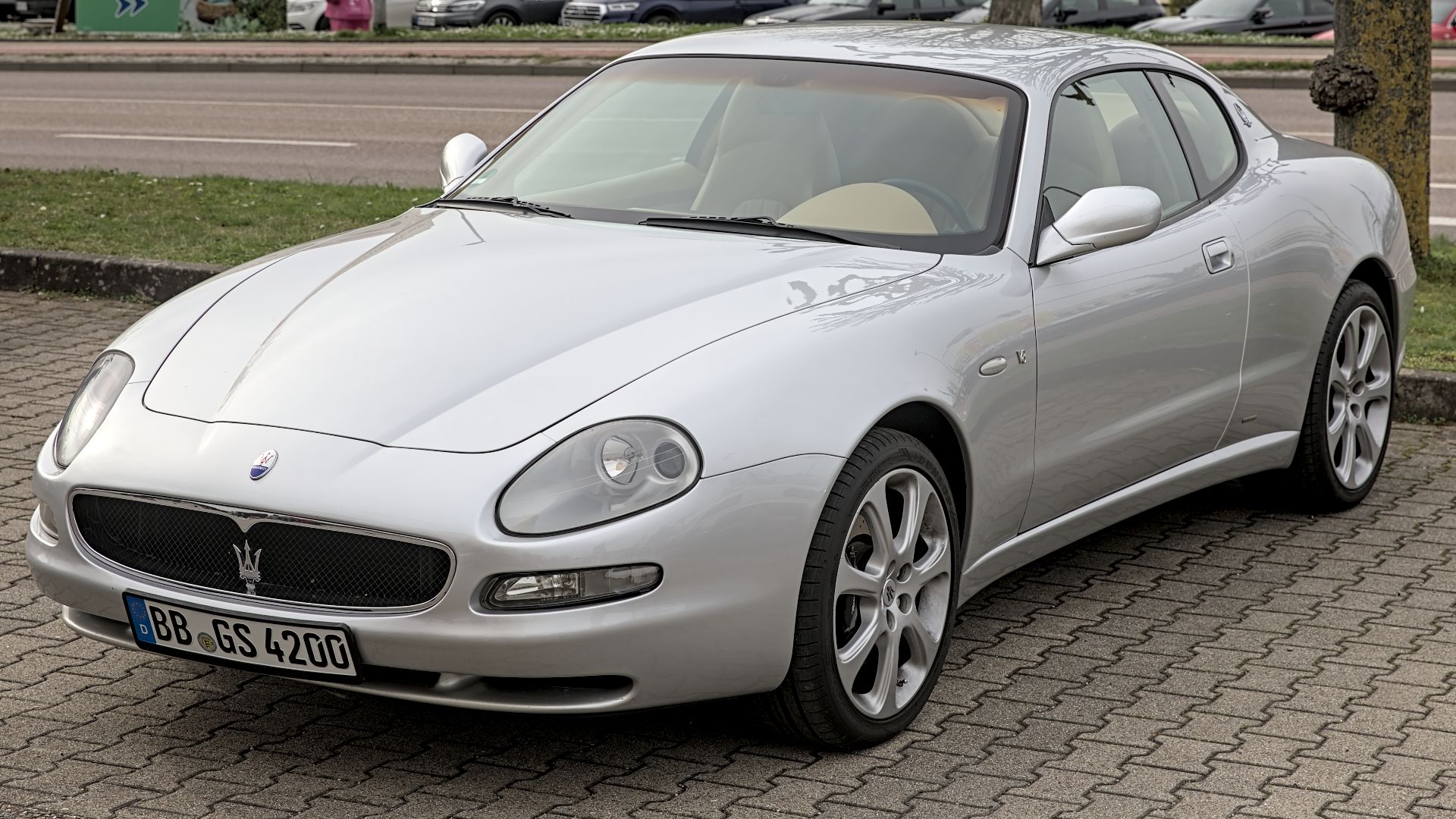
Maserati Coupe
Ferrari-linked Maseratis became surprisingly trendy during the early 2010s collector surge. Enthusiasts believed these elegant Italian GT cars were undervalued future classics. Unfortunately, reliability concerns and expensive ownership costs quickly scared off many buyers, causing prices to flatten after the initial enthusiasm faded.
 Alexander-93, Wikimedia Commons
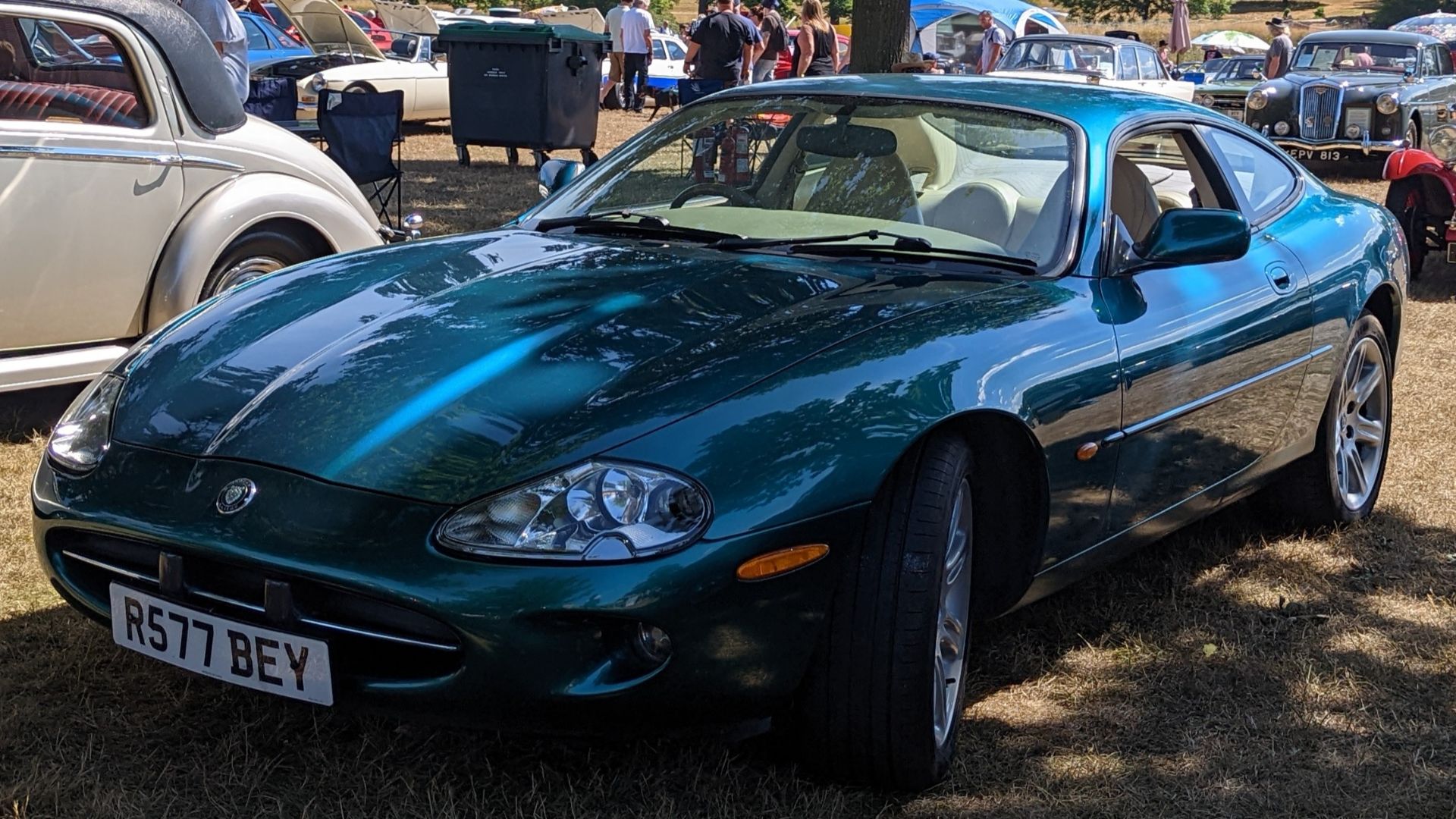
Jaguar XK8
The XK8 looked poised for a major collector run about 15 years ago when affordable luxury GT cars suddenly became fashionable. Prices climbed as enthusiasts hunted elegant V8-powered Jaguars. But expensive upkeep and reliability fears prevented the market from reaching the heights many owners anticipated.
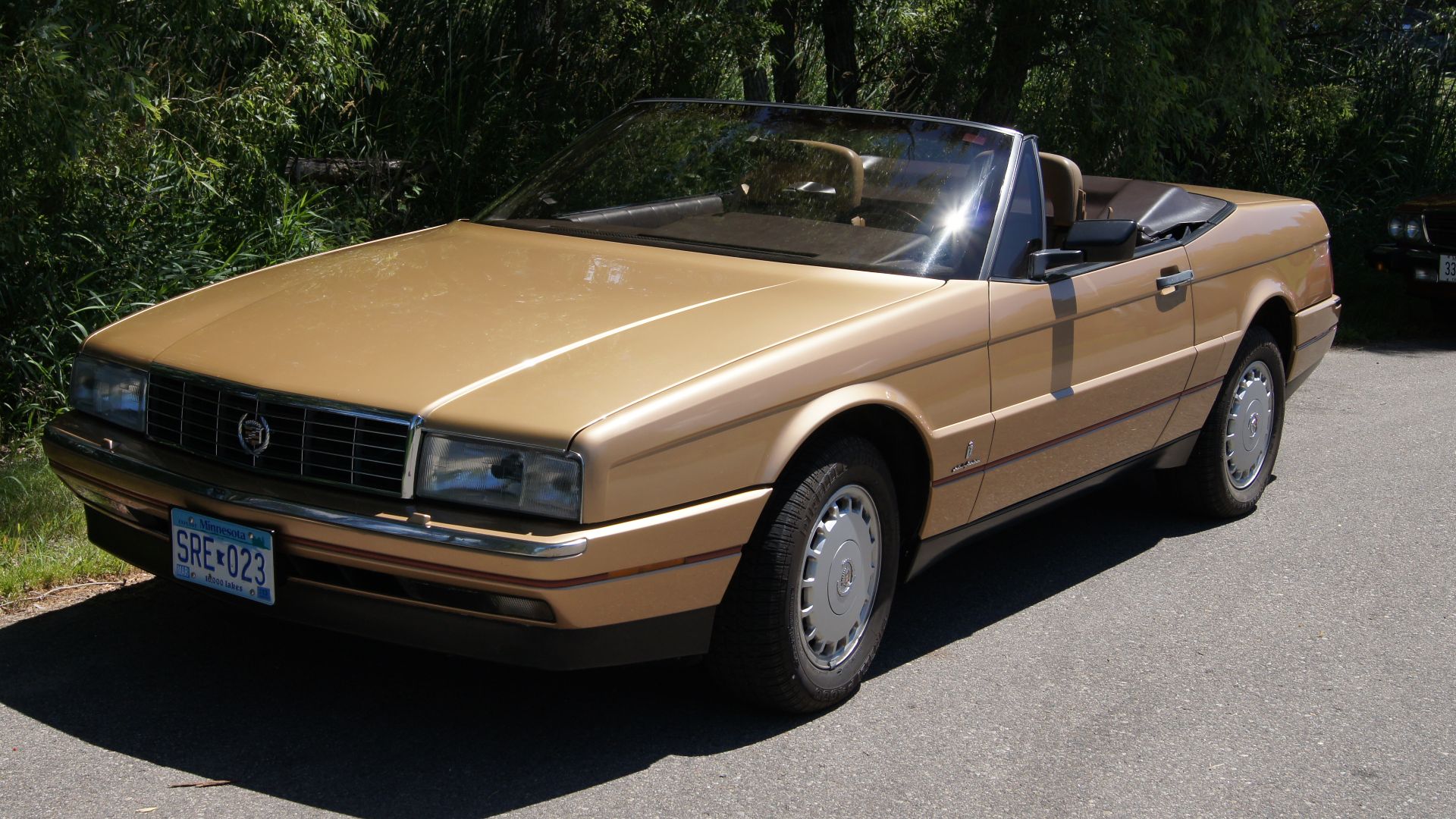
Cadillac Allanté
The Allanté briefly benefited from growing nostalgia for unusual 80s luxury cars during the late 2000s collector wave. Buyers became fascinated with its Italian-American backstory and low production numbers. But long-term demand never fully materialized, and prices eventually leveled off instead of continuing upward.
 Greg Gjerdingen from Willmar, USA, Wikimedia Commons
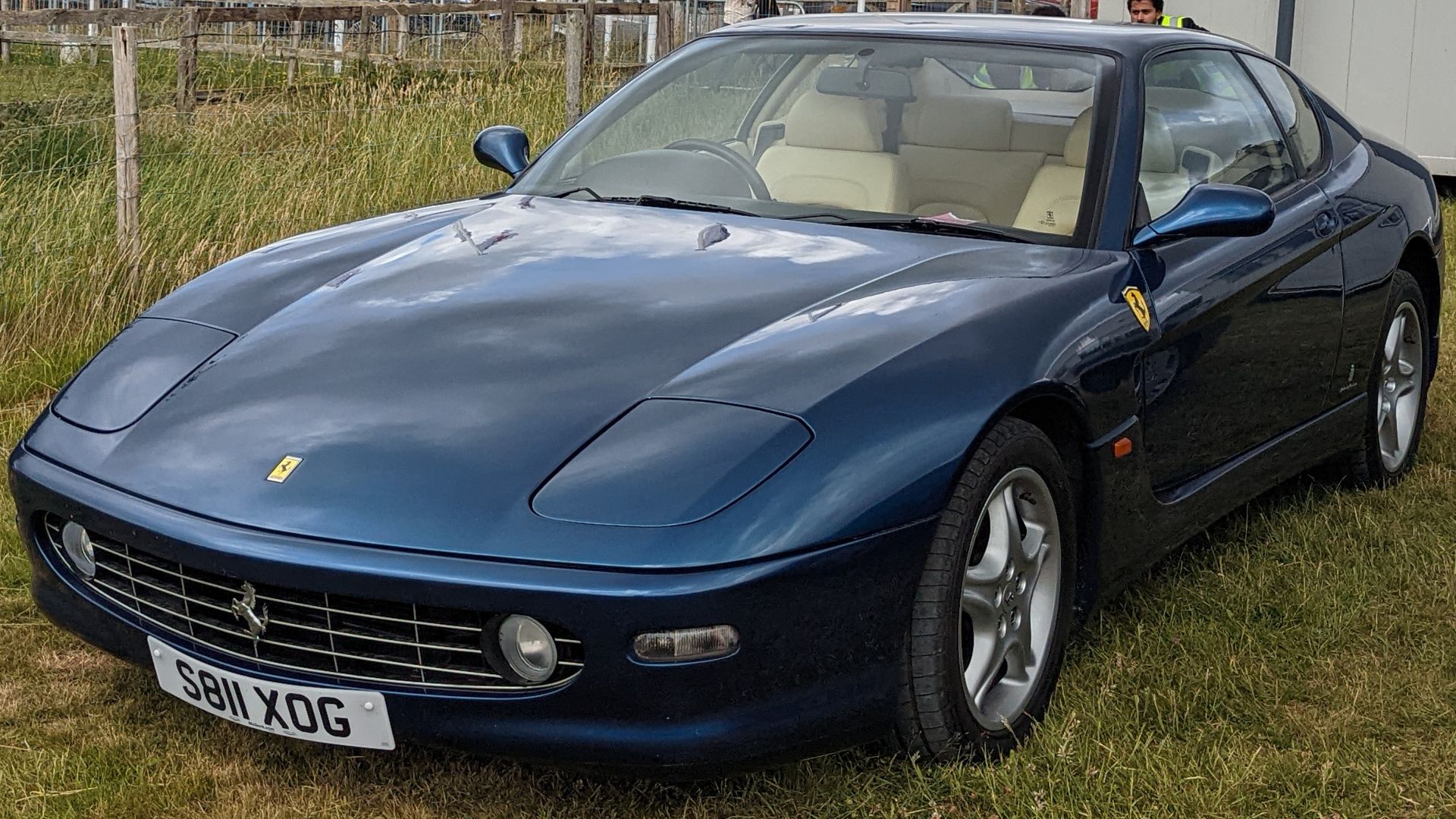
Ferrari 456M GTA
Front-engine V12 Ferraris briefly looked massively undervalued around 2010. The 456M GTA especially gained momentum among collectors searching for affordable exotic GT cars. But automatic transmissions and intimidating maintenance costs eventually kept demand lower than many long-term owners expected.
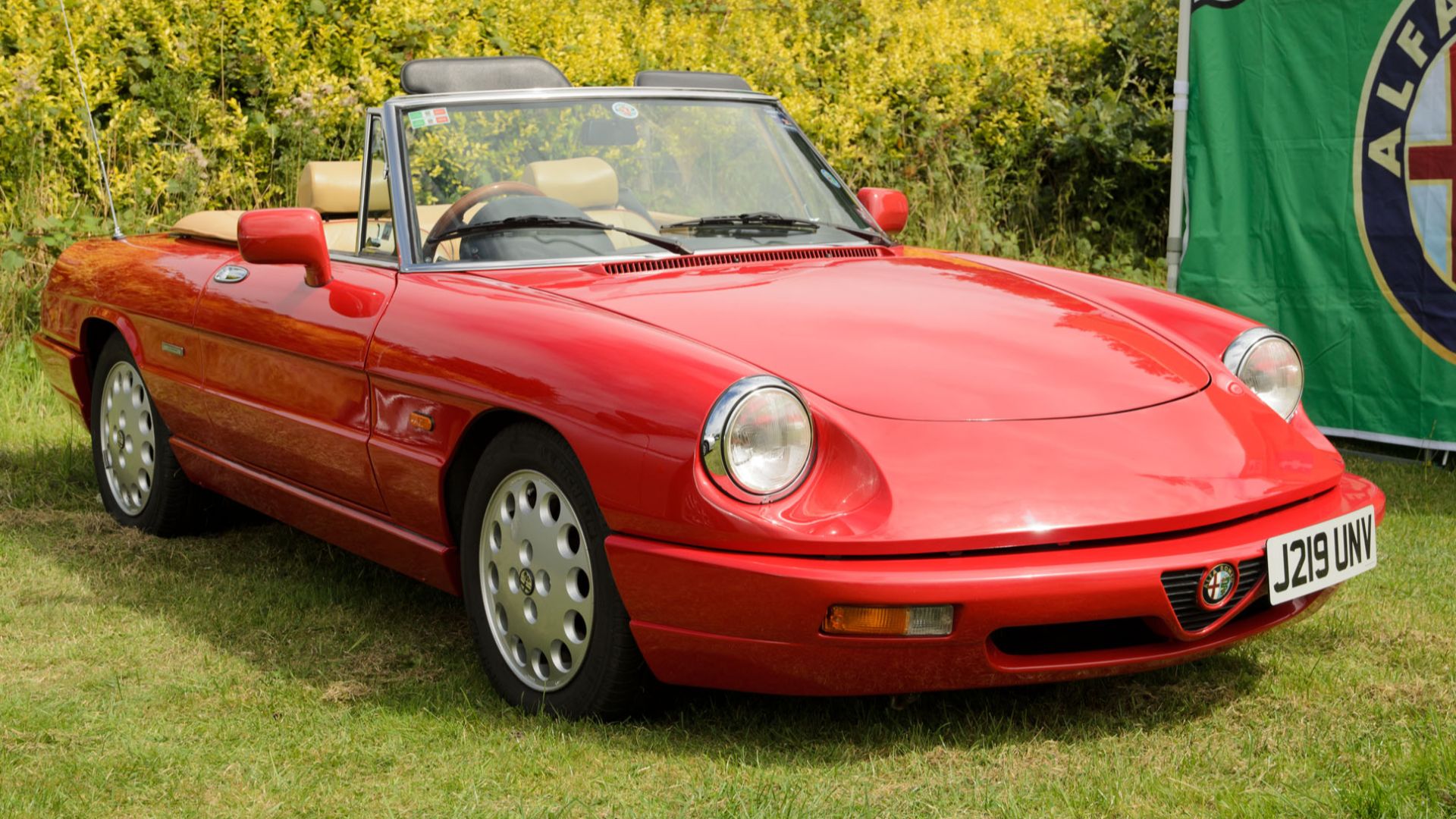
Alfa Romeo Spider Series 4
Italian convertibles surged in popularity during the collector boom of the early 2010s, and the final-generation Alfa Spider benefited heavily from that nostalgia. Prices rose quickly as buyers hunted affordable European classics. But the excitement faded once newer collectors moved on to other vintage imports.
Timing Beats Nostalgia
Every collectible market has a peak moment. The hardest part is recognizing it while it’s happening. These cars still have fans, and some remain genuinely cool to own—but for many collectors, the best time to cash out may have been years ago.
 Charles from Port Chester, New York, Wikimedia Commons
You Might Also Like:
Old Pickup Trucks That Baby Boomers Won’t Give Up—And Why We Wish They Would