These Old Trucks Refuse To Die—And Their Owners Refuse To Let Go
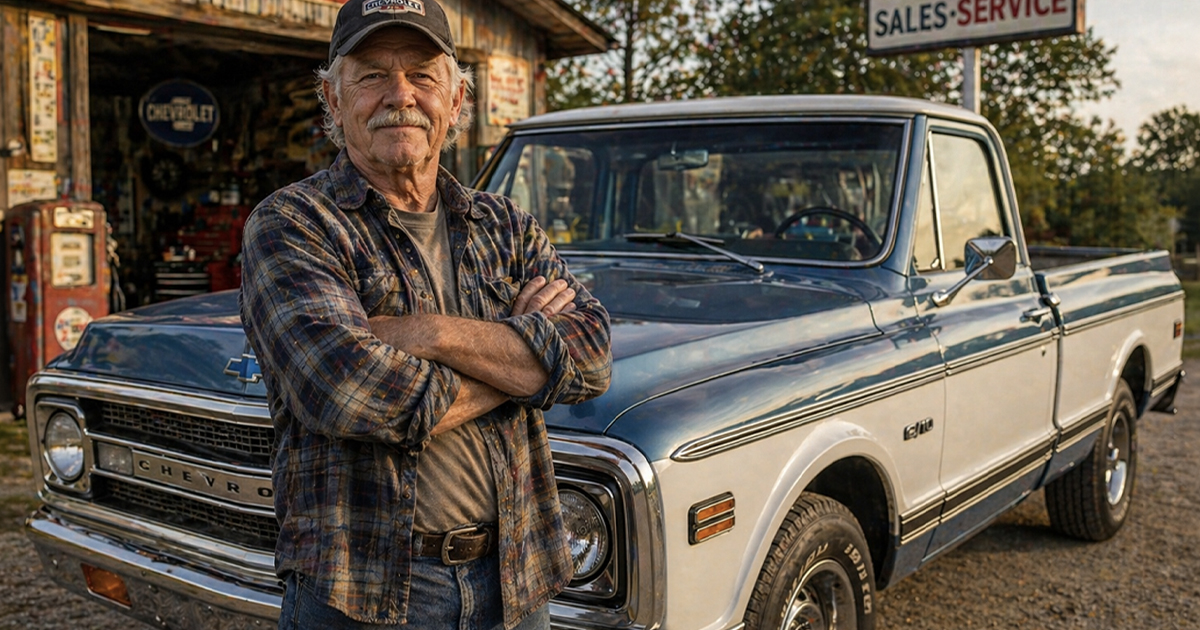
Some pickup trucks just won’t fade away… and neither will the people driving them. Baby boomers have held onto these machines for decades, trusting them more than anything new on the lot. Here’s a look at the classic trucks they swear by—and why finding one today is nearly impossible.
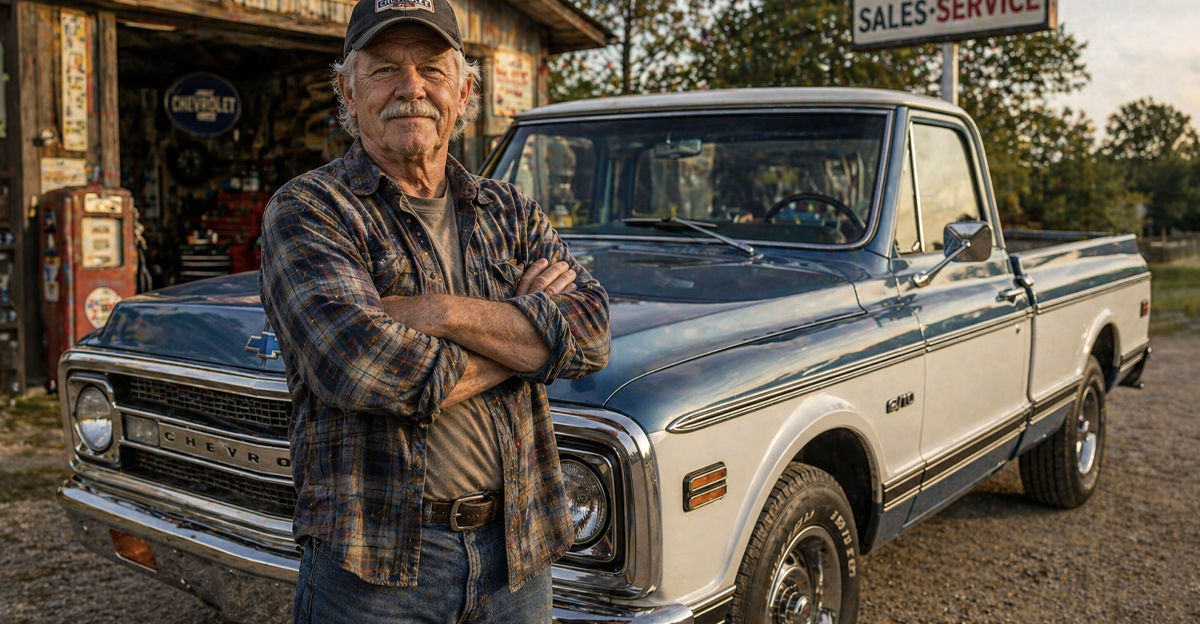
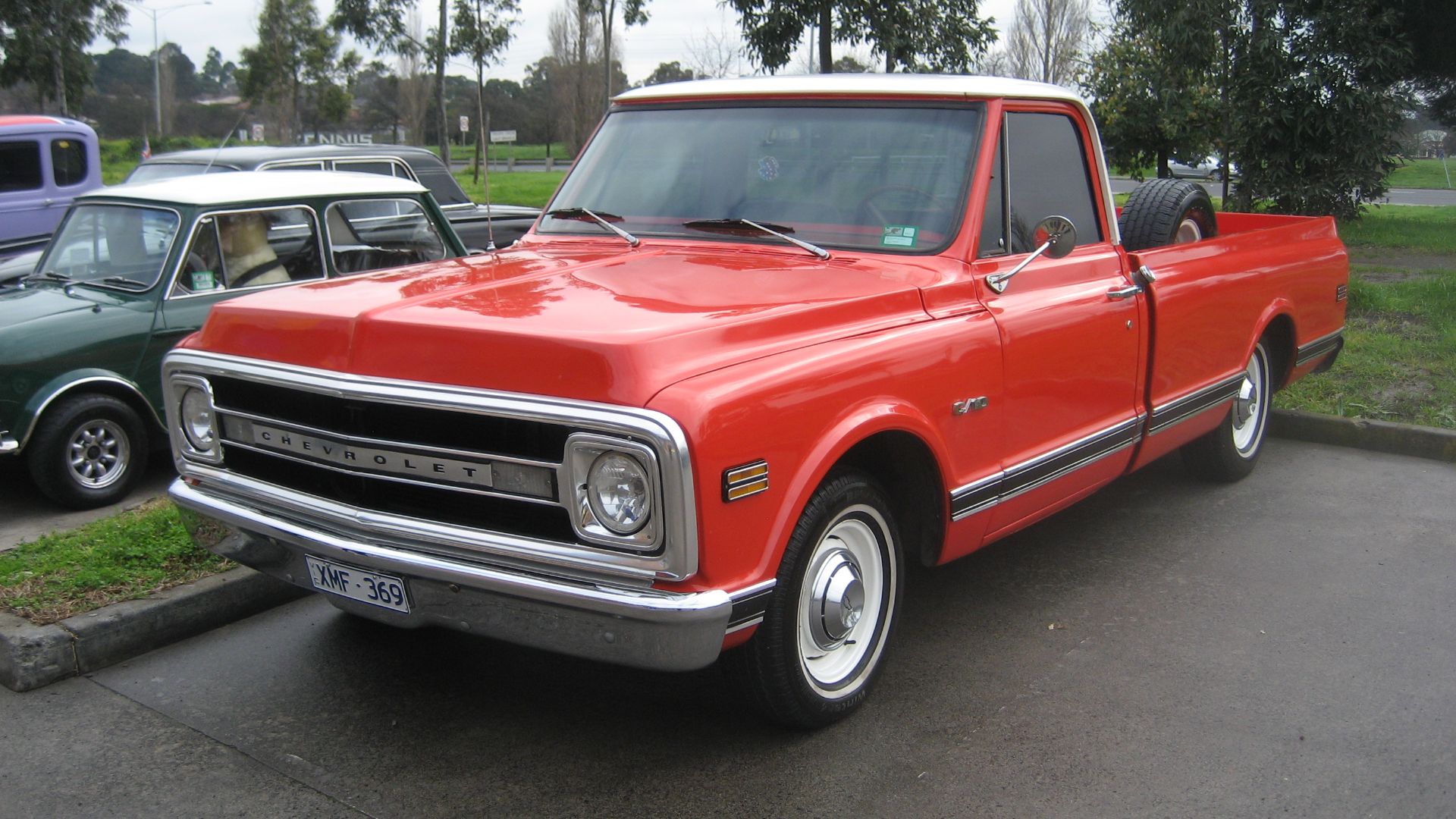
#20. Chevrolet C10 (1967–1972)
Specs: 4.1L inline-6 / small-block V8 options, rear-wheel drive
Boomers love the C10 for its simplicity and clean styling. No computers, easy wrenching, and tons of parts availability keep these alive. Finding an original, unmodified one is getting tough—they’ve either been restored or held onto tightly.
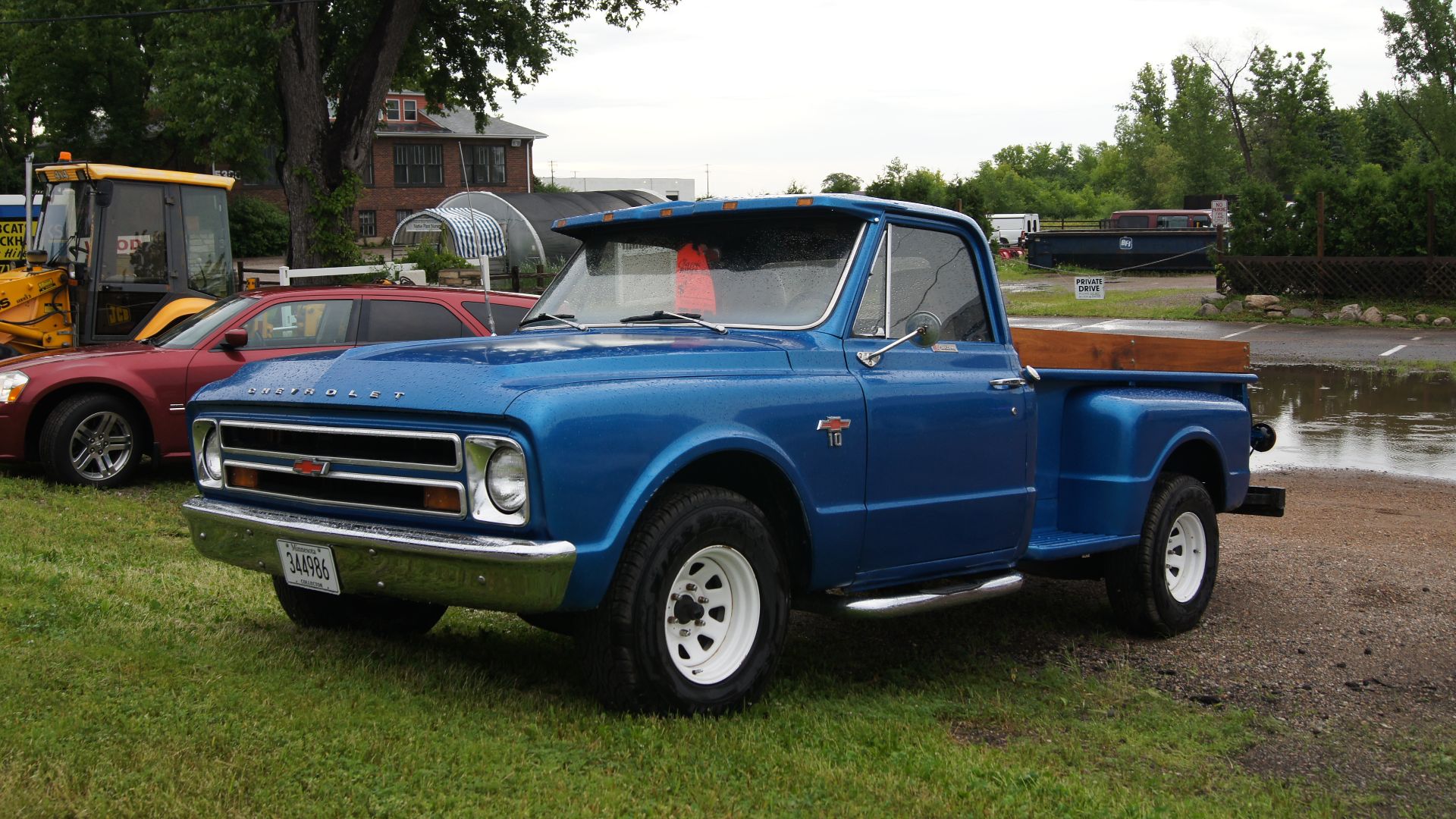 Greg Gjerdingen from Willmar, USA, Wikimedia Commons
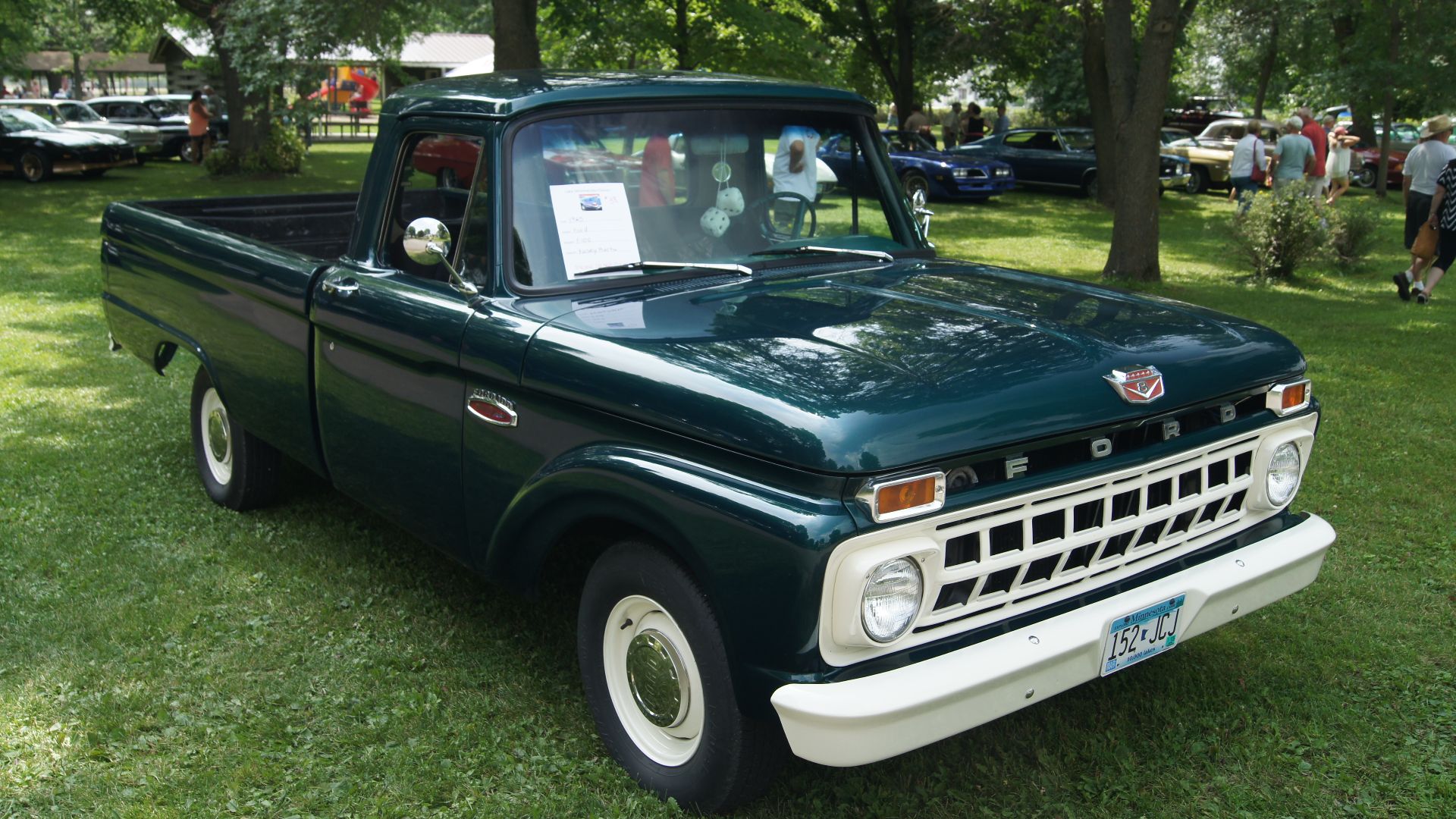
#19. Ford F-100 (1965–1972)
Specs: 3.9L inline-6 / 5.8L V8, solid rear axle
The F-100 is pure old-school Ford toughness. Boomers trust its durability and straightforward design. Many are still daily-driven, which is why clean survivors are disappearing fast from the market.
 Greg Gjerdingen, Wikimedia Commons
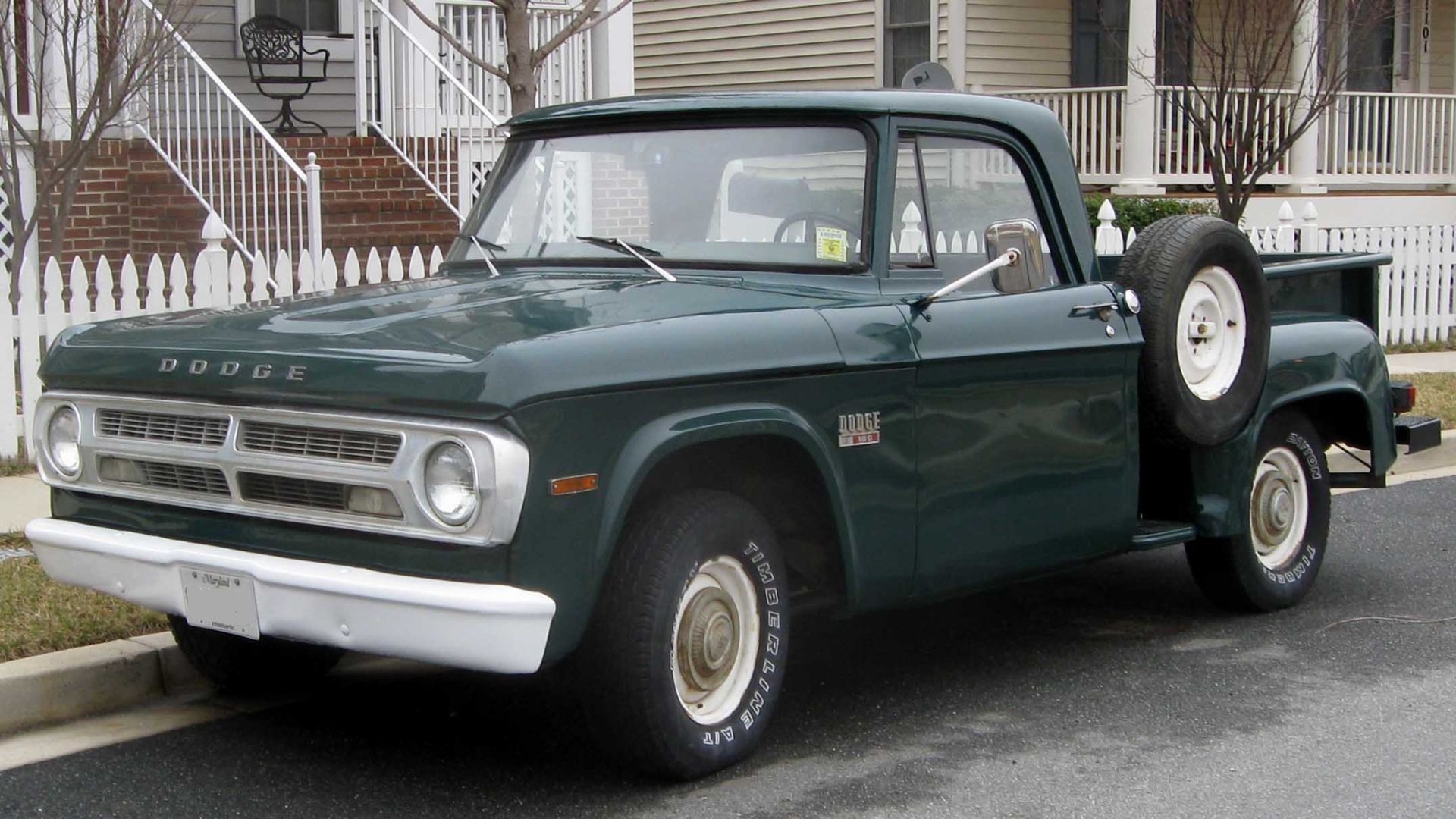
#18. Dodge D100 (1961–1971)
Specs: Slant-6 or V8 engines, rugged frame
Known for that indestructible Slant-6, boomers love the D100 for reliability and ease of maintenance. These weren’t preserved—they were used hard—so finding one today in solid condition is surprisingly difficult.
#17. Chevrolet K10 4x4 (1967–1972)
Specs: 5.0L–5.7L V8, part-time 4WD
This is the off-road version of the C10, and boomers swear by its toughness. These trucks were built to work, not sit pretty, so rust-free, original examples are becoming rare.
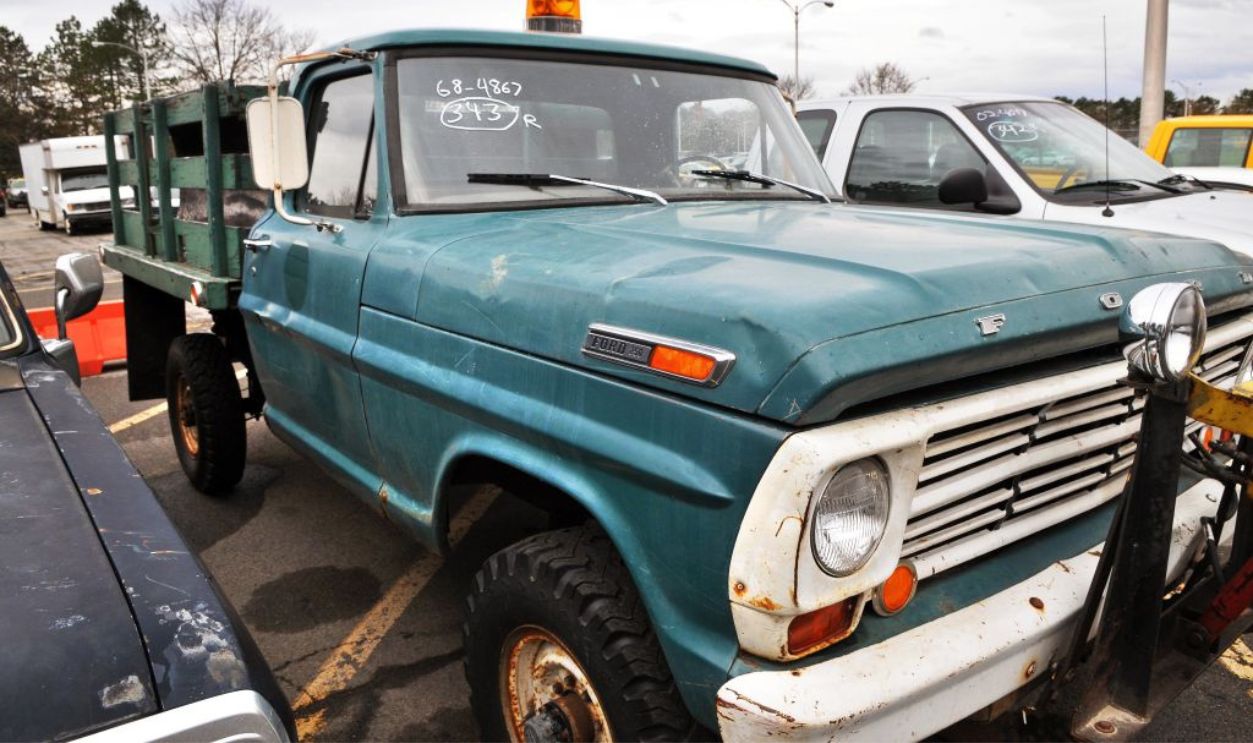
#16. Ford F-250 Highboy (1967–1977)
Specs: 5.9L–7.5L V8, divorced transfer case
Boomers love the Highboy for its lifted stance and unstoppable 4x4 capability. These trucks were used hard on farms and job sites, making clean ones extremely hard to track down today.
#15. GMC Sierra Classic (1973–1987)
Specs: Small-block V8s, carbureted simplicity
This square-body GMC is a favorite for its durability and easy maintenance. Boomers trust it because it just keeps running. Demand has skyrocketed, making original trucks harder to find than ever.
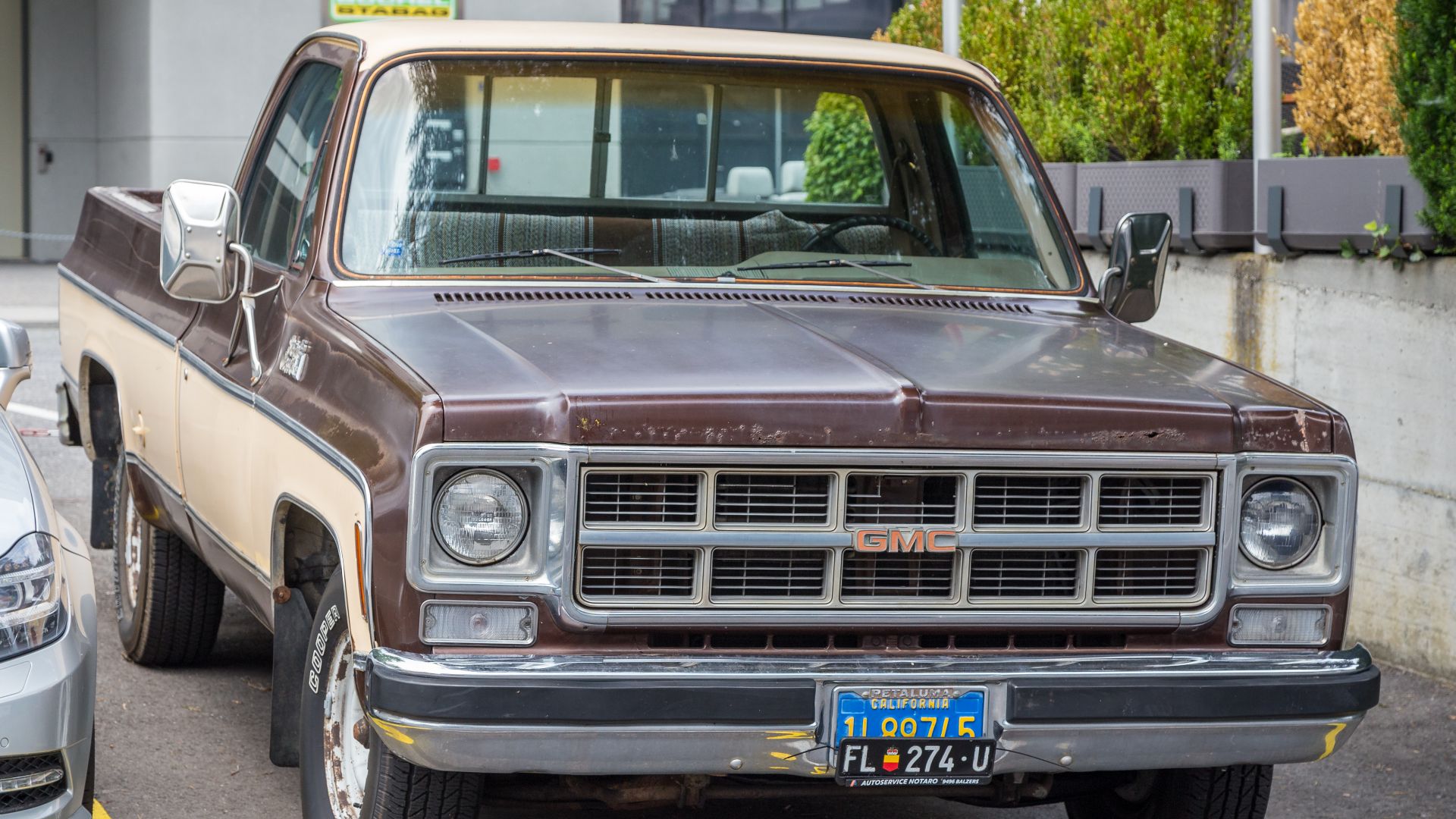 JoachimKohler-HB, Wikimedia Commons
#14. Dodge Power Wagon (1960s–1970s)
Specs: Inline-6 or V8, heavy-duty 4WD
A true workhorse, the Power Wagon earned its reputation the hard way. Boomers who own them rarely sell. These trucks were built for abuse, so surviving examples are becoming collector-level rare.
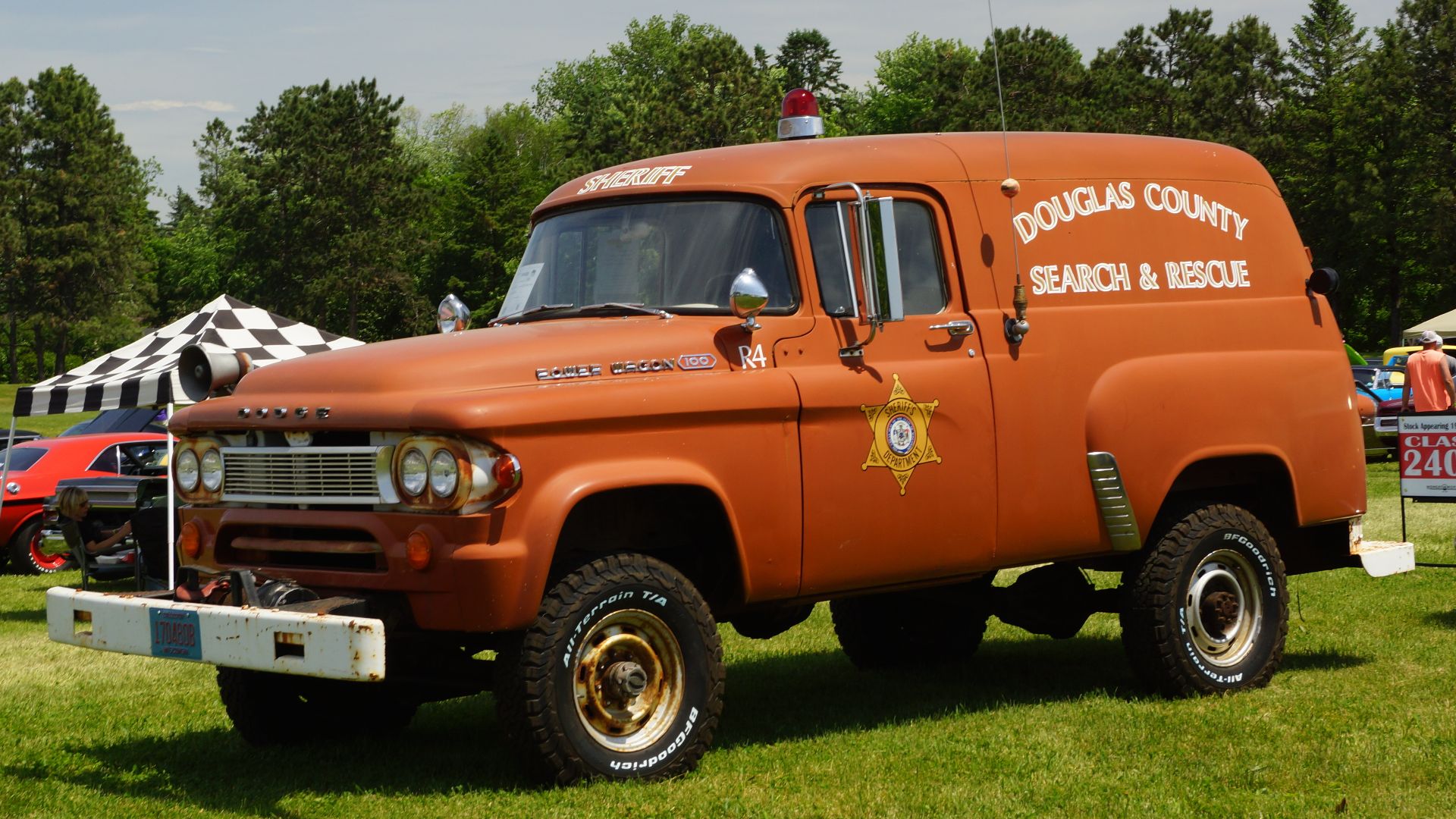 Greg Gjerdingen from Willmar, USA, Wikimedia Commons
#13. Toyota Pickup (Hilux) (1979–1983)
Specs: 2.4L inline-4, solid axle
Boomers who discovered Toyota reliability never went back. These trucks are known for lasting forever, which is exactly why owners refuse to give them up—and why finding one now is extremely difficult.
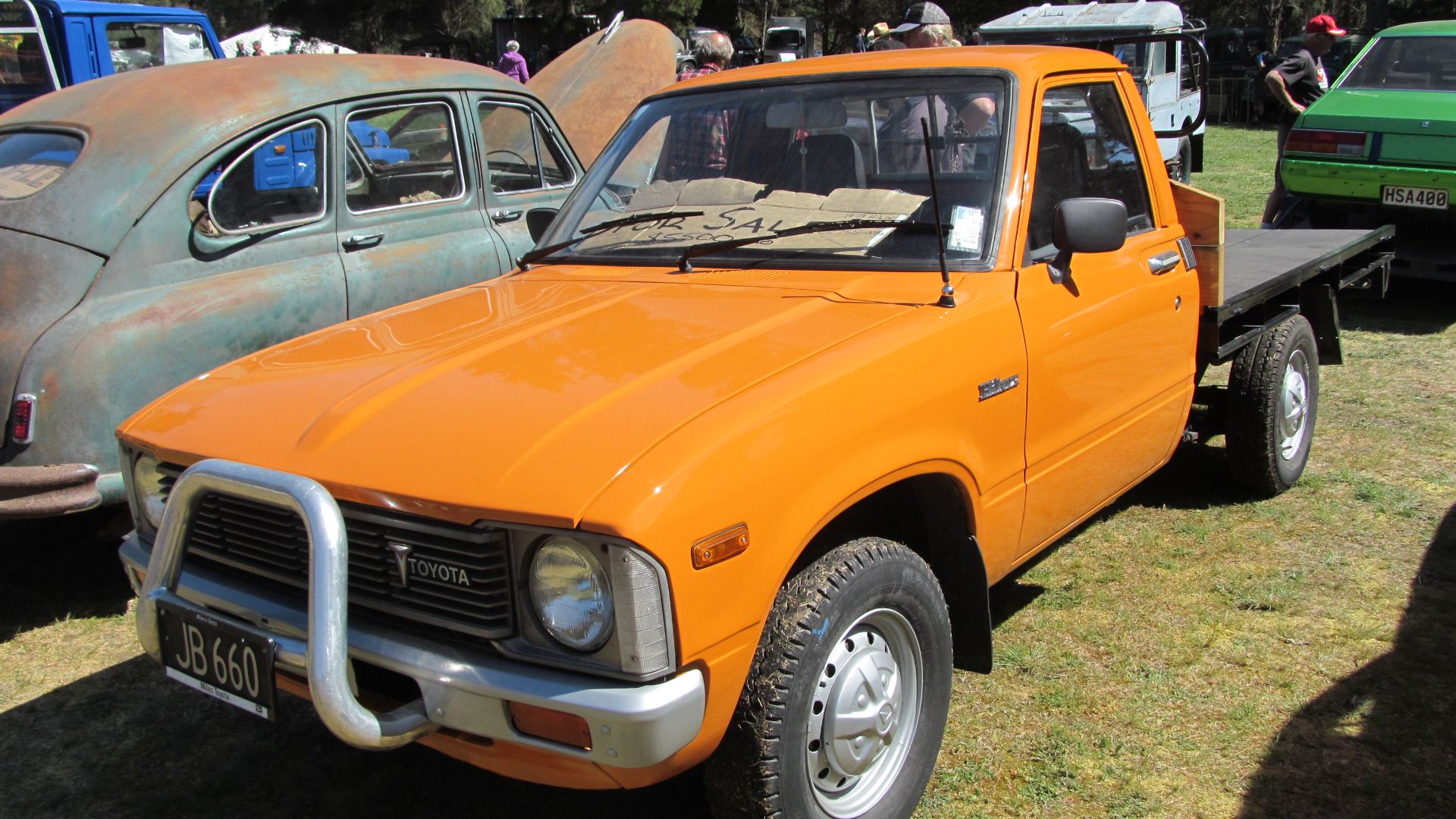 Riley from Christchurch, New Zealand, Wikimedia Commons
#12. Ford F-150 (1980–1986)
Specs: 4.9L inline-6 / 5.0L V8
This generation introduced modern F-Series design while keeping simplicity. Boomers trust these engines for longevity. Many are still in use, which keeps supply incredibly low.
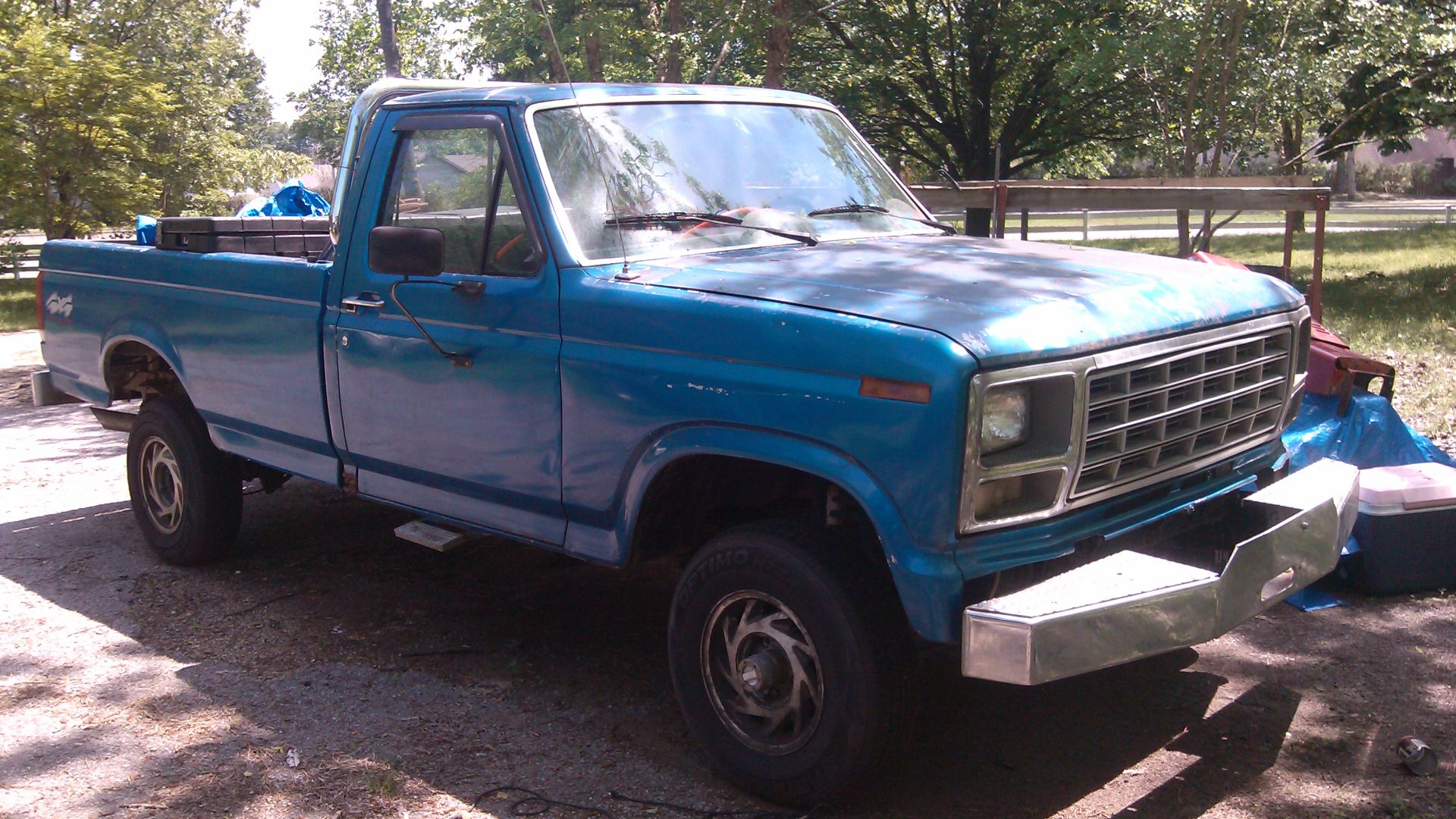 User:Seqqis, Wikimedia Commons
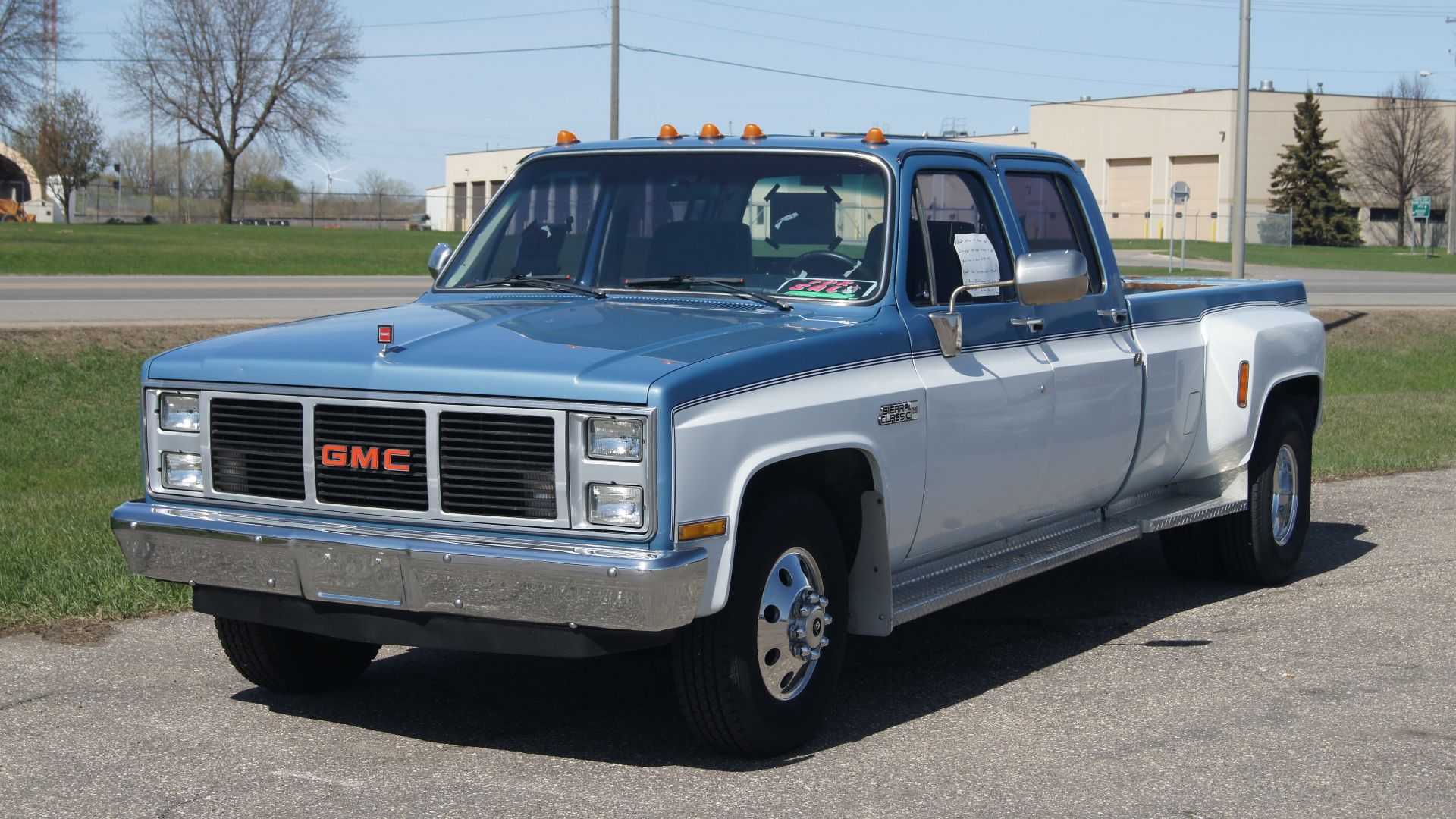
#11. Chevrolet C/K Square Body (1973–1987)
Specs: 5.0L–5.7L V8, carbureted engines
These trucks are everywhere in memory—but not in listings anymore. Boomers love their durability and ease of repair. Most are either restored or never sold, making them harder to find each year.
 Greg Gjerdingen from Willmar, USA, Wikimedia Commons
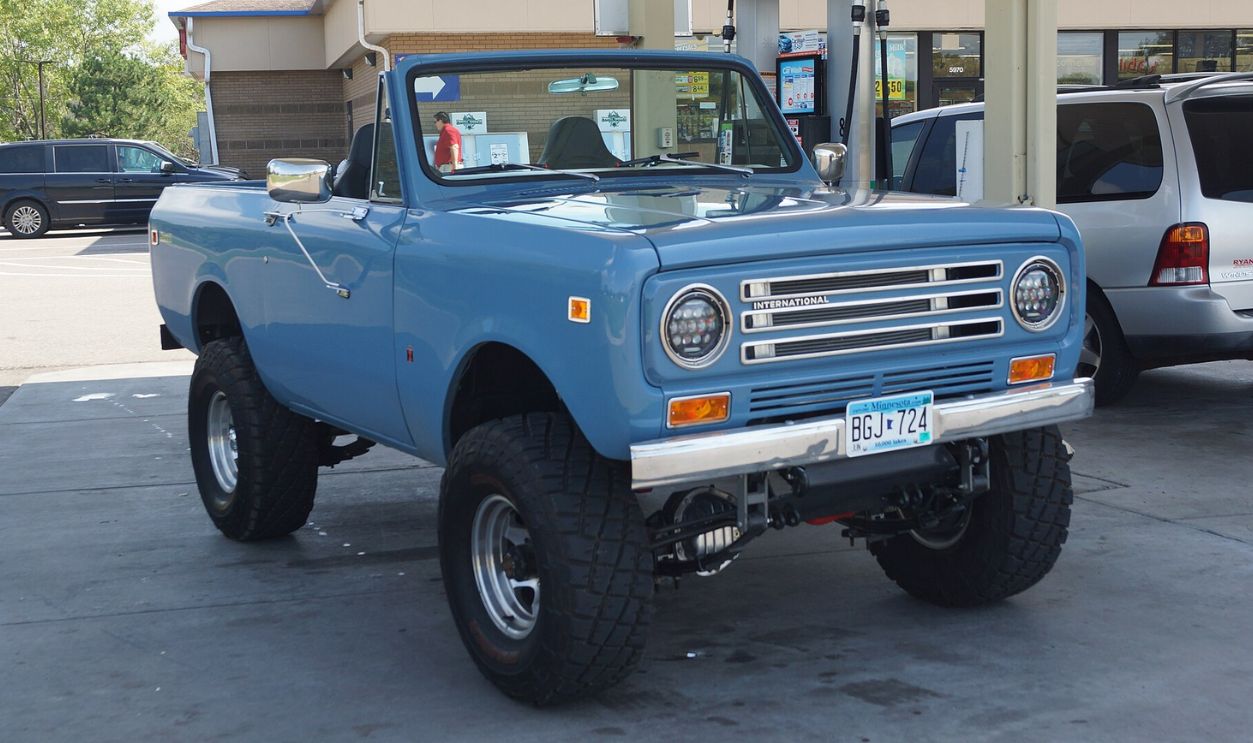
#10. International Harvester Scout II (1971–1980)
Specs: 4.2L inline-6 / V8 options, 4WD
While technically an SUV, many boomers treat it like a pickup alternative. Known for ruggedness, these are extremely rare now due to rust and limited production.
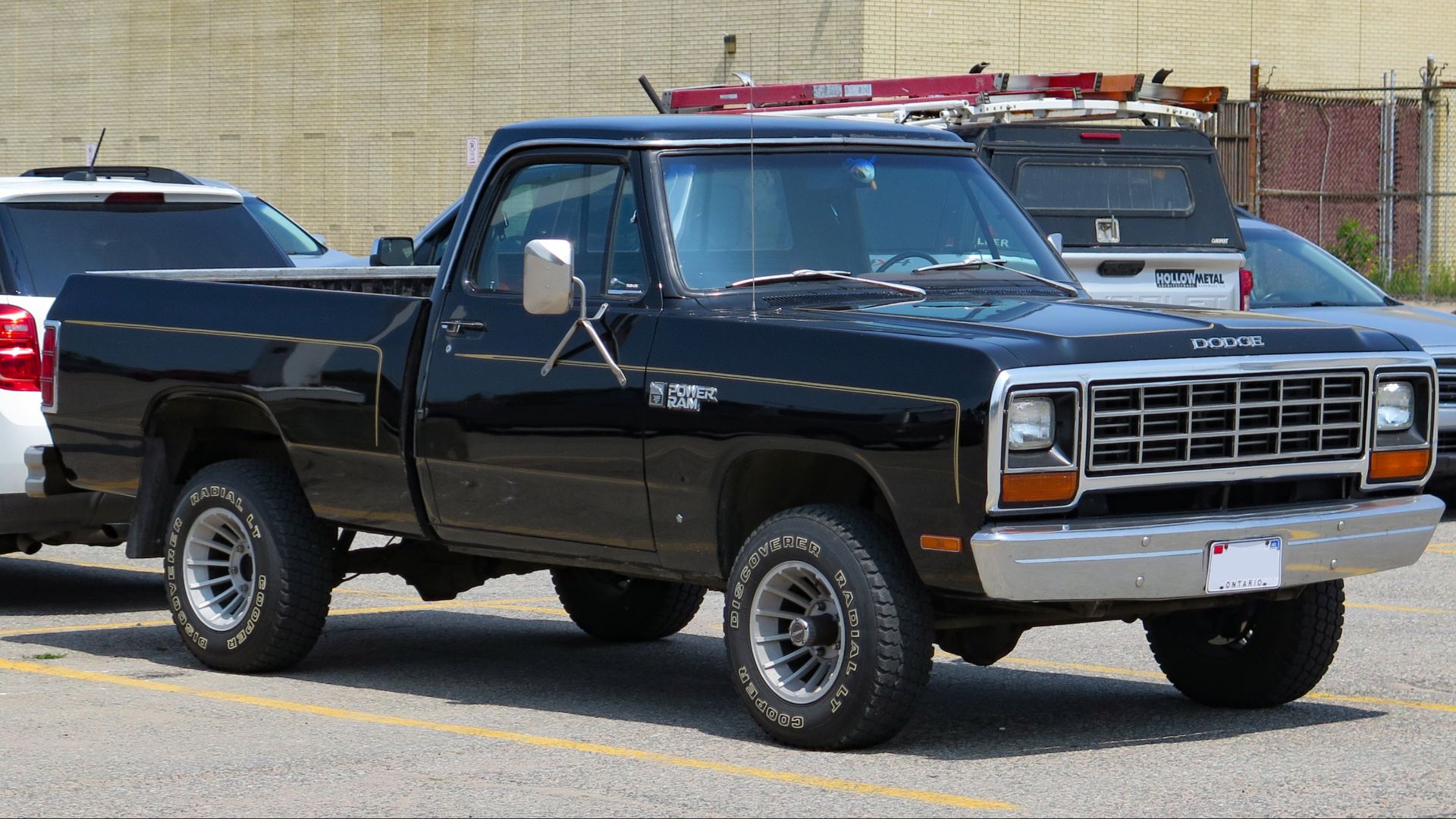
#9. Dodge Ram W150 (1981–1993)
Specs: 5.2L–5.9L V8, solid axles
Boomers love the reliability and no-nonsense design. These trucks were used hard, and many didn’t survive. Clean examples are getting very hard to come by.
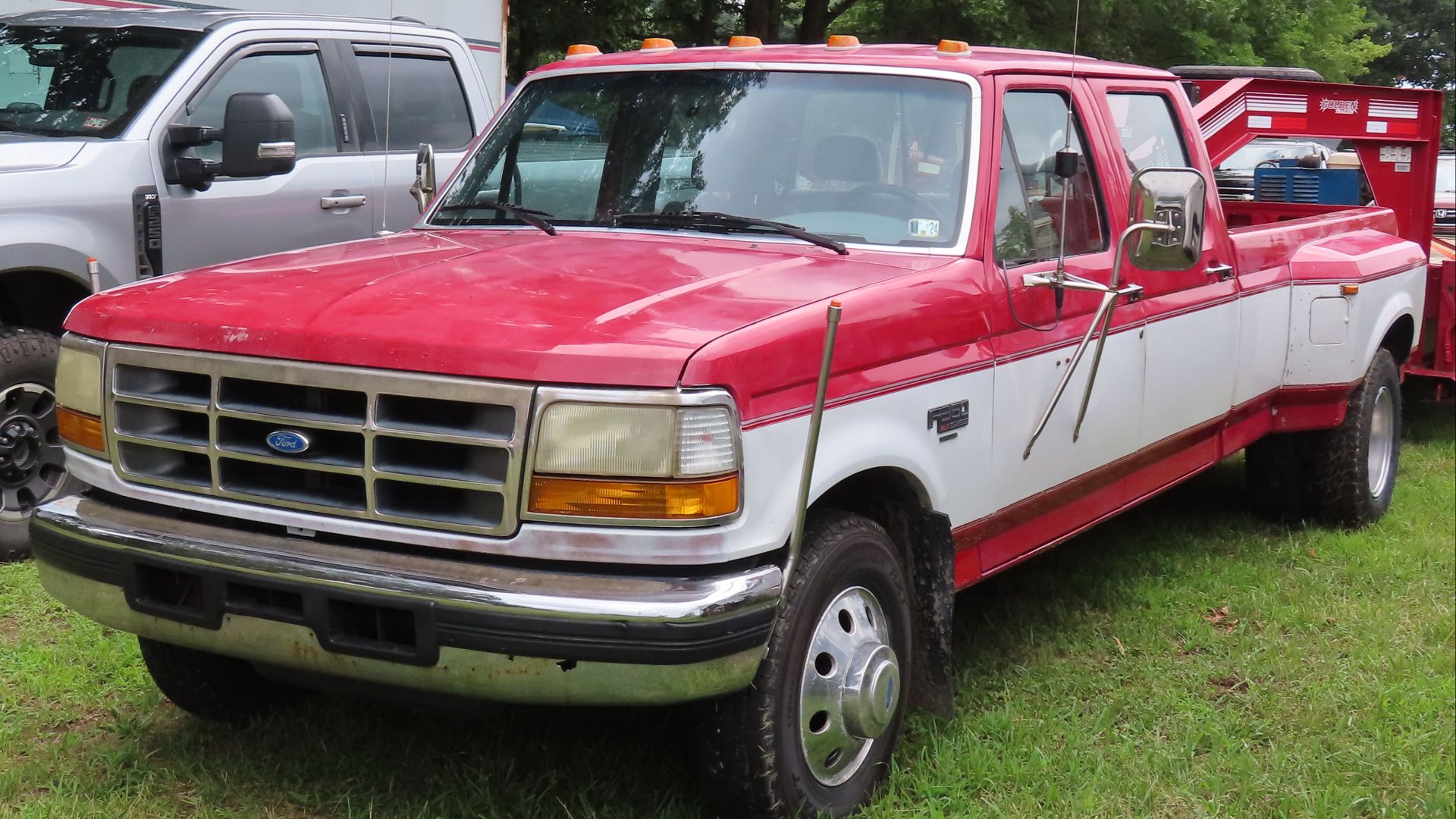
#8. Ford F-350 Dually (1980s)
Specs: 7.5L V8, heavy-duty towing setup
These were built to haul, and boomers still use them for that purpose. They’re rarely sold and often passed down, which makes finding one in decent shape a real challenge.
 MercurySable99, Wikimedia Commons
#7. Chevrolet Silverado 1500 (1988–1998)
Specs: 5.0L / 5.7L V8, fuel injection introduced
Boomers love the transition to fuel injection without losing simplicity. These trucks run forever with basic maintenance, which is why owners keep them—and why supply is shrinking.
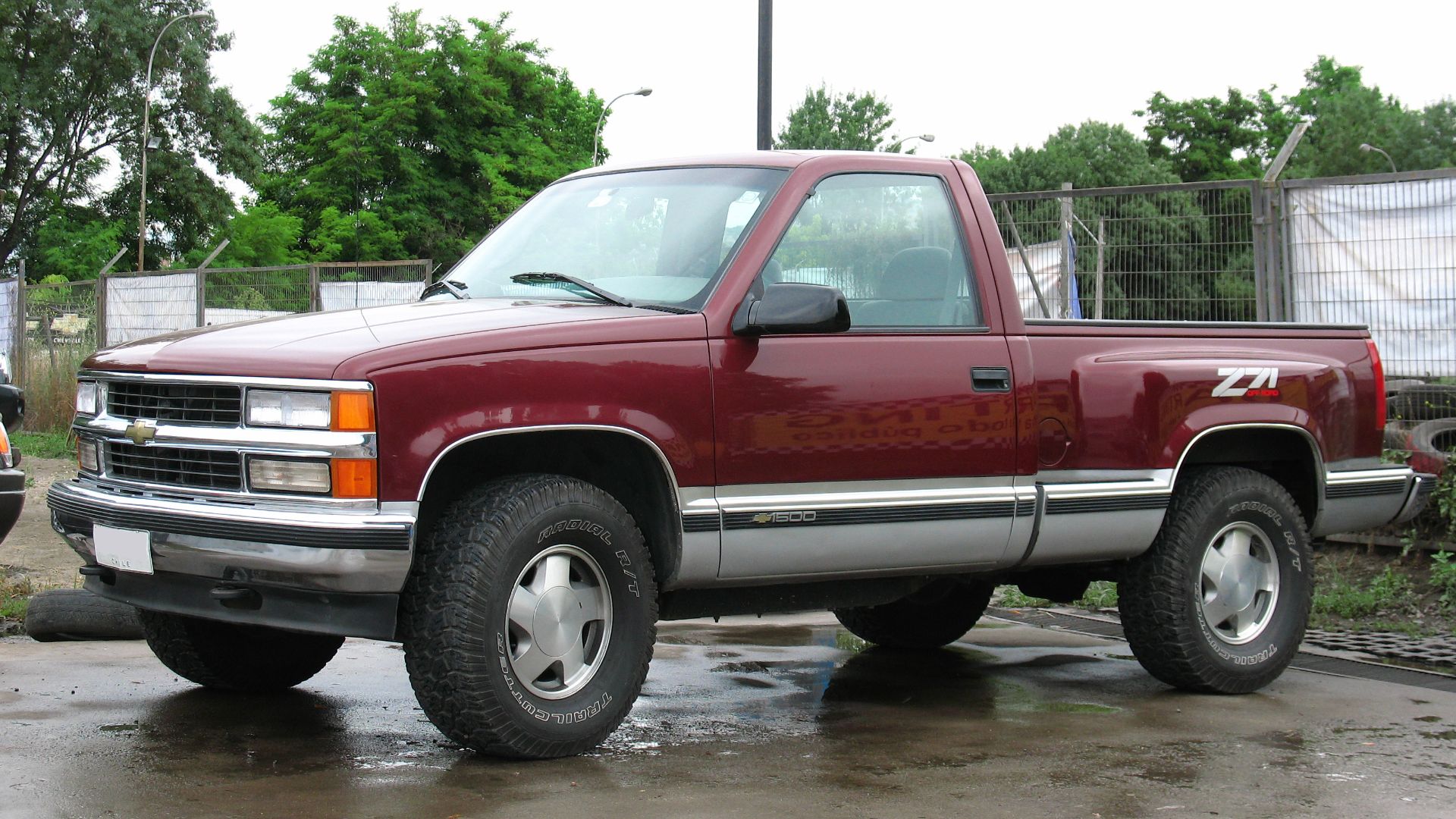 order_242 from Chile, Wikimedia Commons
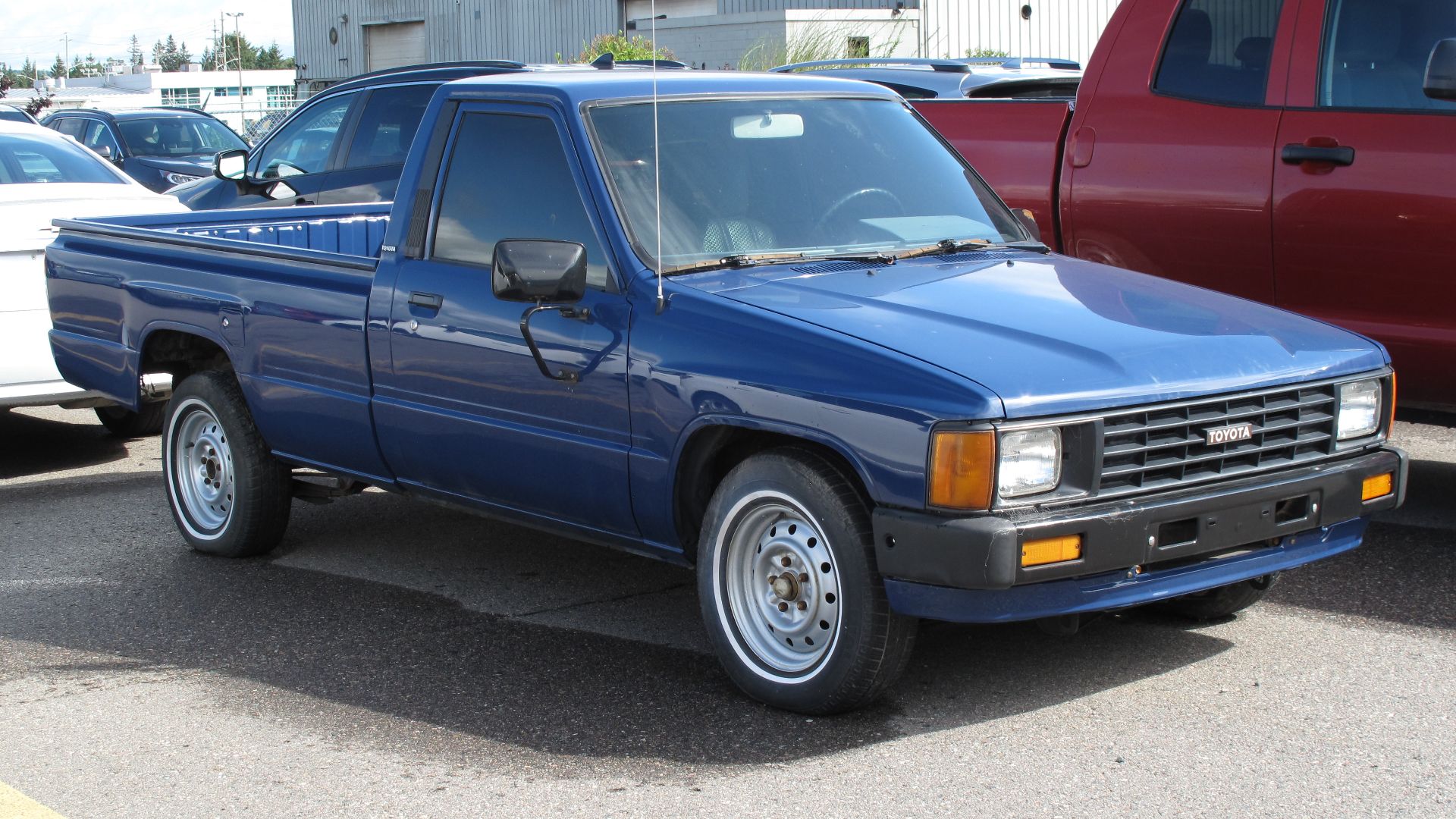
#6. Toyota Pickup (1984–1988 Solid Axle)
Specs: 2.4L inline-4, legendary durability
Off-road enthusiasts and boomers alike refuse to let these go. Known for reliability, these trucks are nearly impossible to find unmodified.
#5. Ford F-250 IDI Diesel (1983–1994)
Specs: 6.9L / 7.3L IDI diesel
Boomers trust these diesels for longevity and simplicity. No modern emissions systems means fewer headaches, so owners hold onto them tightly.
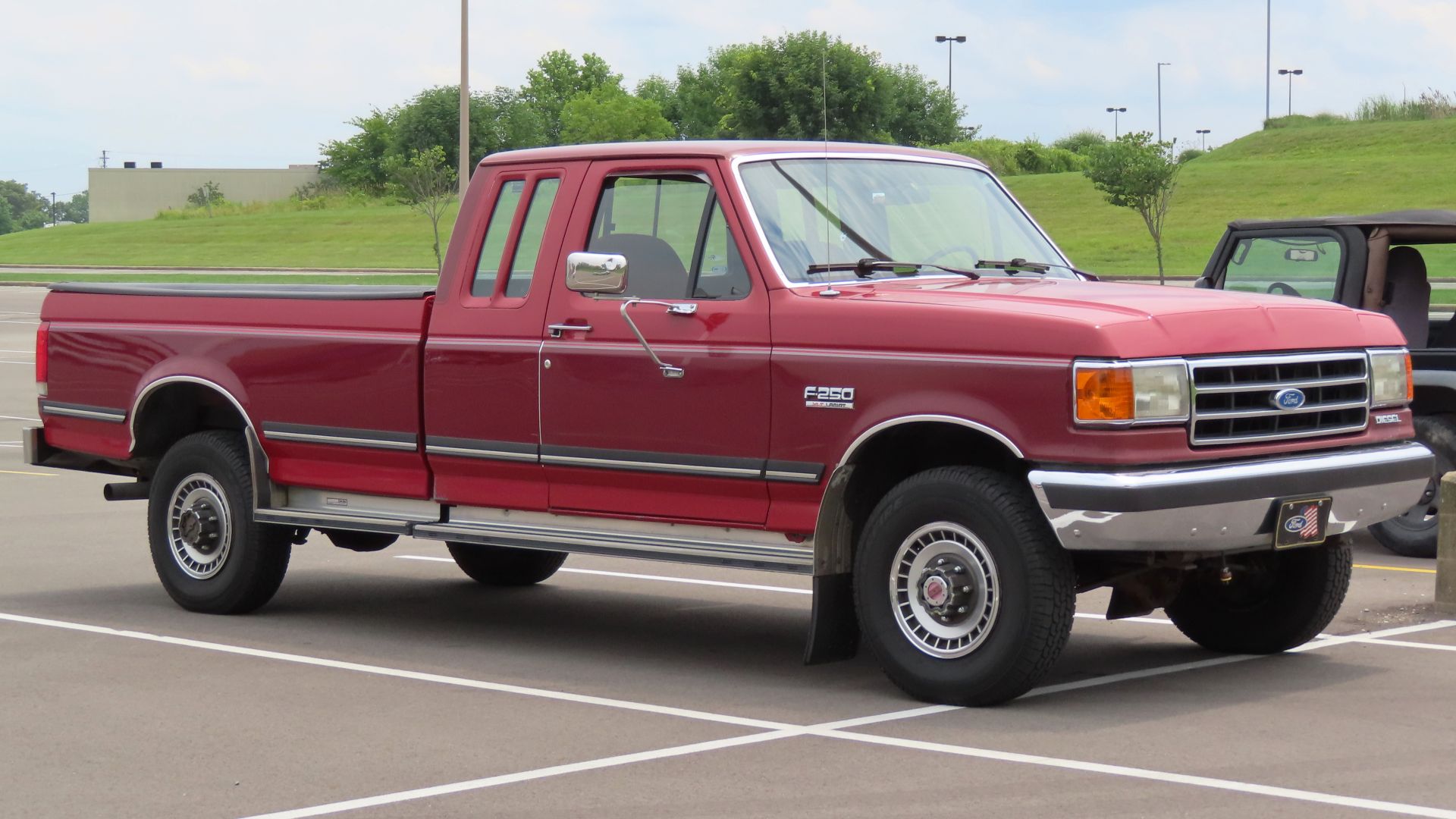 MercurySable99, Wikimedia Commons
#4. Chevrolet K30 (1970s–1980s)
Specs: Big-block V8, 1-ton capability
These heavy-duty beasts are built to last forever. Boomers use them for serious work, and they rarely hit the market.
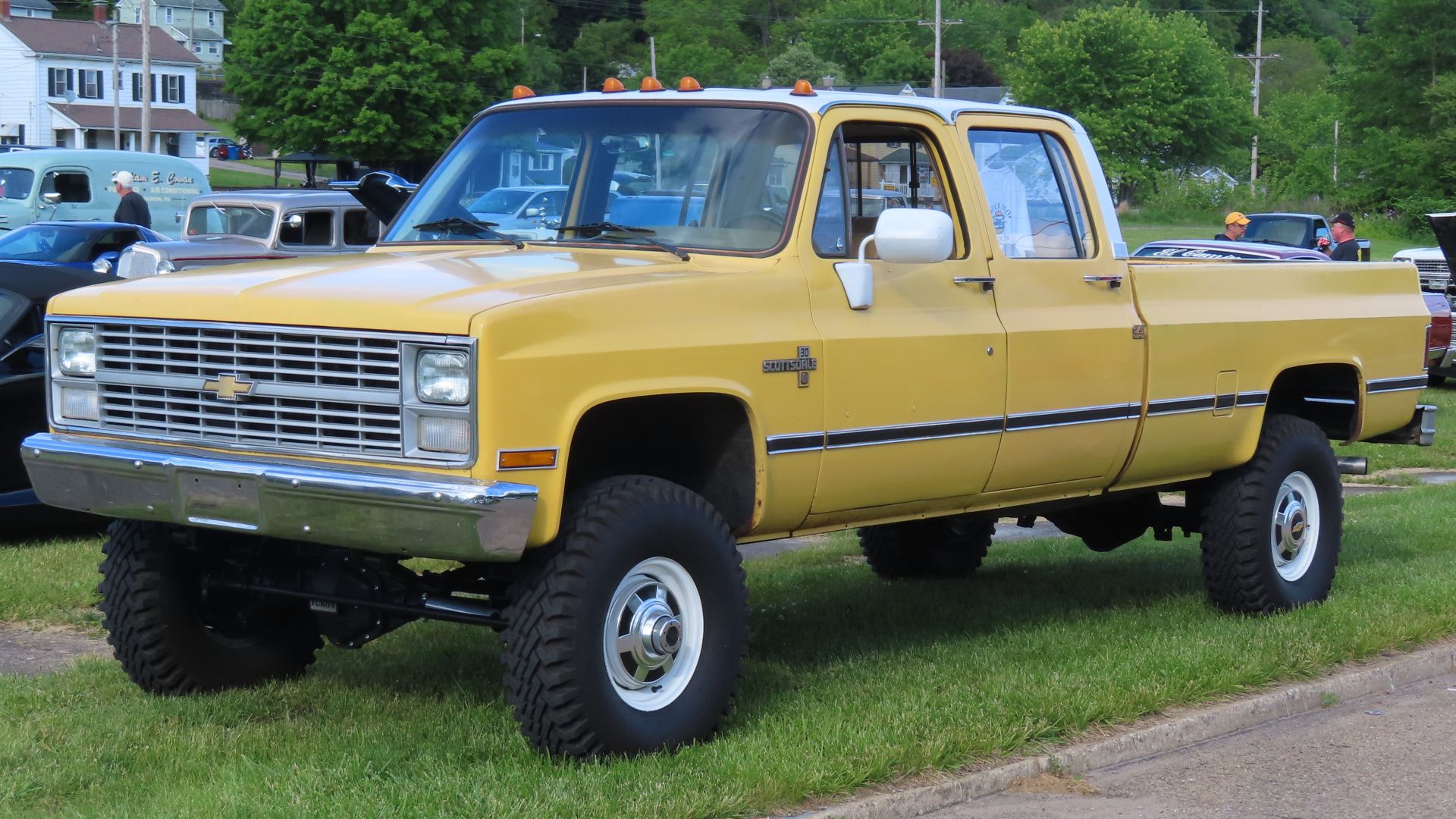 MercurySable99, Wikimedia Commons
#3. Dodge Ram 2500 Cummins (1989–1993)
Specs: 5.9L Cummins turbo diesel
This truck changed diesel pickups forever. Boomers love the bulletproof Cummins engine, and they’re almost never sold, making them extremely rare today.
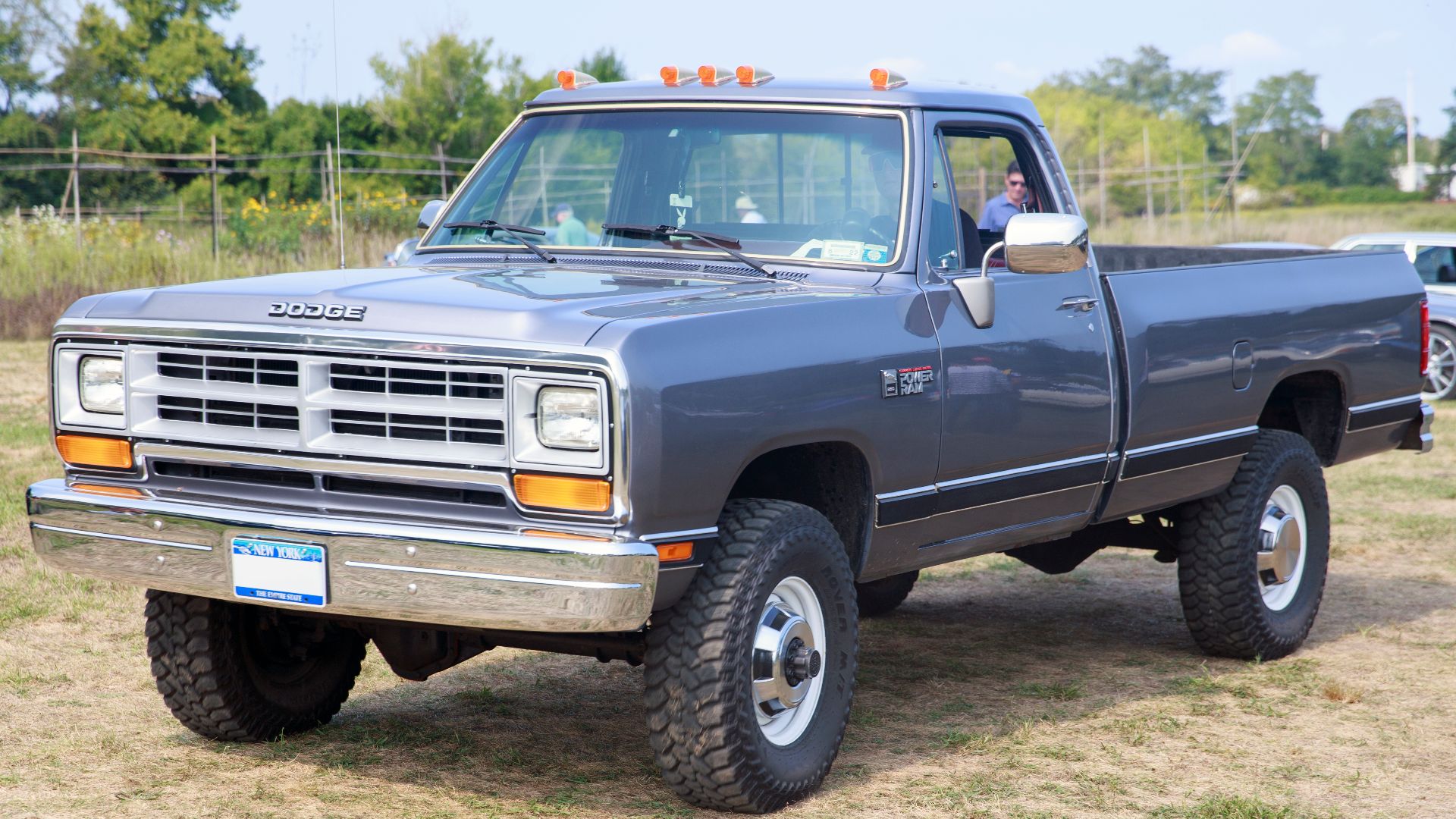 Mr.choppers, Wikimedia Commons
#2. Ford F-150 (1992–1996)
Specs: 4.9L inline-6 / 5.0L V8
This generation is known for reliability and comfort. Boomers trust these trucks completely, and many are still daily drivers—which means fewer available for buyers.
#1. Chevrolet C10 (1960–1966)
Specs: Inline-6 / small-block V8, simple drivetrain
This early C10 is the ultimate classic. Boomers love the styling, simplicity, and durability. Most are either restored or kept for life, making them nearly impossible to find today.
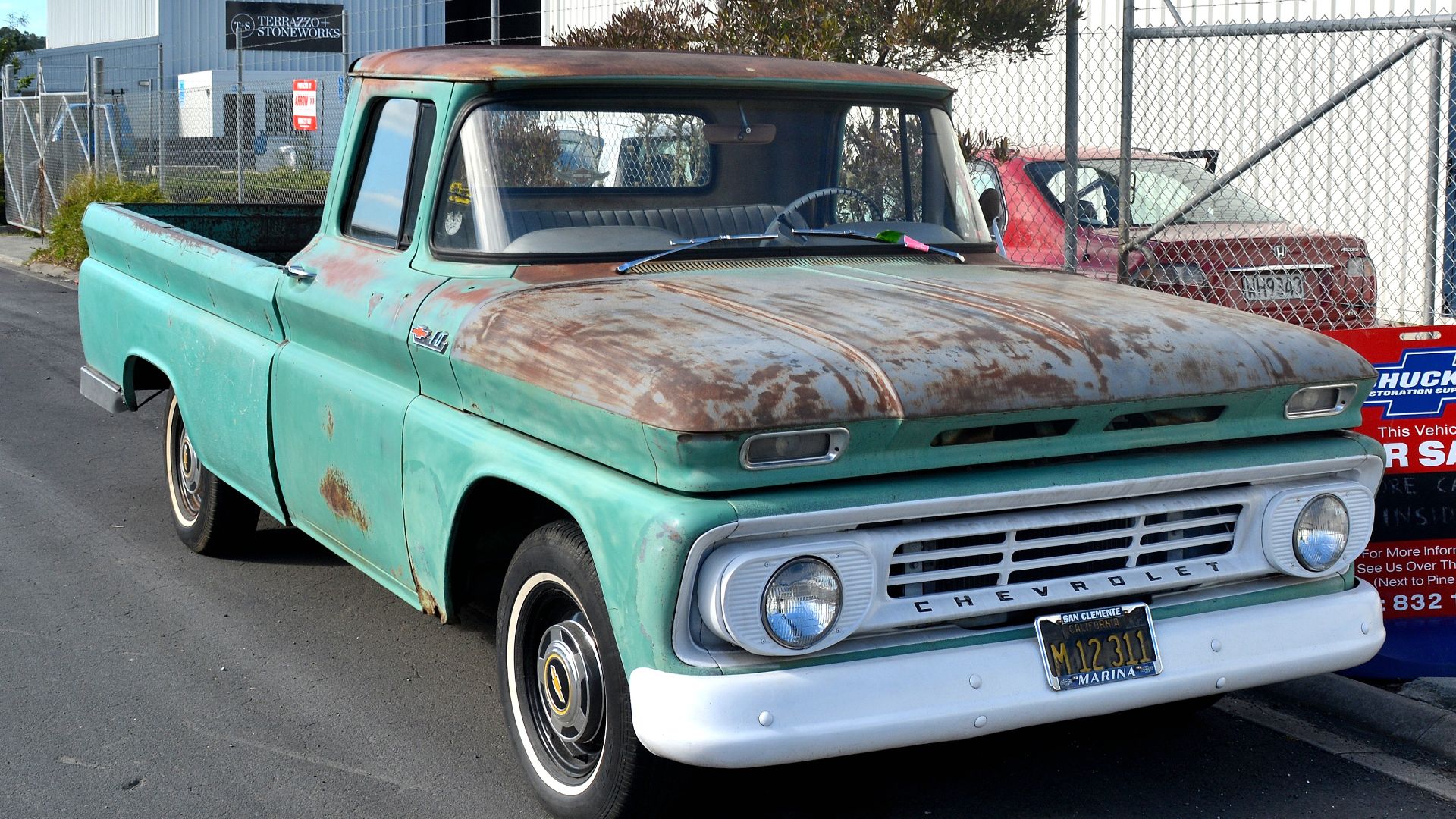 GPS 56 from New Zealand, Wikimedia Commons
You May Also Like:
Pickup Trucks That Are Still Running Strong After 400,000 Miles
The Most Reliable Diesel Trucks For 2025, According To Edmunds
Classic Pickup Trucks Are Skyrocketing in Value—Here’s What’s Driving It