
HEMI vs. LS… The Argument That Never Ends
You’ve probably heard this one before—maybe even at a garage, a car meet, or your own dinner table. One side swears the HEMI is king because of its massive, head-turning horsepower—especially in cars like the Hellcat. The other side argues the LS is unbeatable thanks to how easily it can make power with simple, affordable mods. So… who’s actually right?

What Are We Even Comparing Here?
Let’s be clear—this isn’t just one engine vs. one engine. “HEMI” refers to Chrysler’s hemispherical combustion chamber V8s, while “LS” covers GM’s entire small-block V8 platform. That means multiple generations, sizes, and power levels on both sides.
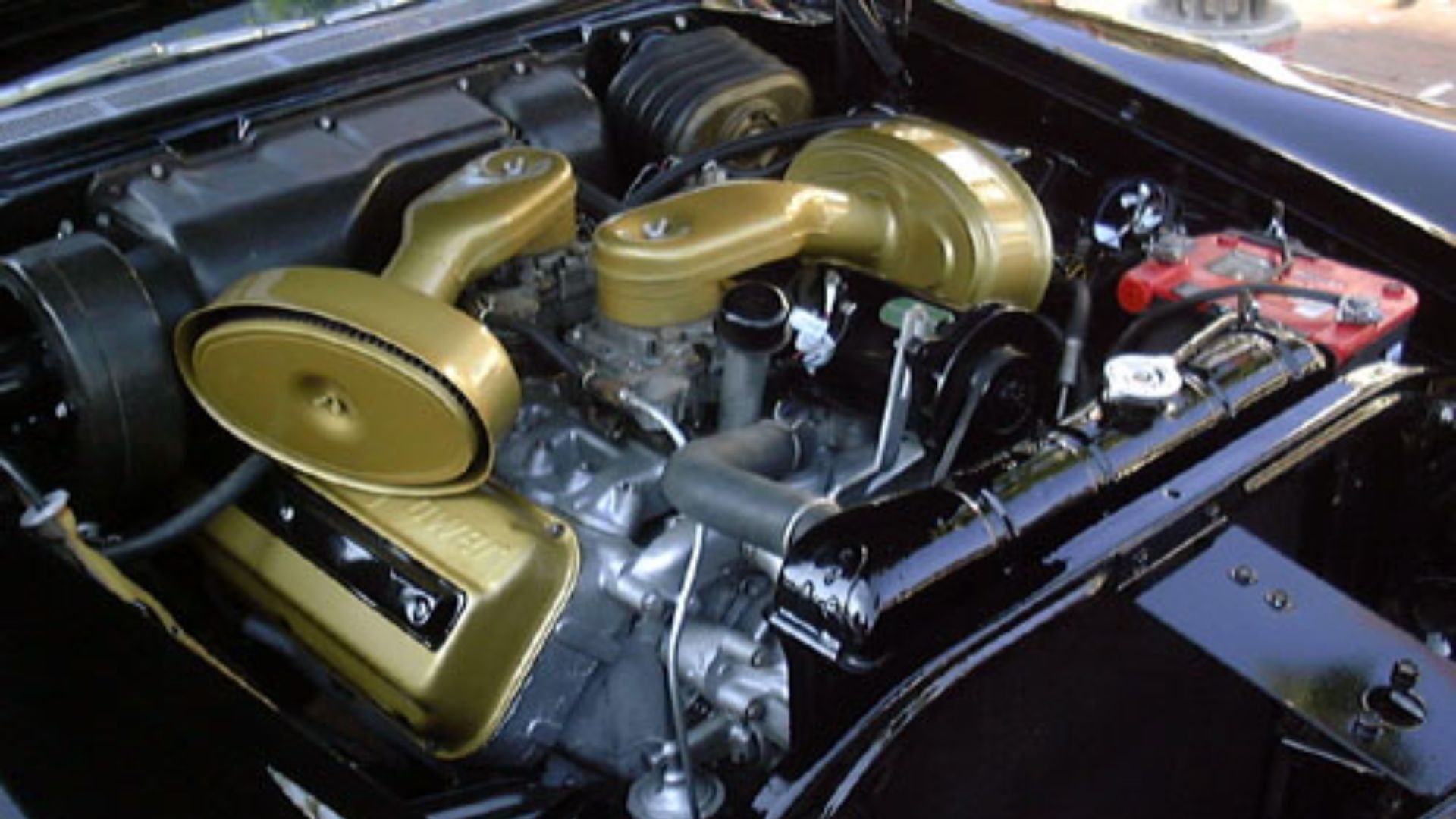
The HEMI: Built on Classic Muscle DNA
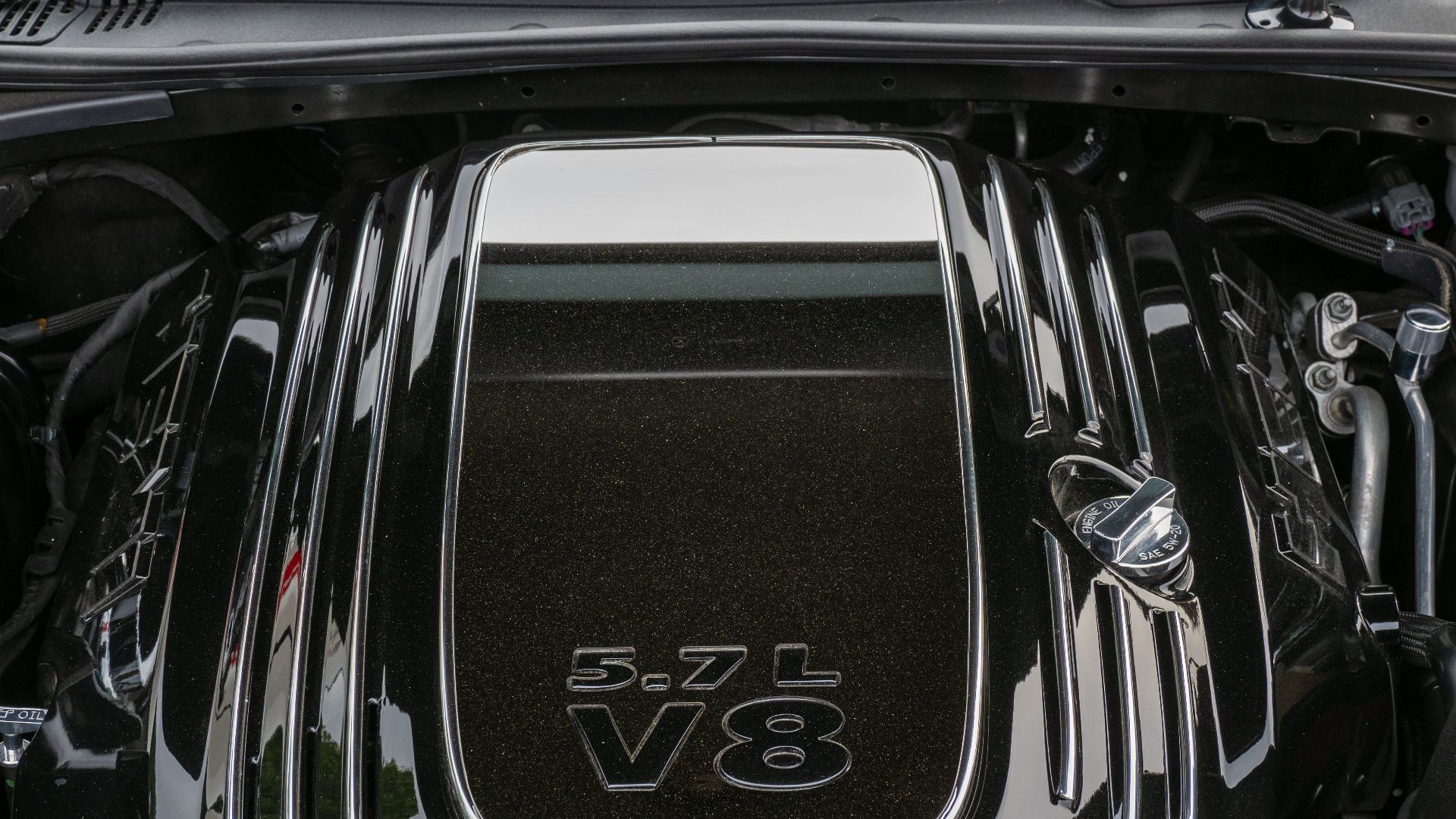
The modern HEMI (like the 5.7L, 6.4L, and supercharged 6.2L Hellcat) uses a hemispherical combustion chamber design. This allows for larger valves and better airflow, which helps produce strong horsepower numbers.
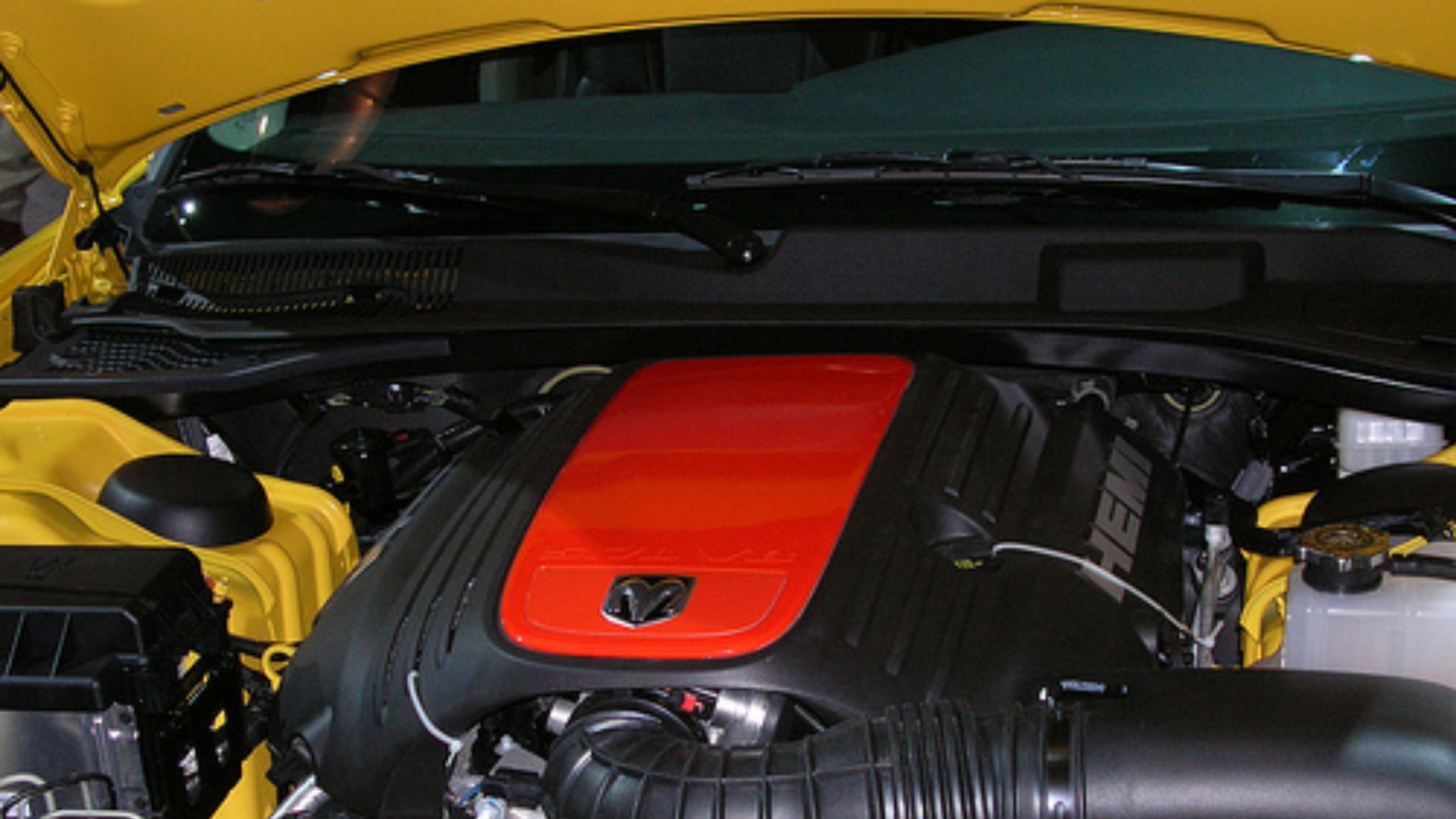
The LS: GM’s Small-Block Evolution
The LS platform (like the LS1, LS3, LS7, and beyond) is known for its compact design, lightweight construction, and incredible adaptability. It’s essentially the modern evolution of GM’s small-block V8, refined for performance and efficiency.
 Handelsgeselschaft, Wikimedia Commons
Horsepower Wars—Who Comes Out on Top?
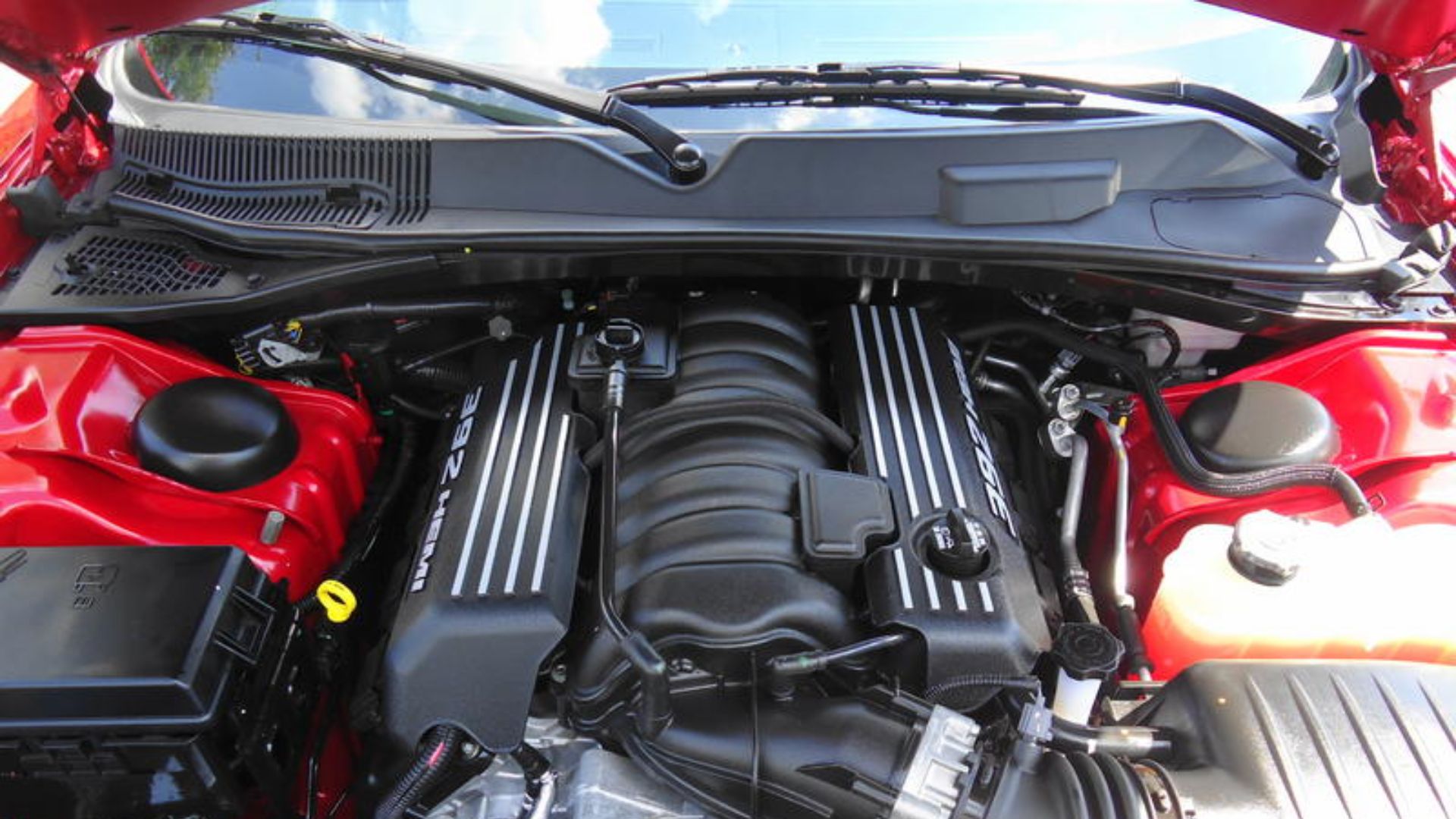
Out of the box, both platforms deliver serious power. A 6.4L HEMI (392) makes around 485 hp, while an LS3 (6.2L) makes about 430–436 hp. But once you step into boosted territory—things get interesting.
 Ammar shaker, Wikimedia Commons
Enter the Hellcat… and the Z06
The supercharged 6.2L HEMI in the Hellcat pushes over 700 hp stock. On the LS side, the LT4 (technically Gen V LS-based) in the Corvette Z06 delivers around 650 hp. So right away—HEMI wins in raw factory horsepower at the extreme end.
 Matti Blume, Wikimedia Commons
Torque Delivery—Low-End Muscle vs. Balance
HEMI engines are known for strong low-end torque, which gives them that classic “muscle car punch.” LS engines, on the other hand, tend to have a broader, more linear powerband—making them feel smoother across the RPM range.
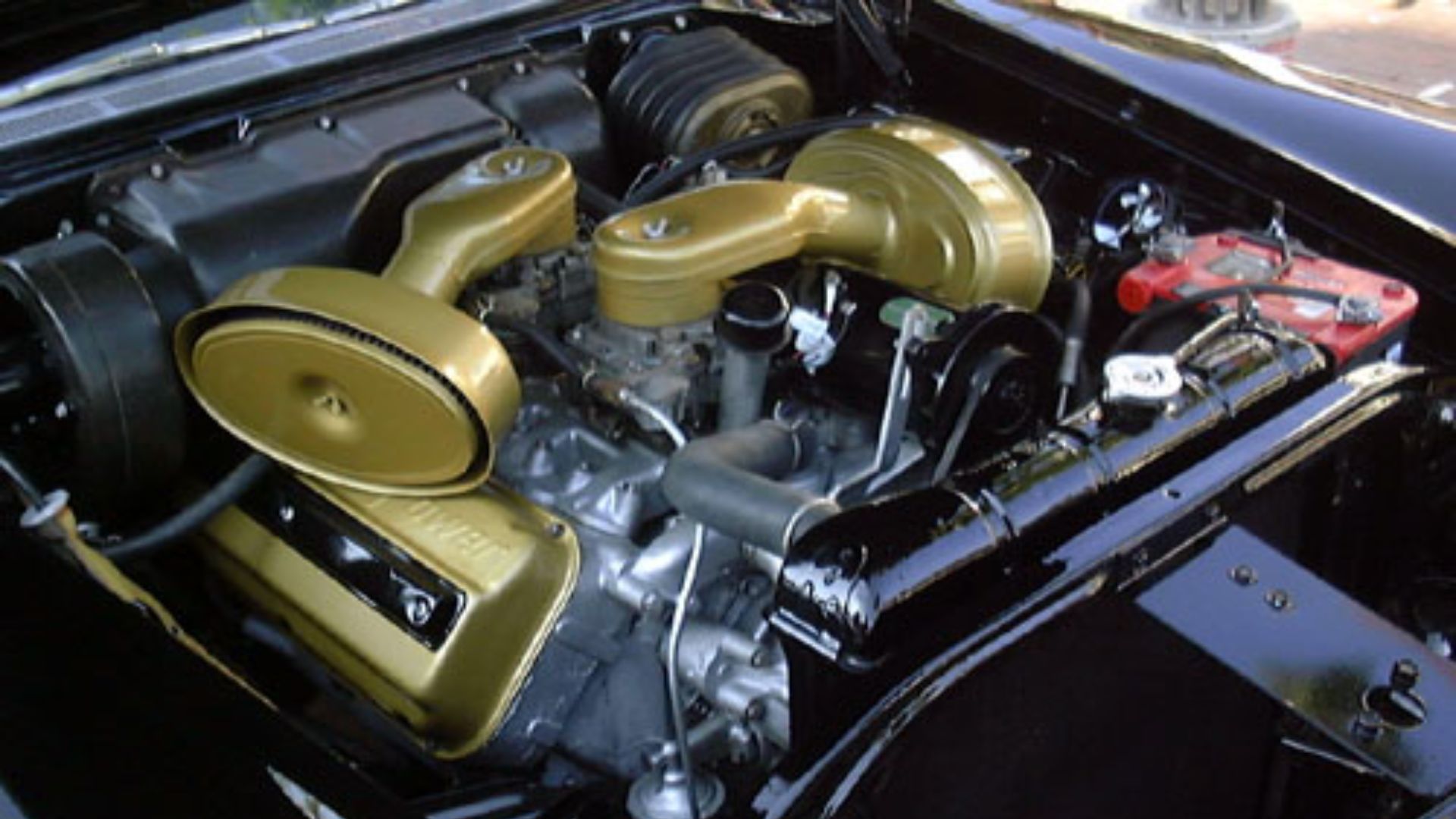
Weight and Packaging—A Hidden Advantage
Here’s where LS shines. LS engines are compact and relatively lightweight due to their pushrod design and smaller external dimensions. This makes them easier to fit into a wide range of vehicles.
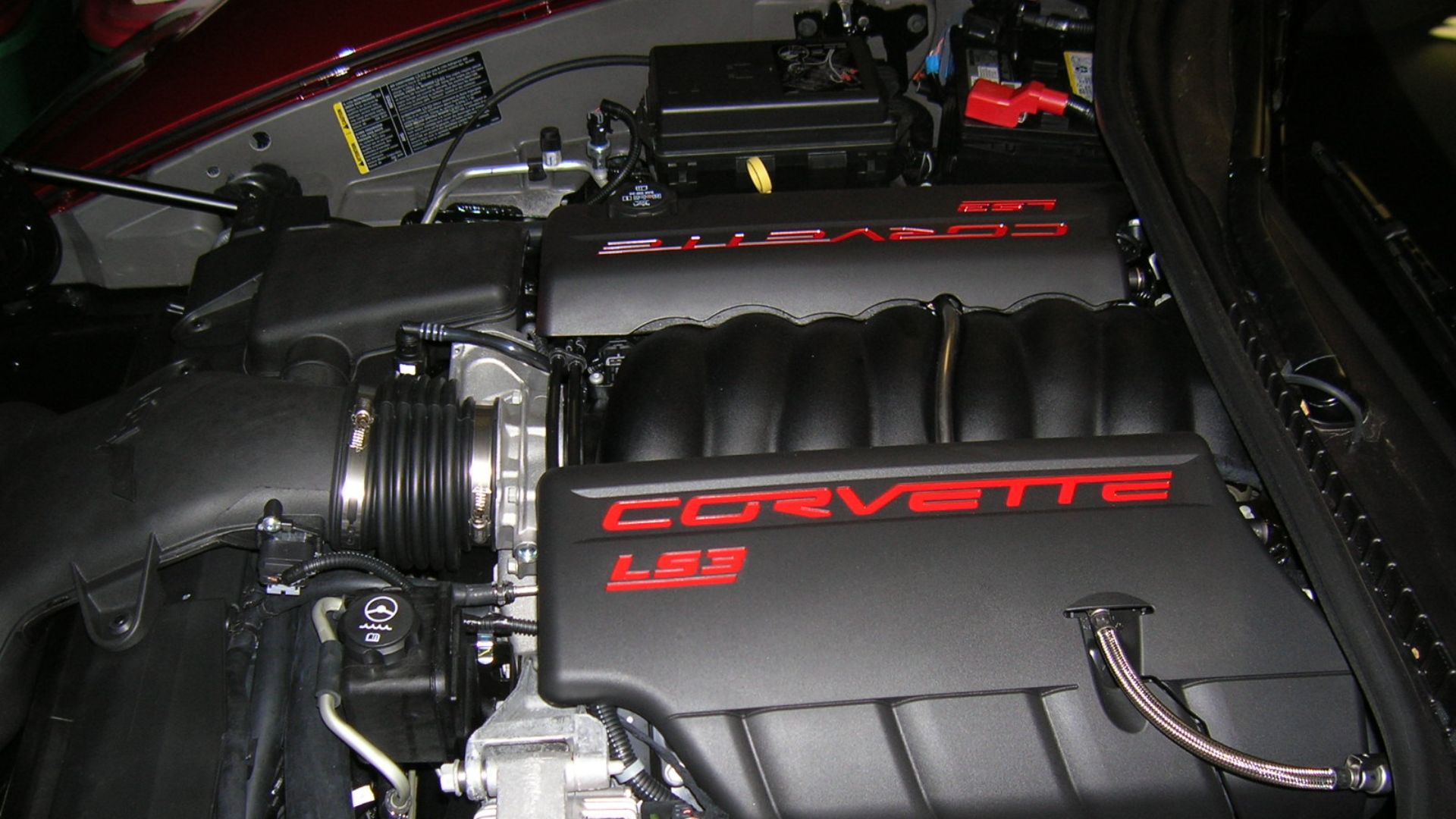
The LS Swap Culture Is Real
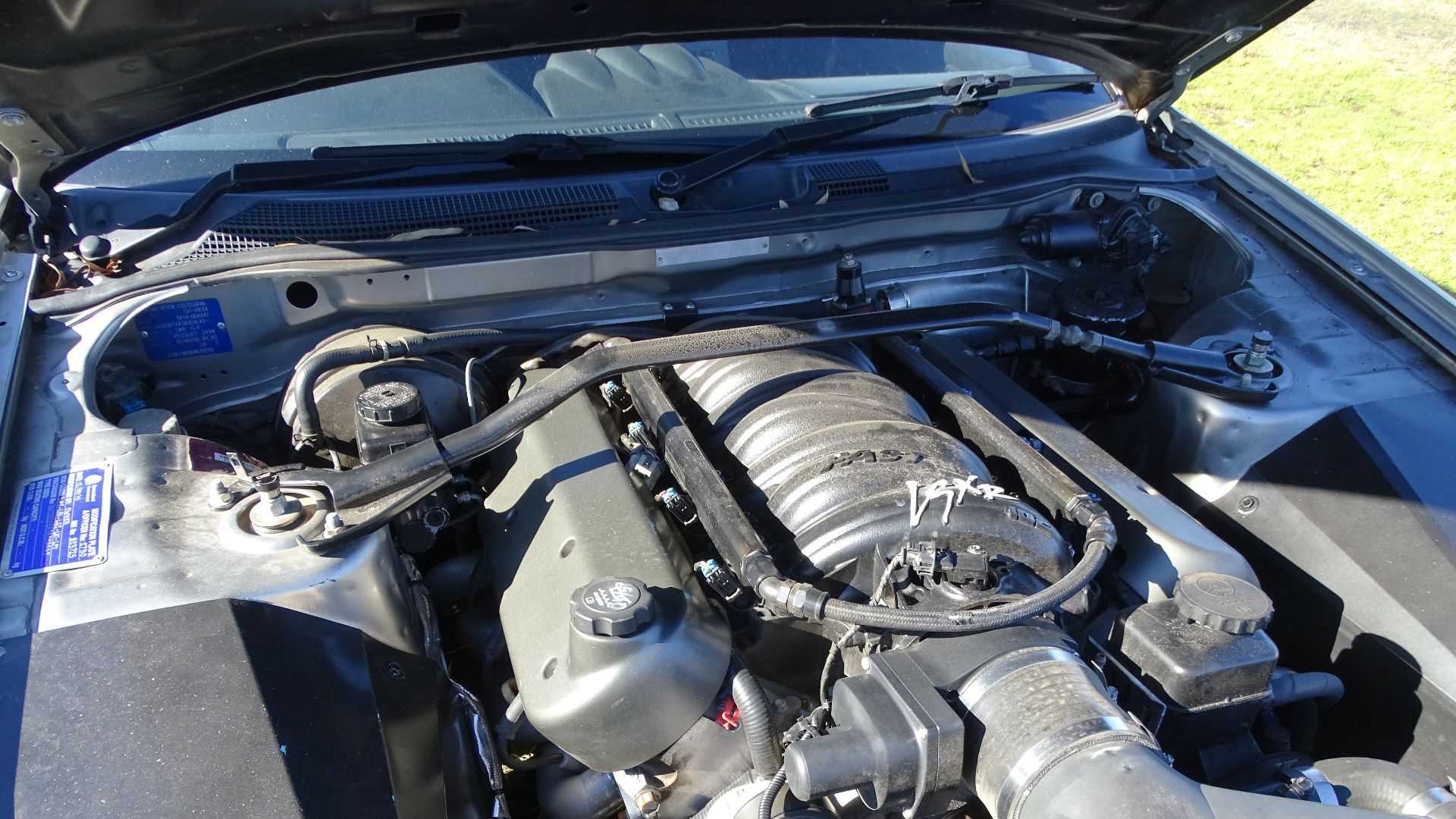
Ever heard someone say “just LS swap it”? There’s a reason. LS engines are incredibly popular for engine swaps because they’re affordable, reliable, and easy to modify. You’ll find them in everything from Miatas to drift cars.
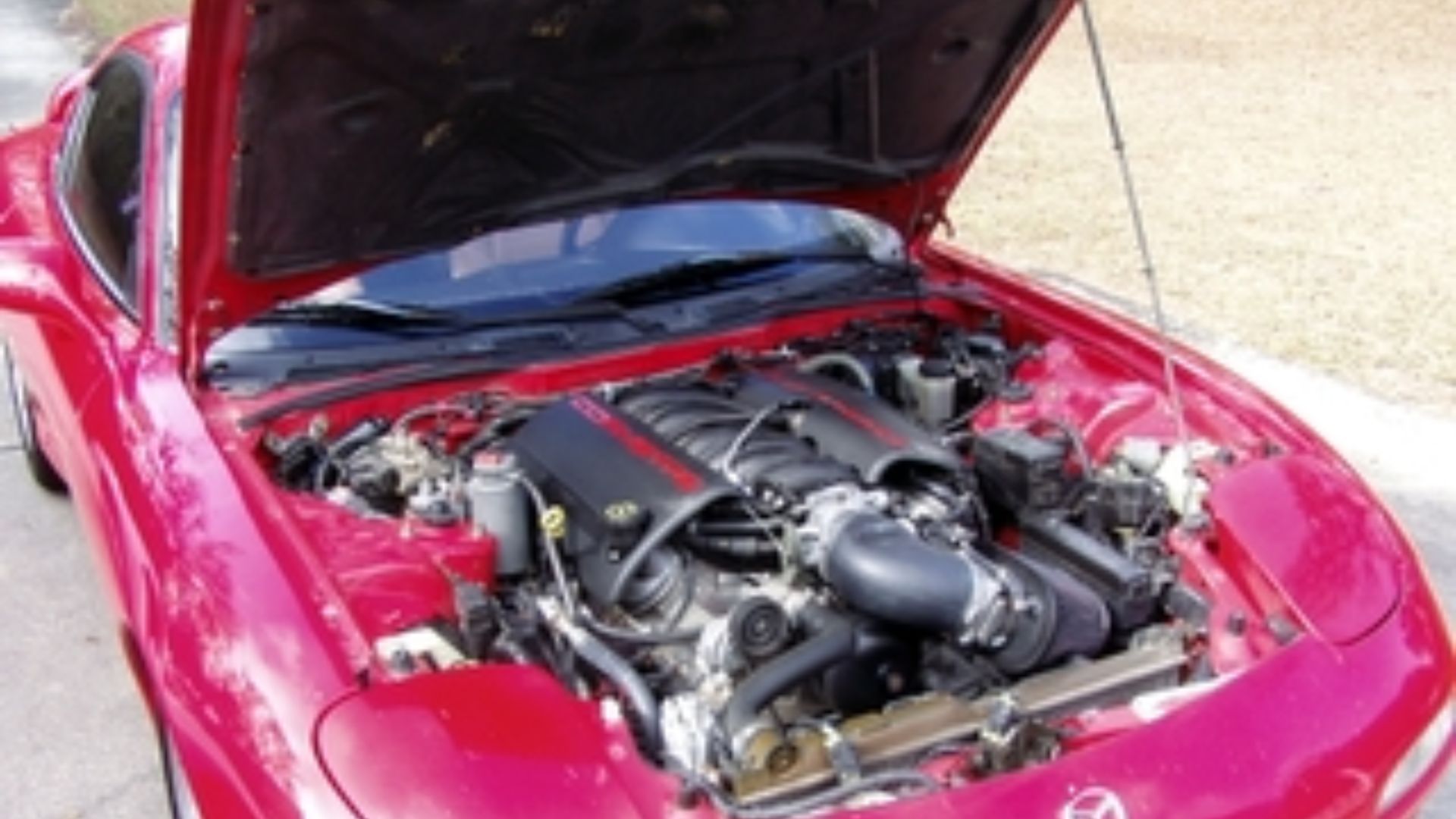 No machine-readable author provided. Team140 assumed (based on copyright claims)., Wikimedia Commons
HEMI Swaps… Not So Common
HEMI swaps exist—but they’re more complex and expensive. The engine size, electronics, and cost make them less accessible for the average builder compared to LS setups.
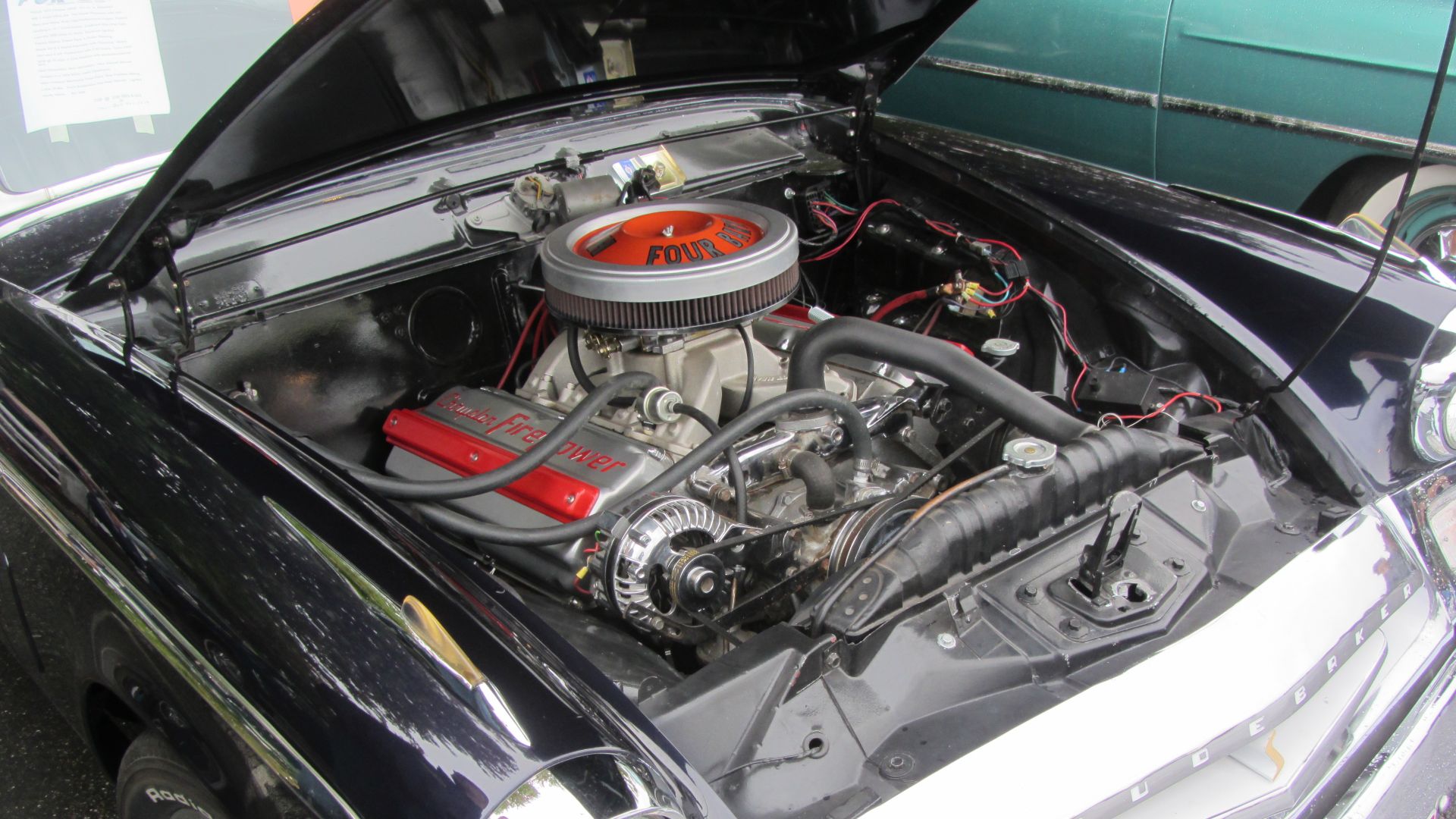 JOHN LLOYD from Concrete, Washington, United States, Wikimedia Commons
Reliability—Which One Lasts Longer?
Both platforms are known for solid reliability when maintained properly. LS engines have a slight edge in reputation, especially in high-mileage builds and motorsports abuse.
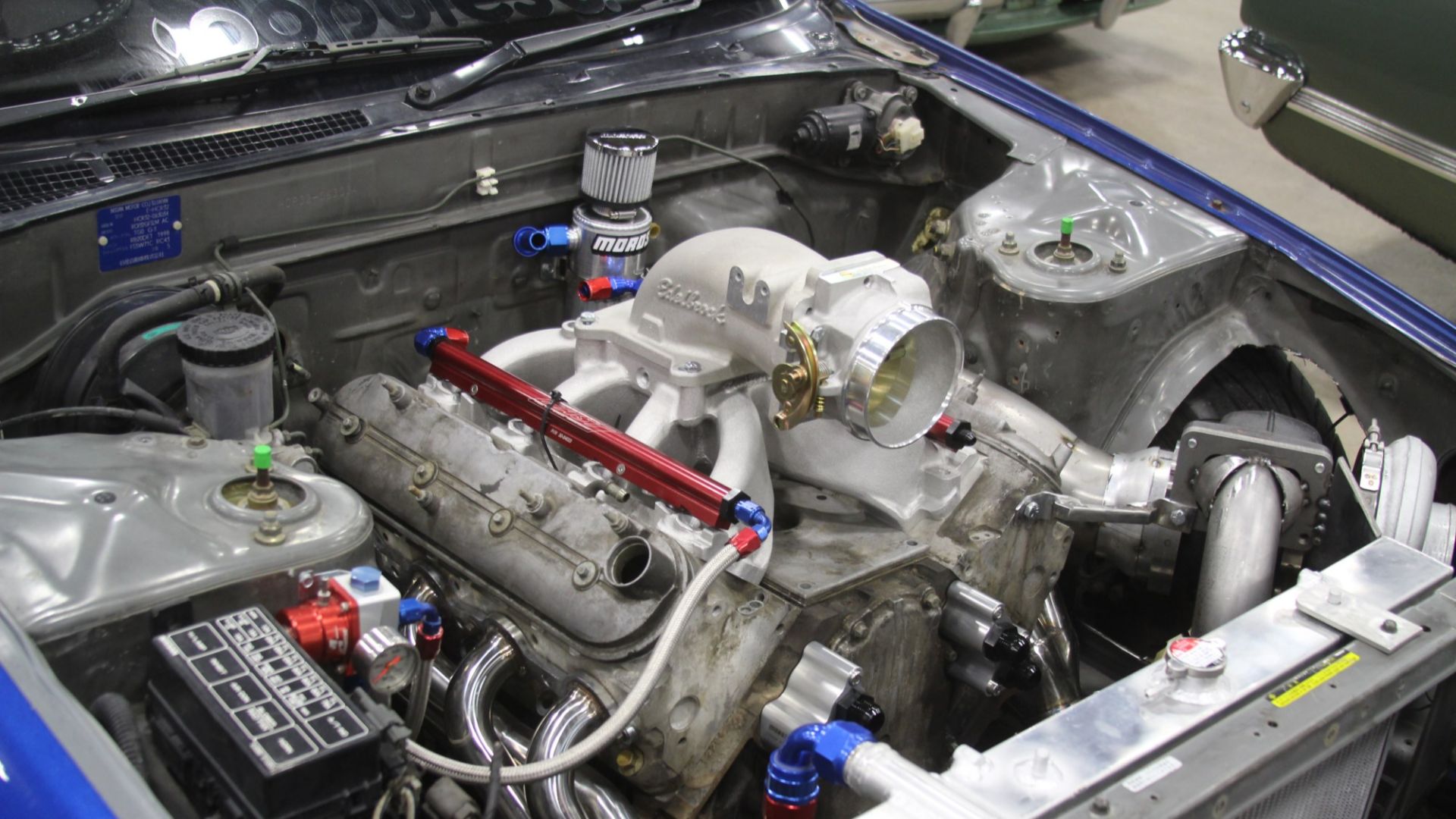 dave_7 from Lethbridge, Canada, Wikimedia Commons
Aftermarket Support—It’s Not Even Close
LS wins here, hands down. The aftermarket for LS engines is massive. You can find parts, kits, and tuning solutions almost anywhere. HEMI support exists—but it’s not nearly as extensive or budget-friendly.
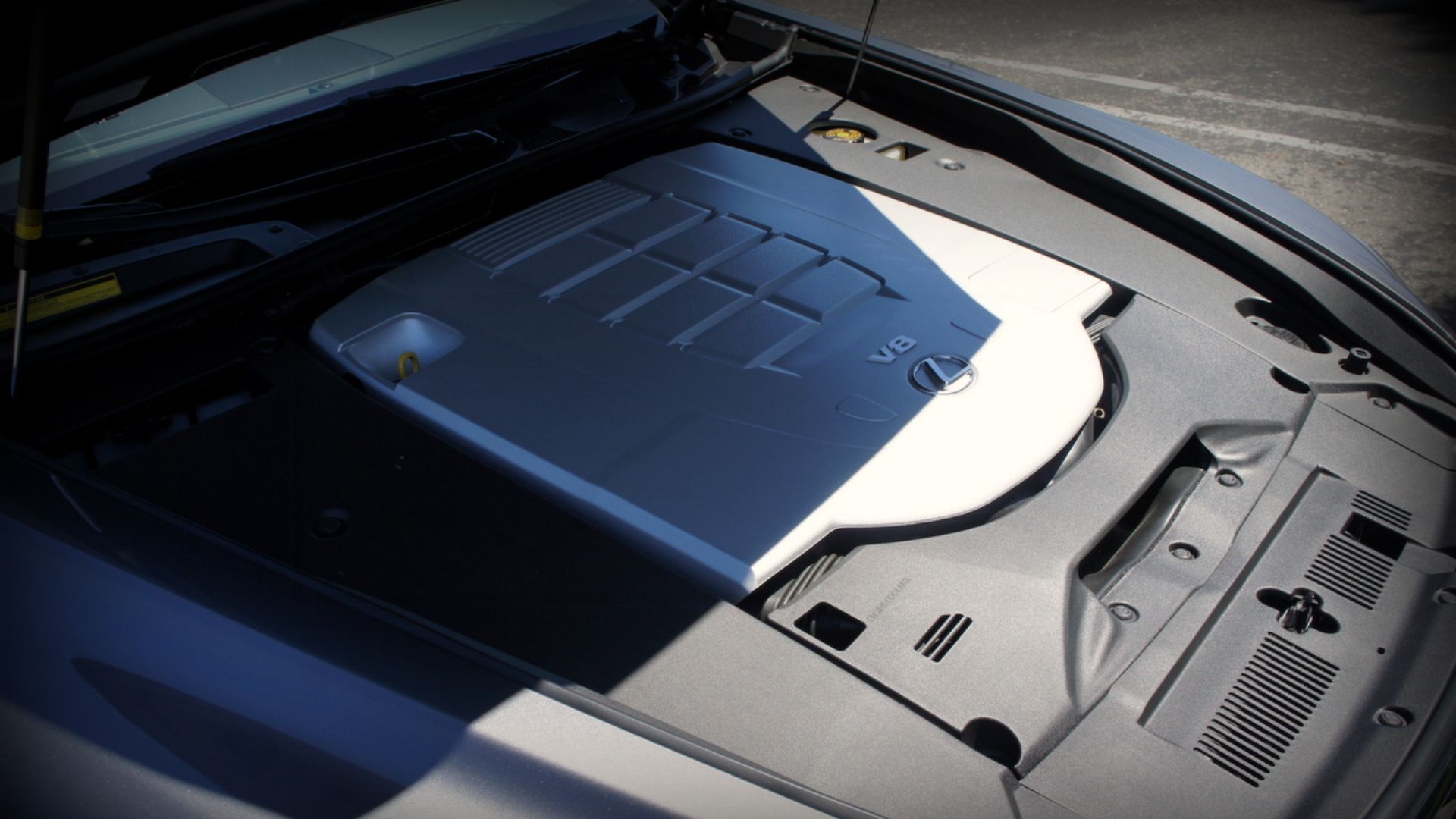 Michael Sheehan, Wikimedia Commons
Cost to Build Power—Who’s Cheaper?
If you’re chasing horsepower on a budget, LS is usually the way to go. You can make serious power with relatively inexpensive upgrades. HEMI builds tend to cost more, especially when pushing big numbers.
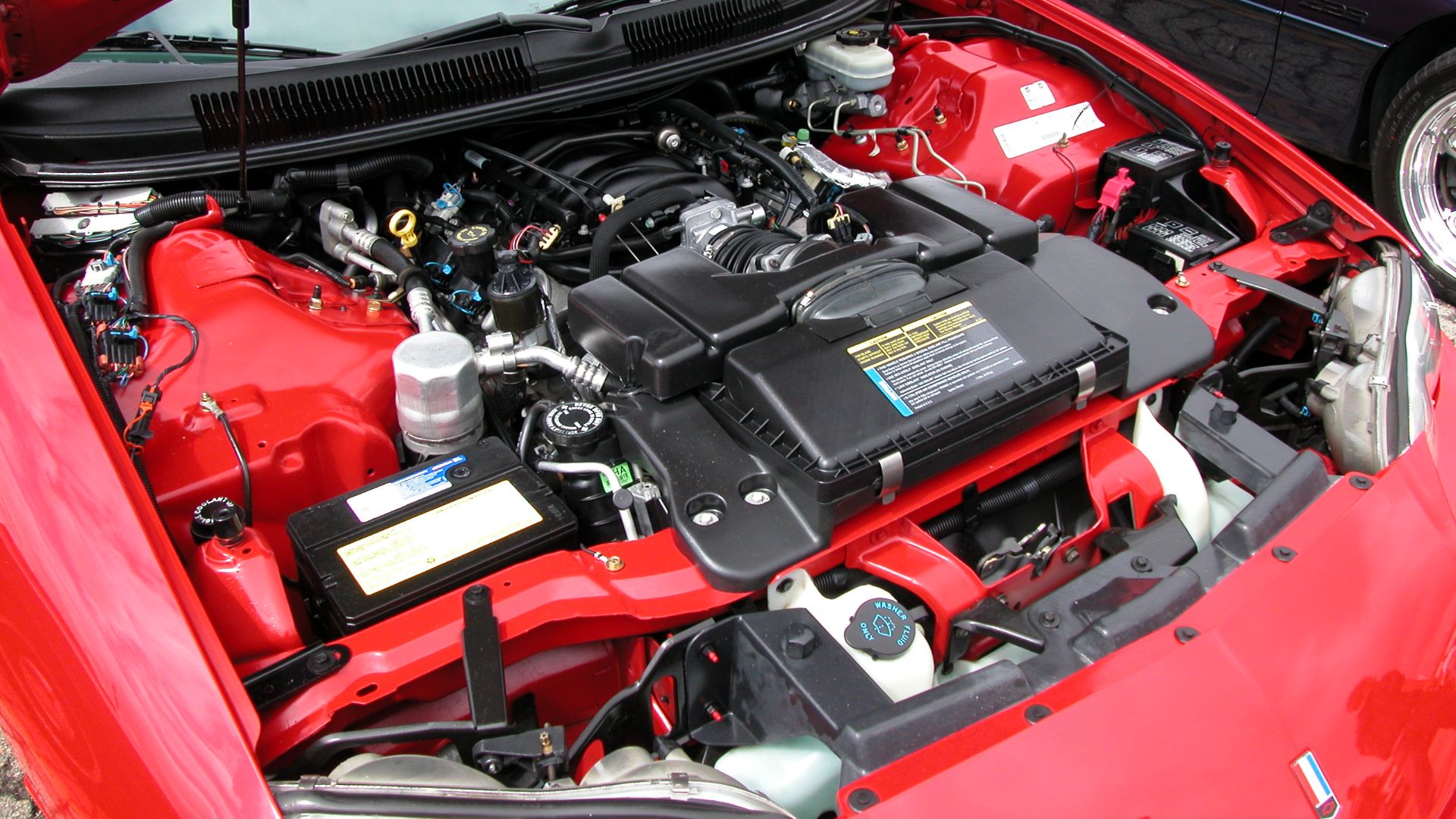 Rich Niewiroski Jr., Wikimedia Commons
Sound and Feel—This One’s Personal
Let’s be honest—this part comes down to taste. HEMI engines have that deep, classic American rumble. LS engines sound great too, but some enthusiasts say they lack that same “old-school” character.
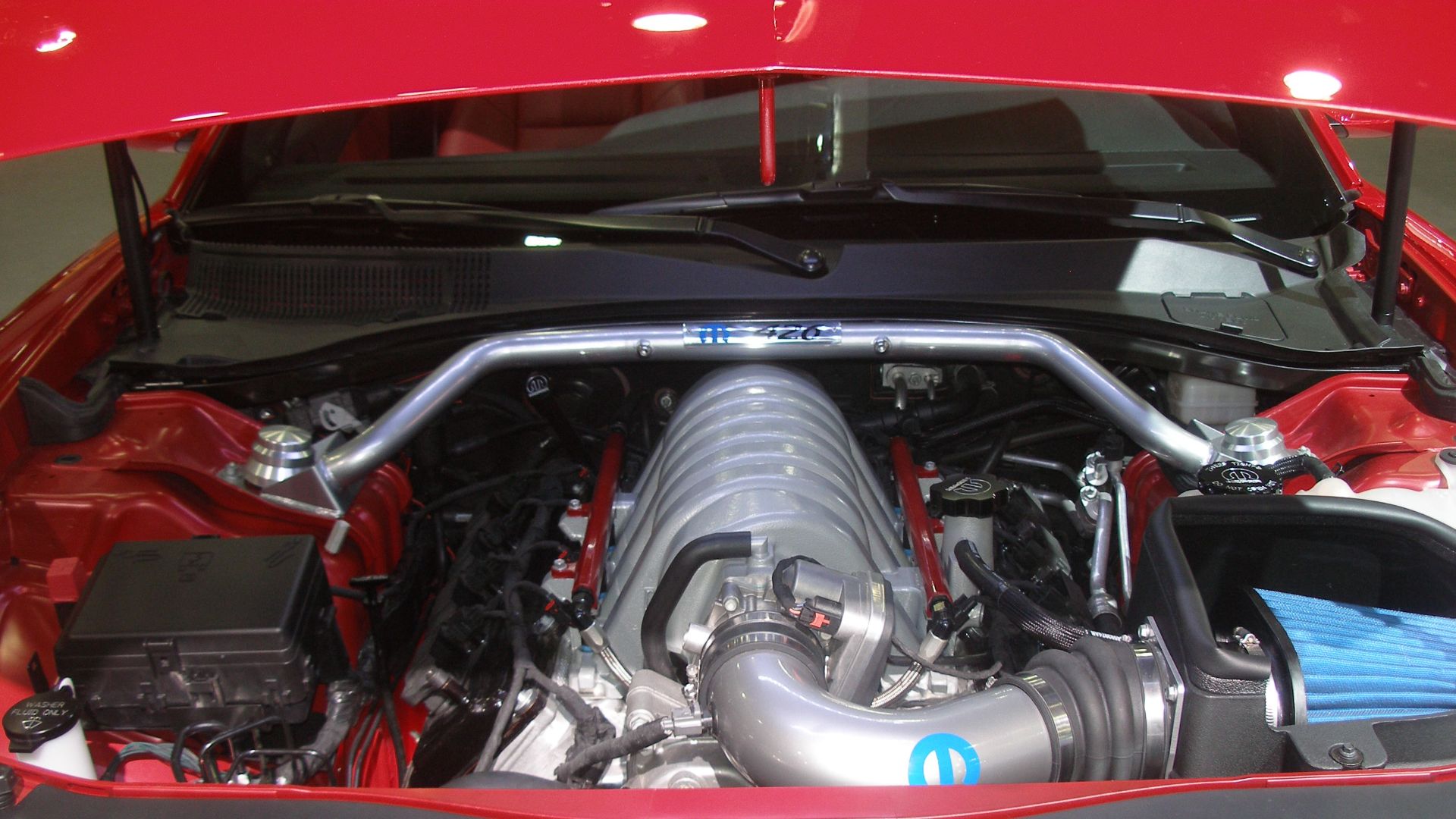 Oilpanhands, Wikimedia Commons
Fuel Efficiency—Surprisingly Relevant
LS engines tend to be more efficient overall, thanks to lighter weight and modern tuning strategies. HEMIs can be thirsty, especially the larger and supercharged versions.
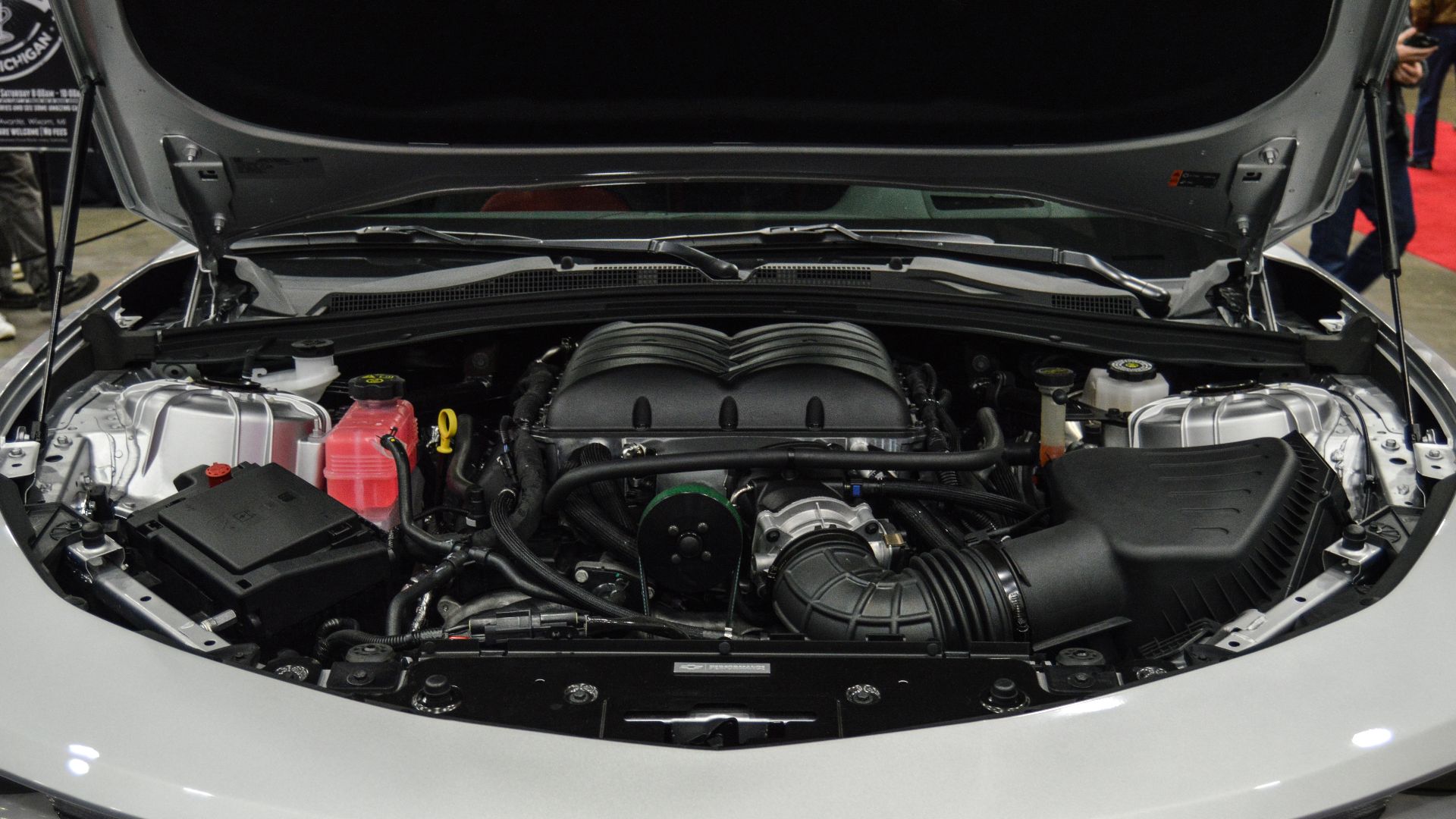 Yahya S. from United States, Wikimedia Commons
Technology Differences
Both platforms use pushrod (OHV) designs, but modern versions include advanced tech like variable valve timing and cylinder deactivation. LS engines often feel more refined in how that tech is implemented.
 Mr.choppers, Wikimedia Commons
So… Which One Is Actually Better?
It depends on what you value. Want raw factory horsepower and classic muscle appeal? HEMI has the edge. Want flexibility, affordability, and tuning potential? LS is hard to beat.
Who’s Right—Your Dad or Your Friend?
Here’s the truth: they’re both right… in different ways.
The HEMI represents iconic American muscle with huge power potential, especially in factory performance cars. The LS platform is more versatile, easier to modify, and dominates in the performance aftermarket world.
![500px provided description: Because HEMI ! !
The 6.4L SRT392 HEMI engine on the Dodge Challenger
Clicked this one at the autoshow in Dallas [#car ,#cars ,#warm ,#black ,#sepia ,#canon ,#racing ,#rebel ,#america ,#power ,#american ,#coupe ,#chrysler ,#burnout ,#drag ,#500d ,#muscle car ,#dodge ,#challenger ,#srt ,#t1i ,#dodge challenger ,#v8 ,#musclecar ,#torque ,#kit lens ,#hemi ,#FCA ,#srt392]](https://www.factinate.com/storage/app/media/driversdaily/2026/5/3/1777824983f9a7a1c7b12326f61b02acb5e1247fcecf844fd3.jpeg) Maurya Nagaraja, Wikimedia Commons
Maurya Nagaraja, Wikimedia Commons
The Bottom Line Before You Pick a Side
This isn’t about one being “better” across the board—it’s about what you want out of an engine. HEMI is brute force and heritage. LS is precision, adaptability, and value. The real winner? The one that fits your build.
You May Also Like: