Ford Put Its Most Famous Badge On An SUV
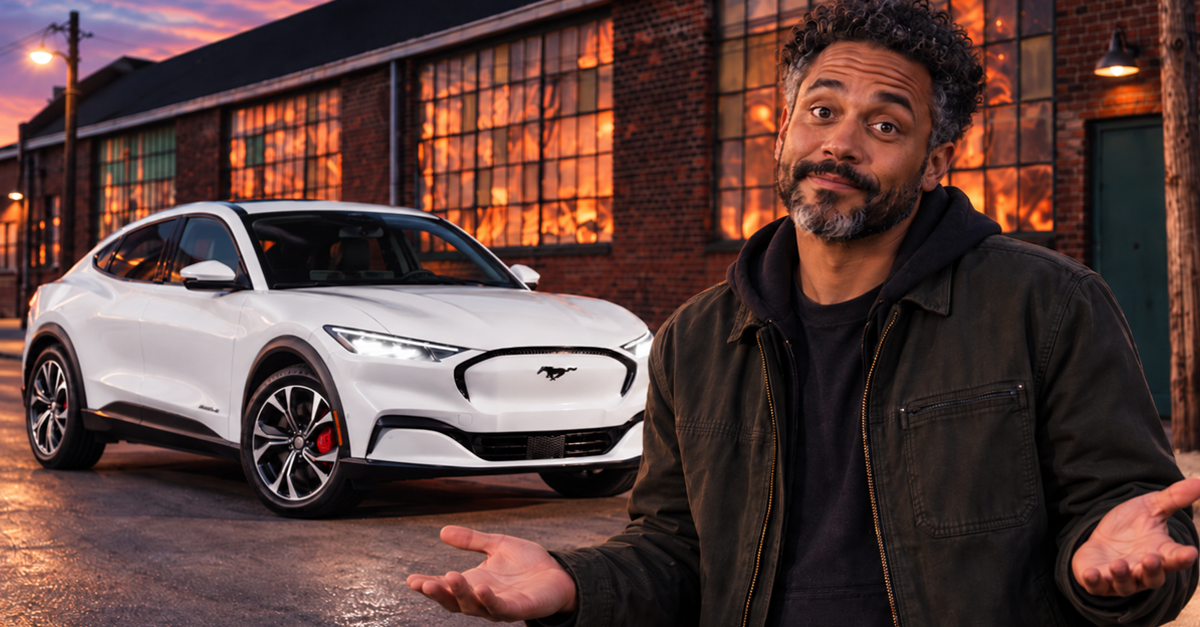
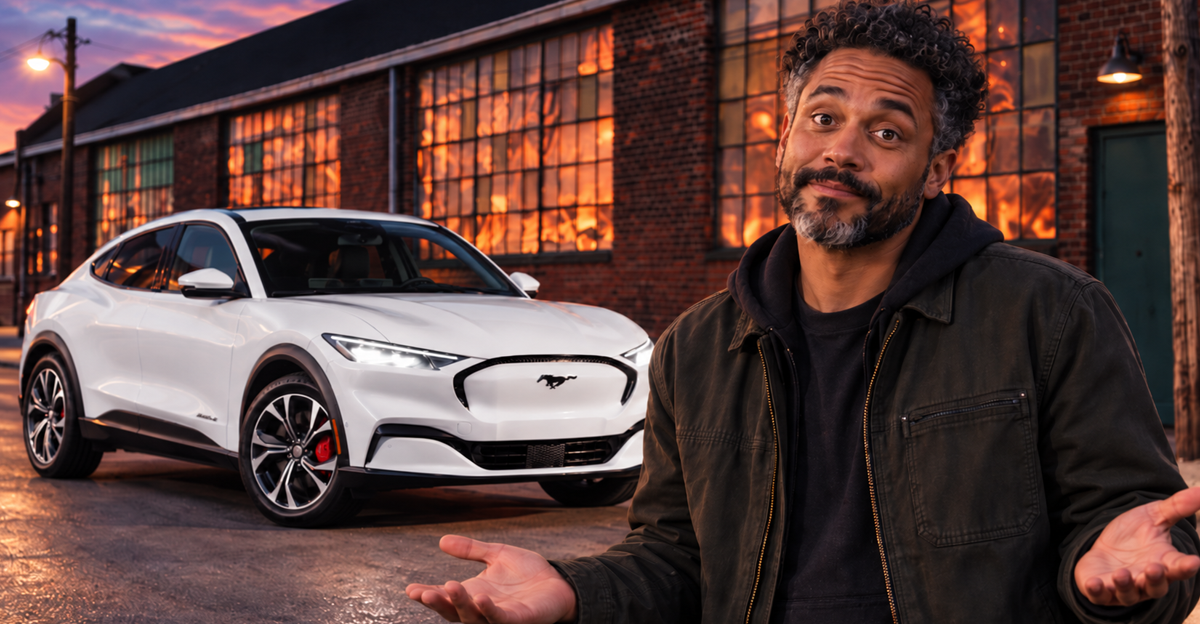
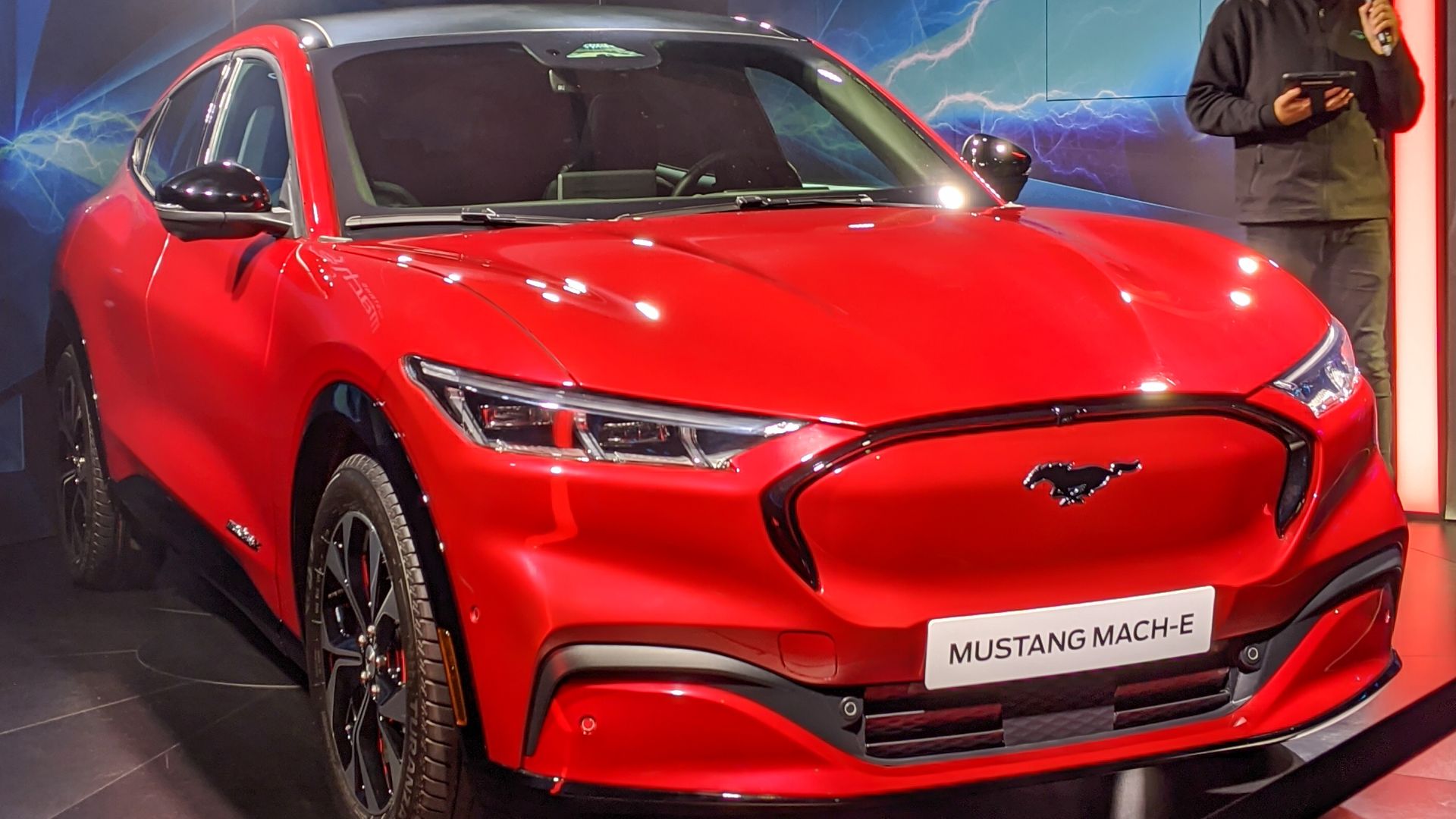
When Ford unveiled the Mustang Mach-E in 2019, plenty of fans did a double take. The famous Mustang badge was suddenly sitting on a four-door electric SUV, far removed from the coupes and roaring V8s that built its reputation. Ford was betting one of its most legendary names on a completely different kind of vehicle.
The Reaction Was Immediate
Not every Mustang fan welcomed the idea. The combination of four doors, an SUV-like body, and electric power challenged almost every convention associated with the traditional pony car. Even positive early reviews frequently questioned whether the new crossover really needed the Mustang name.
 Alexander-93, Wikimedia Commons
Some Fans Wanted The Mustang Name Removed
Fan backlash went beyond angry comments. A Change.org petition created just two days after the Mach-E reveal called on Ford to remove the Mustang name and pony logo from the SUV, eventually collecting 17,044 supporters. The petition argued that the Mach-E could still be a good vehicle without being branded as a Mustang.
Mustang Club Leaders Needed Convincing
Ford also faced skepticism from people deeply involved in Mustang culture. Ford executive Jason Castriota later recalled presenting the Mach-E to Mustang club presidents who arrived with crossed arms and stern expressions. He said their attitude softened after they experienced the vehicle and understood that Ford was not replacing the traditional Mustang.
 Alexander Migl, Wikimedia Commons
It Wasn’t Originally Supposed To Be A Mustang
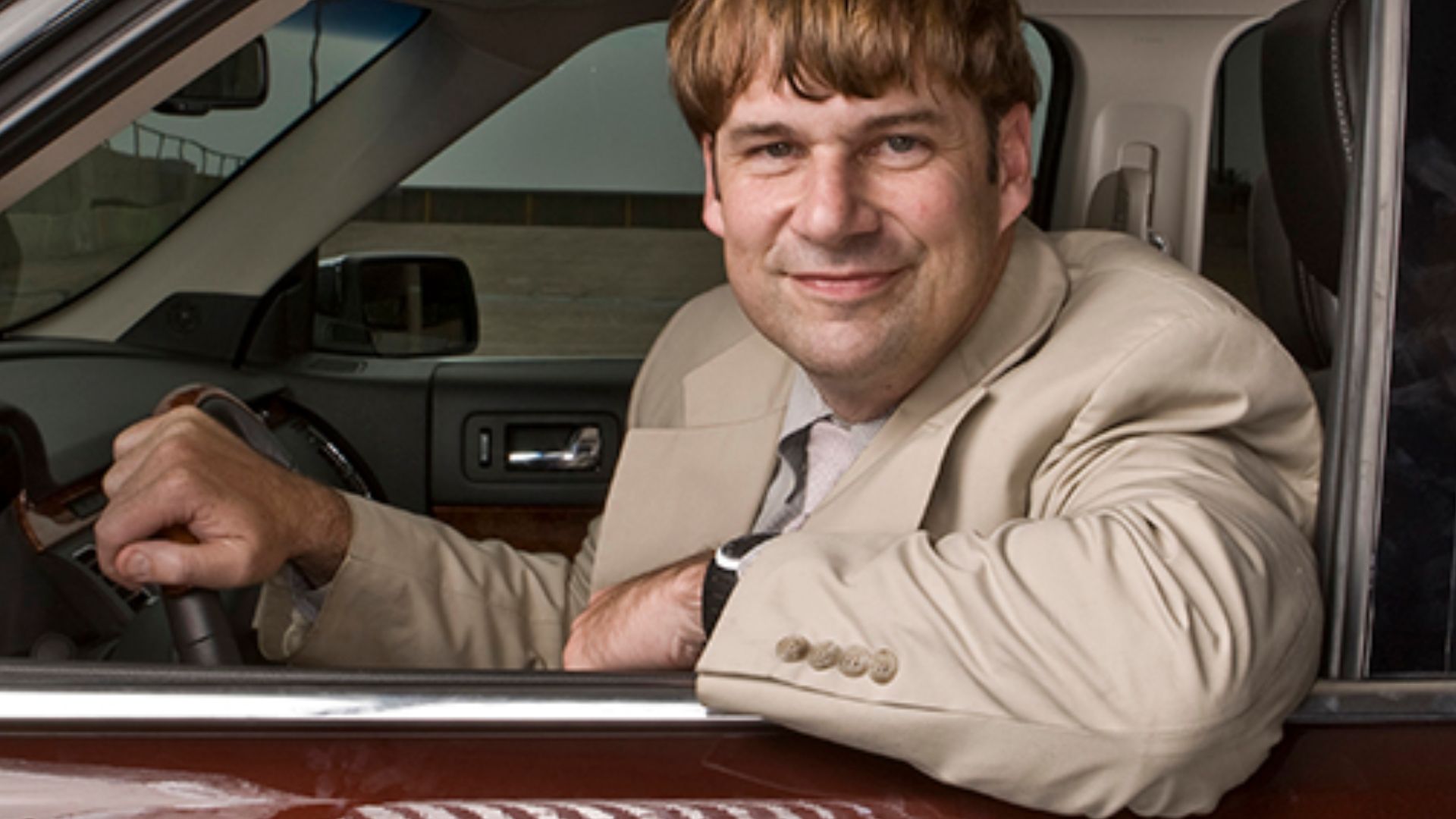
The Mach-E didn't begin development as an electric interpretation of the Mustang. The project initially resembled an electrified, raised Ford Focus before executives decided the vehicle needed considerably more personality. Jim Farley, then Ford’s president of global markets, pushed the development team to rethink it with Mustang in mind.
 Chelsea Jay, Wikimedia Commons
Ford Wanted Something People Would Notice
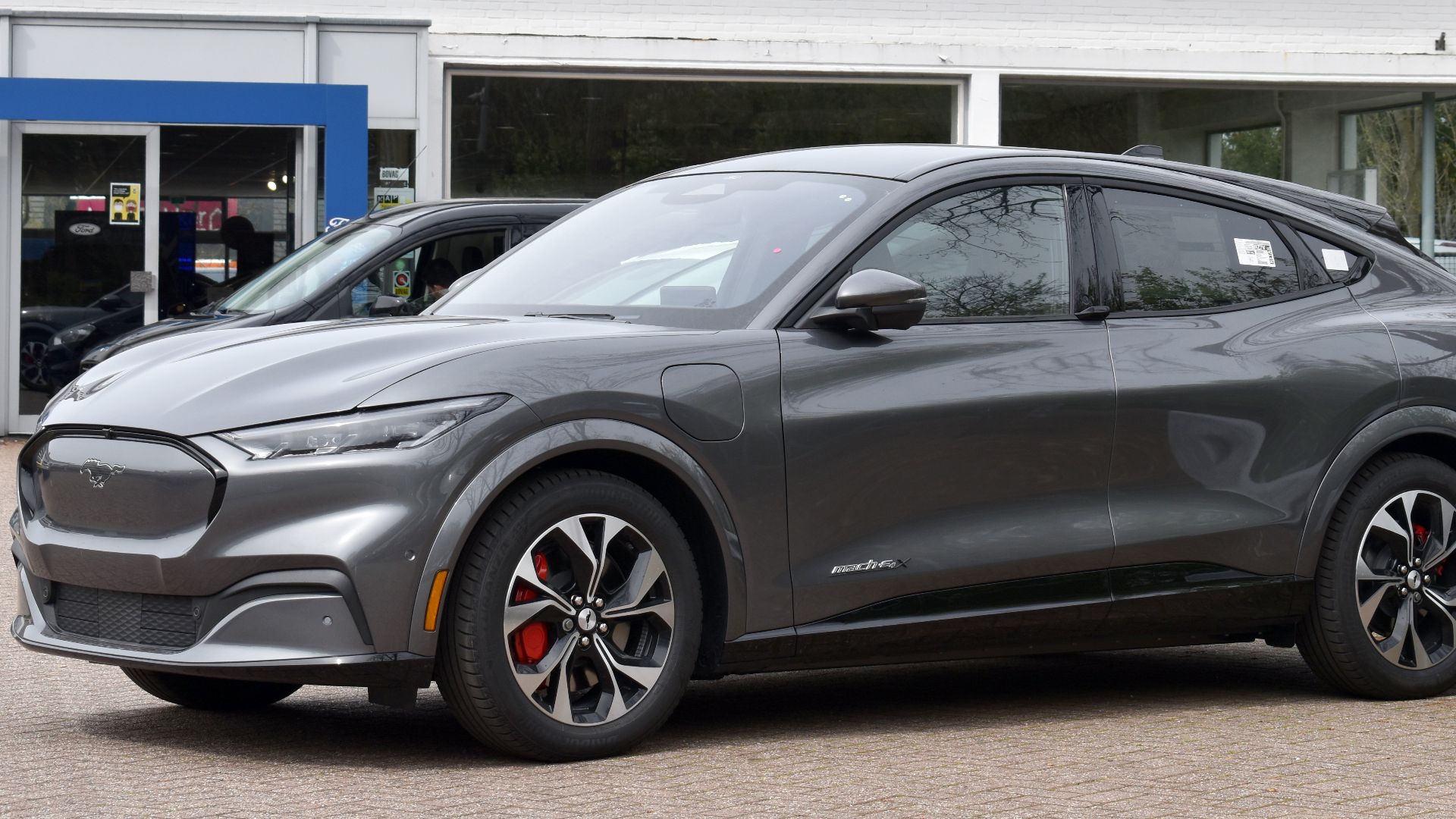
Ford was entering a market where Tesla had already shown that buyers could get genuinely excited about electric cars. A purely practical crossover risked blending into a growing field of new EVs. Giving the vehicle recognizable styling, stronger performance, and the Mustang name made it much harder to ignore.
 Dennis Elzinga, Wikimedia Commons
The Designers Had A Difficult Assignment
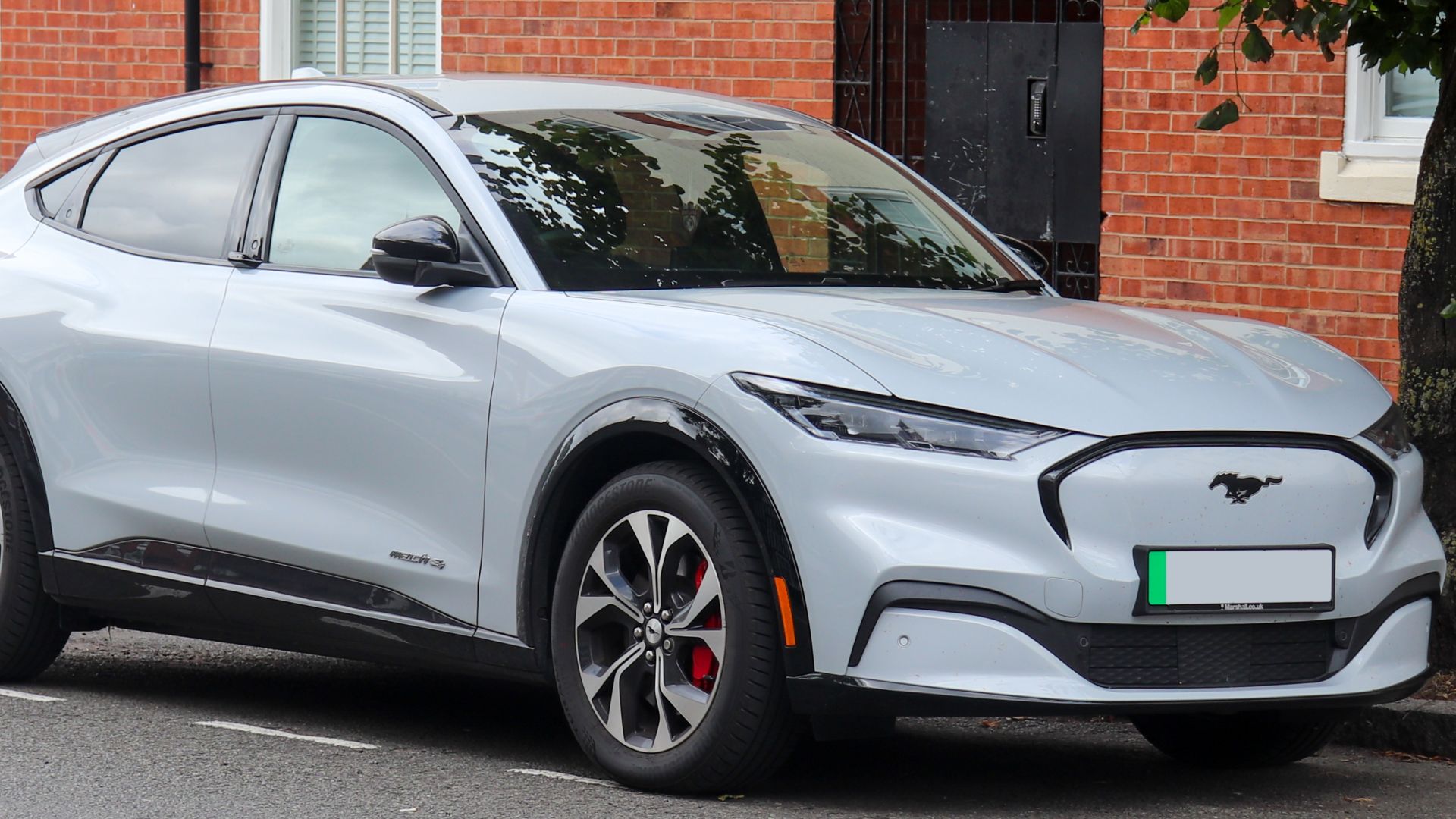
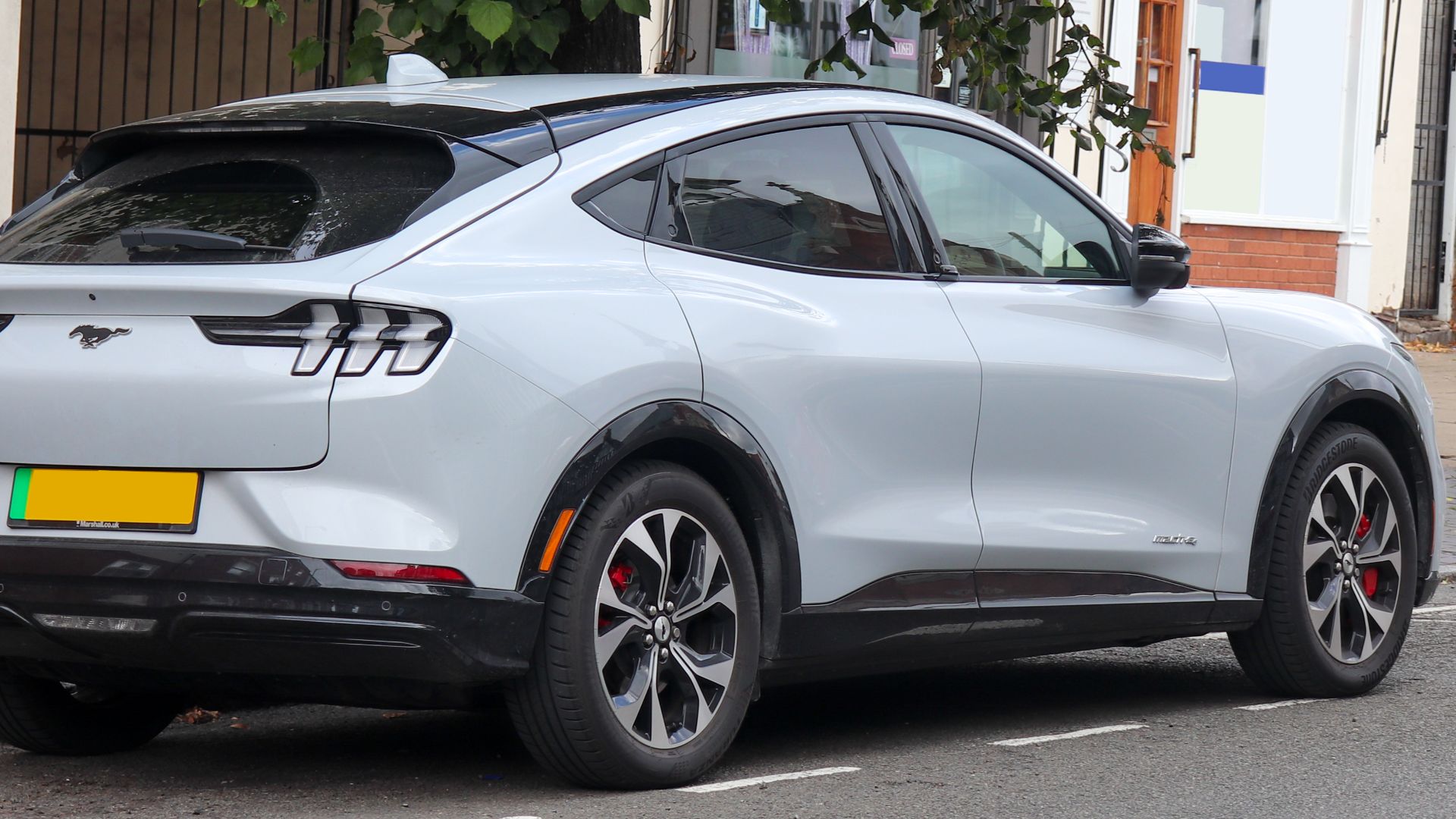
The challenge was not simply attaching pony badges to an SUV. Ford’s designers worked Mustang cues into the Mach-E, including muscular rear haunches, distinctive lighting, and a fastback-style roofline. The proportions were still those of a practical crossover, but the family resemblance was deliberate.
Ford Also Borrowed The Mach Name
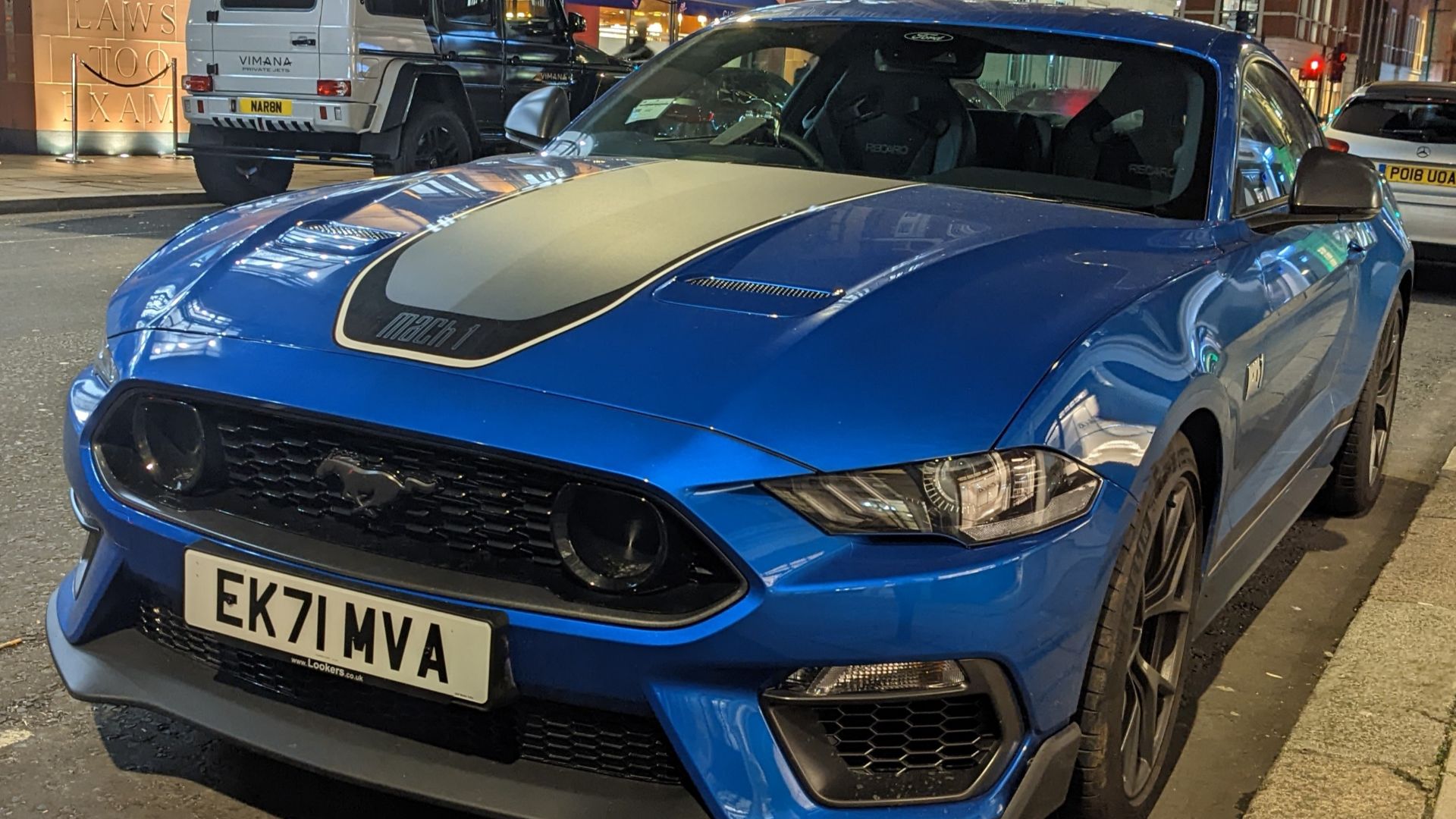
The “Mach-E” name added another clear reference to Mustang history. Ford had used the Mach 1 designation on performance Mustangs for decades, so the electric crossover’s name carried more heritage than just the pony badge. Ford clearly wanted buyers to connect the new EV with the performance side of the Mustang story.
Its Specifications Helped The Argument
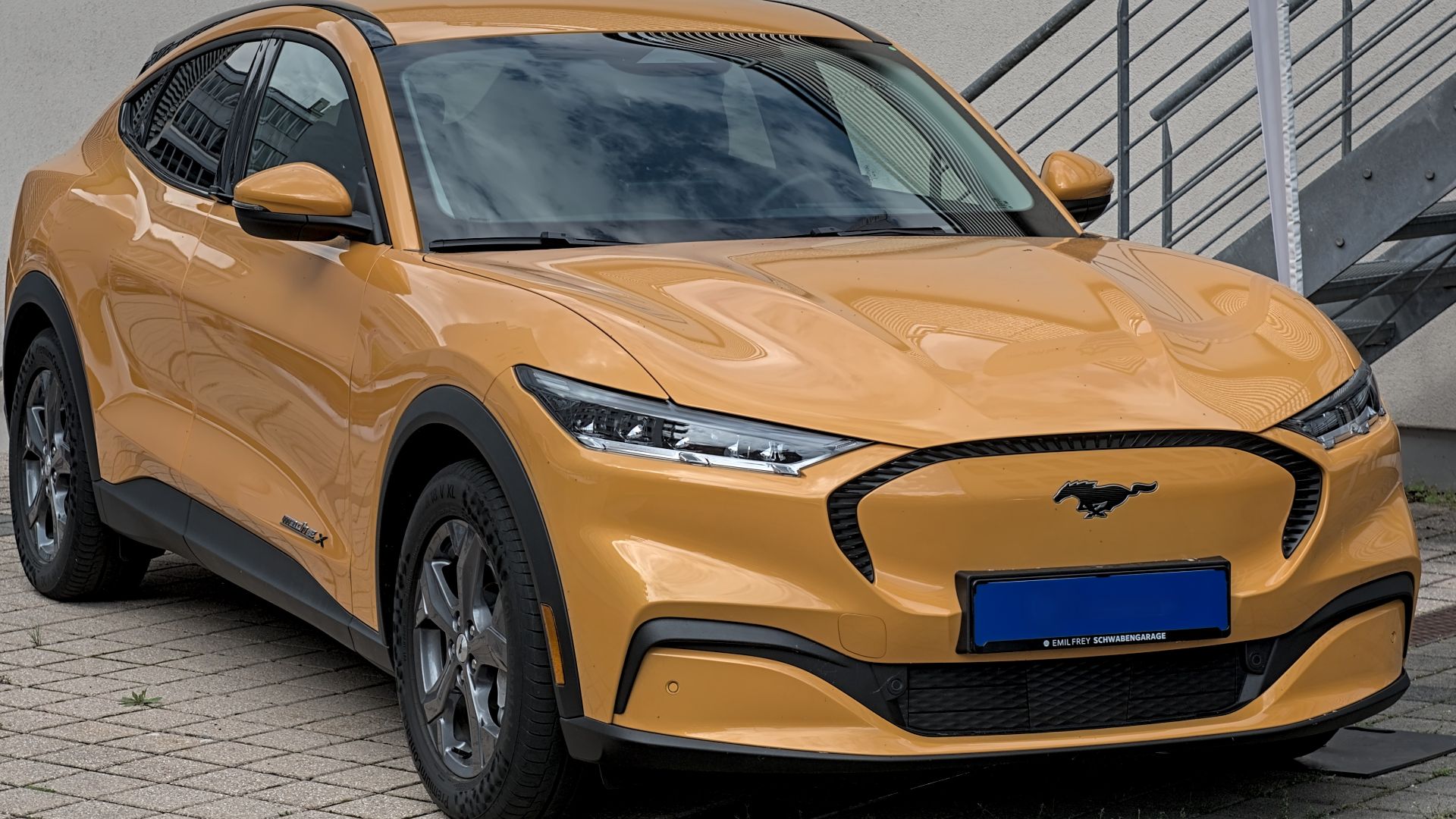
The original Mach-E was available with rear-wheel drive or all-wheel drive and standard or extended-range battery packs. Ford initially targeted at least 300 miles of EPA-estimated range for an extended-range rear-wheel-drive version. Performance models were planned from the beginning, giving Ford more to talk about than efficiency alone.
 Alexander Migl, Wikimedia Commons
Then Came The GT
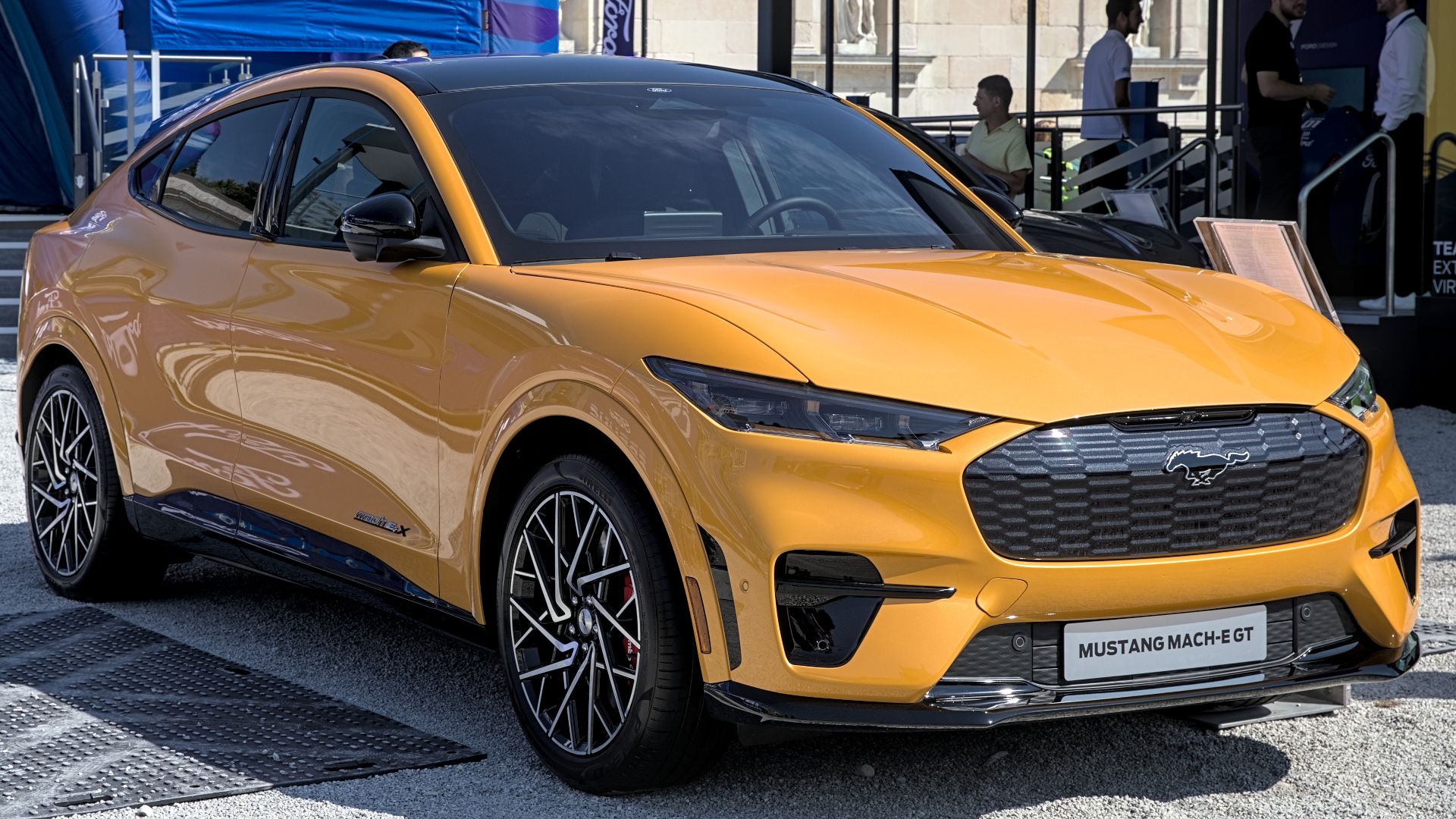
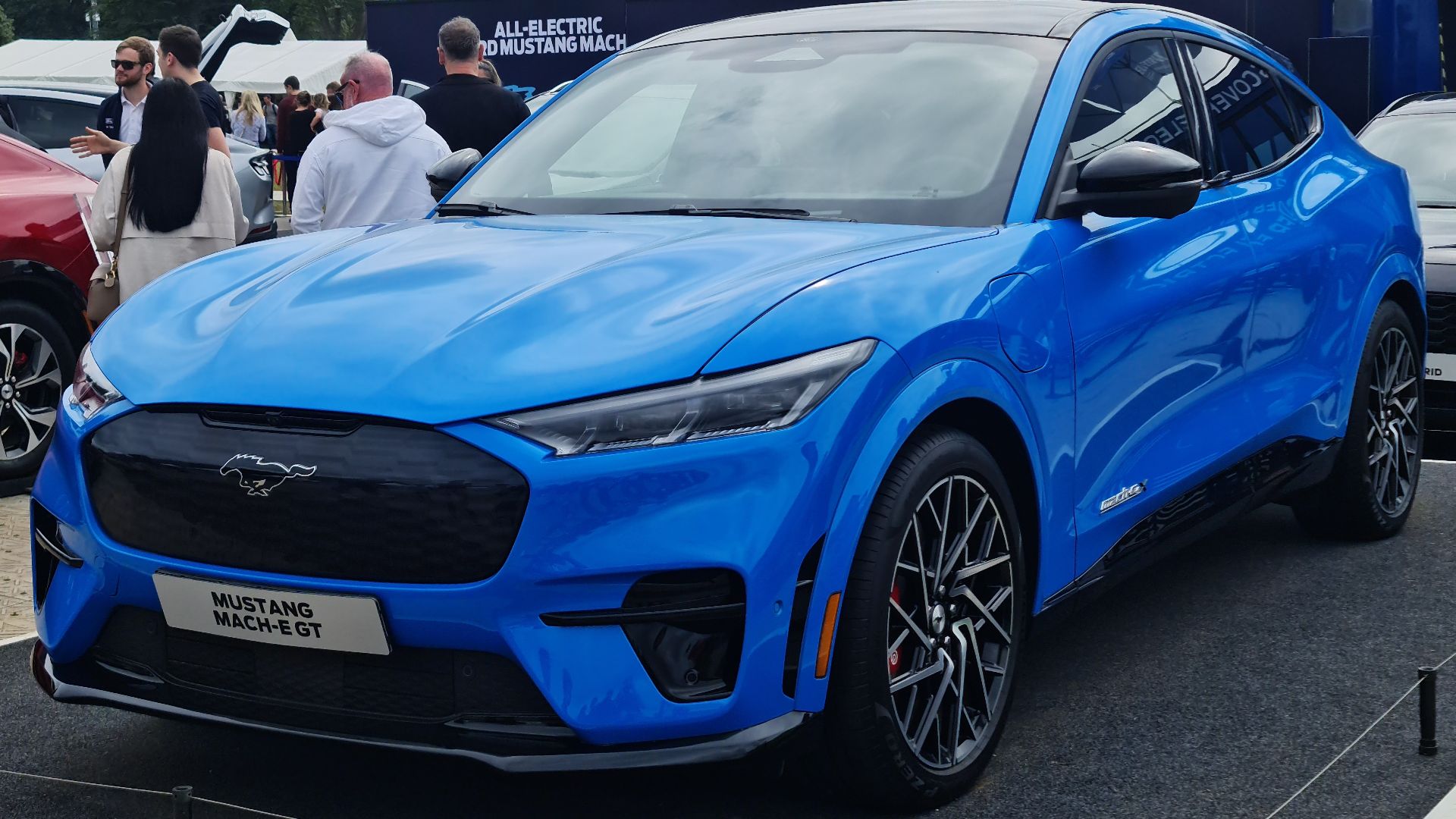
Ford eventually pushed the performance angle much harder with the Mach-E GT. Early GT versions produced as much as 480 horsepower, while the Performance Edition delivered even more torque. Suddenly, the idea of an electric family crossover wearing performance-oriented Mustang branding became easier to understand.
Reviewers Largely Liked The Actual Vehicle
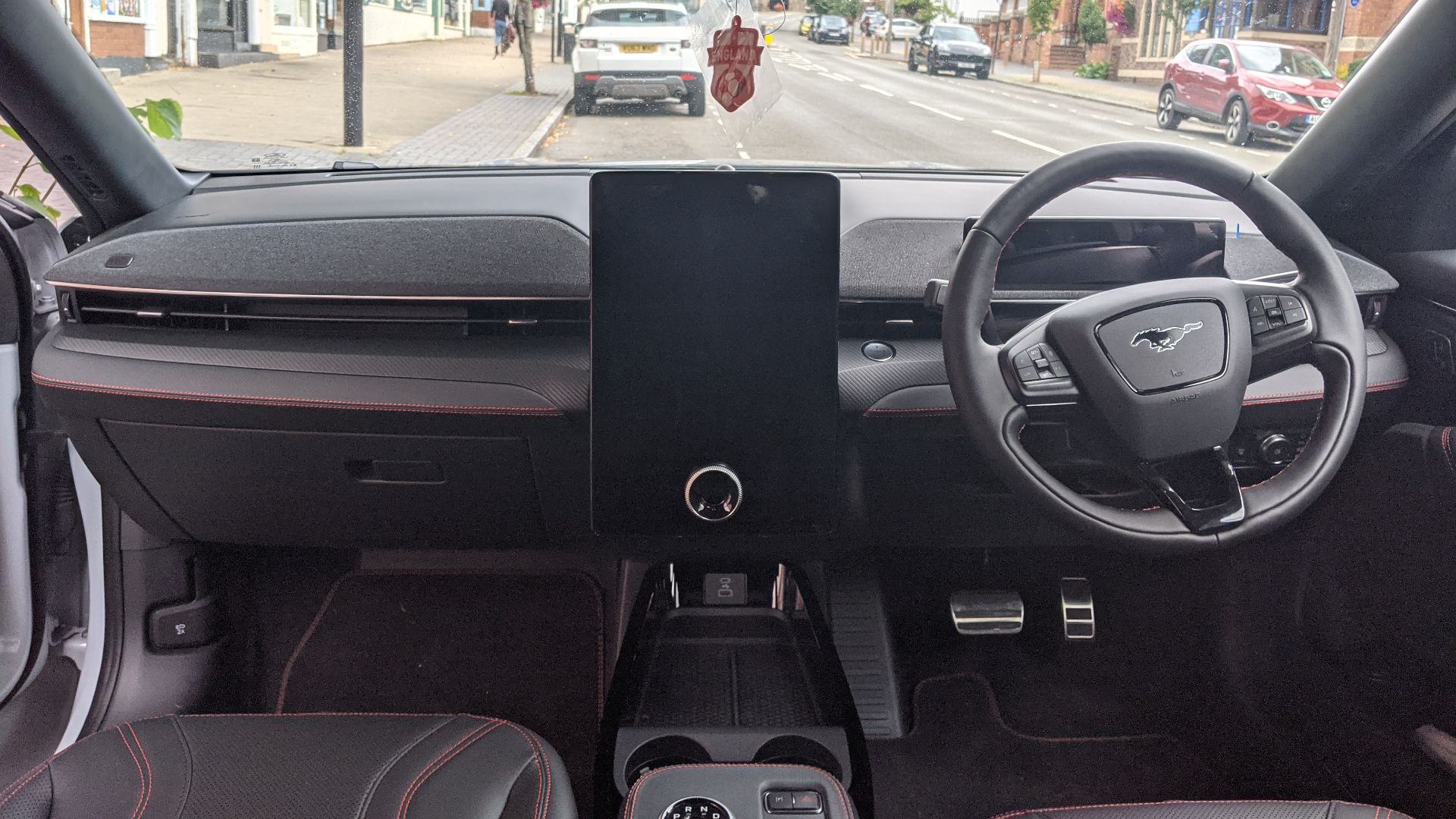
Once journalists started driving the Mach-E, the conversation began to shift. Car and Driver praised its refinement, acceleration, usability, and competitive range while still acknowledging that the name would remain controversial. The vehicle was increasingly being judged on its own merits rather than only as an unusual Mustang.
It Faced Tesla Head-On
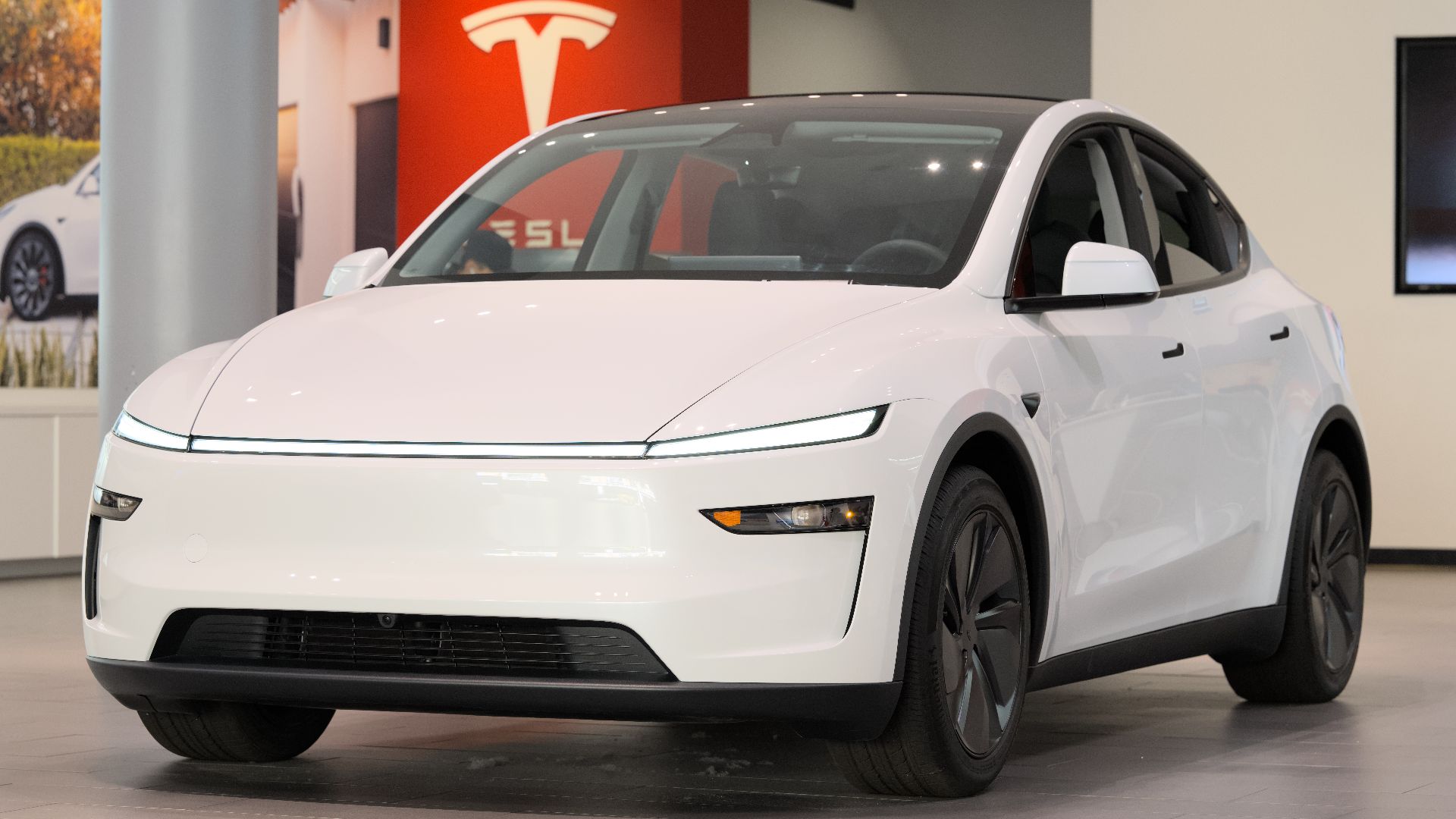
The Tesla Model Y quickly became one of the Mach-E’s most important benchmarks. A 2021 comparison found the Ford competitive on performance, range, practicality, and price while praising its refinement and assembly quality. That was a strong result for Ford’s first serious attempt at a dedicated mass-market electric crossover.
Then The Awards Started Arriving
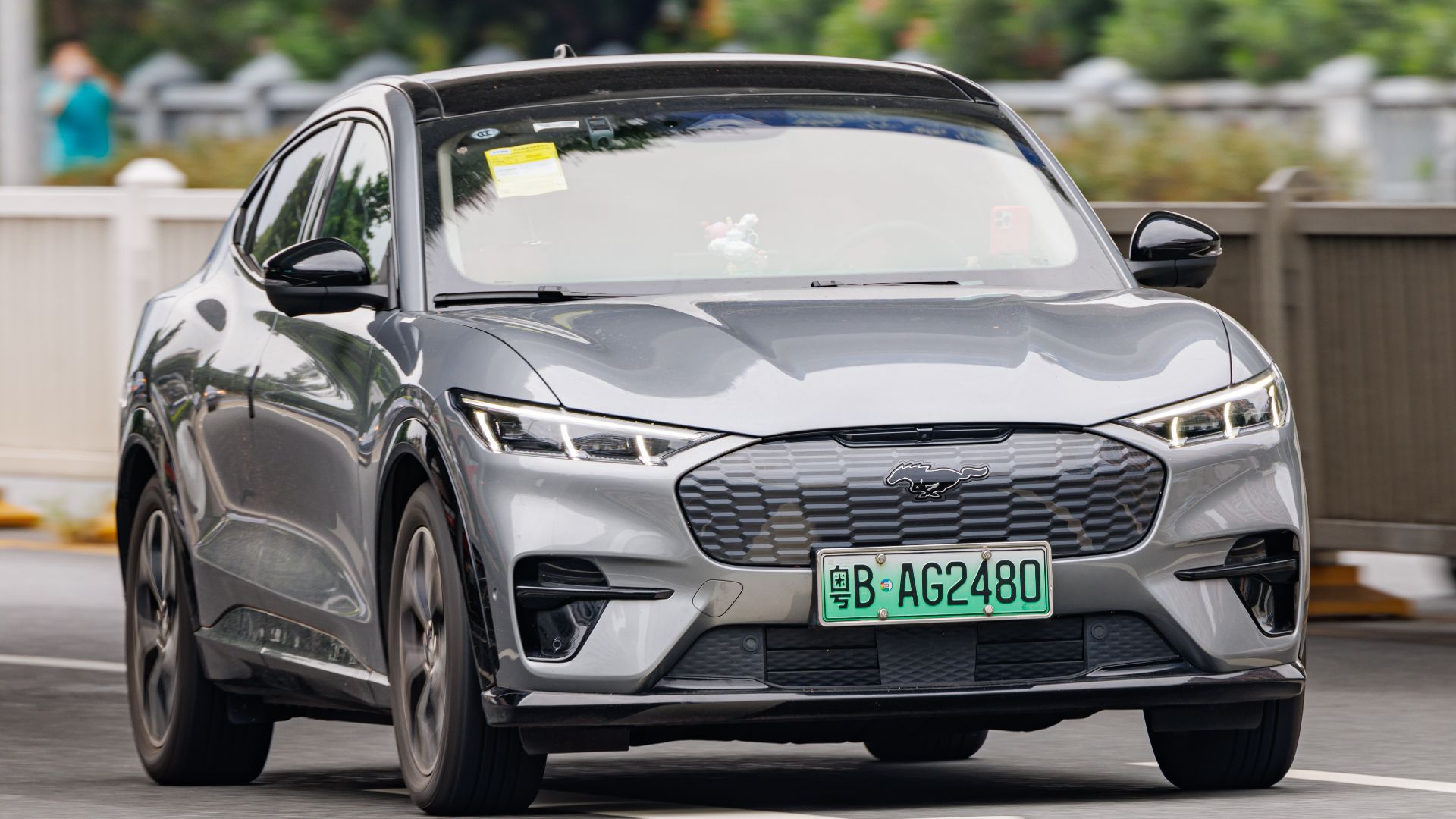
The Mach-E won the 2021 North American Utility Vehicle of the Year award. The award was decided by an independent group of 50 automotive journalists from the United States and Canada. Their choice gave the Mach-E credibility well beyond Ford’s own marketing.
 Dinkun Chen, Wikimedia Commons
Car And Driver Went Even Further
Car and Driver selected the Mach-E as its first-ever EV of the Year in 2021. The publication praised its combination of range, driving dynamics, practicality, price, and ability to make electric driving appealing to mainstream buyers. Interestingly, the magazine still described the name as one of the vehicle’s most contentious features.
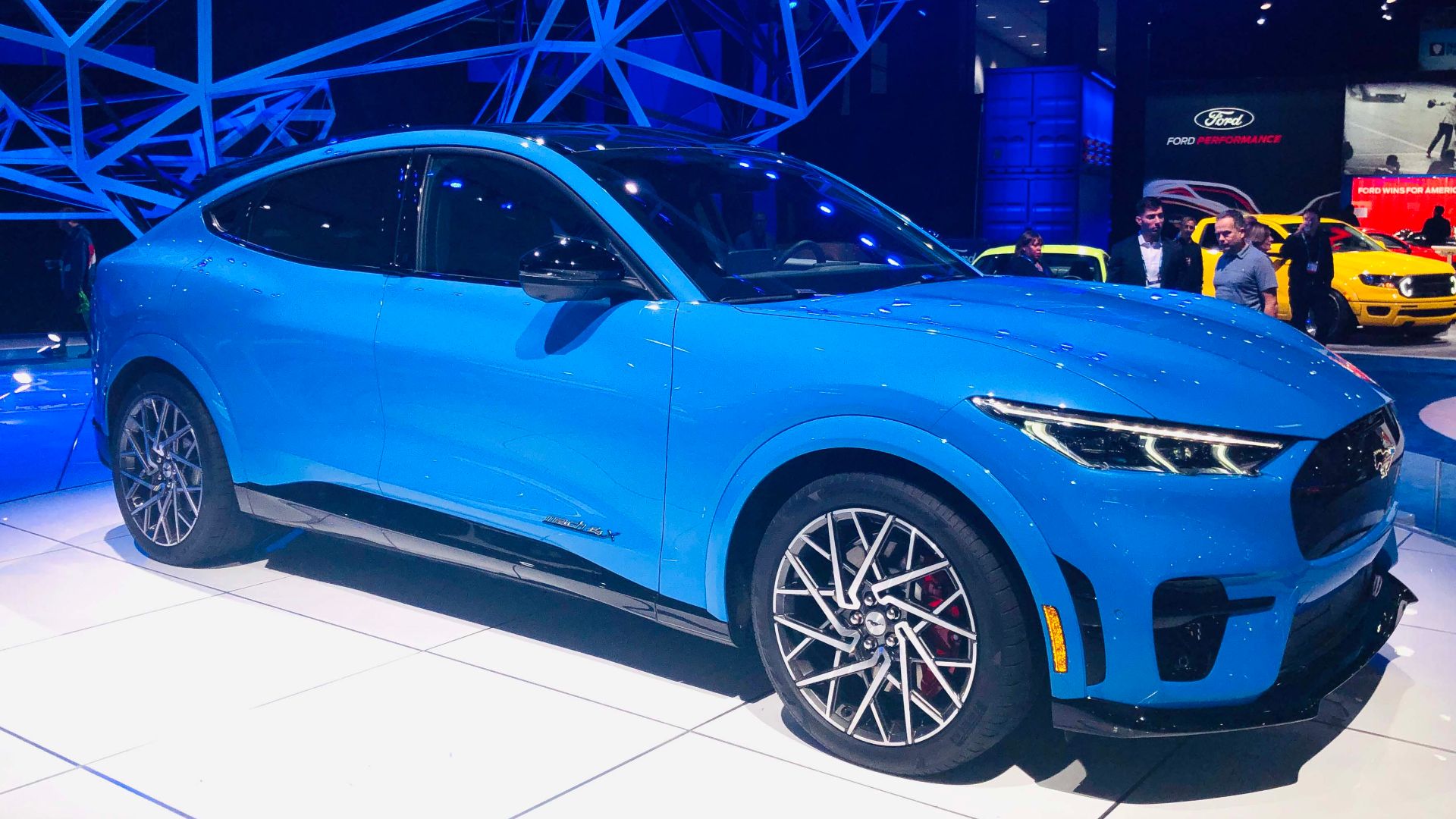 Automotive Rhythms http://artvlive.com, Wikimedia Commons
Ford Started Thinking Bigger Than One Mustang
The Mach-E also showed that Ford was willing to think of Mustang as more than a single model. Jim Farley later discussed similar thinking around Mustang and Bronco, suggesting that Ford saw potential in building broader families around its strongest nameplates. The Mach-E became an early test of that strategy.
Production Quickly Reached Six Figures
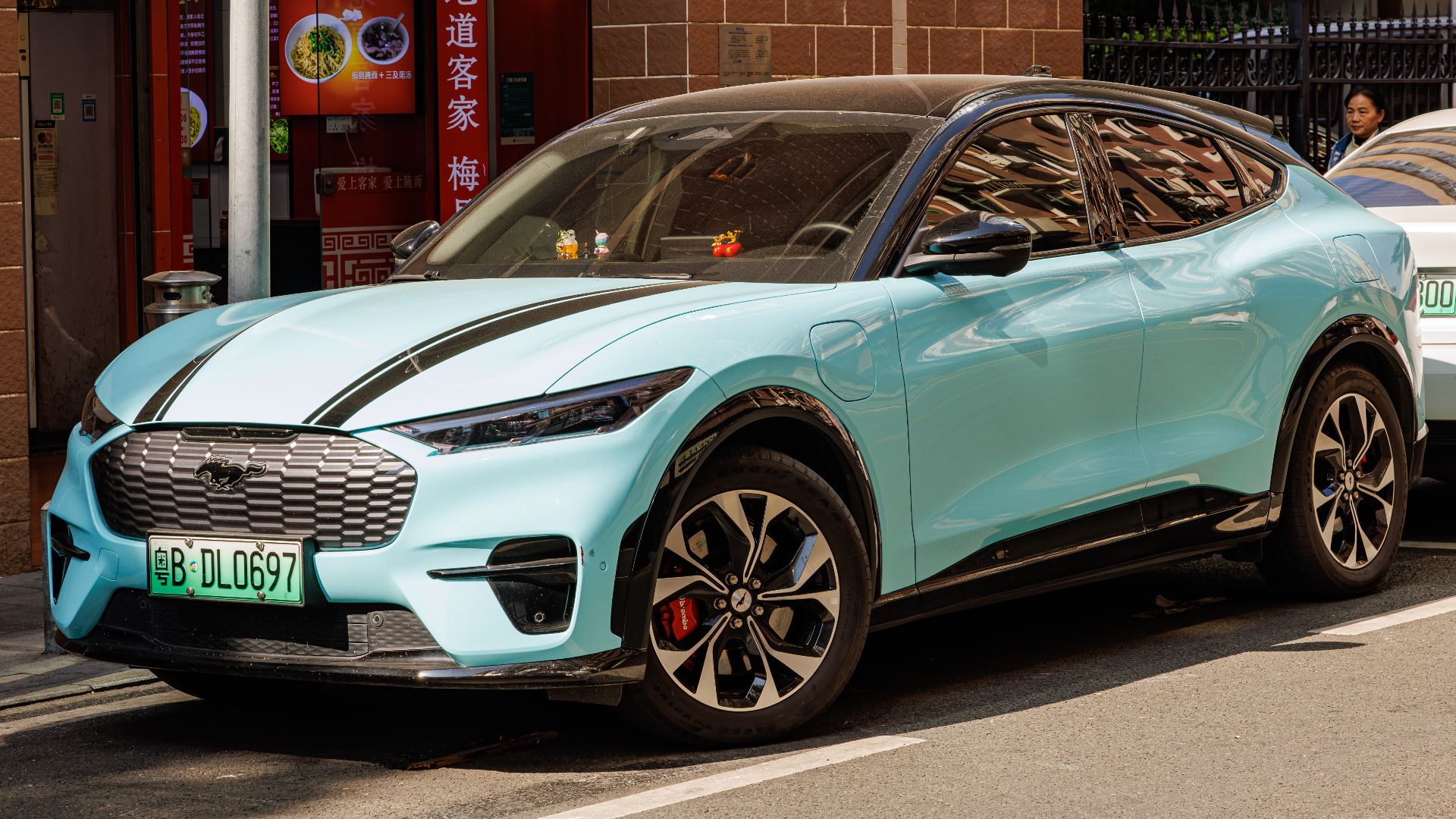
By November 2022, Ford’s Cuautitlán plant in Mexico had produced its 150,000th Mustang Mach-E. Ford said the vehicle had expanded from 22 markets during its first year to plans for availability in 37 countries by 2023. The milestone came less than two years after production began.
 Mr.choppers, Wikimedia Commons
Many Buyers Were New To EVs
Ford reported in 2022 that eight out of 10 U.S. Mach-E customers had replaced an internal-combustion vehicle with an EV. In Europe, the company put that figure at nine out of 10. Those were Ford’s own customer figures, but they suggested that the Mach-E was reaching beyond people who were already driving electric vehicles.
 Dinkun Chen, Wikimedia Commons
Ford Kept Improving It
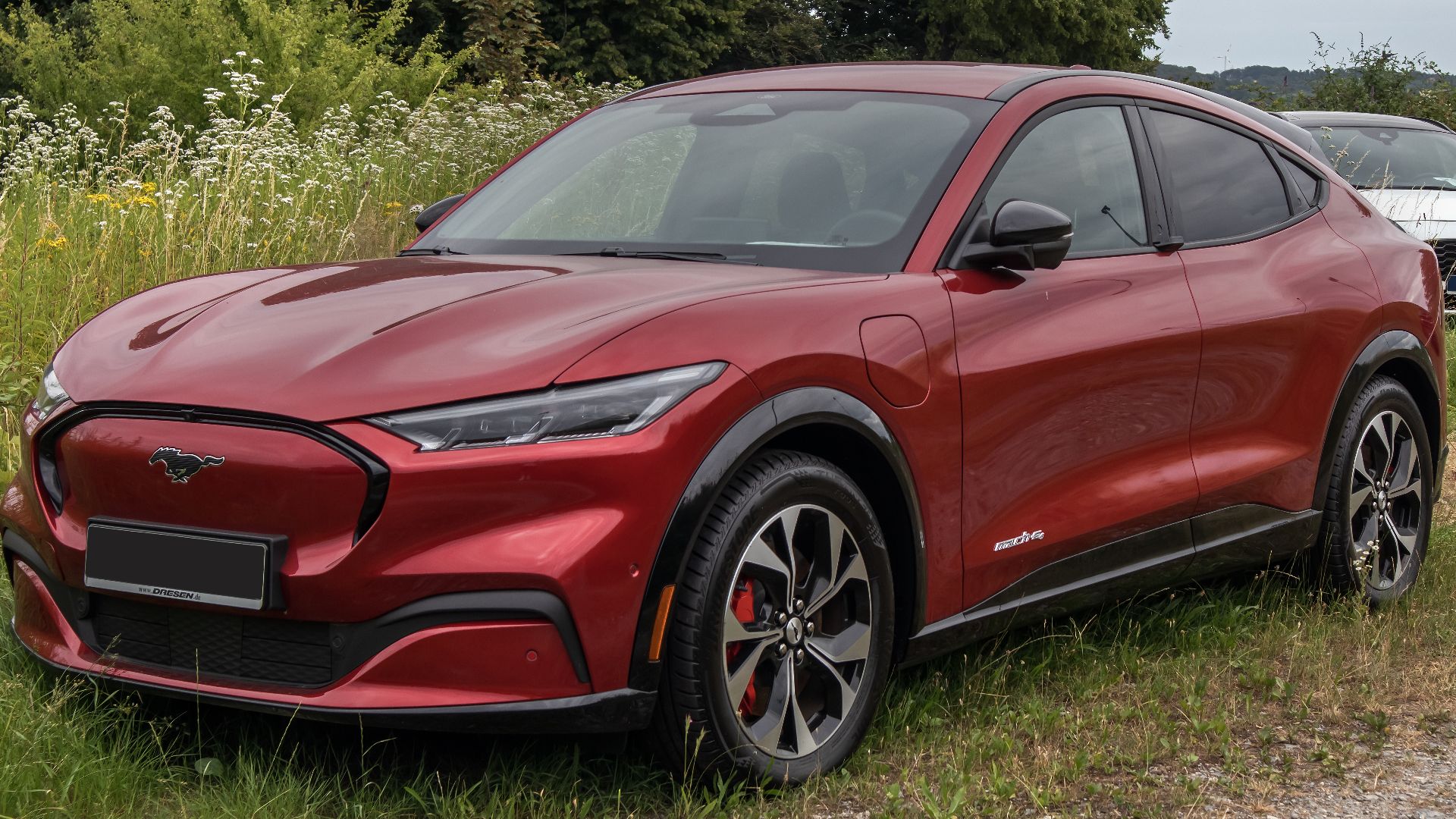
The Mach-E did not stay frozen in its original 2021 specification. Ford added software updates, improved range, revised performance, and introduced new versions over several model years. By 2024, extended-range rear-wheel-drive versions were rated at up to 320 miles of EPA-estimated range.
The Rally Made Things Even Stranger
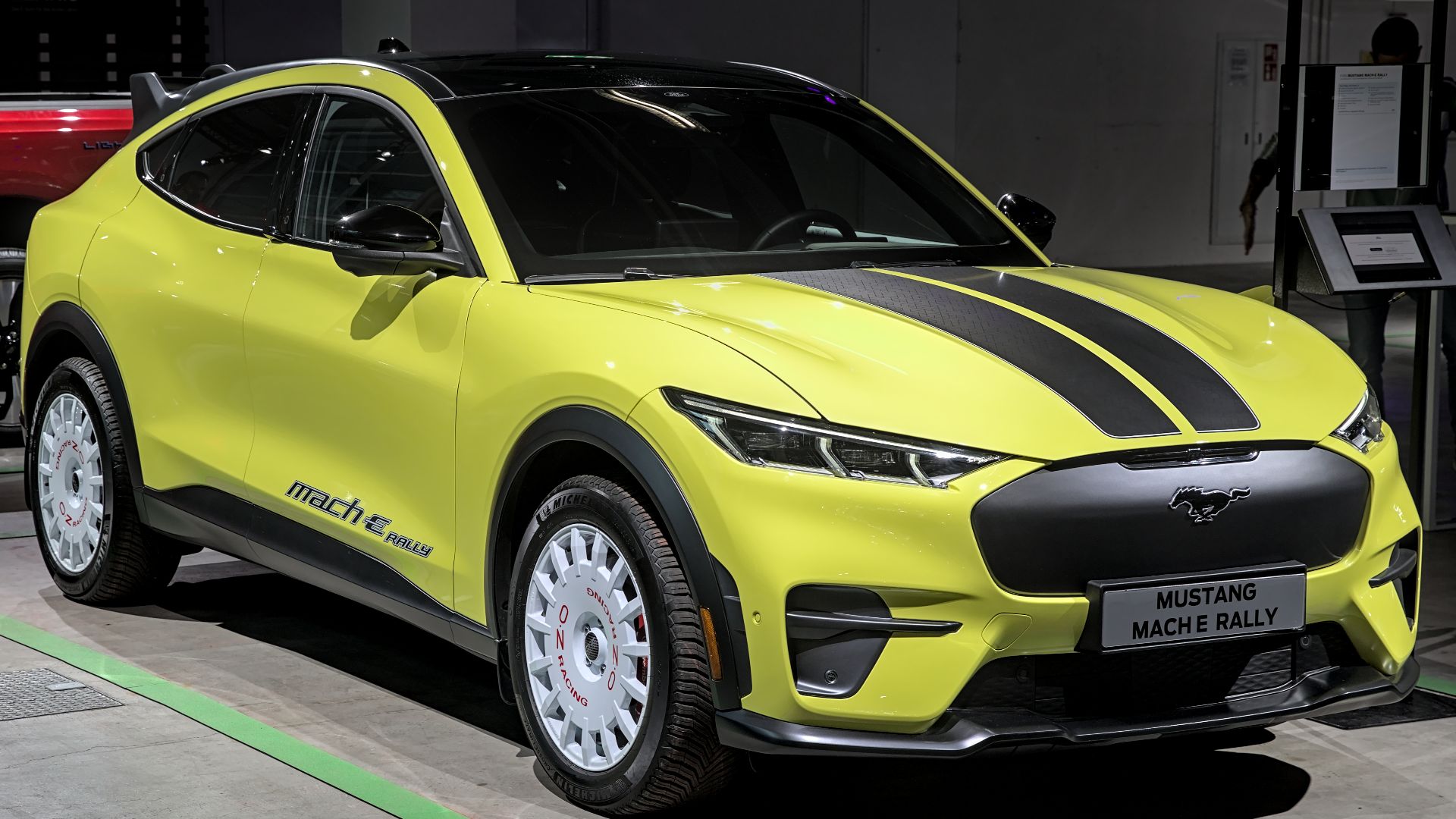
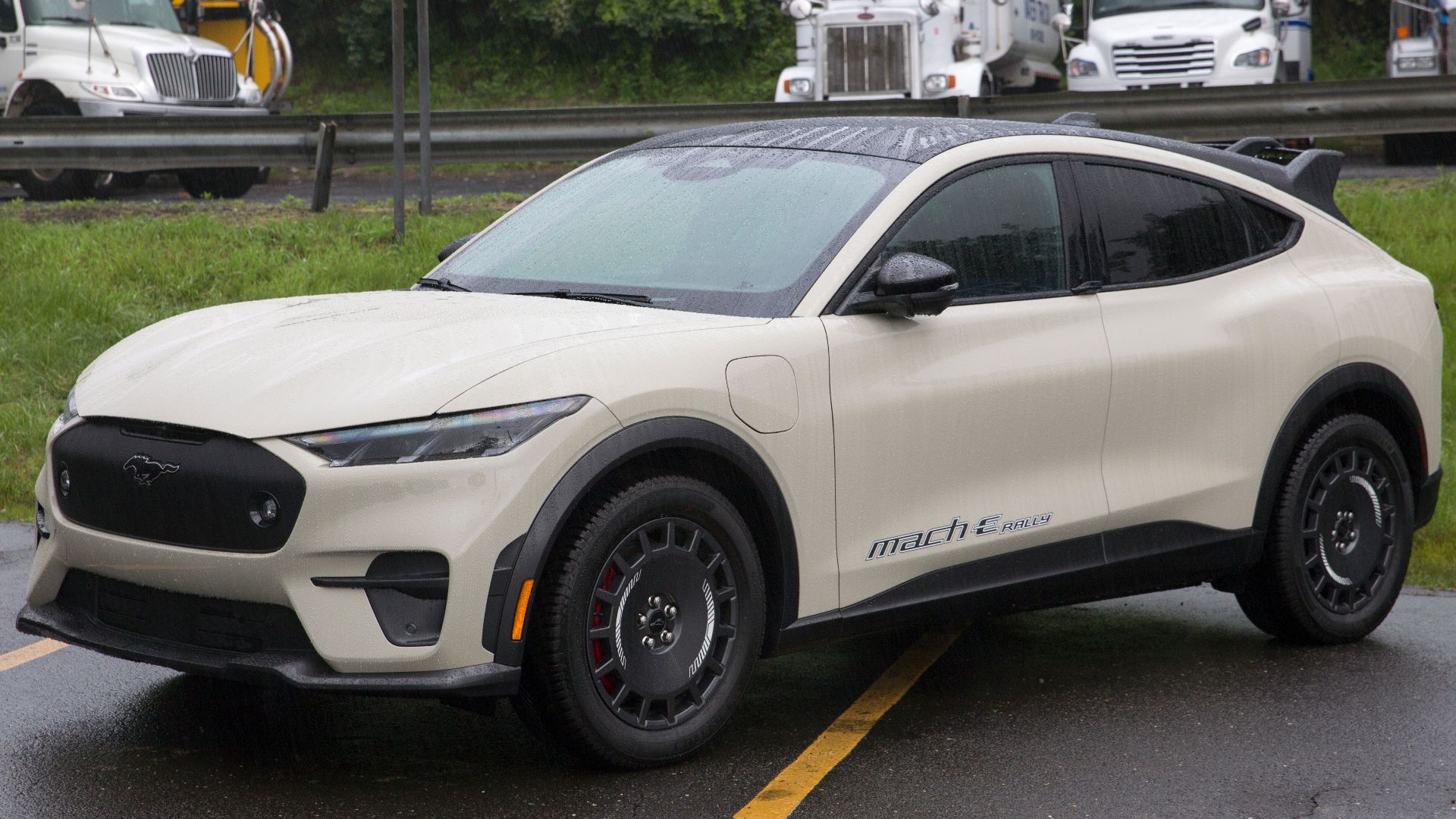
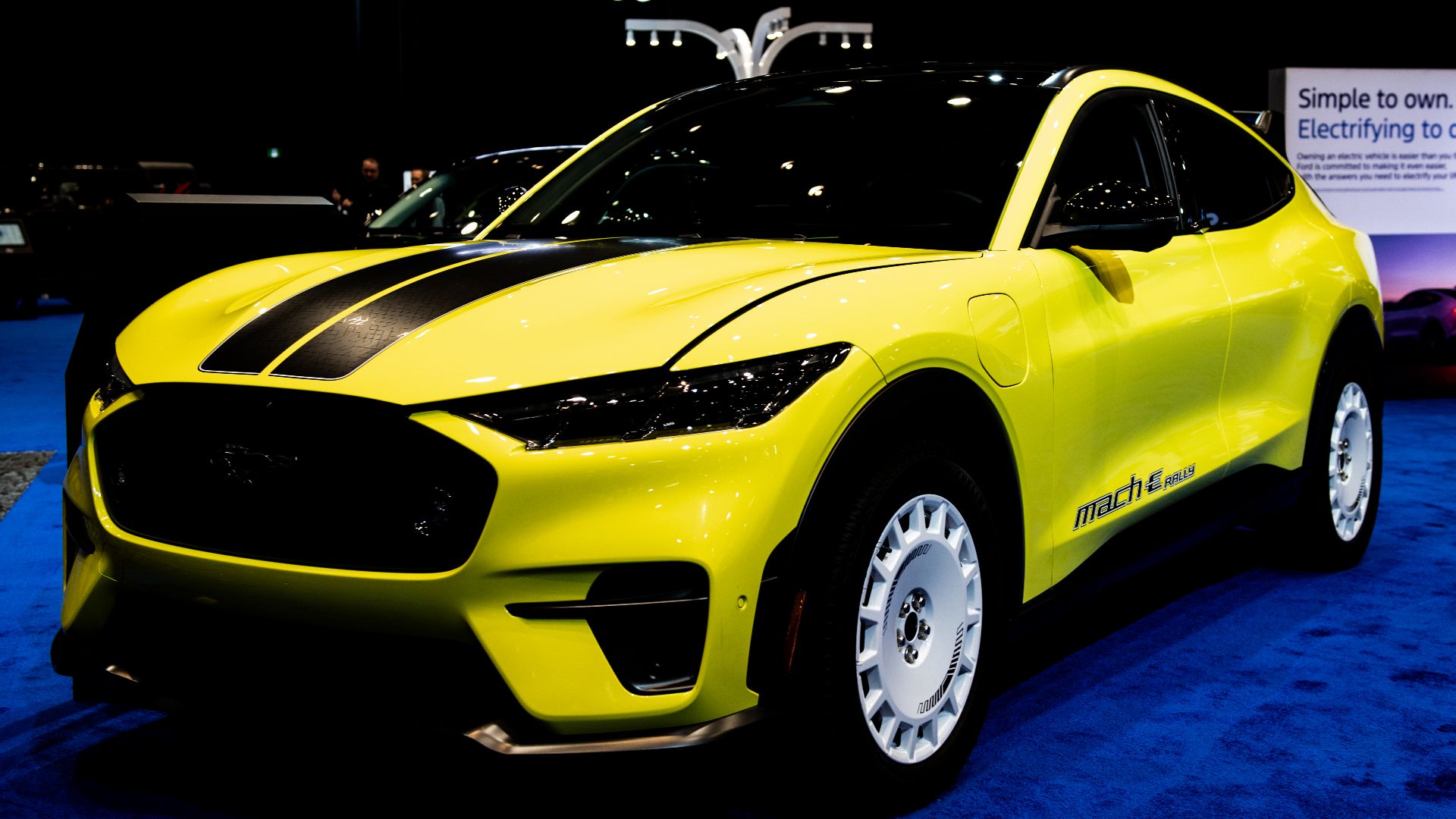
If an electric Mustang SUV already sounded unconventional, Ford eventually created the Mach-E Rally. It added rally-inspired suspension tuning, extra ground clearance, all-wheel drive, and performance hardware aimed at loose surfaces. Ford was treating the Mach-E like a full model line rather than a one-off experiment.
 John Bauld from Toronto, Canada, Wikimedia Commons
Charging Became Much Easier
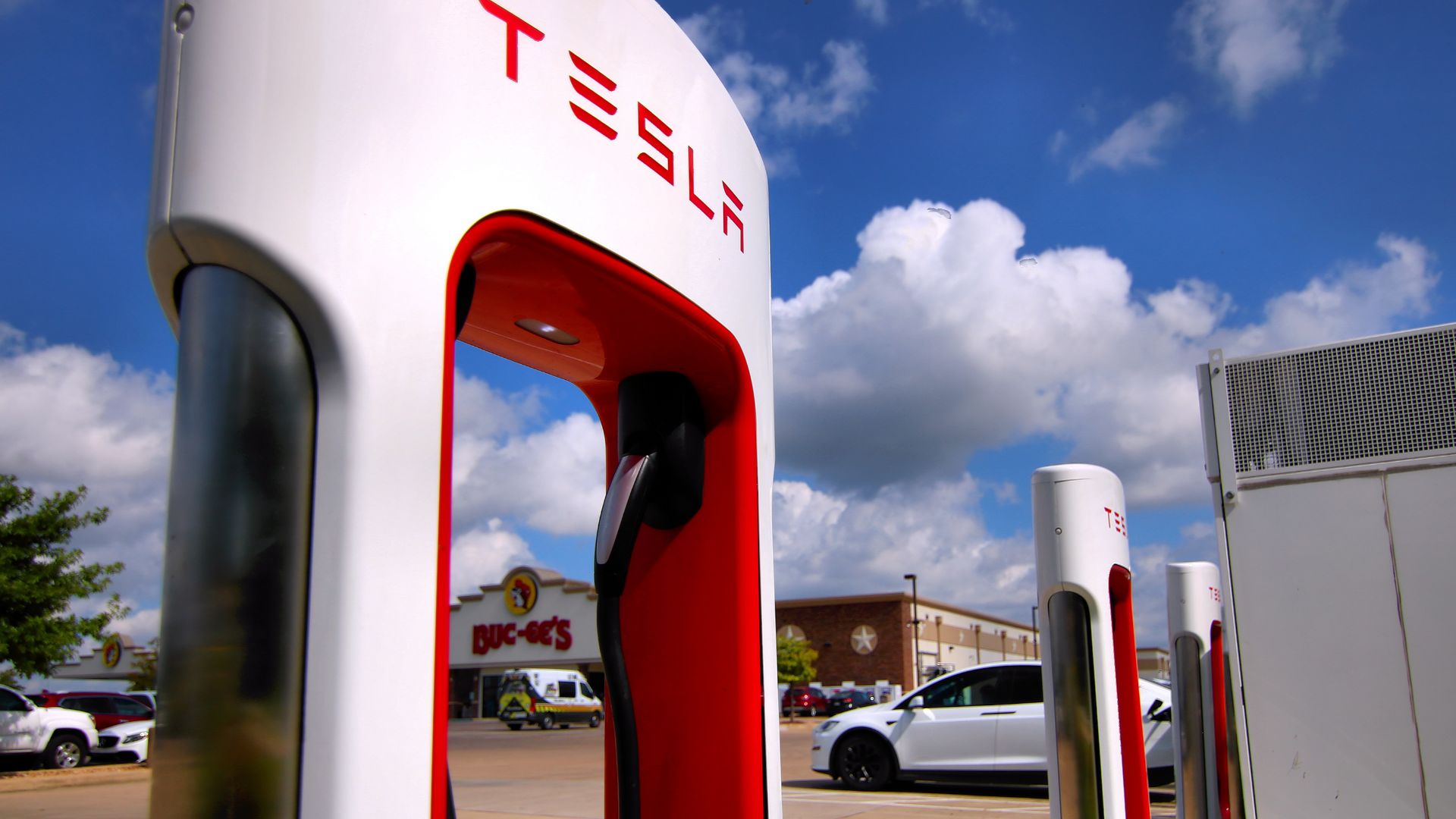
In February 2024, Ford became the first non-Tesla automaker to give its EV customers access to compatible Tesla Superchargers in the United States and Canada using an adapter. Ford said the move added more than 15,000 available Superchargers to the charging options available through its network. Mach-E owners were among the first Ford customers to benefit.
 Larry D. Moore, Wikimedia Commons
Then Sales Hit A New Record
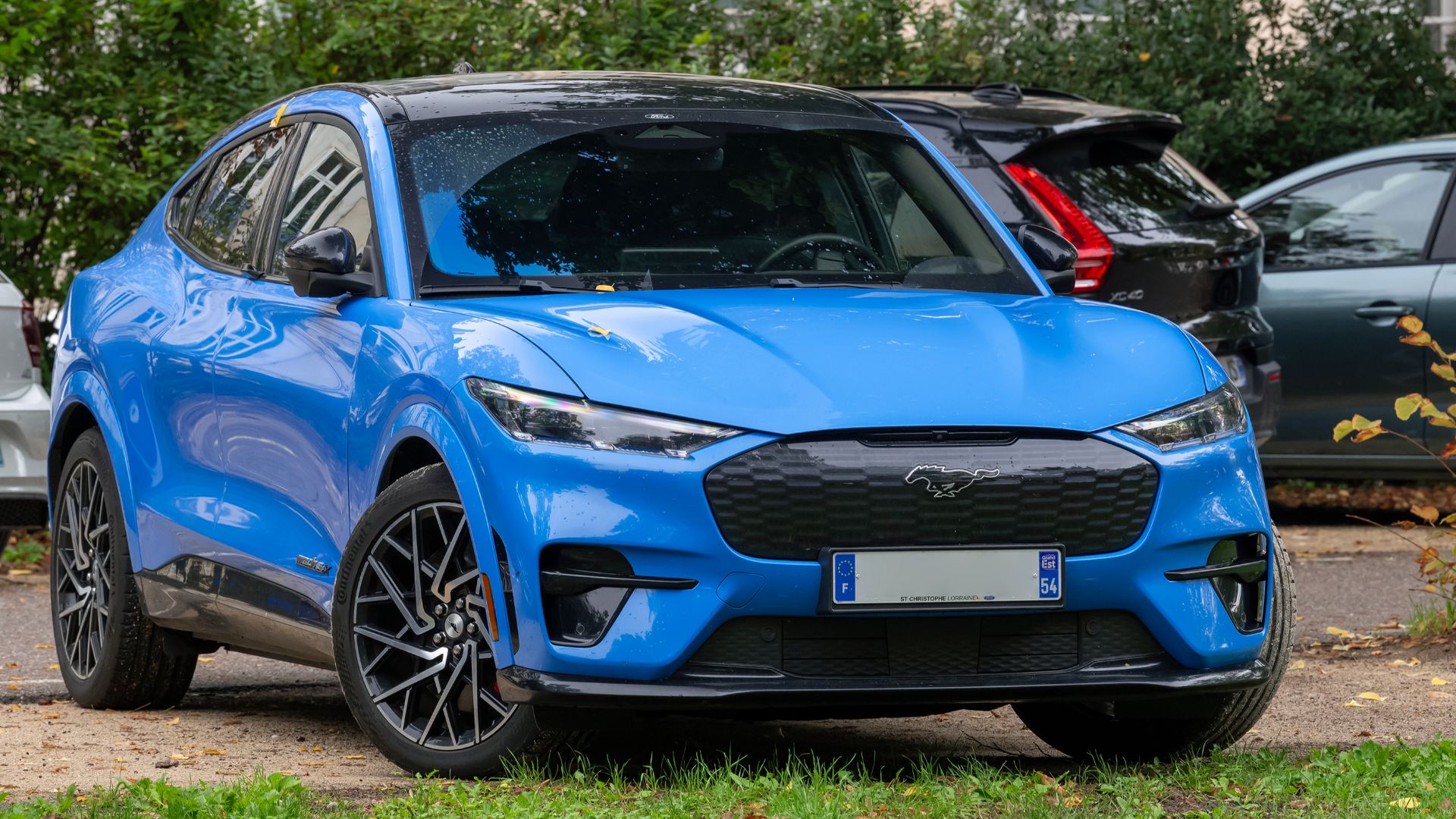
The Mach-E had its strongest U.S. sales year to that point in 2024. Ford reported 51,745 sales, an increase of roughly 27 percent from 2023. The company also said it finished 2024 as America’s second-best-selling electric SUV behind the Tesla Model Y.
 Alexandre Prevot from Nancy, France, Wikimedia Commons
It Even Outsold The Gas Mustang
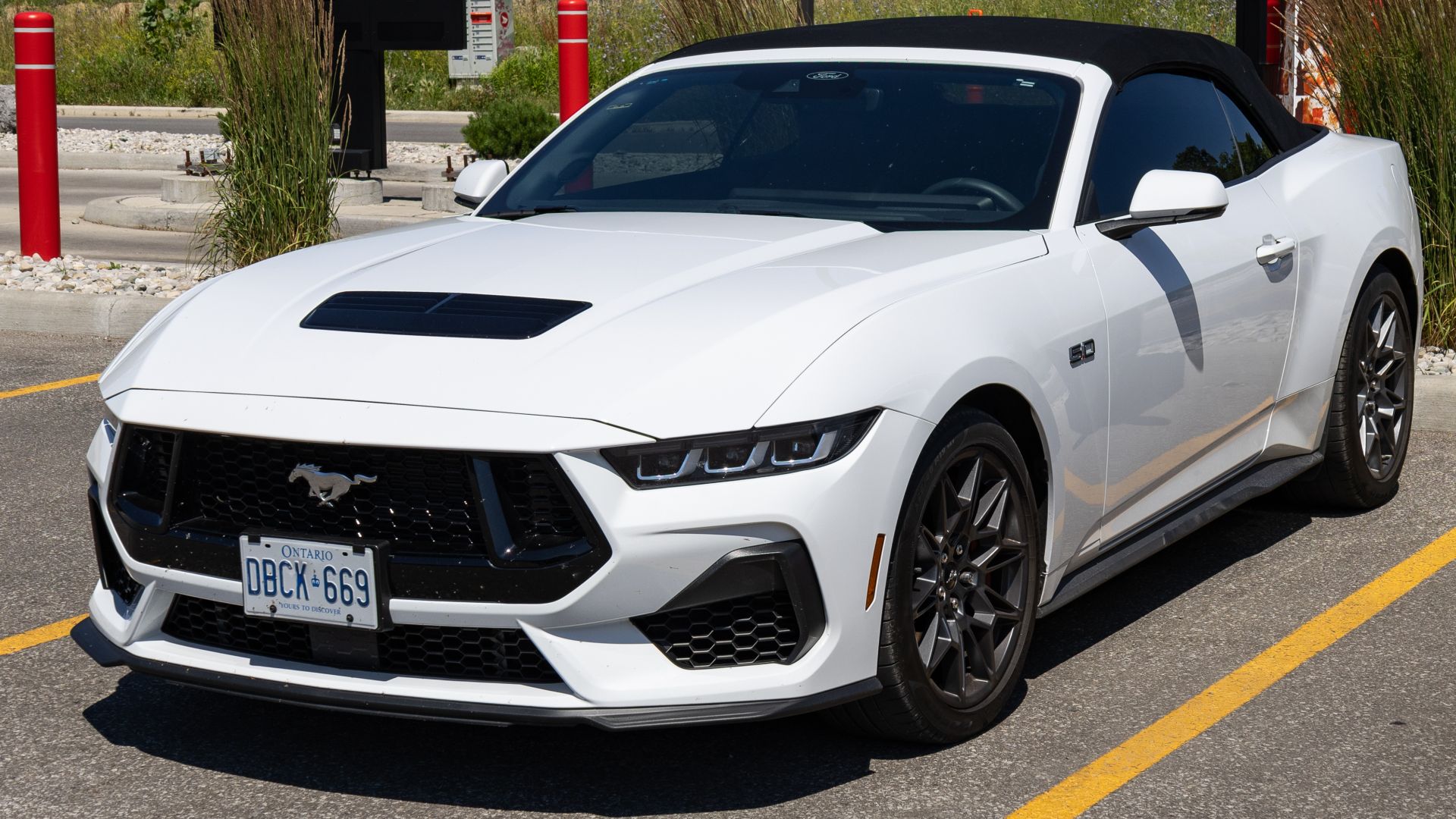
Here is the statistic that would have sounded almost impossible when the Mach-E debuted. Ford sold 51,745 Mach-Es in the United States during 2024, compared with 44,003 traditional Mustang coupes and convertibles. Production constraints affected the gasoline Mustang that year, so the comparison needs context, but the electric SUV still finished ahead over the full calendar year.
 Crisco 1492, Wikimedia Commons
The Sales Held Up In 2025
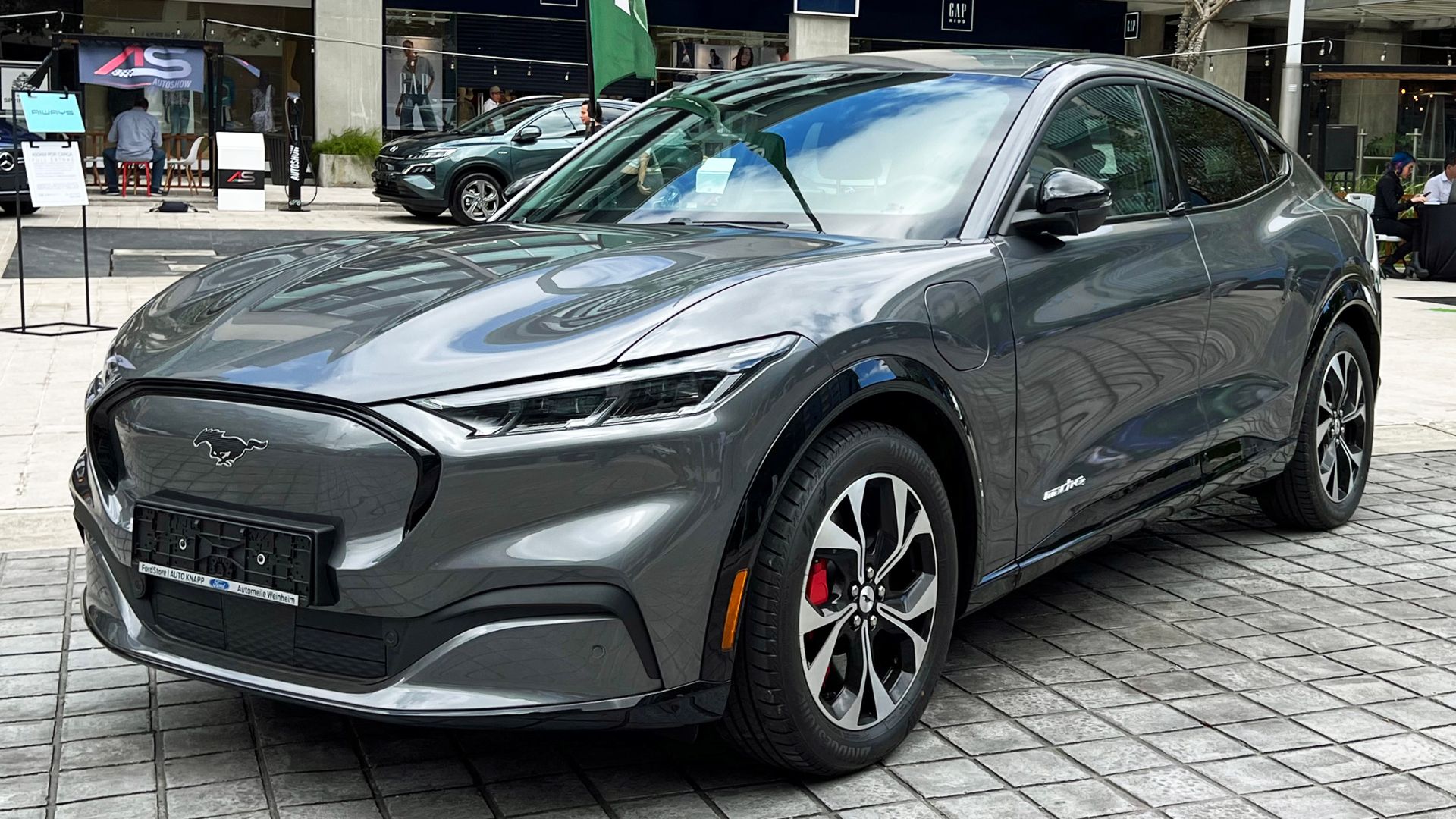
The following year did not bring a major drop. Ford sold 51,620 Mach-Es in the United States during 2025, almost matching its record 2024 result. That gave the model two consecutive years above 50,000 U.S. sales.
 Mariordo (Mario Roberto Durán Ortiz), Wikimedia Commons
Today’s Mach-E Is Much More Capable
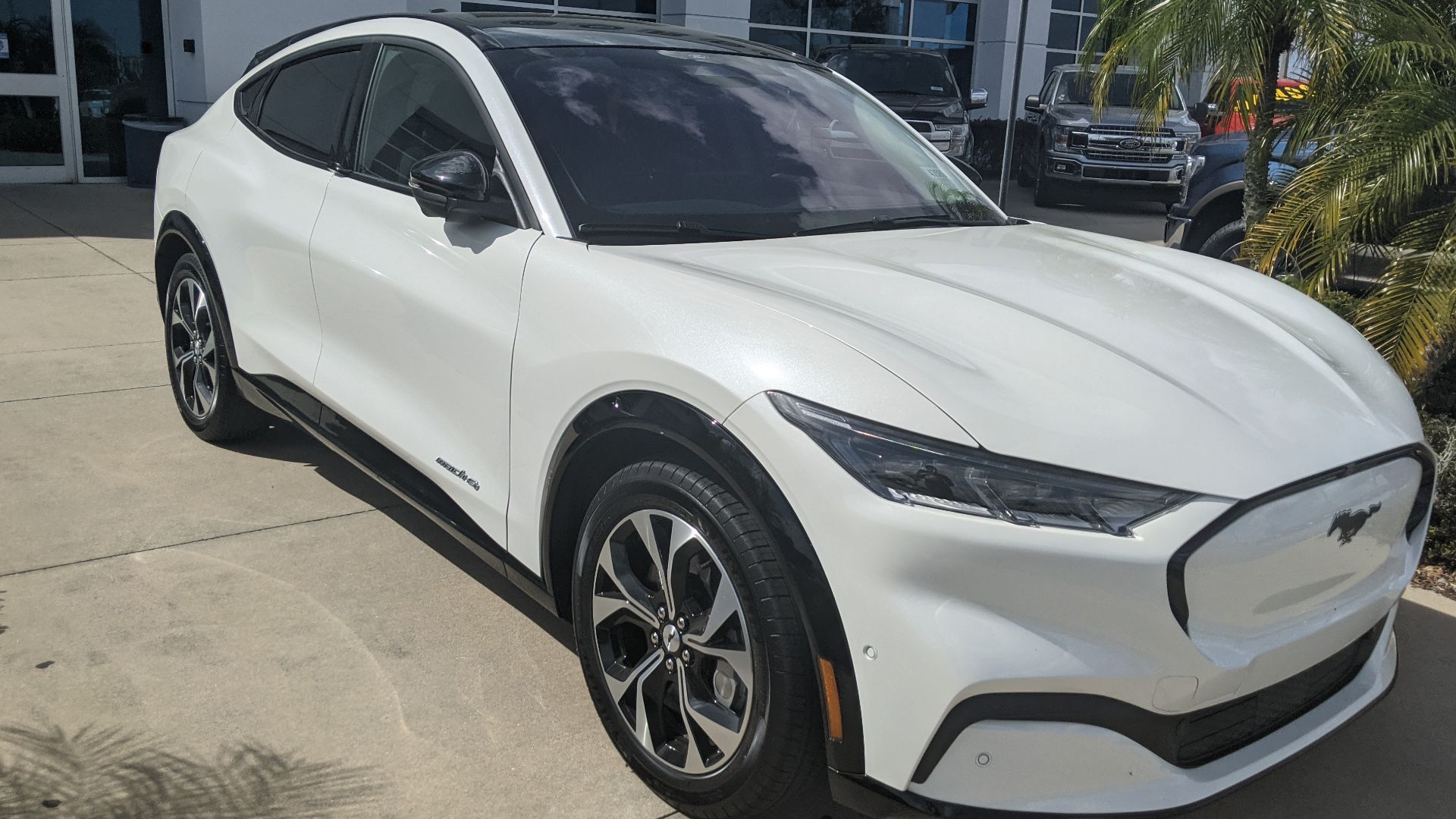
By 2026, the lineup had stretched well beyond the original launch version. Ford advertised up to 320 miles of EPA-estimated range in the extended-range Premium rear-wheel-drive configuration, while the GT with an available Performance Upgrade could reach 60 mph in a Ford-claimed 3.3 seconds. The Mach-E had become both quicker and more versatile than the vehicle Ford first introduced.
Ford Is Still Using Mustang Heritage
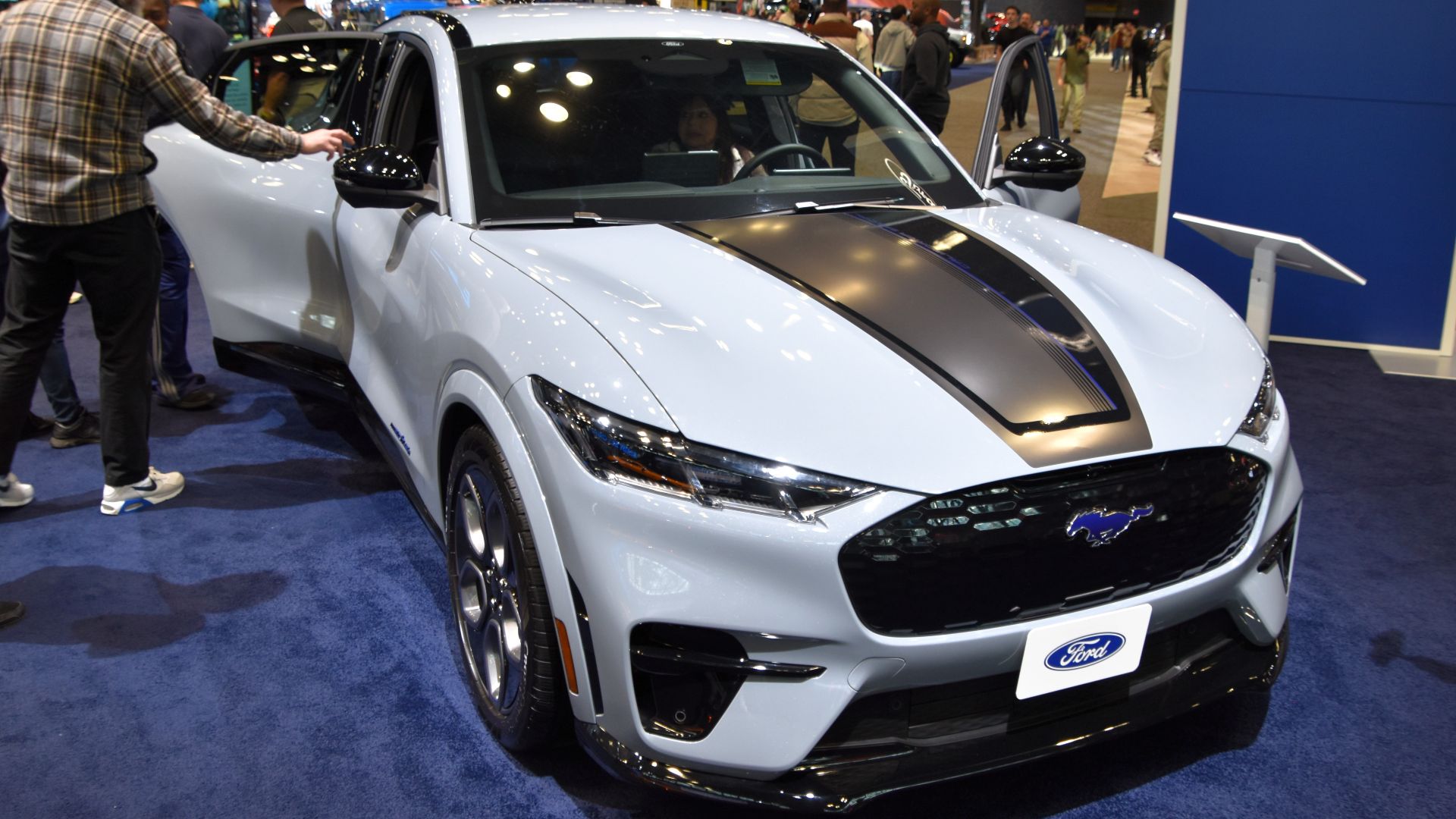
Ford has continued linking the Mach-E with familiar Mustang themes. The 2026 lineup includes a California Special package for the Mach-E GT, borrowing another name closely associated with traditional Mustang history. That suggests Ford still sees value in tying the electric crossover to the broader Mustang identity.
 Charles from Port Chester, New York, Wikimedia Commons
But Sales Are Not The Same As Profit
There is an important catch when asking whether Ford’s gamble “paid off.” Ford reports financial results for its broader Model e electric-vehicle operation rather than publishing standalone Mach-E profitability, and Model e recorded a $5.1 billion EBIT loss in 2024. Strong Mach-E sales therefore do not prove that the individual model has generated a financial windfall.
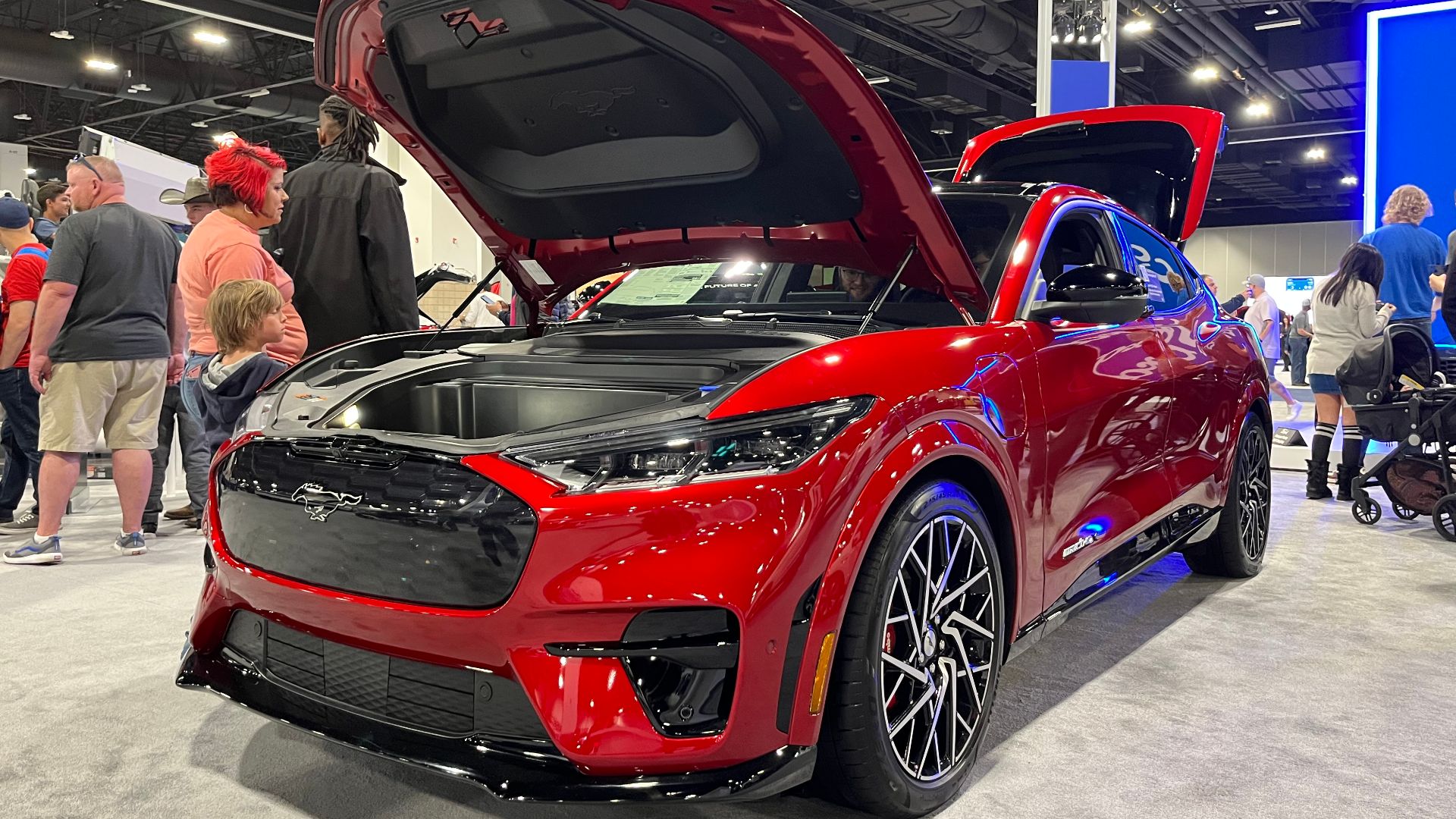
Ford’s Wider EV Strategy Has Changed
Ford has adjusted its electric-vehicle plans as market conditions, costs, and pricing pressure have changed. At the same time, the company has continued updating and selling the Mach-E rather than walking away from it. The vehicle has survived even as Ford’s broader EV strategy has become more selective.
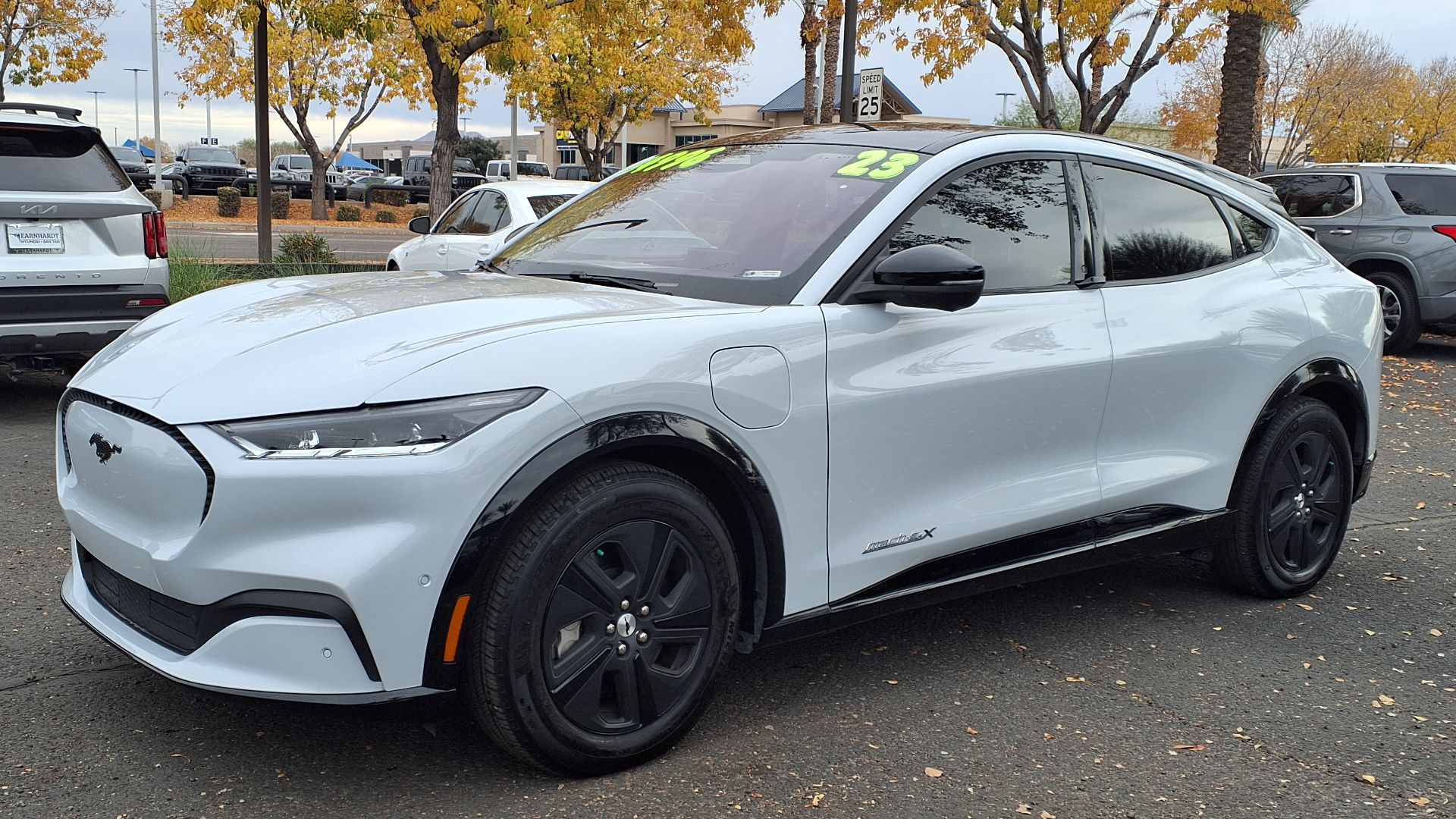
So Did The Mustang Gamble Work?
The strongest evidence suggests that the naming gamble worked as a product and branding strategy. The Mach-E won major awards, reached six-figure global production early in its life, topped 50,000 U.S. sales in both 2024 and 2025, and remains an active part of Ford’s lineup. Whether every enthusiast accepts it as a “real” Mustang is still debatable, but Ford succeeded in turning an electric crossover into one of the most recognizable EVs on the road.
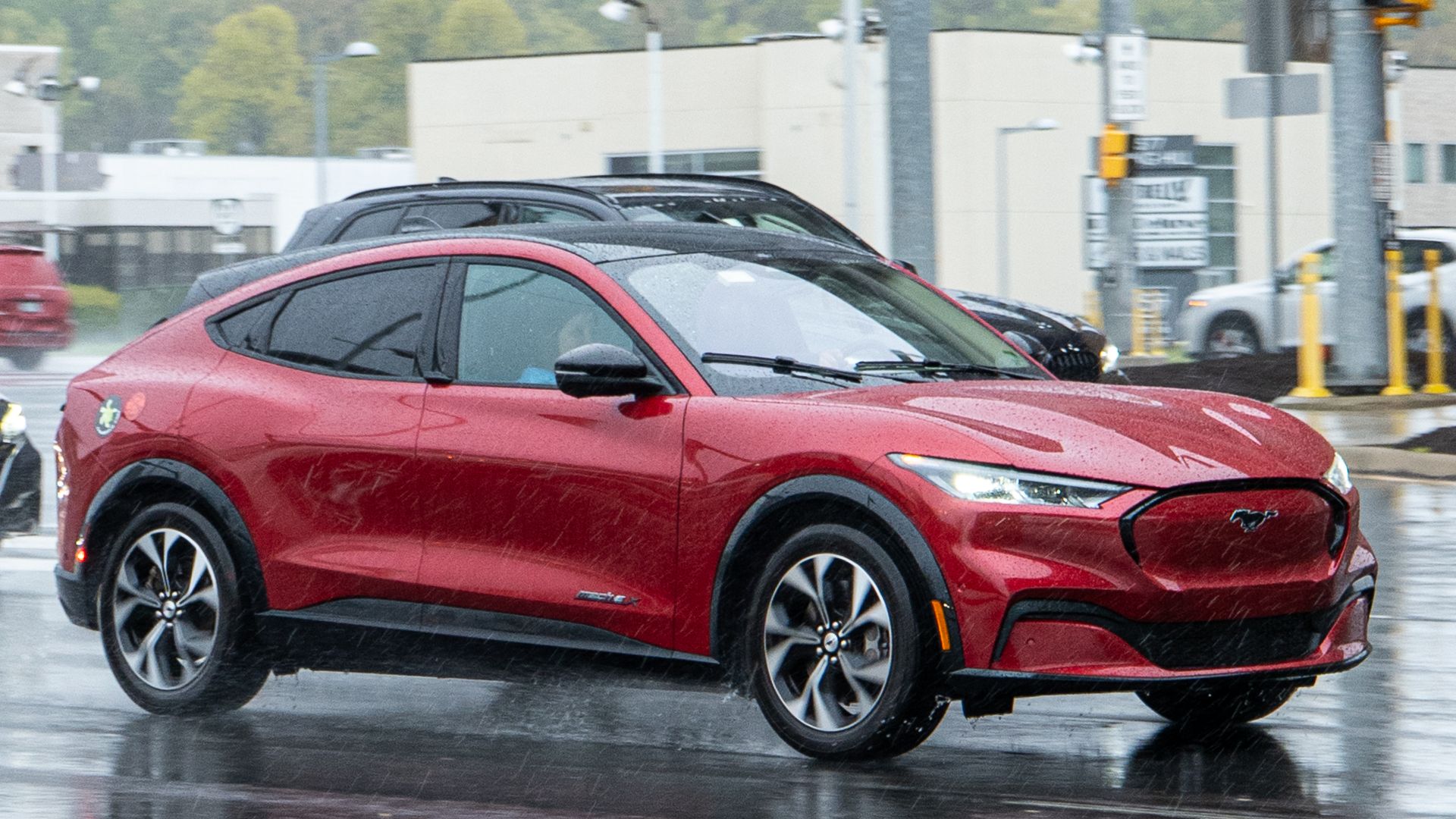 OWS Photography, Wikimedia Commons
You May Also Like:
GM Axed Pontiac After 84 Years—But Did It Save The Wrong Brand?
The Rarest Muscle Cars In Wrestling Legend Bill Goldberg’s Collection—Ranked