America Missed The Cheap-Car Party
As U.S. car prices continue to climb, drivers overseas keep getting tiny hatchbacks, rugged 4x4s, inexpensive EVs, and even miniature sports cars that never officially reach American showrooms. Some cost surprisingly little, while others offer features or personality that American entry-level cars rarely match. They aren't necessarily fast or luxurious, but that's part of the appeal.
If you could import one of these overlooked bargains, which one would you drive?
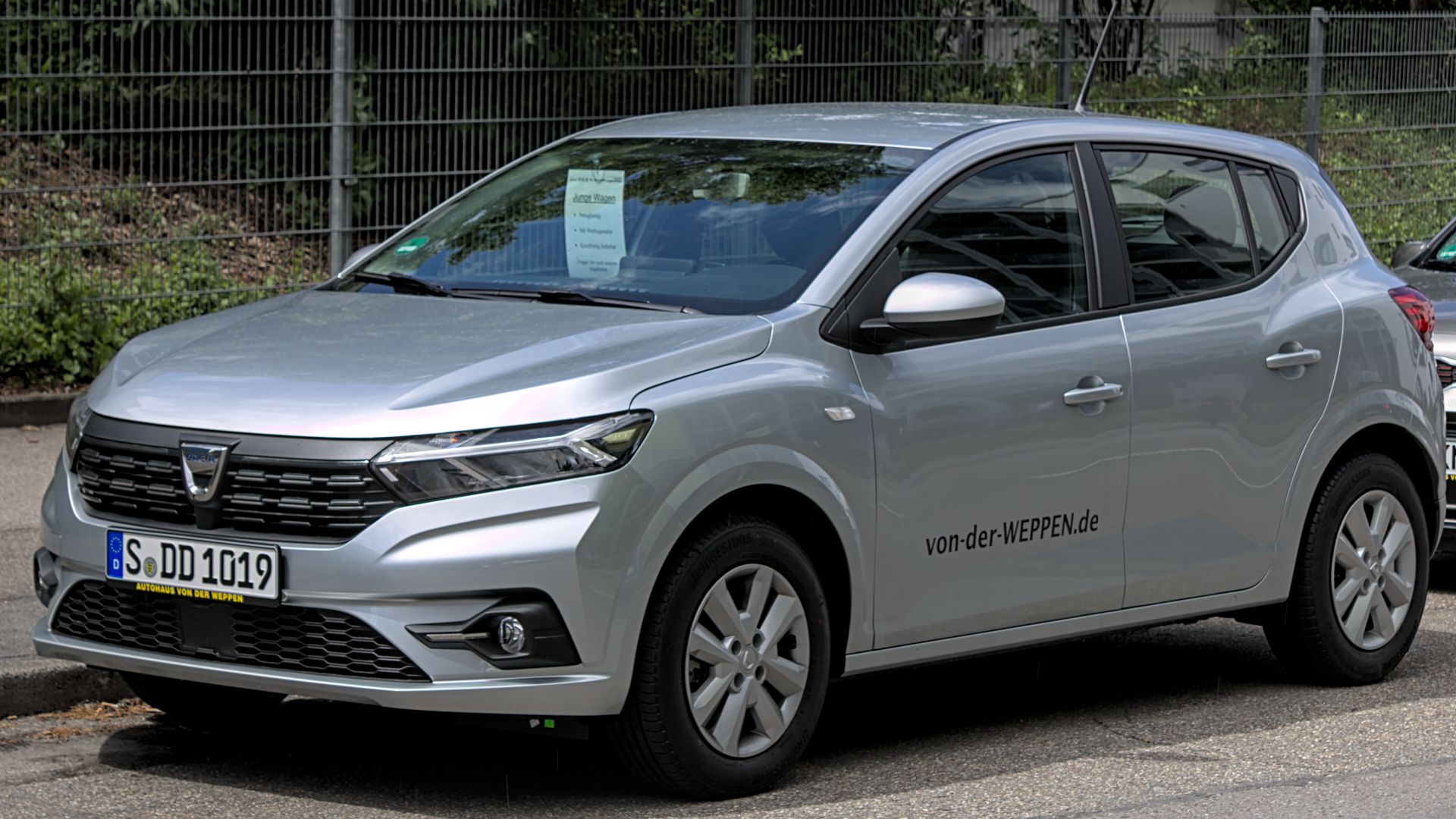
Dacia Sandero
The Dacia Sandero built its reputation by giving European buyers a practical five-door hatchback for remarkably little money. The current generation originally launched in Britain for under £8,000 while using a modern Renault-Nissan platform. Prices have risen since then, but value remains central to the Sandero formula.
 Alexander Migl, Wikimedia Commons
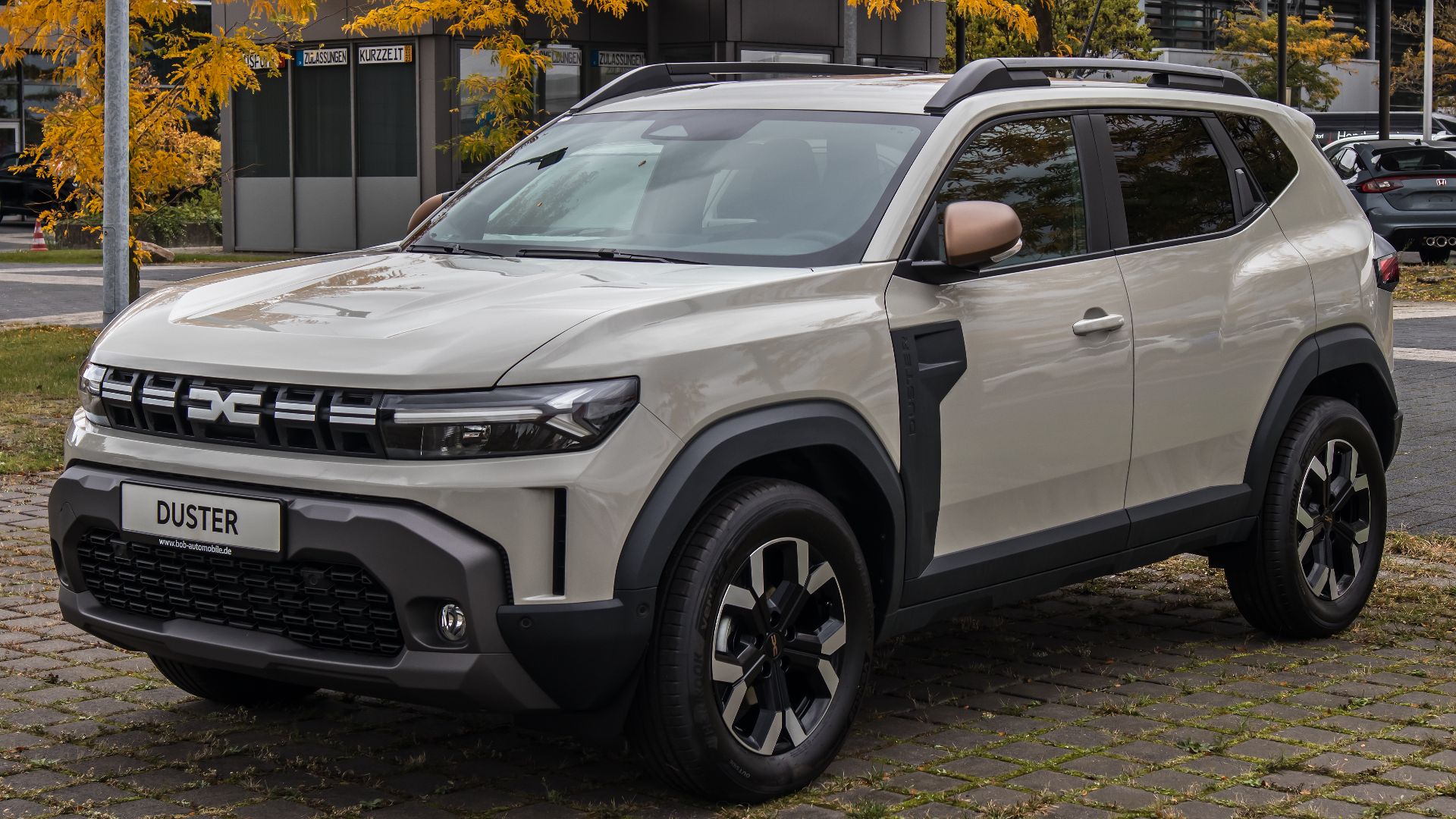
Dacia Duster
Dacia took the same budget-minded approach and applied it to an SUV. The original British-market Duster started at just £8,995, with later versions offering available four-wheel drive and plenty of usable interior space. It delivered genuine SUV practicality without the premium pricing increasingly attached to crossovers.
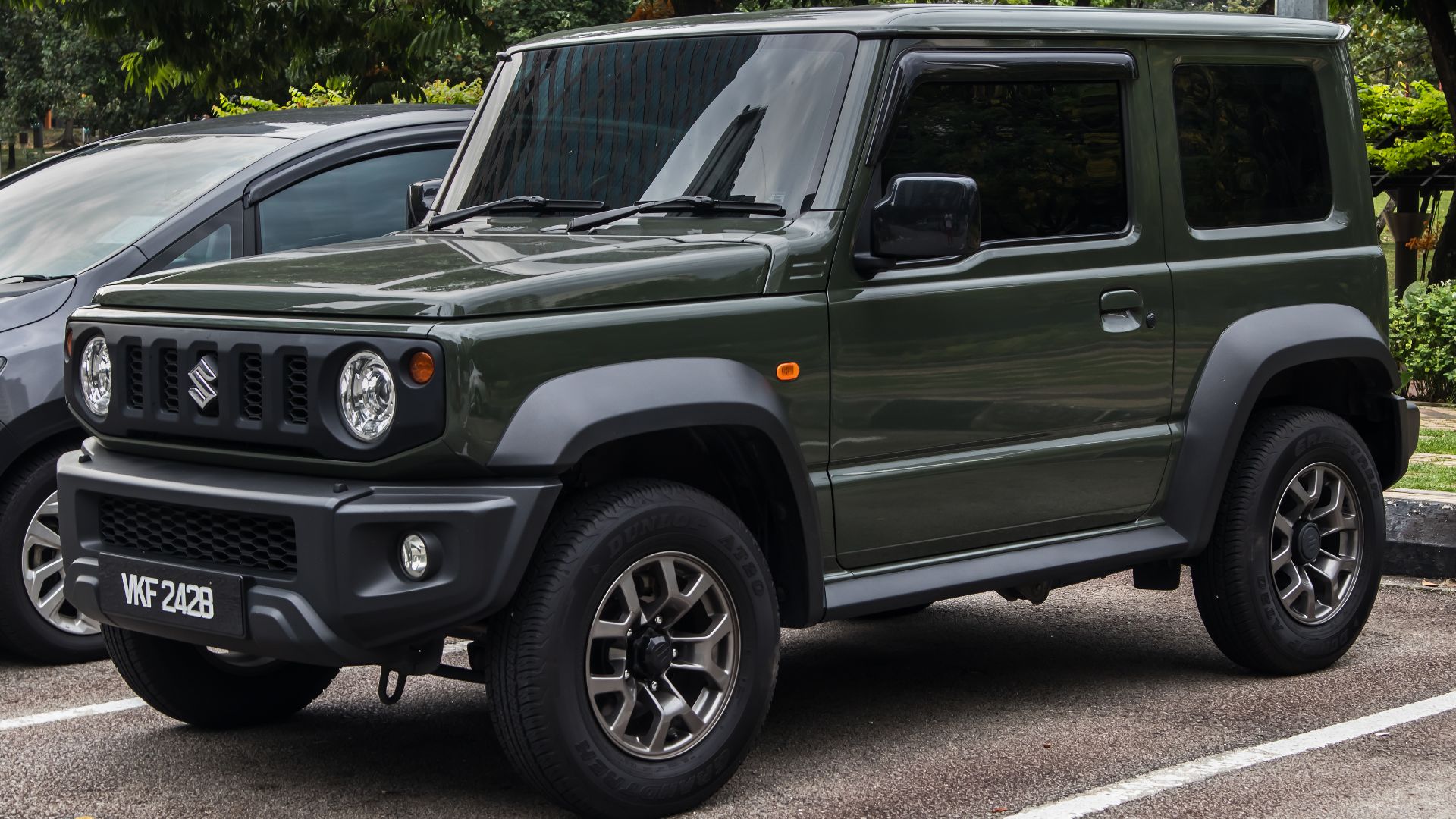
Suzuki Jimny
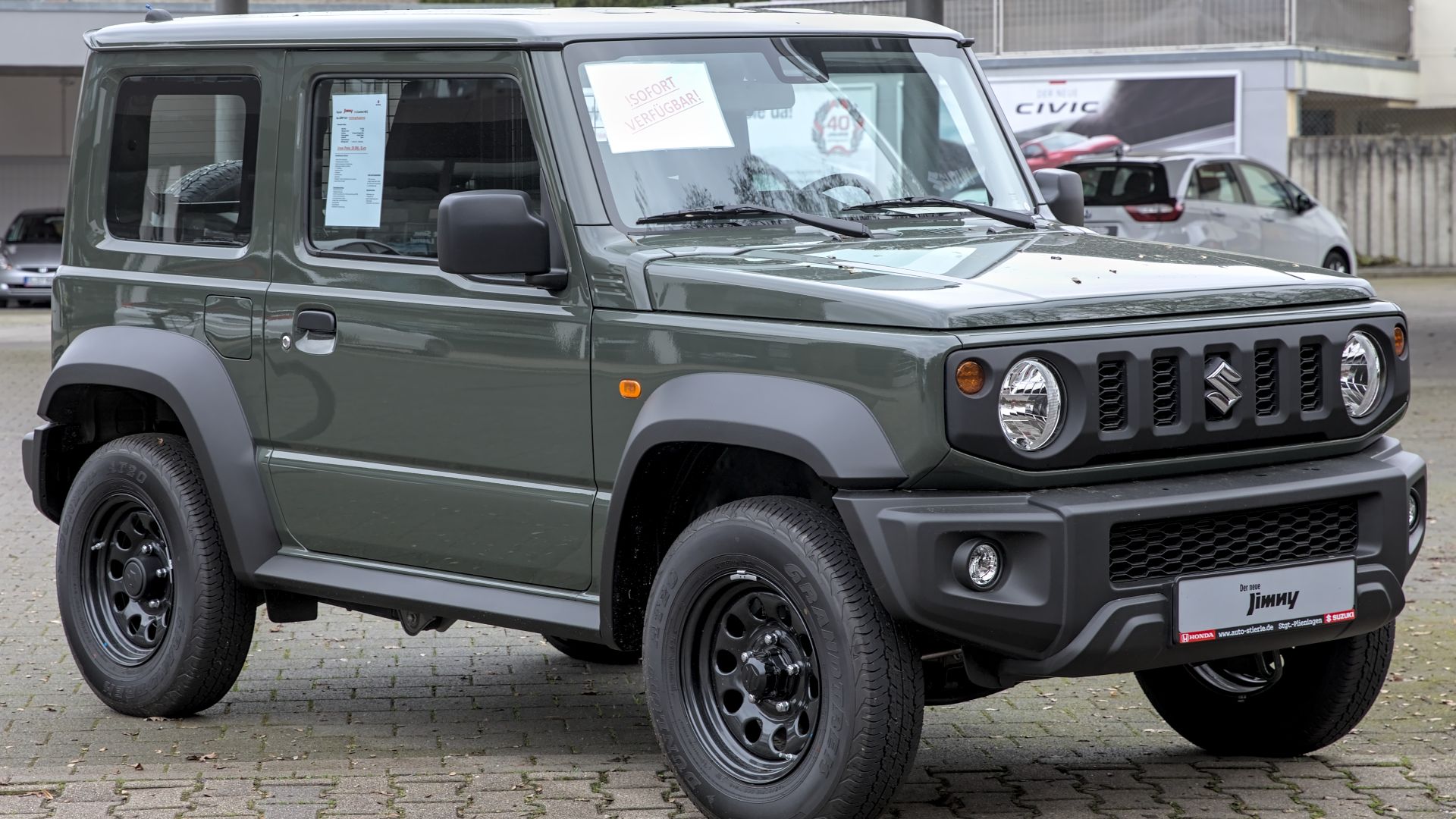
Few inexpensive vehicles have as much personality as the Suzuki Jimny. The fourth-generation model launched in Britain from £15,499 with a 1.5-liter engine, body-on-frame construction, and a proper low-range four-wheel-drive system. Its old-school capability helped demand quickly outstrip supply.
 Alexander Migl, Wikimedia Commons
Suzuki Ignis
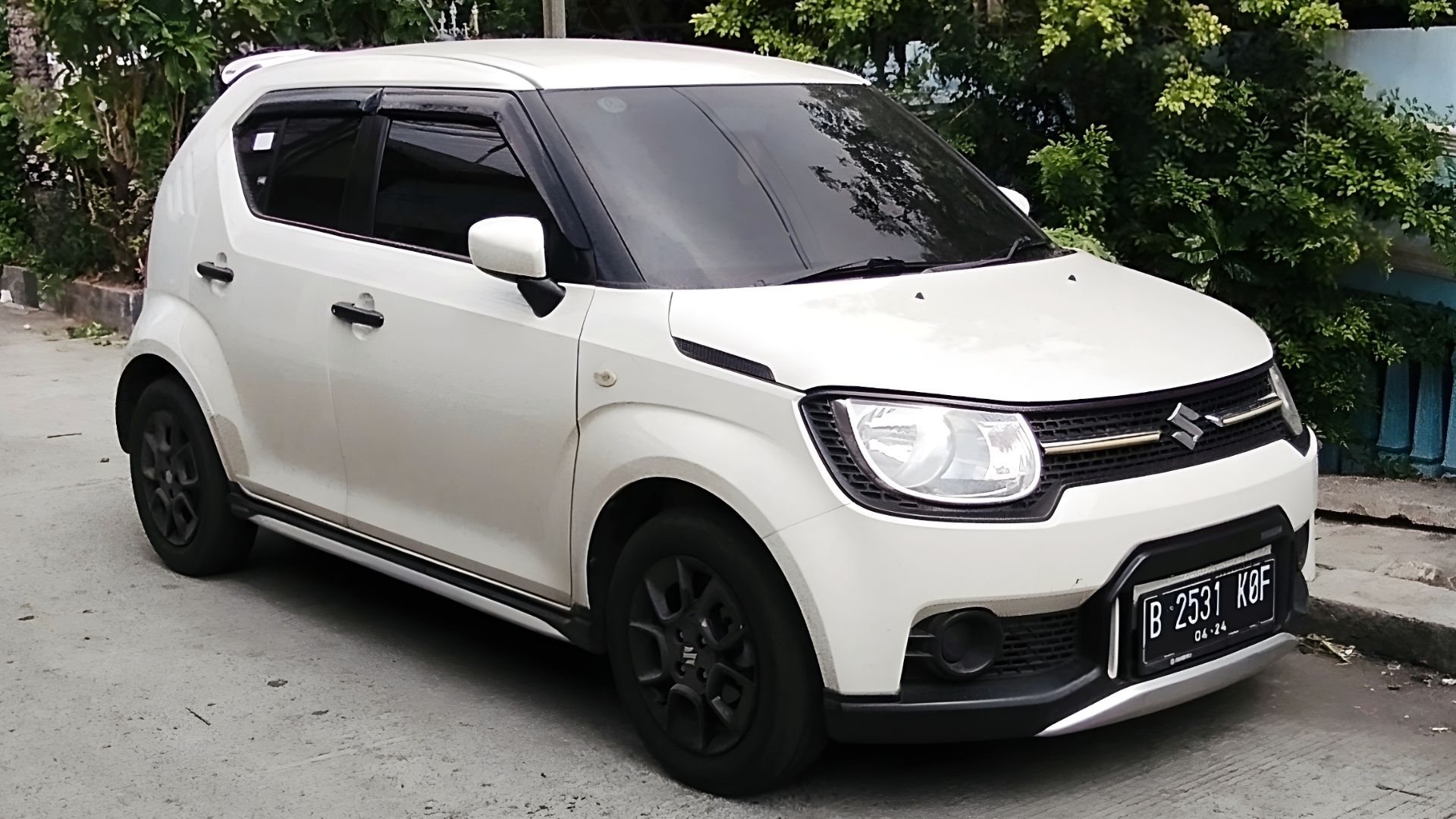
For drivers who did not need the Jimny's serious off-road hardware, Suzuki had the Ignis. This tiny crossover combined city-friendly dimensions with an upright cabin and available AllGrip four-wheel drive. Its unusual styling also gave it far more character than most inexpensive commuter cars.
 Haysnawri10, Wikimedia Commons
Volkswagen Up
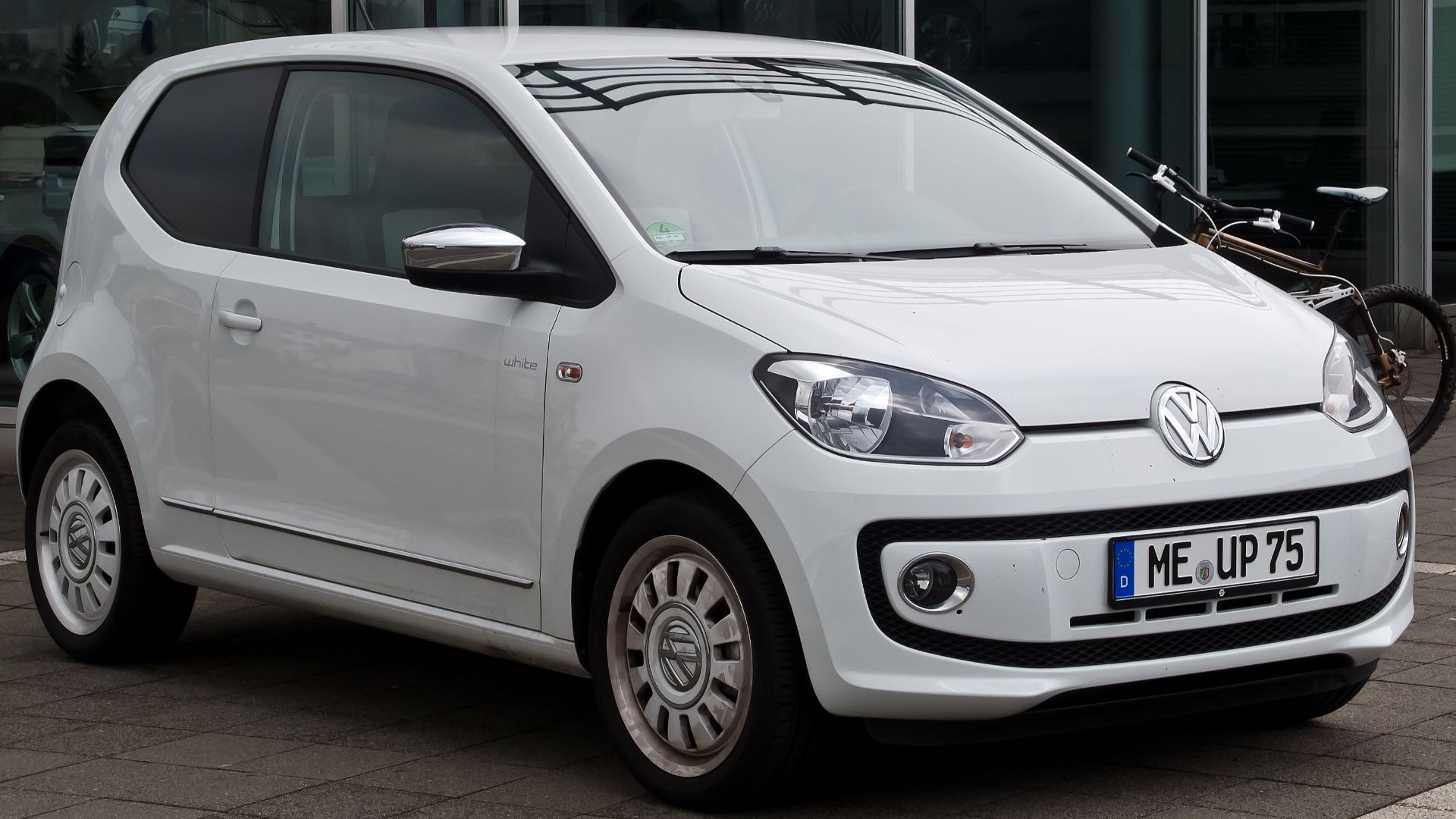
Volkswagen sold Americans plenty of Golfs and Jettas, but its smallest hatchback stayed overseas. The Up packed four seats into a remarkably short body while maintaining the solid, simple feel buyers expected from Volkswagen. Early British versions cost less than £9,000, making it one of the company's most accessible cars.
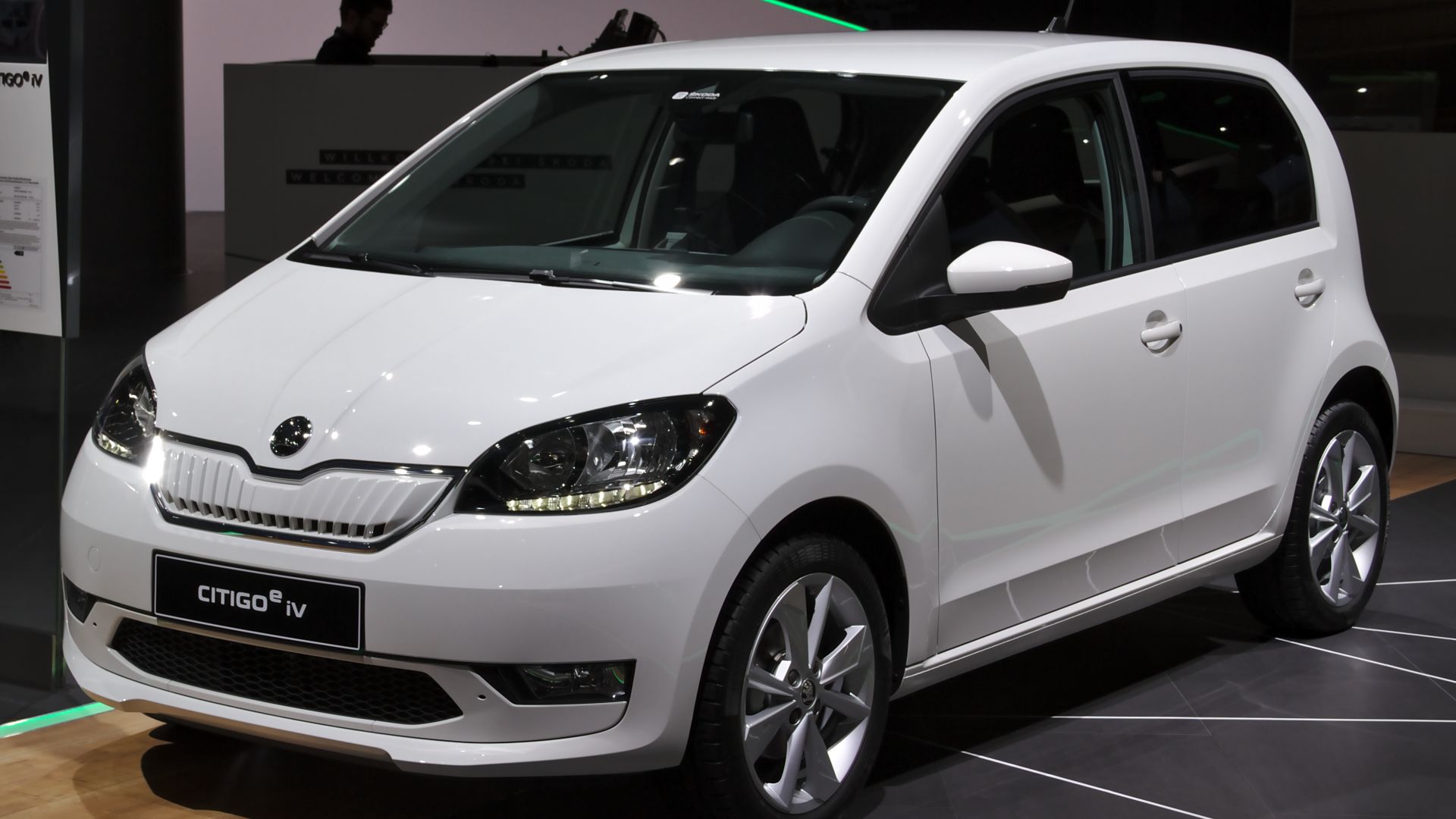
Skoda Citigo-E iV
The Volkswagen Up eventually spawned one of Europe's more intriguing affordable EVs. Skoda's Citigo-E iV used a 36.8-kWh battery and retained four seats plus a useful 250-liter cargo area. After Britain's electric-car grant, the cheapest version originally cost just £17,455.
 Alexander Migl, Wikimedia Commons
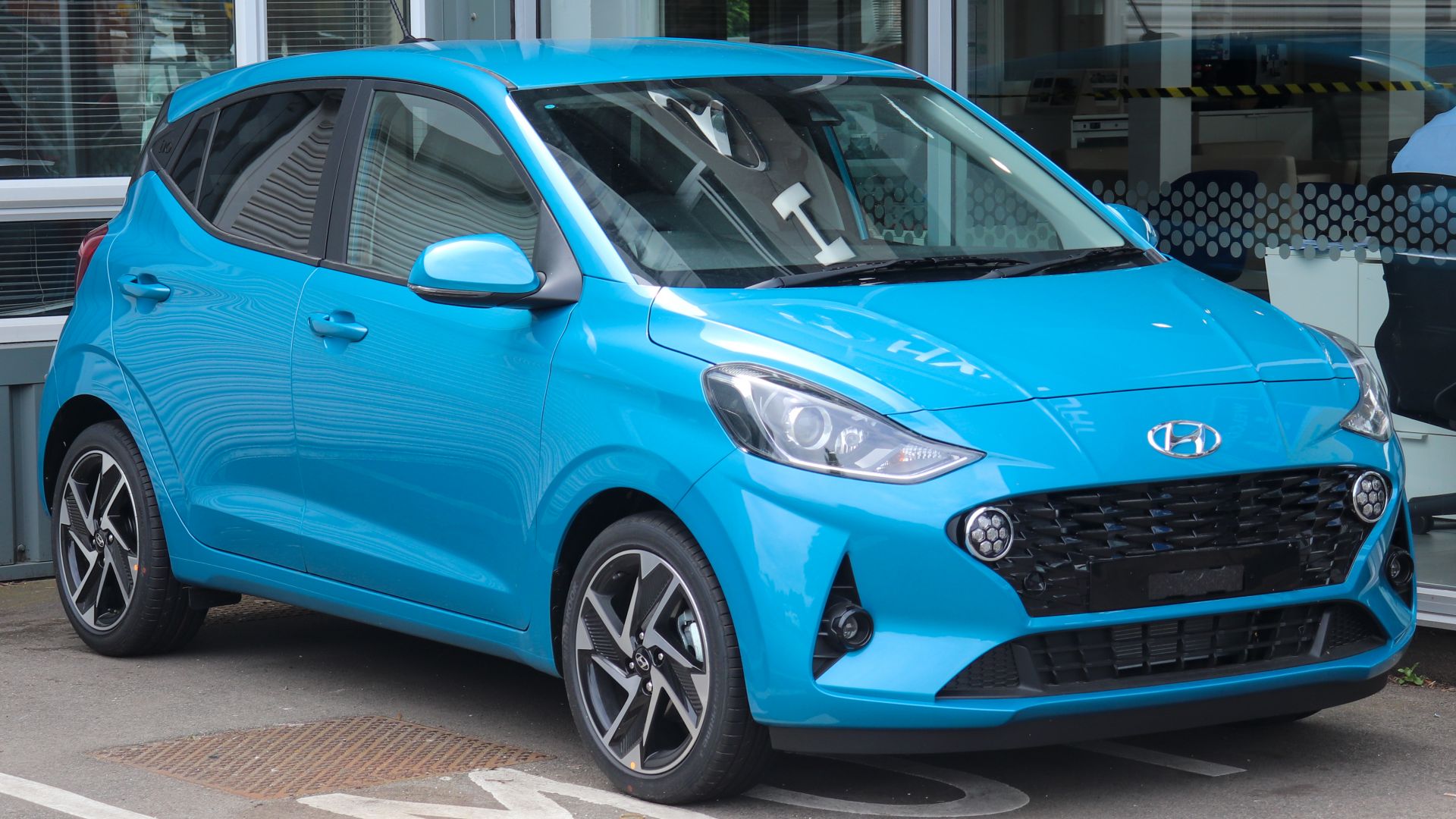
Hyundai i10
Hyundai continued selling truly tiny hatchbacks overseas long after its smallest American offerings grew larger. The i10 provides five doors and a surprisingly mature cabin in a package designed for crowded cities. British versions have also offered equipment such as smartphone connectivity and heated seats.
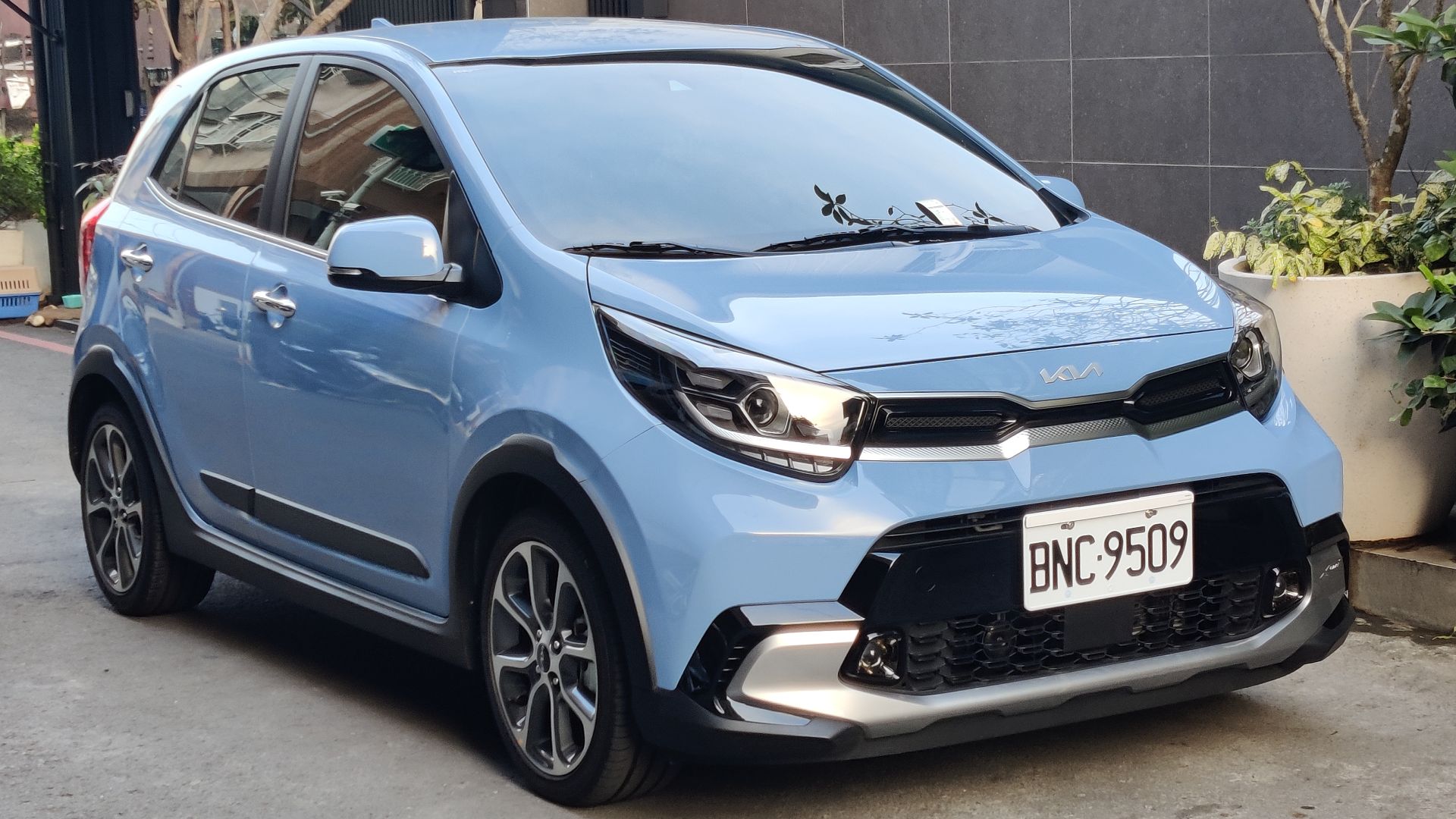
Kia Picanto
Kia's Picanto follows much the same philosophy. It is smaller than anything Kia currently sells in America, yet still provides five doors, modern infotainment, and available automatic transmission options. The result is basic transportation that does not necessarily feel stripped bare.
 JustAnotherCarDesigner, Wikimedia Commons
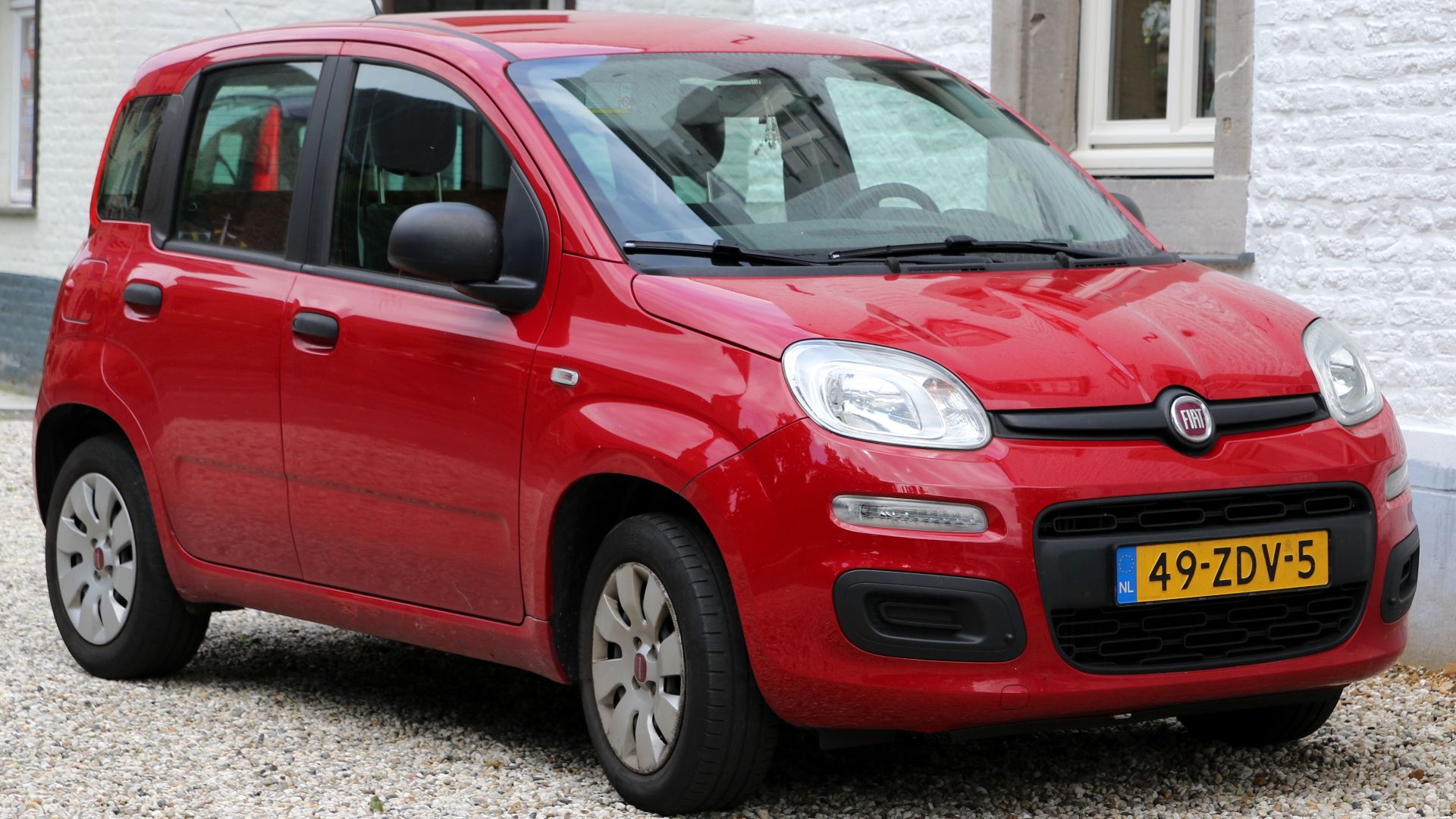
Fiat Panda
The Fiat Panda has spent decades making simplicity seem charming rather than cheap. Its boxy shape creates impressive space for such a small footprint, while some versions even offered four-wheel drive. For drivers who value practicality over horsepower, the Panda makes a convincing case for staying small.
Toyota Aygo
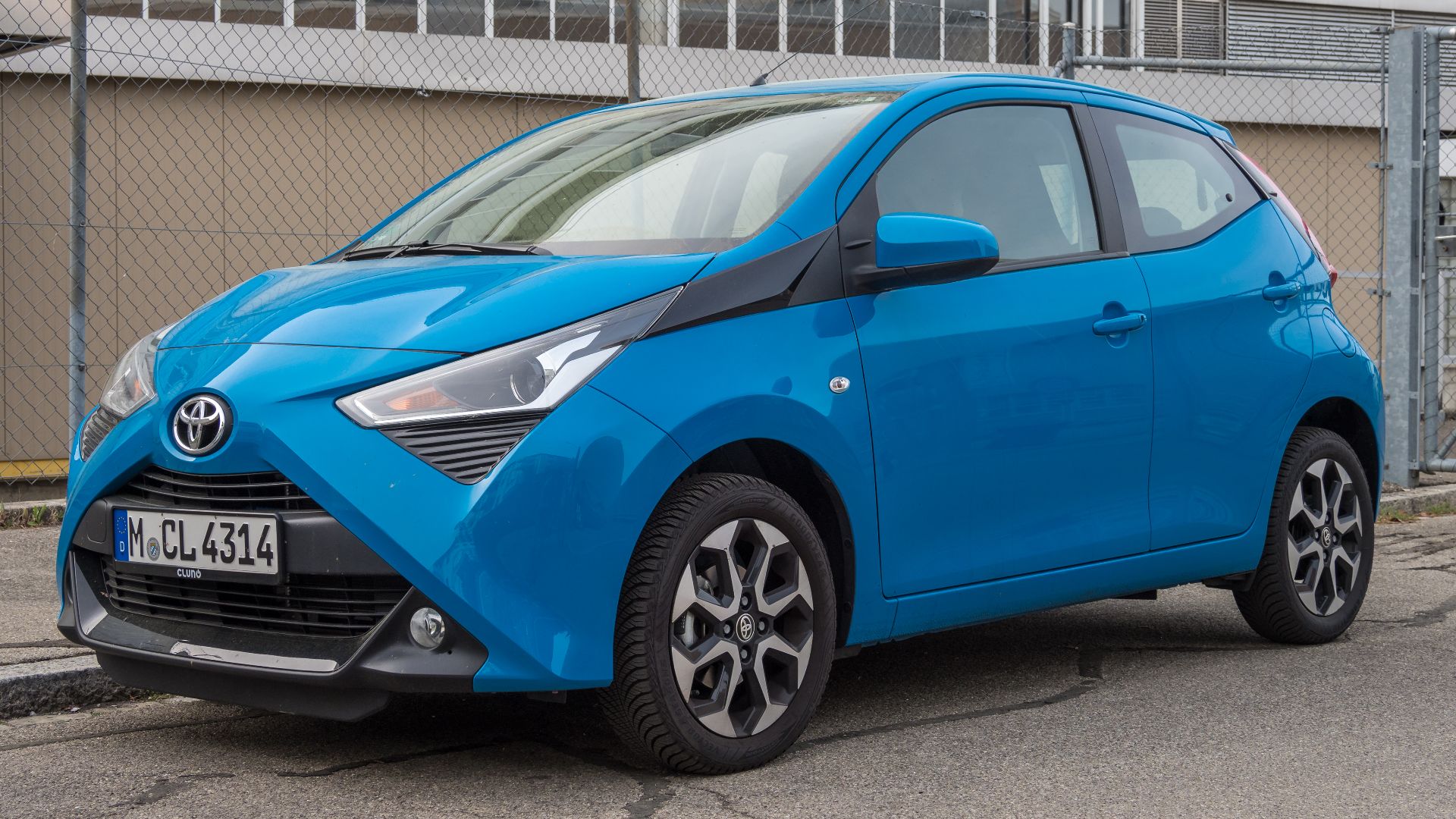
Toyota's European Aygo was even smaller than the Yaris Americans once knew. Early British examples started below £7,000, making the little hatch one of Toyota's cheapest routes into a new car. Later versions gained features such as smartphone integration, a reversing camera, and lane-departure warning.
 JoachimKohler-HB, Wikimedia Commons
Citroën C1
The Citroën C1 shared its basic engineering with the Toyota Aygo but brought its own French styling and personality. It remained deliberately small, light, and inexpensive throughout its long European run. Buyers could even get versions with a folding fabric roof, adding some fun without turning it into an expensive toy.
![Citroën C1 AB40 – Front [2nd Generation]](https://www.factinate.com/storage/app/media/driversdaily/2026/10/7/1791378483ad48810e612335b167ee4f0737cbc48be78072bd.png)
Renault Twingo
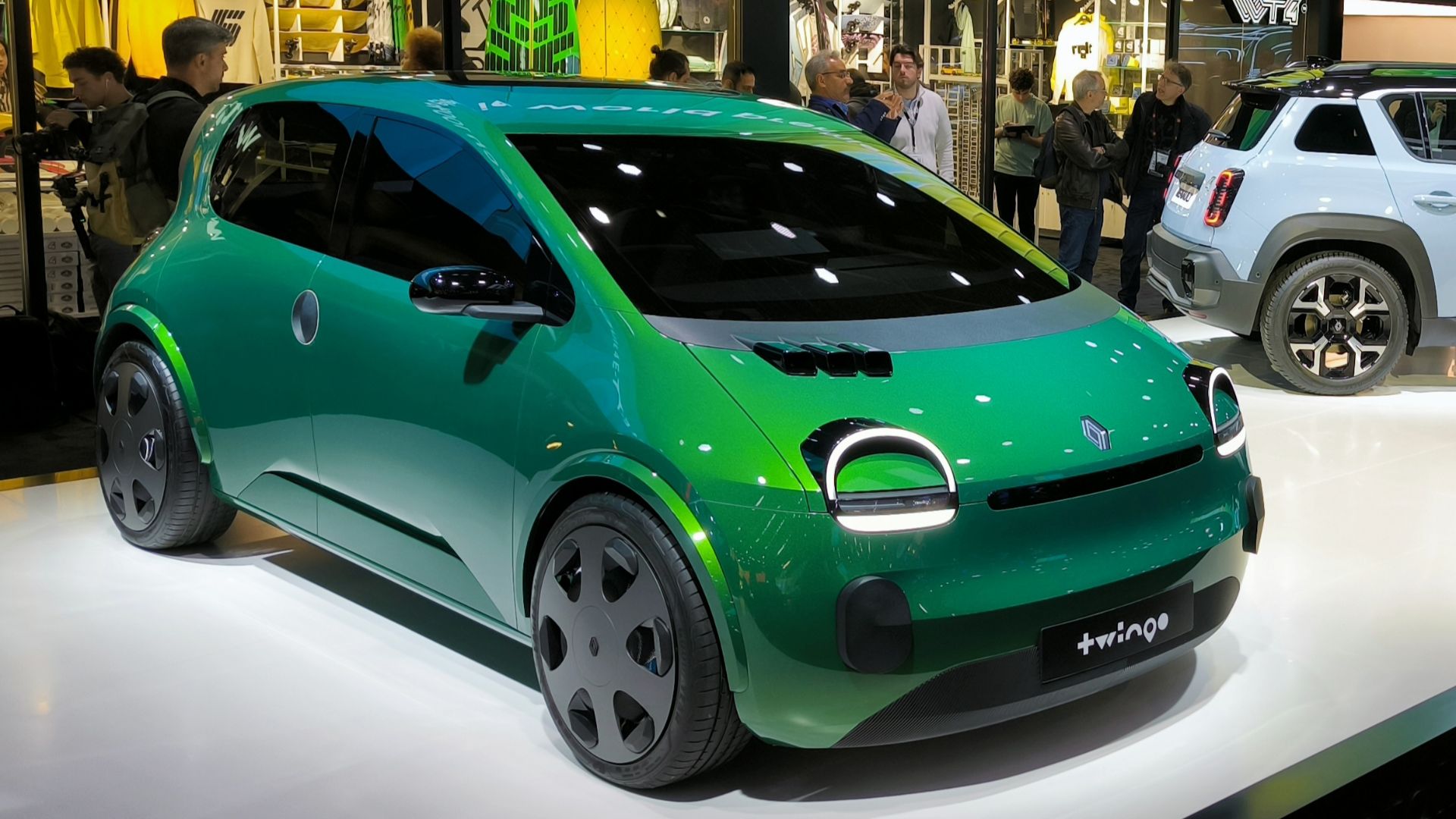
Few city cars embraced weirdness quite like the Renault Twingo. One generation used a rear-mounted engine and rear-wheel drive, a layout almost unheard of among inexpensive modern hatchbacks. Renault has since revived the Twingo name as a compact electric model aimed once again at affordable urban transportation.
Suzuki Swift
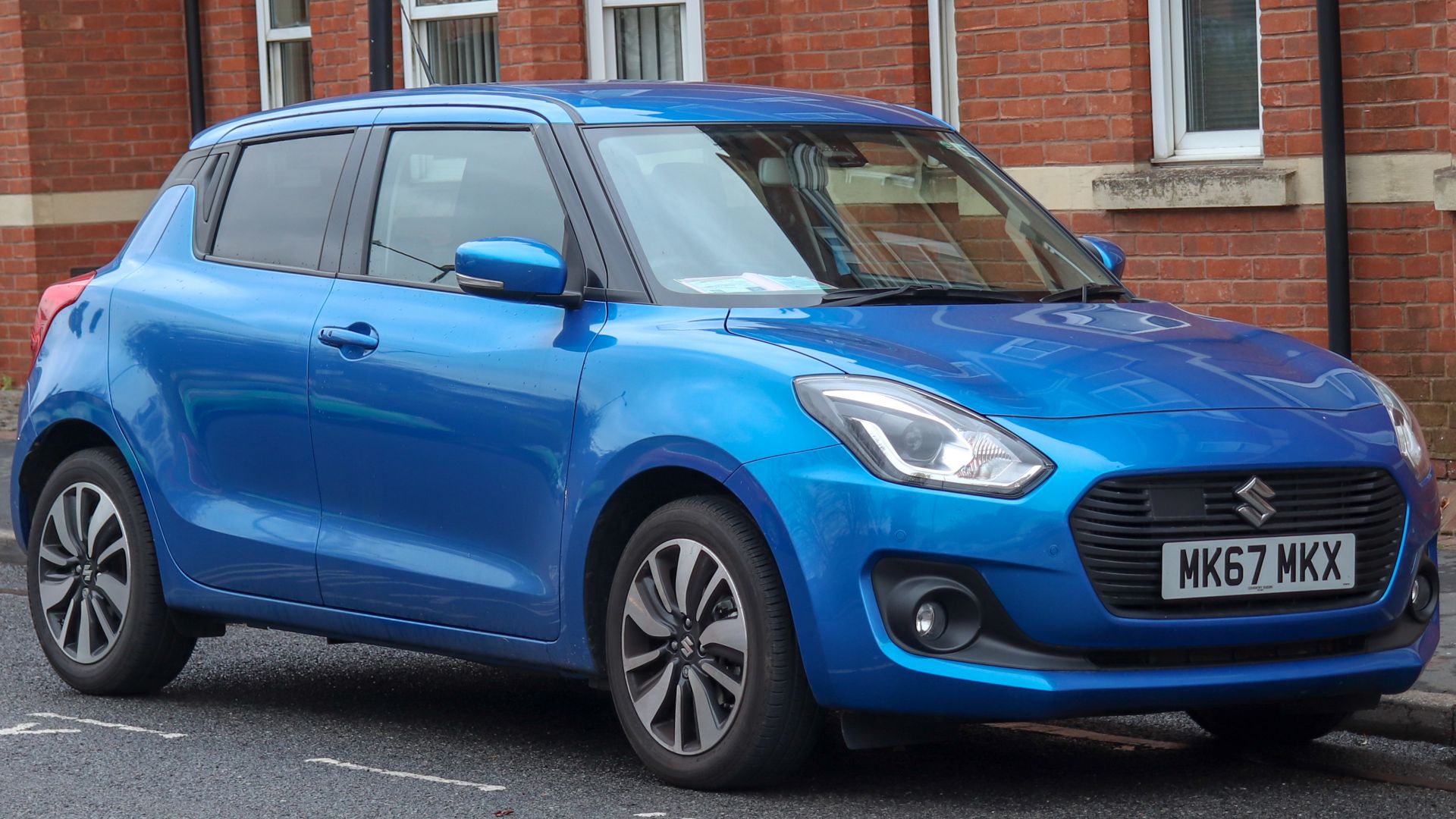
American buyers lost access to Suzuki cars after the company withdrew from the U.S. automobile market in 2012, but the Swift continued evolving overseas. The modern Swift remains a small, lightweight hatchback aimed at affordable everyday motoring. In some markets, buyers can even pair it with Suzuki's AllGrip four-wheel-drive system.
Honda S660
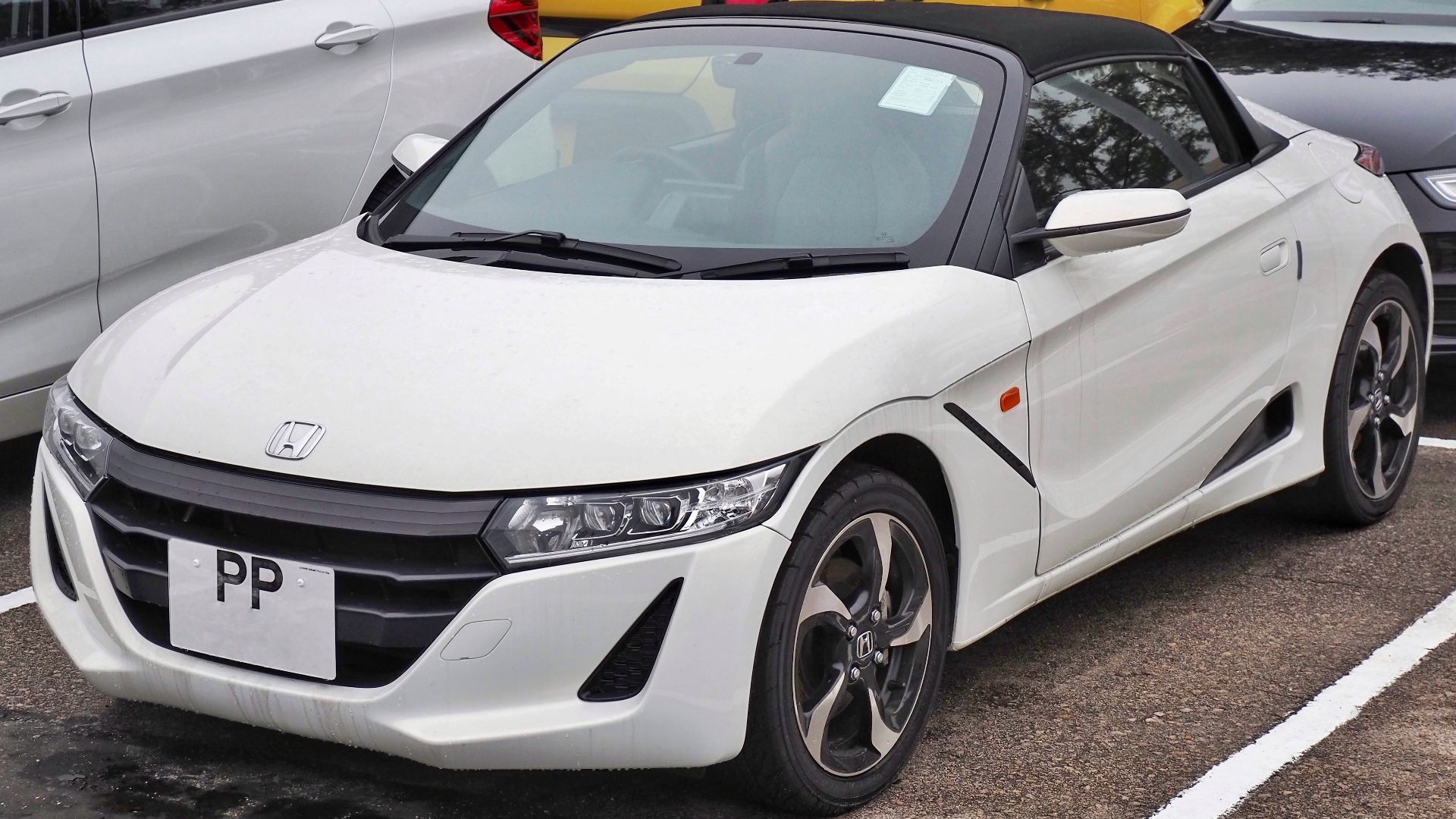
Honda's S660 took the kei-car formula in a completely different direction. The two-seat roadster placed its turbocharged 660cc engine behind the occupants and sent power to the rear wheels. Its 63 hp output sounds modest, but a curb weight of roughly 830 kilograms kept the focus on nimble handling rather than straight-line speed.
Honda N-ONE
Honda proved that a practical kei car could still be entertaining. The second-generation N-ONE launched in Japan in 2020 with pricing starting at ¥1,599,400. The standout RS version paired a turbocharged 660cc engine with a six-speed manual transmission.
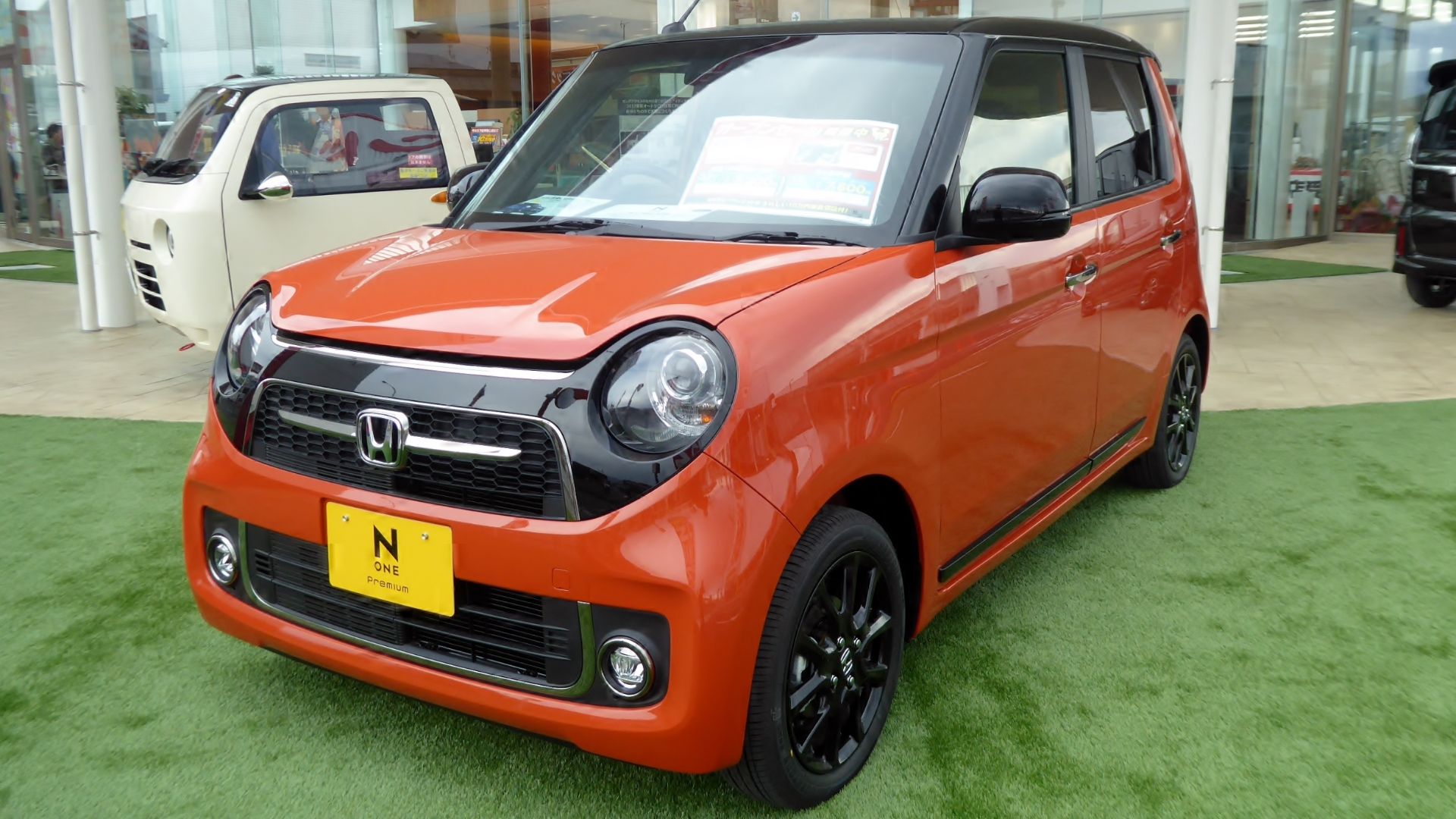 Tokumeigakarinoaoshima, Wikimedia Commons
Toyota Copen GR Sport
Toyota's smallest sports car was actually built by Daihatsu. The Copen GR Sport combined a tiny two-seat convertible body with a turbocharged 660cc engine and optional five-speed manual transmission. At launch, Toyota priced the manual version at ¥2,435,000 in Japan.
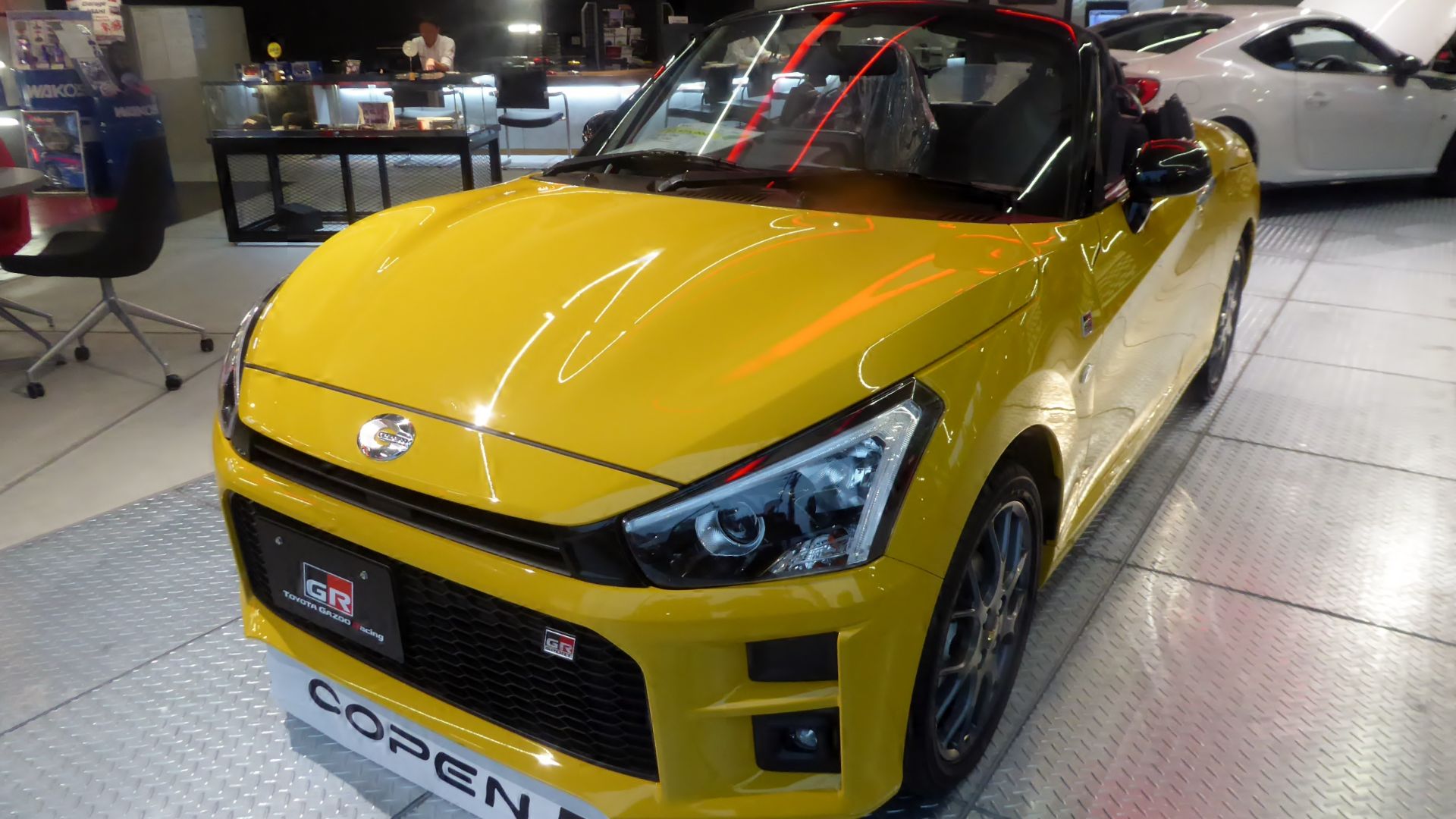 Tokumeigakarinoaoshima, Wikimedia Commons
Nissan Sakura
Japan's kei-car rules have also produced one of the world's most interesting small EVs. Nissan's Sakura uses a 20-kWh battery and seats four people inside an extremely compact body. Its rated Japanese-market range reaches 180 kilometers, making it much more of an urban runabout than a long-distance cruiser.
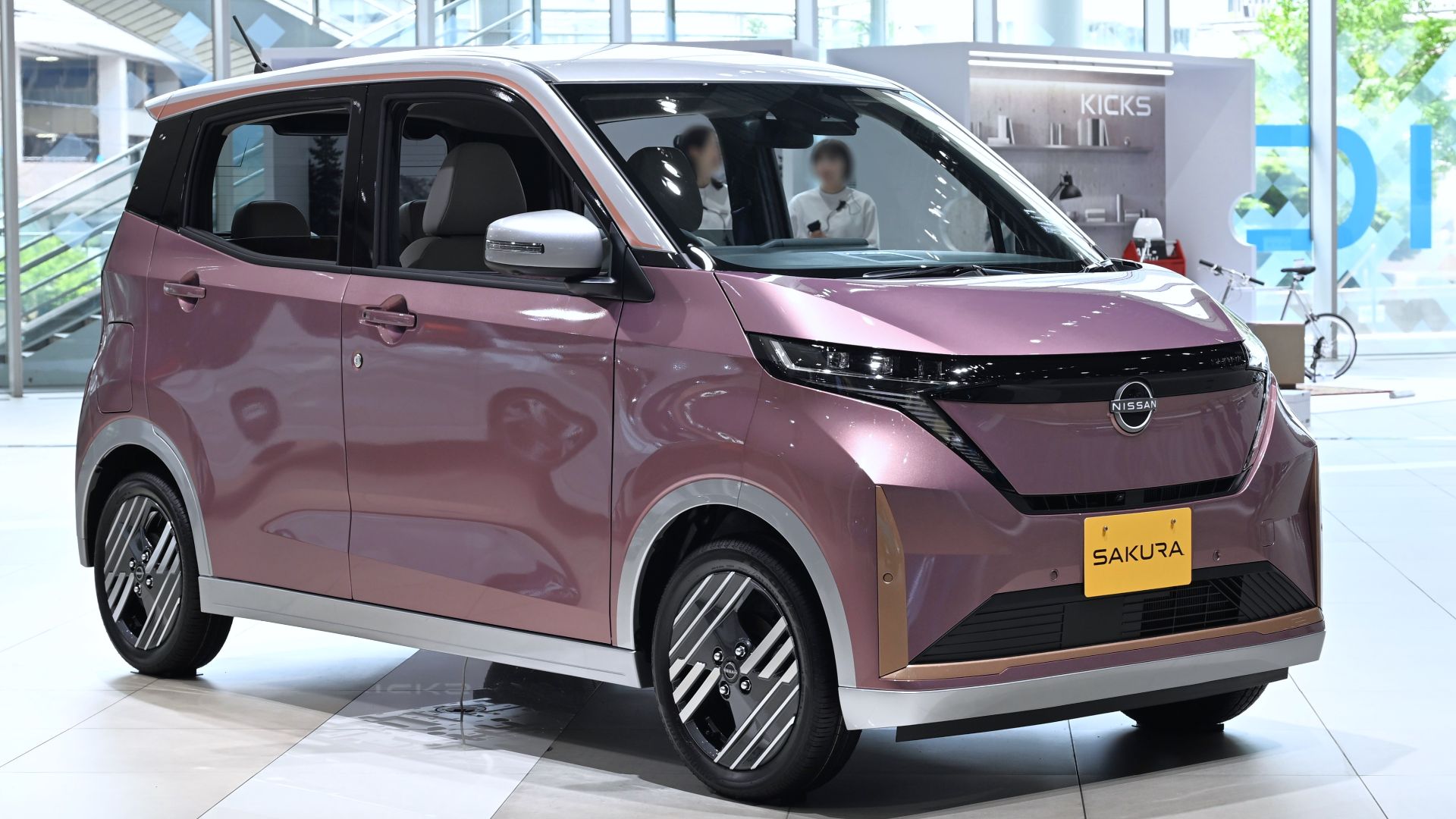
Mitsubishi eK X EV
Mitsubishi developed a closely related electric kei car alongside Nissan. The eK X EV also launched with a 20-kWh battery and up to 180 kilometers of rated range. Japanese incentives available at launch could reduce its effective purchase price significantly.
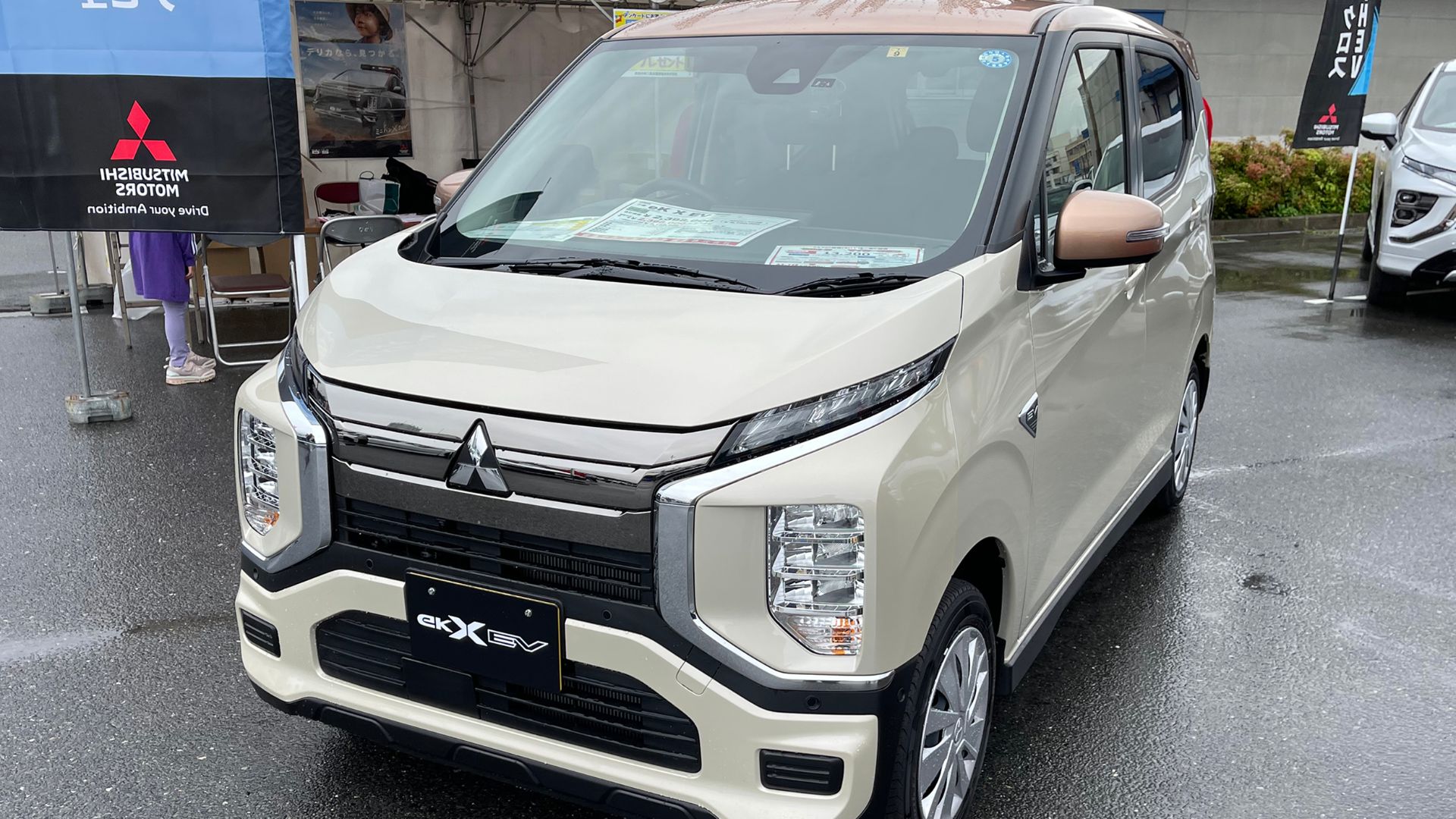 Tokumeigakarinoaoshima, Wikimedia Commons
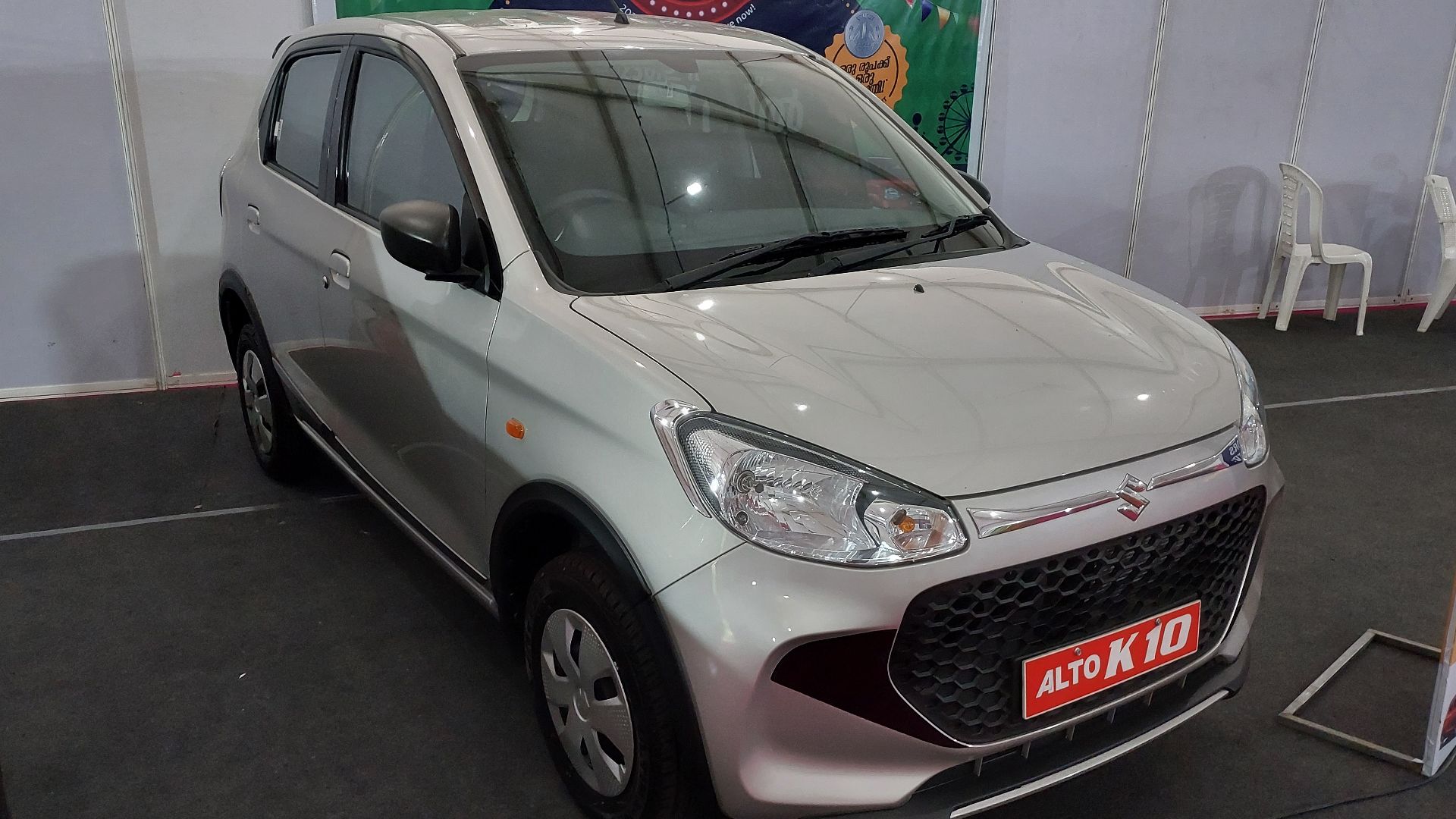
Maruti Suzuki Alto K10
India's Alto K10 strips the new-car formula back to its essentials. It is tiny, inexpensive, easy to maneuver, and powered by a small gasoline engine aimed more at efficiency than performance. Autocar India has praised it as straightforward urban transportation with low ownership costs.
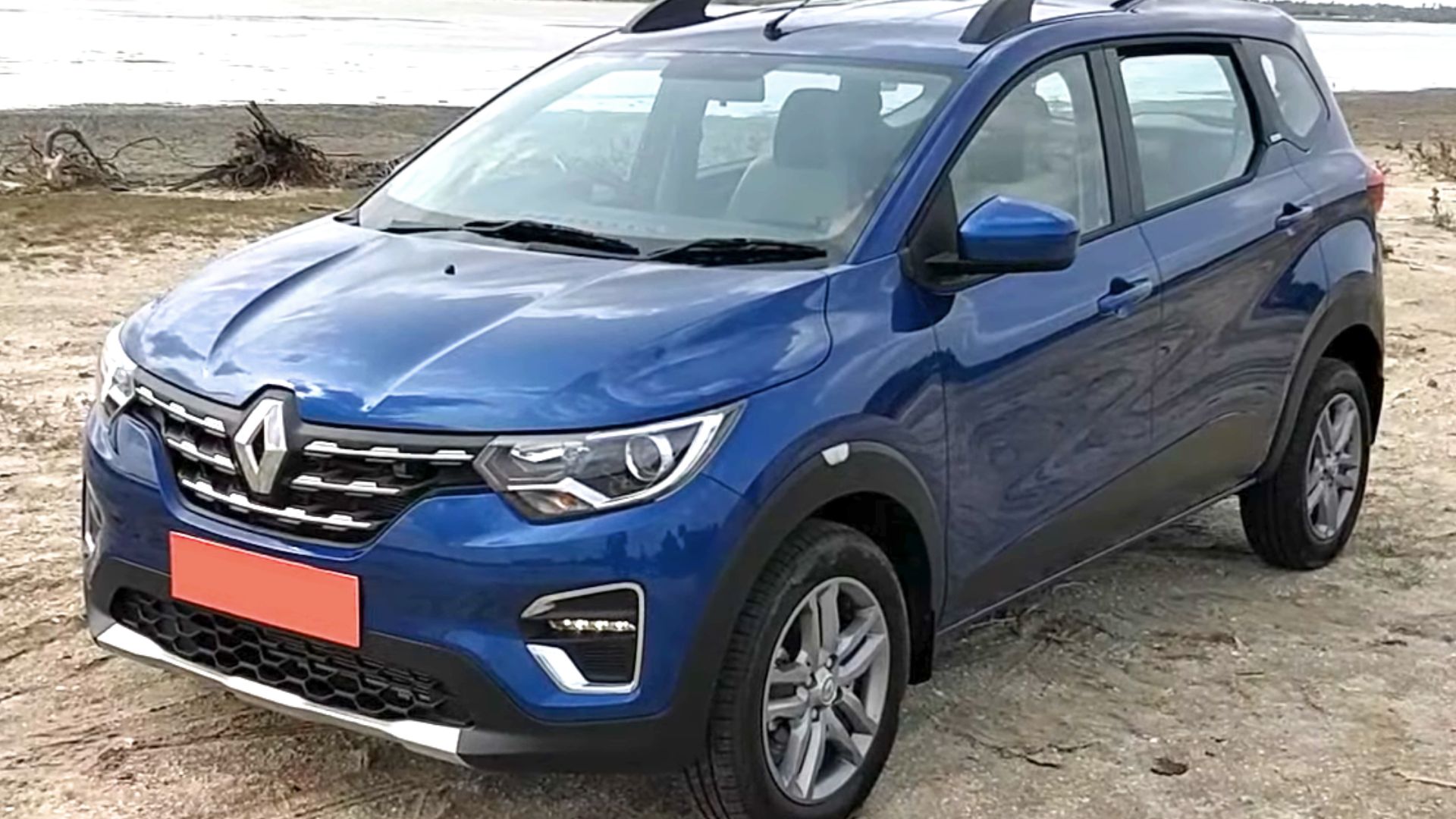
Renault Triber
The Renault Triber tackles a much harder challenge: fitting seven seats into an inexpensive vehicle less than four meters long. Its rear seating can be removed or rearranged to provide considerably more cargo room when all seven places are not needed. Indian prices currently start at roughly Rs 5.76 lakh.
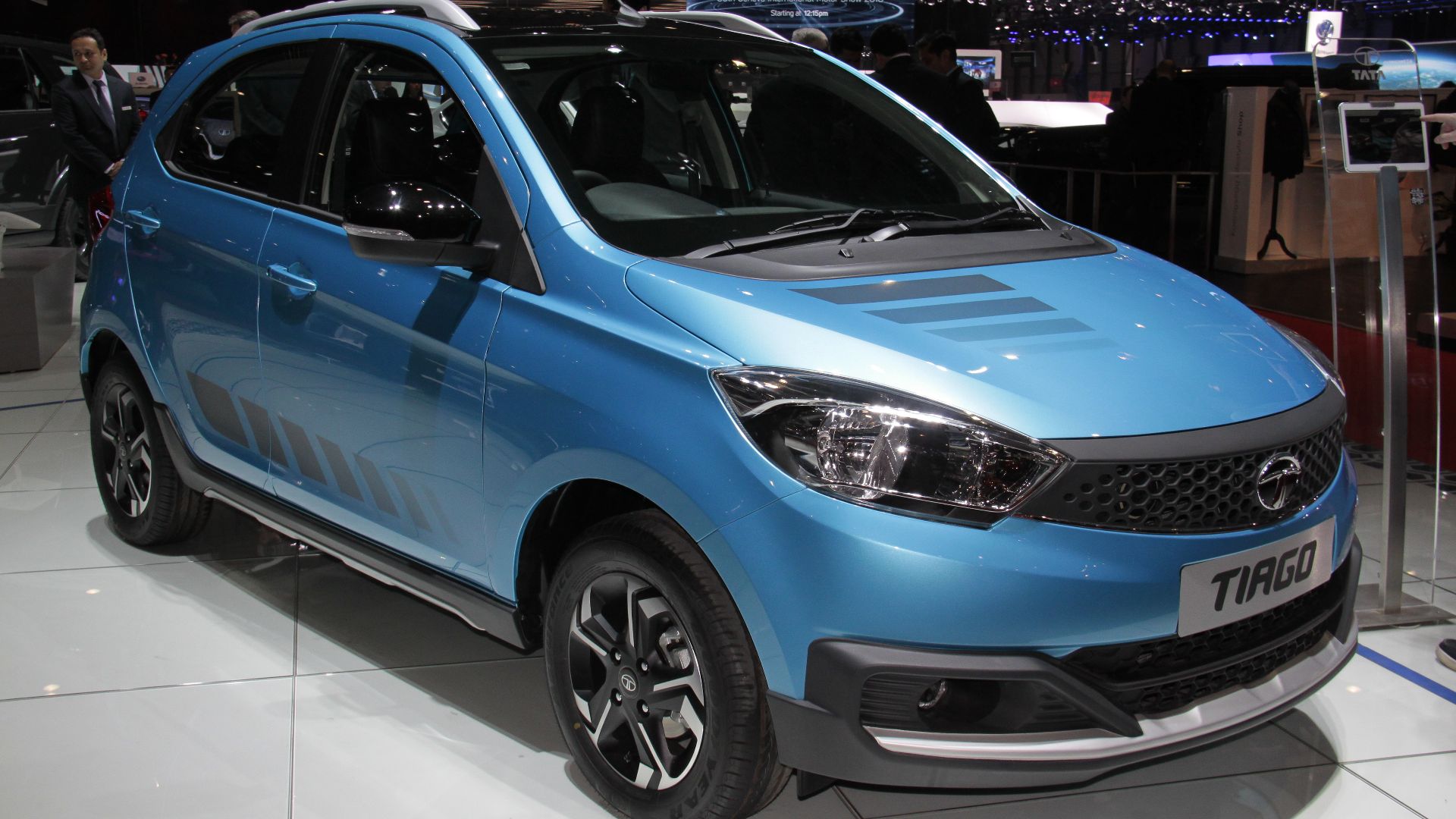
Tata Tiago
The Tata Tiago gives Indian shoppers a conventional hatchback at a price almost unimaginable in the current American market. The updated 2026 model starts at Rs 4.69 lakh and uses a 1.2-liter three-cylinder gasoline engine. Buyers can also choose CNG and automated-manual versions.
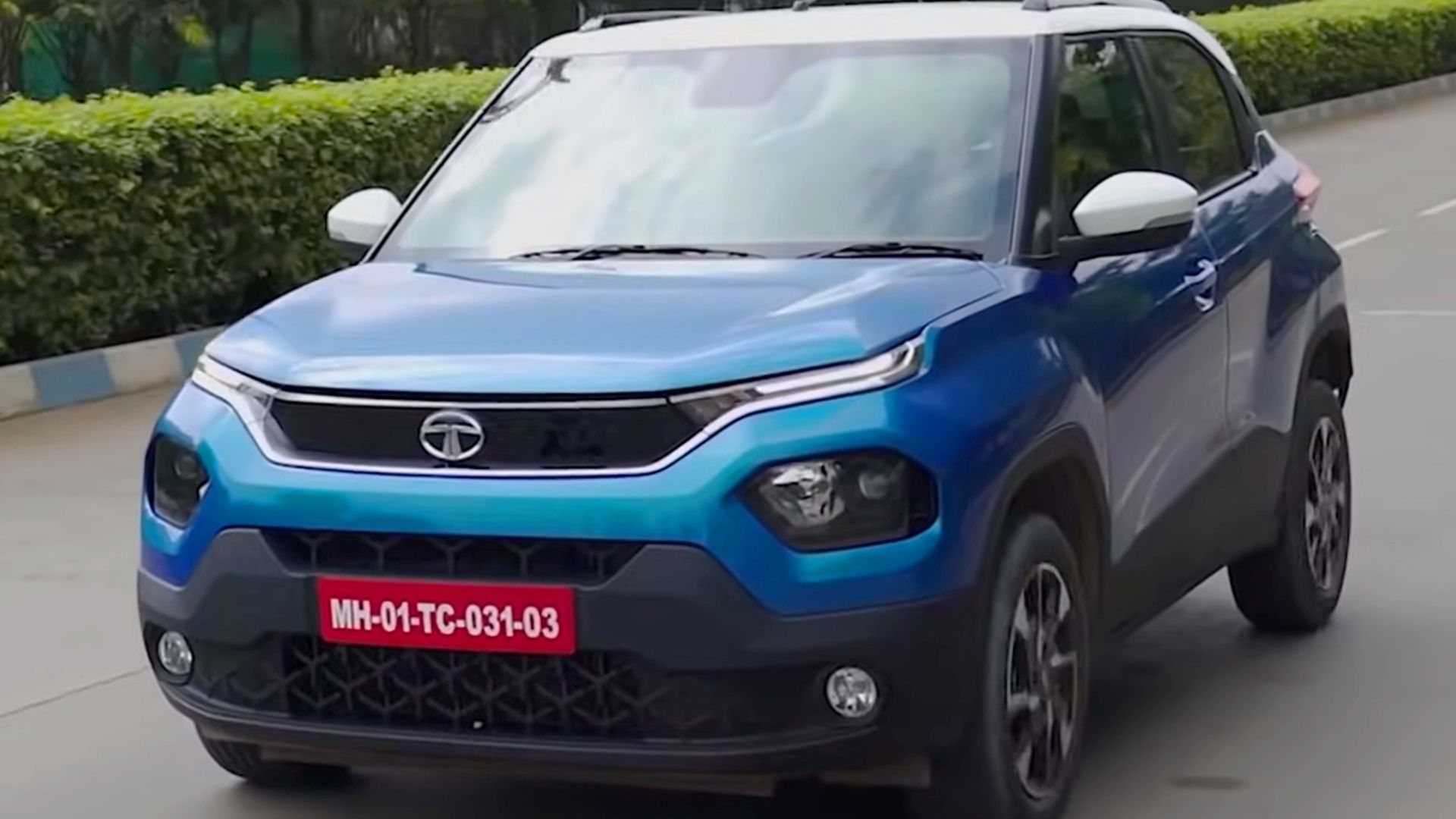
Tata Punch
The Tata Punch shows how India's enthusiasm for SUVs has reached even the least expensive part of the market. Despite its small footprint, it offers 193 millimeters of ground clearance and upright crossover styling. The updated 2026 version starts at Rs 5.59 lakh and also offers turbocharged gasoline and CNG powertrains.
 Athira Murali, Wikimedia Commons
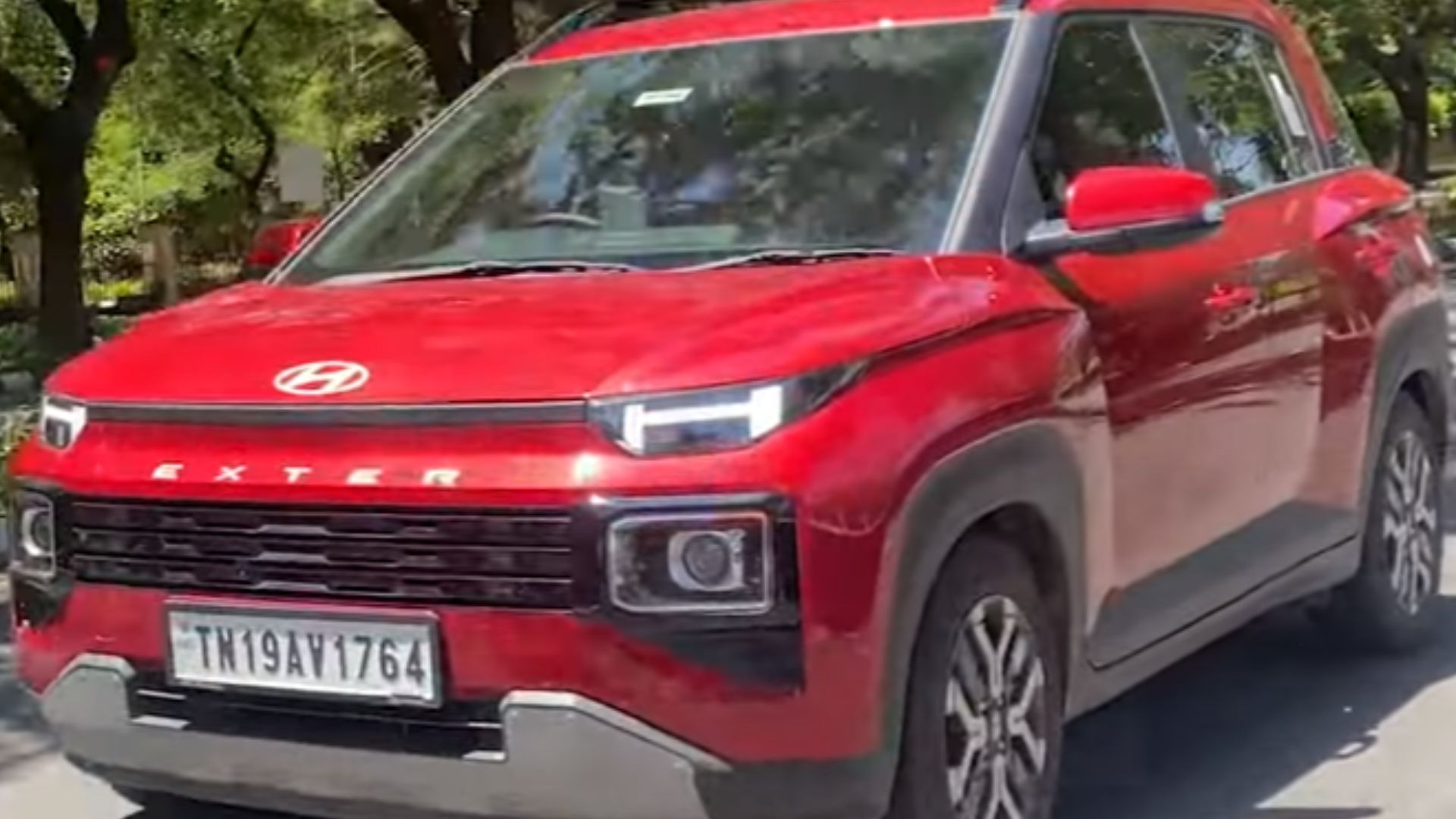
Hyundai Exter
Hyundai competes directly with the Punch using the similarly tiny Exter. Its 1.2-liter gasoline engine can be paired with a manual or automated-manual transmission, and a CNG version is offered as well. It provides the SUV look many buyers want without requiring a large or expensive vehicle.
 Connect2Sam, Wikimedia Commons
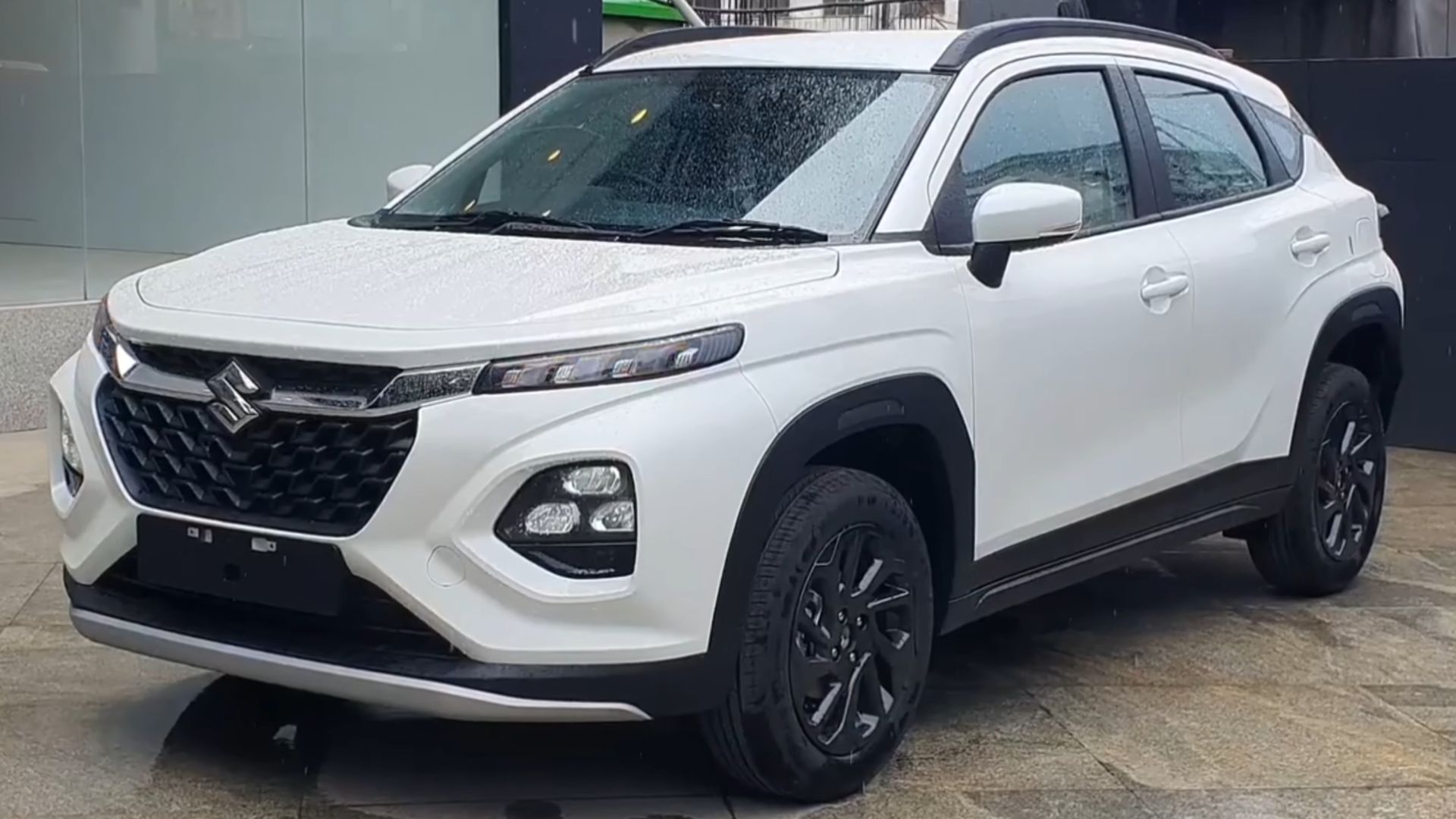
Maruti Suzuki Fronx
The Suzuki Fronx brings a little more style to India's budget end of the market. Based on the Baleno hatchback, it adds crossover-inspired bodywork, 190 millimeters of ground clearance, and available turbocharged power. It gives shoppers something visually distinctive without jumping into a full-size SUV.
 HARSHIT 0008, Wikimedia Commons
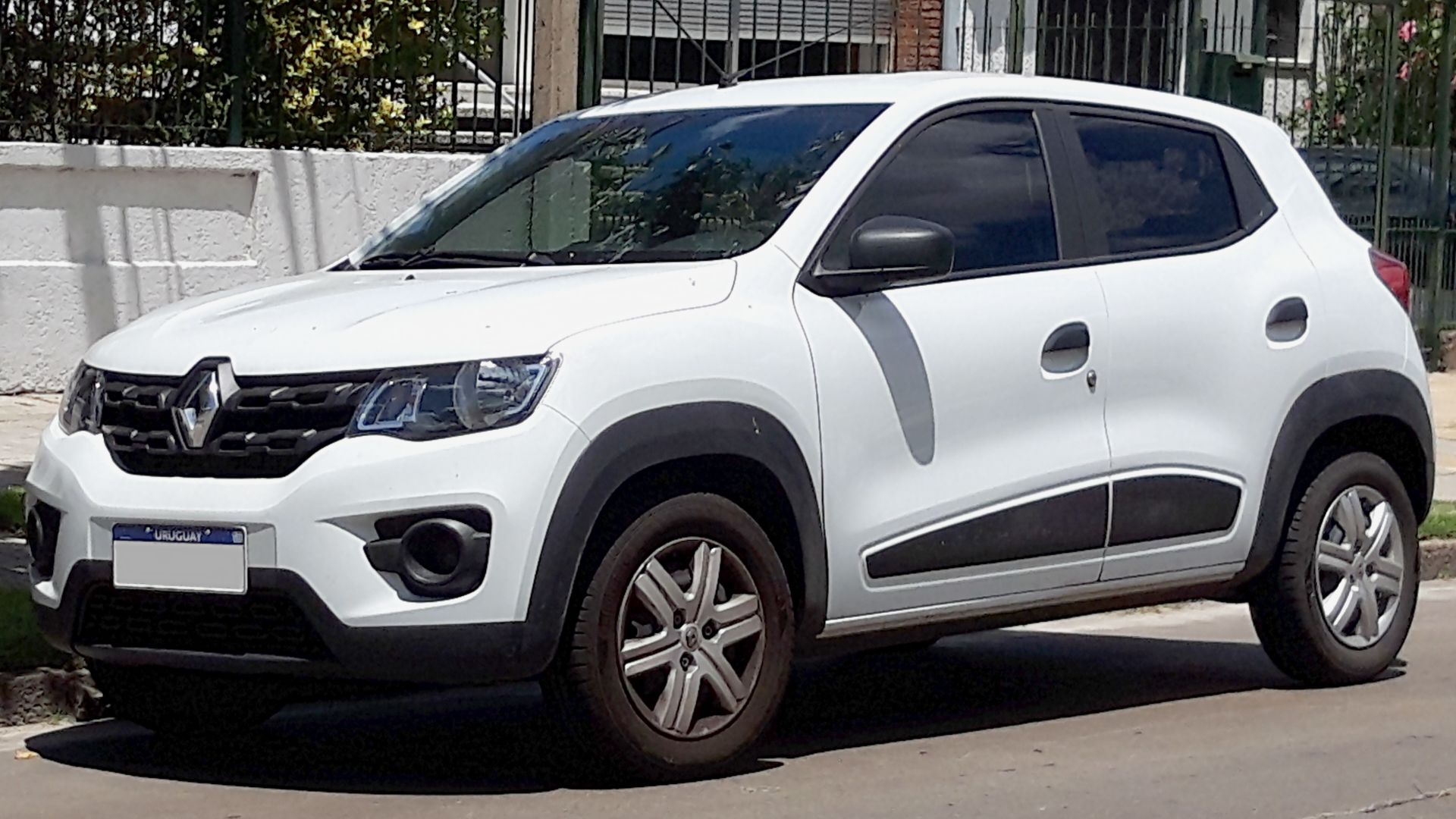
Renault Kwid
Renault's Kwid was designed specifically to make new-car ownership attainable in emerging markets. Its tall stance and SUV-inspired styling disguise an extremely compact footprint, while its small gasoline engine keeps the mechanical package simple. In India, it remains one of Renault's least expensive models.
Which One Deserves A U.S. Visa?
None of these cars would automatically succeed in America, where safety regulations, highway driving, fuel prices, and buyer expectations shape a very different market. Still, they show how much variety disappears when inexpensive cars are replaced by ever-larger crossovers. From the playful Honda S660 to the rugged Suzuki Jimny and ultra-cheap Dacia Sandero, affordable does not have to mean boring. Which one would you bring to America?
You May Also Like:
Once-Affordable Classics That Used To Be Everywhere And Are Suddenly Hard To Find
American Muscle Cars That Easily Outperform Their European Rivals