
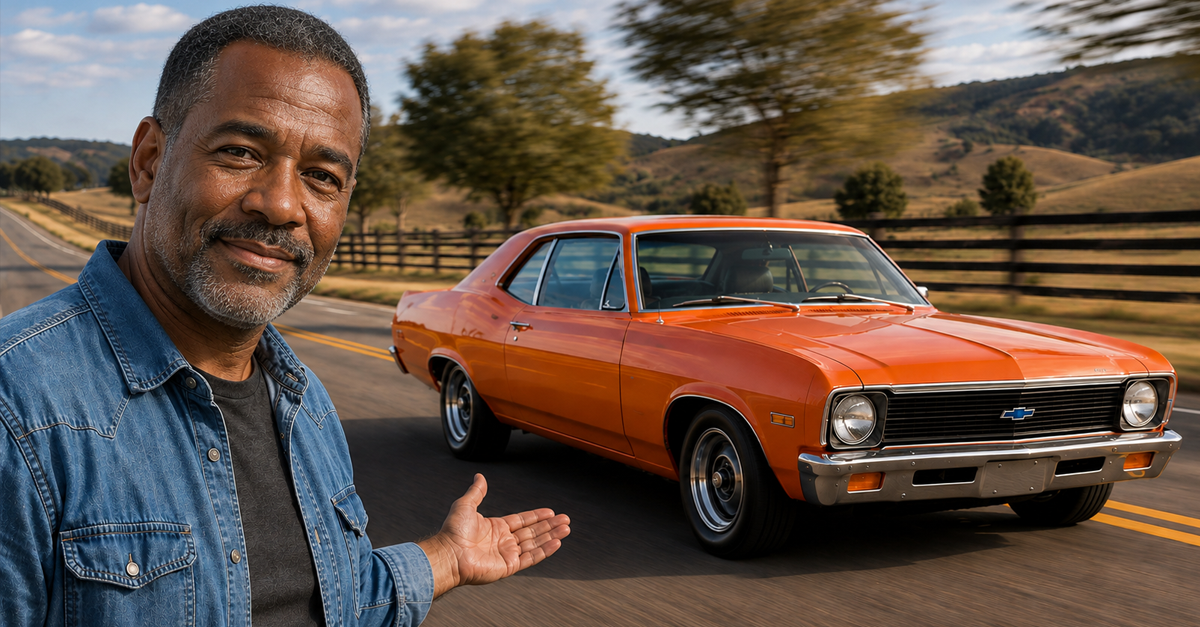
Yesterday’s Used Cars Are Today’s Collectibles
Many cars now treated as classics spent years as inexpensive transportation, second vehicles, or disposable project cars. Rust, crashes, neglect, and modifications steadily reduced the number of clean survivors. Meanwhile, nostalgia has encouraged buyers to compete for the best remaining examples.
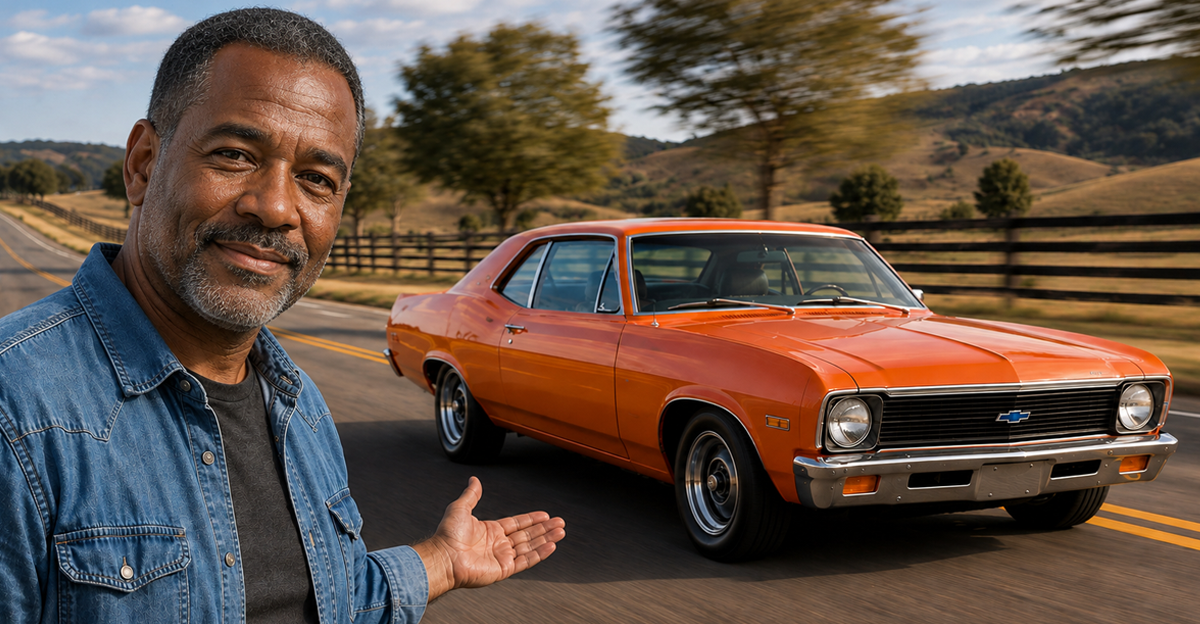
Volkswagen Beetle
Volkswagen built the original Type 1 for decades, making the Beetle one of the most recognizable mass-produced cars in history. Its enormous production once made used examples seem almost impossible to exhaust. Solid, largely original Beetles are now harder to find because so many were modified, allowed to rust, or simply used until worn out.
 Greg Gjerdingen from Willmar, USA, Wikimedia Commons
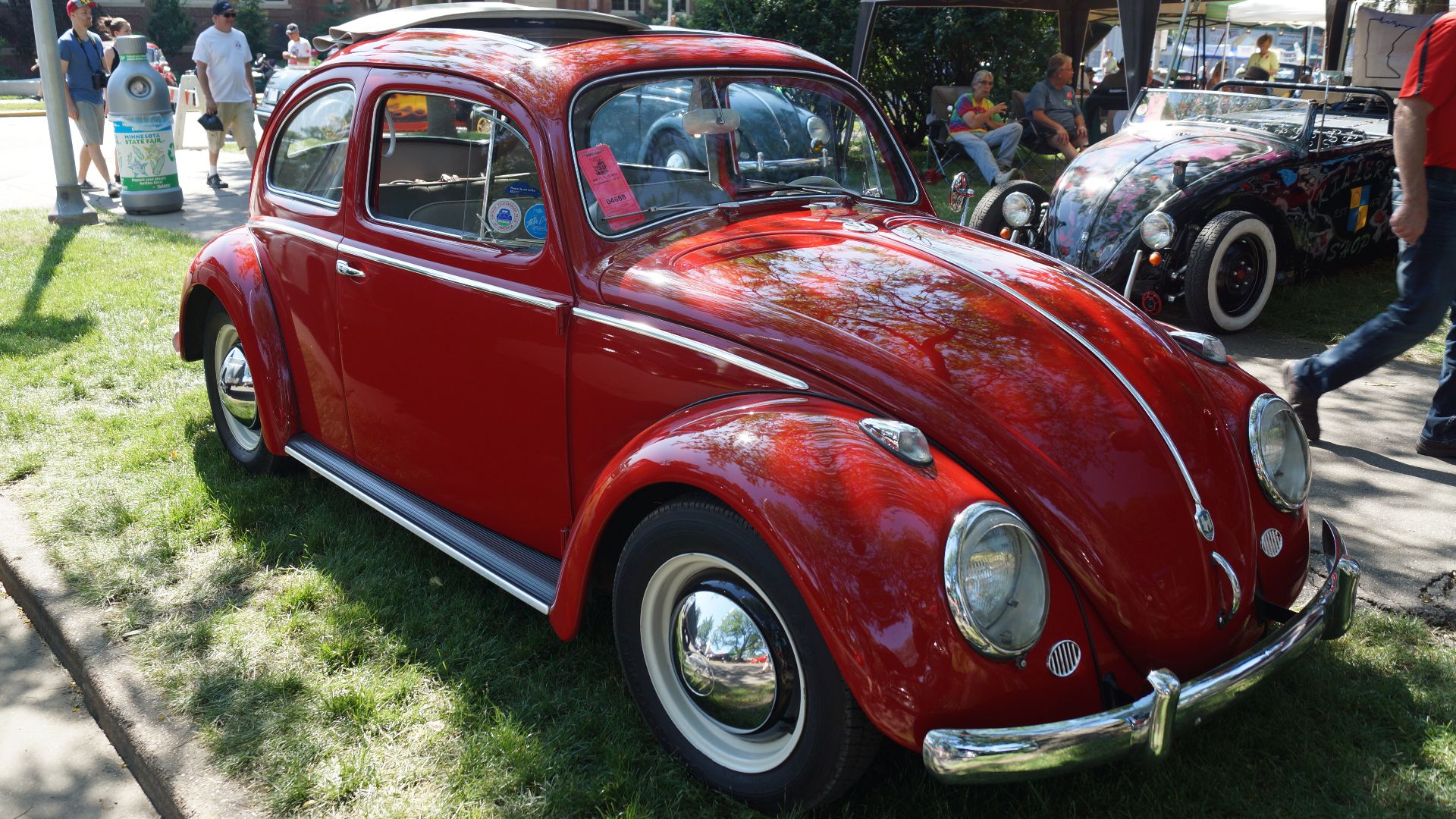
Chevrolet Corvair
Chevrolet produced the rear-engine Corvair from 1960 through 1969, offering everything from economical sedans to sporty Monza models. Used Corvairs remained cheap for years because their unconventional engineering and controversial reputation discouraged mainstream collectors. Attractive coupes and convertibles have since gained appreciation, leaving fewer affordable cars hiding in local classifieds.
 Crisco 1492, Wikimedia Commons
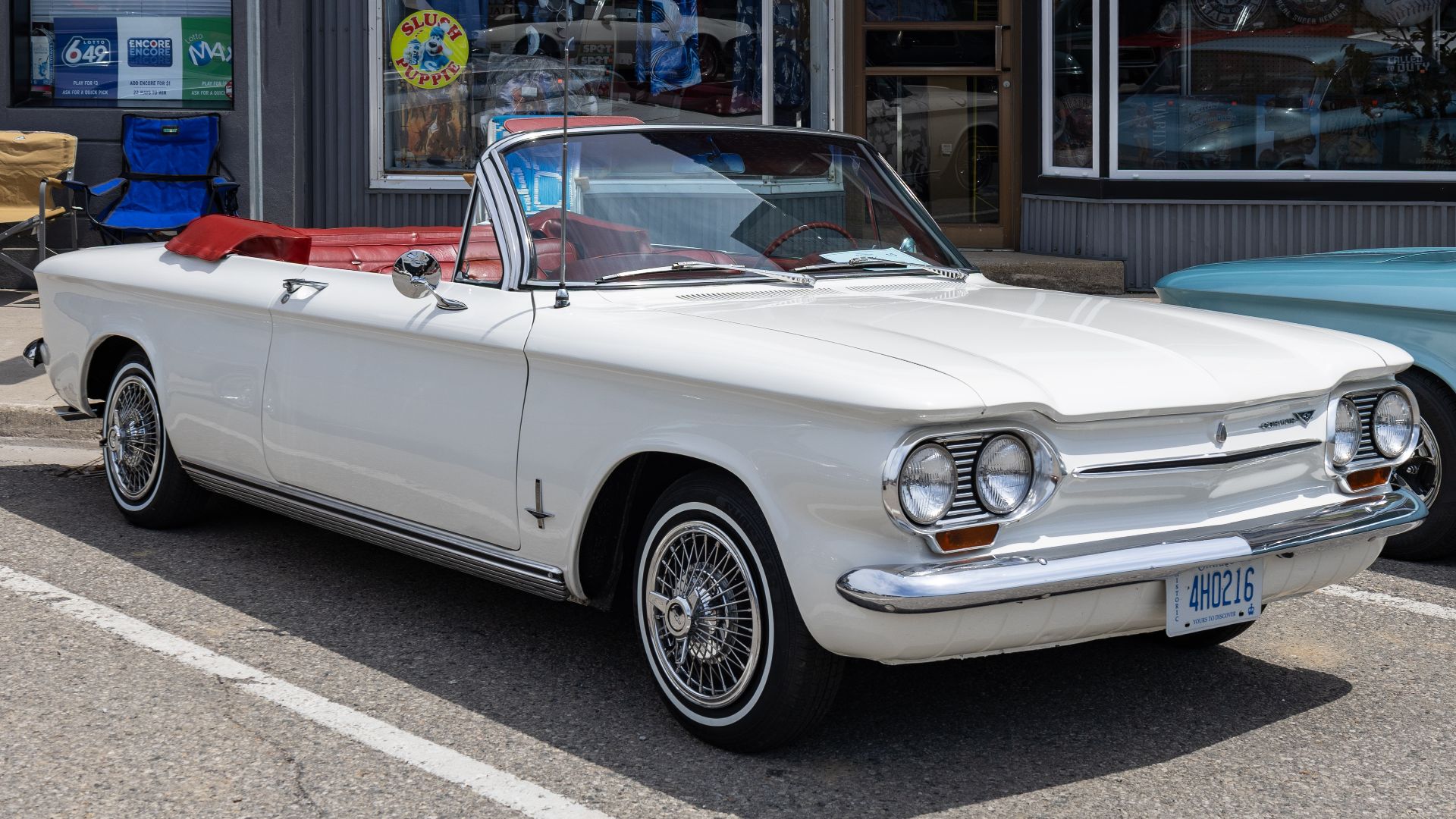
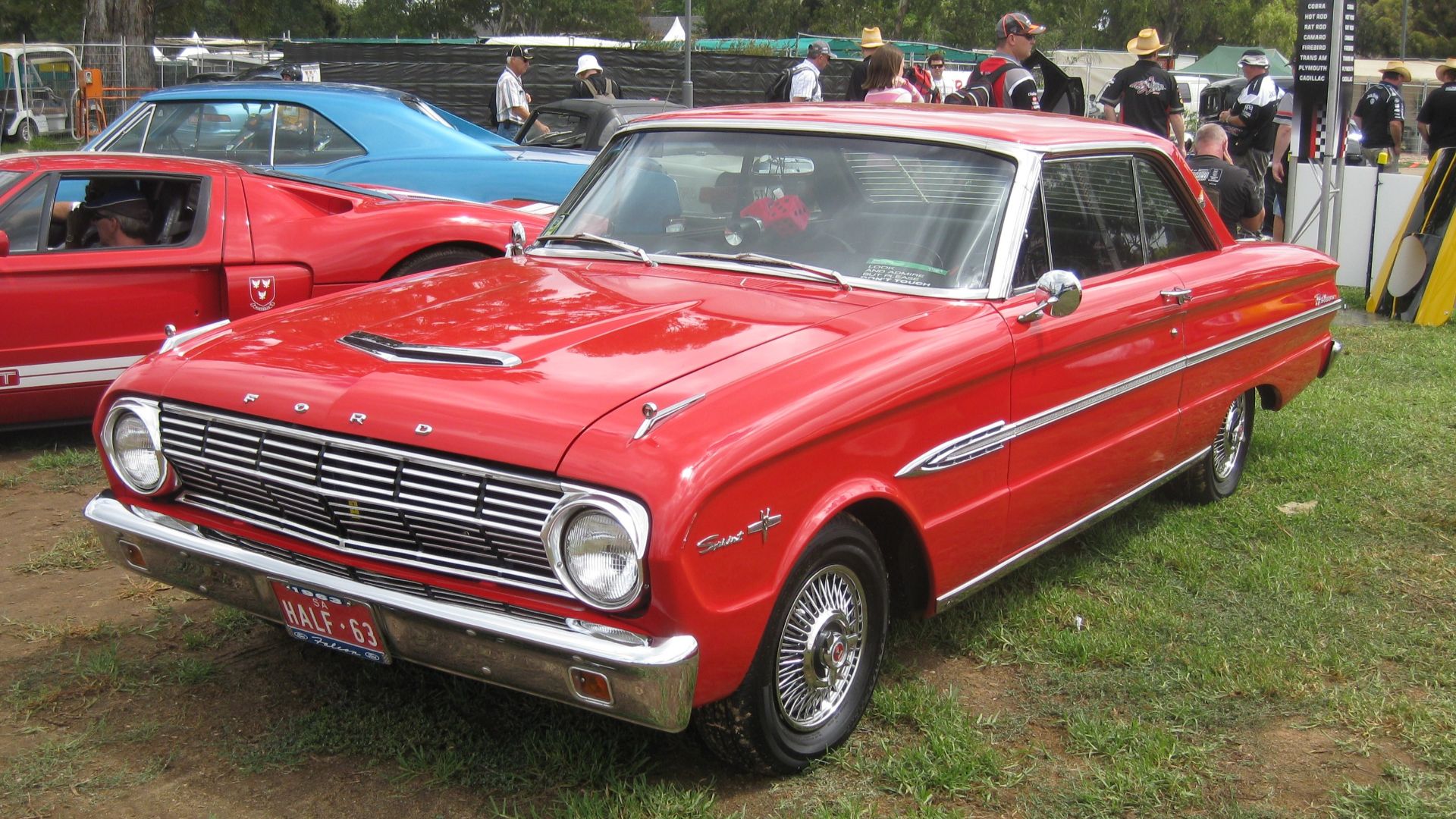
Ford Falcon
The Falcon arrived for 1960 as Ford’s straightforward answer to America’s growing interest in compact cars. Its simple construction and familiar mechanical components made it cheap to buy, operate, and modify. Many Falcons became donors or V8 projects, so complete cars with their original six-cylinder character are increasingly unusual.
Plymouth Valiant
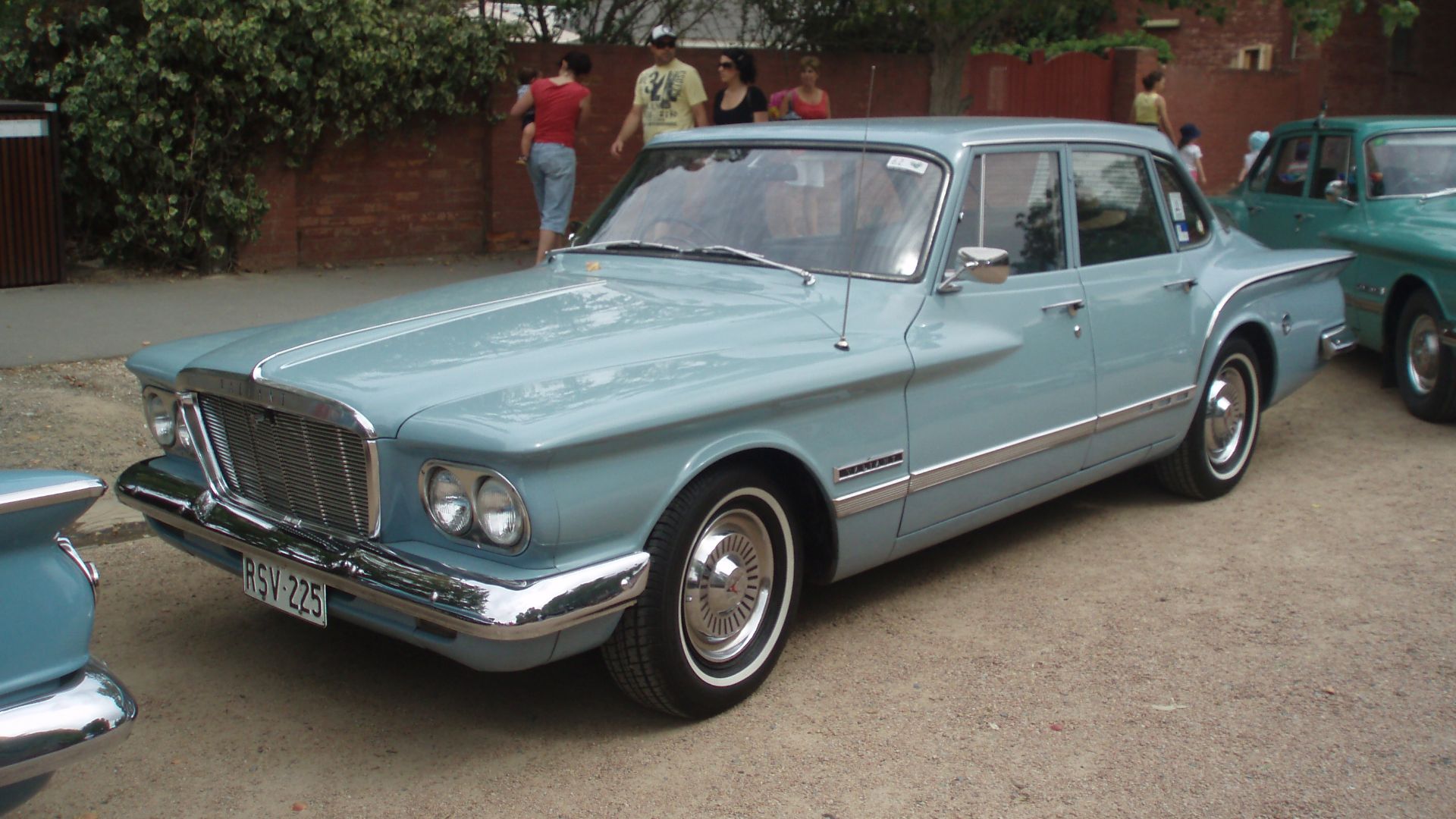
Early Plymouth Valiants combined distinctive styling with Chrysler’s famously durable Slant Six engine. They were practical cars rather than prestige purchases, which meant owners rarely preserved ordinary sedans with future collectors in mind. Clean examples now attract enthusiasts who want vintage personality without the price of a celebrated muscle car.
Dodge Dart
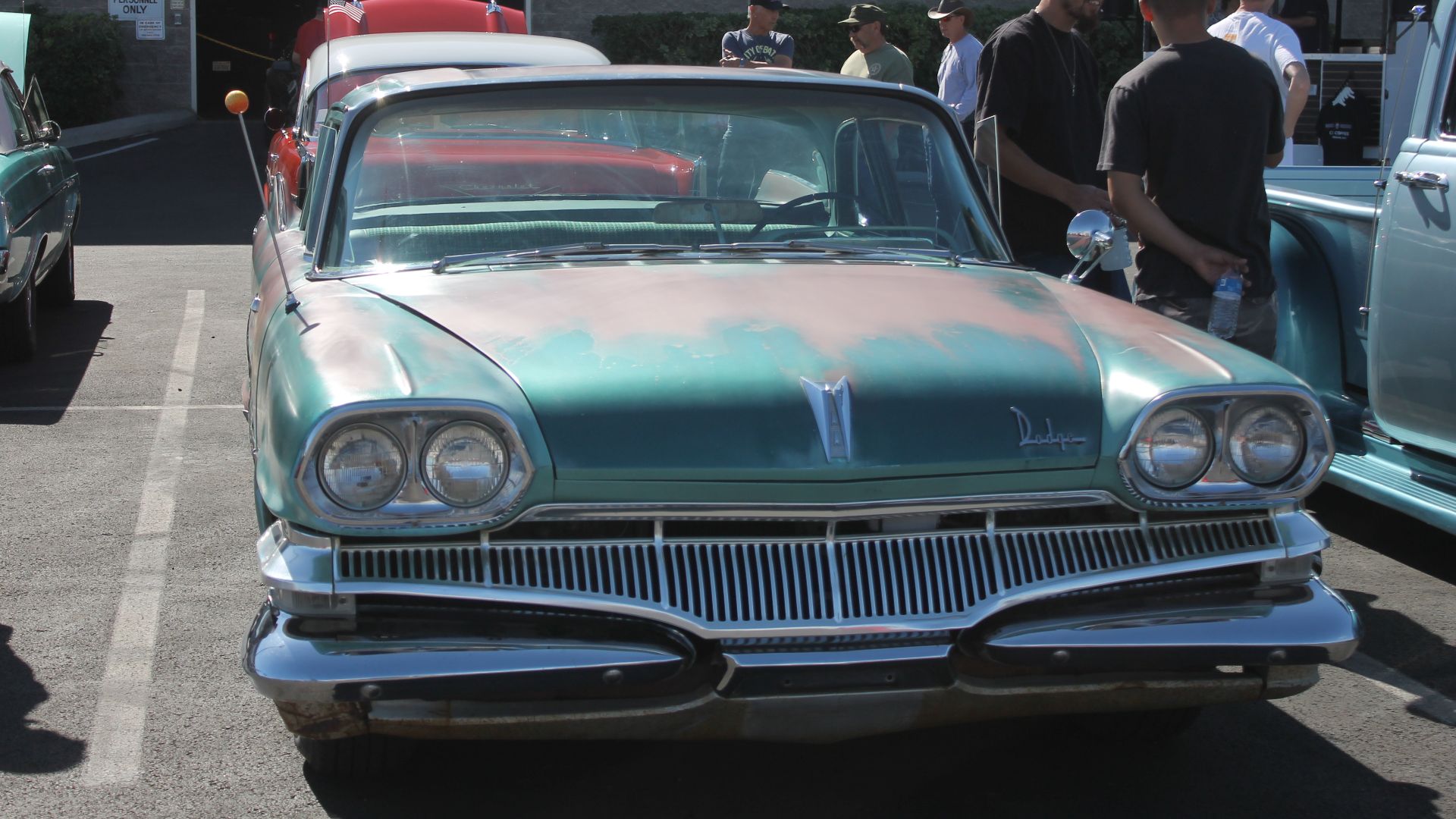
The Dart evolved into one of Dodge’s most familiar compact cars during the 1960s and 1970s. Basic sedans were once abundant, while performance versions such as the GTS and Swinger 340 attracted most of the collector attention. Today, even modest Darts are harder to locate because numerous cars were modified, parted out, or consumed by rust.
Chevrolet Nova
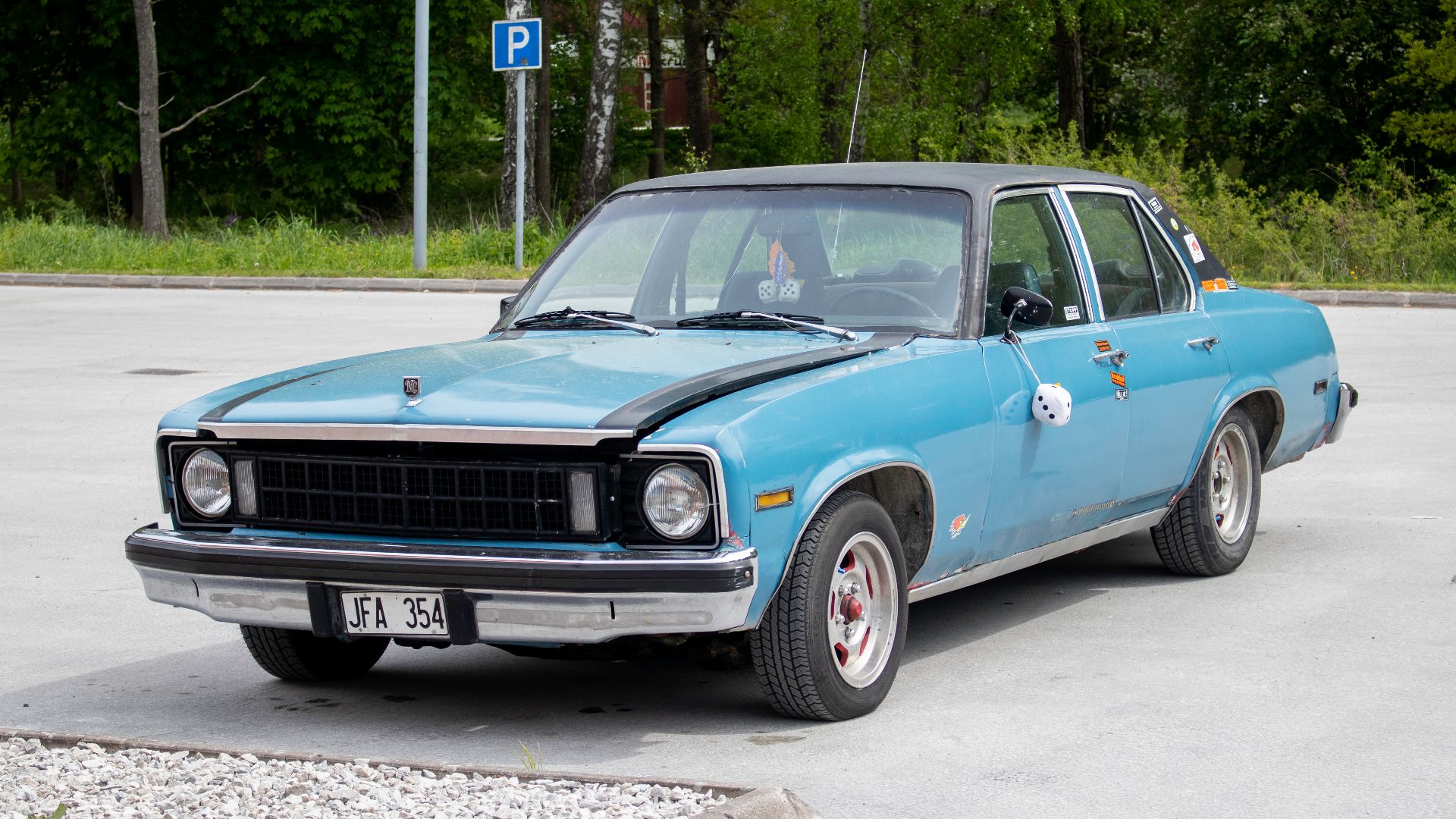
Chevrolet introduced the Chevy II for 1962, with Nova initially serving as a trim designation before becoming the model’s primary name. Affordable prices and a roomy engine bay made these cars natural candidates for V8 swaps and drag-racing projects. That popularity helped preserve interest in the Nova, but it also reduced the supply of unmodified everyday versions.
Ford Pinto
The Pinto became a major presence in the 1970s compact-car market, despite later becoming inseparable from controversy surrounding rear-impact fires. Most examples had little collector value when they entered the used-car market. Attrition was severe, and finding a clean Pinto today is considerably more difficult than its original sales volume might suggest.
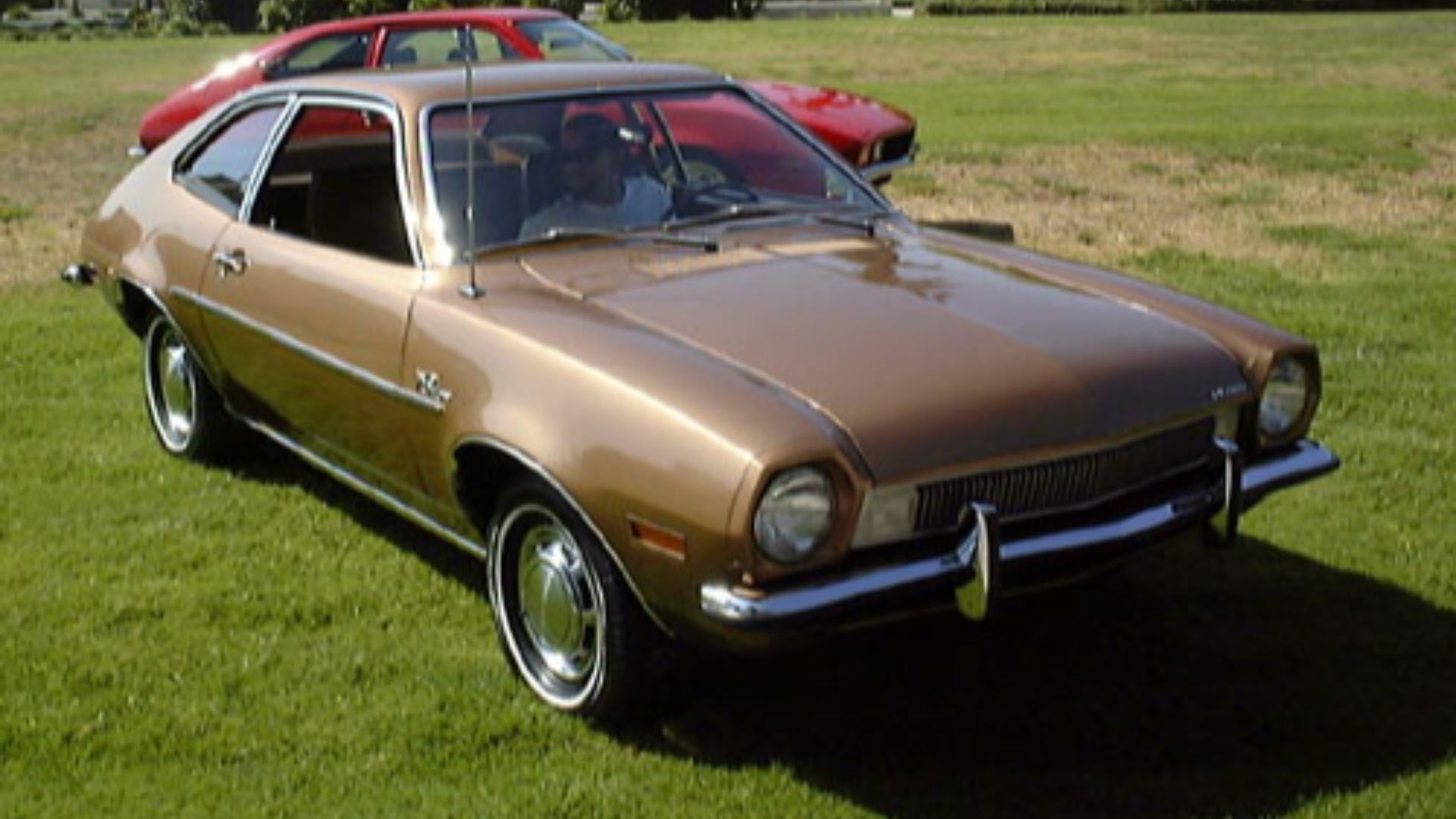 User Morven on en.wikipedia, Wikimedia Commons
Chevrolet Vega
The Vega appeared for 1971 with handsome proportions, modern styling, and an aluminum-block four-cylinder engine. Corrosion and engine-durability problems harmed its reputation, while low resale values gave owners little financial incentive to restore aging cars. Surviving stock Vegas now draw attention precisely because the model disappeared so thoroughly from everyday traffic.
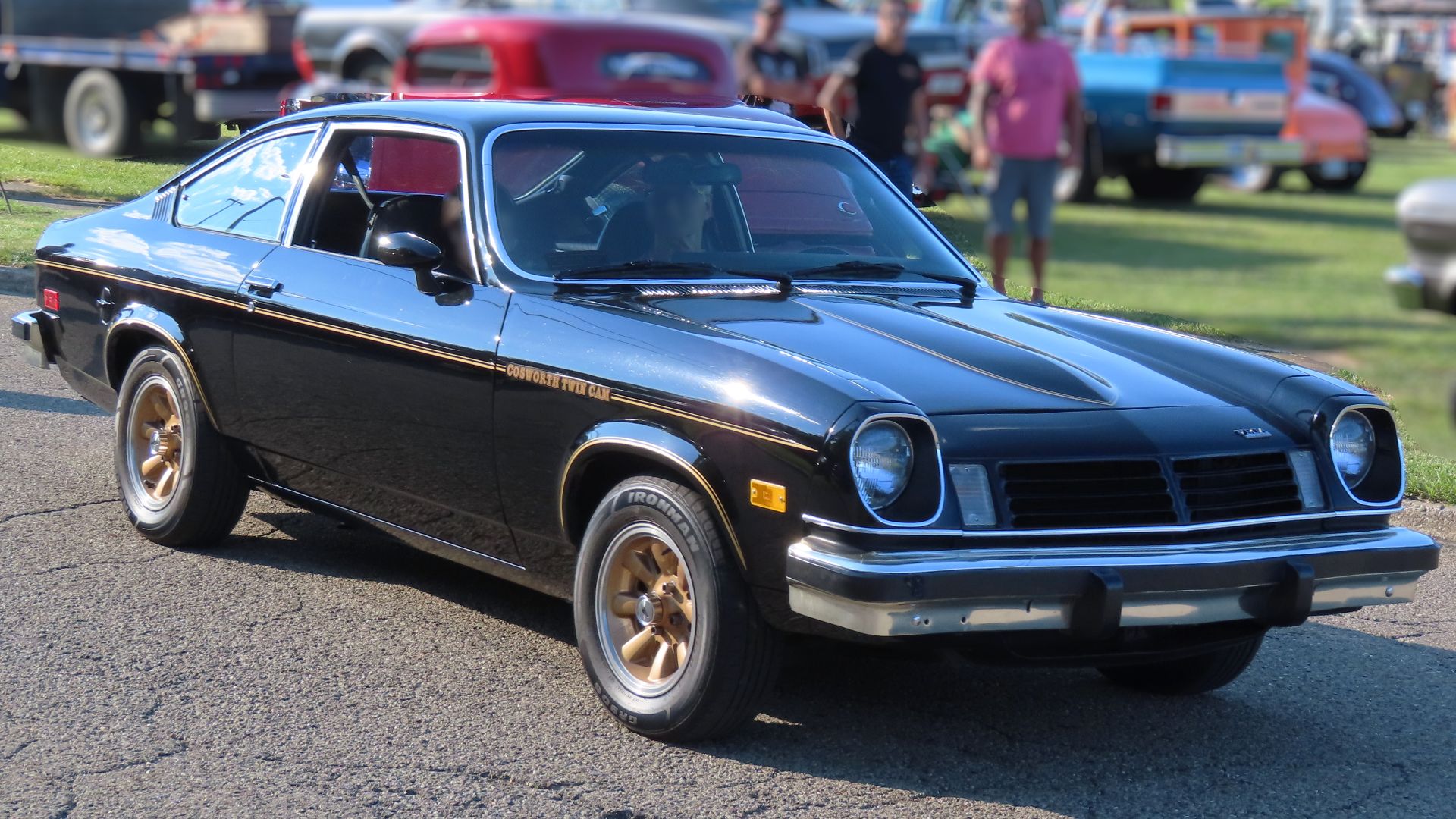 MercurySable99, Wikimedia Commons
AMC Gremlin
AMC created the Gremlin by adapting its compact Hornet architecture into an unusually short two-door hatchback. Its low price, practical rear hatch, and unmistakable shape helped it become one of AMC’s best-known products. Years of neglect and parts-car duty have made intact Gremlins much less common than nostalgic buyers expect.
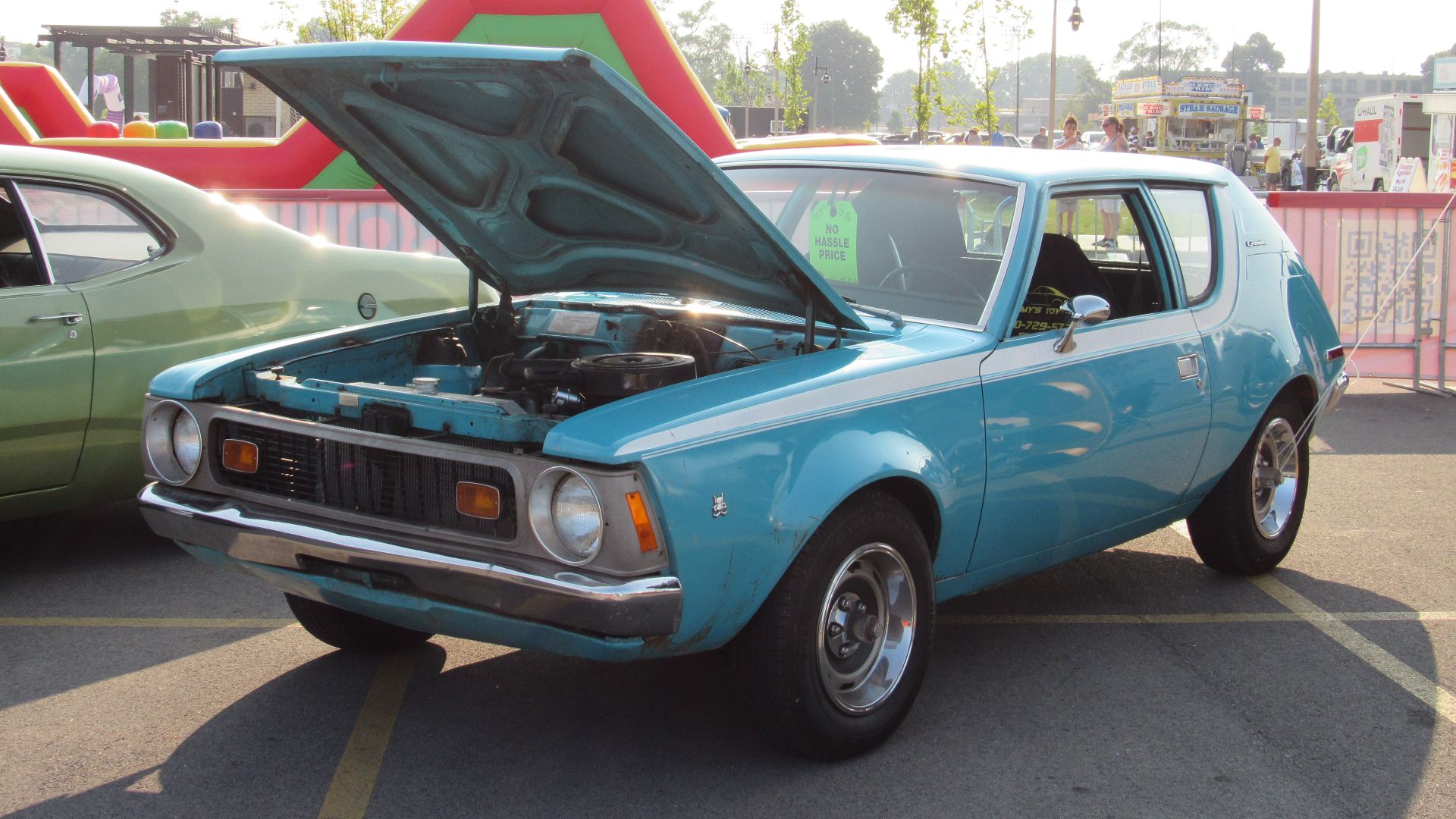 Captainpisslord, Wikimedia Commons
AMC Pacer
With its broad glass area and dramatically different proportions, the Pacer could never disappear into a parking lot. AMC marketed it as a compact car with generous interior width, but its weight and fuel economy became disadvantages in the marketplace. Once treated as a novelty, preserved Pacers now have genuine collector appeal and a limited pool of survivors.
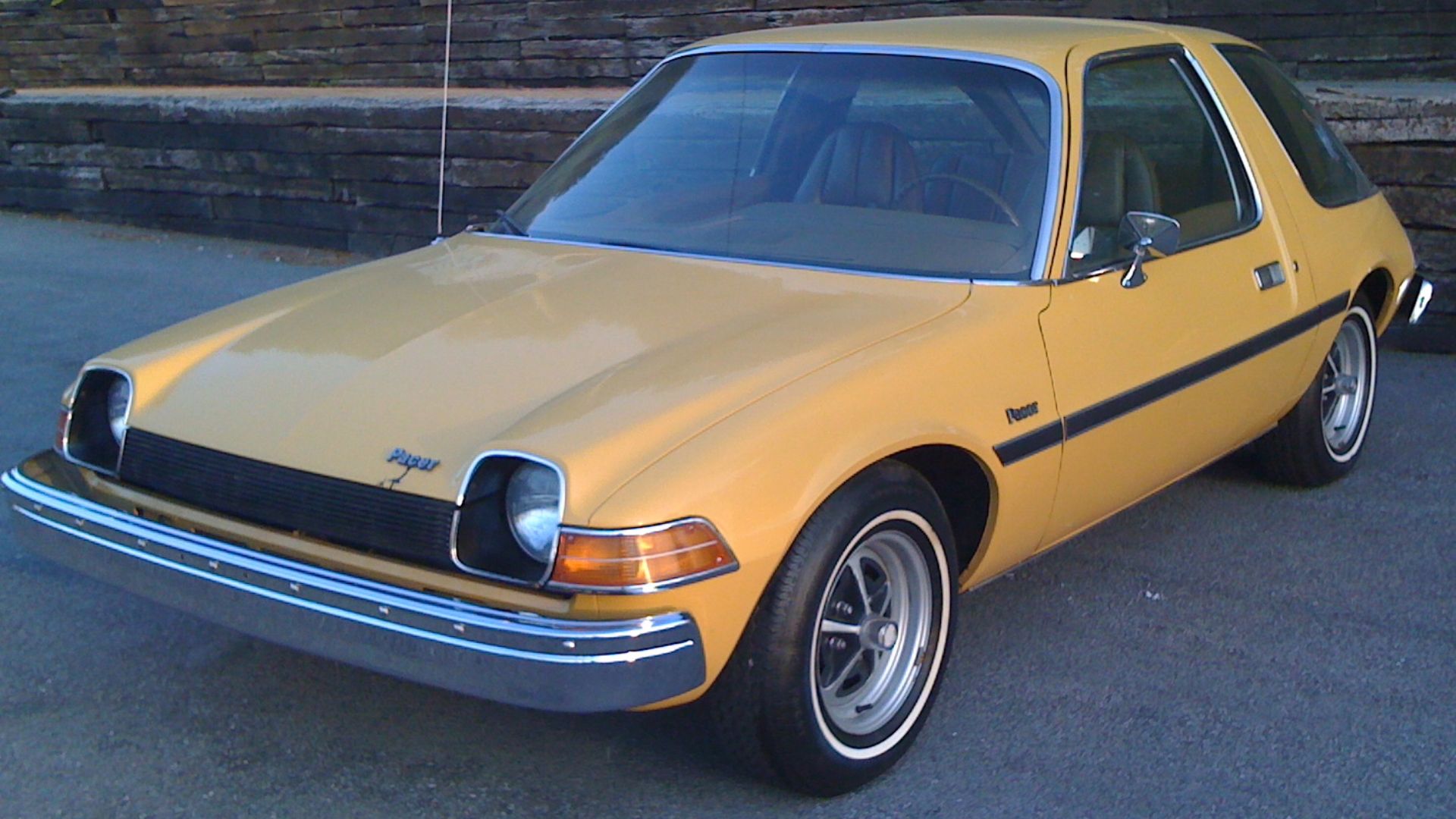
MGB
More than half a million MGBs were produced, giving generations of drivers access to an affordable British sports car. For years, inexpensive examples could be found in garages, driveways, and classified advertisements. Corrosion, incomplete restorations, and deferred maintenance have divided the market between desirable sorted cars and projects that may cost more to revive than they are worth.
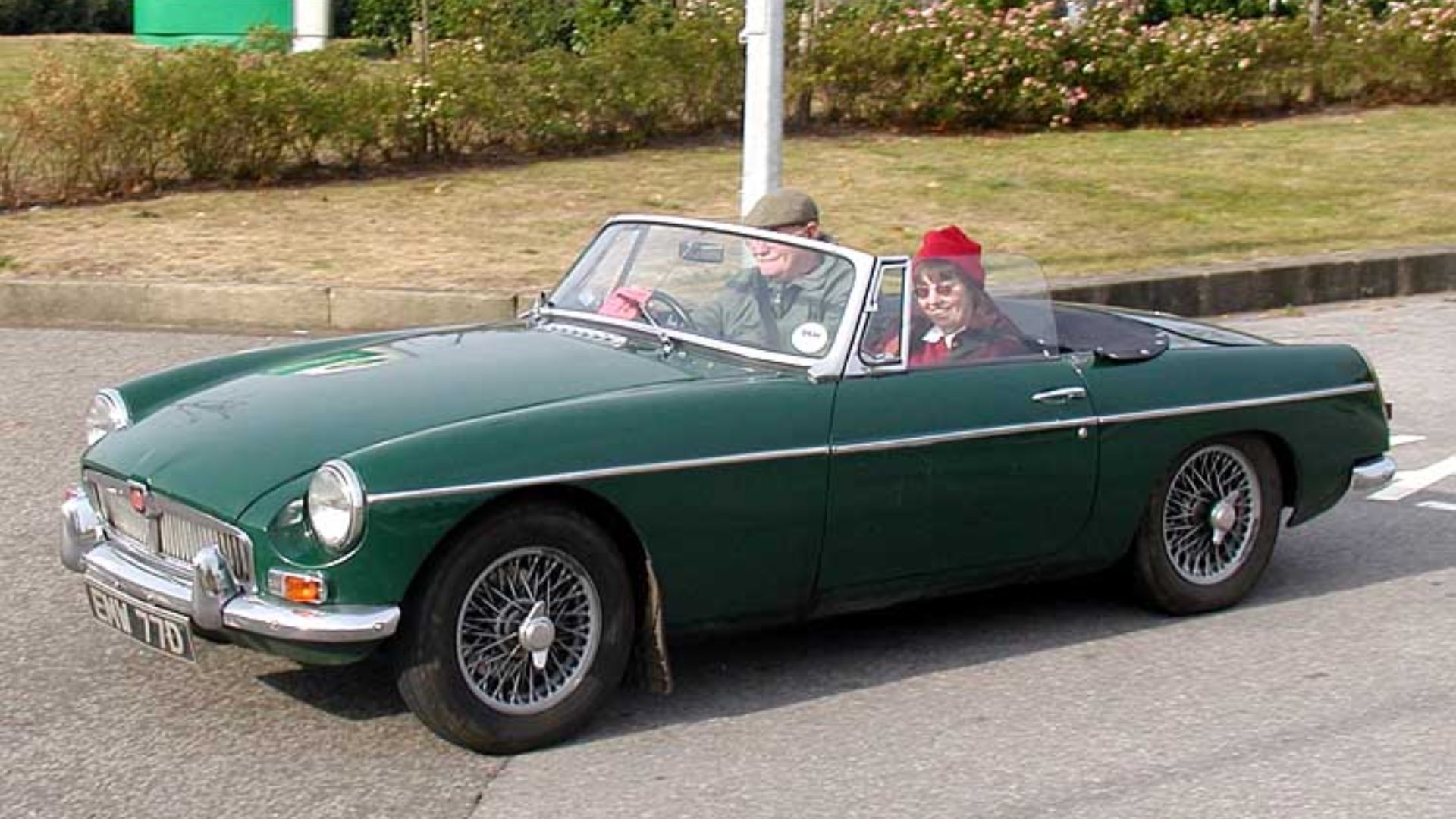 User Arpingstone on en.wikipedia, Wikimedia Commons
Triumph Spitfire
The Spitfire delivered traditional British roadster fun in a small and comparatively inexpensive package. Its accessible mechanical layout made it approachable for home mechanics, but low values also encouraged temporary repairs and prolonged neglect. Usable cars remain available, although solid bodies and well-maintained mechanical systems are no longer something buyers can assume.
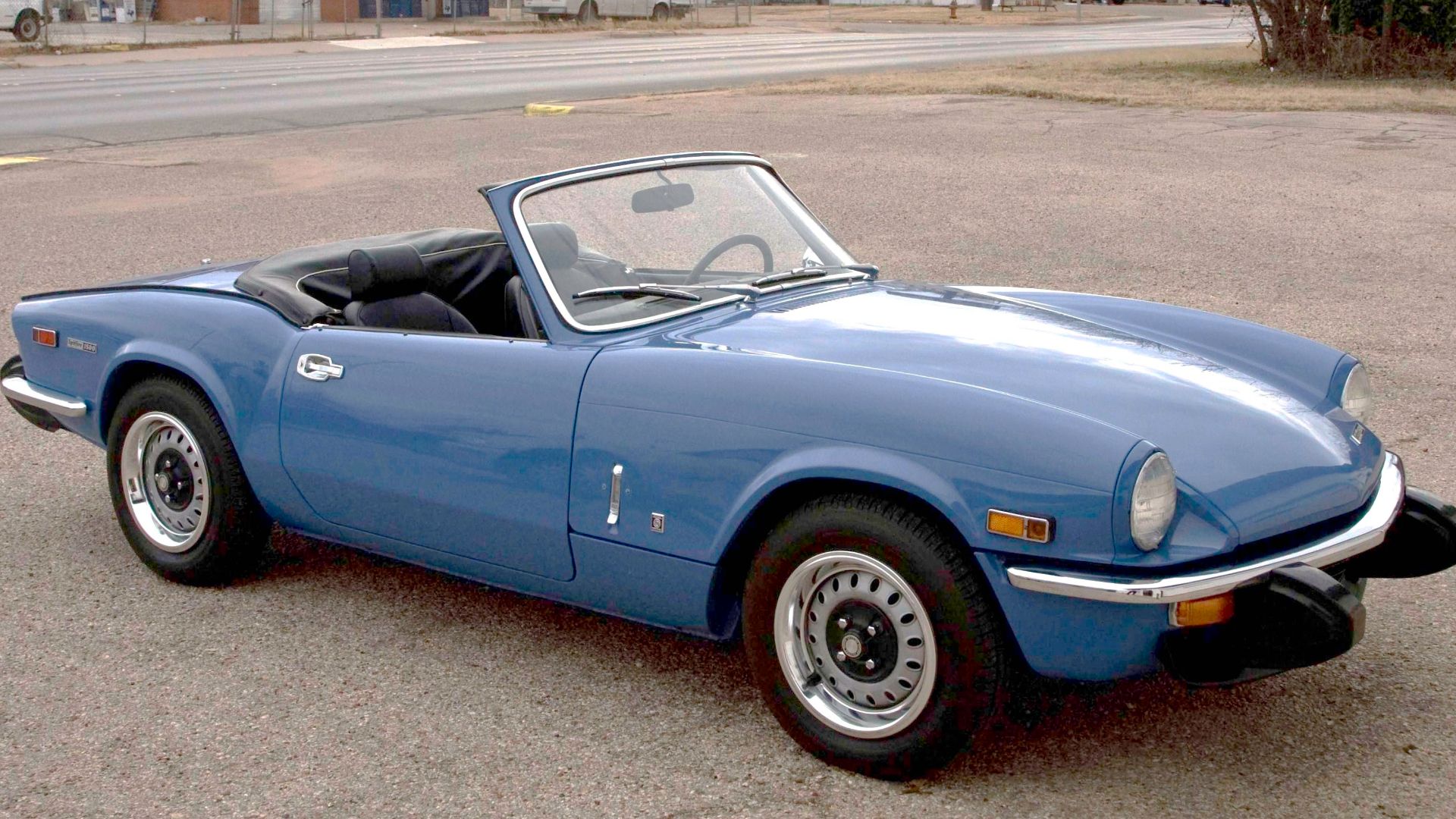 Hunttriumph1500, Wikimedia Commons
Fiat 124 Spider
Pininfarina styling and a lively twin-cam engine gave the Fiat 124 Spider considerably more character than its affordable used prices once implied. Fiat sold the model in North America for years, with Pininfarina continuing production after Fiat’s withdrawal from the American market. Rust and inconsistent maintenance eliminated many cars before collectors began taking the Spider seriously.
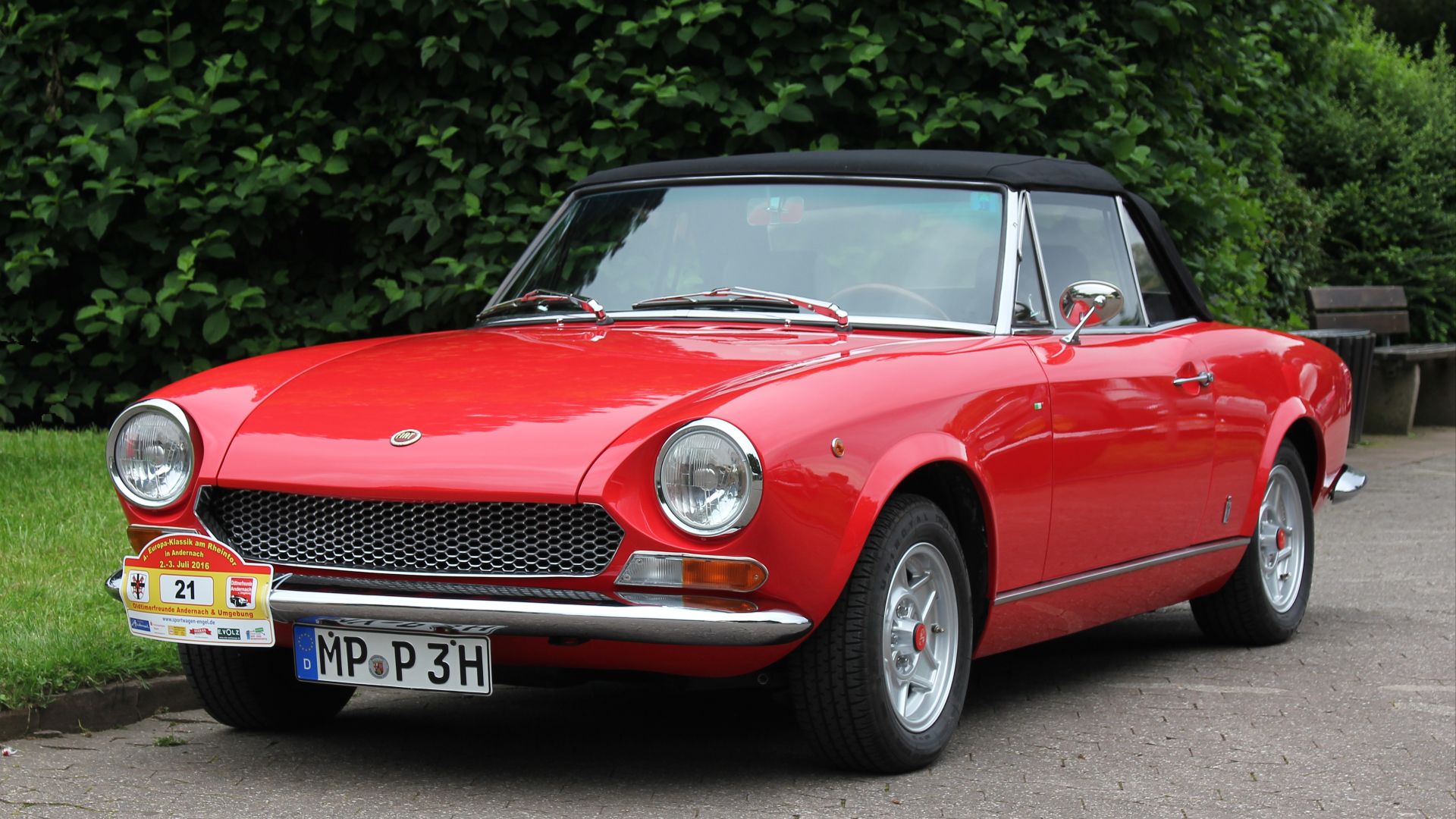 Lothar Spurzem, Wikimedia Commons
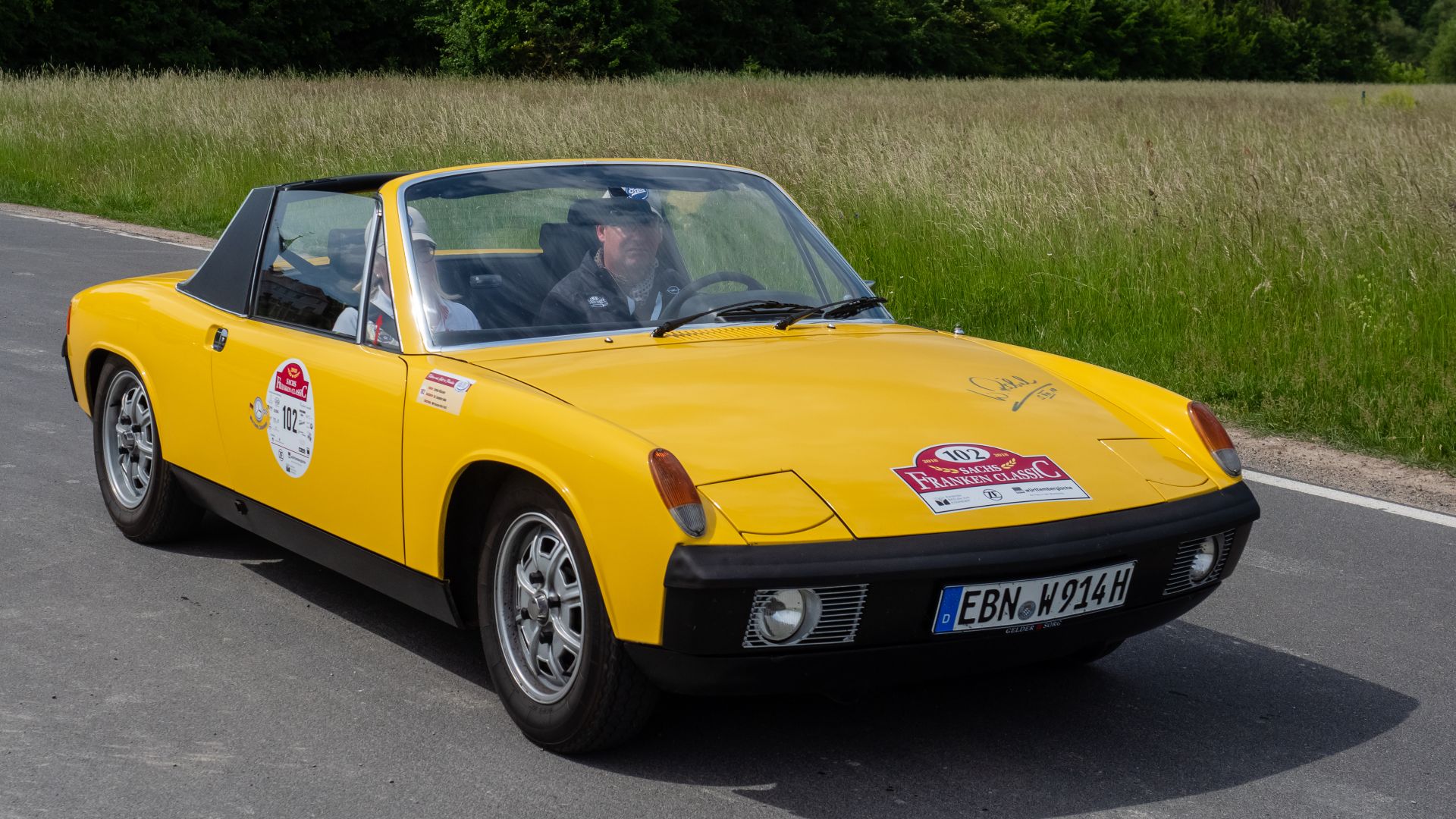
Porsche 914
Porsche developed the mid-engine 914 with Volkswagen and introduced it as a lower-priced sports car. For a long period, it lived in the shadow of the 911 and was among the cheapest routes into Porsche ownership. Collector interest in air-cooled Porsches has since expanded, making solid 914s harder to dismiss or buy casually.
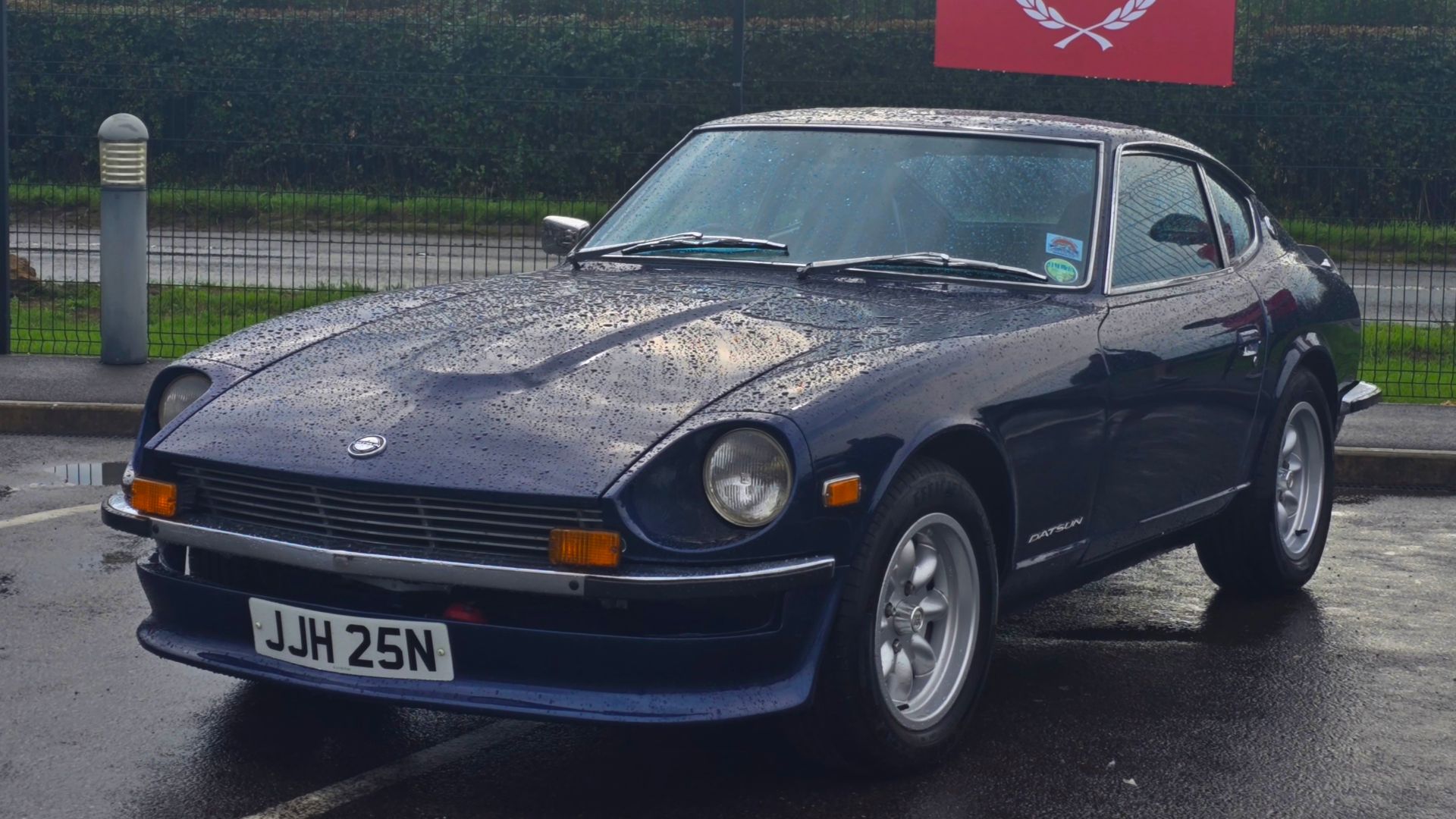
Datsun 240Z
The Datsun 240Z combined appealing styling, strong performance, and everyday usability at a price that challenged established European sports cars. Used examples were later inexpensive enough to become race cars, modification platforms, and first restoration projects. Early, largely original Z-cars are now firmly established collectibles, especially when corrosion and previous alterations are minimal.
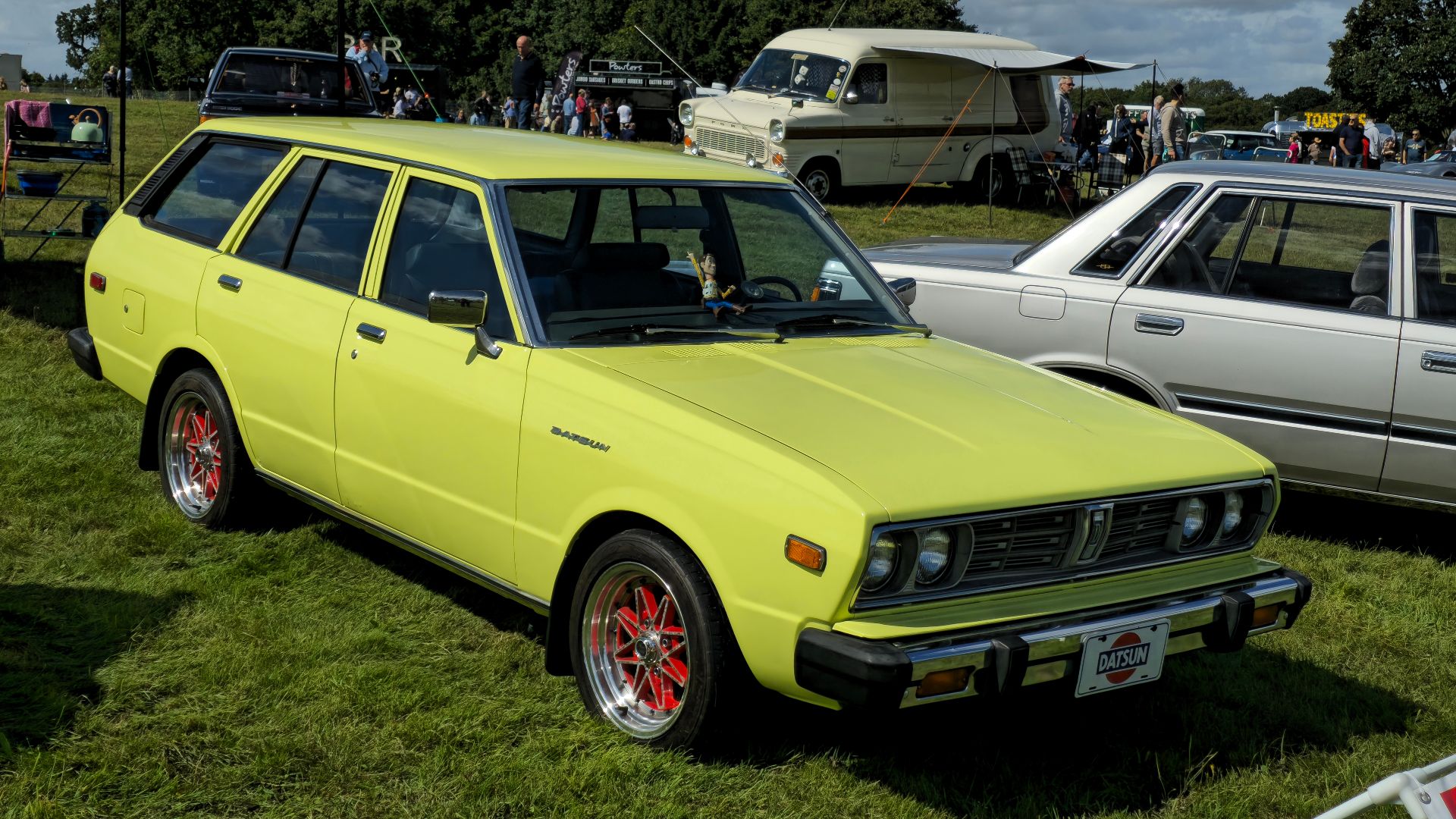
Datsun 510
Datsun’s 510 earned an enthusiastic following through its compact dimensions, independent rear suspension, capable engine, and competition success. It remained cheap enough for club racing and engine swaps long after its original showroom career ended. Those same qualities consumed or transformed many cars, making an unmodified two-door sedan particularly desirable today.
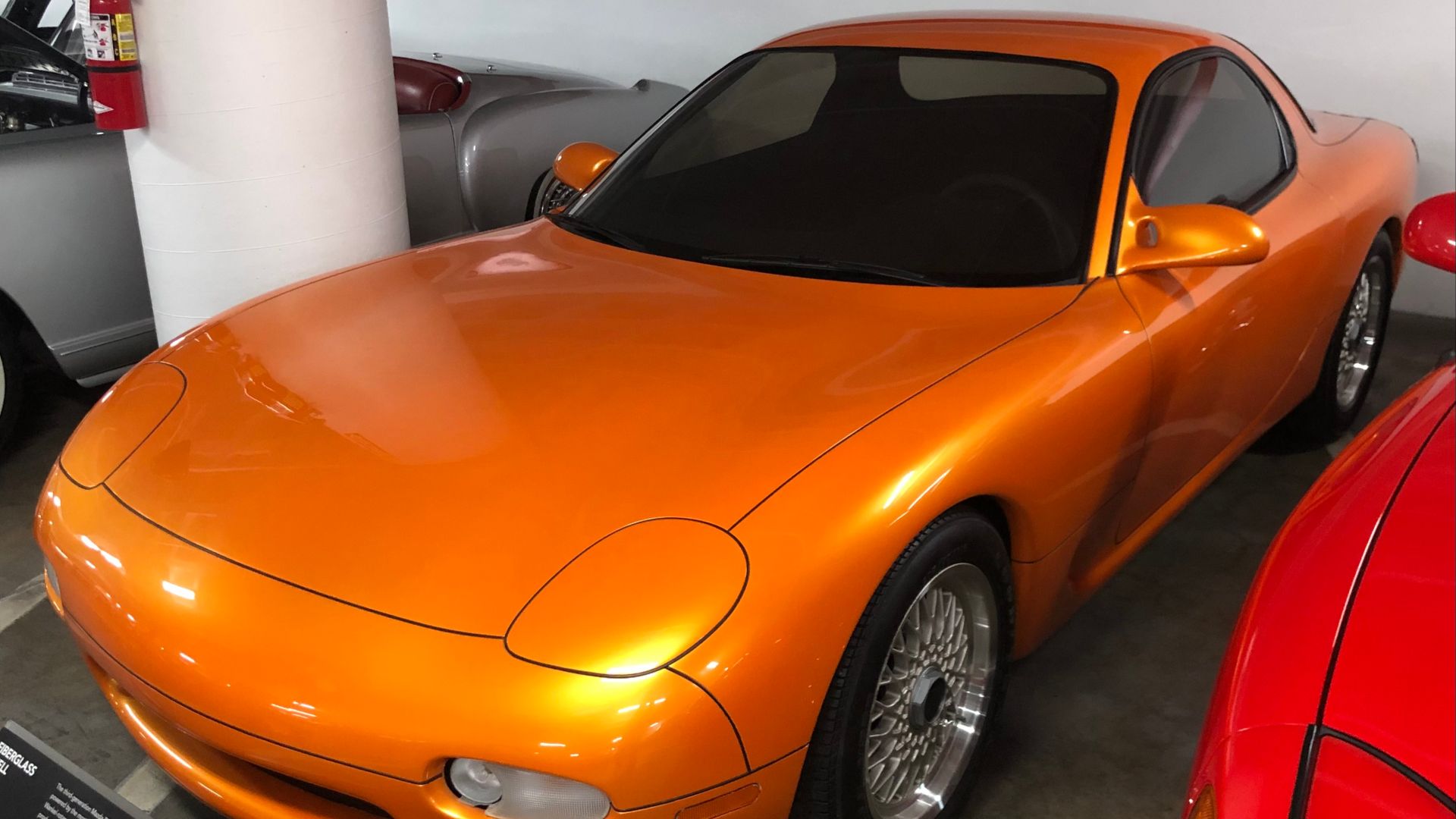
First-Generation Mazda RX-7
Mazda introduced the RX-7 for 1979 with a rotary engine mounted behind the front axle, giving the car balanced handling and a low hood. Strong sales once made the first generation a familiar sight among affordable sports cars. Rust, engine neglect, and decades of enthusiast modification have sharply reduced the supply of well-kept originals.
Toyota Celica
Early Celicas gave buyers sporty styling and dependable four-cylinder power without requiring an exotic-car budget. Their popularity also meant most were driven as ordinary transportation rather than stored as future collectibles. First-generation coupes and liftbacks now command the strongest interest, while complete, rust-free cars can be surprisingly difficult to uncover.
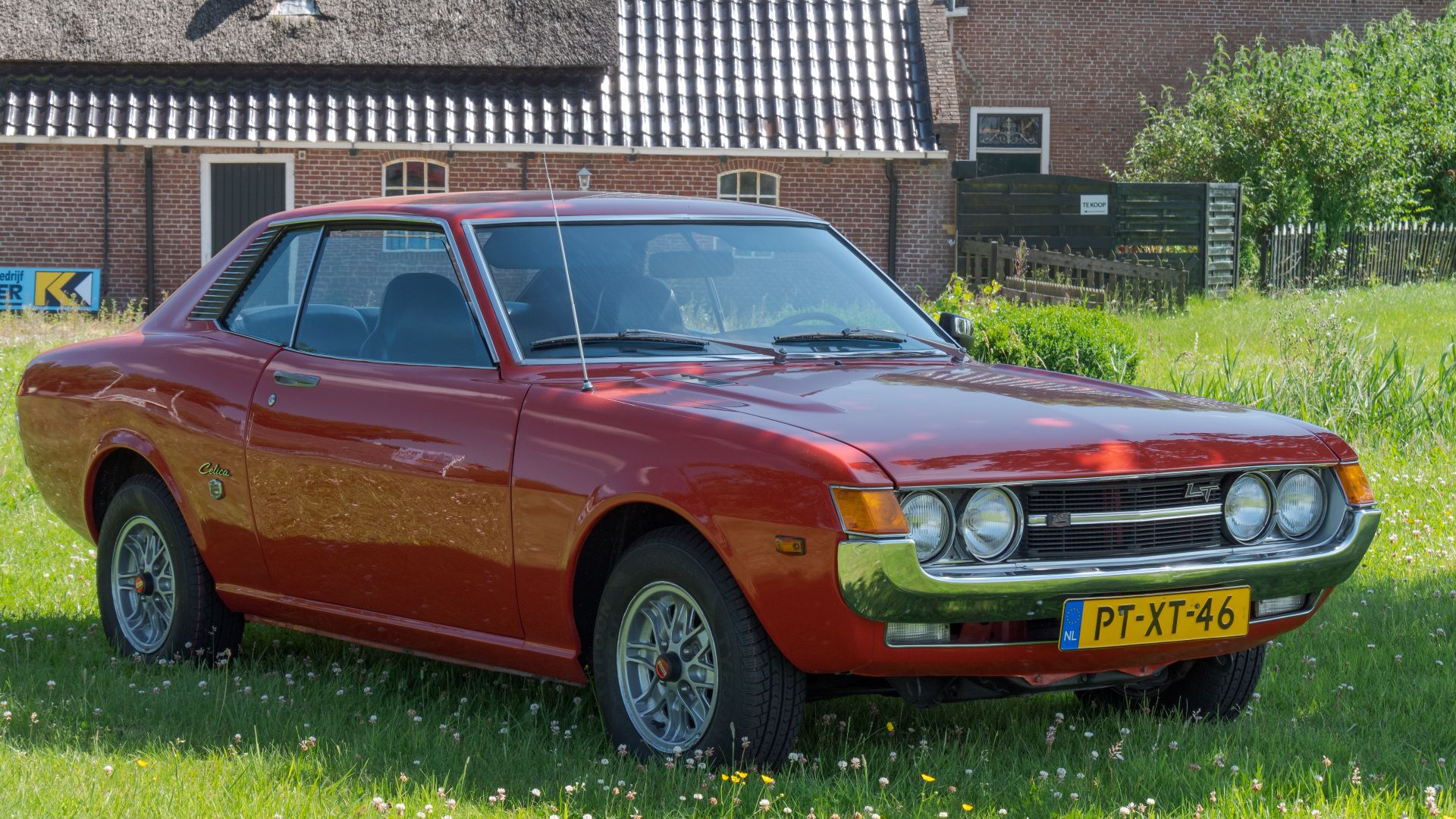 JoachimKohler-HB, Wikimedia Commons
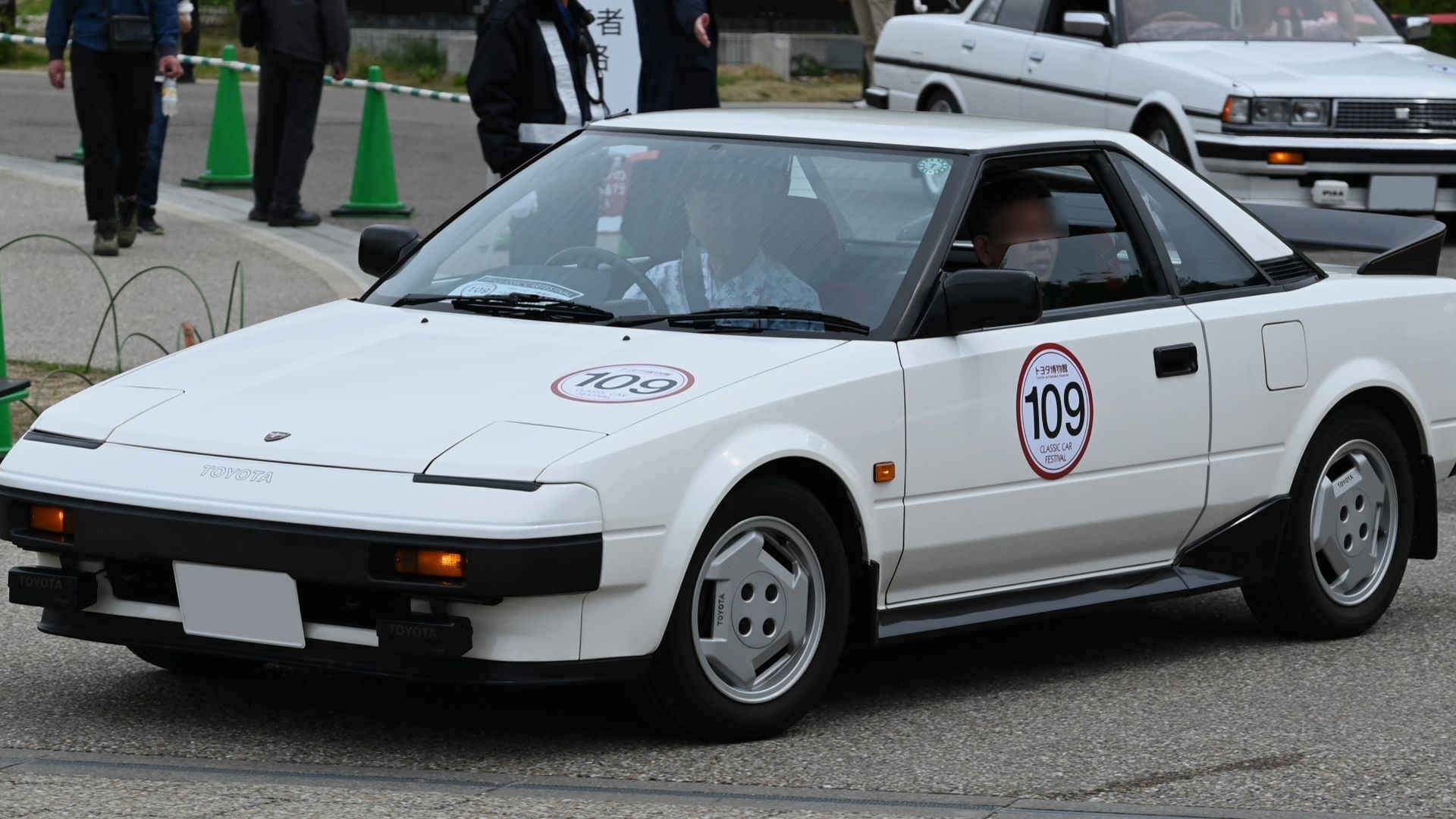
Toyota MR2
Toyota brought mass-market reliability to the mid-engine sports-car layout when the first MR2 arrived in the 1980s. Both the angular first generation and more powerful second generation spent years within reach of young enthusiasts. Accidents, rust, mechanical neglect, and extensive modifications have made carefully preserved examples progressively scarcer.
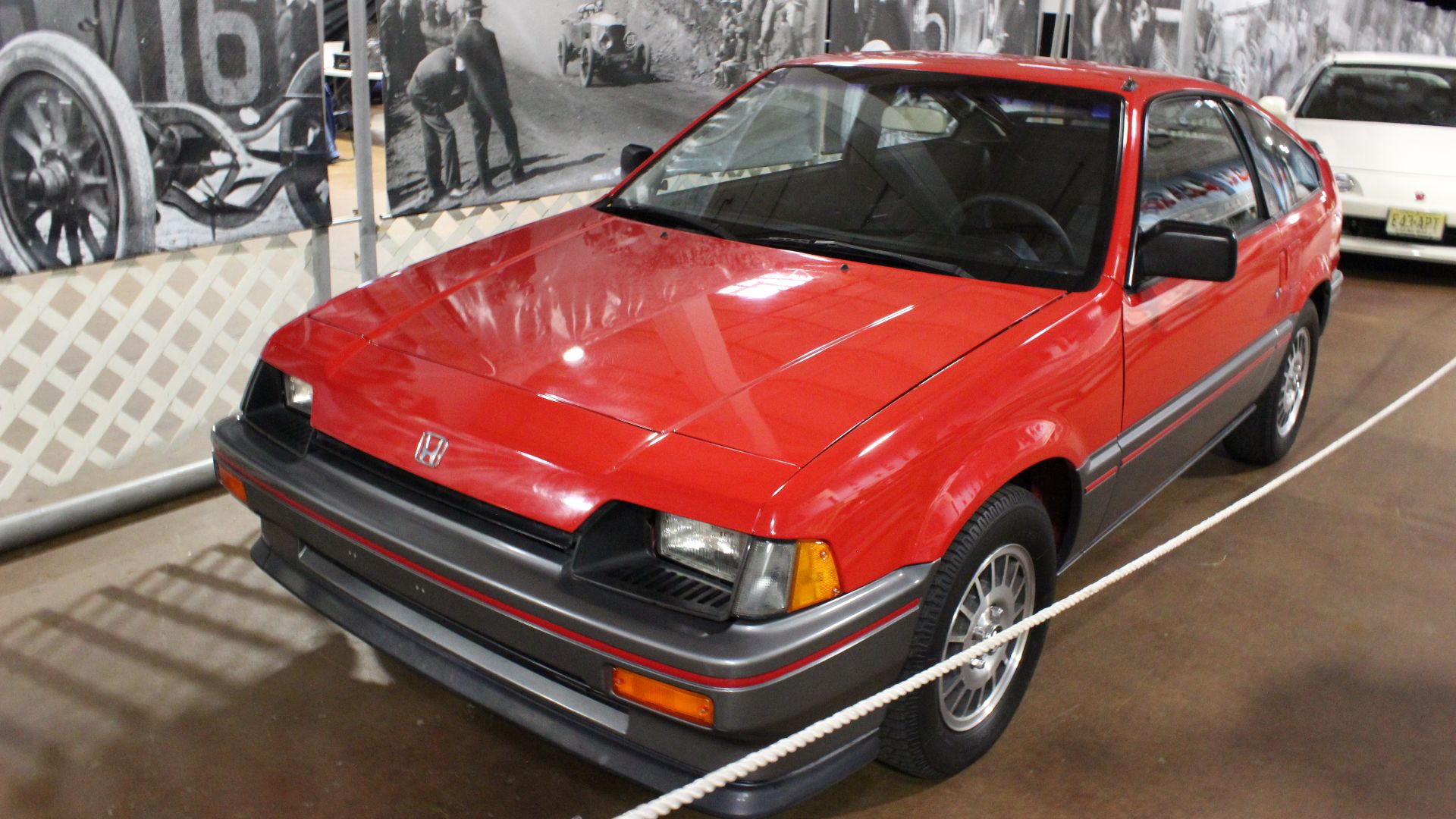
Honda CRX
The CRX combined low weight, excellent fuel economy, and entertaining handling in a compact two-seat hatchback. Honda sold it as practical, inexpensive transportation, and few owners regarded an ordinary CRX as something requiring long-term preservation. Unmodified cars are now elusive because engine swaps, theft, corrosion, and everyday use claimed much of the original population.
 ilikewaffles11, Wikimedia Commons
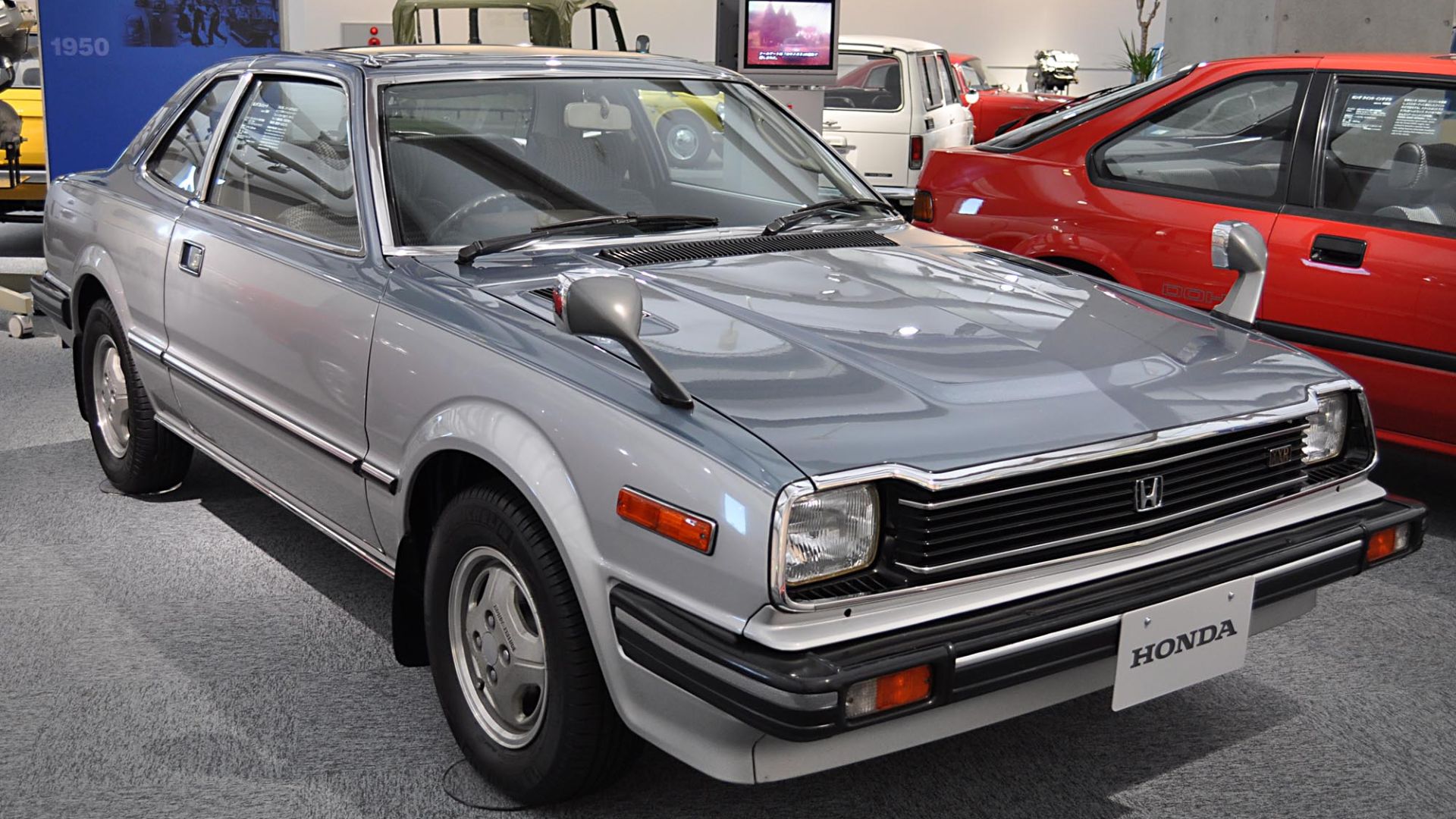
Honda Prelude
For several generations, the Prelude served as Honda’s technology-focused personal coupe. Features such as four-wheel steering, high-revving engines, and tidy handling distinguished it from more ordinary compact cars. Coupes later fell out of favor, and many Preludes were modified or worn out before collector interest had time to develop.
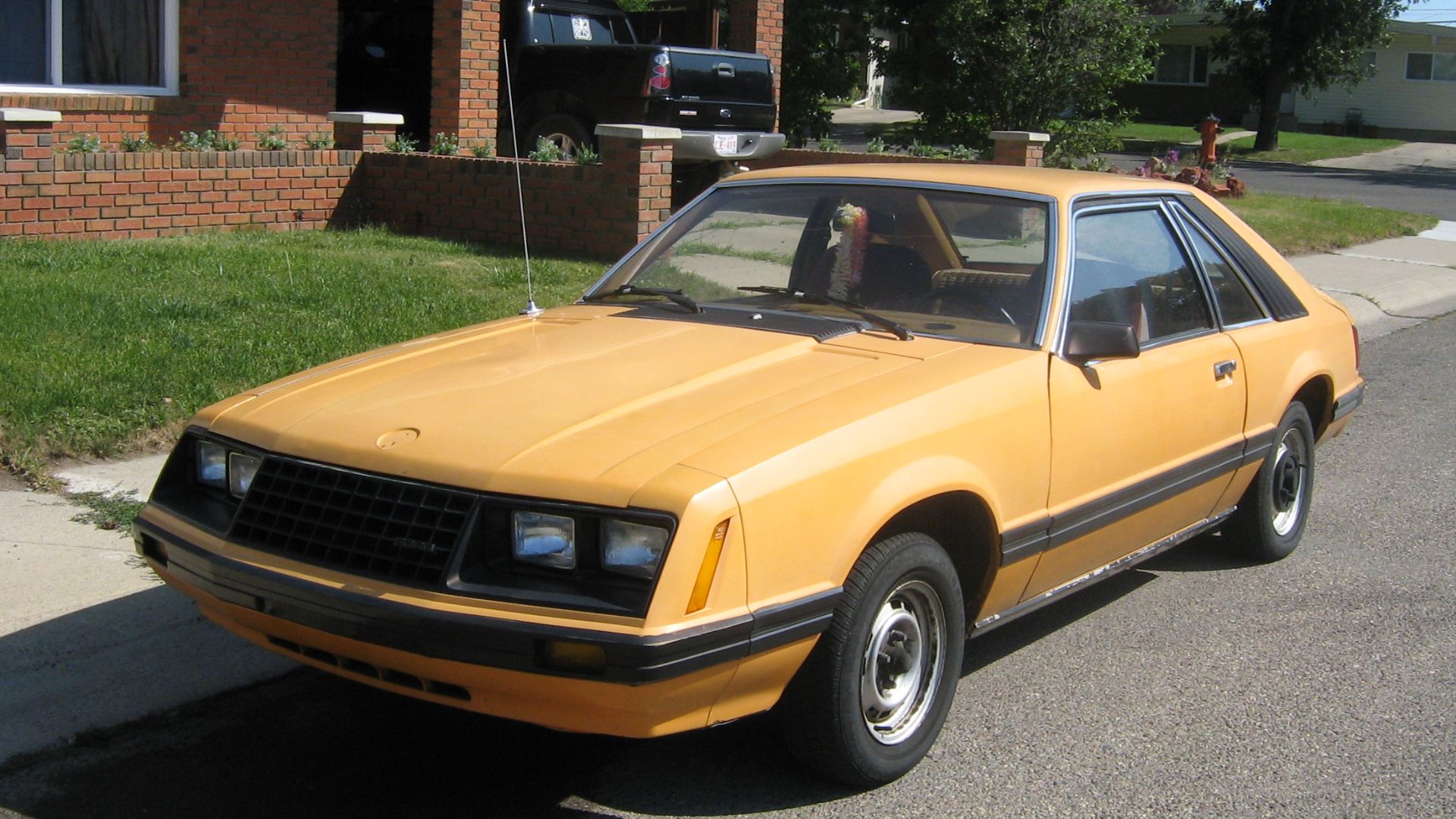
Fox-Body Ford Mustang
Ford built the Fox-platform Mustang from the 1979 through 1993 model years, giving the generation a remarkably long production run. Affordable V8 performance made later 5.0-liter cars favorites for drag racing, street modification, and engine swaps. Stock examples now stand apart because so many Mustangs received aftermarket parts or endured hard use.
 dave_7 from Lethbridge, Canada, Wikimedia Commons
Chevrolet C10
Older Chevrolet pickups once survived as work trucks long after comparable passenger cars had disappeared. Square-body models built from the 1970s into the 1980s were especially common and could be purchased cheaply in almost any condition. Their simple styling and huge customization potential have transformed clean short-bed trucks into prized collectibles.
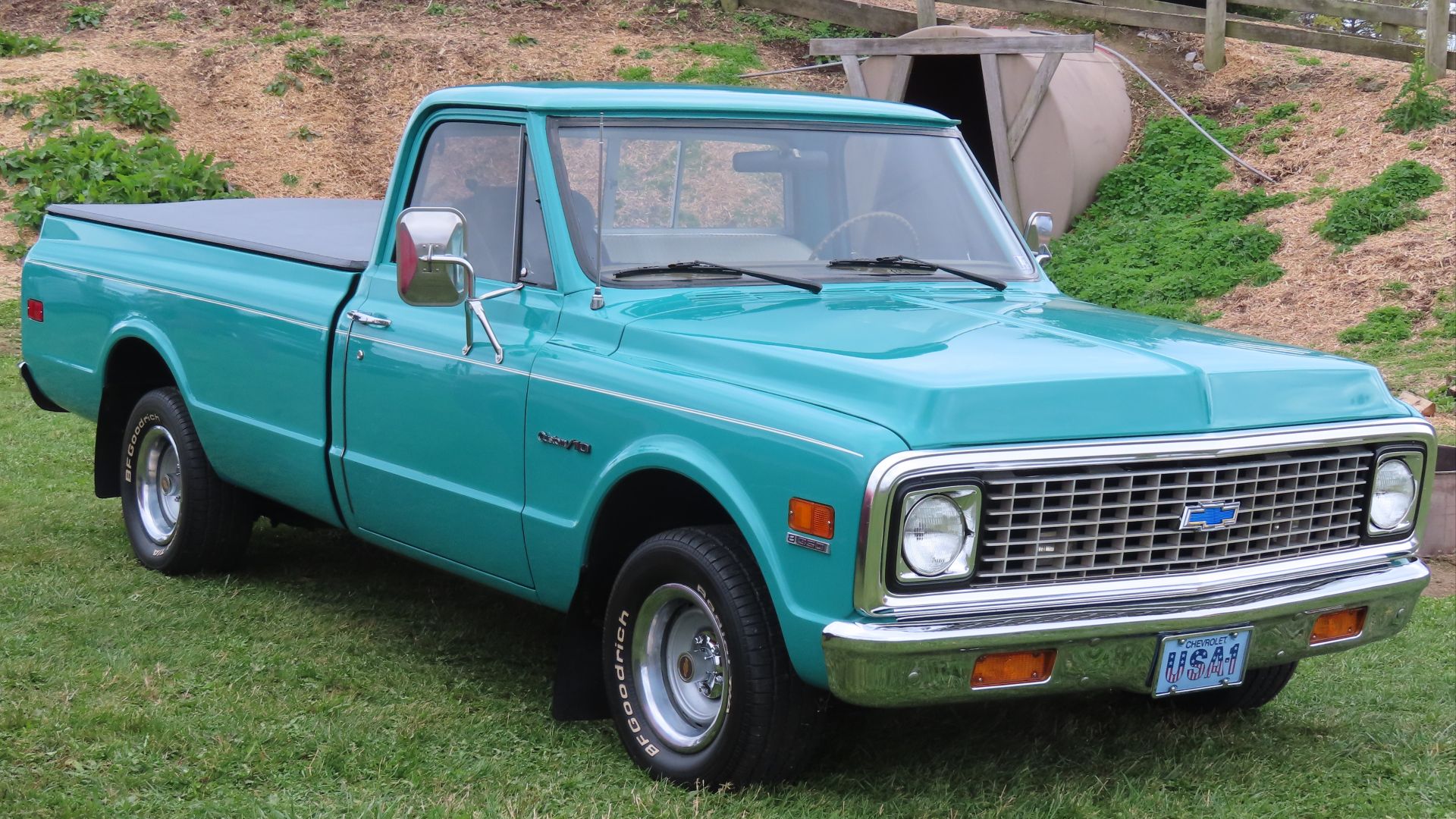 MercurySable99, Wikimedia Commons
Jeep Grand Wagoneer
The Grand Wagoneer spent years as a comfortable but thirsty used SUV that could be bought for a small fraction of its original price. Its woodgrain exterior, roomy cabin, and long production history later gave it powerful nostalgic appeal. Corrosion, fuel costs, and demanding restoration work mean properly preserved examples are now far less common than neglected projects.
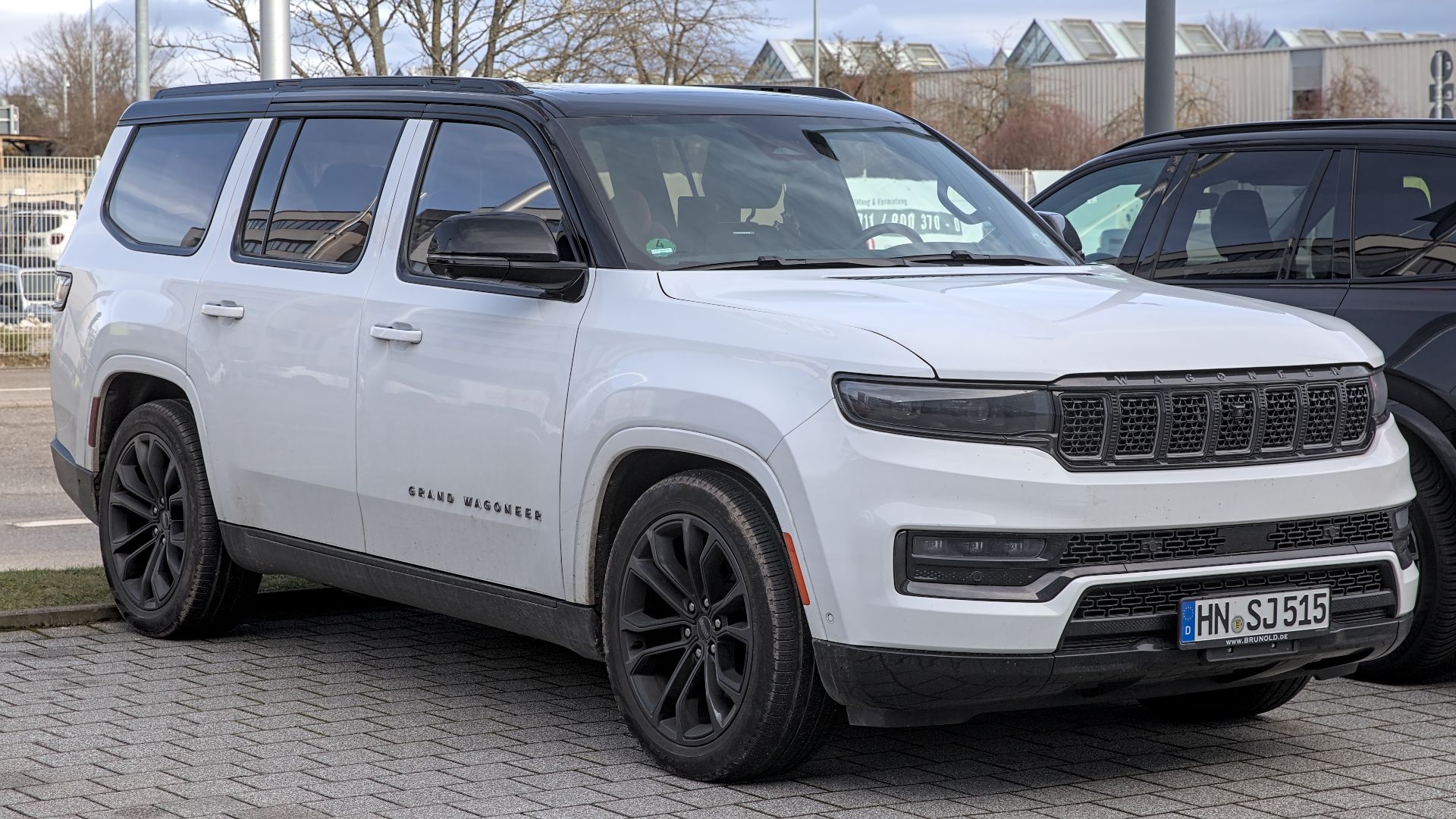 Alexander-93, Wikimedia Commons
Ford Bronco
The original Bronco began as a compact utility vehicle rather than the luxury-oriented collectible it has become. For decades, old Broncos served as hunting rigs, beach vehicles, plow trucks, and off-road projects. Heavy use and extensive modification reduced the supply of original bodies just as demand for early SUVs accelerated.
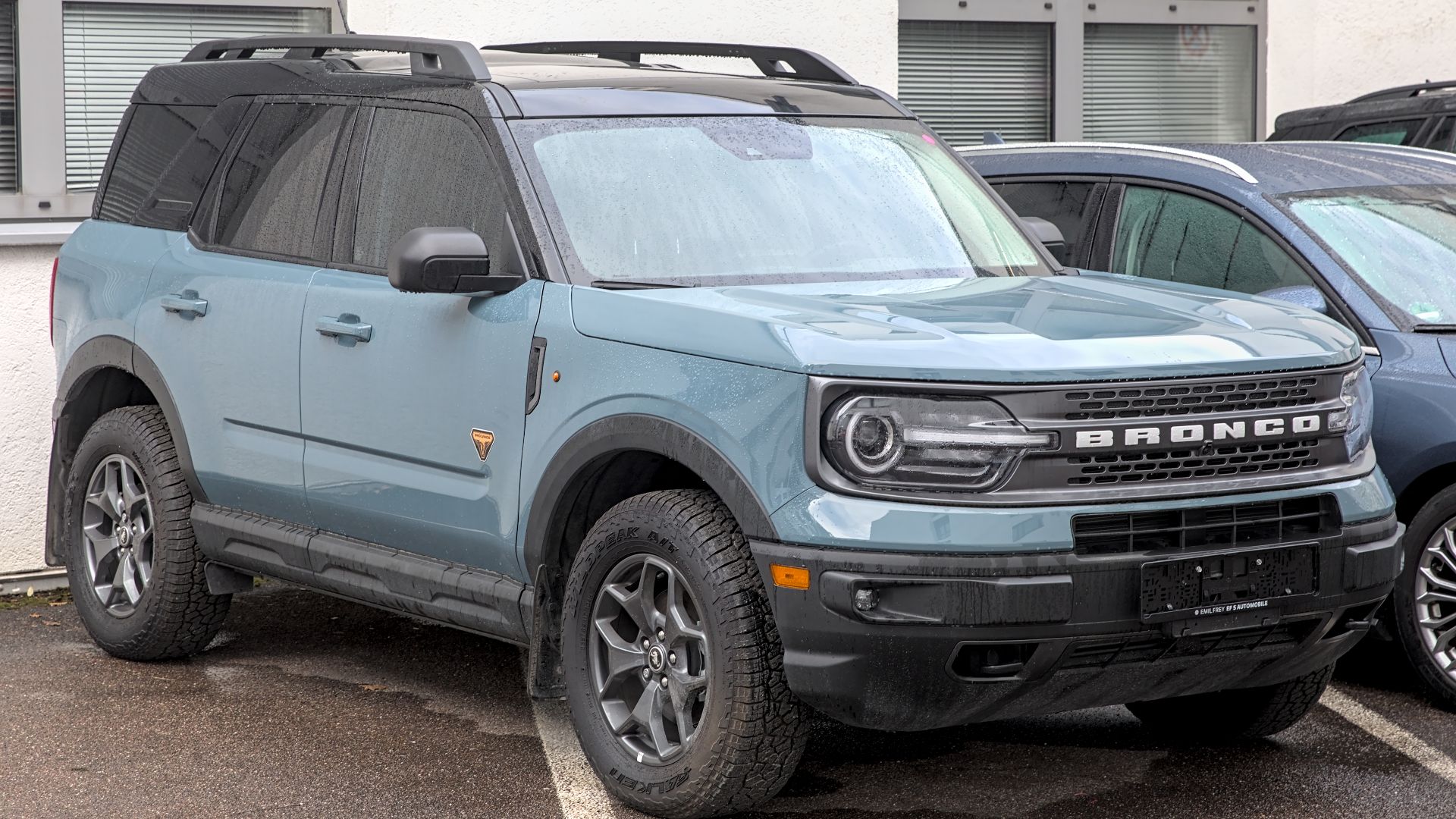 Alexander Migl, Wikimedia Commons
The Ordinary Cars Were Never Truly Ordinary
The common thread is not simply rising prices, because rarity can develop even while some versions remain relatively affordable. Cars disappear when low values make major repairs uneconomical, while modifications and harsh use steadily reduce the number of authentic survivors. Anyone who remembers these models on every street is now watching yesterday’s ordinary traffic become tomorrow’s automotive history.
You May Also Like:
Cars That Looked Ordinary But Became Secret Cult Favorites
The Most Overengineered Cars Ever Sold
Sources: 1, 2, 3, 4, 5, 6, 7, 8, 9, 10, 11, 12, 13, 14, 15, 16, 17, 18, 19
.jpg)