
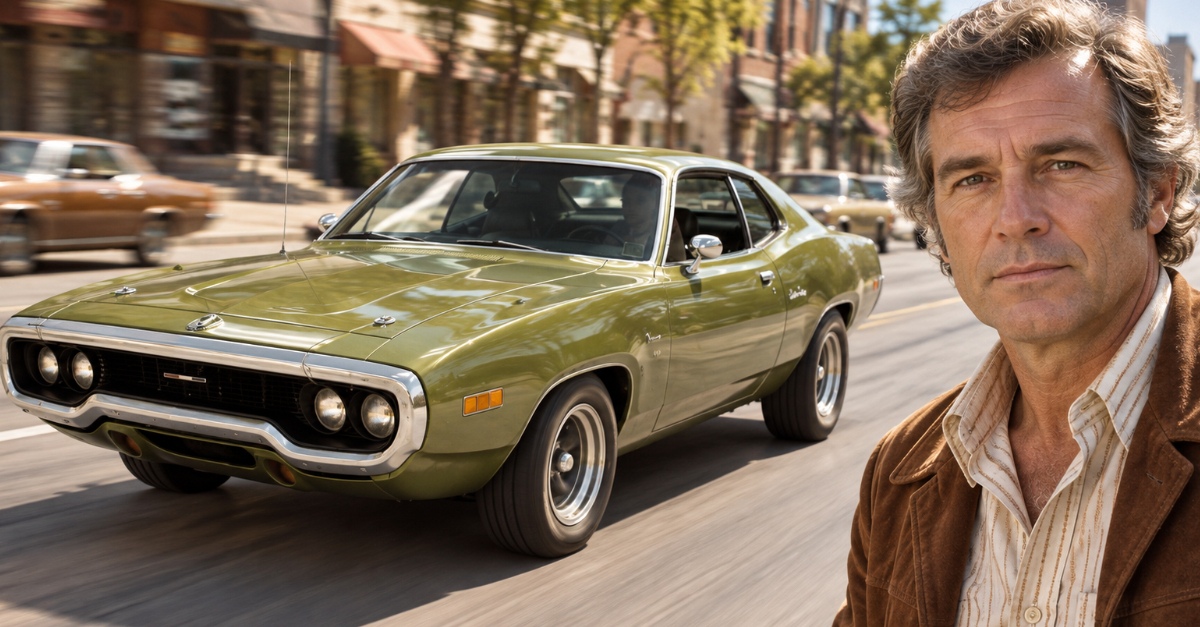
You Know The Car. What’s It Called?
You’ve seen them in person or, if not, you recognize them from old movies, vintage ads, and photos from car shows. One look and you know you know the car—but could you actually name the car without looking at the badge? Let’s see how many come back to you.
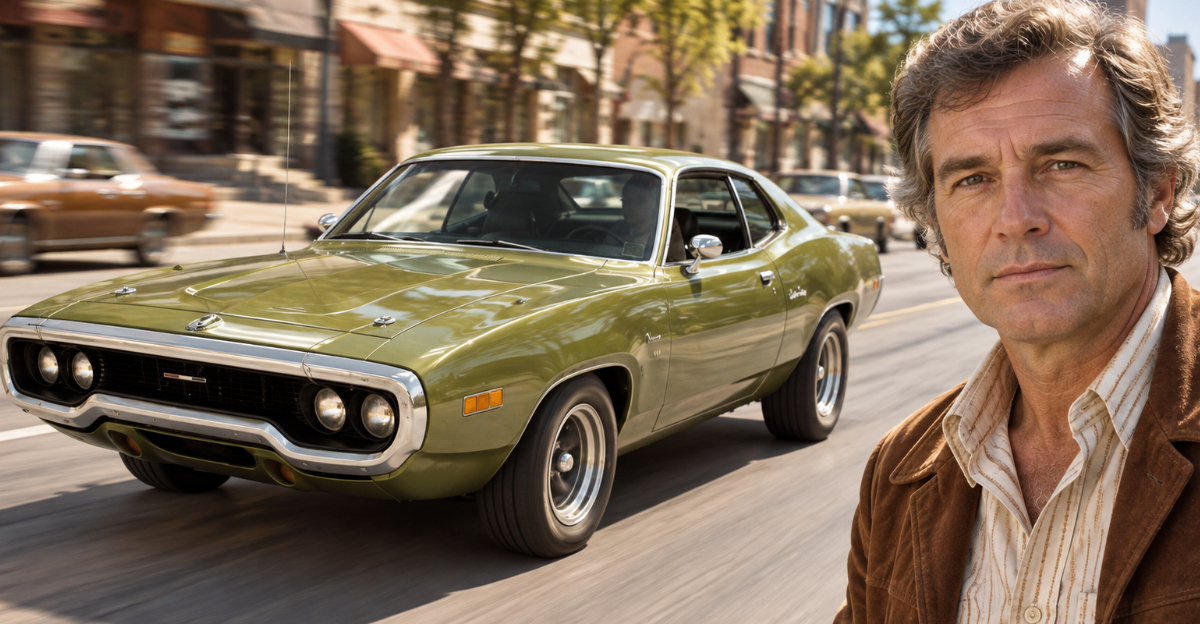
1971 Buick Riviera
That pointed, boat-shaped rear end gives this Buick away, even if the badge is nowhere in sight. The “boattail” Riviera was enormous, with a long hood and a shape unlike anything else in the showroom. It’s probably easier to remember the nickname than the model year.
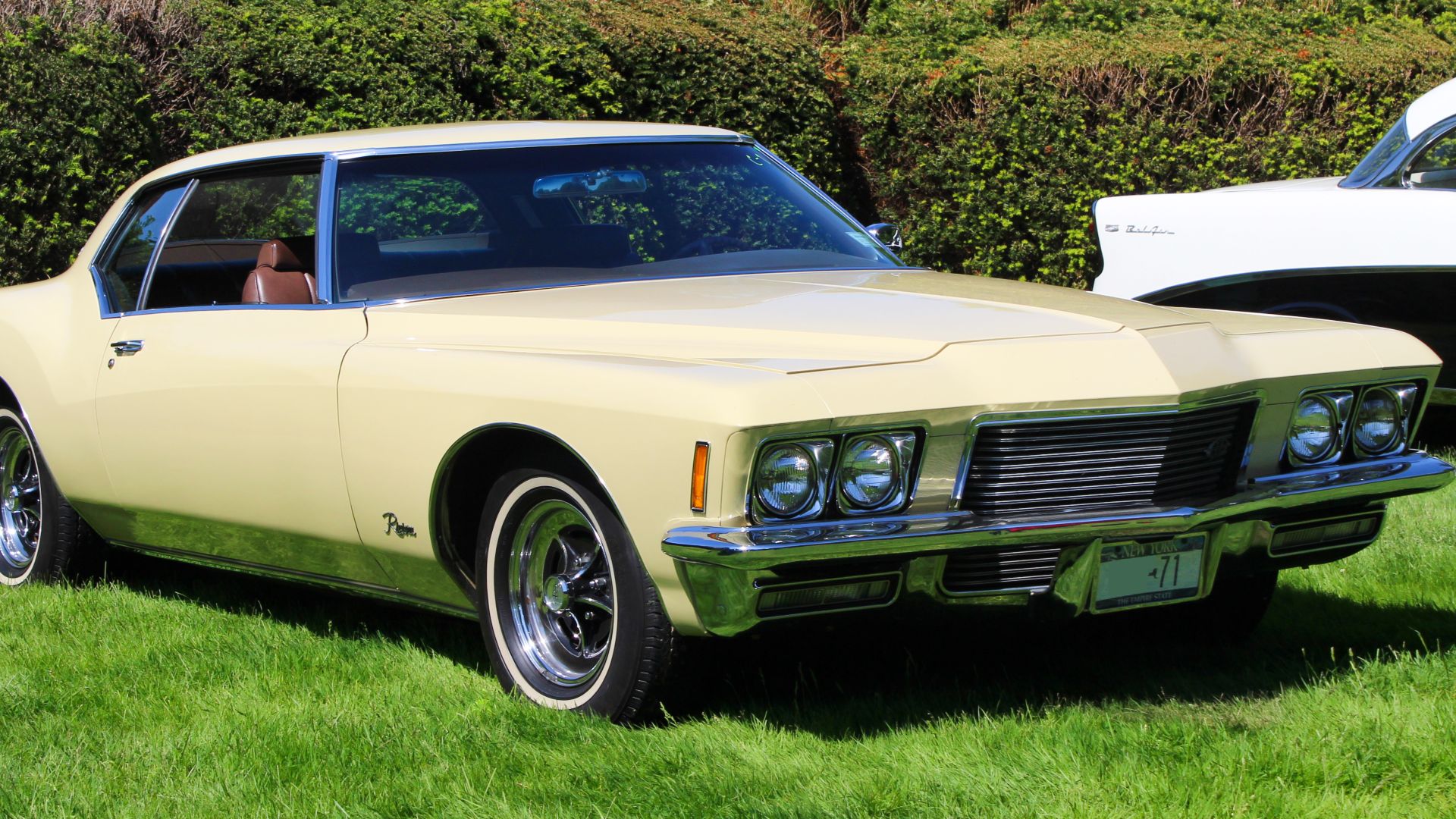
1967 Mercury Cougar
Mercury took the basic idea of the Mustang and gave it a more dressed-up look. The Cougar’s hidden headlights and full-width grille made the front especially memorable. If one passed you on the street in the late 60s, you’d know it was something special, even if you called it the wrong Ford.
 Greg Gjerdingen, Wikimedia Commons
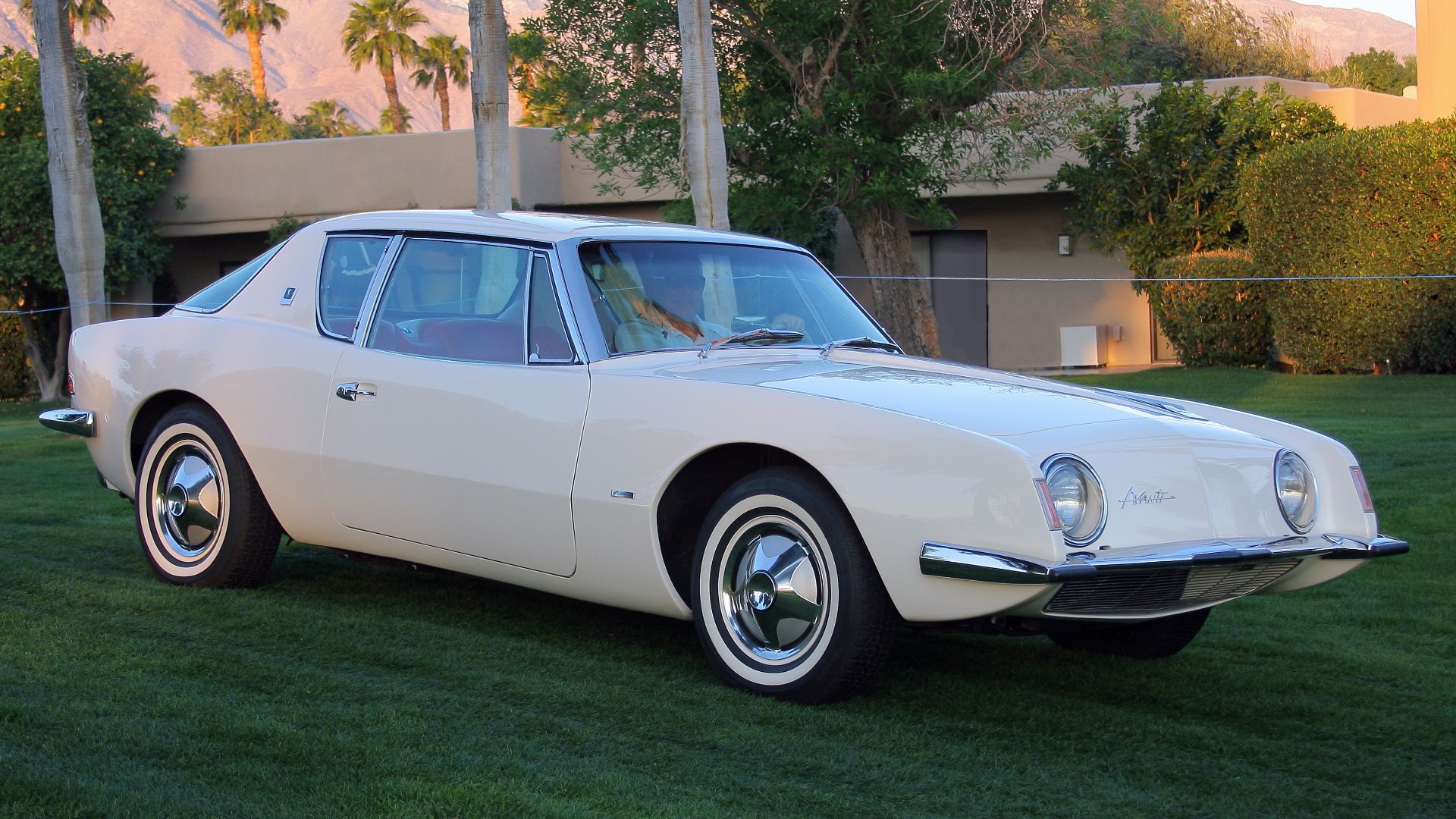
1963 Studebaker Avanti
The Avanti still looks unusual. There’s barely a grille, hardly any chrome, and a long hood with a shape all its own. Studebaker didn’t survive much longer as a carmaker, but the Avanti design did: other companies continued making versions of it for years afterward.
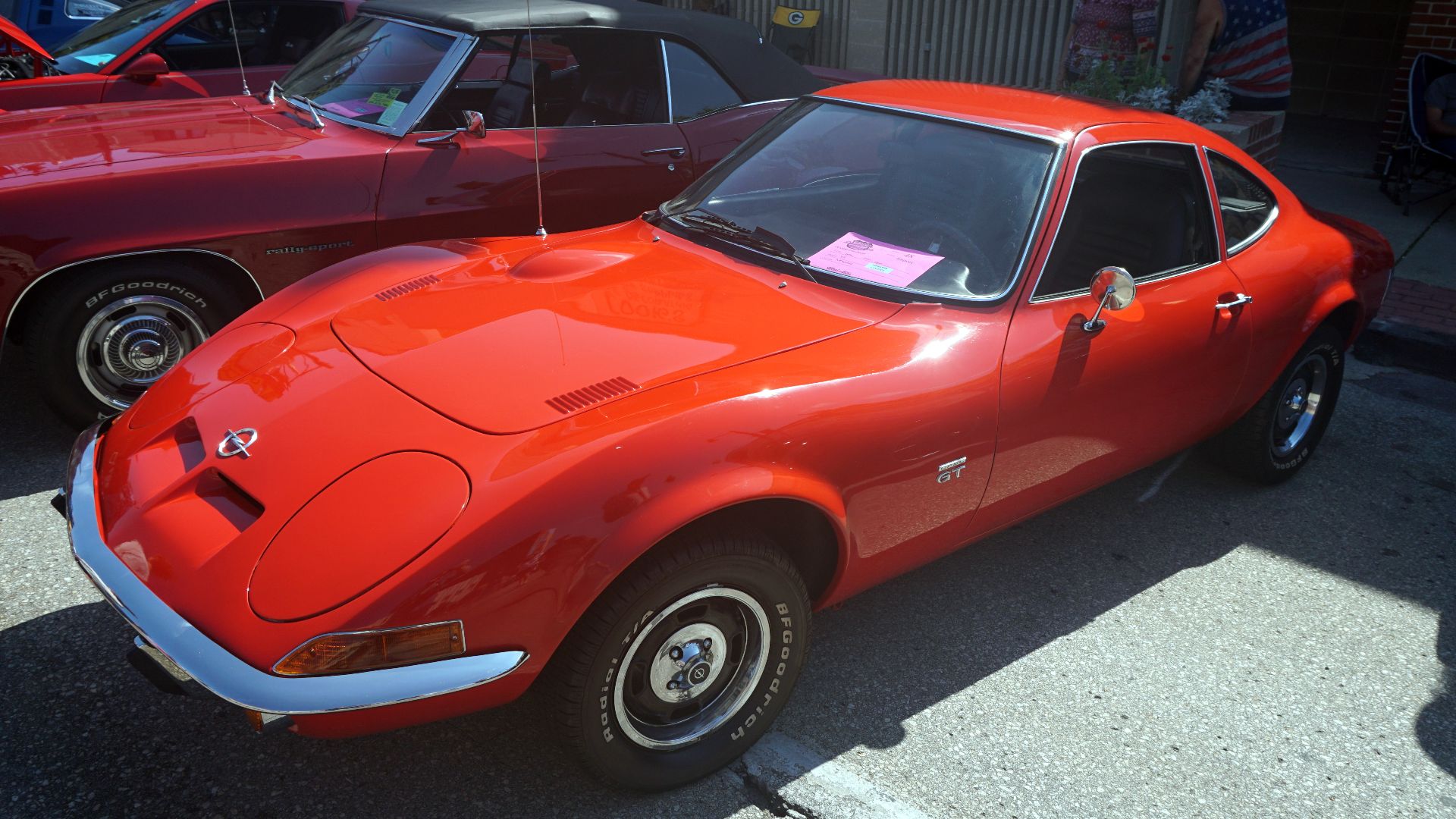
1970 Opel GT
From a distance, you might think someone shrank a Corvette. Get closer and you’ll notice the Opel GT’s own clever trick: headlights that swivel into position. Buick dealers sold the little German coupe in the United States, which makes it a car many Americans had a chance to see.
 Michael Barera, Wikimedia Commons
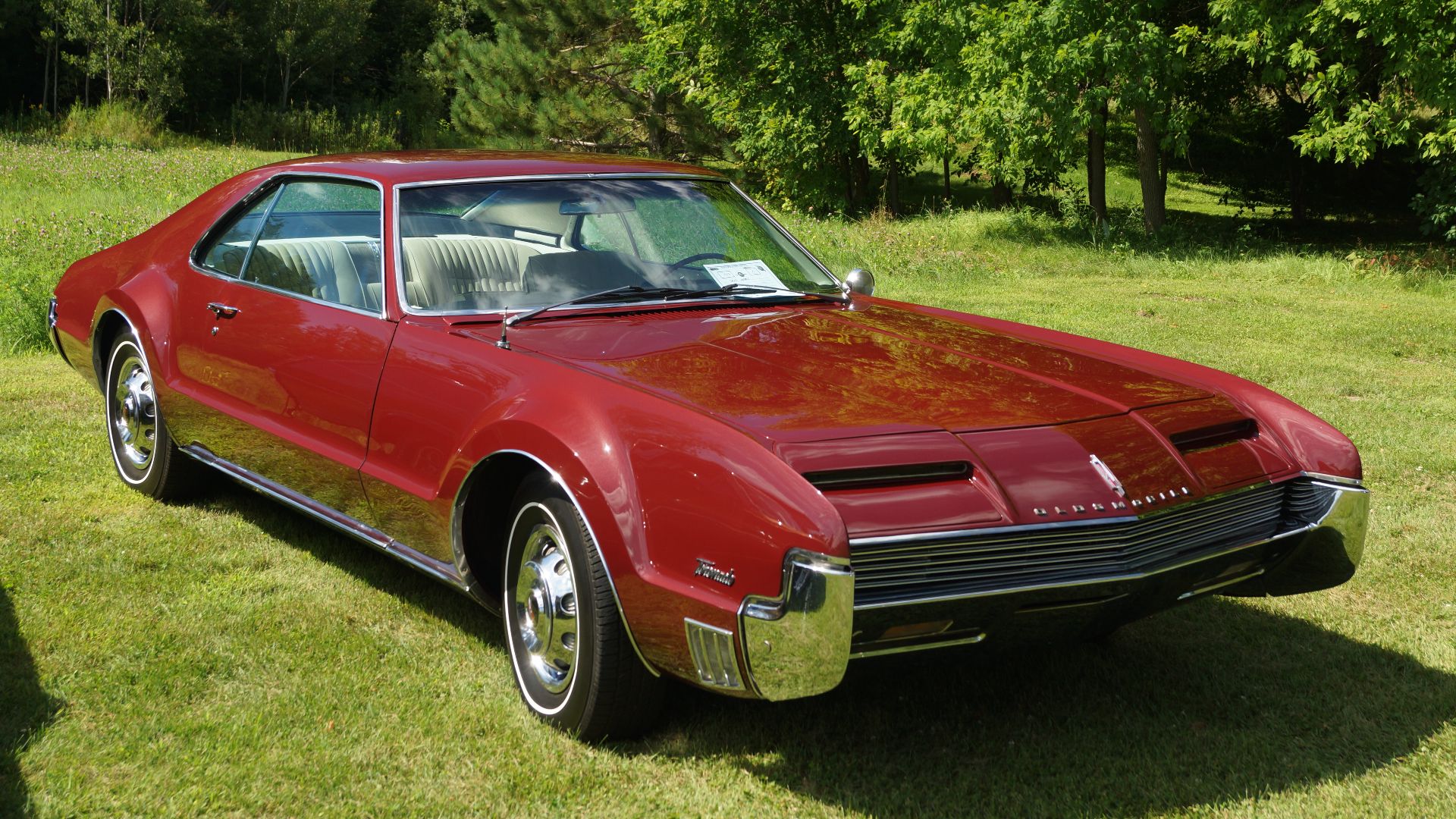
1966 Oldsmobile Toronado
The Toronado had the size of an American luxury car and a front end that looked ready to charge down the highway. Underneath, it held a surprise: this big V8 coupe drove its front wheels. Oldsmobile gave it the engineering to be interesting and the styling to make people look.
 Greg Gjerdingen from Willmar, USA, Wikimedia Commons
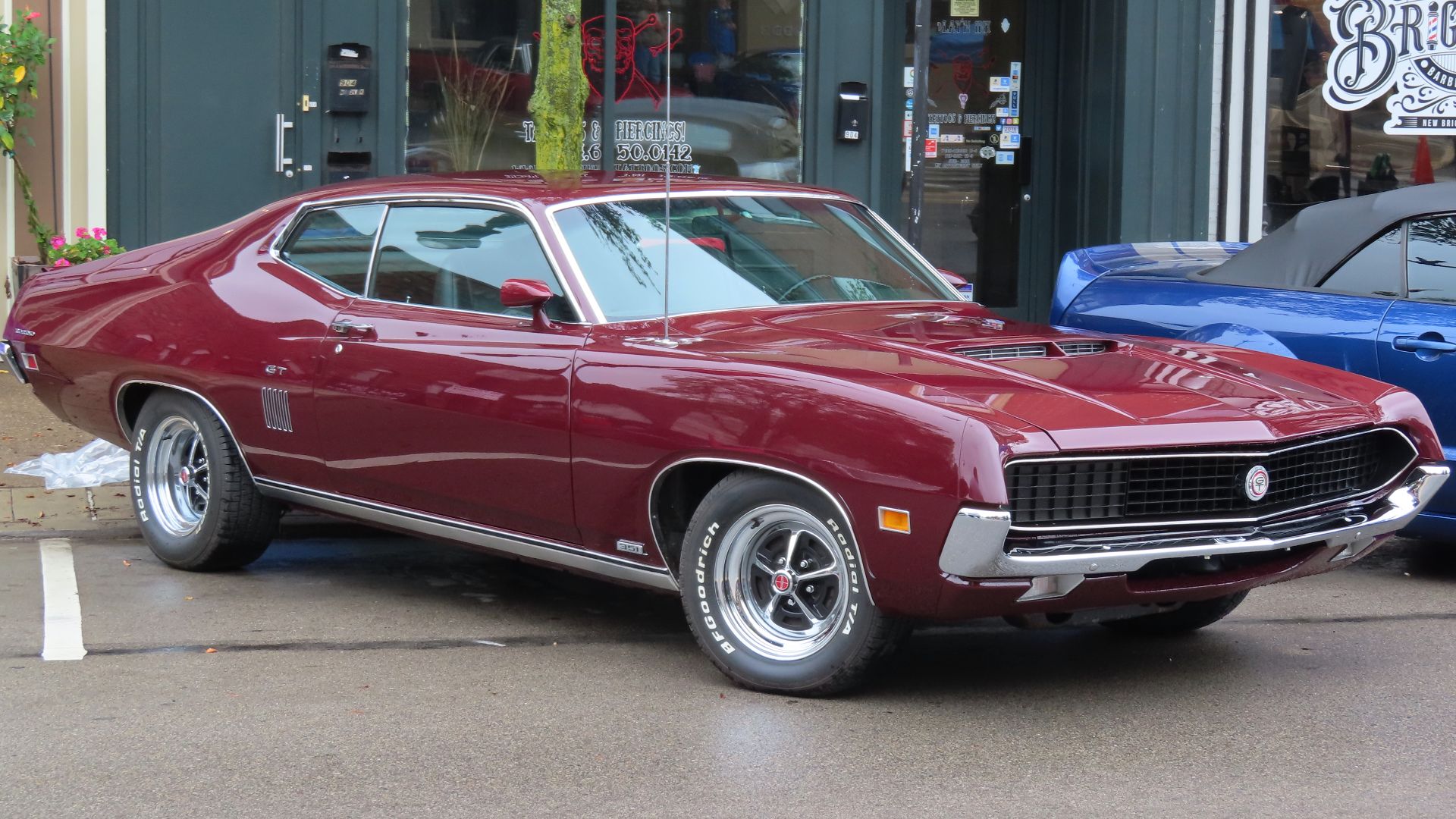
1970 Ford Torino GT
That long fastback roof is pure 70s Ford. The Torino GT SportsRoof looked sporty without being a Mustang, and its size gave it a very different presence on the road. You may remember the shape from old advertisements or street scenes before the name “Torino” comes to mind.
 MercurySable99, Wikimedia Commons
1971 De Tomaso Pantera
Here’s one for the car nerds. The Pantera looked like an Italian exotic because it was one, but the engine was a Ford V8. Selected Lincoln-Mercury dealers sold it in the United States, an arrangement that put this low, dramatic sports car in some unexpectedly ordinary showrooms.
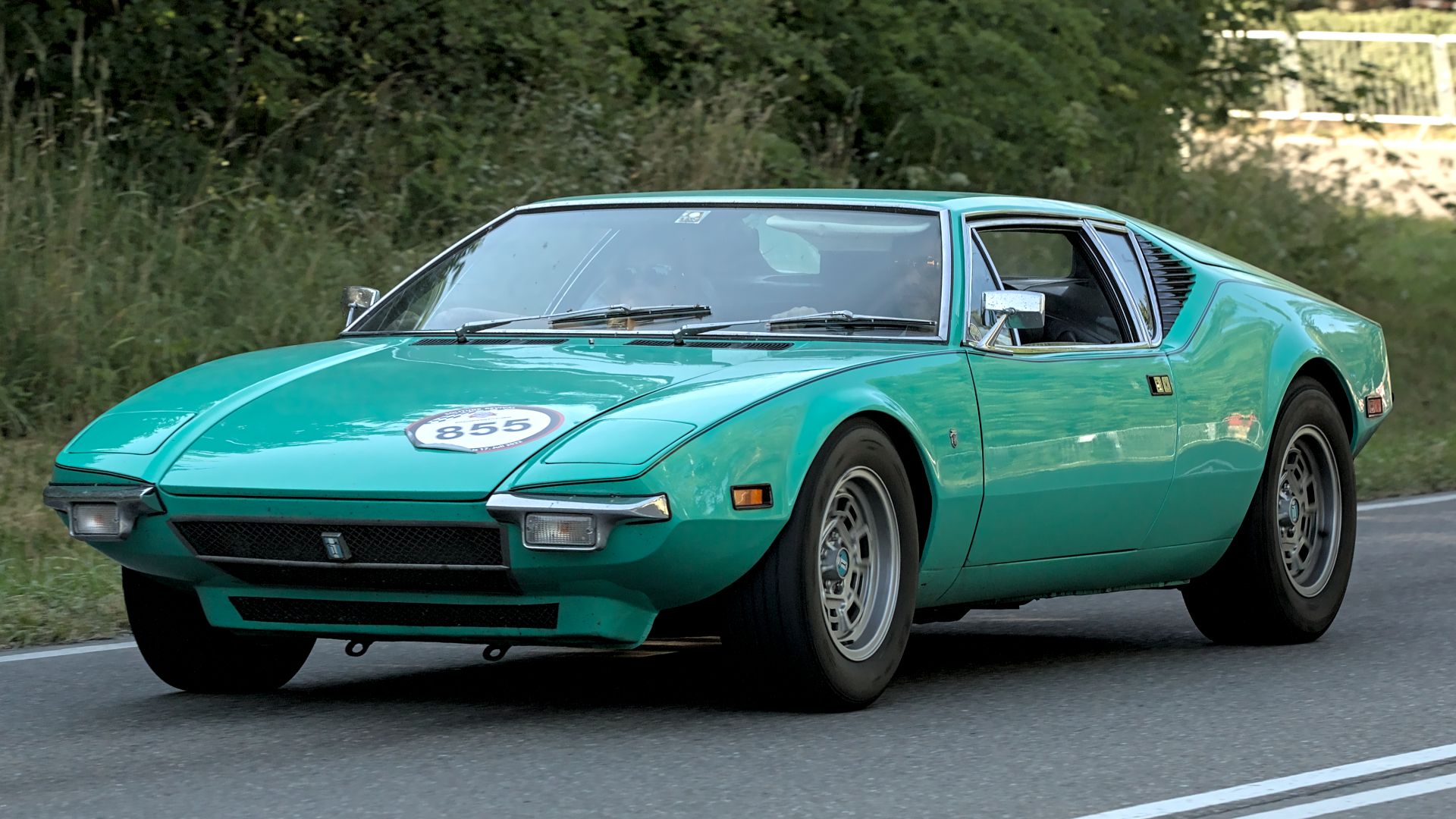 Alexander Migl, Wikimedia Commons
1967 Volvo 1800 S
Roger Moore drove an 1800 S in The Saint, but you didn’t need to watch the show to notice one. Its curved roof, long nose, and tidy proportions made it unlike the boxier Volvos many people remember. It was stylish enough to be a TV star without looking out of place on a real road.
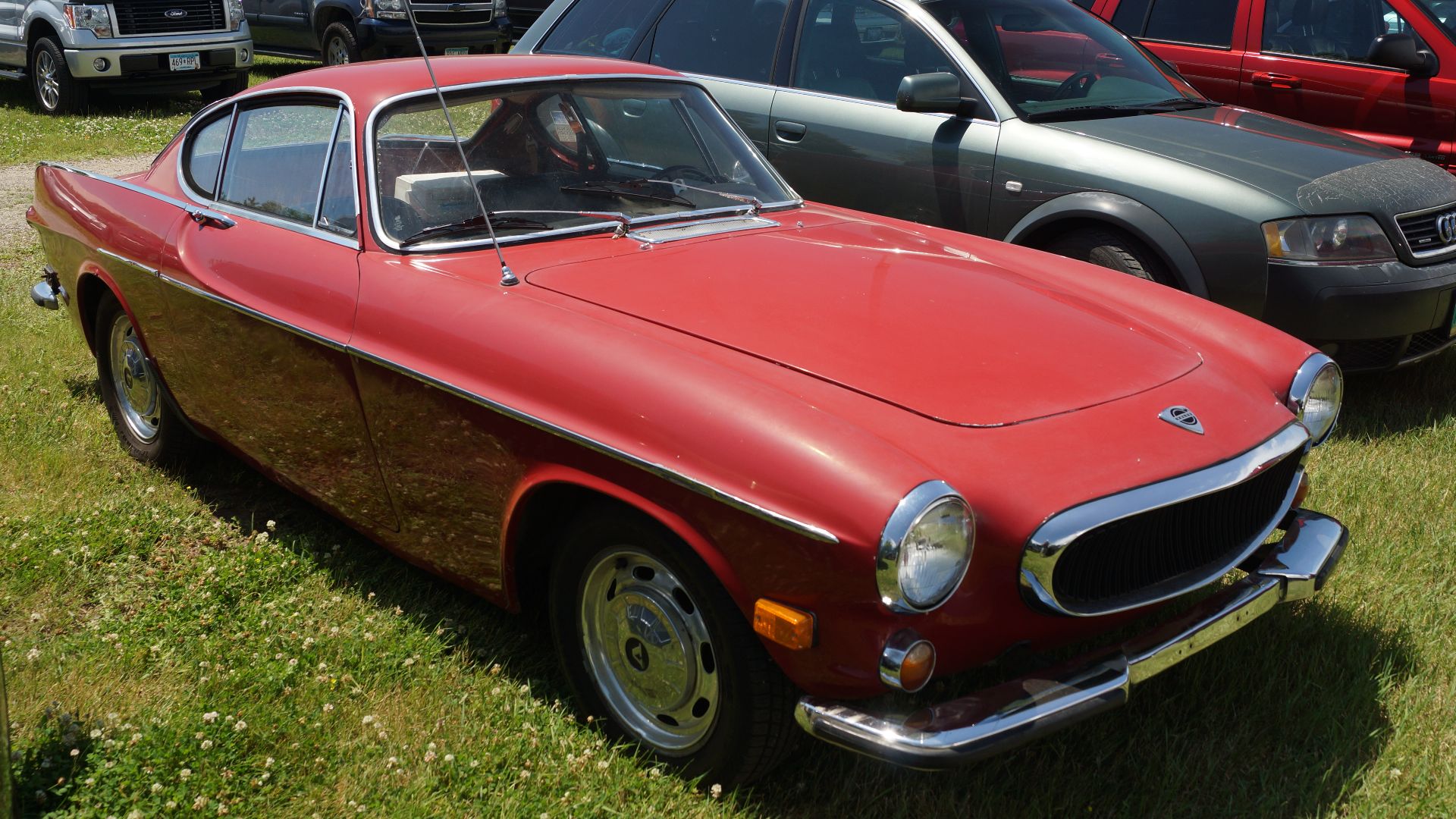 Greg Gjerdingen, Wikimedia Commons
1969 Chevrolet Corvair Monza
The later Corvair had a clean, low shape that still looks remarkably good. Its engine sat in the rear, a highly unusual layout for an American Chevrolet. By 1969, production was ending, but the Monza coupe and convertible had already given plenty of drivers a familiar shape to remember.
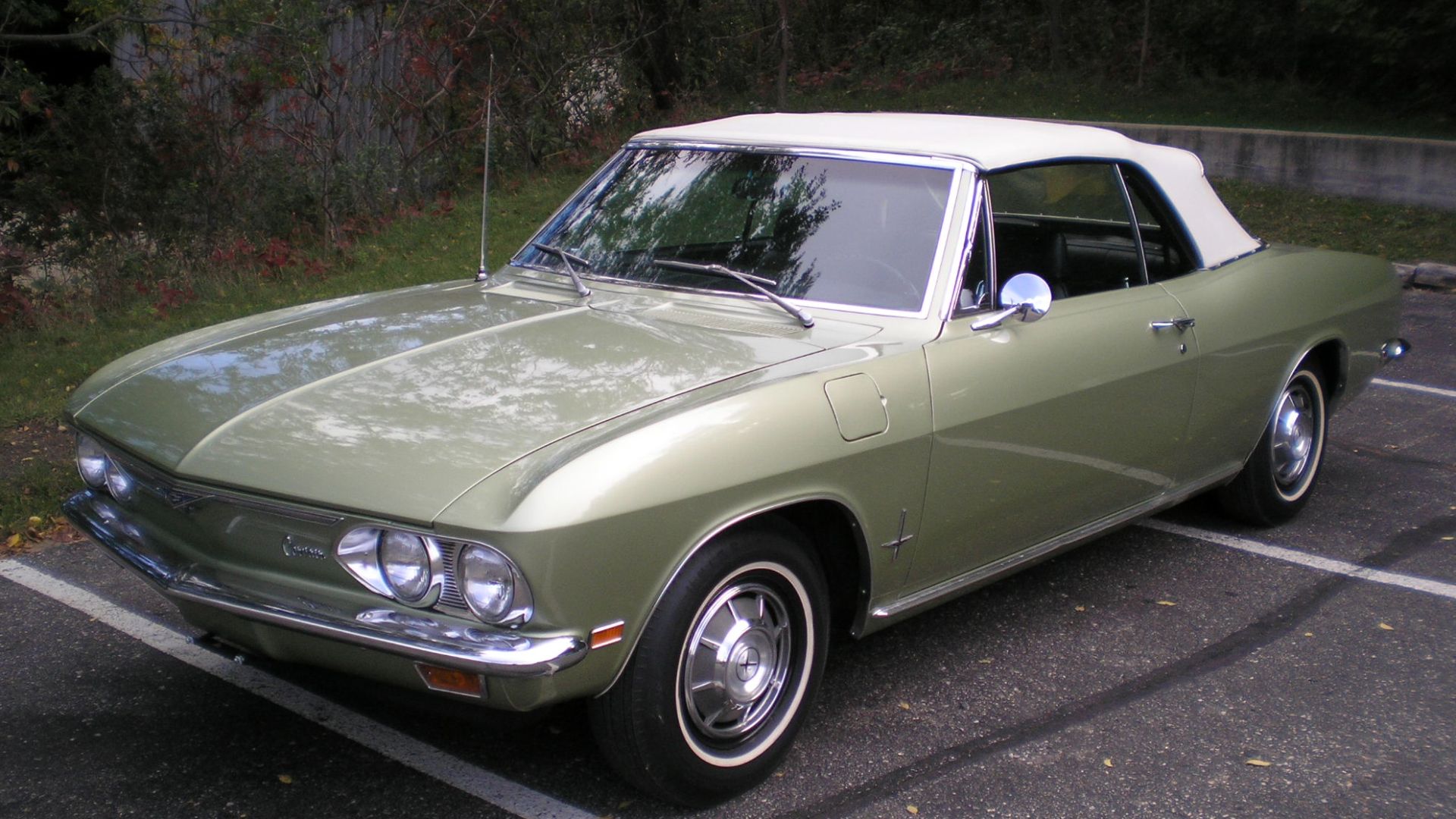 Vegavairbob (talk)Robert Spinello, Wikimedia Commons
1974 AMC Matador Coupe
Remember the bronze coupe that sprouted wings in a 1974 Bond movie? Before the movie magic, it was an AMC Matador coupe. The production car already had a distinctive curved roof and a broad, sculpted body. Plenty of people saw it on screen, even if few remembered what AMC called it.
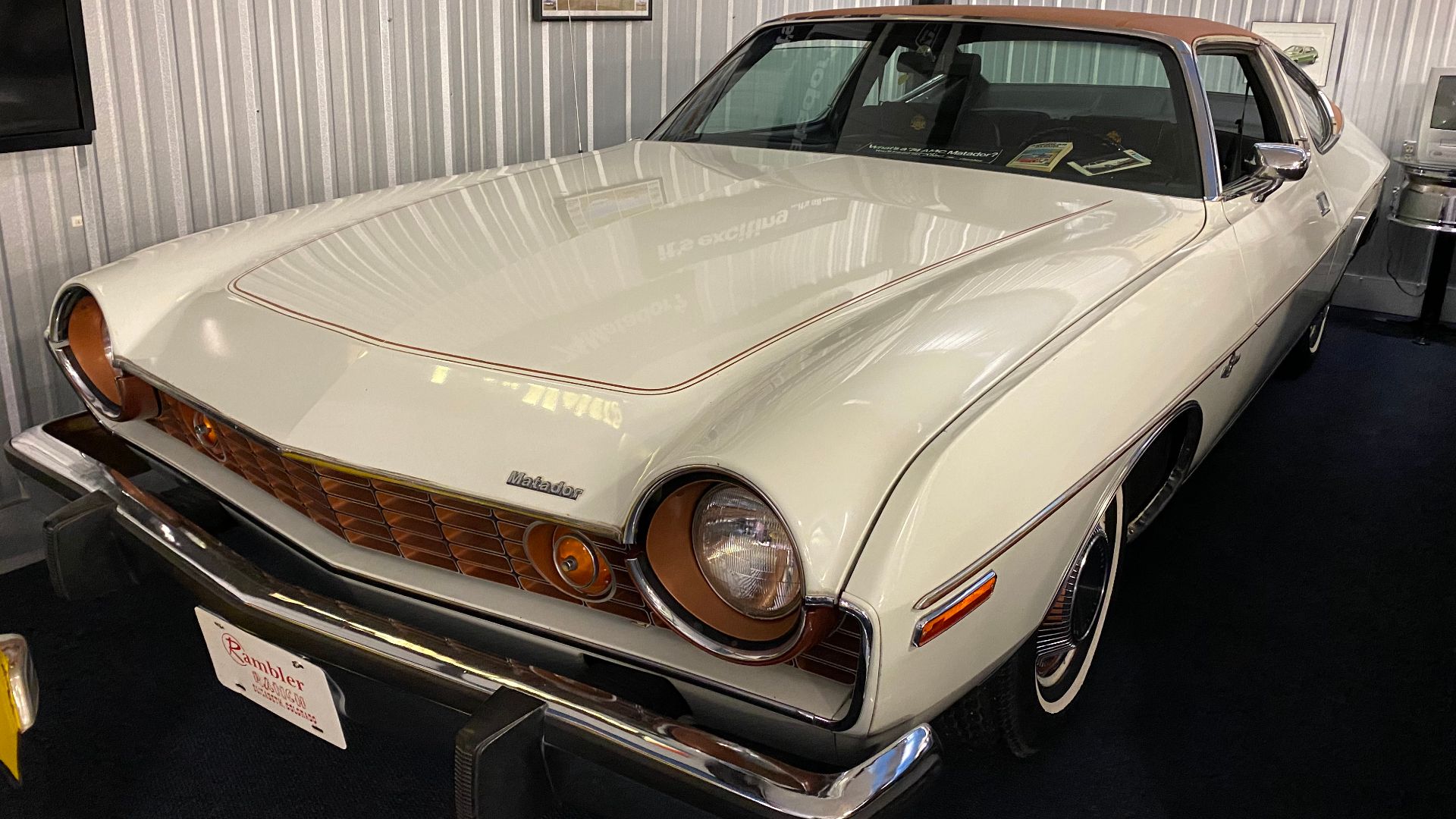
1967 Toyota 2000GT
The 2000GT is a tougher one. Toyota’s low, elegant coupe was rare, but its appearance in You Only Live Twice put its shape in front of a huge audience. The Bond cars were specially converted open-top examples, so the familiar movie car looks a little different from the production coupe.
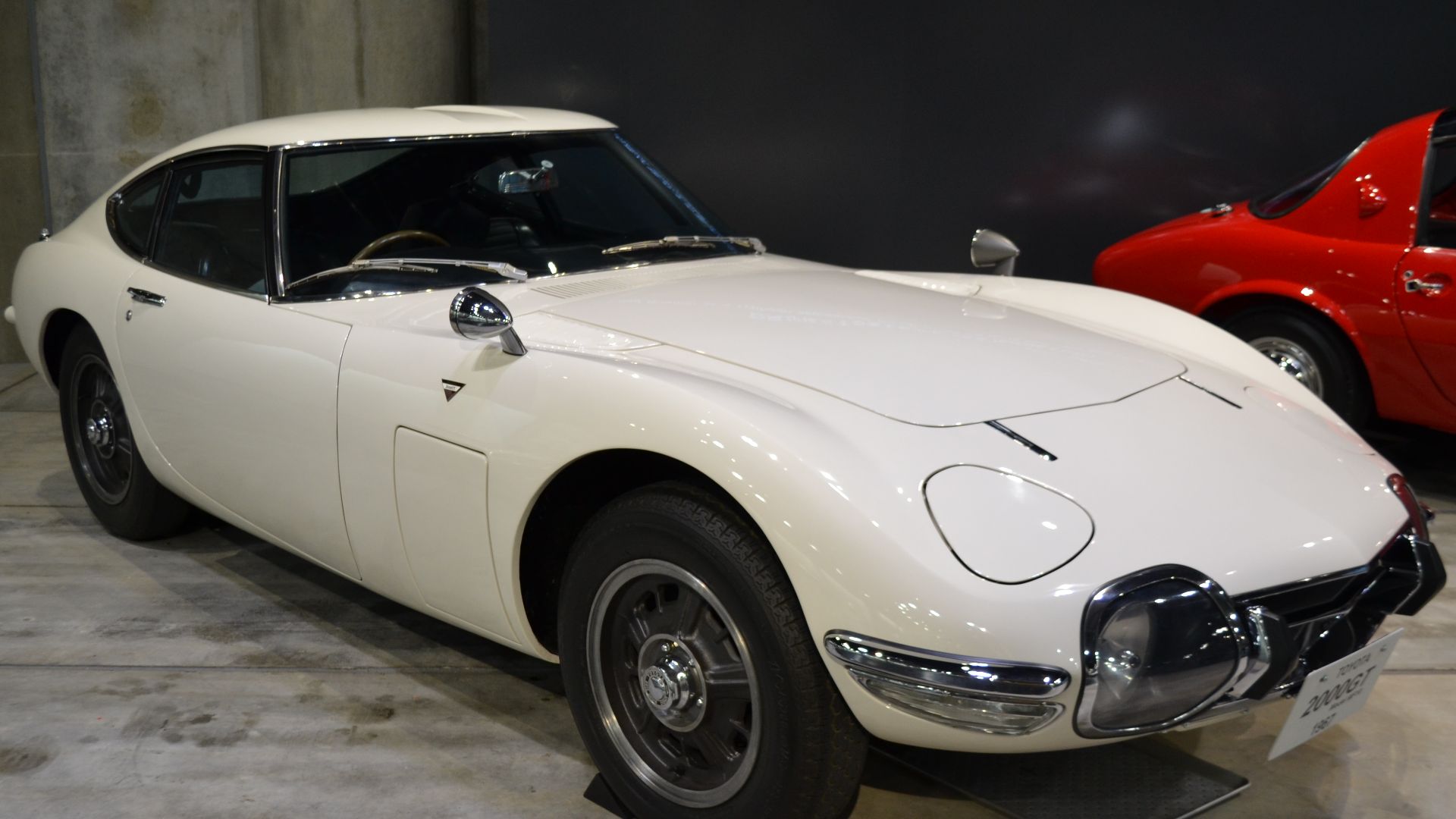 Beginning with the simplest steps, Wikimedia Commons
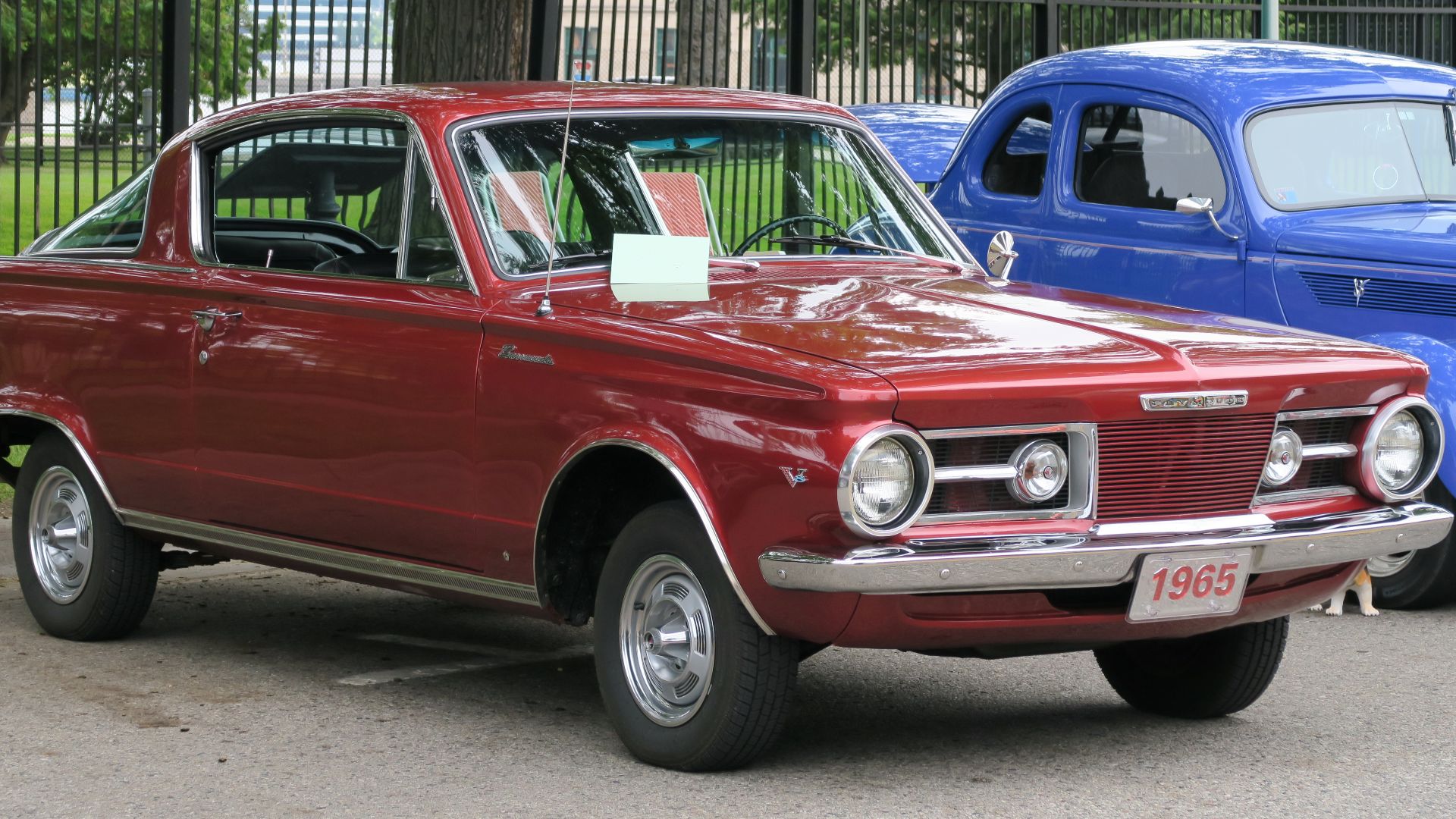
1965 Plymouth Barracuda
That enormous wraparound rear window is the feature you remember. Plymouth fitted its fastback with a piece of glass so large it nearly defines the whole car from behind. This was the Barracuda before the better-known 70s muscle-car shape. Would you have named it without seeing the badge?
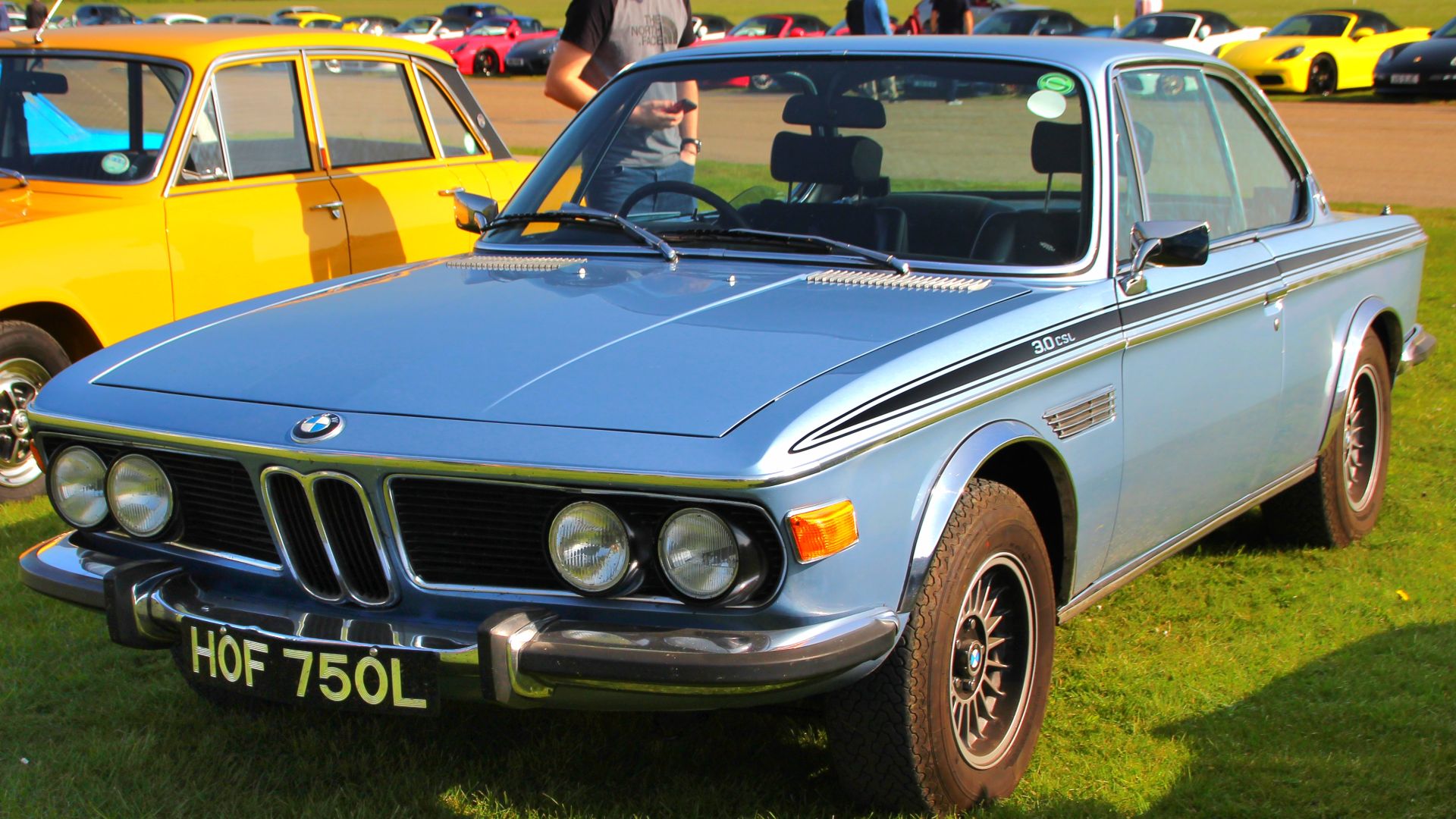
1973 BMW 3.0 CSL
Many people remember the wild rear wing or the nickname “Batmobile.” Fewer can quickly produce “3.0 CSL.” BMW started with an elegant coupe, reduced its weight, and developed the aerodynamic pieces that made the later version famous. The wing was delivered in the trunk because it wasn’t street legal in Germany.
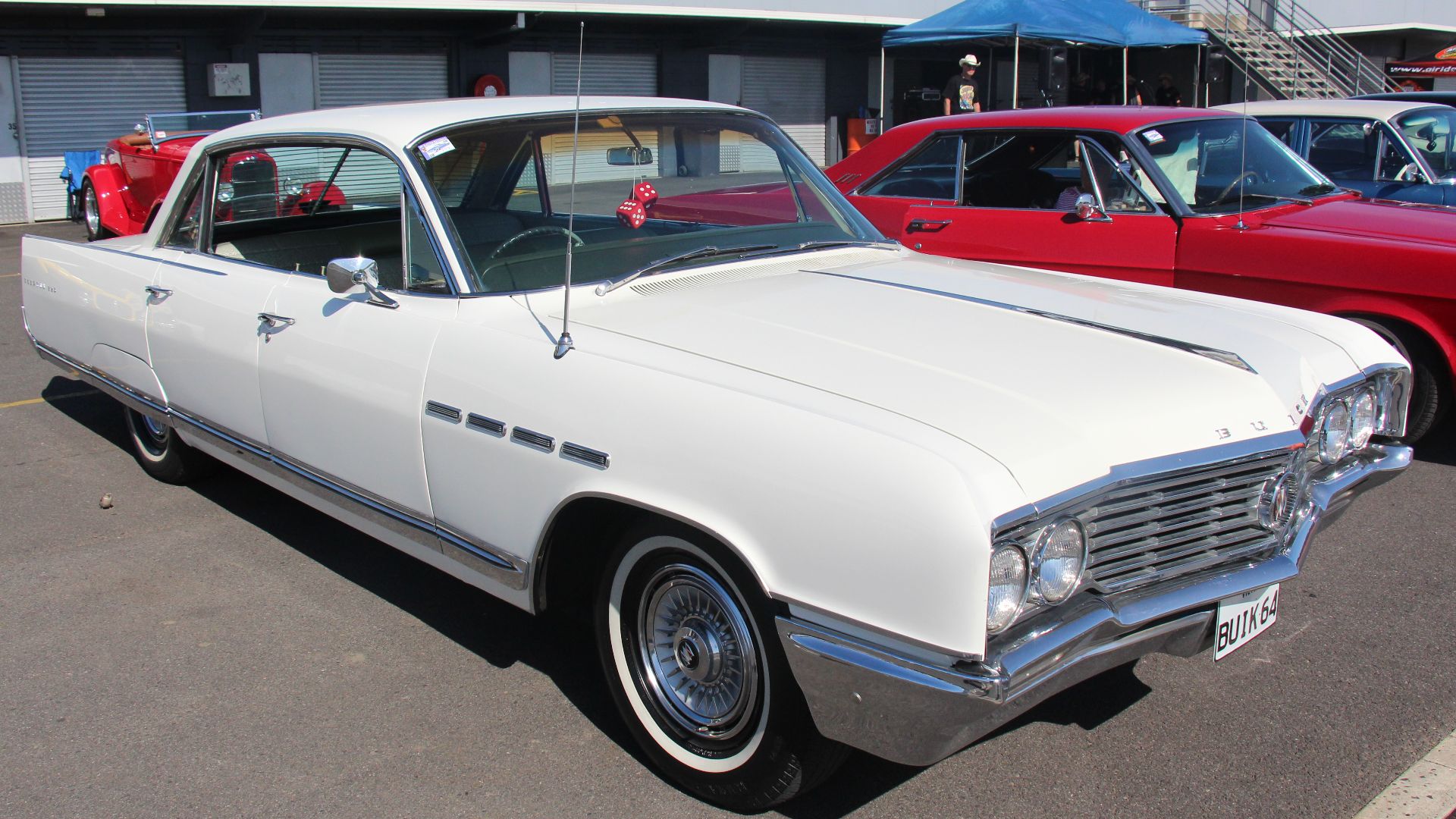
1964 Buick Electra 225
This Buick looked every bit as grand as its name suggests. It had a long body, a wide grille, and enough chrome to catch the sun from across a parking lot. Fans called it the “Deuce and a Quarter,” which may be the name you remember more readily.
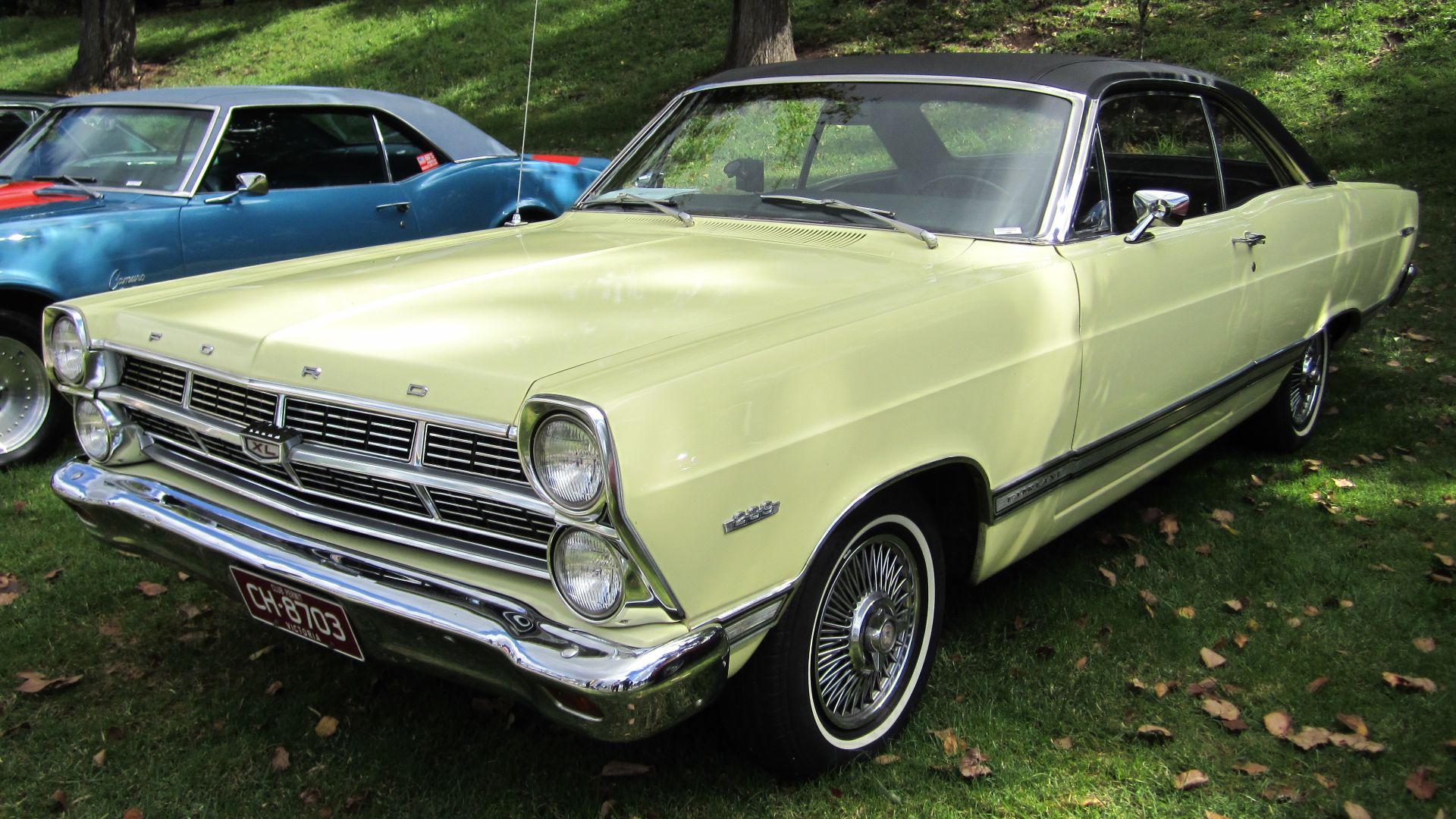
1967 Ford XL
The XL belonged to Ford’s big-car lineup, but its sweeping two-door roof and sporty interior set it apart from the family sedans. It had the size of a Galaxie with a different attitude. If the car looks familiar but “XL” doesn’t ring a bell, you’re probably not alone.
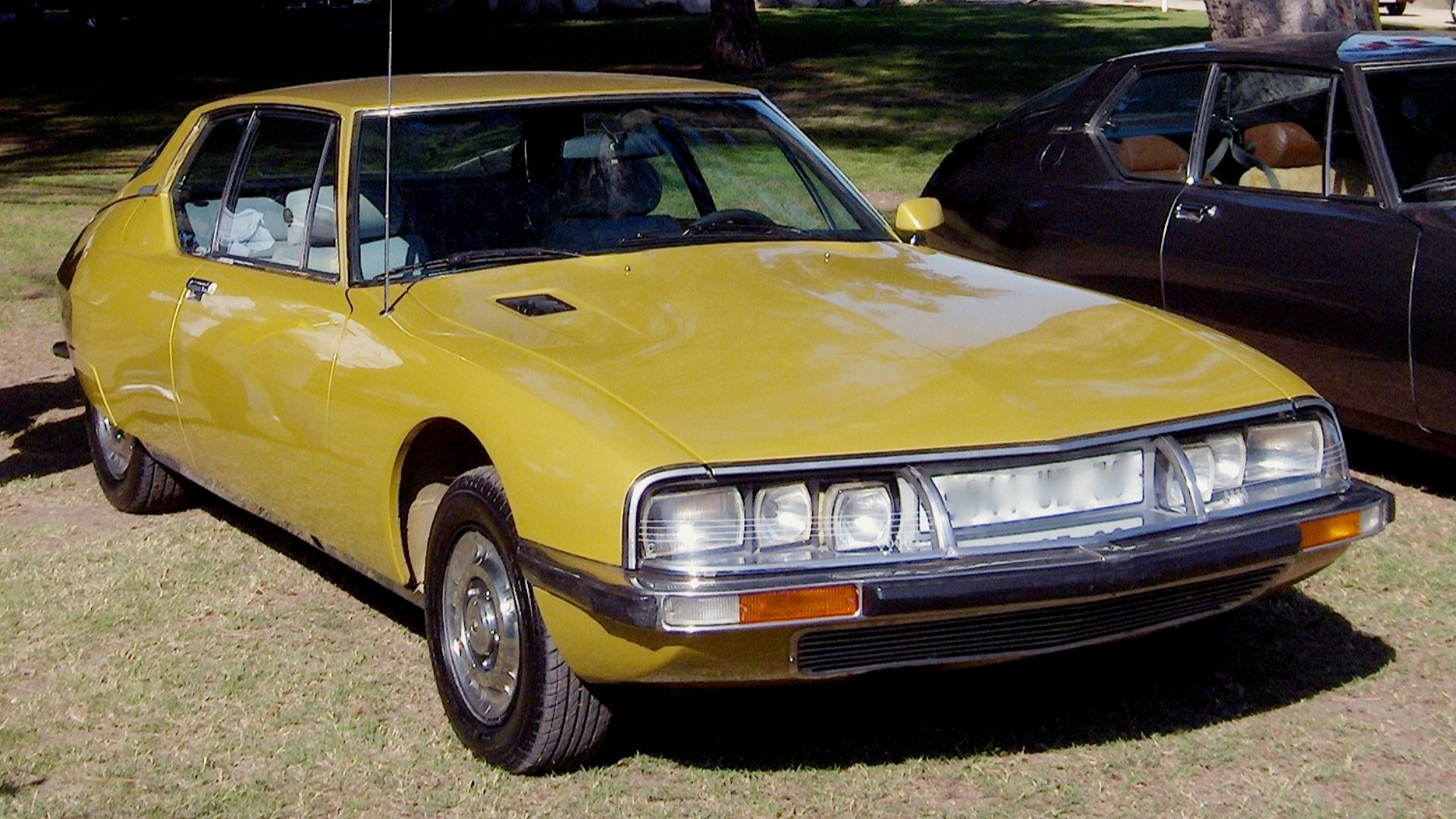
1970 Citroën SM
The covered headlights and long, tapering body make the SM look unlike just about anything else from the 70s. Citroën also fitted it with a Maserati V6 and its famous hydraulic suspension. It was beautiful, strange, and packed with engineering that matched its futuristic appearance.
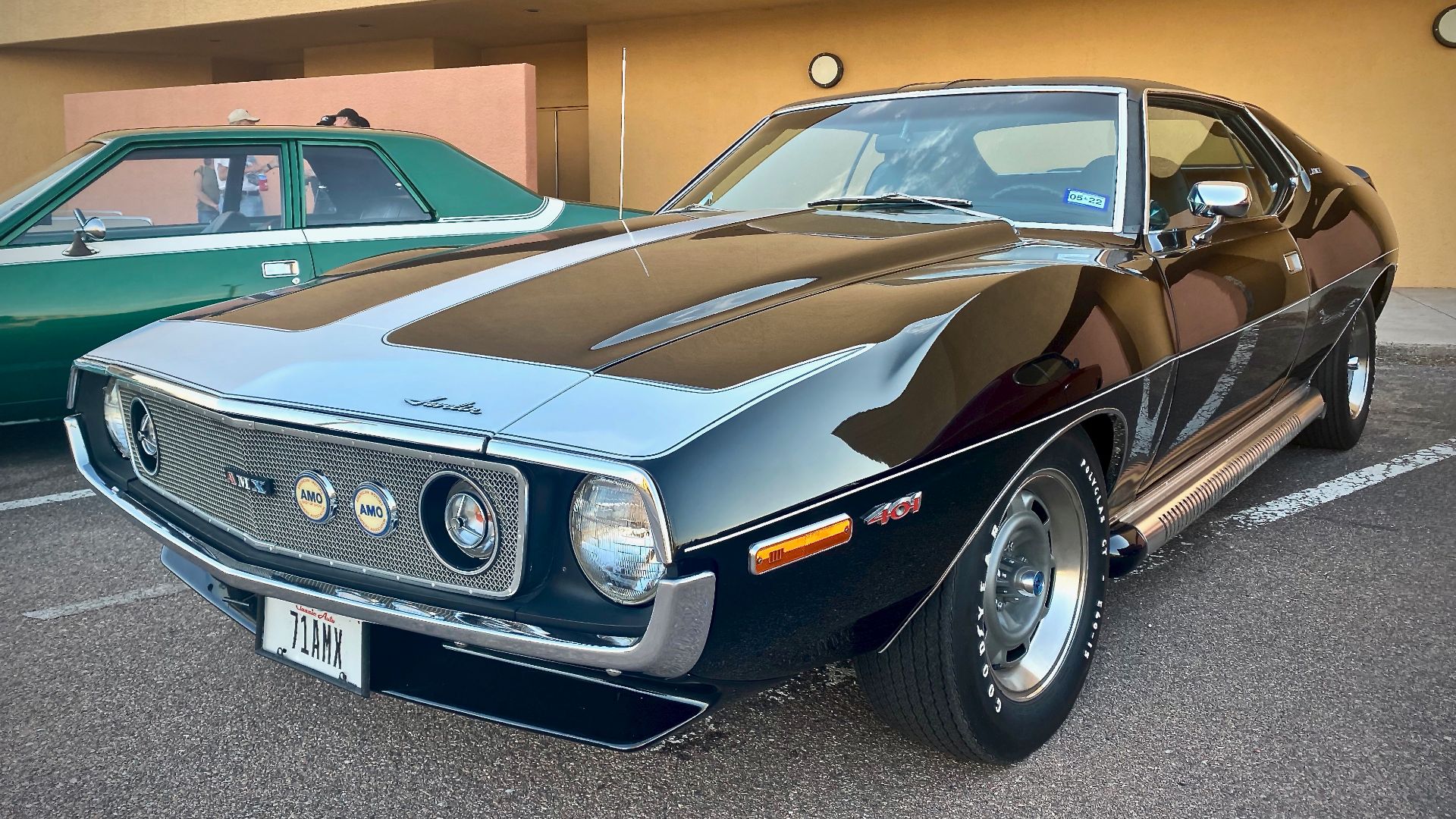
1971 AMC Javelin
AMC gave the second-generation Javelin exaggerated front fenders and a long, flowing profile. It had the attitude of an American performance car without looking quite like a Mustang, Camaro, or Barracuda. If you’ve seen one at a car show, those front fenders probably stayed with you.
1977 Toyota Celica Liftback
The first-generation Liftback resembles a Mustang fastback, especially from behind. But the Celica was smaller, with a rear hatch that made its sporty shape useful, too. These were cars people saw in actual 70s parking lots, which may be why the outline feels so familiar.
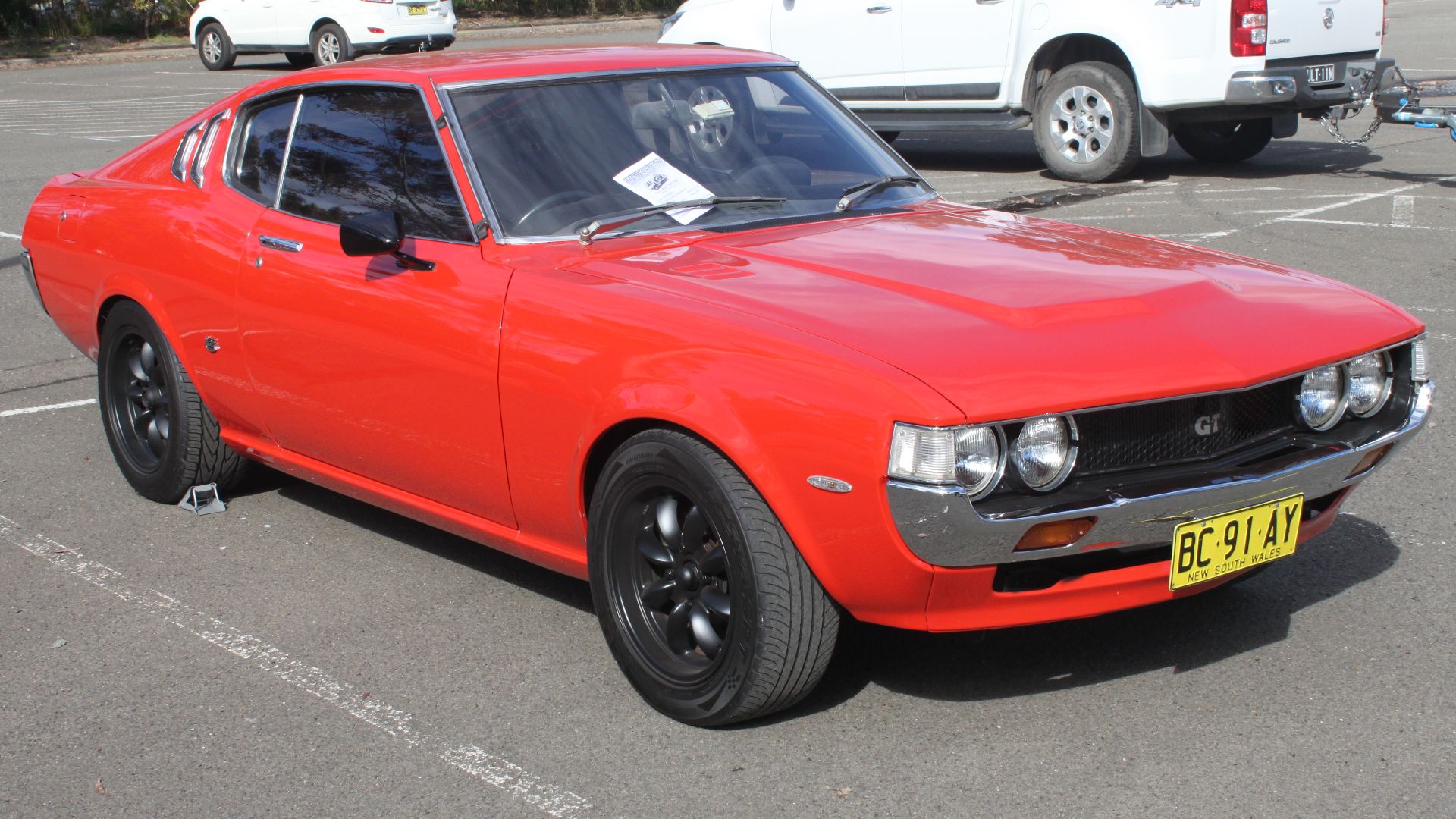 Jeremy from Sydney, Australia, Wikimedia Commons
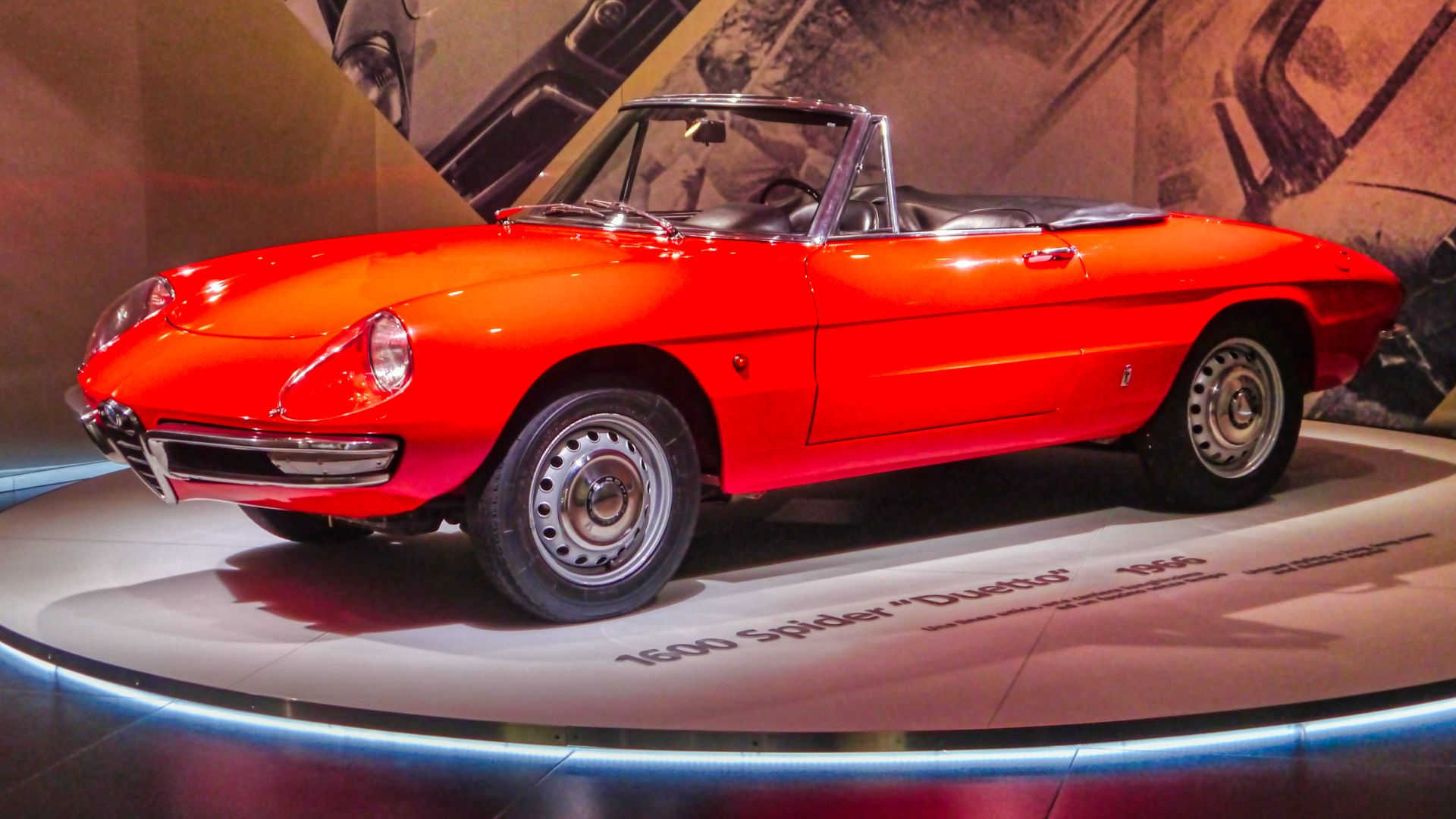
1966 Alfa Romeo Spider 1600
If this little red convertible brings The Graduate to mind, there’s a reason. Alfa Romeo’s Spider became a movie star, and its rounded front and tail made the early version particularly pretty. Enthusiasts call it the “Duetto,” although that was never its official model name.
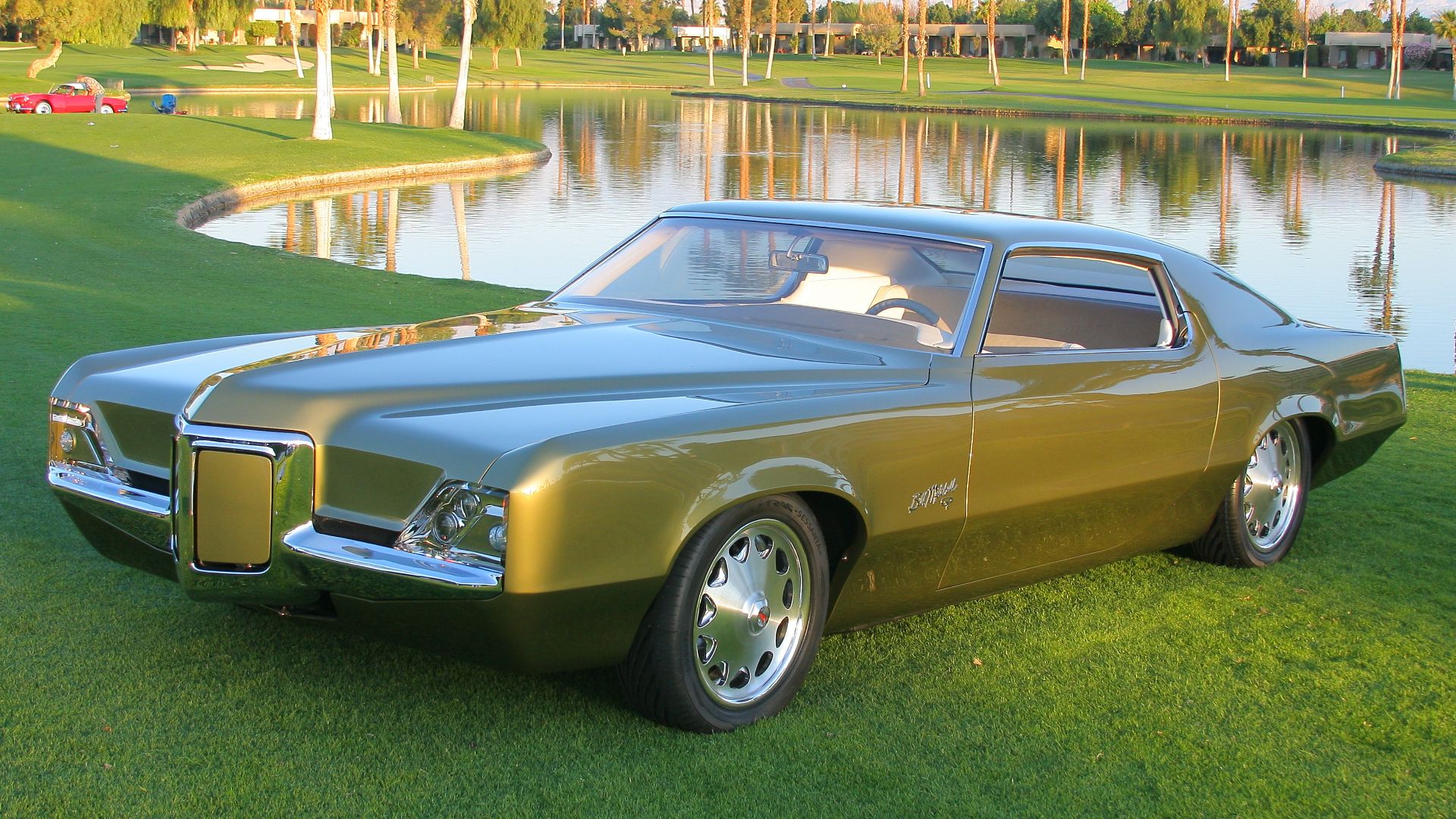
1969 Pontiac Grand Prix
For 1969, the Grand Prix traded some of its old full-size look for a long hood and a more dramatic profile. Its pointed nose made an impression before you even saw the badge. It looked expensive and sporty at once, which was exactly the combination Pontiac was after.
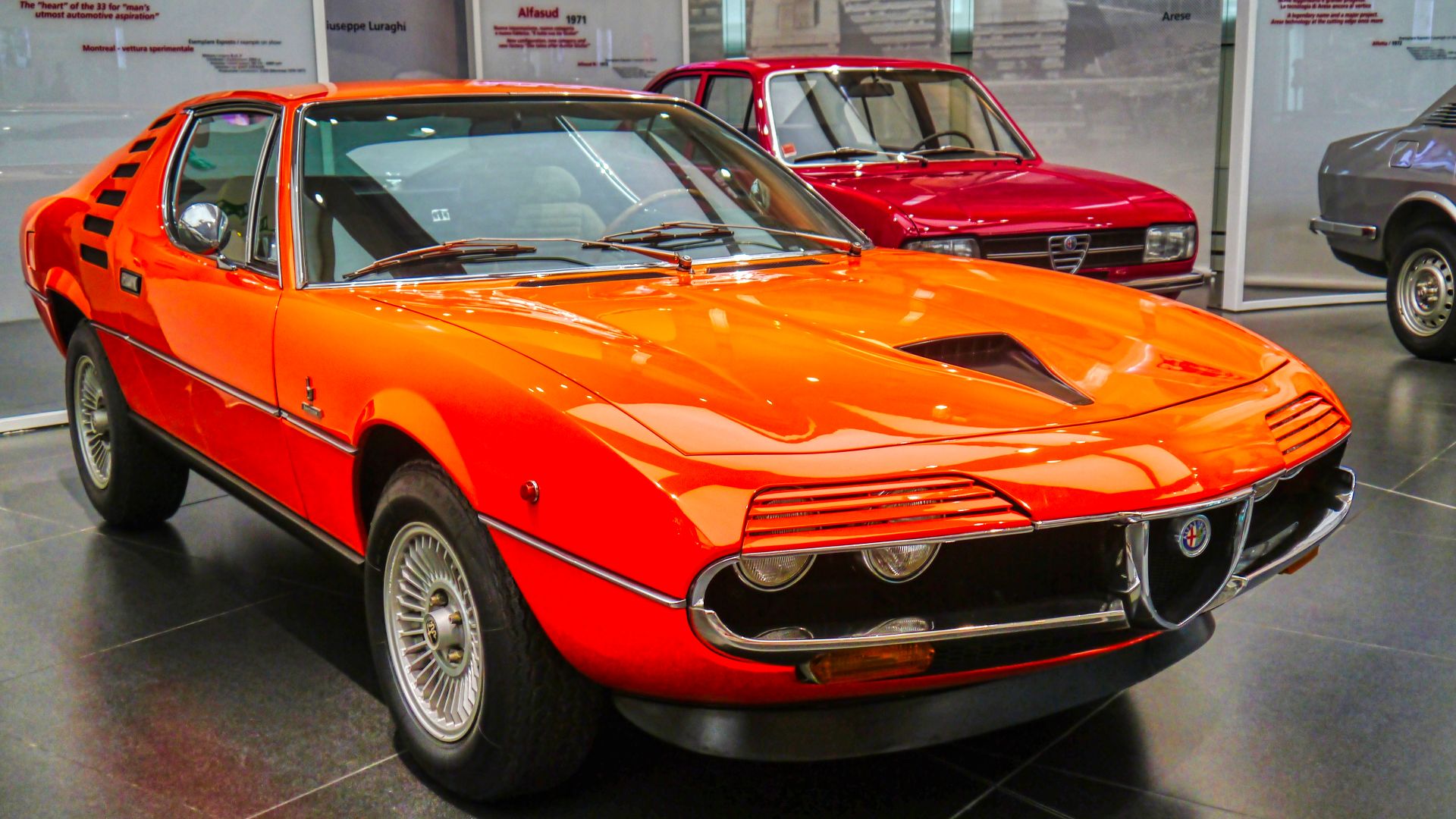
1970 Alfa Romeo Montreal
Now we’re making it harder. Those partially covered headlights and slats behind the doors give the Montreal a face and profile you’re unlikely to confuse with another car. It was an Italian coupe named after a Canadian city, which might help the name stick once you’ve heard it.
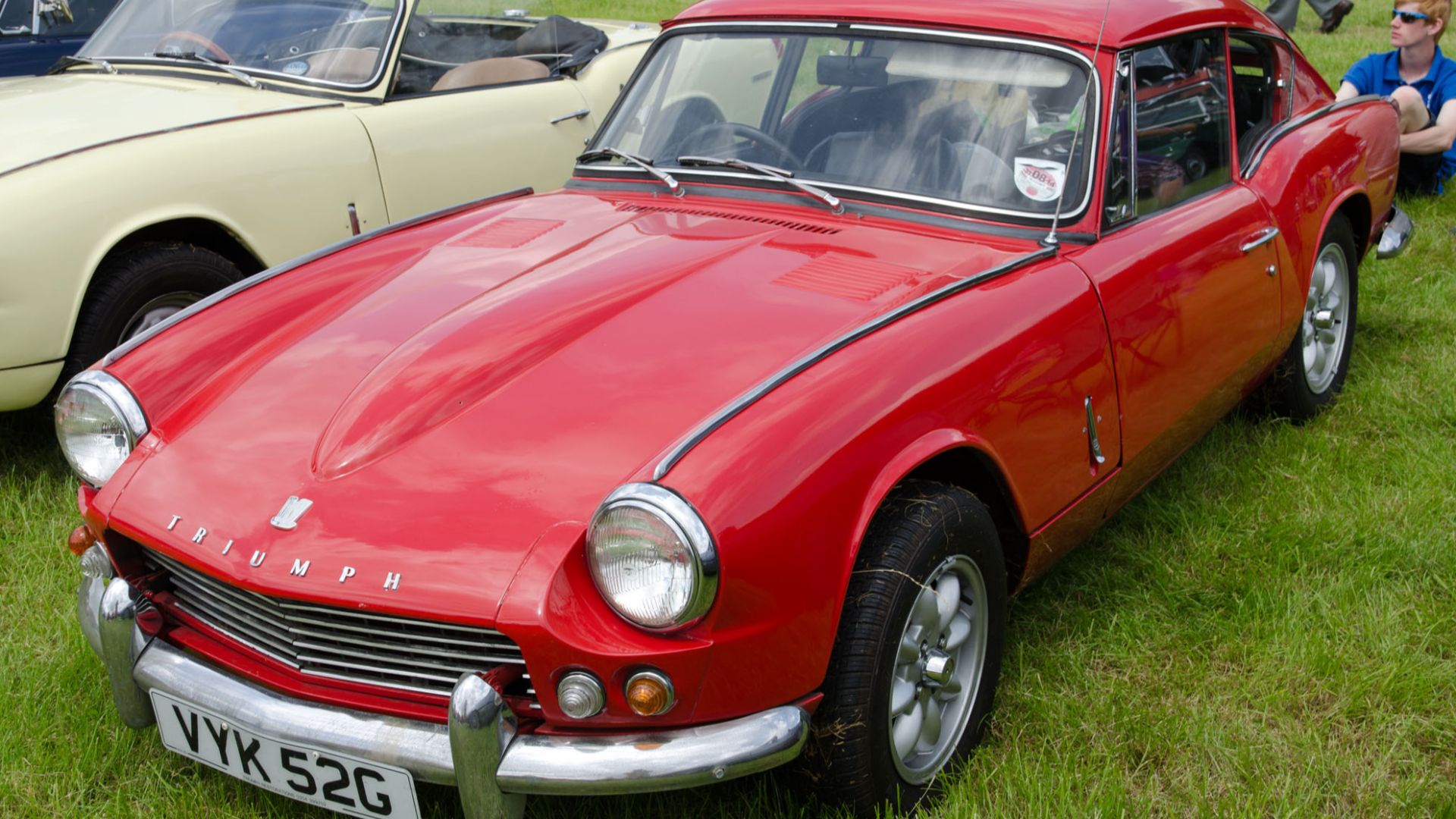
1969 Triumph GT6
Picture a Triumph Spitfire with a fixed fastback roof and a six-cylinder engine, and you’re close to the GT6. The little British coupe has a familiar classic-sports-car face, but its roof gives it a different character. Even people who know the Spitfire can get caught out by this one.
1971 Plymouth Satellite Sebring Plus
You could easily mistake this for one of Plymouth’s better-known muscle cars. The Sebring Plus had the long hood and swooping 70s coupe shape, but “Satellite Sebring Plus” isn’t a name that comes to mind as quickly as Barracuda or Road Runner. That makes it perfect for this list.
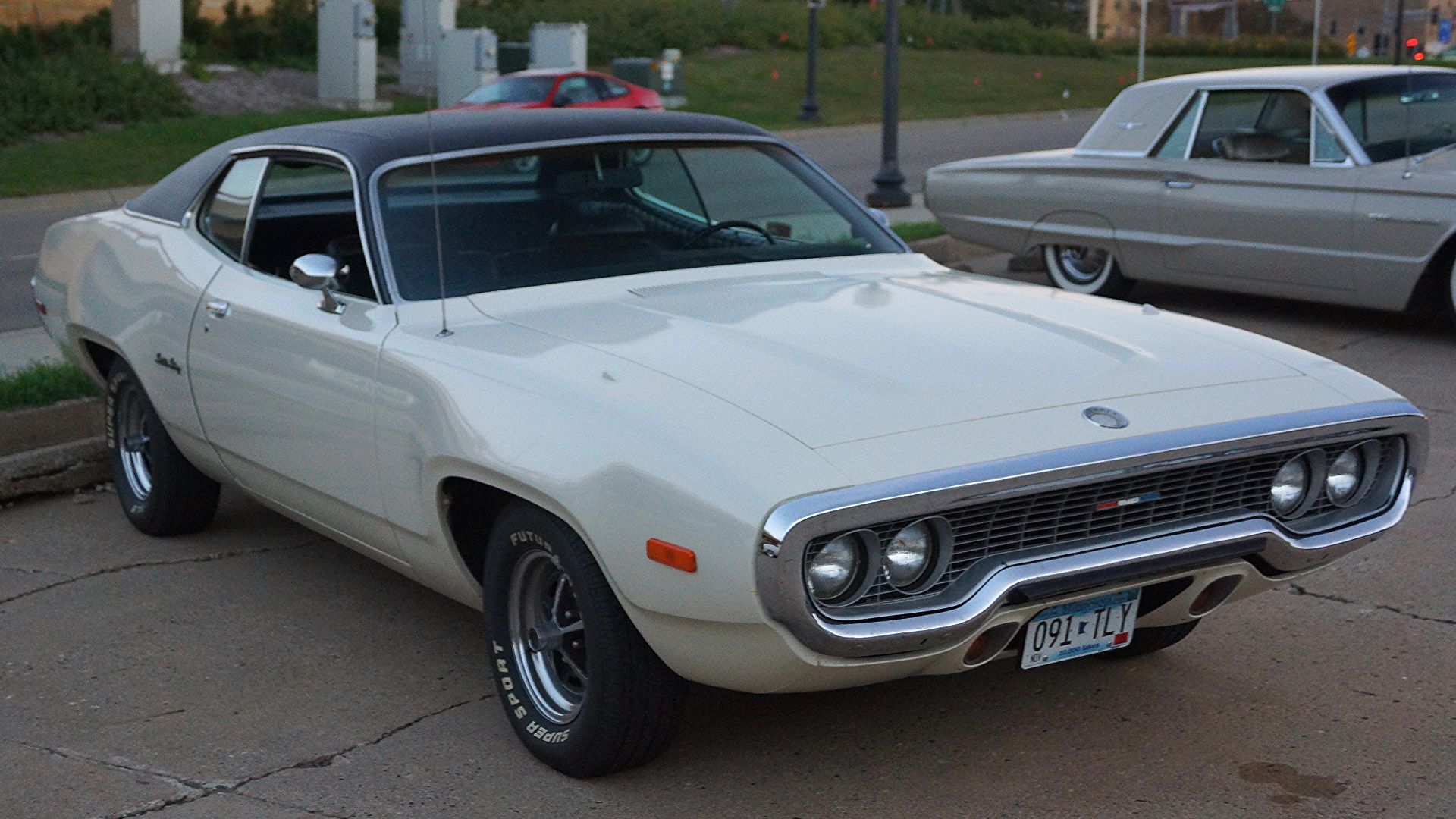 Greg Gjerdingen from Willmar, USA, Wikimedia Commons
1965 Pontiac 2+2
Pontiac made its big Catalina look surprisingly sporty in 2+2 form. It still had the long body of a full-size American car, but the two-door shape and performance touches gave it a different personality. You might remember seeing a Pontiac like this without recalling the little “2+2” badge.
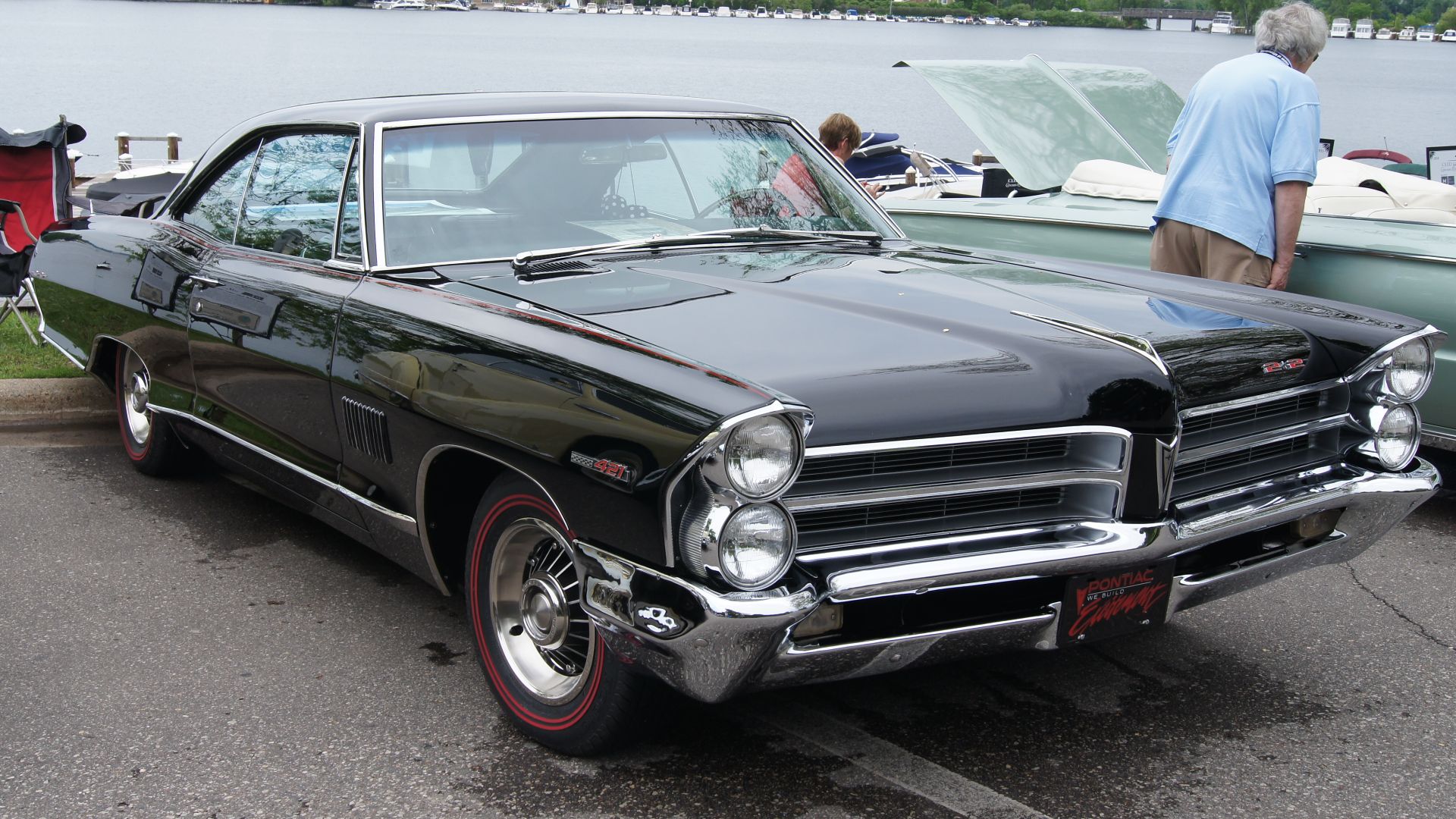 Greg Gjerdingen, Wikimedia Commons
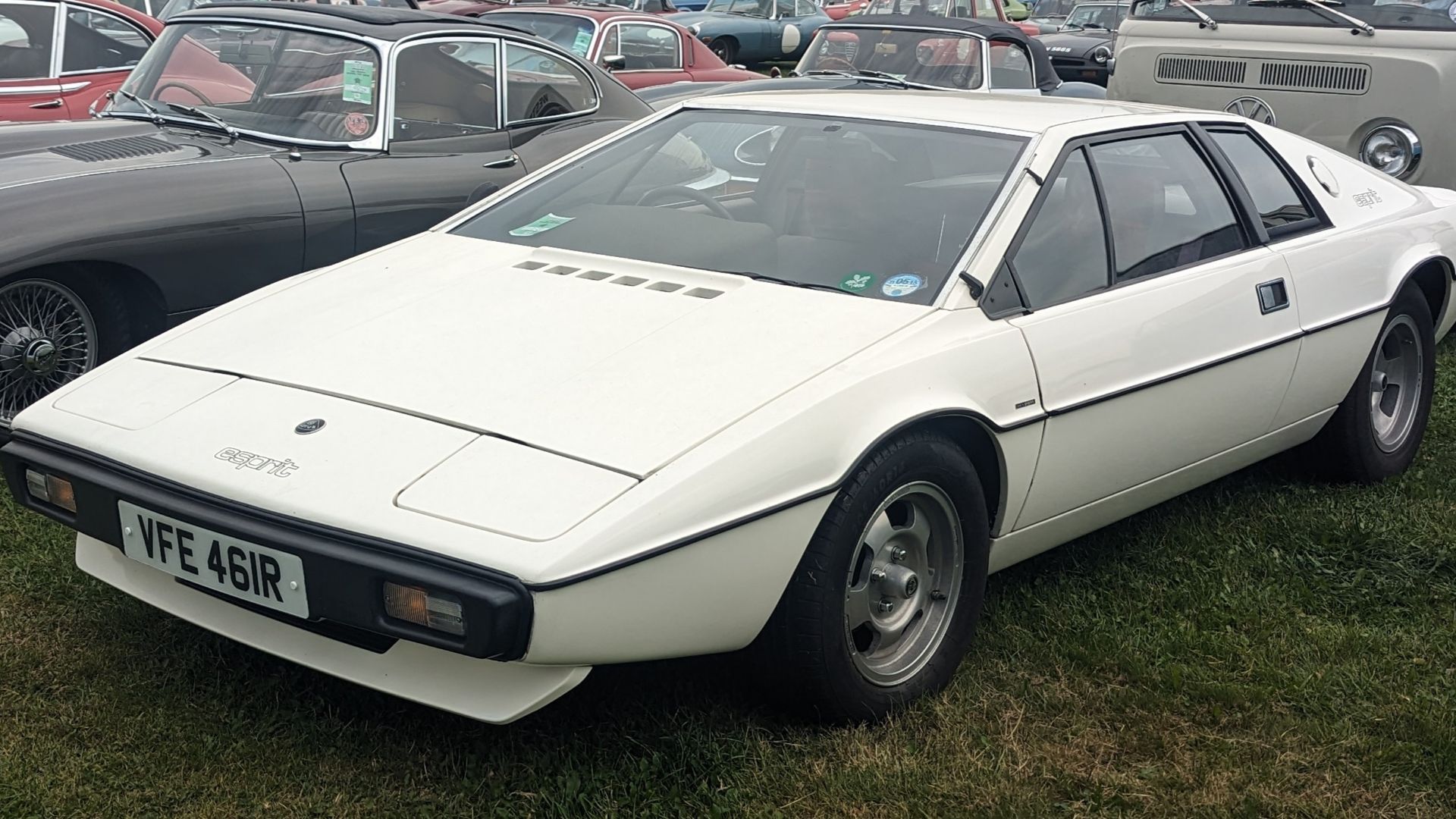
1976 Lotus Esprit
The white car that becomes a submarine in The Spy Who Loved Me may be one of the most recognizable shapes here. Before the film made it famous, the Esprit was already a striking wedge-shaped sports car. Remembering that it was a Lotus is one thing. Remembering “Esprit” is the test.
So, How Many Did You Get?
Some of these cars were parked on ordinary streets. Others probably reached you through a movie screen or a photo in a car magazine. Be honest: how many could you have named from the picture alone, and which one had you completely stumped?
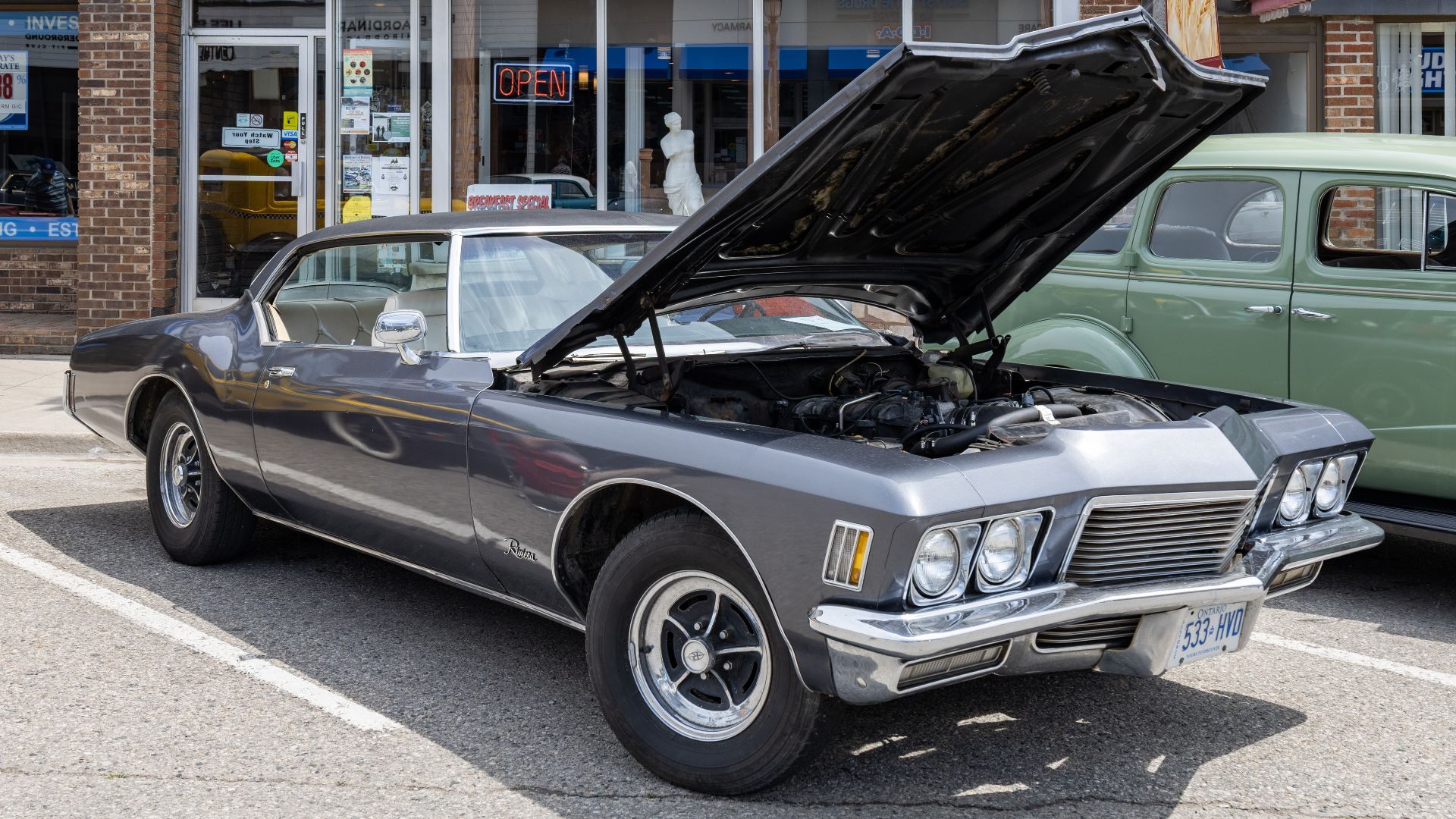 Crisco 1492, Wikimedia Commons
You Might Also Like:
Cheap Cars From The 1960s And 70s That Somehow Became Collectibles





.jpg)
.jpg)
.jpg)