These Boomer Cars Need To Be Off The Road Permanently
Love them or loathe them, Baby Boomers had very specific taste in cars. Vinyl roofs? Yes. Land yachts the size of studio apartments? Absolutely. Beige everything? You bet. While every generation clings to its automotive icons, Millennials have quietly agreed on one thing: some of these rolling relics can ride gently into the sunset. So buckle up. Here are the cars from the Boomer heyday that many Millennials wouldn’t mind seeing parked permanently—preferably next to a shuffleboard court in Florida.
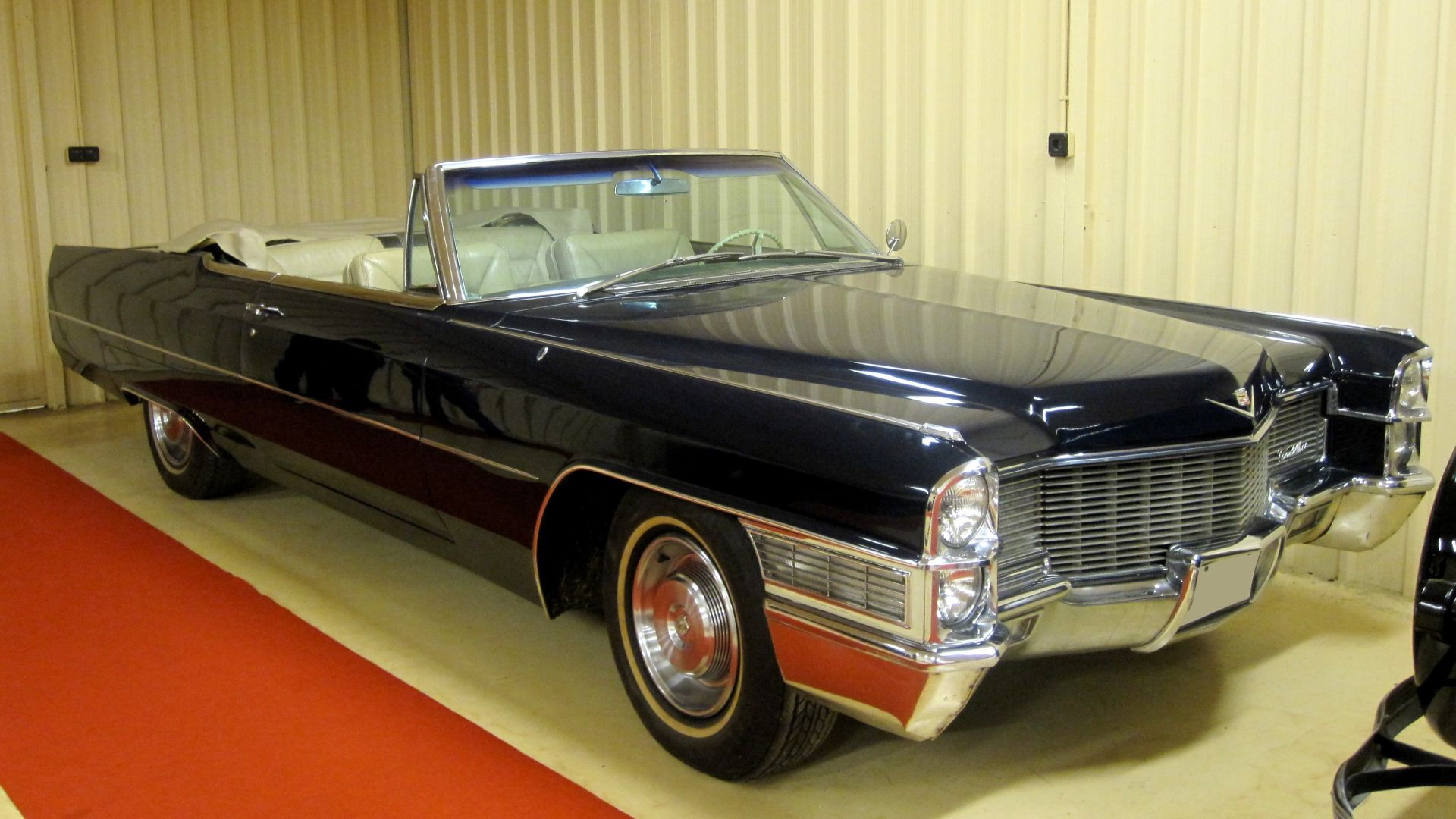
Cadillac DeVille
If excess had a four-wheeled mascot, it was the Cadillac DeVille. Stretching longer than some city blocks and floating on suspension softer than mashed potatoes, the DeVille was peak “American luxury.” Millennials, raised on tighter cities and tighter budgets, aren’t exactly yearning for an 18-foot chrome parade float that gets 12 mpg on a good day. It’s majestic—but so is a cruise ship. And we don’t commute in those either.
 Spanish Coches, Wikimedia Commons
Lincoln Town Car
The unofficial vehicle of golf courses, hotel valet lines, and every dad who insisted on driving with two hands at 10 and 2. The Lincoln Town Car was comfortable, quiet, and utterly enormous. To Millennials, it’s less “aspirational luxury” and more “airport shuttle.” We’ll take something that fits in a parking garage without a three-point prayer.
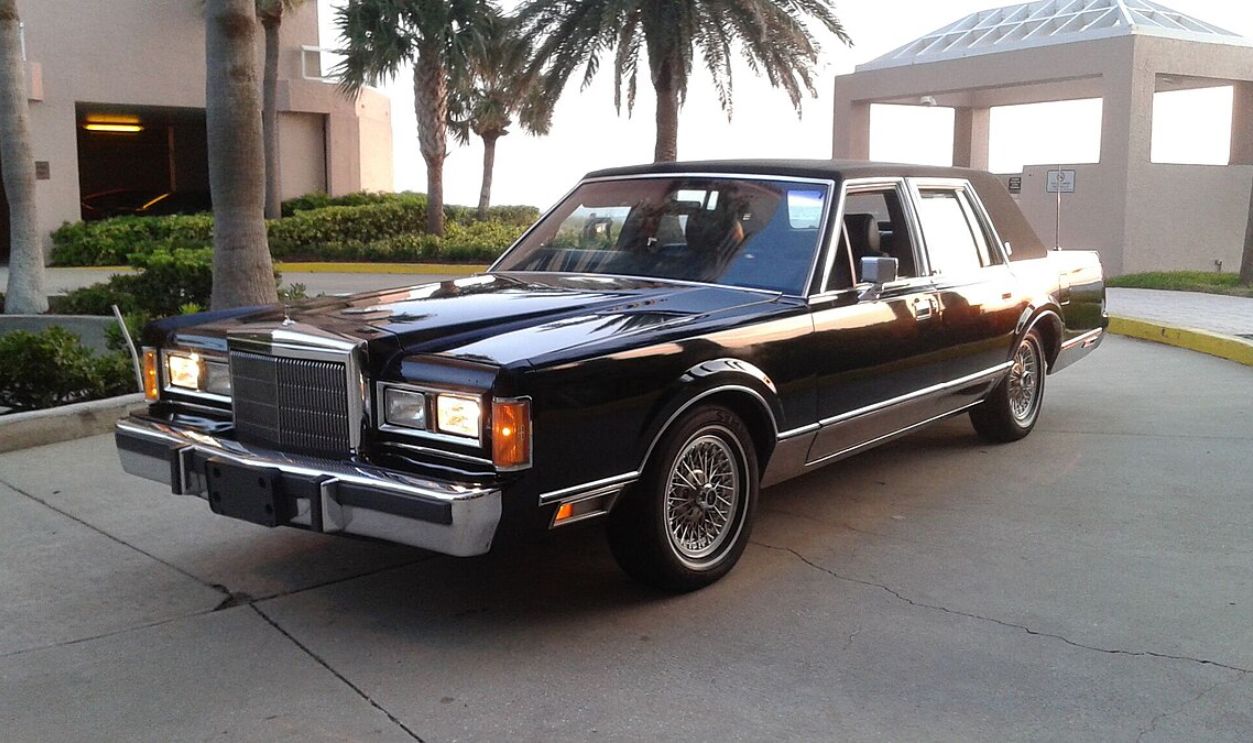 Michaelulrich17, CC BY-SA 4.0, Wikimedia Commons
Buick LeSabre
Ah yes, the LeSabre: patron saint of early bird specials. It was reliable, cushy, and completely devoid of excitement. Millennials appreciate reliability—but we also appreciate personality. The LeSabre had the emotional range of oatmeal.
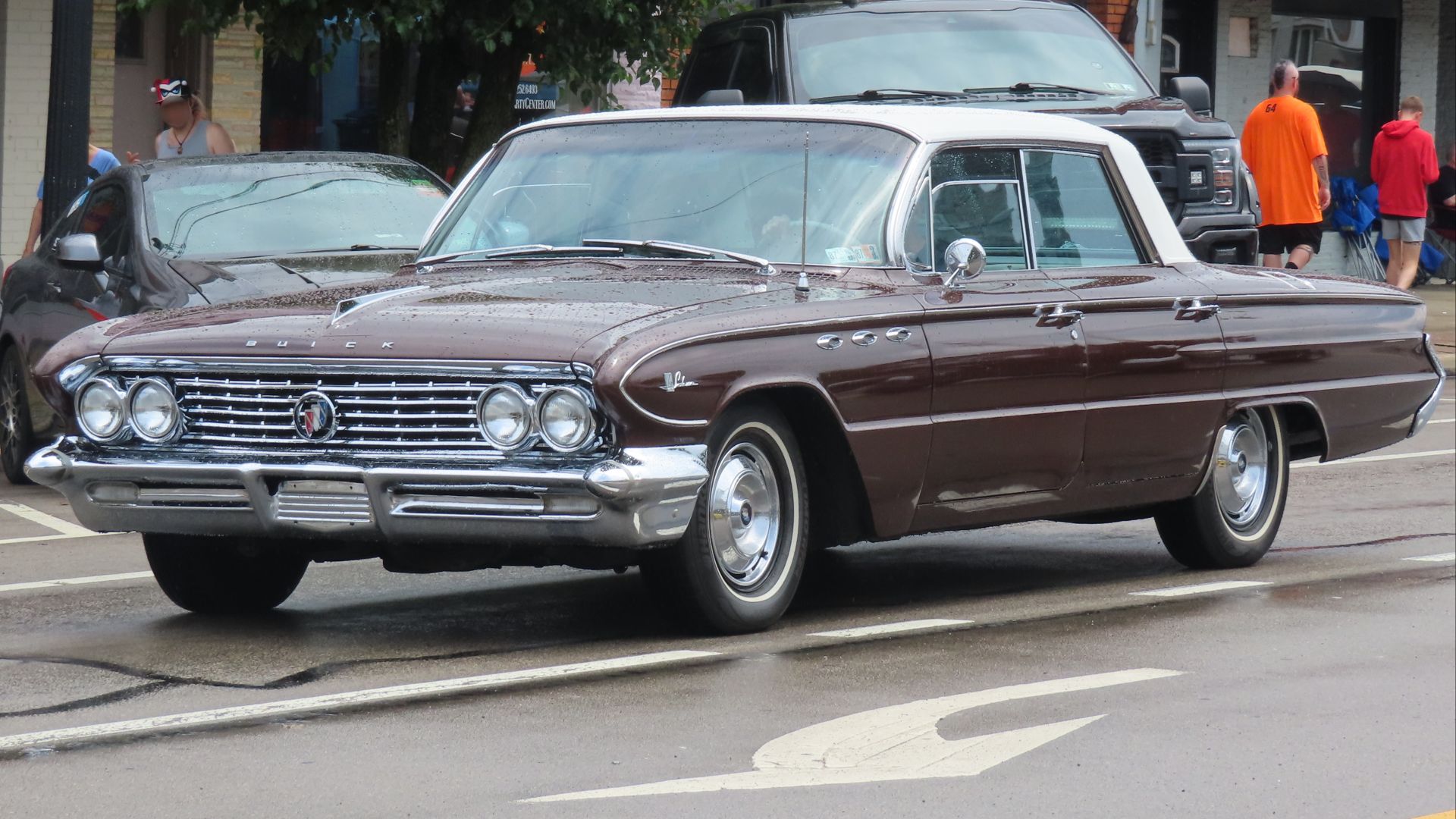 MercurySable99, Wikimedia Commons
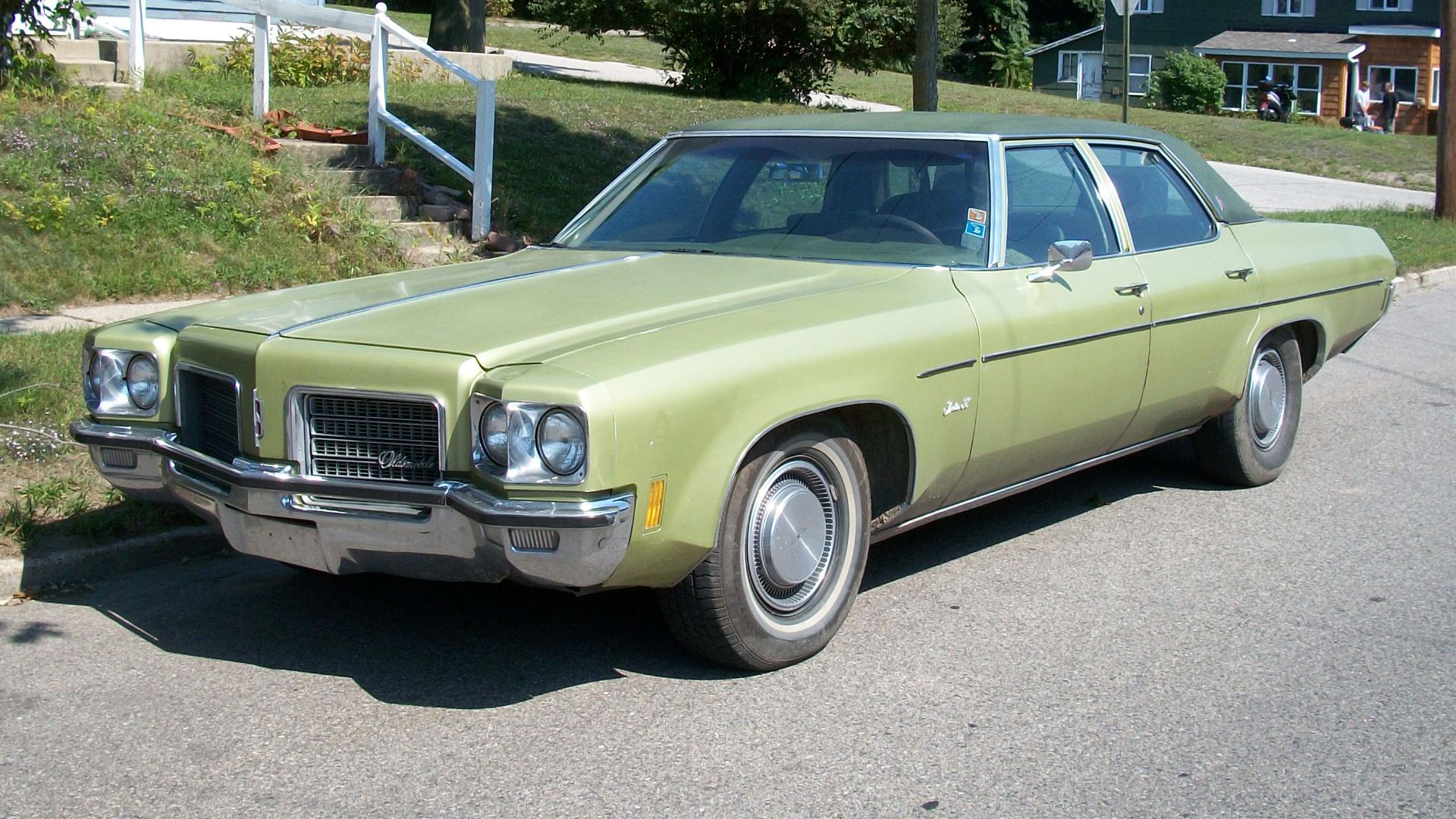
Oldsmobile Delta 88
The Delta 88 sounds like a fighter jet. It was not. This full-size cruiser defined suburban driveways in the ’70s and ’80s, complete with velour seats and woodgrain trim. Millennials look at it and see a living room couch that accidentally grew headlights.
Mercury Grand Marquis
Basically the Town Car’s slightly less successful sibling. The Grand Marquis was built for highway loafing and absolutely nothing else. It cornered like a cruise liner and parked like a semi. Millennials prefer cars that don’t require a zip code change to make a U-turn.
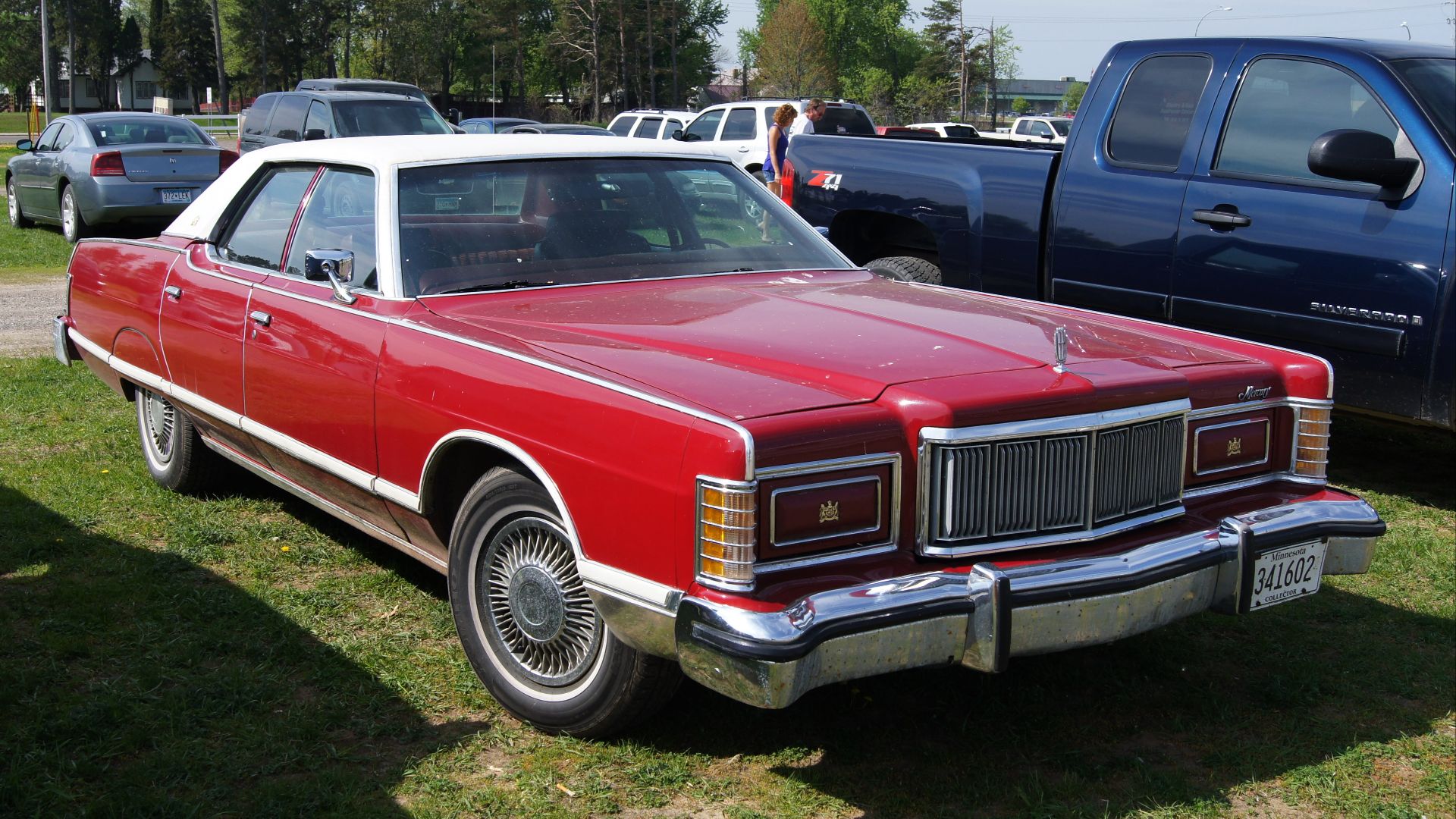 Greg Gjerdingen from Willmar, USA, Wikimedia Commons
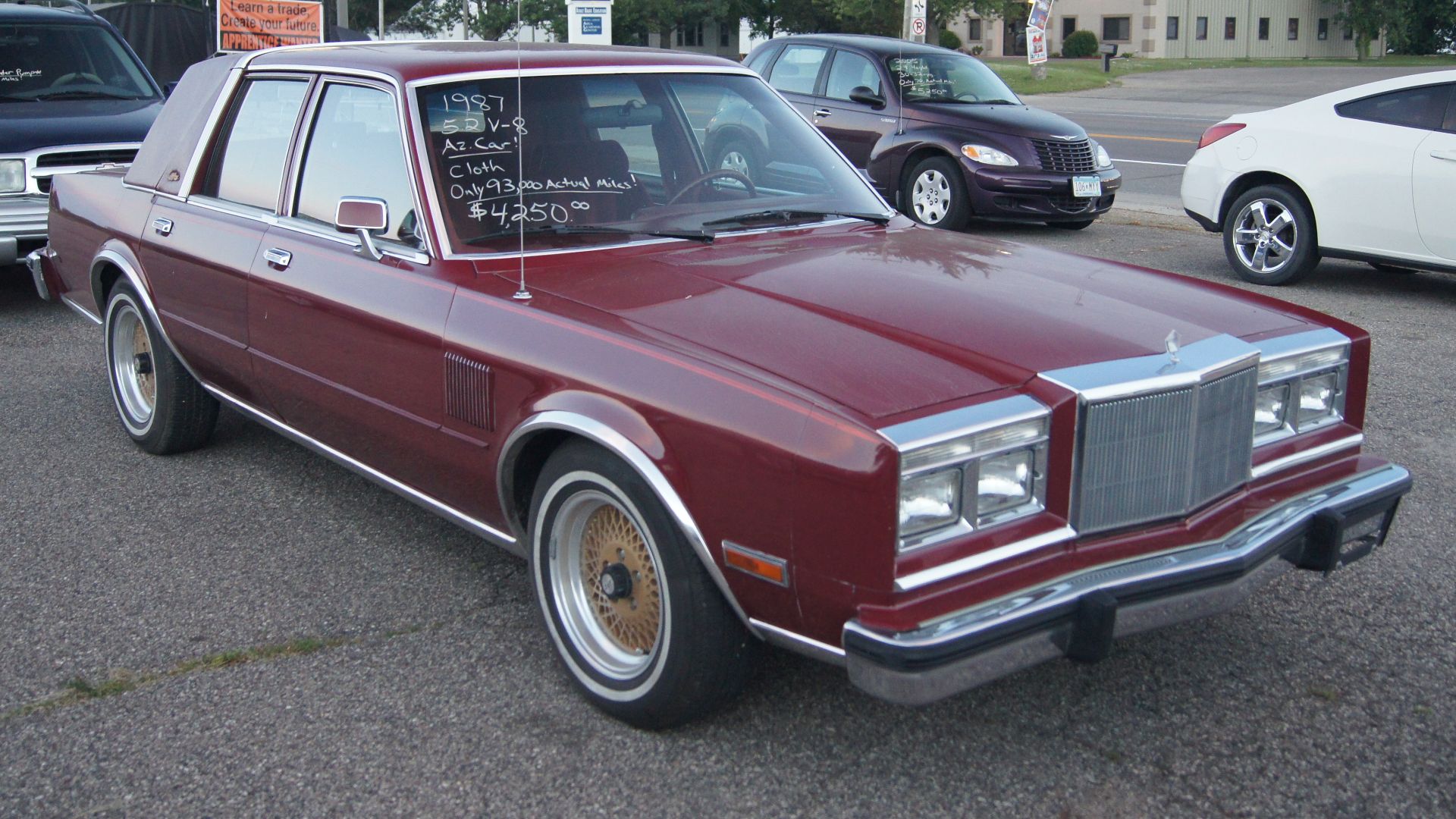
Chrysler Fifth Avenue
Tufted seats. Opera lights. A digital dashboard that looked futuristic in 1985 and laughable by 1995. The Fifth Avenue was all about “formal luxury,” which mostly meant a lot of fake wood and plush upholstery. Millennials would rather skip the rolling Victorian parlor.
 Greg Gjerdingen from Willmar, USA, Wikimedia Commons
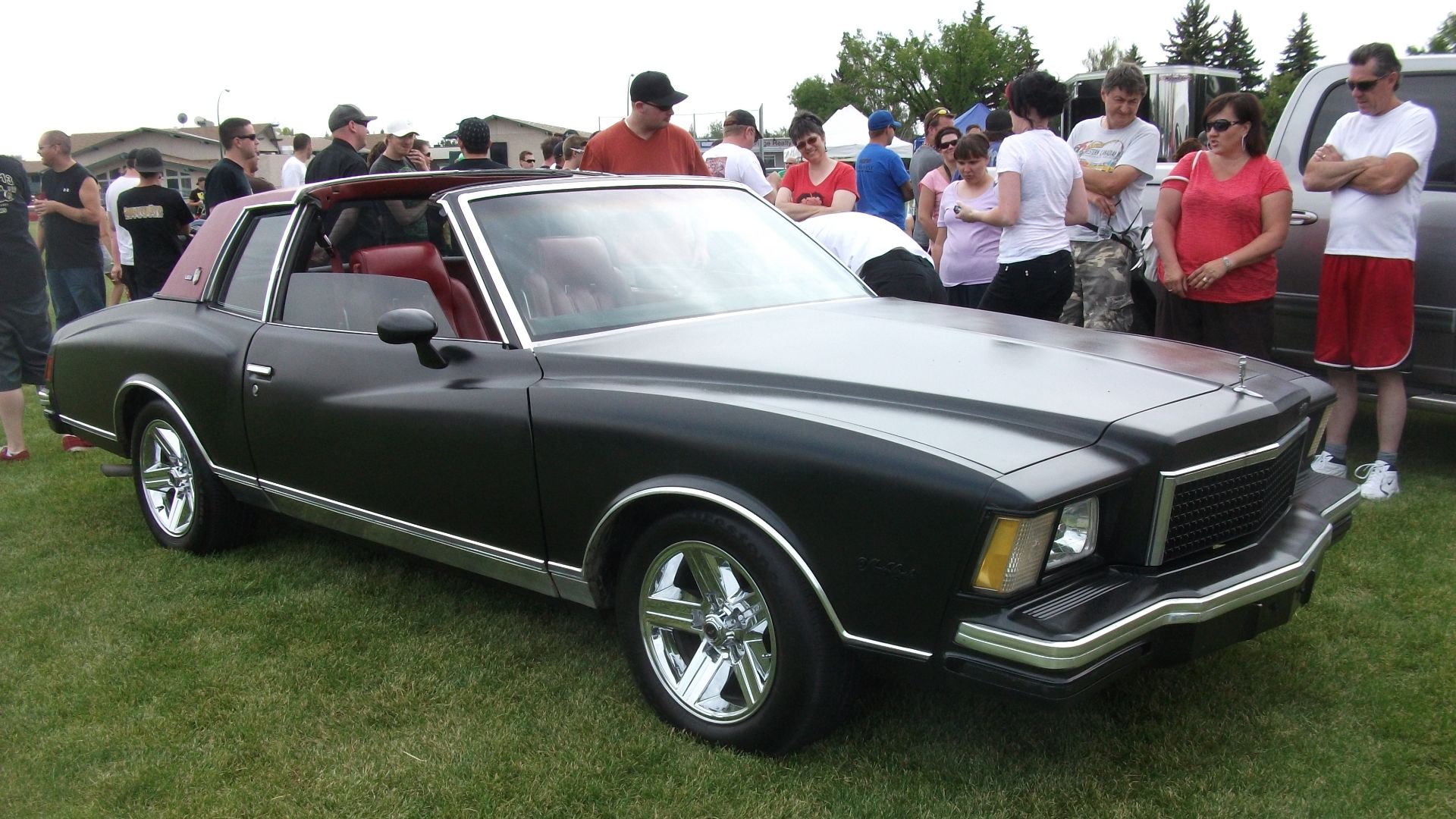
Chevrolet Monte Carlo (Late ‘70s Models)
There was a time when the Monte Carlo was cool. Then it became a vinyl-roofed land barge with questionable proportions. Millennials raised on sharper design and actual performance aren’t eager to bring back the era of fake wire hubcaps and pillow-top bench seats.
 dave_7 from Lethbridge, Canada, Wikimedia Commons
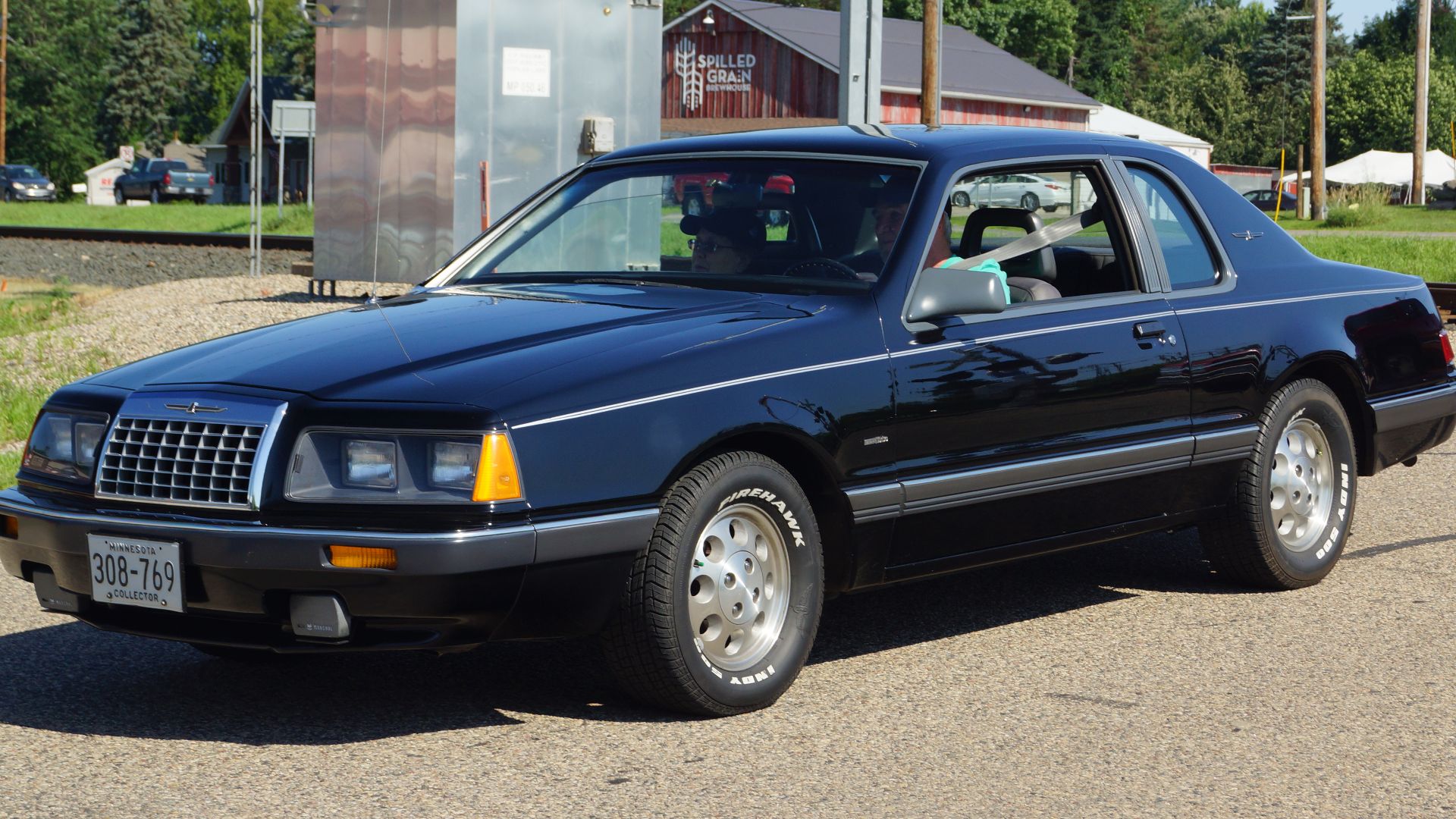
Ford Thunderbird (1980s Era)
The Thunderbird started as a stylish personal luxury car. By the ’80s, it looked like it had given up. Boxy, beige, and powered by engines that were more “adequate” than exciting, it’s not exactly poster material for the Instagram generation.
 Greg Gjerdingen from Willmar, USA, Wikimedia Commons
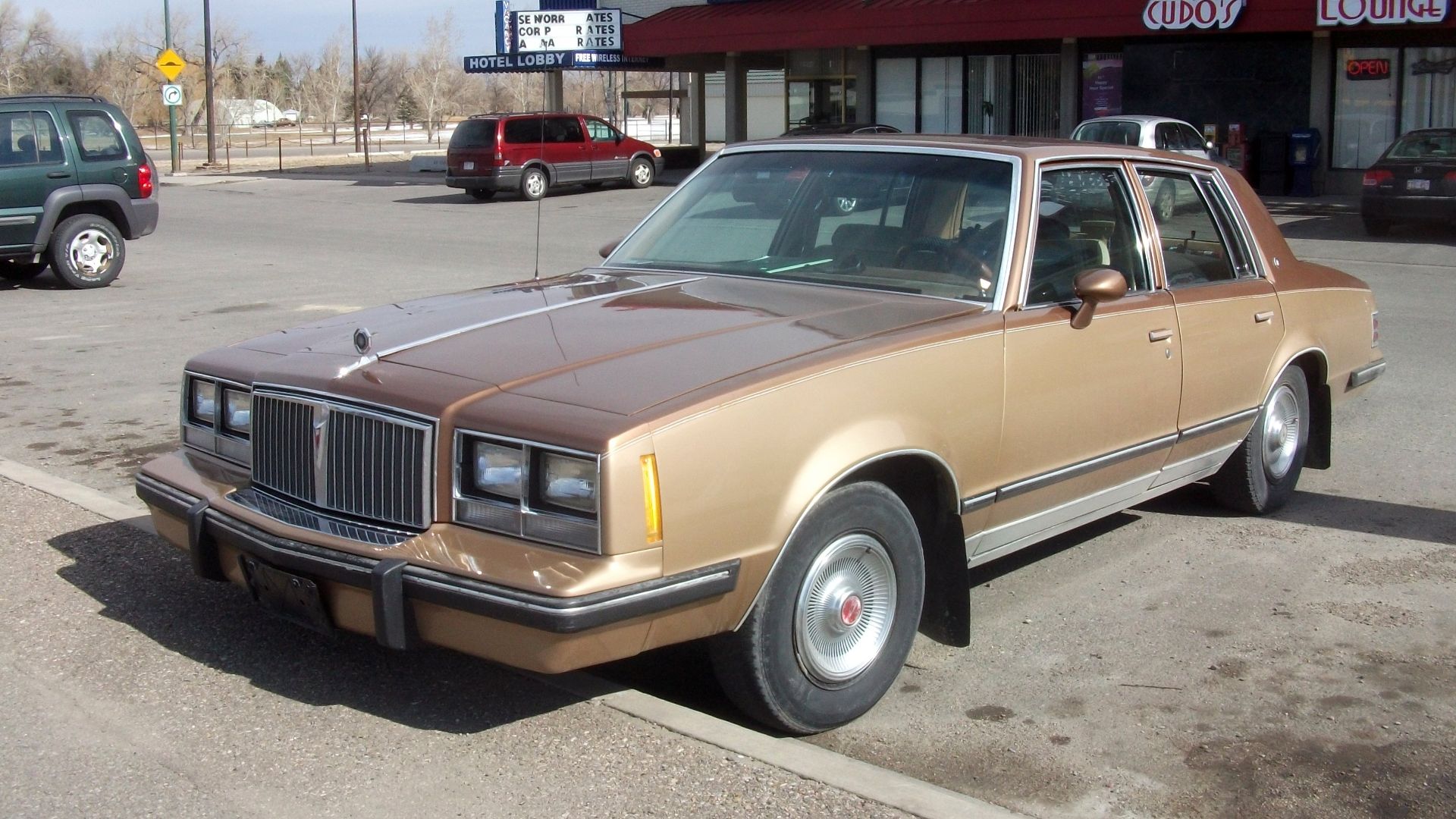
Pontiac Bonneville (Late Models)
By the late ’90s and early 2000s, the Bonneville was trying very hard to look sporty while still appealing to retirees. The result? A confused sedan with plastic cladding and the soul of a La-Z-Boy. Millennials would rather just buy the actual sports sedan.
 dave_7 from Lethbridge, Canada, Wikimedia Commons
Chevrolet Impala (Early 2000s)
Not the classic ’60s icon—the fleet-spec Impala your high school vice principal drove. It was fine. That’s the problem. Just fine. Rental-car fine. DMV-line fine. Millennials are hoping for at least a little spice in their daily driver.
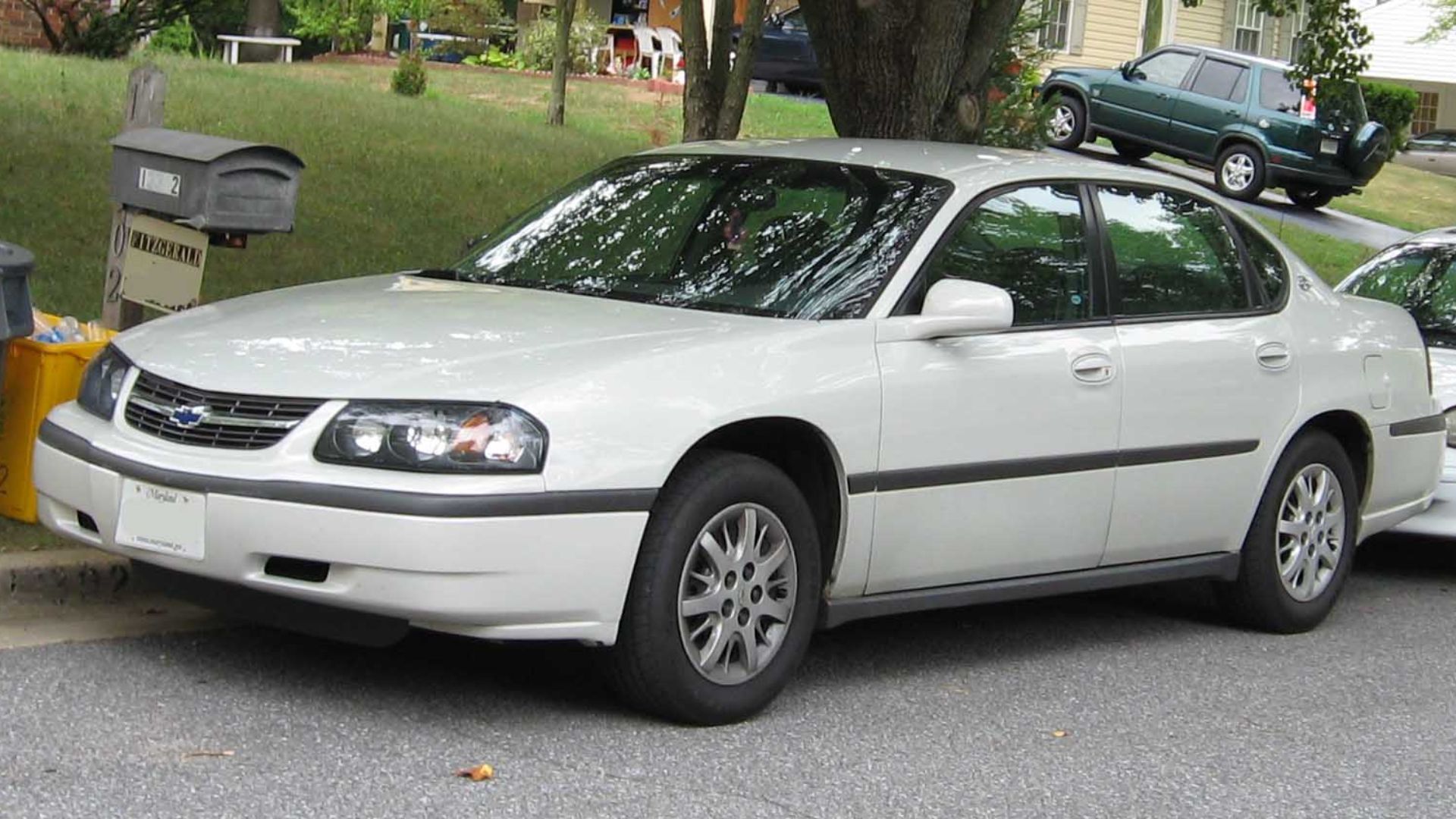
Buick Park Avenue
The name alone sounds like it should come with a cardigan. The Park Avenue prioritized floaty comfort over literally everything else. Millennials, battling potholes and parallel parking, would prefer suspension that doesn’t feel like a waterbed.
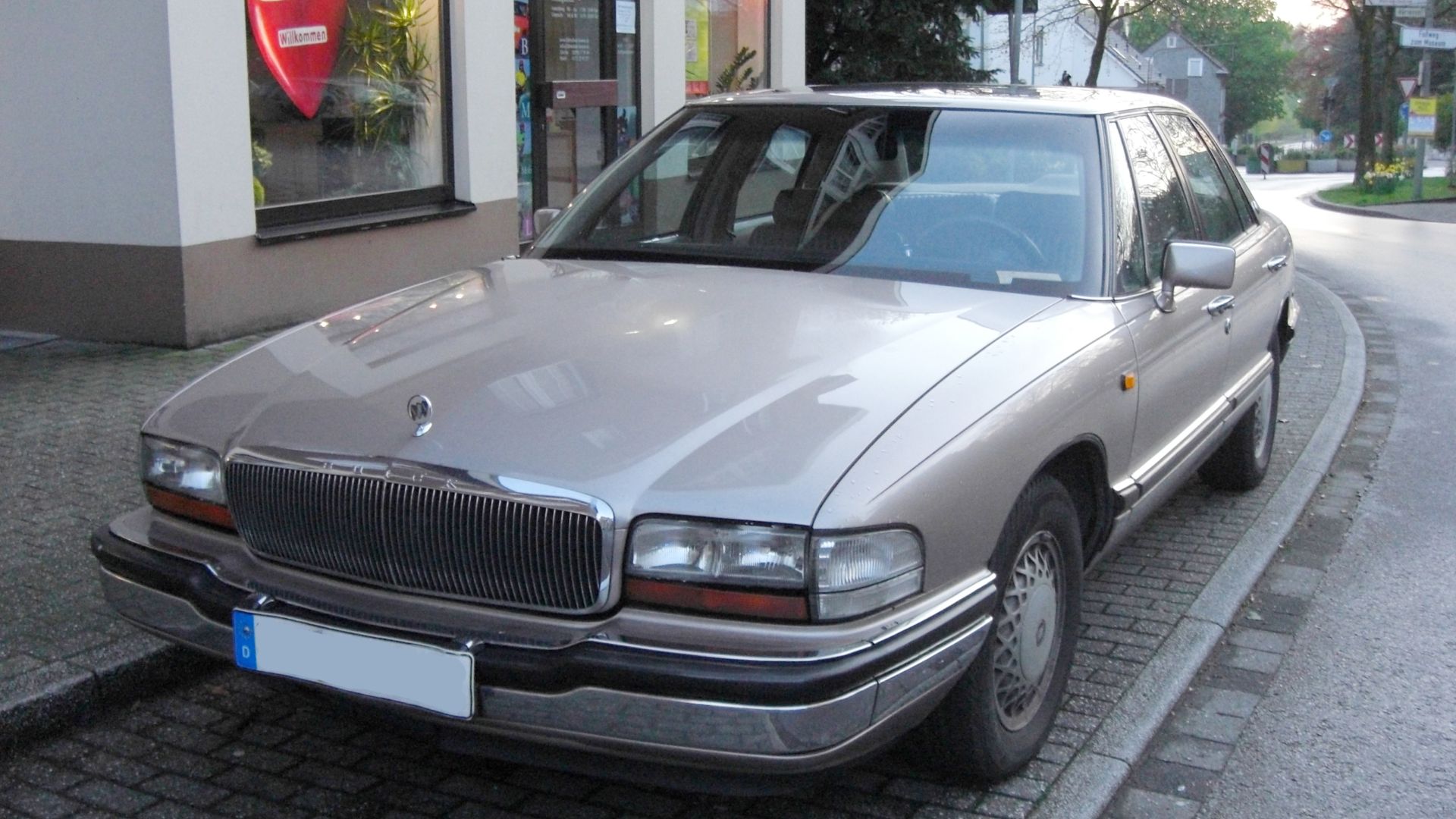
Chrysler PT Cruiser
Boomers didn’t invent the PT Cruiser—but plenty embraced it. Retro styling, awkward proportions, and an interior that aged like milk. Millennials have collectively agreed: nostalgia is great. Just… not like this.
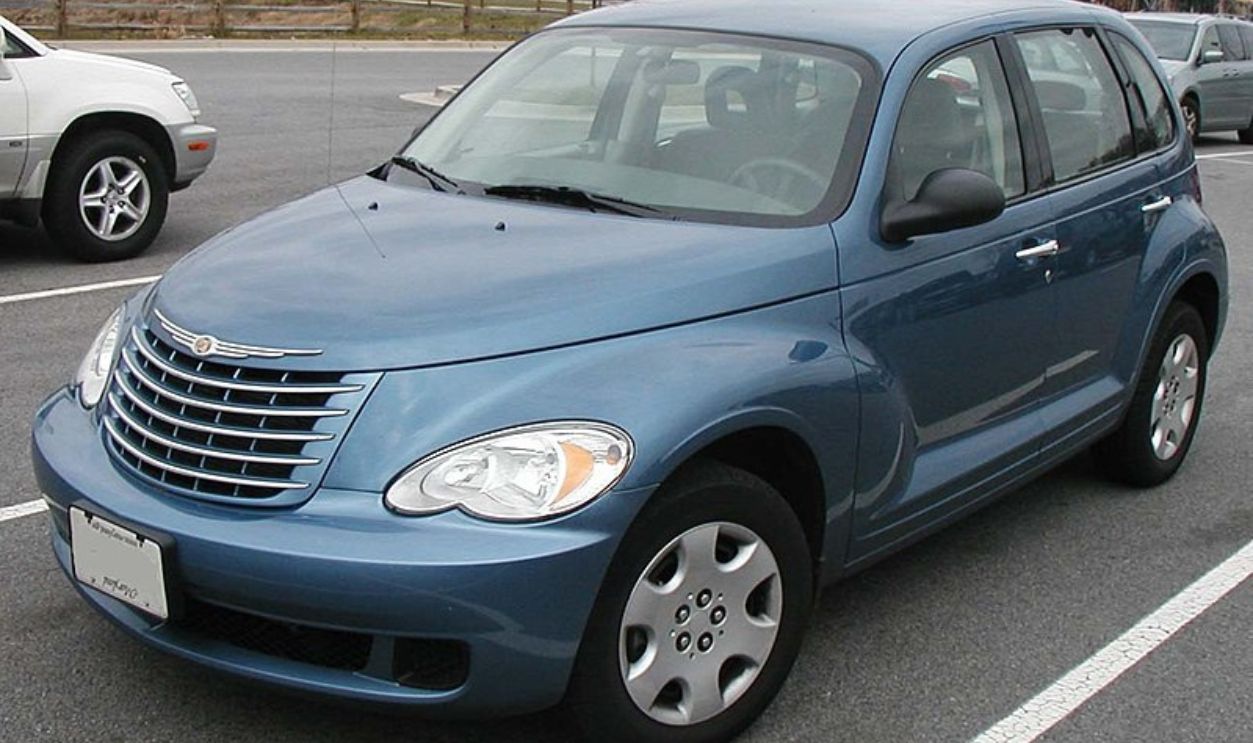
Oldsmobile Cutlass Ciera
A staple of ’80s and ’90s suburbia, the Cutlass Ciera was dependable and completely anonymous. If beige were a car, this would be it. Millennials already have enough neutral tones in their apartments.
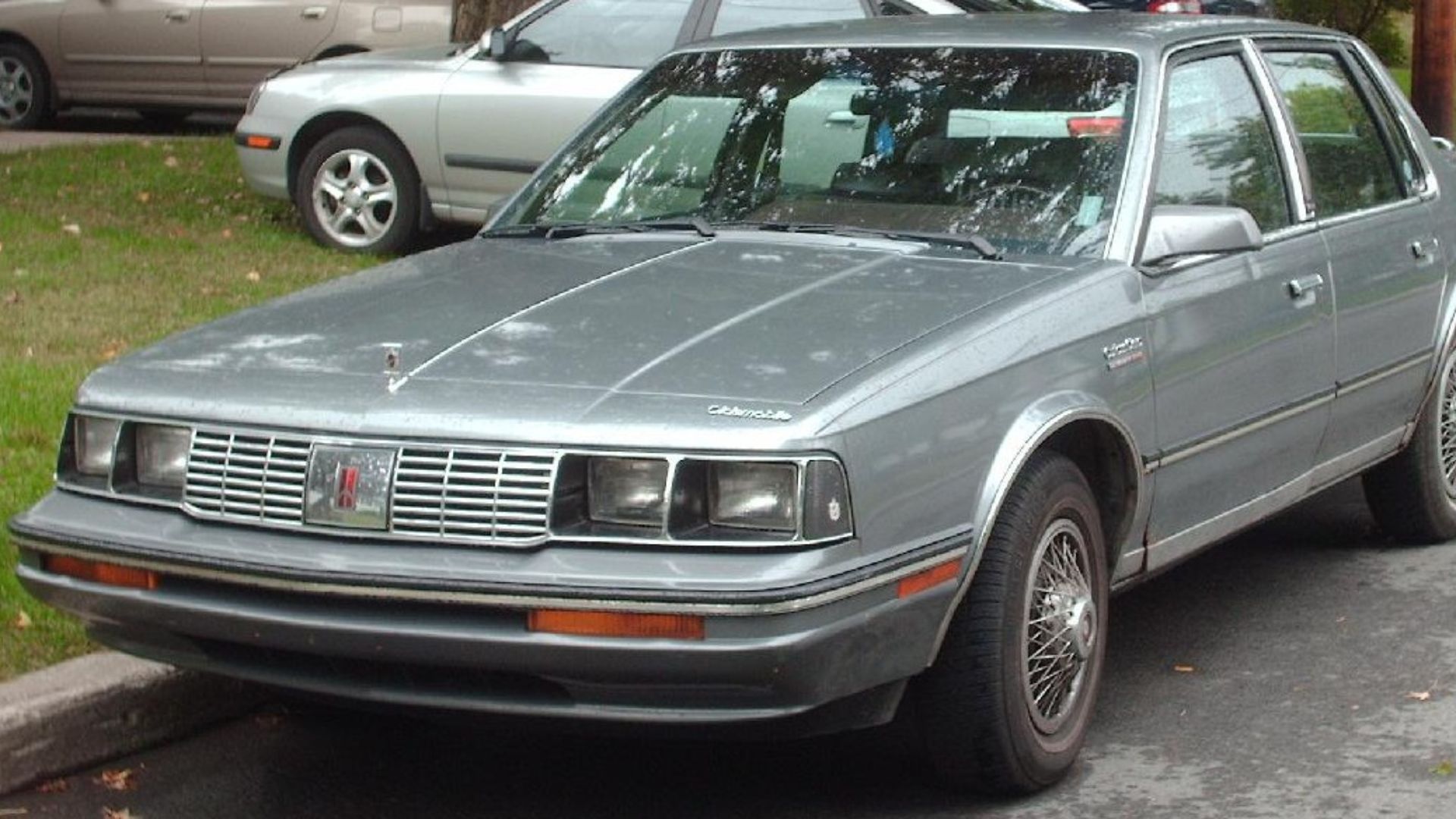
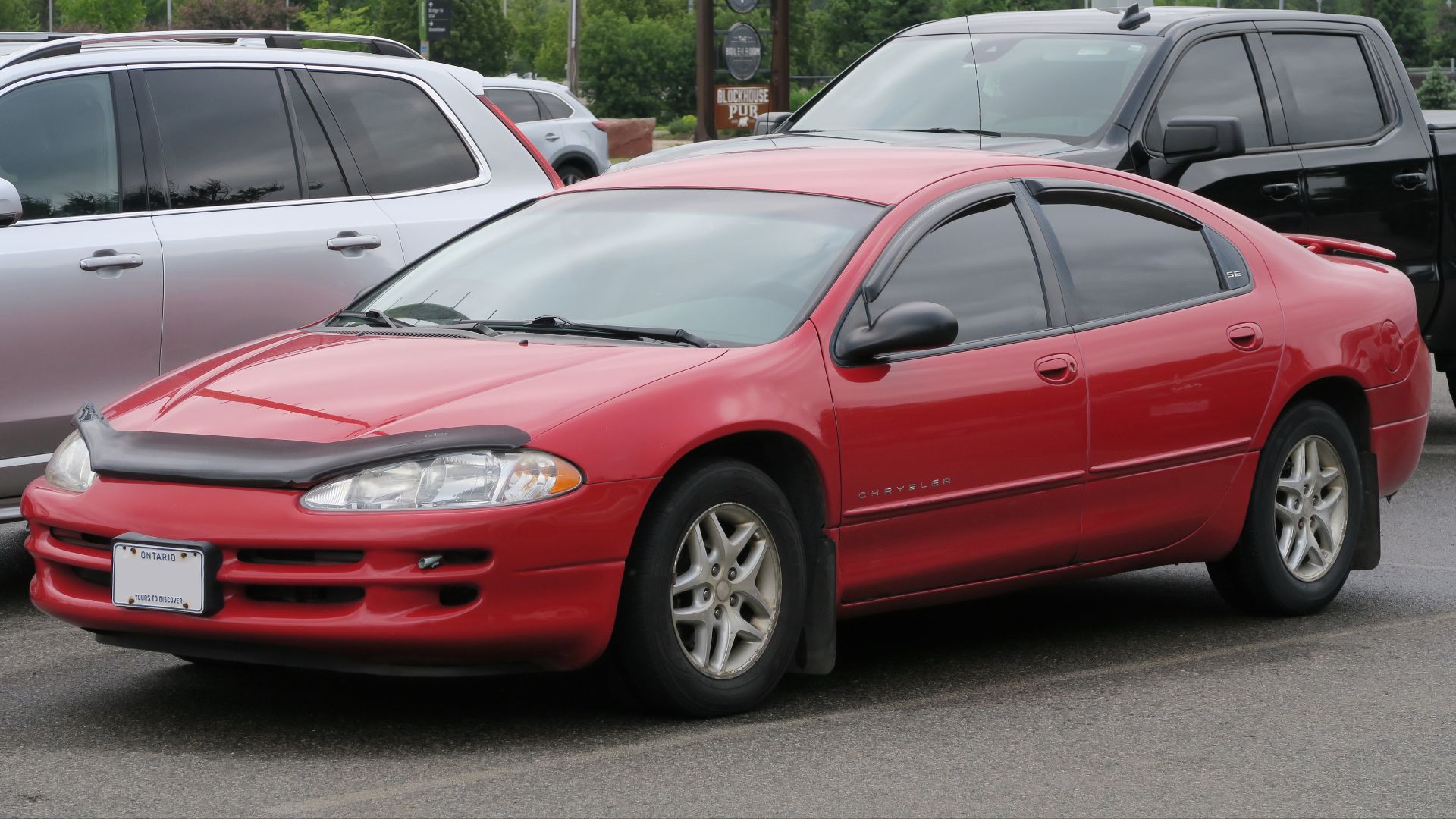
Dodge Intrepid
The Intrepid tried to be bold with its “cab-forward” design. It ended up looking like it melted slightly in the sun. Add in reliability issues, and you’ve got a sedan Millennials are perfectly content to leave in the past.
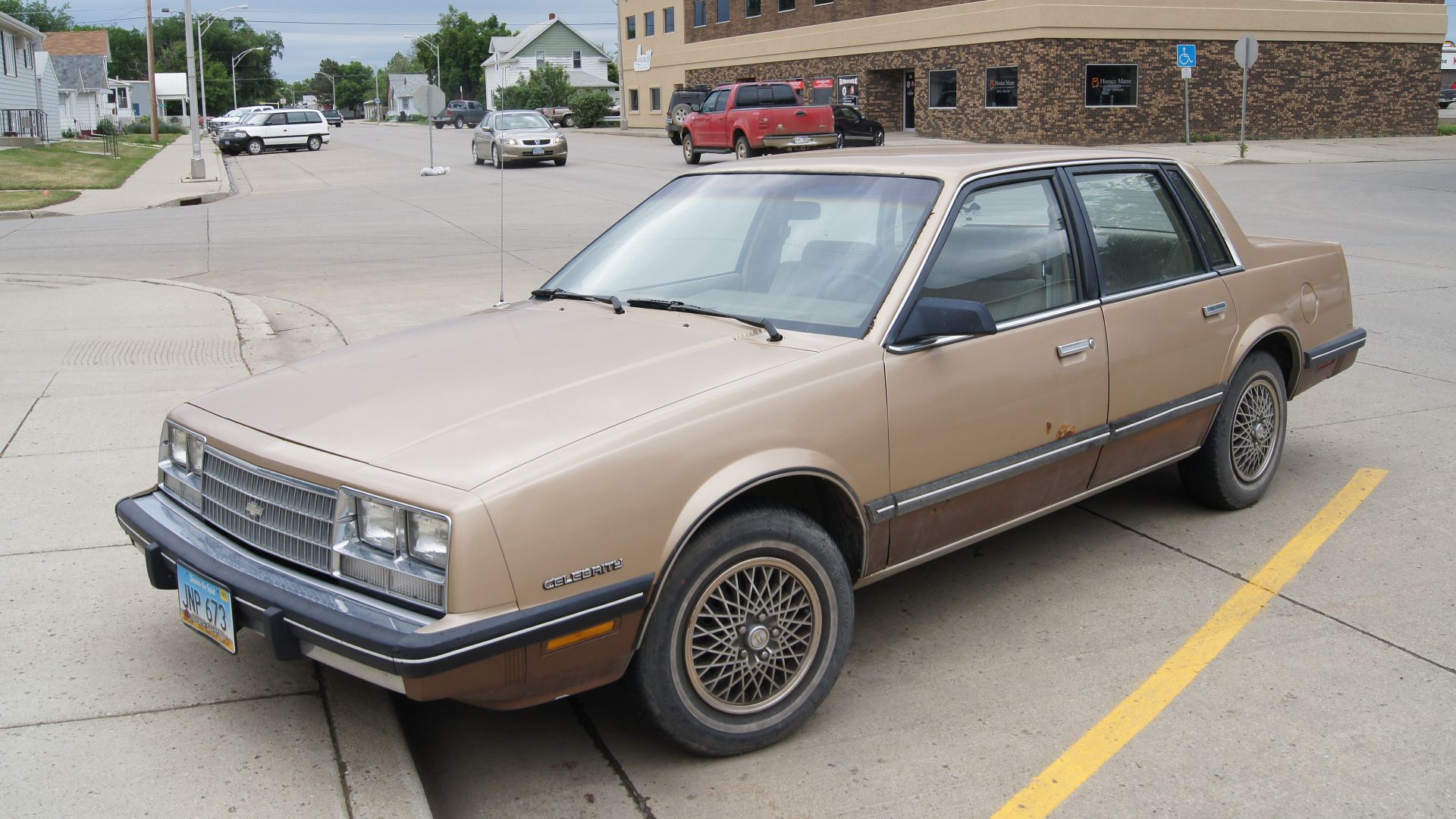
Chevrolet Celebrity
The Chevrolet Celebrity might win the award for Most Ironically Named Car. There was nothing celebrity about it. It was a humble, front-wheel-drive appliance that did its job and asked for nothing. Millennials respect the hustle—but we don’t need the reunion tour.
 Greg Gjerdingen from Willmar, USA, Wikimedia Commons
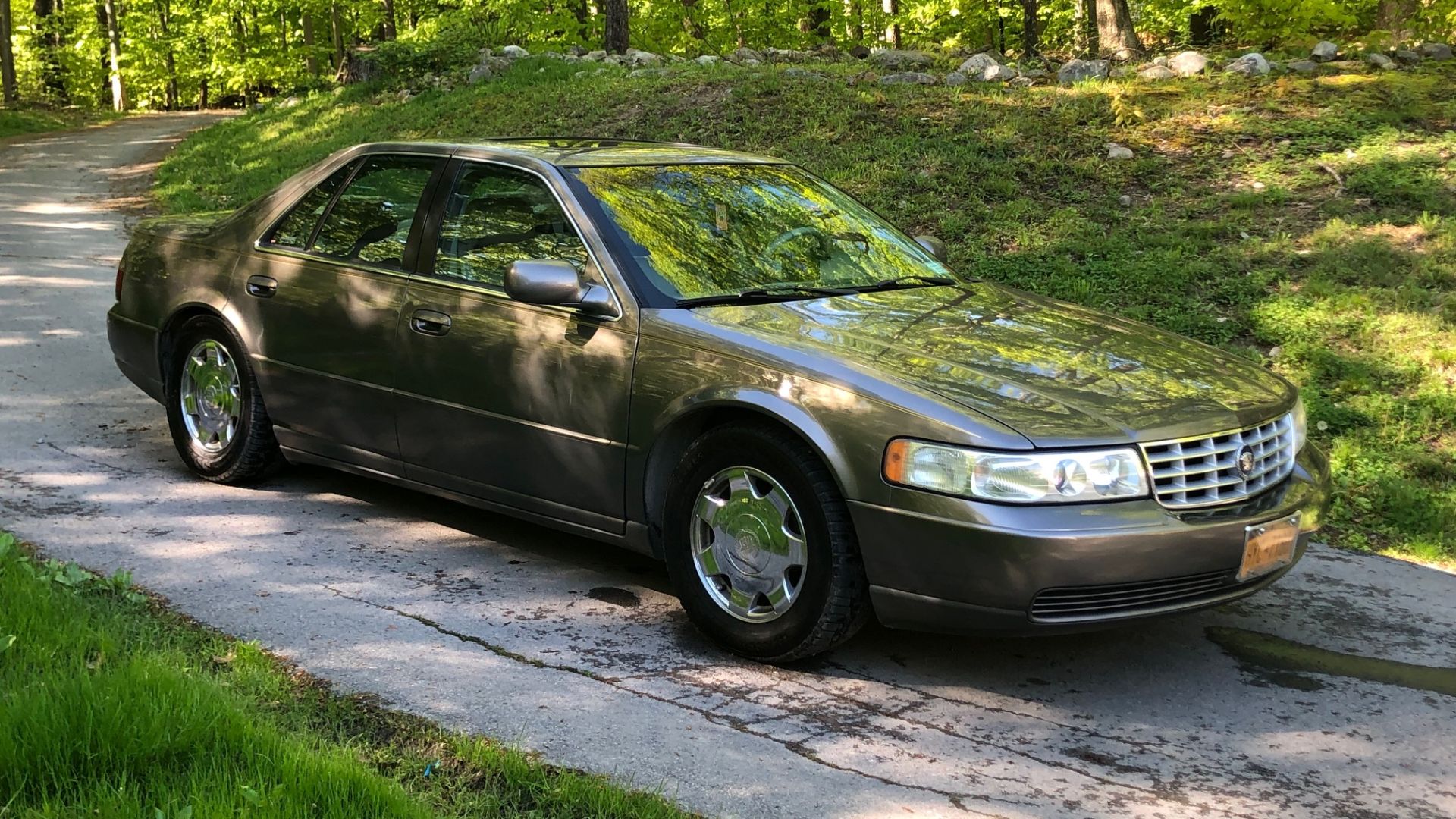
Cadillac Seville (Late ‘90s)
By the late ’90s, the Seville had gone full angular. Sharp lines, sharp edges, and a personality to match. It was luxury trying to look edgy. Millennials can spot forced cool from a mile away.
Lincoln Continental (Early 2000s)
Once a design icon, the Continental ended its run looking like a generic sedan with a famous badge. Millennials value heritage—but only when it feels earned. Slapping a legendary name on a forgettable car doesn’t quite cut it.
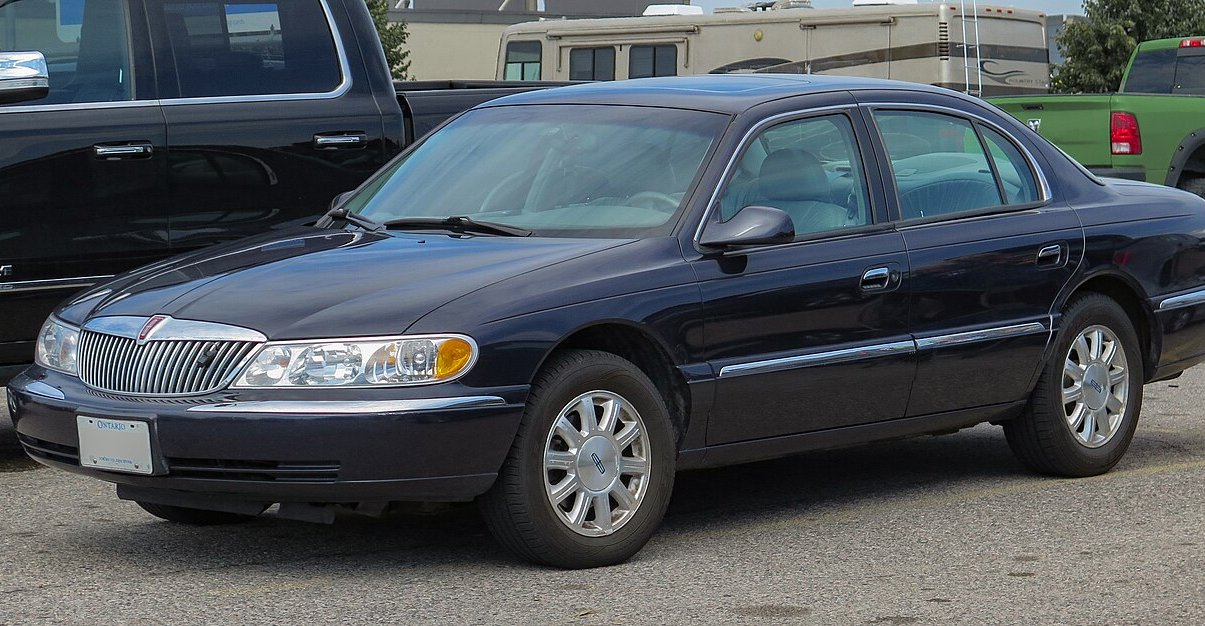 Elise240SX, CC BY-SA 4.0, Wikimedia Commons
Mercury Sable
Ah, the oval era. The Sable’s jellybean styling and full-width light bar screamed 1996. It wasn’t terrible—it was just aggressively average. Millennials are nostalgic for Tamagotchis, not anonymous sedans.
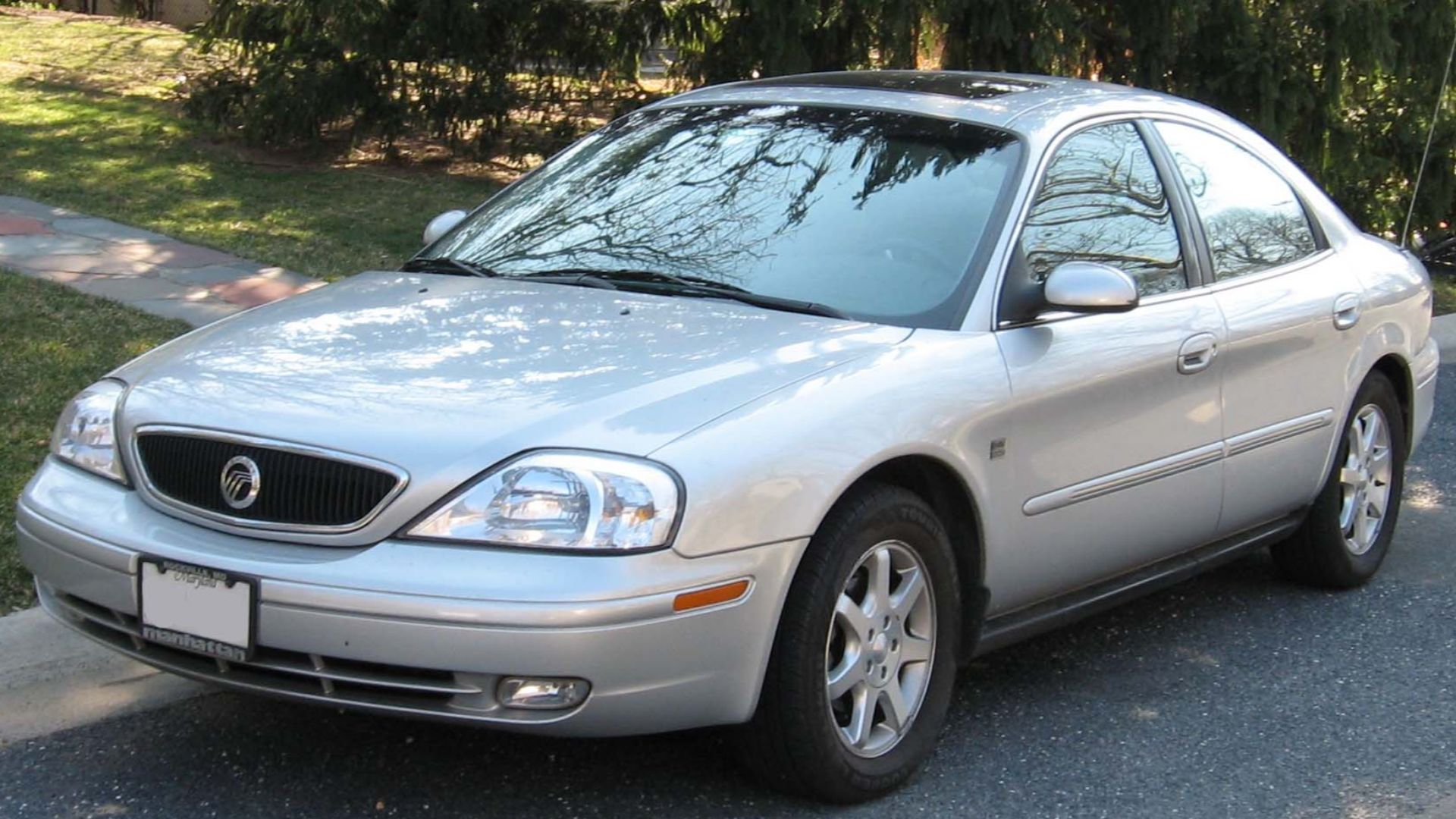
Ford Crown Victoria (Civilian Version)
Police cruisers get a pass. Civilian Crown Vics? Less so. Huge, body-on-frame, and built like a tank, the Crown Vic was durable but dated. Millennials admire its toughness—just not its appetite for fuel.
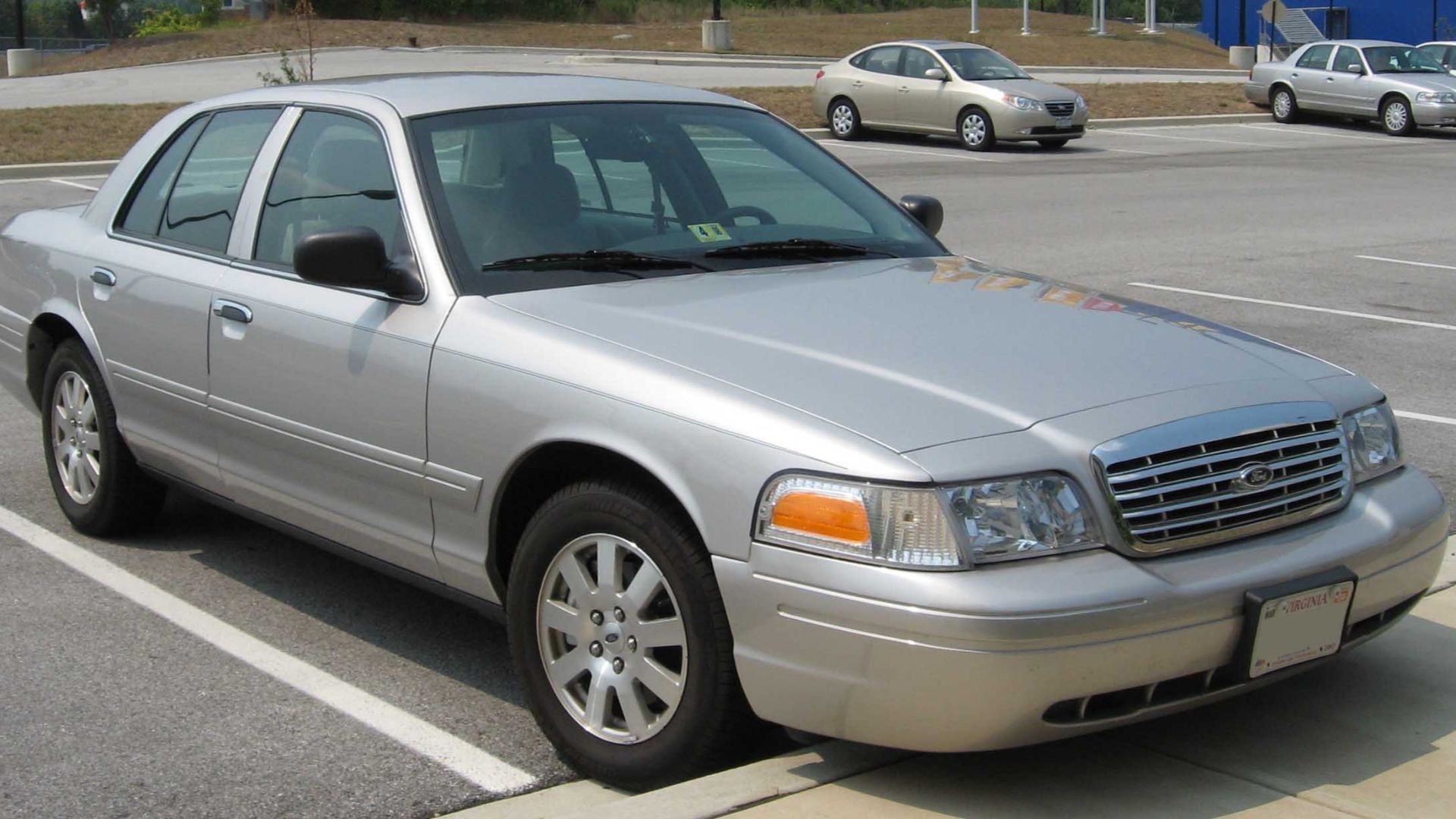
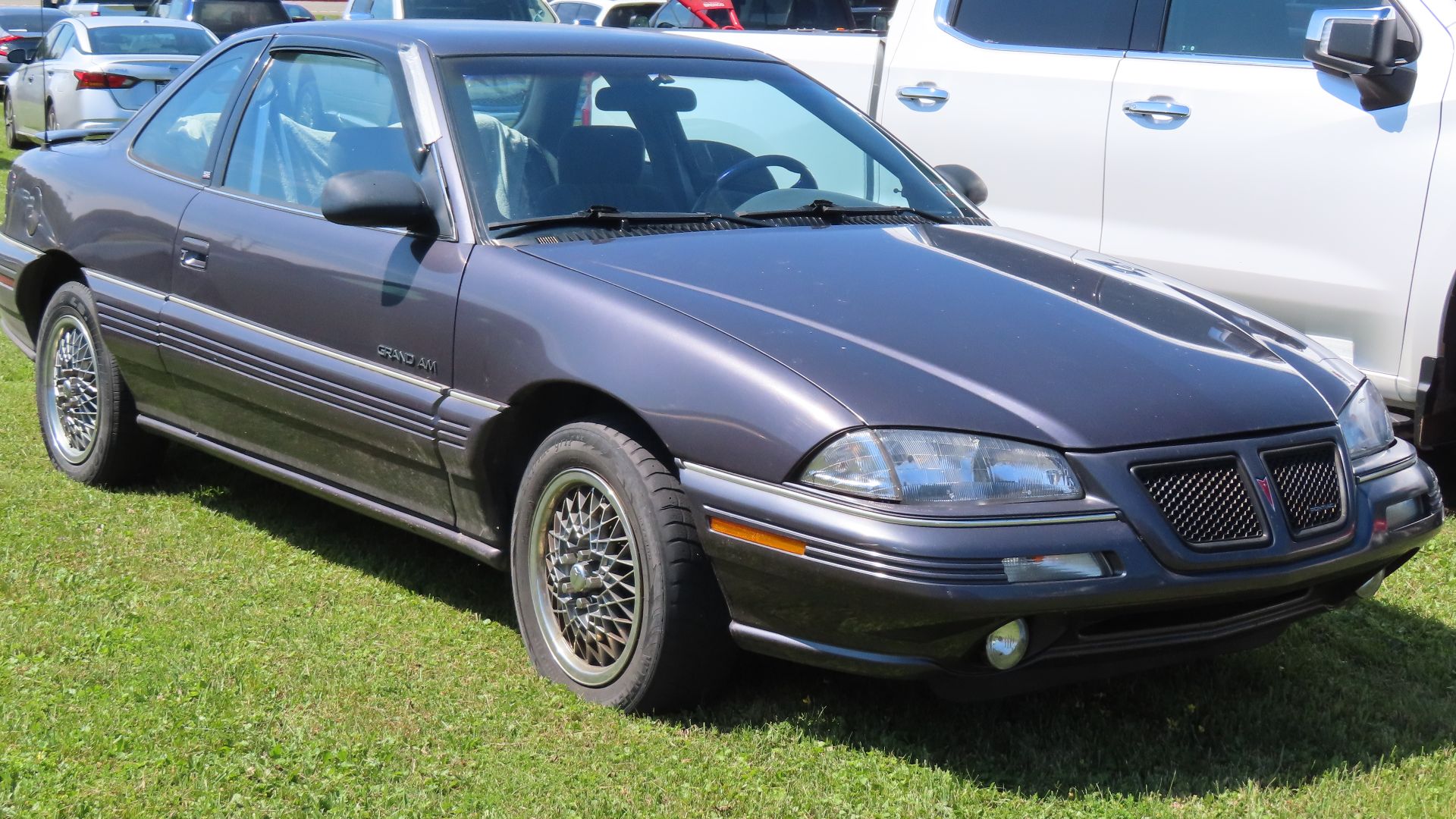
Pontiac Grand Am
Cladding. So much cladding. The Grand Am tried to look youthful and sporty, but it often ended up looking like it raided the plastic aisle at Home Depot. Millennials prefer their sportiness without the extra trim pieces.
 MercurySable99, Wikimedia Commons
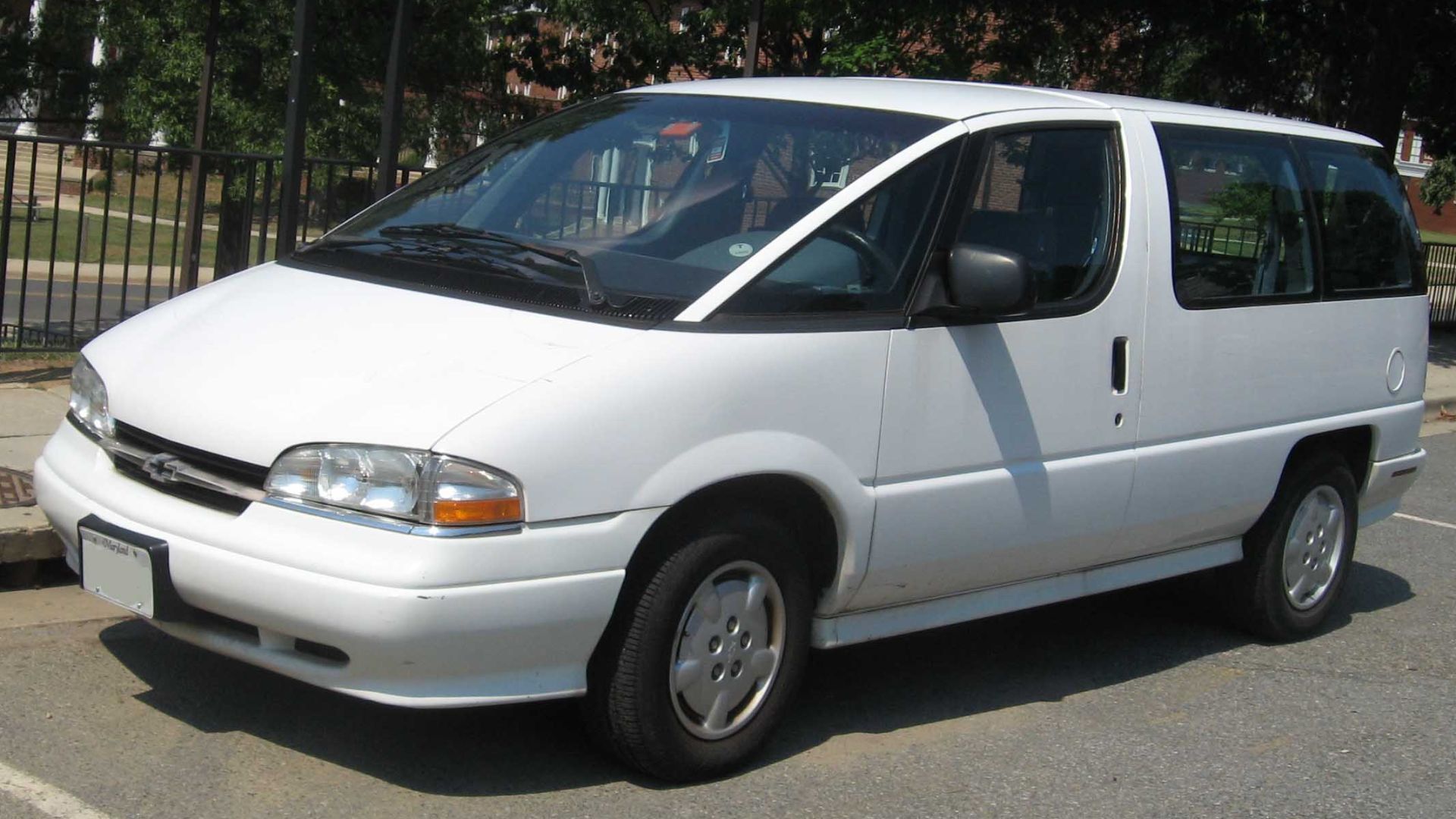
Chevrolet Lumina
The Lumina is proof that the ’90s were a strange time. It looked vaguely aerodynamic and felt vaguely uninspiring. Millennials don’t hate it—they just don’t remember it. And that might be worse.
Buick Regal (Early 2000s)
Before its later glow-up, the Regal was another soft-riding sedan aimed squarely at retirees. Comfort is great. But when your car feels like it’s actively encouraging a nap, it might not spark Millennial joy.
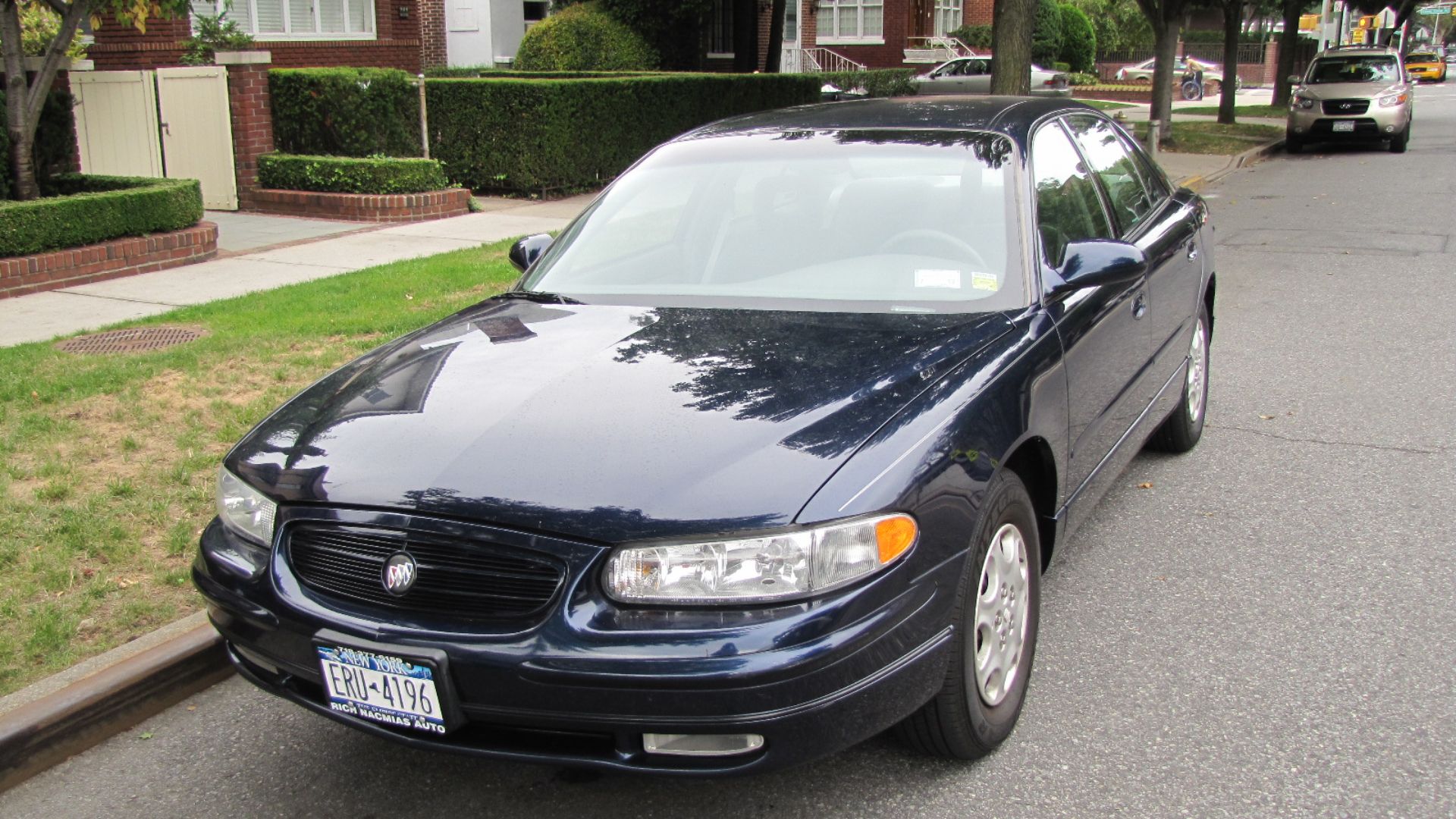 Richard Nacmias from Brooklyn, NY, USA, Wikimedia Commons
Dodge Dynasty
Even the name sounds like it belongs to a soap opera. The Dynasty was boxy, bland, and built for comfort over charisma. Millennials will happily let this particular “dynasty” fade away.
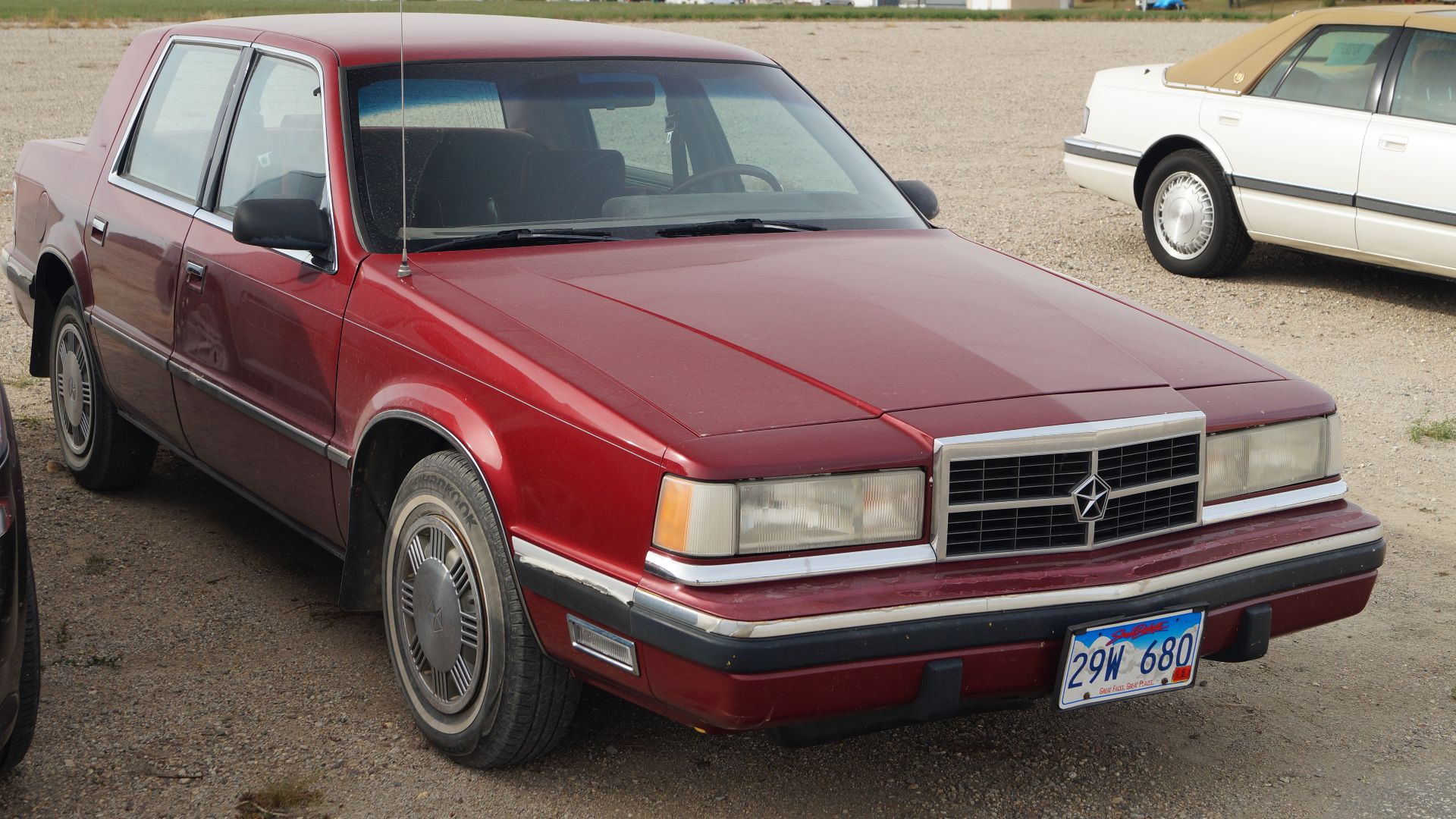 Greg Gjerdingen from Willmar, USA, Wikimedia Commons
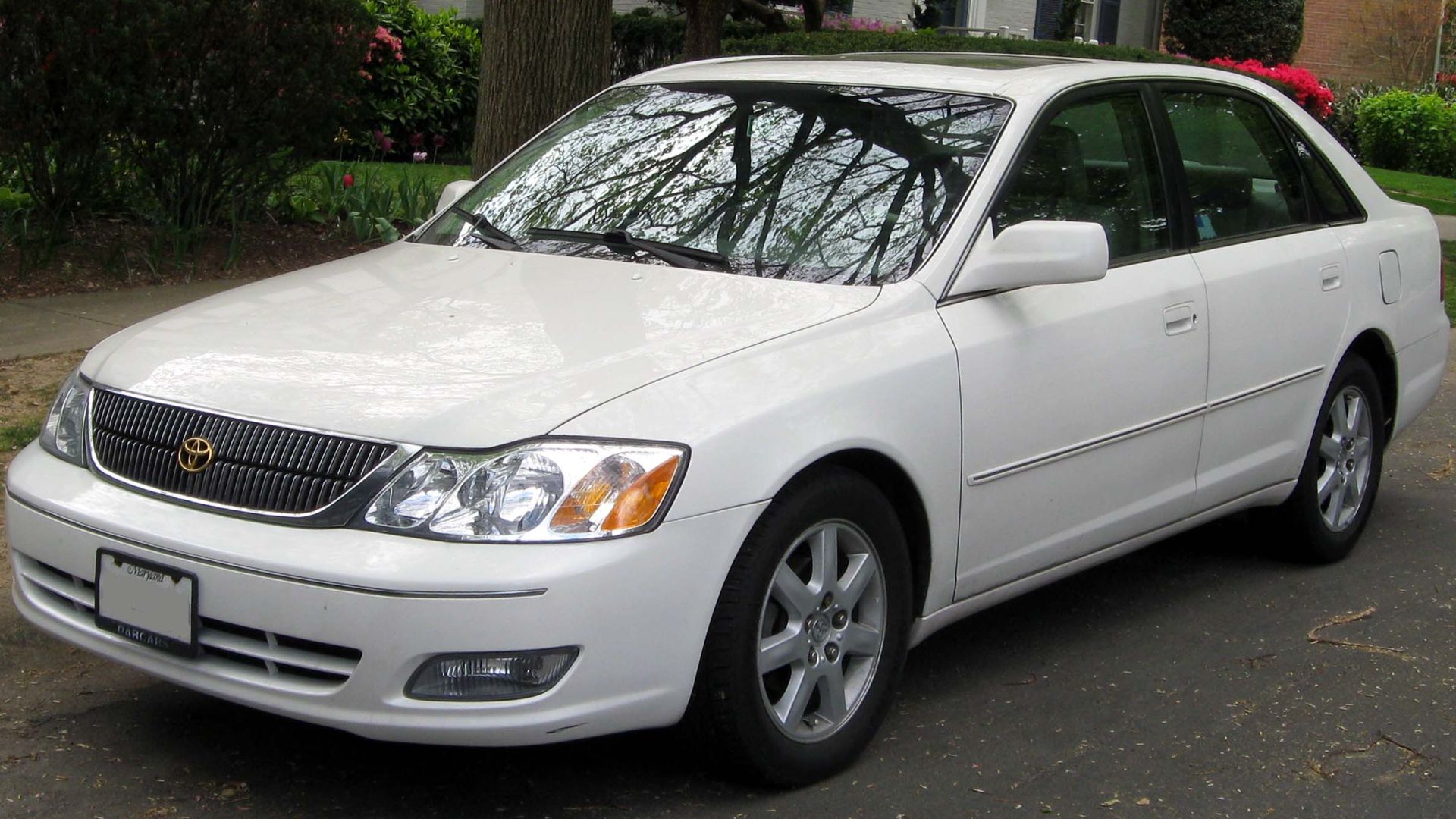
Toyota Avalon (Early Generations)
Yes, it’s reliable. Yes, it’s comfortable. And yes, Boomers loved it. But early Avalons had all the visual excitement of a filing cabinet. Millennials respect Toyota—but we’d like a little design flair with our dependability.
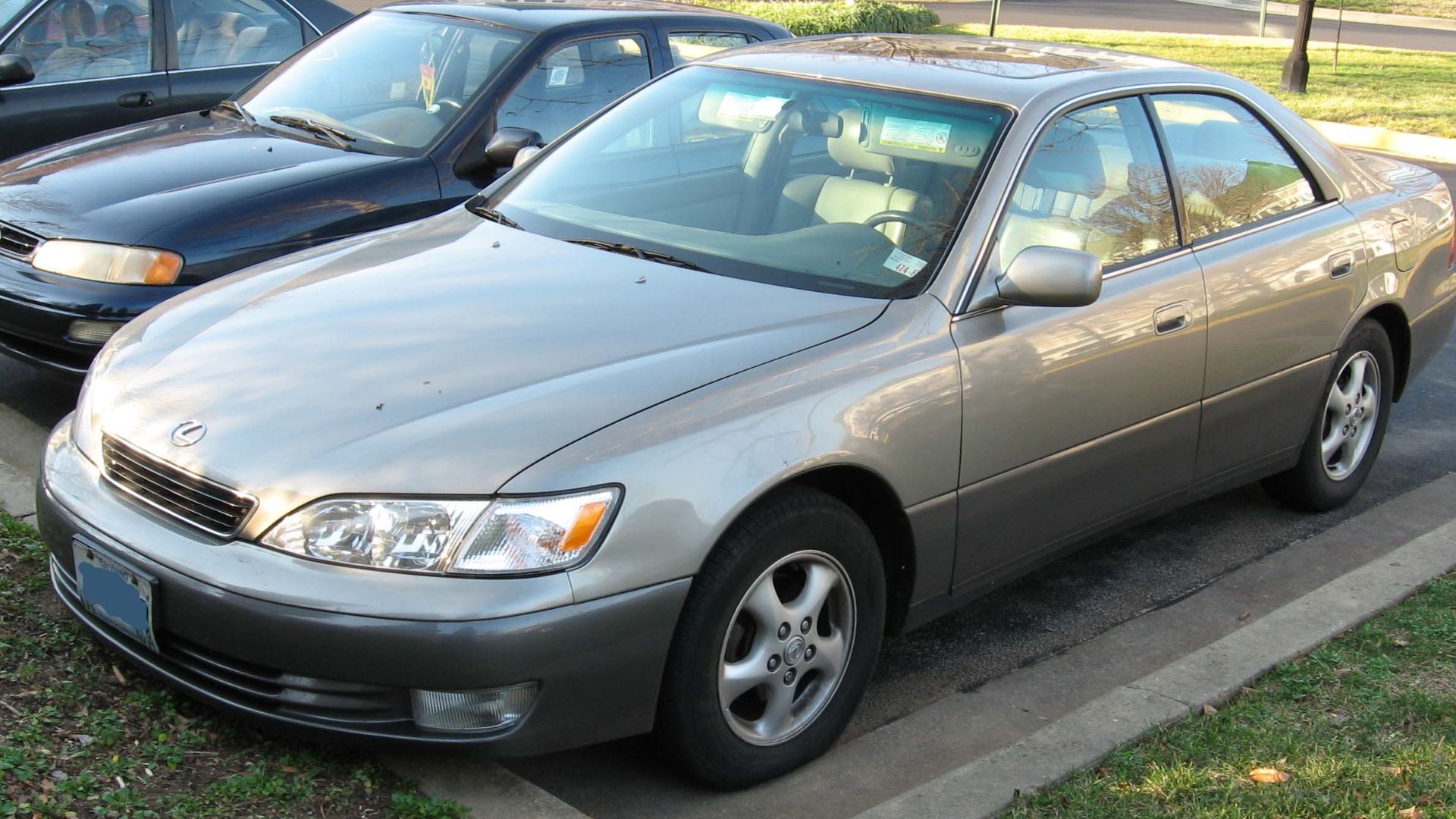
Lexus ES 300 (Early Models)
Before Lexus became genuinely stylish, the ES 300 was the quiet, sensible choice. It was impeccably built—and utterly forgettable. Millennials appreciate luxury, but we also appreciate not feeling like we borrowed our accountant’s car.
Chevrolet HHR
If the PT Cruiser had a cousin who tried slightly harder, it was the HHR. Retro styling rarely ages well, and the HHR’s slab sides and awkward stance haven’t exactly become design classics. Millennials will keep the hatchbacks—just not this one.
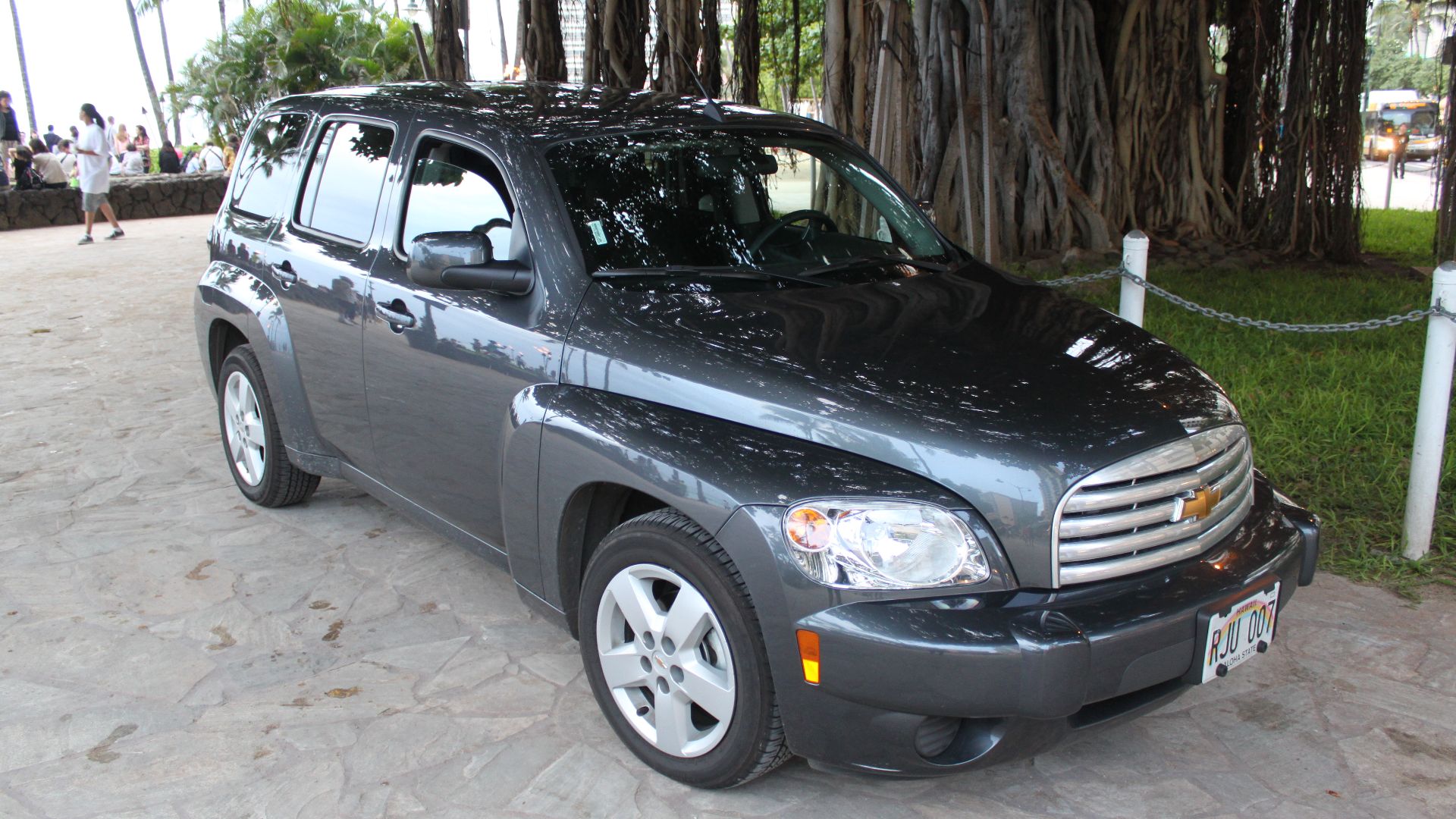 Jeremy from Sydney, Australia, Wikimedia Commons
The End Of The Land Yacht Era
Here’s the thing: every generation has its questionable automotive choices. Millennials will one day have to answer for CVTs and overstyled crossovers. But as the Boomer era slowly hands over the keys, it’s hard not to hope that some of the vinyl roofs, opera windows, fake wood panels, and 5,000-pound sedans quietly retire with it. We’ll keep the classics—the muscle cars, the icons, the genuinely cool stuff. The rest? Let’s just say the retirement community parking lot is about to get a little less crowded.
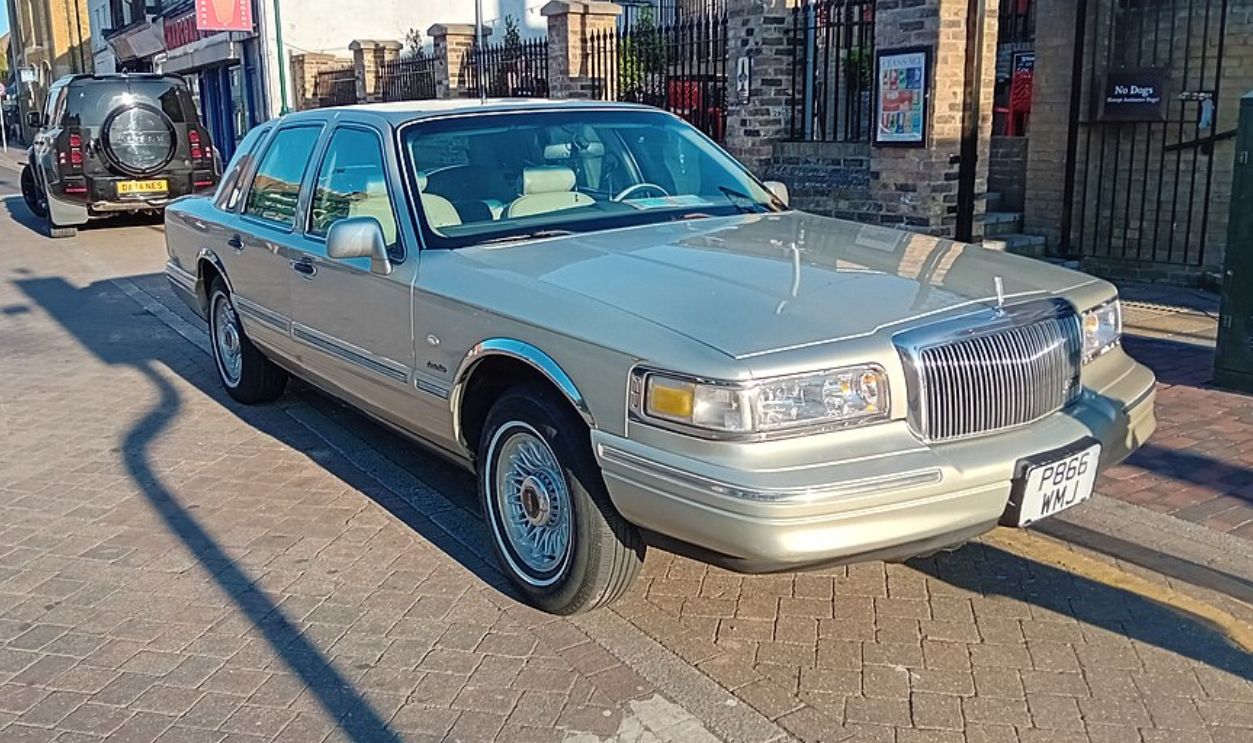 Hugh Llewelyn, CC BY-SA 2.0, Wikimedia Commons
You May Also Like:
When A Detroit Designer Built A Car Entirely Out Of Soybeans
The True Origin Of The Term ‘Muscle Car’—And Who Really Invented It