The Day Detroit Went Green—In 1941
Long before “plant-based” became a buzzword, Henry Ford experimented with it on the factory floor. In 1941, he unveiled a car built partly from soybeans. Using agricultural plastics derived from crops, Ford created a prototype that was lighter than steel-bodied rivals and remarkably durable. Decades ahead of its time, the Soybean Car remains one of Detroit’s boldest experiments—and greatest what-ifs.
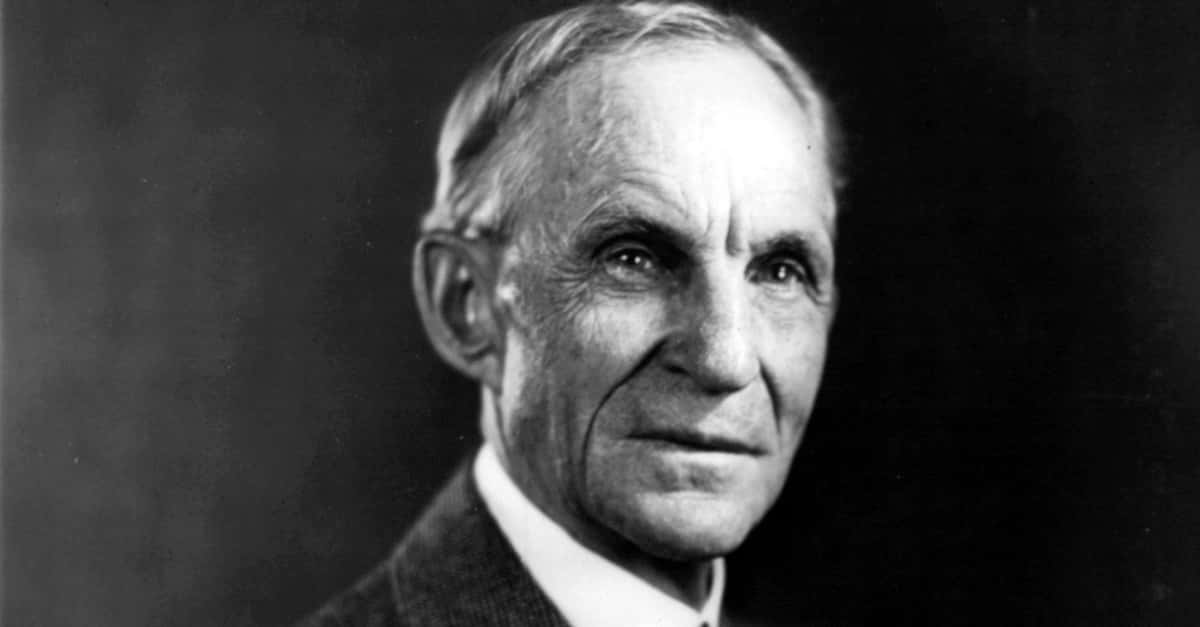
Henry Ford: Farmer At Heart, Industrialist By Trade
To understand the Soybean Car, you have to understand Henry Ford. Though famous for assembly lines and V8s, Ford always saw himself as a farmer first. Raised on a Michigan farm, he never lost his connection to the land. Even as his factories expanded, he dreamed of linking agriculture and industry in meaningful ways.
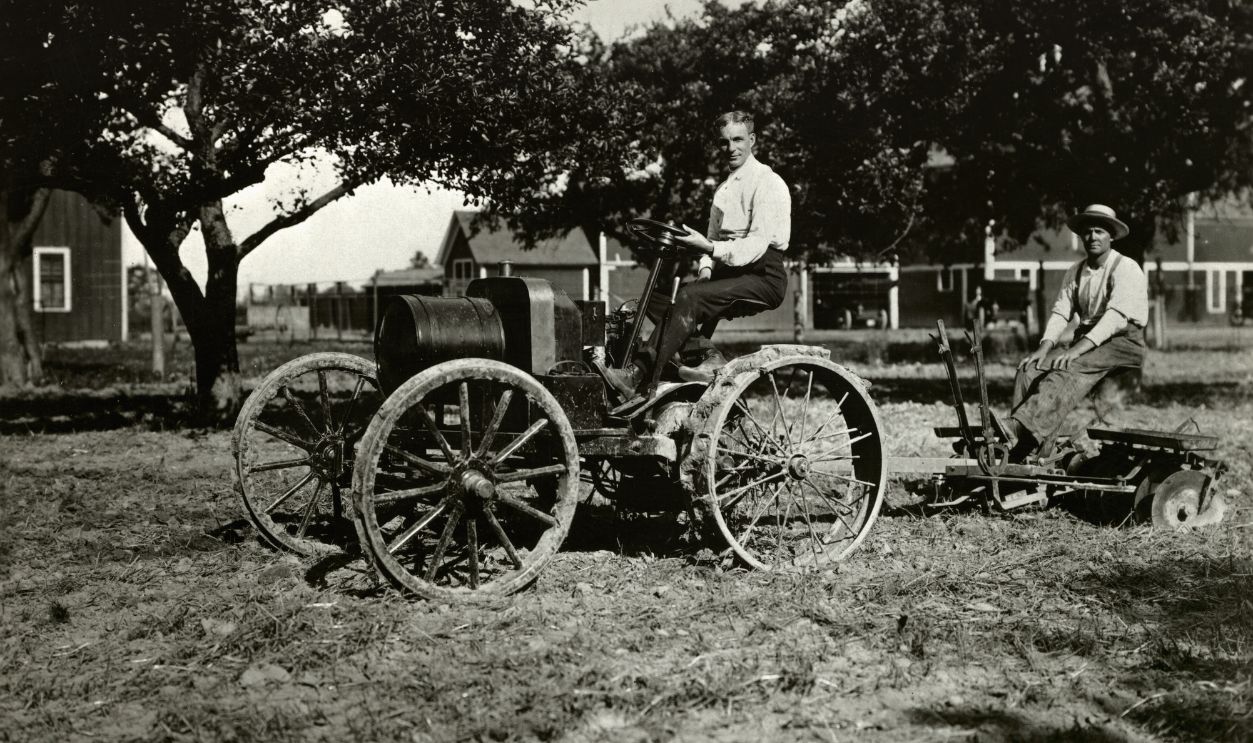
From Field To Factory Floor
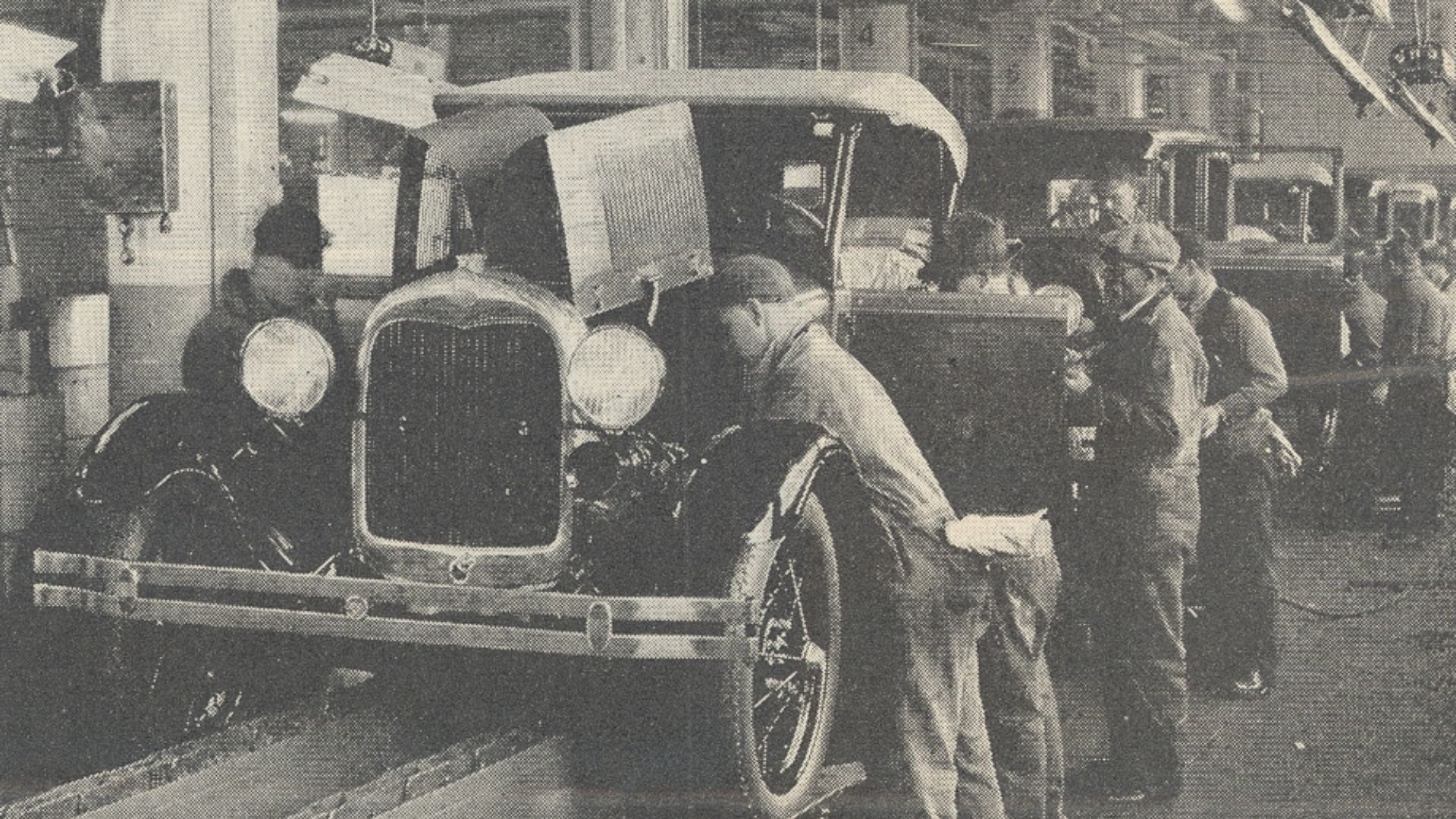
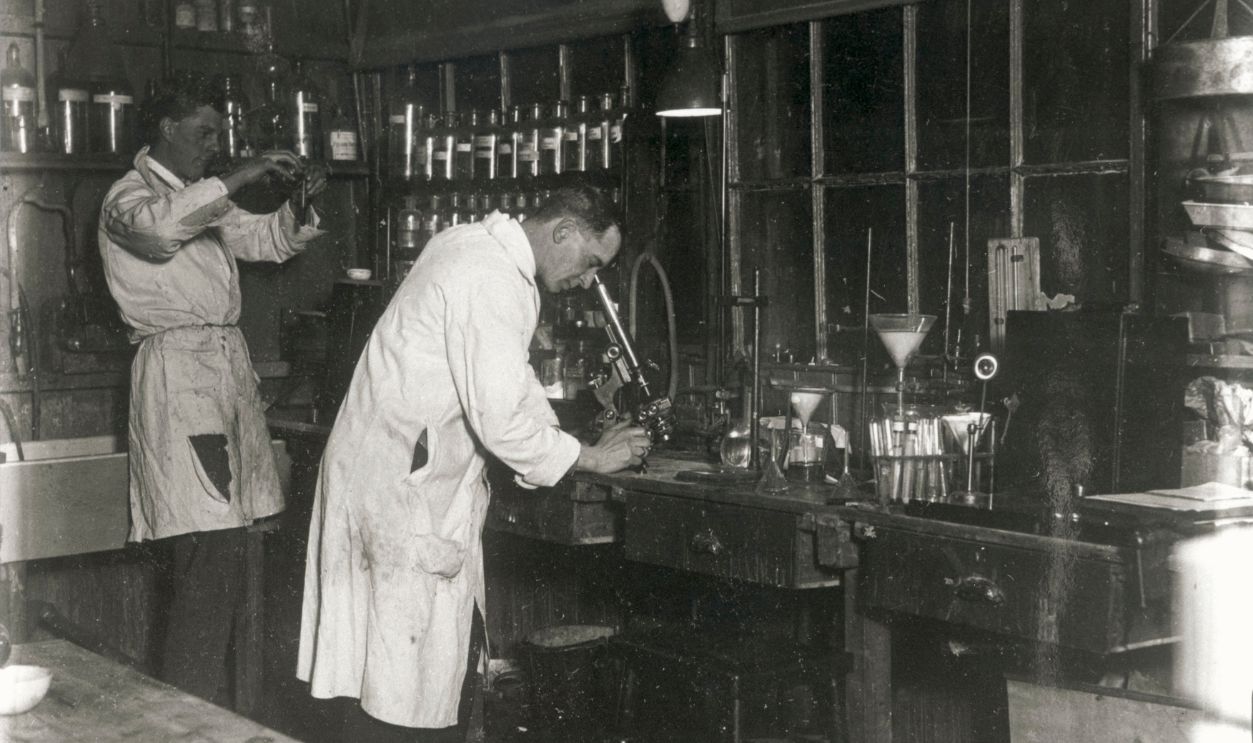
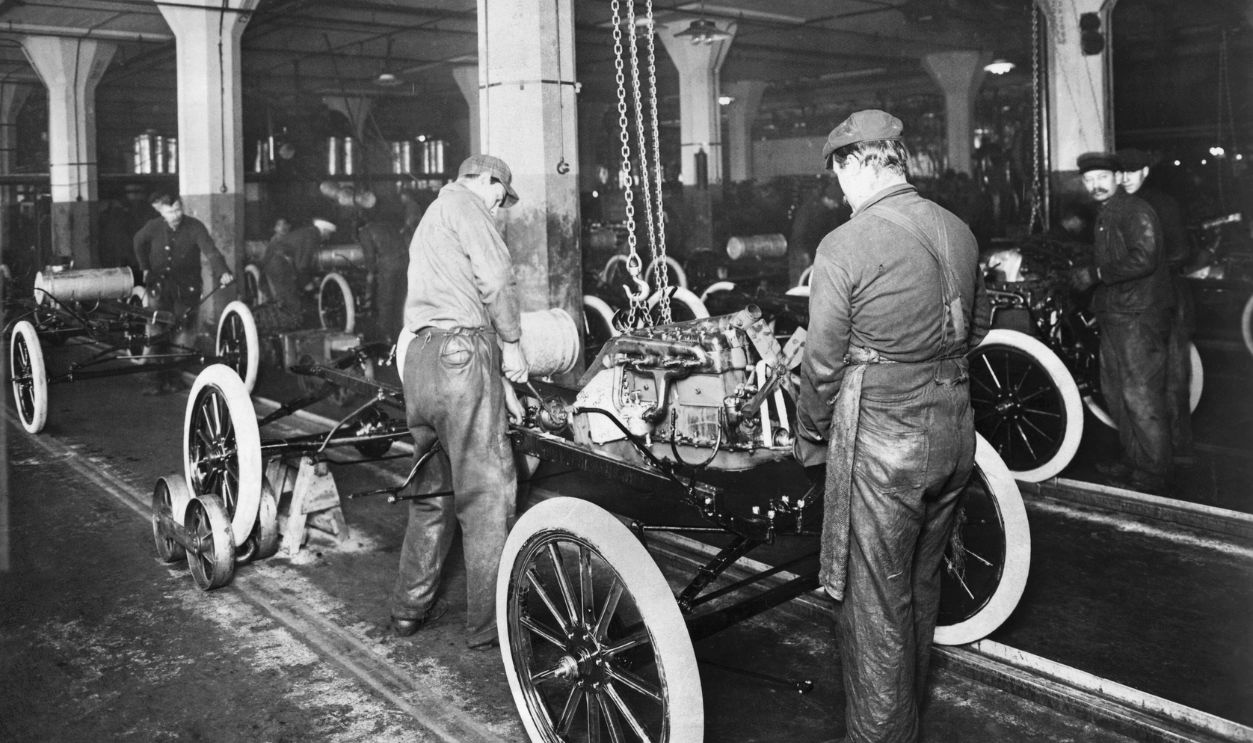
During the 1930s, Ford invested heavily in agricultural research. He built laboratories focused on finding industrial uses for crops like hemp, corn, wheat, and soybeans. Ford believed farm products could reduce reliance on foreign materials and create new income streams for struggling farmers during the Great Depression.
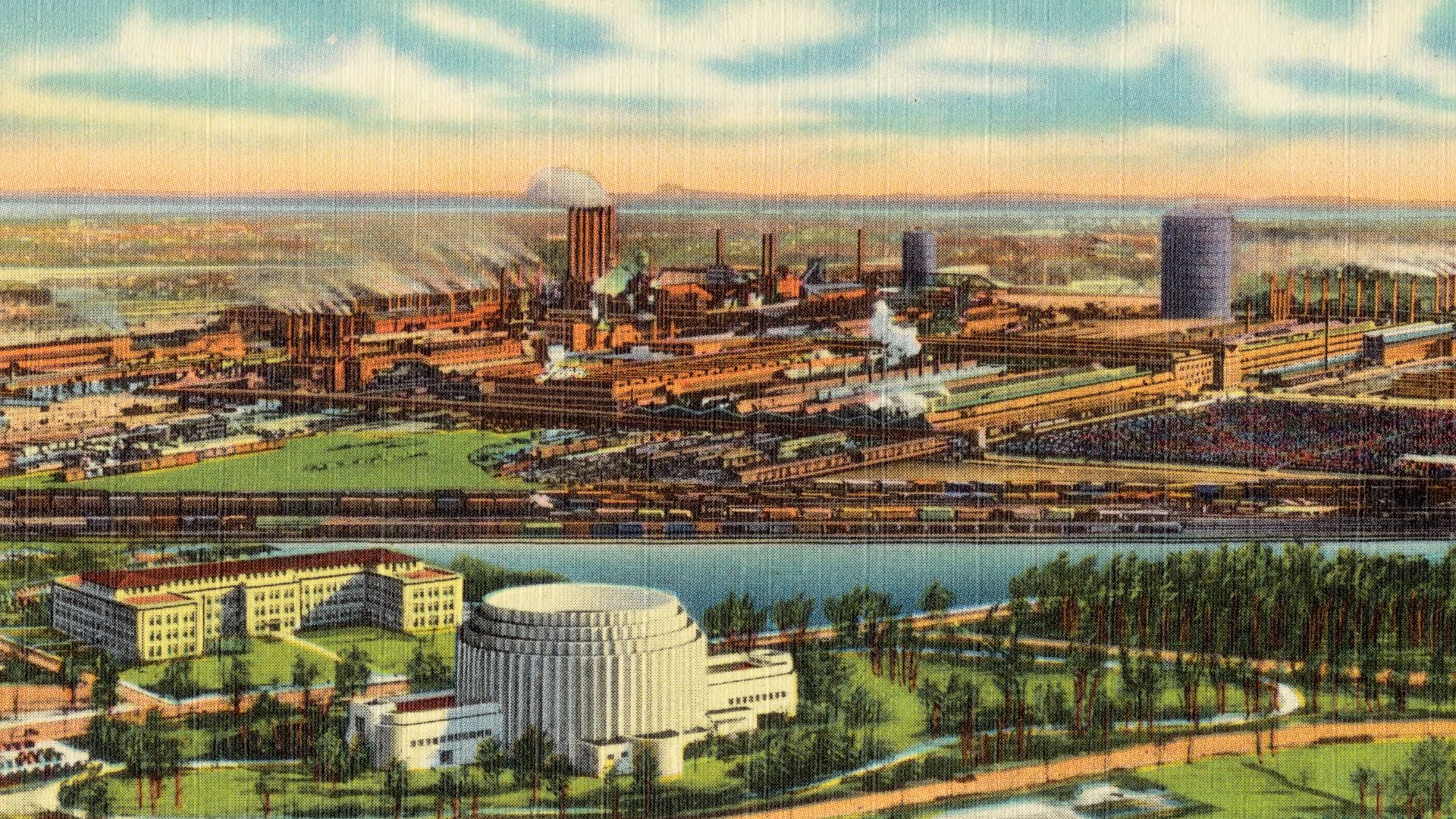 Tichnor Brothers, Publisher, Wikimedia Commons
Why Soybeans?
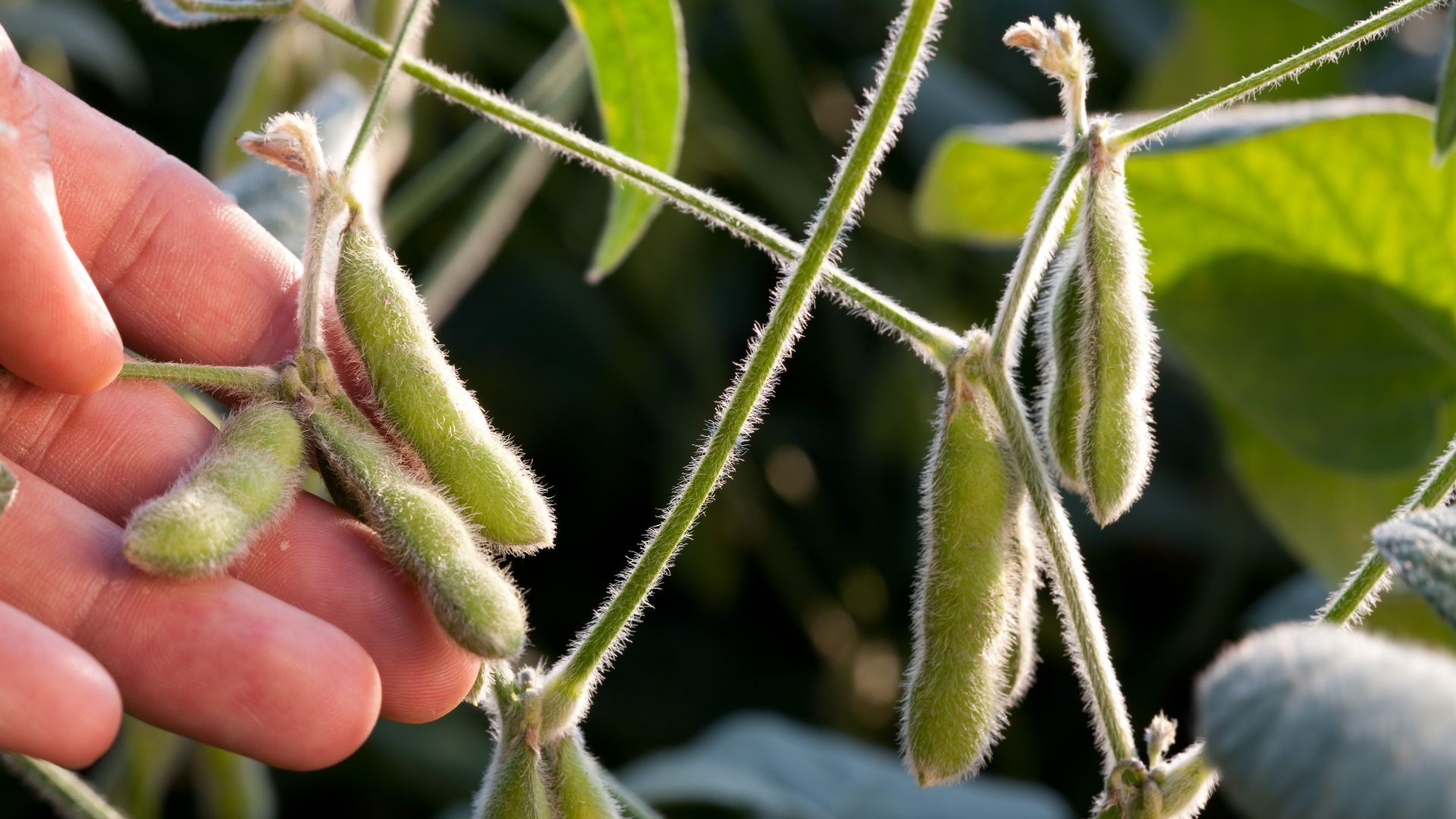
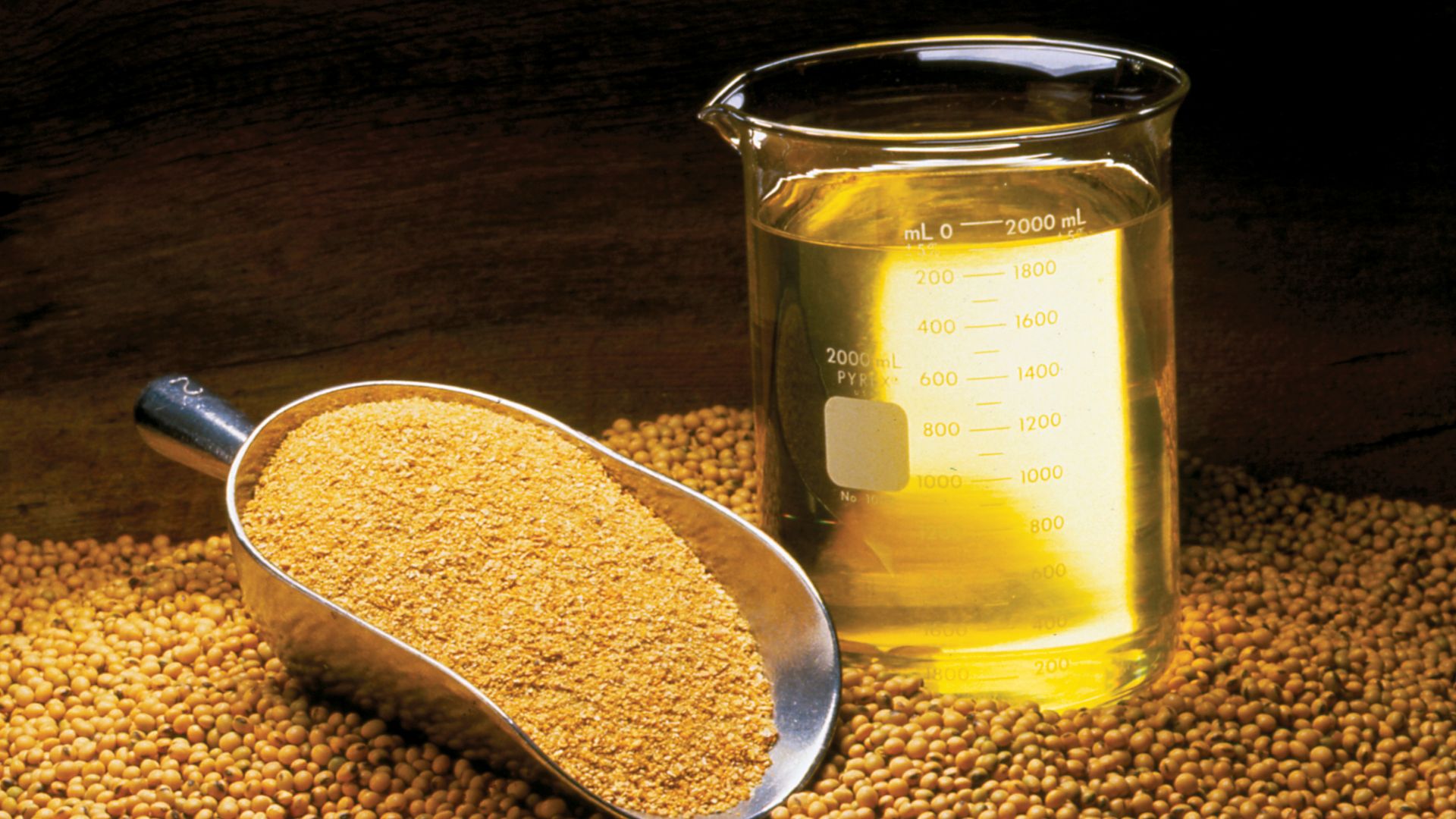
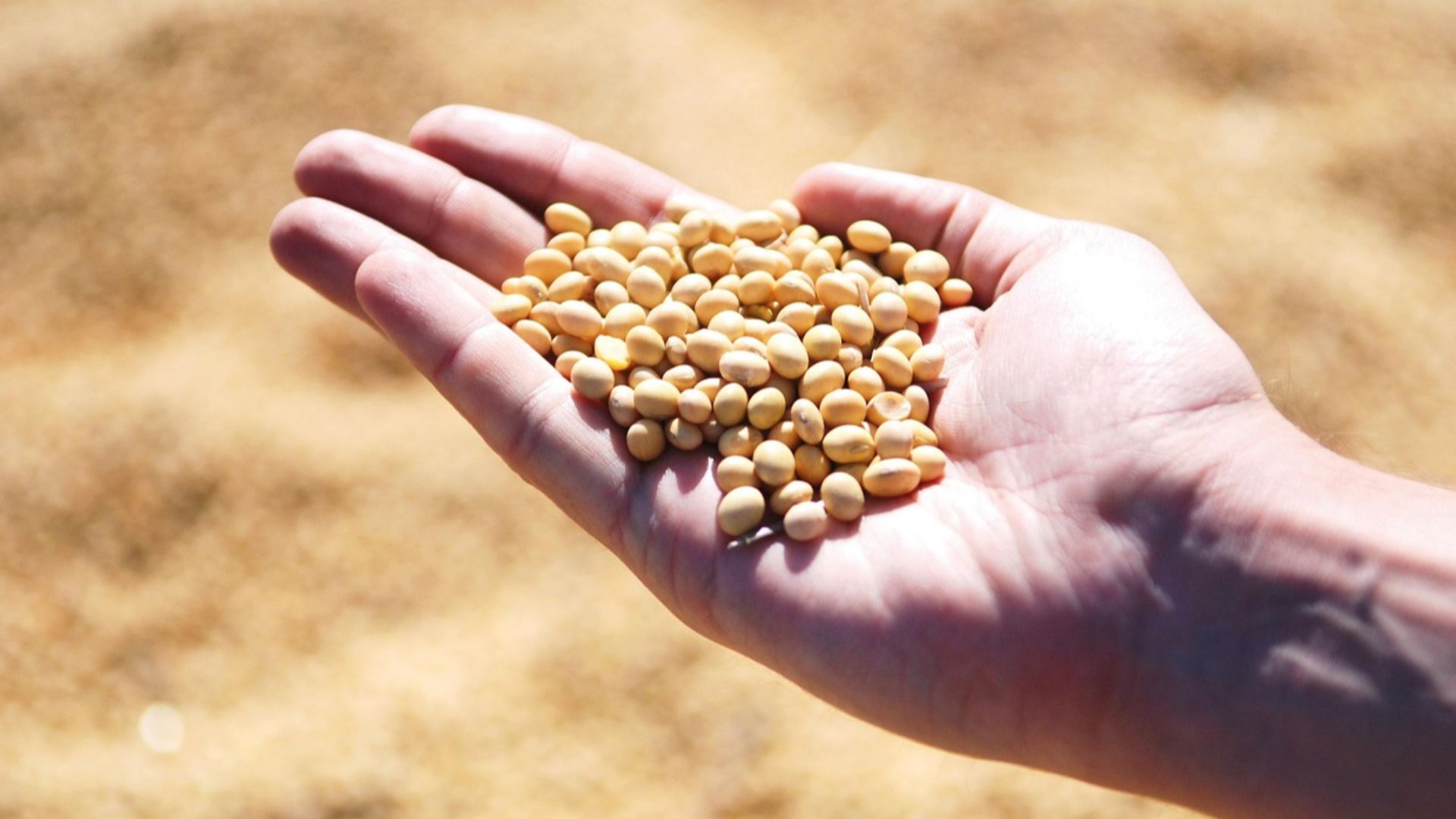
Soybeans were abundant, inexpensive, and versatile. They could be processed into oils, fibers, and plastics. Ford considered soy a miracle crop—valuable as food but also rich in industrial promise. He even wore suits made from soybean fibers to promote its potential. If subtlety wasn’t his strength, enthusiasm certainly was.
 United Soybean Board, Wikimedia Commons
The Birth Of The Soybean Car
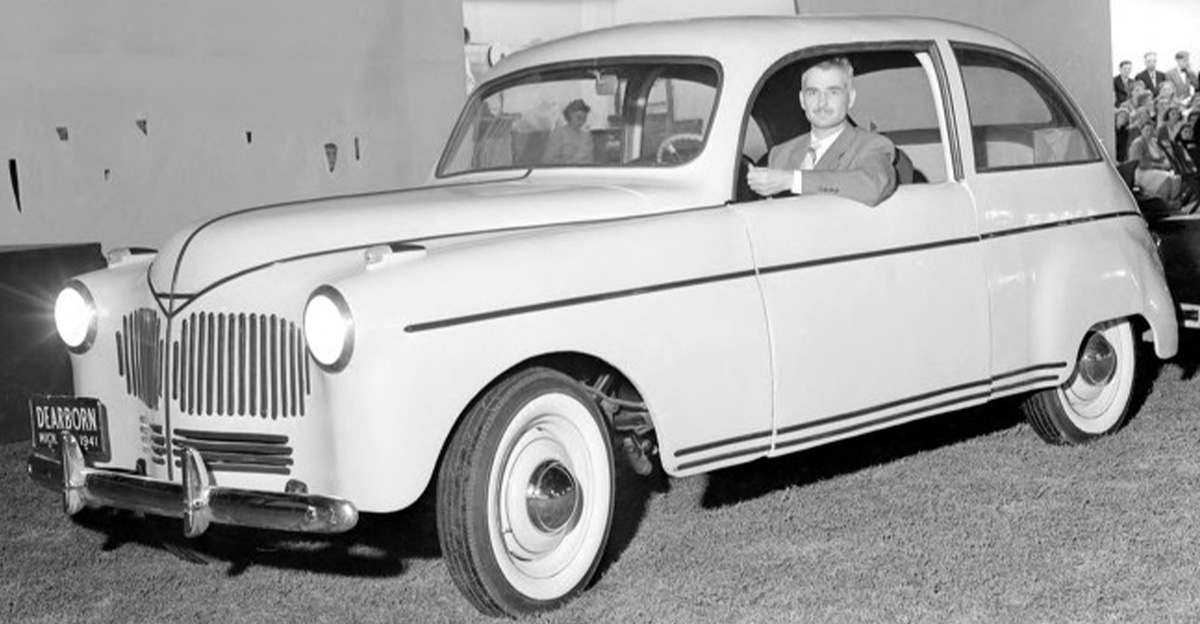
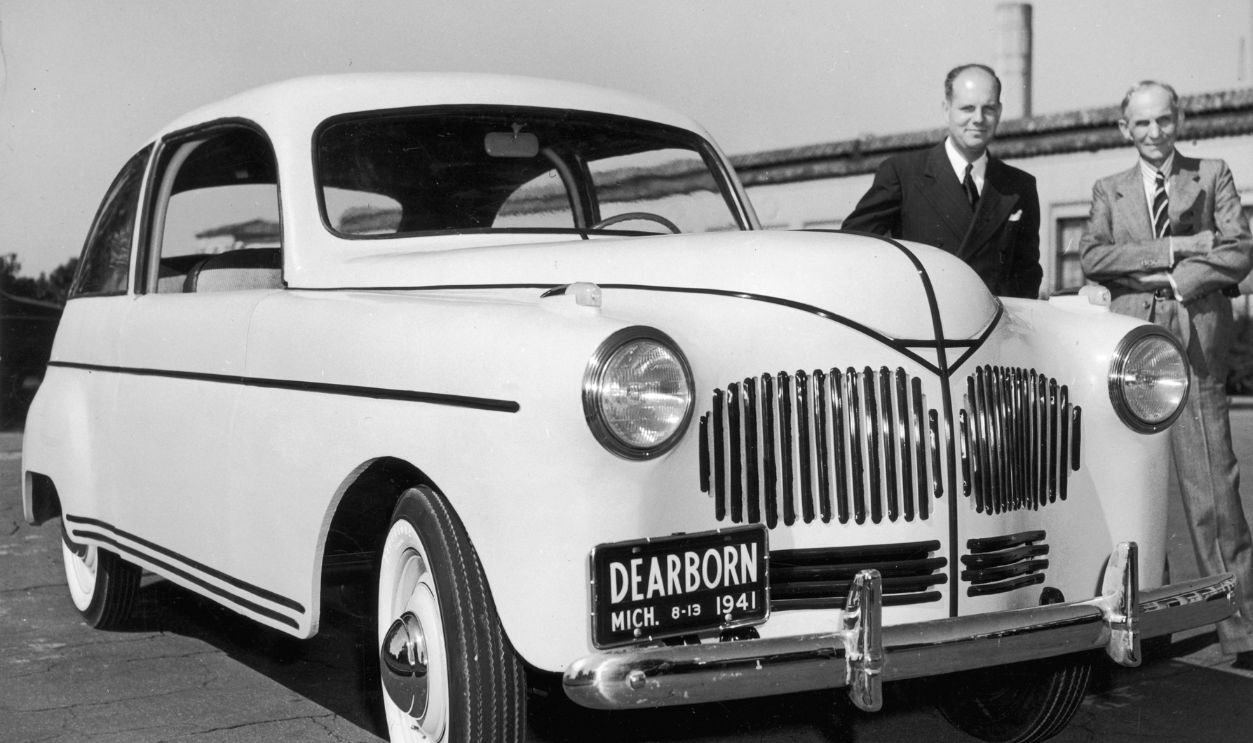
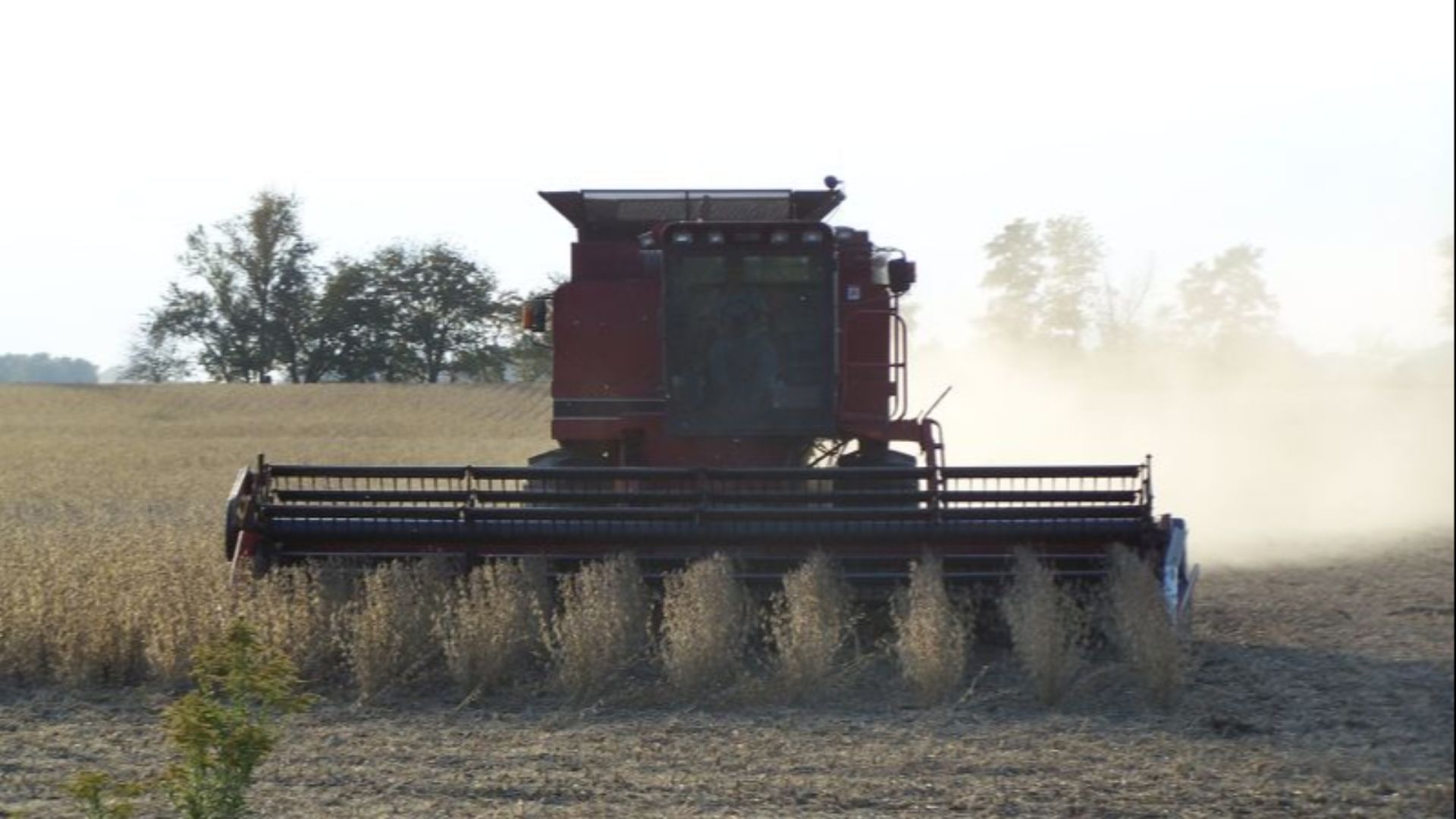
By 1941, Ford’s research produced something extraordinary: a functioning prototype with body panels made from soybean-based plastic. The car debuted at Dearborn Days in Michigan. Spectators expecting a typical concept car instead witnessed a machine that hinted at a radically different manufacturing future.
What Was It Made Of, Really?
The Soybean Car wasn’t sculpted from pure soy. Its body panels used a composite blend of soybean fibers mixed with wheat straw, hemp, and flax, bonded with resin. The precise formula remains uncertain, but it was essentially an early plant-based composite—nature collaborating with chemistry.

Plastic In 1941? That Was Radical
Today, plastic panels are common. In 1941, steel dominated Detroit. Replacing metal with crop-based composites seemed outrageous. Critics doubted durability and cost-effectiveness. Ford, however, saw opportunity. He believed plastic derived from farms could compete with traditional materials in both strength and practicality.
 Literary Digest 1928-01-07 Henry Ford Interview / Photographer unknown, Wikimedia Commons
Lighter Than Steel, Tougher Than You’d Think
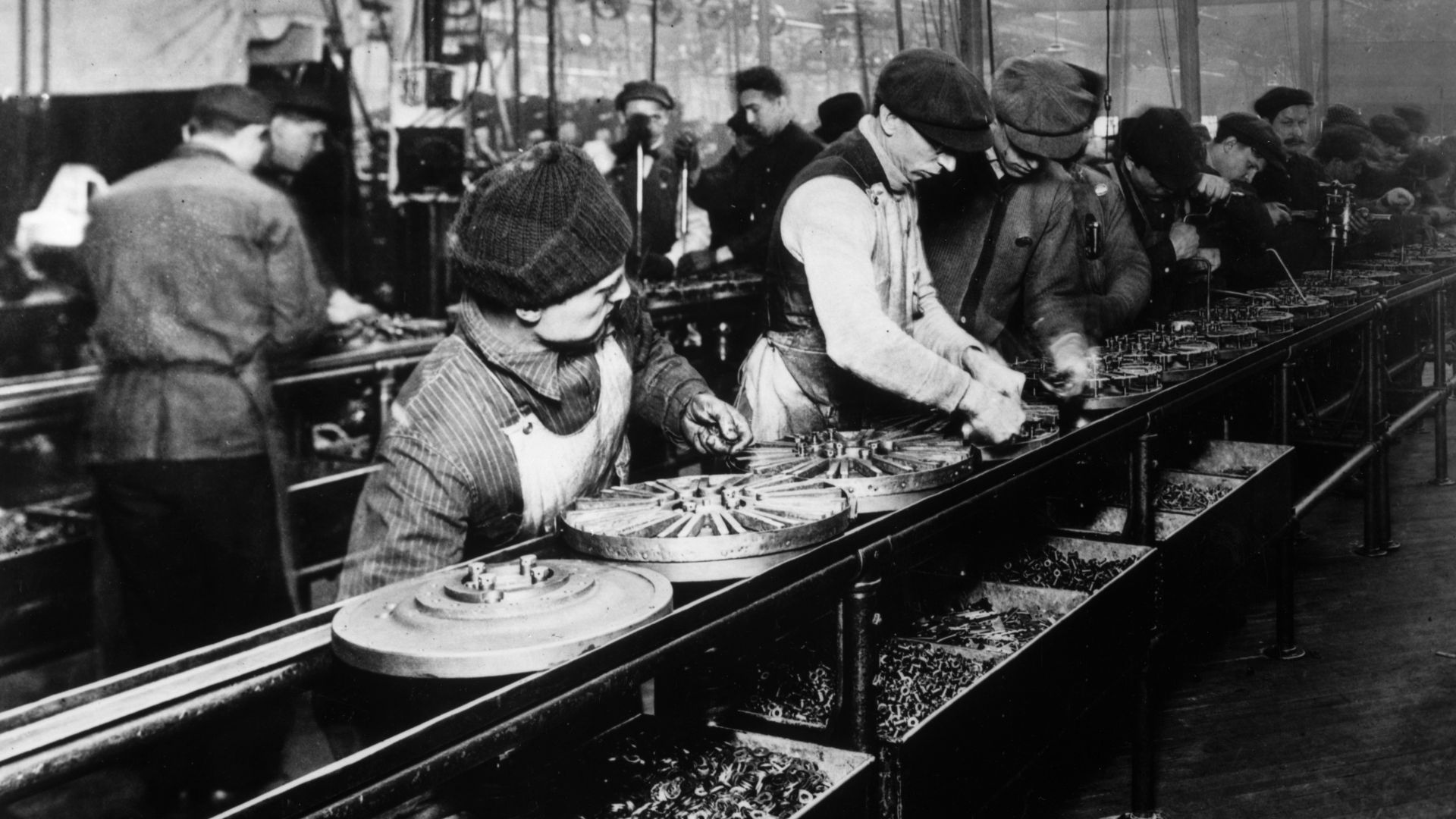
The Soybean Car’s biggest advantage was weight reduction. Its plastic panels made it significantly lighter than comparable steel vehicles. Less weight meant improved efficiency and potentially better performance. Ford recognized that shedding pounds could deliver benefits long before lightweight engineering became an industry obsession.
 Unknown authorUnknown author, Wikimedia Commons
Henry Ford’s Sledgehammer Stunt
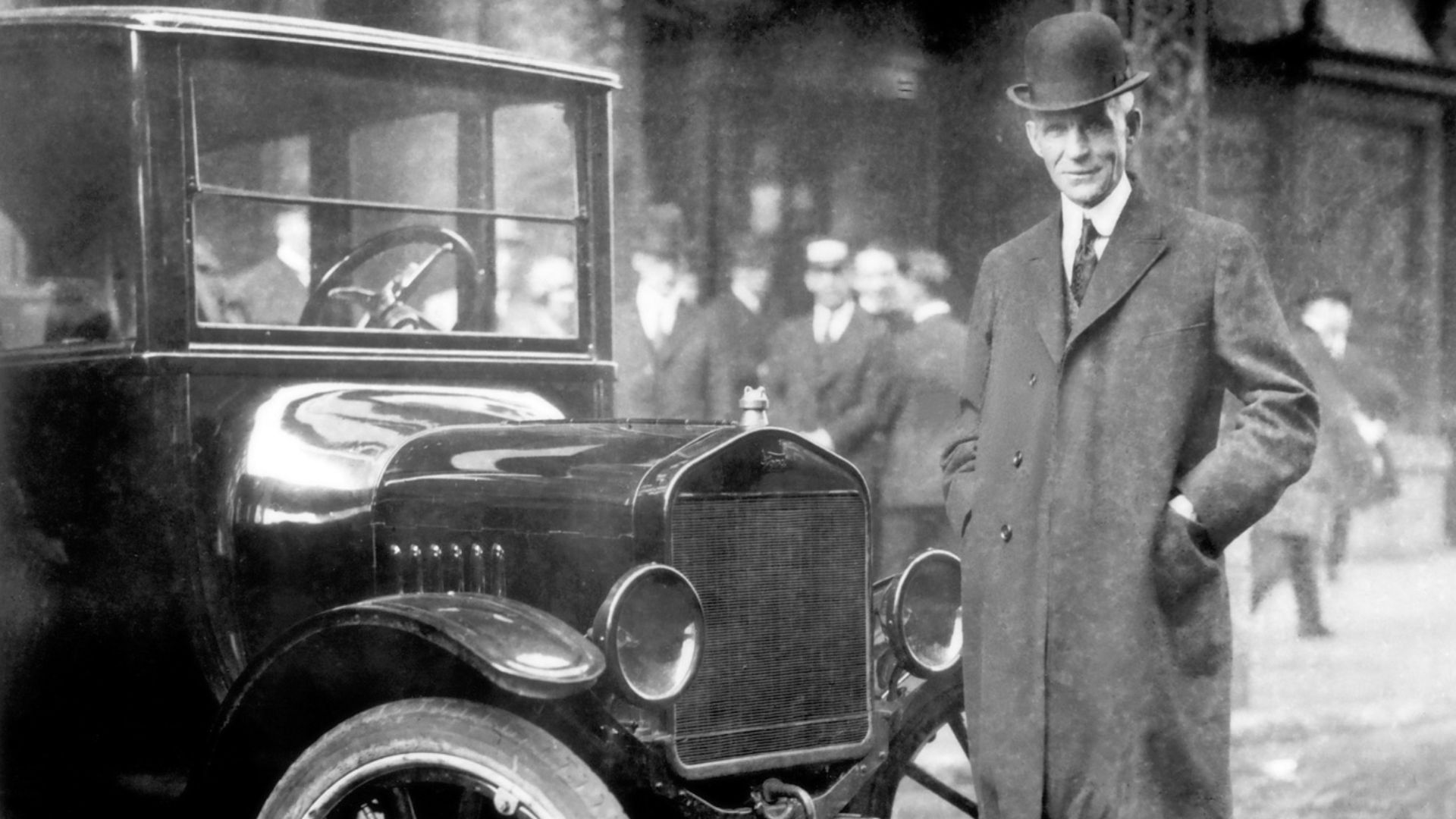
To prove durability, Ford famously struck a plastic panel with a sledgehammer during a demonstration. Instead of denting, it resisted impact. The theatrical gesture captured headlines and underscored his confidence. It wasn’t just spectacle—it showed that plant-based materials could be surprisingly resilient.
 Ford Motor Company, Wikimedia Commons
A Steel Frame With A Plant-Based Skin
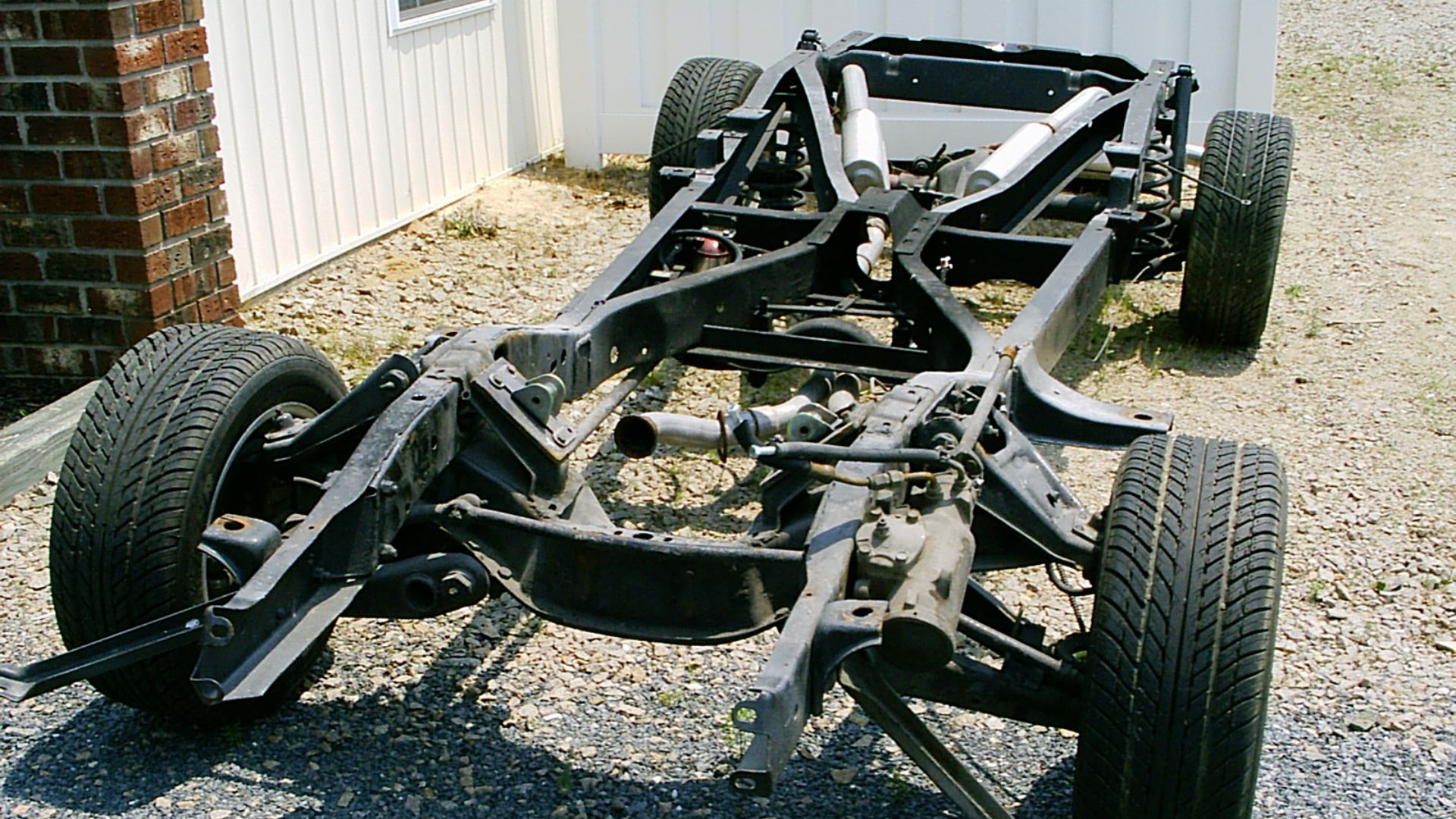
Beneath its innovative shell, the Soybean Car relied on a tubular steel frame. Ford wasn’t abandoning metal entirely. Instead, he paired a sturdy steel structure with lightweight agricultural panels. This hybrid approach balanced innovation with reliability, blending tradition and experimentation.
The Design: Streamlined And Modern
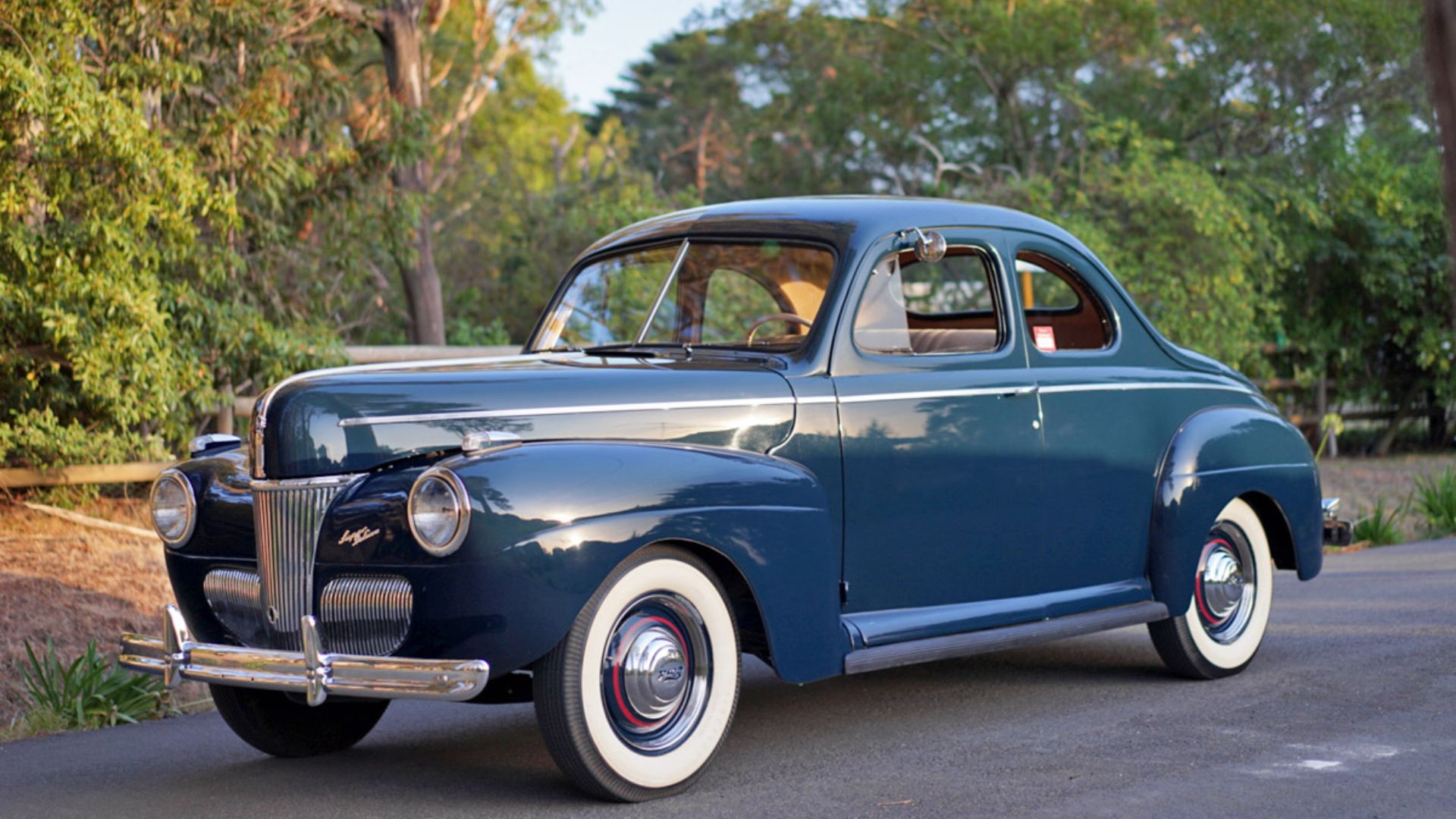
The car’s appearance reflected early-1940s styling trends. Smooth curves, covered wheels, and an aerodynamic profile gave it a modern look. It wasn’t flamboyant, but it was elegant. Without knowing its secret, most observers would have seen just another sleek prewar concept.
Timing Is Everything—And This Was 1941
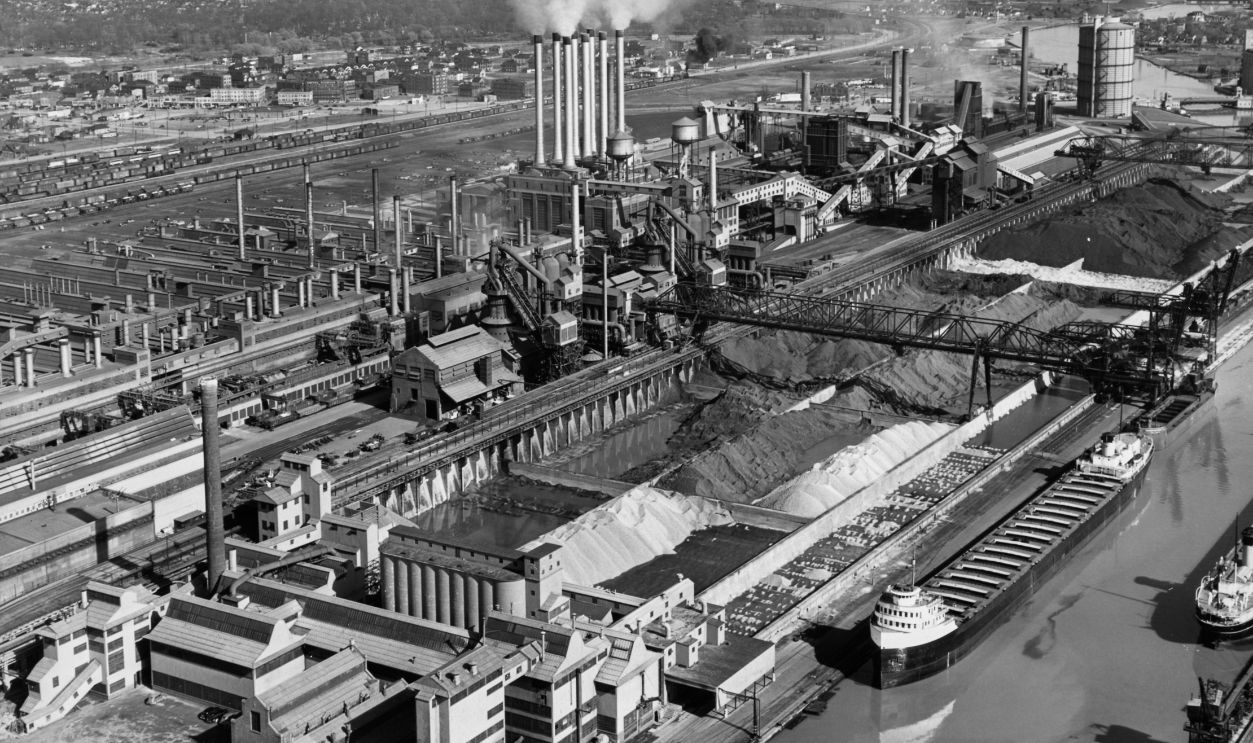
The car debuted during a turbulent year. As global tensions intensified and America edged toward war, industrial priorities shifted. Steel shortages loomed, and manufacturing prepared for military production. The Soybean Car emerged at a moment when innovation competed with looming global conflict.
A Solution To Material Shortages
Ford believed agricultural plastics could ease pressure on steel supplies. Using less metal in civilian vehicles could free resources for defense needs. The Soybean Car wasn’t only innovative—it was practical in a resource-constrained world. Ford saw crops as strategic assets.
The War That Changed Everything
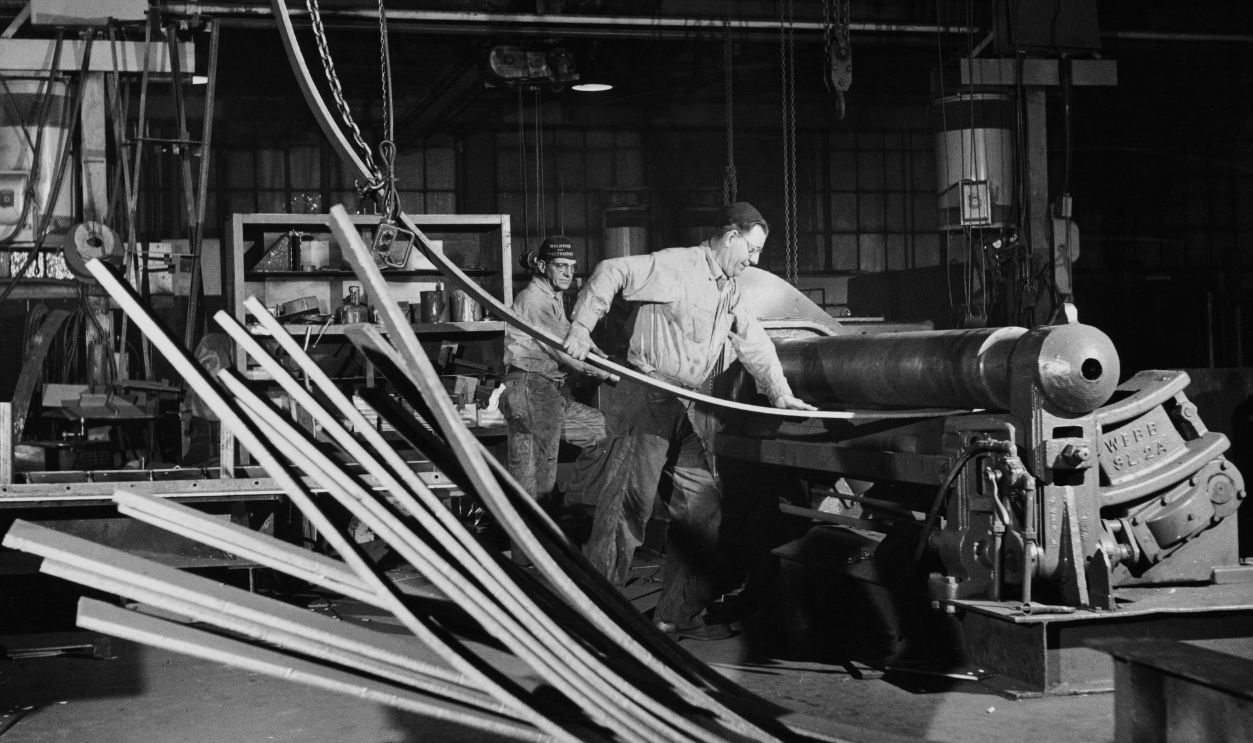
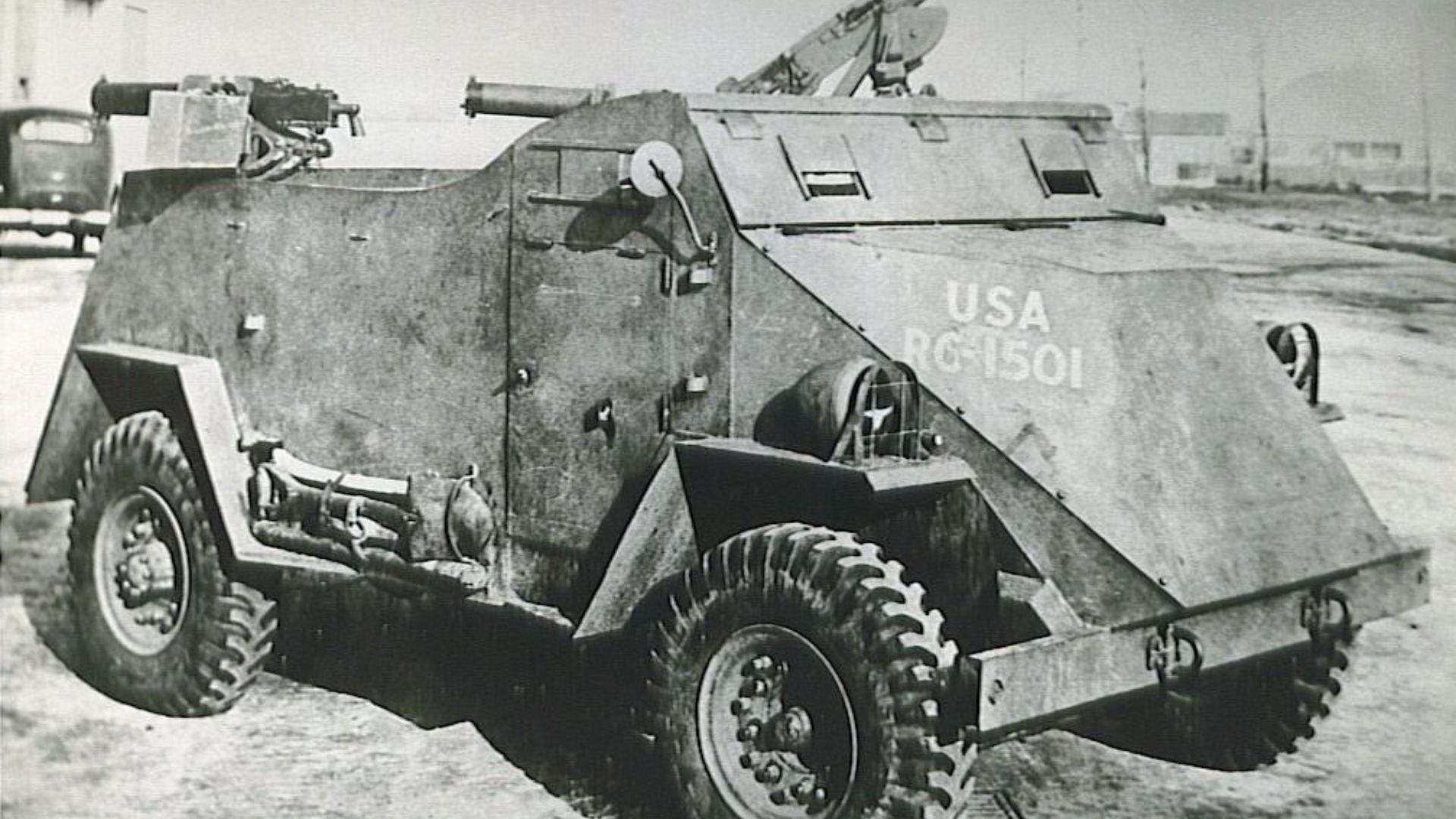
After Pearl Harbor, U.S. automakers halted civilian car production. Factories pivoted to tanks, aircraft, and military equipment. In this new reality, experimental passenger cars became secondary concerns. The Soybean Car project quietly faded as wartime demands reshaped Detroit.
What Happened To The Prototype?
The original prototype did not survive. Most accounts suggest it was scrapped during wartime production shifts. No complete example remains today. What’s left are photographs and reports, giving the Soybean Car an almost mythical status in automotive history.
Was It Really 100% Soy?
Despite its nickname, the car wasn’t entirely soybean-based. The panels incorporated soy fibers alongside other plant materials and synthetic resins. Still, the concept of using crops as structural components was groundbreaking. In 1941, that alone was revolutionary.
 Daily Herald Archive, Getty images
Ford’s Soy Obsession Went Beyond Cars
Ford integrated soy-based plastics into production vehicles, using them for steering wheels, knobs, and interior parts. He also explored soybean oils in paints and coatings. The Soybean Car reflected a broader commitment to agricultural innovation, not a one-time publicity stunt.
 United Soybean Board, Wikimedia Commons
The Farm Chemurgy Movement
Ford’s work aligned with the chemurgy movement, which promoted industrial uses for crops. Supporters believed science could create new markets for farmers and strengthen rural economies. The Soybean Car became the movement’s most famous rolling symbol.
 Valerie Everett, Wikimedia Commons
Decades Ahead Of Its Time
Ford’s experiment foreshadowed modern sustainability efforts. Today’s automakers use bio-based plastics and natural fibers in vehicle components. While today’s motivations include environmental responsibility, Ford’s vision similarly centered on efficiency and renewable resources.

The Environmental Angle—Before It Was Cool
Ford valued efficiency and resourcefulness. Using renewable crops instead of mined metals aligned with that philosophy. Though not framed in modern environmental terms, the Soybean Car hinted at a more sustainable manufacturing model.
Could It Have Worked In Mass Production?
Scaling agricultural composites in 1941 would have posed challenges. Processing consistency and supply logistics were significant hurdles. Yet Ford’s history of production innovation suggests he might have overcome them with time and investment.
Plastic Cars Eventually Did Arrive
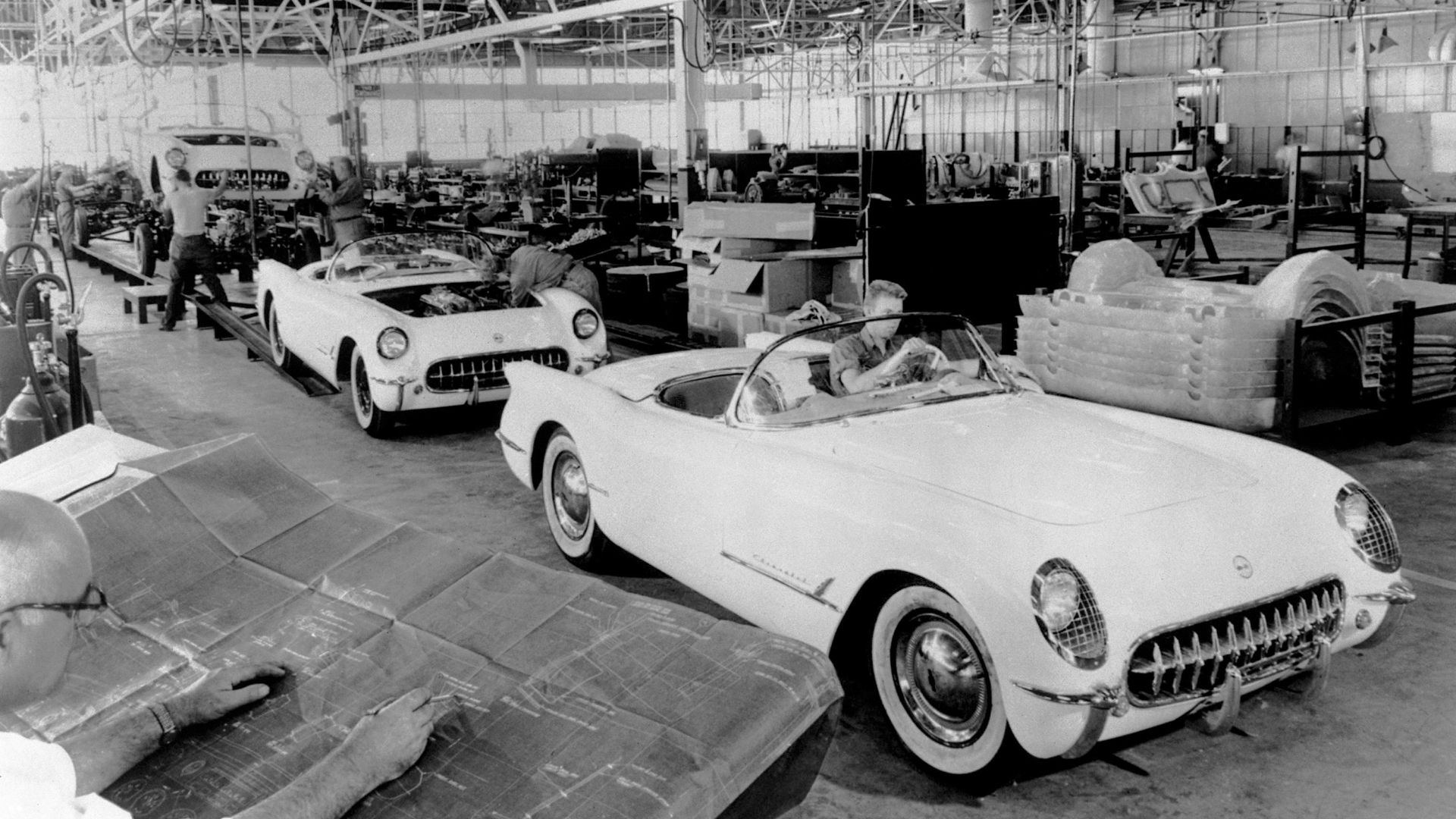
While the Soybean Car never reached production, plastic-bodied vehicles did. The fiberglass Chevrolet Corvette in the 1950s proved alternative materials viable. Ford’s experiment helped normalize the idea that cars didn’t need to rely entirely on steel.
 GM Chevrolet, Wikimedia Commons
A Marketing Masterstroke
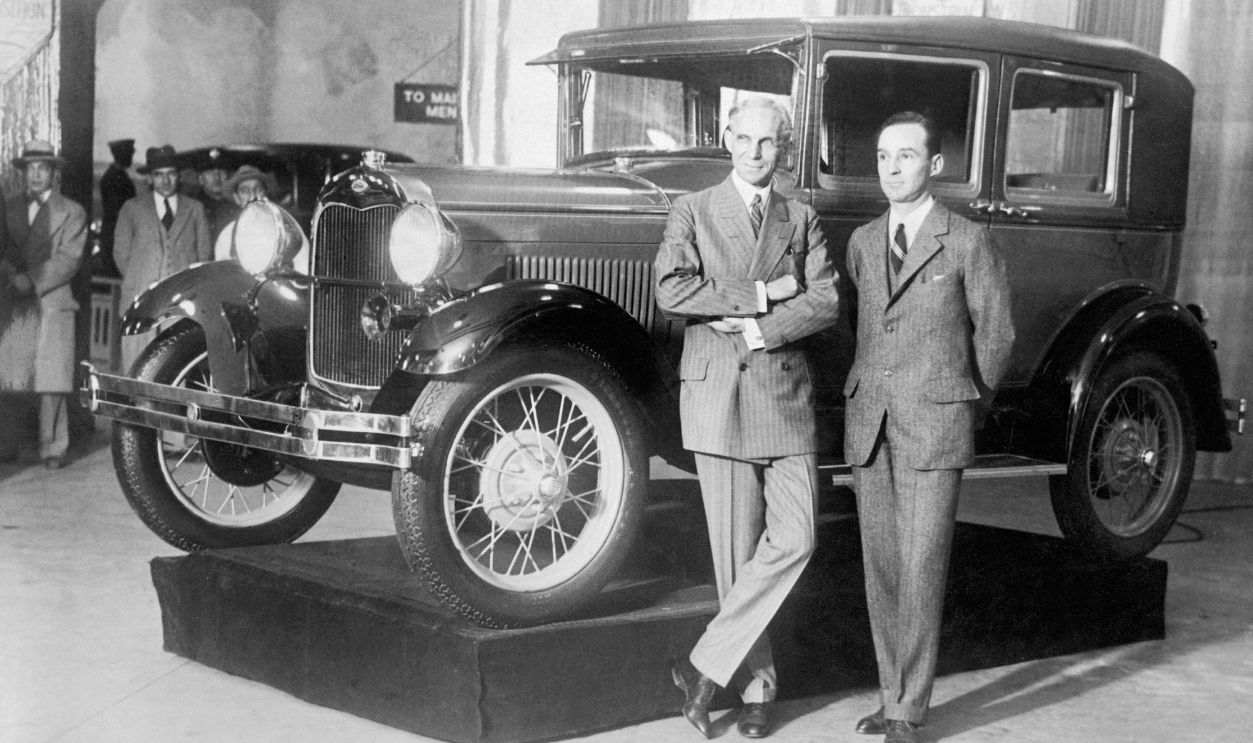
The Soybean Car generated nationwide publicity. Images of Ford striking plant-based panels reinforced his image as a forward-thinking innovator. Even without production plans, the car strengthened his reputation as an industrial visionary.
The Intersection Of Innovation And Idealism
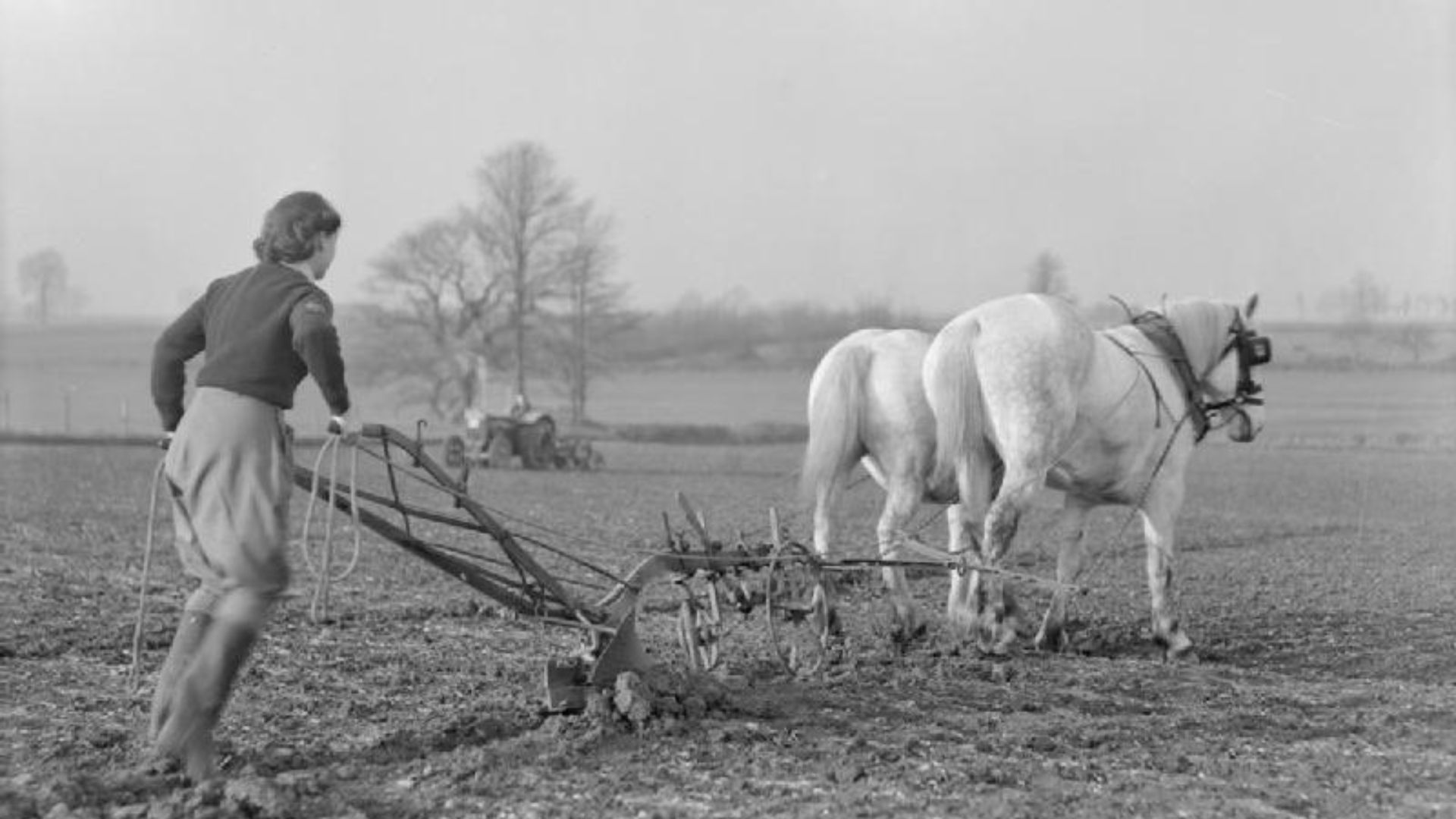
The project reflected Ford’s belief that agriculture and industry could support one another. Factories would create demand for crops; farms would supply raw materials. It was an ambitious vision of economic self-sufficiency.
 Ministry of Information Photo Division Photographer, Wikimedia Commons
The Lessons Detroit Didn’t Learn—Yet
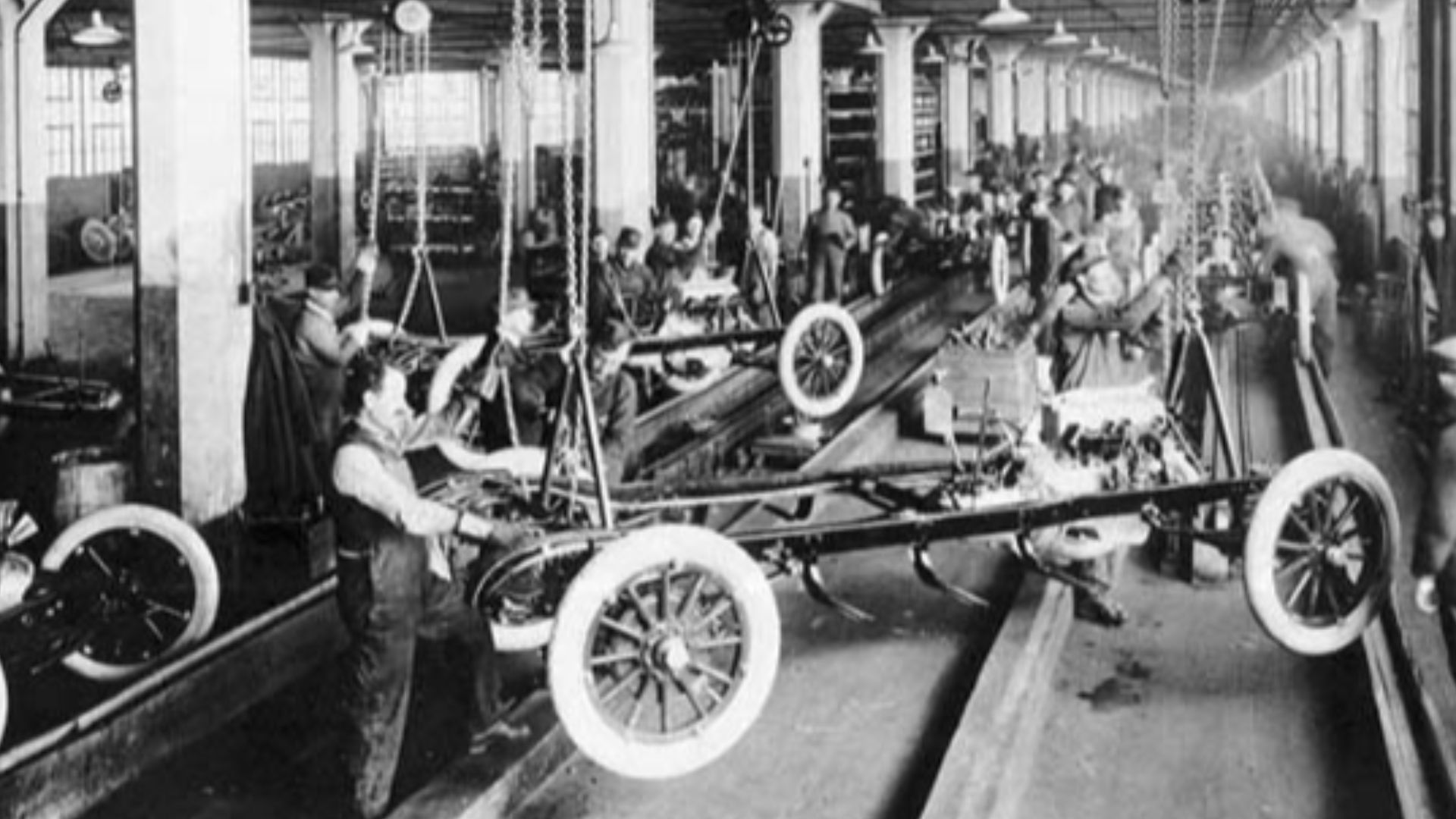
For decades, Detroit stayed loyal to steel. Established supply chains and low costs discouraged radical change. Only later did the industry revisit lightweight composites as efficiency standards tightened and material science advanced.
 Unknown authorUnknown author, Wikimedia Commons
A Lost Icon Of Alternative History
Because no example survives, the Soybean Car occupies a mysterious place in history. It feels almost mythical—a bold prototype that vanished before its potential could be tested. That absence only deepens its intrigue.

From Soybeans To Sustainability
The 1941 Soybean Car remains one of automotive history’s most fascinating experiments. It didn’t transform manufacturing overnight, but it planted an idea. Today, as automakers embrace renewable materials and sustainable design, Ford’s plant-based prototype feels strikingly relevant—a reminder that innovation sometimes starts in the field.
You May Also Like:
The Mercury Marauder Is The Sleeper Muscle Car America Forgot
Honda Changed Everything With The Super Cub, The Little Bike That Quietly Took Over The World
The V8 Is Pure America, But A Select Few Versions Still Stand Above The Rest
Sources: 1, 2, 3