
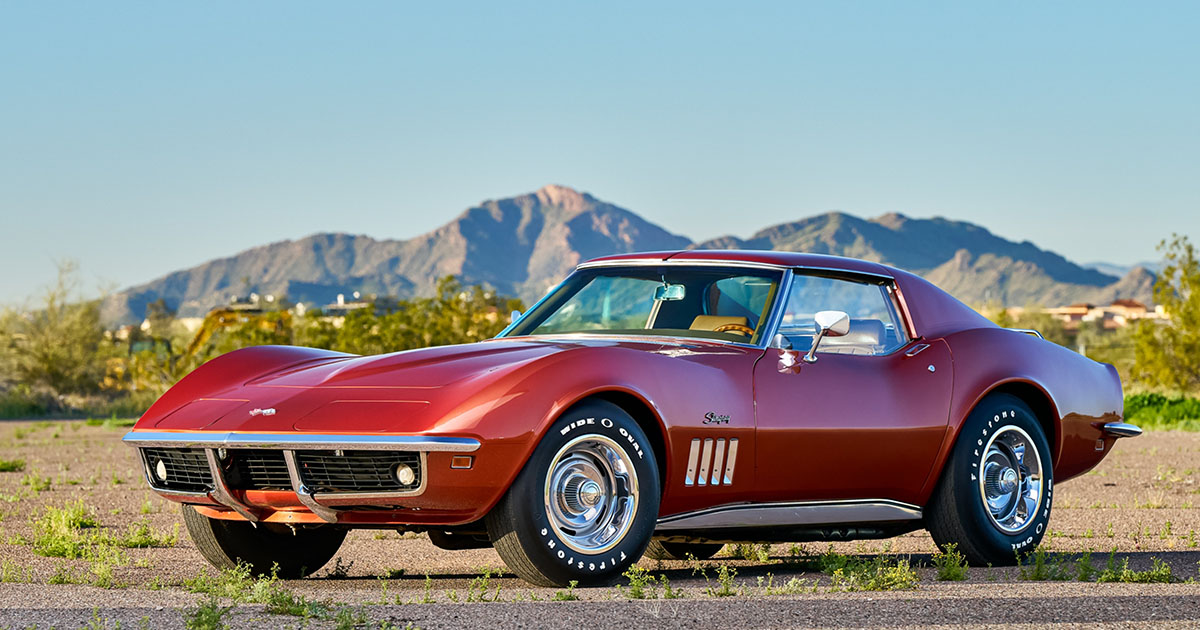
The Cars That Slipped Through The Memory Cracks
Some cars become legends. Others become hazy memories parked somewhere between Dad’s old toolbox and a stack of 45 records. Older Baby Boomers remember these machines from driveways, dealer lots, and high school parking lots. Younger Boomers? Many might blink and say, “Wait, that was a real car?”
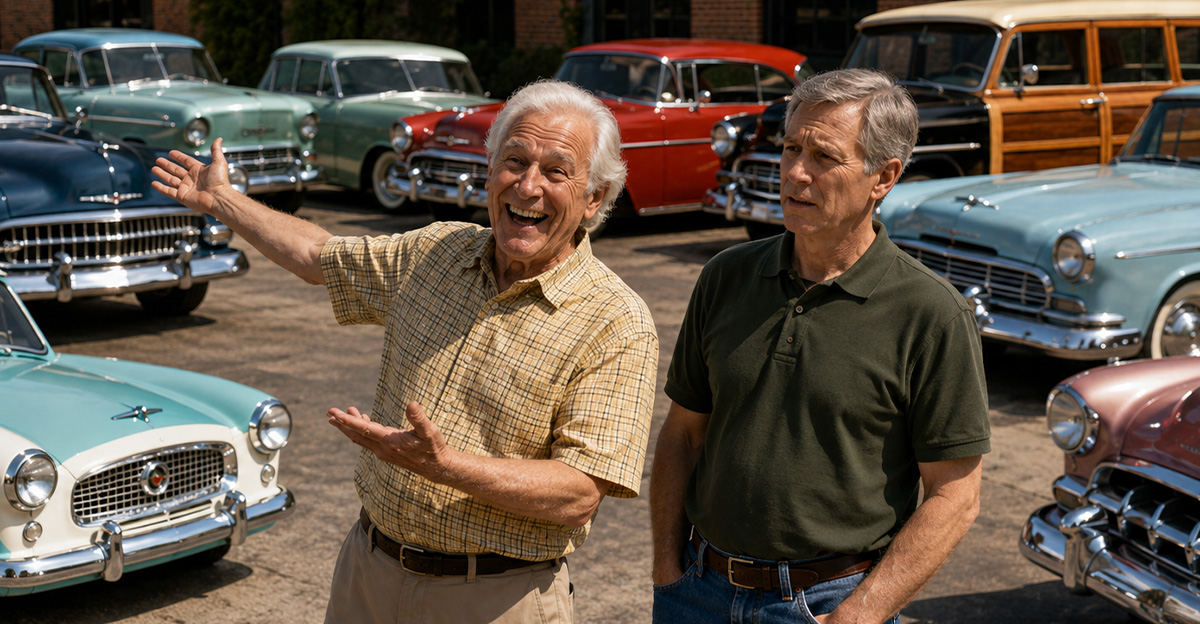
Nash Metropolitan
The Nash Metropolitan looked like a toy, but people truly loved it. Small, cheerful, and easy to park, it was a city car before Americans really wanted city cars. Older Boomers remember its two-tone paint and cute grin. Younger Boomers mostly missed its moment completely.
 Don O'Brien, CC BY 2.0, Wikimedia Commons
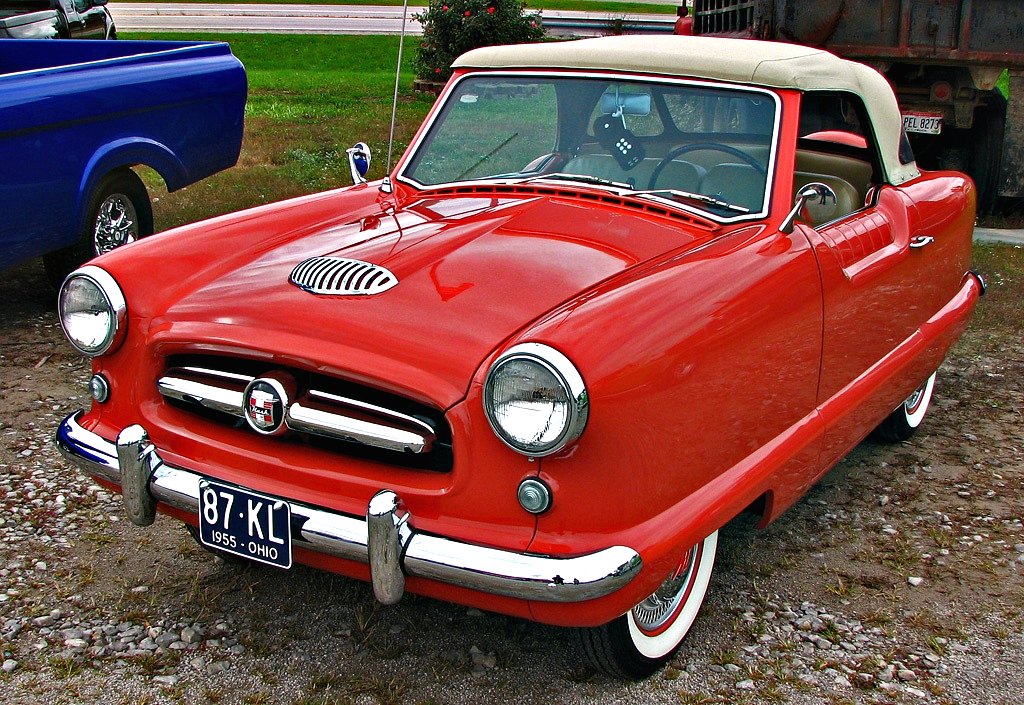
Hudson Hornet
Before muscle cars ruled the street, the Hudson Hornet was the tough guy at the stoplight. It had racing success, a low-slung look, and plenty of attitude. Older Boomers knew it as a serious performer. Younger Boomers may only know the name from cartoons, if at all.
 Bengt Oberger, Wikimedia Commons
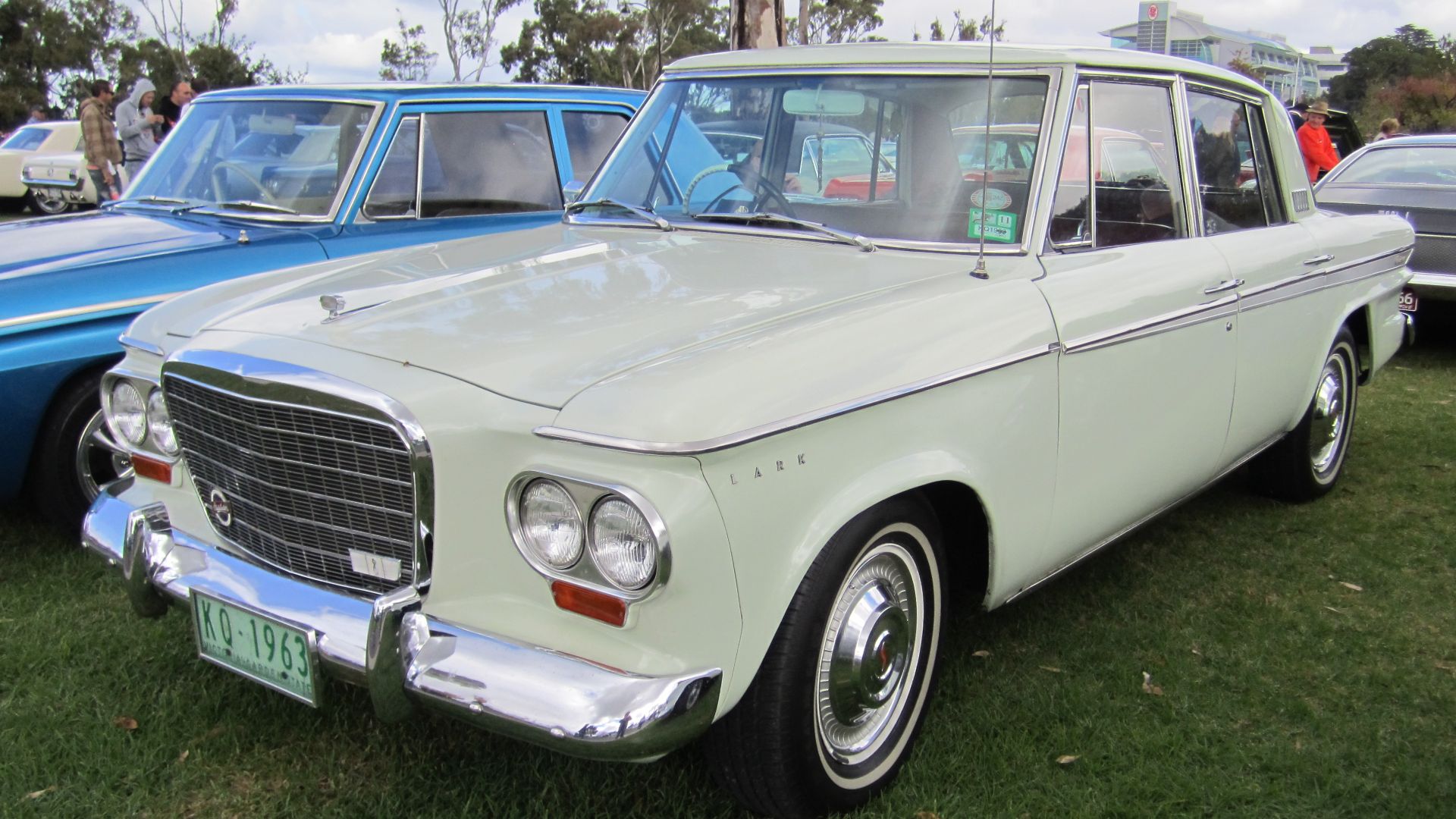
Studebaker Lark
The Studebaker Lark was practical, tidy, and just different enough to stand out. It arrived when many American cars were getting huge fins and big chrome smiles. Older Boomers remember it as a sensible family car. Younger Boomers rarely saw one outside a collector show.
Rambler American
The Rambler American was the compact car for people who didn’t need to show off. It was affordable, simple, and surprisingly charming. Older Boomers remember parents and neighbors driving them everywhere. Younger Boomers grew up after Ramblers had mostly vanished from daily life.
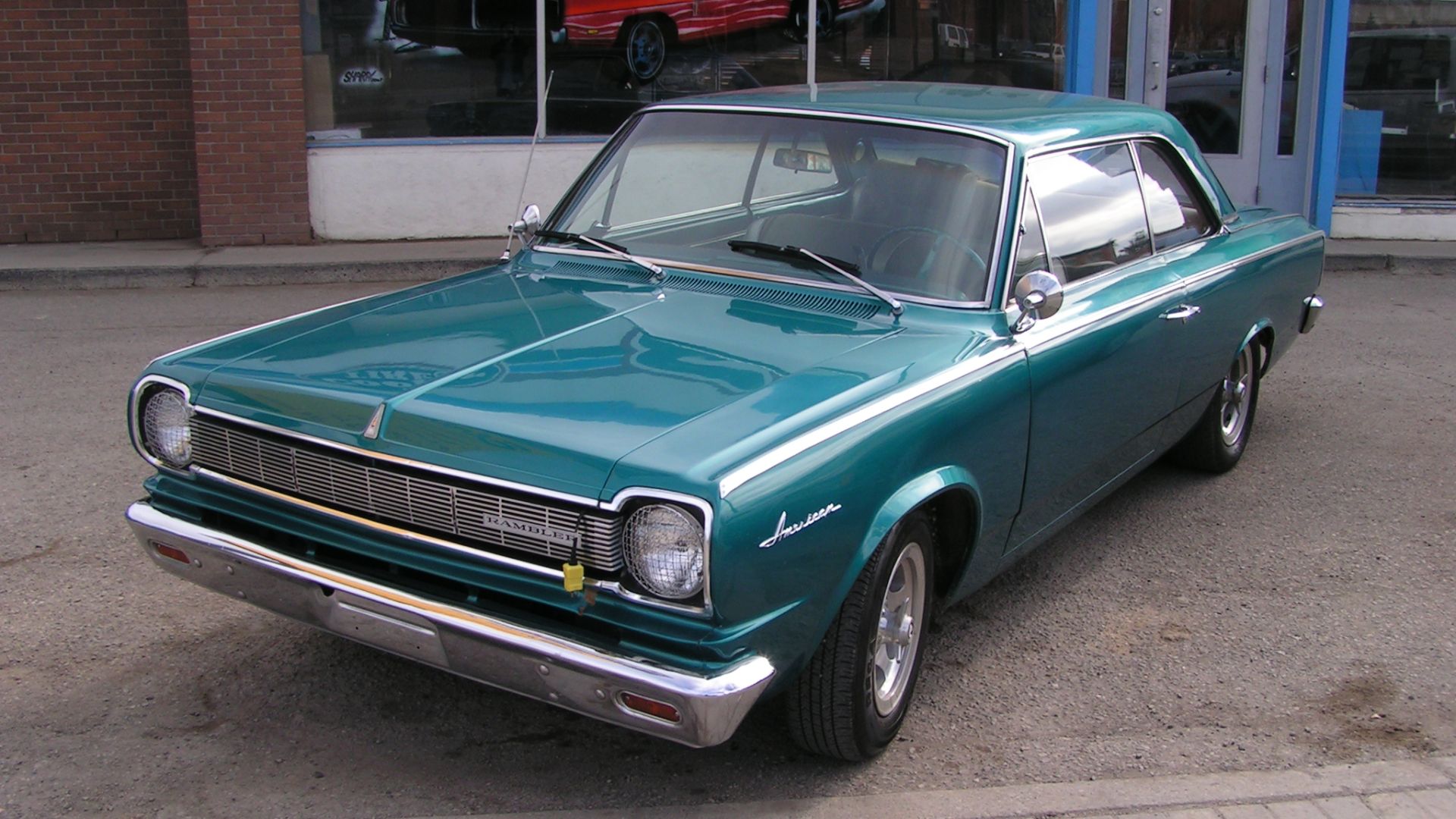 dave_7 from Lethbridge, Canada, Wikimedia Commons
Kaiser Henry J
The Henry J was built to be cheap transportation, and it looked the part in the most honest way possible. It was small, plain, and practical. Older Boomers may remember it as a no-frills little machine. Younger Boomers probably never heard the name unless Grandpa mentioned it.
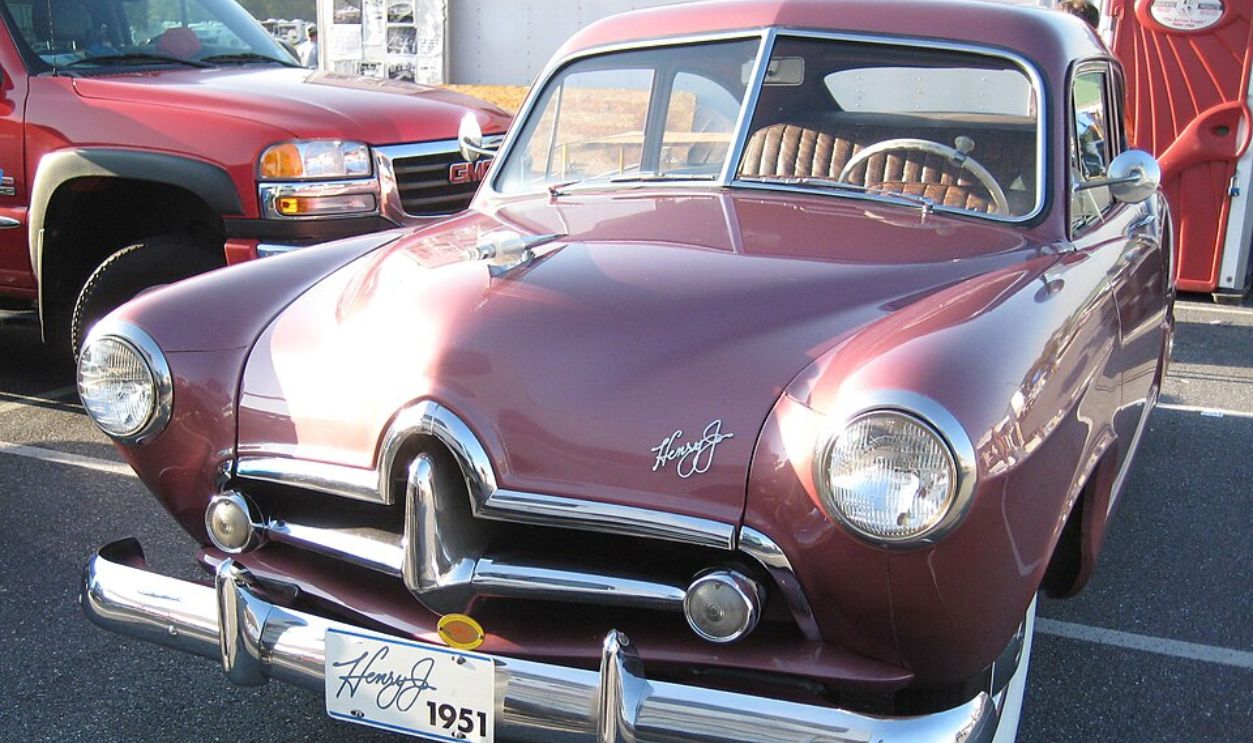 Hugo90, CC BY 2.0, Wikimedia Commons
DeSoto Firedome
DeSoto once had real showroom sparkle, and the Firedome carried plenty of it. Big chrome, big presence, and a name that sounded like a drive-in movie title made it memorable. Older Boomers remember DeSoto as a real brand. Younger Boomers know Chrysler, Dodge, and Plymouth—but DeSoto often escapes them.
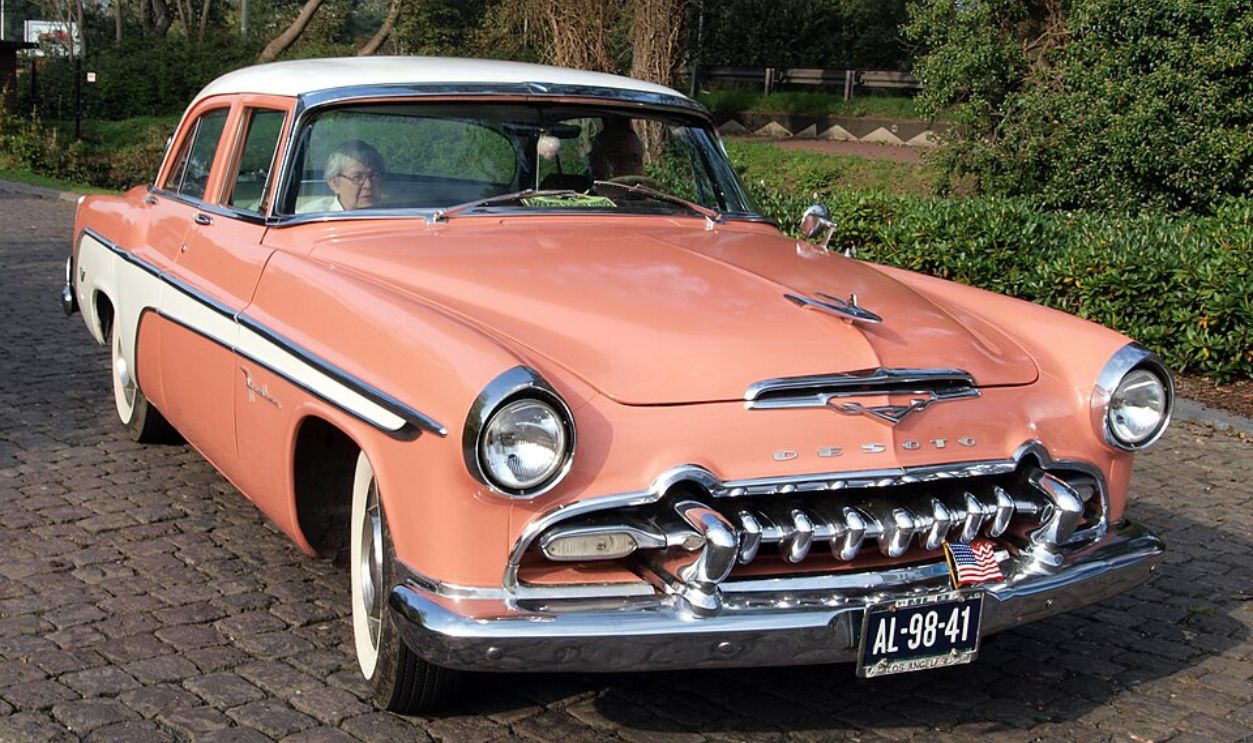 AlfvanBeem, CC0, Wikimedia Commons
Ford Consul
The Ford Consul was not the kind of car every American kid saw daily, but those who did remembered it. Imported, modest, and slightly unusual, it had a quiet charm. Older Boomers might recall seeing one in a neighbor’s driveway. Younger Boomers likely missed it entirely.
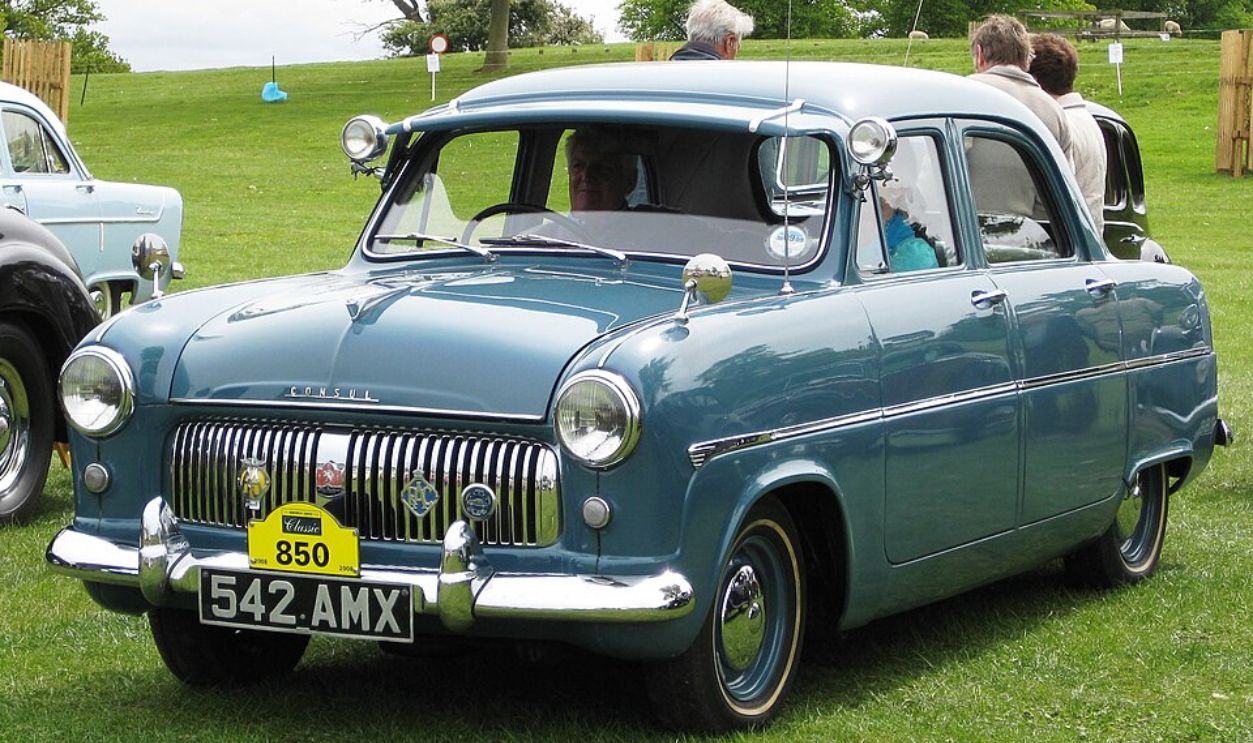 Charles01, CC BY-SA 3.0, Wikimedia Commons
Willys Aero
The Willys Aero had a smooth shape and a name linked to rugged Jeep history, but it was no off-roader. It was a compact passenger car with postwar optimism baked in. Older Boomers remember its oddball appeal. Younger Boomers usually know Willys for Jeeps, not sedans.
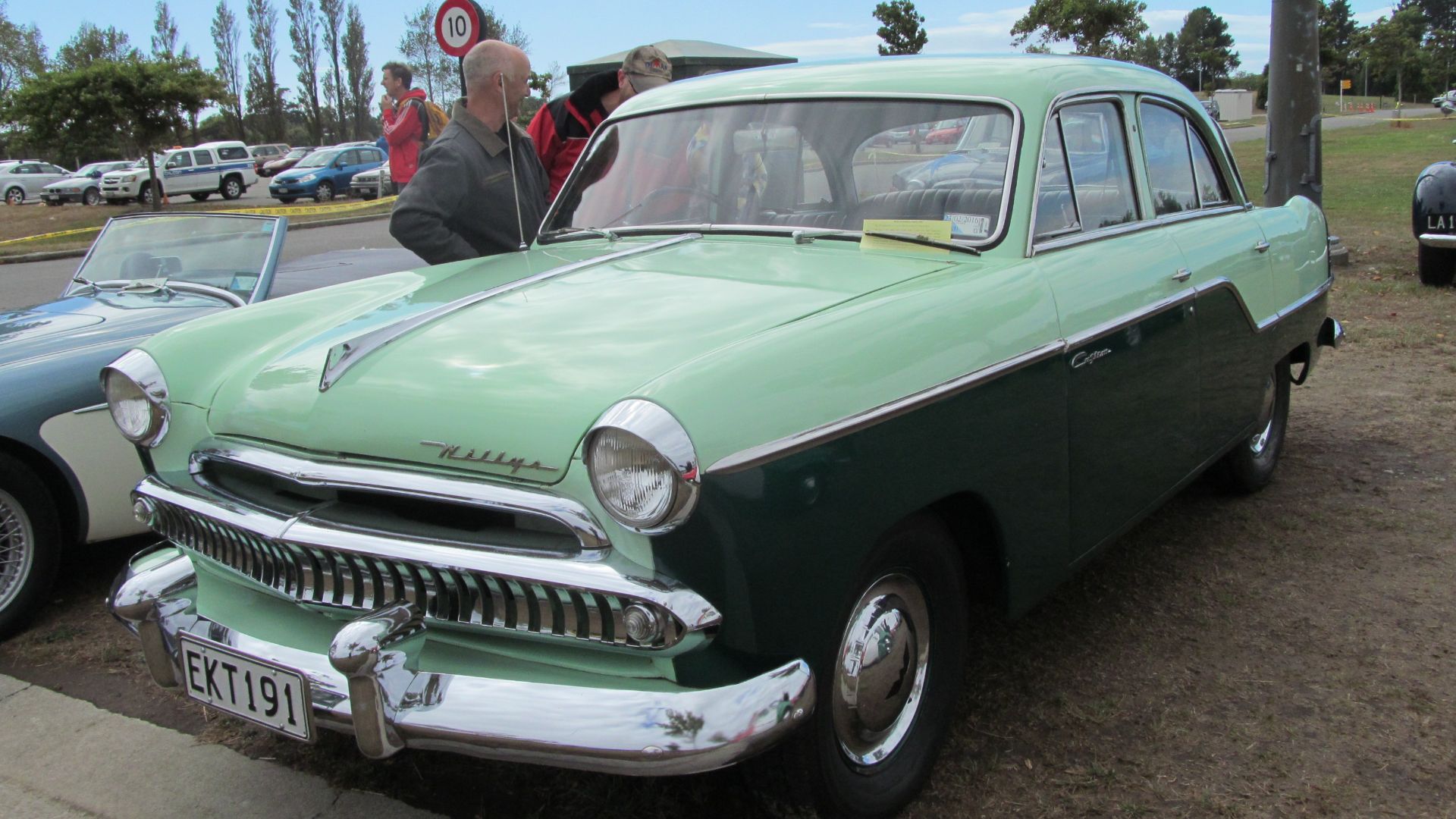 Riley from Christchurch, New Zealand, Wikimedia Commons
Packard Clipper
The Packard Clipper came from a time when Packard still meant class. It was elegant without being flashy and carried an old-money feel. Older Boomers remember when Packards still mattered on the road. Younger Boomers mostly grew up after the brand had faded into history.
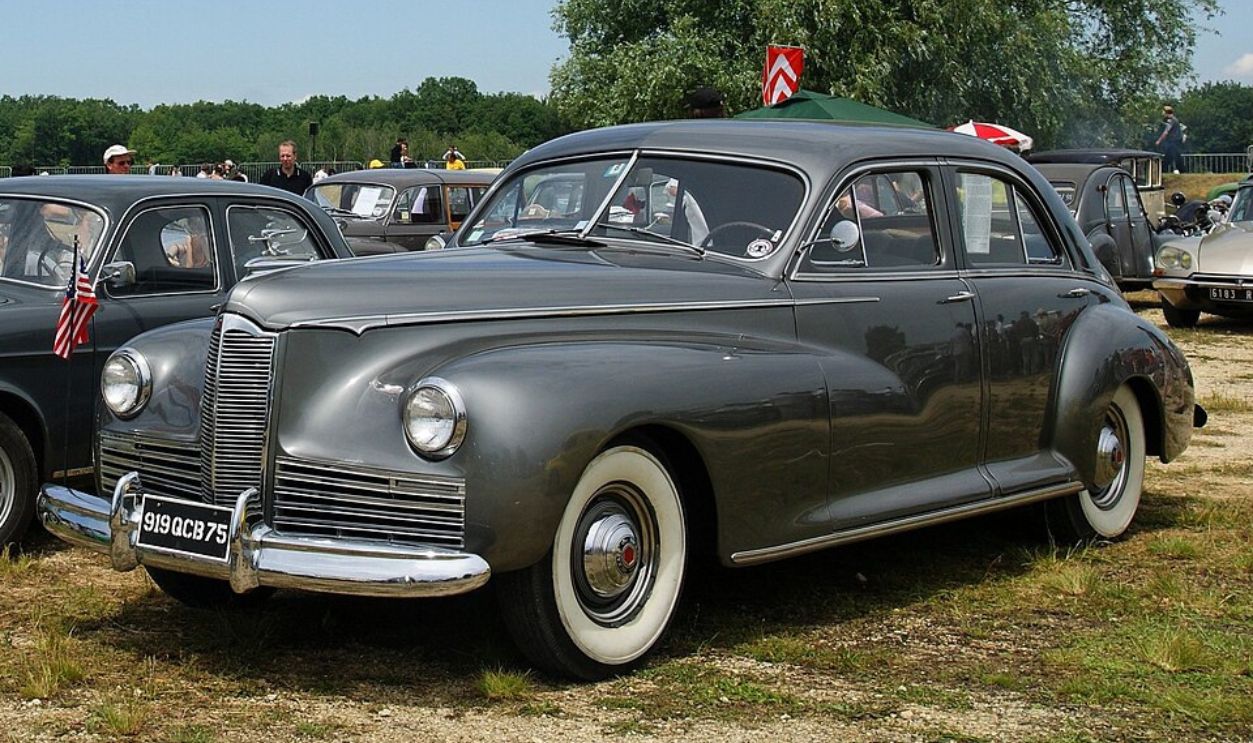 besopha, CC BY-SA 2.0, Wikimedia Commons
Plymouth Cranbrook
The Plymouth Cranbrook was a family-car staple in the early 1950s. It wasn’t glamorous, but it was dependable and familiar, like a good pair of work shoes. Older Boomers remember riding in cars like this as children. Younger Boomers remember the sleeker Plymouths that came later.
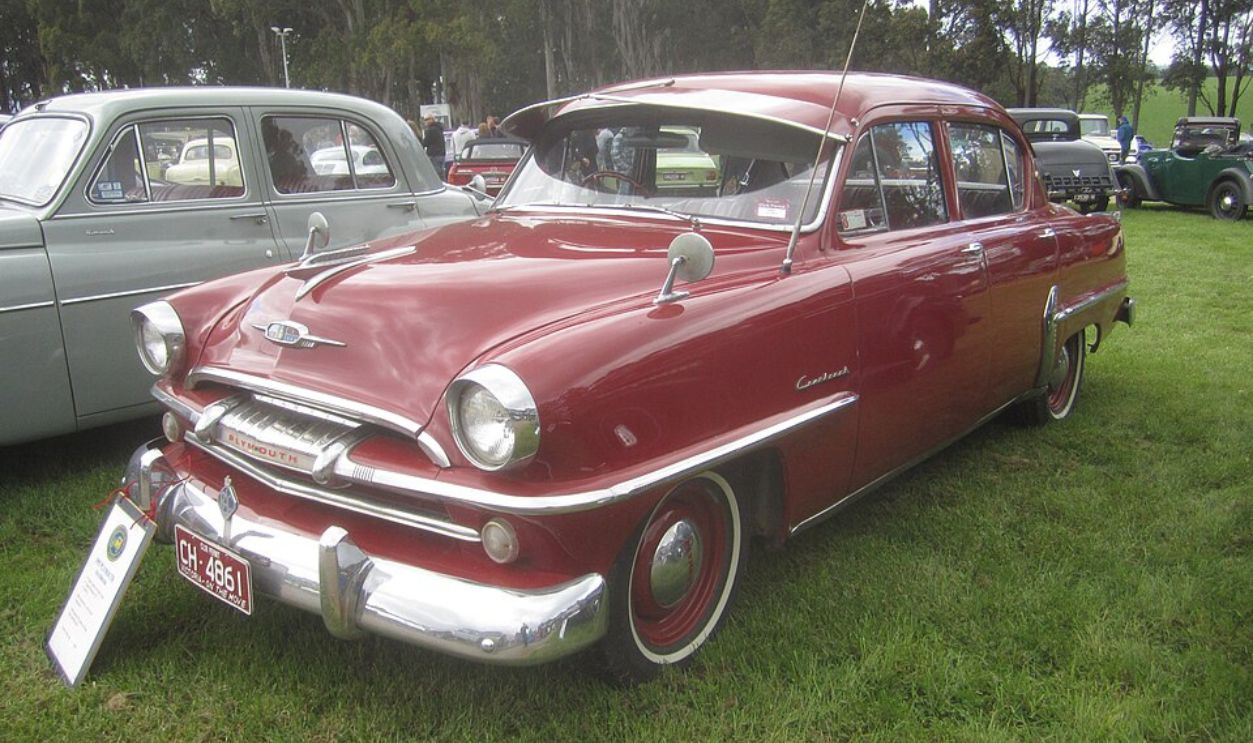 Sicnag, CC BY 2.0, Wikimedia Commons
Buick Special
The Buick Special was a comfortable, respectable car that sat neatly between ordinary and fancy. It had enough style to impress the neighbors without looking too flashy. Older Boomers remember it as a solid middle-class choice. Younger Boomers often think first of Skylarks, Regals, and LeSabres.
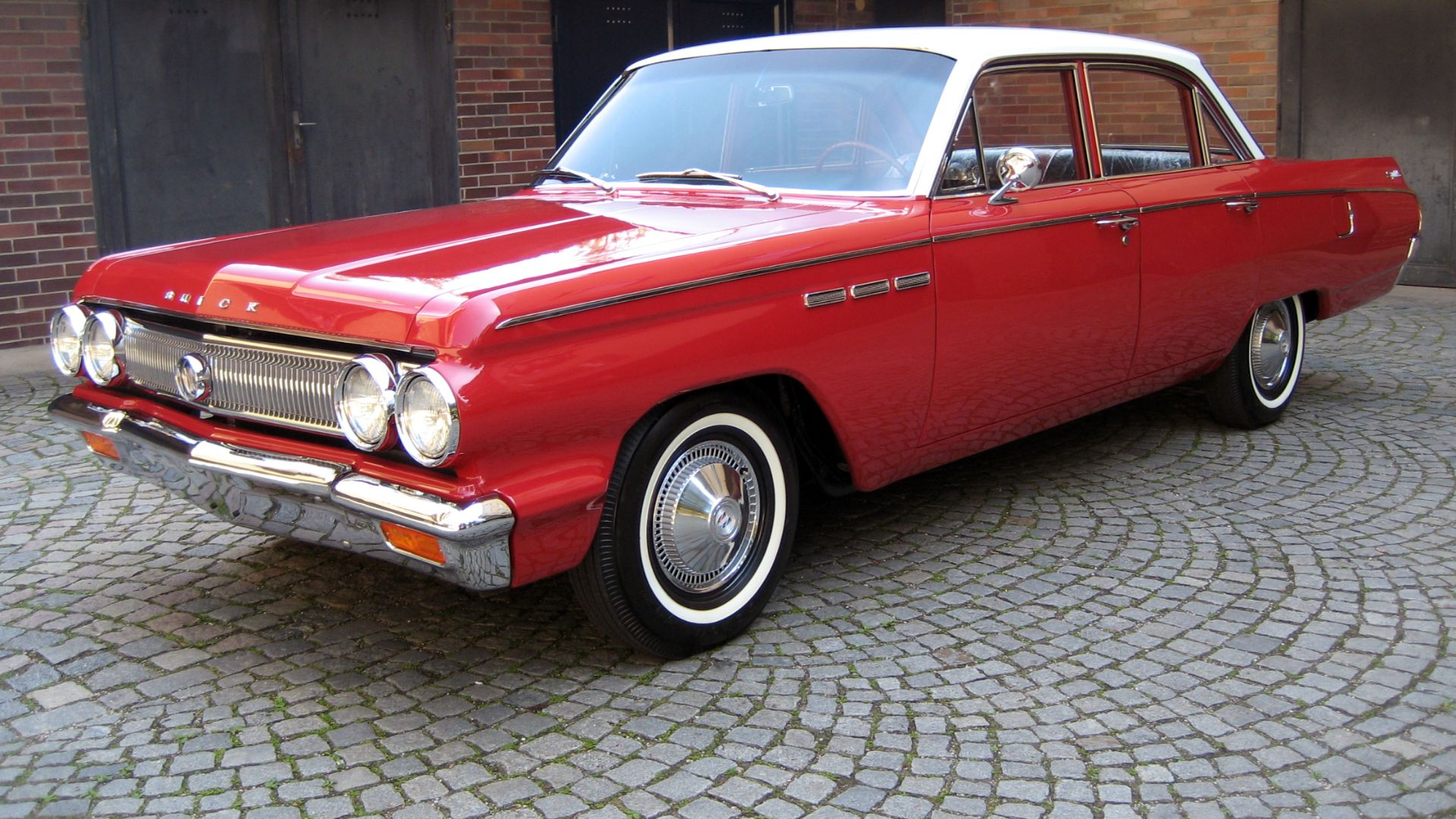 Jiri5801, cropped and levels altered by uploader Mr.choppers, Wikimedia Commons
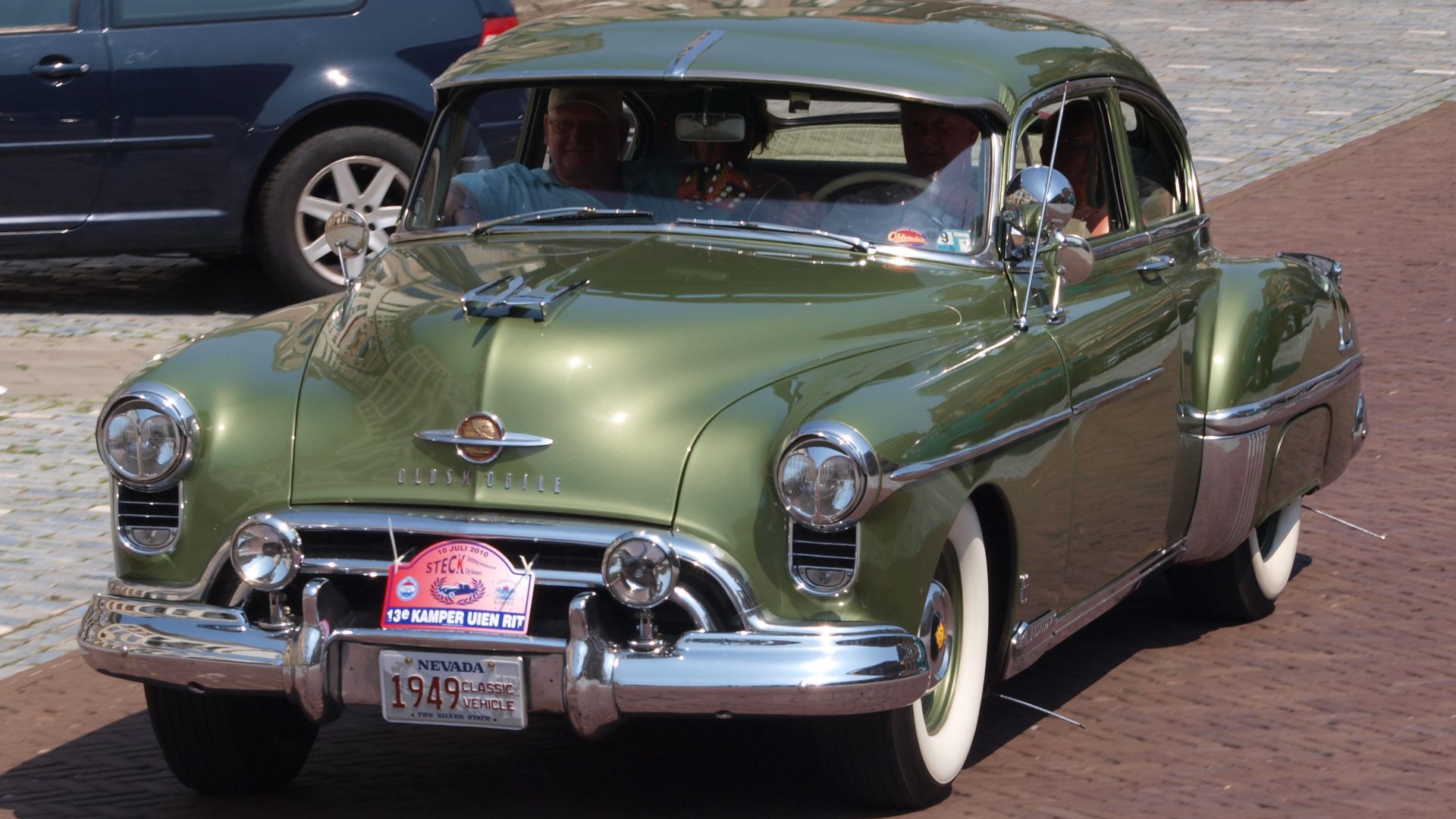
Oldsmobile Rocket 88
The Rocket 88 was one of the cars that helped light the fuse for American performance. With its strong V8 reputation, it made Oldsmobile feel exciting. Older Boomers remember the name with a smile. Younger Boomers may know Olds, but not how cool the Rocket 88 once was.
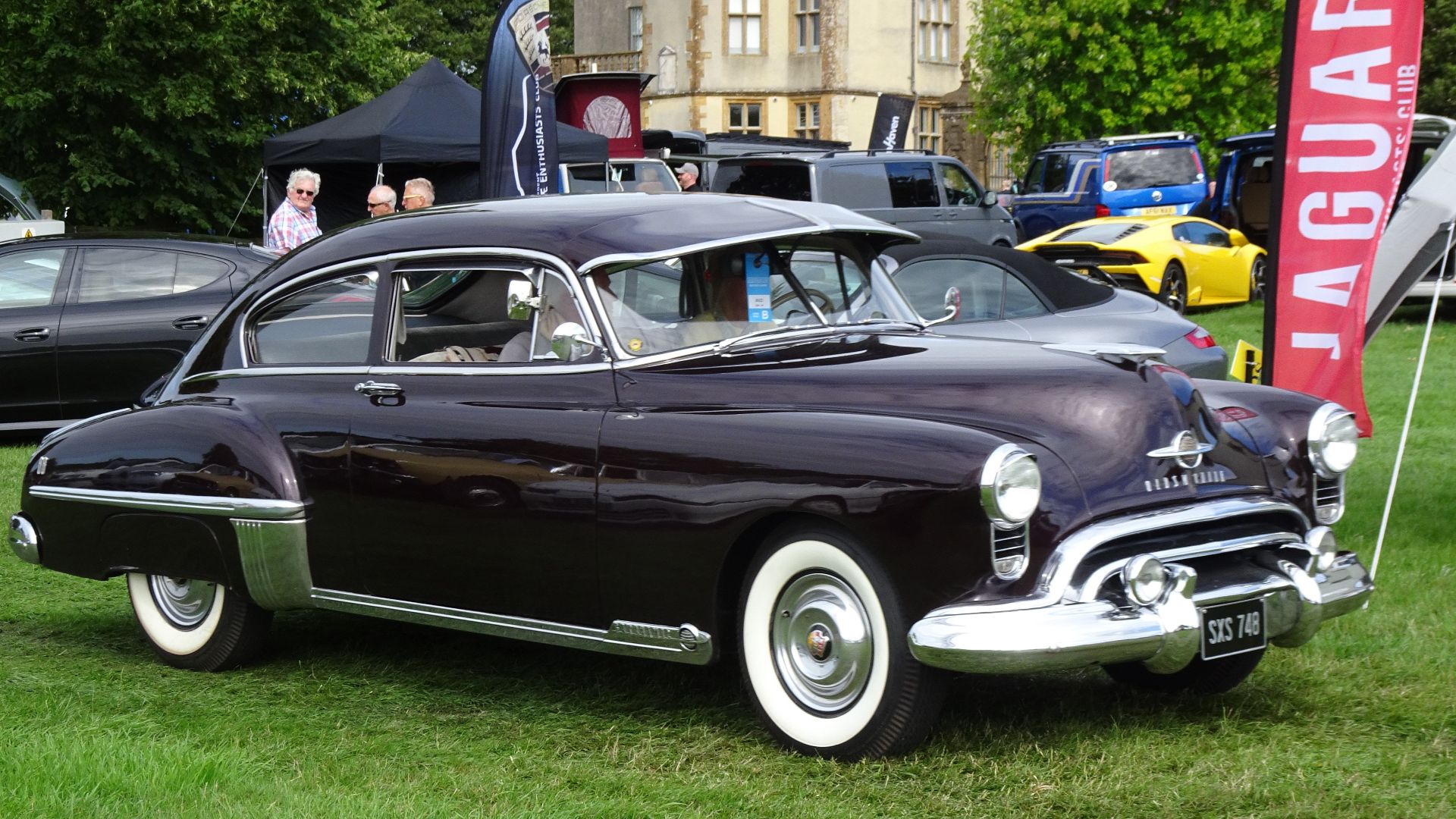 Andrew Bone, Wikimedia Commons
Mercury Turnpike Cruiser
With a name like Turnpike Cruiser, this Mercury sounded ready for a cross-country adventure. It had space-age styling, bold trim, and a dashboard full of drama. Older Boomers remember it as pure 1950s confidence. Younger Boomers may find it hard to believe such a car existed.
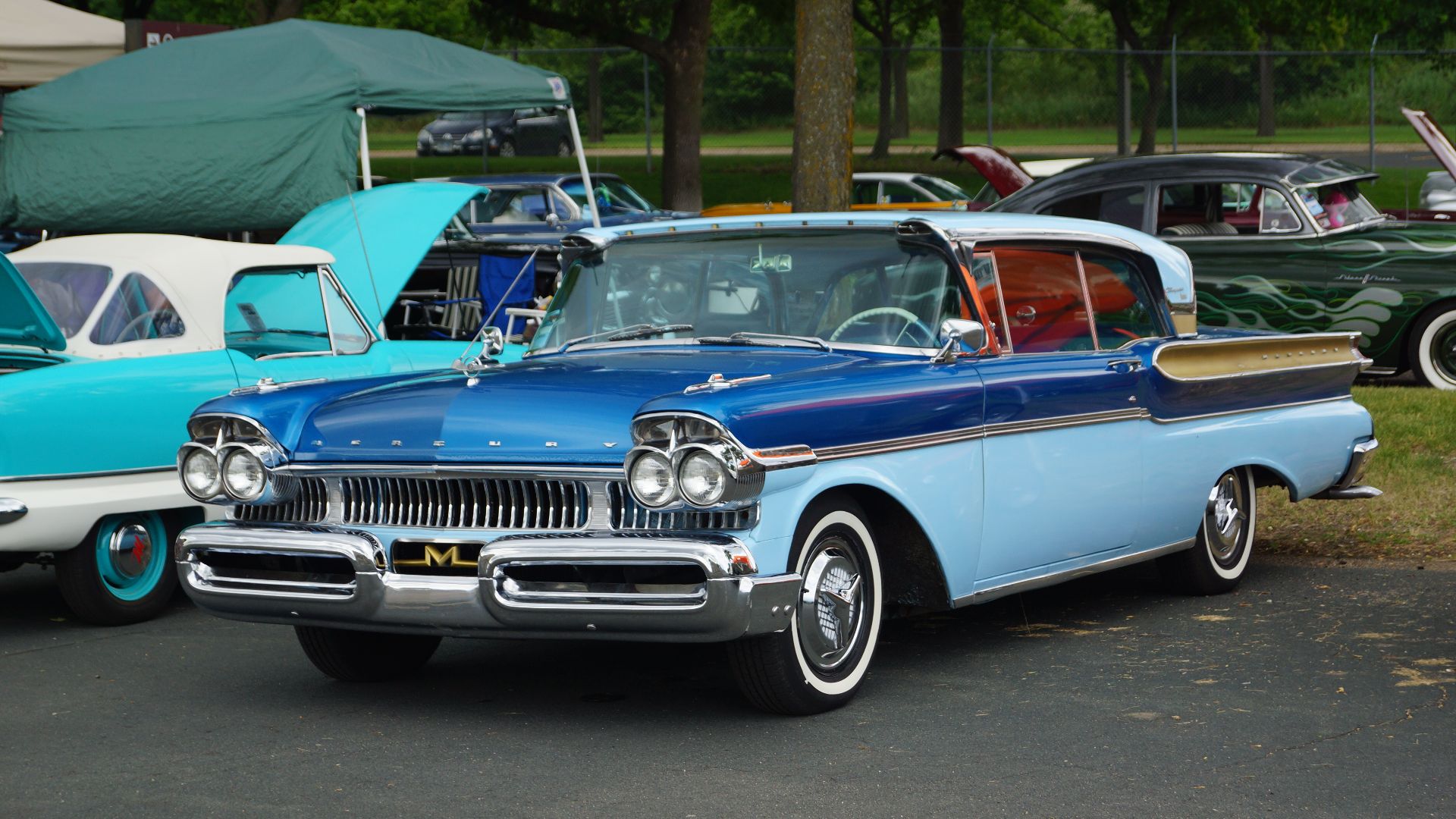 Greg Gjerdingen from Willmar, USA, Wikimedia Commons
Dodge Coronet
The Dodge Coronet name goes way back before the muscle-car years many people remember. Early Coronets were upright, sturdy, and very much of their time. Older Boomers saw them as dependable family machines. Younger Boomers are more likely to picture later Dodges with bigger engines and louder personalities.
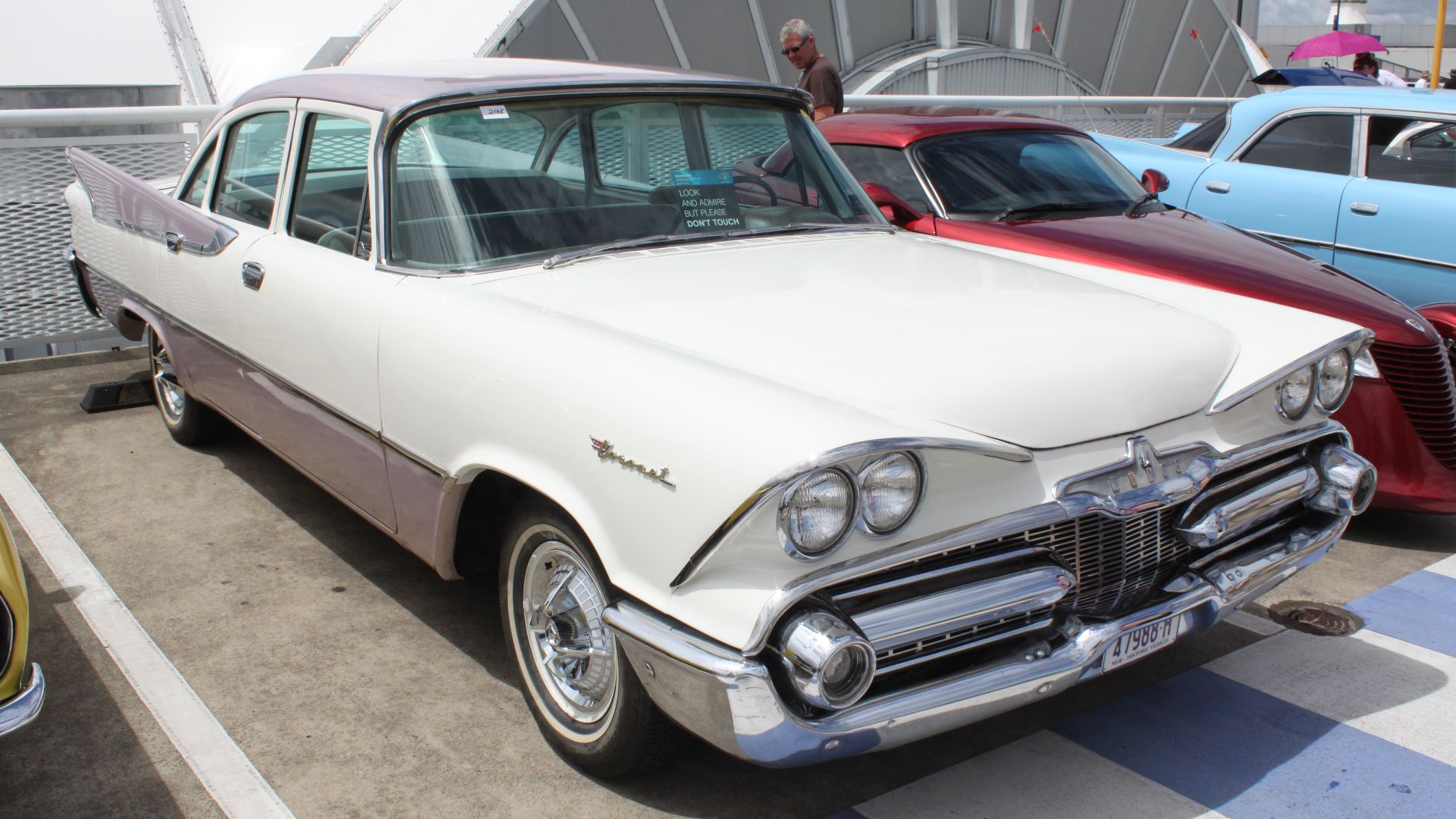 Jeremy from Sydney, Australia, Wikimedia Commons
Pontiac Chieftain
The Pontiac Chieftain had strong styling and plenty of chrome, giving it a proud road presence. It belonged to an era when Pontiac was still building its identity. Older Boomers remember the hood ornaments and heavy doors. Younger Boomers tend to know GTOs and Firebirds instead.
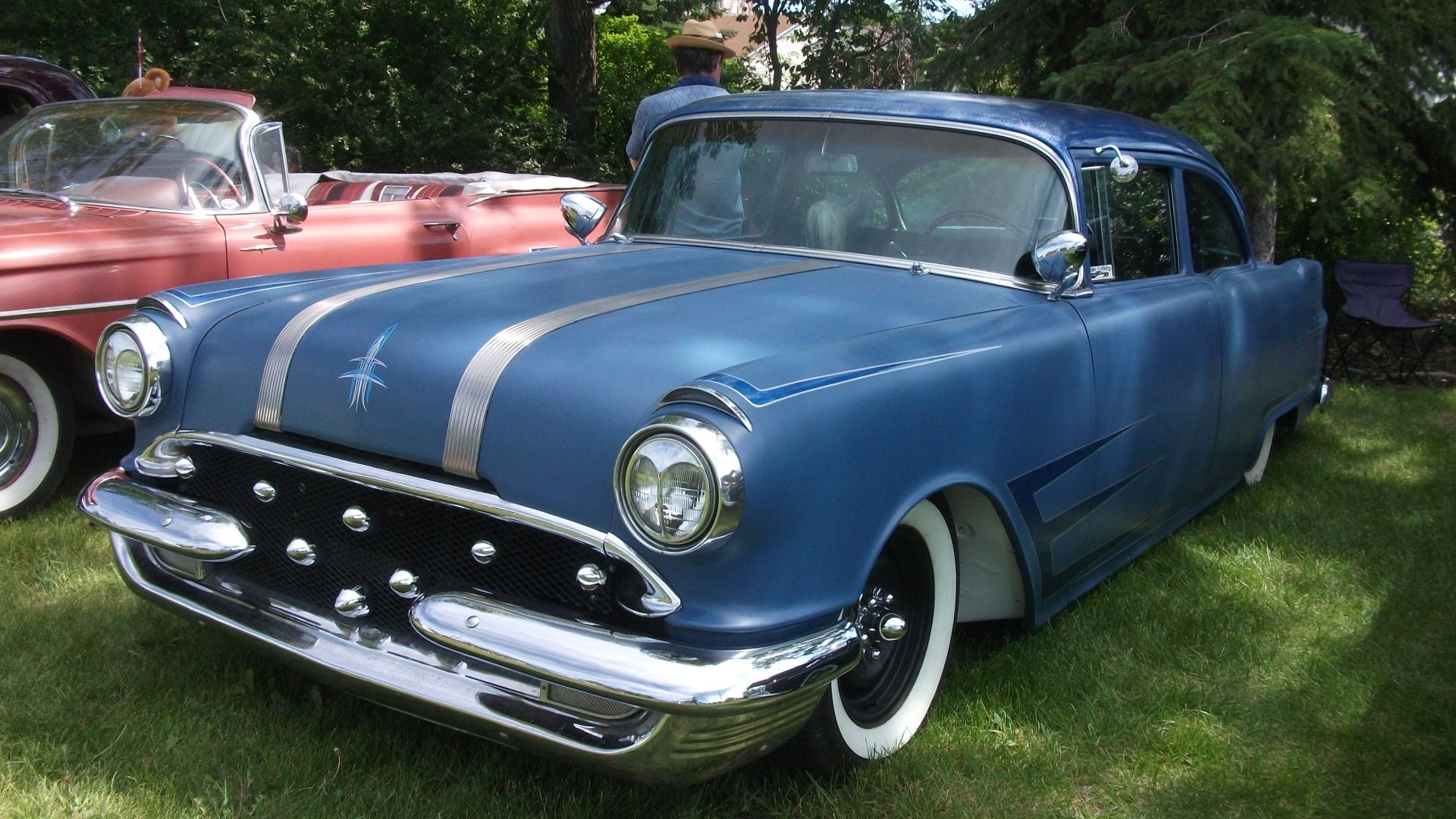 dave_7 from Lethbridge, Canada, Wikimedia Commons
Ford Mainline
The Ford Mainline was basic transportation with blue-collar honesty. It was the car people bought when they needed wheels, not bragging rights. Older Boomers remember seeing them everywhere, especially in plain colors. Younger Boomers usually remember Mustangs, LTDs, and pickups, not this humble Ford workhorse.
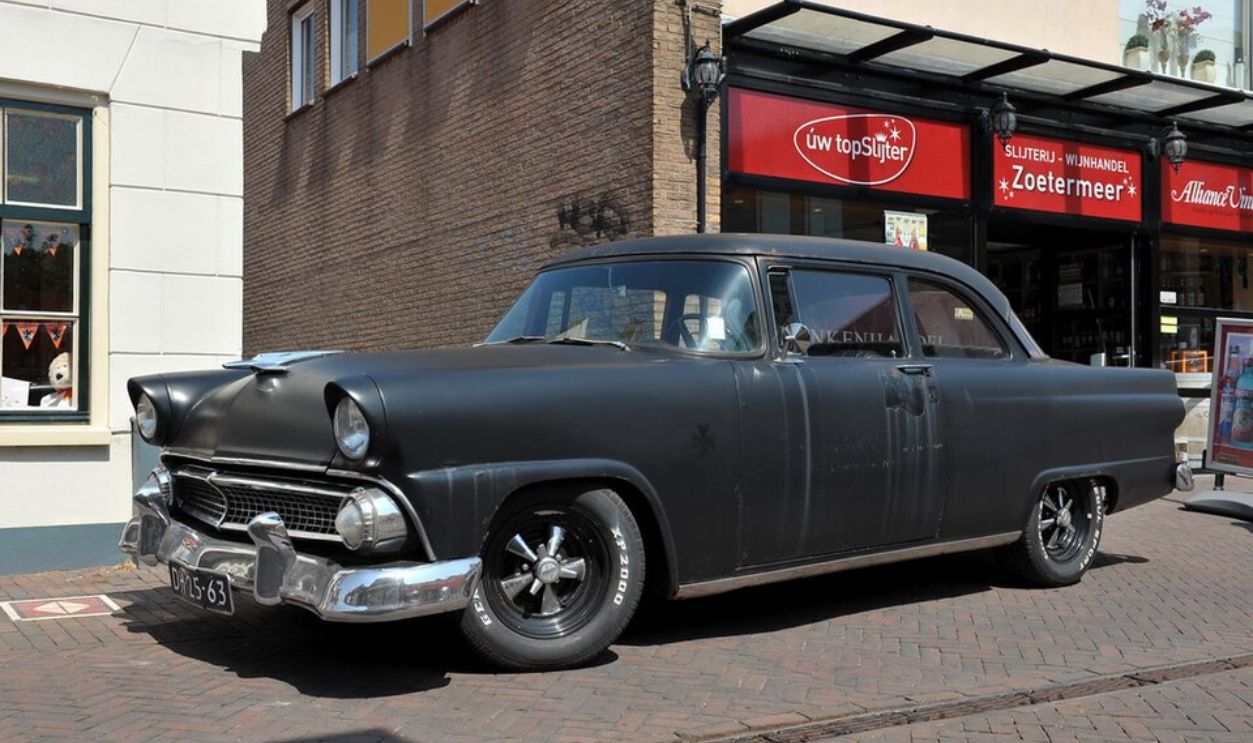 FaceMePLS from The Hague, The Netherlands, CC BY 2.0, Wikimedia Commons
Chevrolet Styleline
The Chevrolet Styleline was a familiar sight in the early postwar years. Rounded, friendly, and solid, it carried families through a changing America. Older Boomers may remember riding in the back seat on Sunday drives. Younger Boomers know Chevy history, but this one often gets skipped.
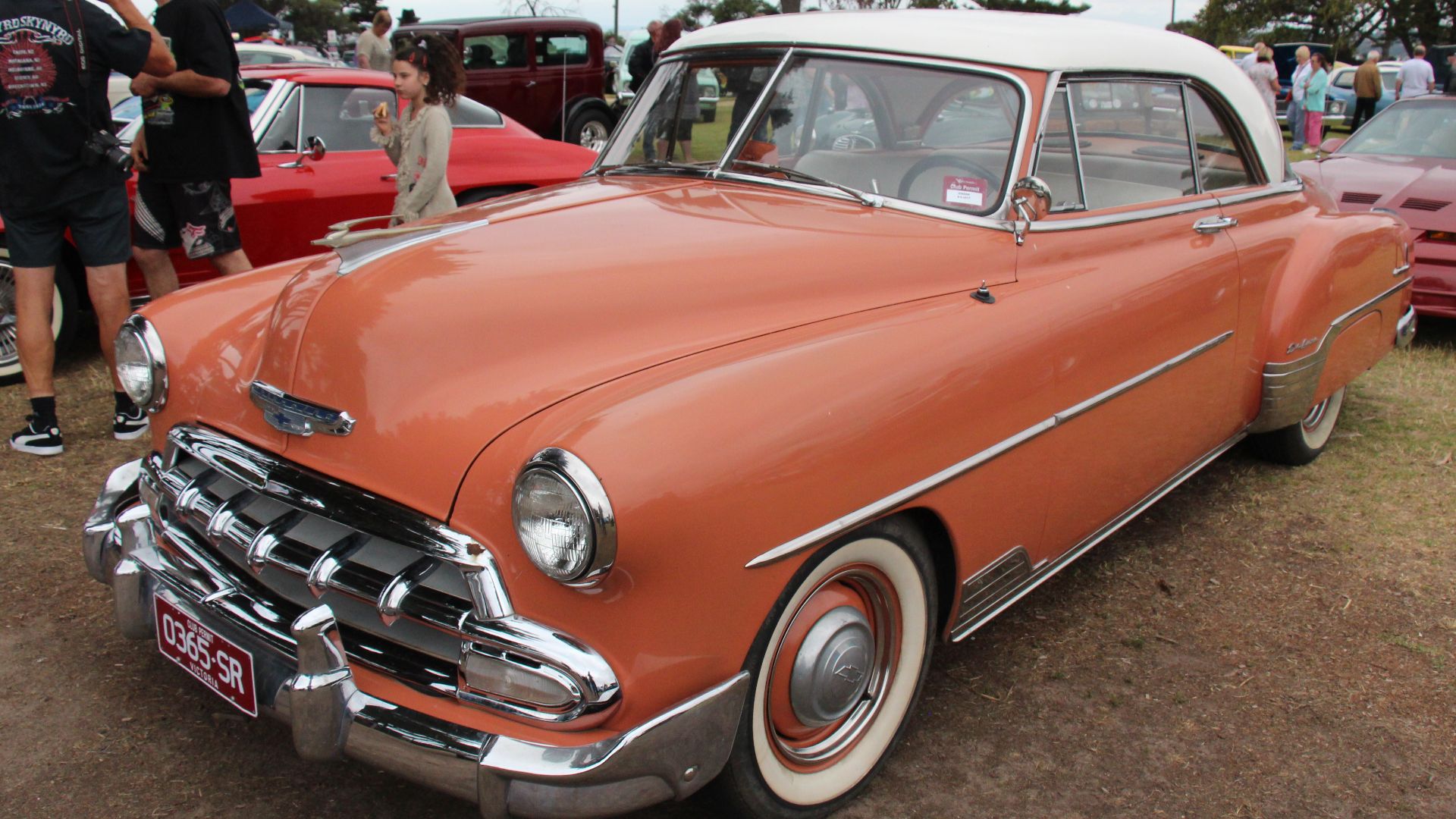
Crosley Hotshot
The Crosley Hotshot was tiny, quirky, and more fun than it had any right to be. It looked like a toy sports car but had real enthusiast appeal. Older Boomers remember Crosley as a strange little brand. Younger Boomers usually don’t realize America once built cars this small.
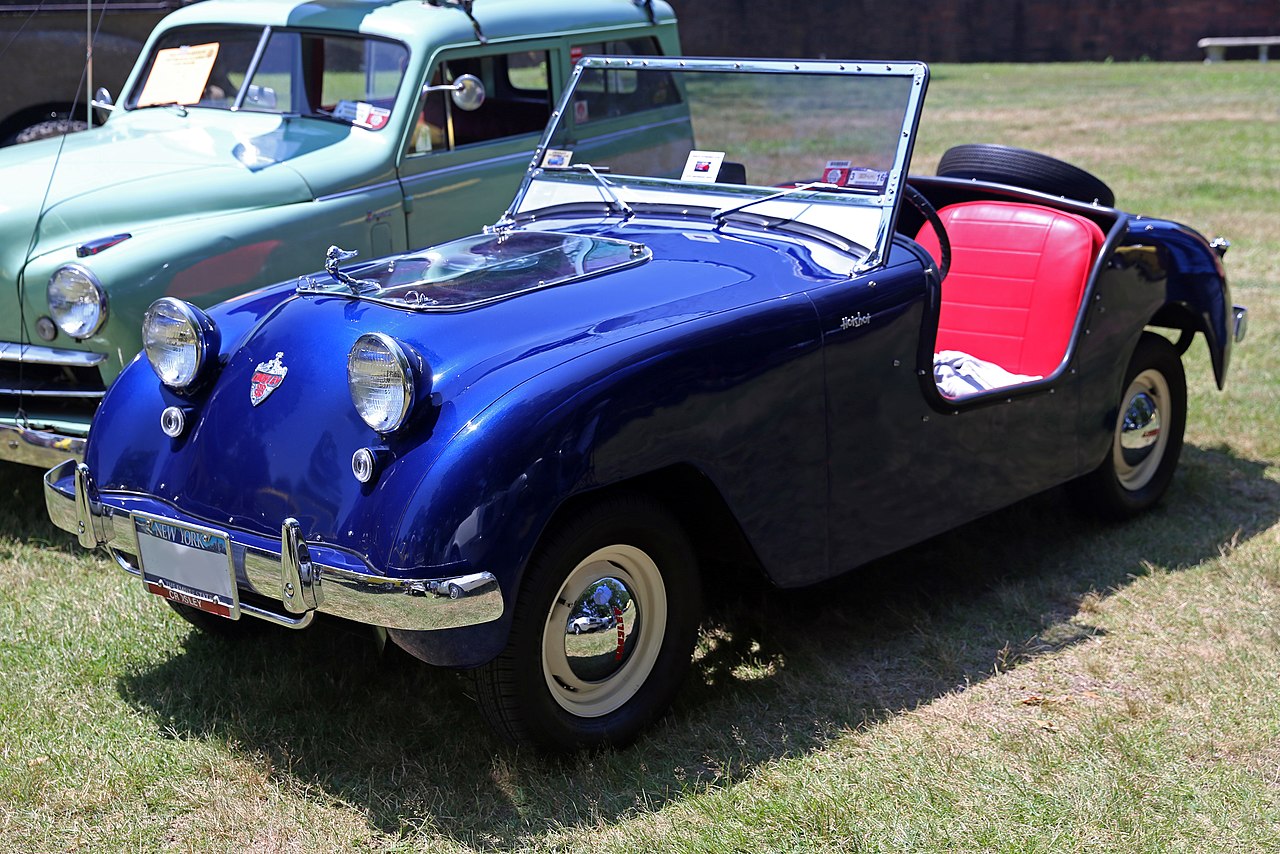 Mr.choppers, CC BY-SA 3.0, Wikimedia Commons
Studebaker Champion
The Studebaker Champion had a distinctive look, especially with its bullet-nose styling in the early 1950s. It stood out in traffic without trying too hard. Older Boomers remember it as futuristic and odd. Younger Boomers rarely connect Studebaker with anything beyond a trivia question.
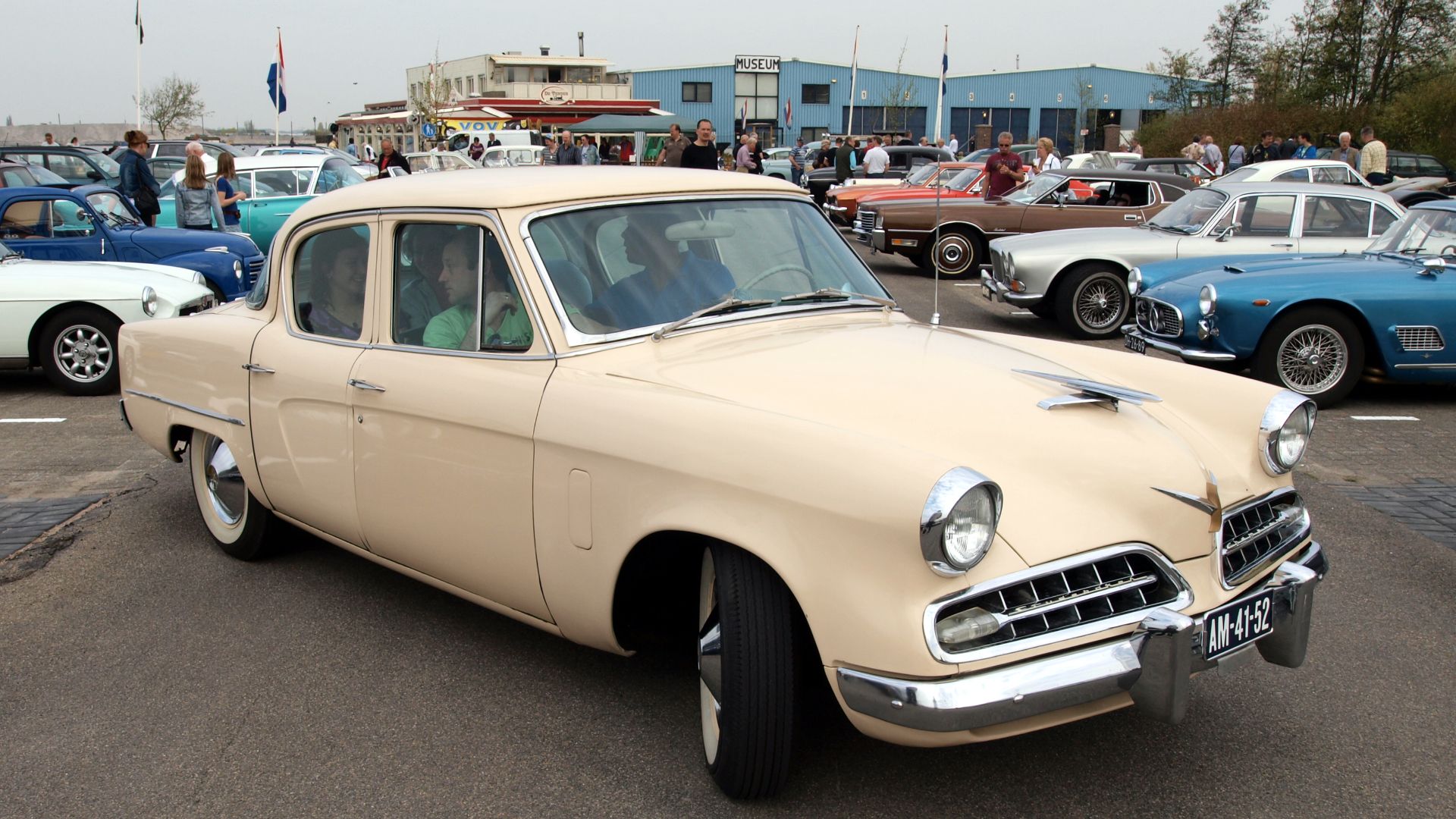
Nash Airflyte
The Nash Airflyte looked like it had been shaped by the wind and maybe a melted bar of soap. Its covered wheels made it unforgettable. Older Boomers remember the strange, smooth styling. Younger Boomers might assume it was a custom car, not something sold new.
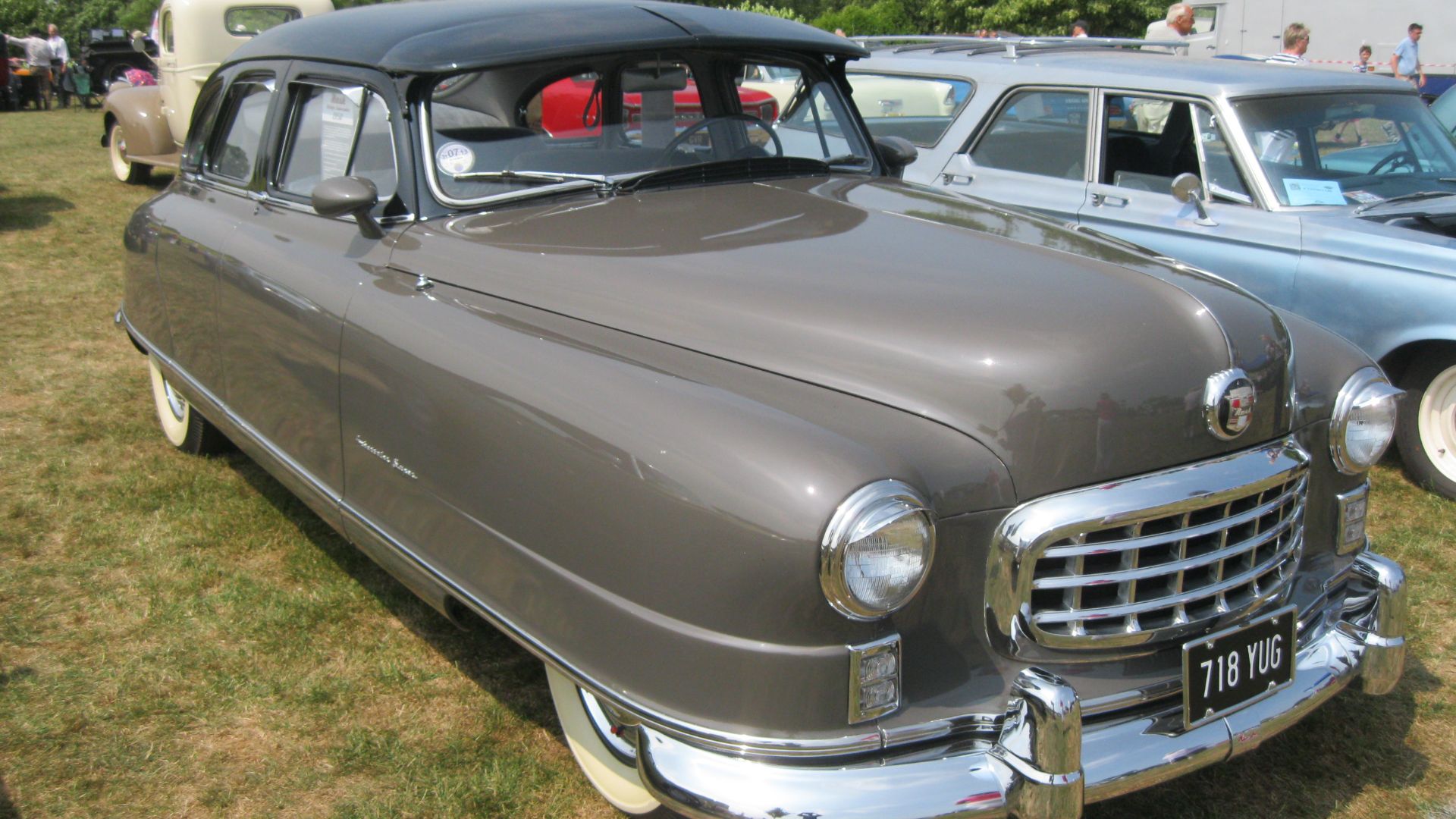 Andrew Bone from Weymouth, England, Wikimedia Commons
Hudson Jet
The Hudson Jet was supposed to help Hudson compete in the compact market, but it never became a star. Still, it had loyal fans and a very specific charm. Older Boomers may remember its short-lived run. Younger Boomers probably have no memory of it at all.
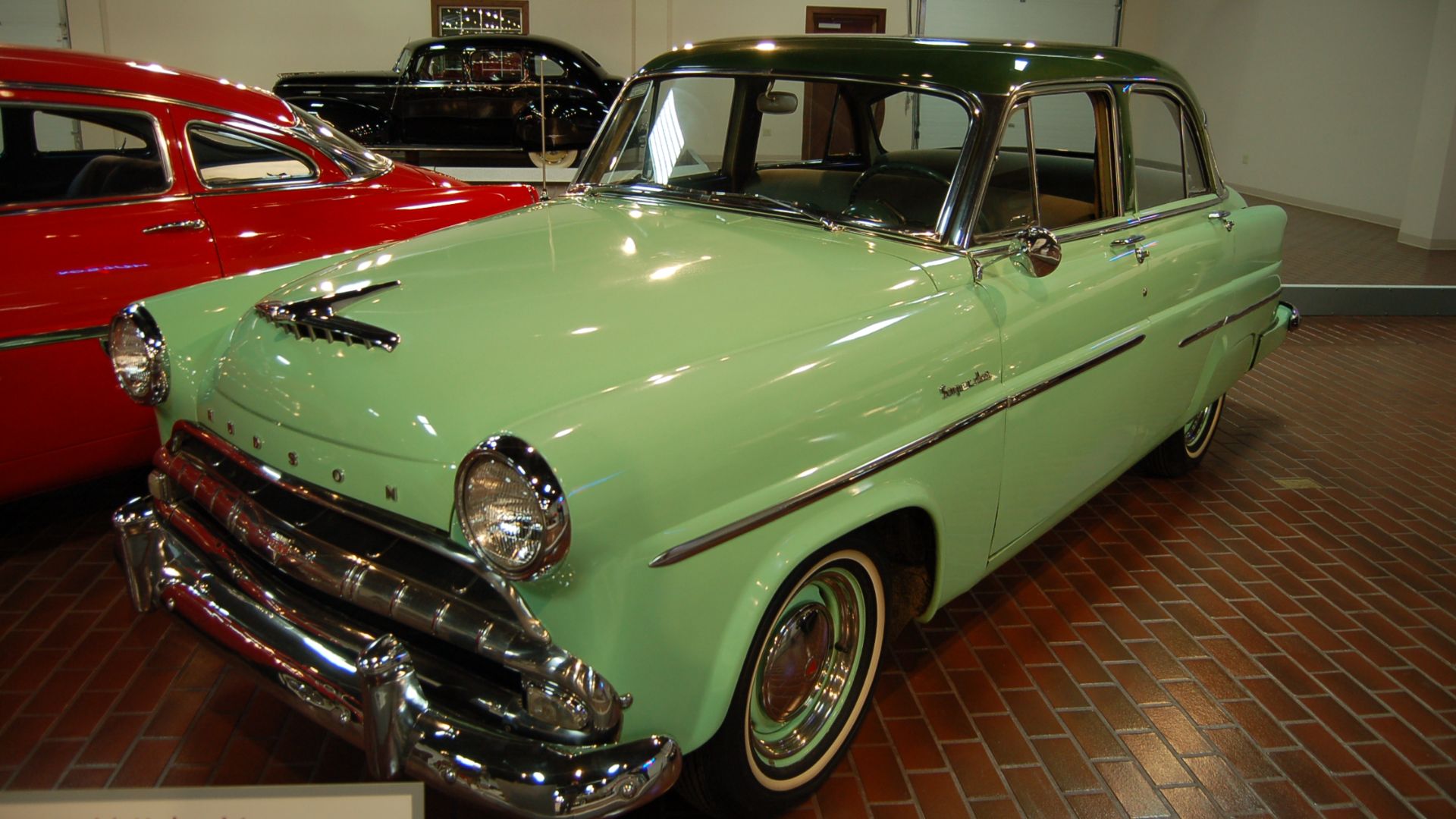
Kaiser Manhattan
The Kaiser Manhattan had a grand name and a stylish presence. It was part of America’s independent carmaker story, when smaller companies still tried to challenge Detroit giants. Older Boomers remember Kaiser as a real contender. Younger Boomers mostly know the name from hospitals or history books.
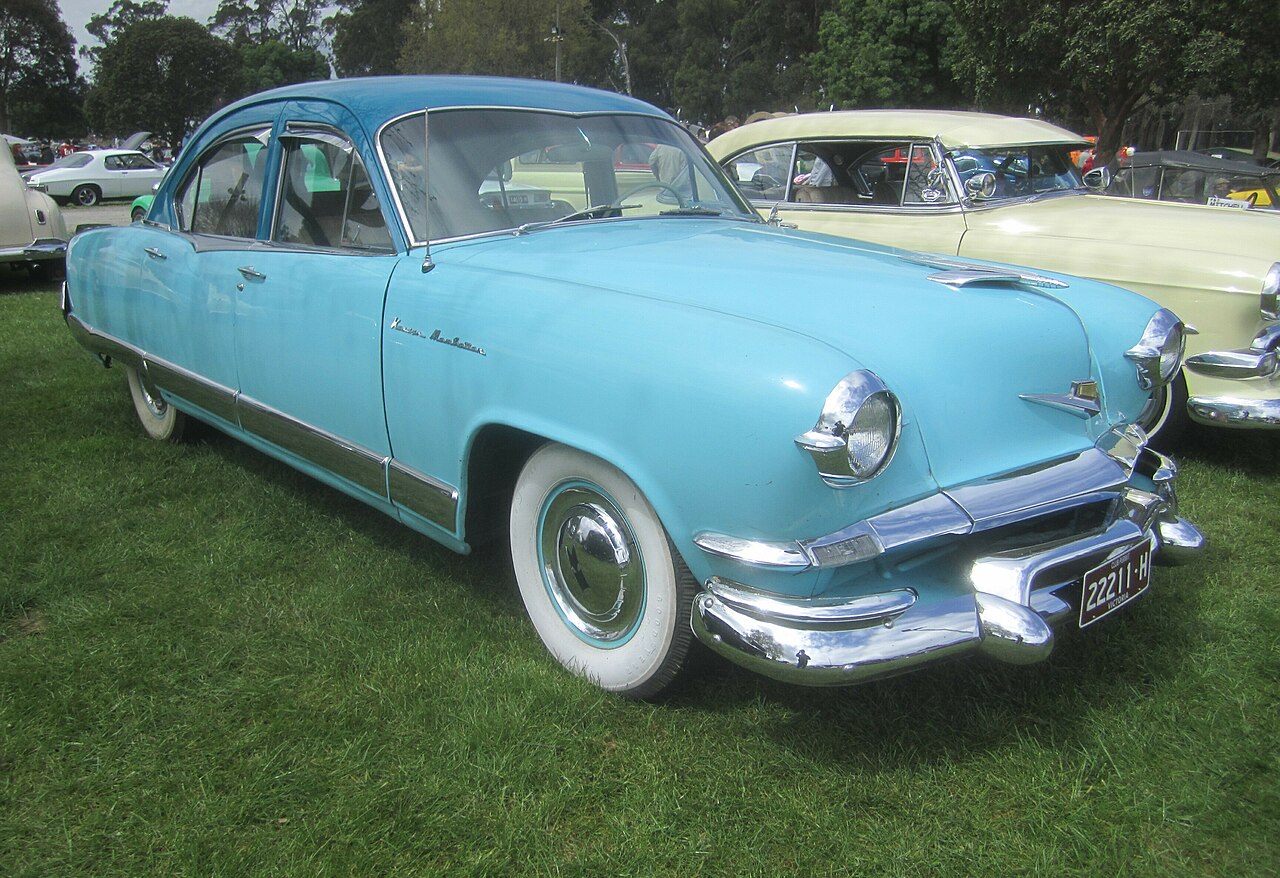 Sicnag, CC BY 2.0, Wikimedia Commons
Willys Station Wagon
Before SUVs took over suburban driveways, the Willys Station Wagon offered rugged usefulness with family-hauling space. It looked tough because it was tough. Older Boomers remember it as practical and outdoorsy. Younger Boomers may recognize Jeep wagons, but not always this early trailblazer.
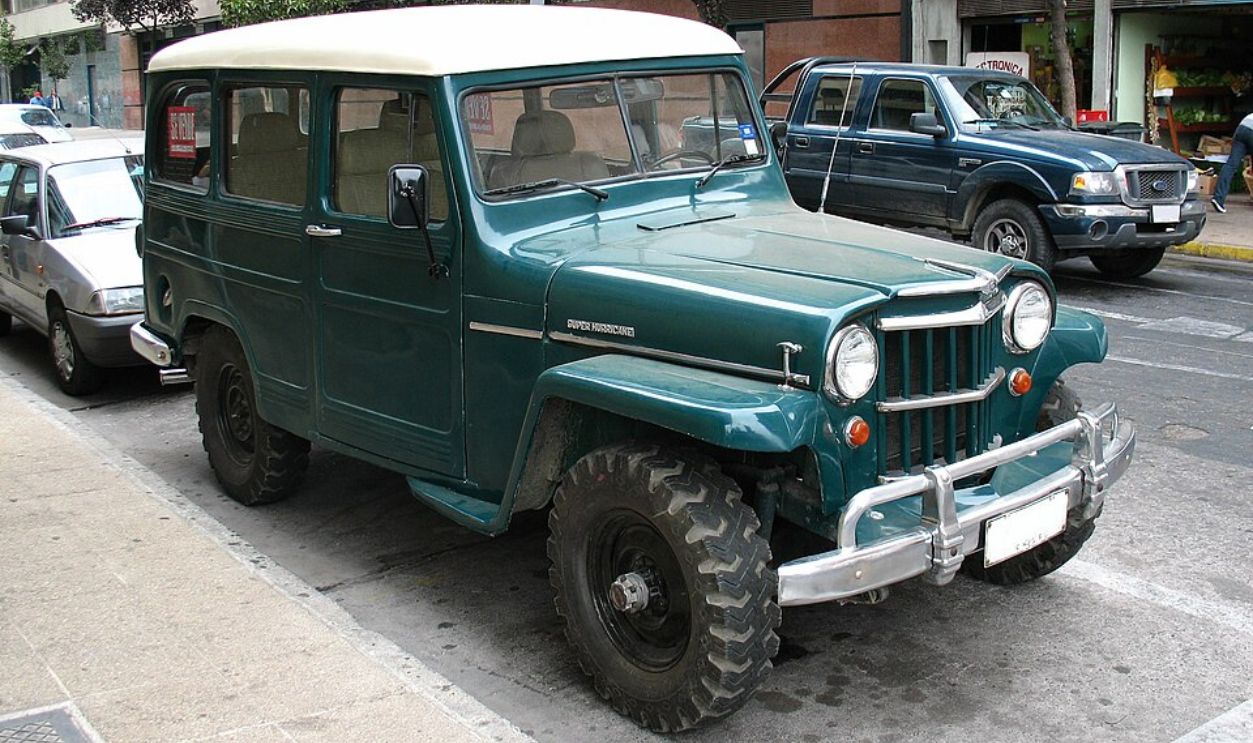 order_242 from Chile, CC BY-SA 2.0, Wikimedia Commons
Ford Customline
The Ford Customline was the kind of car that filled neighborhoods, church parking lots, and grocery store spaces. It was handsome, honest, and very American. Older Boomers remember it as a common family ride. Younger Boomers tend to overlook it between shoebox Fords and later classics.
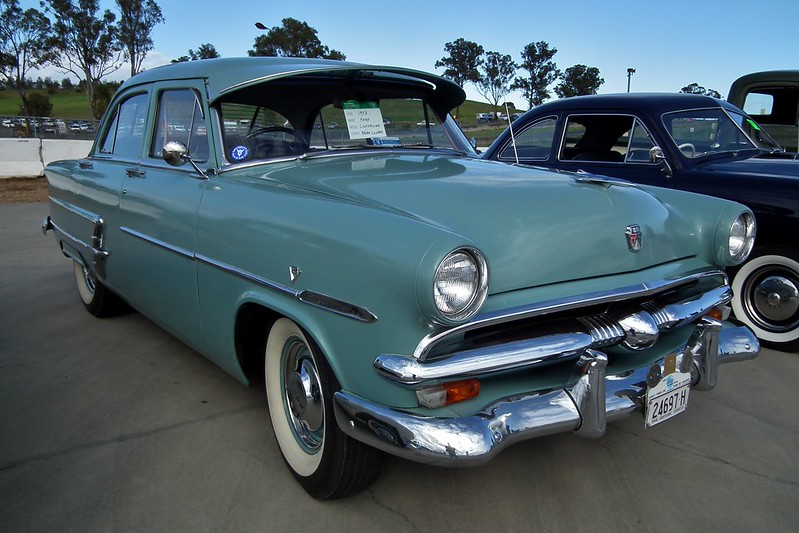
Plymouth Savoy
The Plymouth Savoy was not the flashiest name in the Mopar family, but it was everywhere for a while. Affordable, roomy, and straightforward, it did its job well. Older Boomers remember it from daily life. Younger Boomers may know Belvedere or Fury, but Savoy often disappears.
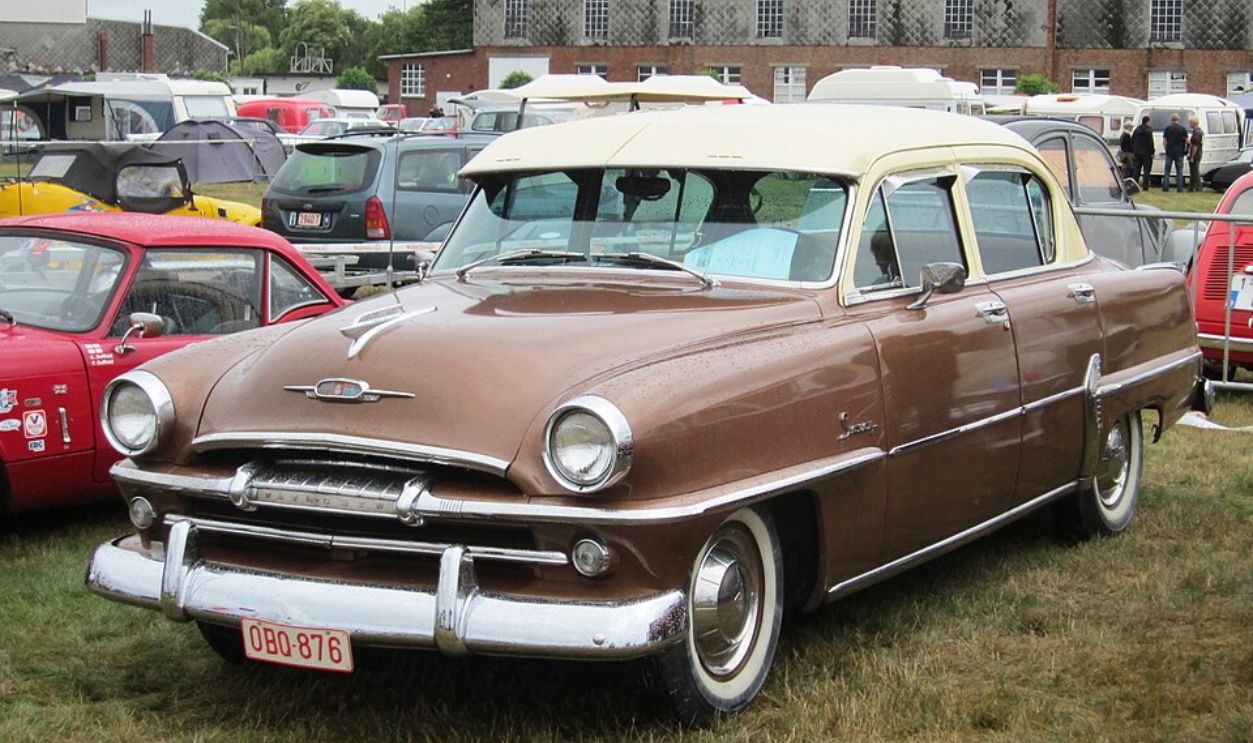 Charles01, CC BY-SA 3.0, Wikimedia Commons
Chevrolet Delray
The Chevrolet Delray had a brief but memorable run, especially for fans of simple, clean late-1950s Chevys. It was not as famous as the Bel Air or Impala, but it had charm. Older Boomers remember seeing them used and loved. Younger Boomers rarely bring it up.
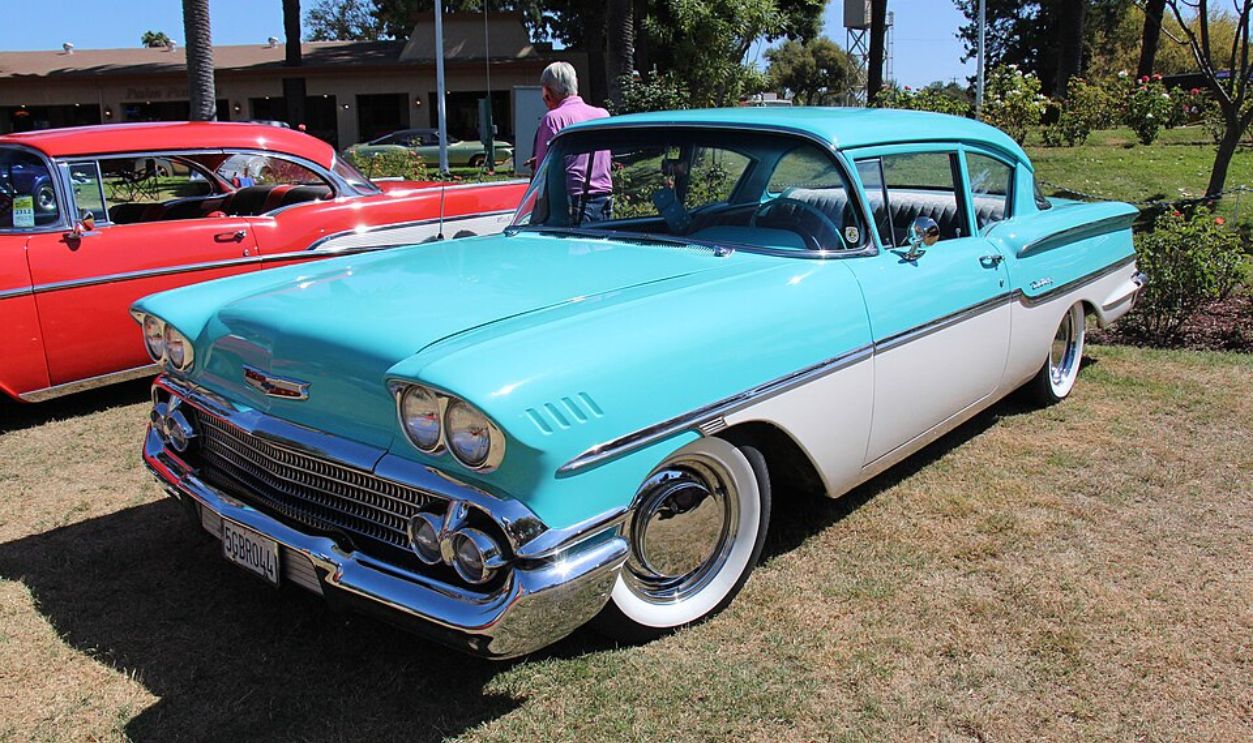 Sicnag, CC BY 2.0, Wikimedia Commons
A Garage Full Of Almost-Forgotten Favorites
These cars may not all be museum headliners, but they mattered. They carried families, first dates, grocery bags, fishing gear, and childhood memories. Older Baby Boomers remember them because they were part of everyday life. Younger Boomers may not, but that makes rediscovering them even more fun.
You May Also Like:
I made a payment arrangement with my lender, but my car was repossessed anyway. What can I do?
Old Pickup Trucks That Baby Boomers Won’t Give Up—And Why We Wish They Would


.jpg)


.jpg)

.jpg)

.jpg)
.jpg)

.jpg)