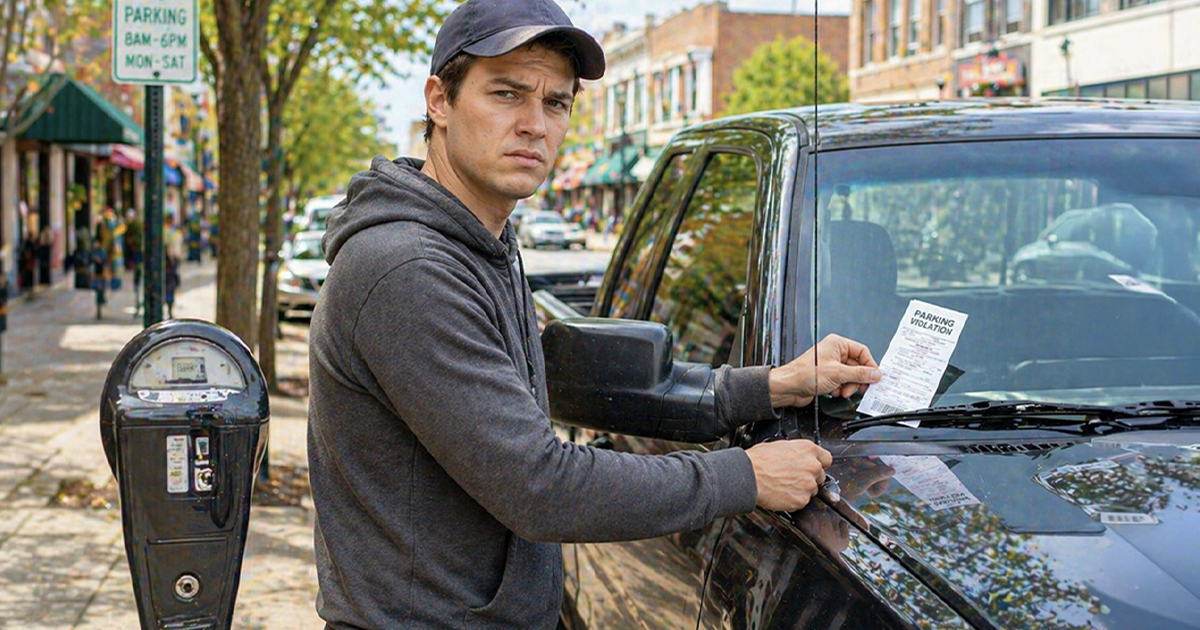
You Beat the Meter—Or So You Thought
You pulled into a spot, checked the meter—and it clearly wasn’t working. No screen, no payment option, nothing. So you figured you caught a break. Then you came back to a ticket. Now you’re thinking… how can they charge you when the meter didn’t even work?
How Parking Meters Actually Work
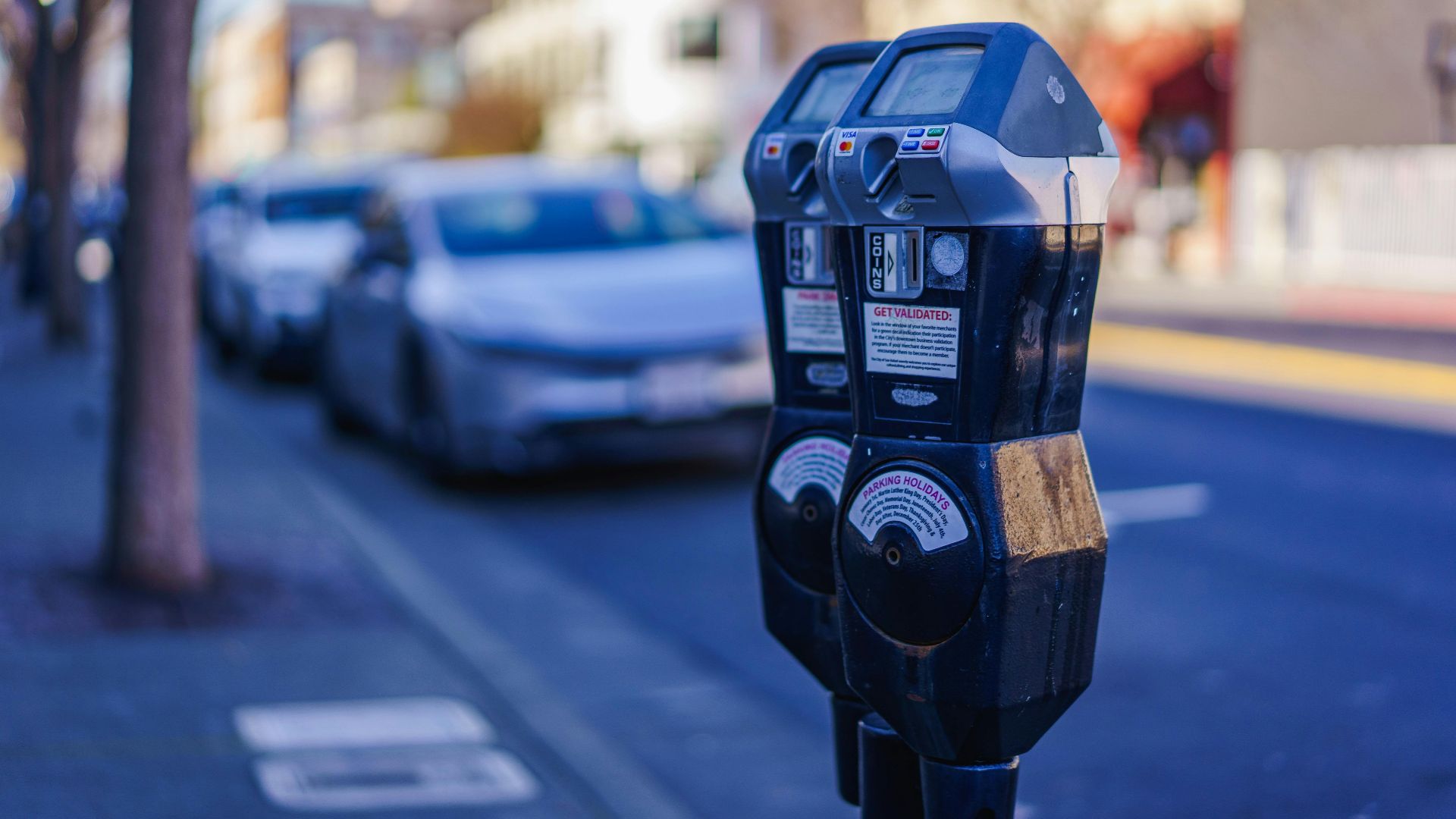
Most modern parking meters aren’t just standalone machines anymore. They’re part of a larger system run by the city. Even if one meter is broken, the space itself is still regulated under local parking laws.
The Key Detail Most People Miss
Here’s the important part: you’re not paying the meter—you’re paying for the parking space. The meter is just the tool used to collect payment. So if the tool fails, the rule about paying doesn’t automatically disappear.
What the Law Usually Says
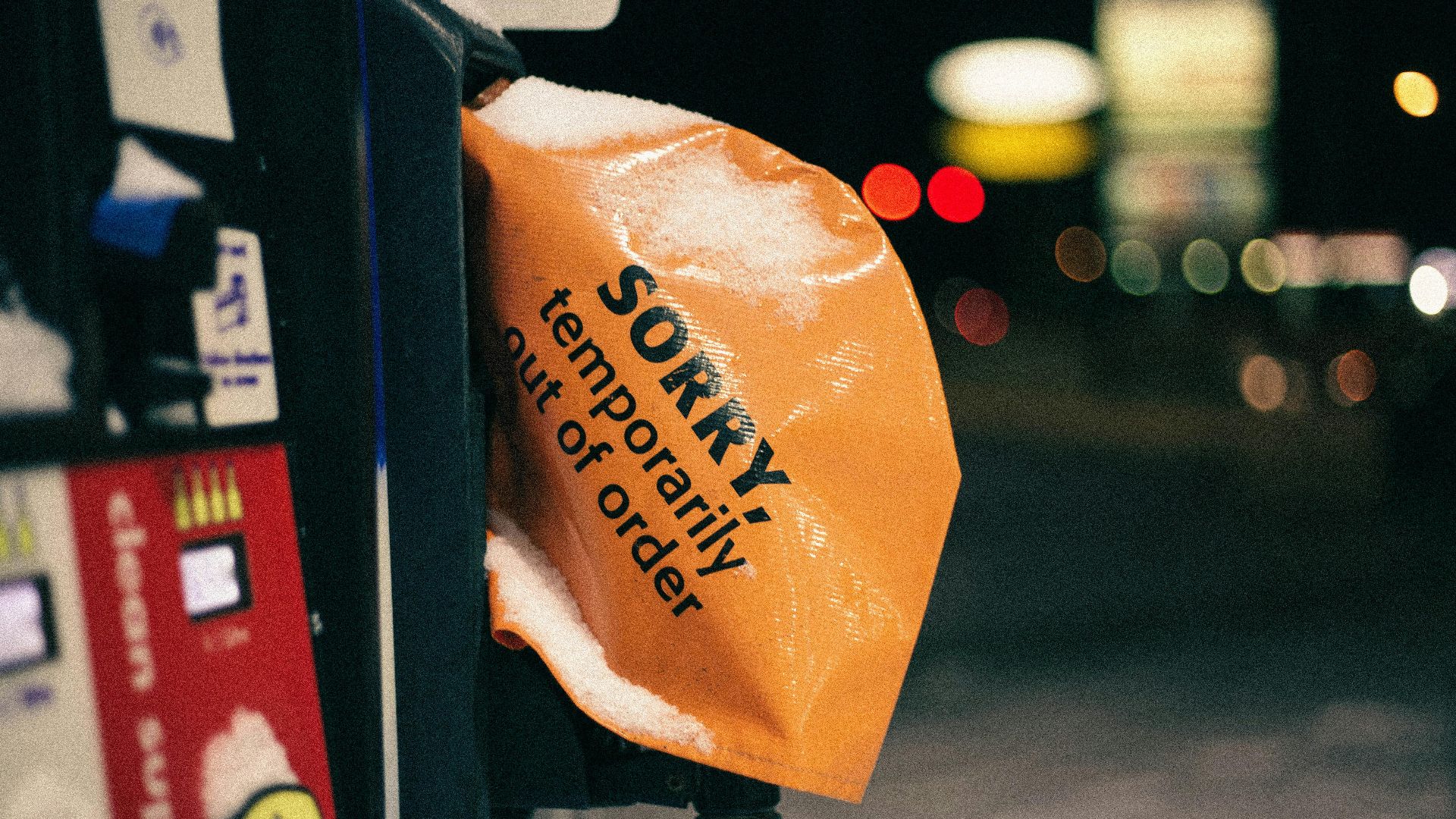
In many cities, parking bylaws require you to pay for metered parking during posted hours, regardless of whether the meter is working. That means the responsibility often falls on the driver to find another way to pay.

So What Are You Supposed to Do?
If a meter is broken, cities often expect you to use another nearby meter, a central pay station, or a mobile parking app. Some areas even have signs explaining this—but not all of them are easy to spot.
Why Cities Enforce It This Way
From the city’s perspective, parking rules are about managing traffic, turnover, and revenue—not the condition of a single machine. If broken meters meant free parking, people would actively seek them out.
When a Broken Meter Does Matter
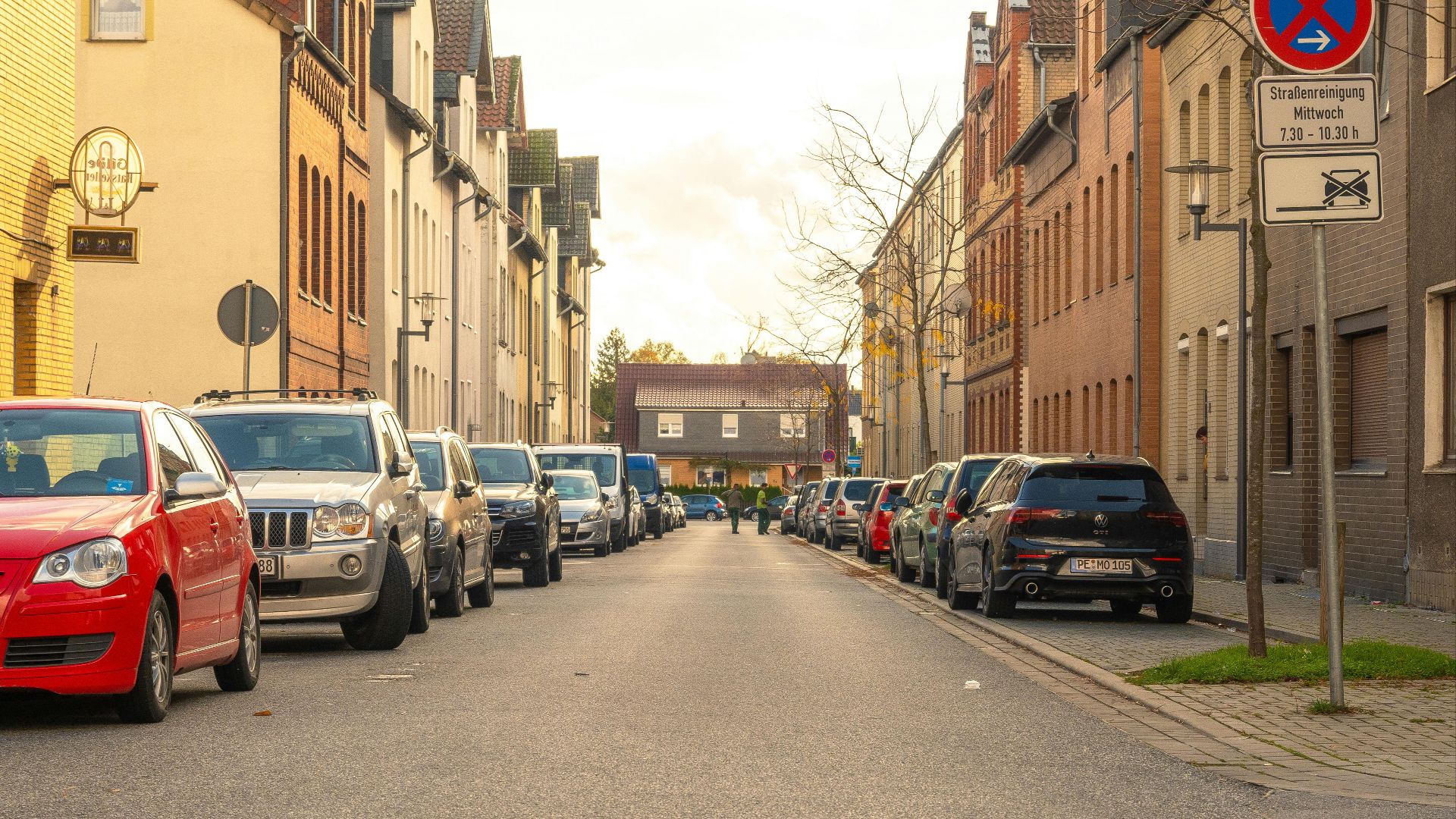
A non-working meter can still help your case—but only in certain situations. It matters more if there were no nearby alternatives, no signage, and no clear way to pay at all.

What Enforcement Officers Look For
Parking officers typically check whether payment was made—not whether the meter worked. They often don’t test every meter, so they may not even realize it was broken when issuing the ticket.
Why Documentation Is So Important
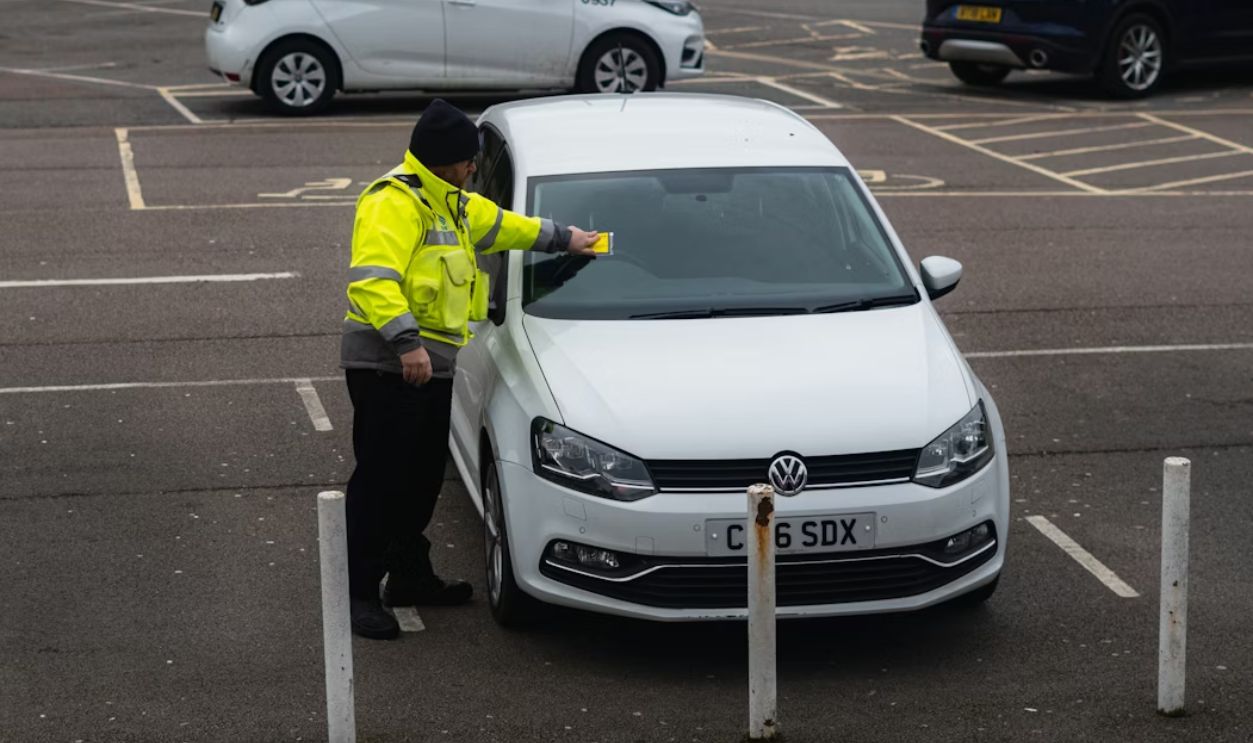
If you’re in this situation, evidence matters. A quick photo of the broken meter, lack of signage, or empty pay stations nearby can make a big difference if you decide to dispute the fine.

Do Cities Ever Cancel These Tickets?
Yes, but it depends on the circumstances. If you can show there was no reasonable way to pay, some cities will dismiss the ticket. If there was another option nearby, they’re less likely to.

What About Apps and Digital Payment Systems?
Many cities now expect drivers to use mobile apps as a backup. Even if the physical meter is broken, the app may still allow payment for that space. This is becoming more common in urban areas.

The Grey Area That Frustrates Drivers
This is where things feel unfair. If there’s no clear instruction and the meter isn't working, most people assume it’s free. But legally, that assumption doesn’t always hold up.

How Appeals Typically Work
If you choose to fight the ticket, you’ll usually submit a dispute online or by mail. You’ll explain the situation and provide any proof. A reviewer will decide based on local bylaws and your evidence.

What Helps You Win an Appeal?
Strong cases usually include clear photos, no visible instructions, and no nearby working payment options. The more you can show that you tried to comply, the better your chances.

What Hurts Your Case?
If there was a working meter nearby, a visible pay station, or a mobile payment option you didn’t use, the city will likely argue that you still had a way to pay.
Why This Happens More Than You Think
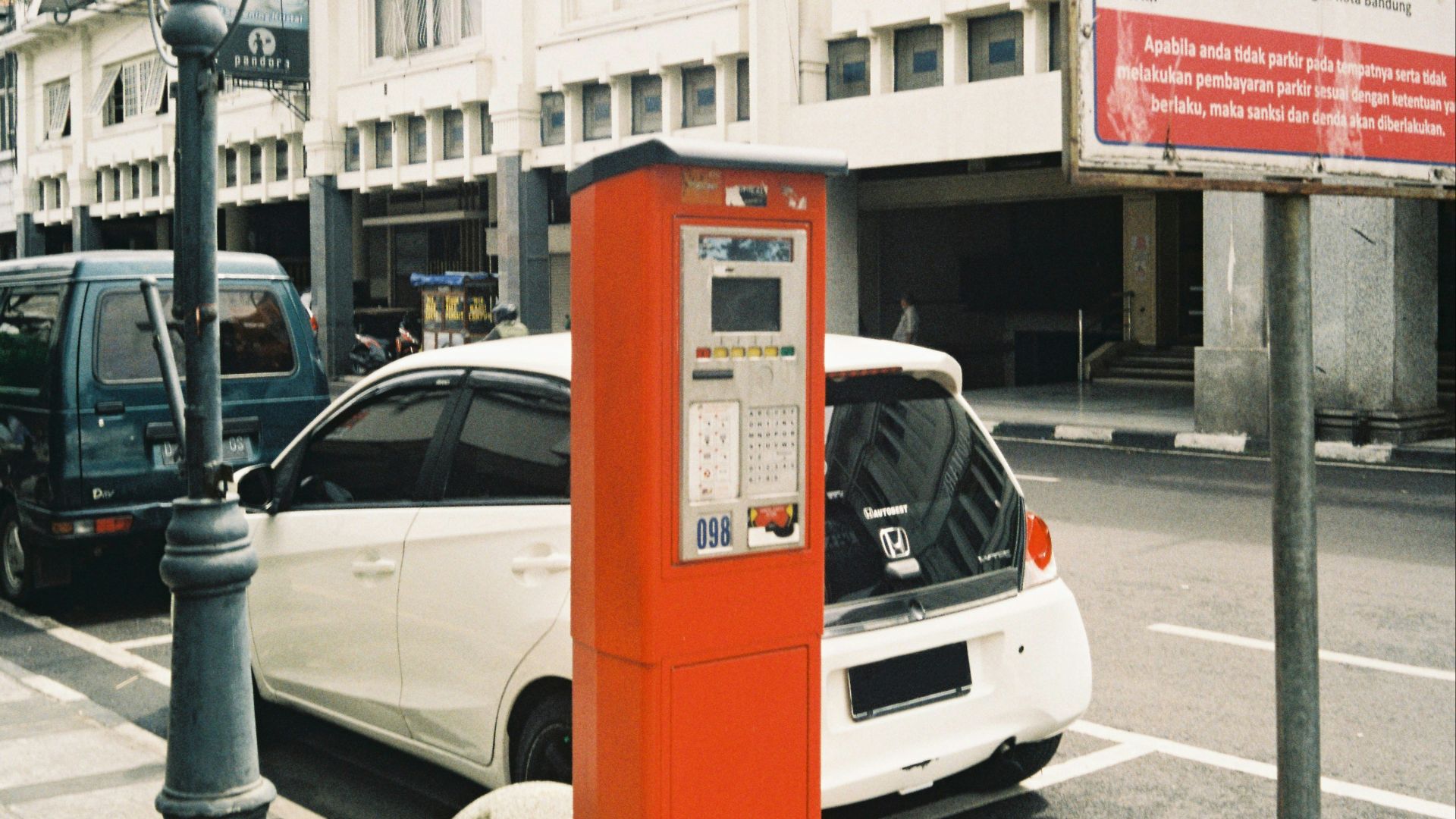
Broken meters aren’t rare, especially in older systems. But cities don’t shut down enforcement just because equipment fails—that’s why situations like this come up so often.
So… Can You Fight the Ticket?
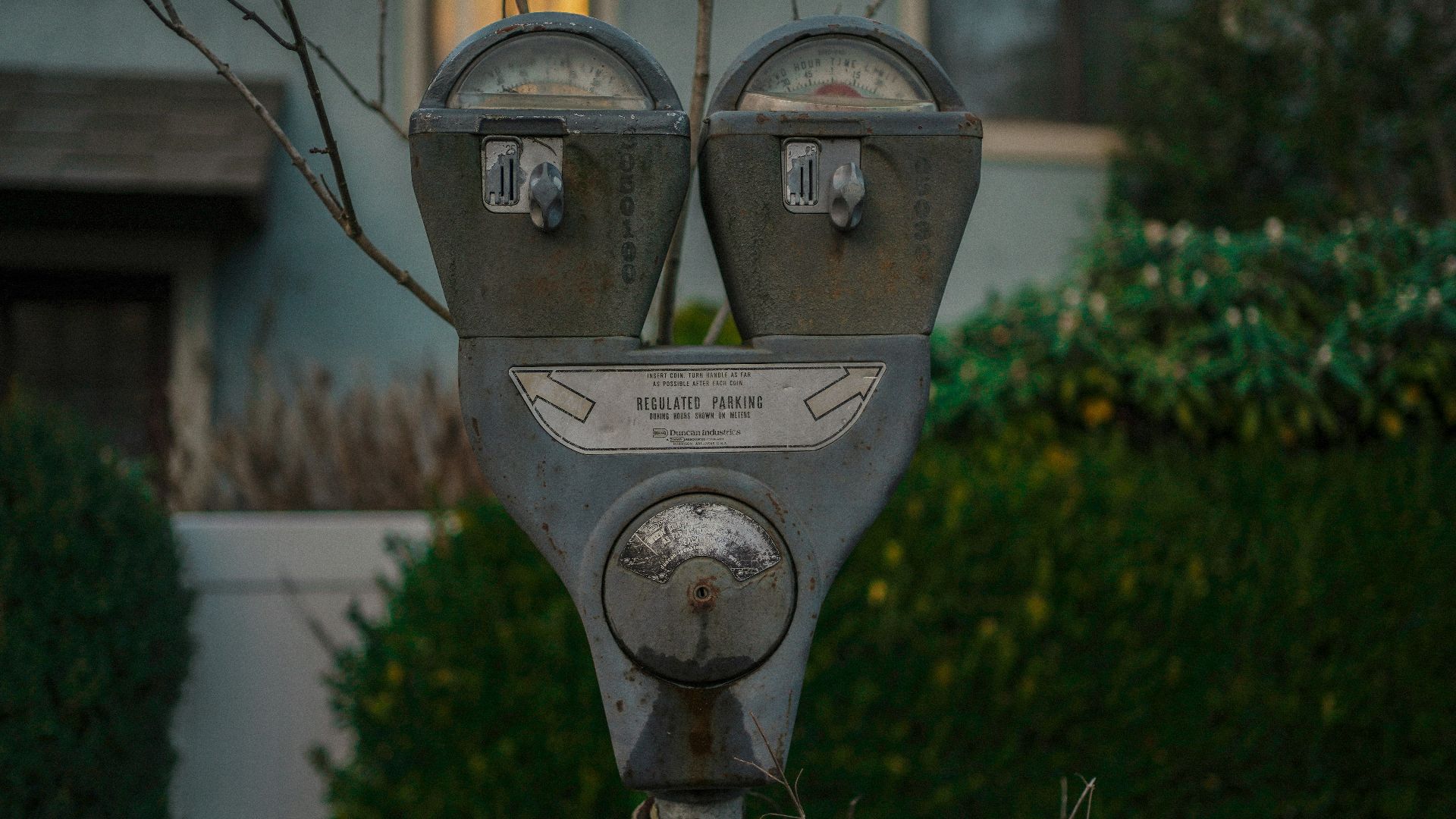
Yes—but it depends on the details.
If the meter was clearly broken, there were no nearby alternatives, and no instructions on how to pay, you may have a solid case. But if another payment method was available, the ticket is more likely to stand.
The Bottom Line Before You Assume It’s Free Parking
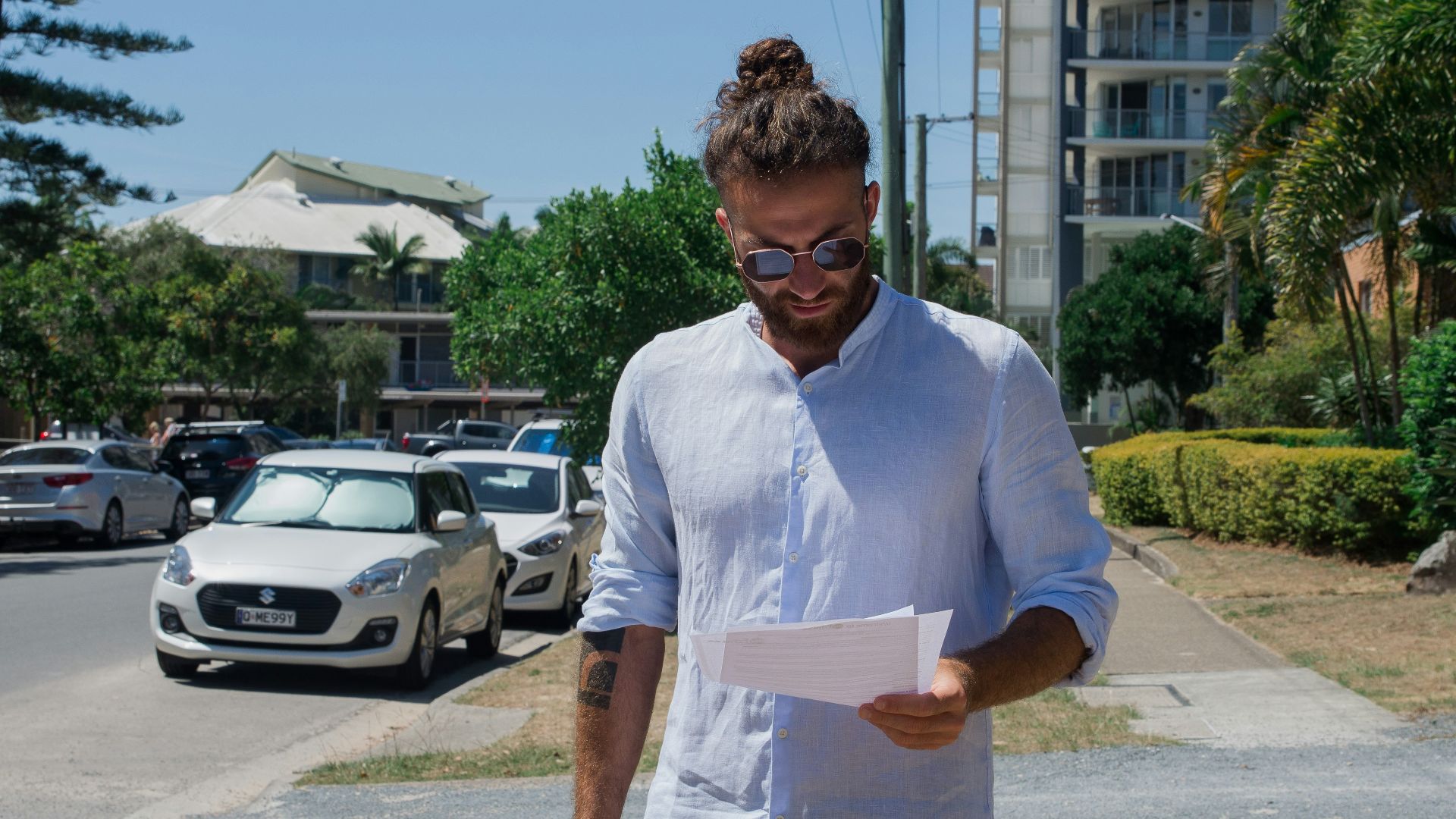
A broken meter doesn’t automatically mean a free spot. The rules usually apply to the space itself—not the machine. But if there was truly no way to pay, it may be worth challenging the ticket instead of just paying it.
You May Also Like: