The Neighbors Are Looking A Little Different
The streets are deserted, the grocery stores are empty, and something outside is chewing on the mailman. Time to grab the car keys. But which keys? Some of those old 70s favorites are suddenly looking like much better choices than some others—and a few will definitely surprise you.
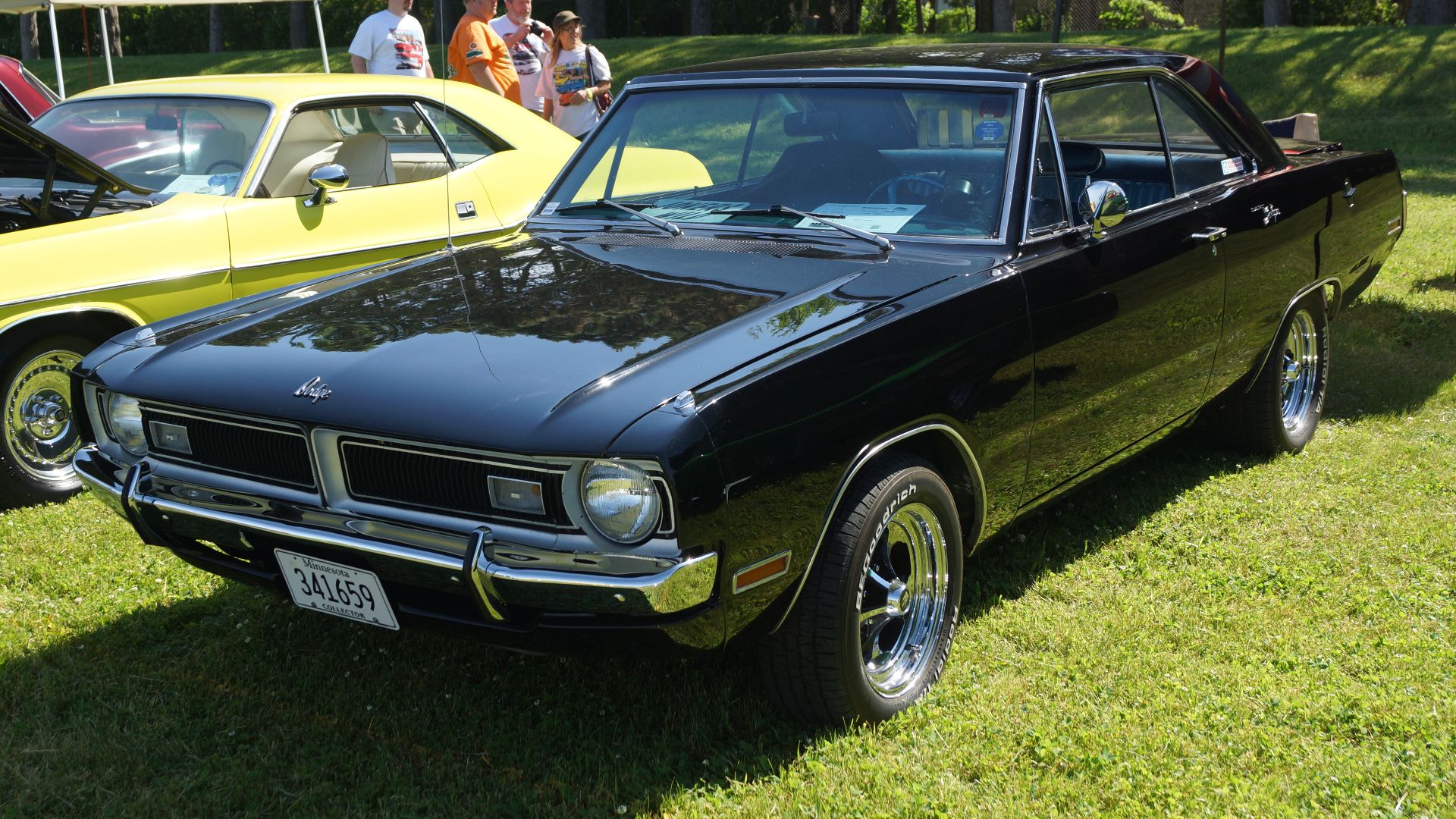
Dodge Dart
Forget the flashy engine options. We’d take a Dart with the 225 Slant Six, some basic tools, and a trunk full of supplies. It wouldn’t make the most dramatic getaway, but straightforward mechanicals would count for plenty once your mechanic started trying to eat you.
 Greg Gjerdingen from Willmar, USA, Wikimedia Commons
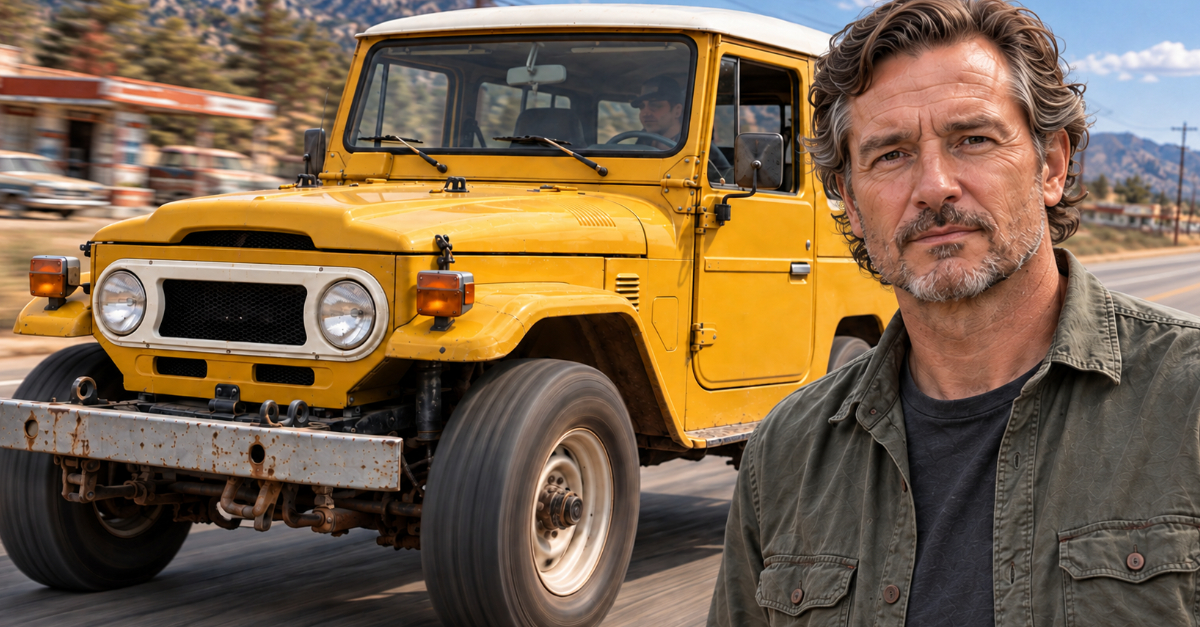
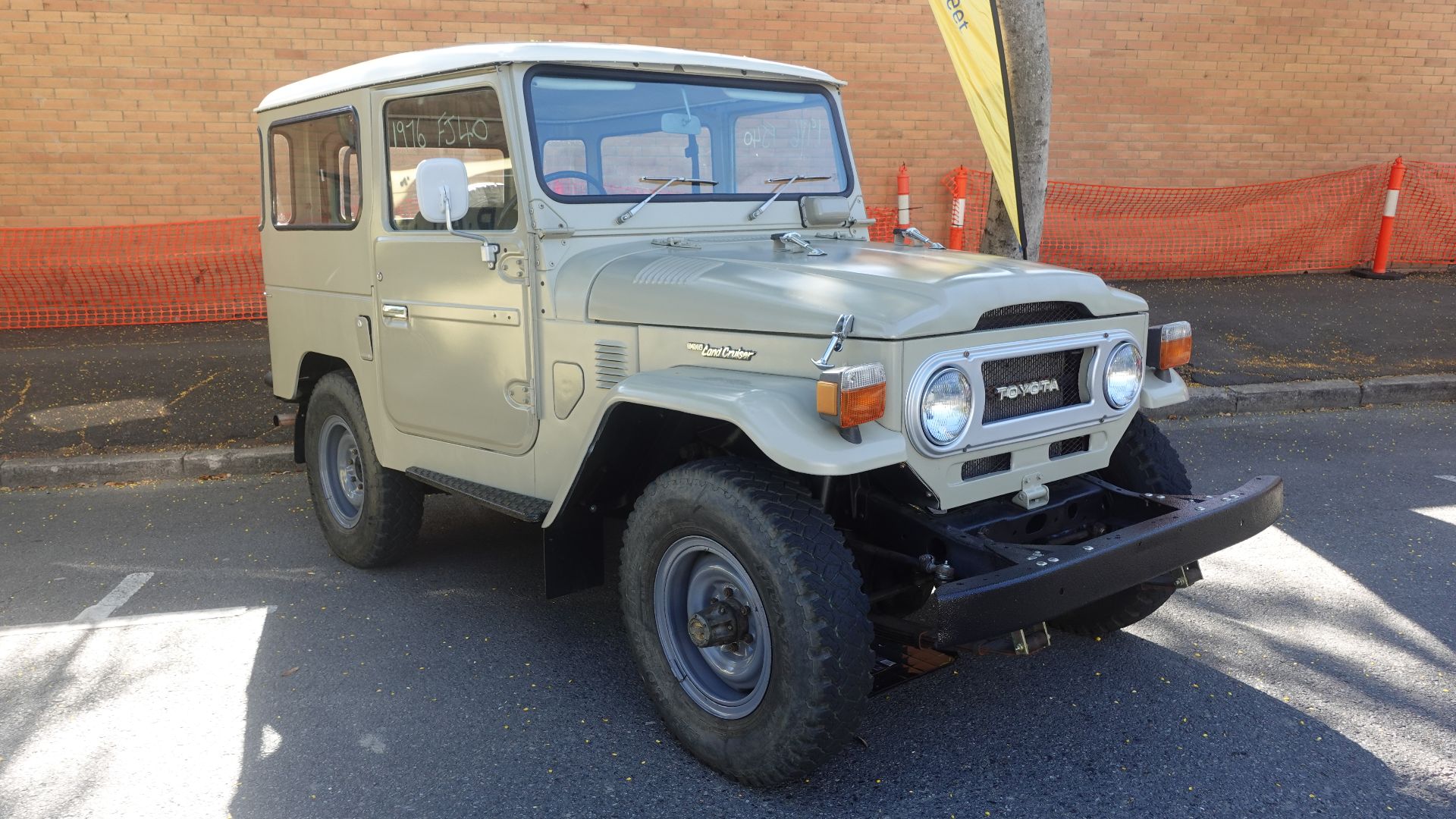
Toyota Land Cruiser FJ40
The FJ40 would make a convincing choice when escaping meant leaving the pavement. Four-wheel drive and rugged construction were central to its appeal. U.S. models gained a larger 4.2-liter six in 1975. We’d choose an enclosed version. Suddenly, having a roof seems like an excellent idea.
 Nathaniel2256, Wikimedia Commons
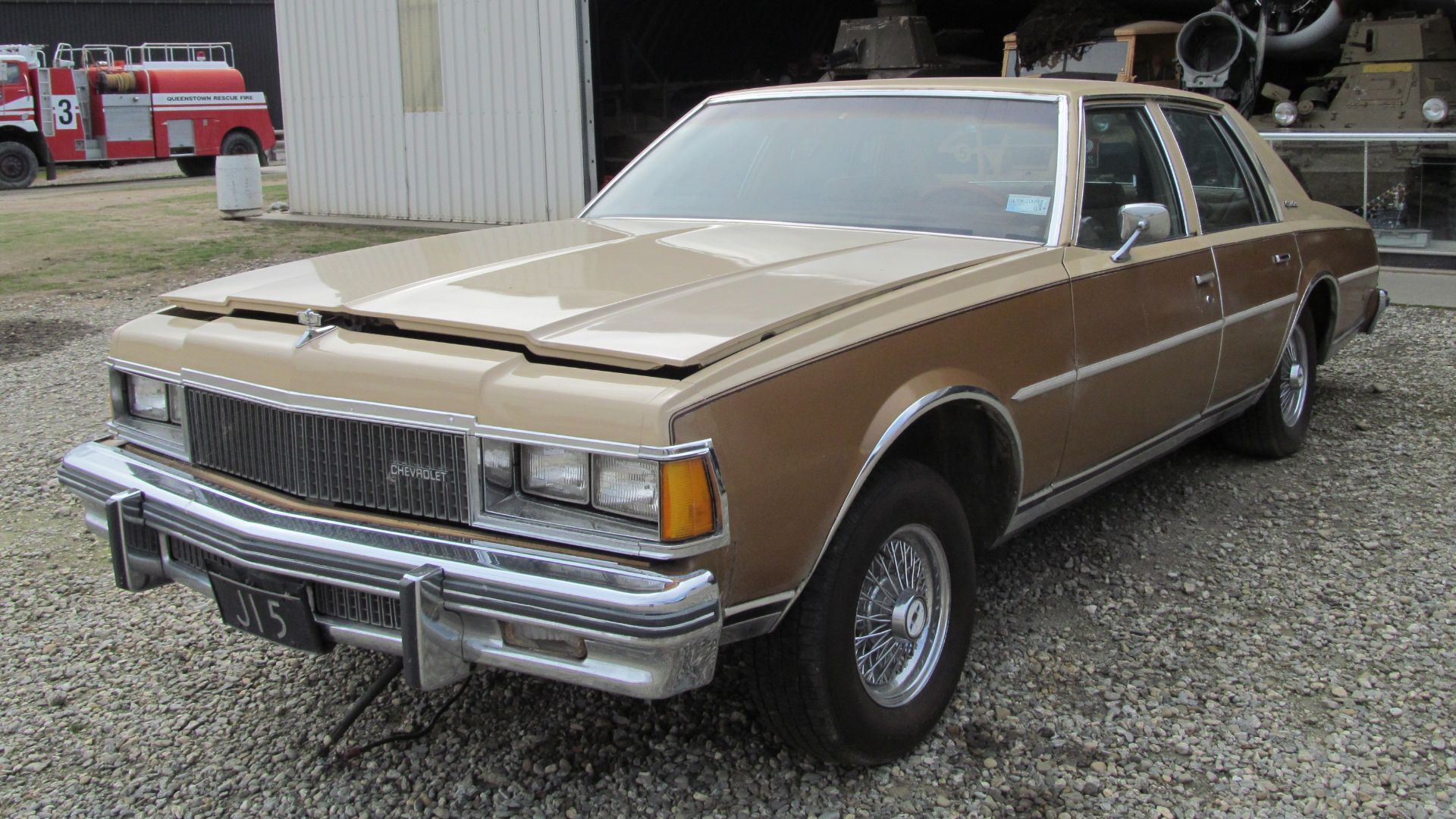
Chevrolet Caprice Classic
The downsized 1977 Caprice offered six-passenger room without quite as much bulk as its predecessor. Choose the available 350 V8, and you’d have a comfortable evacuation car with familiar Chevrolet hardware. Finding fuel would become the problem. Finding room for your nervous passengers wouldn’t.
 Riley from Christchurch, New Zealand, Wikimedia Commons
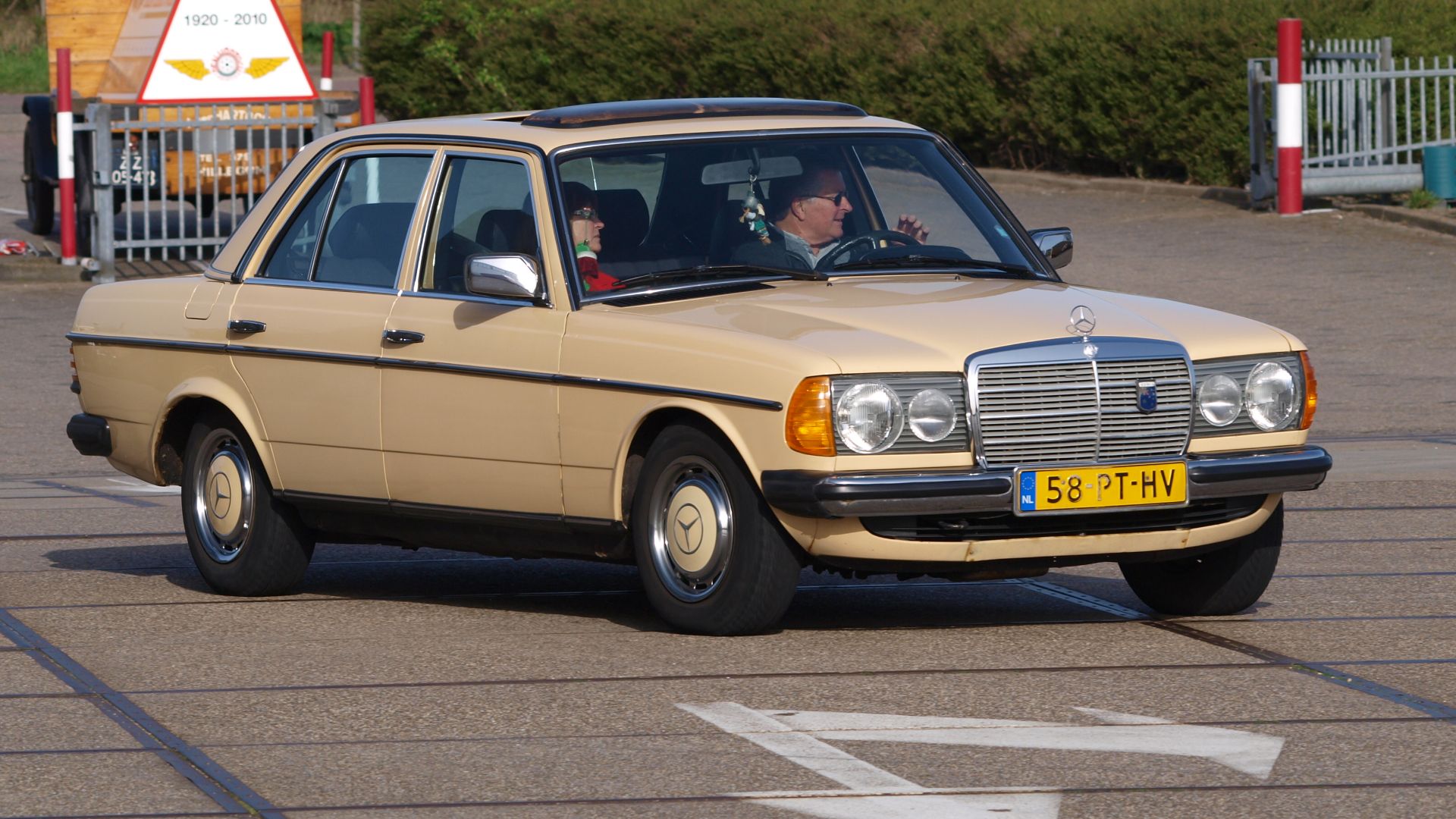
Mercedes-Benz 240D
A 70s 240D wouldn’t win many drag races. Its mechanically controlled diesel injection, however, would be appealing when complicated repairs became difficult to arrange. We’d choose a manual and keep it maintained. If the zombies could sprint, we’d also suggest getting a considerable head start.
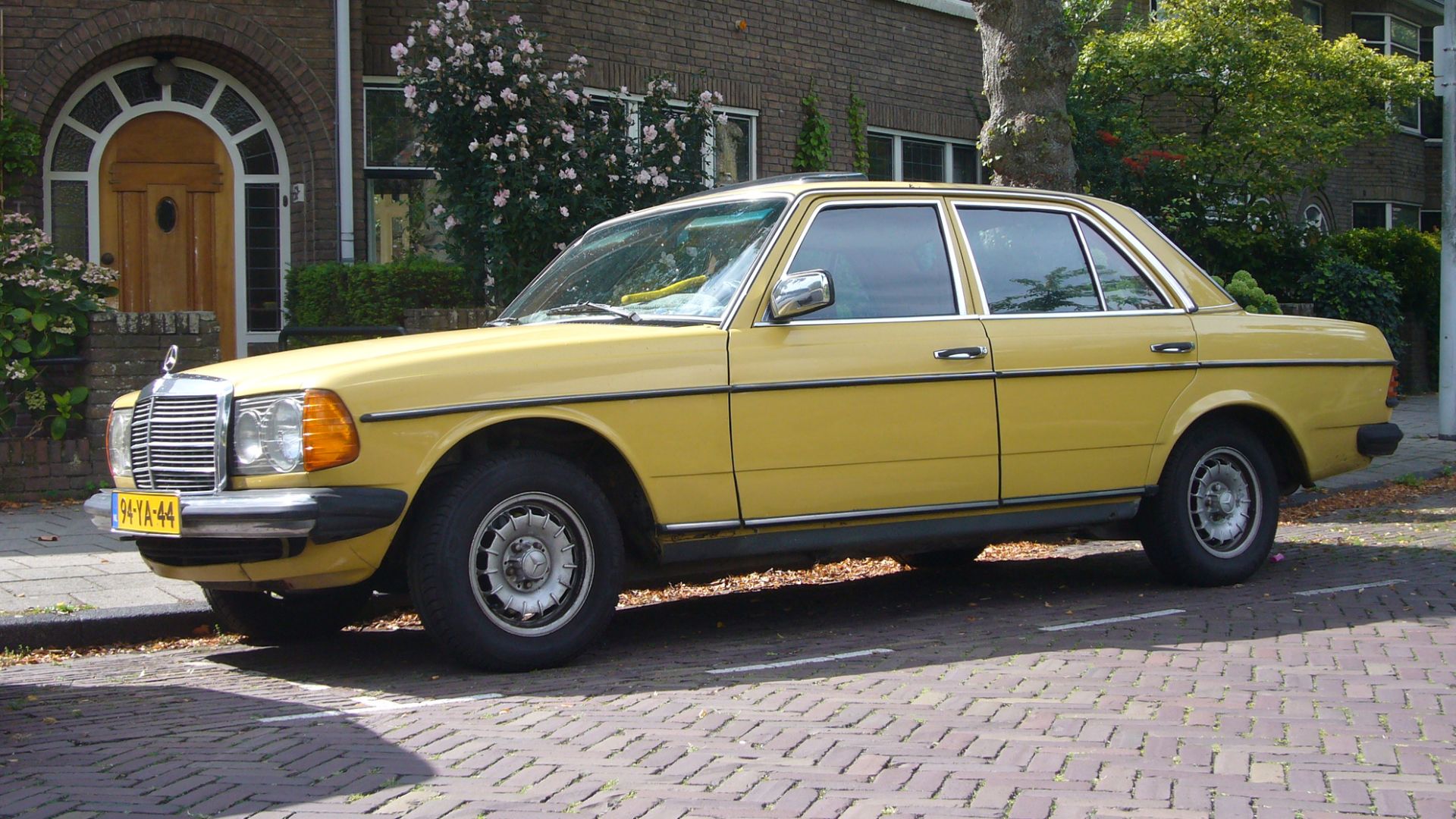 Rutger van der Maar, Wikimedia Commons
Ford Bronco
The compact Bronco sold through 1977 would be particularly appealing when the escape route got narrow. Four-wheel drive offered alternatives to the main road, and its small footprint helped distinguish it from larger utility vehicles. We’d take the enclosed wagon. Open-air motoring could wait until things settled down.
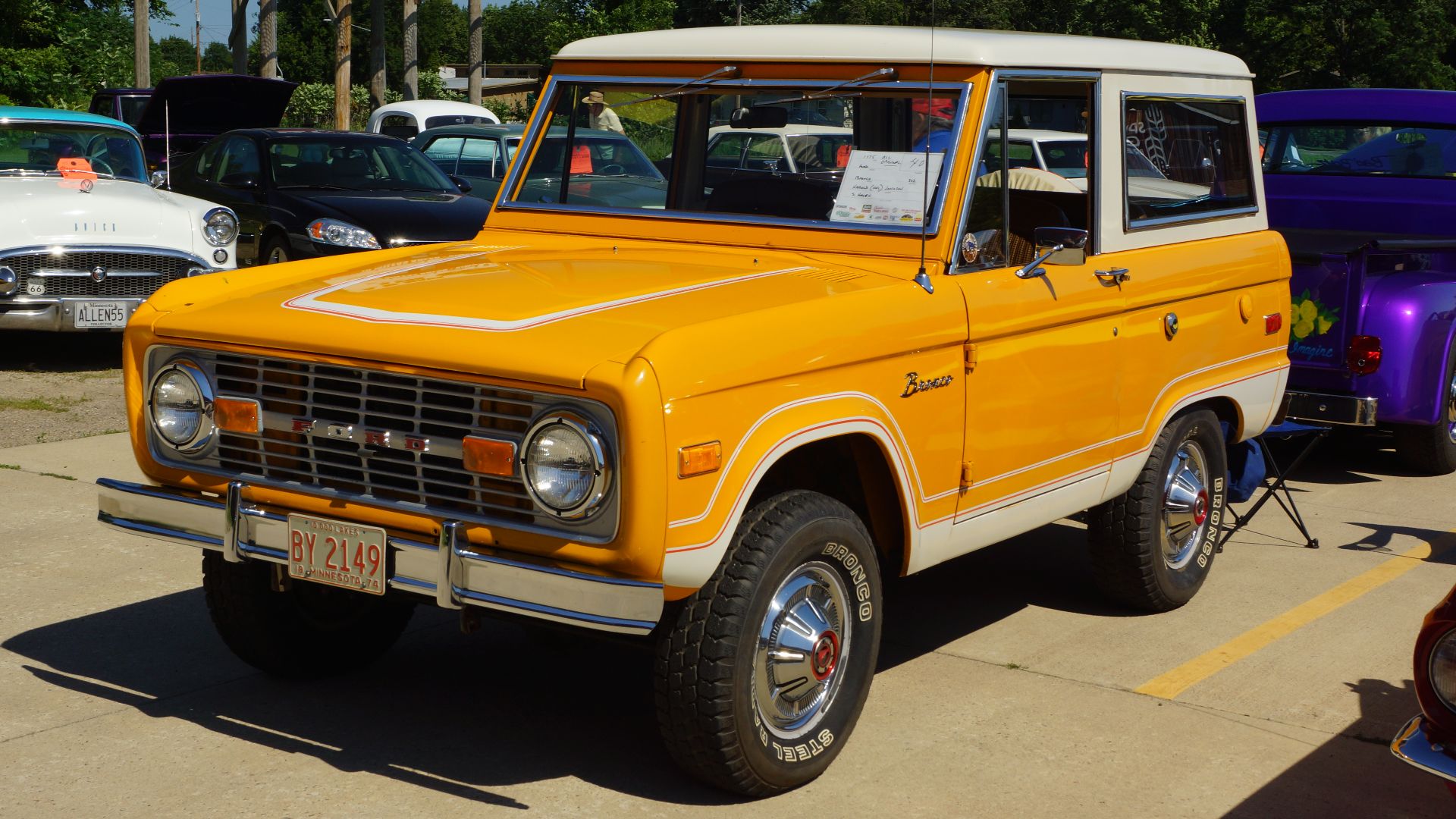 Greg Gjerdingen from Willmar, USA, Wikimedia Commons
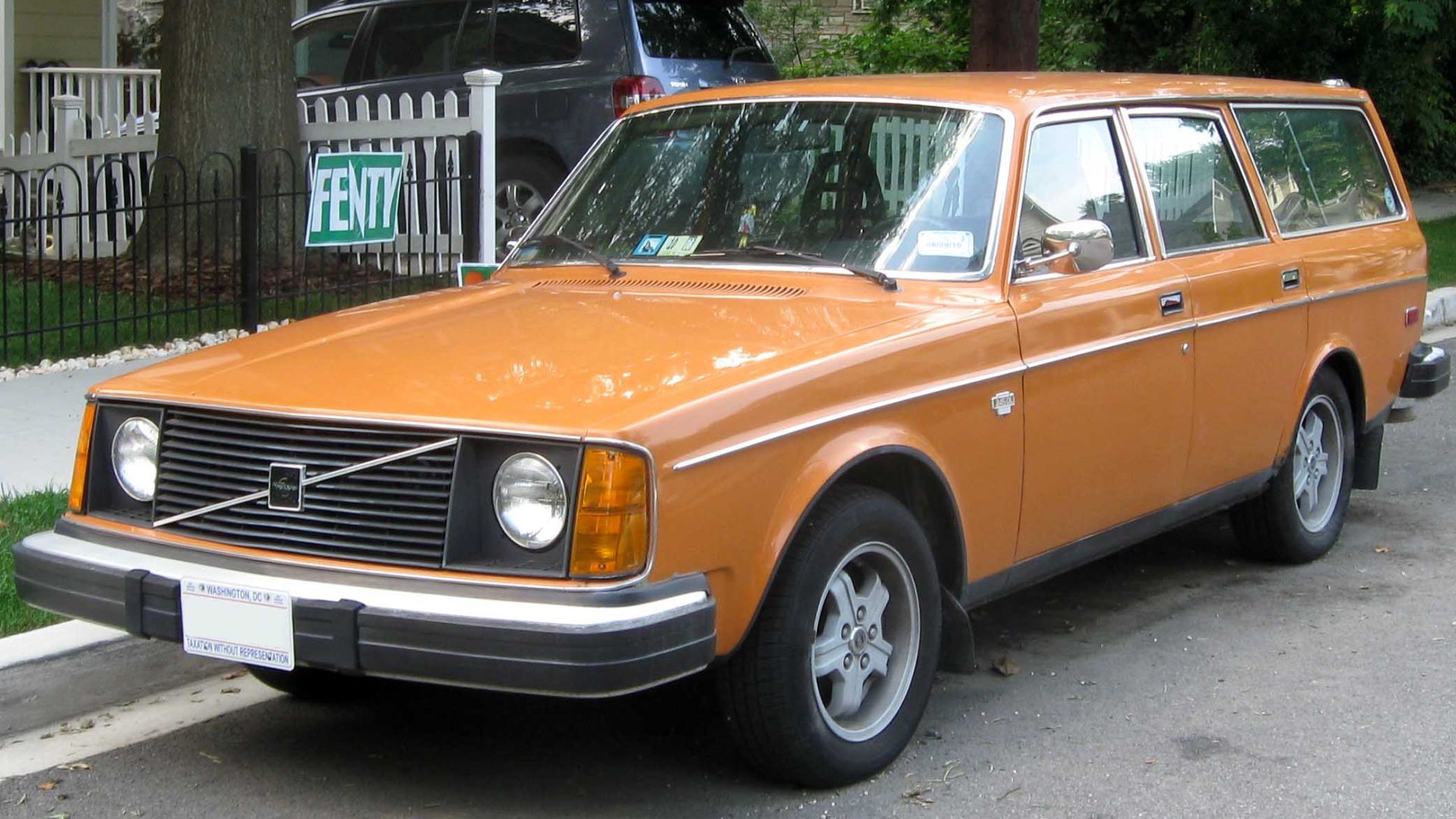
Volvo 245
The Volvo 245 wagon combined the 240 family’s emphasis on safety with room for the things you’d actually need: food, water, blankets, and tools. That square body would suddenly look quite handsome. Funny how quickly styling stops mattering when the neighbors are clawing at your windows.
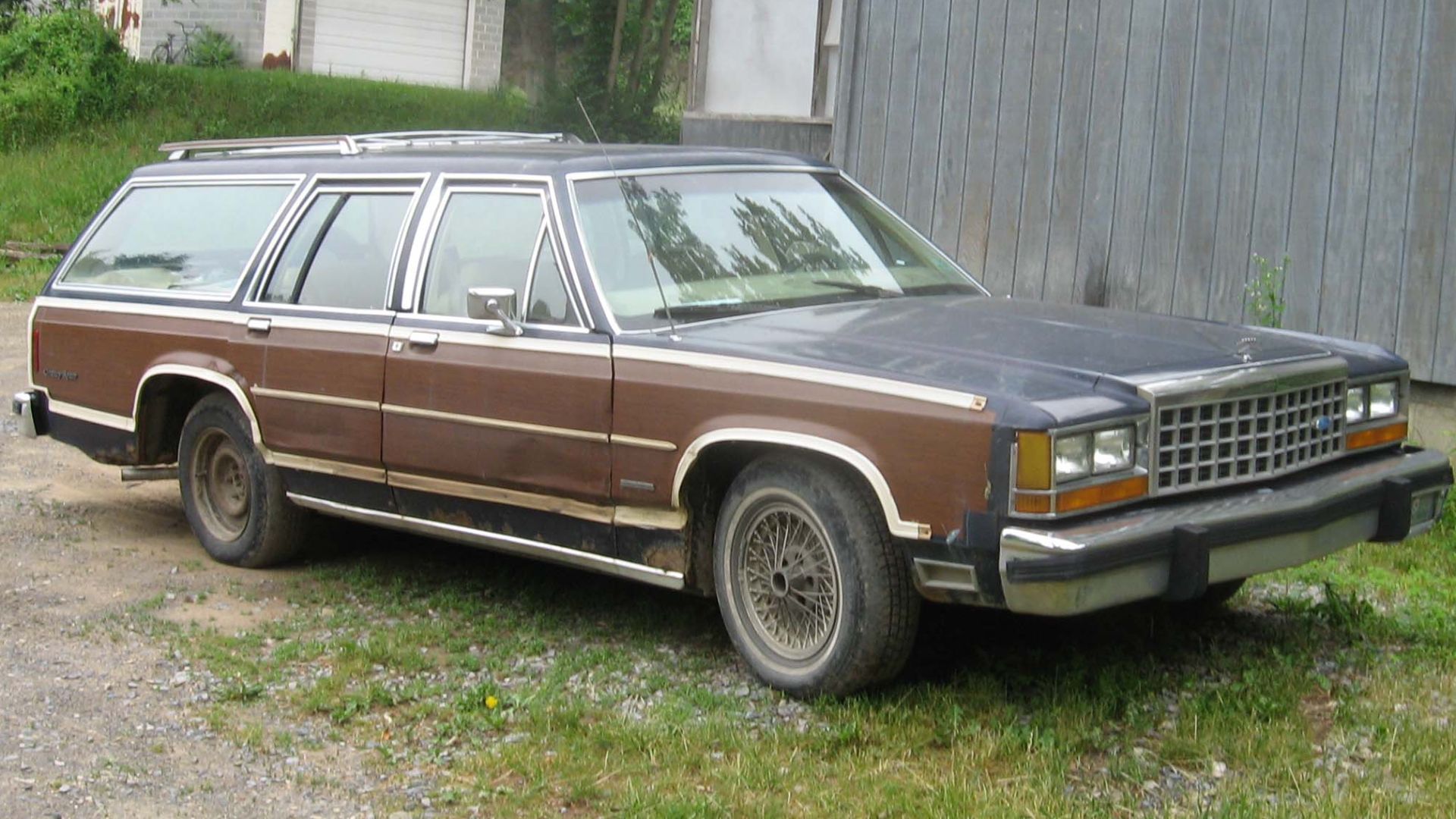
Ford Country Squire
That woodgrain-sided family wagon already knew how to transport a crowd and a ridiculous amount of luggage. Replace the vacation suitcases with emergency supplies, and the Country Squire would have a new job. Its V8 appetite would require planning. The fake wood wouldn’t provide extra protection.
Volkswagen Beetle
An early-70s Beetle’s air-cooled engine would eliminate radiator and coolant troubles from your growing list of problems. It would still need oil, proper cooling airflow, and maintenance. But its compact size would help when the escape route involved squeezing around abandoned cars rather than charging through them.
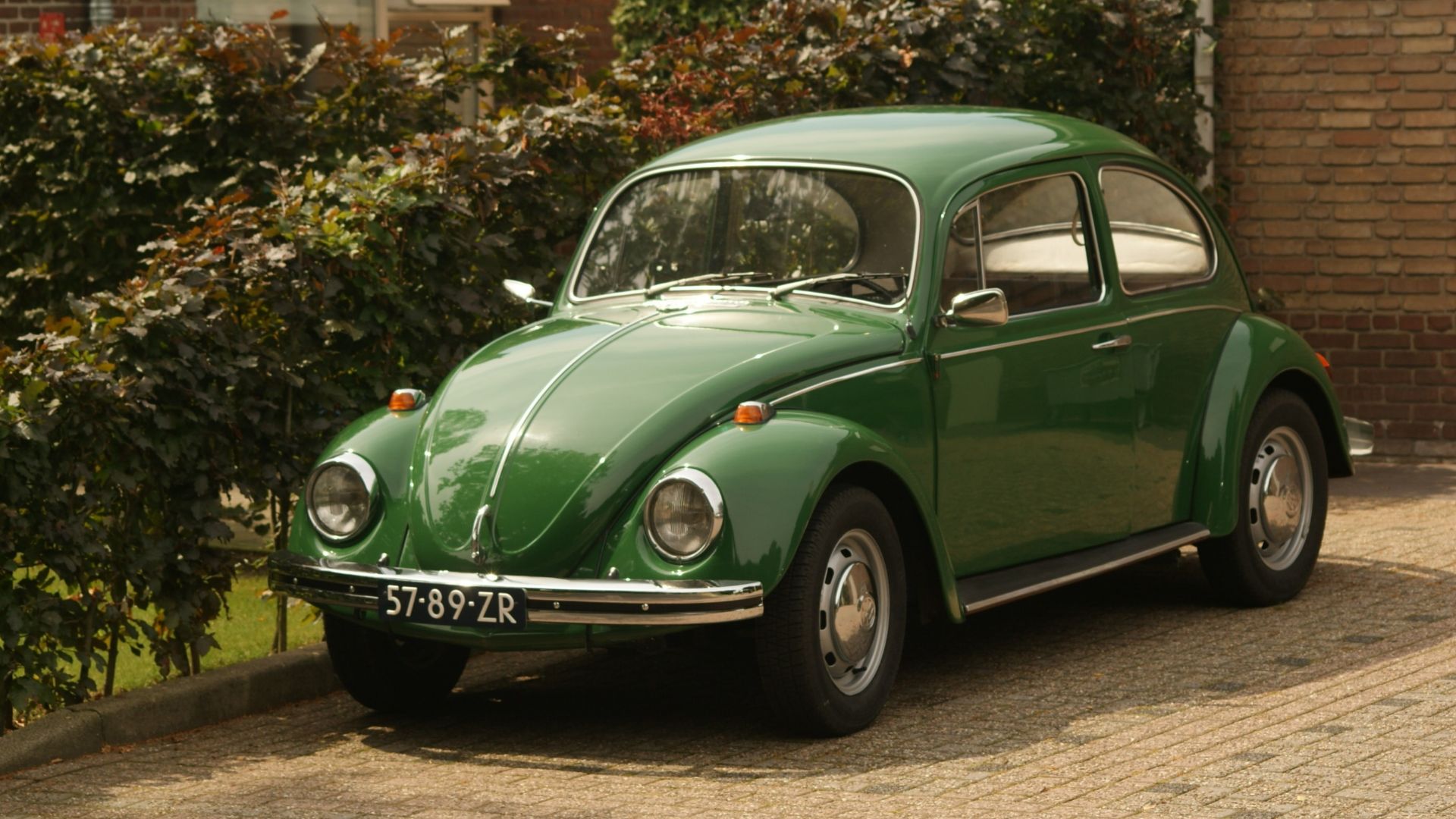 Niels de Wit from Lunteren, The Netherlands, Wikimedia Commons
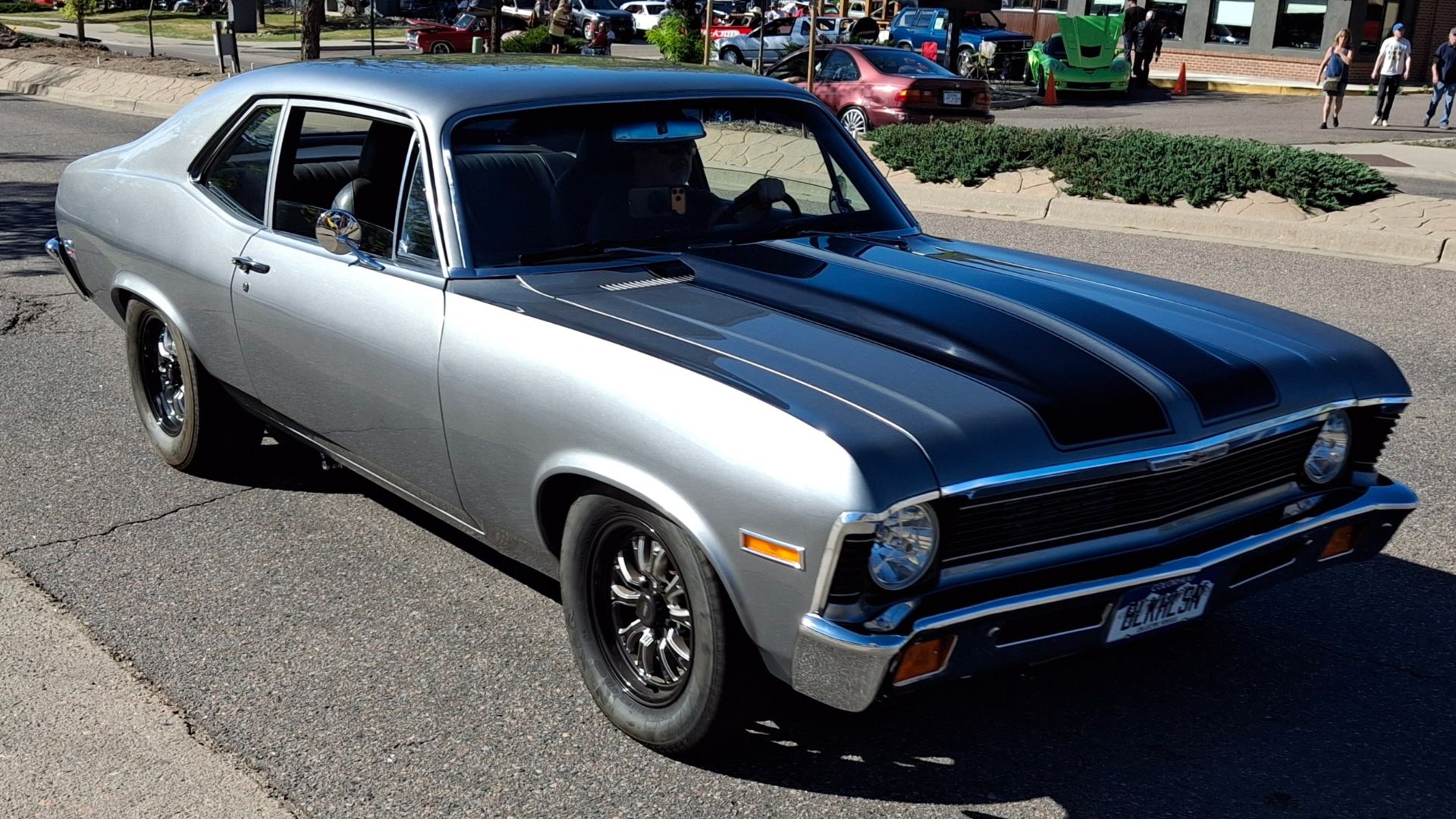
Chevrolet Nova
A six-cylinder Nova would make a sensible getaway car without advertising that you had anything worth taking. Chevrolet offered the 250 inline-six in the 70s, giving us a practical choice over a thirstier performance model. Sometimes surviving means driving something nobody bothered putting on a poster.
International Harvester Scout II
The Scout II arrived in 1971, and a four-wheel-drive version would earn its place when paved roads stopped being useful. Its enclosed body offered somewhere to shelter between supply runs. We’d gladly trade some highway comfort for the option of taking a rougher route out of town.
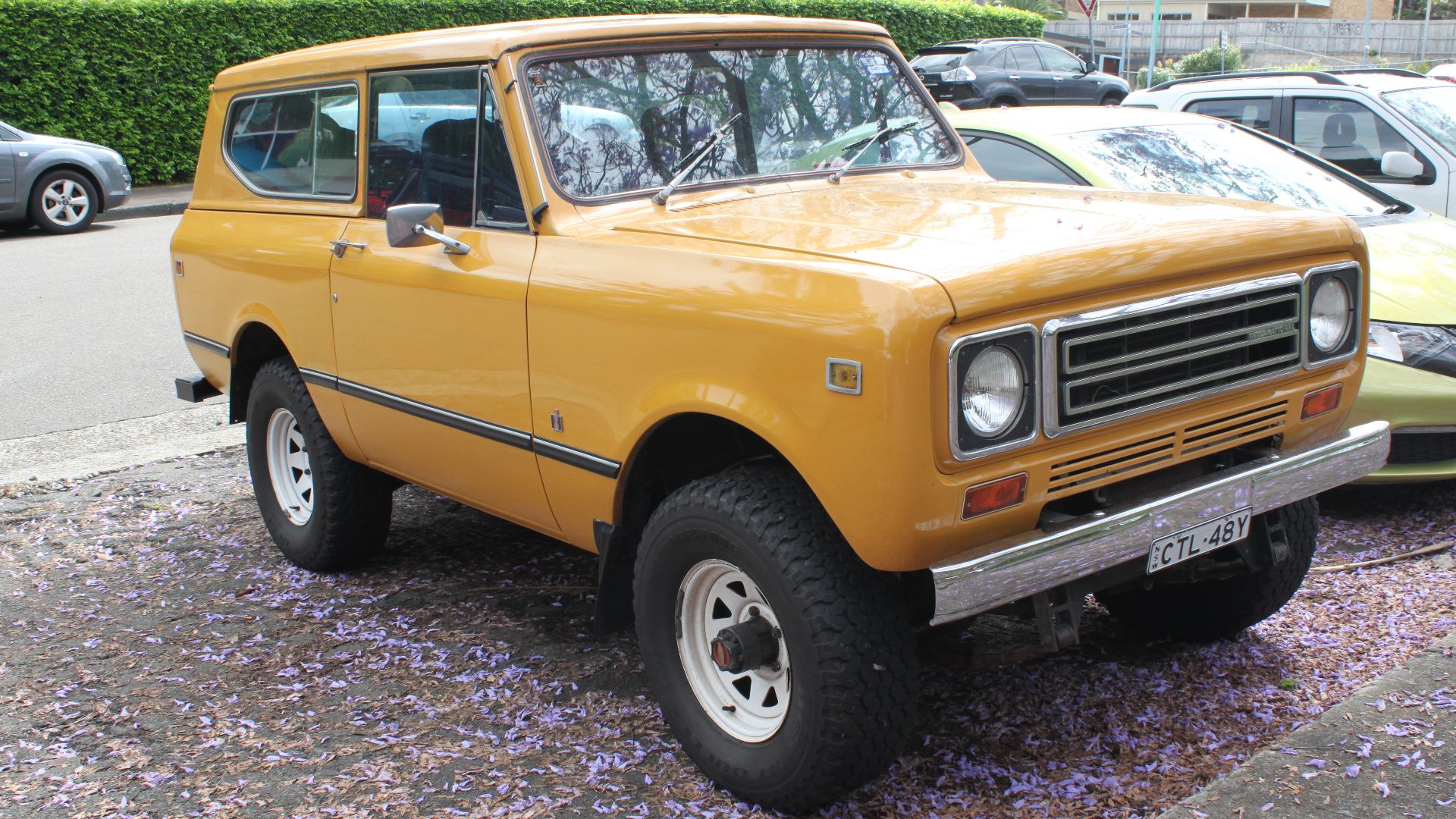 Jeremy from Sydney, Australia, Wikimedia Commons
AMC Hornet Sportabout
The Hornet Sportabout offered wagon usefulness in a compact package, with six-cylinder engines available. That would make it appealing for supply runs through tight streets. You could bring back more than a couple of grocery bags without maneuvering a full-size wagon around every abandoned Buick.
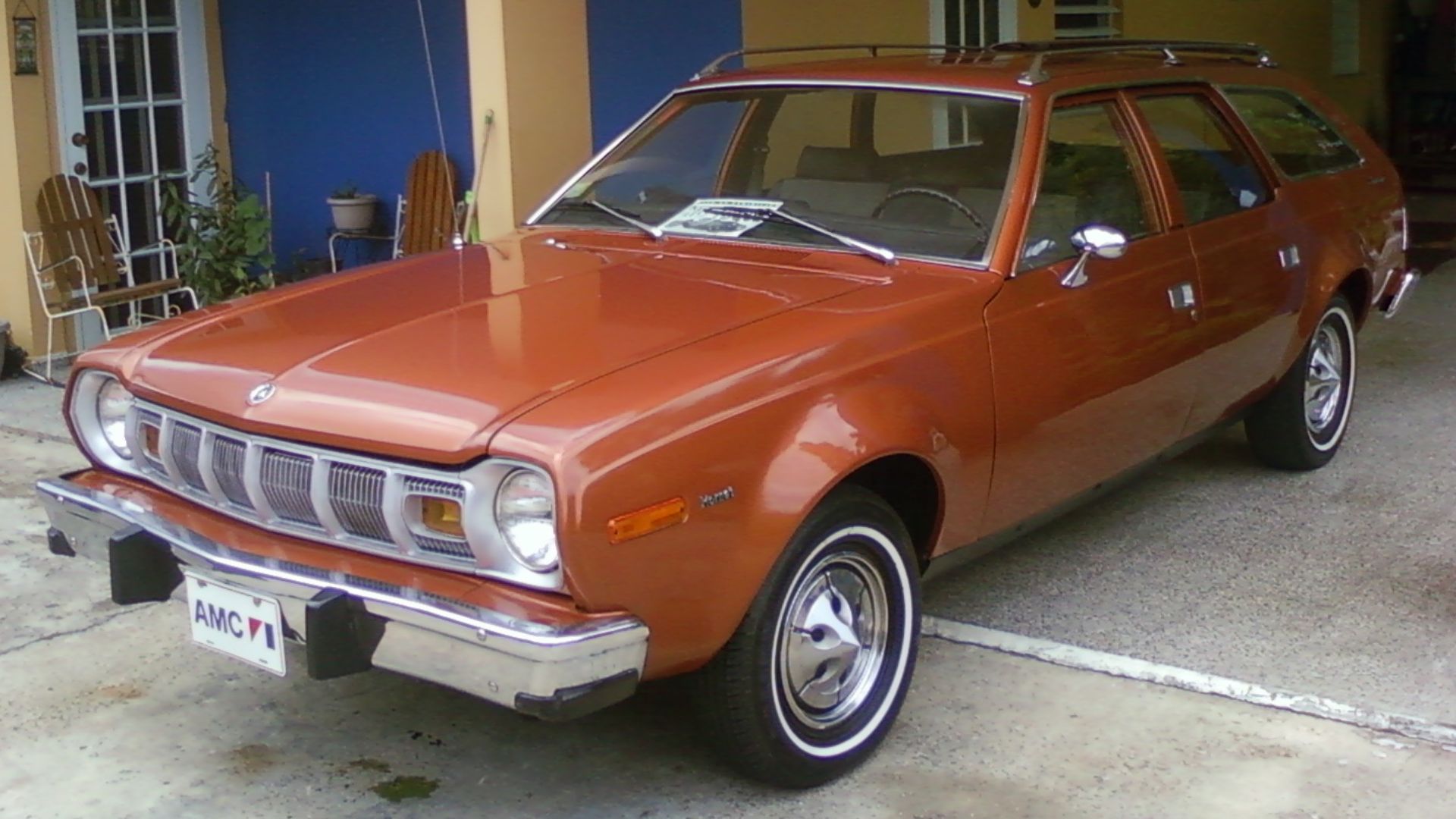 Denam Rivera, Wikimedia Commons
Oldsmobile Vista Cruiser
An early-70s Vista Cruiser would turn the family road-trip wagon into a rolling supply closet. Fold down the rear seating, and suddenly there’s space for the essentials. Its V8 would need regular feeding, but carrying your supplies inside an enclosed wagon would have obvious advantages over leaving them exposed.
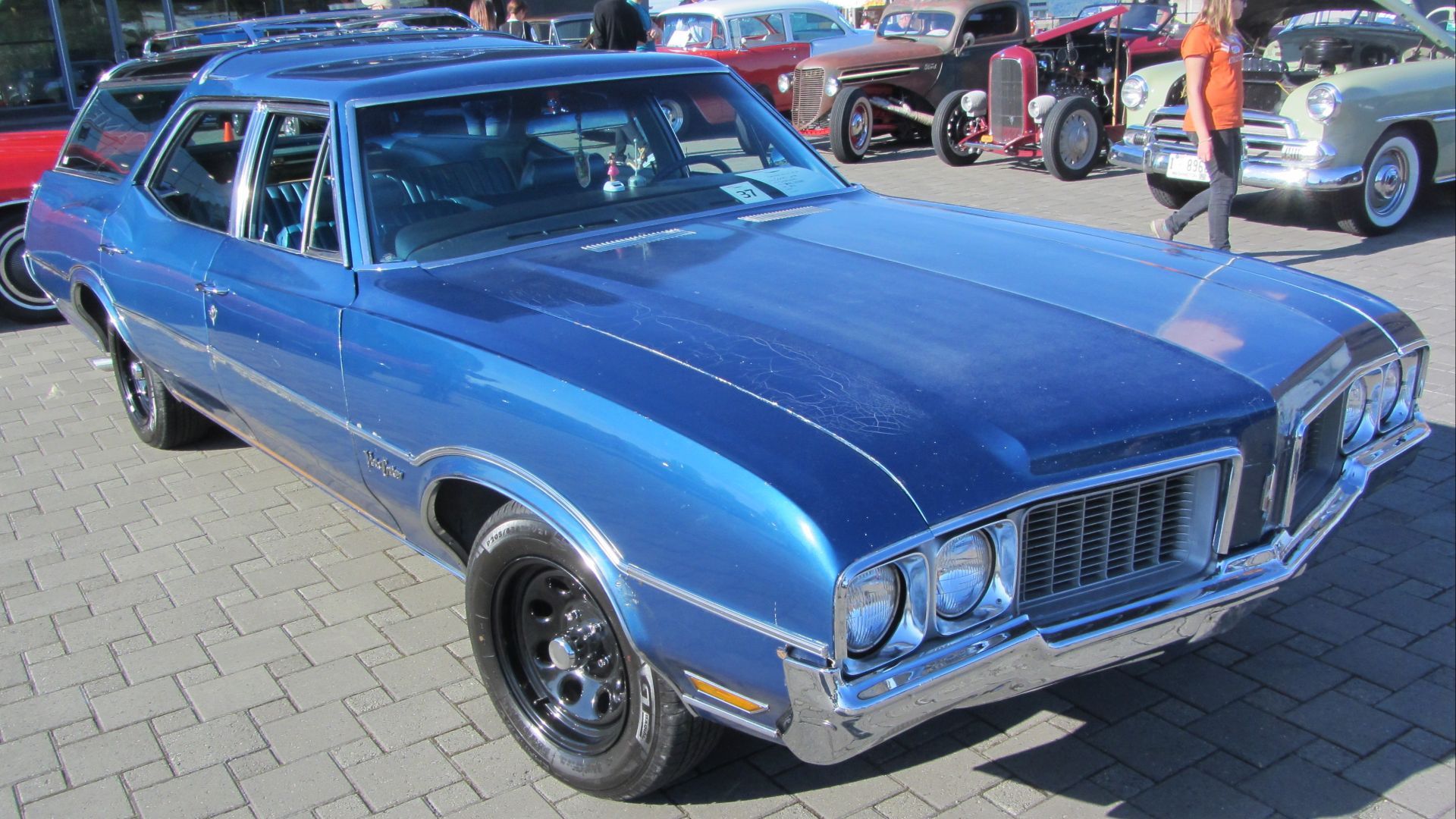 JOHN LLOYD from Concrete, Washington, United States, Wikimedia Commons
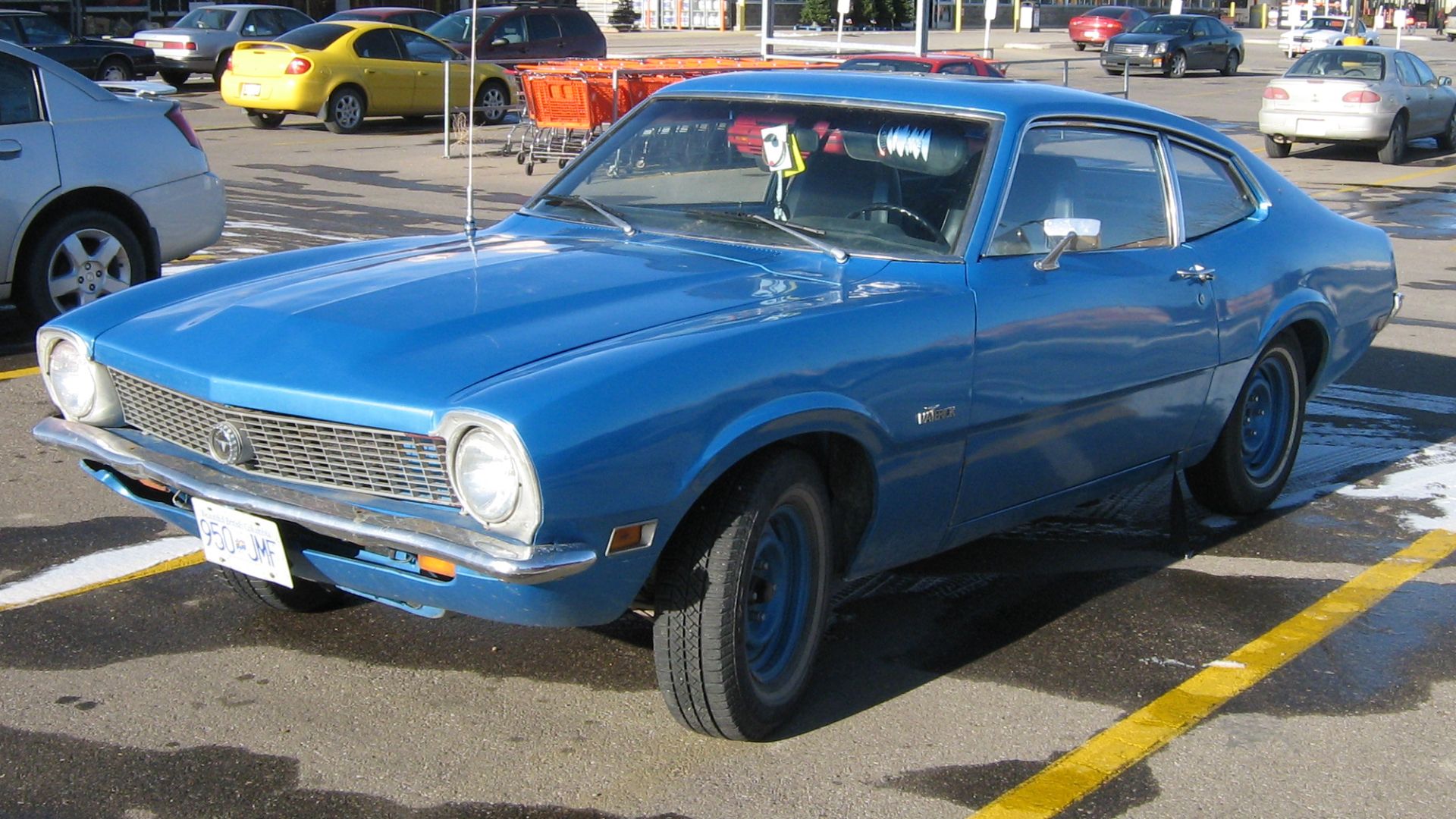
Ford Maverick
The original Maverick was a compact car, long before Ford reused the name for a pickup. A six-cylinder version would suit someone prioritizing manageable size and basic transportation. You’d sacrifice some carrying capacity, but parking your escape car shouldn’t require three people waving you backward.
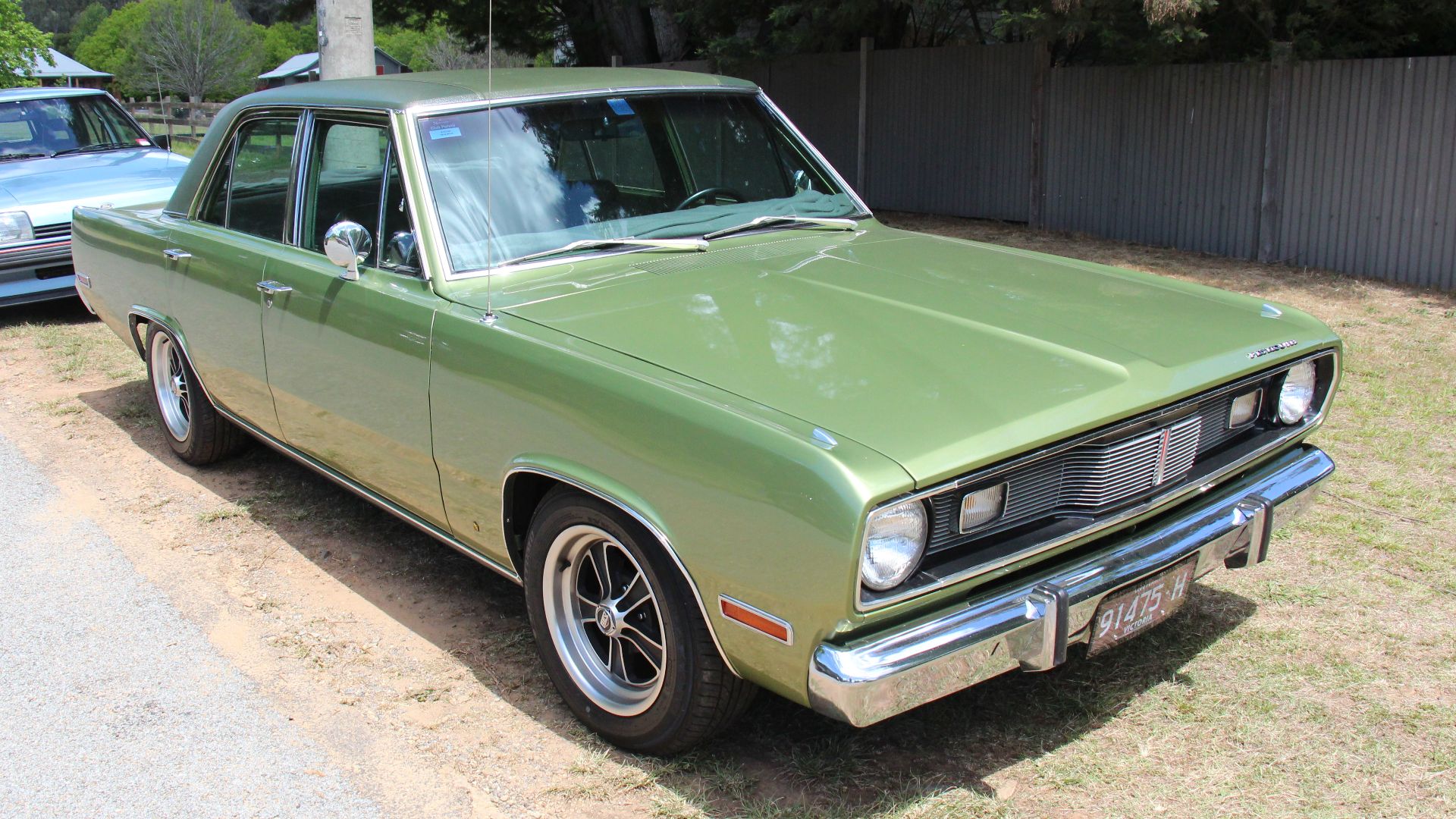
Plymouth Valiant
A four-door Valiant would be the sensible member of this particular survival party. With a Slant Six under the hood, it offered uncomplicated transportation and easier access for passengers than a coupe. Nobody would argue about looking cool once someone yelled, “Get in the car.”
Datsun 510 Wagon
The 510 wagon would suit a small group that packed sensibly and kept moving. Its compact dimensions and useful cargo area made an appealing combination. We’d concentrate on navigating around trouble. Pretending a little Datsun could bulldoze through a barricade would bring our adventure to a quick end.
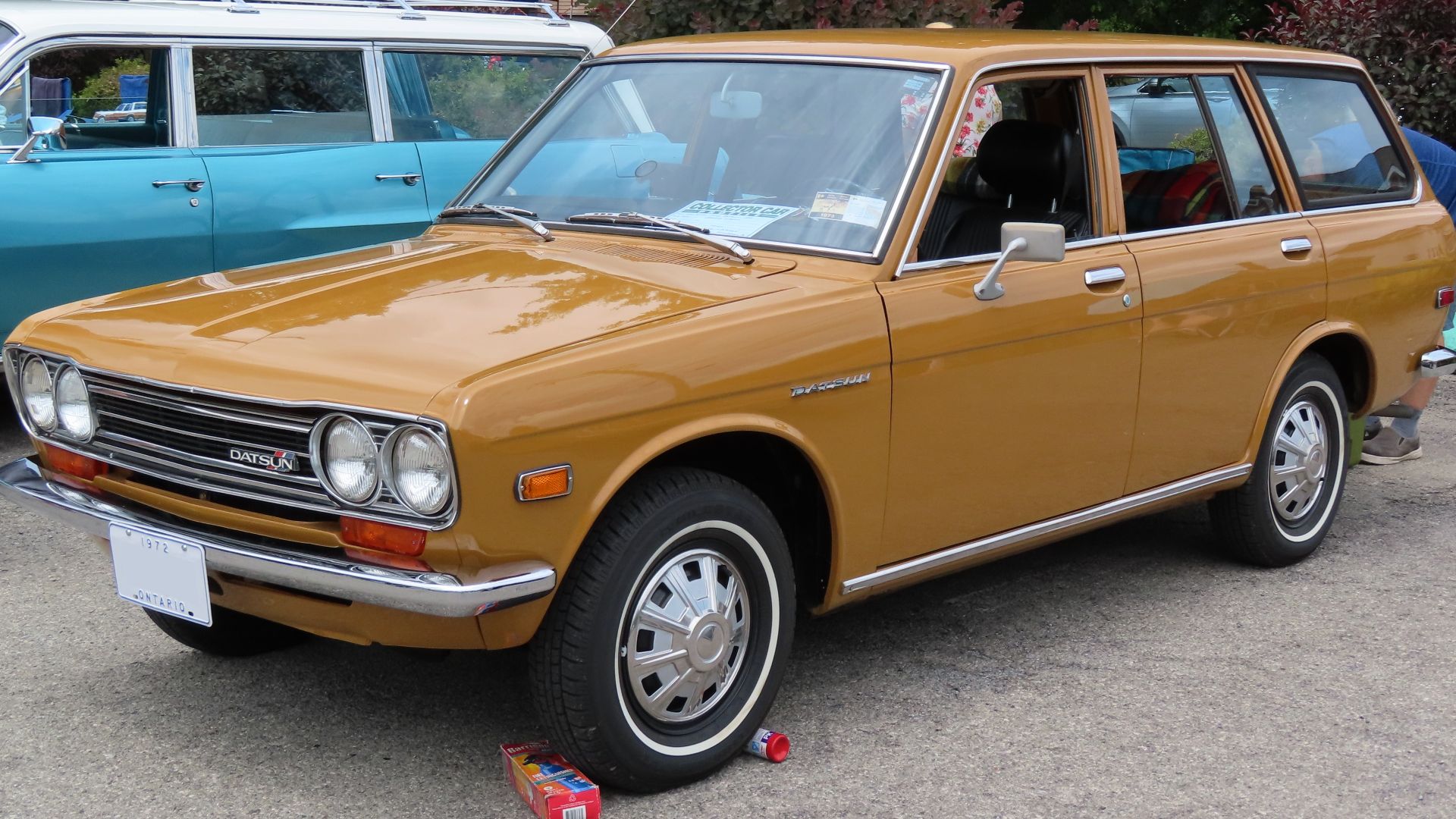 MercurySable99, Wikimedia Commons
Jeep Wagoneer
The Wagoneer offered room for passengers and supplies with four-wheel-drive capability for the journey beyond town. The optional Quadra-Trac system introduced in 1973 offered full-time four-wheel drive. Its biggest advantage would be giving the whole group a way out without making everyone travel in separate vehicles.
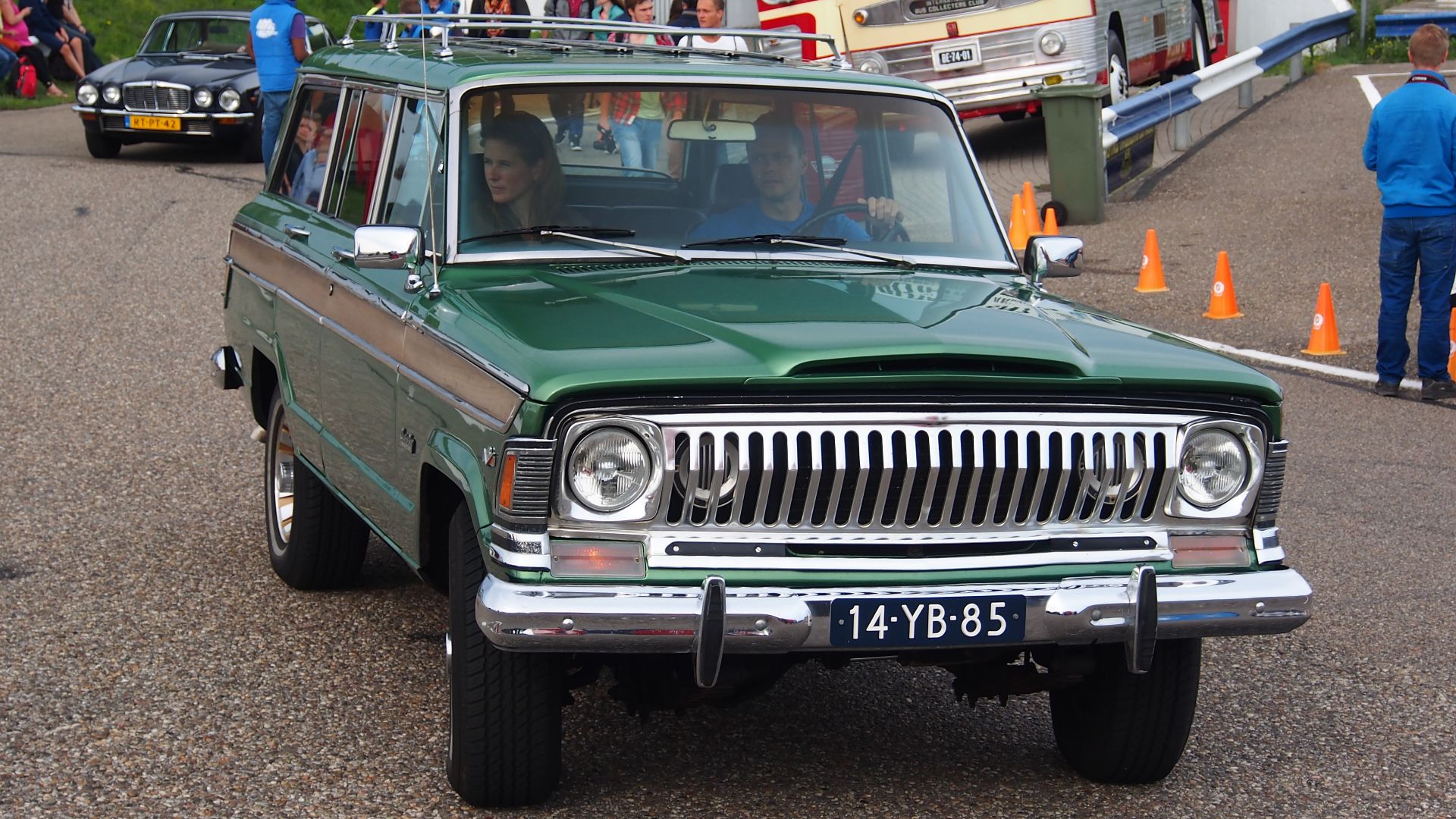 Alf van Beem, Wikimedia Commons
Ford LTD
The LTD would earn its place on long highway evacuations, with room for passengers and a trunk that could keep supplies out of sight. Choose a straightforward V8 version and maintain it properly. Its size would demand careful routing, but leaving half your equipment behind wouldn’t be necessary.
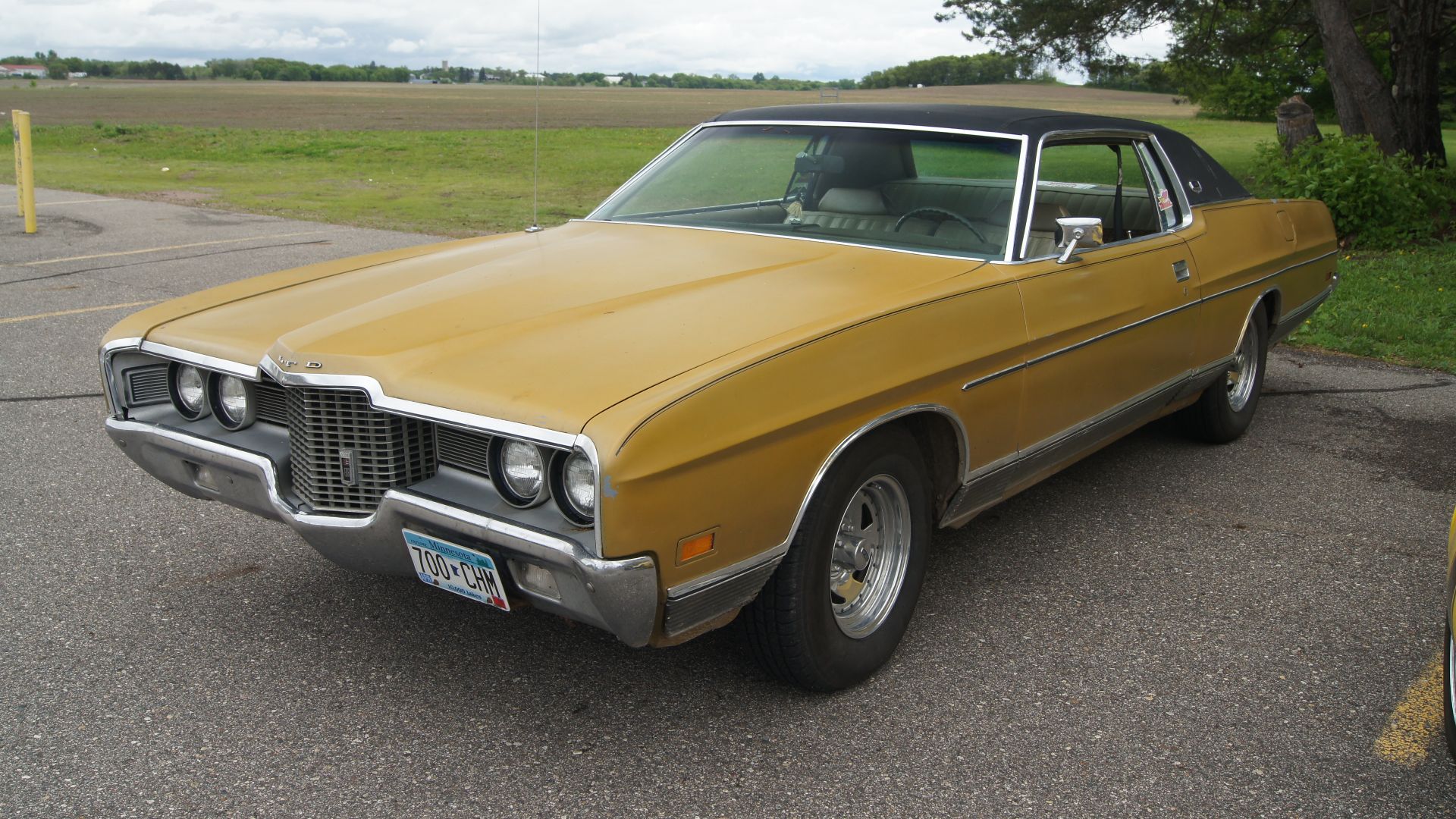 Greg Gjerdingen, Wikimedia Commons
Plymouth Duster
You could still have a little style after civilization collapsed. A Duster with the 318 V8 would offer an appealing compromise between compact dimensions and useful power. We’d leave the high-performance versions to the collectors. Keeping your escape car running would matter more than winning parking-lot arguments.
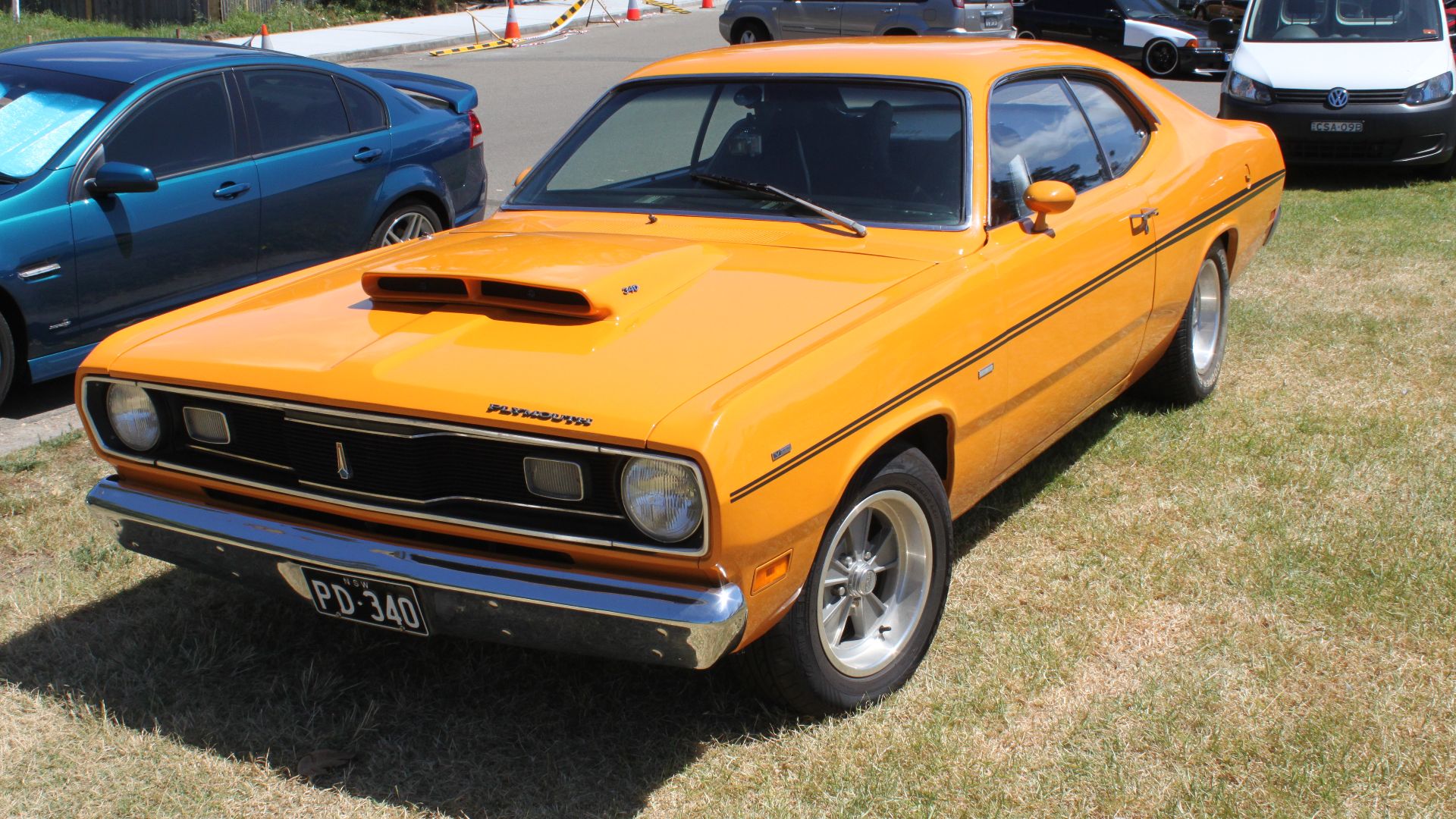 Jeremy from Sydney, Australia, Wikimedia Commons
Toyota Corolla Wagon
A 70s Corolla wagon would appeal to survivors who understood that every gallon mattered. It combined small-car practicality with extra space for supplies. You’d still have to respect its carrying limits, but a carefully packed Toyota could make a lot more sense than an enormous car running on fumes.
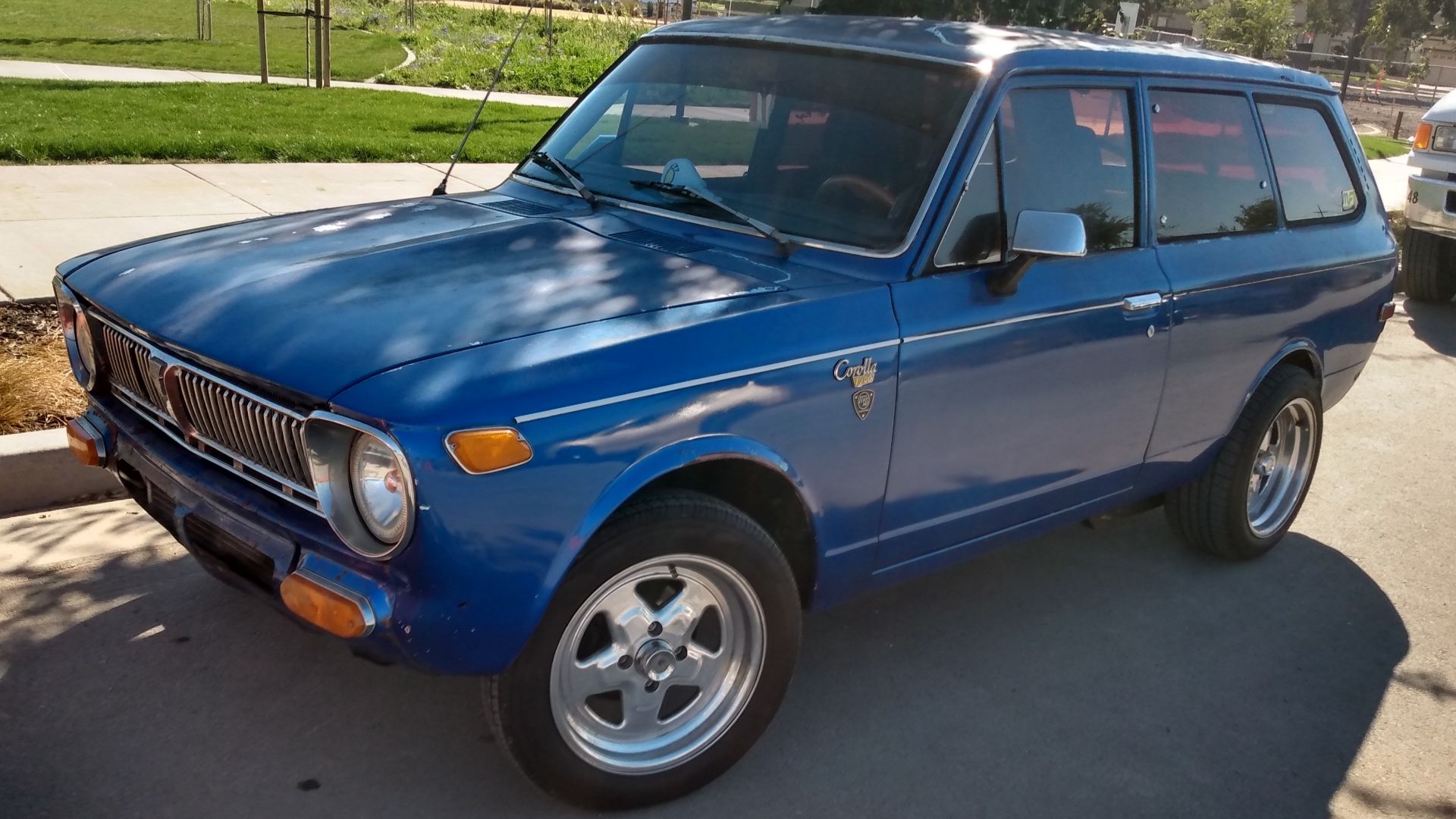 DestinationFearFan, Wikimedia Commons
Jeep CJ-7
Introduced in 1976, the CJ-7 would be a tempting choice for reaching places a sedan couldn’t comfortably follow. We’d want the optional hardtop and steel doors. Cargo space would require discipline, but there’s something reassuring about having an escape plan that doesn’t depend entirely on clear pavement.
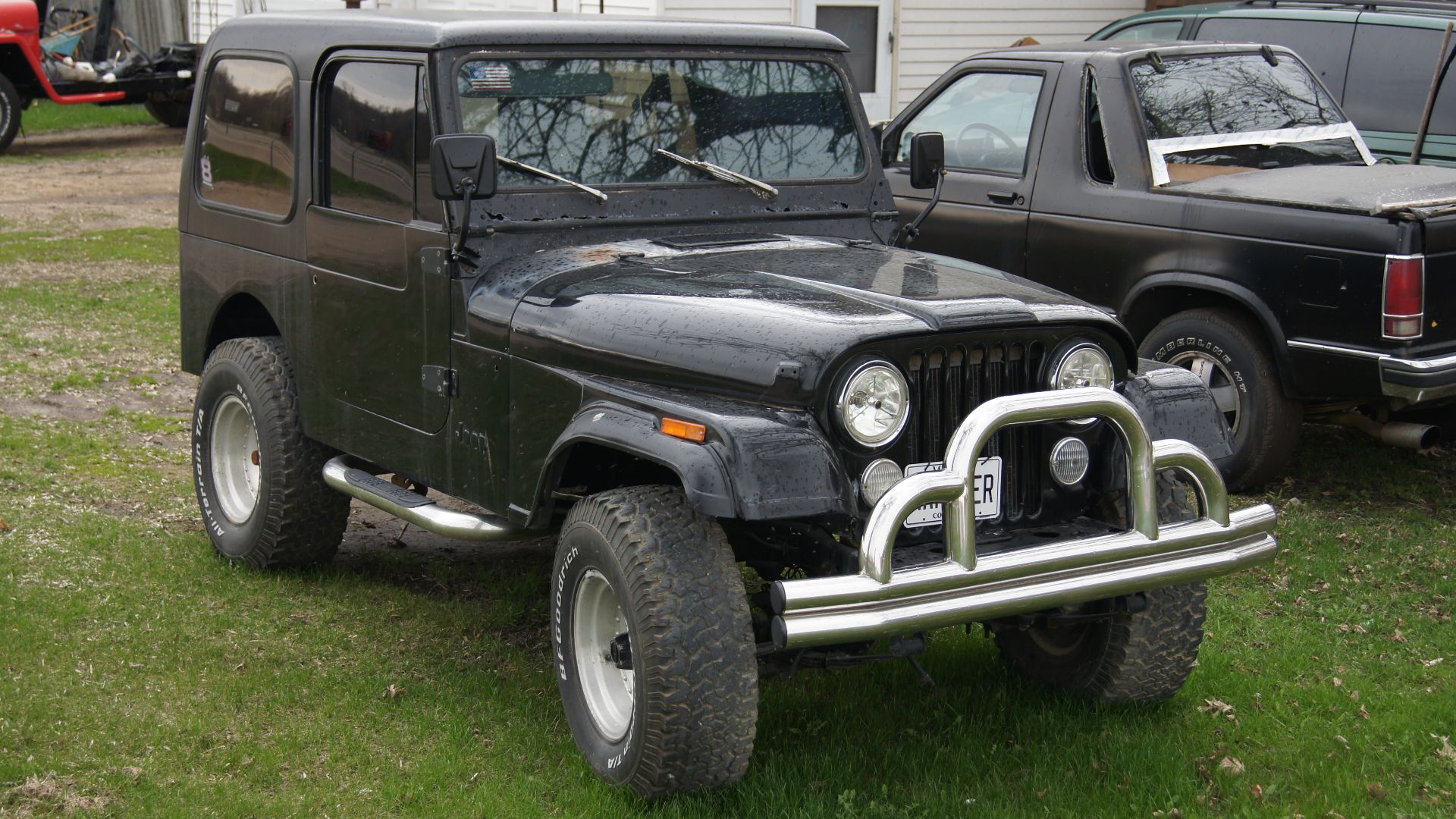 Greg Gjerdingen from Willmar, USA, Wikimedia Commons
Subaru 4WD Wagon
Subaru brought its selectable four-wheel-drive wagon to America in 1975. That extra traction could help when your route involved slippery roads or an unpaved detour. It wasn’t a monster truck, but avoiding the blocked main road would be a better survival strategy than arguing with it.
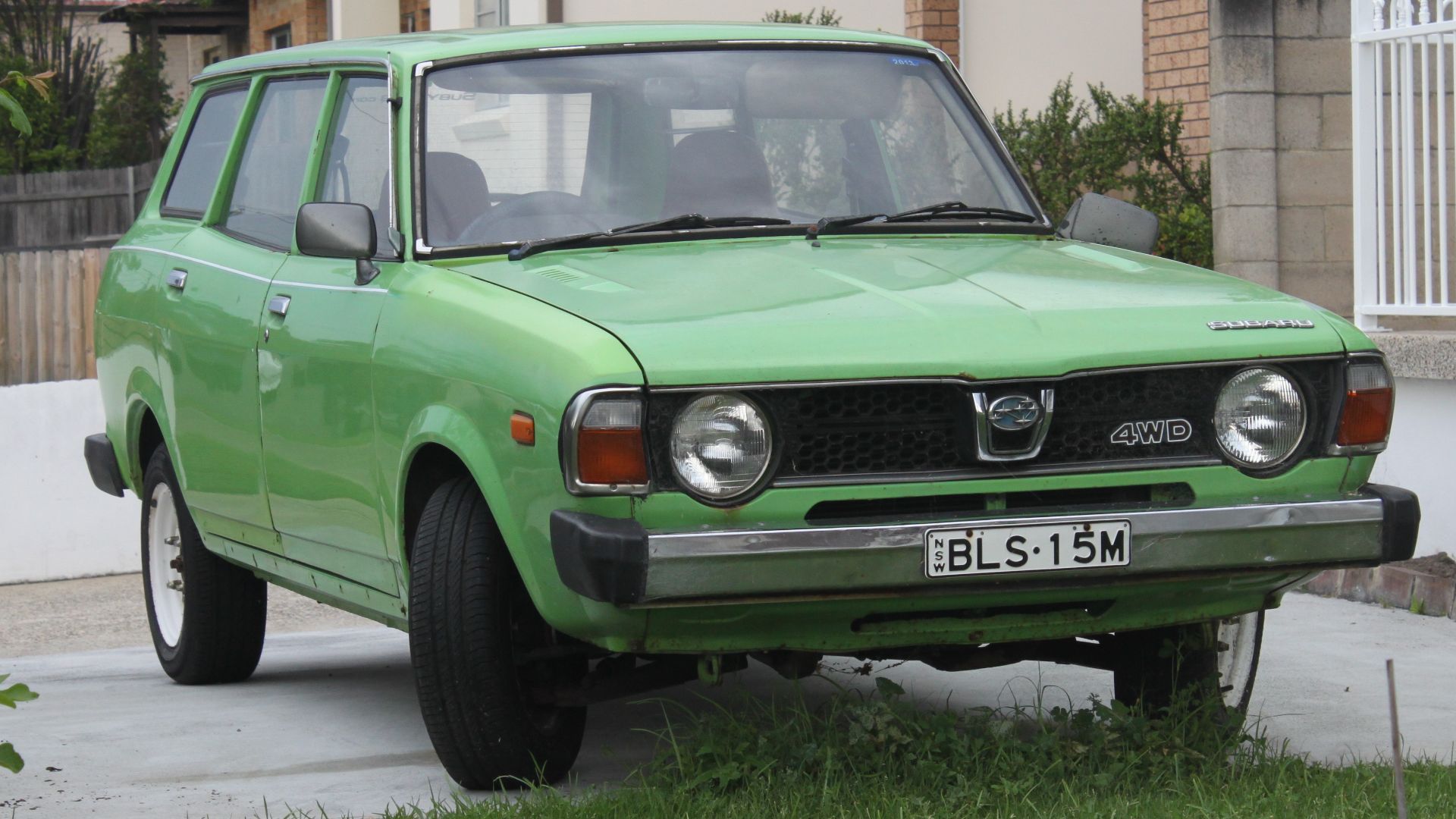 Jeremy from Sydney, Australia, Wikimedia Commons
Which Keys Would You Grab?
Give us a healthy engine, good tires, and a sensible escape route, and we’d happily take our chances with these cars. Which one are you choosing?
 Alf van Beem, Wikimedia Commons
You Might Also Like:
Million-Dollar Muscle Cars That Look Ordinary Until You Know Their Stories
How Much Would It Cost You To Own Jay Leno’s Entire Car Collection? Come On, Take A Guess