You Weren’t Even Behind The Wheel
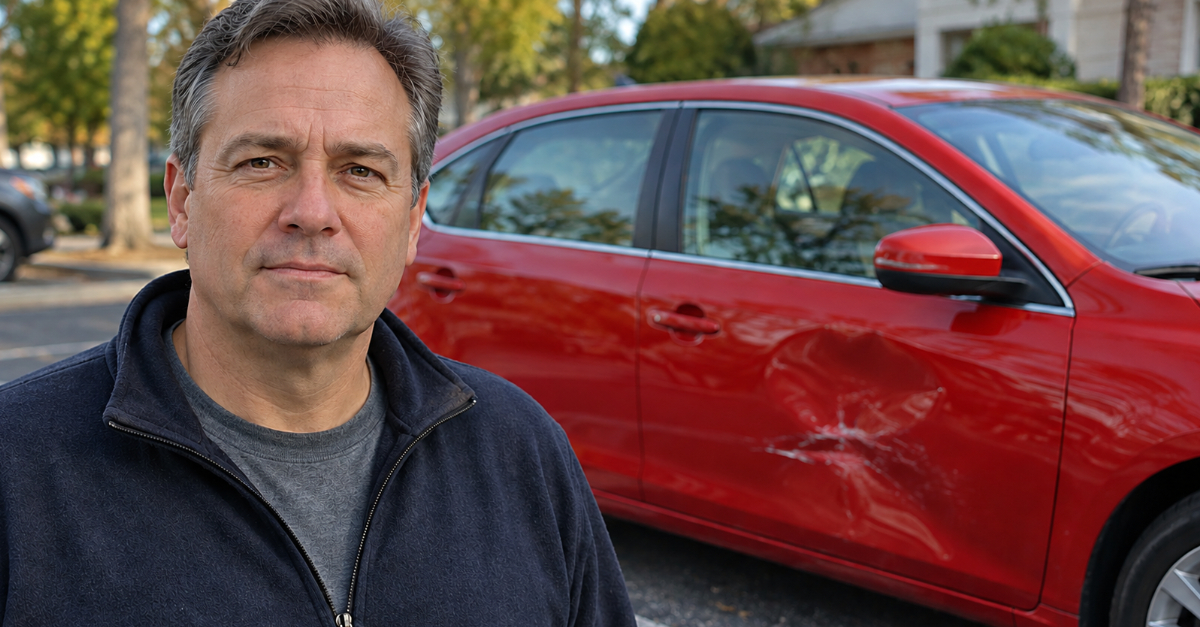
Your car was parked. You were somewhere else. Then somebody hit it, and somehow your insurance bill became the next thing taking a hit. You weren’t speeding, distracted, or even driving. So before you accept that higher price, there’s something your insurer needs to explain.
The Damage Was Only The Beginning
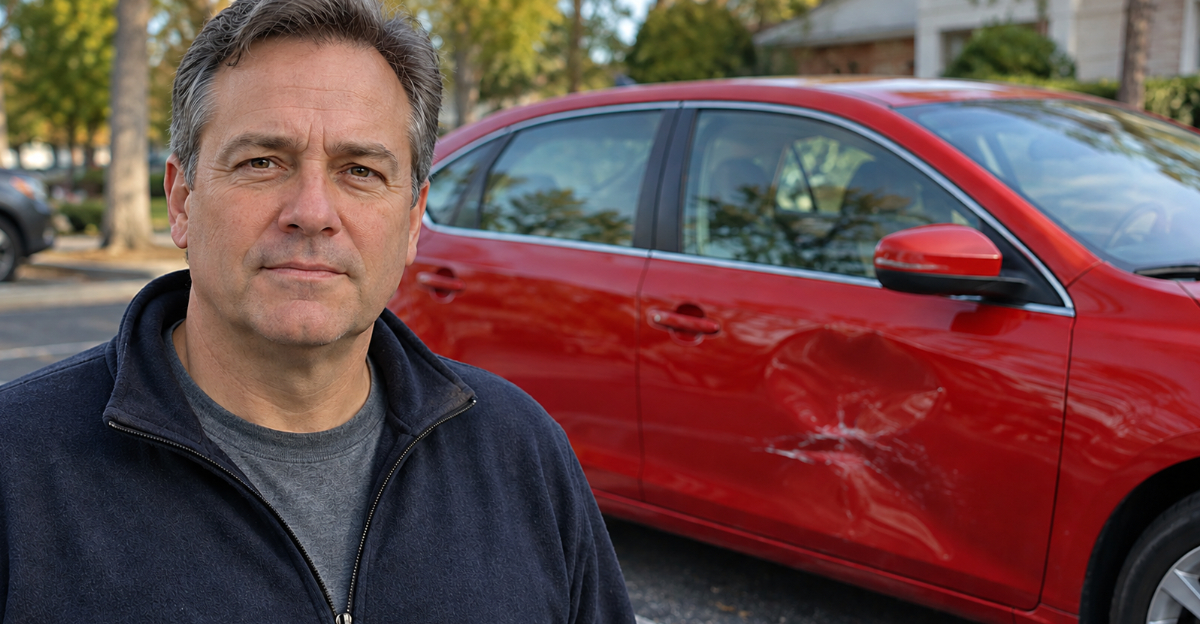
Finding a dent in your parked car is frustrating enough. Then come the repair estimates, phone calls, and possibly a deductible. When a higher insurance bill follows, it feels like you’re being charged for someone else’s bad driving. And “that’s how insurance works” isn’t much of an explanation.
Start With What The Company Actually Said
Did your insurer say you caused the accident, or did your premium simply increase at renewal? Those can feel like the same accusation when you’re opening the bill. But before you challenge the increase, you need to establish exactly what changed—and why.

A Higher Bill Doesn’t Automatically Mean You’re At Fault
Here’s the frustrating distinction: an insurer can classify an accident as not your fault and still charge you more where state rules allow it. Being responsible for the damage and having that damage affect your insurance price are two separate questions.
They’re Looking At Claims, Too
Insurers consider claims history alongside other permitted risk factors. Progressive says not-at-fault accidents can indicate a greater likelihood of future accidents. That’s the company’s pricing argument. It doesn’t establish that you did anything wrong when somebody backed into a car you weren’t even sitting in.

But Your State Can Change The Answer
Auto insurance rules vary across the United States. A claim-related increase allowed in one state may be restricted in another. Your insurer’s explanation needs to fit the rules governing your policy. “We always charge more after an accident” doesn’t answer whether that increase is permitted in your situation.

New York Has A Particularly Relevant Protection
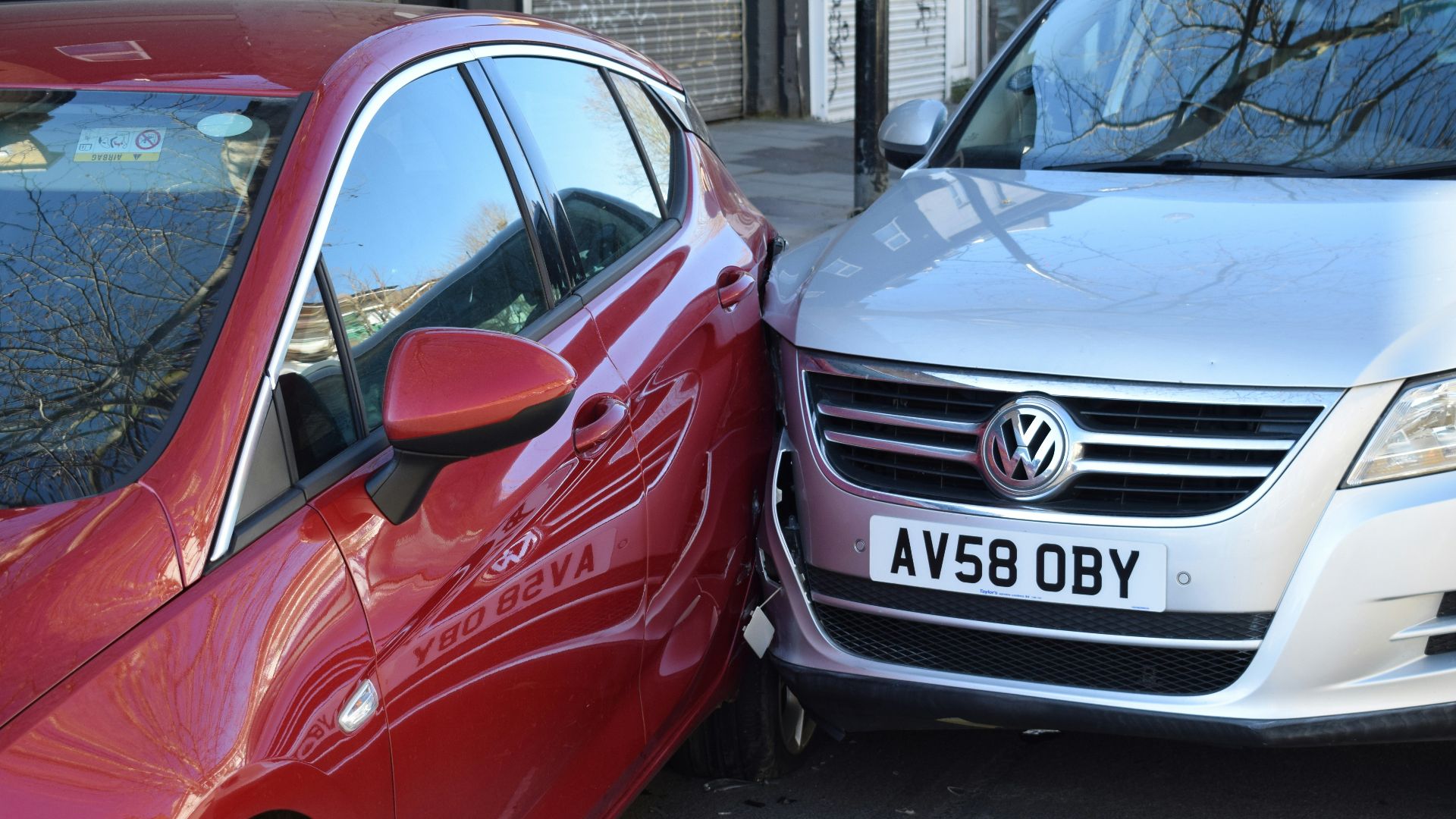
New York’s Department of Financial Services specifically says accident surcharges are not permitted when your vehicle was struck while legally parked. If that describes your accident and policy, a surcharge tied to that incident deserves a challenge. Being legally parked is a detail that matters here.
That Doesn’t Freeze Your Entire Bill
Protection against an accident surcharge doesn’t mean your premium can never rise. A broader rate increase can still affect your renewal. You need the company to identify whether the parked-car incident caused the increase, whether another pricing change explains it, or whether both contributed.
Everyone Else’s Repairs Can Reach Your Wallet
Insurance companies also look at what they’re spending across their customers. Higher vehicle repair and replacement costs can push rates upward. Your bill could have increased even without the accident—which is irritating in a different way, but changes what you should be disputing.
Your Discount Might Be The Missing Piece
Sometimes the increase involves losing a discount rather than adding an accident surcharge. Depending on state rules and the insurer’s program, a claim may affect claims-free savings. Ask which discount disappeared, why, and what rule permits that change. The company’s choice of label doesn’t settle the question.

Whose Insurance Paid Matters
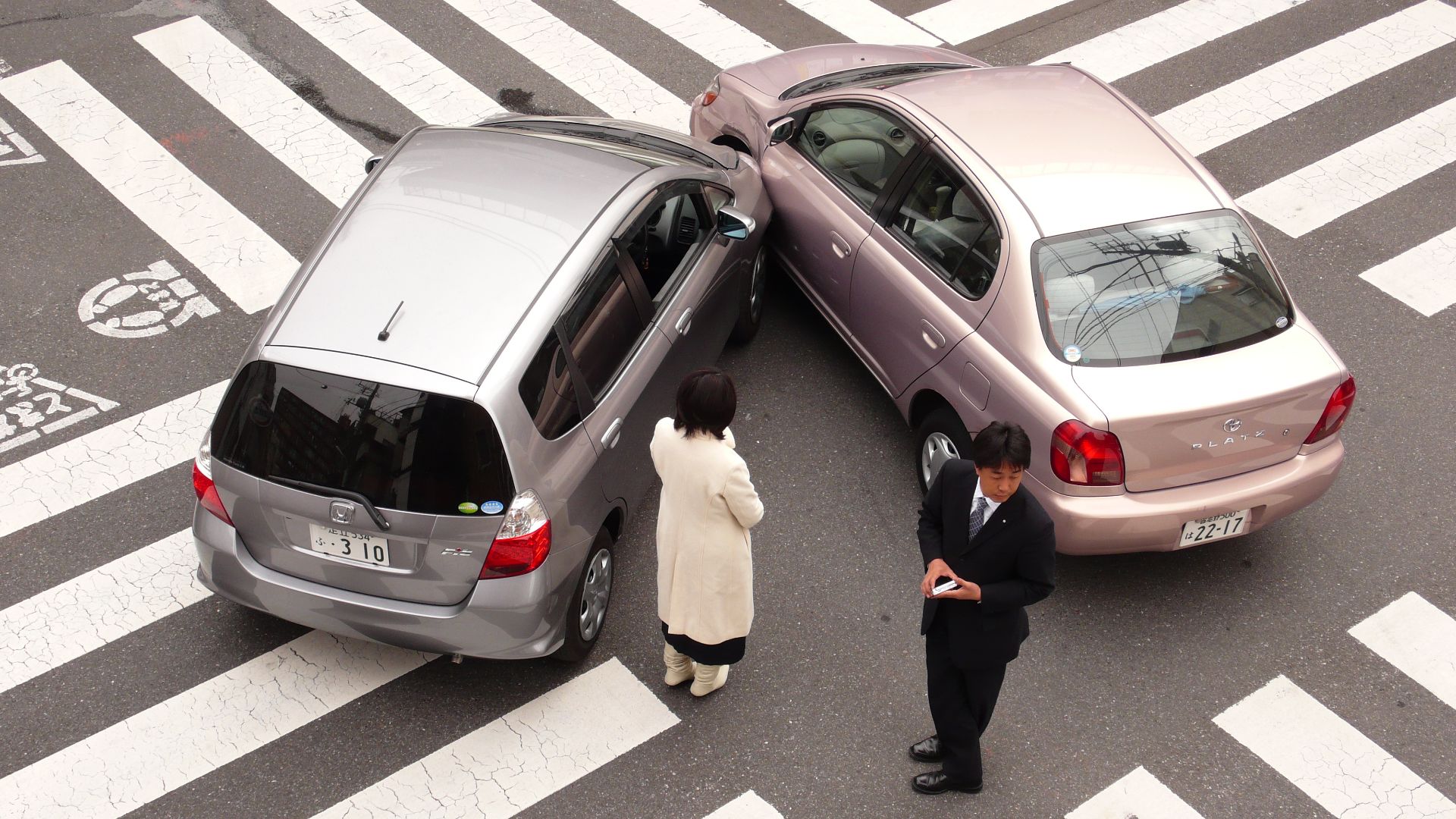
If the other driver was identified and responsible, you may be able to claim against their property damage liability coverage. That means seeking payment from their insurer. It’s a different route from asking your own company to pay under the collision coverage you purchased.
 Shuets Udono, Wikimedia Commons
Their Insurance Isn’t Always The Easy Route
The other insurer might dispute responsibility, delay its investigation, or discover its driver doesn’t have enough coverage. Texas insurance regulators warn about these problems. Using your own coverage can become the practical option when your car needs repairs and the other company isn’t getting anywhere.

You May Still Need To Notify Your Insurer
Going through the other driver’s insurance doesn’t automatically remove your own policy’s reporting requirements. Check what your policy requires and follow its notice deadlines. Fear of a higher bill shouldn’t lead you to assume you can keep the accident from your company without consequences.

Collision Coverage Doesn’t Mean You Caused A Collision
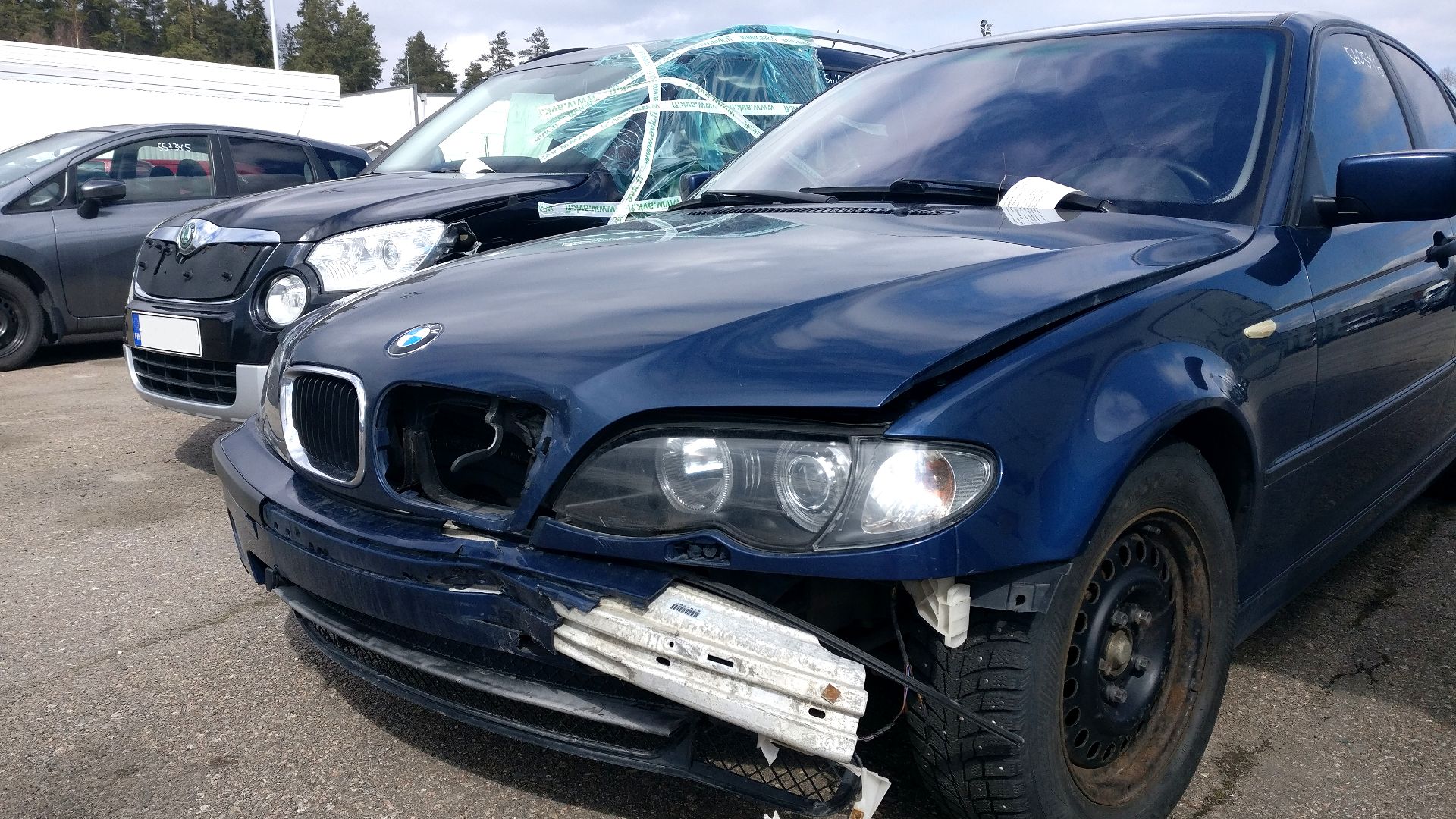
Your collision coverage can pay for damage when another vehicle hits your parked car, subject to your policy and deductible. The coverage name describes the type of damage. It doesn’t mean the insurer has decided you were driving or responsible for what happened.
 Santeri Viinamaki, Wikimedia Commons
Parked Doesn’t Automatically Mean Comprehensive
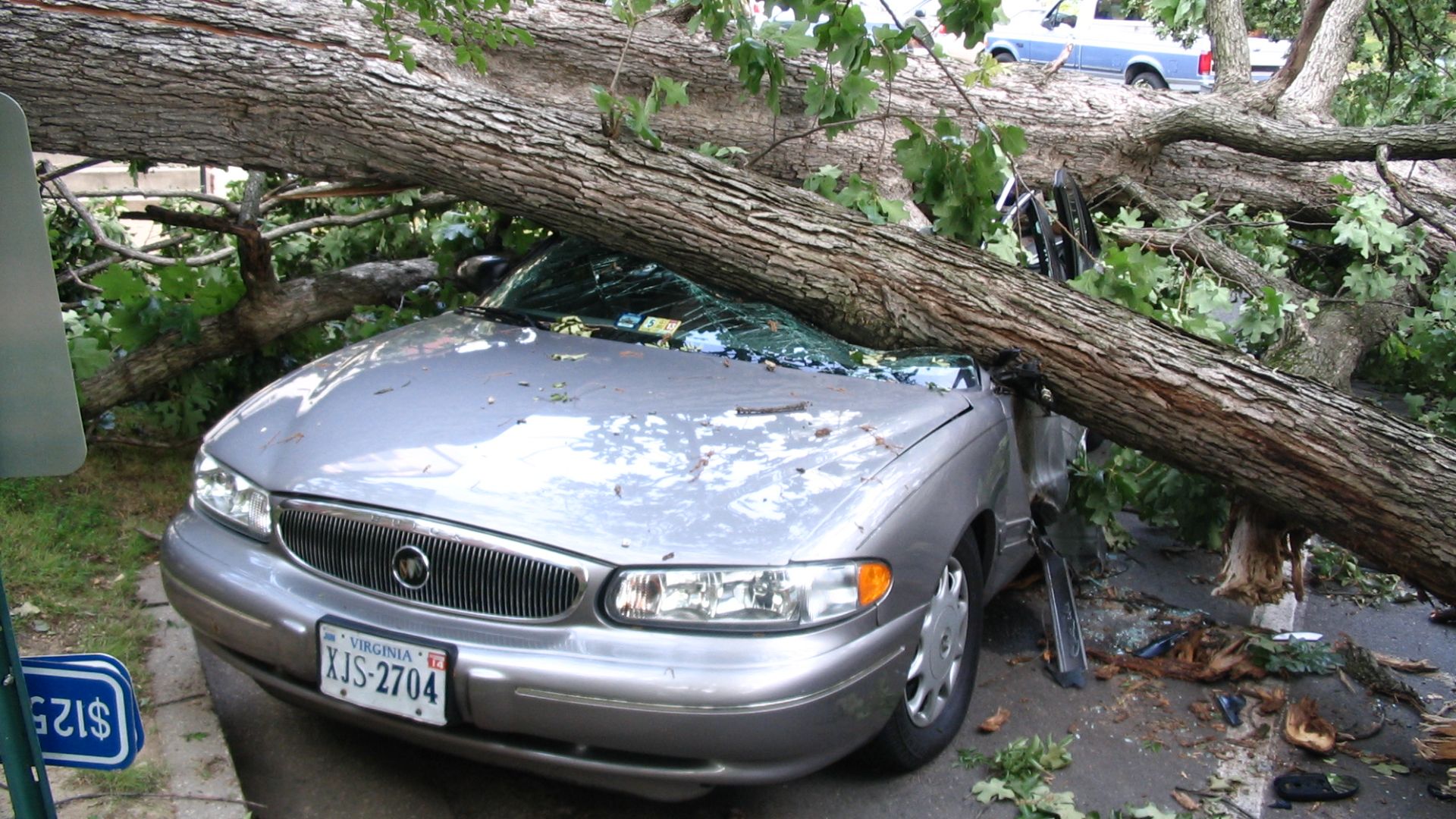
It’s easy to assume comprehensive coverage handles anything that happens while your car is sitting still. But another vehicle hitting it is generally a collision loss. Comprehensive covers different events, such as hail, vandalism, theft, or a falling tree. What caused the damage matters more than whether you were driving.
 Arlington County, Wikimedia Commons
Liability-Only Coverage Leaves A Gap
Your own property damage liability coverage pays for damage you cause to somebody else’s property. It doesn’t repair your car when another driver hits it. Without collision or another applicable coverage, you may have to pursue the responsible driver—or pay for repairs yourself.
A Hit-And-Run Adds Another Complication
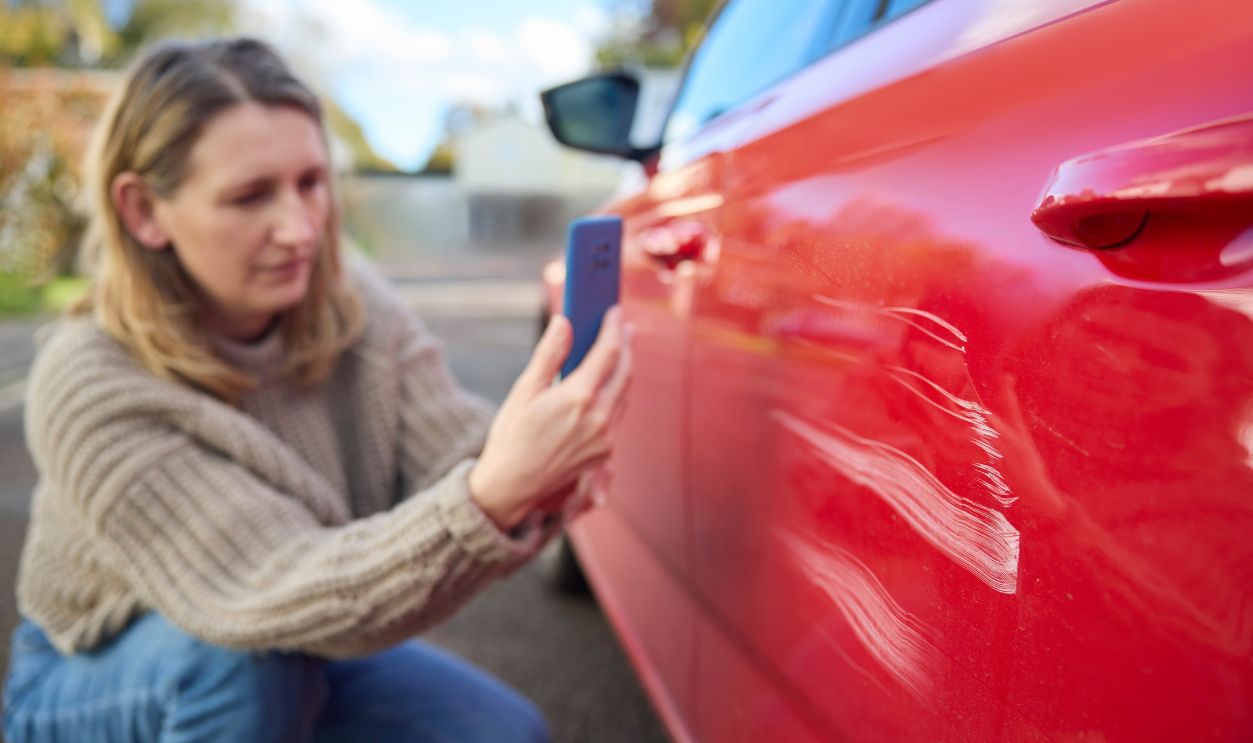
If the driver disappears, collision coverage may help. Uninsured motorist property damage coverage may also apply, depending on your state and policy. However, some states don’t allow that coverage for unidentified hit-and-run drivers. Check the actual coverage rather than assuming “uninsured motorist” handles every situation.
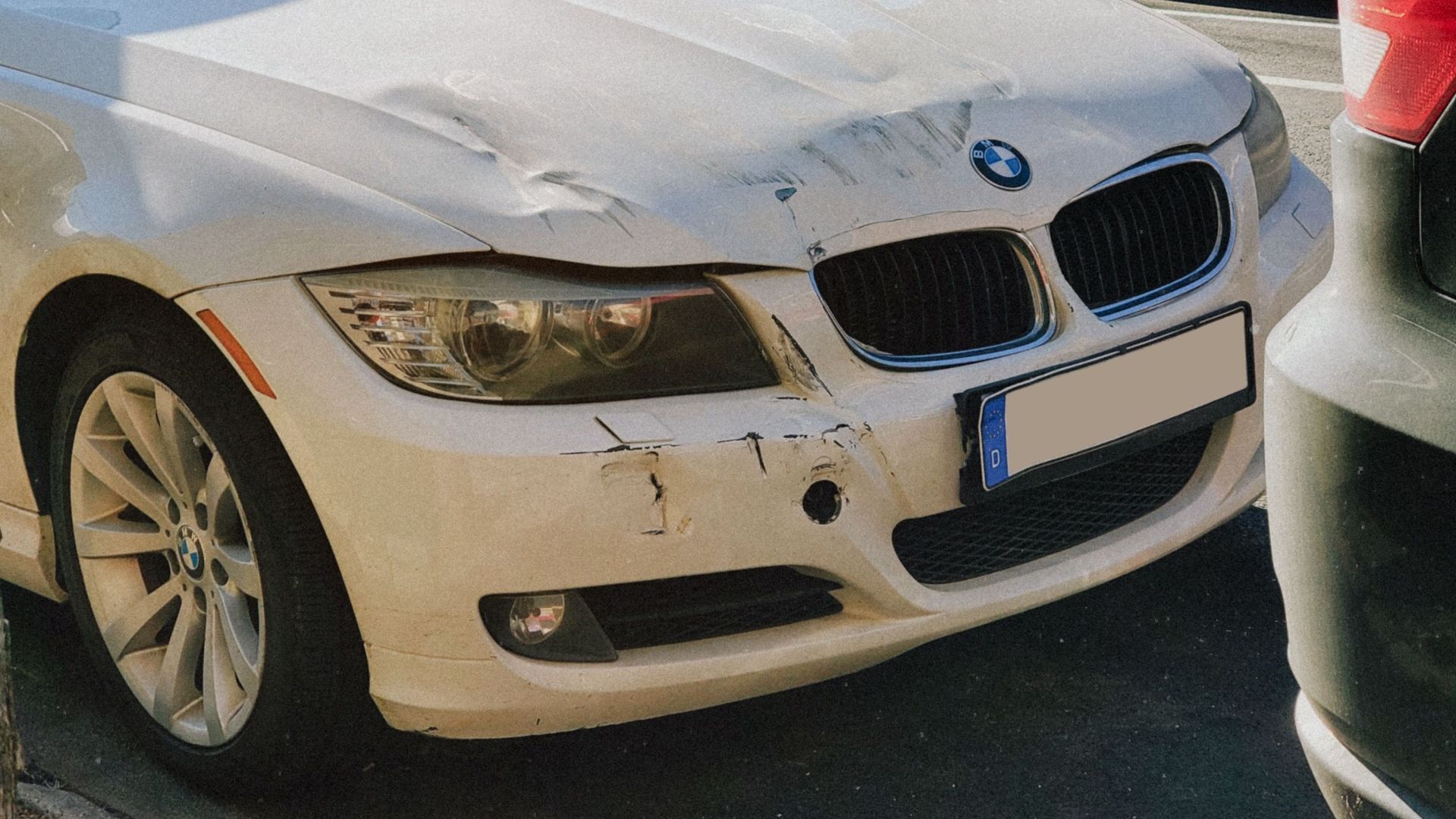
Going Through Their Insurer Isn’t A Price Guarantee
Claiming against the responsible driver’s insurer generally avoids having your own company pay the repair claim. But don’t treat that as a nationwide promise that your premium cannot change. Progressive notes that some insurers consider claims regardless of fault, depending on state rules.

Your Insurer May Chase The Money Back
If your company pays, it may pursue the responsible driver or their insurer for reimbursement. That process is called subrogation. You may recover some or all of your deductible if the recovery succeeds. Ask about that—and whether reimbursement changes any claim-related pricing decision. Neither result is automatic.
 Tualek Photographer, Shutterstock
Get The Explanation In Writing
Ask: “Is this increase caused by an accident surcharge, a lost discount, a change in pricing category, or a general rate increase? How much is attributable to this claim?” Request a written answer. Disclosure requirements vary by state, but a clear explanation gives you something concrete to review.

Check How They Recorded The Accident
Ask your insurer to confirm its fault determination and how the incident appears in your claim record. Keep photos, any police report, witness information, and correspondence showing your car was parked and unoccupied. Those records give you something to submit if you dispute its classification.
 I Believe I Can Fly, Shutterstock
Your Claims History Can Follow You
Switching companies doesn’t necessarily leave the incident behind. The C.L.U.E. insurance claims database collects and reports up to seven years of auto claims information. Insurers use that information in pricing and underwriting, so an inaccurate entry can become a problem beyond your current policy.

Seven Years Doesn’t Mean Seven Years Of Higher Bills
That seven-year reporting period doesn’t establish how long a claim can affect your premium. Insurers and states have different pricing rules and lookback periods. If the incident is affecting your bill, ask how long that adjustment applies and when you could qualify for any lost discount again.

You Can Check That Report Yourself
LexisNexis provides one free consumer report every 12 months on request. If information is inaccurate or incomplete, you can dispute it with LexisNexis and the insurer that supplied it. An accurate claim may remain; the goal is to correct errors, not erase what happened.

If They Charged You Incorrectly, Ask For A Refund
If an error caused the increase, request a corrected premium calculation and any refund owed. Fixing the claim record is only part of the job. New York specifically identifies mistaken surcharges and subsequently established surcharge exceptions as circumstances requiring refunds. Elsewhere, check the applicable rules.

Take An Unresolved Dispute To Your State
If your insurer won’t explain the increase, or its explanation appears inconsistent with state rules, contact your state insurance department. Include your renewal documents, claim details, and correspondence. Regulators can review complaints, although filing one doesn’t guarantee that a properly applied increase will be reversed.

Shop Around Without Leaving Yourself Uninsured
Compare quotes with the same coverage limits and deductibles, and ask about discounts. A higher deductible means paying more yourself after a covered loss. If you switch companies, have replacement coverage in place before canceling your current policy. Don’t let this dispute create a gap in your insurance.

So How Can This Be Your Fault?
It may not be your fault at all. The higher bill could reflect a permitted claim-related adjustment, lost savings, broader pricing changes, or an error. You’re right to question it. Somebody else damaged your parked car—your insurer should be able to explain why you’re paying more afterward.

You Might Also Like:
Classic Car Colors That You Used To Be Able To Buy, But Would Make Dealers Today Faint