The Million-Dollar Muscle Cars Hiding In Plain Sight
Remember when a Camaro, Mustang, or Plymouth Barracuda was just another car parked outside the local diner? Some looked perfectly ordinary, but a handful had remarkable histories that eventually made them worth millions. From secret factory experiments to celebrity ownership, these muscle cars prove that sometimes the biggest treasures have four wheels and a fascinating story.
The 1969 Chevrolet Camaro ZL1: A Secret Hiding In Plain Sight
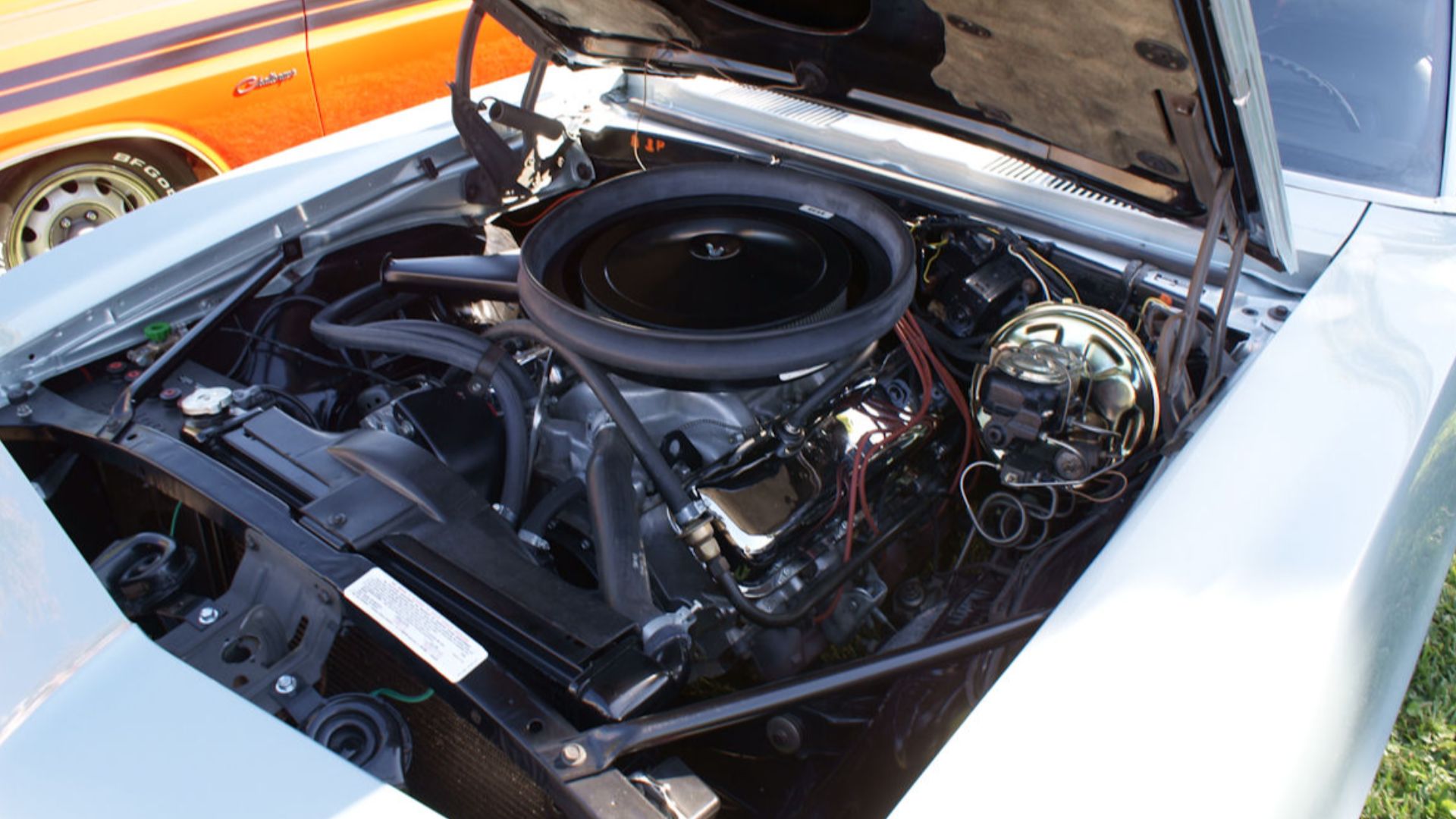
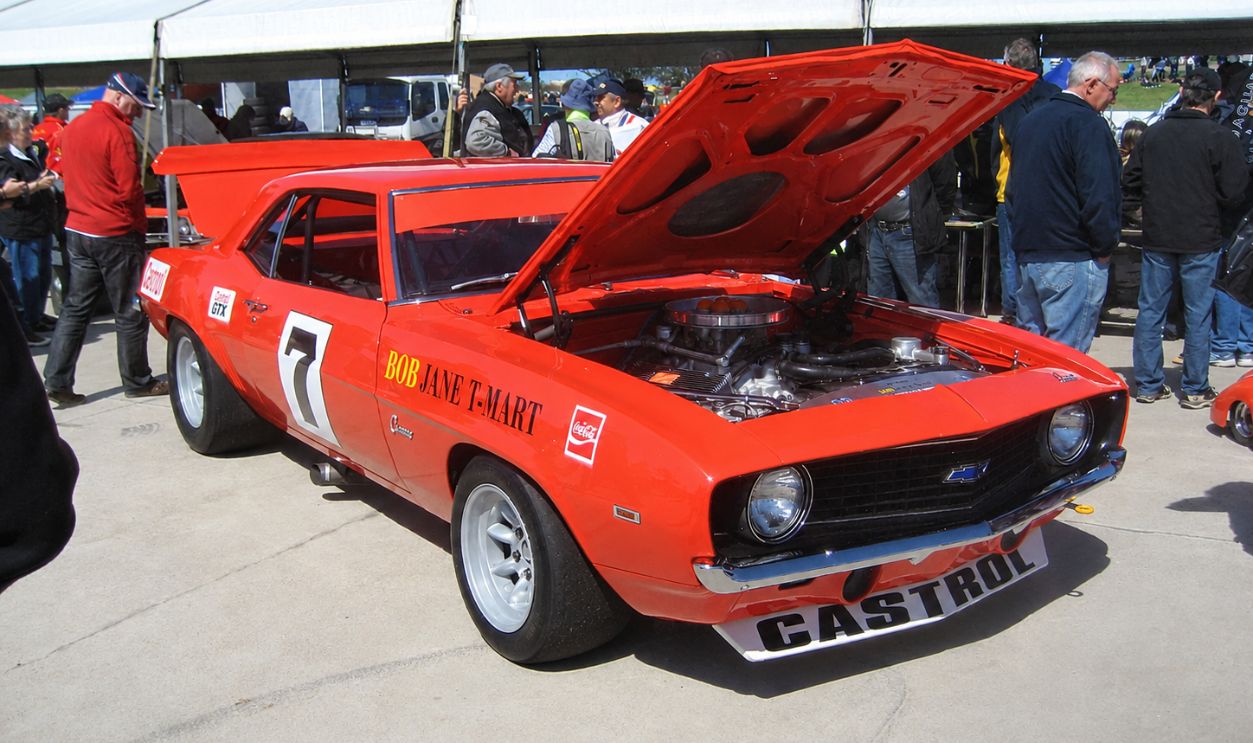
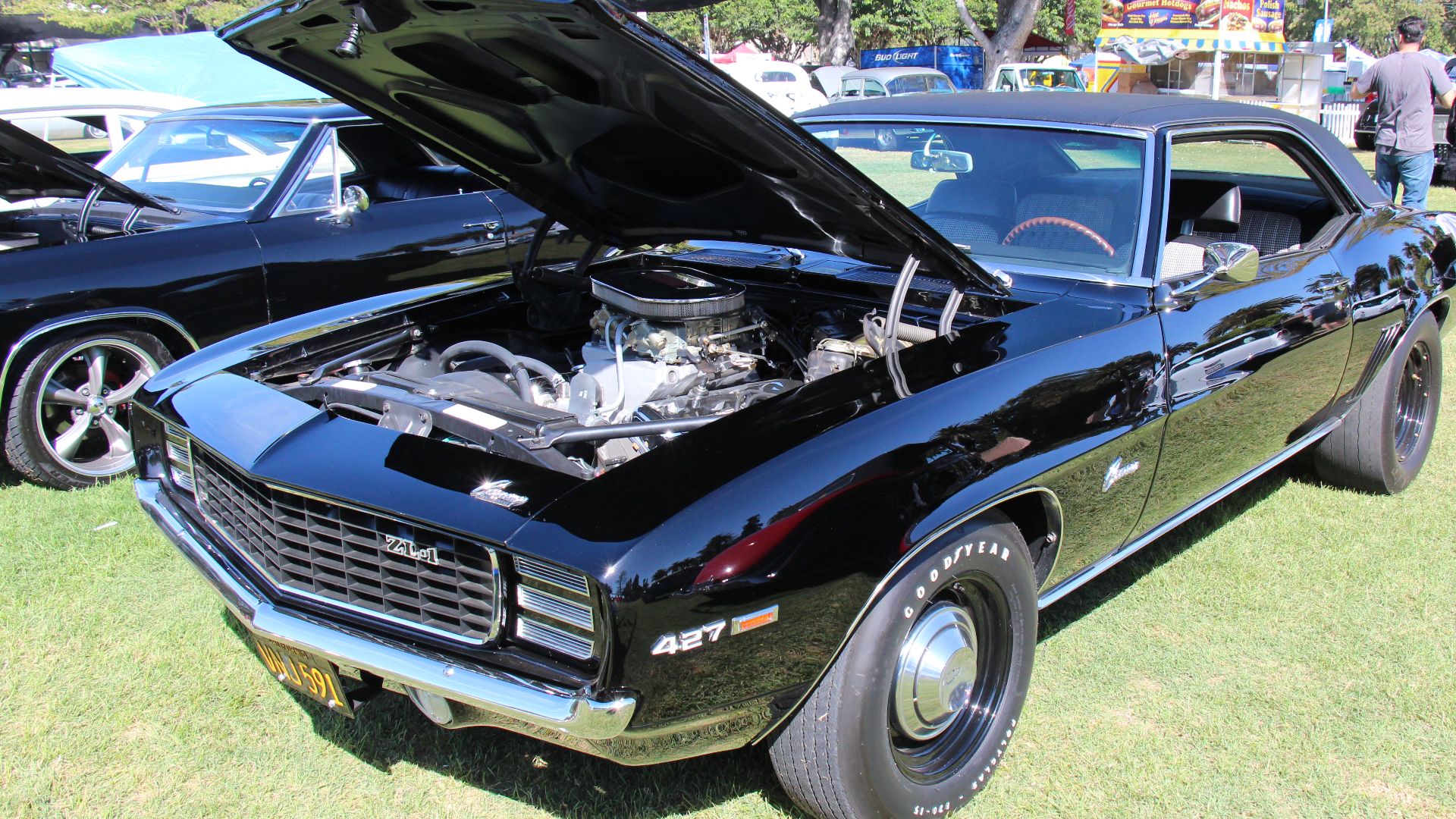
At first glance, the 1969 Camaro ZL1 looked much like any other first-generation Camaro. Underneath, however, was an all-aluminum 427-cubic-inch V8 developed from Chevrolet's racing technology. Only 69 were built, and their existence resulted from some clever maneuvering around General Motors' restrictions on oversized engines in smaller cars.
The Dealer Who Found A Loophole
Illinois Chevrolet dealer Fred Gibb helped make the ZL1 Camaro a reality through Chevrolet's Central Office Production Order system. Normally associated with special fleet orders, COPO could authorize unusual equipment combinations. Gibb's request produced factory-built drag-racing weapons that looked surprisingly similar to everyday Camaros. It was one of Detroit's greatest ordering tricks.
 Sicnag, Wikimedia Commons, Modified
The Camaro That Became A Million-Dollar Treasure
One Dusk Blue ZL1 Camaro sold at Mecum's Kissimmee auction in January 2018 for an astonishing $1.21 million. That was an extraordinary price for a Chevrolet that, from across a parking lot, might have looked like a regular old Camaro. Its rare factory specification, rather than flashy styling, made the difference.
Another ZL1 Had An Even Stranger Twist
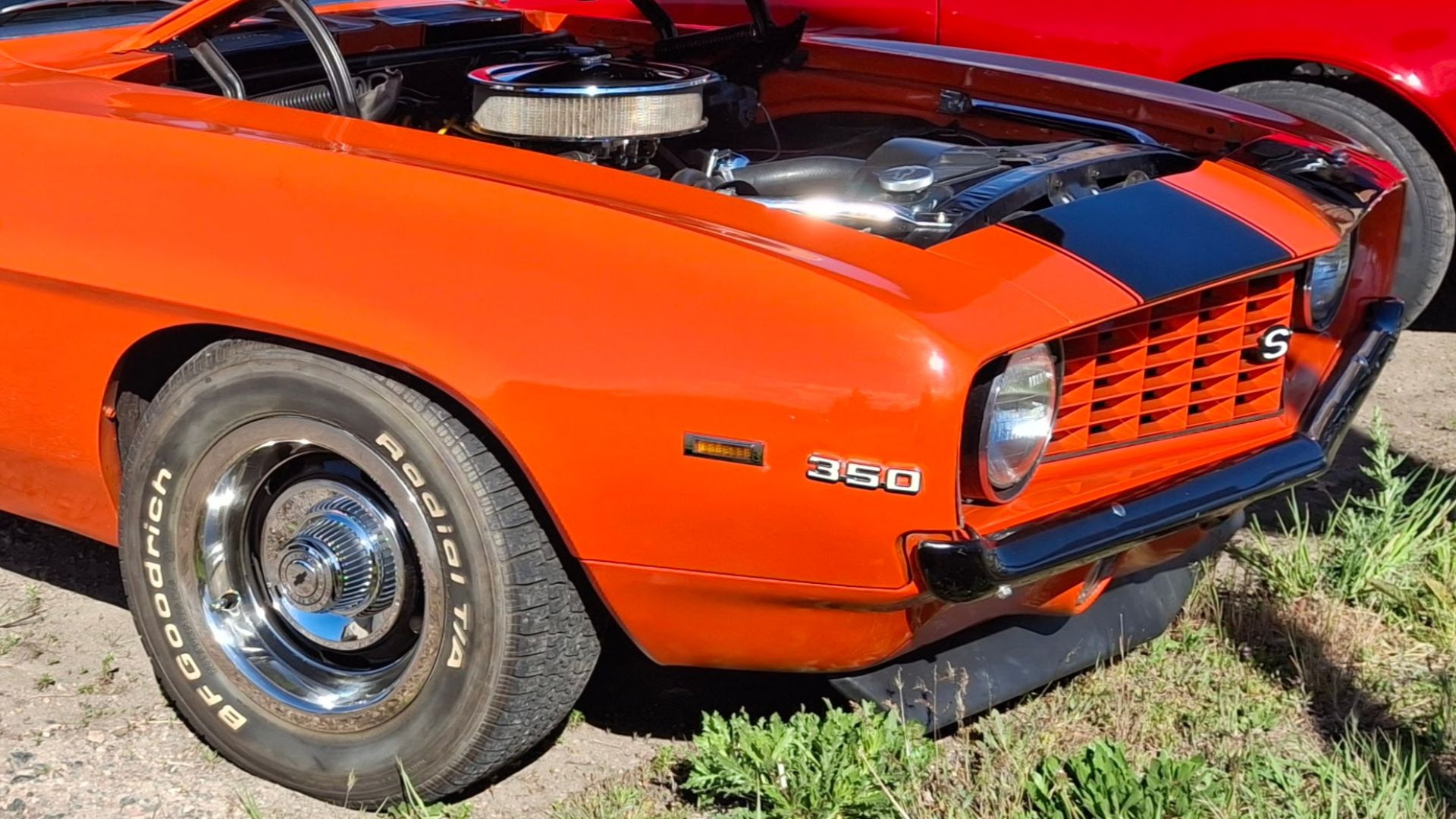
In January 2020, a Hugger Orange ZL1 brought $1,094,500 at Barrett-Jackson. The same car had sold for $770,000 in 2017, when it carried a replacement ZL1 engine. Its later return to a more historically desirable specification helped explain the jump. Sometimes, the story underneath the hood changes everything.
The 1967 Shelby GT500 Super Snake: A Mustang With A Secret Mission
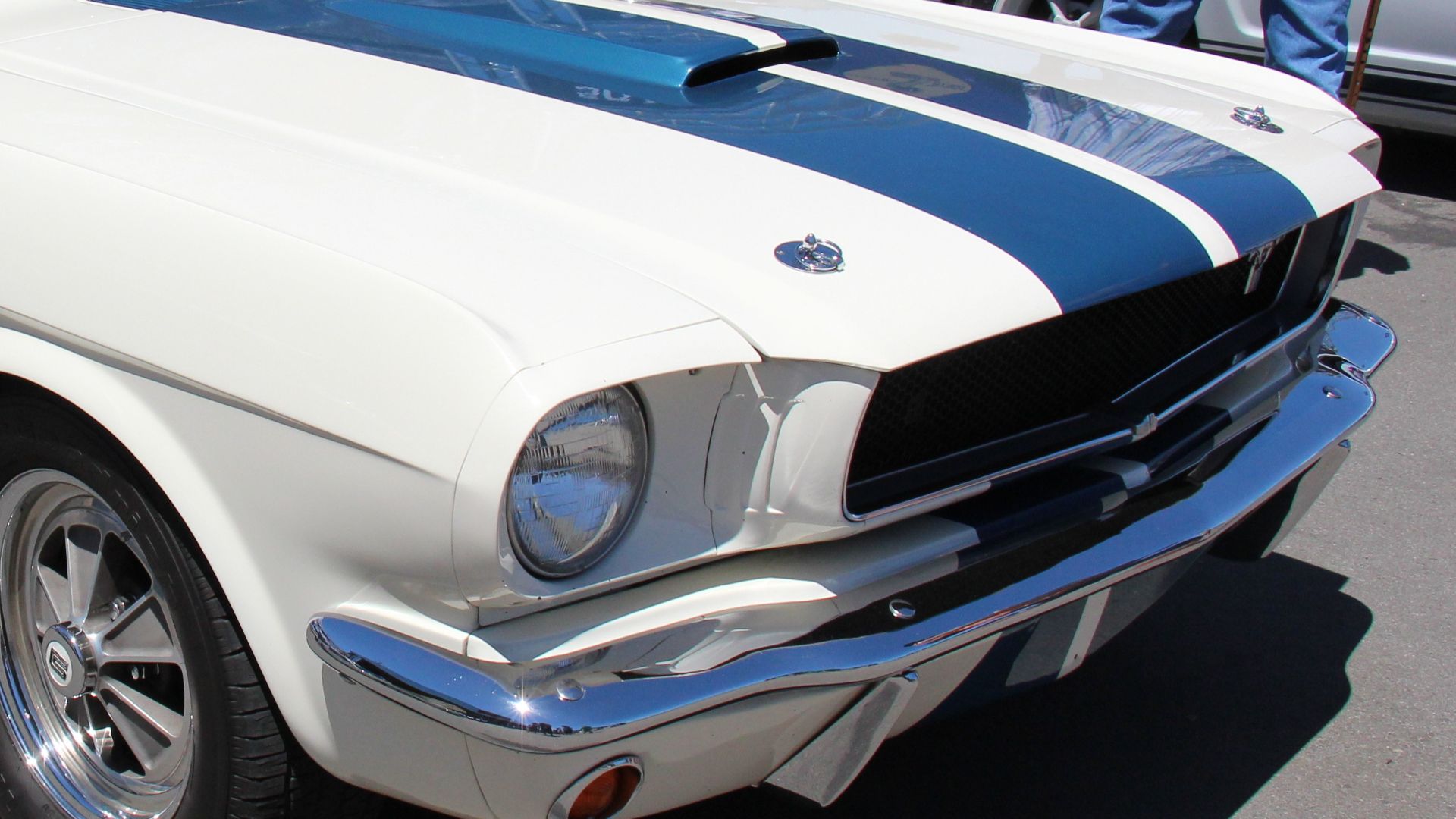
A white 1967 Shelby Mustang with blue stripes certainly looked sporty, but there was something extraordinary about this particular GT500. Carroll Shelby's team created a single Super Snake prototype featuring a competition-bred 427 engine related to the Ford GT40's. Unlike ordinary GT500s, this Mustang was built for a rather unusual assignment.
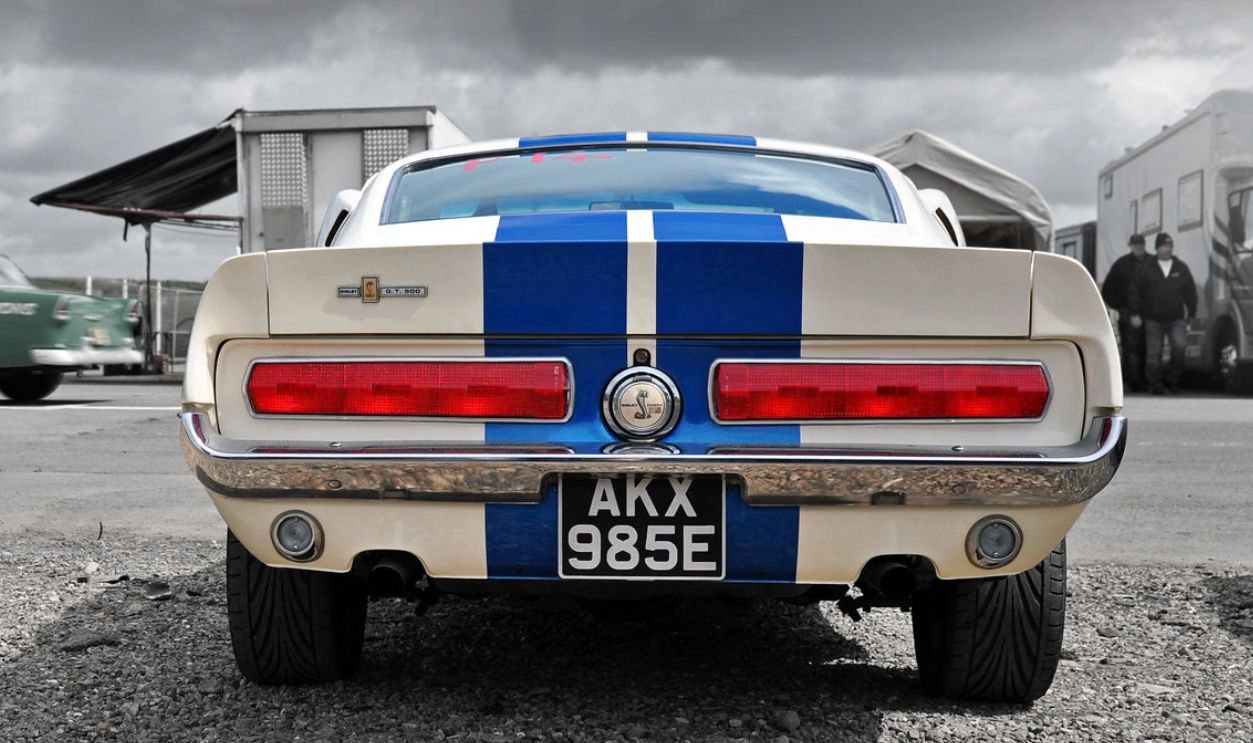
It Was Built To Sell Tires
Believe it or not, the Super Snake's original mission involved testing Goodyear Thunderbolt tires. Shelby wanted to demonstrate that the tires could withstand tremendous punishment. During testing, the Mustang reportedly averaged 142 mph over 500 miles, with remarkably little tread wear. Imagine explaining that performance test to your neighborhood tire salesman!
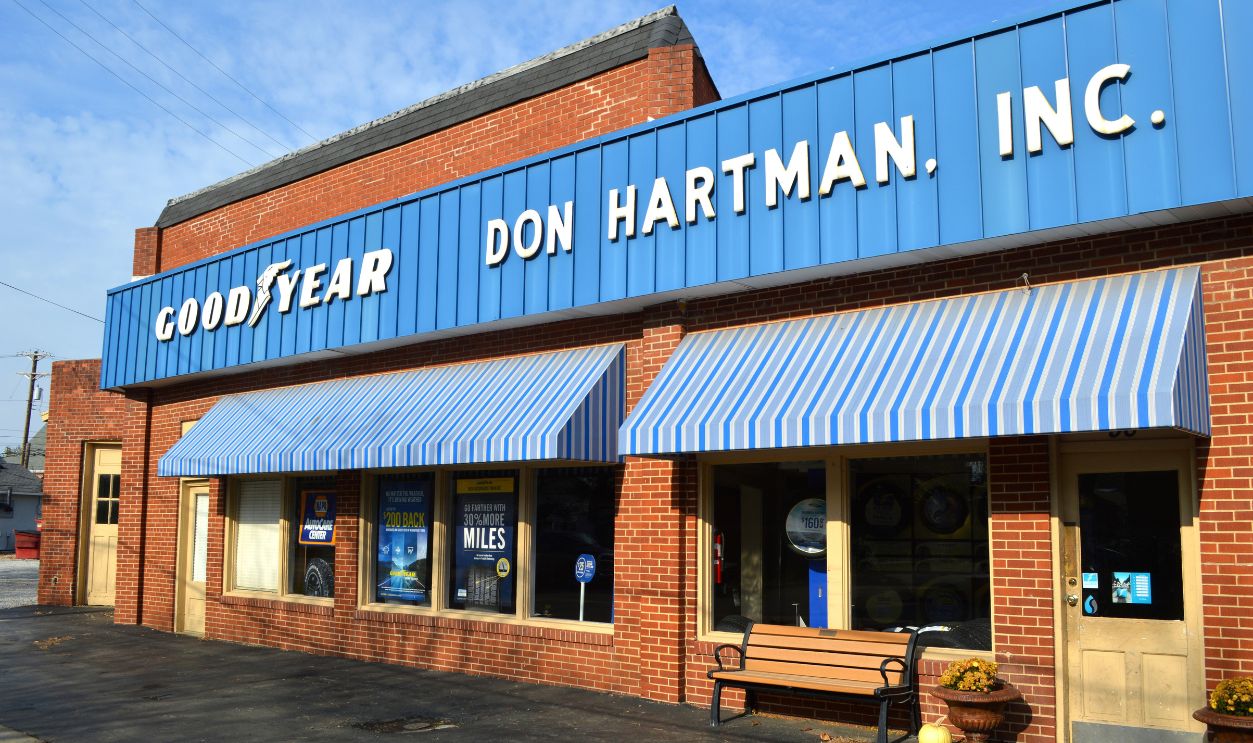
Why Shelby Never Put It Into Production
The Super Snake could have become one of the greatest production Mustangs of the 1960s. Unfortunately, its estimated retail price was more than twice that of a standard GT500. Even wealthy performance enthusiasts might have struggled to justify the expense. Shelby abandoned production plans, leaving this white Mustang as a genuine one-of-one creation.
 Bwilliams85, Wikimedia Commons
The Mustang That Sold For $2.2 Million
In January 2019, the original Super Snake sold at Mecum's Kissimmee auction for $2.2 million. That's an extraordinary figure for a Mustang that had originally been sold in 1967 for $5,000. Its unique factory history, documented tire-testing career, and Shelby connection made it practically impossible to duplicate.
The 1971 Plymouth Hemi 'Cuda Convertible: A Familiar Face With An Unbelievable Price
Plymouth's Barracuda was a familiar sight during the muscle-car era, but the 1971 Hemi 'Cuda Convertible occupied a completely different universe. Just 11 Hemi-powered convertibles were built that year. The blue example that eventually made auction history was one of only two four-speed cars originally delivered to American buyers.
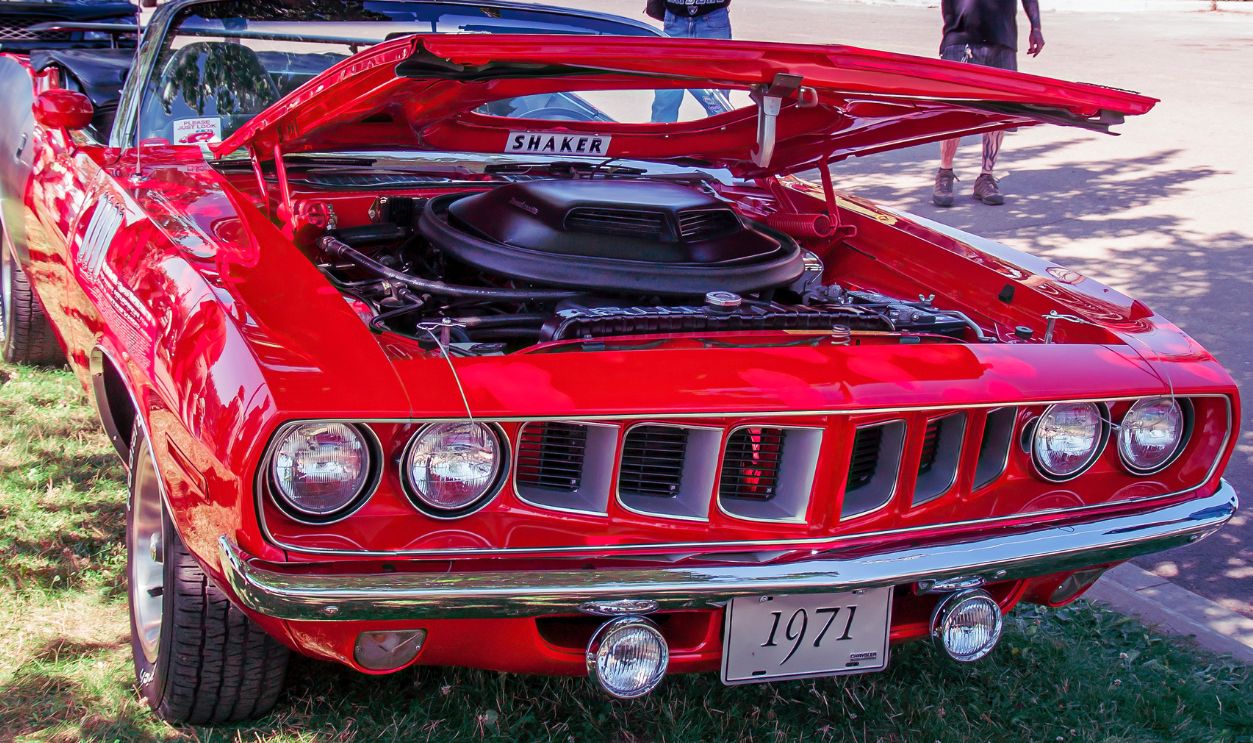
A Plymouth With A Colorful Past
This particular 'Cuda didn't spend its entire life gathering dust in a collector's garage. Its ownership history reportedly included an American cartoonist, and federal authorities later seized the vehicle during an investigation. Eventually, it found its way into collector hands. That's quite a journey for something that started life as a Plymouth dealership purchase.
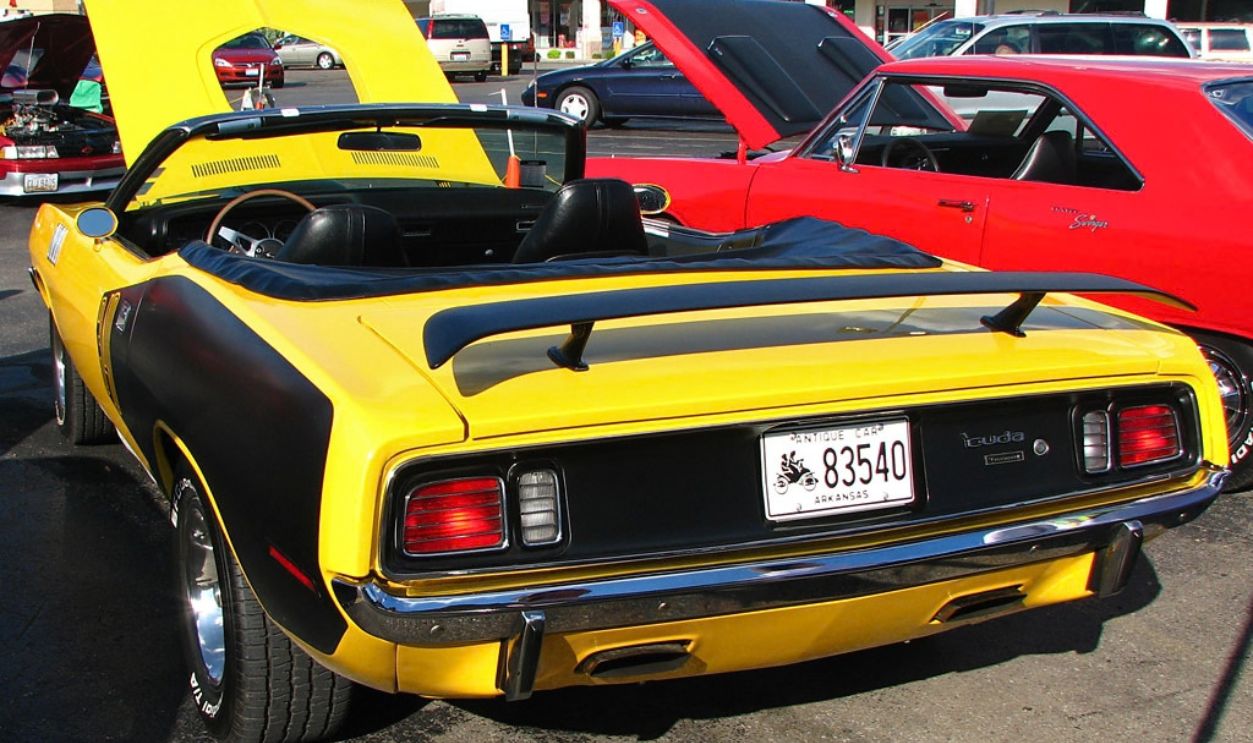
The Original Parts Made It Even More Valuable
The blue convertible retained its original Hemi engine and four-speed transmission, along with most of its original bodywork. Those details were enormously important. Collectors can restore almost any old Barracuda to look beautiful, but they cannot recreate a genuine factory Hemi convertible's history. This car had the documentation to back up its remarkable identity.
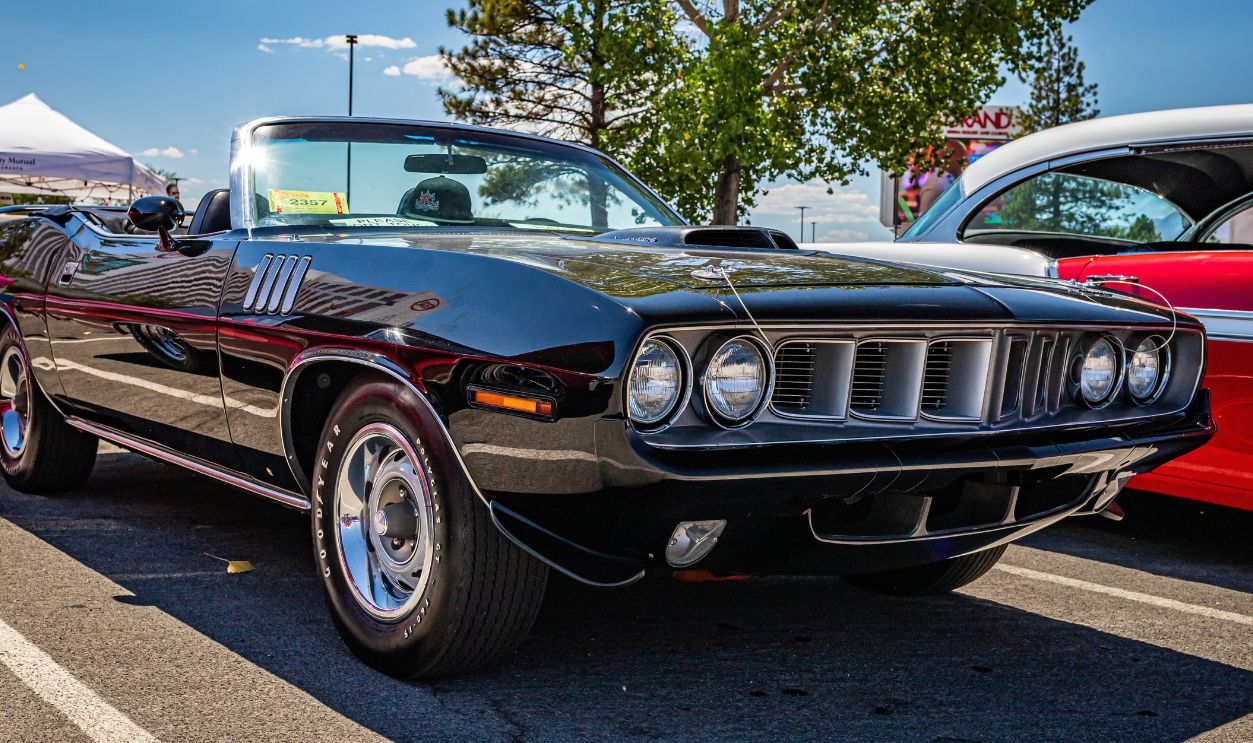
The Day A Plymouth Made History
In June 2014, this blue Hemi 'Cuda sold for $3.5 million at Mecum's Seattle auction. Yes, a Plymouth once associated with everyday American motoring commanded more money than many exotic European supercars. The result demonstrated just how valuable documented rarity can become when wealthy enthusiasts are determined to own the very best.
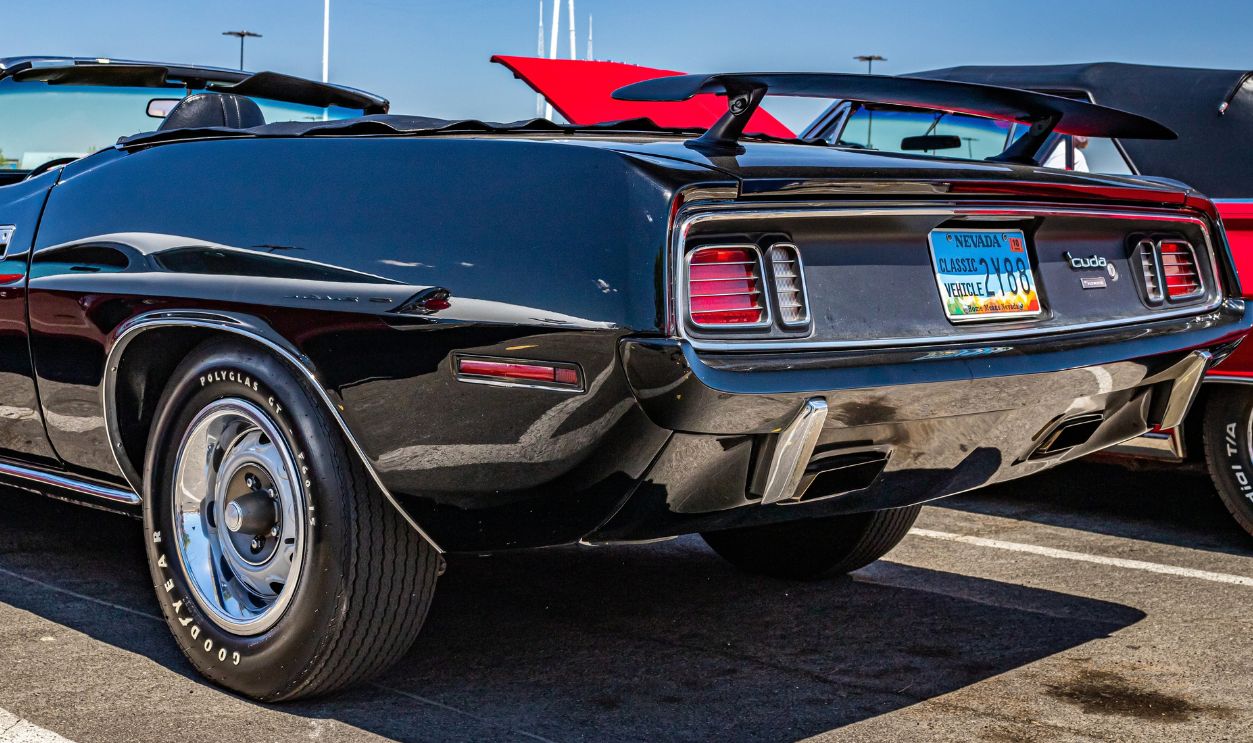
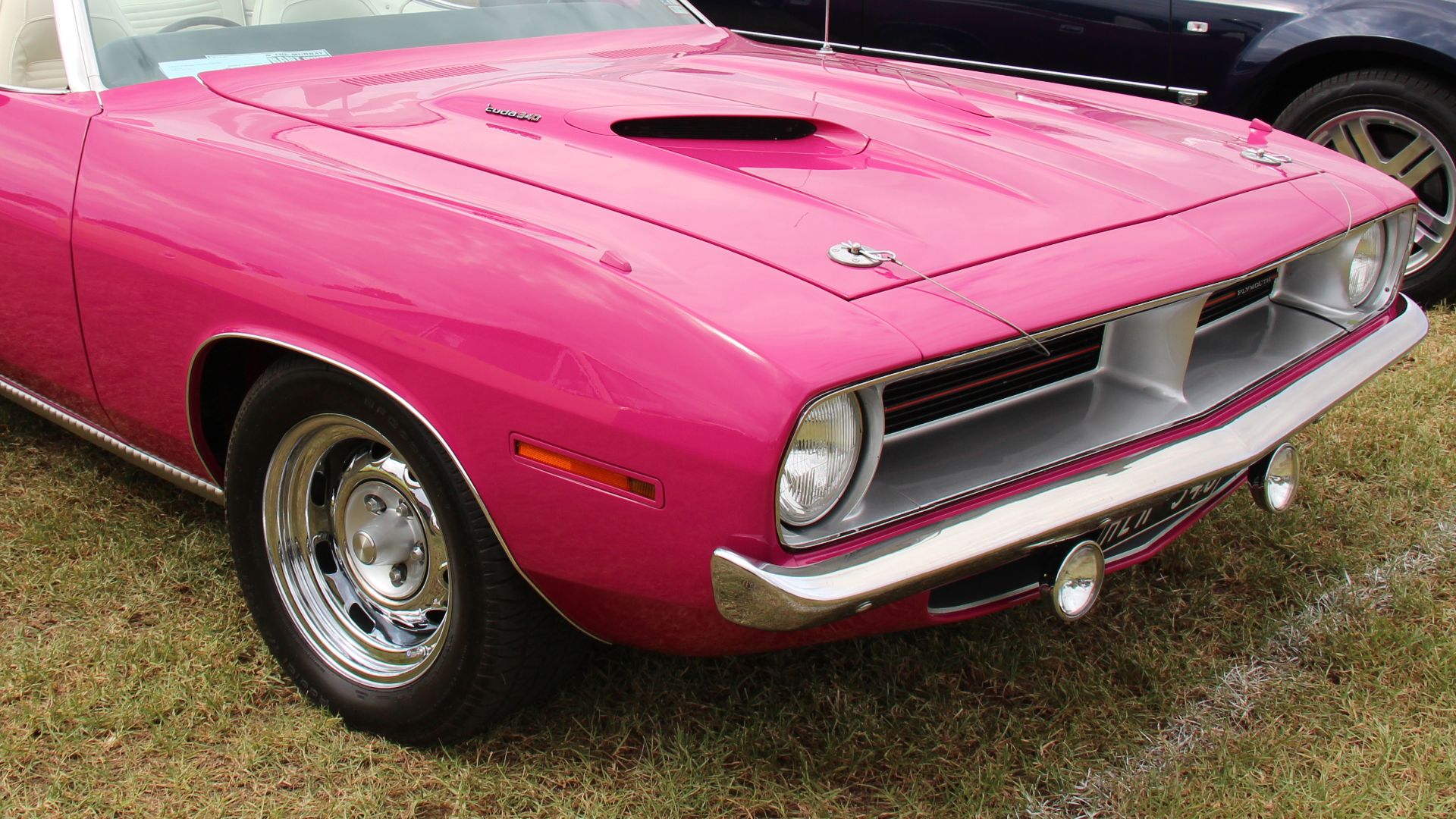
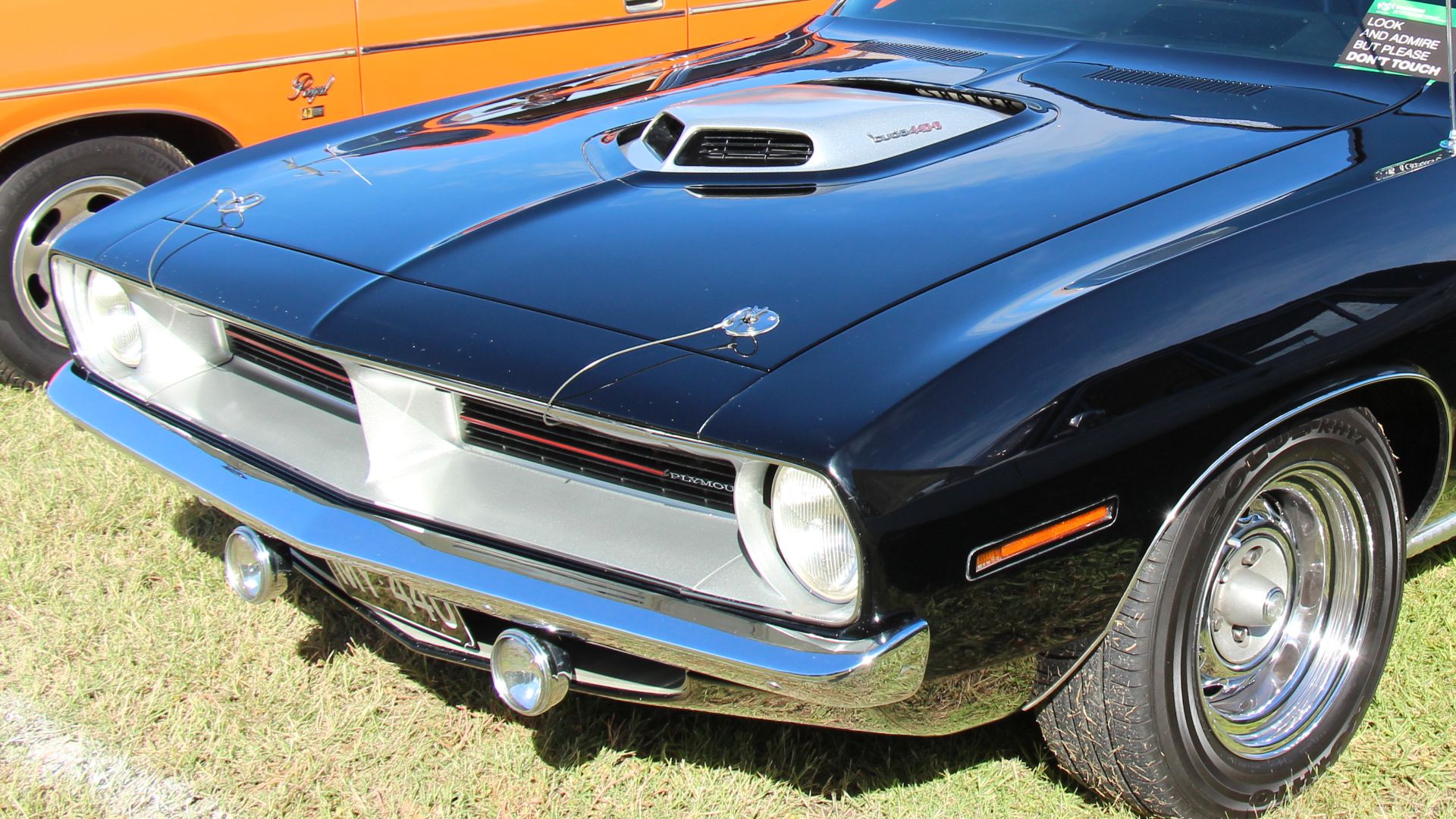
The 1970 Hemi 'Cuda Convertible: The Designer's Own Car
Another remarkable Plymouth had a connection most owners could only dream about. This 1970 Hemi 'Cuda Convertible was originally assigned as a company lease to John Herlitz, one of the designers responsible for the car's appearance. Imagine being able to drive the very muscle car you helped create. That's a pretty impressive employee benefit.
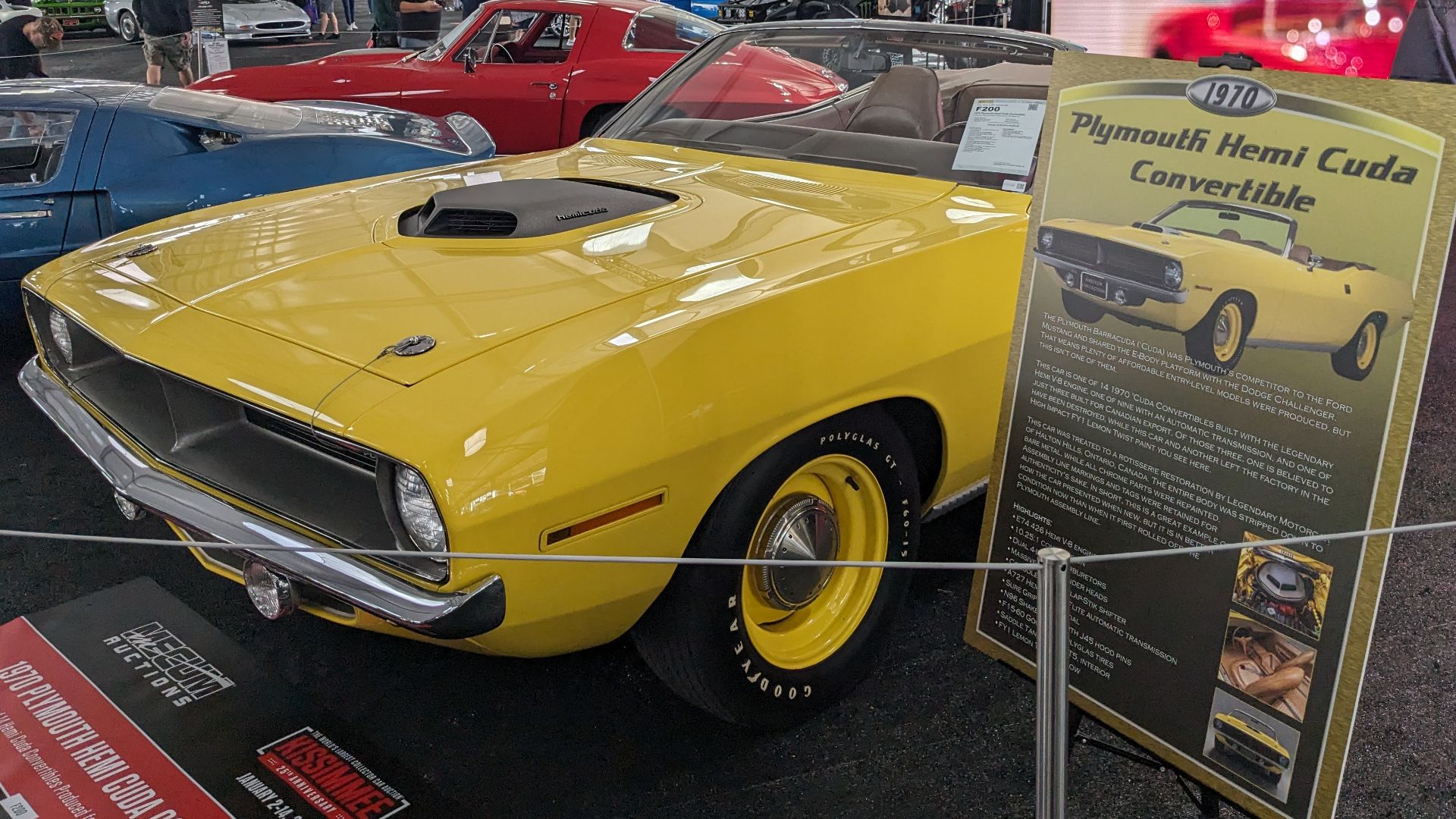 Pokemonprime, Wikimedia Commons
Only A Handful Ever Existed
Plymouth built just 14 Hemi 'Cuda Convertibles for 1970, including nine equipped with automatic transmissions. Herlitz's former company car belonged to that tiny group. Although the body looked much like other Barracuda convertibles, its factory-installed 426 Hemi and unusual provenance placed it among the most desirable American muscle cars ever produced.
A Two-Million-Dollar Piece Of Plymouth History
In August 2015, the Herlitz-associated Hemi 'Cuda sold at Mecum's Monterey auction for $2.25 million. Its rarity alone would have attracted serious collectors, but the designer connection provided another powerful reason to own it. After all, how many surviving muscle cars can claim that one of their creators drove them home?
The 1970 Dodge Hemi Challenger R/T Convertible: The Ultimate Rare Option
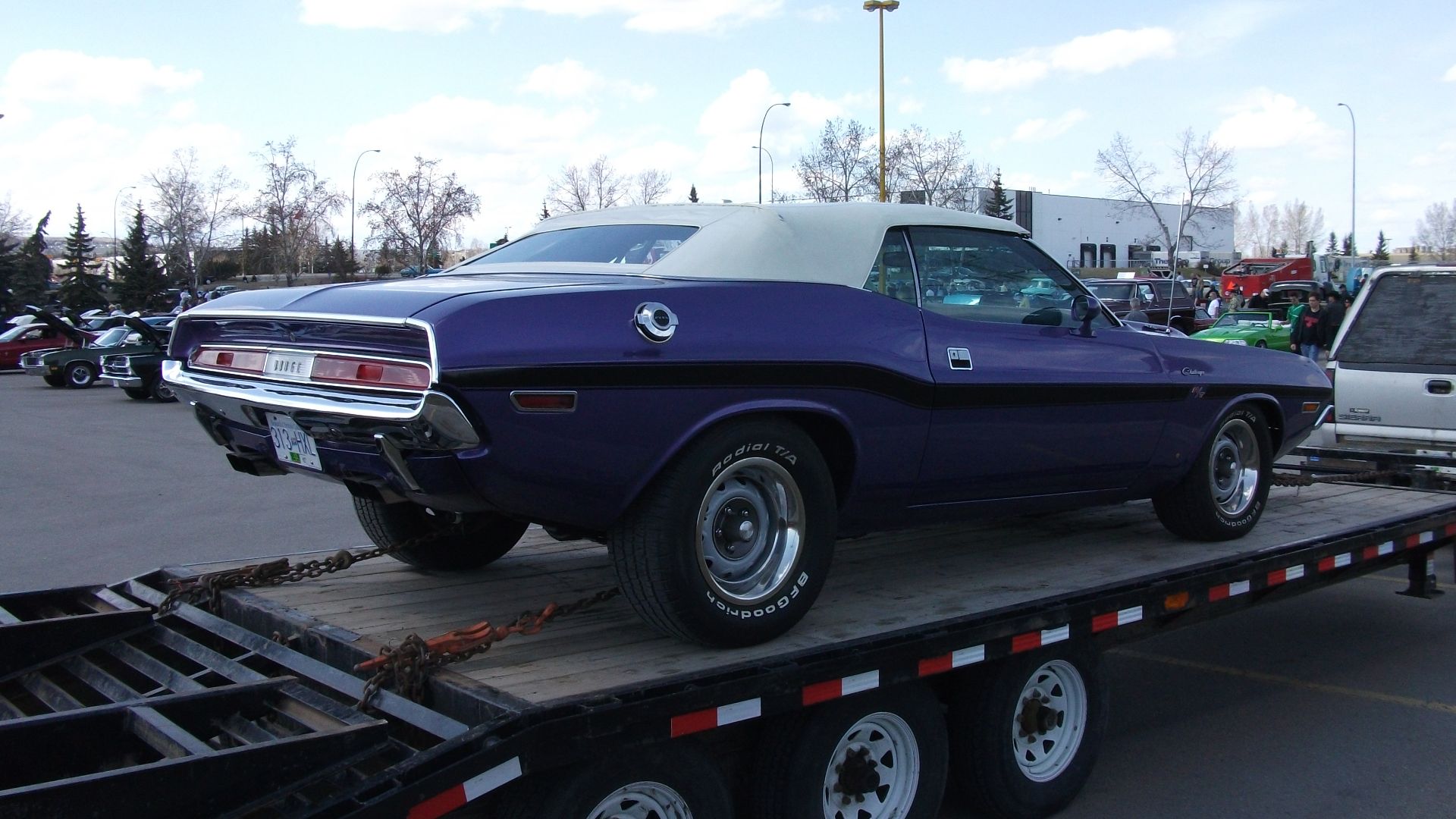
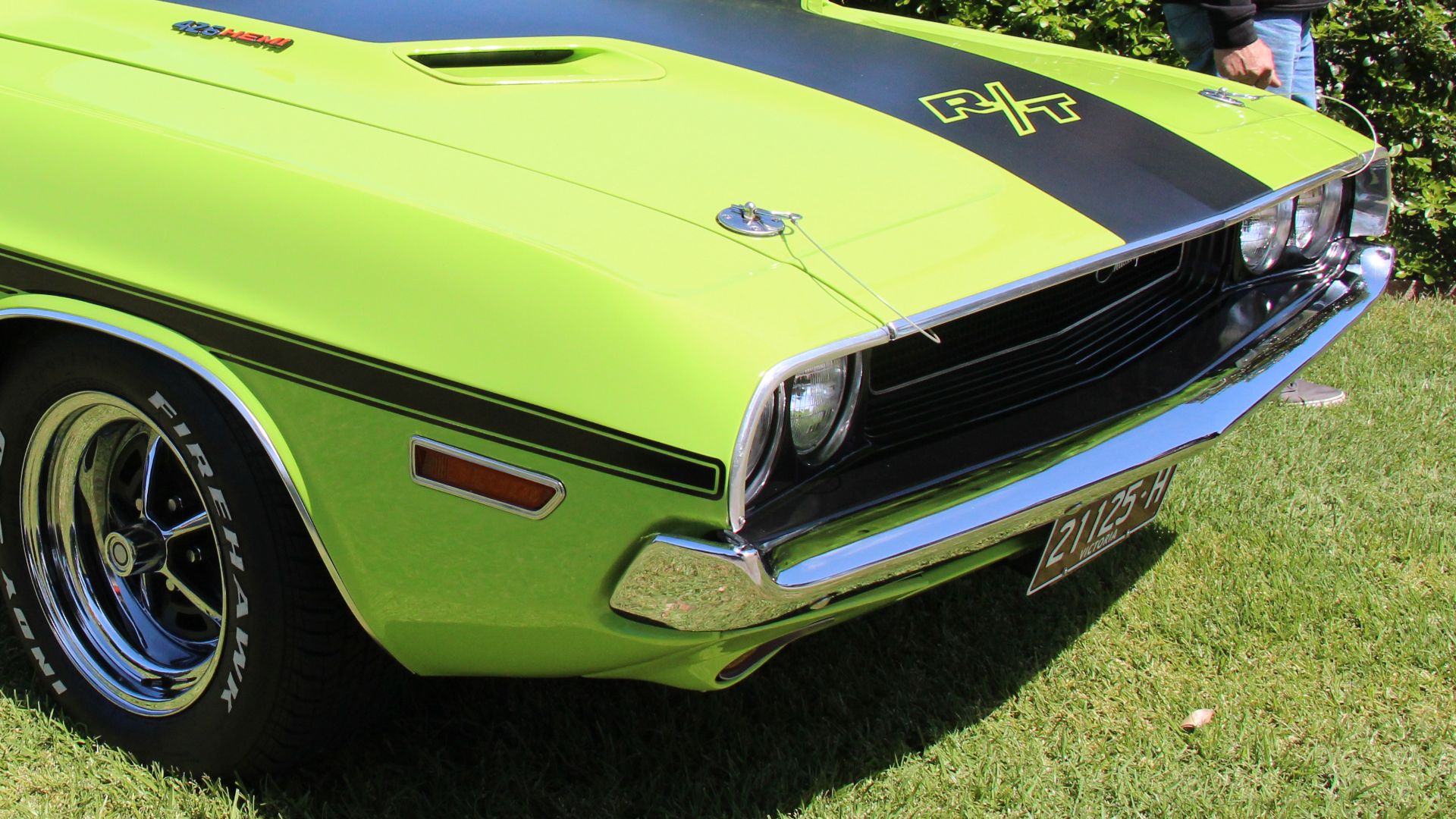
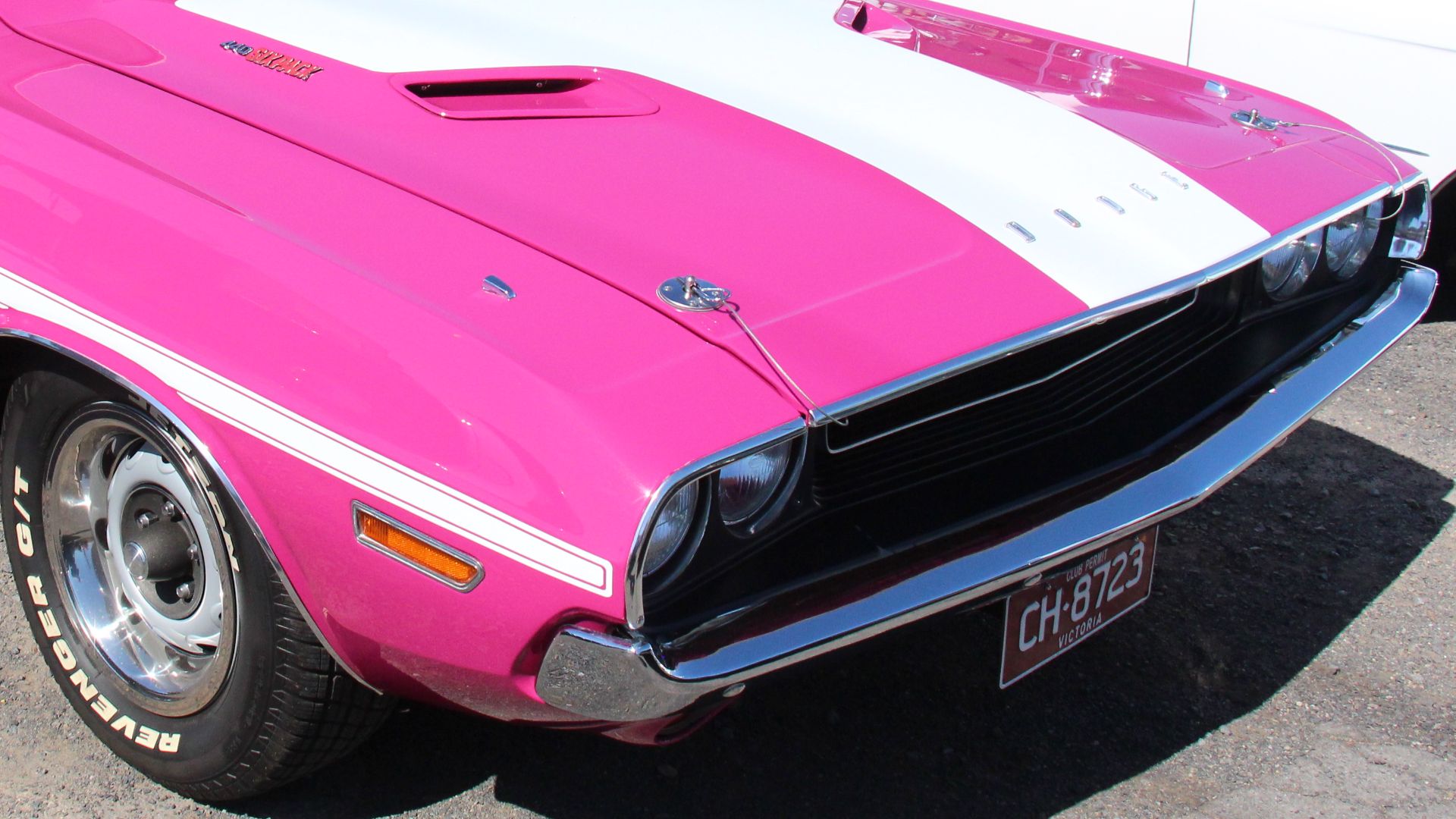
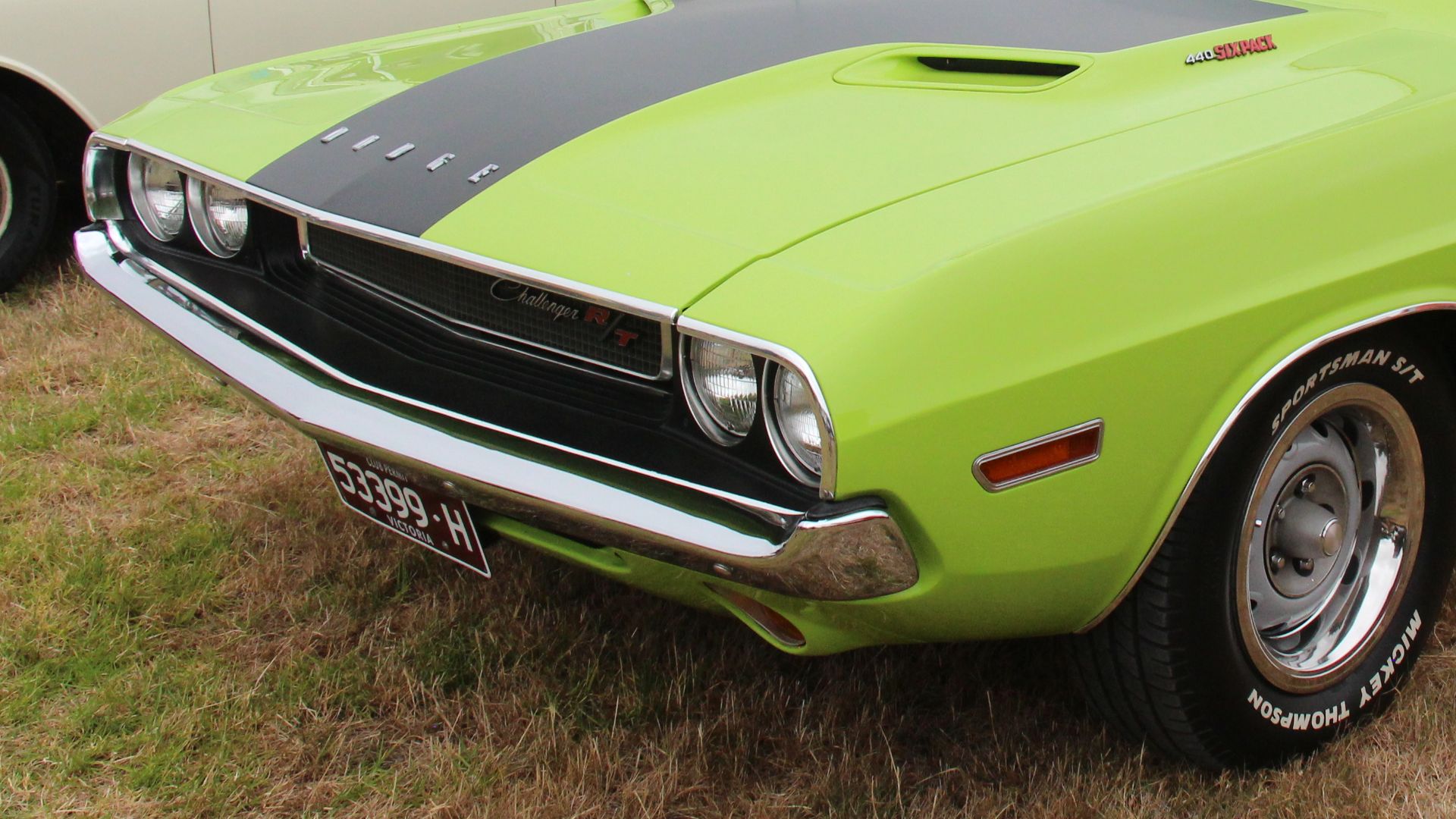
Dodge introduced the Challenger for 1970, hoping to capture buyers who loved Mustangs and Camaros. Most Challengers were ordinary street cars, but a tiny number received Chrysler's legendary 426 Hemi engine. The combination became especially unusual when buyers ordered a convertible. Only nine Hemi Challenger convertibles were produced for that model year.
 dave_7 from Lethbridge, Canada, Wikimedia Commons
A Challenger With Almost Everything
One particularly special example was painted Sublime green and featured a contrasting white convertible top. Its equipment included power windows, an eight-track player, and even a luggage rack. Beneath those civilized touches lurked the mighty Hemi V8. It was the sort of car that could cruise comfortably before becoming a serious threat at the drag strip.
Just Four Had This Transmission Combination
Of the nine Hemi Challenger convertibles built in 1970, only four reportedly received automatic transmissions. The green example belonged to that extremely exclusive group. Its factory options, distinctive appearance, and rarity made it far more significant than an ordinary Challenger restoration, no matter how beautifully another car might have been rebuilt.
The Challenger That Brought Nearly $2 Million
In January 2016, the green Hemi Challenger Convertible sold at Mecum's Kissimmee auction for $1,815,000. That's an astonishing sum for a car wearing a Dodge badge. Today, its exact market value would depend on condition, originality, and buyer demand, but that documented result establishes its genuine million-dollar pedigree.
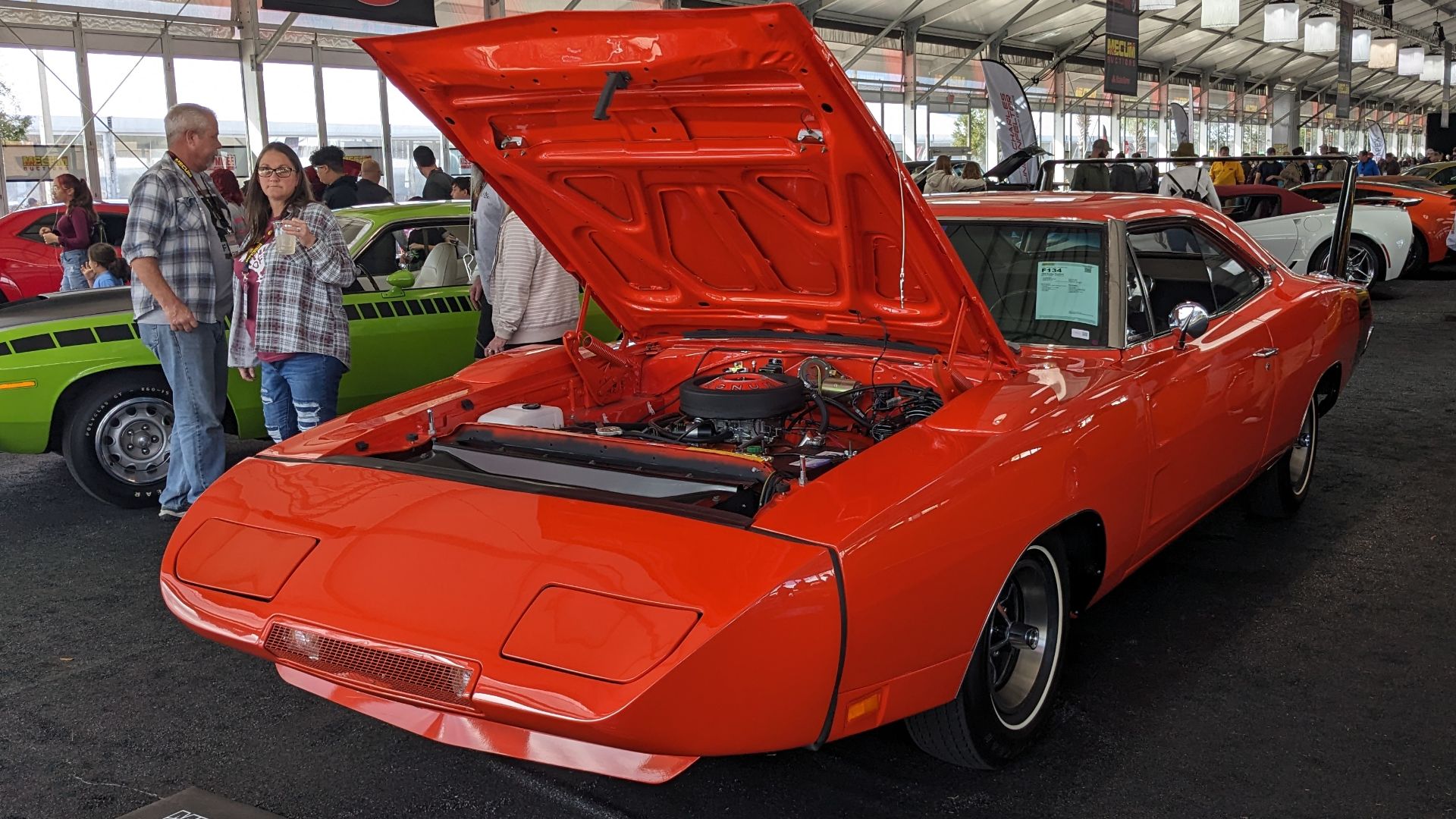
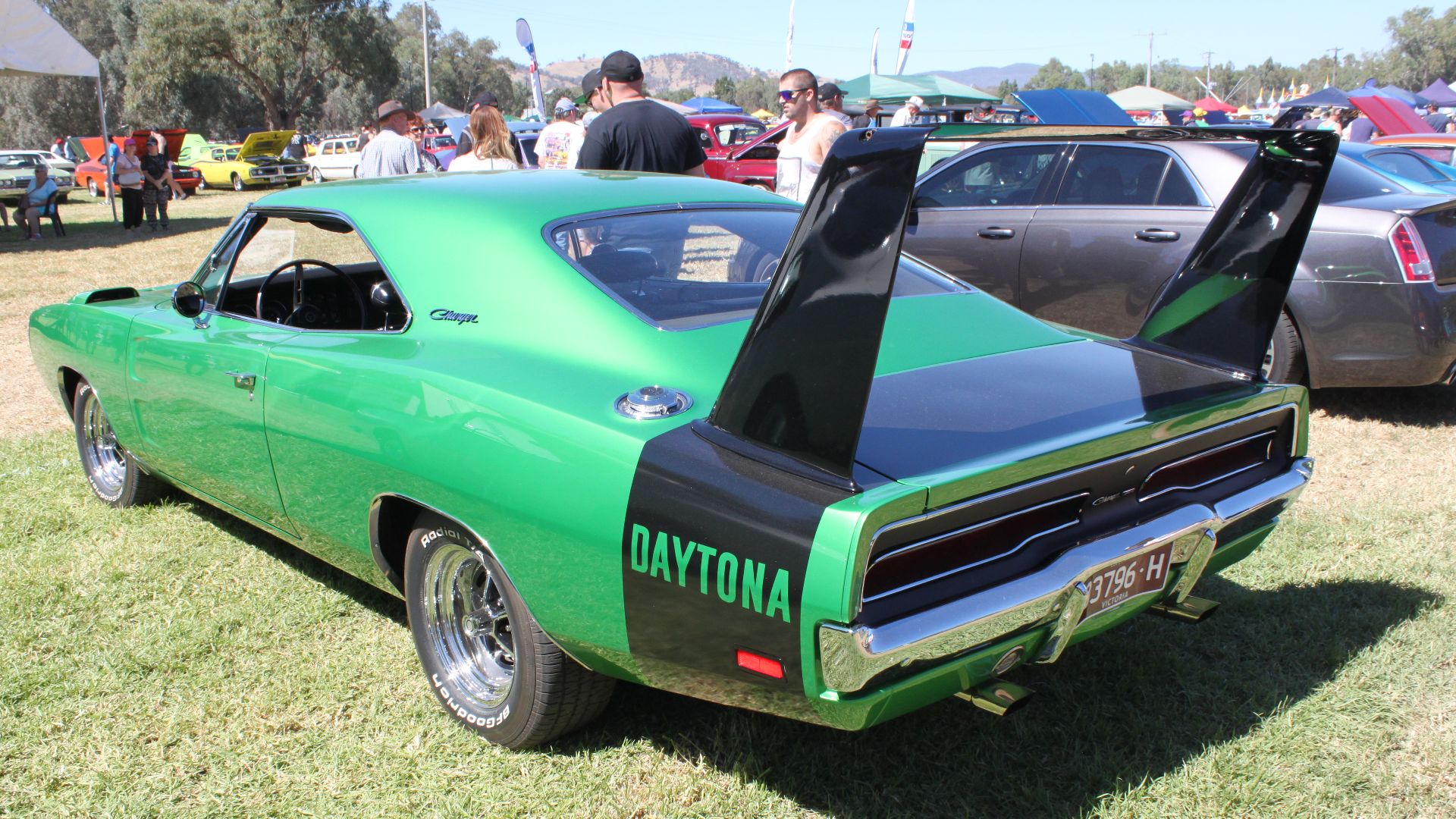
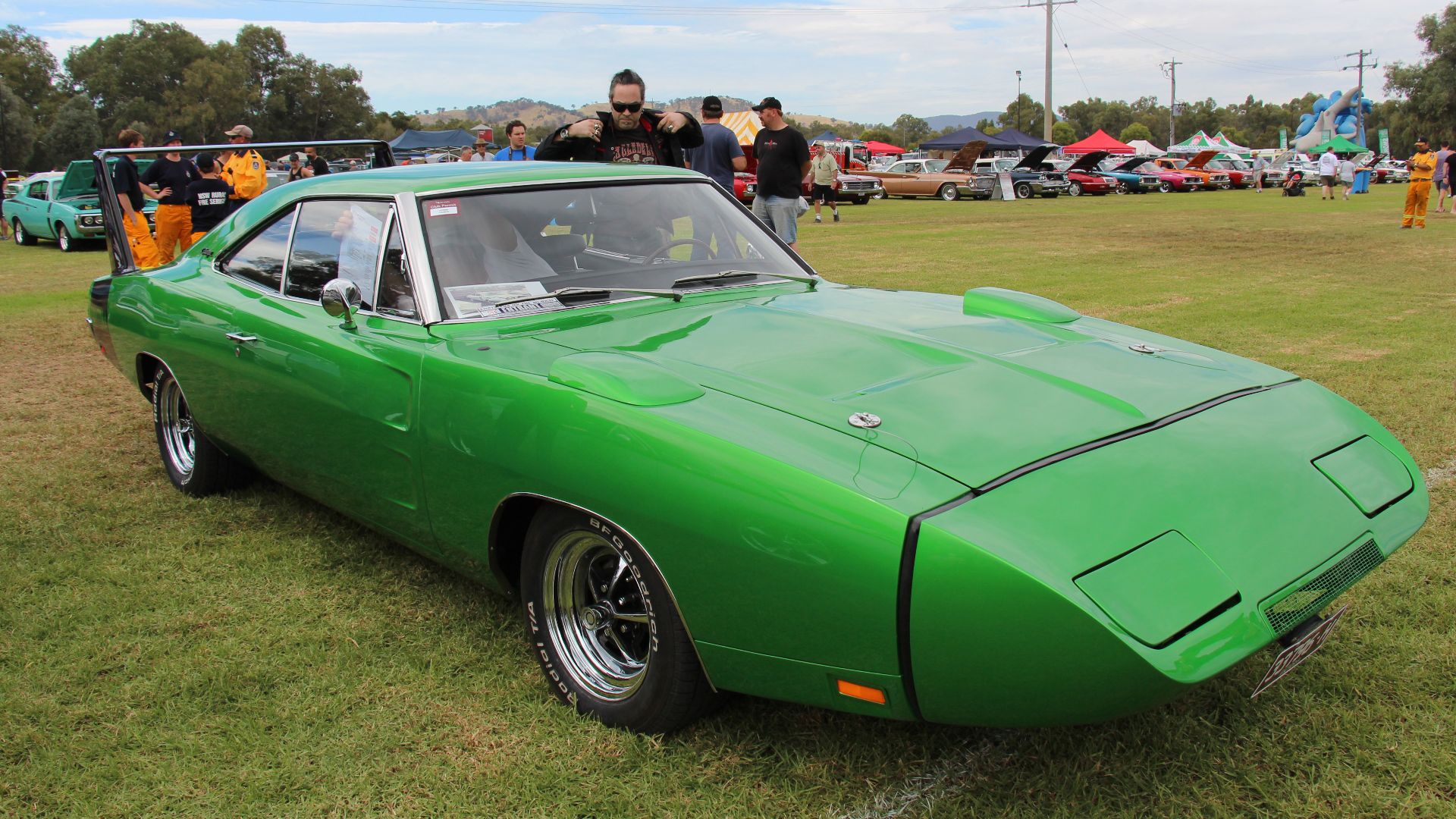
The 1969 Dodge Charger Daytona: A NASCAR Legend With A Secret History
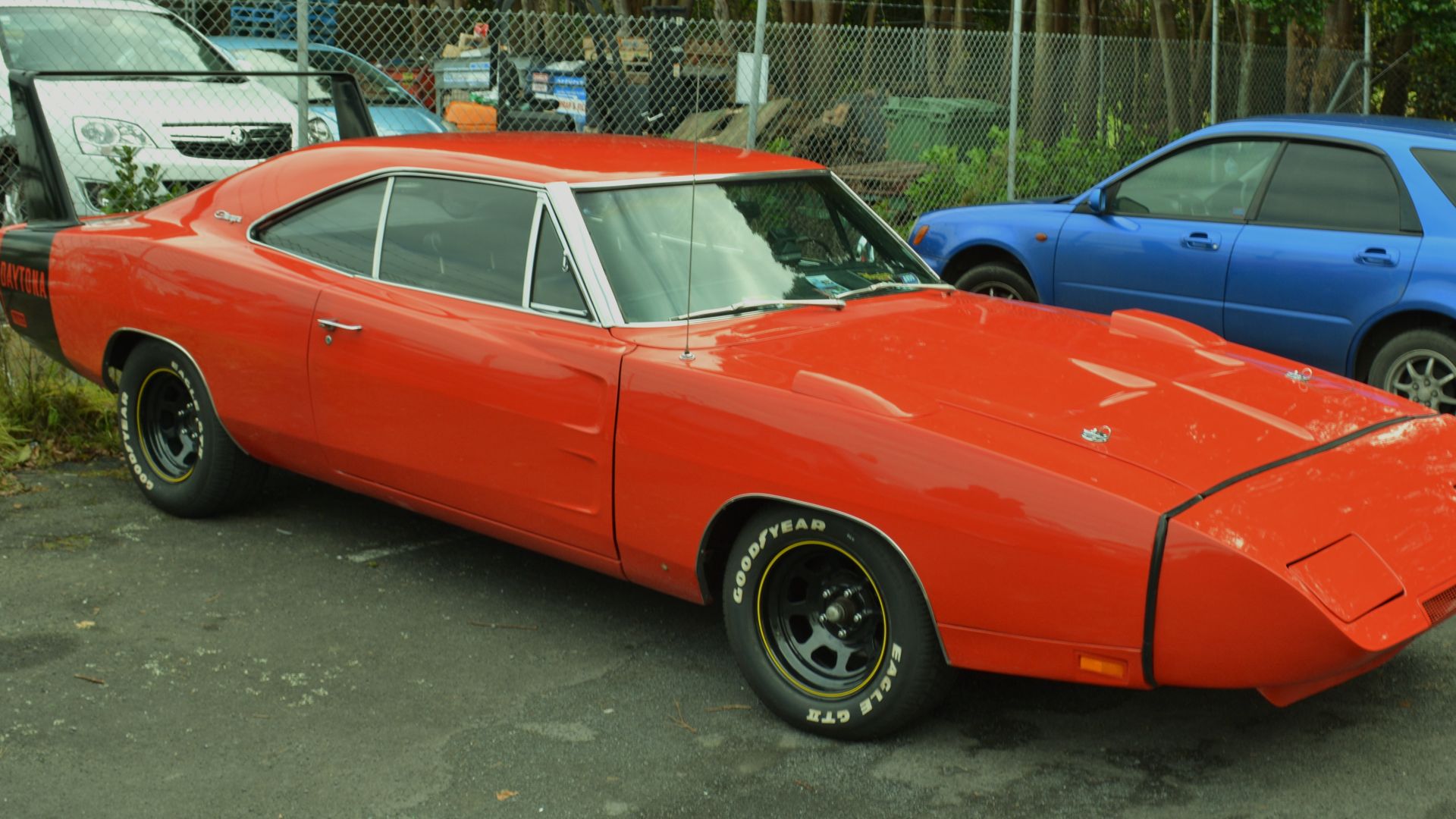
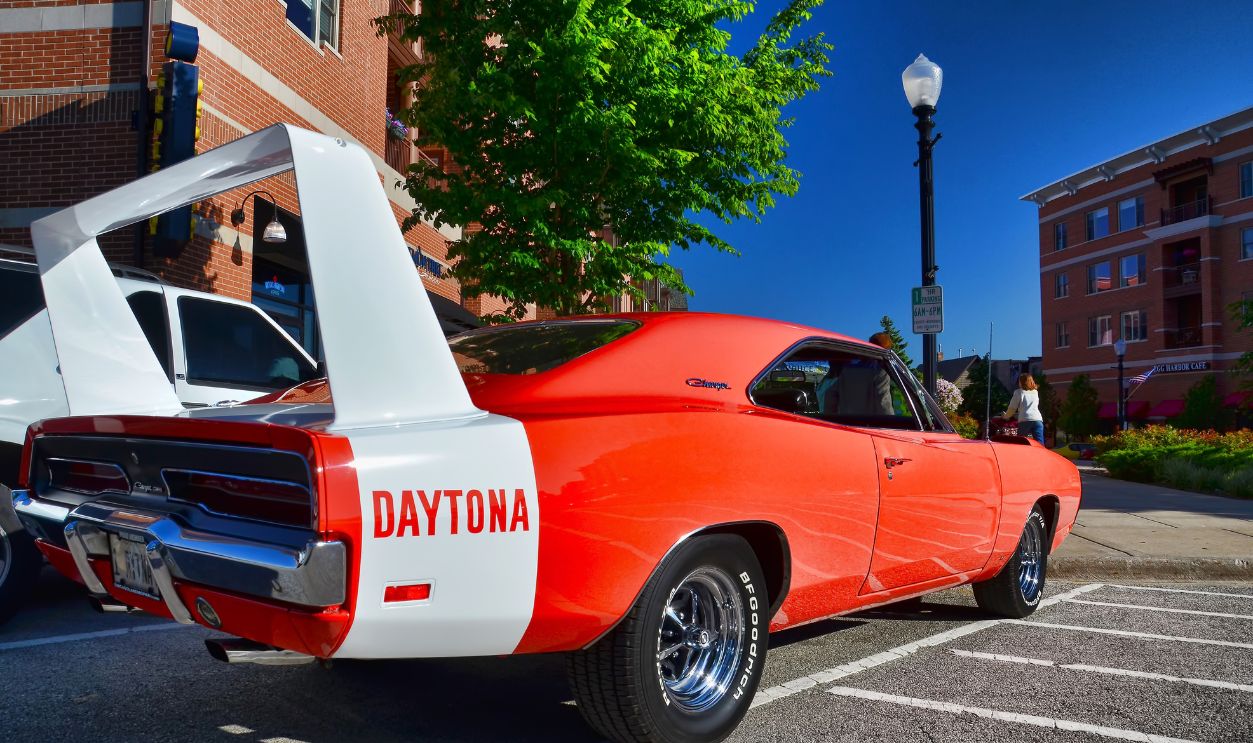
Nobody would call the winged Charger Daytona completely ordinary, but one particular example had a history hidden beneath its familiar NASCAR-inspired bodywork. Finished in Copper Metallic, this Hemi Daytona originally belonged to a buyer who wanted to transform it into a custom show car. What happened afterward made it one of the most interesting Daytonas in existence.
 GPS 56 from New Zealand, Wikimedia Commons
From Muscle Car To Show Car
Original owner Greg Williams reportedly removed the car's interior, applied custom paintwork, and stored many factory components while preparing it for the show circuit. Rather than spend its early years racing down American highways, the Charger spent considerable time being transported to exhibitions. Fortunately, many of those valuable original pieces survived.
A Famous Collection And A Remarkable Restoration
The Daytona later entered the collection of Otis Chandler, the newspaper publisher associated with the Los Angeles Times. Restoration expert Roger Gibson returned the car to its factory appearance using its preserved original components. Its history would eventually include professional football star Kevin Greene and comedian David Spade. Not bad company for a Dodge Charger!
 Larry Bessel and Kathleen Ballard, Los Angeles Times, Wikimedia Commons
The Daytona That Sold For $1.43 Million
By January 2023, this particular Hemi Daytona had accumulated just 6,490 miles. It sold at Mecum's Kissimmee auction for $1.43 million. Its combination of low mileage, original engine, rare equipment, and remarkable ownership history made it far more than another restored Charger with an enormous rear wing.
 Pokemonprime, Wikimedia Commons
Why Paperwork Can Be Worth A Fortune
There's one lesson every old-school muscle-car enthusiast should appreciate: documentation matters. Original build sheets, engine numbers, dealer paperwork, and ownership records can establish why an otherwise familiar automobile is extraordinary. Without those details, a rare factory muscle car might be mistaken for a convincing replica. Sometimes, the paperwork is almost as exciting as the engine.
 Jeremy from Sydney, Australia, Wikimedia Commons
The Ordinary Cars That Became Automotive Royalty
Back in the 1960s and 1970s, few buyers imagined their Mustangs, Camaros, Challengers, and Barracudas becoming million-dollar collectibles. Yet a handful possessed rare specifications, unique owners, or extraordinary histories that made them automotive legends. The next time you walk past an old muscle car, take another look. You never know what story might be hiding beneath that hood.
You May Also Like: