The Decisions Behind The Cars We Still Drive
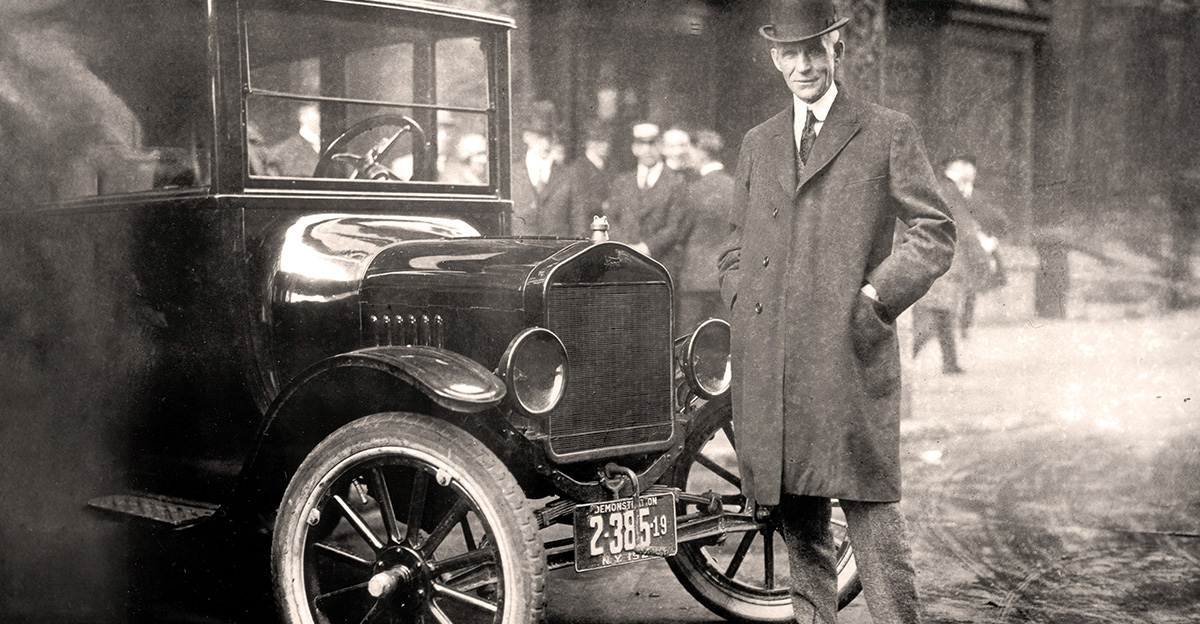
Henry Ford did not invent the automobile, and he did not invent every manufacturing technique associated with his name. What he and his team did remarkably well was combine smart engineering with relentless production efficiency. Many decisions surrounding the Model T became so normal that drivers barely notice their influence today.
 New York, Public Domain, via Wikimedia Commons
Build A Car For Ordinary People
Ford’s guiding idea was surprisingly straightforward: build a dependable automobile that ordinary families could realistically afford. Introduced in 1908 at $850, the Model T became progressively cheaper as production increased. That connection between manufacturing efficiency and attainable pricing remains fundamental to the modern auto industry.
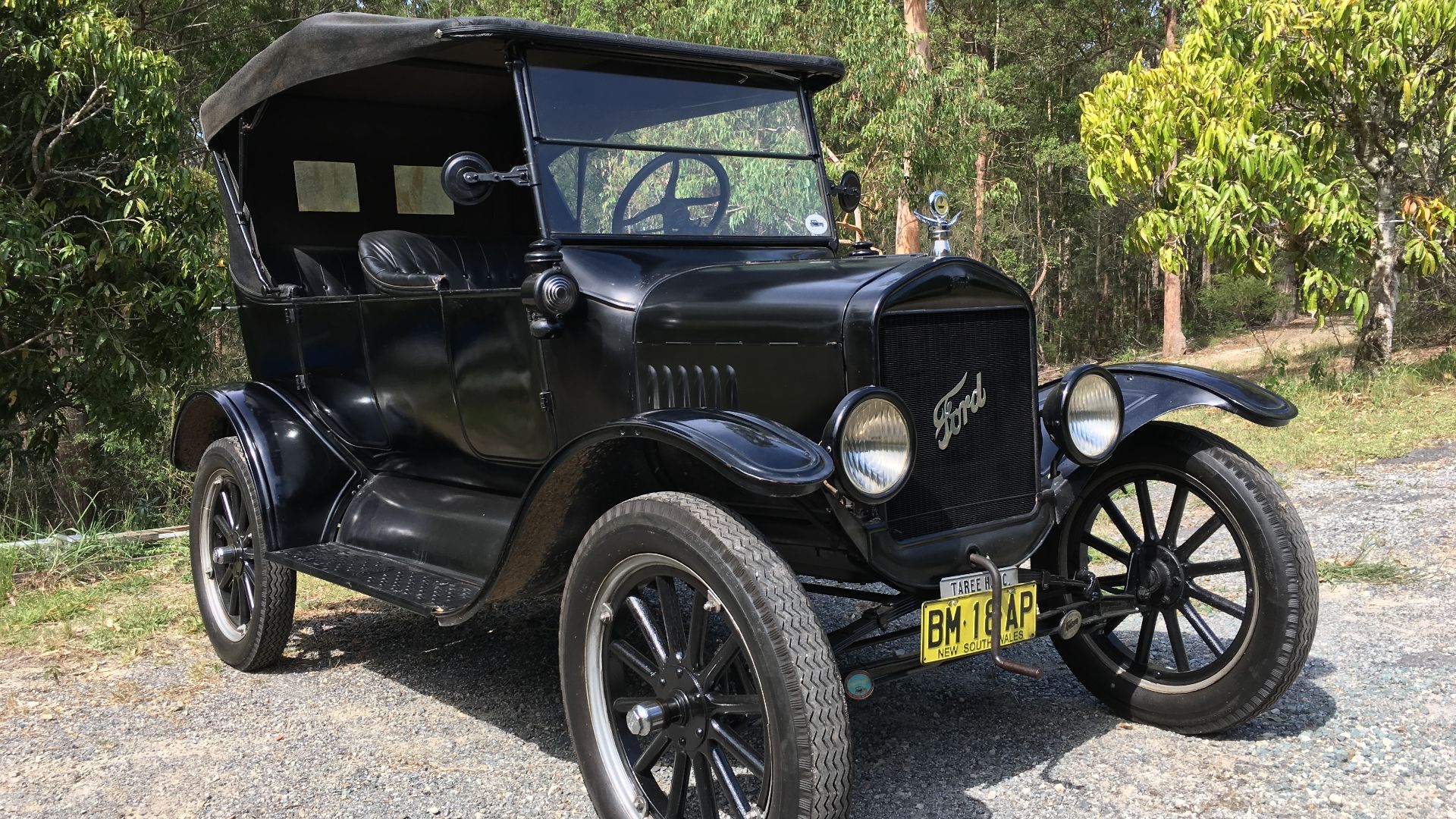 ModelTMitch, Wikimedia Commons
Design To A Price From The Beginning
Instead of designing an extravagant machine and figuring out how to sell it afterward, Ford approached the Model T with affordability as a basic engineering requirement. Components had to be durable without being unnecessarily complicated or expensive. Modern automakers still begin mainstream vehicle programs with strict cost targets.
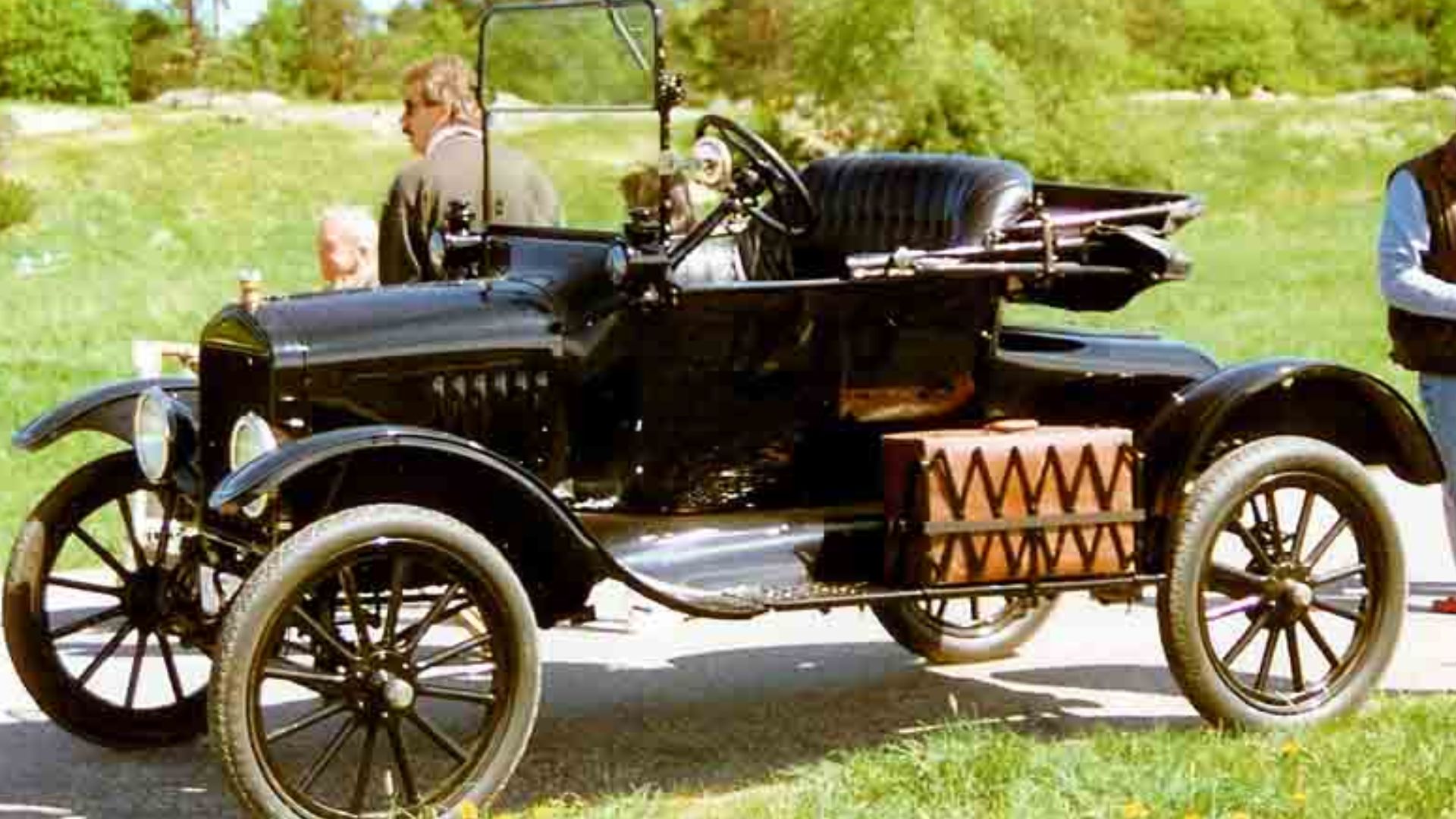 Lars-Göran Lindgren Sweden, Wikimedia Commons
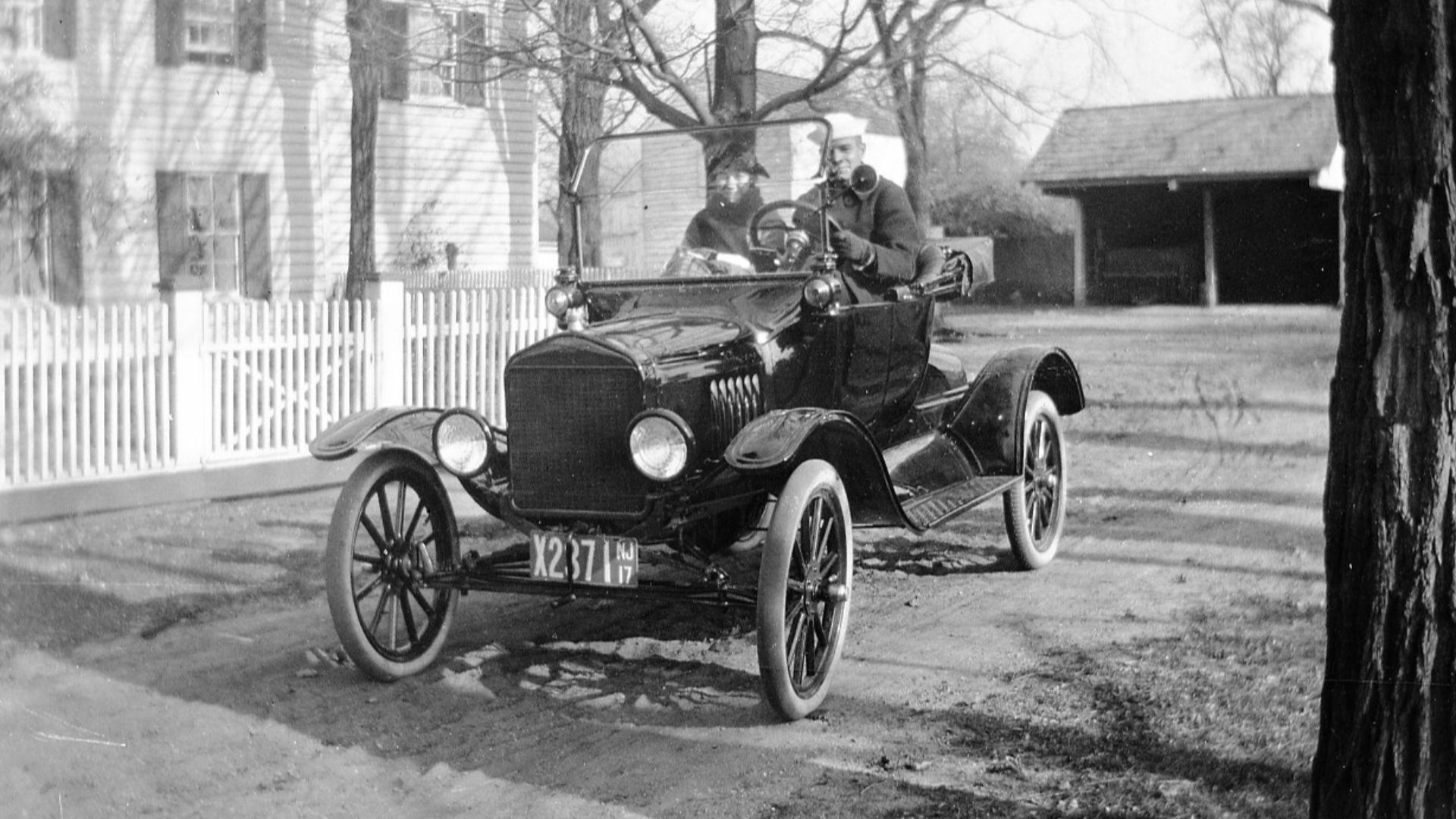
Keep The Mechanical Layout Simple
The Model T was intended for owners who might never have operated an automobile before. Ford therefore favored straightforward, rugged mechanical solutions instead of unnecessary complexity. The technology has changed dramatically, but designing mass-market vehicles around ease of operation remains one of the industry's oldest rules.
 Richard from USA, Wikimedia Commons
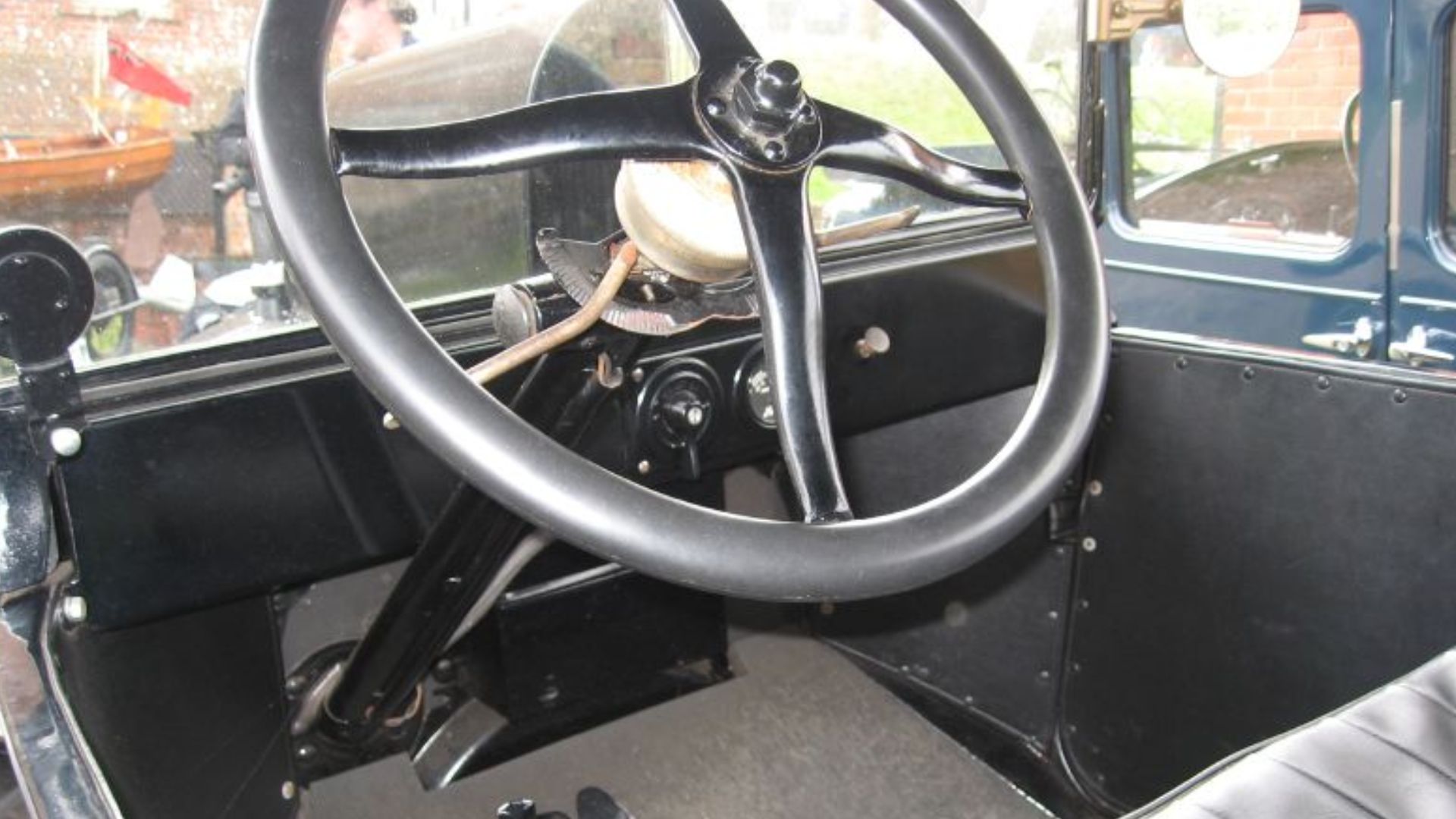
Put The Steering Wheel On The Left
This seems completely ordinary to North American drivers today, but it was not obvious in 1908. Previous Fords generally used right-hand steering. The Model T placed the driver on the left, helping passengers enter from the curb and contributing to left-hand steering becoming standard in the United States.
 Peter Turvey from Marlborough, UK, Wikimedia Commons
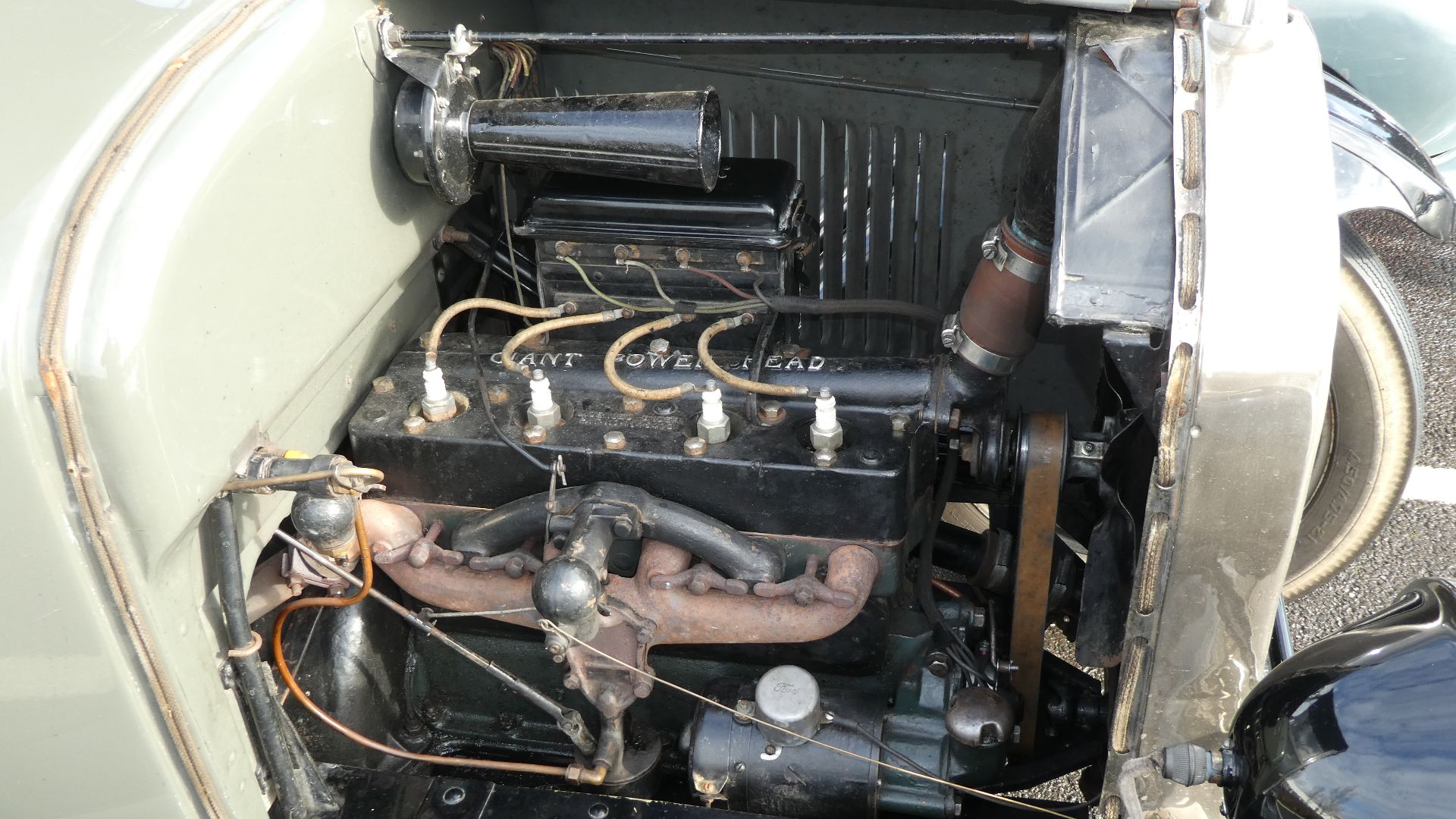
Cast The Engine Block As One Piece
Early automobile engines often used cylinders cast separately or in pairs and attached to other engine components. The Model T used a four-cylinder block cast as one piece. It was lighter, stronger and easier to manufacture, helping establish an engine-building practice that eventually became commonplace.
 Andrew Bone, Wikimedia Commons
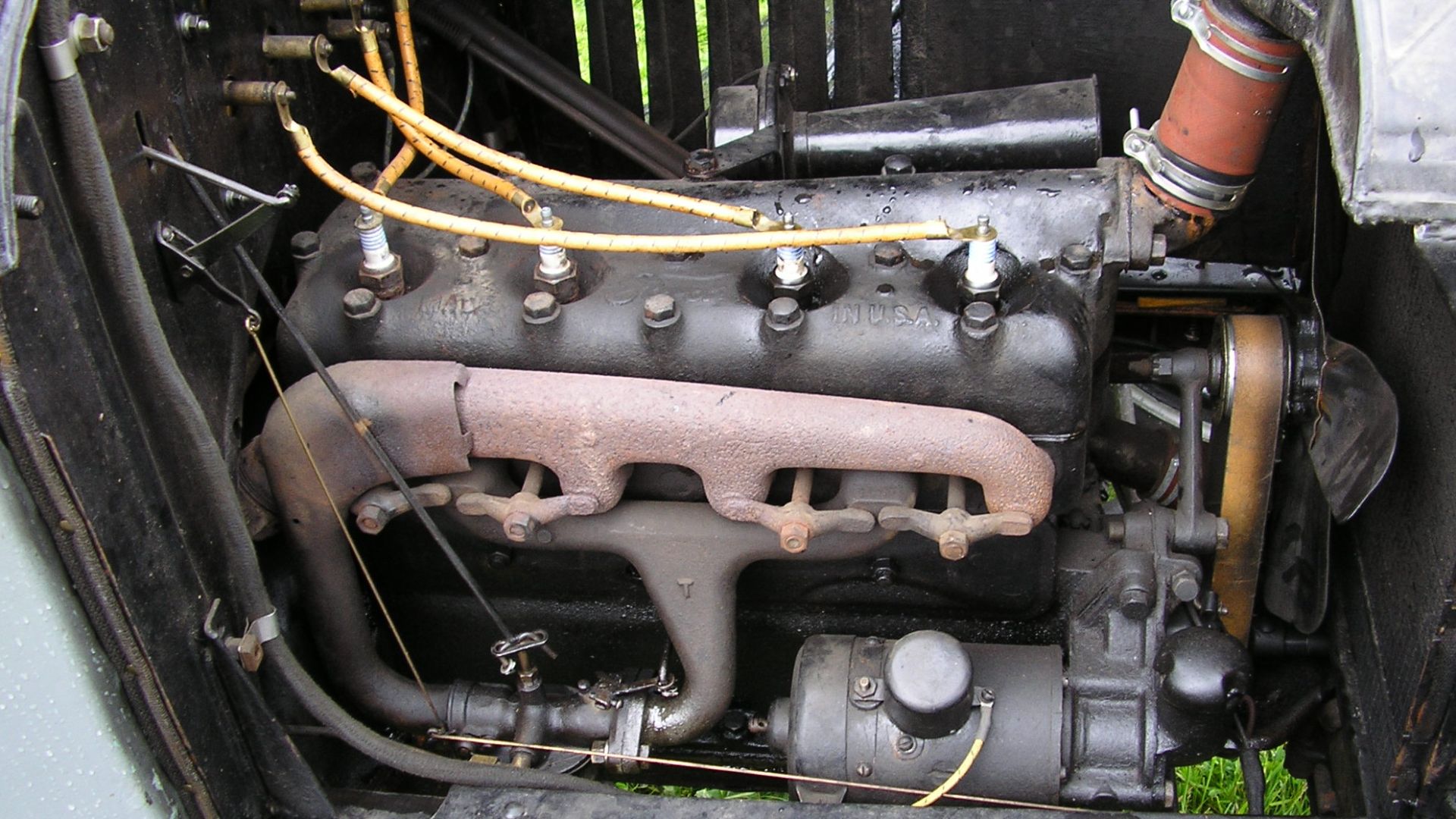
Make The Cylinder Head Removable
Ford also used a removable cylinder head, which seems laughably obvious to anyone who spent weekends rebuilding engines in the garage. In 1908, it was far less universal. The arrangement gave mechanics much easier access to valves and combustion chambers for maintenance and repair.
Use Stronger, Lighter Steel
Ford made extensive use of vanadium alloy steel in the Model T. The material offered greater strength for its weight than conventional carbon steel, helping Ford produce a tough car without making it excessively heavy. Today’s manufacturers follow the same philosophy using advanced high-strength steels, aluminum and composites.
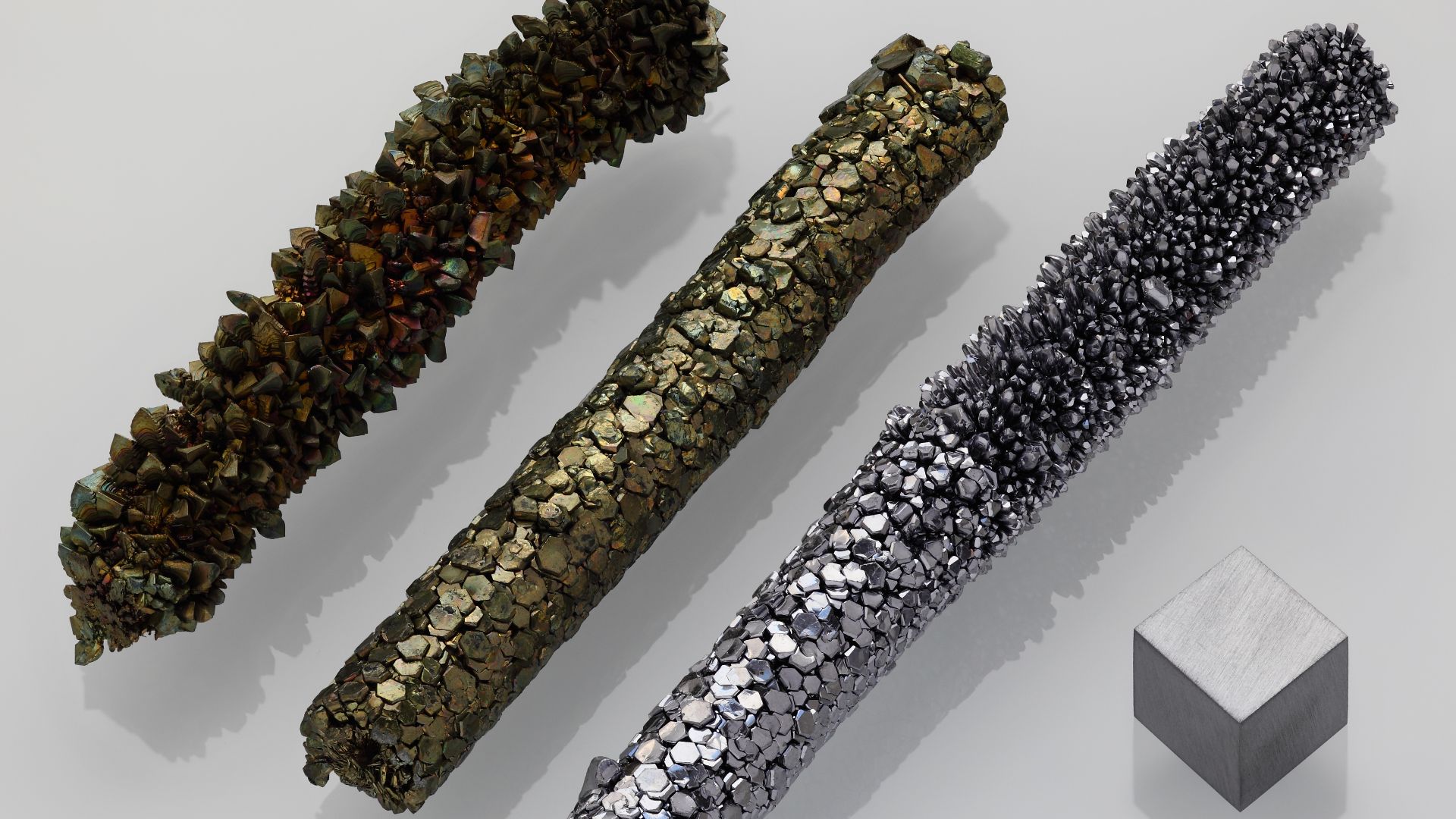 Alchemist-hp (pse-mendelejew.de)., Wikimedia Commons
Keep Weight Down Everywhere
The Model T’s relatively low weight helped its modest engine deliver useful performance while reducing stress on other components. Ford understood that adding strength did not always mean adding pounds. More than a century later, engineers still fight vehicle weight for reasons ranging from fuel economy to electric driving range.
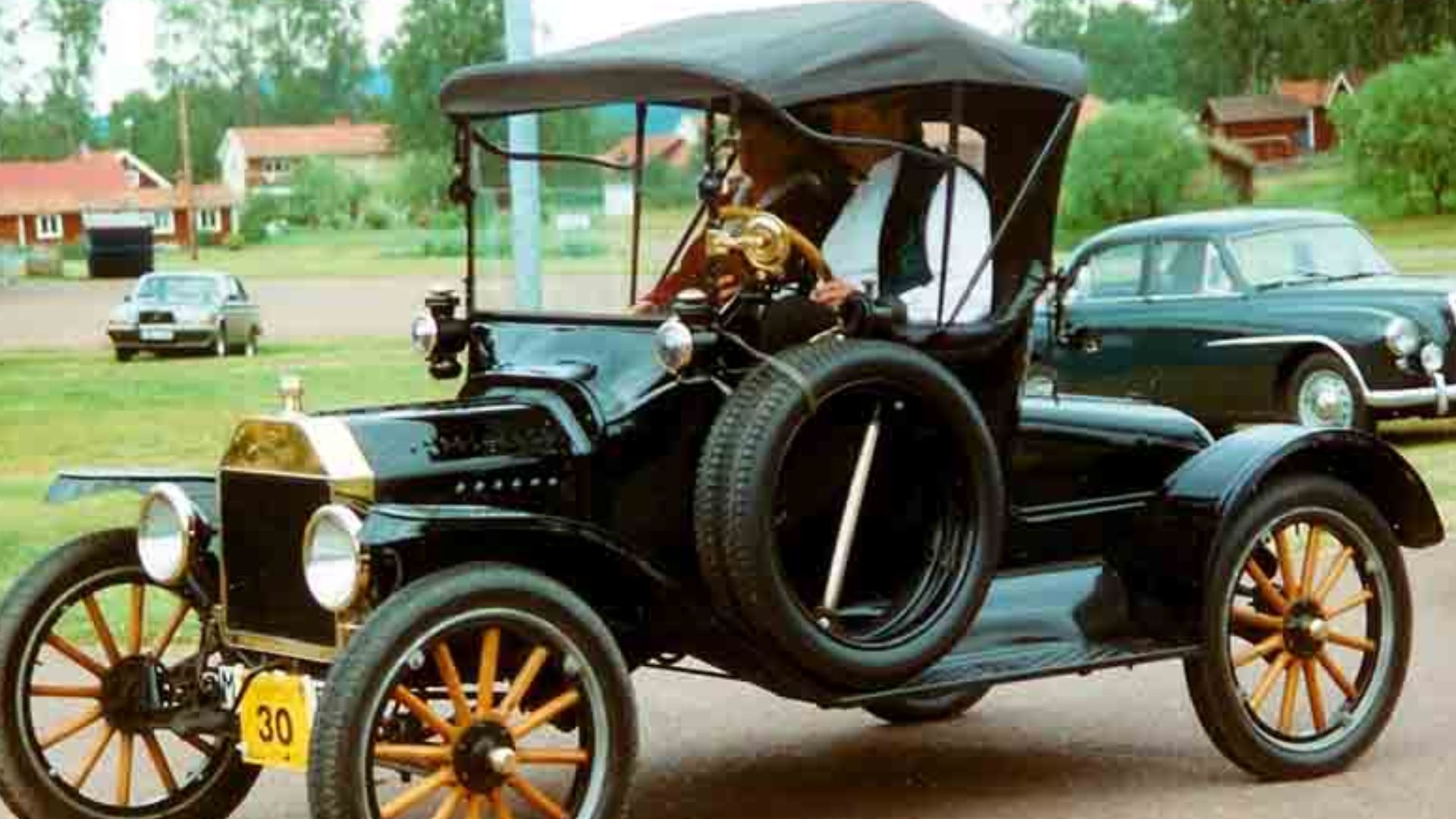 Lars-Göran Lindgren Sweden, Wikimedia Commons
Make Parts Truly Interchangeable
Interchangeable parts existed before Ford, but Ford pushed the concept to an enormous scale. More than 10,000 parts went into a Model T, and mass production depended on equivalent pieces fitting without hand adjustment. Modern automotive manufacturing could hardly function without that same principle.
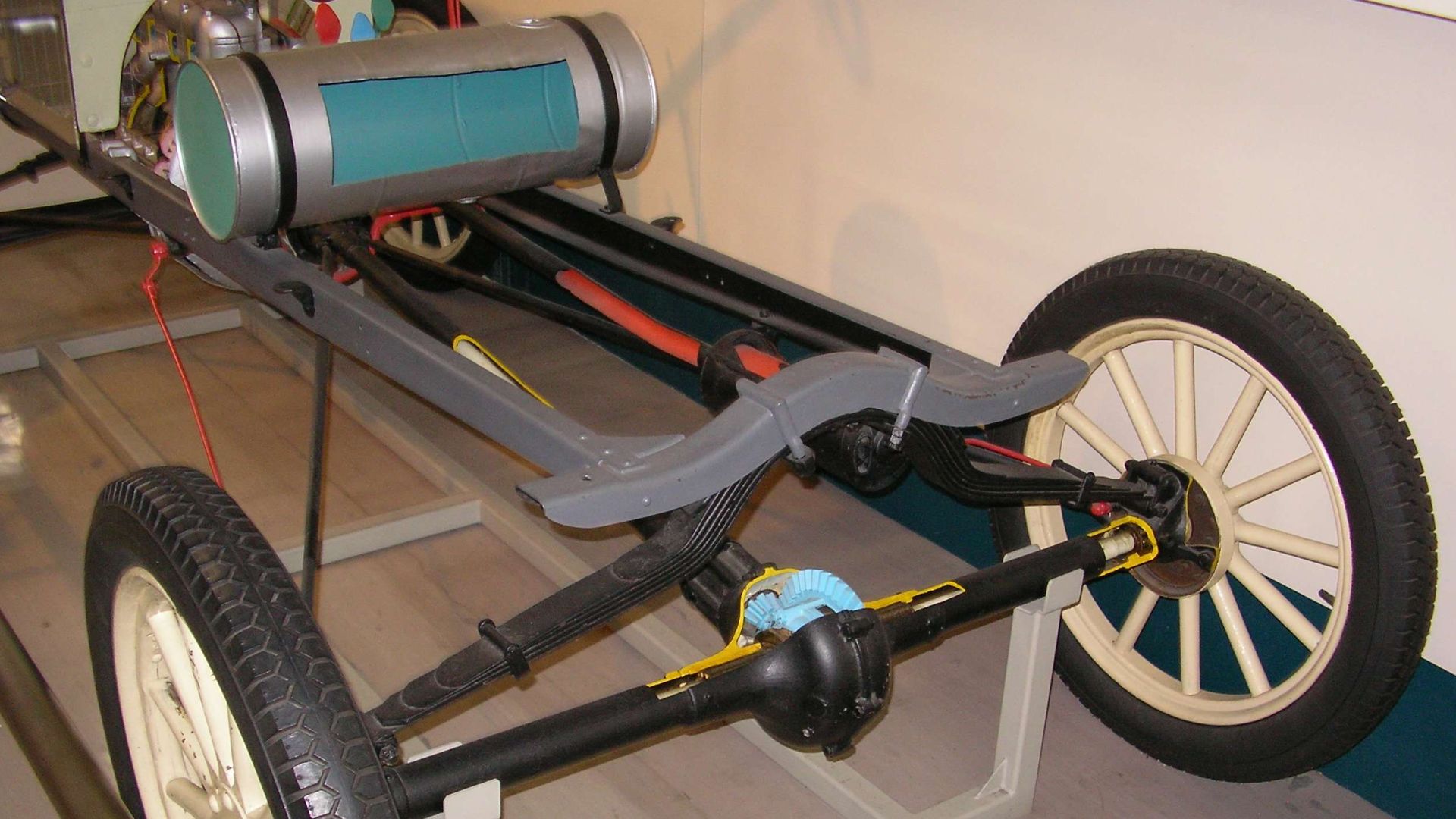
Manufacture To Exact Tolerances
Interchangeability demanded something equally important: precision. Ford’s factories required components to be manufactured within carefully controlled tolerances so one piston, bolt or fitting could replace another. Today’s computer-controlled machinery is vastly more accurate, but the production philosophy would be immediately recognizable at Highland Park.
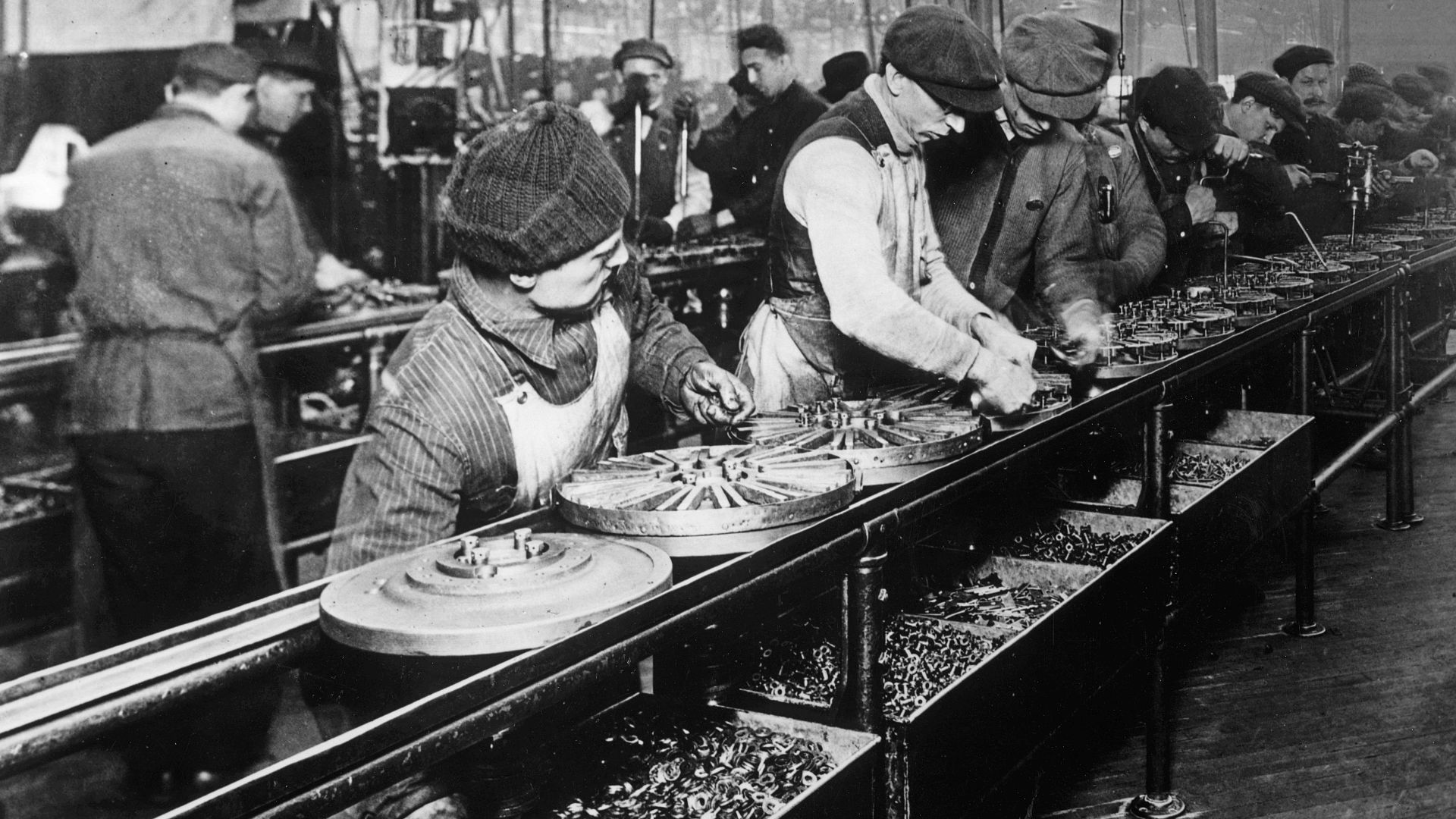 Unknown authorUnknown author, Wikimedia Commons
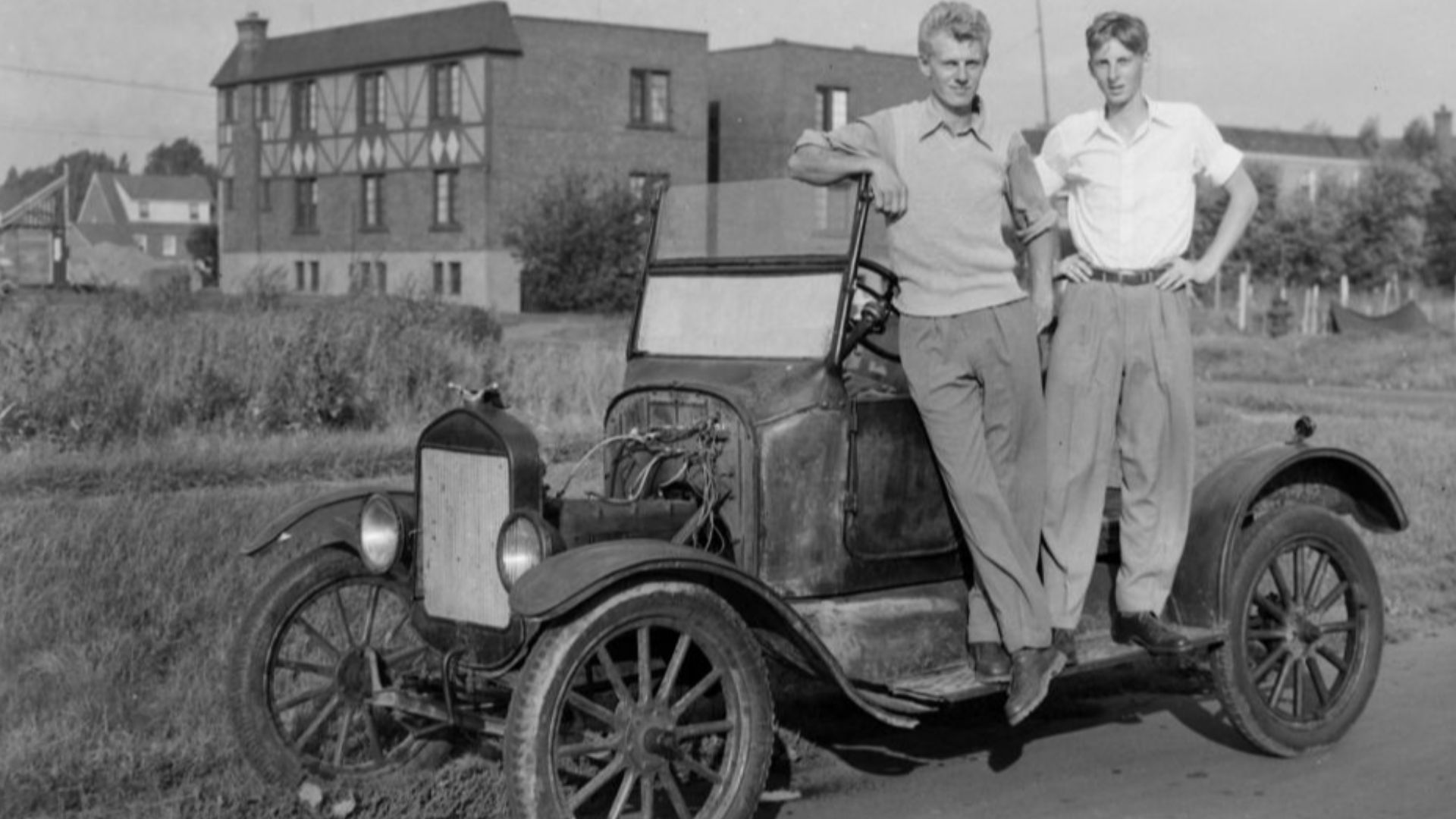
Design With Maintenance In Mind
A Model T owner was expected to deal with a far more hands-on machine than today’s driver. Ford nevertheless deliberately made important components accessible, and early cars even came with tool kits. The broader idea, designing components so they can be serviced and replaced efficiently, remains important to automotive engineering.
 Conrad Poirier, Wikimedia Commons
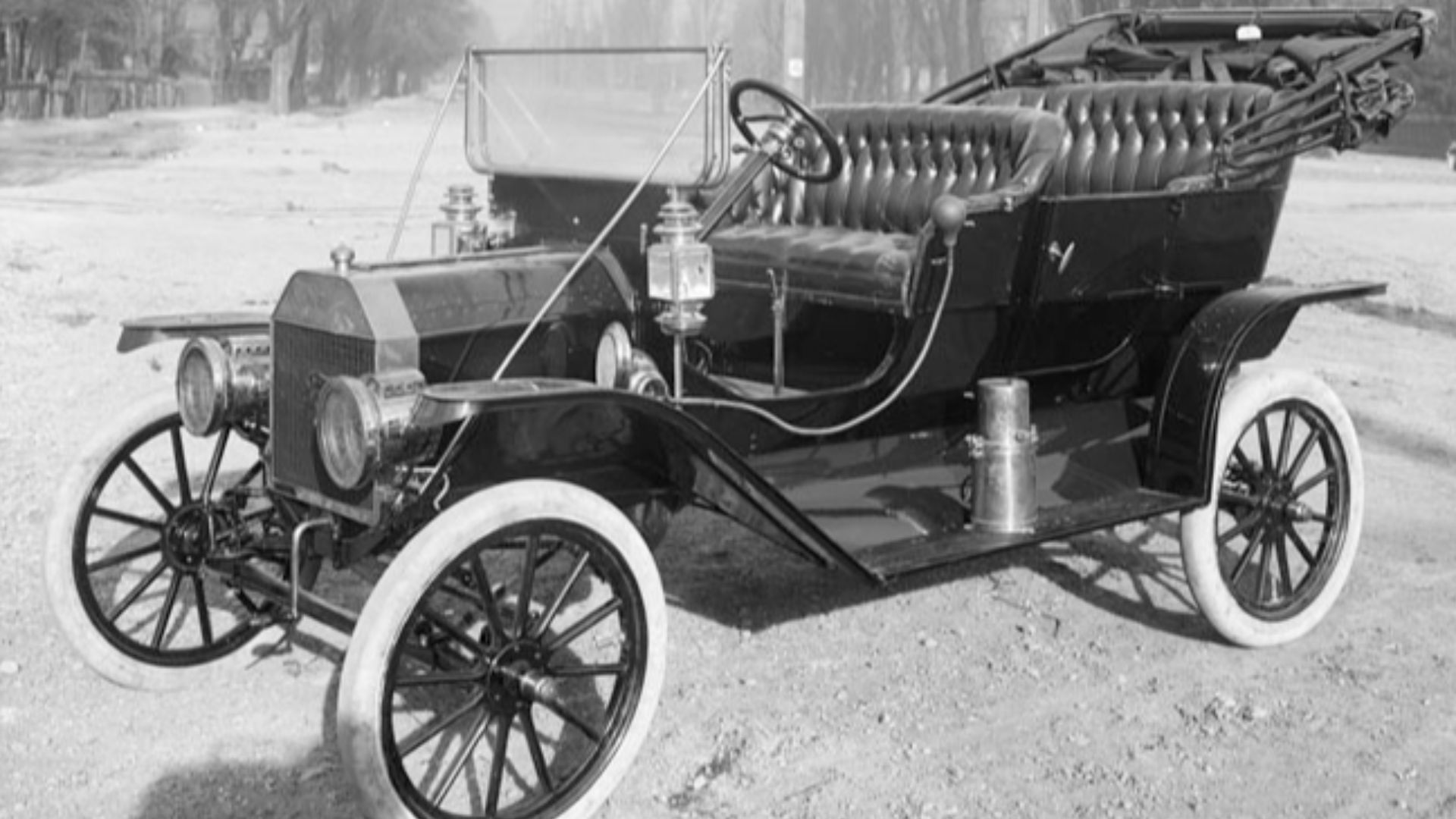
Design For The Roads People Actually Had
America’s roads in 1908 could make a modern pothole-filled commute look luxurious. Ford gave the Model T generous clearance and a flexible chassis and suspension that could survive rough terrain. The exact solution changed, but designing vehicles around real-world driving conditions certainly did not.
 Harry Shipler, Wikimedia Commons
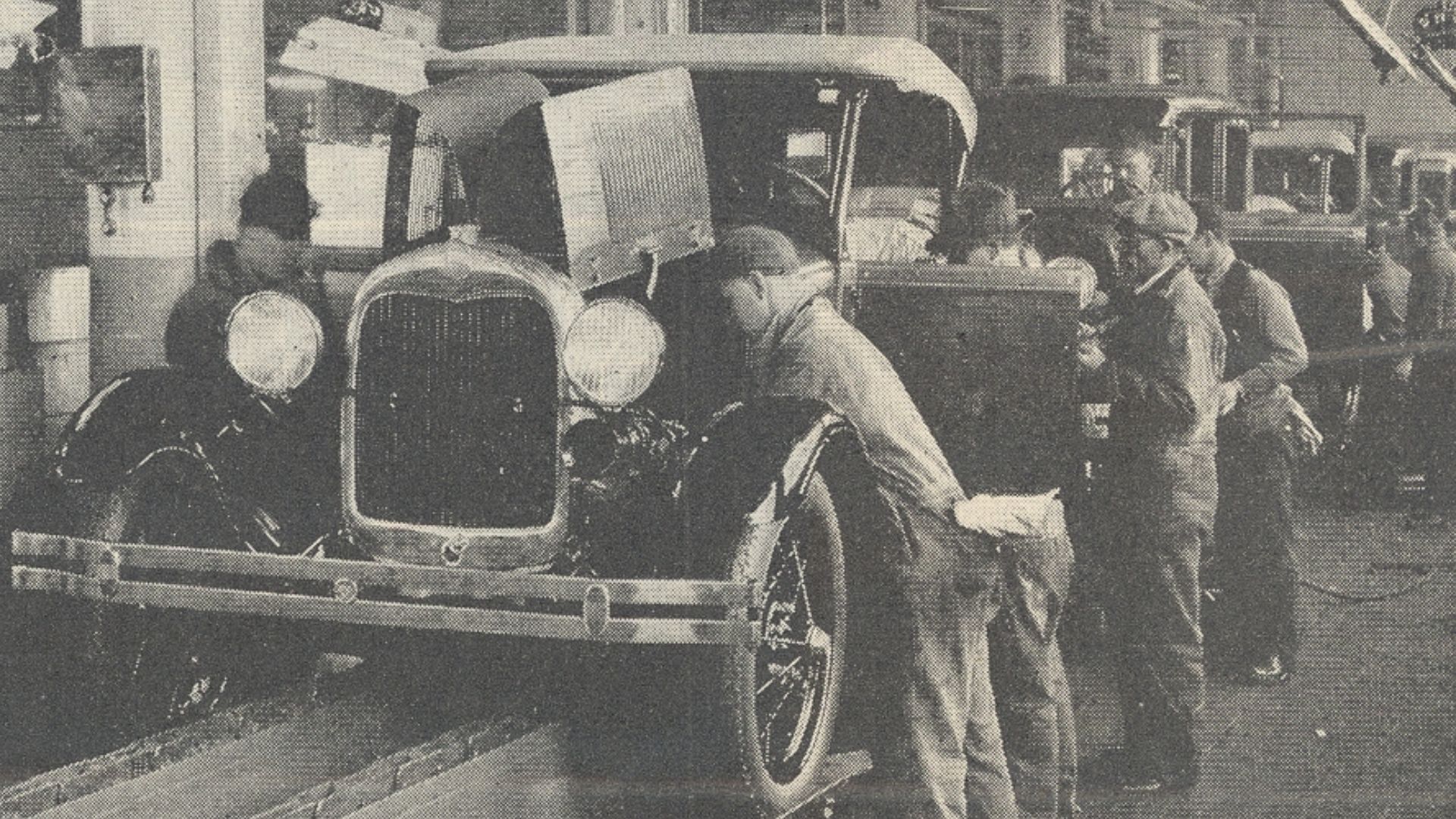
Standardize Before Scaling Up
Mass production works best when workers are not building a completely different automobile every few minutes. Ford concentrated enormous manufacturing resources on the standardized Model T. Modern factories offer far more variation, yet manufacturers still rely heavily on common architectures, shared components and standardized processes to control costs.
 Literary Digest 1928-01-07 Henry Ford Interview / Photographer unknown, Wikimedia Commons
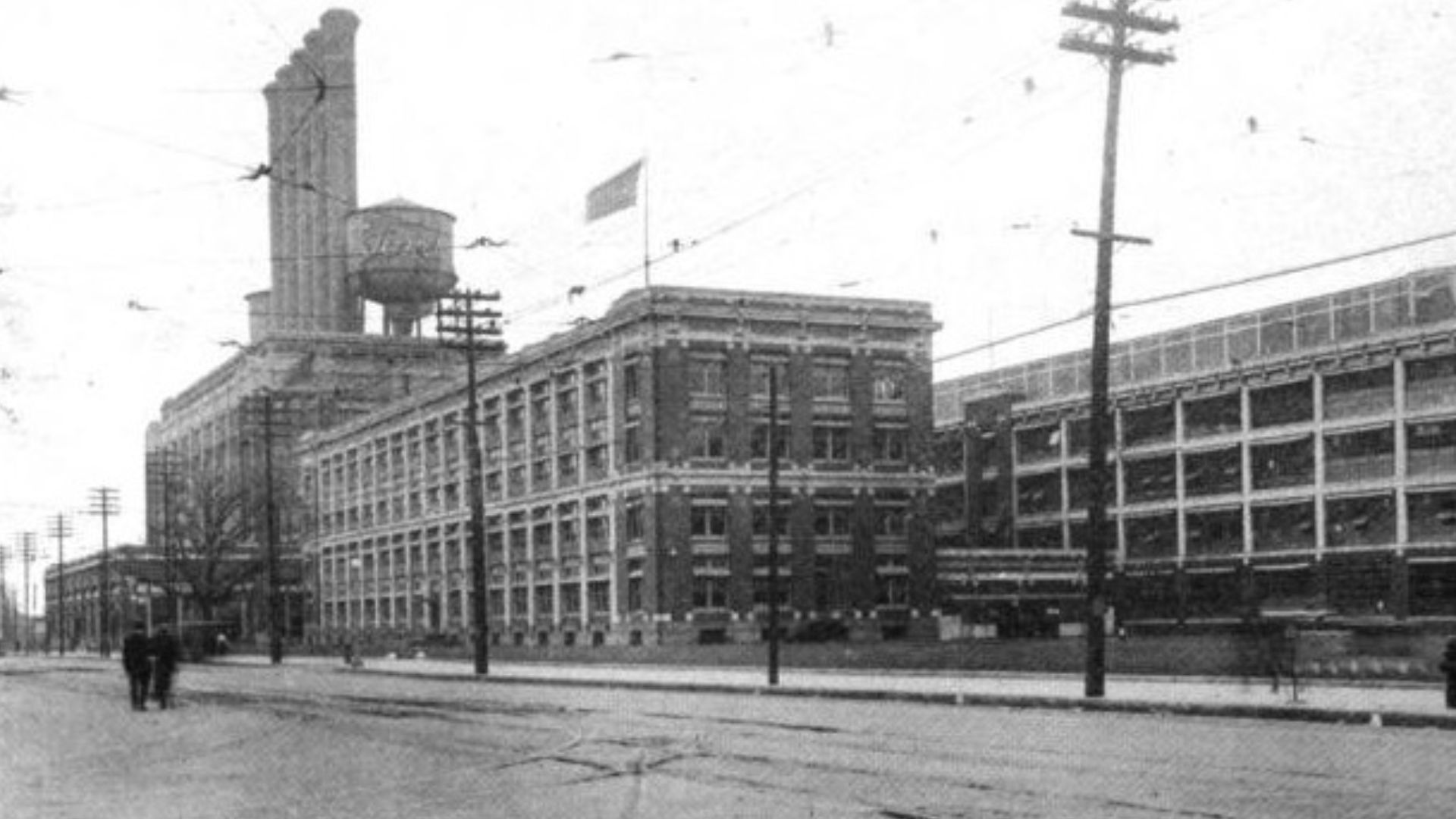
Move The Car, Not The Workers
Ford’s most famous production breakthrough arrived at Highland Park in 1913. Instead of having workers move around a stationary car, the vehicle moved past workers positioned at specific stations. Ford had adapted ideas from other industries into something that transformed automobile manufacturing.
 Clarence Monroe Burton, William Stocking, Gordon K. Miller, Wikimedia Commons
Break Assembly Into Small Repeatable Jobs
The moving line depended on dividing vehicle construction into individual tasks. One employee no longer needed to understand how to build an entire engine or automobile. Workers performed specific operations repeatedly, a form of specialized assembly that remains central to high-volume automotive plants.
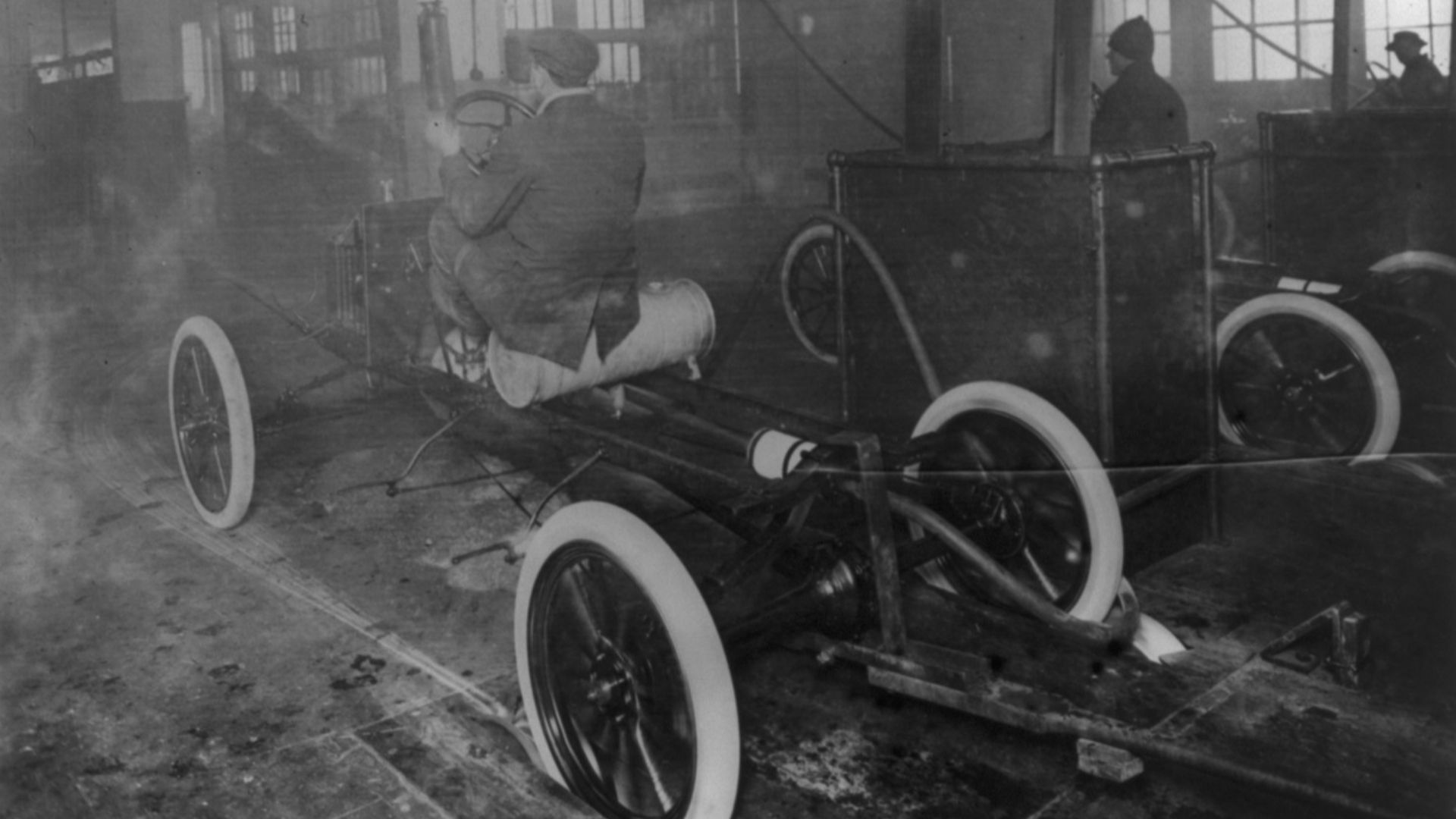 Miscellaneous Items in High Demand, PPOC, Library of Congress, Wikimedia Commons
Arrange Machines In Production Order
Ford’s engineers became obsessive about factory layout. Machinery at Highland Park could increasingly be positioned according to the sequence in which parts were manufactured rather than around older power-transmission systems. Modern factories similarly organize equipment around efficient material and production flow.
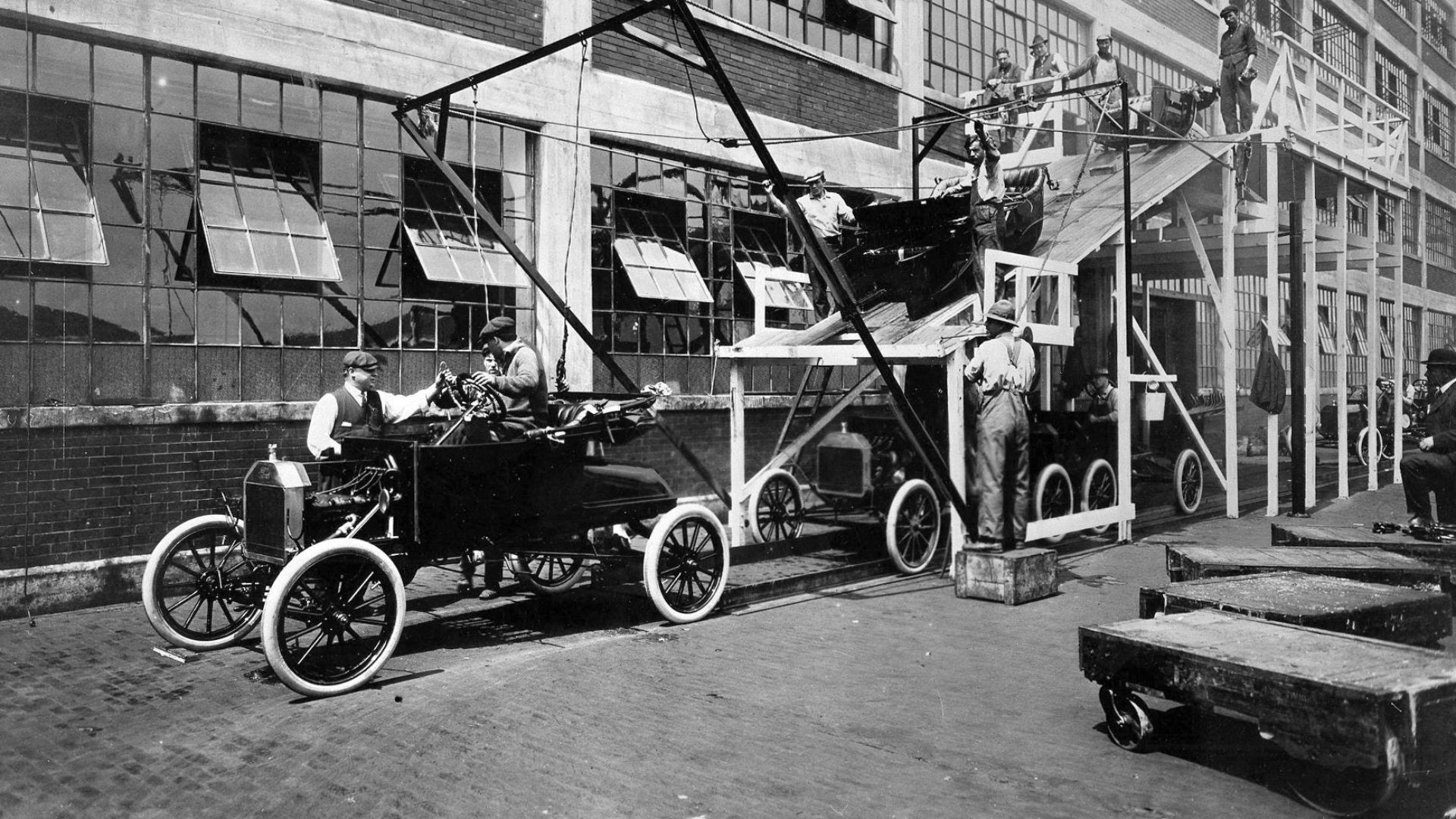 Unknown authorUnknown author, Wikimedia Commons
Control The Pace Of Production
Eventually, Ford replaced crude methods of pushing or pulling components with chain-driven systems. These did more than move automobiles. They established a predictable production speed, letting managers coordinate workers, parts and machinery around a consistent rhythm, an idea recognizable in almost any modern vehicle plant.
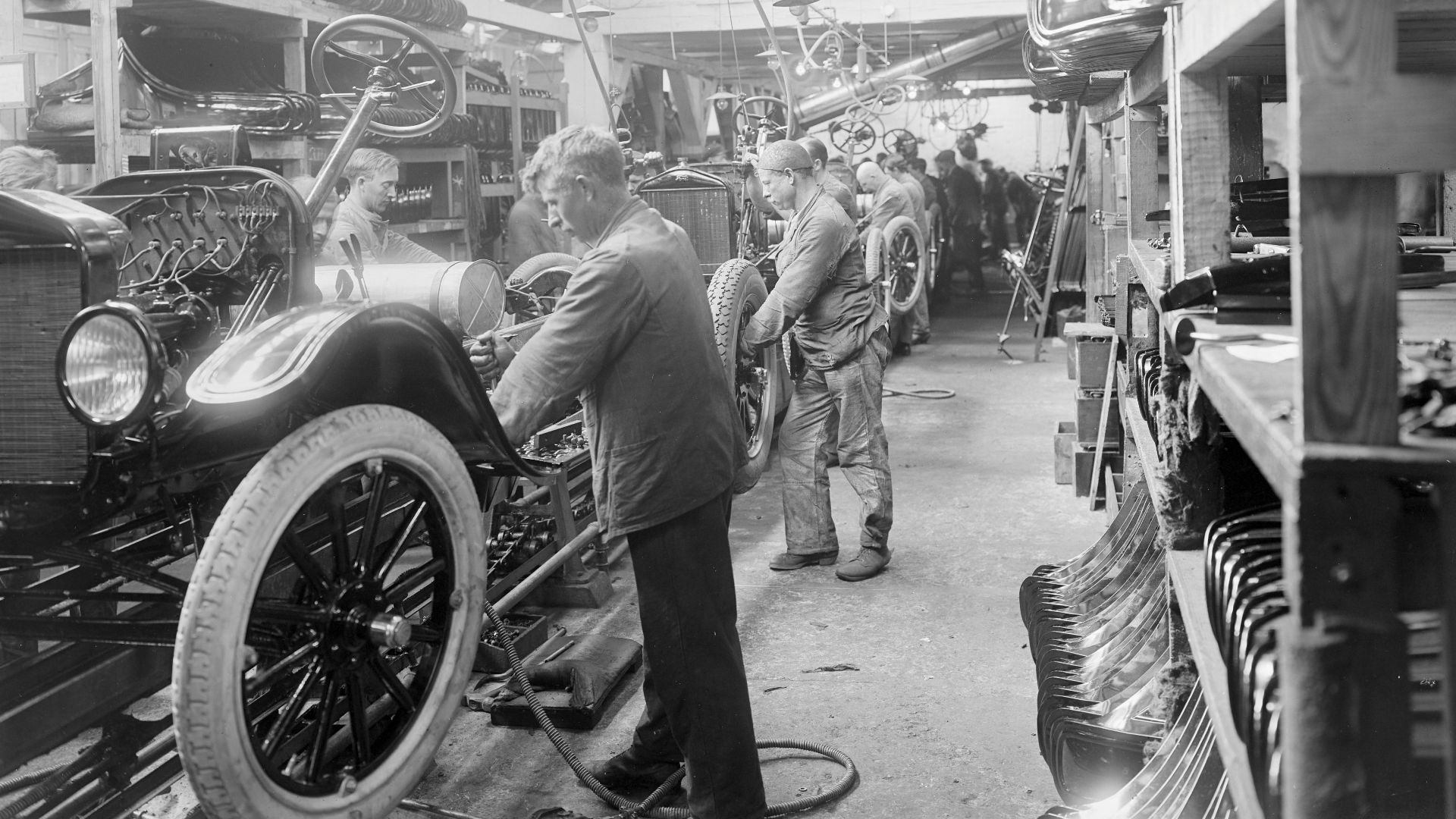 Peter Elfelt, Wikimedia Commons
Bring Components To The Line
Ford continually refined how parts reached workers. Wheels, radiators and other components were delivered directly to installation points rather than requiring employees to retrieve them. Modern assembly plants take this concept much further, carefully synchronizing parts deliveries with the exact vehicles moving through production.
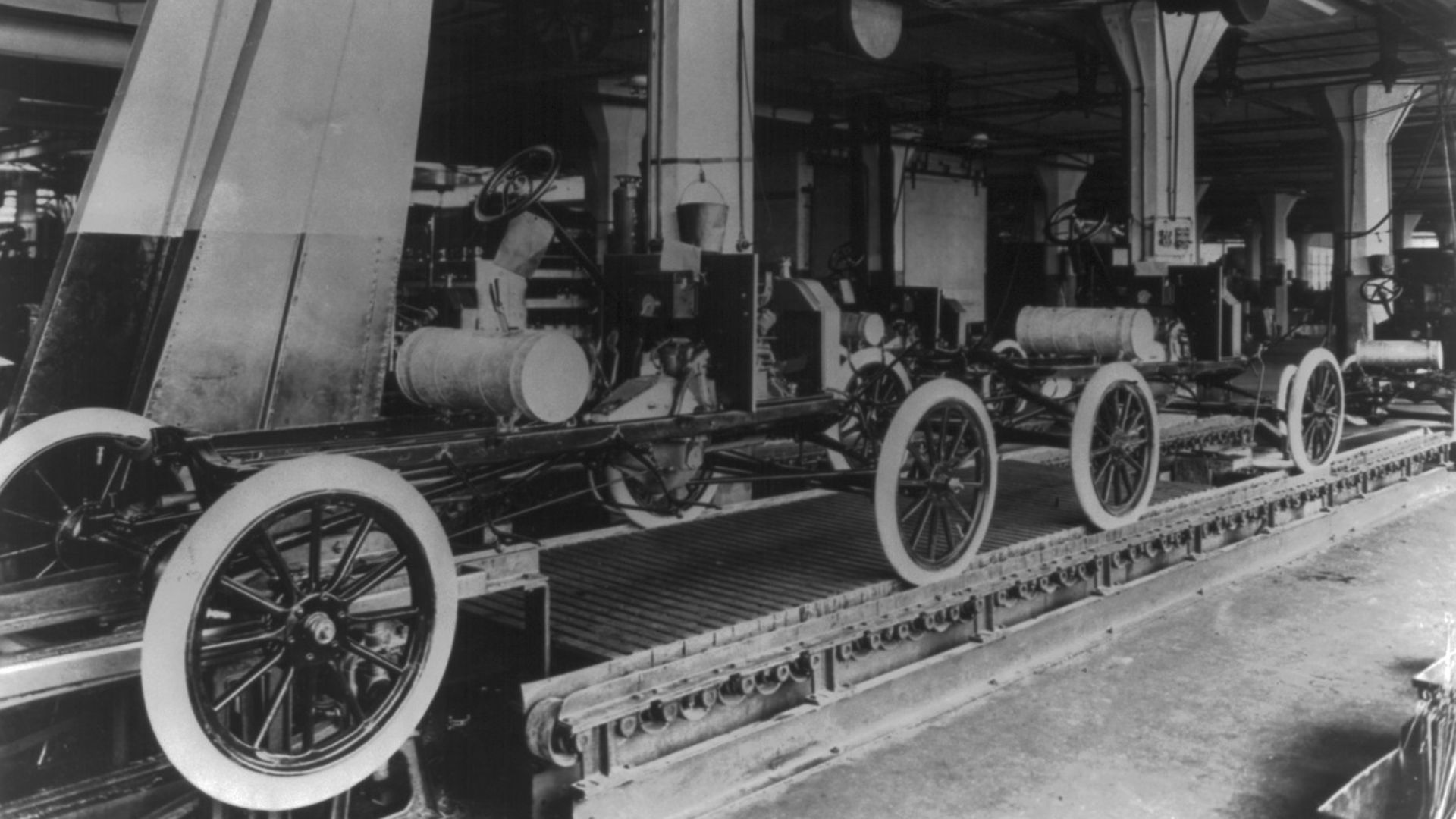 Miscellaneous Items in High Demand, PPOC, Library of Congress, Wikimedia Commons
Simplify Choices When Production Demands It
Remember Ford’s famous black-paint line? Model Ts actually came in several colors during their production life, but from 1914 through 1925 Ford offered them only in black, with efficiency and uniformity driving the policy. Automakers still carefully limit combinations of colors, trims and options when complexity becomes expensive.
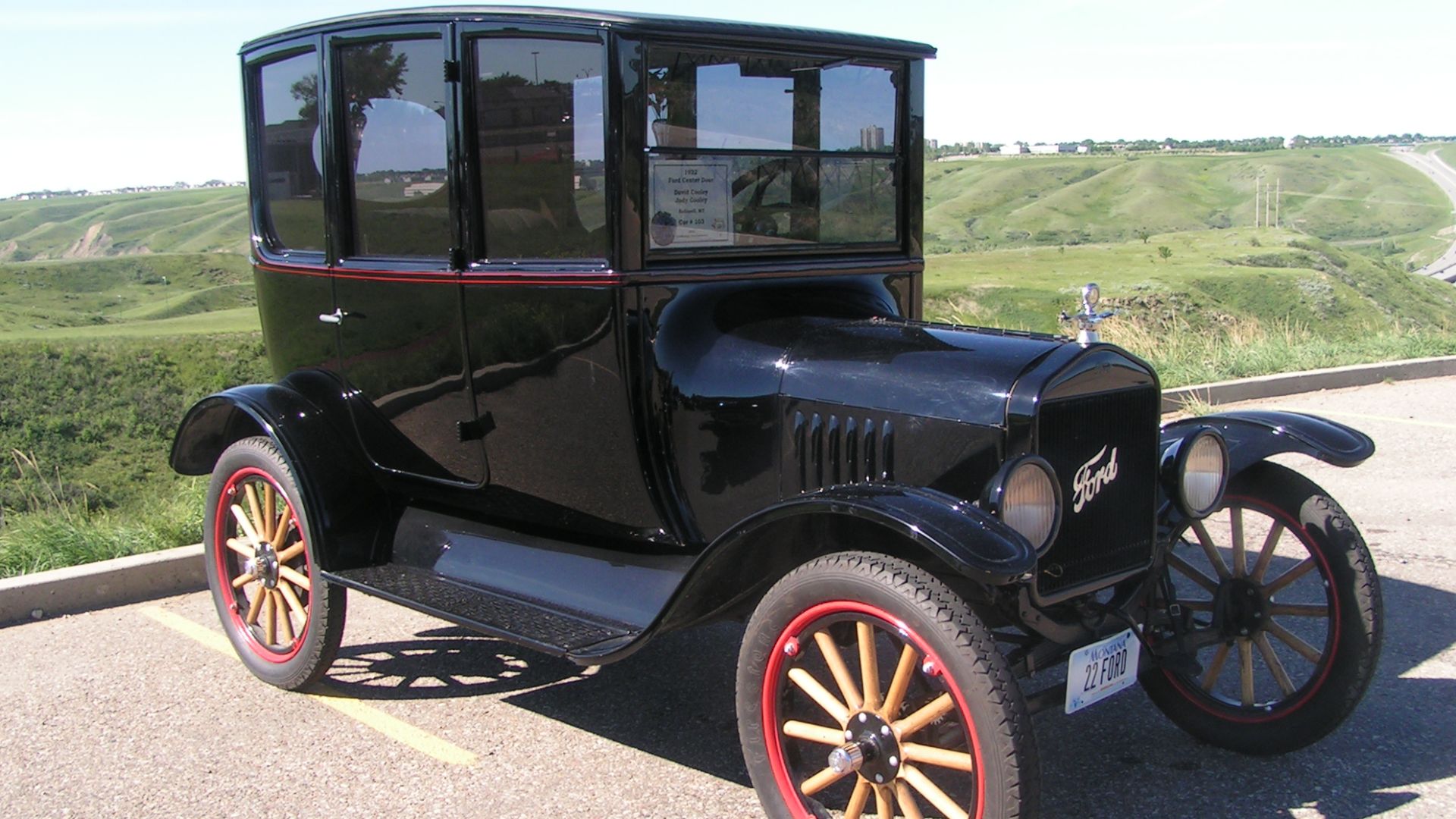 dave_7 from Lethbridge, Canada, Wikimedia Commons
Use Scale To Lower The Price
The real genius of Ford’s system was turning increased production into lower prices. Assembly time dropped from roughly 12½ hours to about 93 minutes, while the Model T’s price eventually fell to around $260. Ford demonstrated just how powerfully manufacturing scale could transform an expensive product into a mass-market one.
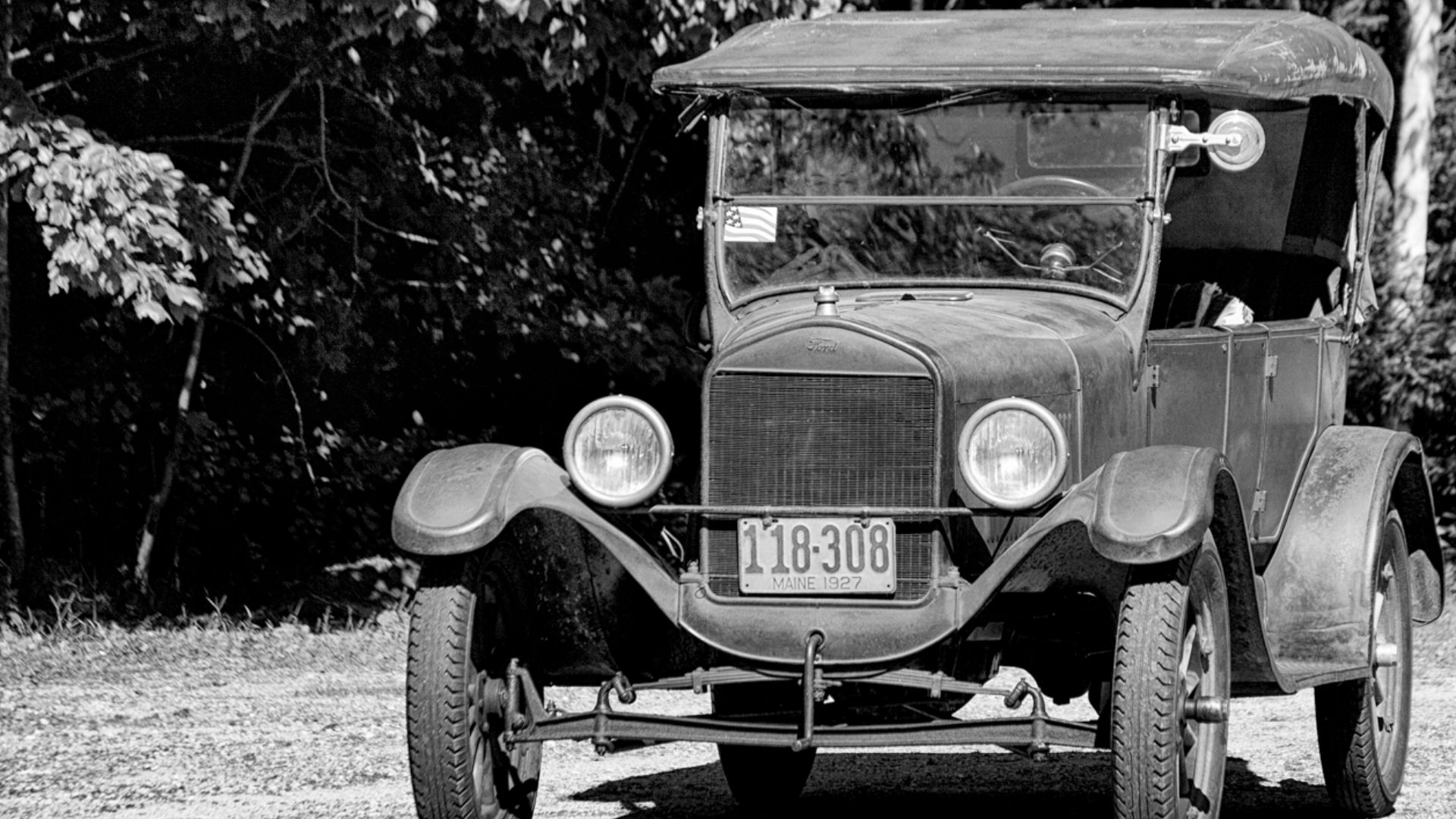 Paul VanDerWerf from Brunswick, Maine, USA, Wikimedia Commons
Build Factories Around Flow
Highland Park was not simply a large building filled with machinery. Production was deliberately arranged so materials and components progressed logically toward a completed automobile. That focus on reducing unnecessary movement became one of mass manufacturing’s basic principles and remains instantly recognizable in modern assembly plants.
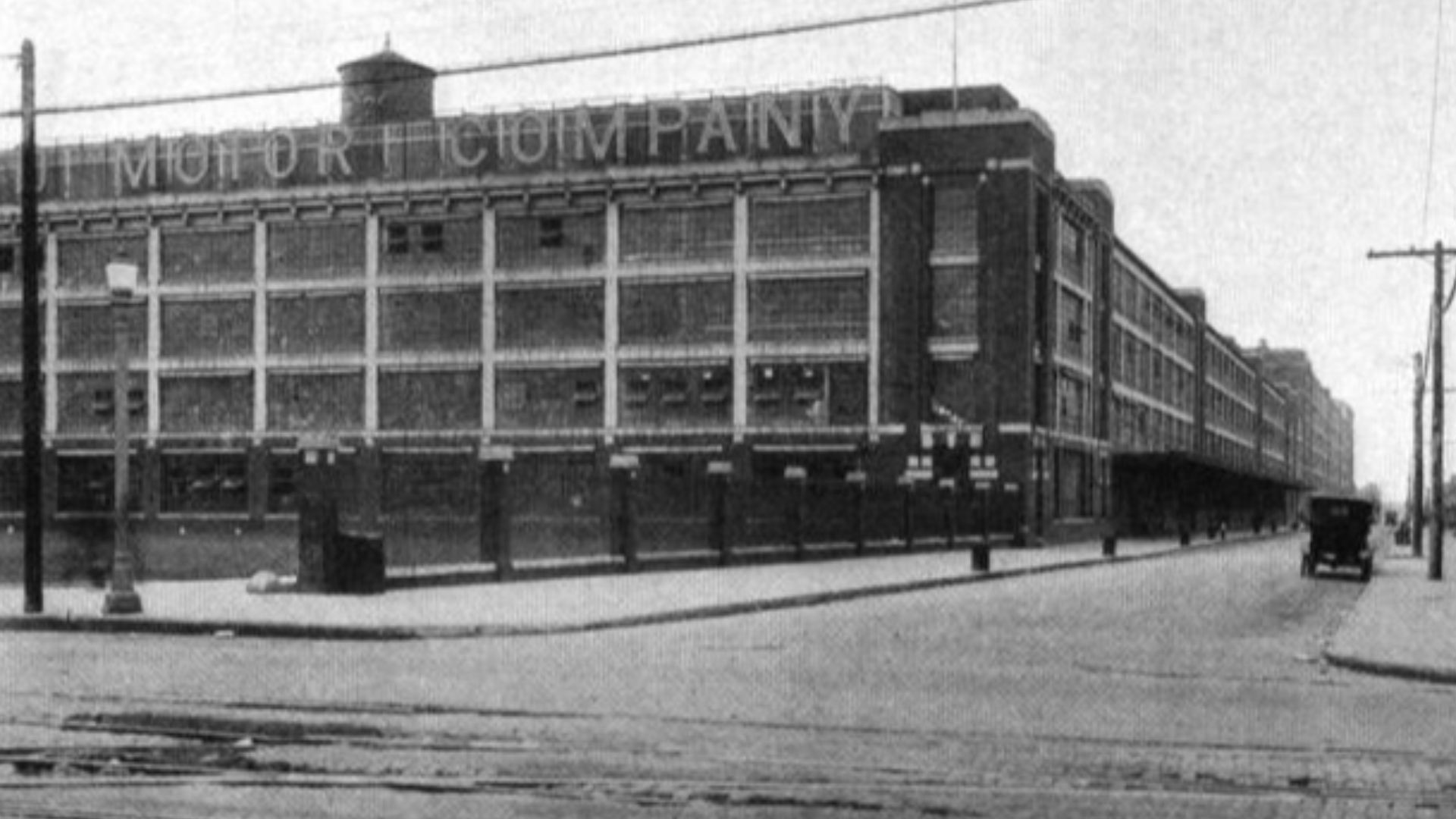 Clarence Monroe Burton, William Stocking, Gordon K. Miller, Wikimedia Commons
Control More Of The Supply Chain
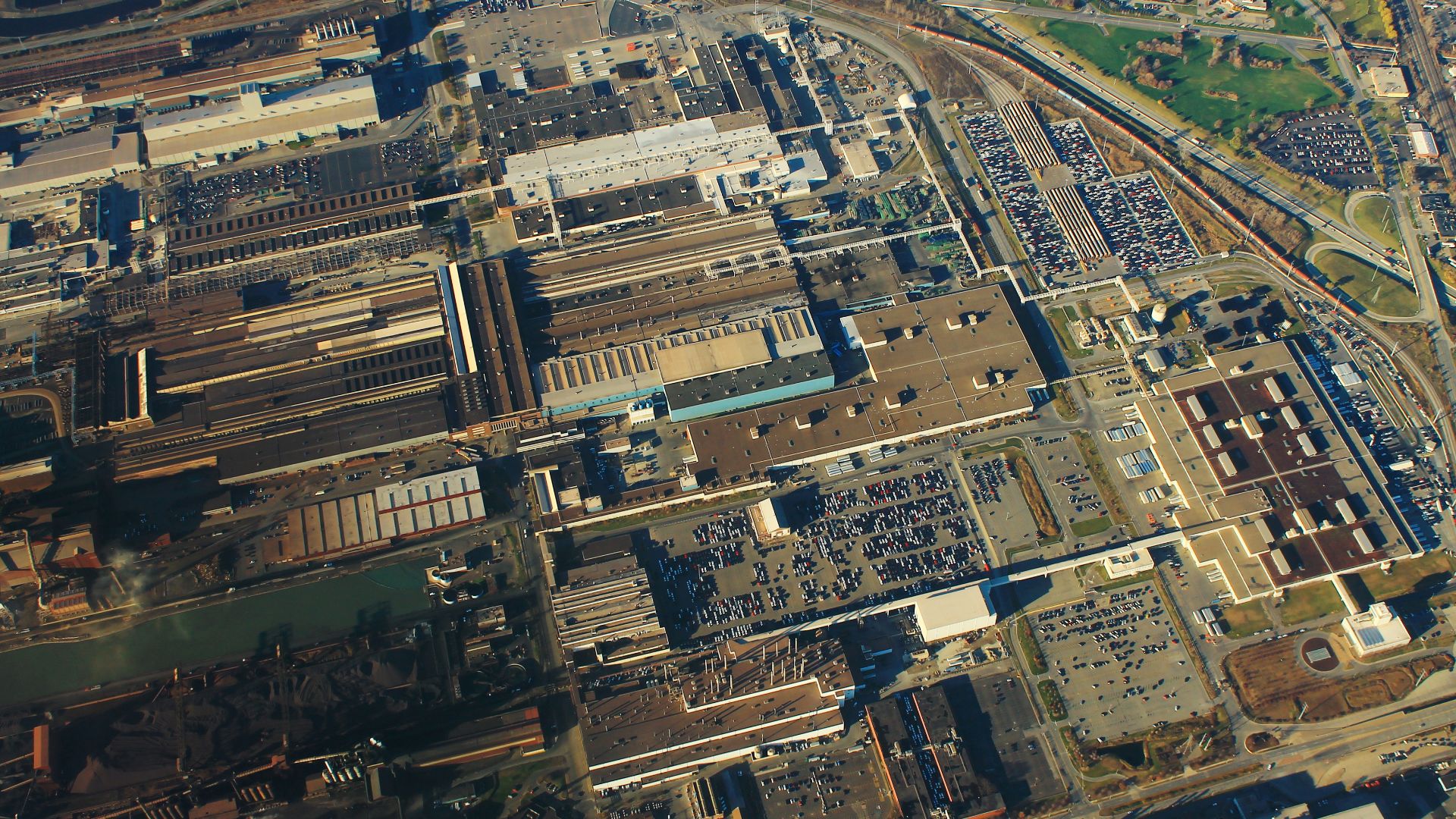
Ford pushed this thinking much further with the enormous Rouge complex. Developed between 1917 and 1928, the Rouge was intended to turn raw materials into finished products through a continuous system. Steel, glass, power and other essentials could increasingly be controlled by Ford itself.
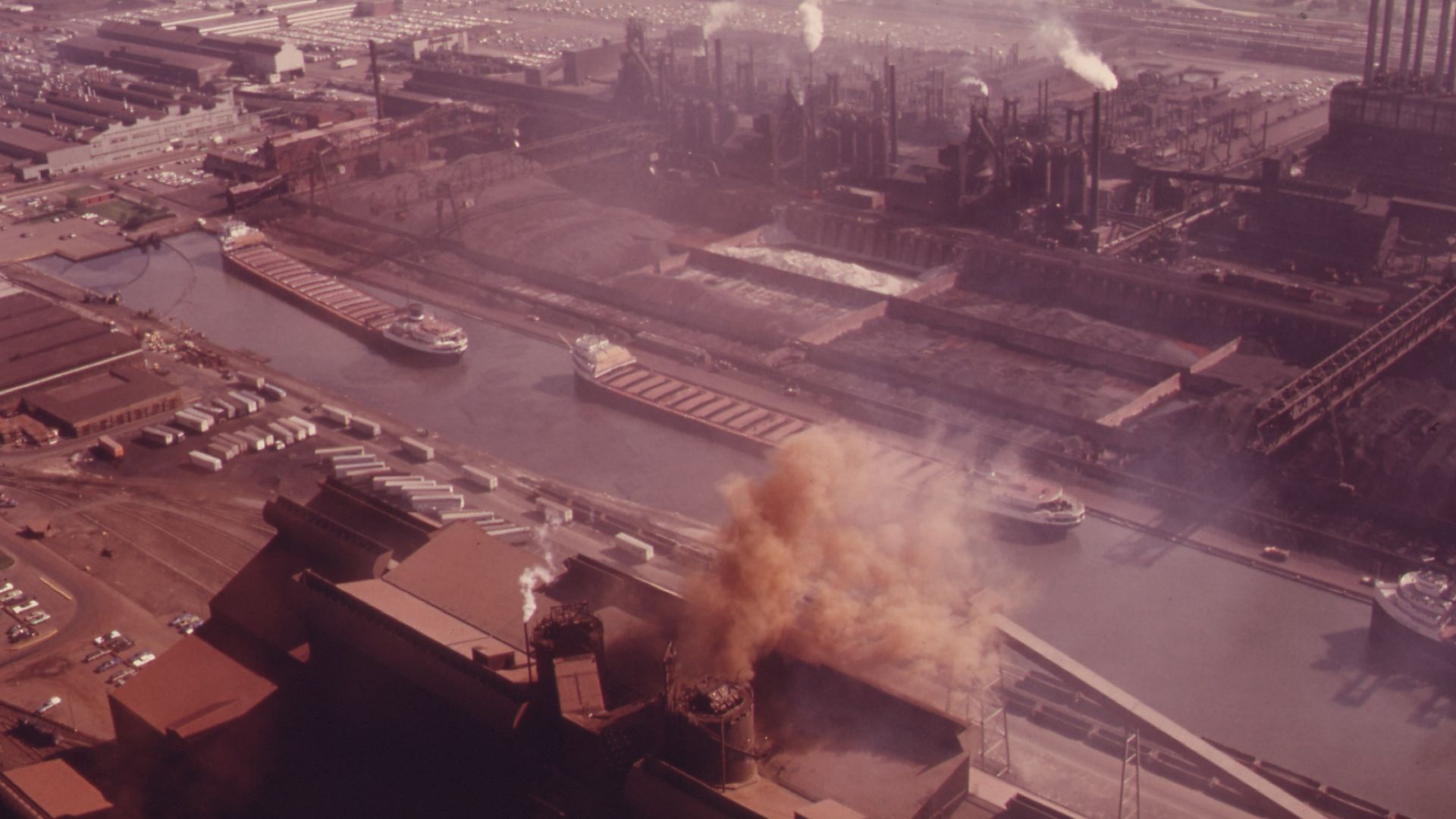
Turn The Factory Into A Continuous System
Ford envisioned the Rouge with as little interruption, handling and storage as possible between raw materials and completed automobiles. At its height, the complex could produce thousands of vehicles per day. Modern automakers use very different supply networks, but relentlessly eliminating wasted time remains a central manufacturing obsession.
 formulanone, Wikimedia Commons
Keep Improving The Process
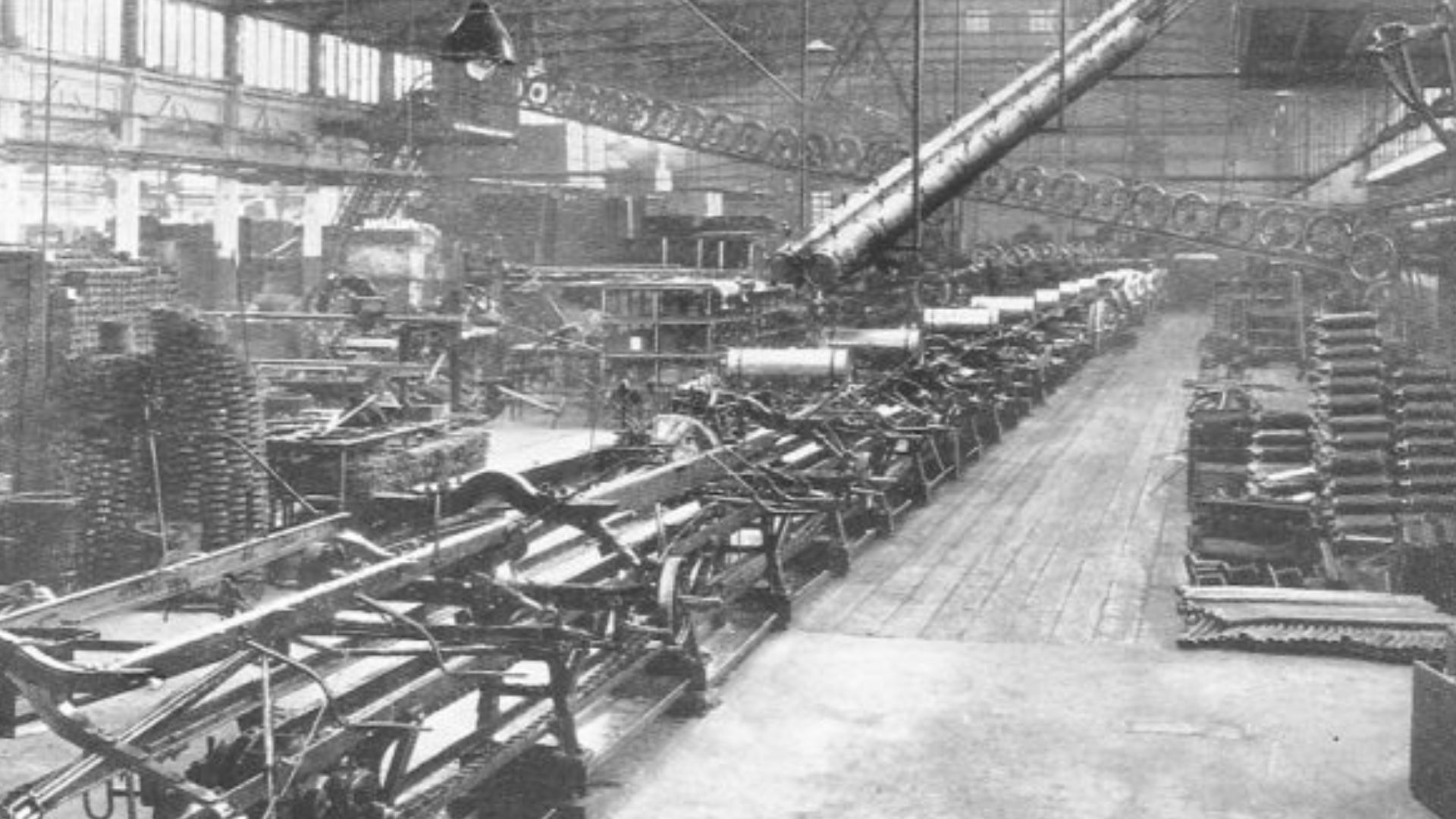
Ford did not simply install an assembly line and call the job finished. The company repeatedly modified conveyors, workstations, component deliveries and individual Model T parts in search of additional savings. That constant refinement foreshadowed the continuous-improvement culture now embedded throughout global automobile manufacturing.
 Unknown authorUnknown author, Wikimedia Commons
Make Mass Production The Industry Template
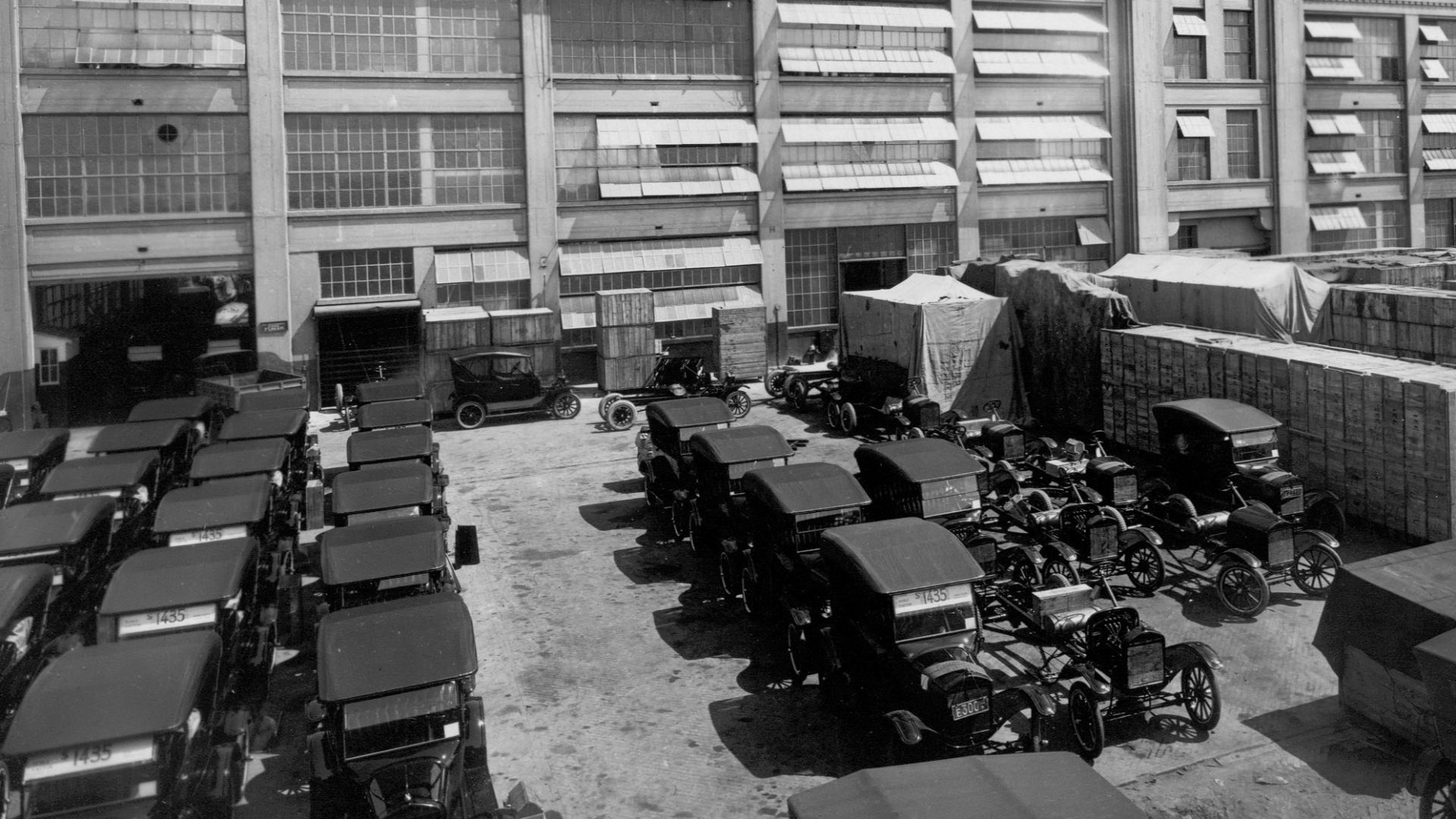
The Model T demonstrated that an automobile could be complicated mechanically yet manufactured in enormous quantities through standardization, interchangeable components and carefully sequenced work. Other manufacturers adopted similar principles, and assembly-line production spread far beyond automobiles into countless other industries.
 Unknown authorUnknown author, Wikimedia Commons
The Ford Decisions Still Under The Hood
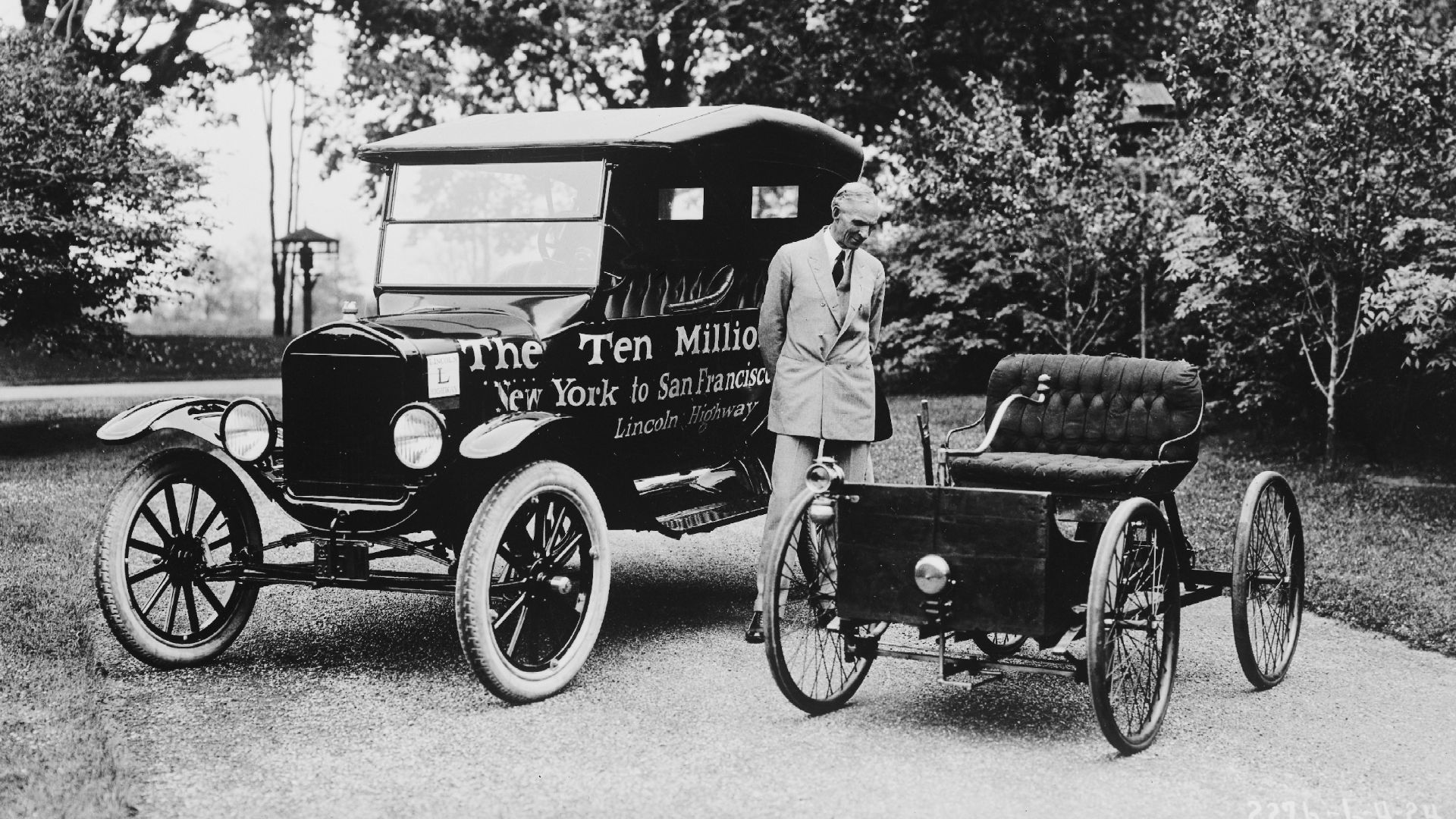
Modern cars would be nearly unrecognizable to Henry Ford, but the thinking behind them might seem surprisingly familiar. Left-hand steering, standardized components, one-piece engine castings, replaceable cylinder heads and carefully controlled production all echo Model T-era choices. More than a century later, Ford’s biggest legacy may be the way automobiles are designed to be built.
 Detroit Publishing Co., Wikimedia Commons
You May Also Like:
Modern Car Repairs That Shock Owners Because They Used To Be Simple
The Most Underrated Motorcycles Of The 21st Century
The $3.24 Million Oldsmobile Is One Of Just Five Ever Made—And The Only One That Survived