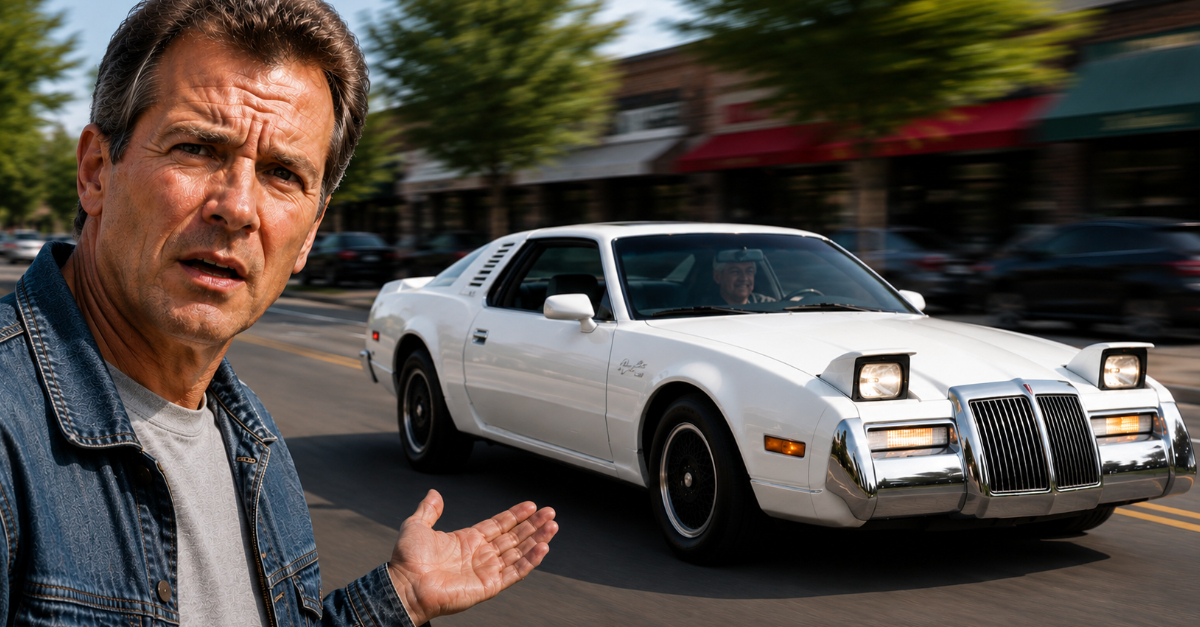
Forgotten Faster Than A Cassette Tape In The Sun
The 80s gave us some legendary cars. The Mustang GT. The Corvette. The Grand National. And who didn’t have that iconic Countach poster hanging on their bedroom wall?
But for every icon, there were dozens of cars that even people who lived through the decade barely remember them. Some were weird. Some were actually pretty good. Some sold pretty well and some didn’t.
Let's see how many of these forgotten 80s automobiles you can honestly remember.
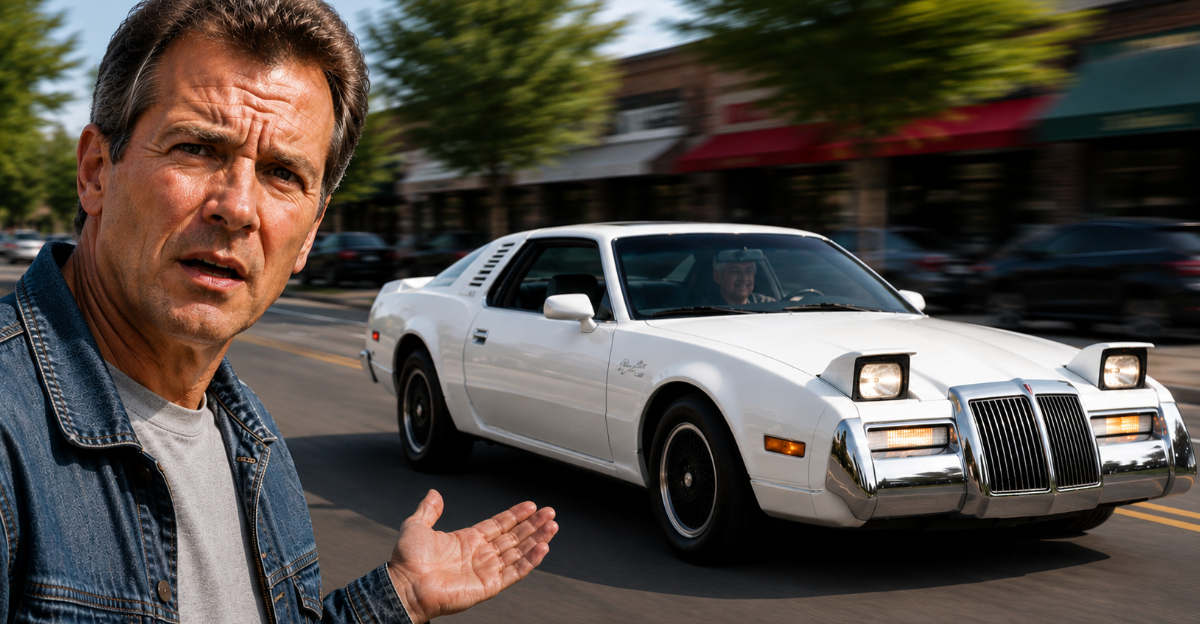
Sterling 825
If you don't remember Sterling, don't feel bad. Most people don't.
Sold from 1987 to 1991, the Sterling 825 was essentially a Honda Legend wearing British luxury-car clothing. On paper, it sounded brilliant: Honda reliability mixed with upscale British styling. In reality, build quality issues and electrical problems quickly destroyed its reputation. Today, many car enthusiasts have never even seen one in person.
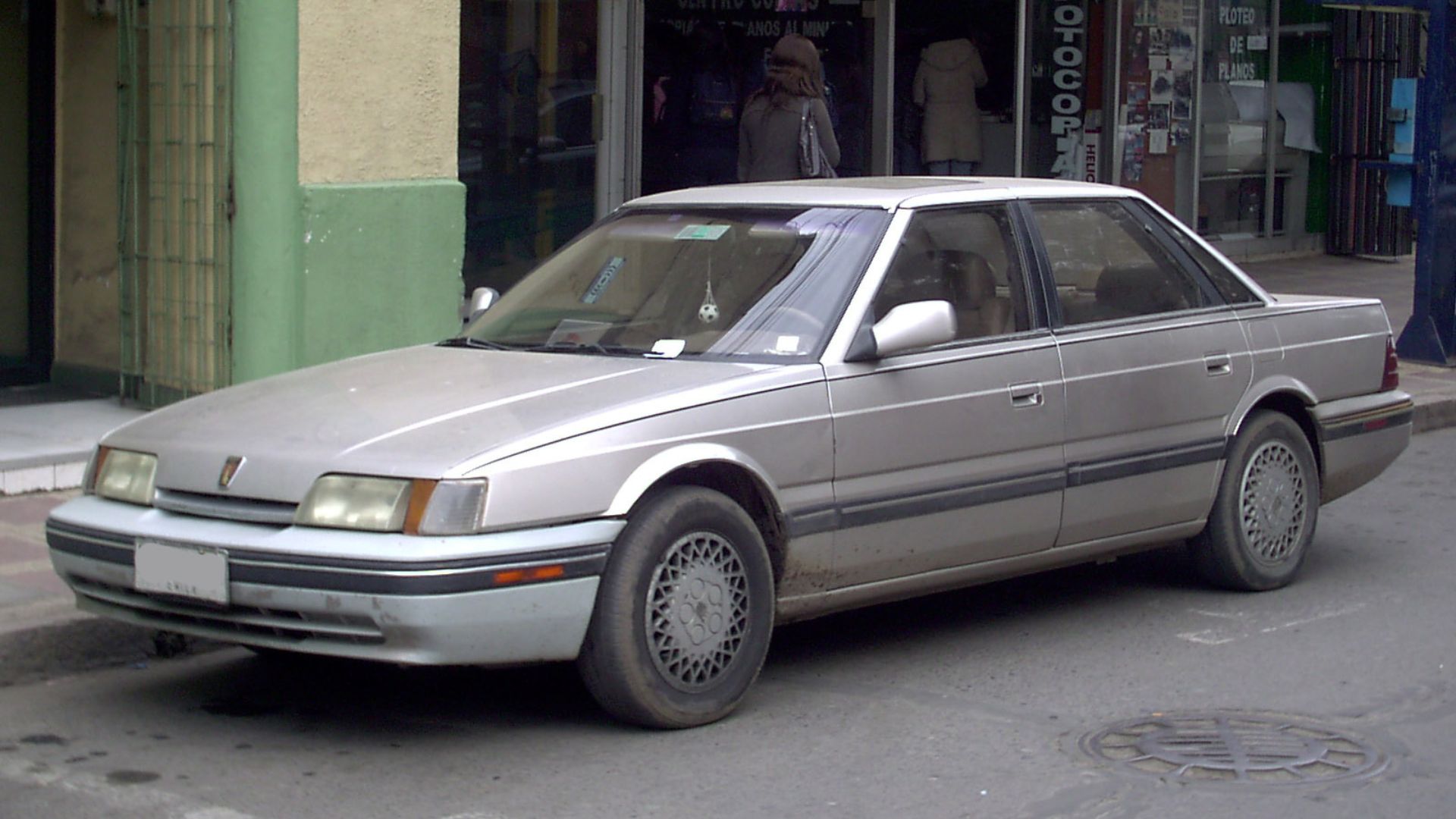 order_242 from Chile, Wikimedia Commons
Dodge 600
The Dodge 600 wasn't rare when it was new. That's what makes its disappearance so impressive.
Introduced in 1983, it was Chrysler's attempt at a practical midsize family car during the K-car era. Lee Iacocca even appeared in commercials promoting it. Millions of people saw them on the road in the 80s, yet somehow they seem to have completely evaporated from automotive memory.
Merkur XR4Ti
Just saying the name feels like a trivia question.
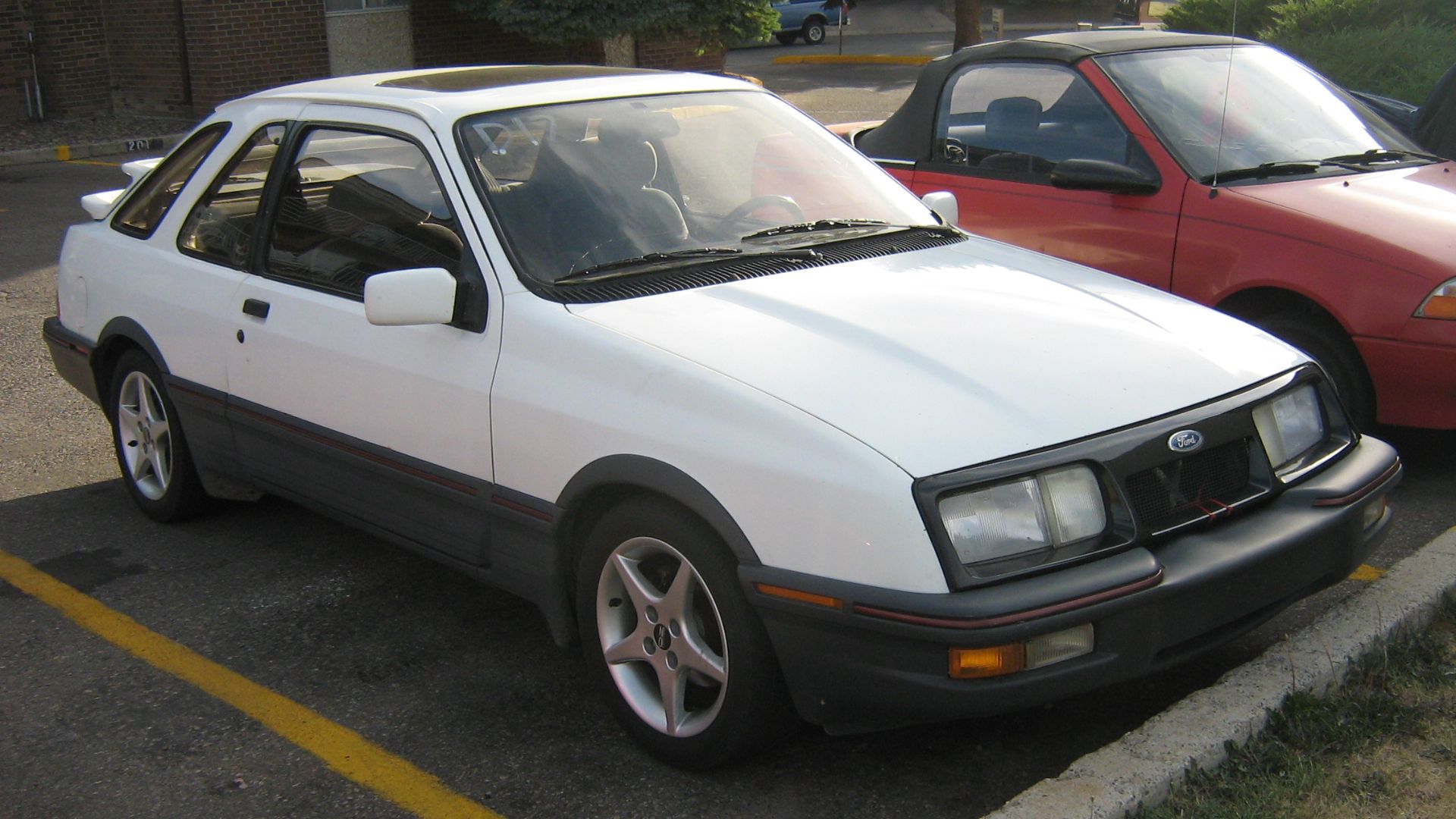
Ford imported the Merkur XR4Ti from Europe between 1985 and 1989 as a performance-oriented sport sedan. Based on the European Ford Sierra, it featured turbocharged power and distinctive styling. American buyers weren't sure what to make of it, and the odd name certainly didn't help. Today it's mostly remembered by enthusiasts and absolutely nobody else.
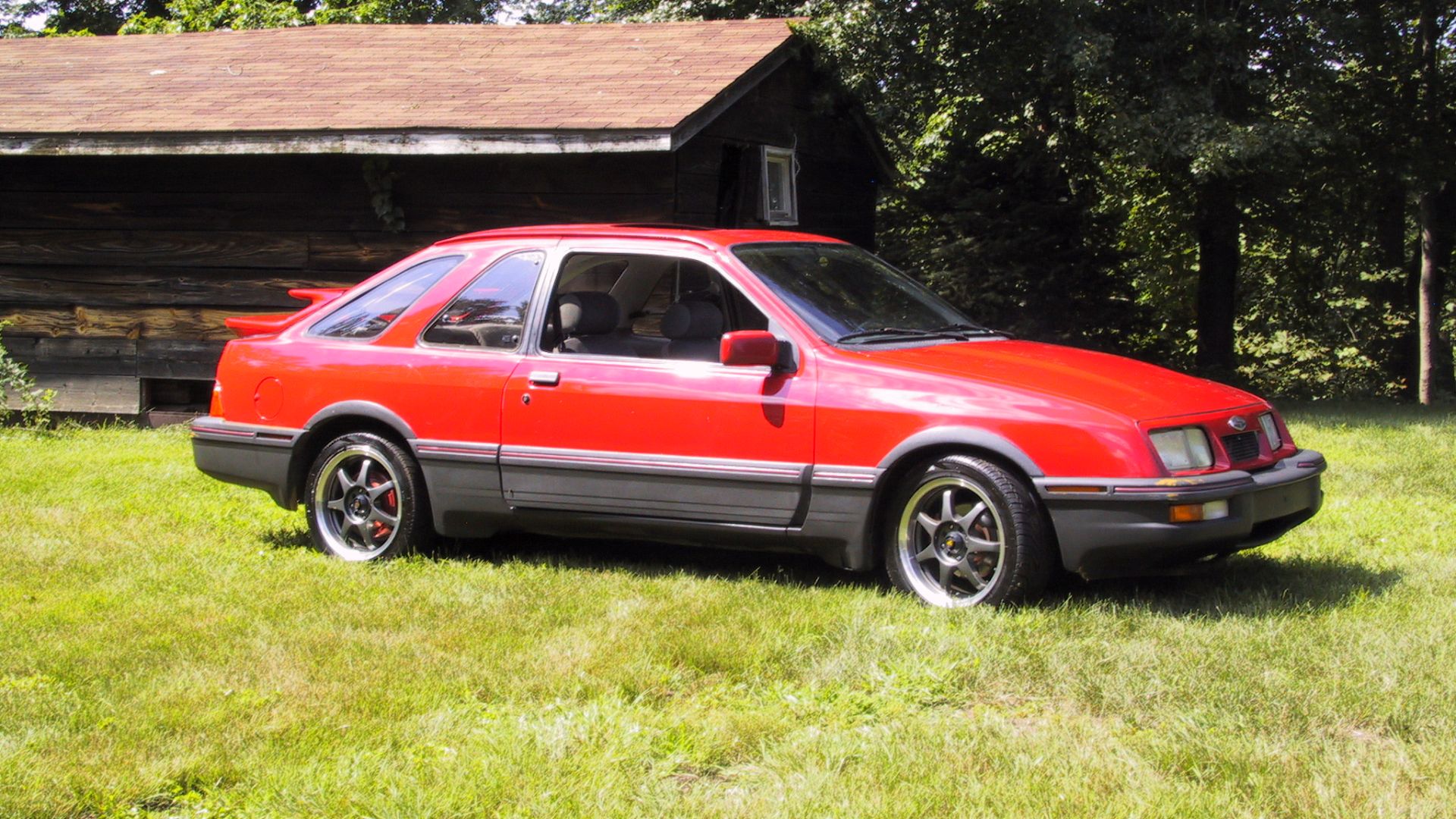 User Dellegatto: In Color on en.wikipedia, Wikimedia Commons
Eagle Premier
The Eagle brand itself is already becoming a distant memory.
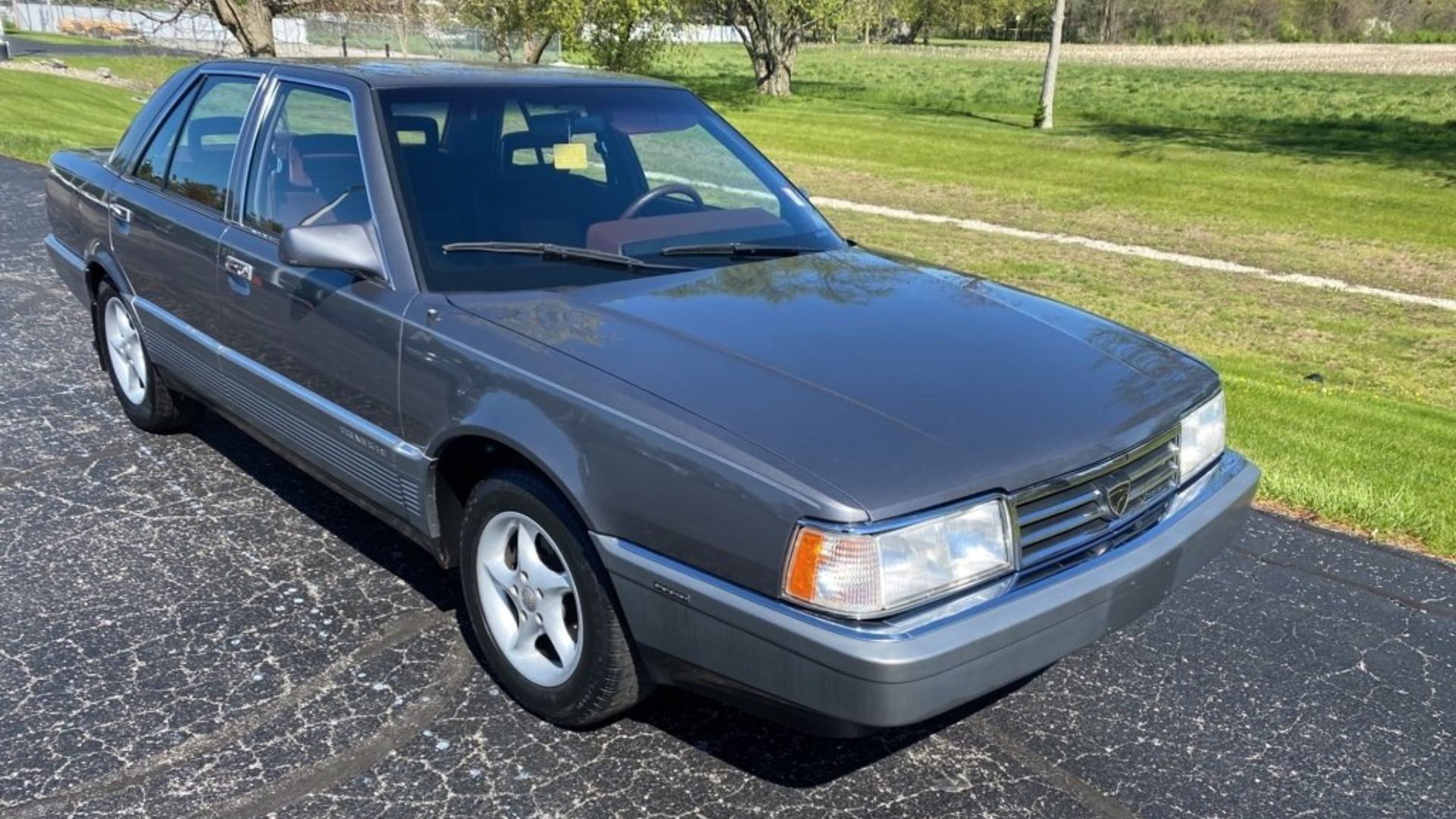
The Premier arrived in 1988 after Chrysler acquired American Motors. Designed with help from Renault, it looked unlike almost anything else sold by a domestic manufacturer at the time. Reviews were generally positive, but sales never really took off. Most people remember the Eagle Talon. The Premier? Not so much.
Plymouth Caravelle
The Caravelle spent most of its life living in the shadow of more famous Chrysler products.
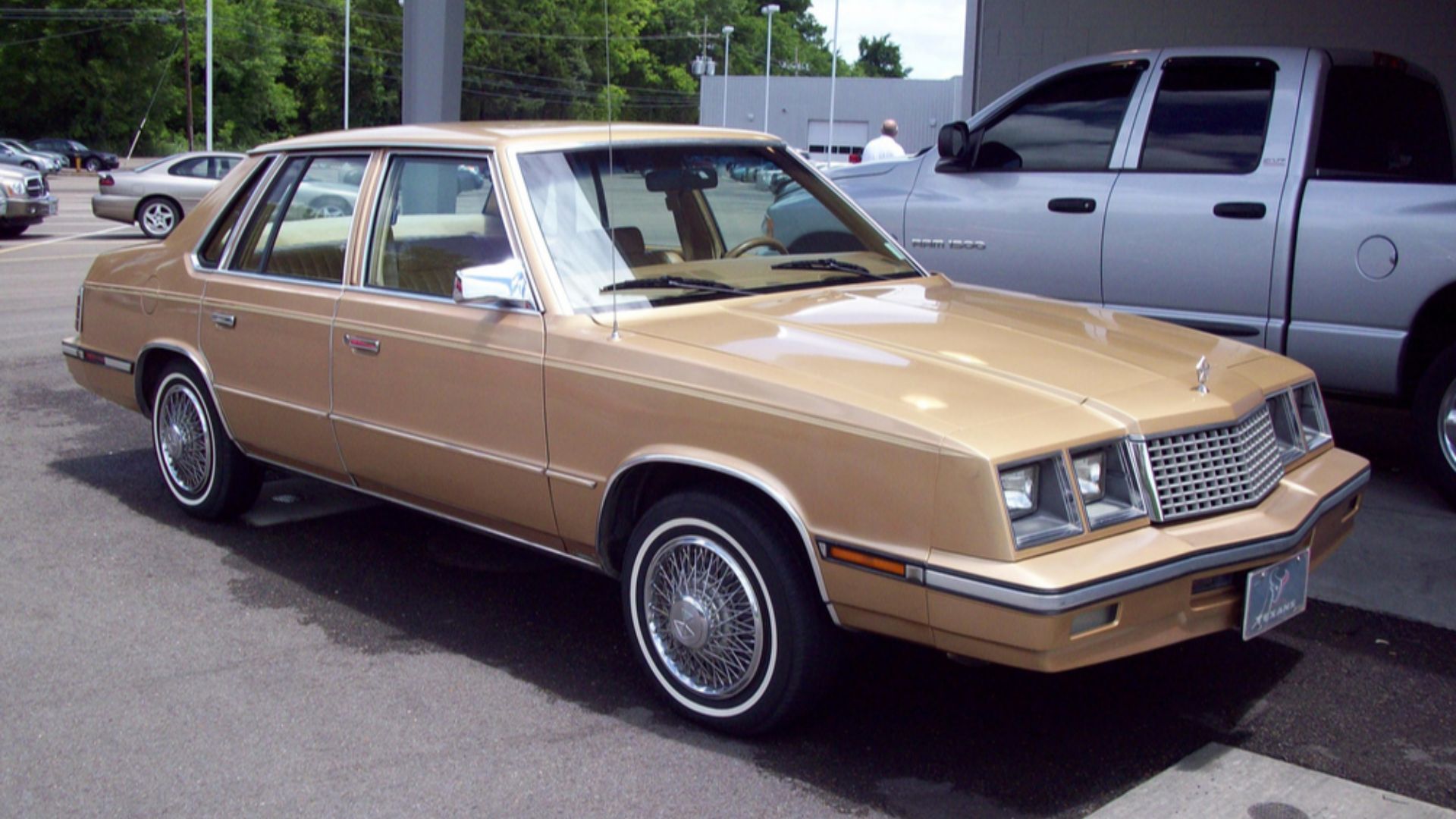
Introduced in the mid-80s, it was essentially Plymouth's version of the Dodge 600 in the U.S. It was comfortable, practical, and completely forgettable. The kind of car that your neighbor probably drove for fifteen years without anyone ever noticing it.
Chevrolet Celebrity Eurosport
Everybody remembers the Cavalier. Few remember the Celebrity.
The Celebrity was actually America's best-selling car in 1986 and Chevrolet's top seller for multiple years during the decade. The sporty Eurosport version tried to add some excitement to the formula with upgraded suspension and appearance tweaks. Despite massive sales success, the model has almost completely disappeared from conversations about 80s cars.
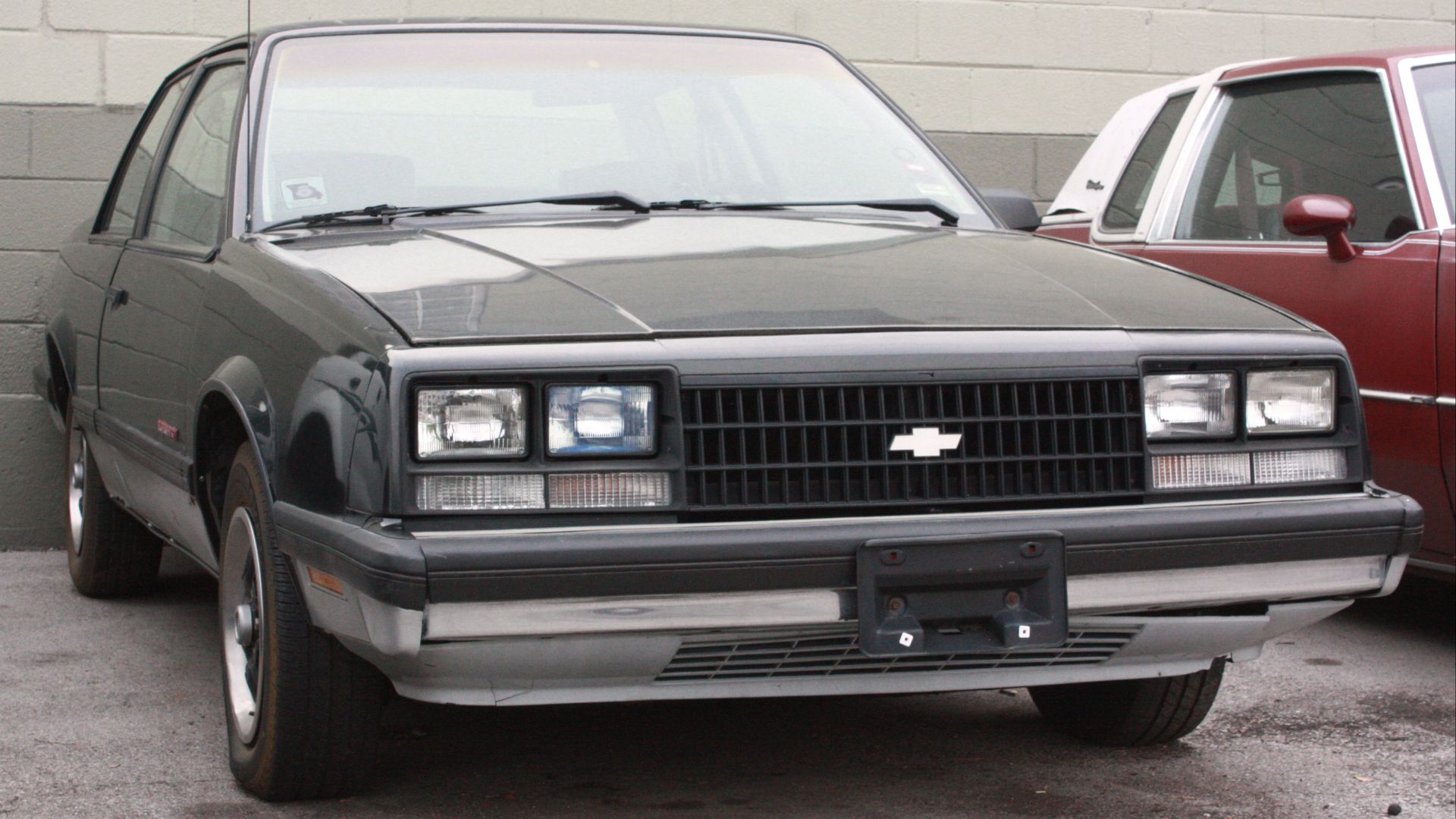 Ryanandlenny, Wikimedia Commons
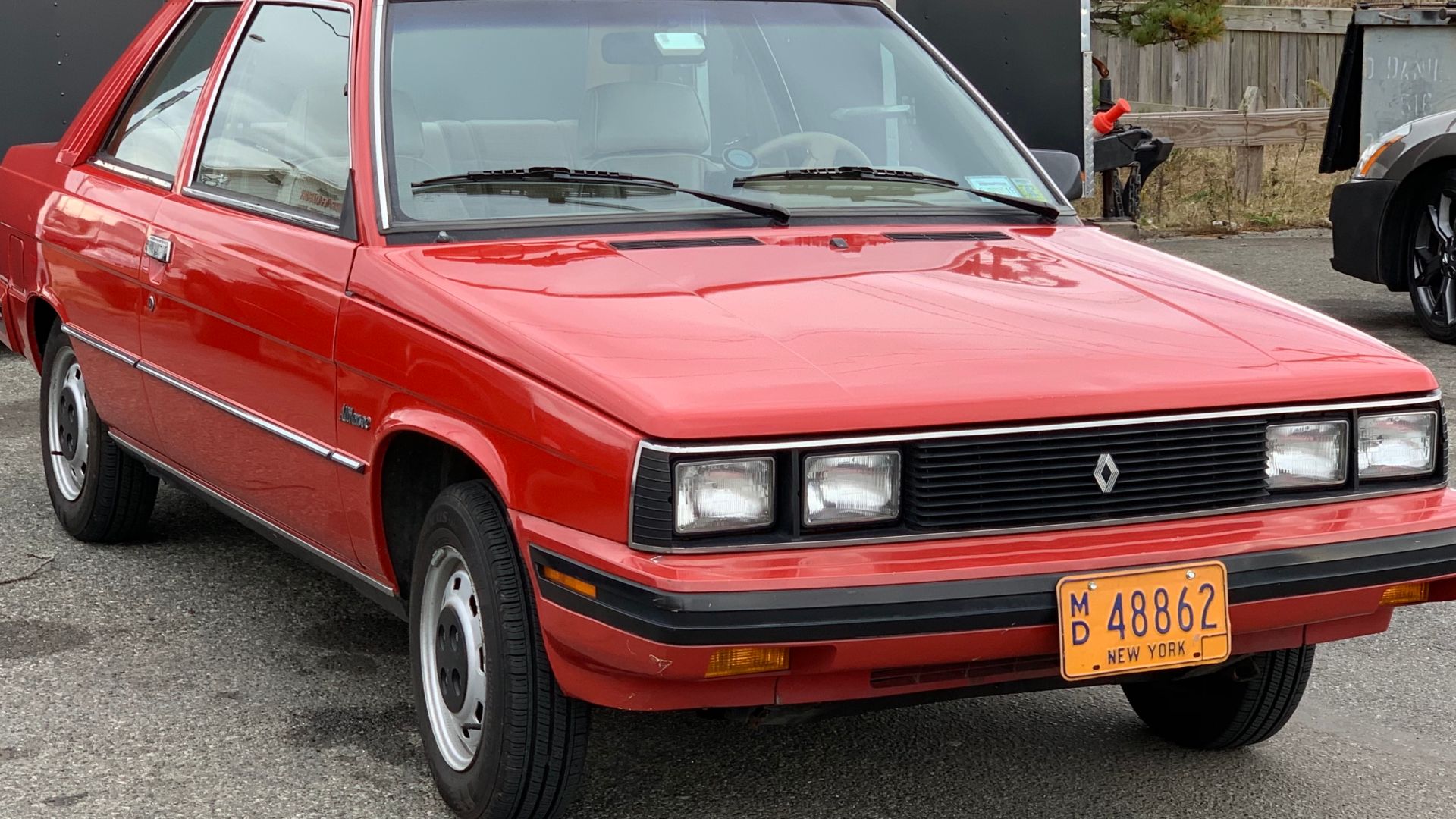
Renault Alliance
For a brief moment, this was supposed to be a big deal.
Produced through the partnership between Renault and AMC, the Alliance even won Motor Trend's Car of the Year award in 1983. Unfortunately, reliability issues quickly damaged its reputation. What once seemed like a promising international collaboration became one of the most forgotten compact cars of the decade.
Isuzu Impulse
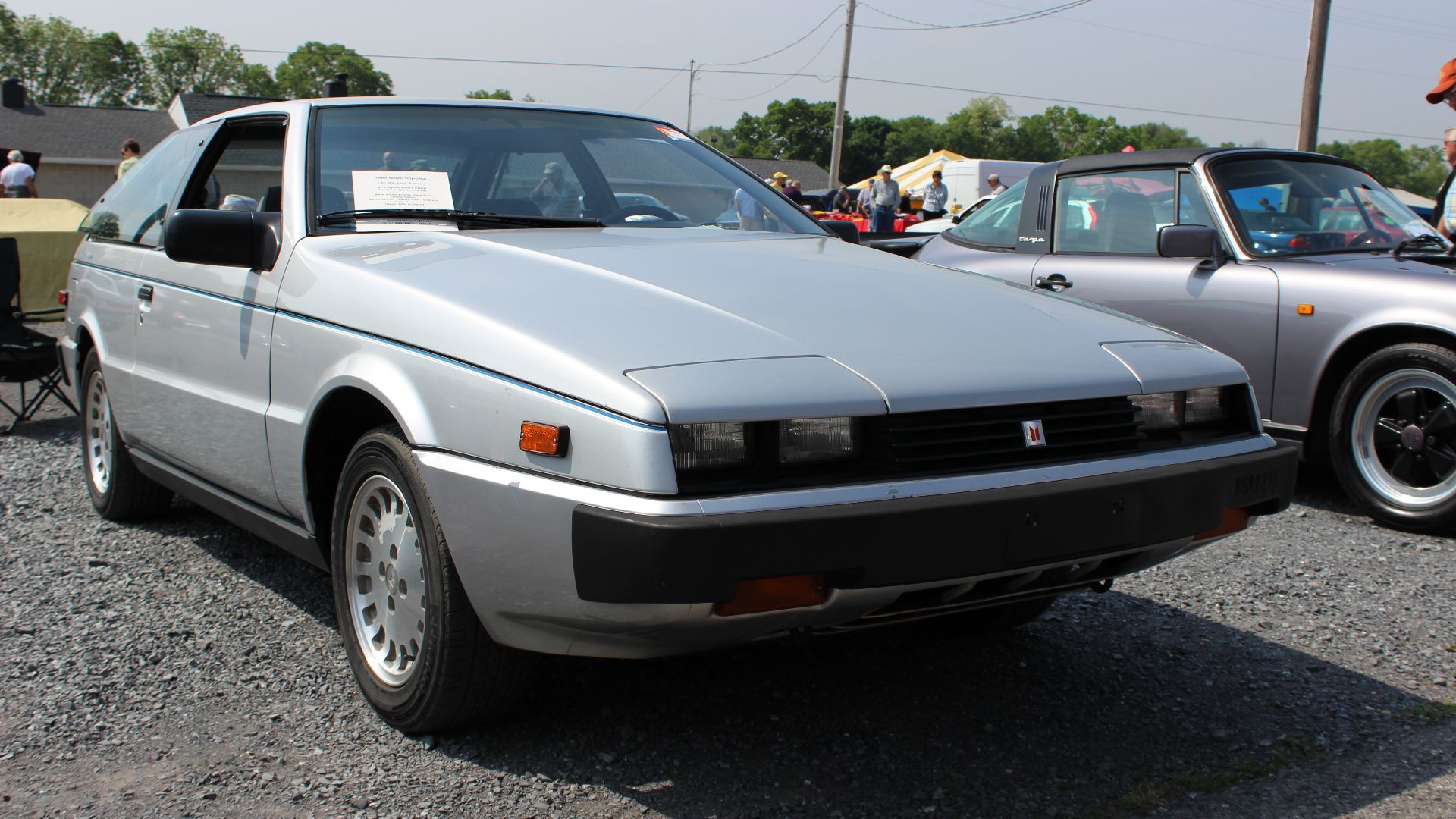
The Impulse had something many forgotten cars lacked: genuine style.
Penned by famed designer Giorgetto Giugiaro, the sleek hatchback looked far more expensive than it actually was. Performance wasn't bad either. Unfortunately, Isuzu never developed a strong performance-car image in America, and the Impulse quietly faded away despite having far more personality than many competitors.
 ilikewaffles11, Wikimedia Commons
Pontiac 6000 STE
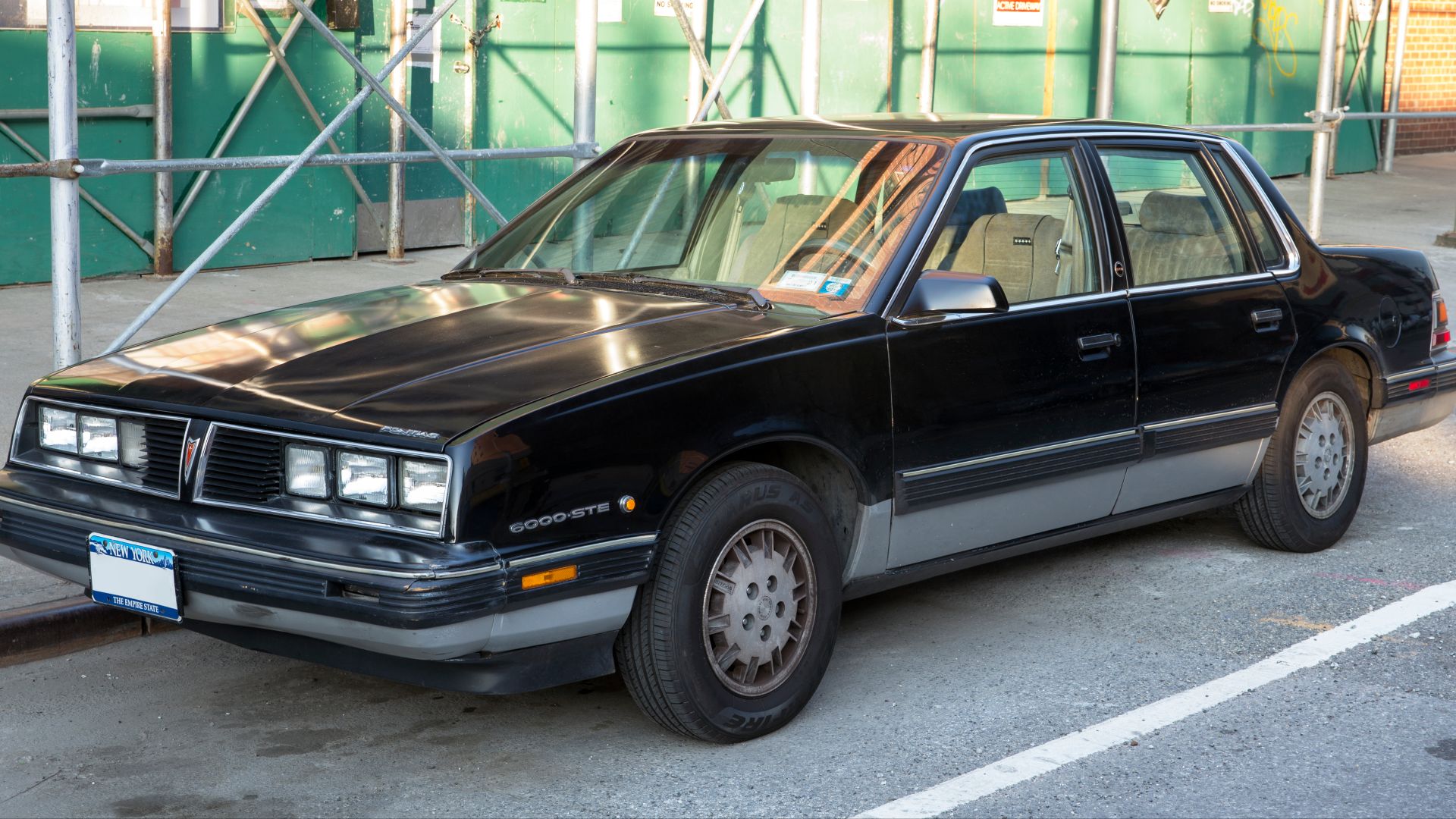
Now here's one even a lot of Pontiac fans forget.
The 6000 STE was surprisingly advanced for its time, offering features like digital instrumentation, sophisticated suspension tuning, and all-wheel drive beginning in 1988. In many ways, it previewed technologies that would become common years later. Yet today it's overshadowed by flashier Pontiacs like the Firebird and Fiero.
 Mr.choppers, Wikimedia Commons
Chrysler Laser
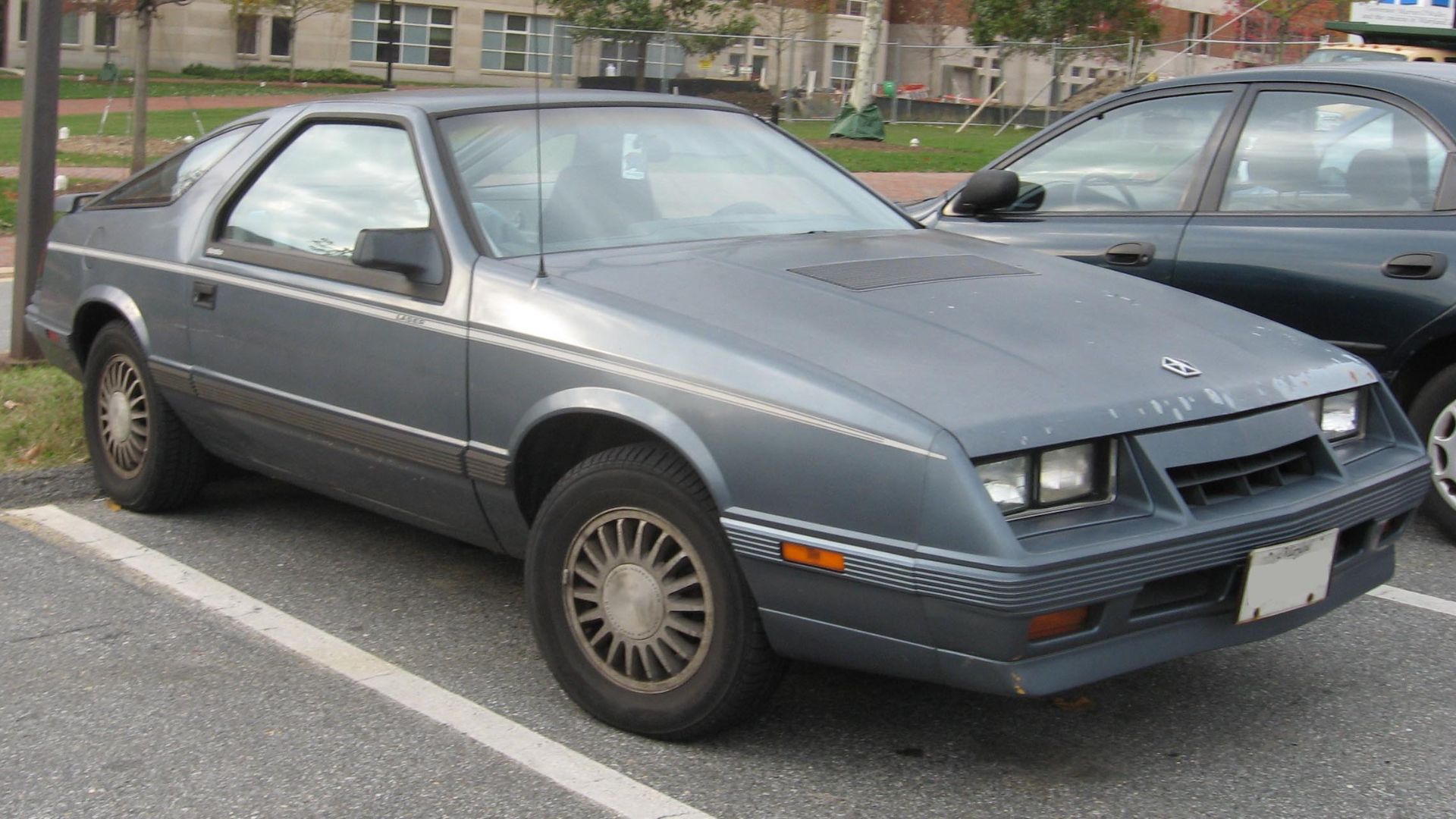
The Laser always lived in the shadow of its corporate cousin, the Dodge Daytona.
Built from 1984 through 1986, it shared most of its mechanical components with the Daytona but wore unique styling and Chrysler badging. Buyers generally gravitated toward the Dodge version, leaving the Laser as one of those cars people vaguely recognize but can't quite place.
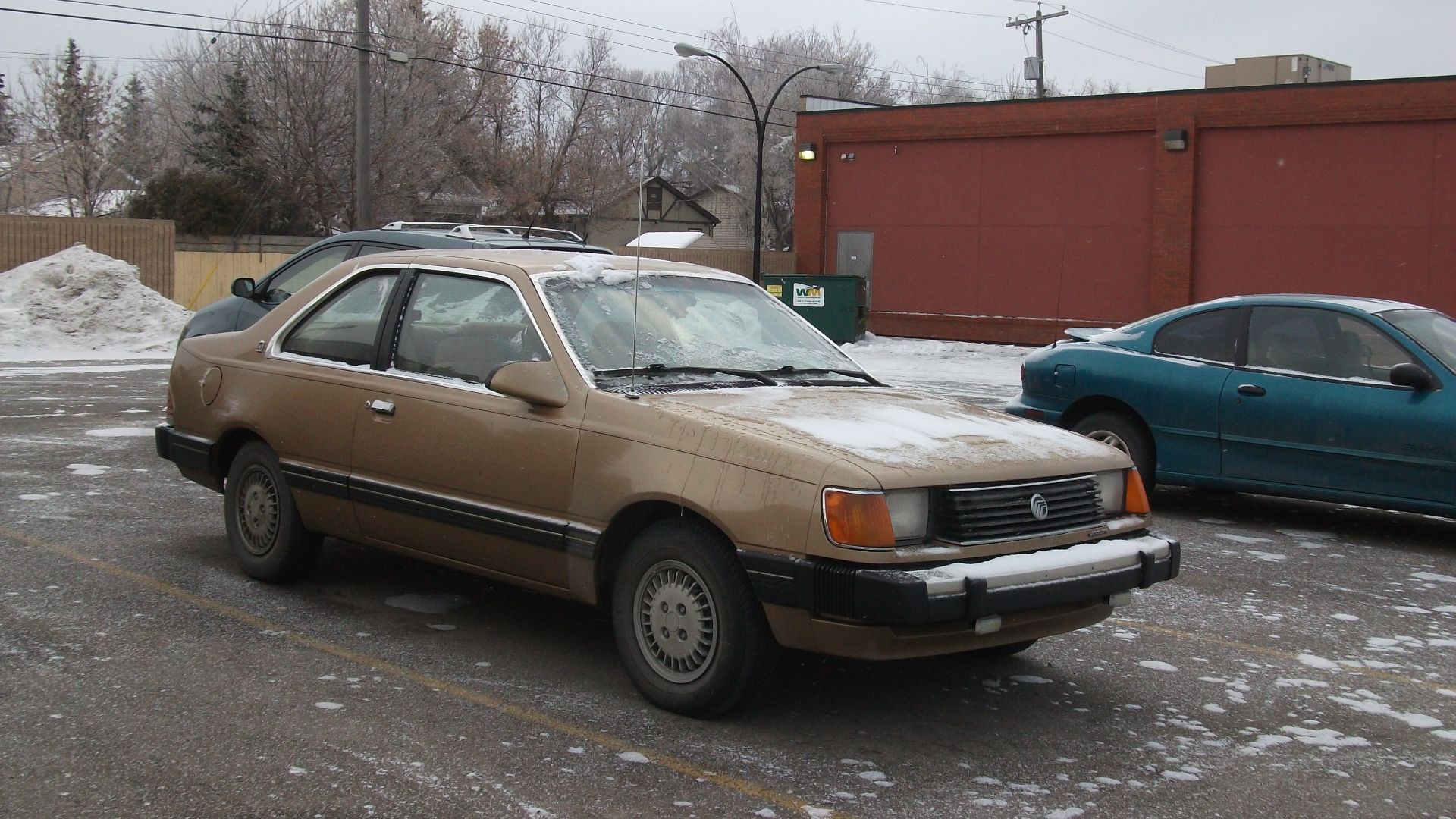
Mercury Topaz
If you grew up in the 80s, you probably saw hundreds of Topazes.
If you grew up later, you may have never heard of one.
Mercury's compact sedan counterpart to the Ford Tempo sold reasonably well and served countless families for years. Yet unlike the Taurus or Cougar, the Topaz left almost no cultural footprint behind. It simply existed, did its job, and disappeared.
 dave_7 from Lethbridge, Canada, Wikimedia Commons
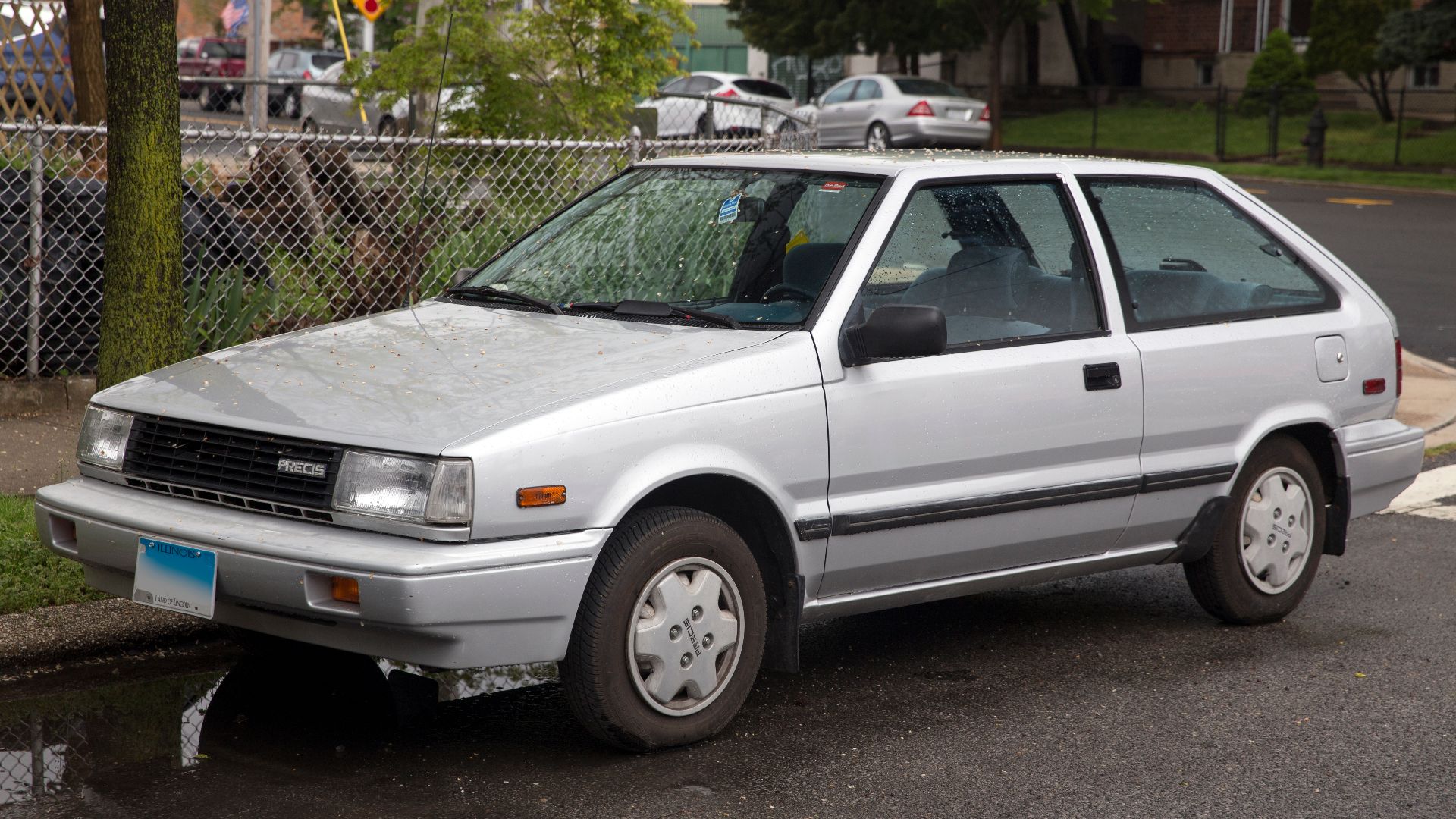
Mitsubishi Precis
Even many Mitsubishi enthusiasts forget this one existed.
The Precis was actually a rebadged Hyundai Excel sold through Mitsubishi dealerships in the late 80s. That's right: a Hyundai wearing Mitsubishi badges. It was inexpensive transportation during a time when both brands were still trying to establish themselves in America. Today it feels like an automotive fever dream.
 Mr.choppers, Wikimedia Commons
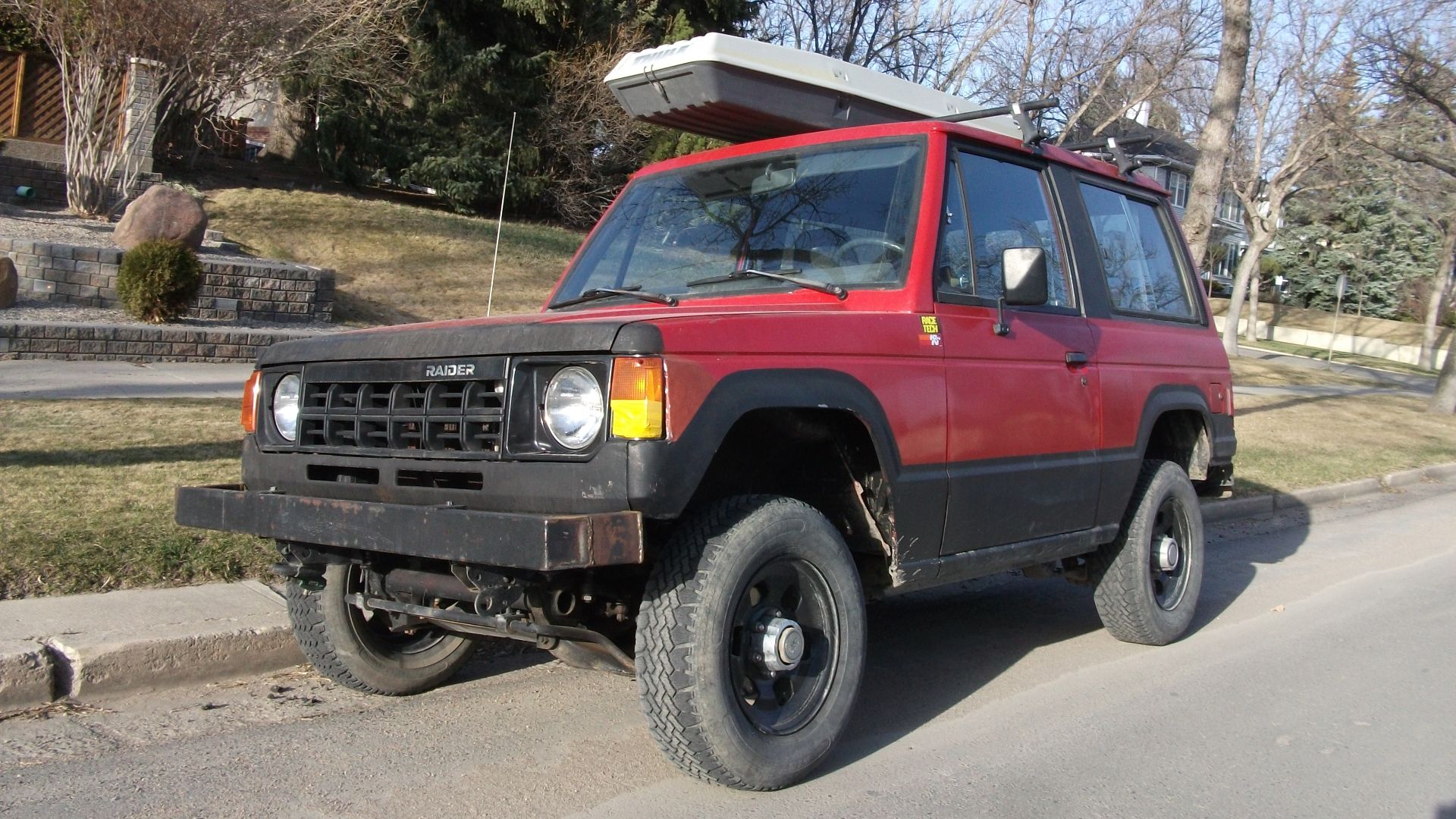
Dodge Raider
Before SUVs became America's obsession, there was the Raider.
Sold from 1987 to 1989, it was essentially a rebadged Mitsubishi Montero. The compact SUV offered genuine off-road capability long before crossovers became fashionable. Production numbers were low, and surviving examples are rare enough that many people have never even heard the name.
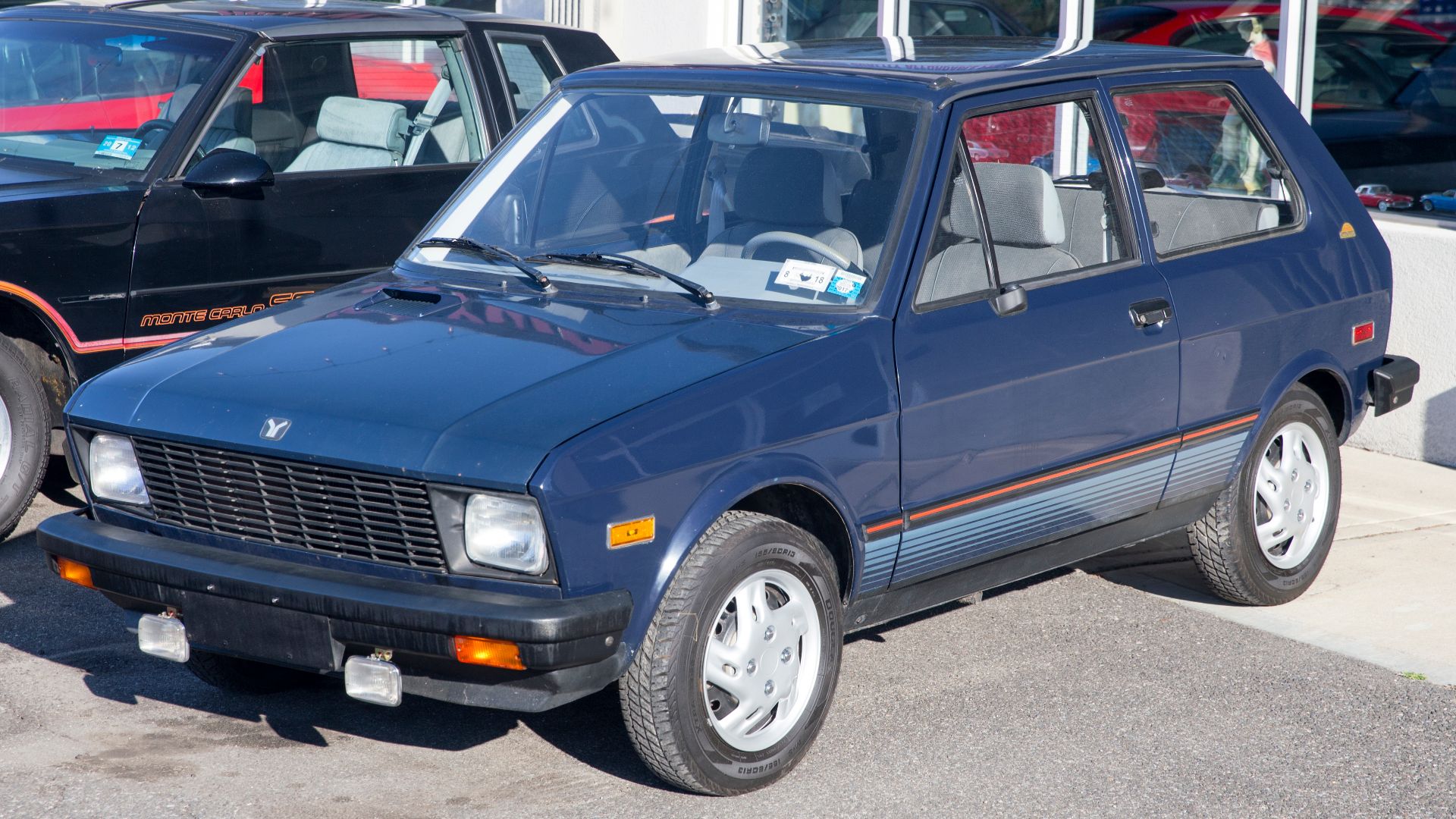
Yugo GV
People remember Yugo jokes.
The actual car? That's another story.
Imported from Yugoslavia beginning in 1985, the Yugo GV became famous for its low price and infamous reliability issues. While the jokes have survived for decades, surprisingly few people can actually picture what the car looked like anymore. It has become more punchline than automobile.
 Mr.choppers, Wikimedia Commons
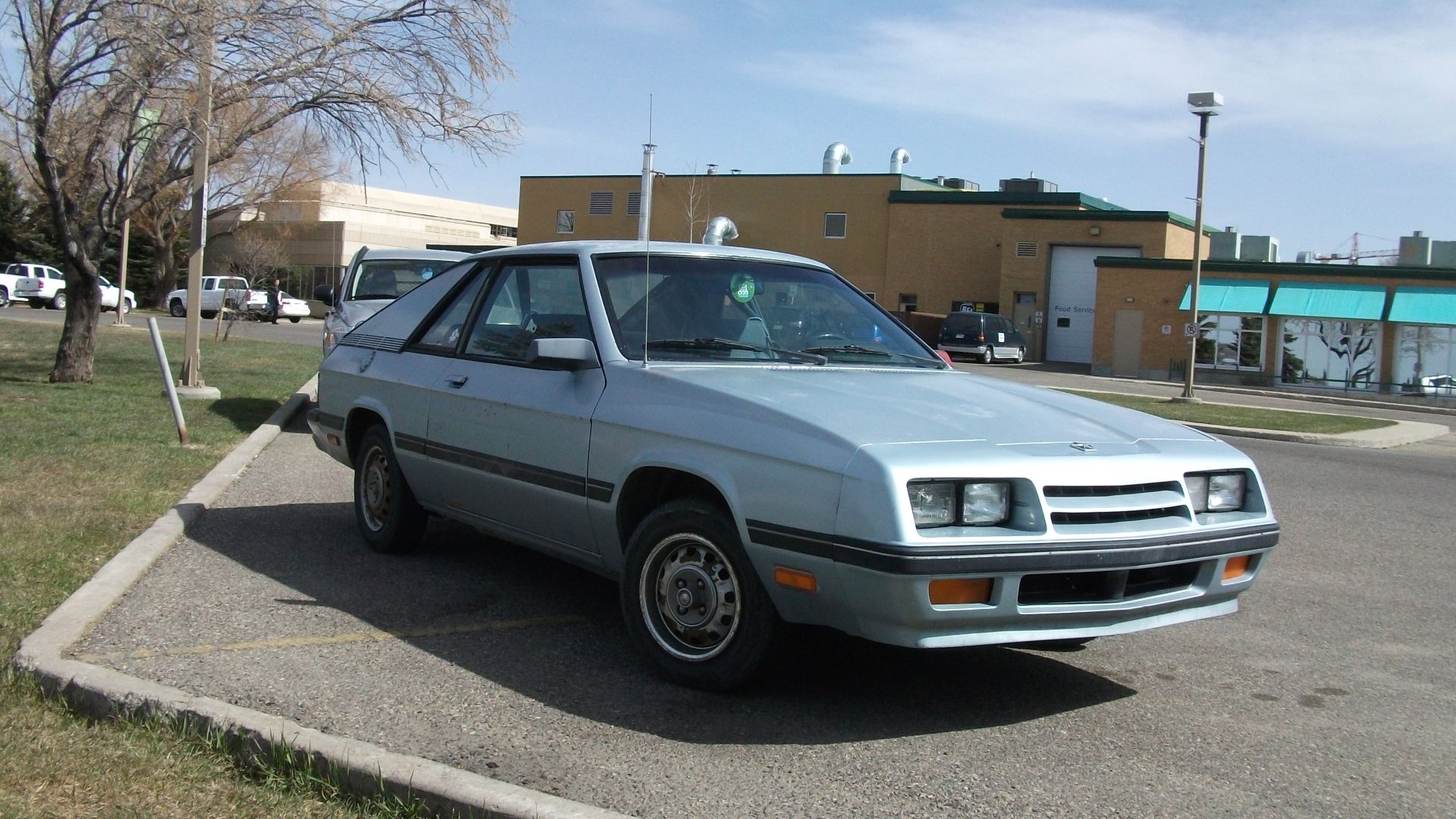
Plymouth Turismo
The Turismo looked like it belonged in an 80s sci-fi movie.
Based on Chrysler's front-wheel-drive compact platform, it offered sporty styling without much actual performance. It wasn't terrible, but it arrived during a decade packed with more memorable hot hatches and sporty coupes. As a result, it quietly slipped through the cracks of automotive history.
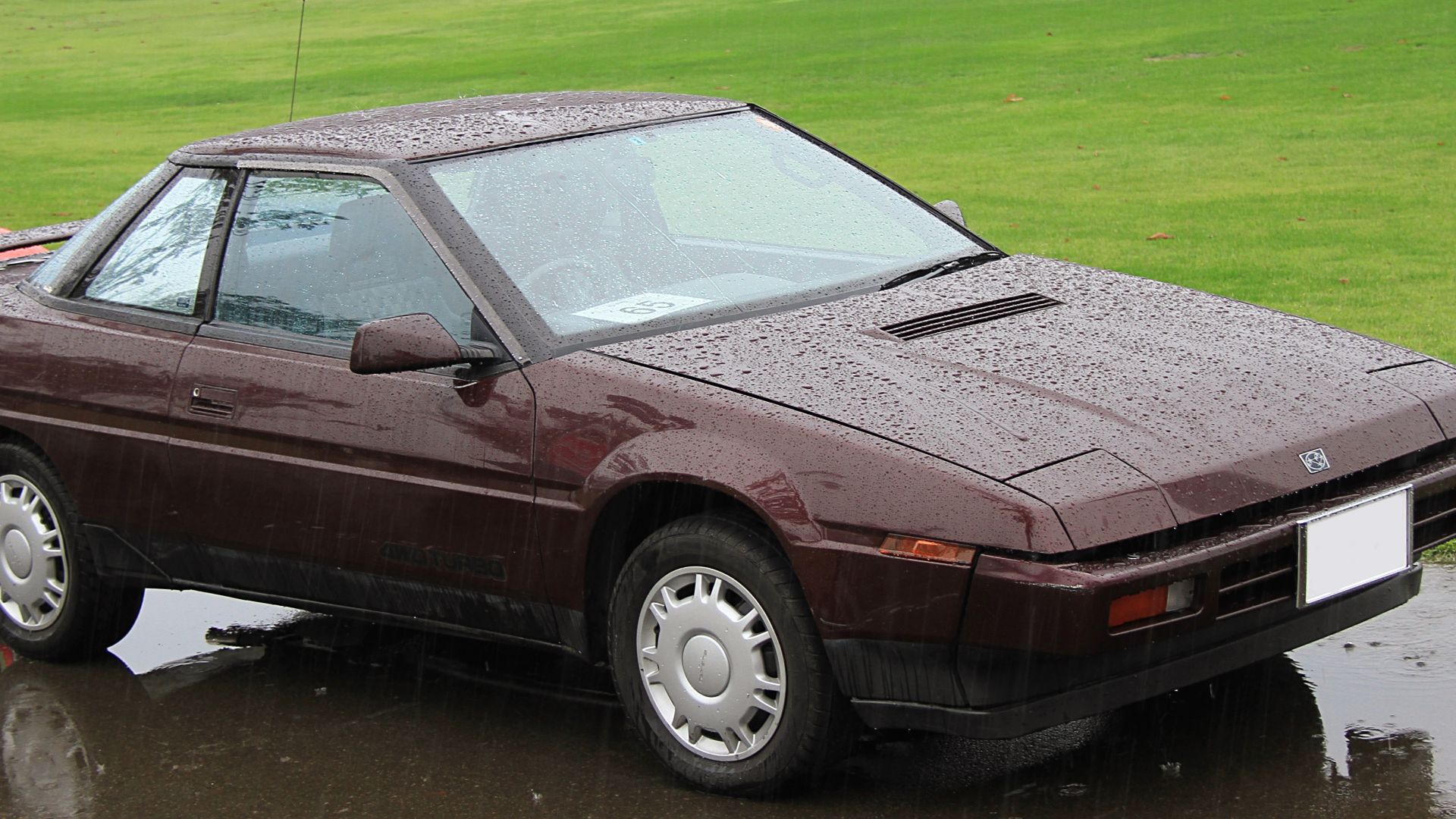
Subaru XT
The XT looked like somebody designed a spaceship and accidentally turned it into a car.
Its wedge-shaped styling, futuristic dashboard, and unusual steering wheel made it one of the most distinctive vehicles of the decade. Subaru was experimenting with bold ideas long before the WRX made the brand cool. The XT may be weird, but it's exactly the kind of weird that makes forgotten cars fun.
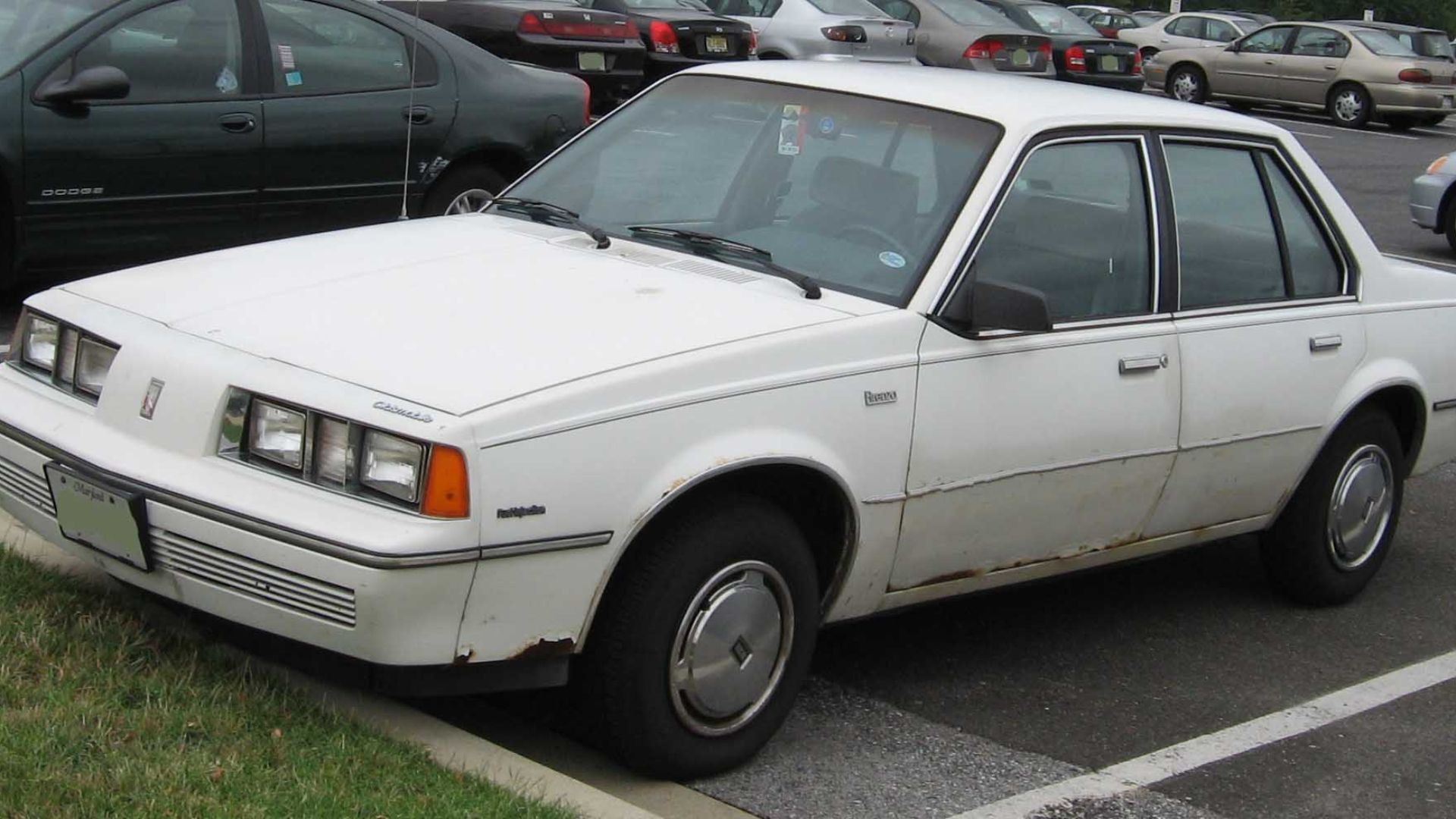
Oldsmobile Firenza
The Firenza spent most of its life being confused with other GM compact cars.
Available throughout much of the 80s, it shared platforms with several corporate cousins while trying to maintain its own identity. Unfortunately, there wasn't much that made it stand out. It became one of those cars that people recognize instantly once they see a photo, but never think about otherwise.
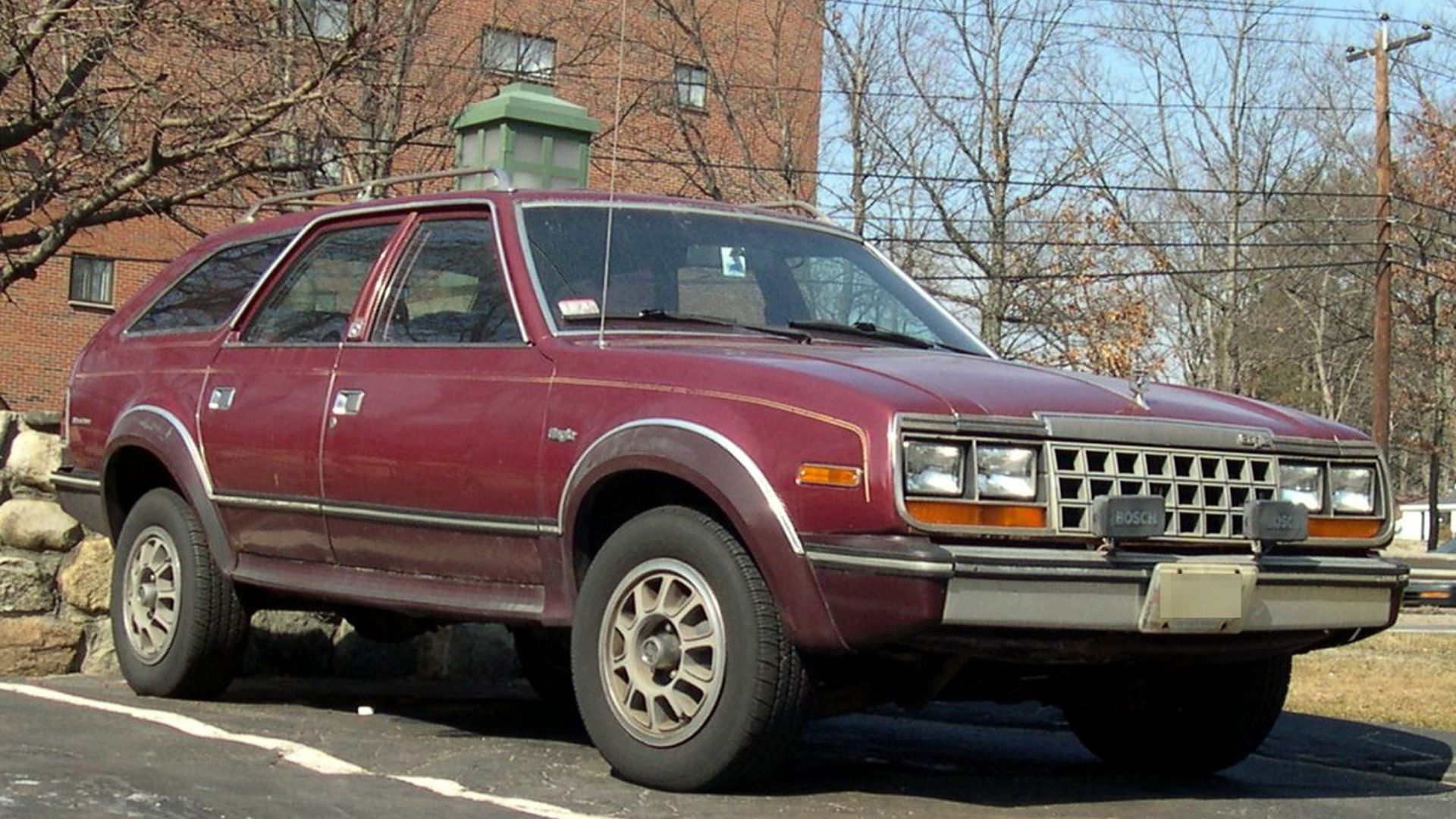
AMC Eagle Wagon
This one deserves more credit than it gets.
The Eagle Wagon combined passenger-car comfort with four-wheel-drive capability years before crossovers became the industry's favorite product. In many ways, it was ahead of its time. Looking back today, it's surprisingly easy to see why so many people call it one of the earliest crossover-like vehicles.
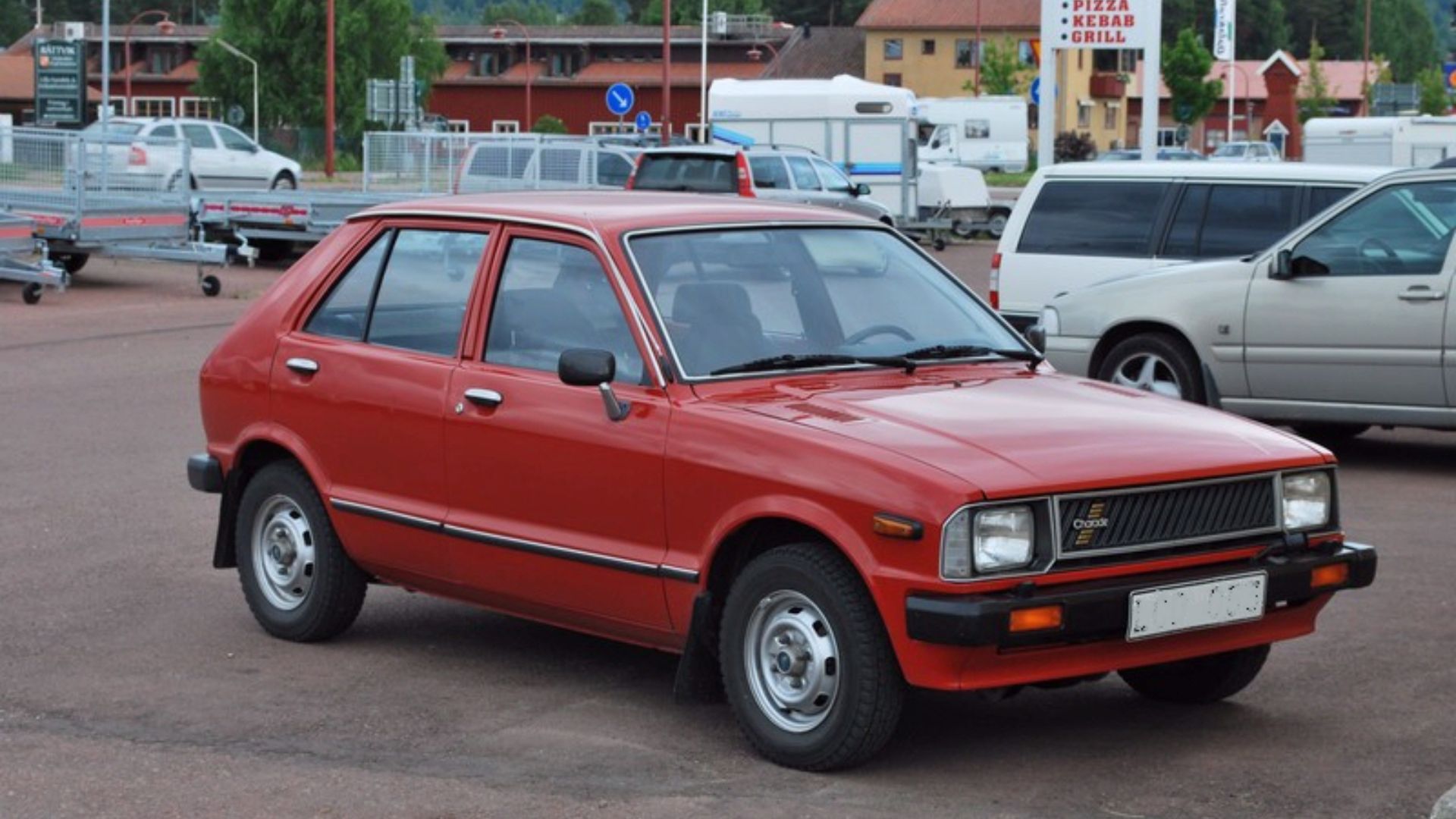
Daihatsu Charade
There was a time when Daihatsu sold cars in America.
A lot of people have forgotten that entirely.
The Charade arrived as a fuel-efficient subcompact that emphasized economy over excitement. It wasn't flashy, but it helped introduce American buyers to another Japanese automaker. Today, both the car and the brand's American presence have largely faded from memory.
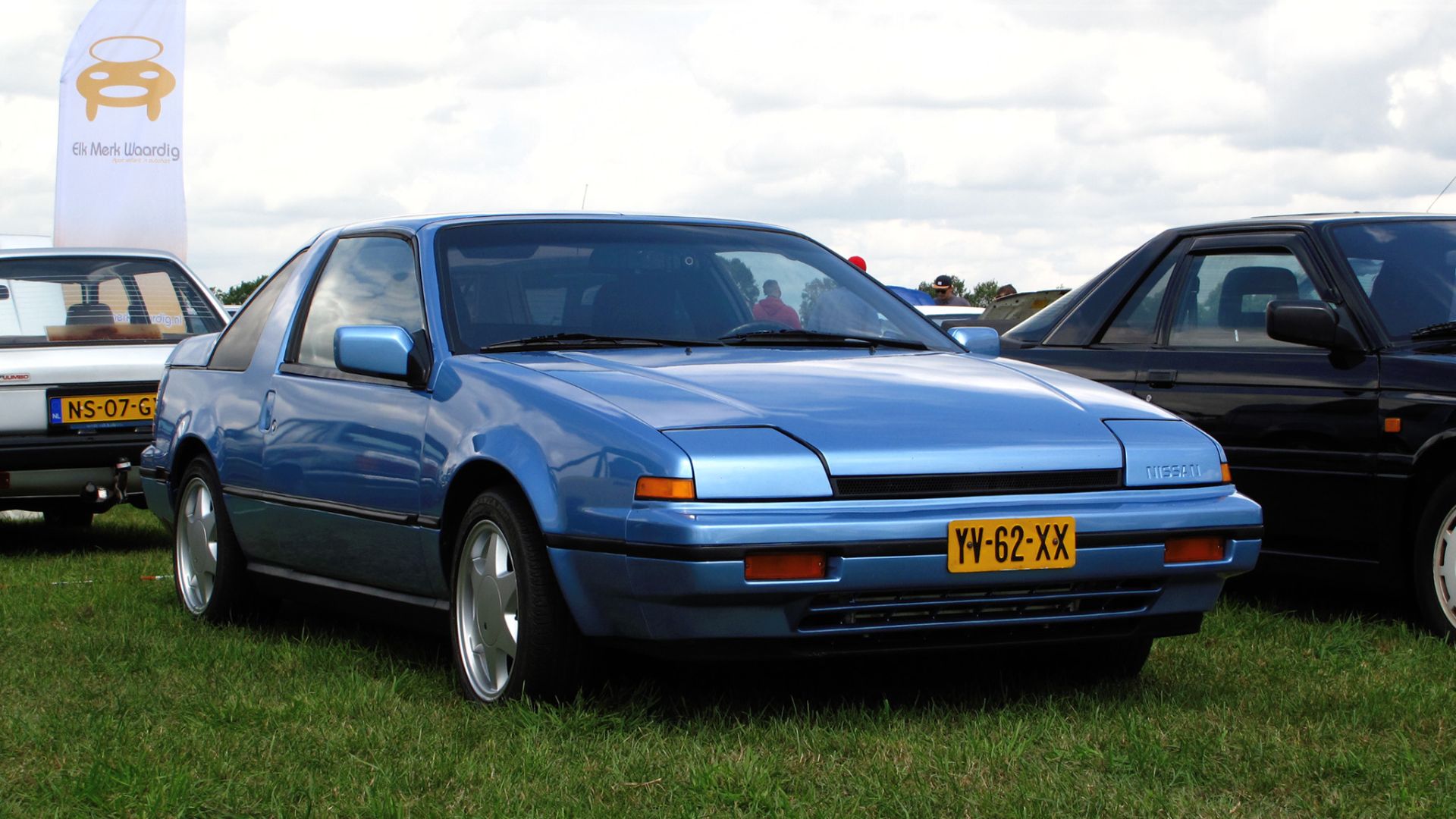
Nissan Pulsar NX
The Pulsar NX might be one of the most aggressively 80s cars ever built.
Angular styling, removable roof panels, and quirky body configurations made it stand out from ordinary compact cars. Nissan even offered interchangeable rear body sections on some versions. It was creative, unusual, and exactly the sort of thing automakers don't really attempt anymore.
 Rutger van der Maar, Wikimedia Commons
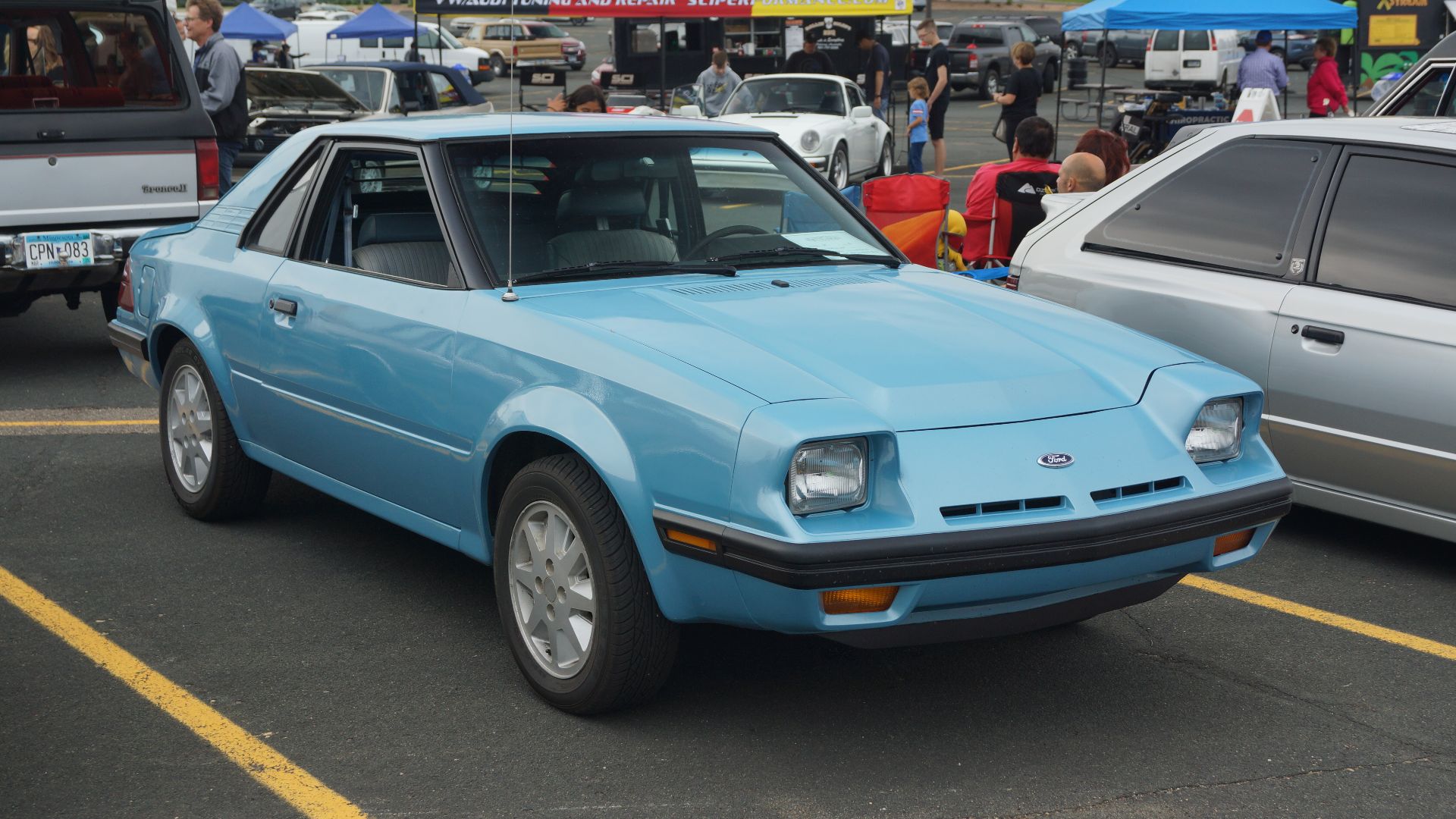
Ford EXP
Ford looked at the Escort and decided to make it sportier.
The result was the EXP.
This compact two-seat coupe debuted in the early 80s as an affordable alternative to sports cars. Unfortunately, buyers expecting real performance often came away disappointed. The EXP wasn't bad, but it wasn't memorable enough to survive in the public consciousness.
 Greg Gjerdingen, Wikimedia Commons
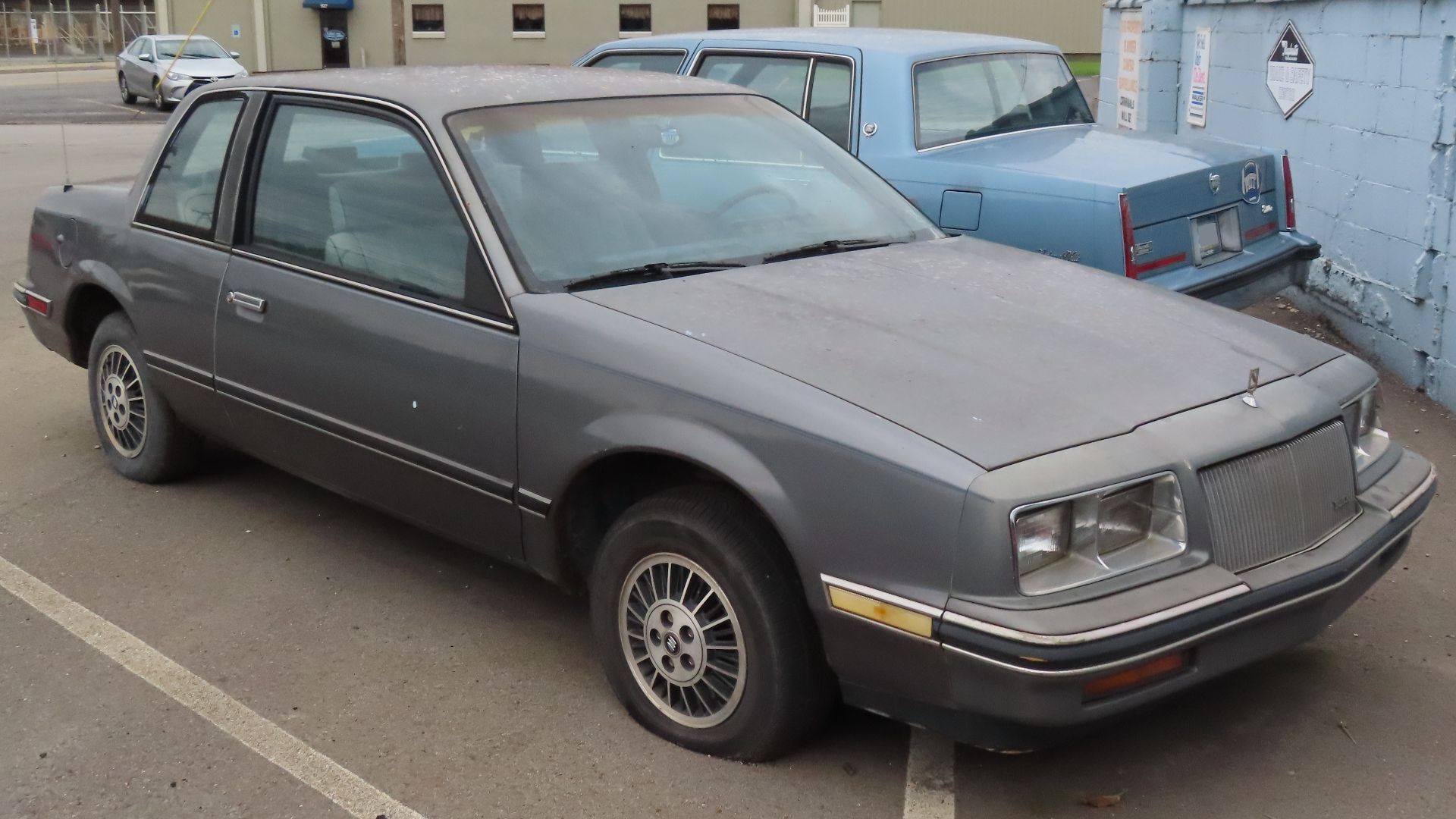
Buick Somerset
Before it became the Somerset Regal, it was simply the Somerset.
Buick hoped younger buyers would embrace the compact coupe, but it never generated much excitement. That's partly why so few survive today. Mention a Grand National and every car fan knows what you're talking about. Mention a Somerset and you'll probably get a blank stare.
 MercurySable99, Wikimedia Commons
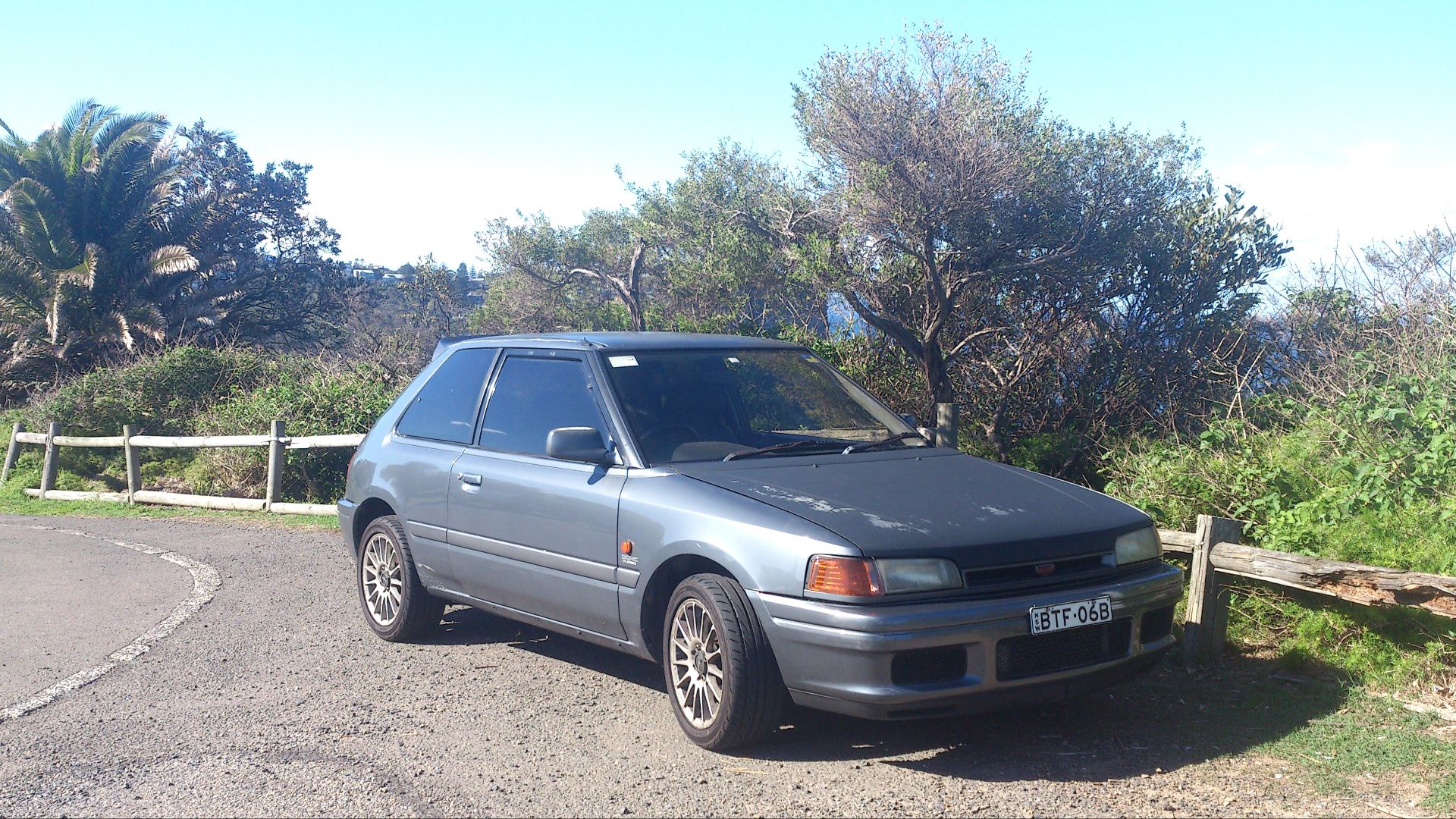
Mazda 323 GTX
The 323 GTX was basically a rally car hiding in plain sight.
Featuring turbocharged power and all-wheel drive, it delivered performance that was years ahead of many competitors. Unfortunately, it sold in tiny numbers. Most people remember Mazda for the Miata arriving at the end of the decade, while the brilliant little 323 GTX quietly disappeared.
Peugeot 505 Turbo
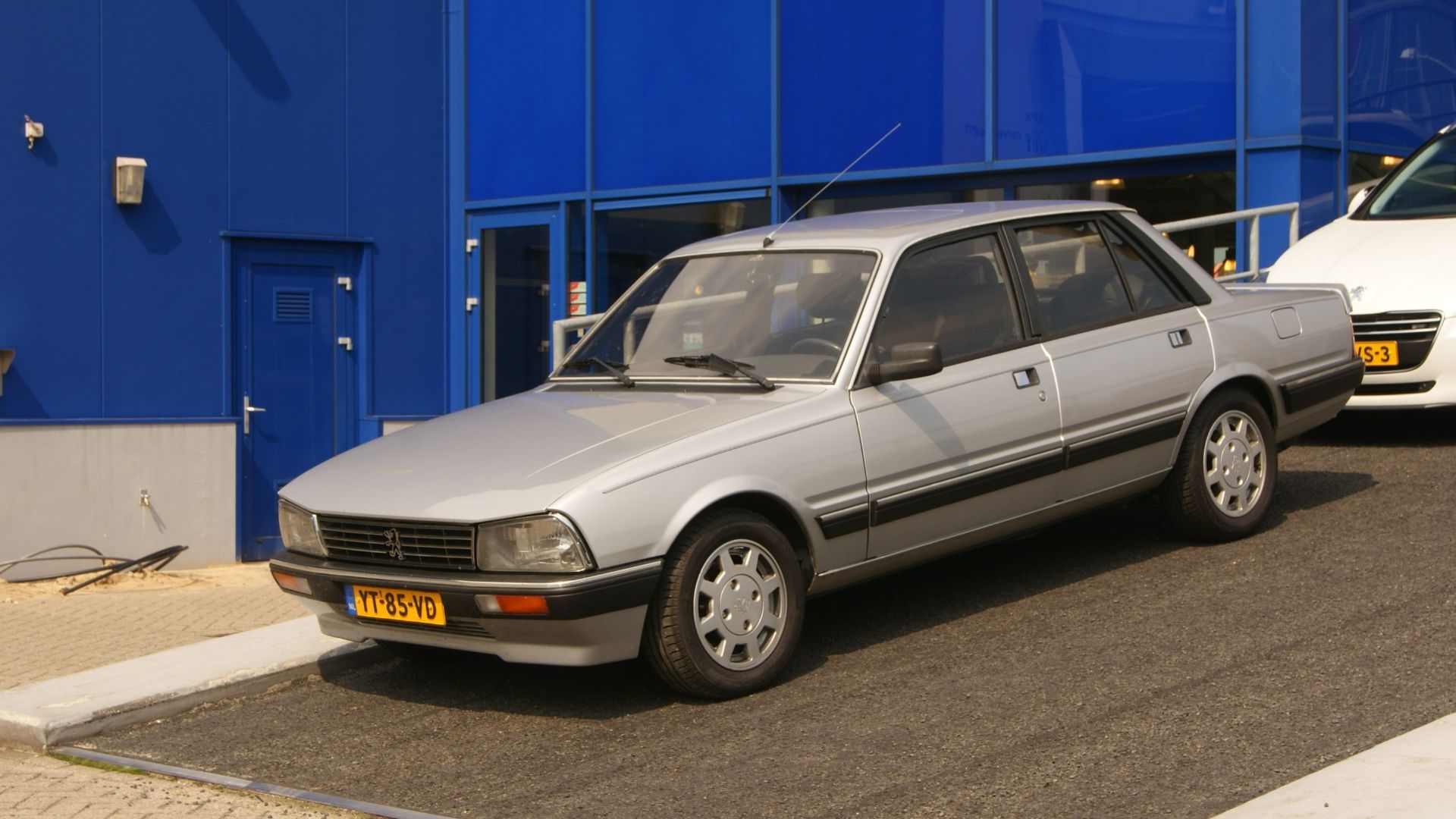
Believe it or not, Peugeot once sold a surprisingly impressive sports sedan in America.
The 505 Turbo combined European handling with respectable turbocharged performance. Automotive journalists often praised it, but Peugeot struggled to gain traction in the U.S. market. By the time the company exited America, the 505 had already begun its long journey into obscurity.
 Niels de Wit from Lunteren, The Netherlands, Wikimedia Commons
Zimmer Quicksilver
You thought the decade couldn't get any stranger.
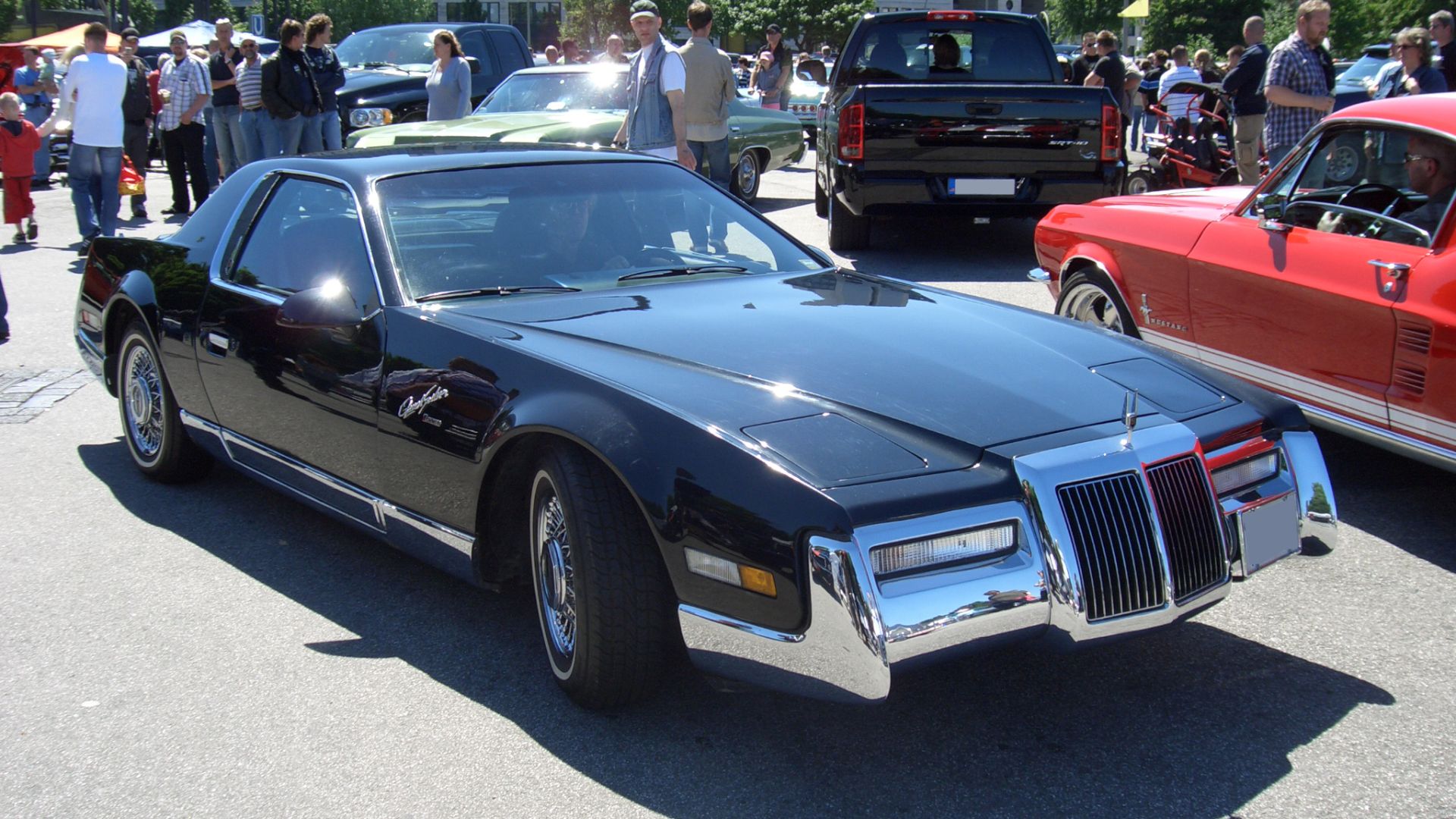
Built on a stretched Pontiac Fiero chassis, the Zimmer Quicksilver transformed an ordinary mid-engine sports car into something that looked like it belonged to a millionaire movie villain. Only around 170 were built, making it one of the rarest cars on this list. Even many dedicated car enthusiasts have never seen one outside of photographs.
Some Cars Vanish Completely
The funny thing about forgotten cars is that most weren't disasters.
Many were decent vehicles that simply lacked the timing, marketing, or personality needed to become legends. The 80s produced countless cars that once filled parking lots, school drop-off lanes, and suburban driveways. Today, they've become rolling trivia questions.
You Might Also Like: