Detroit’s Jet-Powered What-If
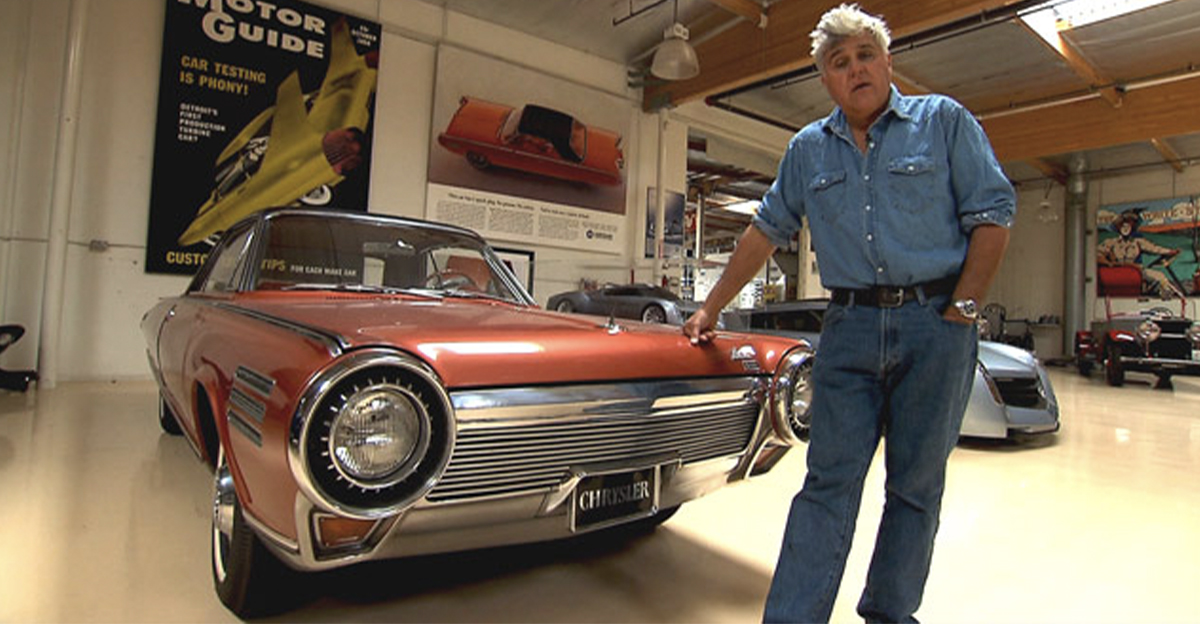
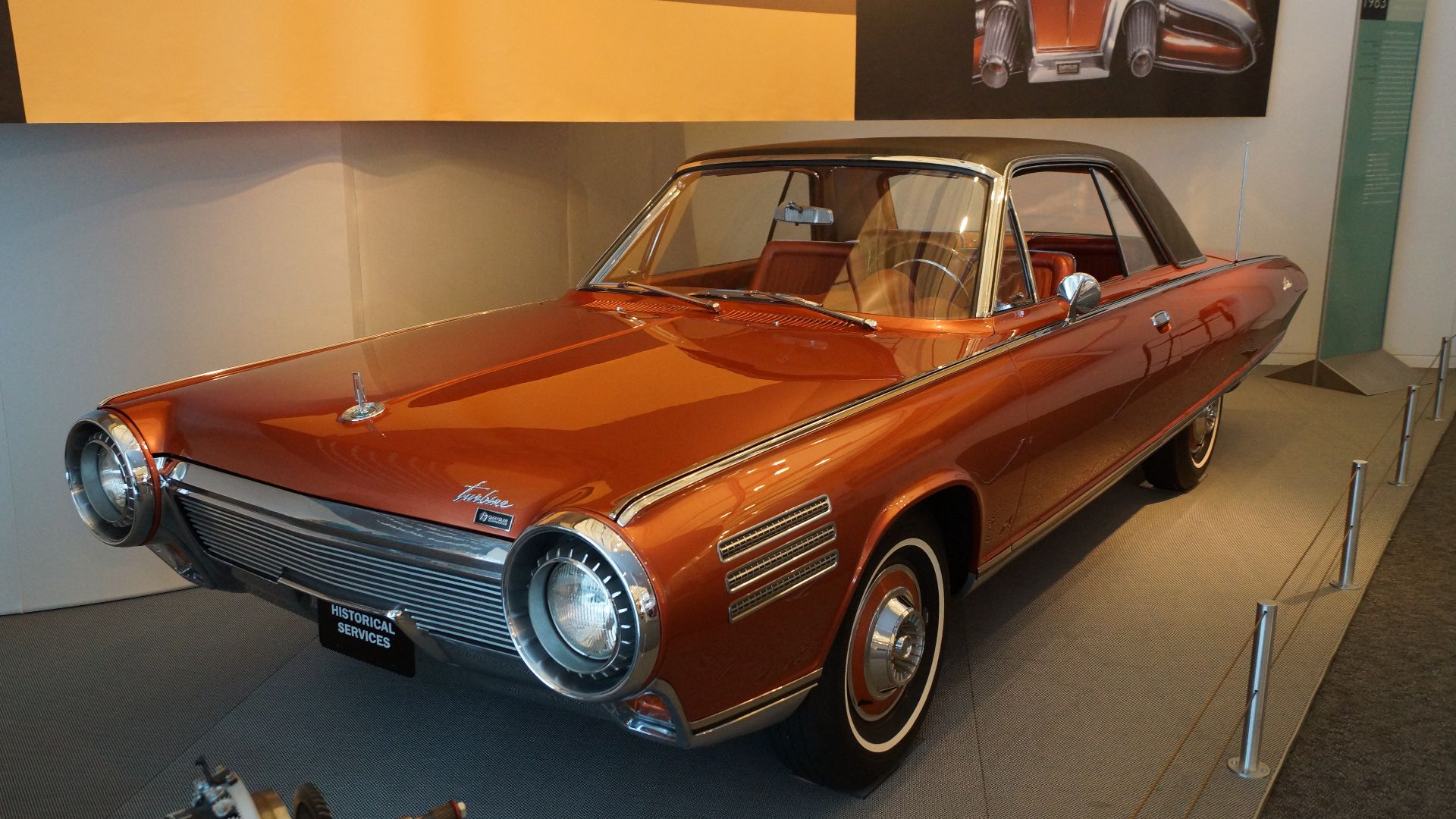
In the early 1960s, Chrysler did something no other automaker dared to do: it put a jet engine in a car and handed it to everyday Americans. The Chrysler Turbine Car wasn’t a concept locked behind glass — it was a real, drivable experiment meant to test the future of automotive propulsion.
Why Chrysler Built the Turbine Car
Chrysler believed gas turbines could replace piston engines altogether. Turbines had fewer moving parts, smoother power delivery, and incredible durability. At a time when America was obsessed with jets and space travel, Chrysler wanted to bring Jet Age technology straight to the driveway.
 Greg Gjerdingen from Willmar, USA, Wikimedia Commons
The Jet Age Influence
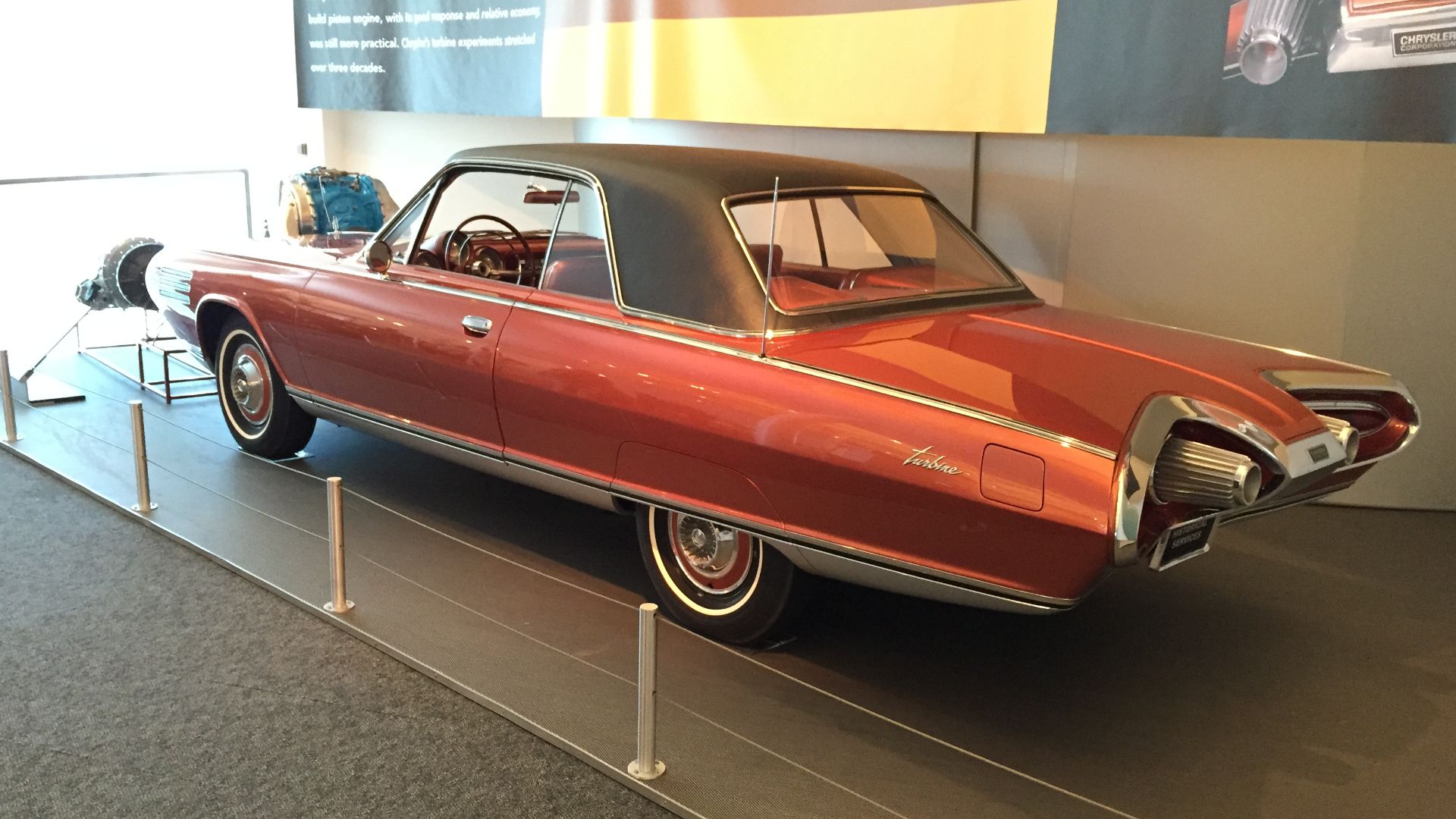
The Turbine Car was born during peak Cold War optimism. Jetliners, fighter planes, and rockets symbolized progress, and Chrysler leaned hard into that excitement. The car wasn’t just transportation — it was a rolling vision of what America thought the future would look like.
 DRIVERofPONTIACS, Wikimedia Commons
Meet the Turbine Engine
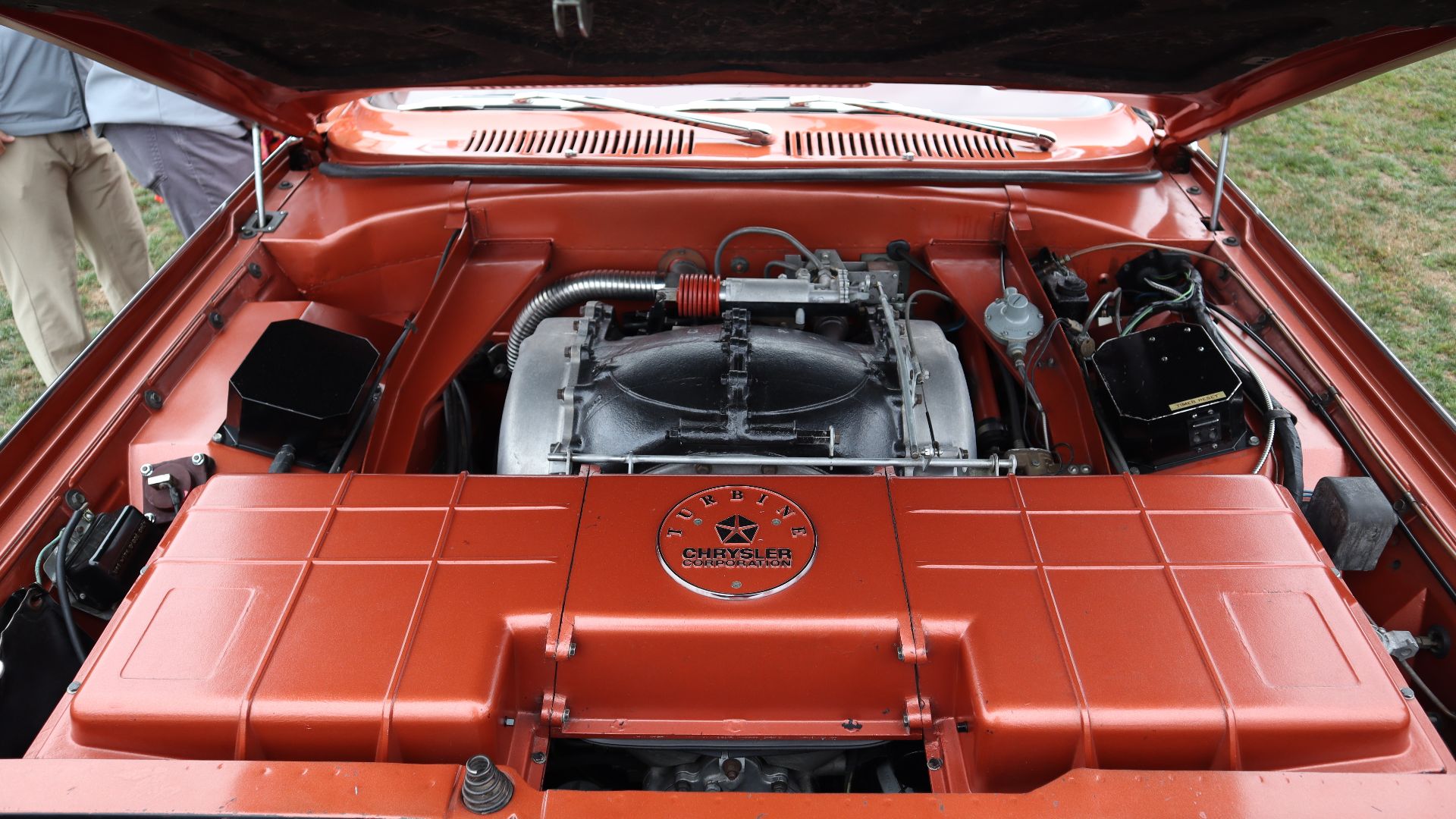
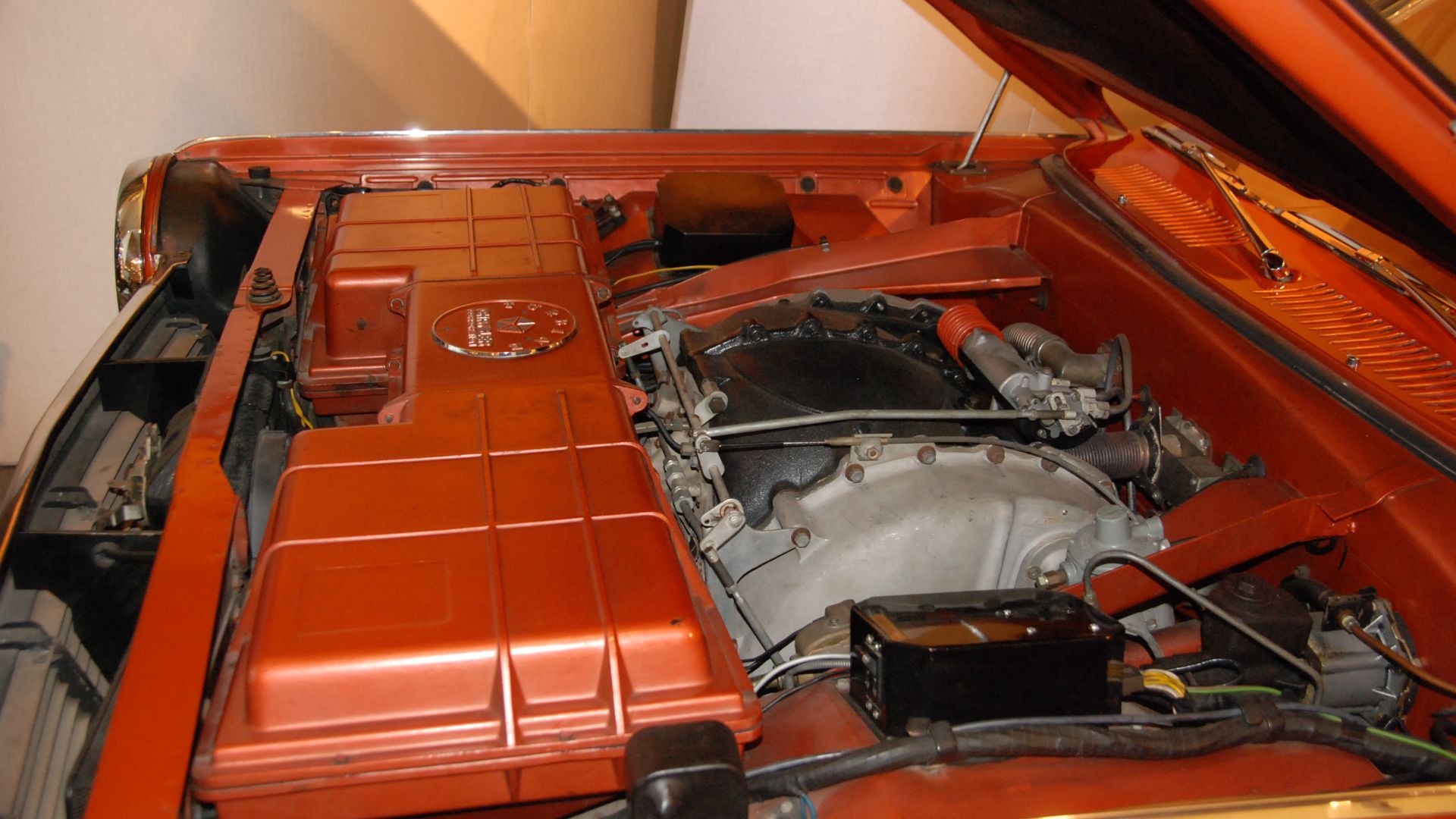
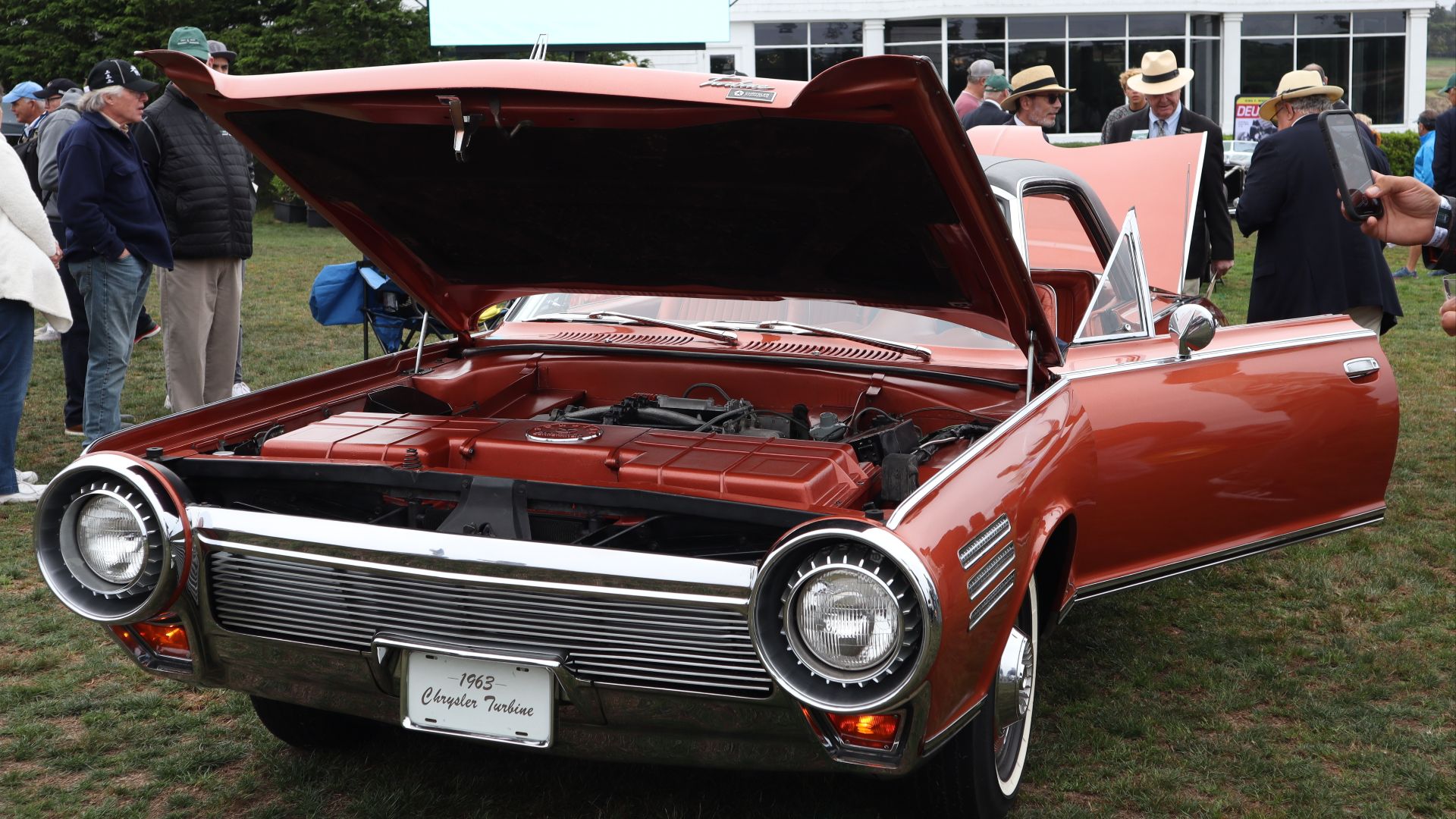
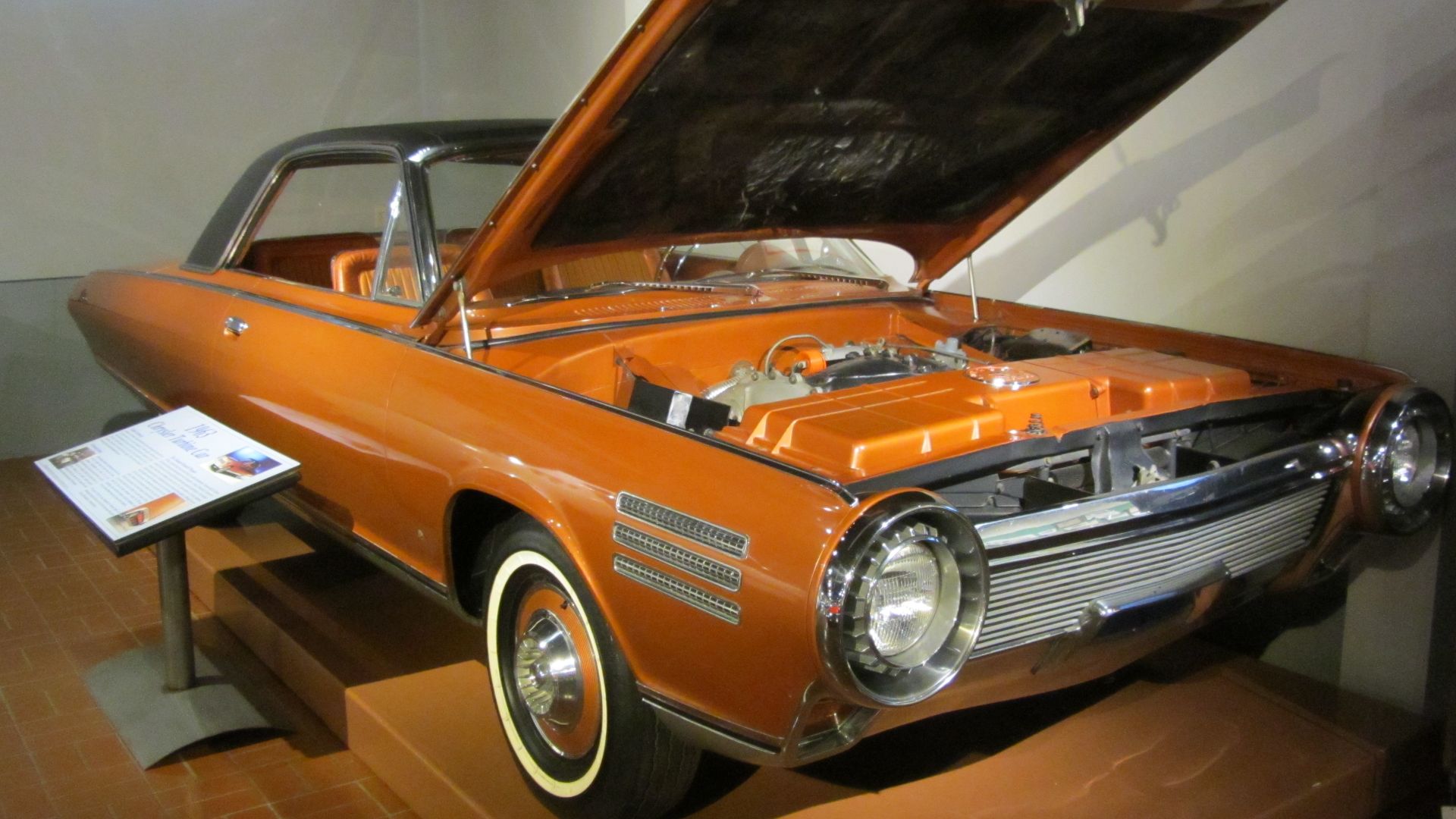
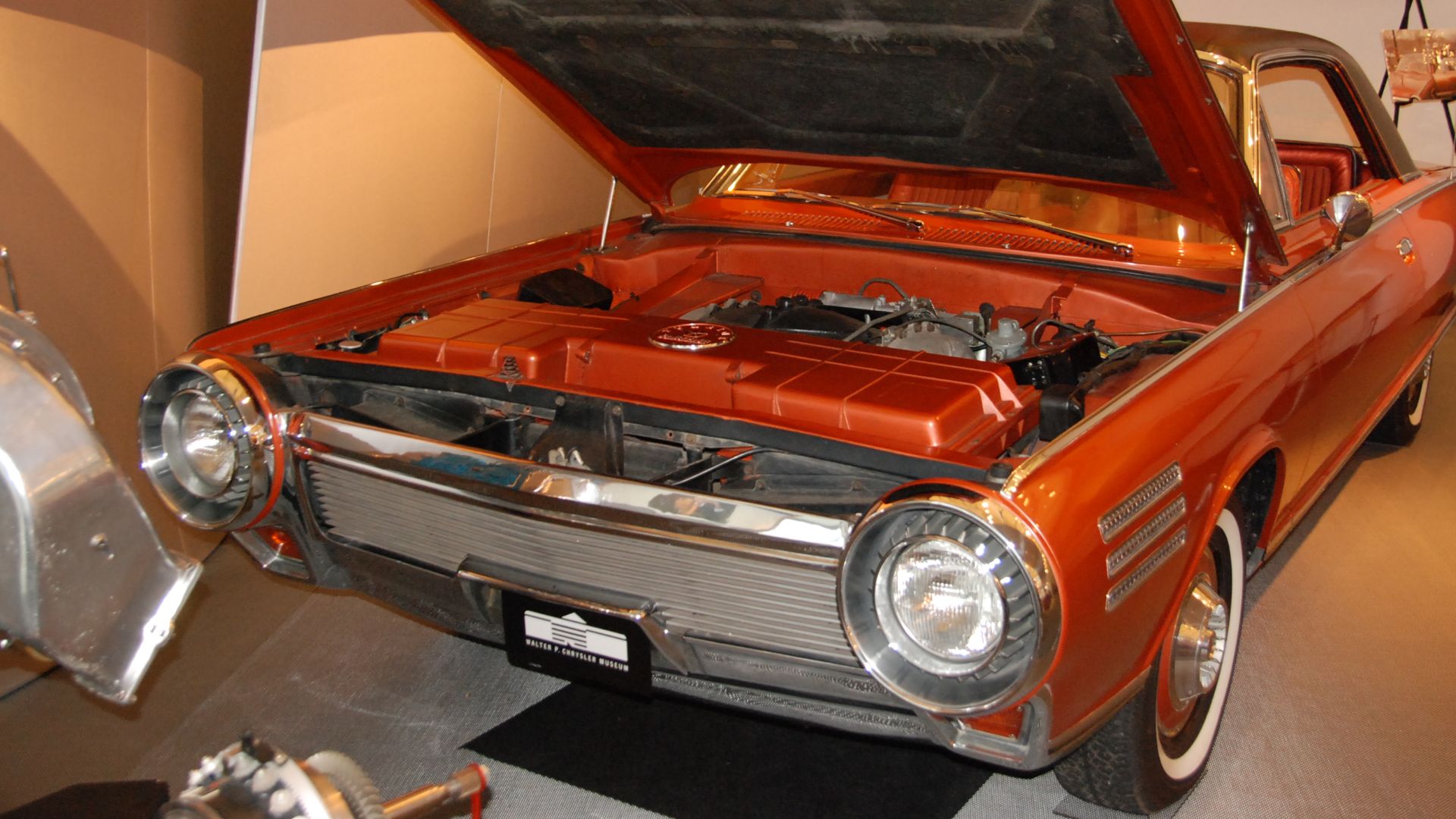
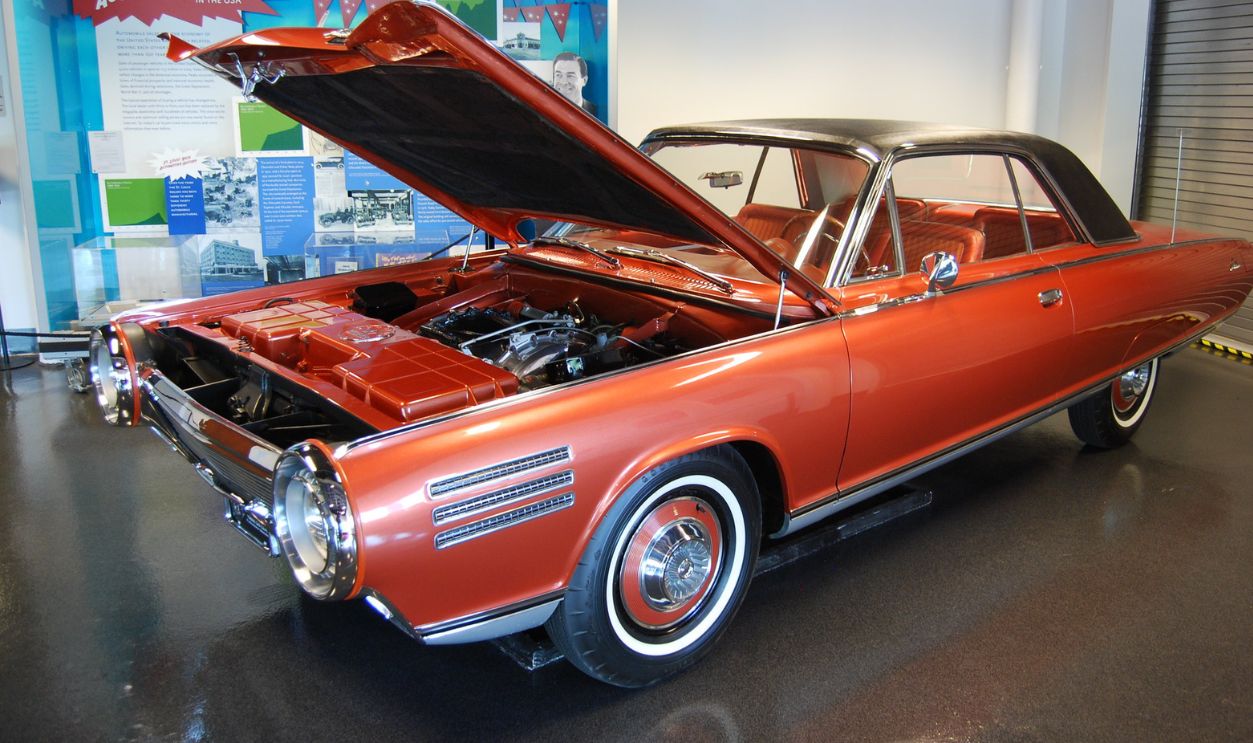
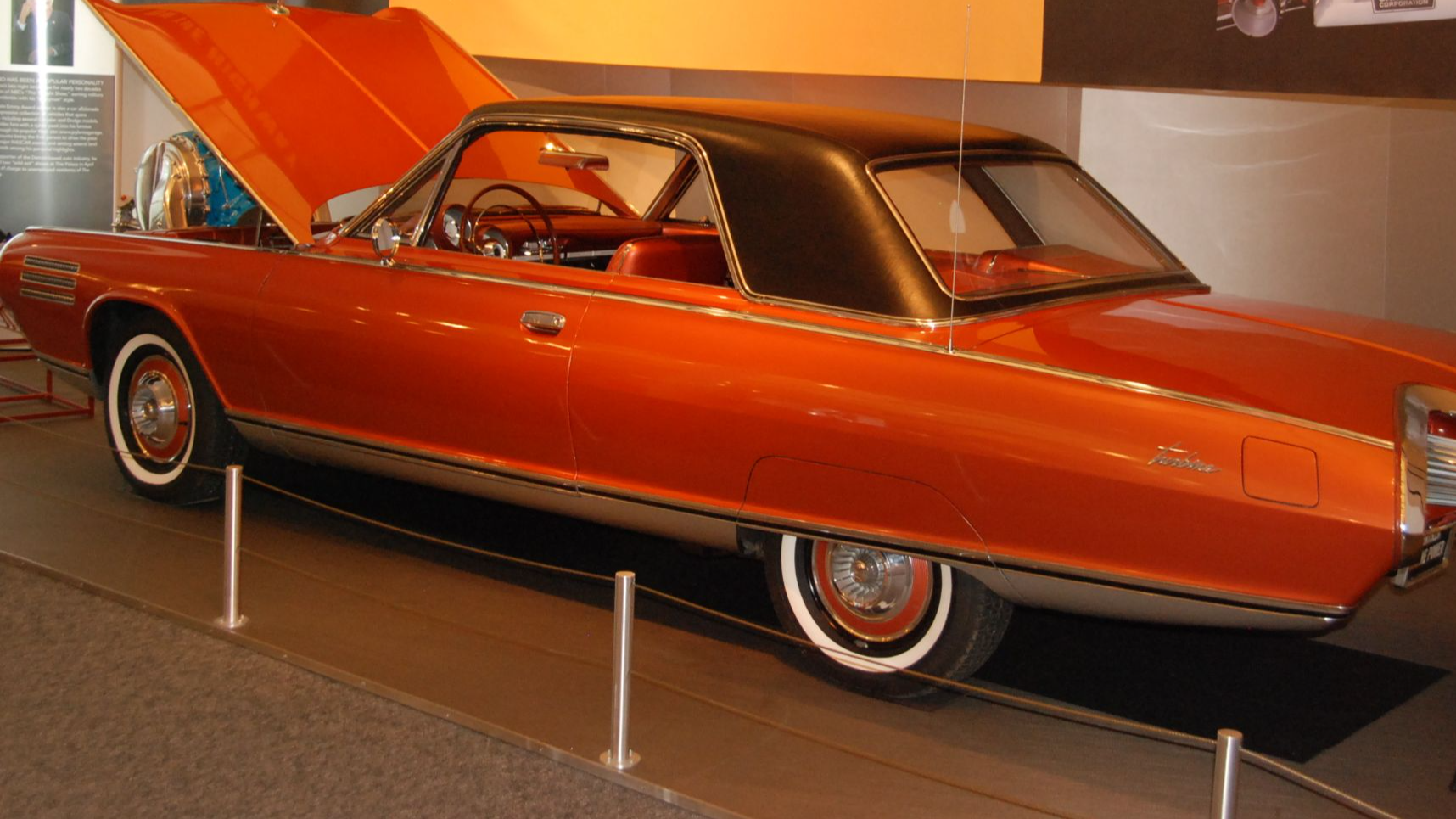
At the heart of the car was Chrysler’s A-831 gas turbine engine. It spun at up to 60,000 RPM and produced about 130 horsepower with 425 lb-ft of torque, delivering smooth, constant power unlike any piston engine of the era.
Fewer Moving Parts, Less Wear
The turbine engine had roughly 60 moving parts compared to hundreds in a traditional V8. No pistons, no crankshaft, no valves. Chrysler engineers believed this simplicity could mean longer service life and dramatically reduced mechanical failure.
 Corvair Owner, Wikimedia Commons
Fuel Flexibility Like Nothing Else
The Turbine Car could run on gasoline, diesel, kerosene, jet fuel, heating oil, tequila, and even Chanel No. 5 perfume. Chrysler demonstrated this publicly to prove the engine’s adaptability in a future where fuel availability was uncertain.
How Fuel Actually Worked
Instead of explosions inside cylinders, fuel burned continuously in a combustion chamber. Hot gases spun turbine blades, which then transferred power to the drivetrain, allowing wildly different fuels to be used with minimal adjustment.
Surprisingly Smooth Performance
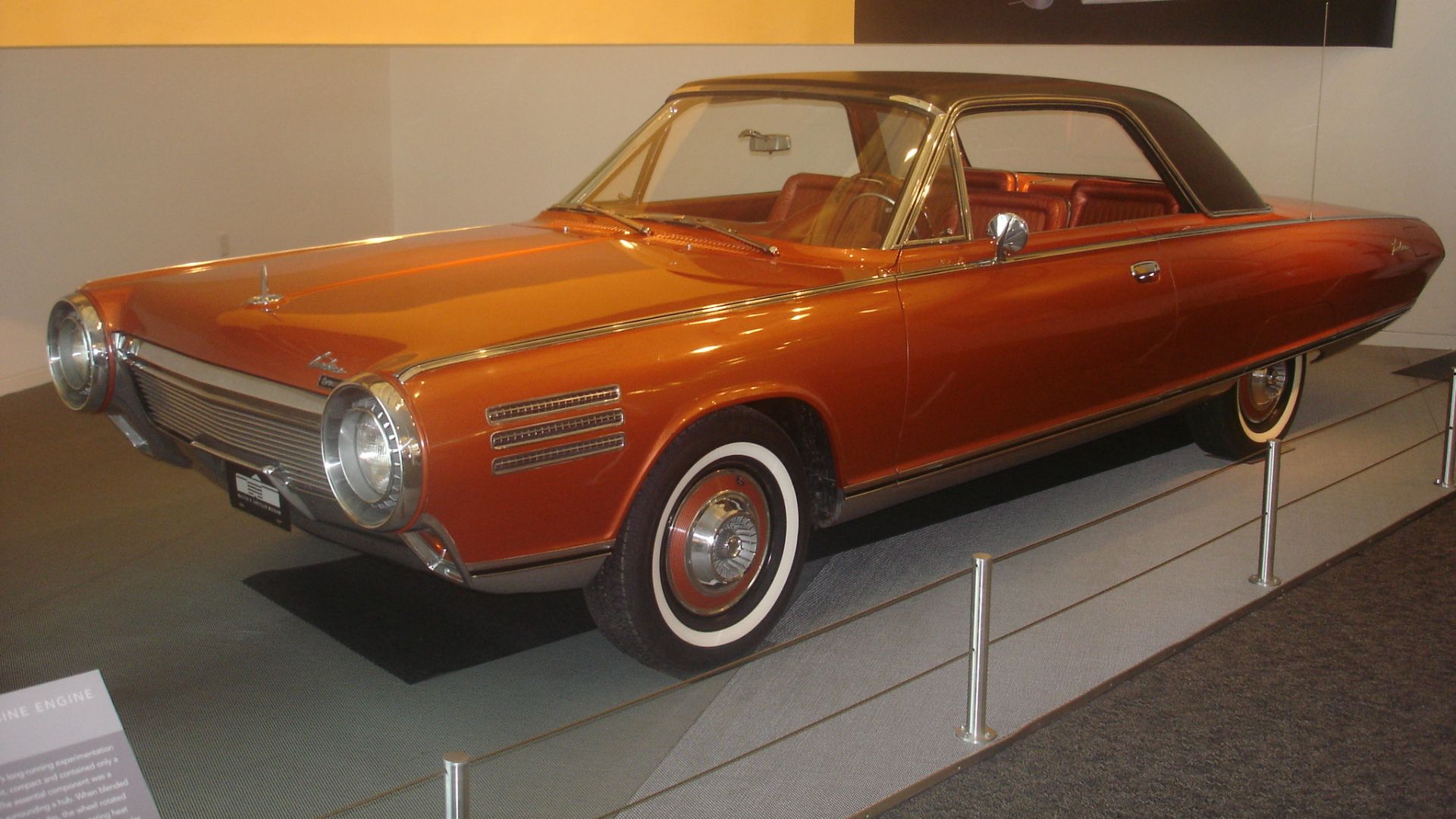
Driving the Turbine Car felt eerily smooth. There was no vibration and no traditional gear shifts. Throttle response came with a slight delay, but once spooled, power delivery was effortless and refined.
 JOHN LLOYD from Concrete, Washington, United States, Wikimedia Commons
That Famous Jet Sound
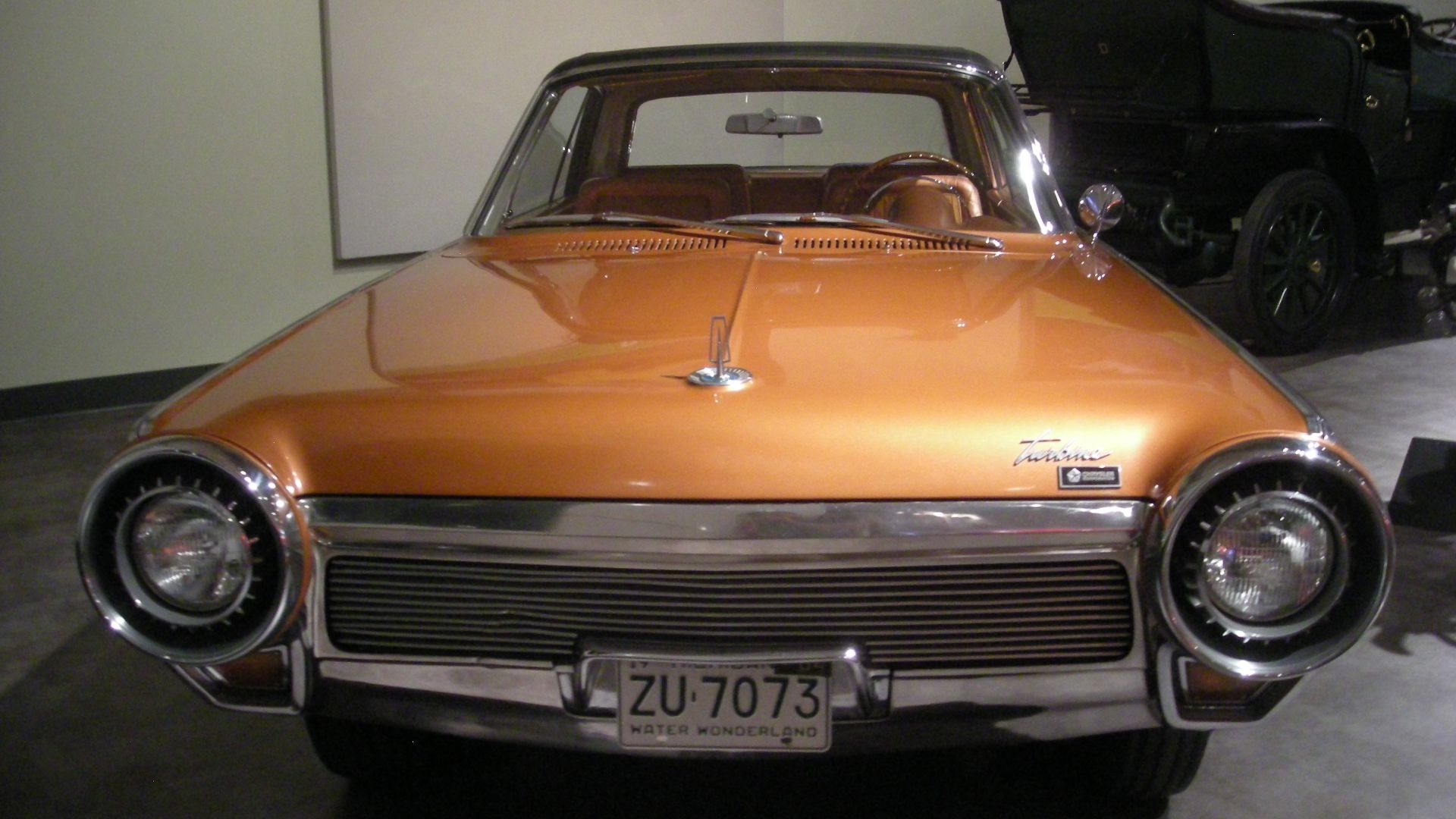
Rather than a rumbling exhaust note, the Turbine Car produced a soft jet-like whine. Pedestrians often mistook it for an aircraft nearby, reinforcing its futuristic identity everywhere it went.
 Michael Barera, Wikimedia Commons
Italian-Built, American Engineered
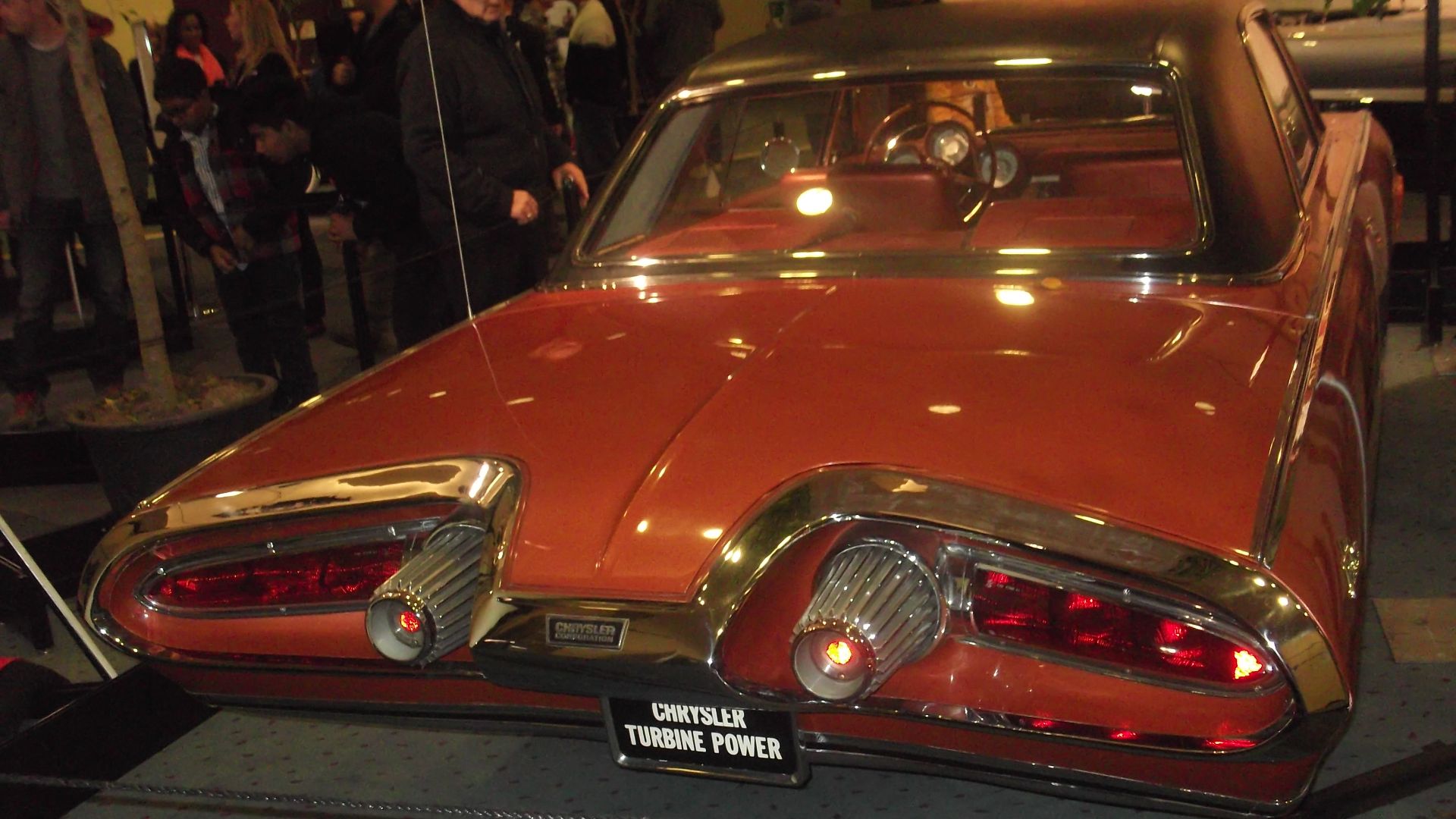
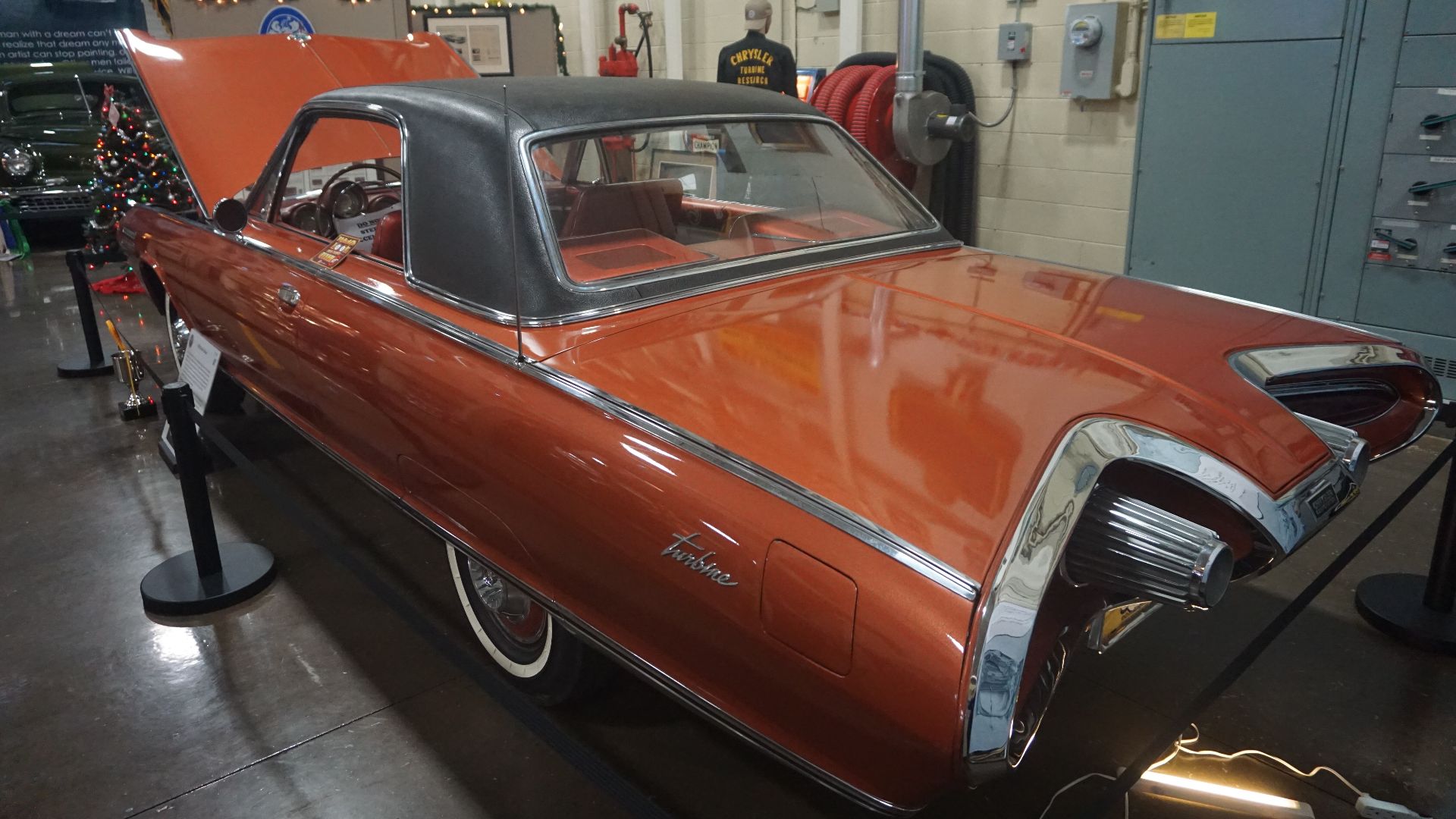
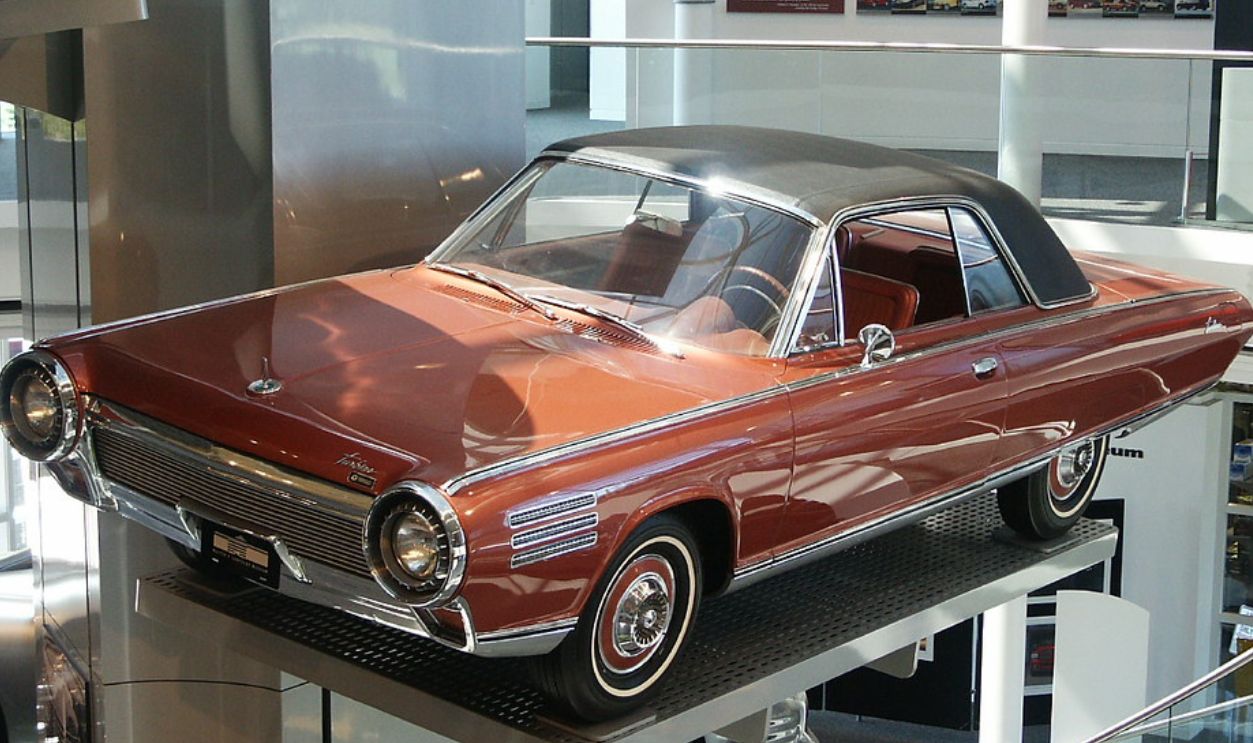
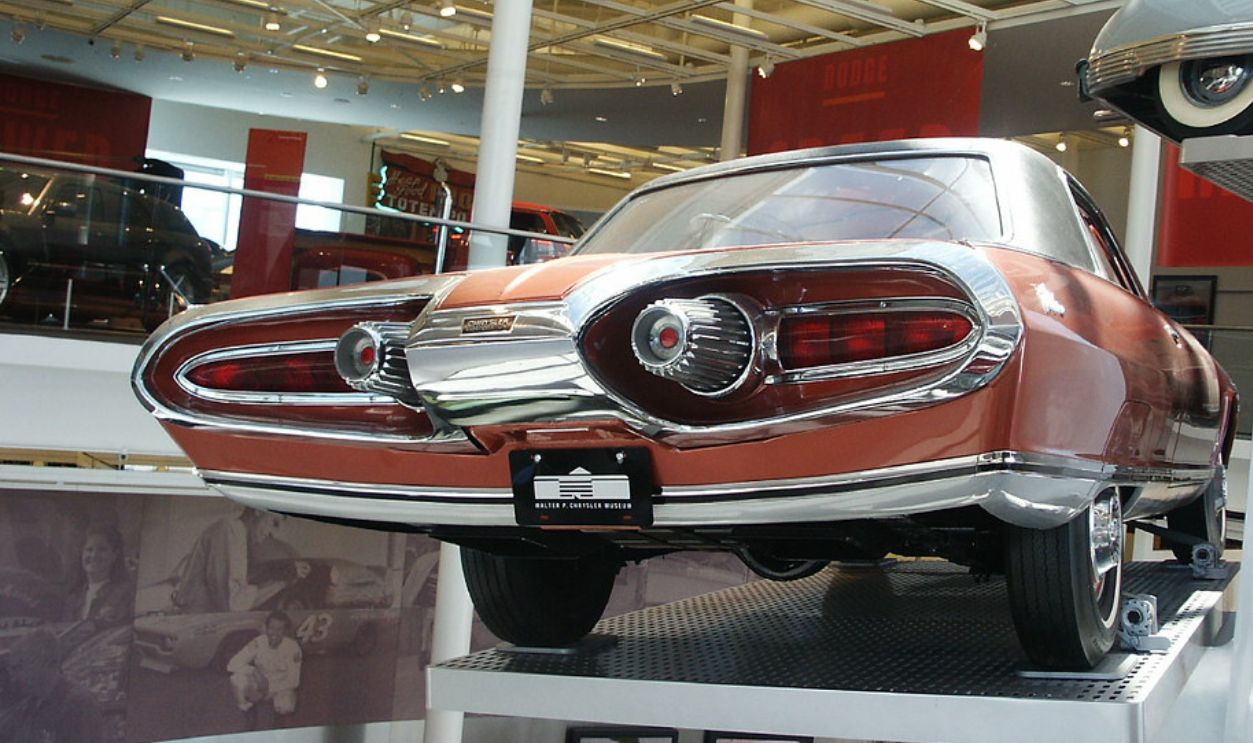
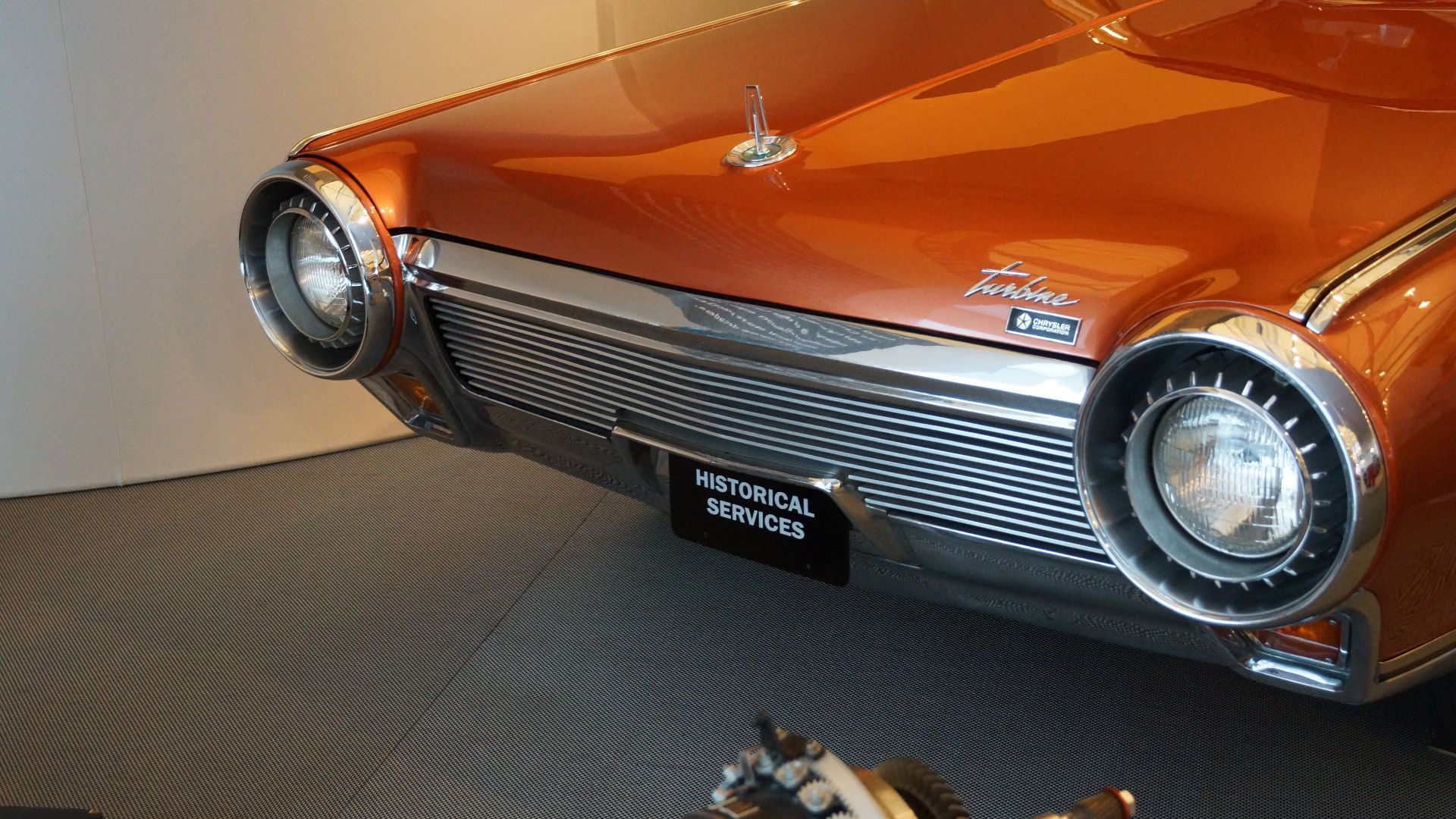
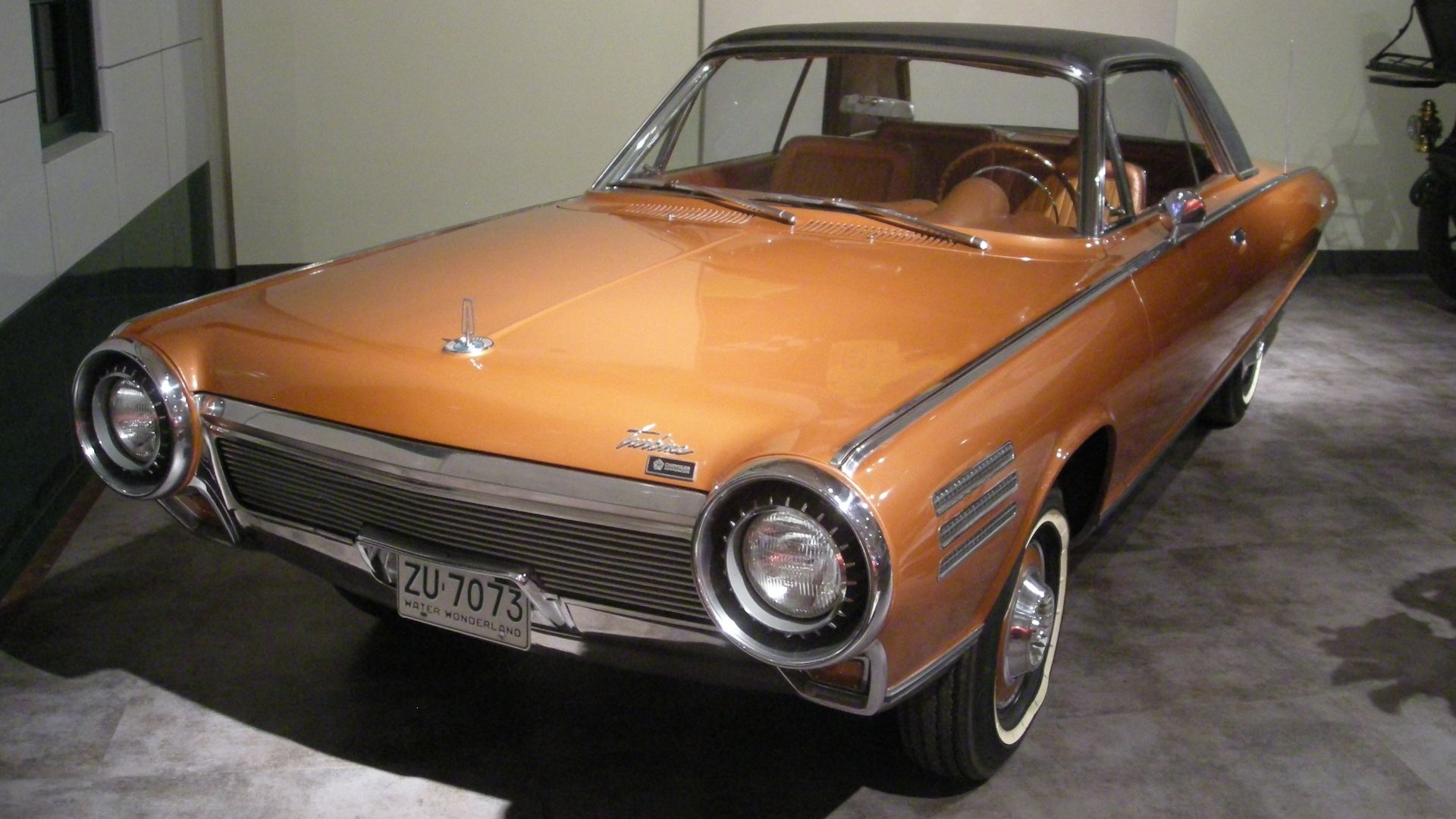
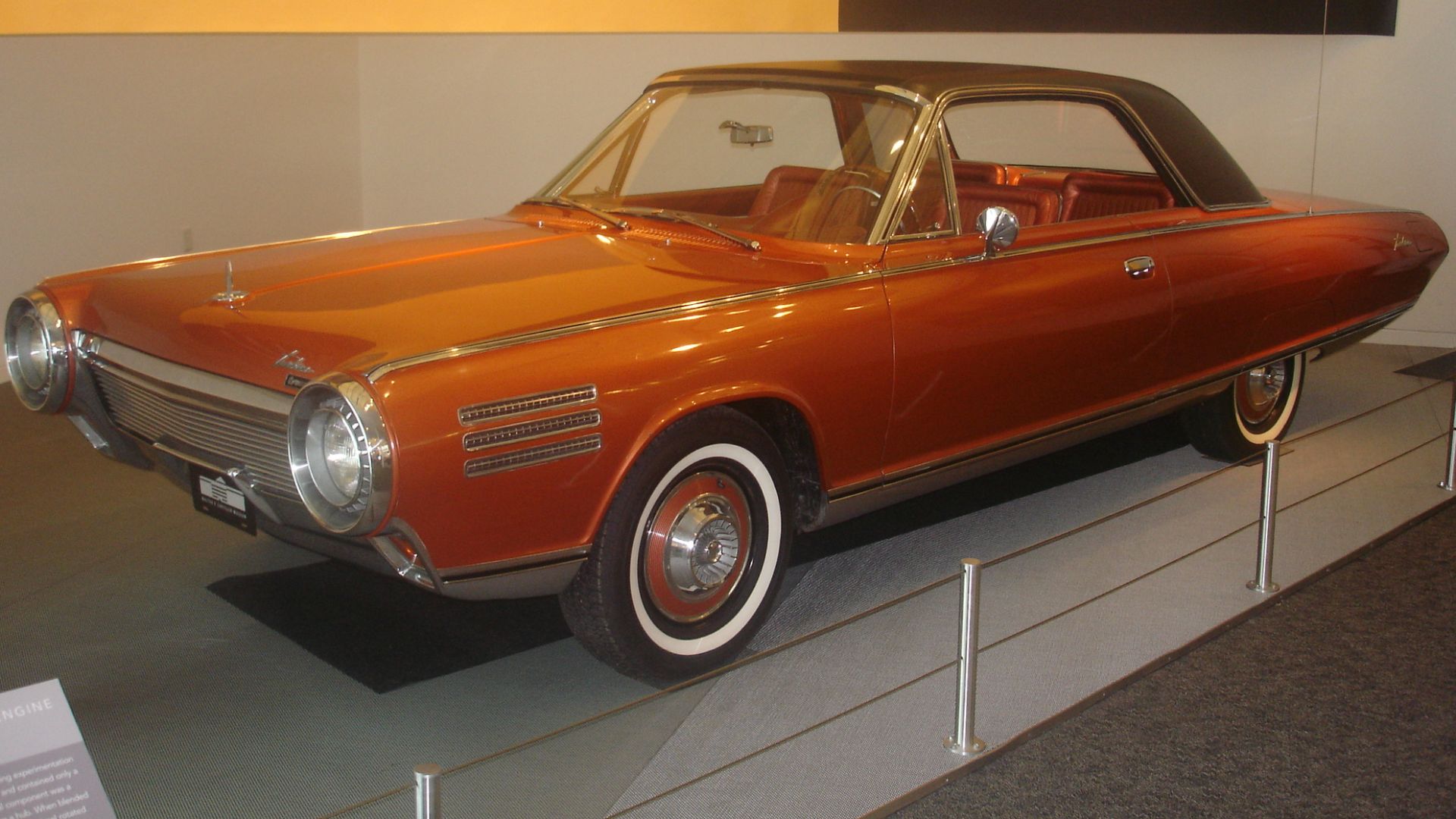
Chrysler partnered with Italian coachbuilder Ghia to hand-build the car’s bodies. Finished in Turbine Bronze, the design featured jet-inspired tailpipes and futuristic trim, making it look as radical as it was mechanically.
A Cabin Straight From Tomorrow
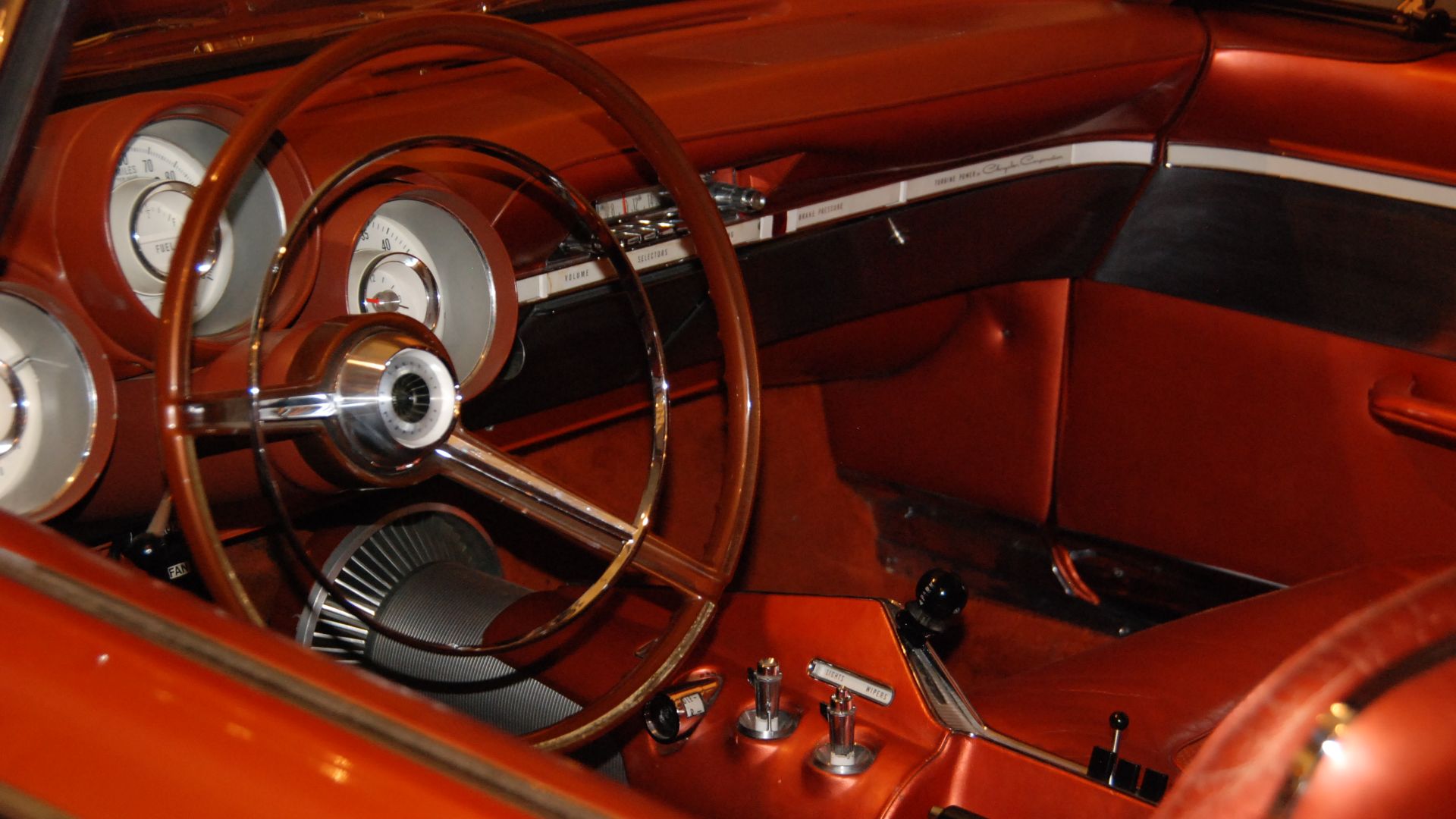
Inside, turbine-themed gauges, push-button controls, and aircraft-inspired details made drivers feel like pilots. The interior reinforced that this wasn’t a normal Chrysler — it was something entirely different.
 Corvair Owner, Wikimedia Commons
Public Testing on Real Roads
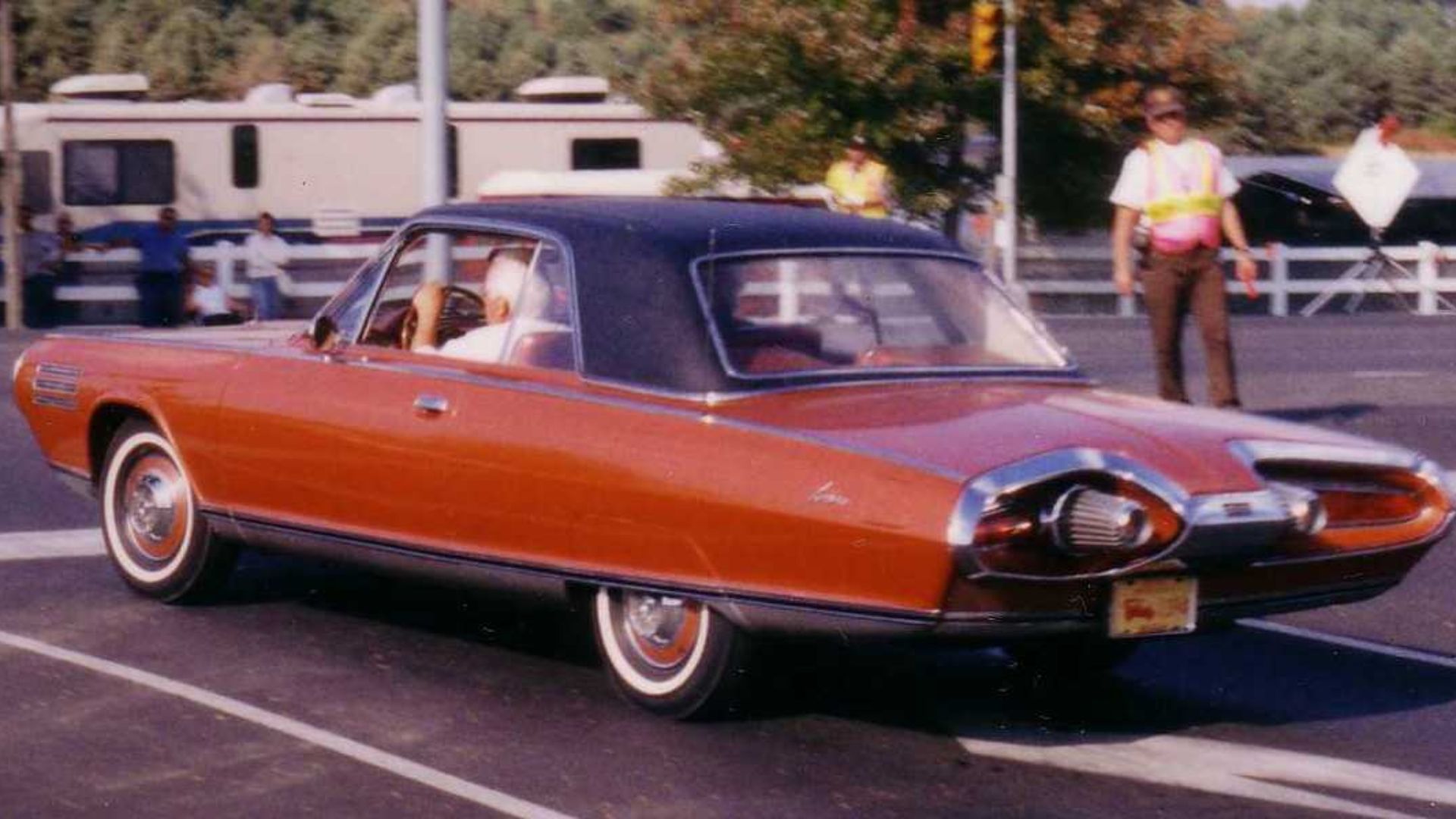
Chrysler loaned 50 Turbine Cars to American families for months at a time. These drivers used them daily and reported back on reliability, usability, and real-world behavior.
What Drivers Loved
Testers praised smoothness, reliability, cold-weather starts, and ease of operation. Many said it felt more refined than traditional cars and appreciated its unique character.
What Drivers Didn’t Love
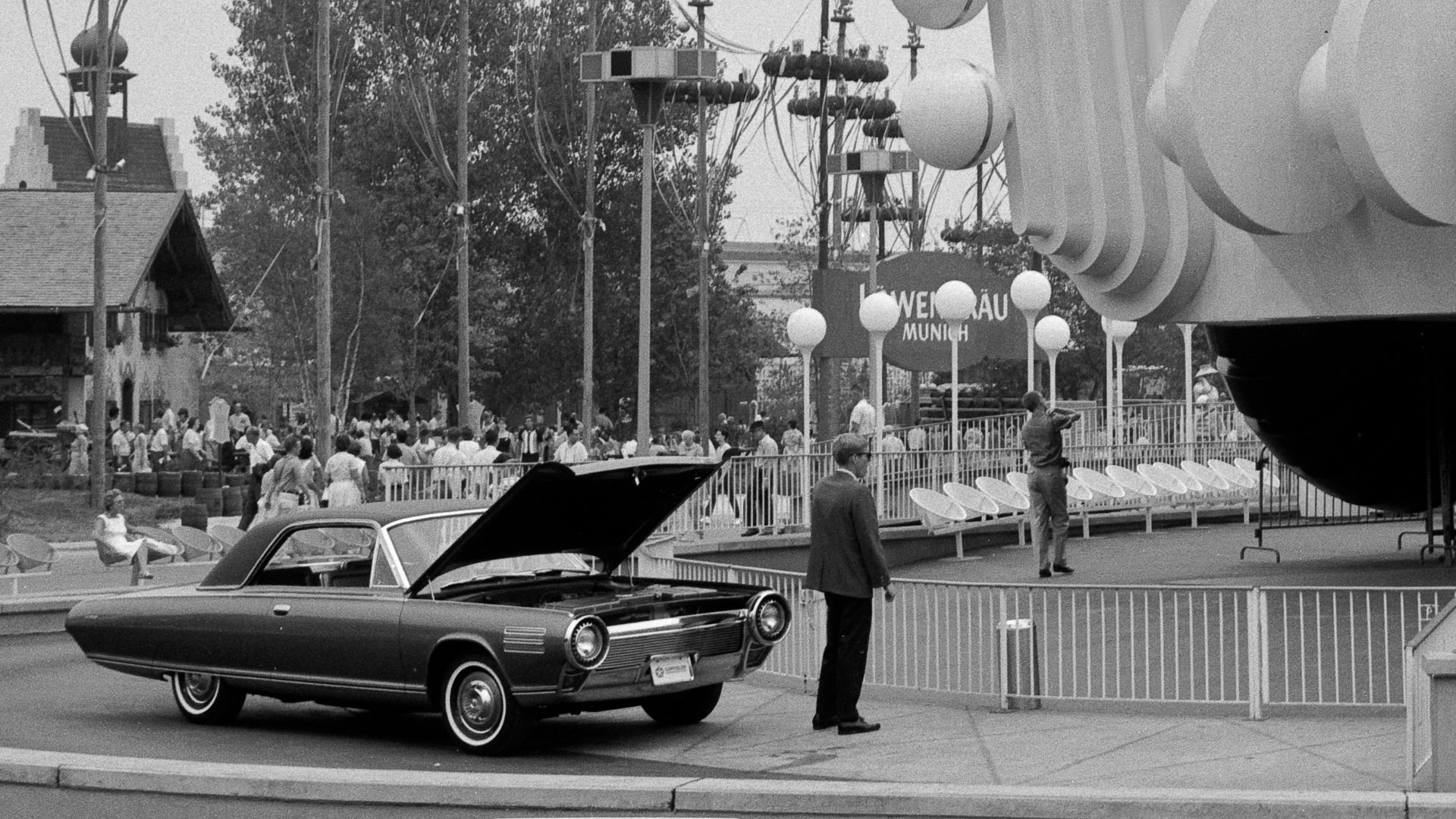
Fuel economy was poor, throttle lag confused some drivers, and exhaust heat was extreme. Stop-and-go driving exposed efficiency weaknesses that piston engines handled better.
 Michael Barera, Wikimedia Commons
Emissions Before Emissions Were Cool
The turbine produced very low carbon monoxide emissions but struggled with nitrogen oxides. As emissions regulations tightened, this became a major obstacle for production.
Cold Starts and Heat Challenges
While turbines excelled in cold climates, excess heat buildup reduced efficiency and durability during urban driving. Engineers improved it, but not enough for mass-market readiness.
 Corvair Owner, Wikimedia Commons
Why It Never Went to Market
High production costs, poor fuel economy, emissions challenges, and improving piston engines ultimately killed the program. The turbine worked — just not well enough to justify mass adoption.
What Happened to the Cars
Most of the 55 Turbine Cars built were destroyed by Chrysler to avoid taxes, liability, and maintenance issues. Only nine survived.
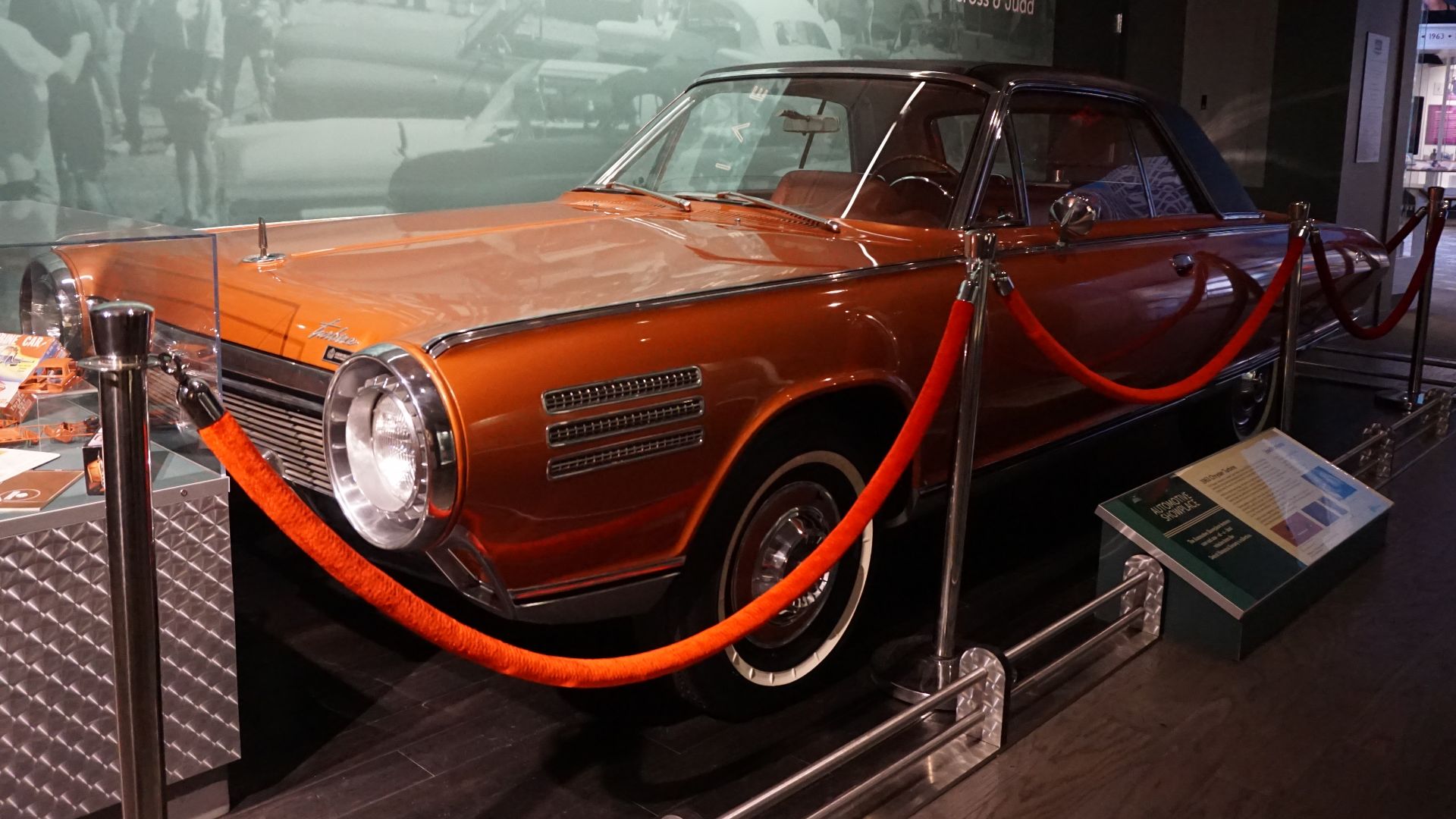 Michael Barera, Wikimedia Commons
Where the Survivors Live Today
The remaining cars reside in museums such as the Petersen Automotive Museum and the Smithsonian, preserved as priceless automotive artifacts.
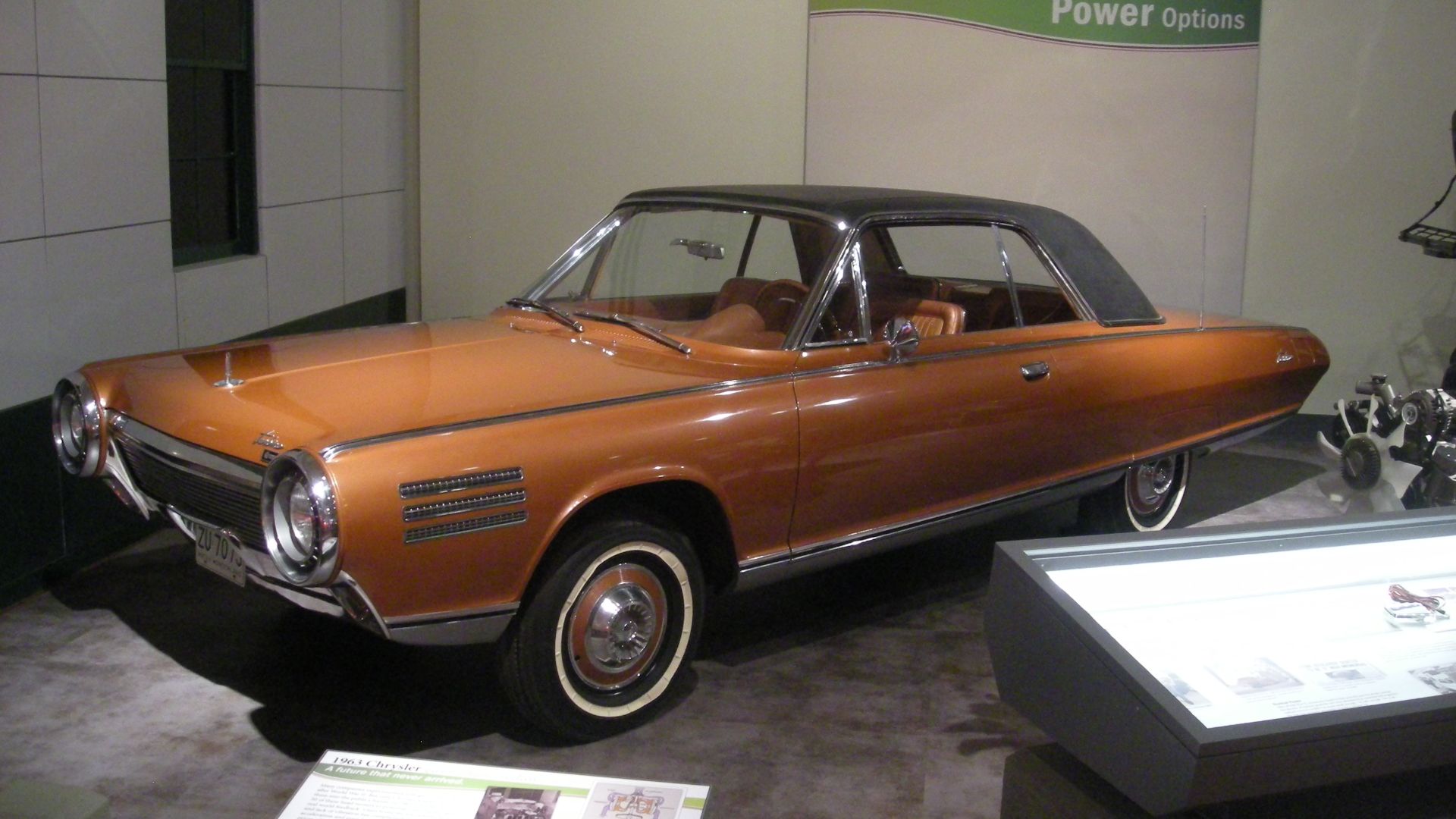 Michael Barera, Wikimedia Commons
A Collector’s Holy Grail
If one ever reached the open market, it would command millions. Not for performance, but for its historical and engineering significance.
Chrysler’s Engineering Courage
The Turbine Car was never about profit. It was about curiosity and innovation, proving Chrysler once chased bold ideas regardless of commercial risk.
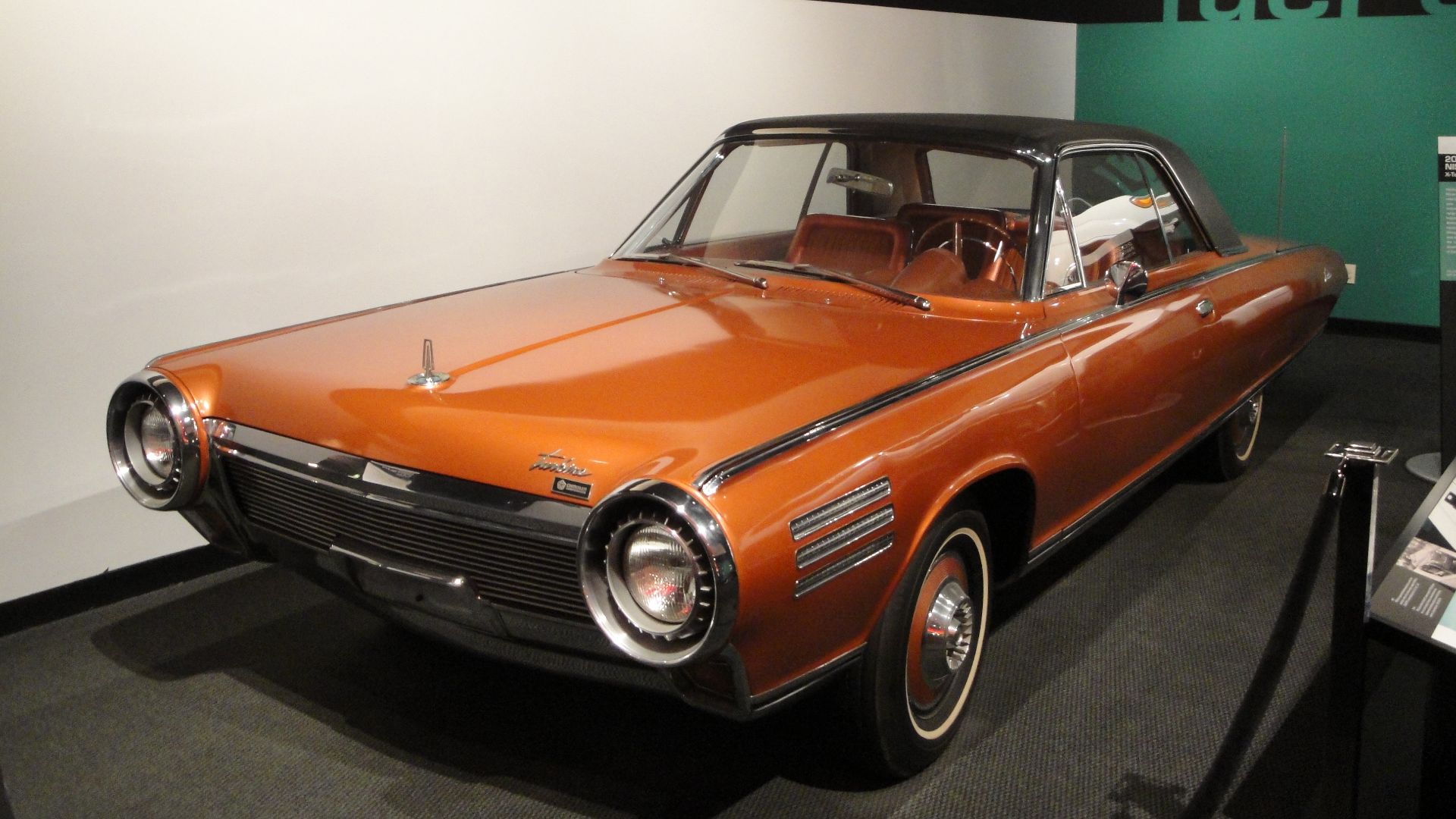 Greg Gjerdingen from Willmar, USA, Wikimedia Commons
Lessons for Modern Automakers
Today’s EVs, hybrids, and hydrogen experiments follow the same spirit of exploration Chrysler embraced in the 1960s.
 Greg Gjerdingen from Willmar, USA, Wikimedia Commons
Why Enthusiasts Still Love It
Car enthusiasts admire the Turbine Car because it breaks every rule. It’s powerful without pistons and futuristic without screens.
 Michael Barera, Wikimedia Commons
A Future That Never Came
The Turbine Car remains one of the greatest automotive ‘what ifs’ ever built, representing a future that almost happened.
 Corvair Owner, Wikimedia Commons
The Legacy of a Jet on Wheels
More than 60 years later, the Chrysler Turbine Car stands as proof that innovation doesn’t need success to be legendary.
You May Also Like:
Review: 1963 Chevy Corvette
The Mercedes-Benz 300 SLR Uhlenhaut Coupé
Review Of The 1957 Ford Thunderbird: A Timeless American Icon