

Pontiac Didn’t Die Quietly
Pontiac survived for 84 years, built muscle-car legends, and still had plenty of loyal fans when GM axed it. In April 2009, the company announced Pontiac would be phased out by the end of 2010. The decision still sparks one big question: Did GM save the wrong brand?

Pontiac Began As The Upstart
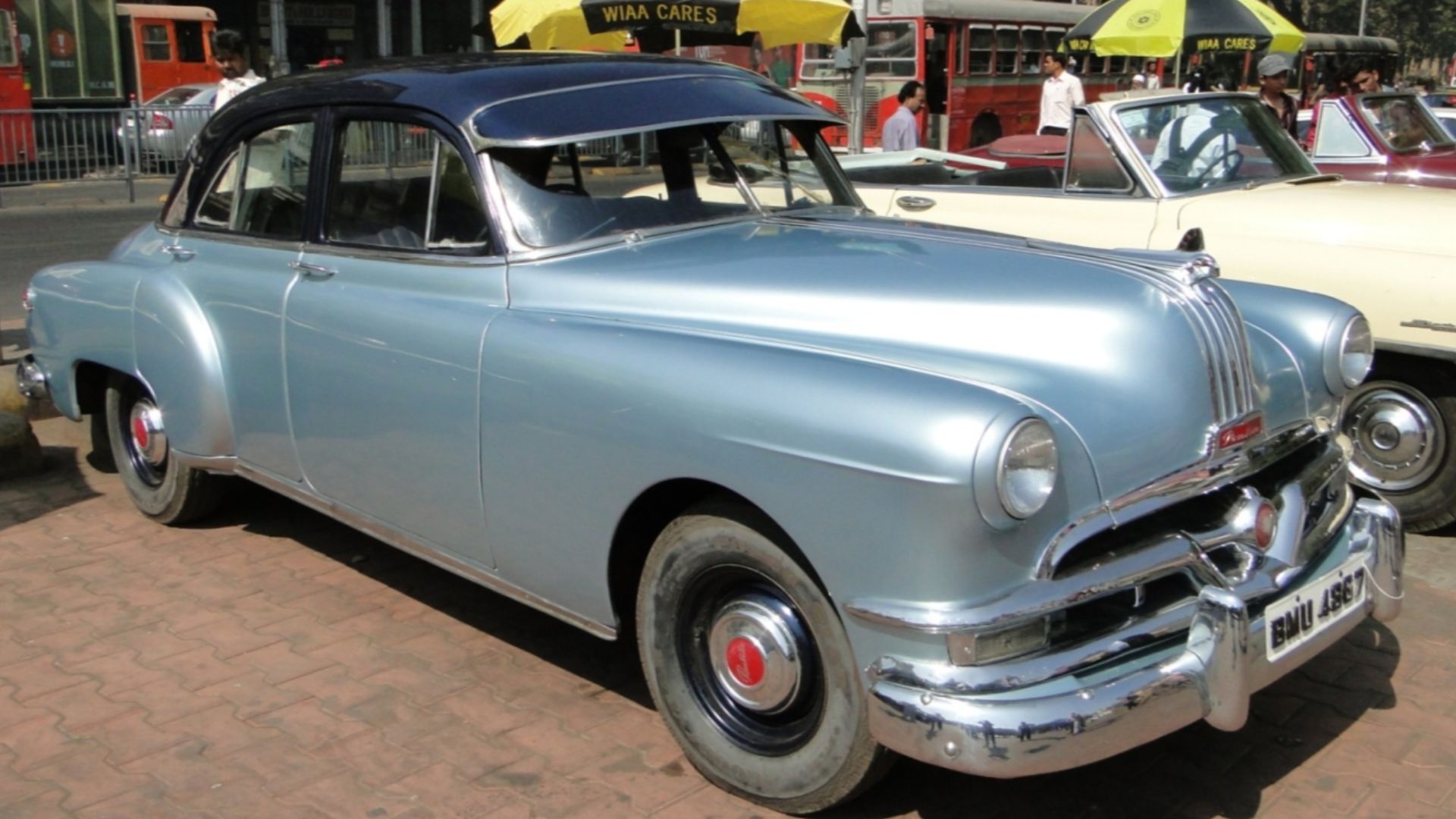
Pontiac arrived for the 1926 model year as a lower-priced companion to GM’s Oakland brand. It was an immediate hit, with more than 76,000 cars built in its first year. Pontiac was meant to support Oakland, but buyers had other ideas.
It Outlived The Brand It Was Built To Support
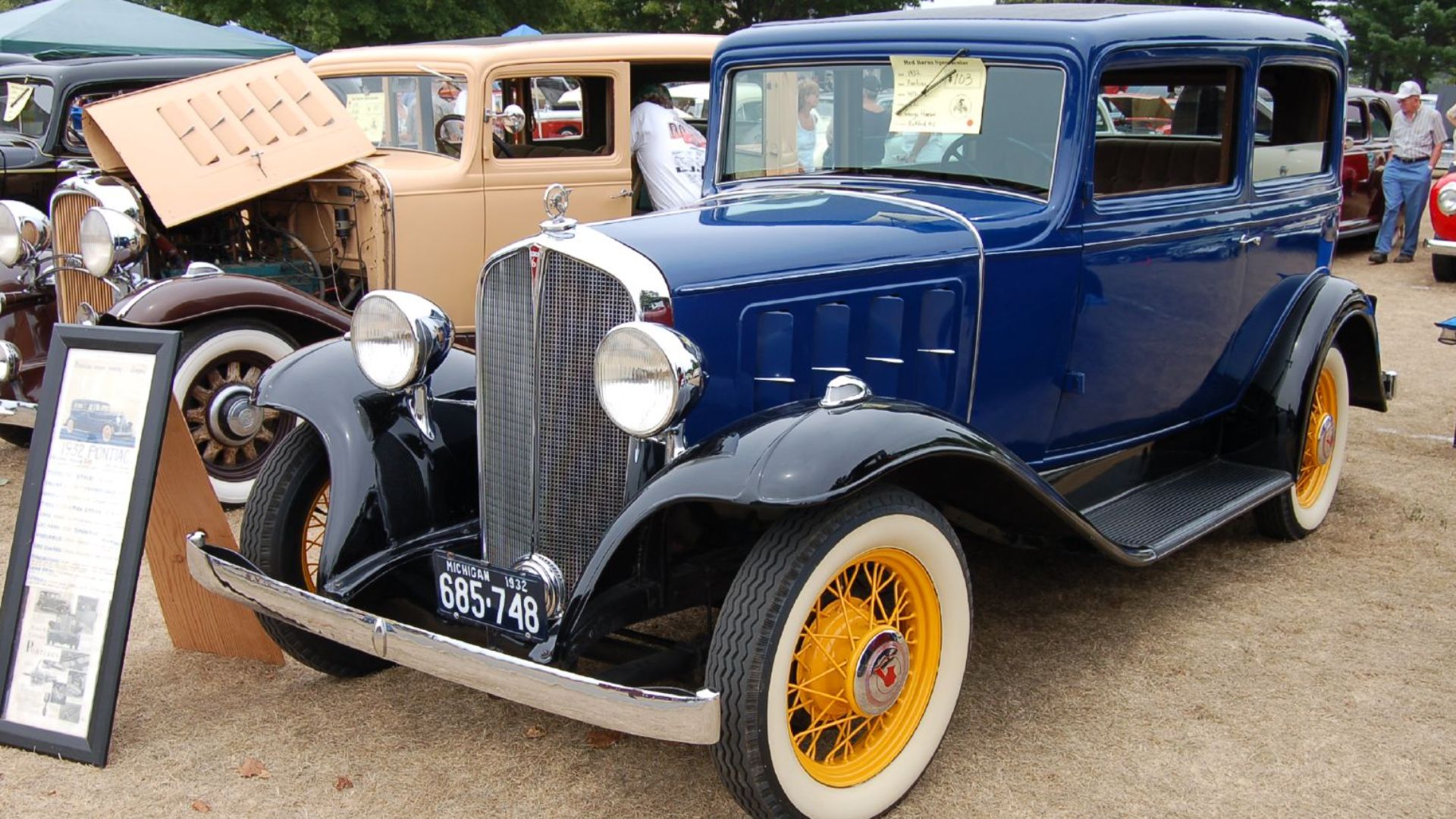
Pontiac became so successful that GM eventually dropped Oakland instead. By 1932, Pontiac had effectively taken its place in the lineup. The supporting act had become the survivor.
 Joe Ross from Lansing, Michigan, Wikimedia Commons
Pontiac Reinvented Itself Around Performance
The big shift came after Semon “Bunkie” Knudsen took charge of Pontiac in 1956. With engineers including John DeLorean helping shape the cars, Pontiac leaned hard into performance and adopted its famous Wide-Track stance. By 1961, it had climbed to third place among U.S. auto brands.
![John DeLorean [automobile executive]](https://www.factinate.com/storage/app/media/driversdaily/2026/9/15/1789485959d018691ee4d340e85b4271d8b77bef01dafb936c.jpg) Bernard Gotfryd, Wikimedia Commons
Bernard Gotfryd, Wikimedia Commons
The GTO Changed The Rules
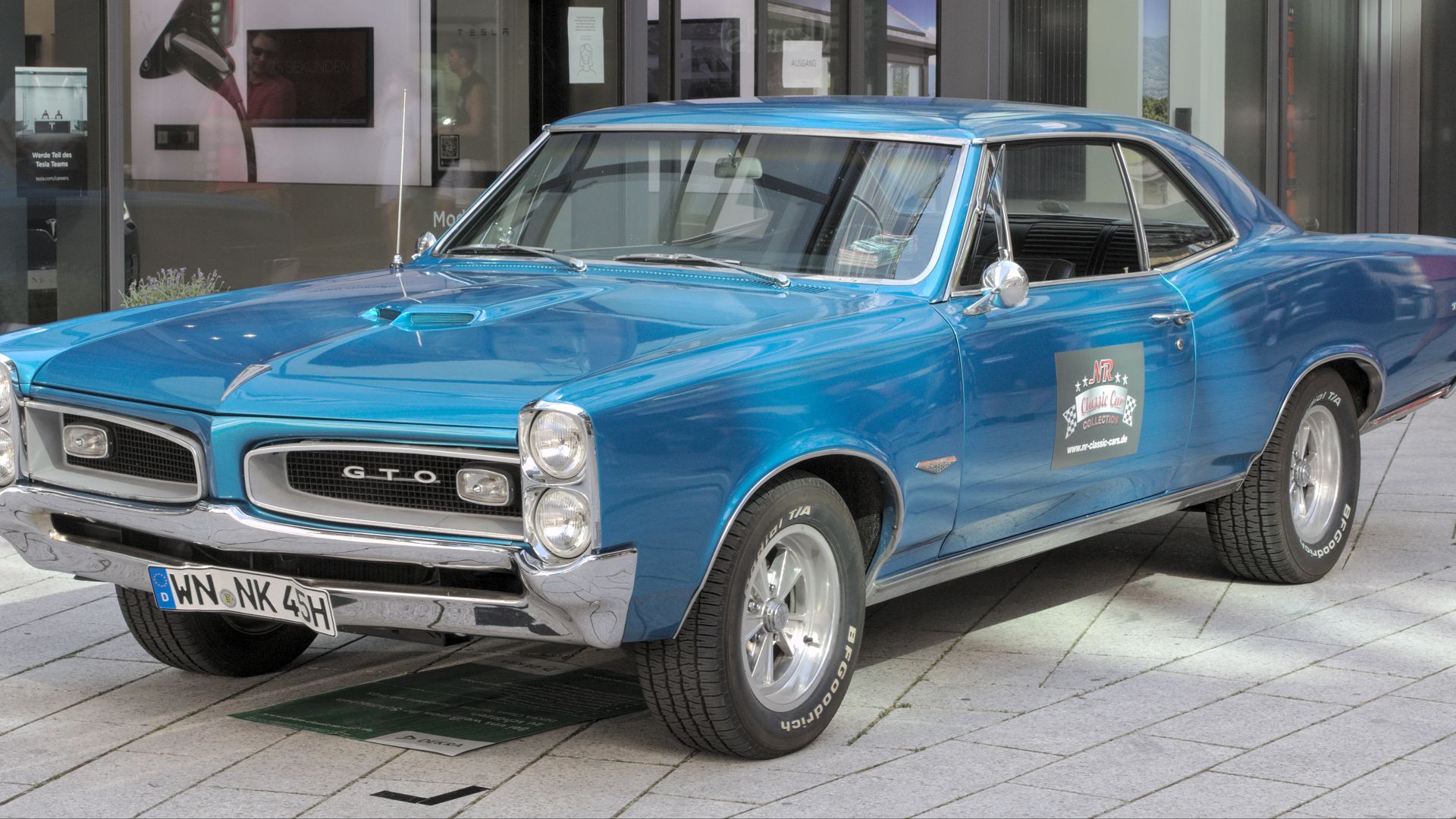
Pontiac turned up the heat again for 1964 with the Tempest GTO. Engineers dropped a 389-cubic-inch V8 into the relatively compact Tempest, creating one of the defining cars of the early muscle era. Pontiac suddenly had a youthful, rebellious identity that would stick for decades.
 Alexander Migl, Wikimedia Commons
The Trans Am Became A Pop Culture Giant
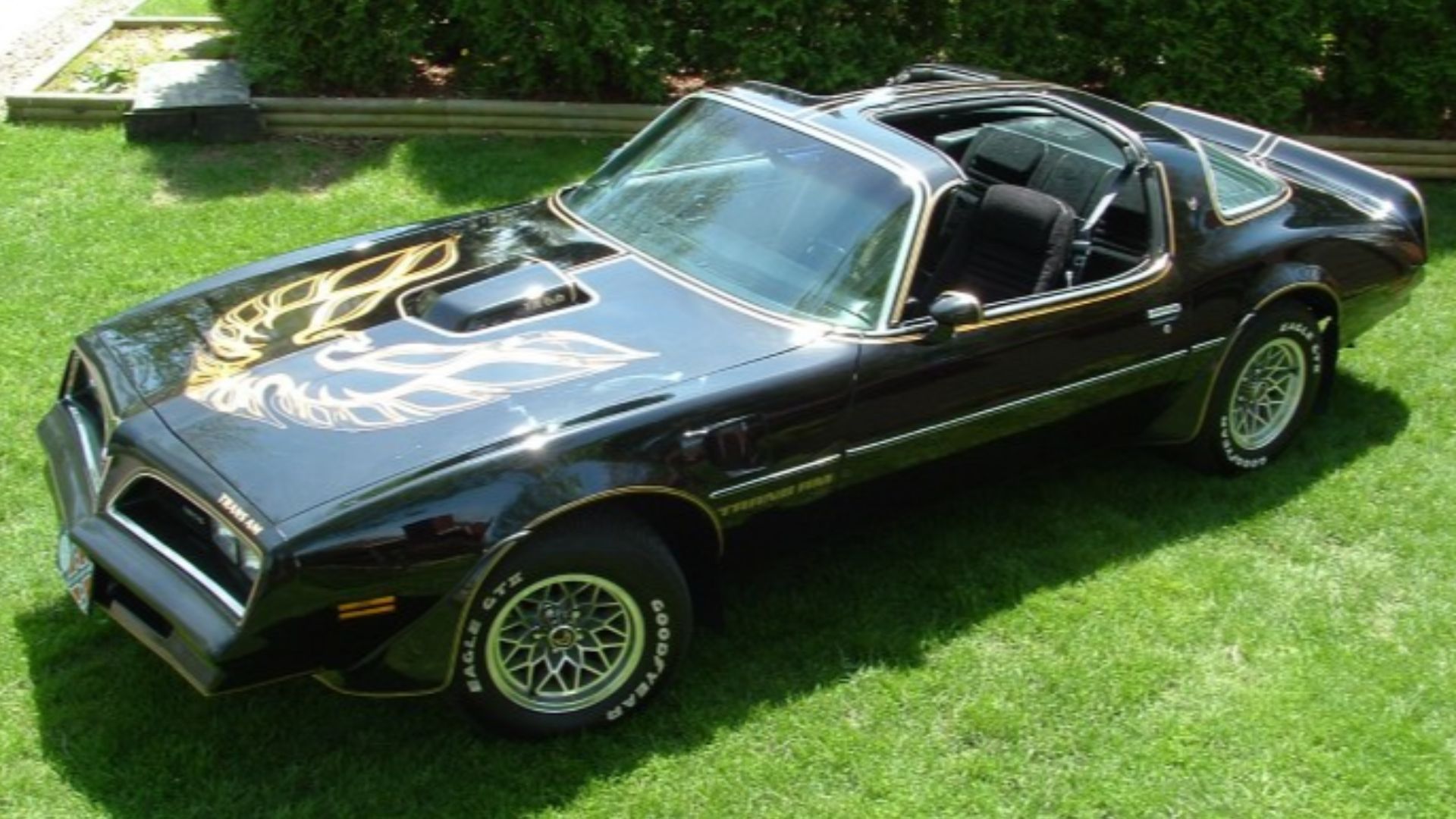
The Firebird Trans Am became another Pontiac icon, especially during the late 1970s. After Smokey and the Bandit arrived in 1977, Trans Am sales jumped sharply. By 1979, Pontiac sold more than 117,000 of them.
Then Pontiac Started Losing Its Edge
Pontiac had already slipped from third place in U.S. sales by 1972. Later decades brought increasingly uneven products, including the front-wheel-drive Phoenix on GM’s troubled X-car platform. Pontiac could still build exciting cars, but its identity was getting harder to define.
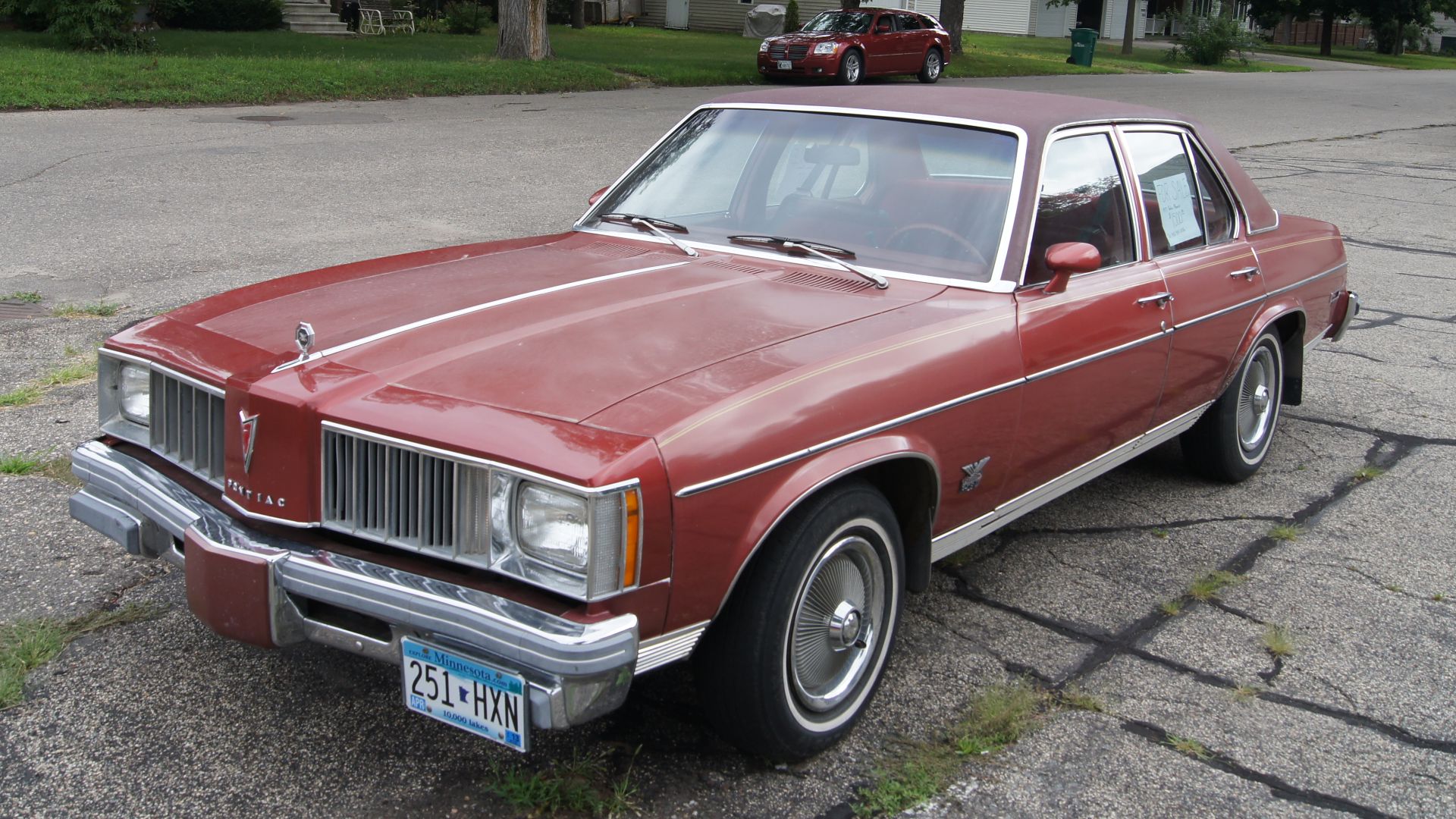 Greg Gjerdingen from Willmar, USA, Wikimedia Commons
The Fiero Captured Pontiac’s Best And Worst
The mid-engine Fiero looked like exactly the kind of car Pontiac should have been building. Pontiac expected roughly 30,000 first-year sales but moved more than 136,000. The car improved over time, yet sales collapsed before GM axed it after 1988.
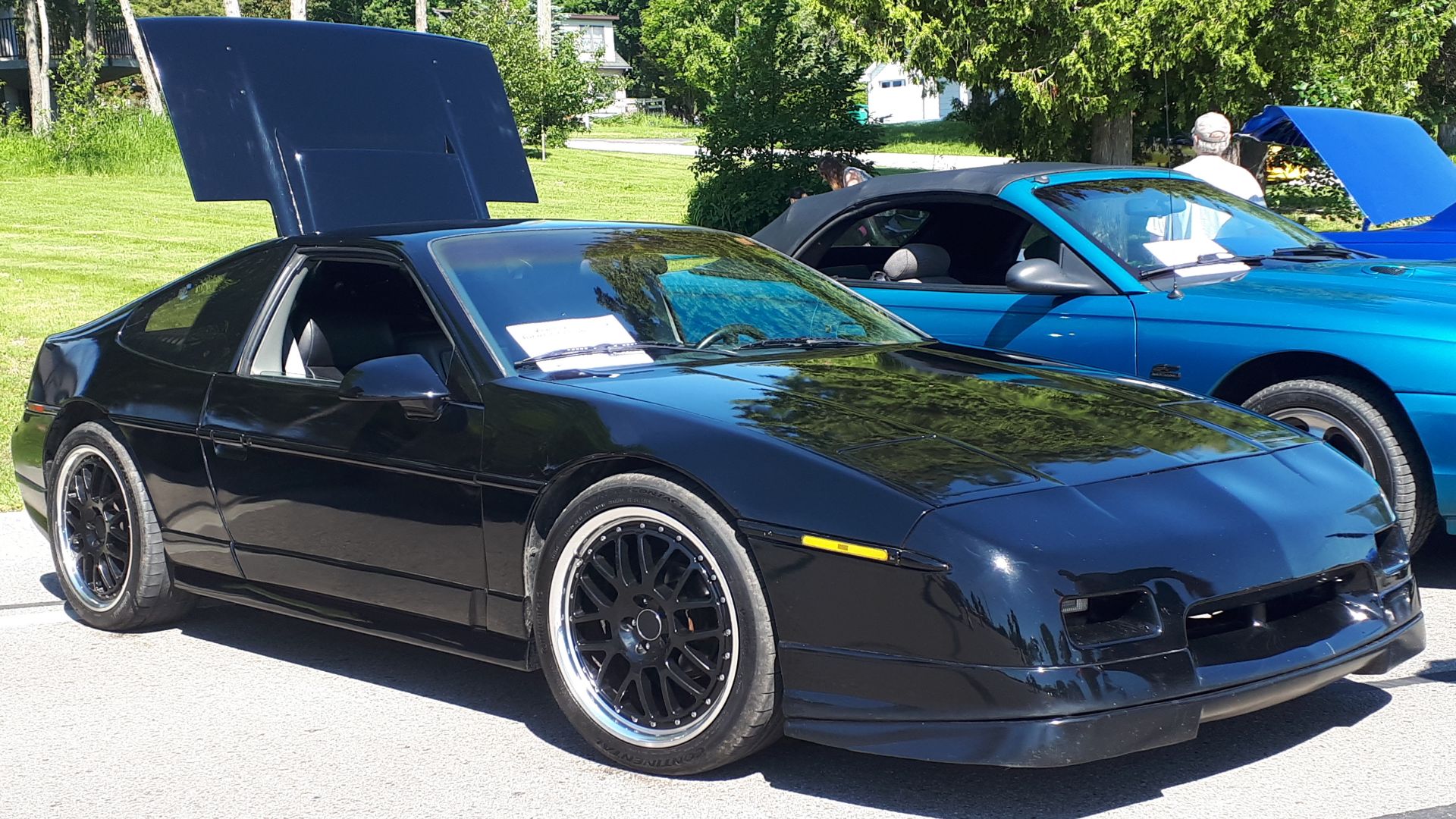 SsmIntrigue, Wikimedia Commons
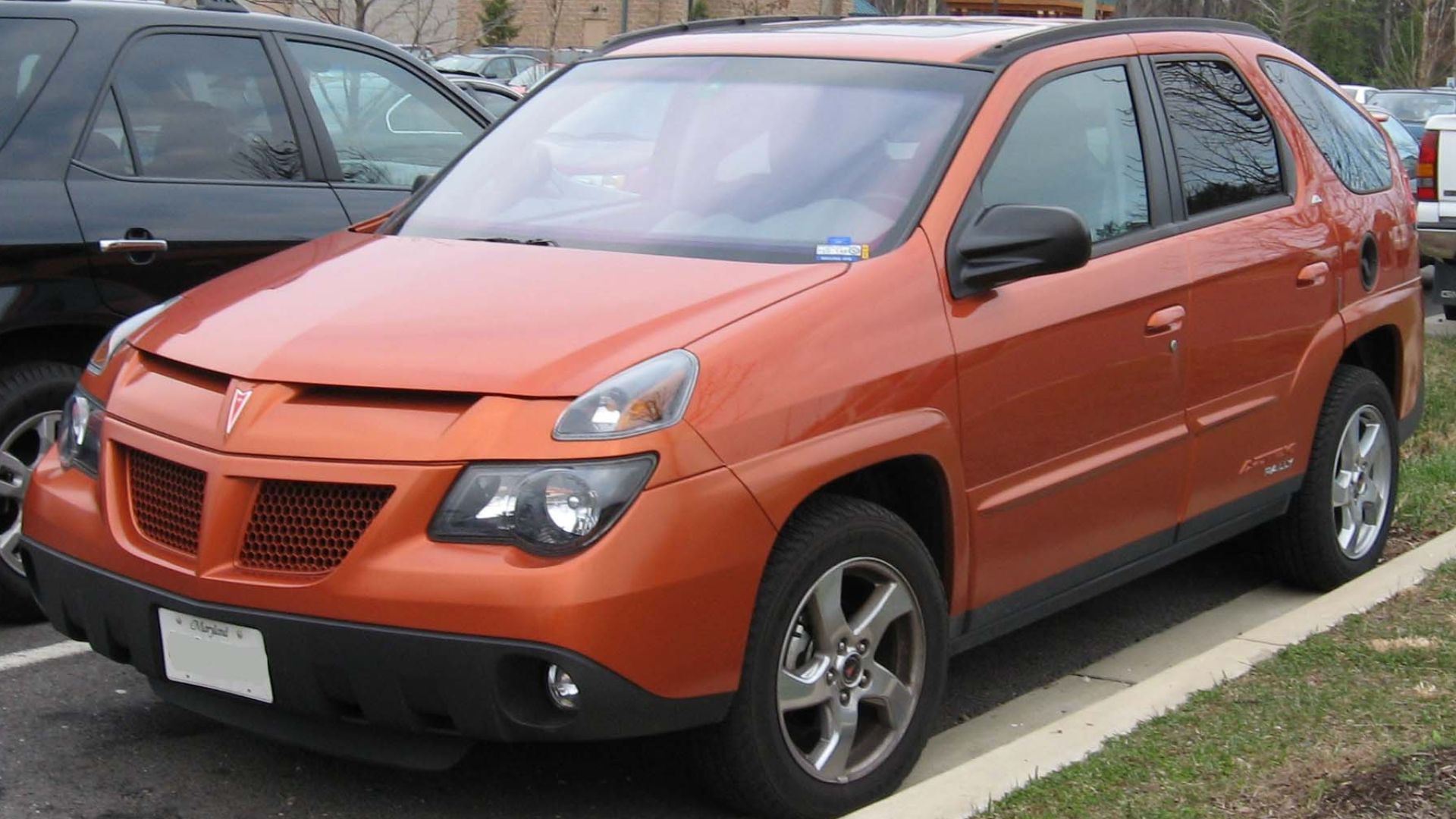
The Aztek Became A Symbol Of The Problem
The Pontiac Aztek arrived with big expectations but quickly became one of the brand’s most controversial products. GM reportedly expected around 75,000 annual sales and needed at least 30,000 to break even. Actual sales fell well short of that target.
GM Tried To Bring The Excitement Back
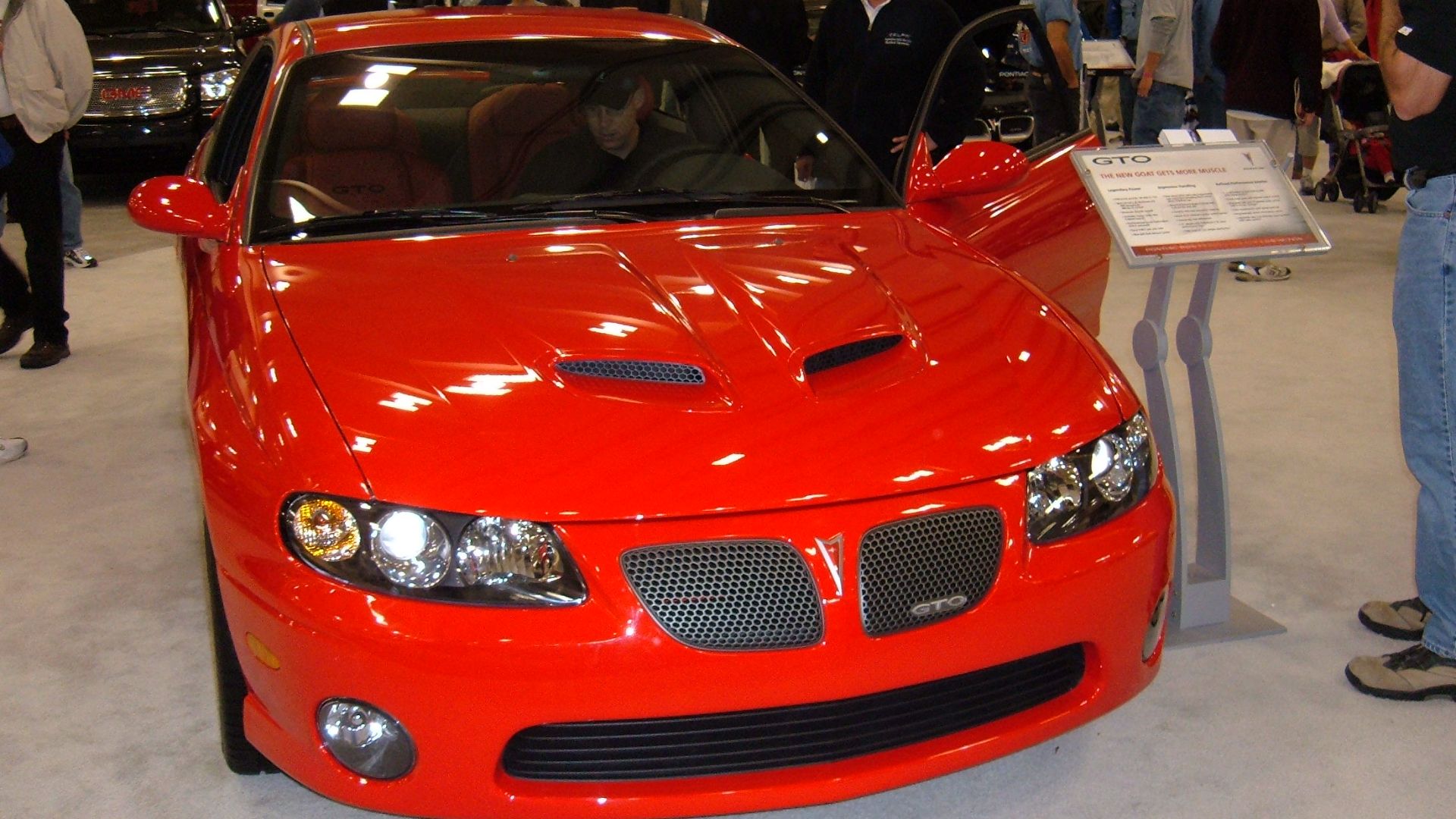
Pontiac had not completely abandoned performance. For 2004, it revived the GTO using Australia’s Holden Monaro and a 350-hp LS1 V8. Underneath the restrained styling was a genuinely quick rear-wheel-drive coupe.
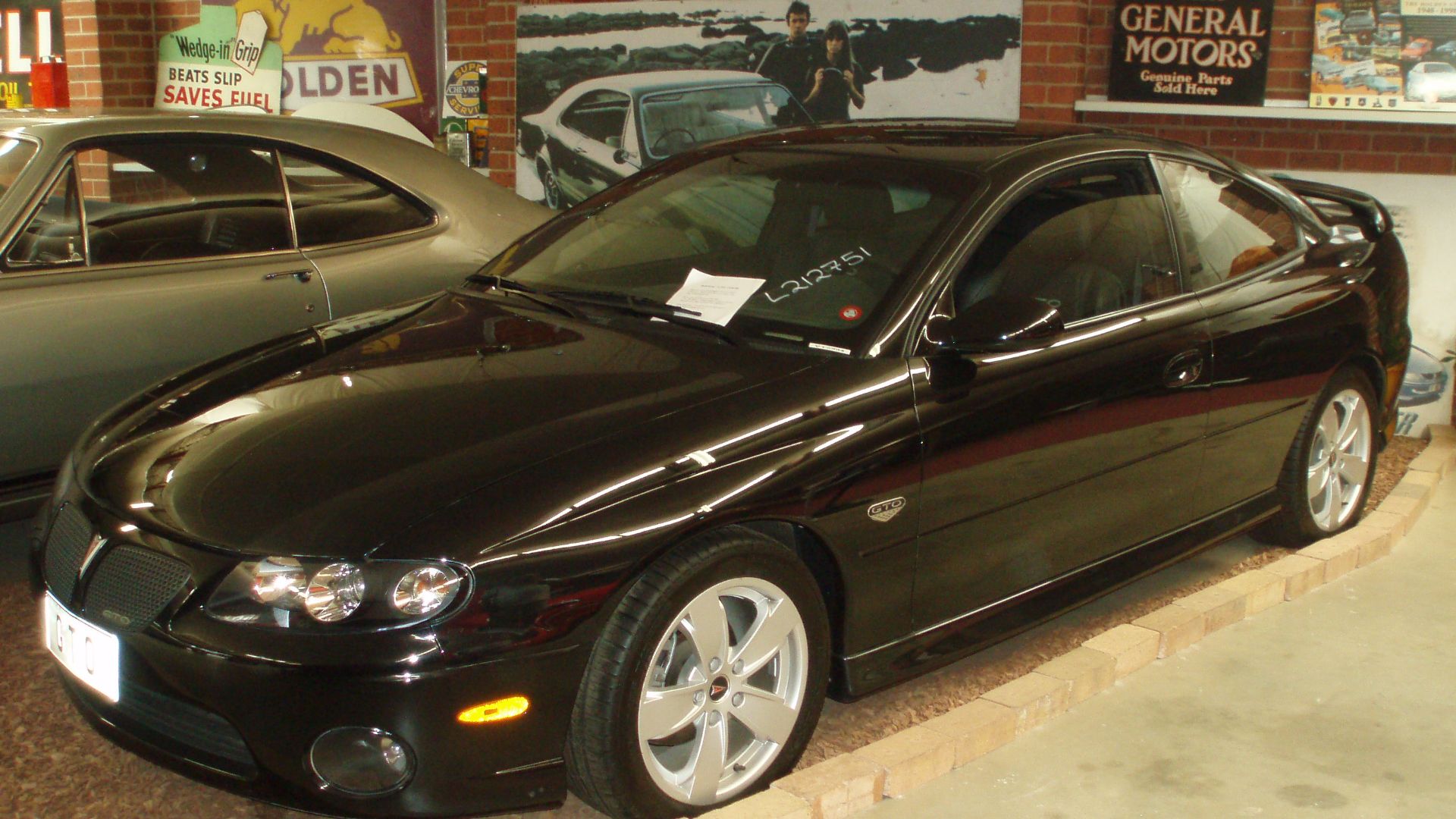
The New GTO Never Found Enough Buyers
GM planned to sell roughly 18,000 GTOs a year. Instead, sales started slowly and never reached the level Pontiac wanted. The performance was there, but the famous badge was not enough to make the car a hit.
 BrokenSphere, Wikimedia Commons
The Solstice Felt Like A Real Pontiac Again
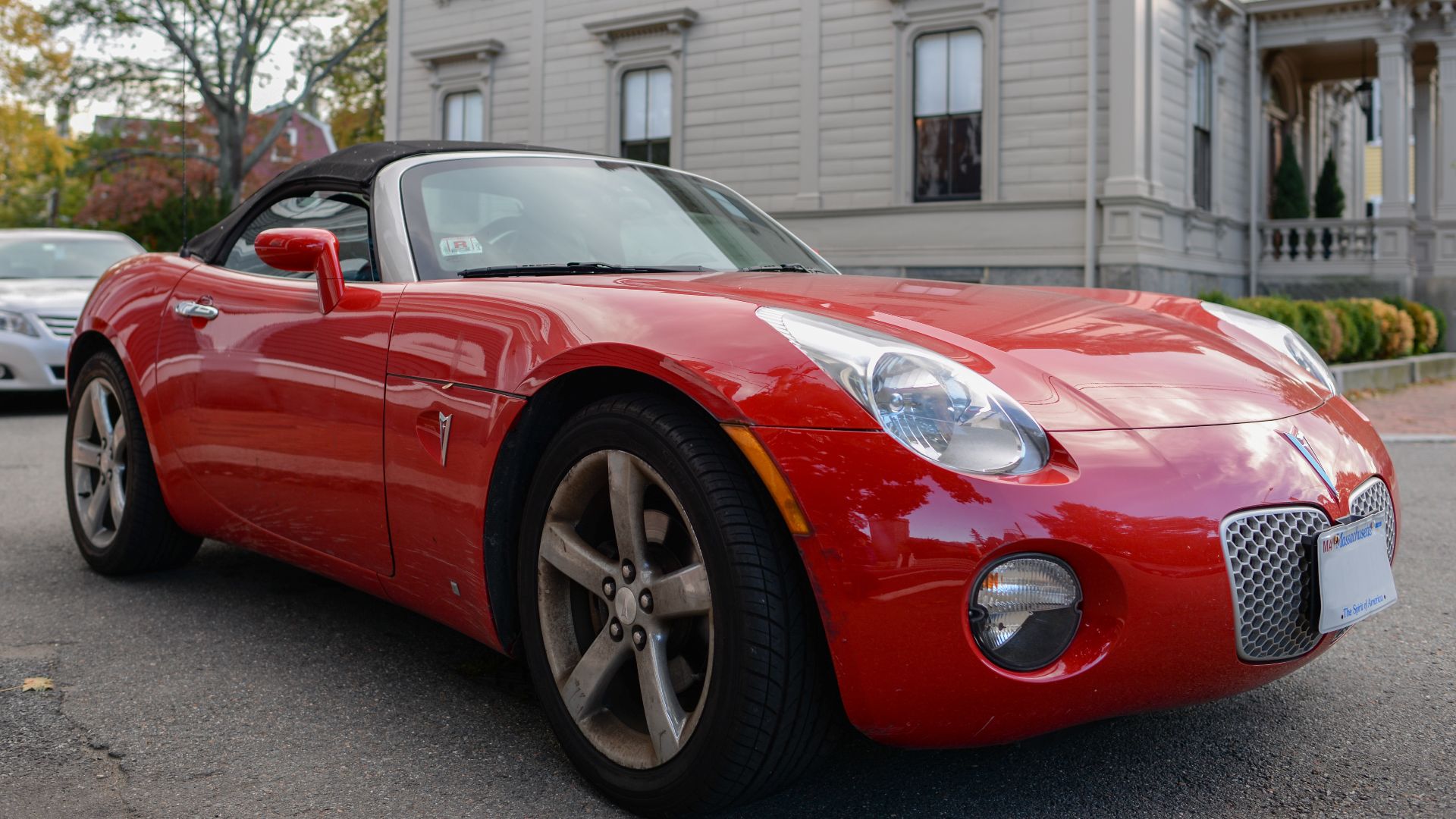
Then came the Solstice, a compact rear-wheel-drive roadster built on GM’s Kappa platform. Pontiac targeted a price near $20,000, making it distinctive and relatively affordable. More importantly, it finally felt like a Pontiac again.
The G8 Looked Like The Comeback Car
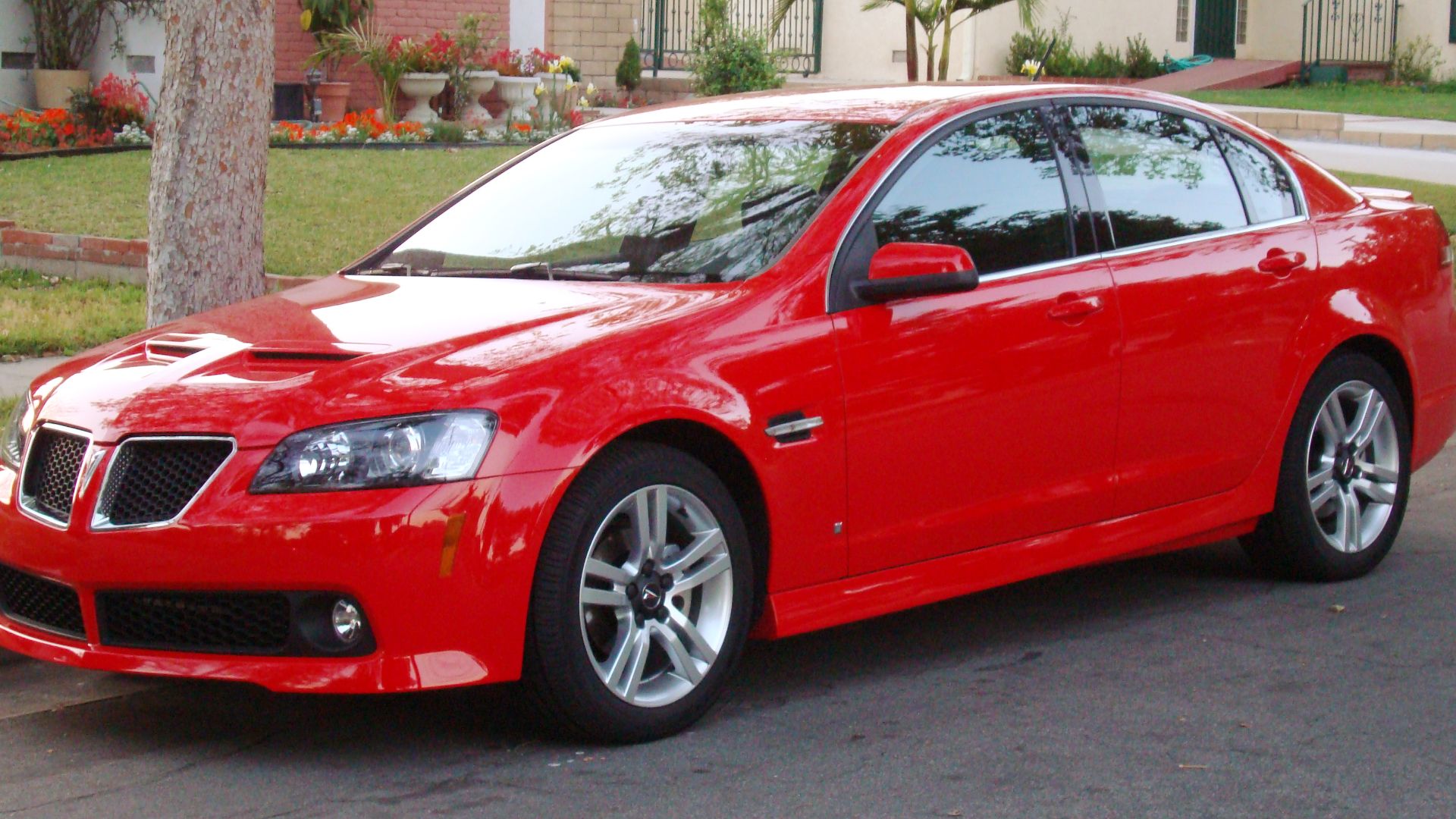
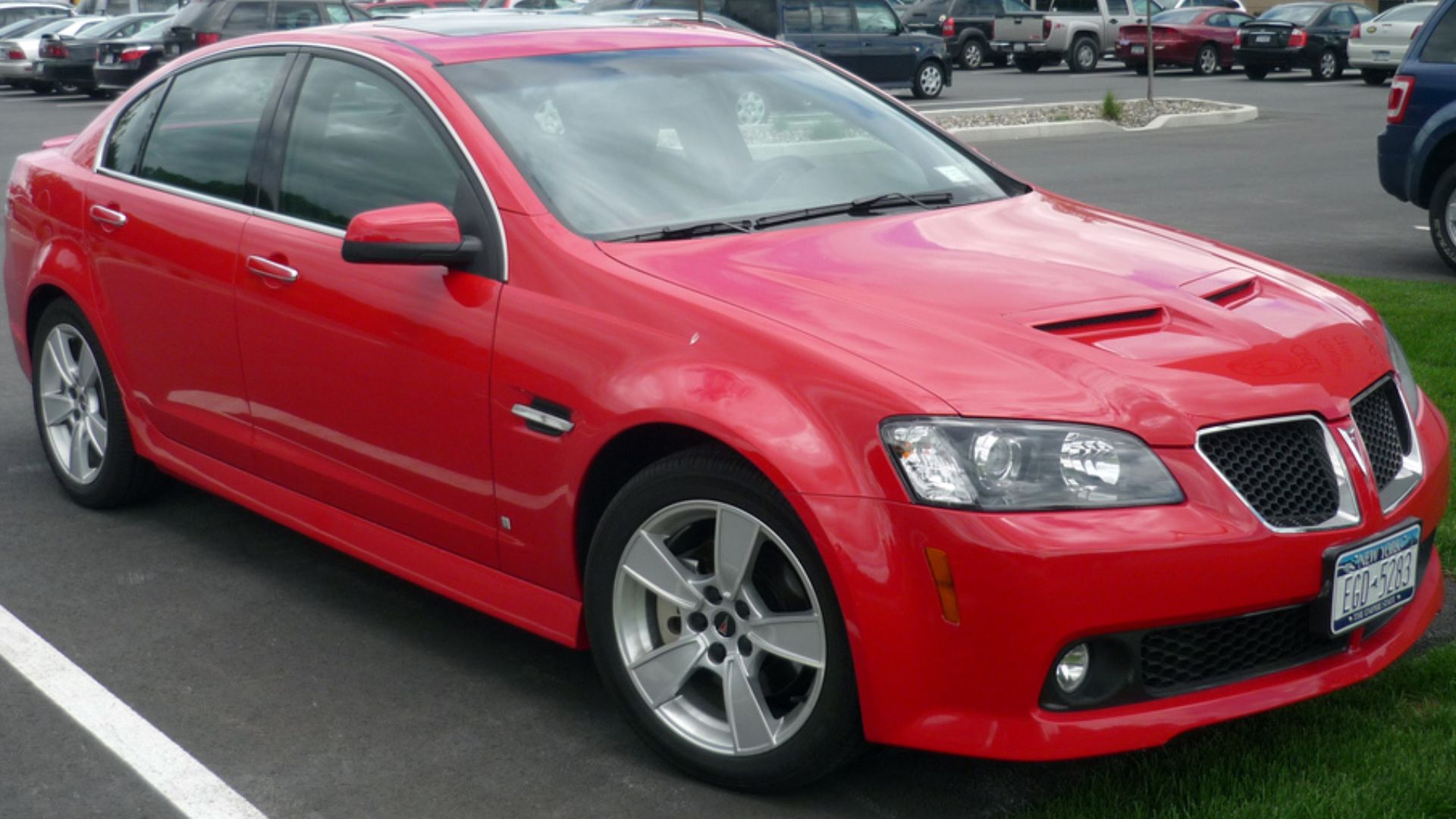
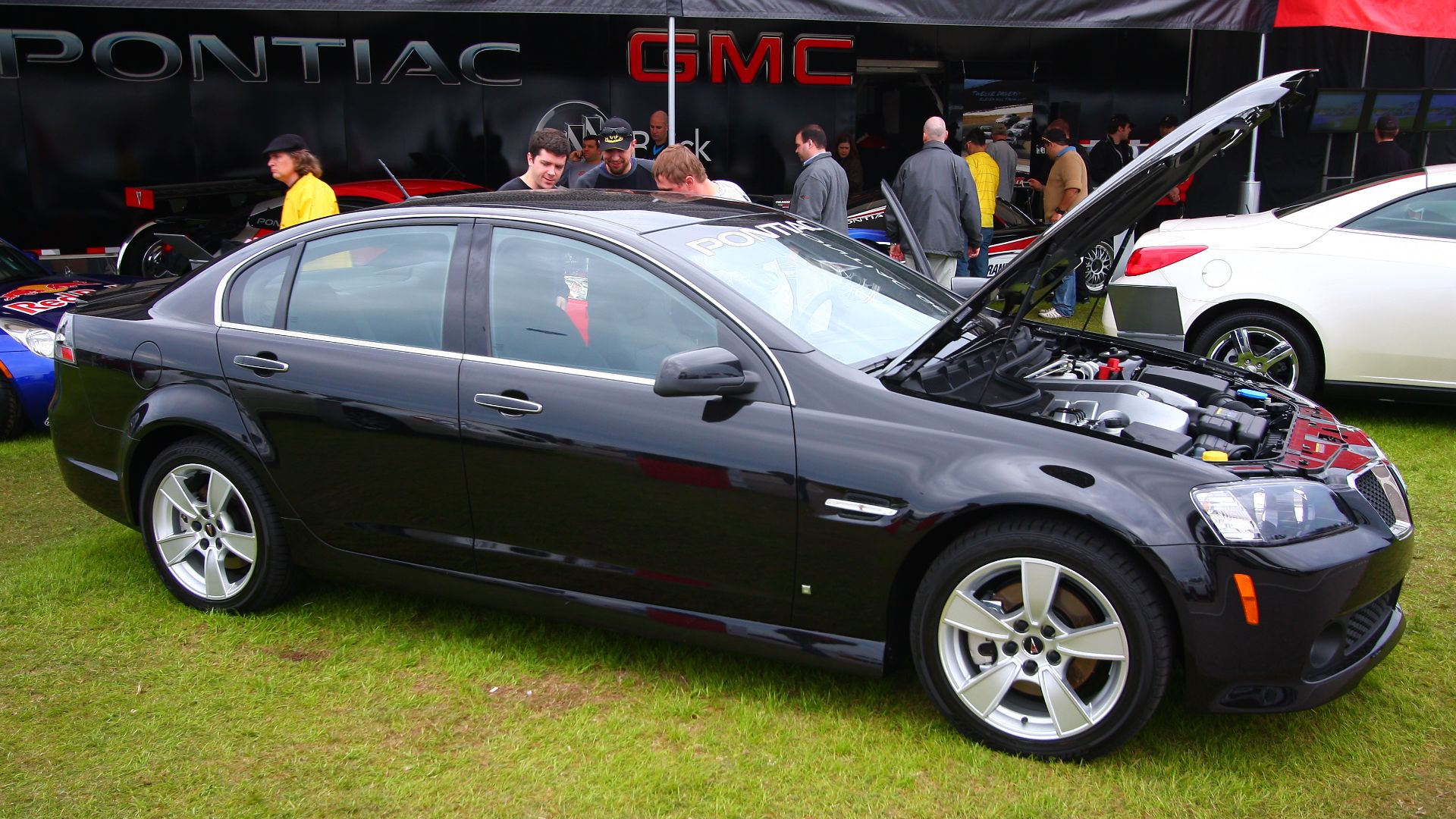
The 2008 G8 gave Pontiac another genuinely strong product. Based on Australia’s Holden Commodore, it offered rear-wheel drive and available V8 power. Reviewers praised its handling and saw it as a serious rival to cars like the Chrysler 300C.
 Rich Niewiroski Jr., Wikimedia Commons
Too Much Of The Lineup Still Felt Familiar
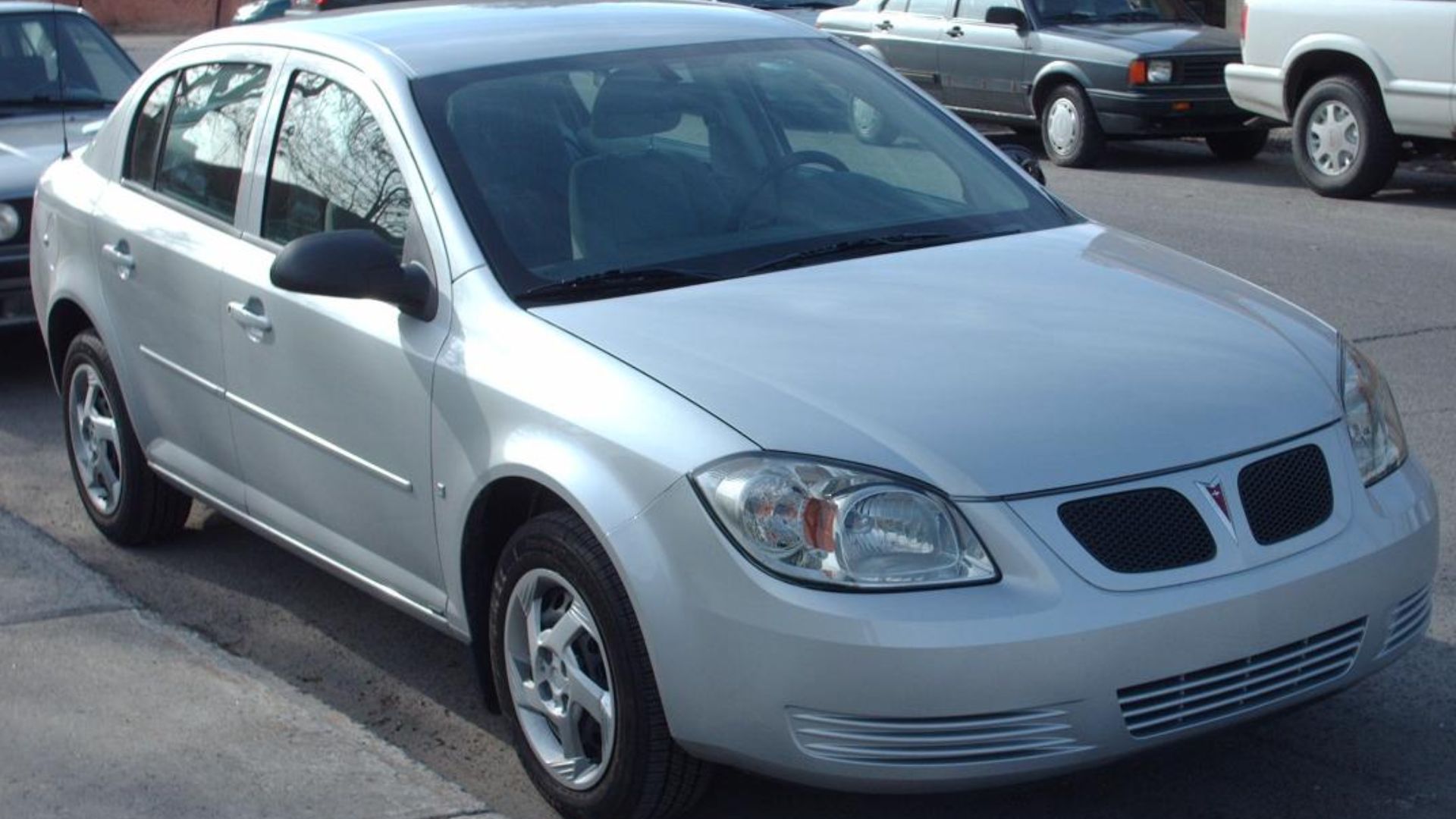
The problem was that the G8 and Solstice did not represent the whole showroom. The G5 was closely related to the Chevrolet Cobalt, while the Vibe shared much with the Toyota Matrix. Pontiac had exciting halo cars, but much of the lineup still struggled to feel unique.
Then The Financial Crisis Changed Everything
By late 2008, GM had far bigger problems than Pontiac’s identity. U.S. vehicle demand had collapsed, and the company needed federal assistance to survive. GM suddenly had to cut brands, products, and costs fast.
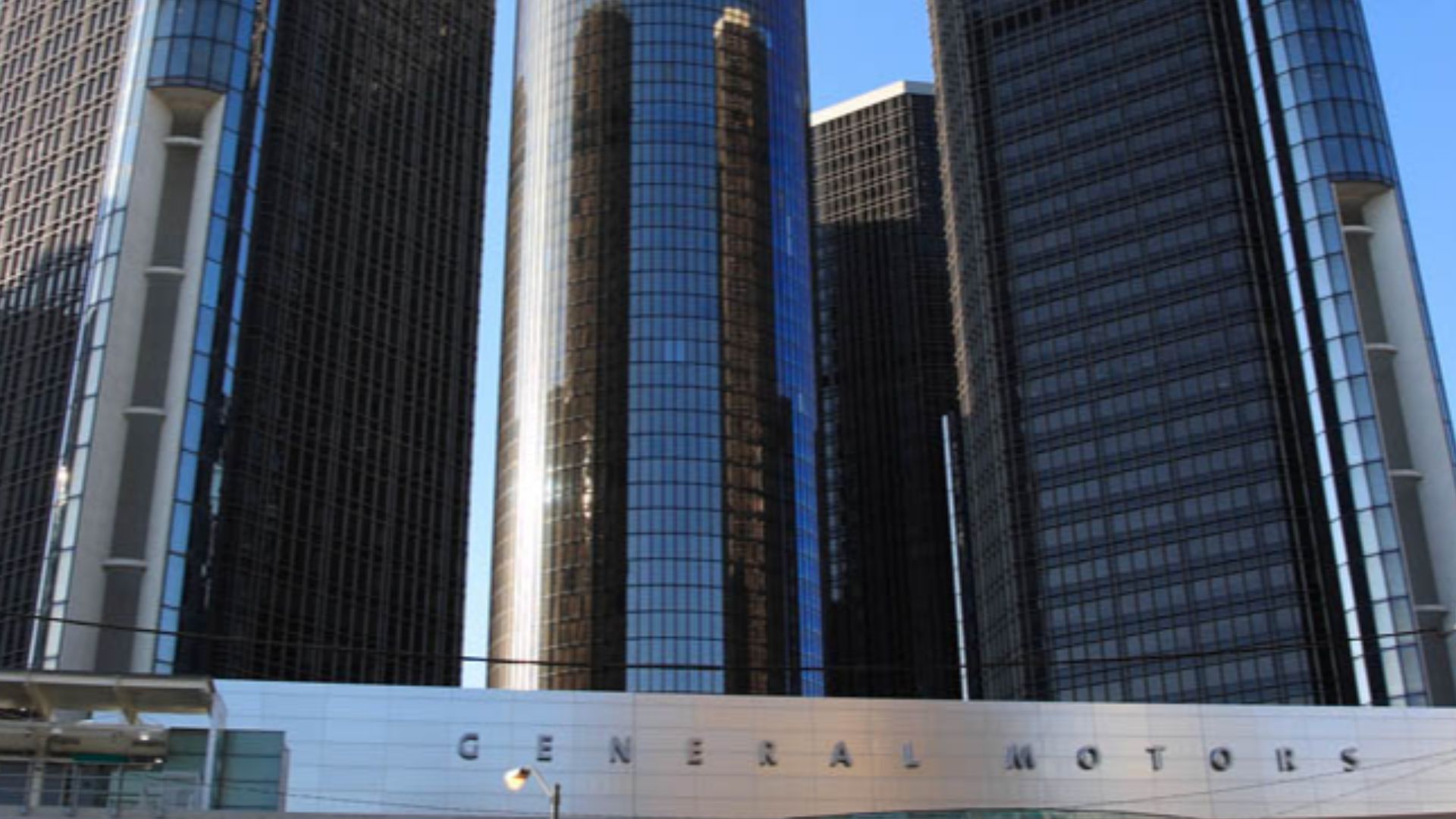 James Marvin Phelps from USA, Wikimedia Commons
Pontiac Was Supposed To Survive
At first, Pontiac was not actually scheduled to disappear. GM’s February 2009 restructuring plan named Chevrolet, Cadillac, Buick, and GMC as core brands, while Pontiac would survive as a smaller niche marque. That could have meant a future built around a handful of performance cars.
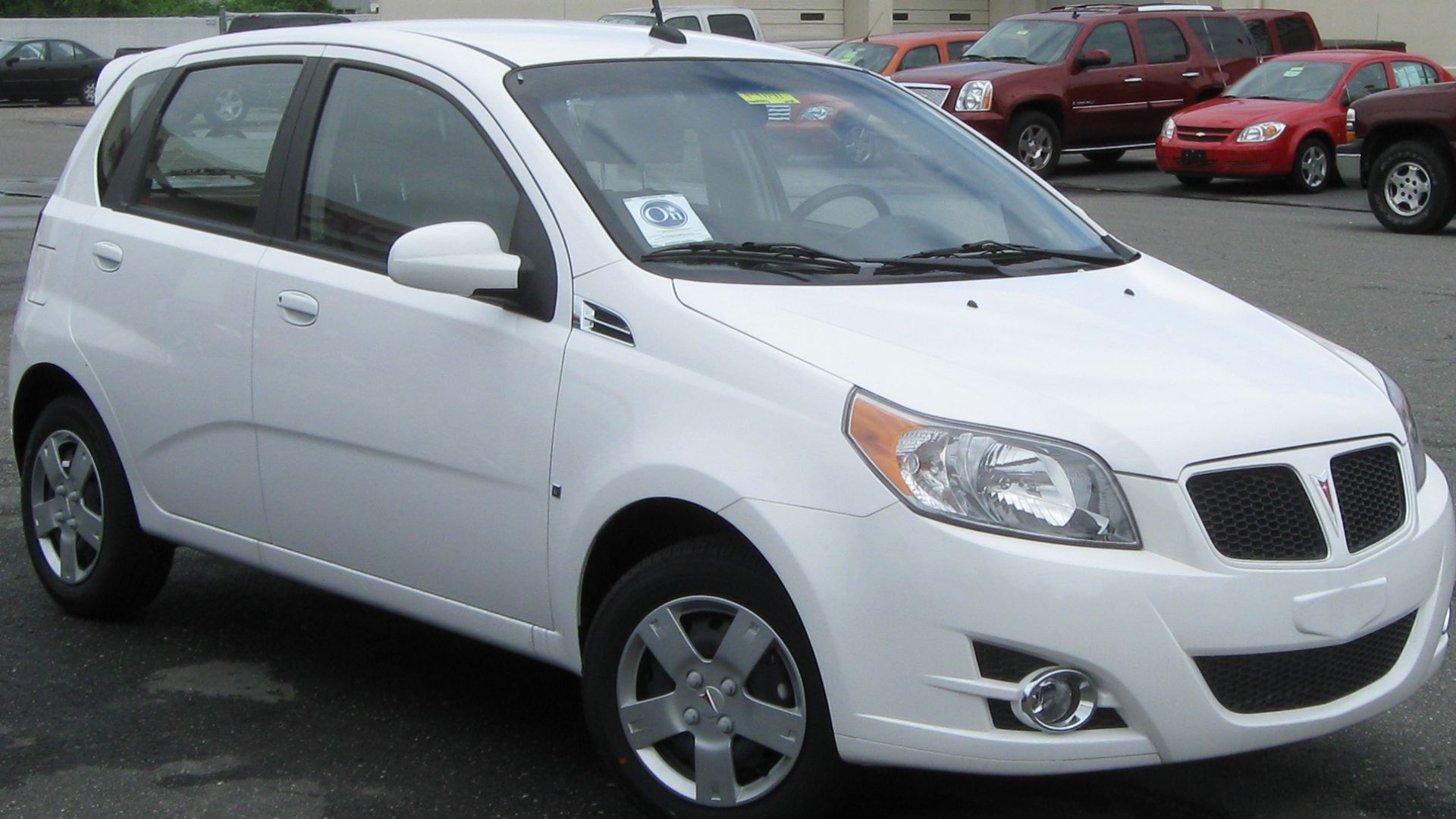
Four Months Later, Pontiac Was Finished
That plan did not last. On April 27, 2009, GM announced that it would stop making new investments in Pontiac. The brand would be phased out entirely by the end of 2010.
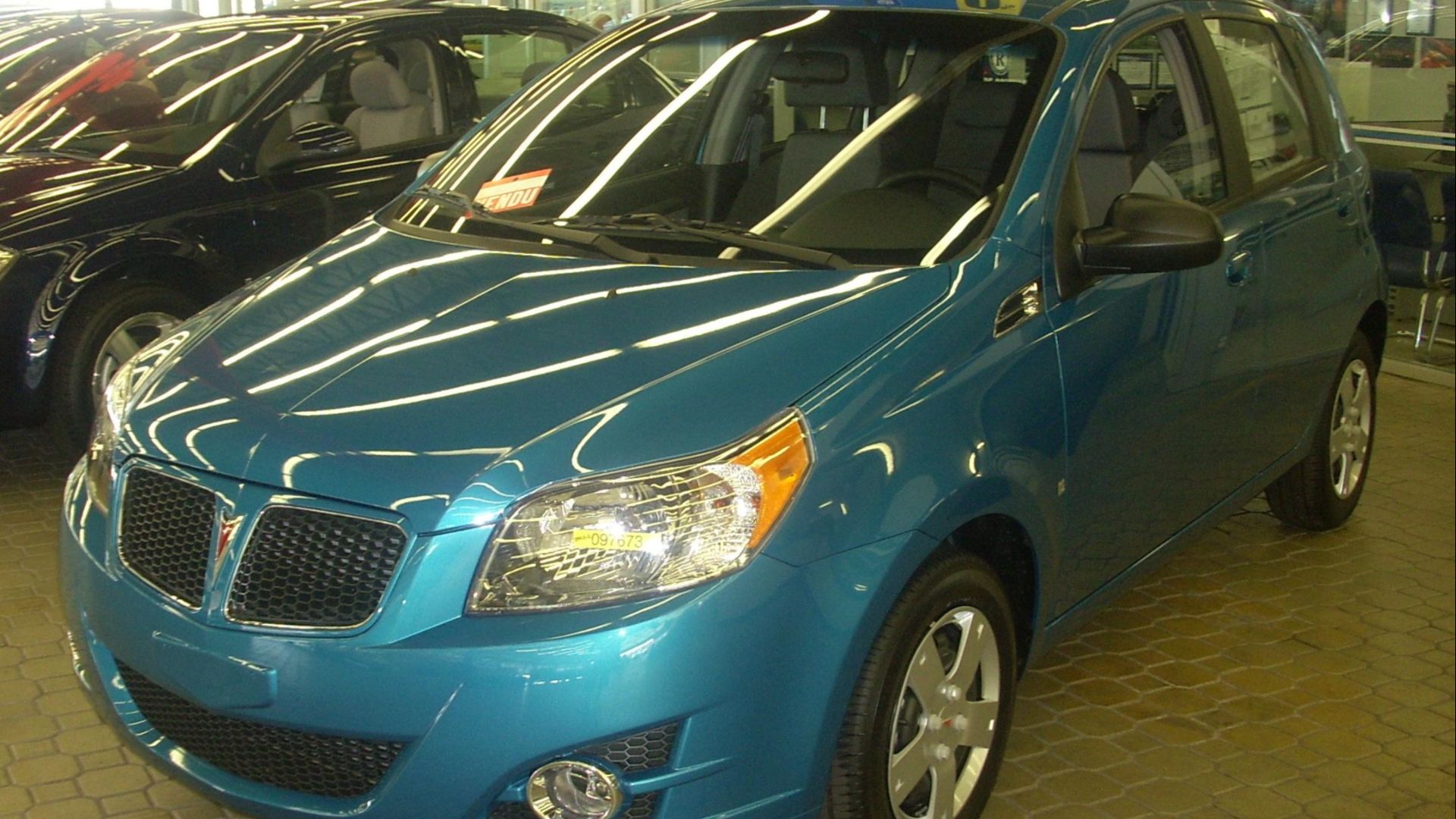
The New GM Chose Four Core Brands
GM concentrated its U.S. resources on Chevrolet, Cadillac, Buick, and GMC. The goal was to create a leaner company with fewer brands and nameplates. Pontiac, Saturn, Saab, and Hummer were all pushed aside.
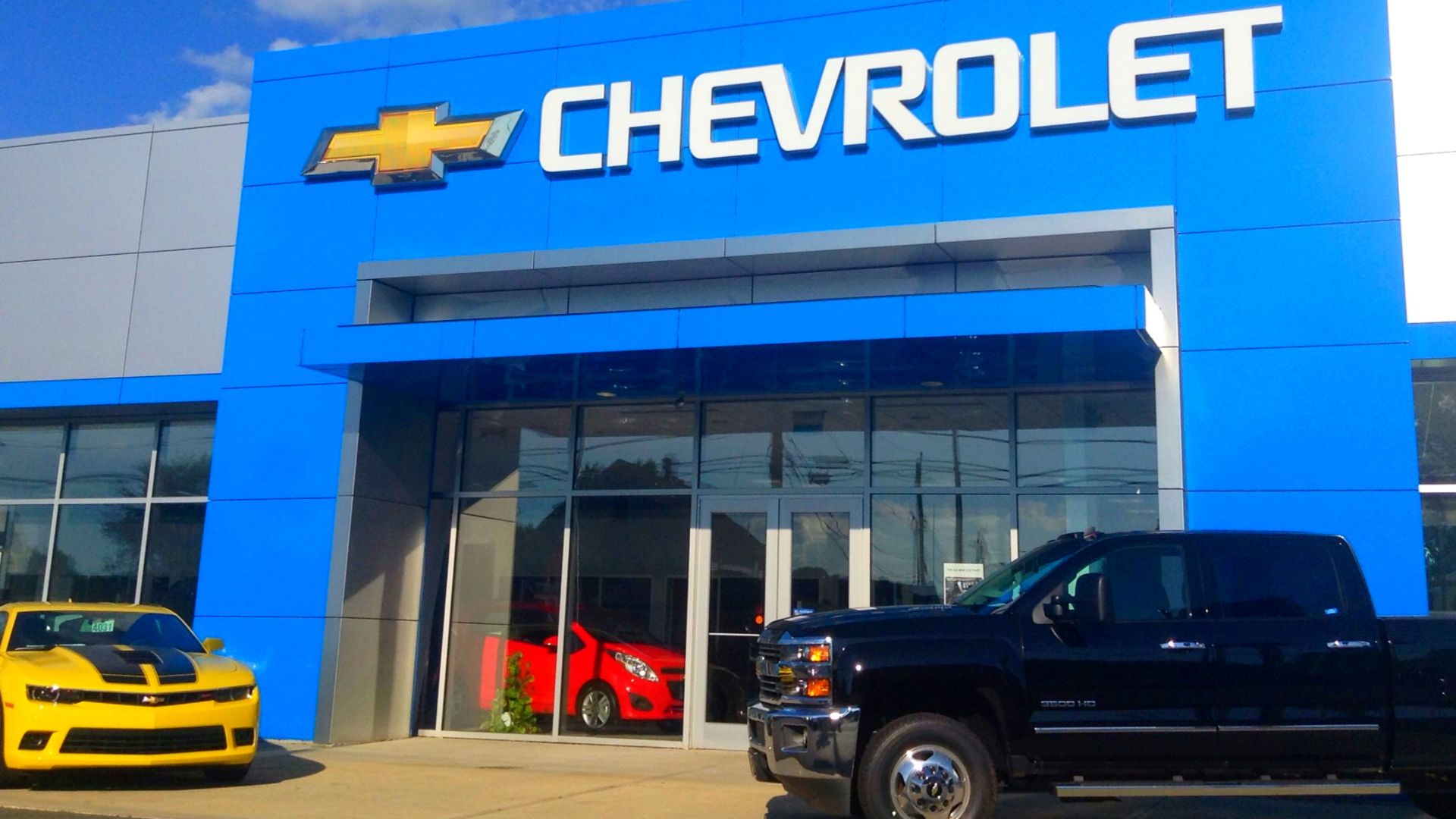 Mike Mozart from Funny YouTube, USA, Wikimedia Commons
Pontiac Was Still Outselling Buick In America
This is where the decision gets interesting. Pontiac sold 267,348 vehicles in the United States during 2008, while Buick sold only 137,197. Pontiac was selling nearly twice as many vehicles in its home market.
 Jason Lawrence, Wikimedia Commons
That Made Buick Look Like The Obvious Sacrifice
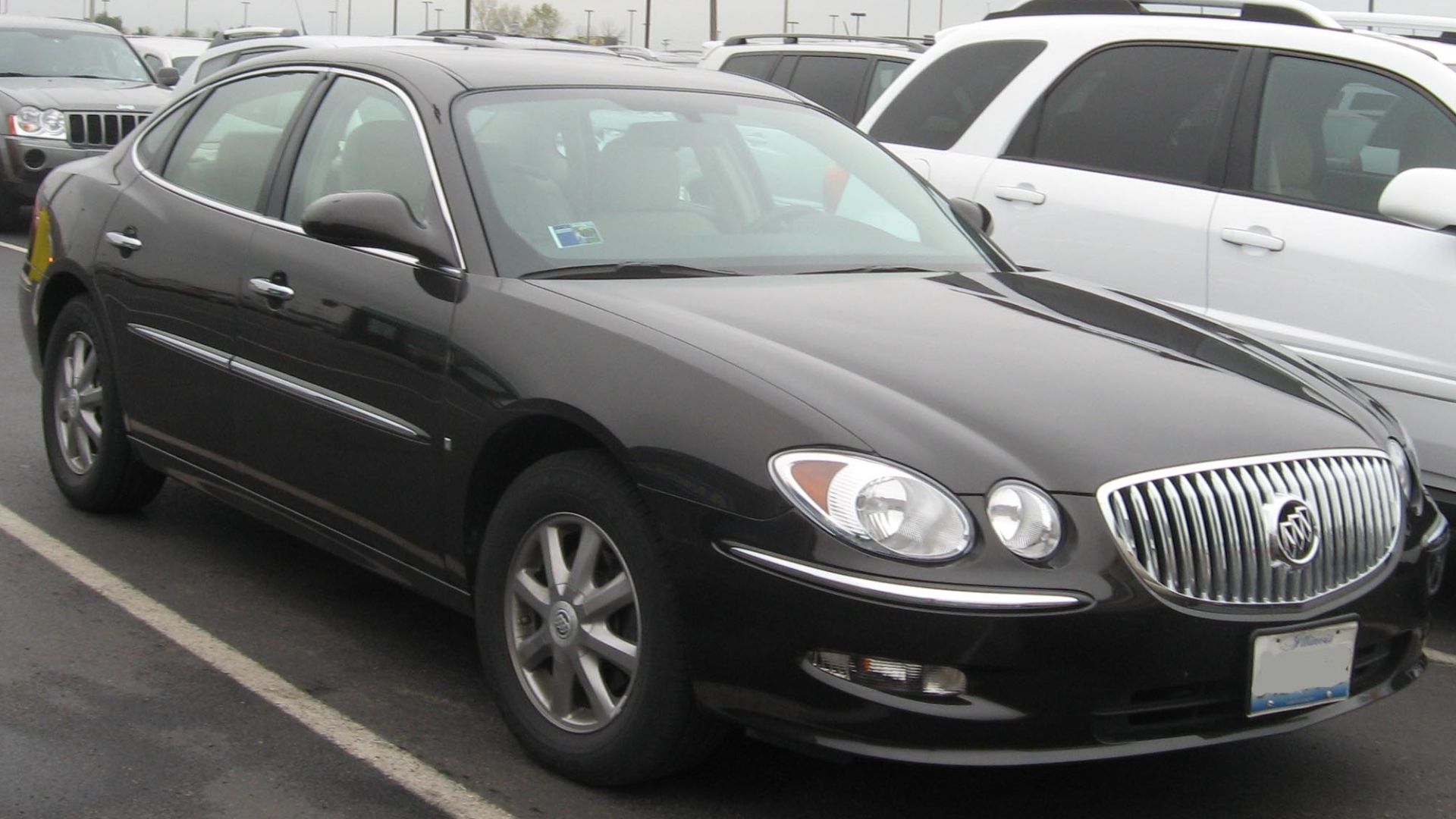
From a purely American sales perspective, Pontiac had a strong case. It had more buyers, more performance credibility, and decades of recognizable nameplates. If GM simply wanted to axe the weaker U.S. brand, Buick looked vulnerable.
China Completely Changed Buick’s Case
Buick’s situation looked very different once China entered the picture. Buick sold 447,011 vehicles in China during 2009, compared with just over 102,000 in the United States. Globally, Buick mattered far more to GM than its American sales suggested.
 Dinkun Chen, Wikimedia Commons
Bob Lutz Said China Saved Buick
Former GM product chief Bob Lutz later said Buick’s strength in China helped protect it. GM feared that discontinuing Buick in the United States could damage the brand in its much larger Chinese market. Pontiac simply did not have an international business that valuable.

GMC Faced Questions Too
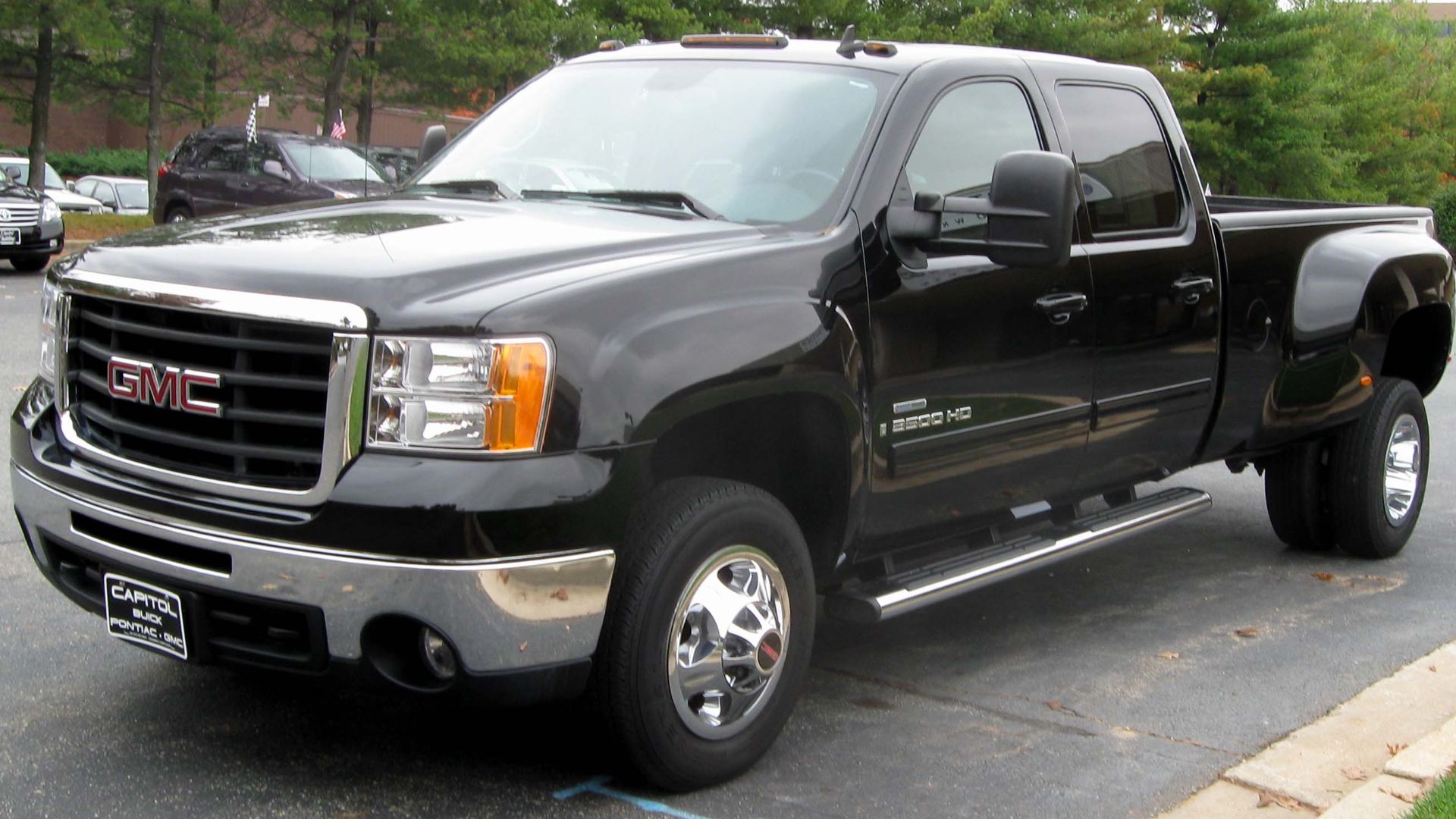
Buick was not the only survivor that looked vulnerable. Lutz later recalled that people involved in GM’s restructuring questioned why GMC was needed when Chevrolet already sold trucks and SUVs. GM argued that GMC had built its own loyal customer base.

GMC Had Another Powerful Argument
GMC also had strong volume and profitability. The brand sold 376,996 vehicles in the United States during 2008, more than Pontiac. That gave GMC a much stronger business case than its shared Chevrolet hardware might suggest.
Pontiac Had Passion But A Tougher Business Case
Pontiac’s best late-period cars showed the brand still had life. But the lineup mixed distinctive models like the G8 and Solstice with vehicles closely related to other GM products. Saving Pontiac would have required more money to rebuild a clear identity at the worst possible time.
 Alexdi at English Wikipedia, Wikimedia Commons
Pontiac Also Had A Future Plan
That makes the decision sting even more. Lutz later said GM had planned to move Pontiac toward an all-rear-wheel-drive lineup, with a future G6 based on a cheaper version of the Cadillac ATS architecture. Pontiac’s comeback may have been just getting started.
The Surviving Brands Rebounded Quickly
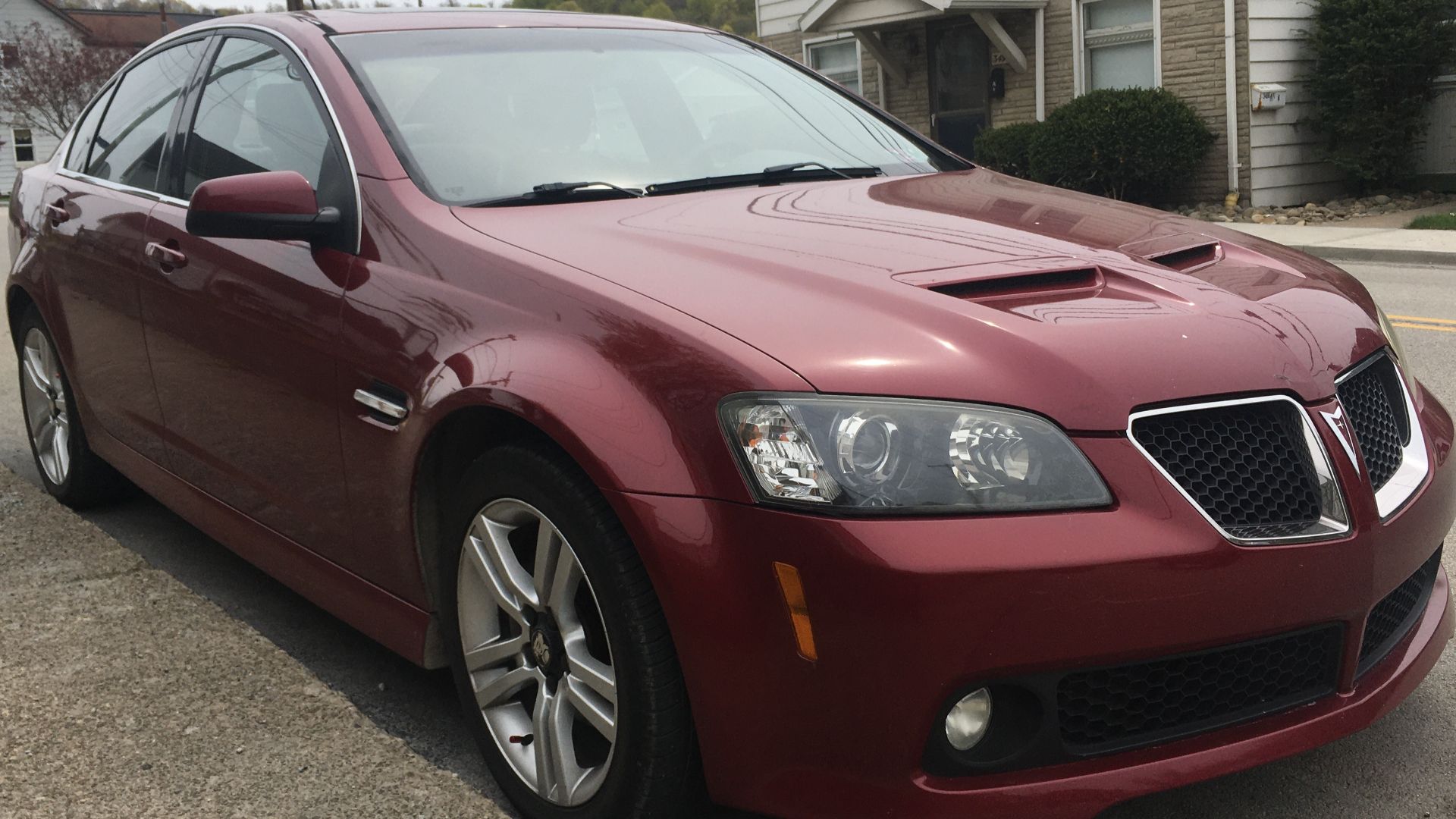
GM’s surviving brands posted strong gains in 2010. Buick sales rose nearly 52 percent in the United States, while GMC climbed almost 29 percent. That does not prove Pontiac had to die, but it shows Buick and GMC were hardly dead weight.
So Did GM Save The Wrong Brand?
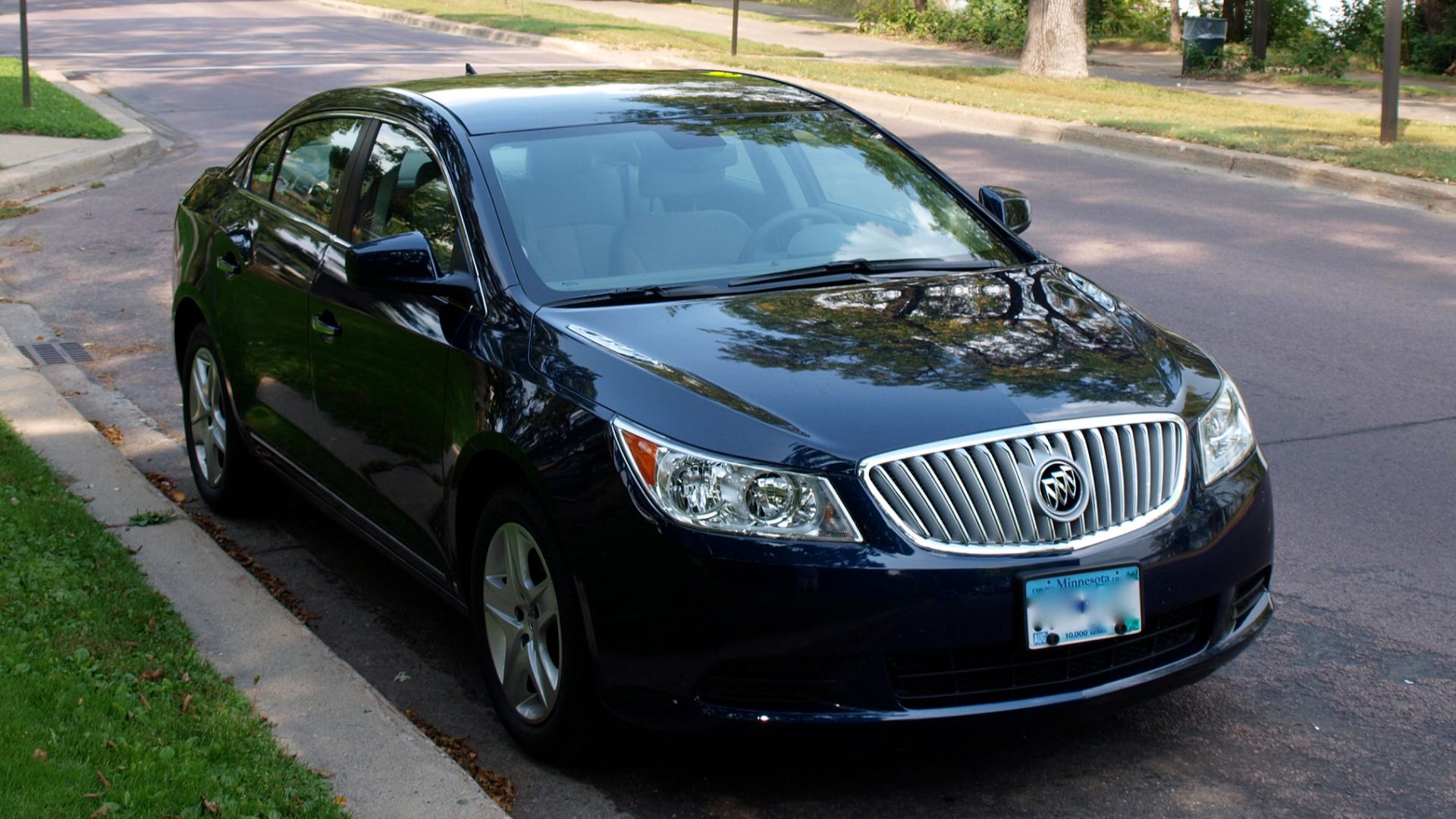
If the decision came down to U.S. sales, enthusiast appeal, or history, Pontiac had a real argument. But Buick had become a major seller in China, while GMC had strong volume and profitability. From GM’s brutal 2009 financial perspective, Pontiac was probably not sacrificed for the wrong brand.
Pontiac’s Real Tragedy Started Earlier
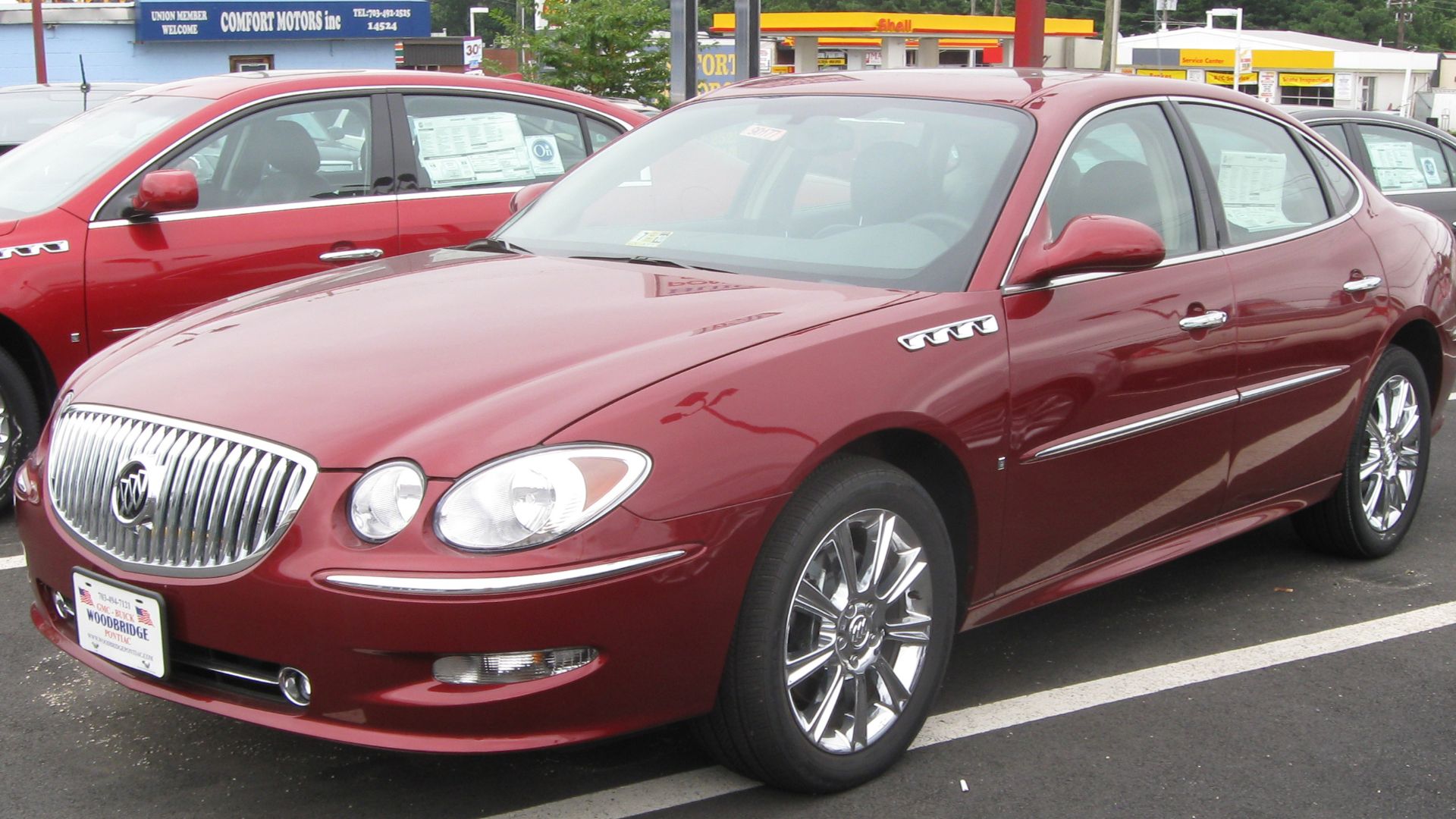
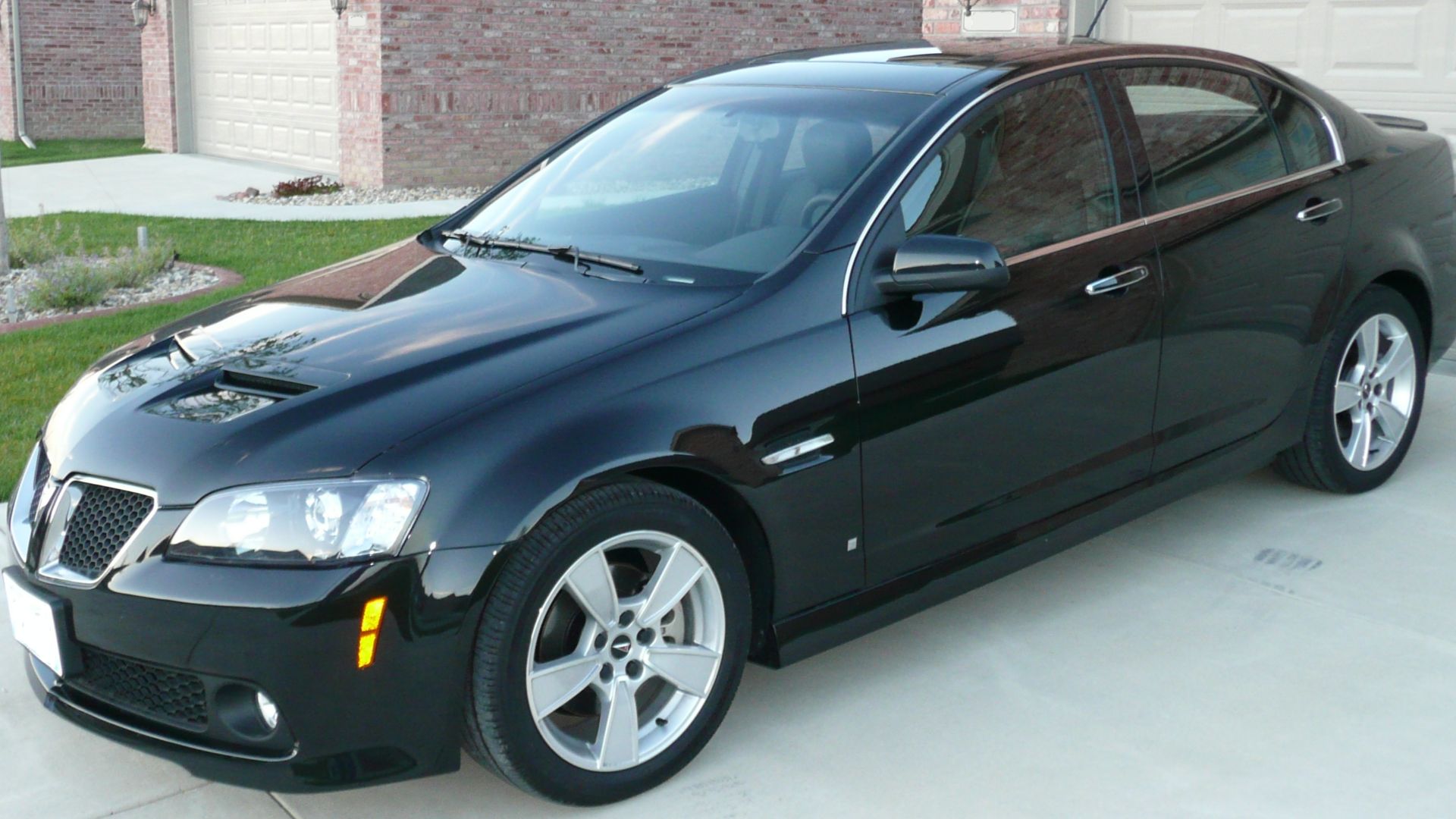
The bigger mistake may have happened years before GM pulled the plug. Pontiac spent too long bouncing between exciting performance cars and products that felt too similar to other GM models. By the time the Solstice and G8 brought some magic back, GM no longer had the money or patience to finish the comeback.
 Srcrowl at English Wikipedia, Wikimedia Commons
You May Also Like:
Ken Miles Helped Ford Beat Ferrari—But Never Lived To See His Greatest Legacy
The Pontiac Solstice: The Roadster That Almost Beat Mazda
The Corvette Started As A Simple Sports Car—Look What It Became





.jpg)