Wait, Weren't These Cars Just Here?
The 2010s don't seem that long ago. Yet somehow, plenty of cars from that decade have already vanished from both showrooms and our collective memory. Unlike the Mustangs and Corvettes older drivers can spot from half a mile away, these machines came, went, and barely left tire tracks behind.
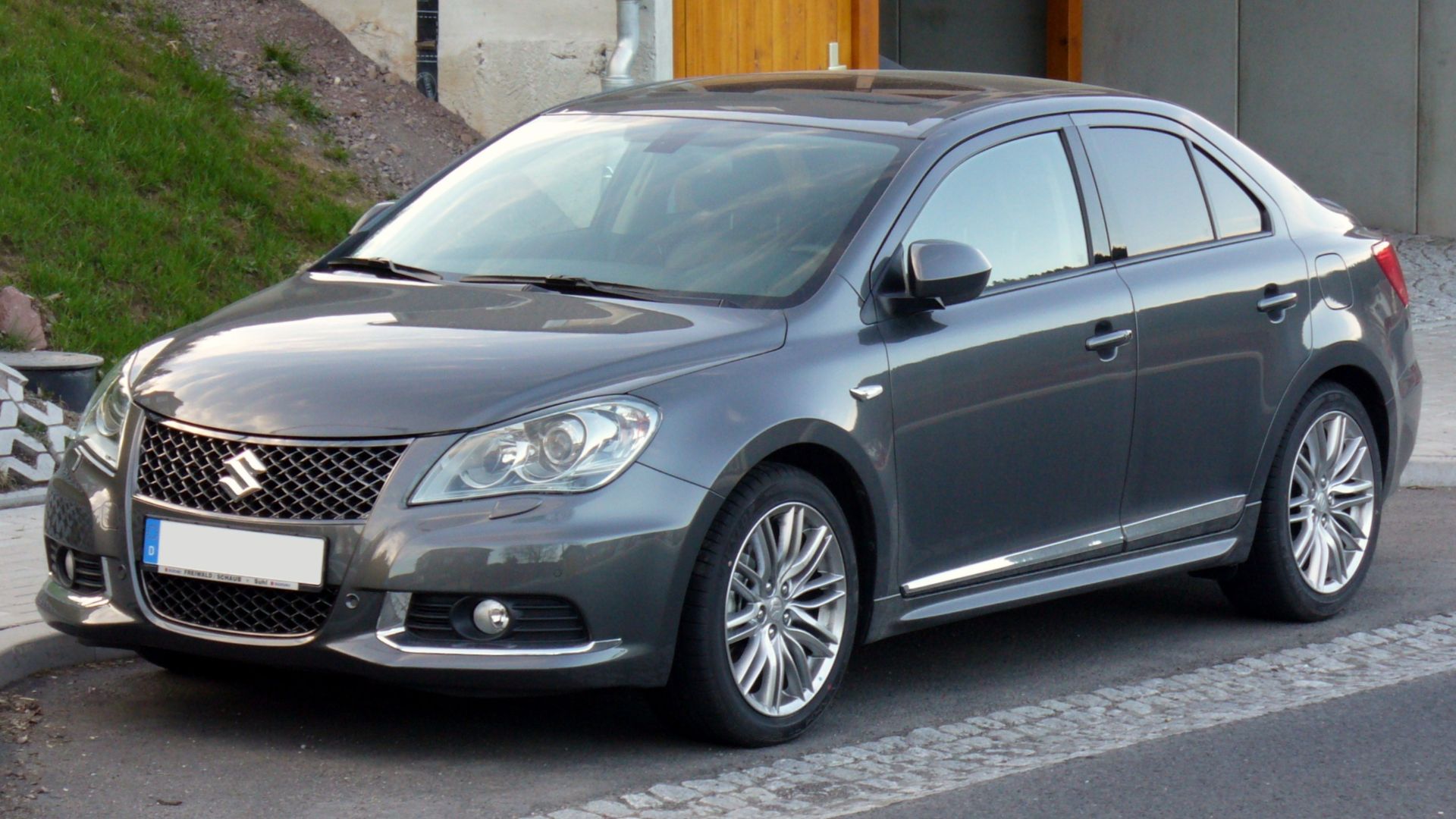
Suzuki Kizashi
Suzuki's Kizashi was one of those cars that seemed destined to become a bigger deal. It arrived as a genuinely handsome midsize sedan with available all-wheel drive and surprisingly polished road manners. Unfortunately, Suzuki stopped selling automobiles in the United States in 2012, taking the Kizashi's future with it.
 Thomas doerfer, Wikimedia Commons
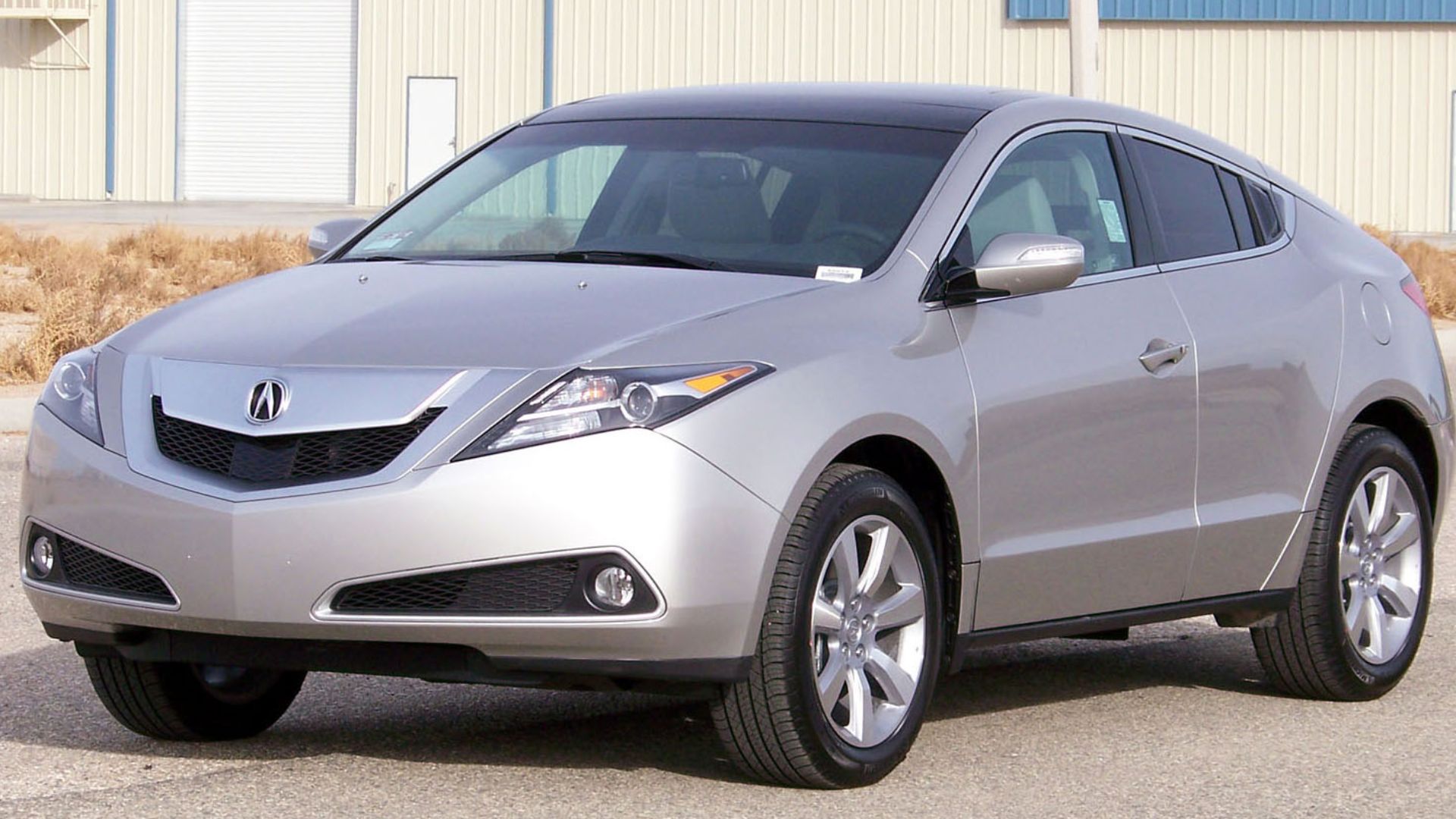
Acura ZDX
Long before every luxury brand wanted a coupe-shaped SUV, Acura tried the idea with the ZDX. Introduced for 2010, it was dramatic, expensive, and decidedly strange-looking. Sales never caught fire, but looking at today's sloping-roof crossovers, Acura may simply have shown up to the party years too early.
 U.S. National Highway Traffic Safety Administration, Wikimedia Commons
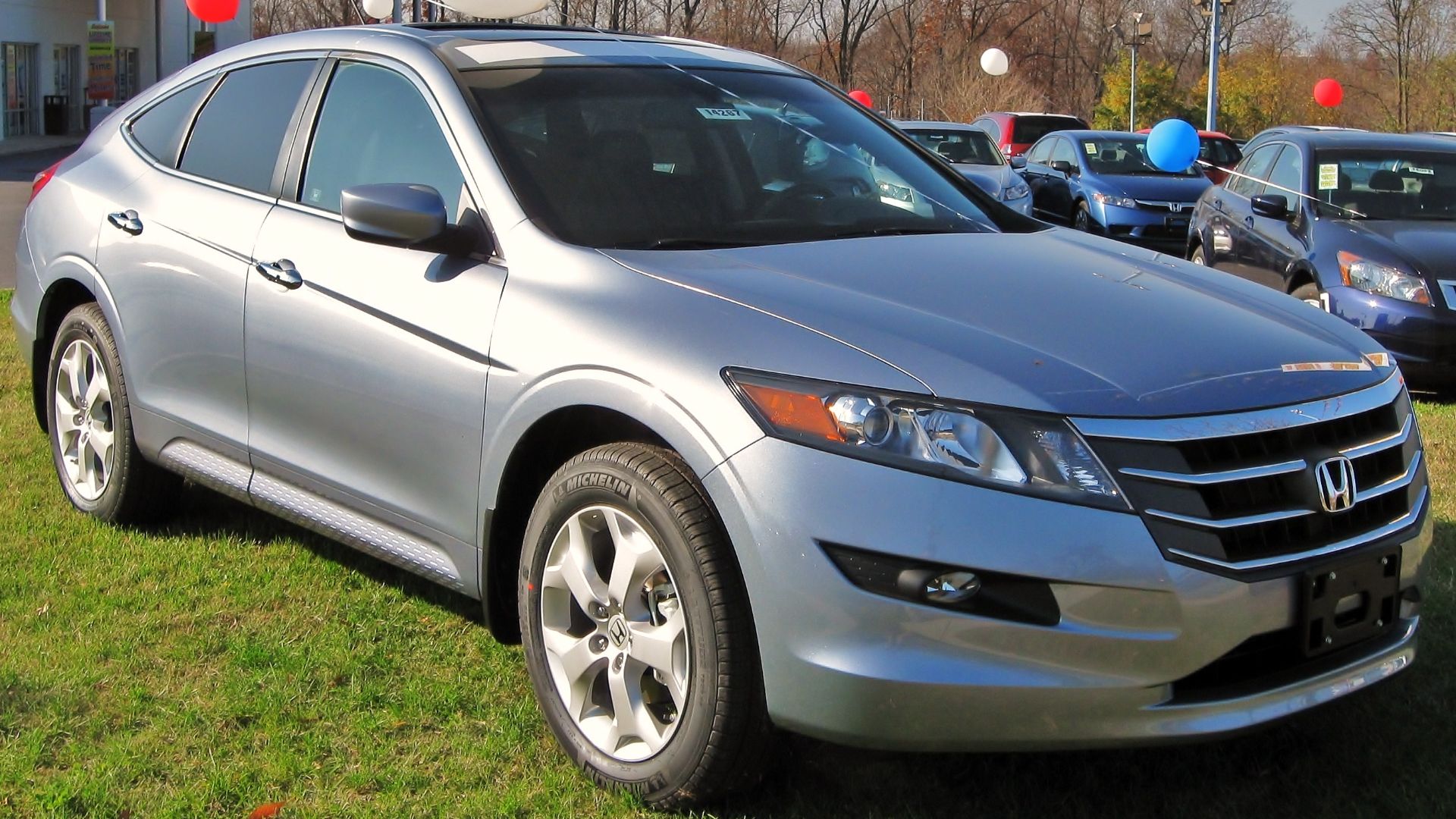
Honda Crosstour
Remember when Honda turned the Accord into something resembling a giant hatchback? The Crosstour blended sedan comfort, crossover practicality, and styling that divided virtually everyone who saw it. It disappeared after the 2015 model year, and Honda buyers seemed perfectly content to move on to more conventional SUVs.
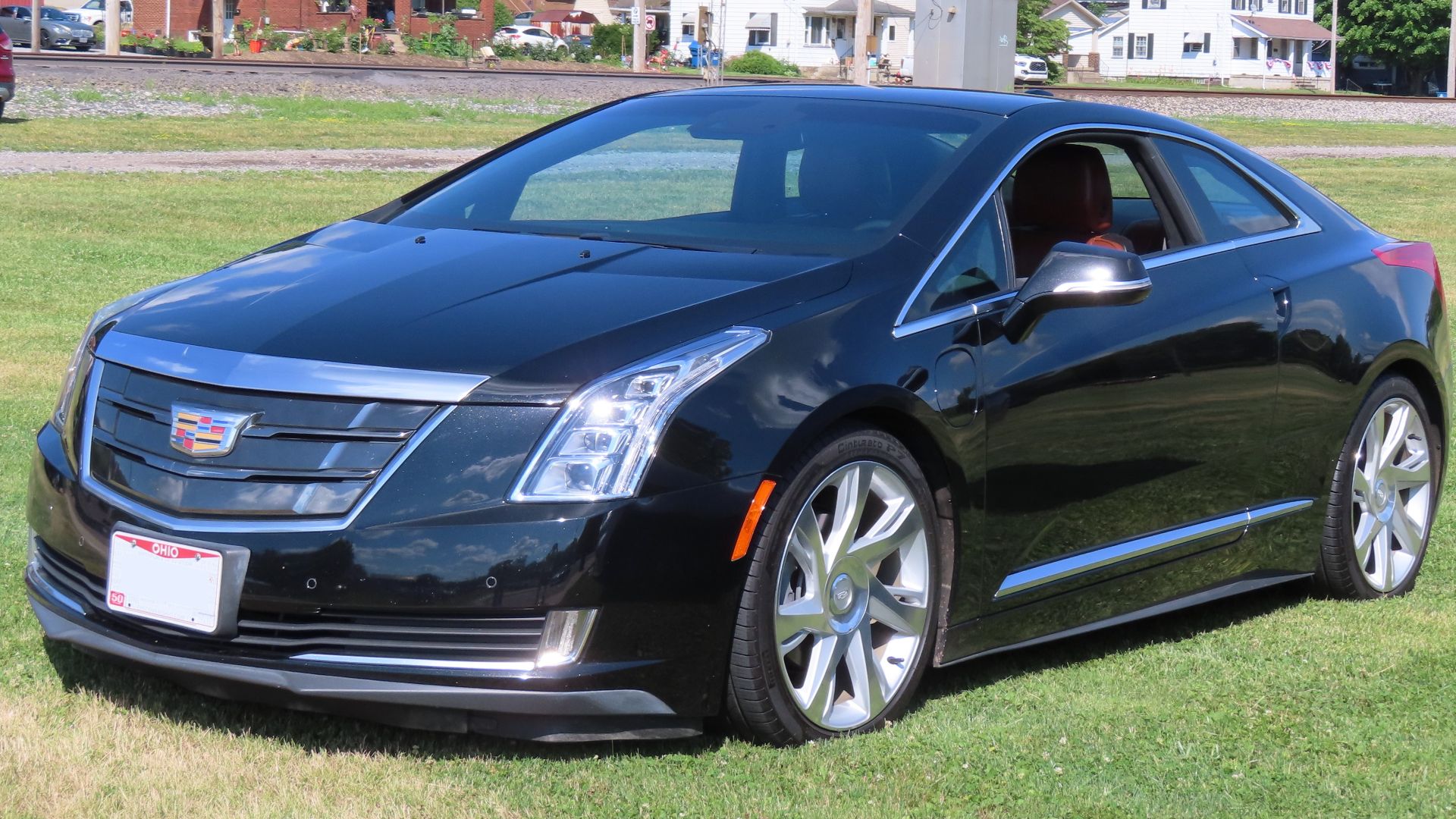
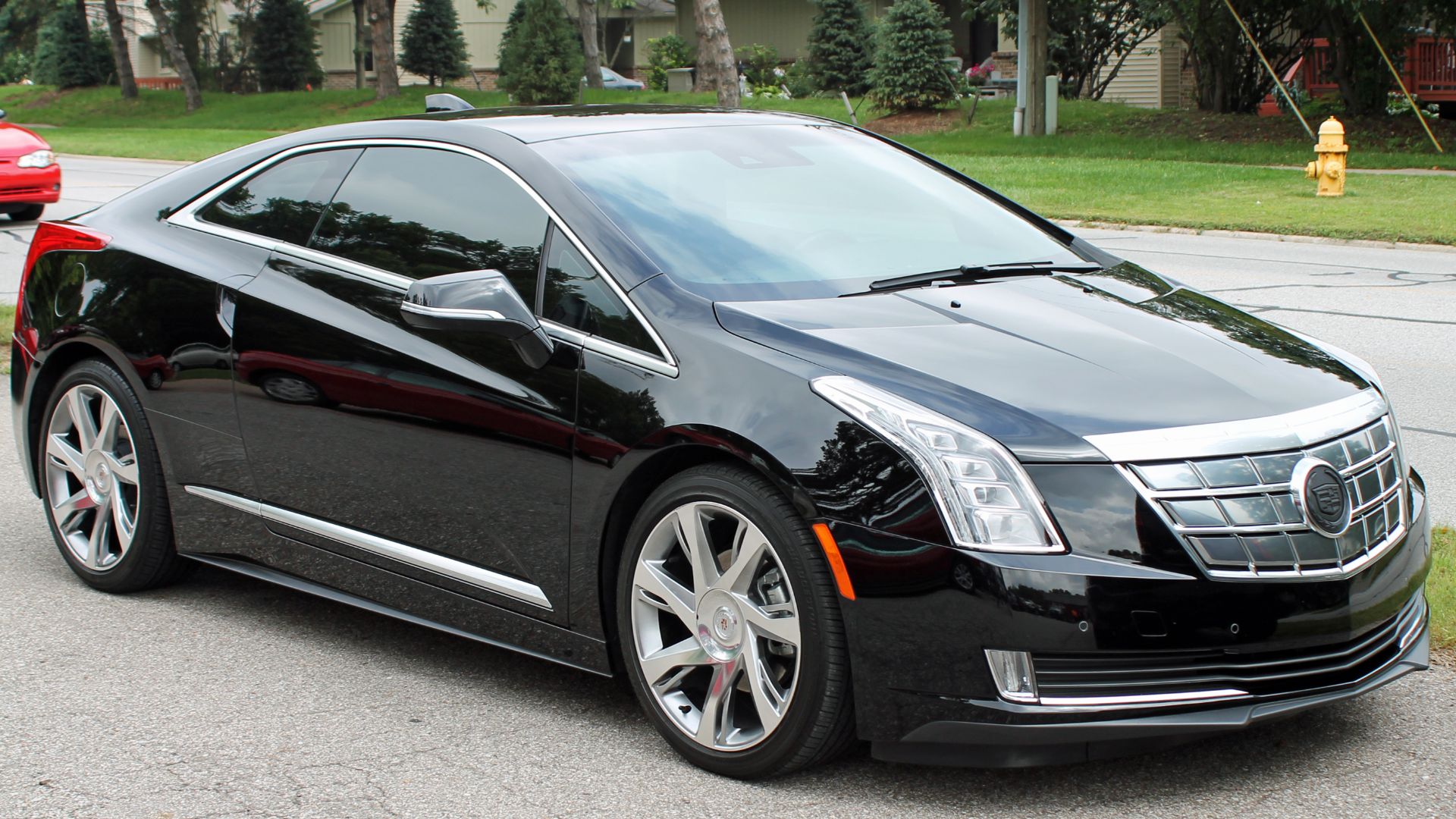
Cadillac ELR
The Cadillac ELR looked terrific. Unfortunately, underneath that sharp bodywork was a plug-in hybrid system related to the much cheaper Chevrolet Volt. Its lofty sticker price made it an exceptionally difficult sell. Cadillac dropped it after only a few years, leaving behind one of the decade's most interesting automotive footnotes.
 MercurySable99, Wikimedia Commons
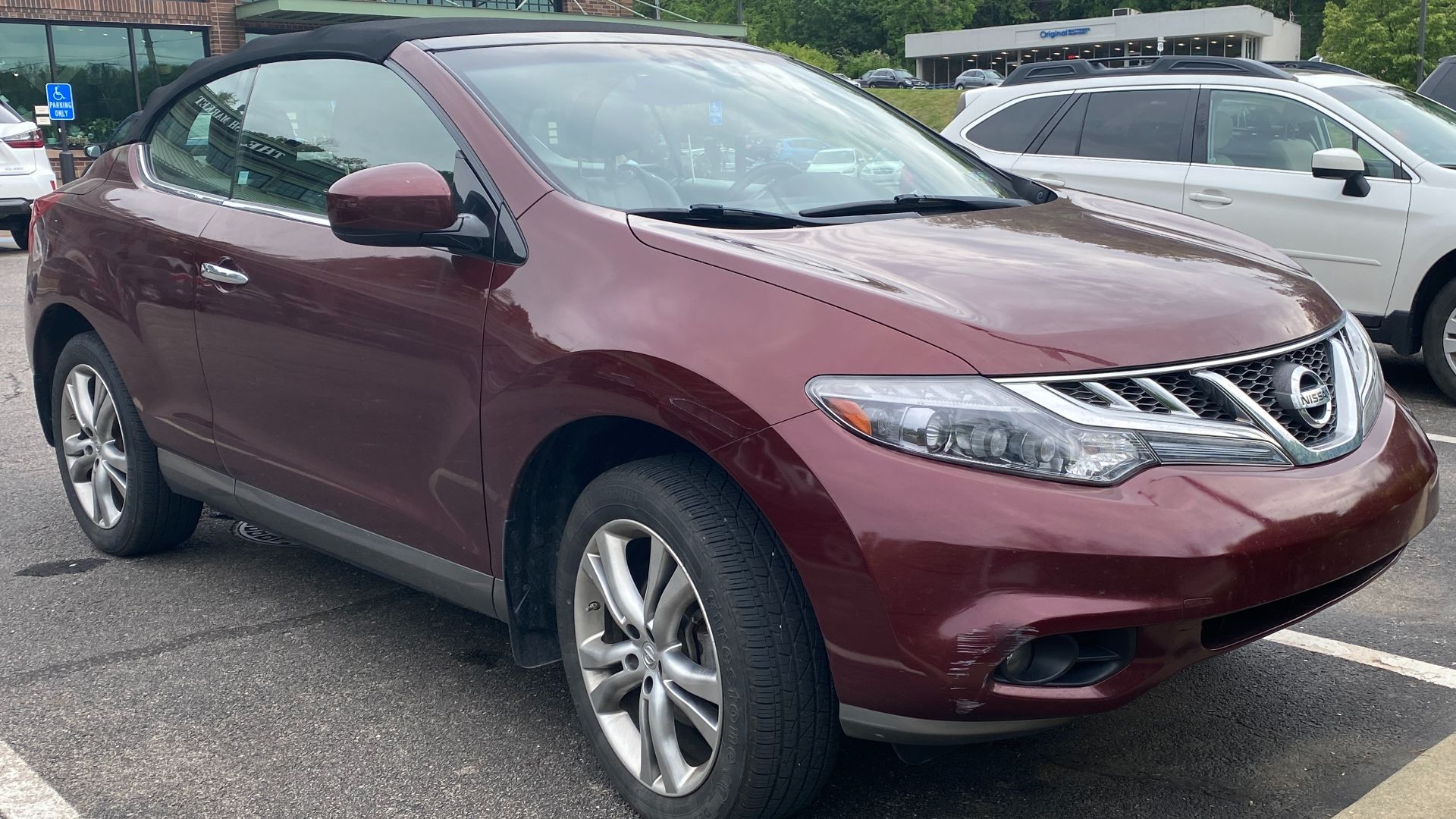
Nissan Murano CrossCabriolet
Someone at Nissan apparently looked at the Murano crossover and thought, "You know what this needs? No roof." The resulting Murano CrossCabriolet was a two-door convertible crossover unlike almost anything else on American roads. It was bizarre, expensive, and short-lived, which naturally makes it rather fascinating today.
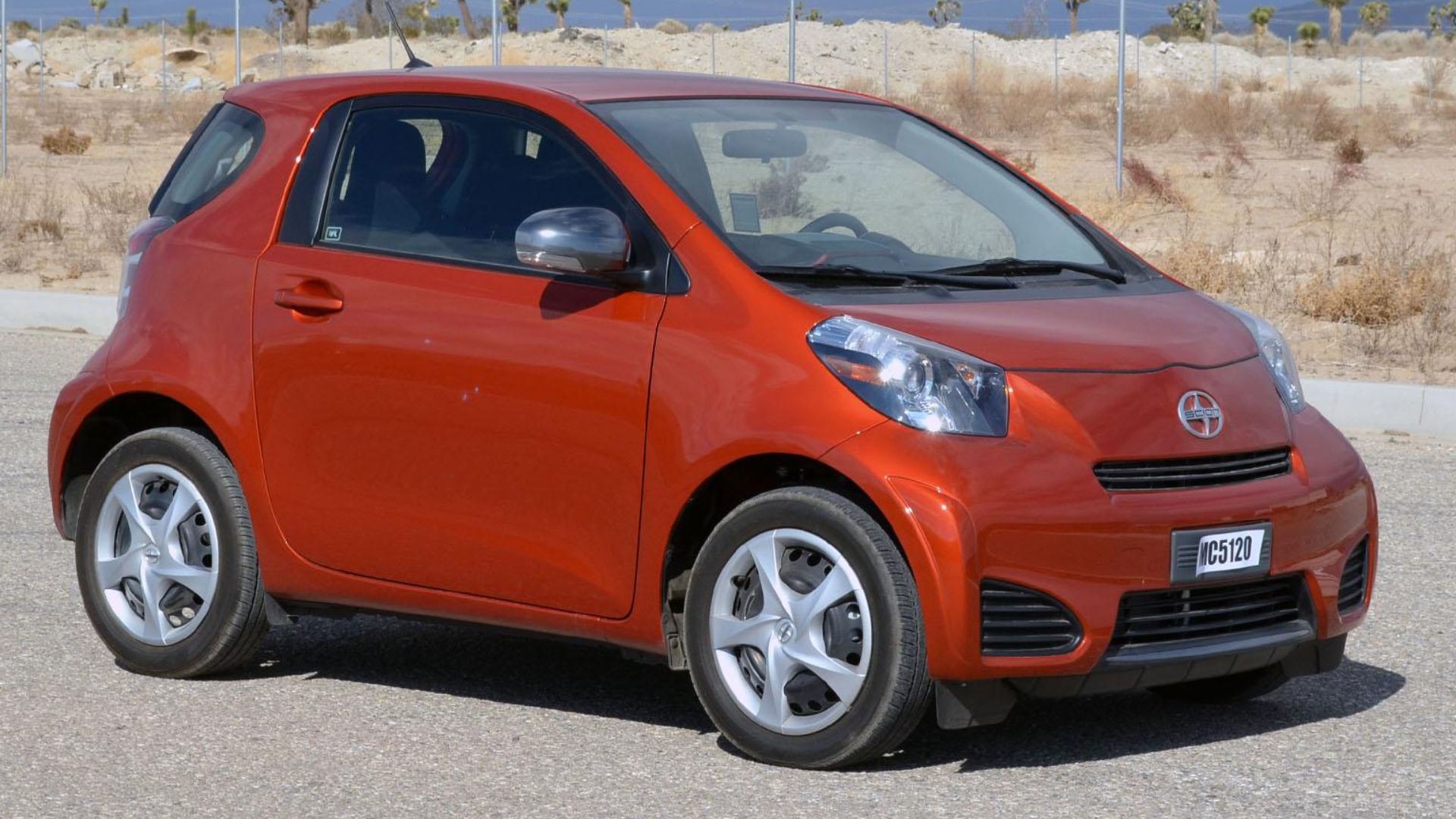
Scion iQ
The Scion iQ was tiny even by subcompact standards. Toyota's youth-focused brand sold this pint-sized city car in America hoping urban buyers would appreciate its remarkable maneuverability. Americans, however, have rarely demonstrated an overwhelming appetite for microscopic cars, and the iQ quietly disappeared before Scion itself followed.
 National Highway Traffic Safety Administration, Wikimedia Commons
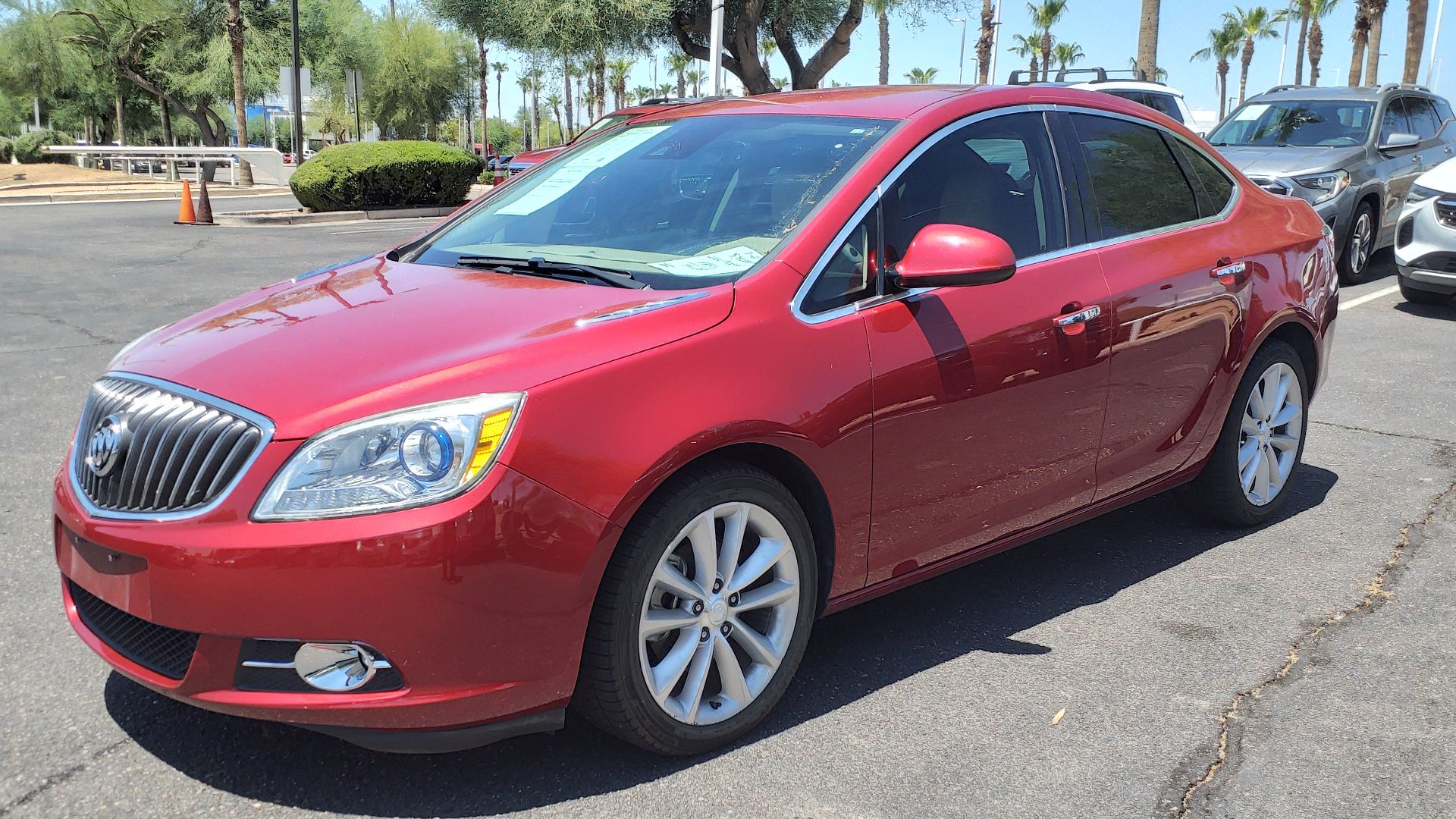
Buick Verano
There was nothing particularly wrong with the Buick Verano. In fact, that may explain why nobody talks about it. Introduced as a small premium sedan, it offered a quiet cabin and respectable comfort without shouting about either. When American buyers shifted toward crossovers, the Verano simply slipped offstage.
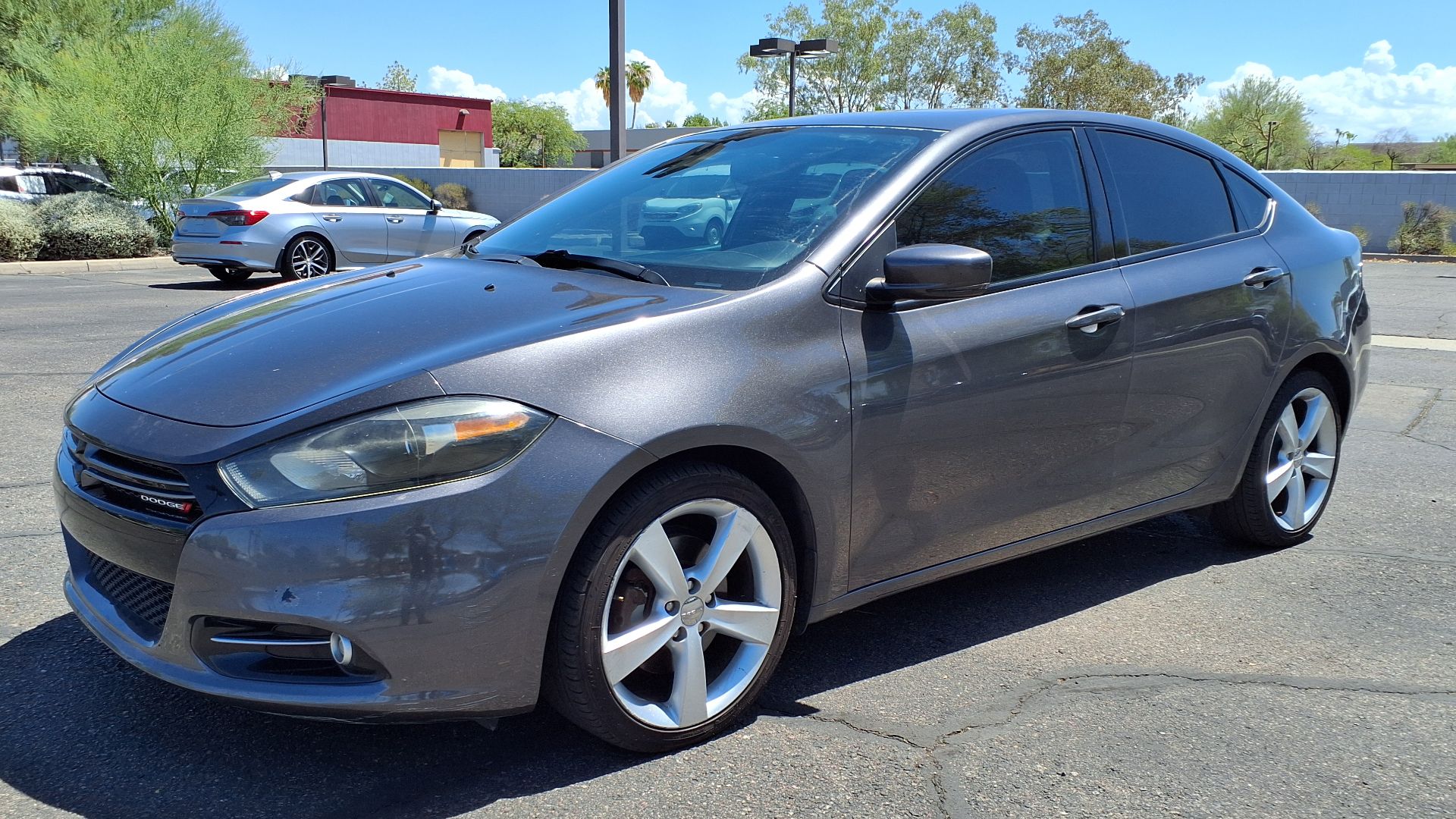
Dodge Dart
The return of the Dart name sounded promising to anyone old enough to remember Dodge's original compact. The modern Dart arrived for 2013 wearing Italian-influenced underpinnings and plenty of expectations. Sales never lived up to Chrysler's ambitions, and production ended in 2016 after a remarkably brief second act.
Chrysler 200
Chrysler poured serious effort into the second-generation 200, giving it sleek styling and a distinctive rotary gear selector. Yet midsize sedans were already losing ground to crossovers, and the car never established the loyalty enjoyed by Camrys or Accords. By 2017, the 200 was gone.
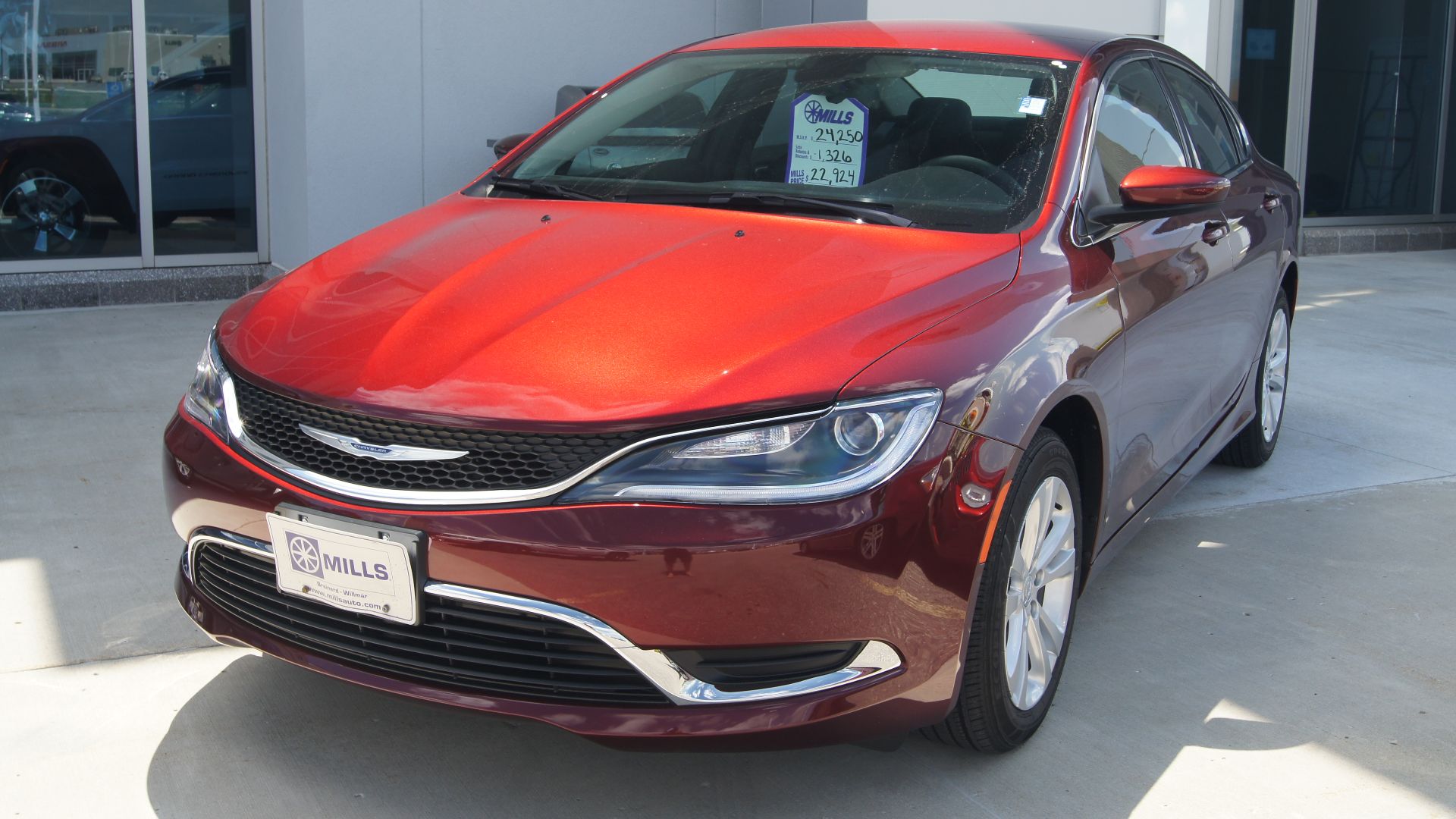 Greg Gjerdingen from Willmar, USA, Wikimedia Commons
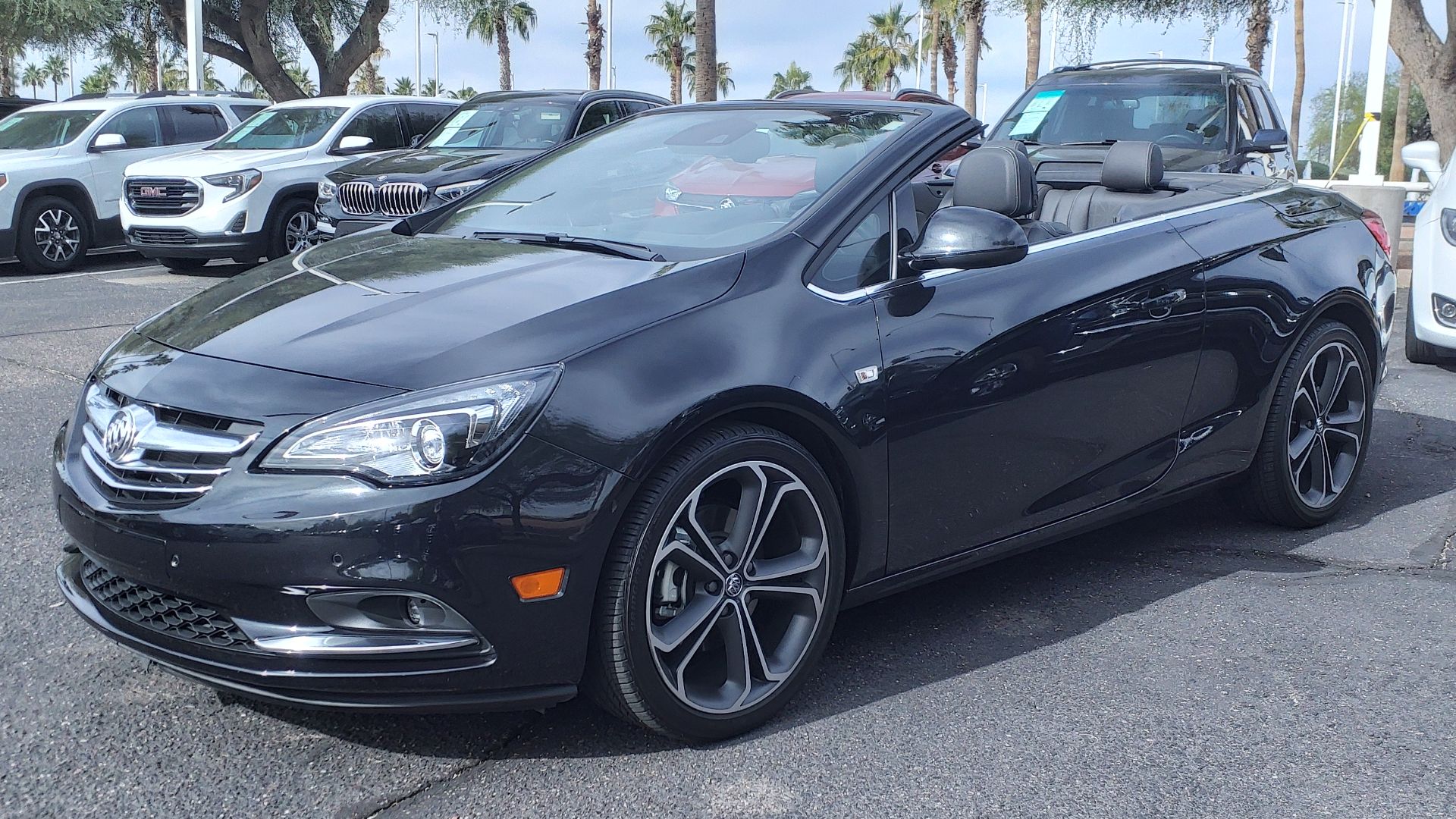
Buick Cascada
A Buick convertible still sounds a little unusual, which made the Cascada memorable while it was actually on sale. Imported from Opel in Europe, this four-seat soft-top offered relaxed cruising rather than tire-smoking performance. Buick discontinued it after 2019, and America hasn't exactly been flooded with replacements.
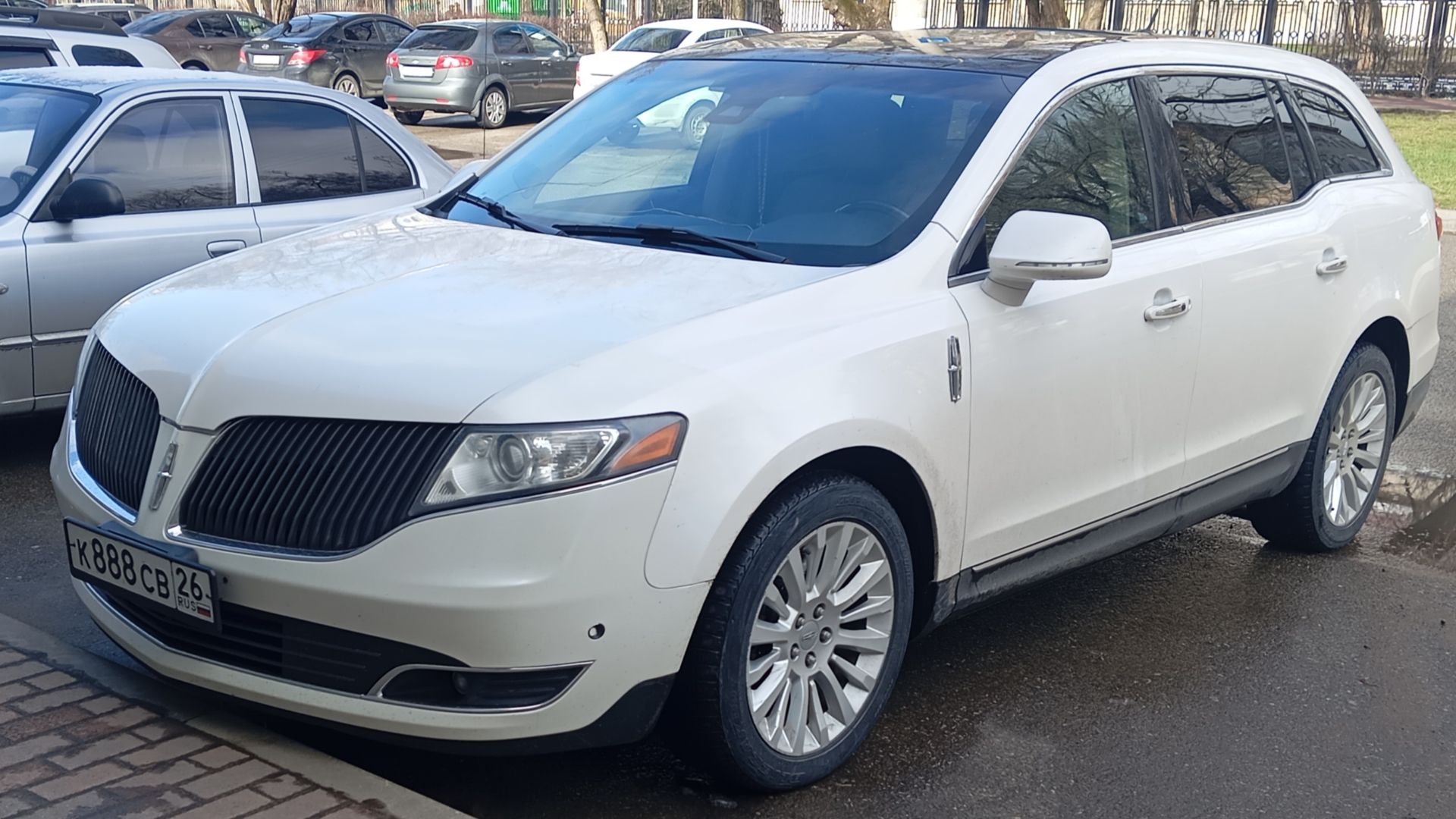
Lincoln MKT
Few automobiles demonstrated Lincoln's uncertain identity during the 2010s better than the MKT. Part wagon, part crossover, part luxury limousine, it featured enormous proportions and unmistakable styling. Fleets liked it, particularly chauffeur companies, but ordinary shoppers rarely dreamed about putting one in the driveway.
Ford C-Max
Ford brought the C-Max to America as a hybrid-focused compact people mover aimed directly at efficiency-minded buyers. It competed with the Toyota Prius but never became nearly as culturally recognizable. As Americans fell increasingly in love with SUVs, Ford's tall little hybrid quietly exited after the 2018 model year.
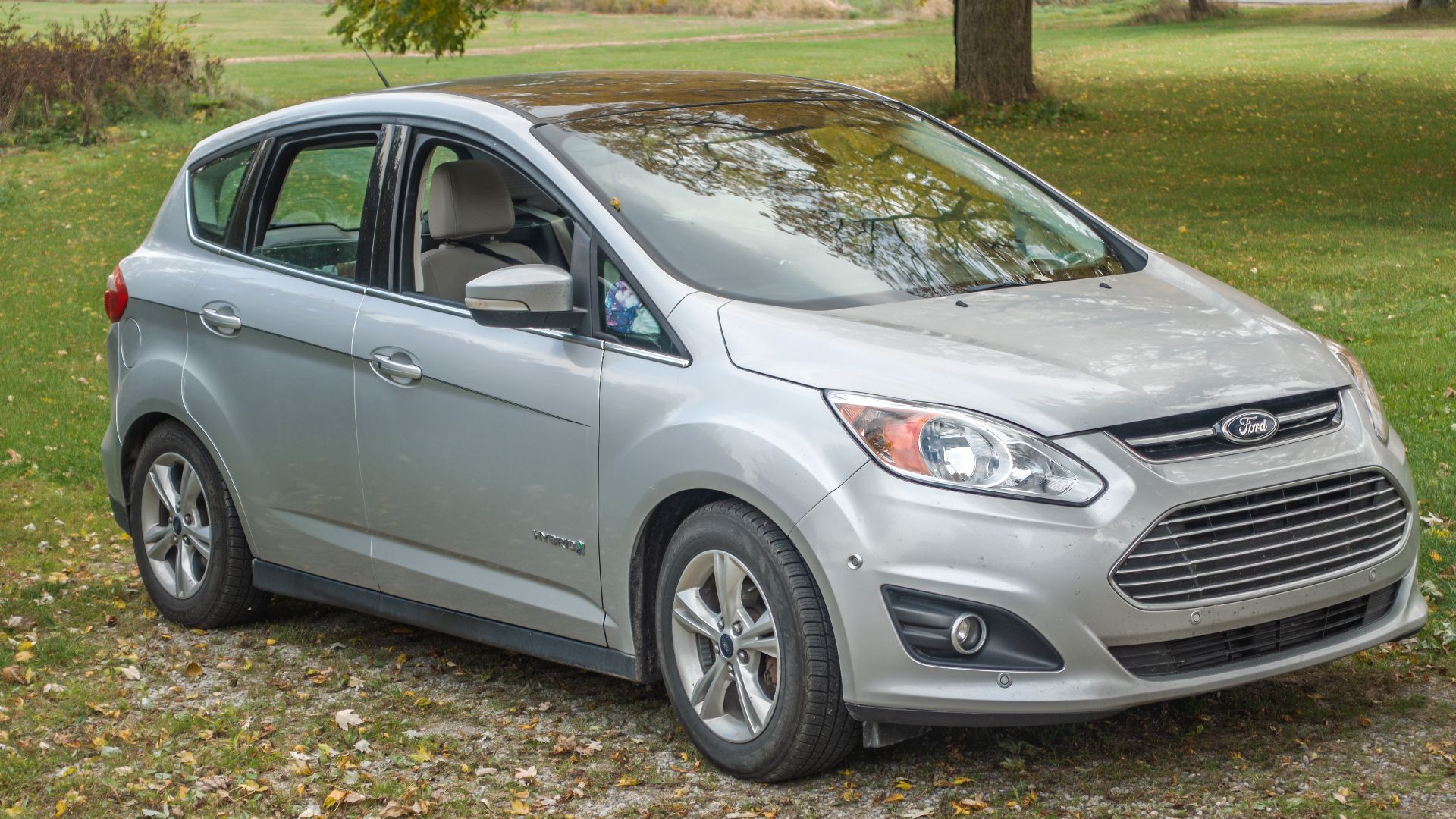 Aaron Headly from Munith, MI, United States, Wikimedia Commons
Mitsubishi i-MiEV
Before electric vehicles became dinner-table conversation, Mitsubishi was already selling the tiny i-MiEV. Its unusual shape, modest range, and narrow body made it look like something from a futuristic city exhibit. Technically interesting? Absolutely. Something your neighbors probably remember seeing? That's considerably less certain.
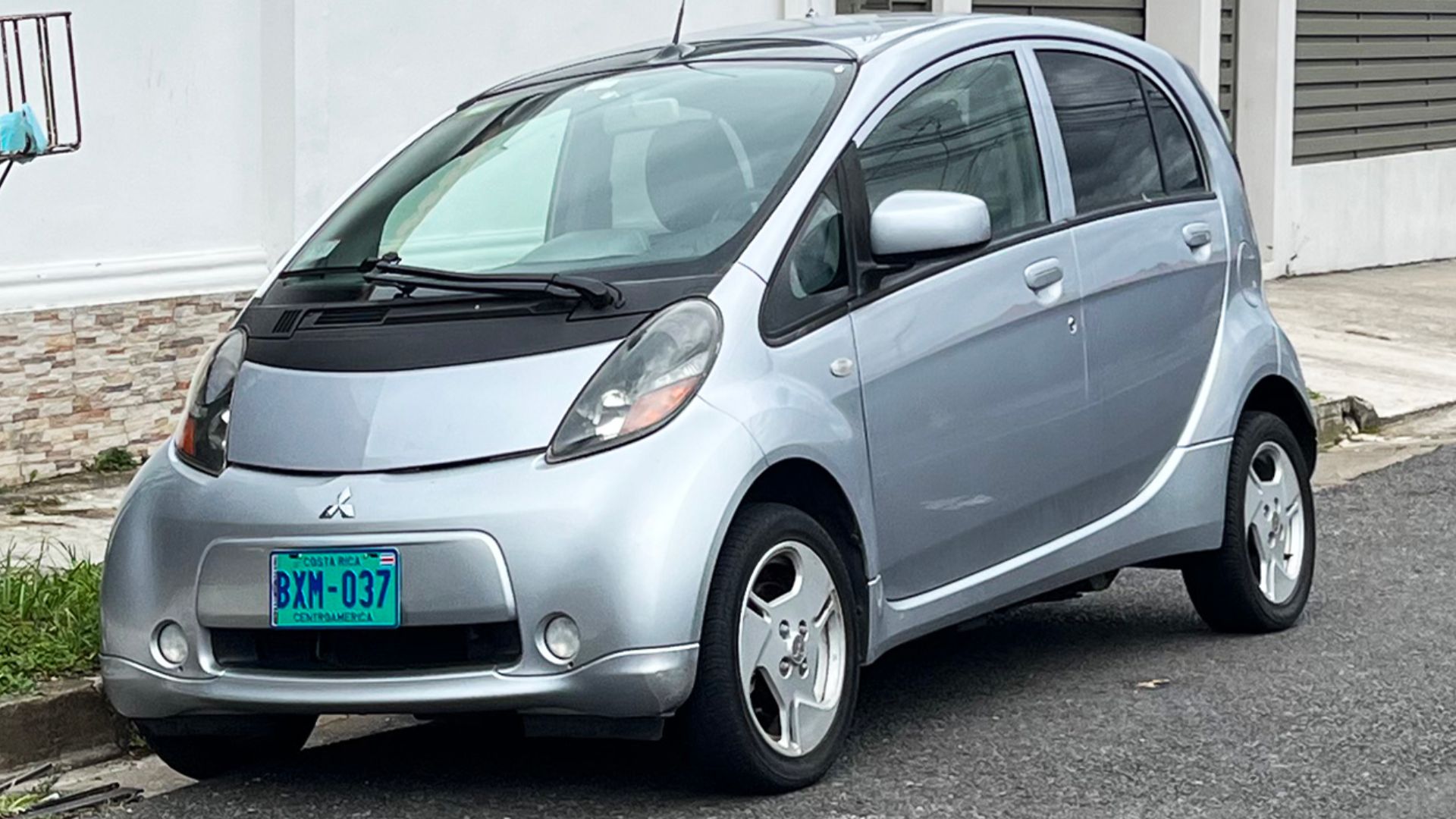 Mariordo (Mario Roberto Durán Ortiz), Wikimedia Commons
Kia K900
The K900 was Kia's attempt to prove it could build a full-size luxury sedan with serious comfort, rear-wheel-drive proportions, and available V8 power in its earlier years. Unfortunately, convincing luxury buyers to spend big money on a Kia remained challenging. Today, even many car enthusiasts forget the K900 existed.
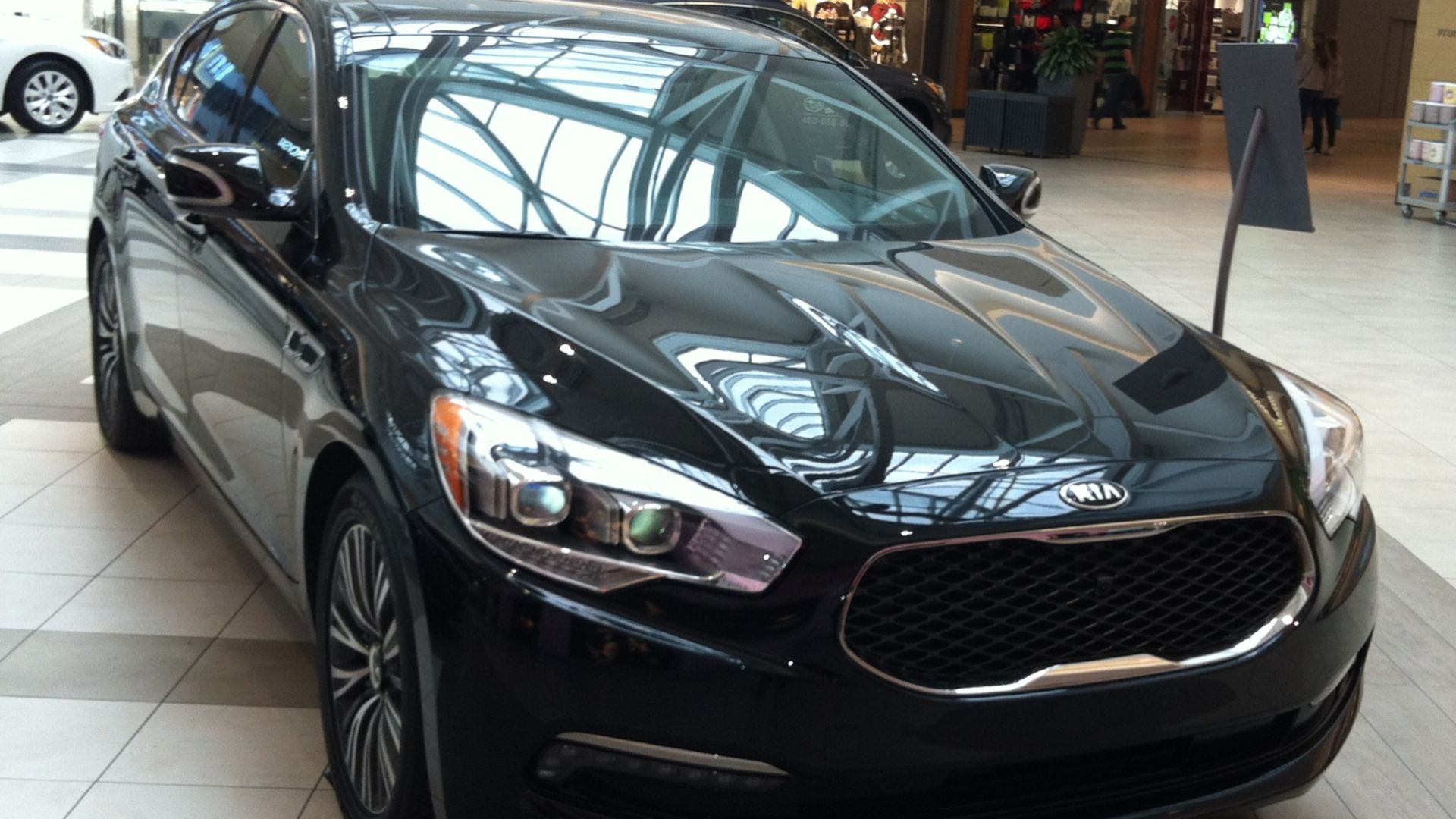
Hyundai Equus
Before Genesis became its own luxury brand, Hyundai sold the Equus as its flagship. It offered limousine-like rear seating, abundant equipment, and considerable value compared with German competitors. Yet the Hyundai badge made its ambitious mission difficult. The Equus disappeared as Genesis took over the company's upscale ambitions.
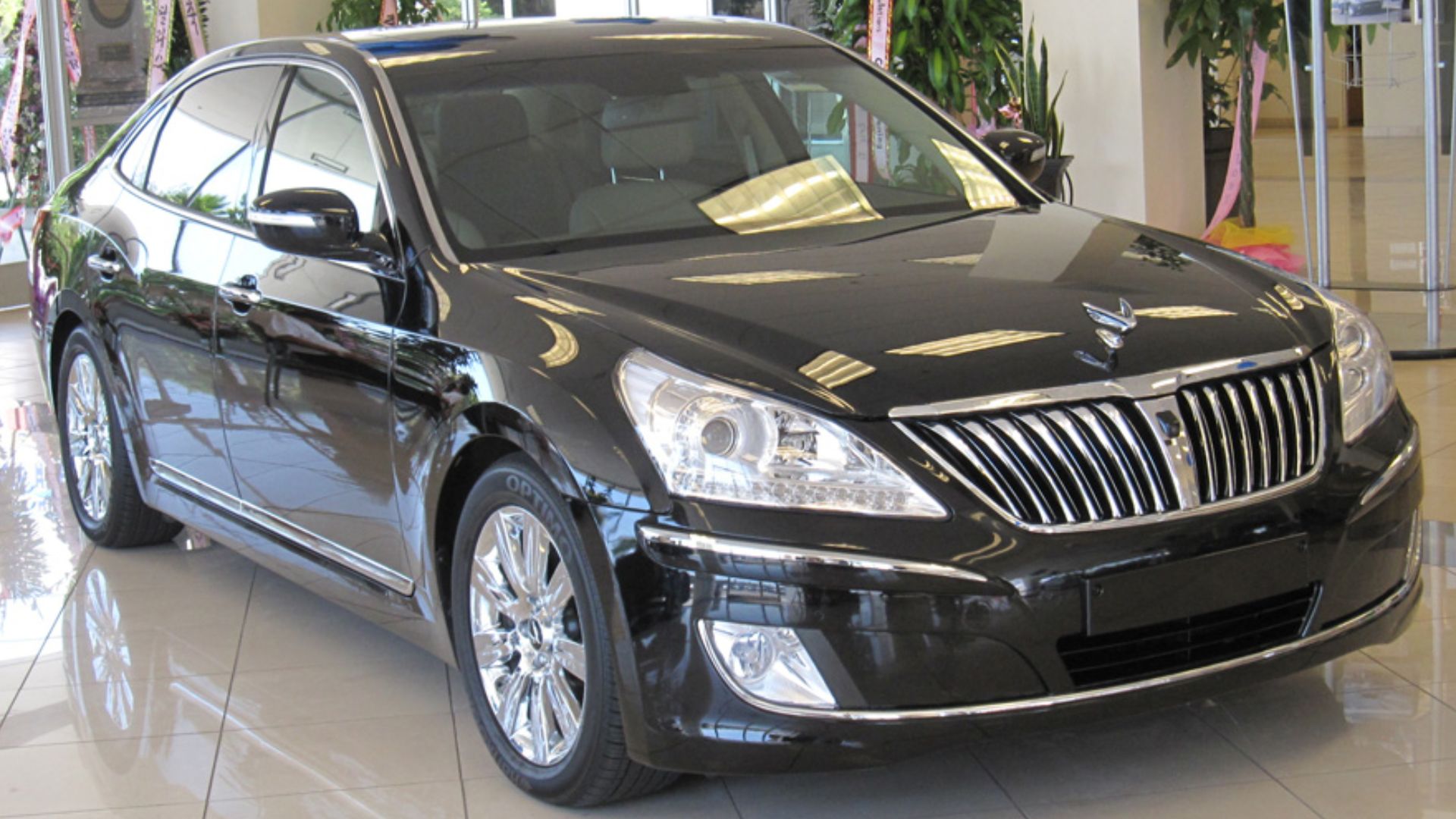 skinnylawyer from Los Angeles, California, USA, Wikimedia Commons
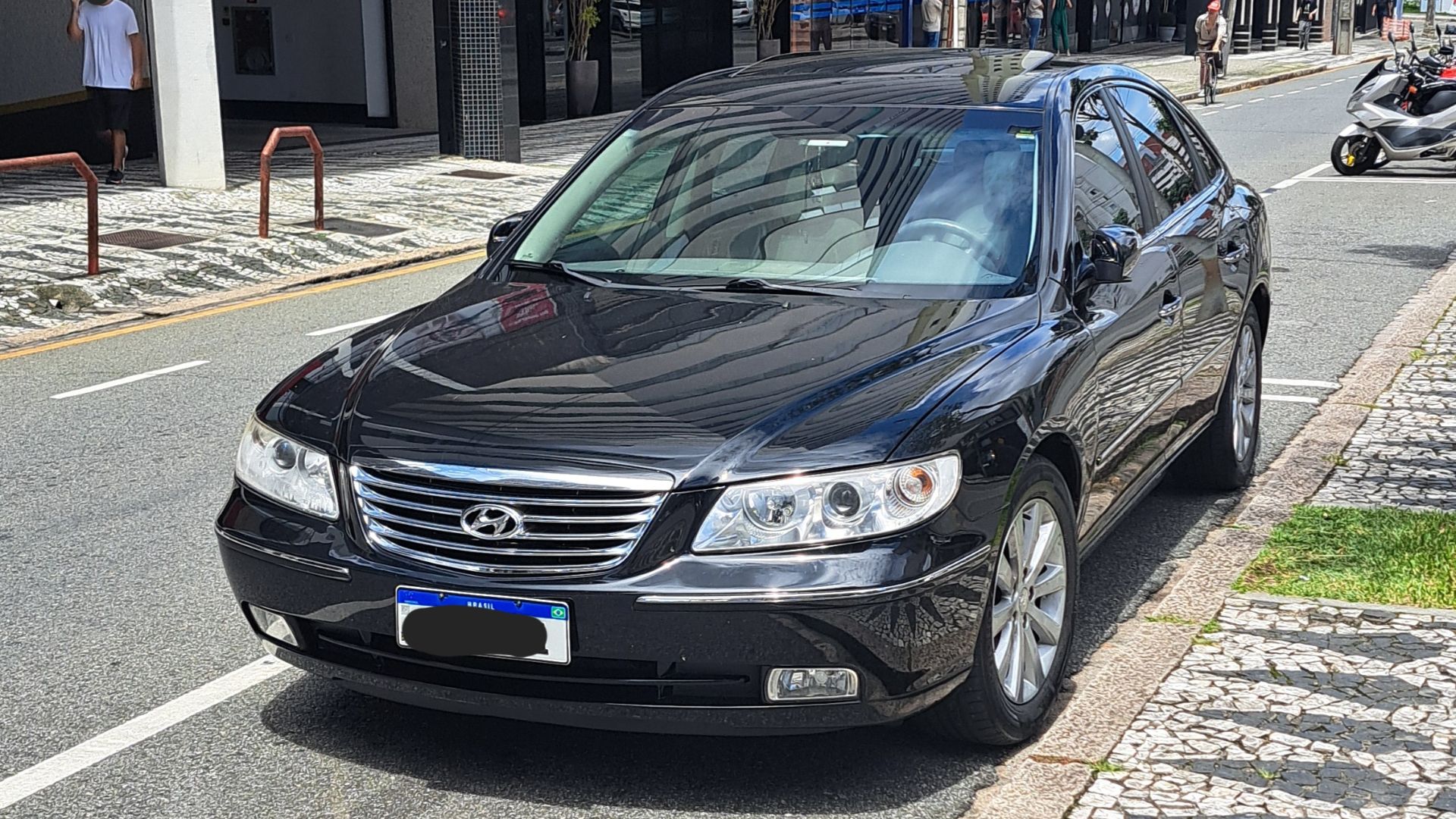
Hyundai Azera
The Azera occupied that awkward territory above the Sonata but below true luxury sedans. It was roomy, comfortable, nicely equipped, and largely ignored. Hyundai stopped offering it in the United States after 2017. Ask ten people about 2010s Hyundais today, and the Azera may not come up once.
 Mateusmatsuda, Wikimedia Commons
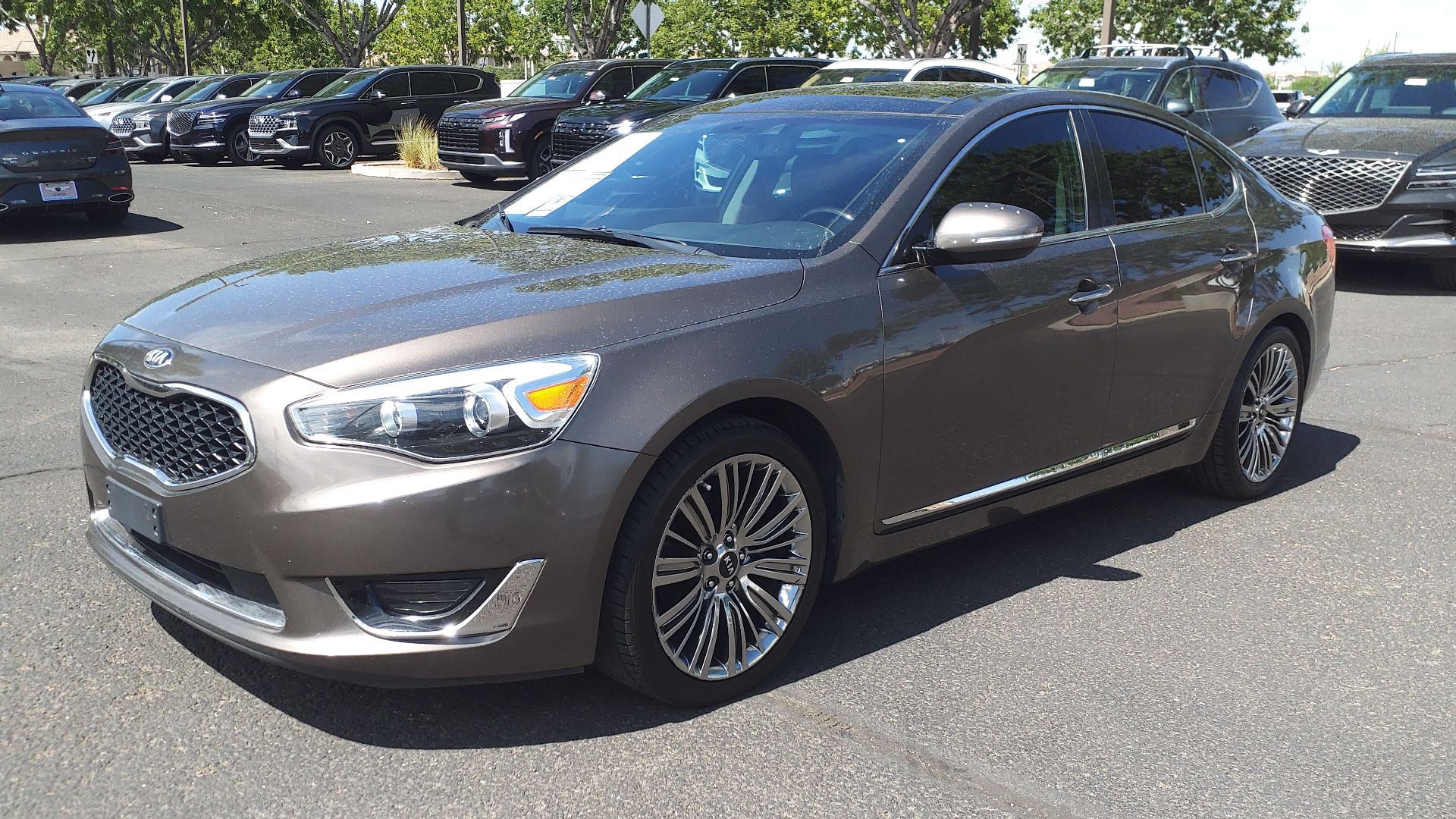
Kia Cadenza
Kia had its own version of the same problem with the Cadenza. Larger and more upscale than the Optima, it provided loads of equipment and a smooth highway personality. Unfortunately, big front-wheel-drive sedans were rapidly becoming yesterday's news, and American shoppers increasingly headed toward crossovers instead.
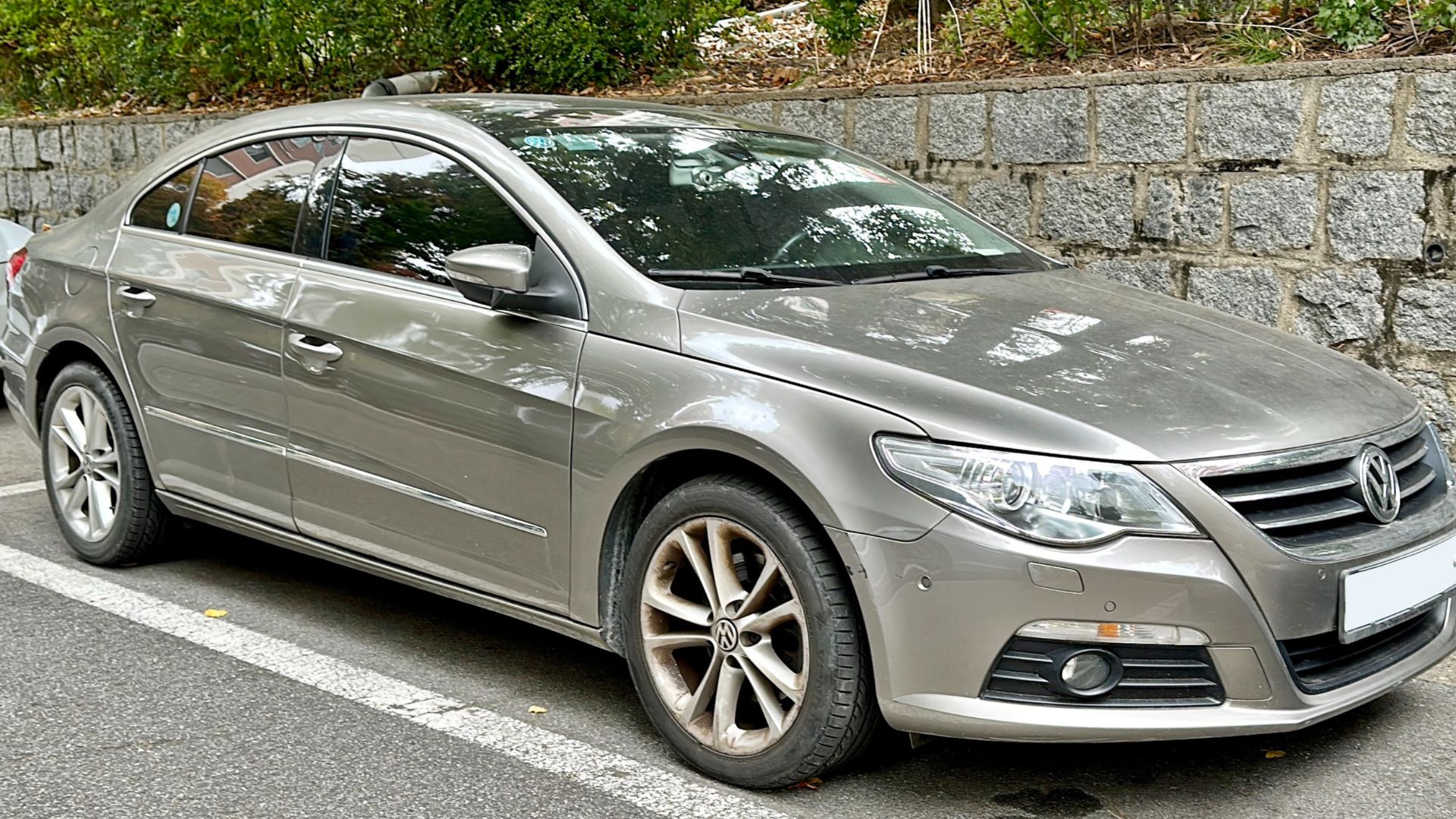
Volkswagen CC
The Volkswagen CC was arguably one of the prettiest affordable sedans of its era. Originally called the Passat CC, it featured a low roofline and upscale interior meant to imitate far more expensive European four-door coupes. Eventually the Arteon replaced it, while the CC quickly faded from public consciousness.
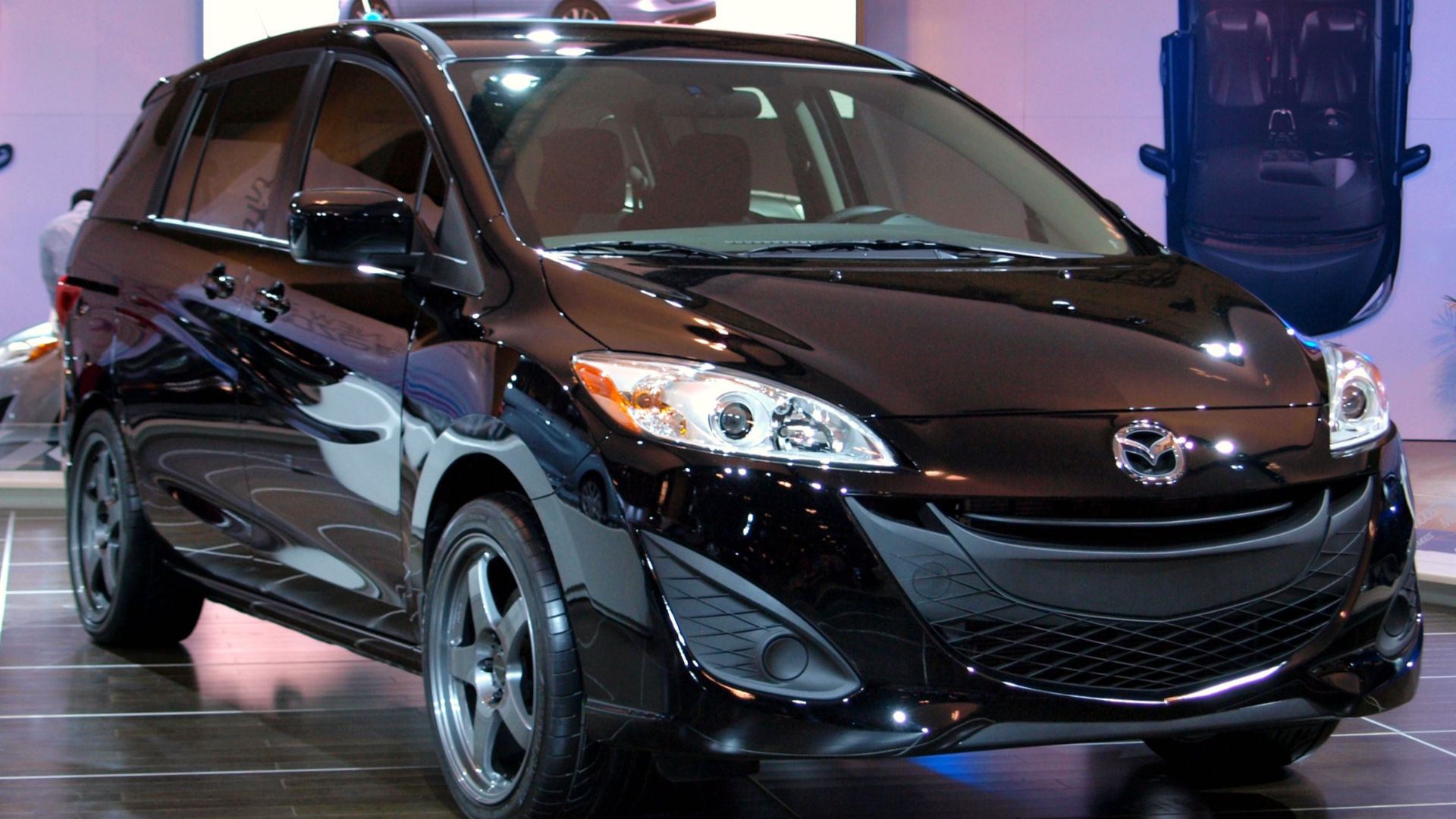
Mazda5
The Mazda5 was a wonderfully sensible vehicle Americans apparently didn't want. Imagine a mini-minivan with sliding rear doors, three rows of seats, tidy dimensions, and even an available manual transmission in earlier examples. In another market it made perfect sense. Here, buyers overwhelmingly preferred larger minivans and crossovers.
 Michael Gil from Calgary, AB, Canada, Wikimedia Commons
Lexus CT 200h
Lexus once sold a compact hybrid hatchback in America called the CT 200h. Using Prius-related technology wrapped in a sportier luxury package, it promised fuel economy without looking quite so much like a traditional hybrid. American sales ended after 2017, and Lexus turned its attention increasingly toward crossovers.
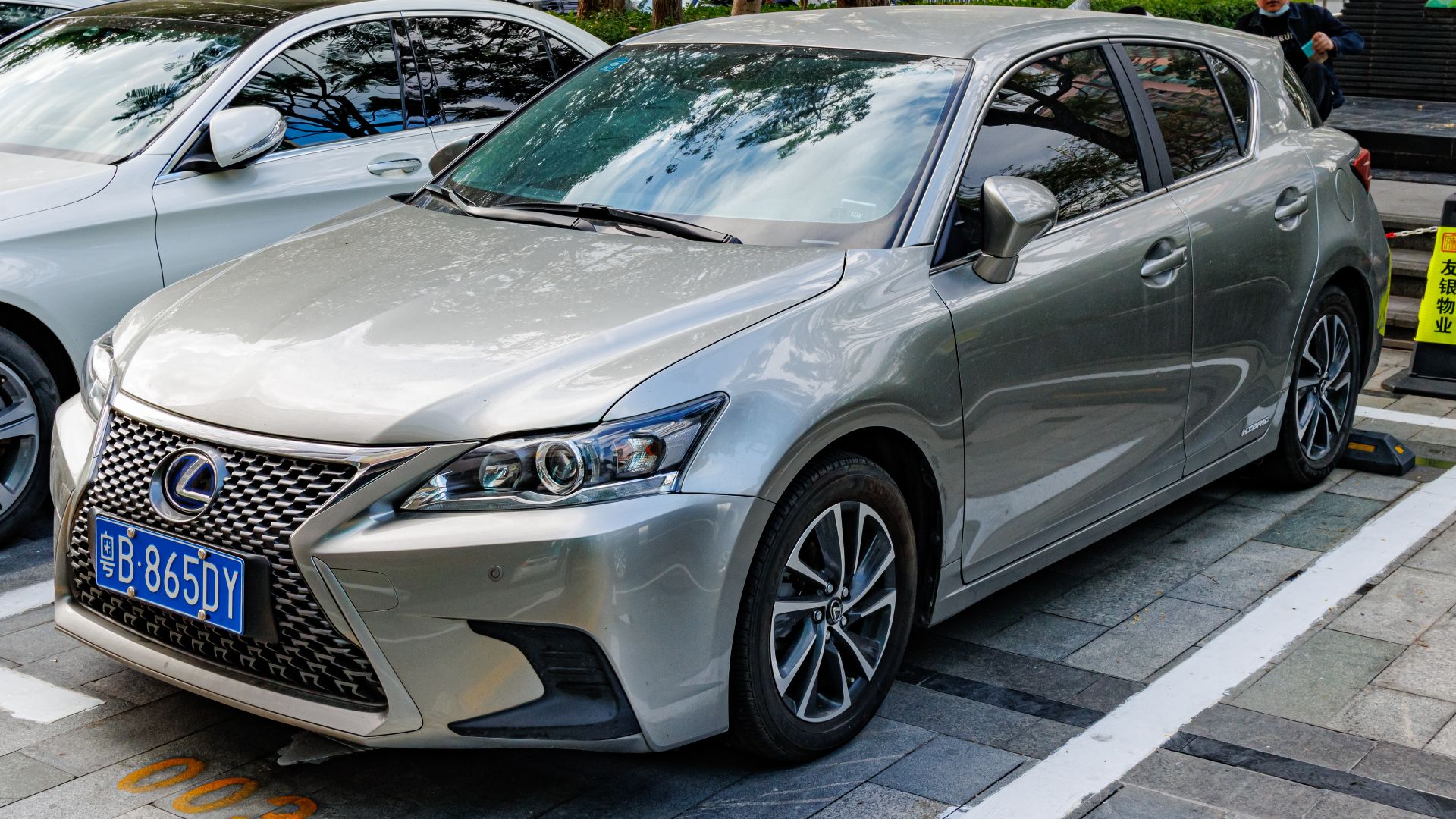 Dinkun Chen, Wikimedia Commons
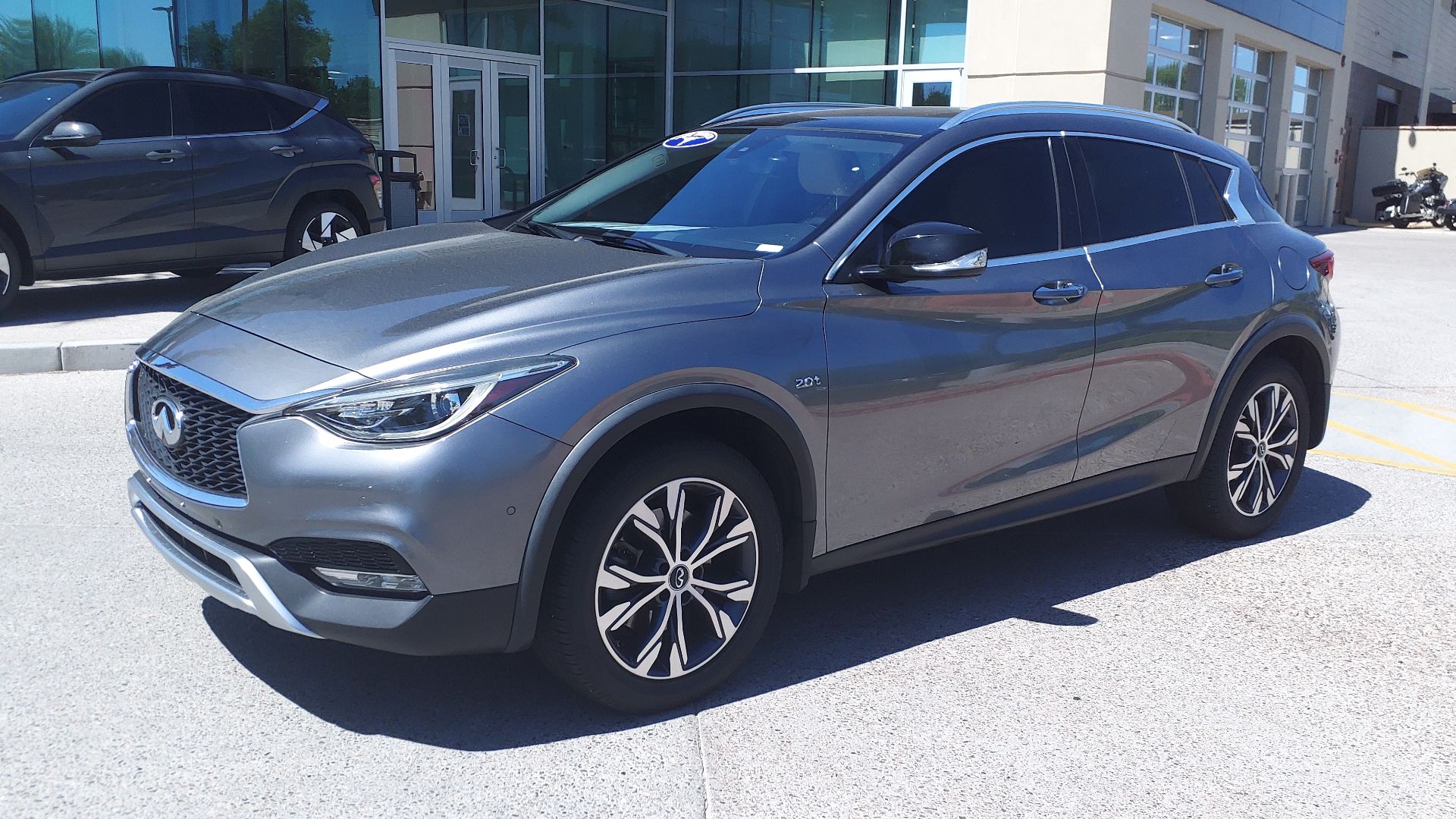
Infiniti QX30
Even Infiniti enthusiasts can occasionally be forgiven for forgetting the QX30. This small luxury crossover shared much of its engineering with the Mercedes-Benz GLA through a partnership between Nissan and Daimler. It arrived for 2017, disappeared after 2019, and barely had time to establish an identity of its own.
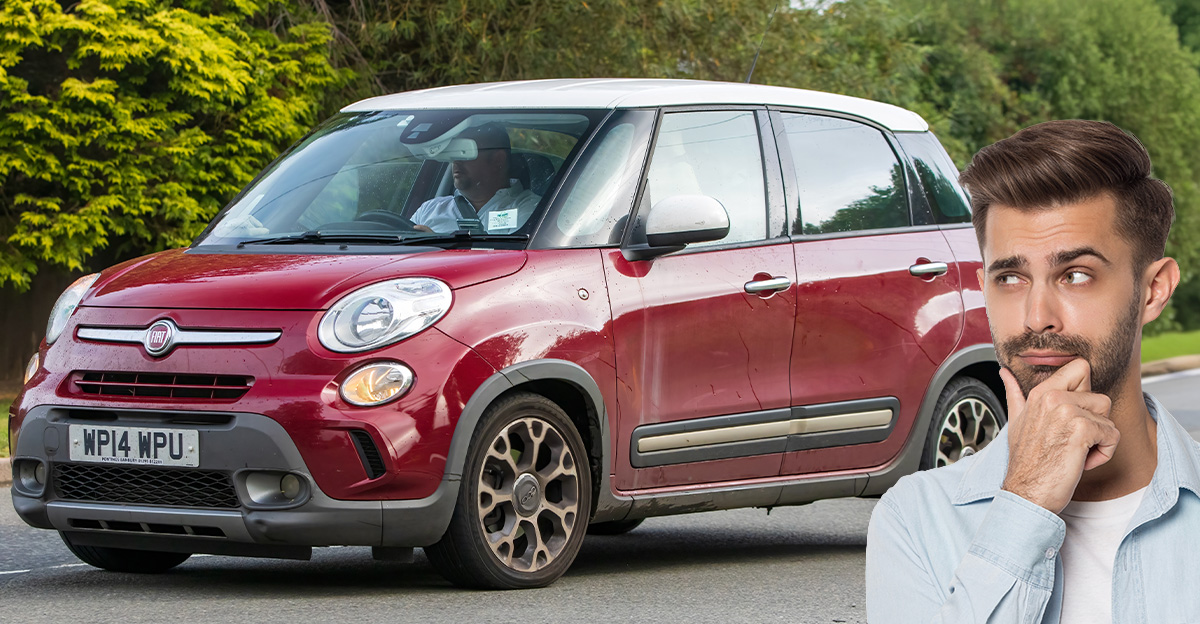
Fiat 500L
The regular Fiat 500 had retro charm. The much larger 500L attempted to stretch that personality into a practical family vehicle. The result looked tall, wide-eyed, and unmistakably unusual. It never became a major American success, eventually disappearing while Fiat's already-small U.S. presence continued shrinking.
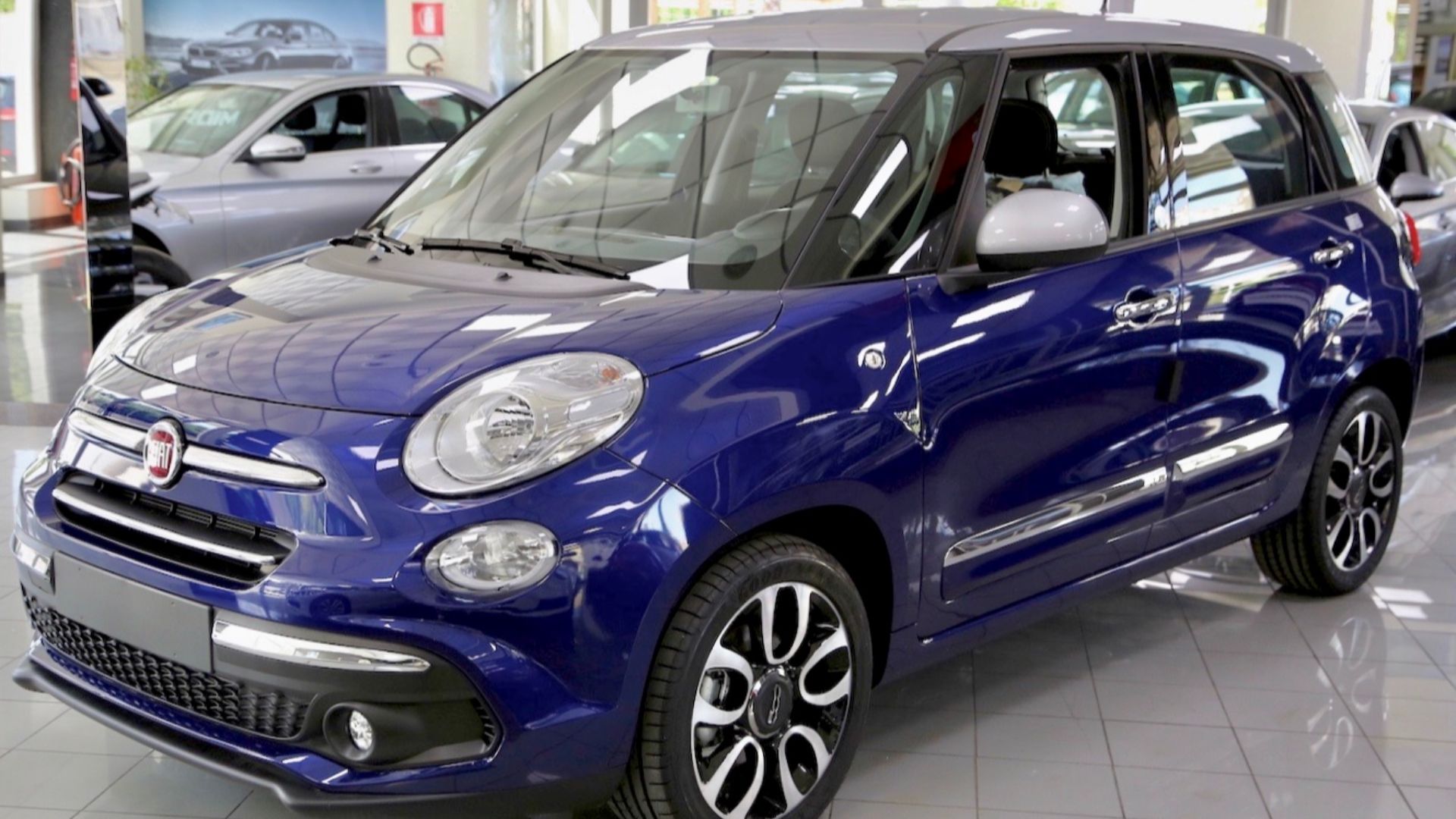 GinaCostanza76, Wikimedia Commons
Toyota Venza
The original Venza debuted before the 2010s but spent much of the decade trying to explain exactly what it was. Wagon? Crossover? Tall Camry? Toyota stopped American production of the original version in 2015. Ironically, the name later returned on a completely different hybrid crossover.
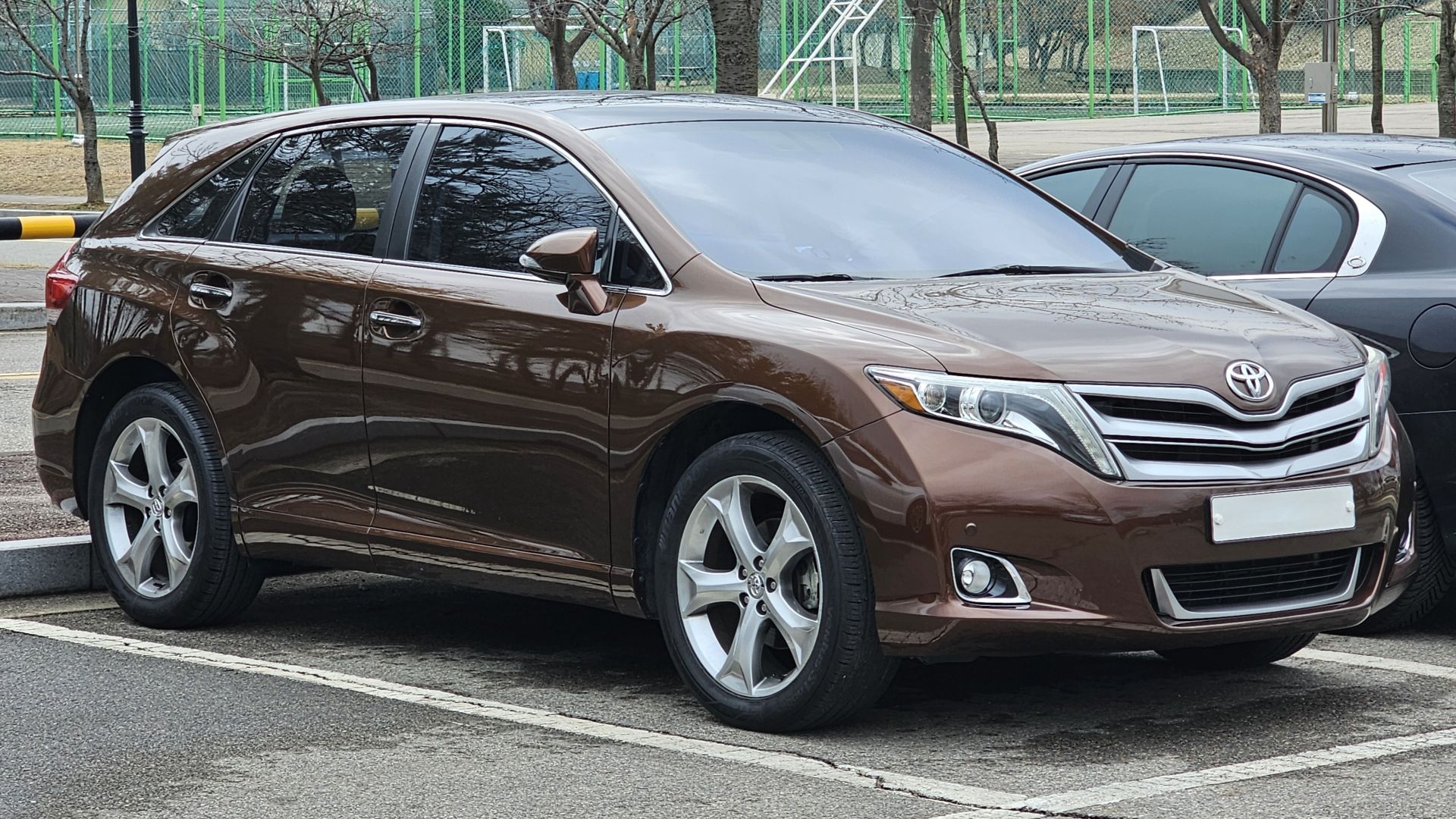 Damian B Oh, Wikimedia Commons
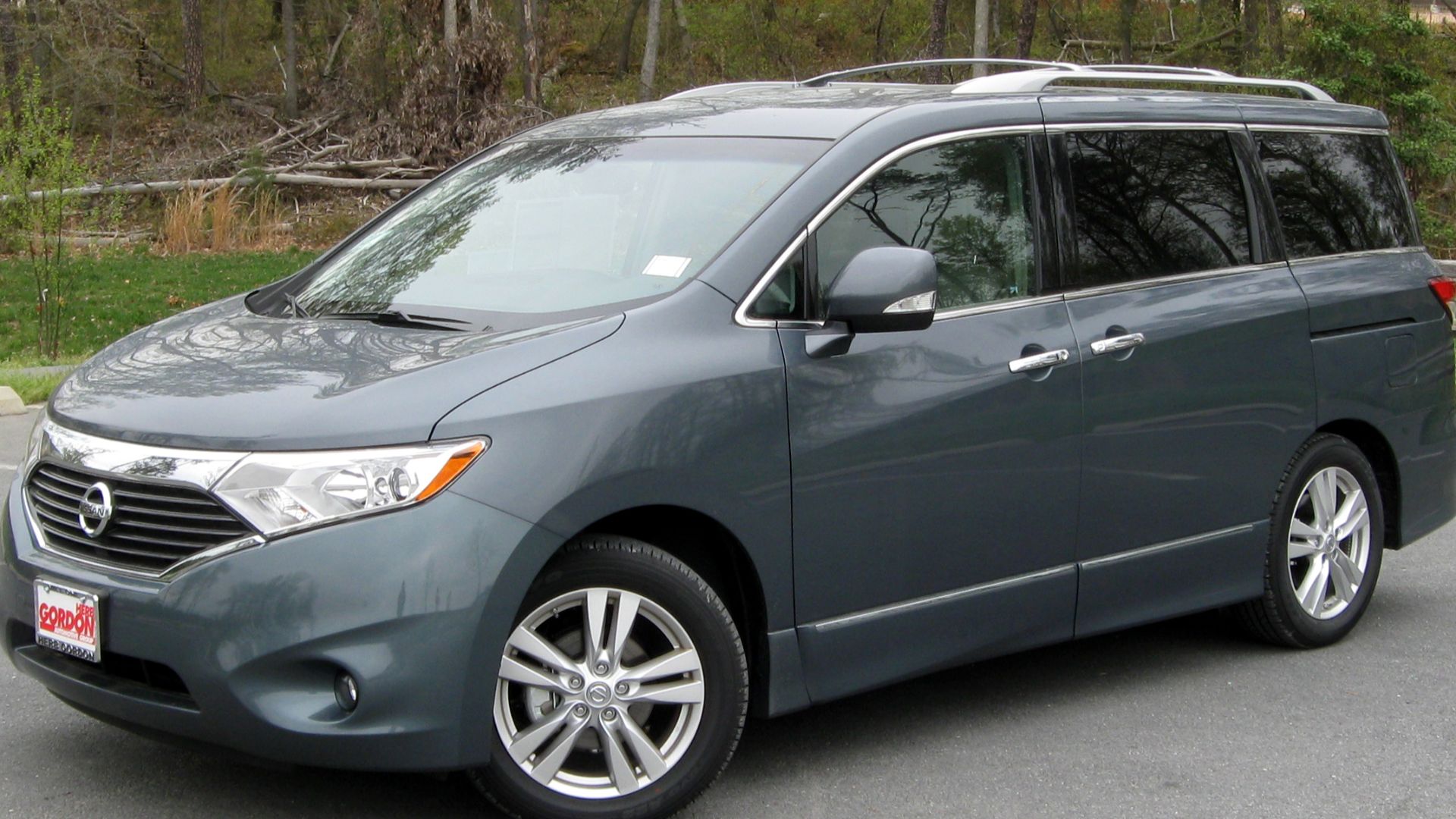
Nissan Quest
The Quest name had been around for years, but its final American generation became an especially forgotten member of the minivan wars. Introduced for 2011 with distinctive styling and enormous interior space, it struggled against the Odyssey, Sienna, and Chrysler vans. Nissan quietly dropped it from the American market.
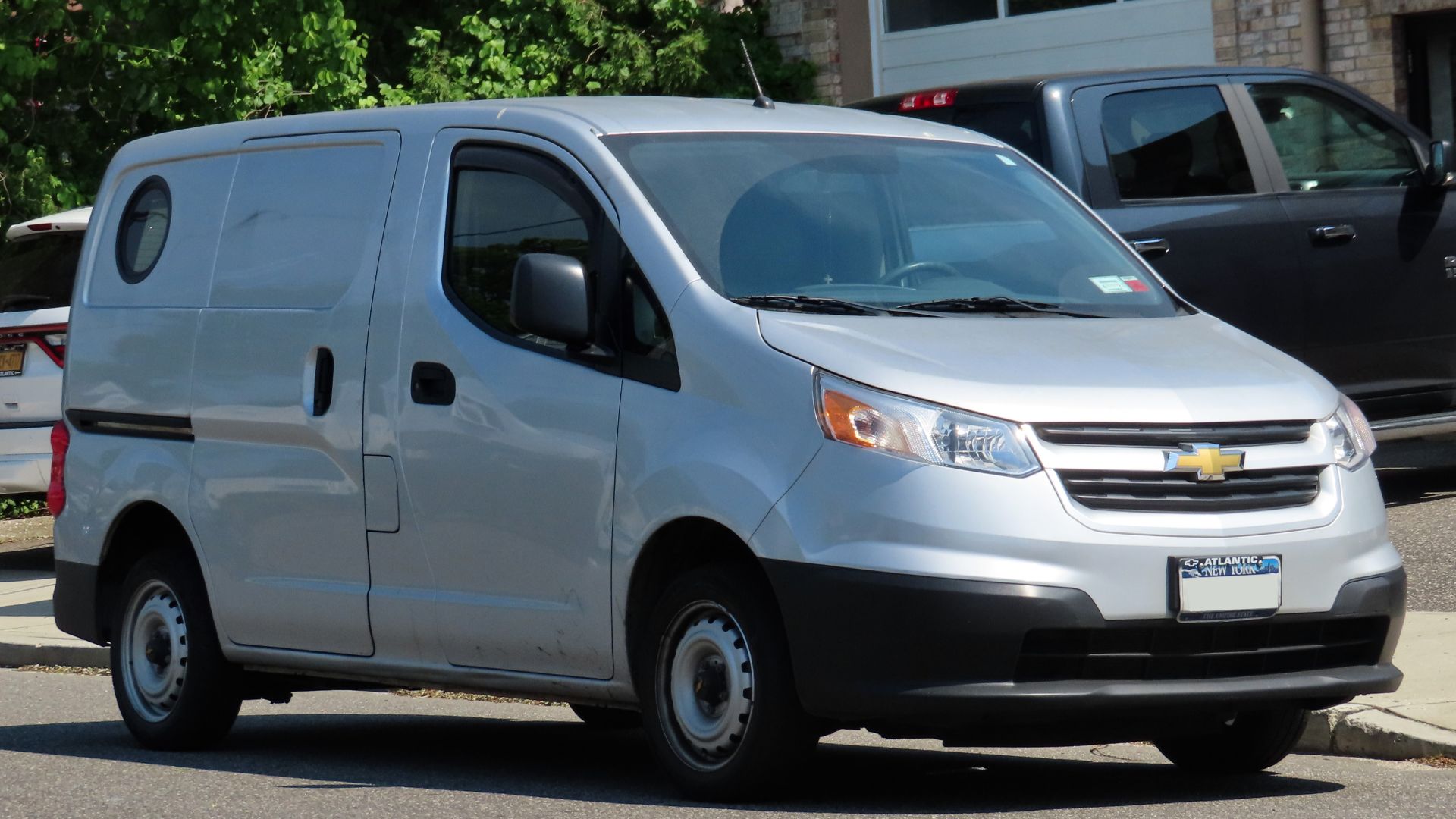
Chevrolet City Express
Yes, Chevrolet sold a little commercial van called the City Express during the 2010s. No, Chevrolet didn't really design it. It was essentially a rebadged Nissan NV200 wearing a bowtie grille. Contractors may remember it, but among ordinary motorists, its disappearance produced approximately zero national mourning.
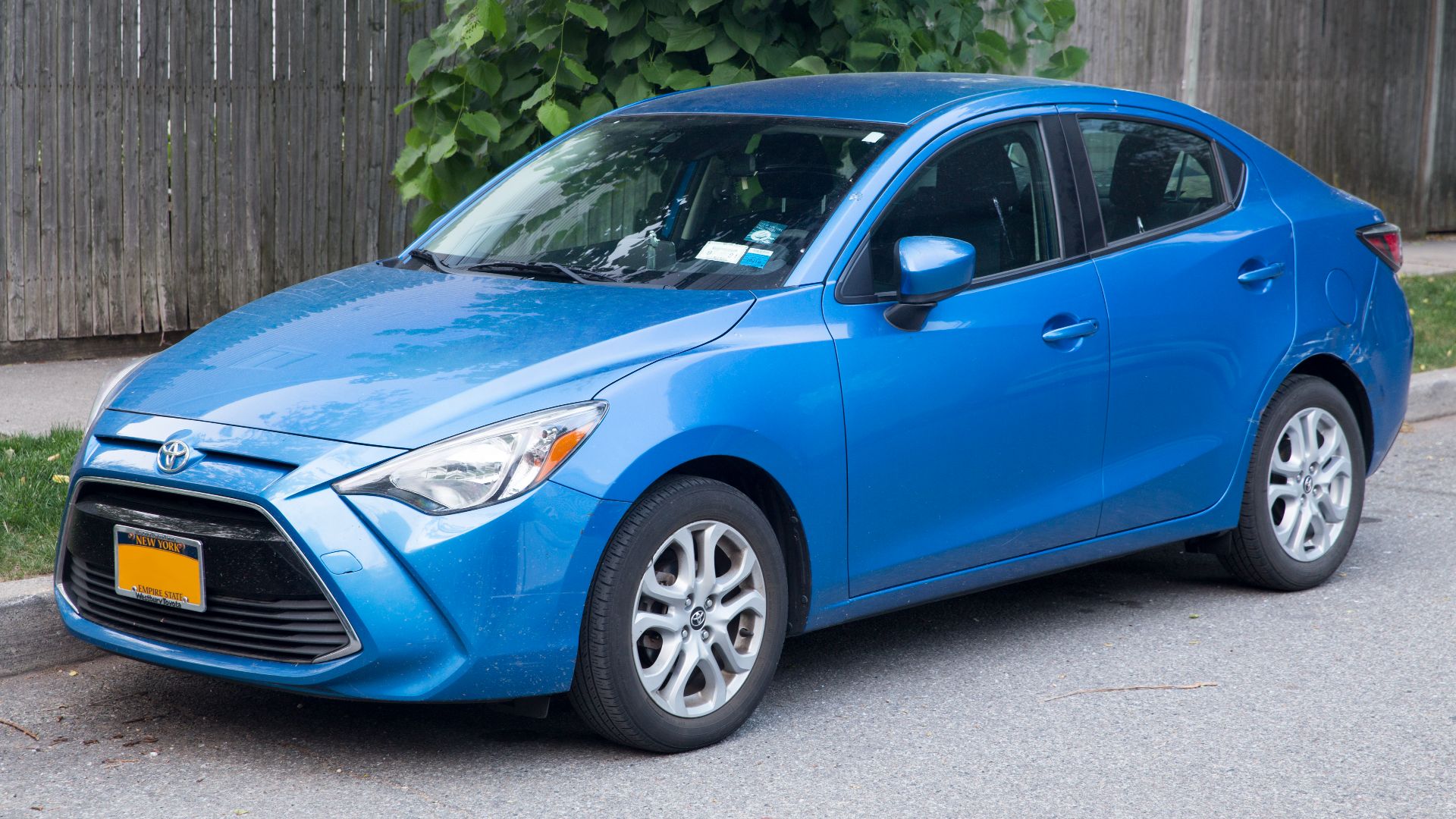
Toyota Yaris iA
The Yaris iA had one of the more complicated identities of the decade. It began life in America under the Scion brand as the iA, then became a Toyota after Scion disappeared. Better yet, it was largely a Mazda2 underneath. Confused? Perhaps that's why nobody reminisces about one.
 Mr.choppers, Wikimedia Commons
How Did We Forget So Quickly?
Some of these cars were genuinely good. Others were weird experiments, victims of changing tastes, or unfortunate arrivals just as America abandoned sedans and hatchbacks for SUVs. Either way, they prove that automotive memory can be ruthless. Give it another decade, and we'll probably be asking, "Wait, they made that?"
 2014 Cadillac ELR.jpg: priceman 141 derivative work: Mariordo, Wikimedia Commons
You May Also Like:
The T100 was Toyota's first serious American pickup—but it wasn't quite big enough for America.