Fins, Chrome, And Forgotten Classics
When it comes to cars from the 50s, the same names always come up: The Chevy Bel Air. The Corvette. The Thunderbird. Maybe a Cadillac with fins big enough to pick up satellite TV.
But for every automotive legend, there were dozens of other cars that quietly disappeared into history. Some were strange. Some were surprisingly advanced. A few were actually pretty good...
Let's see how many of these forgotten 50s cars you actually remember. Be honest...do you think you can name more than five?
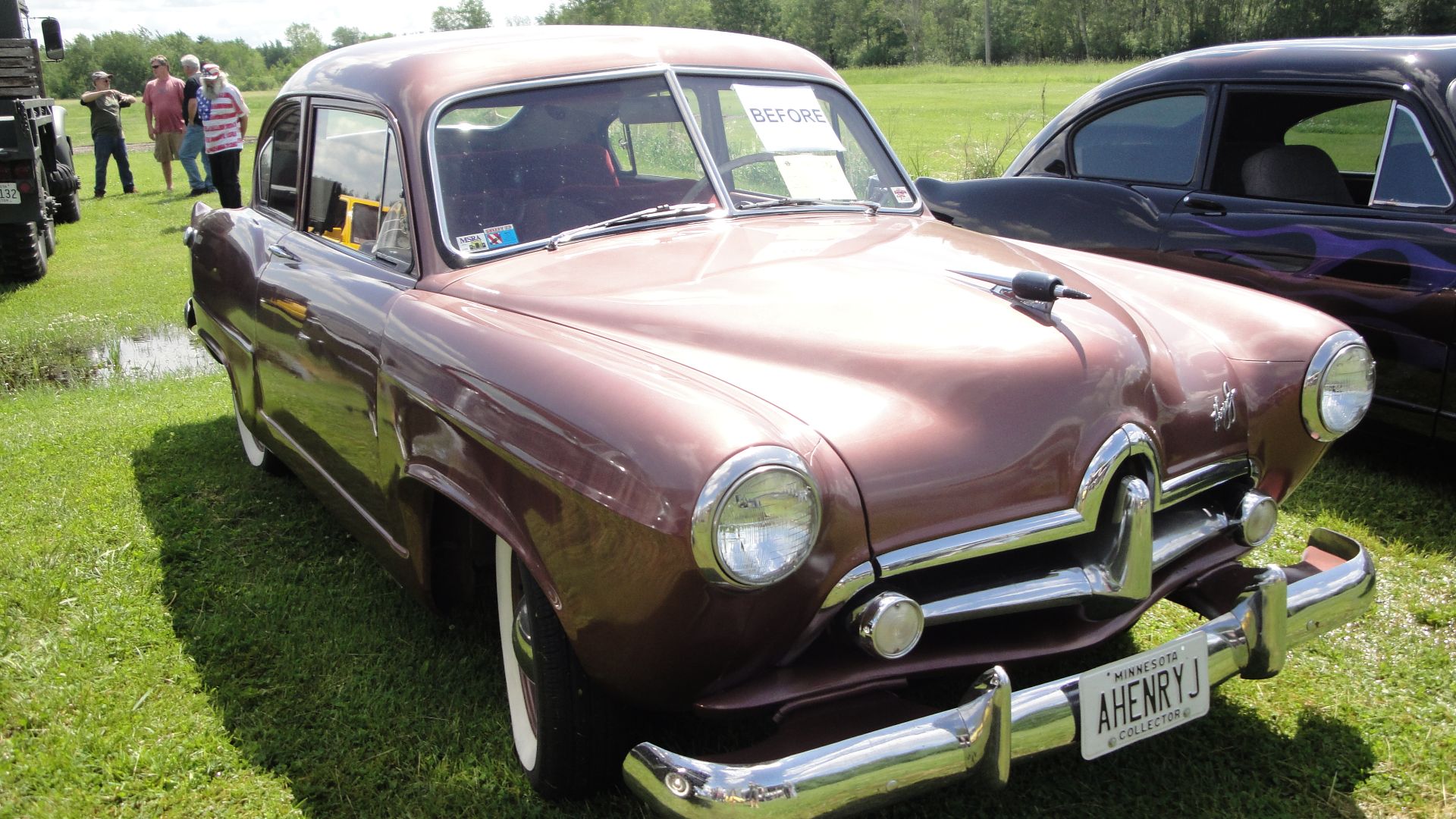
Henry J (1951–1954)
Kaiser-Frazer wanted an affordable compact years before American automakers really embraced the idea. The Henry J skipped things like a trunk lid on early models to keep costs down. Practical? Sure. Popular? Not exactly. Today it's one of those cars people recognize only after someone tells them what it is.
 Greg Gjerdingen from Willmar, USA, Wikimedia Commons
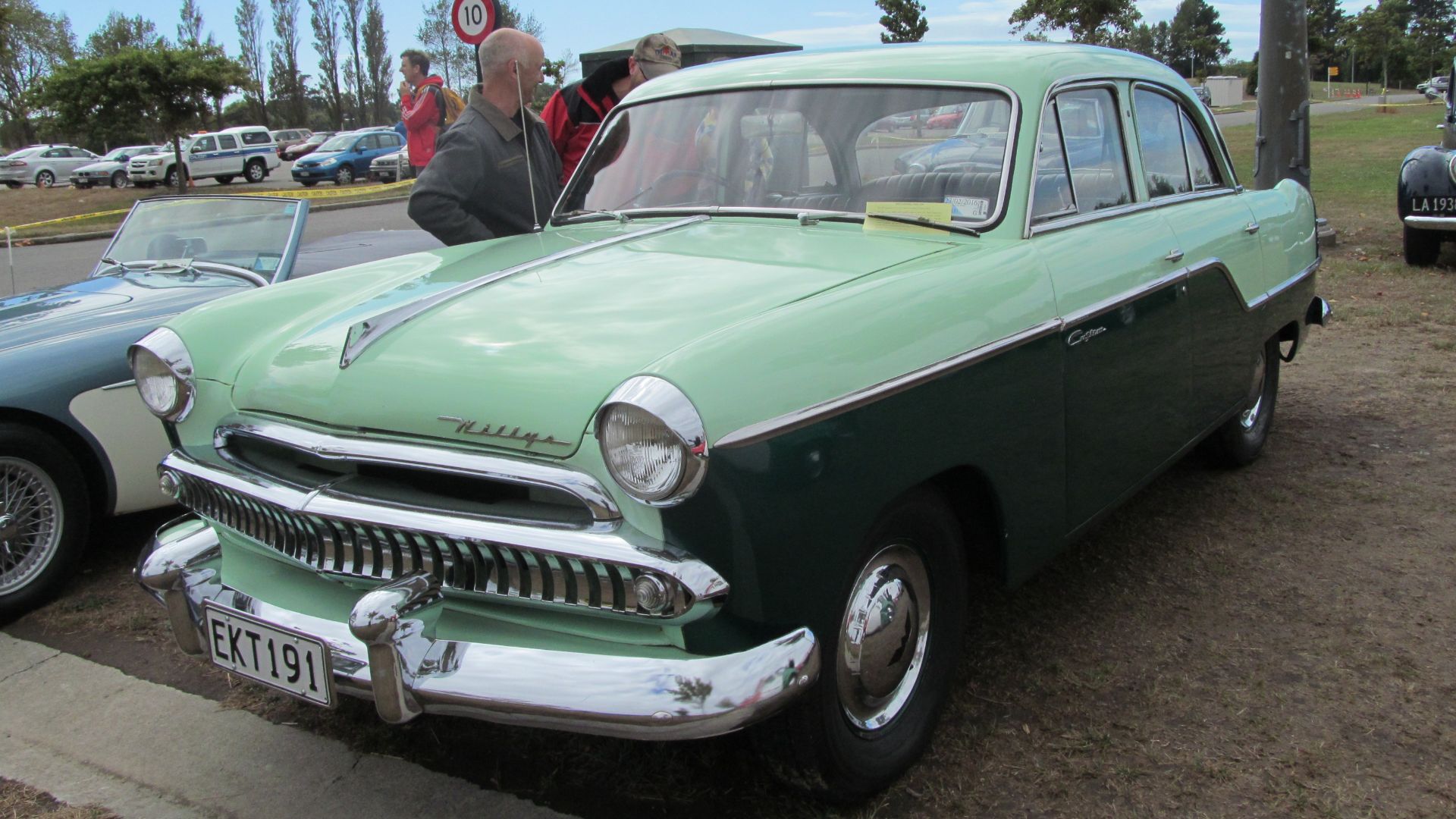
Willys Aero (1952–1955)
Most people know Willys because of the Jeep. Almost nobody remembers the Aero. It featured clean styling, solid engineering, and surprisingly modern lines for the early 50s. It just couldn't compete against Detroit's marketing machines, making it one of the decade's easiest cars to forget.
 Riley from Christchurch, New Zealand, Wikimedia Commons
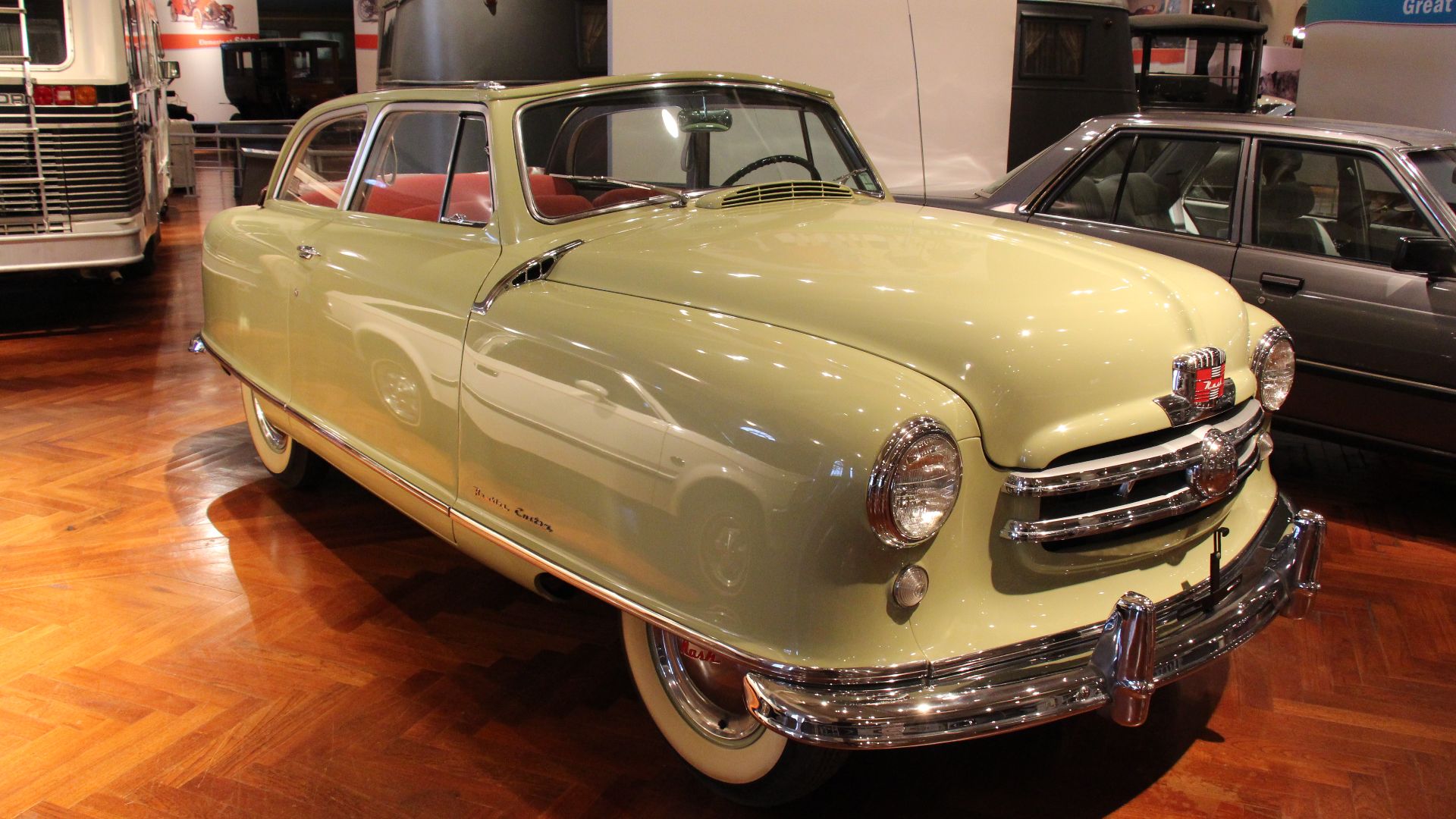
Nash Rambler (1950–1955)
Long before compact cars became fashionable, Nash was already building them. The Rambler looked tiny beside the massive cruisers Americans were buying, but it helped prove there was a market for compact American cars years before the segment became mainstream.
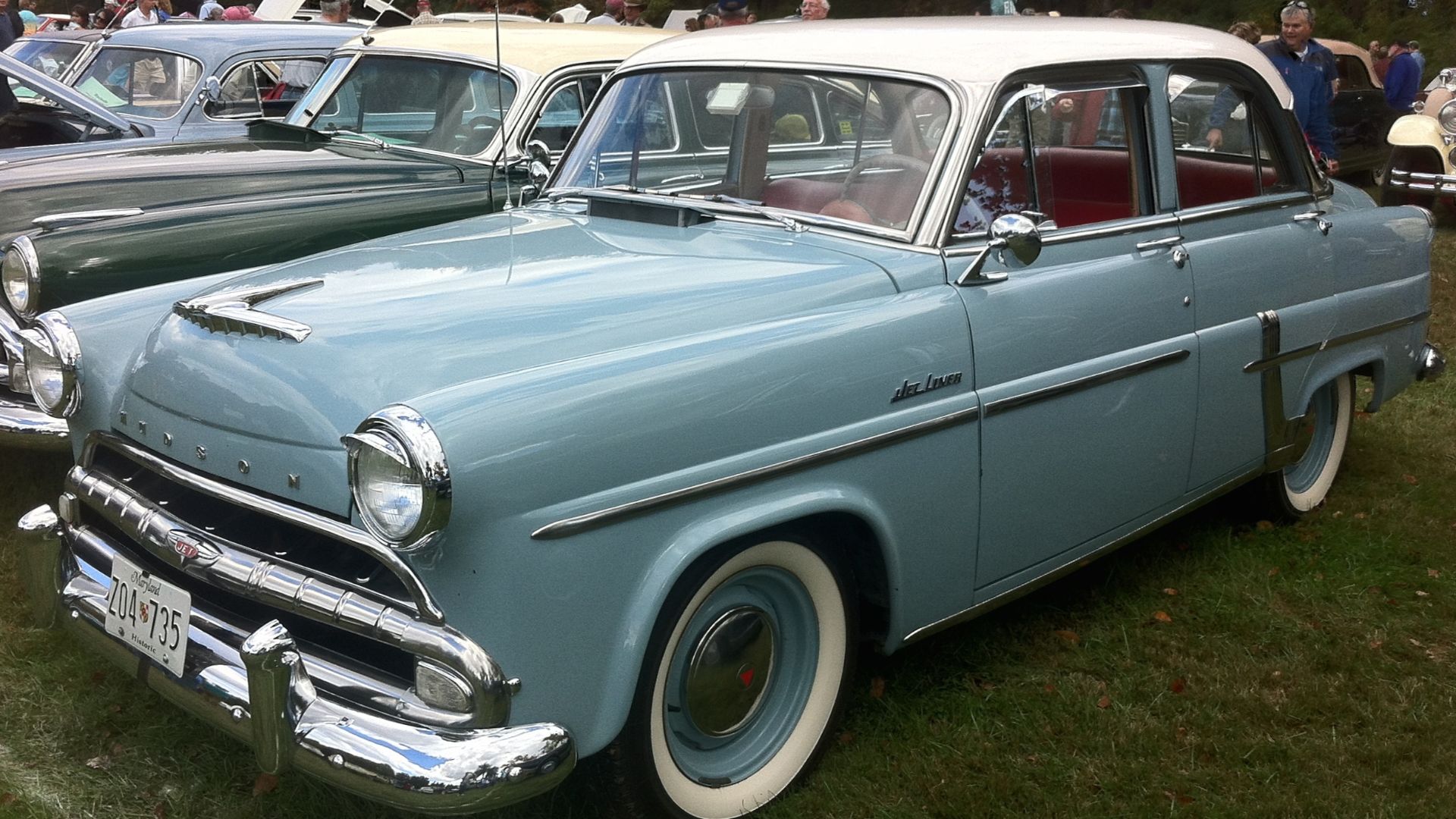
Hudson Jet (1953–1954)
Hudson hoped the Jet would bring younger buyers into showrooms. Instead, buyers mostly ignored it. It wasn't as roomy or stylish as many buyers expected for its price, and it arrived just before Hudson merged with Nash. Today it lives in the shadow of the far more famous Hudson Hornet.
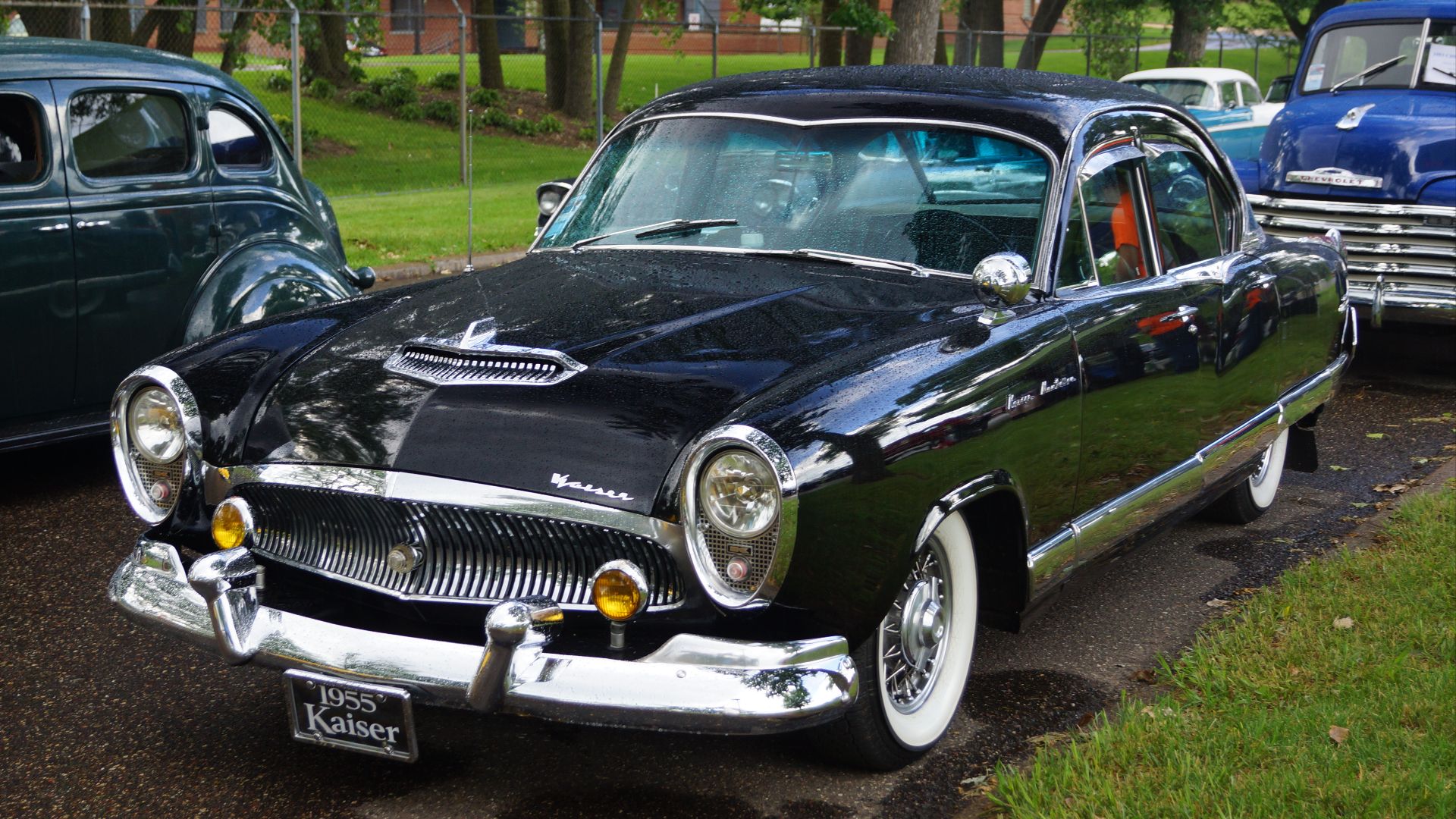
Kaiser Manhattan (1951–1955)
The Manhattan looked expensive because...well...it was supposed to. Plush interiors, elegant styling, and plenty of chrome gave it luxury appeal. Unfortunately, Kaiser lacked the dealer network to compete with Cadillac, Buick, or Chrysler, and the brand slowly disappeared despite building genuinely attractive cars.
 Greg Gjerdingen from Willmar, USA, Wikimedia Commons
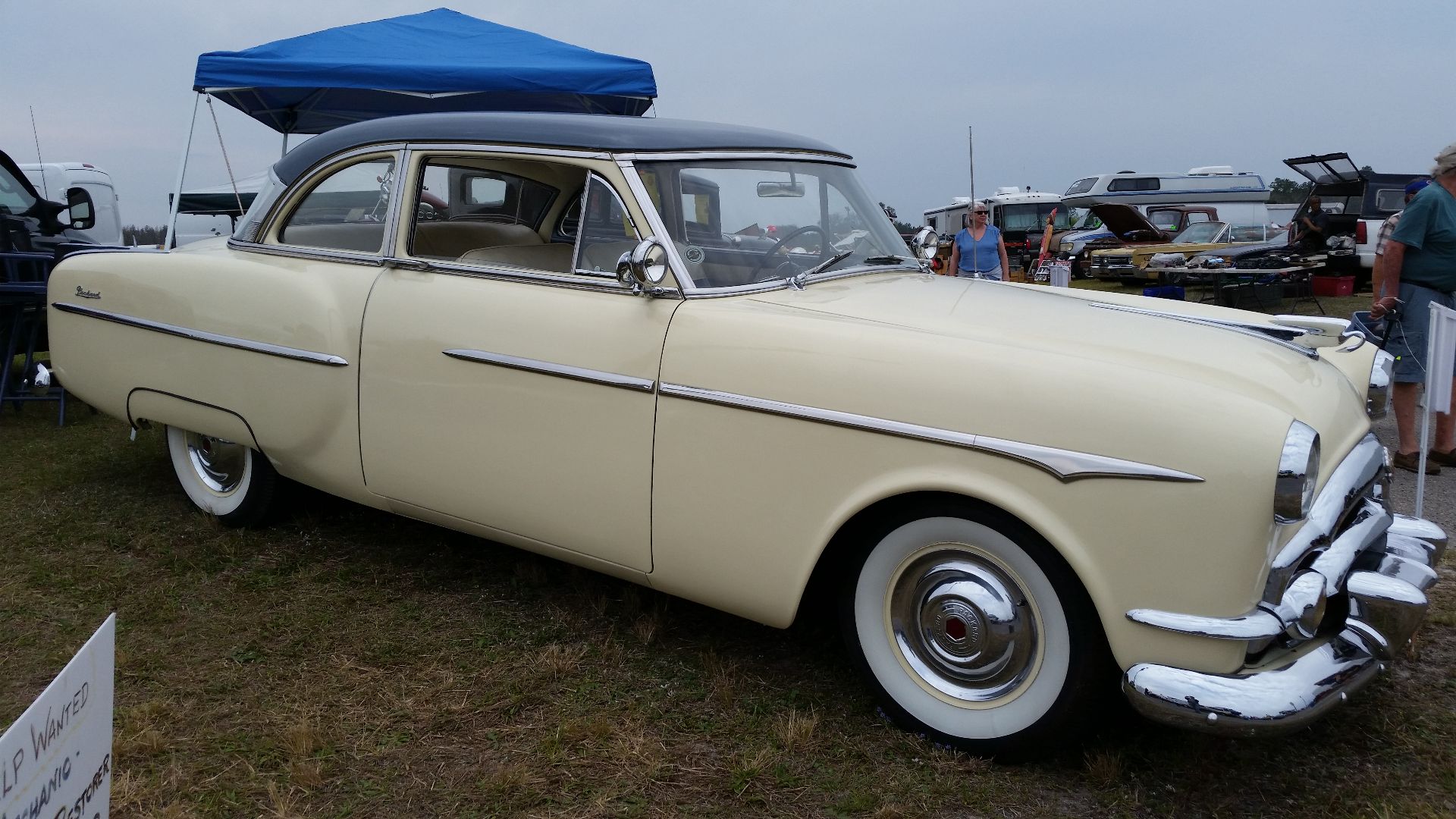
Packard Clipper (1953–1956)
Packard was once America's premier luxury automaker, but by the mid-50s things weren't going well. The Clipper became its attempt to reach more mainstream buyers. It was a respectable car, but it couldn't stop Packard's decline. Today, many people are surprised Packard was still building cars into the late 1950s.
 Michel Curi, Wikimedia Commons
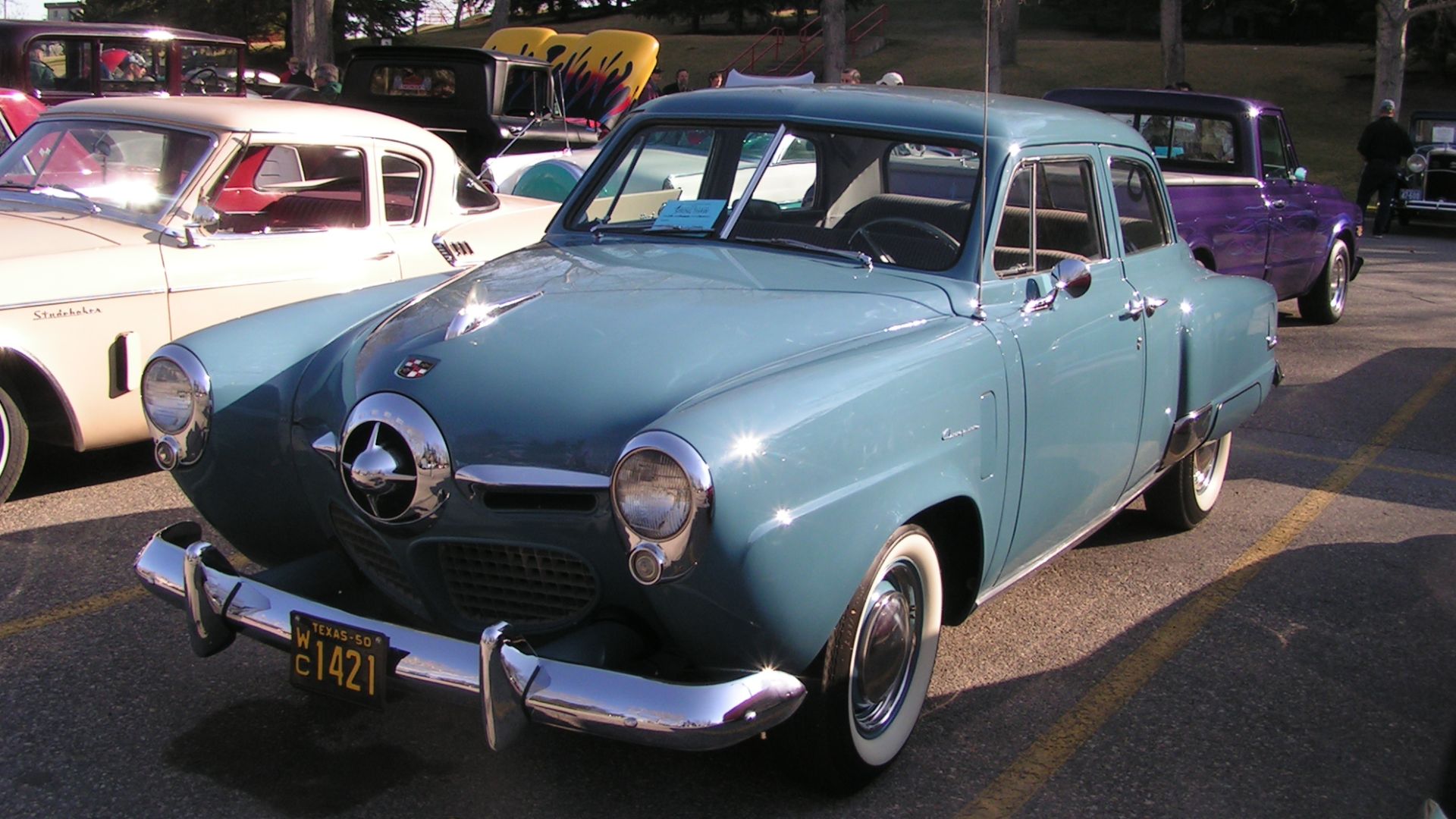
Studebaker Champion (1950–1958)
The Champion deserves more credit than it gets. It offered respectable fuel economy, dependable engineering, and surprisingly modern styling. It wasn't flashy enough to grab headlines, though, and eventually got buried beneath the flood of chrome-covered competitors pouring out of Detroit.
DeSoto Firedome (1952–1959)
Mention DeSoto today and many people assume you're talking about a city in Texas. Back then, it was one of Chrysler's brands. The Firedome introduced Chrysler's Hemi V8 to DeSoto buyers, but the entire brand vanished only a few years later.
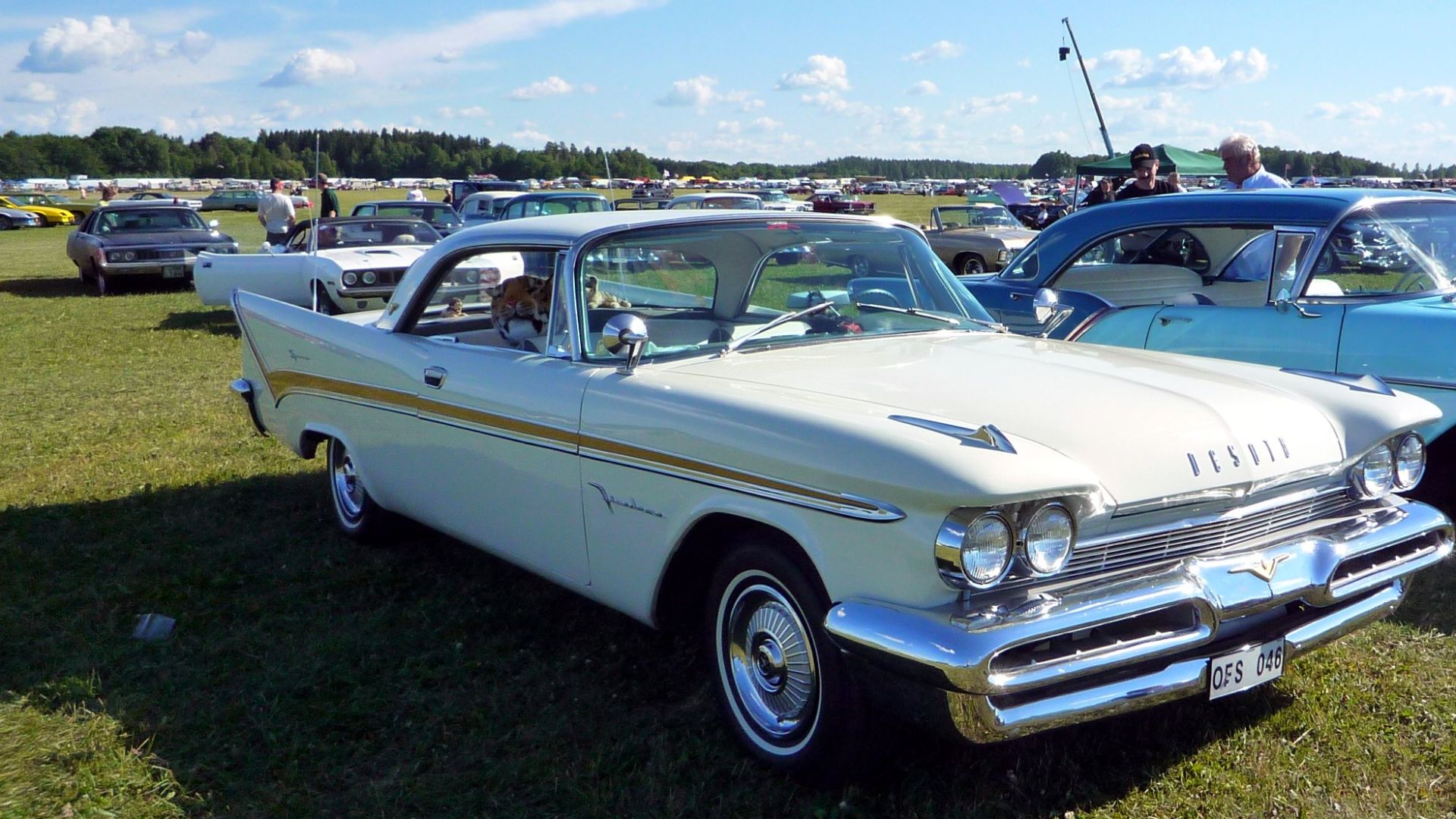 Michael Spiller from Bradford, UK, Wikimedia Commons
Dodge Coronet Sierra Wagon (1954–1959)
Before SUVs took over suburbia, families piled into station wagons like the Coronet Sierra. It hauled kids, groceries, luggage, and probably the family dog too. Today, it has largely disappeared from memory despite representing peak American family transportation.
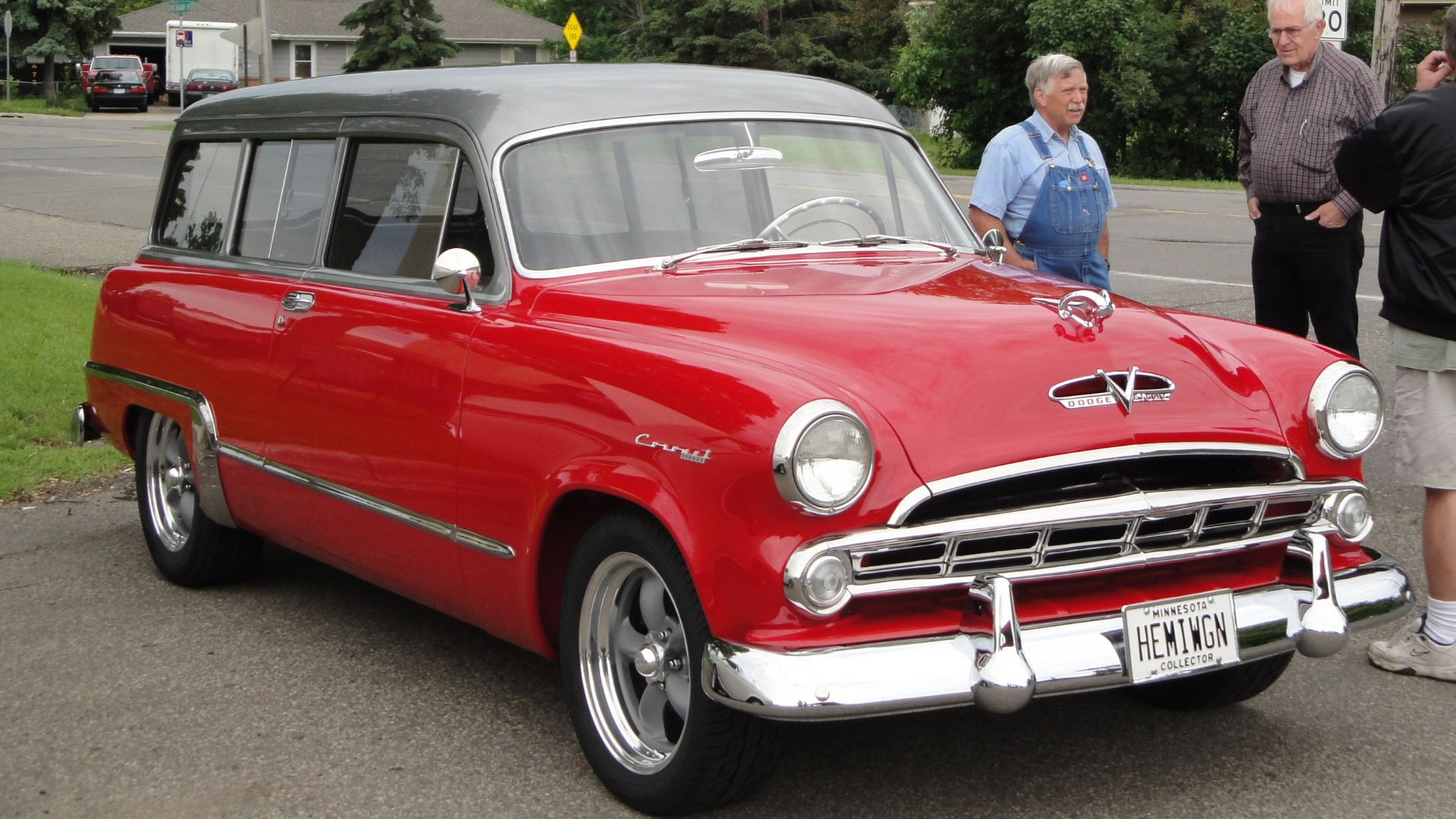 Greg Gjerdingen from Willmar, USA, Wikimedia Commons
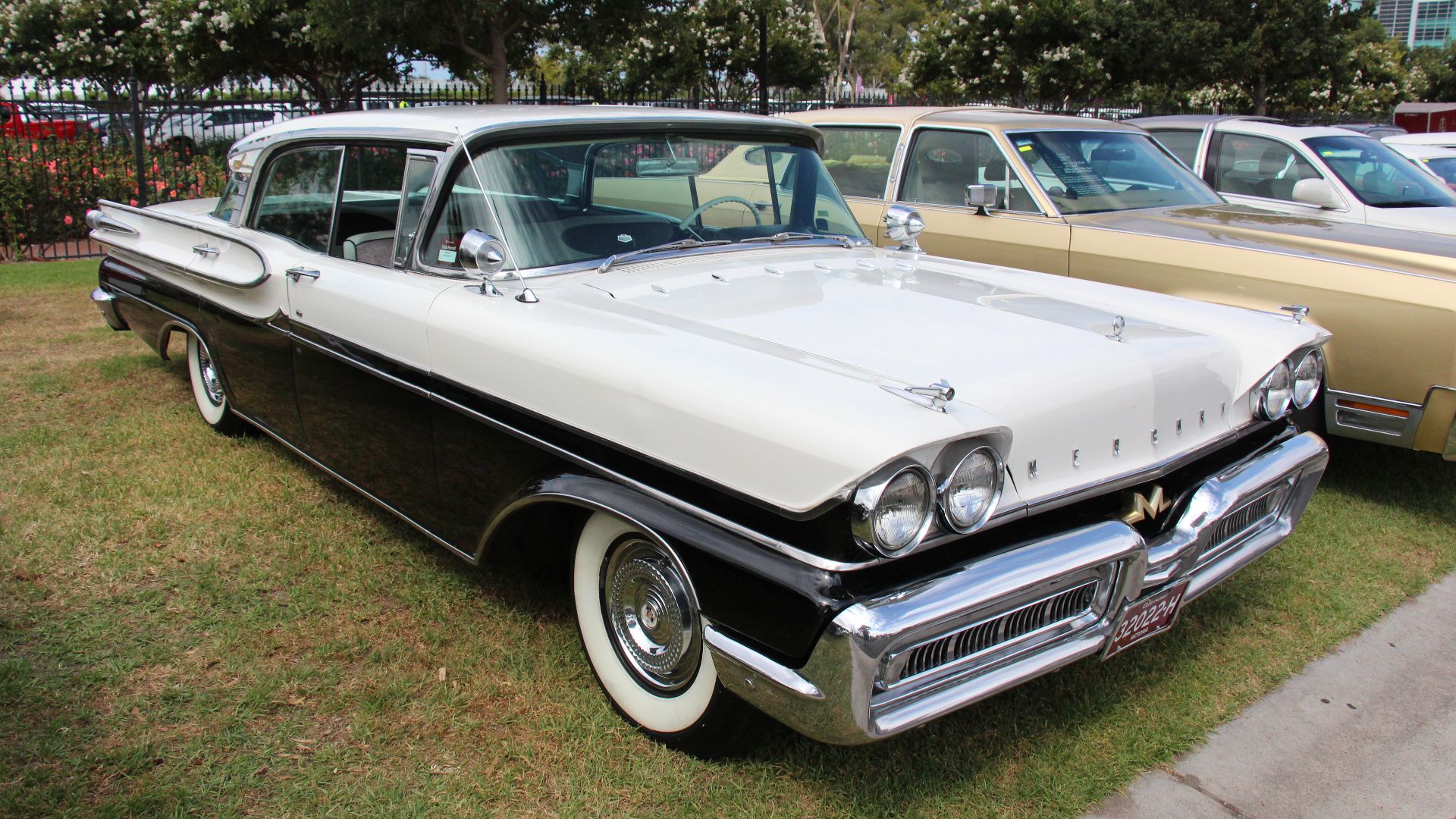
Mercury Monterey (1952–1958)
Mercury often lived in Ford's shadow, and the Monterey is a perfect example. It sold reasonably well, looked sharp, and offered comfortable cruising. But when people remember 50s cars today, they usually skip right over Mercury and head straight to Ford or Lincoln.
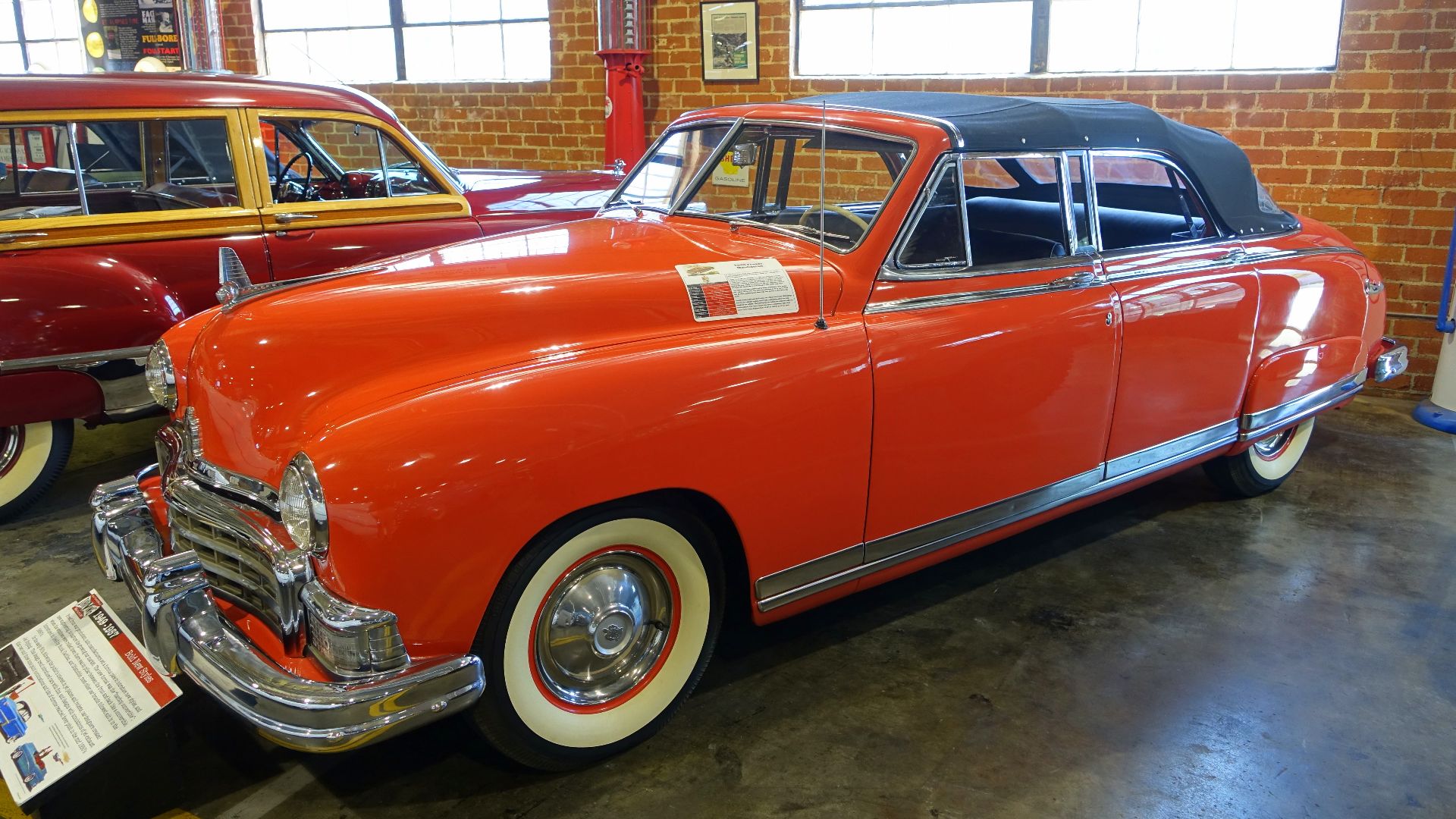
Frazer Manhattan (1950–1951)
The Frazer name barely lasted into the new decade, making these cars especially rare today. They were handsome, well-built sedans with respectable quality, but the independent automaker simply couldn't survive against Detroit's giants. Blink, and the entire brand was gone.
Crosley Super Station Wagon (1950–1952)
If today's compact crossovers seem small, wait until you see a Crosley wagon. Tiny dimensions, tiny engines, and impressive fuel economy made it almost feel European before Americans really embraced imports. It wasn't built for speed, but it certainly stood out.
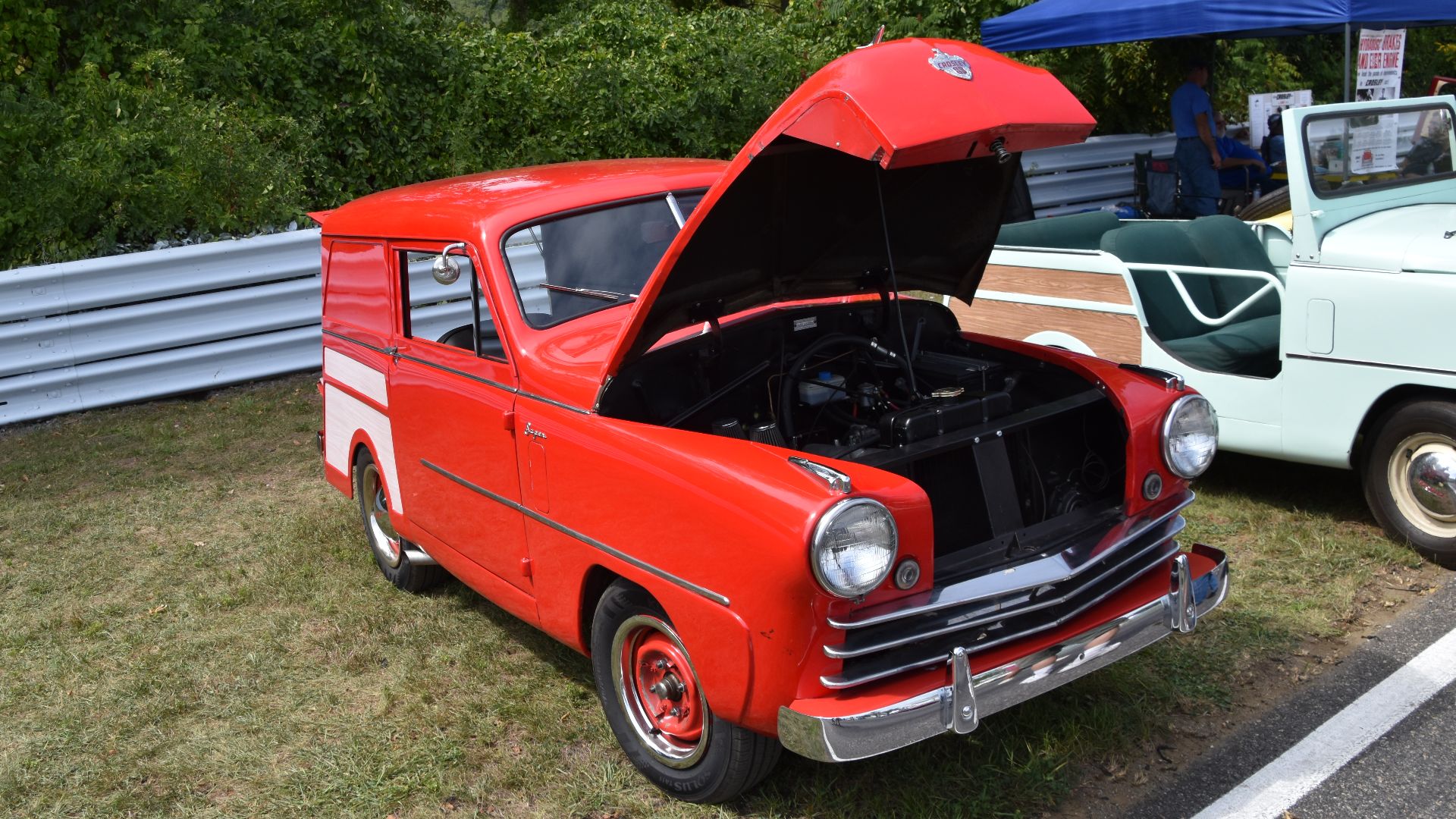 Charles from Port Chester, New York, Wikimedia Commons
Allard J2 (1950–1952)
Imagine stuffing a big American V8 into a lightweight British sports car. That was basically the Allard formula. The J2 became a giant killer in racing circles, and Carroll Shelby even raced Allards before creating the Cobra. Outside enthusiast circles, though, almost nobody remembers them today.
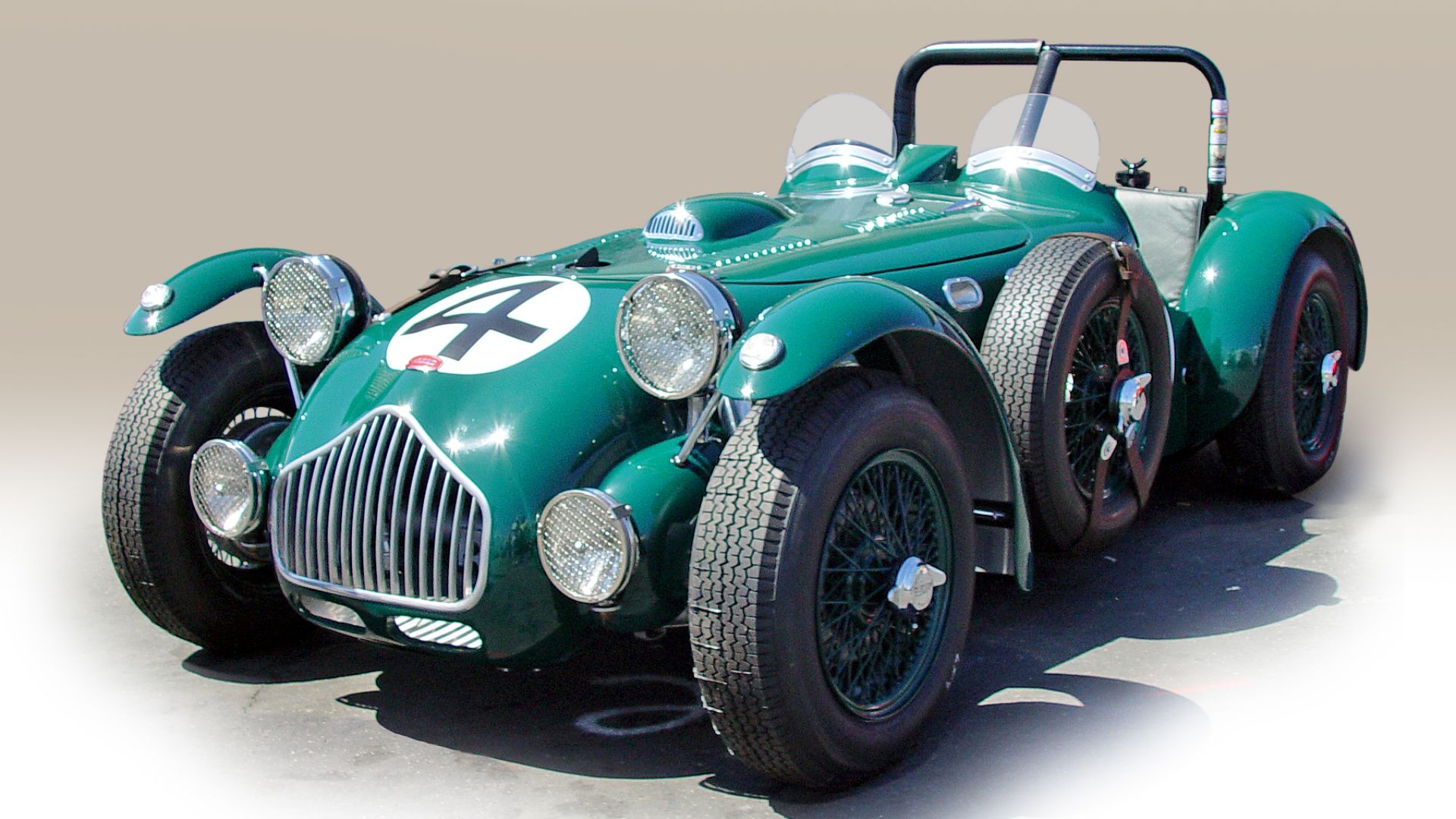
Nash-Healey (1951–1954)
Long before the Corvette arrived, Nash teamed up with British builder Donald Healey to create one of America's first postwar sports cars. It was fast, exclusive, and surprisingly sophisticated. Unfortunately, its high price kept sales low, making it one of the rarest American sports cars of the era.
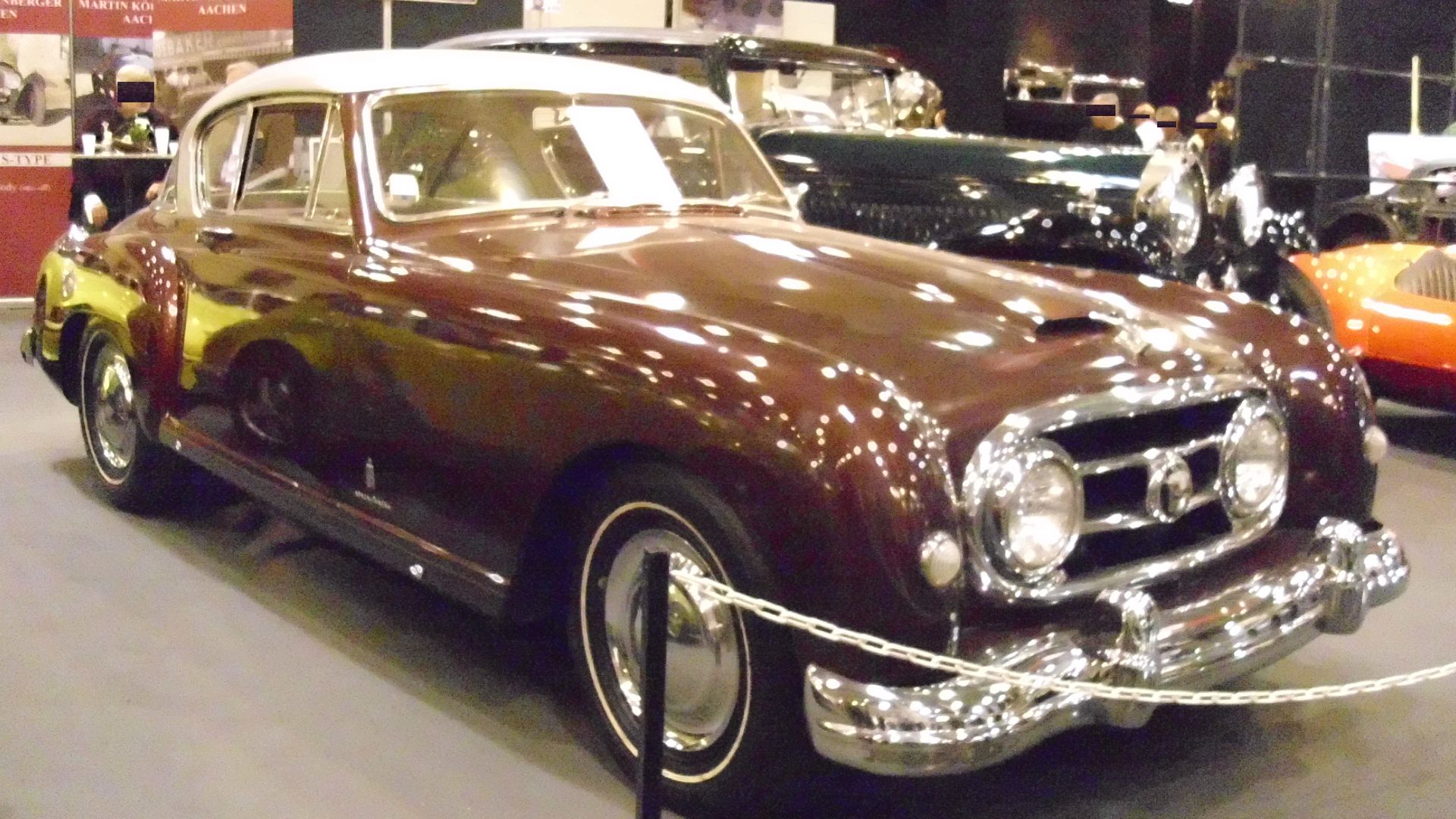
Hudson Wasp (1952–1955)
Living in the Hornet's shadow wasn't easy. The Wasp shared much of Hudson's innovative engineering but never achieved the same racing success or lasting reputation. Today, even many classic-car fans forget Hudson built anything besides the legendary Hornet.
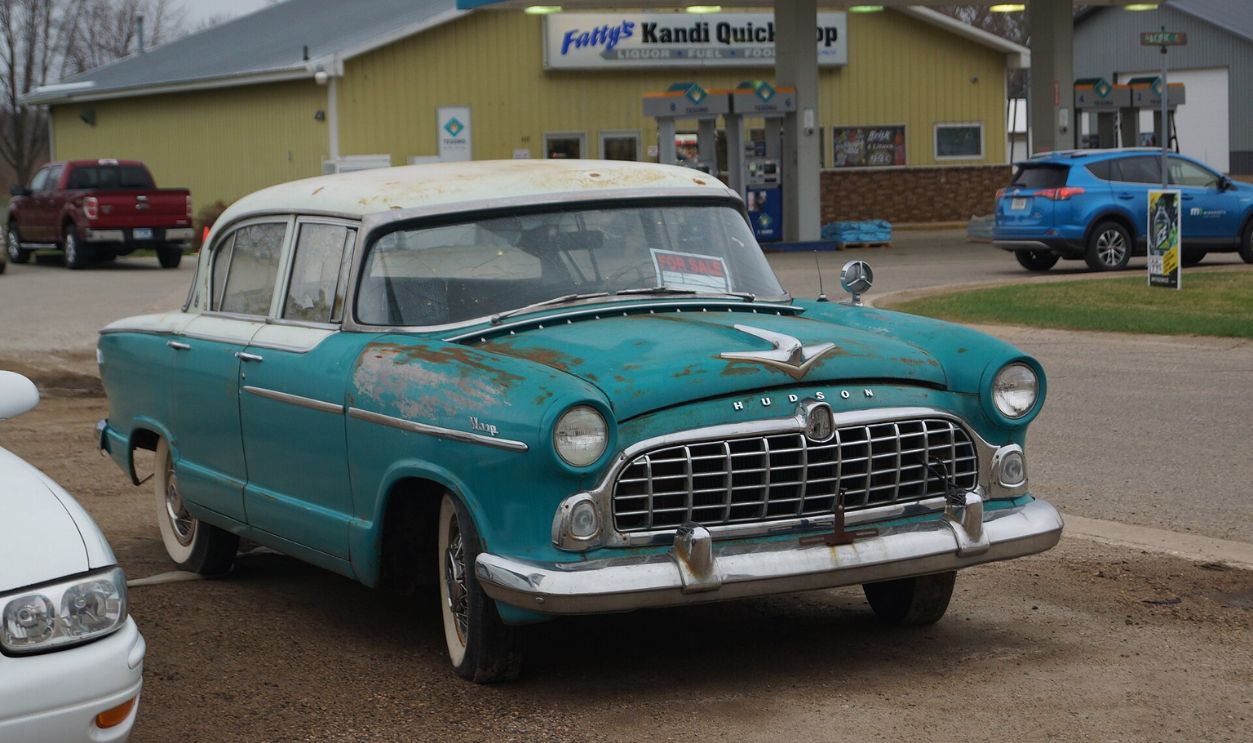 Greg Gjerdingen from Willmar, Wikimedia Commons
Lincoln Capri (1952–1959)
Before the Continental became Lincoln's icon, there was the Capri. It featured smooth V8 power, upscale appointments, and distinctive styling without going overboard. It sold reasonably well at the time but has largely faded from collector conversations.
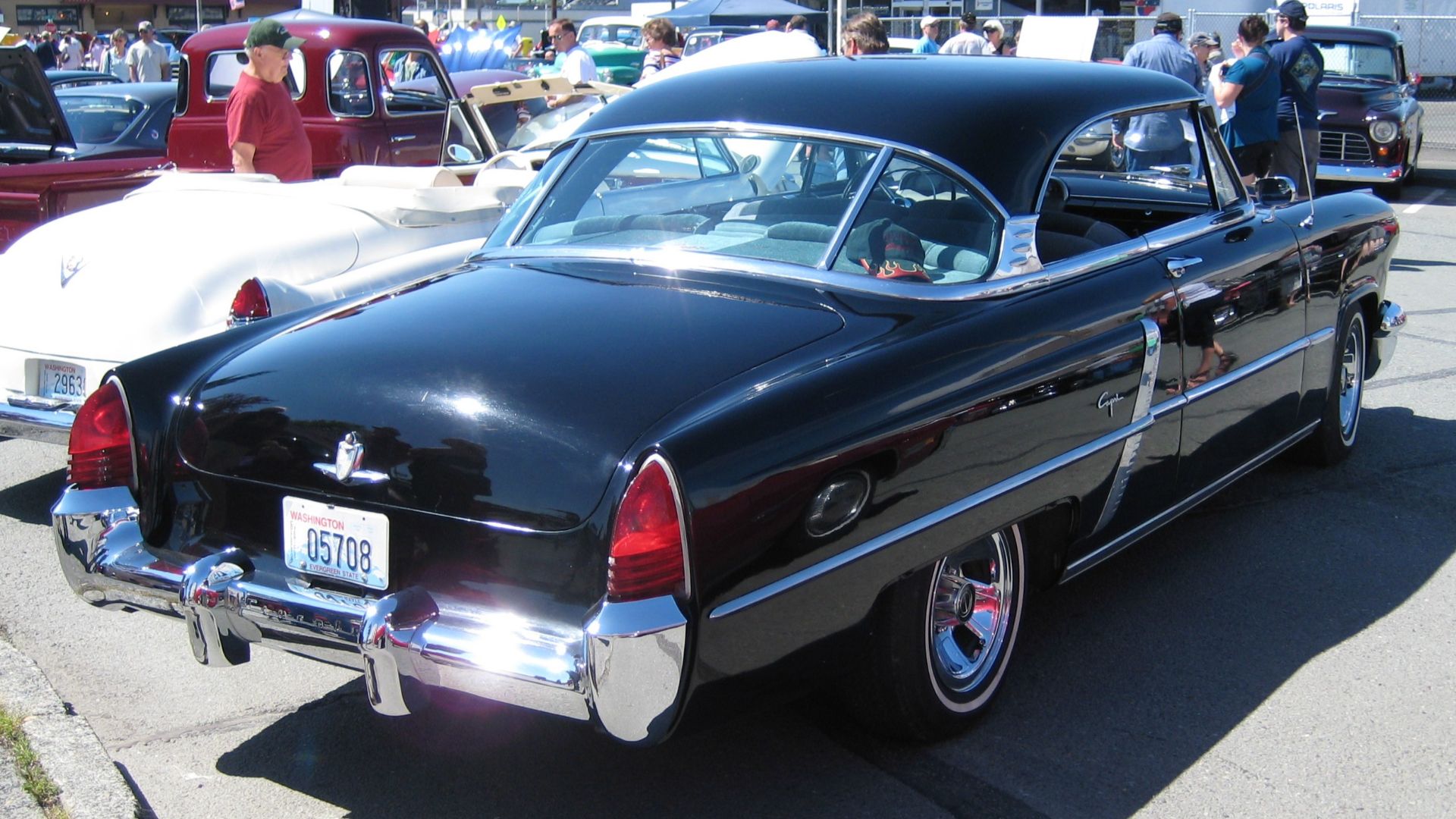 JOHN LLOYD from Concrete, Washington, United States, Wikimedia Commons
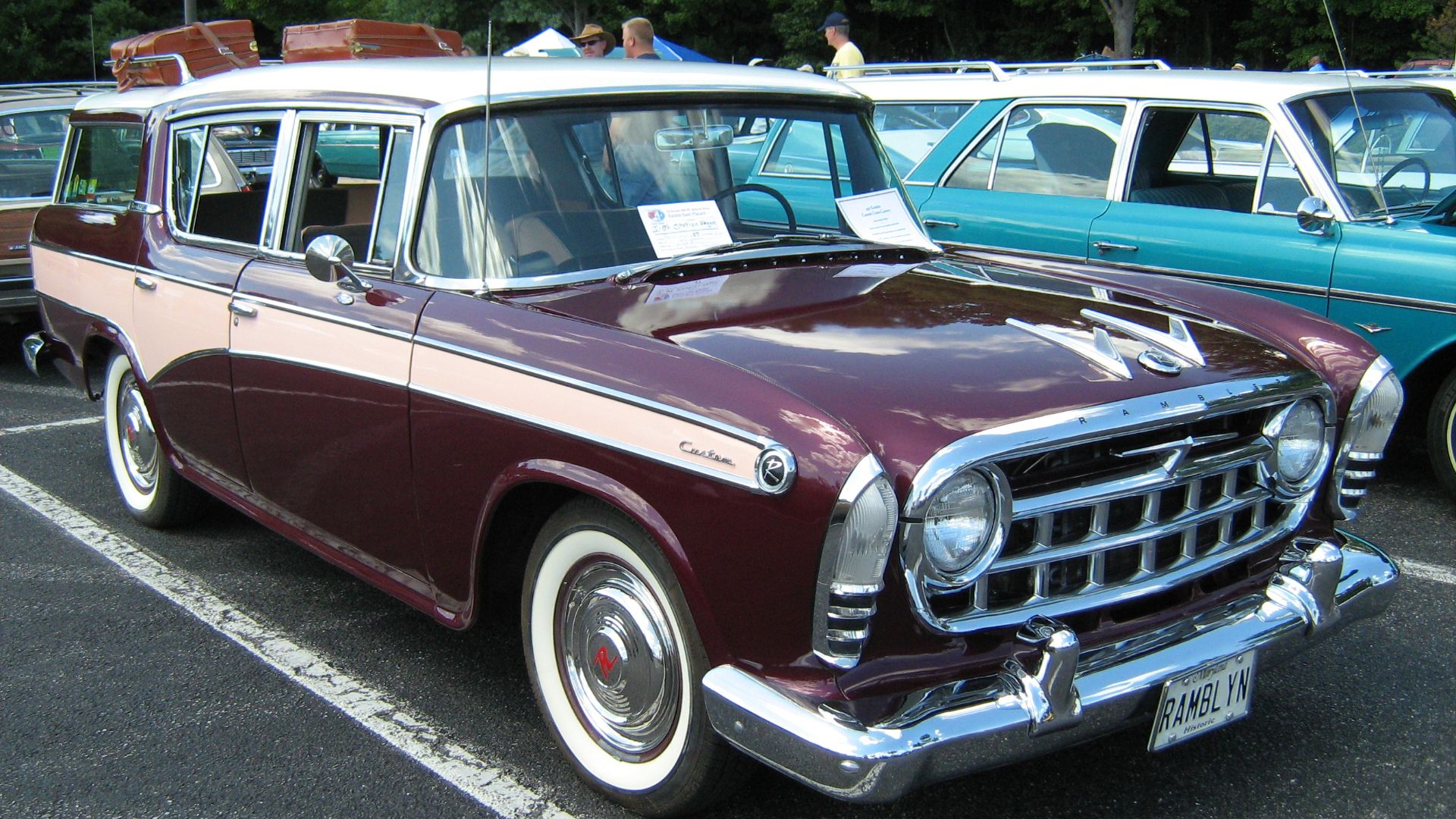
Rambler Cross Country Wagon (1956–1959)
Station wagons weren't always gigantic. Rambler proved families could have practicality without needing an aircraft carrier. The Cross Country Wagon delivered plenty of space while remaining easy to drive and relatively efficient. It showed that practical family cars didn't have to be enormous.
Edsel Corsair (1958–1959)
Everyone remembers the Edsel disaster. Very few remember the individual models. The Corsair actually offered decent engineering and plenty of features, but by then the Edsel name had already become an industry punchline. The car never really had a chance.
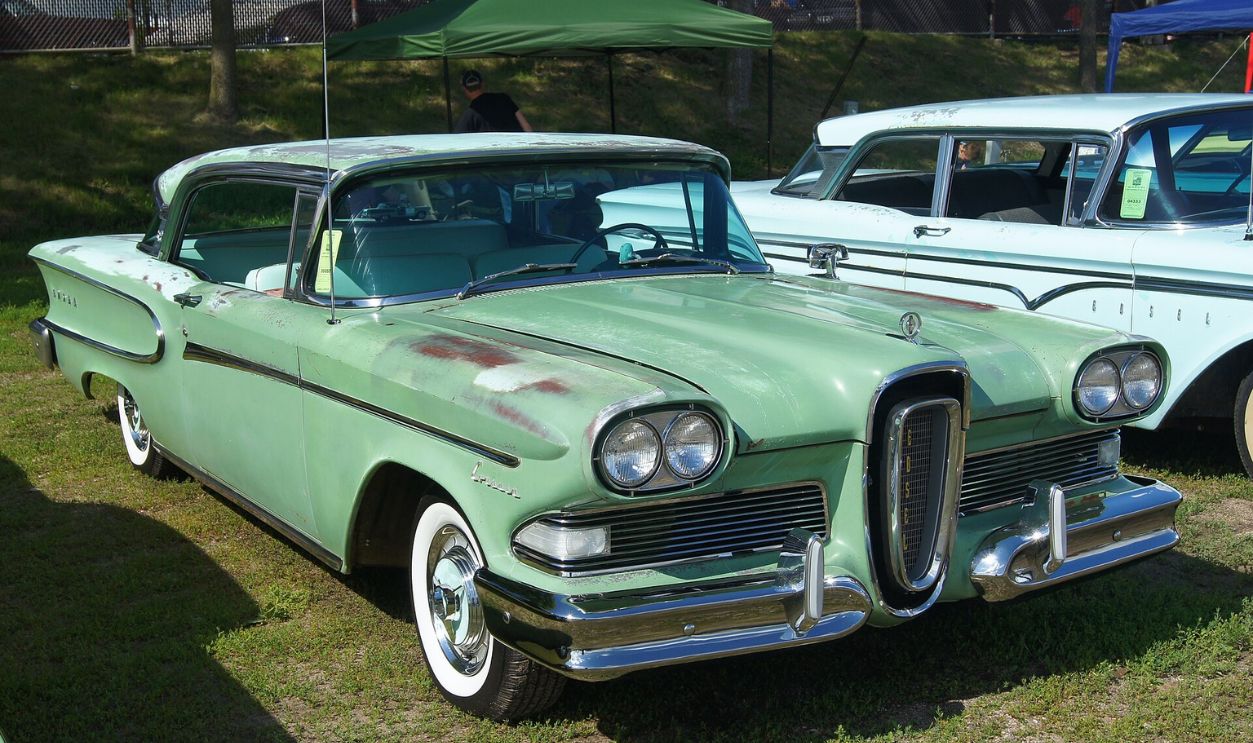 Greg Gjerdingen from Willmar, Wikimedia Commons
Borgward Isabella (1954–1962)
German buyers loved the Isabella, but it barely registered in North America. Elegant styling and impressive engineering earned it loyal fans overseas. Here, it quietly slipped through history while Volkswagen grabbed most of the attention.
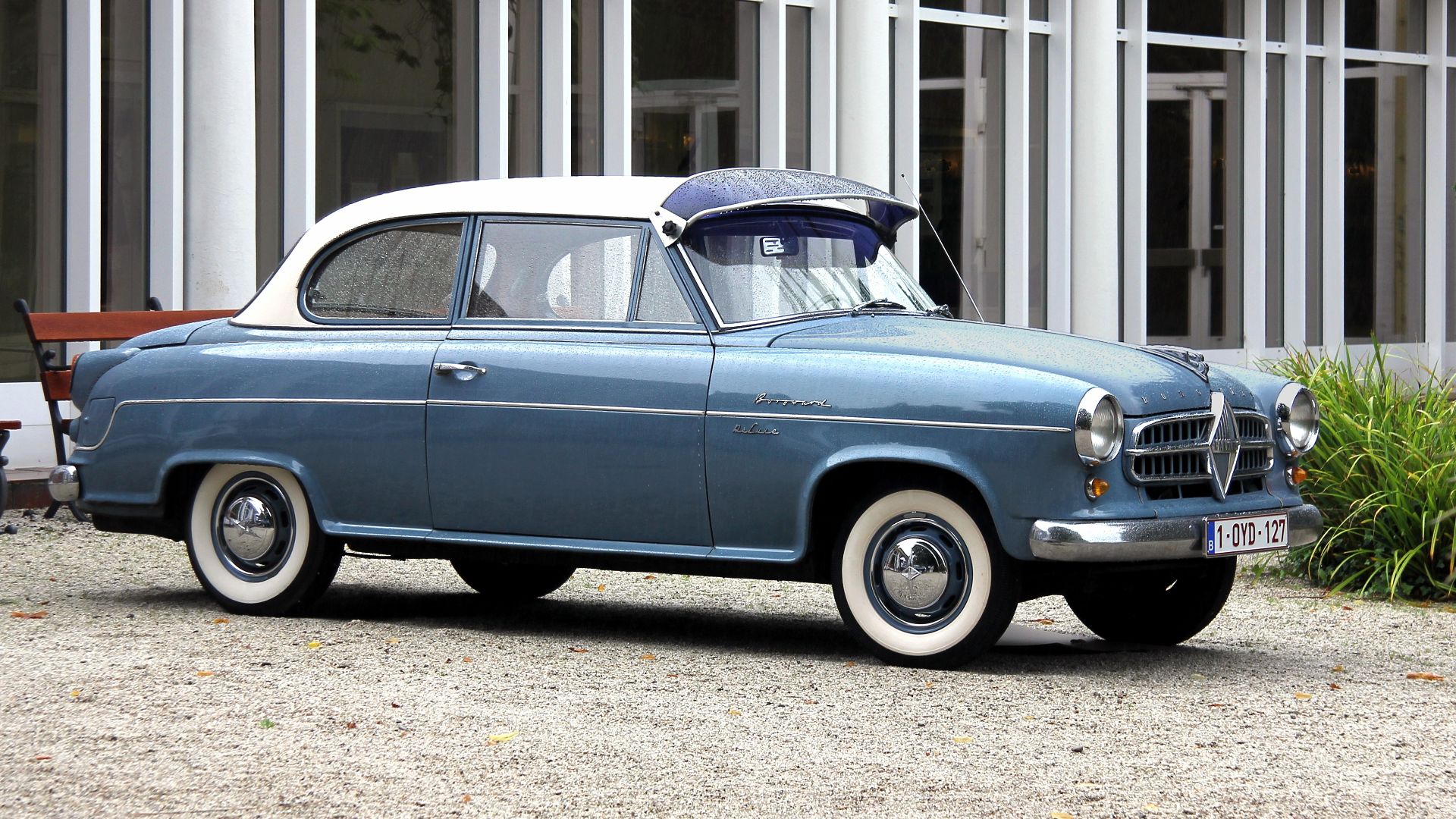 Lothar Spurzem, Wikimedia Commons
Simca Vedette (1954–1961)
Here's a fun bit of automotive trivia. The Vedette actually started life as a Ford design before Ford sold its French operations to Simca. That gave Europe one of its most American-looking sedans, complete with plenty of chrome and V8 power.
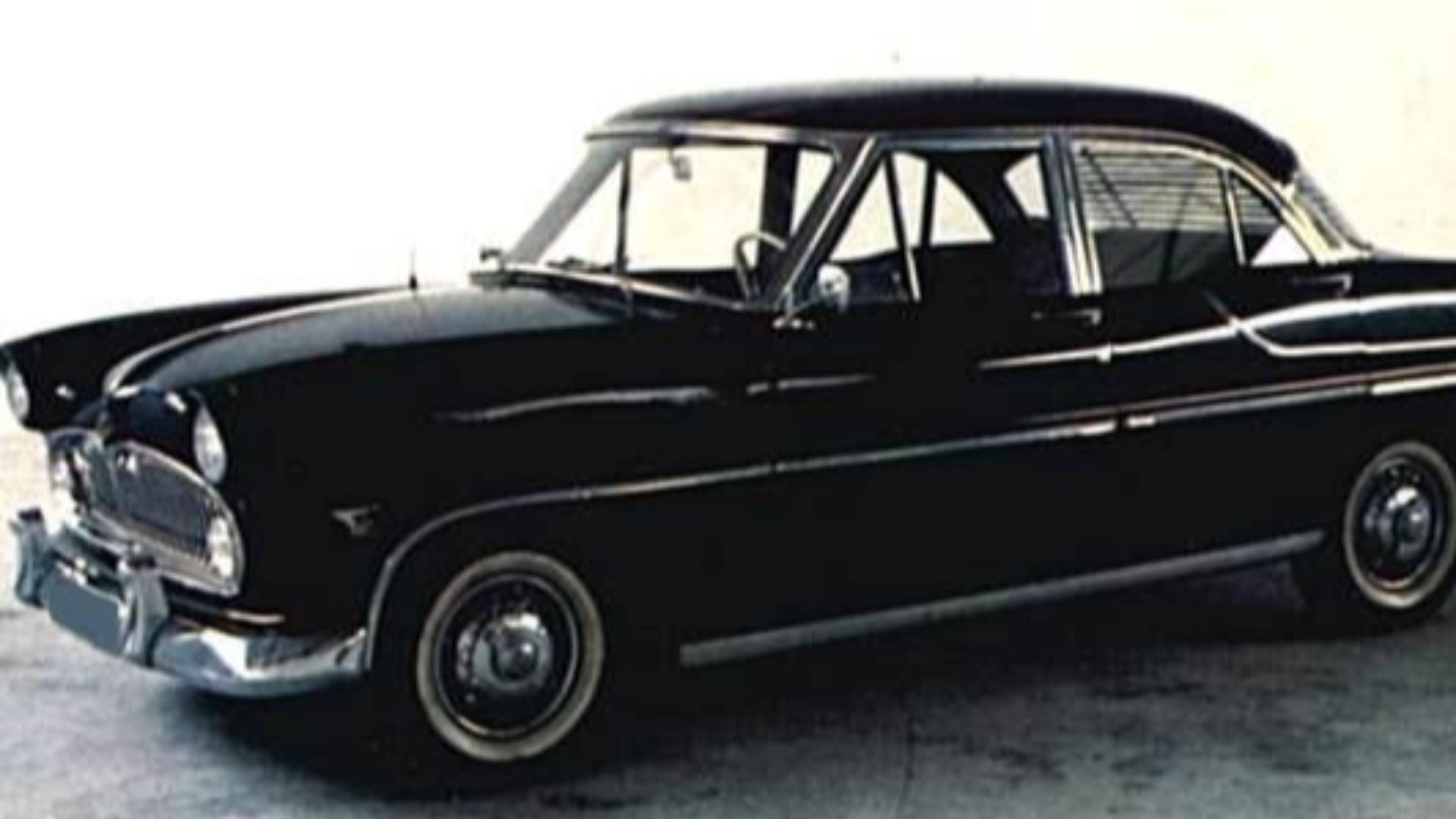 Ladislaus Sztankay, Wikimedia Commons
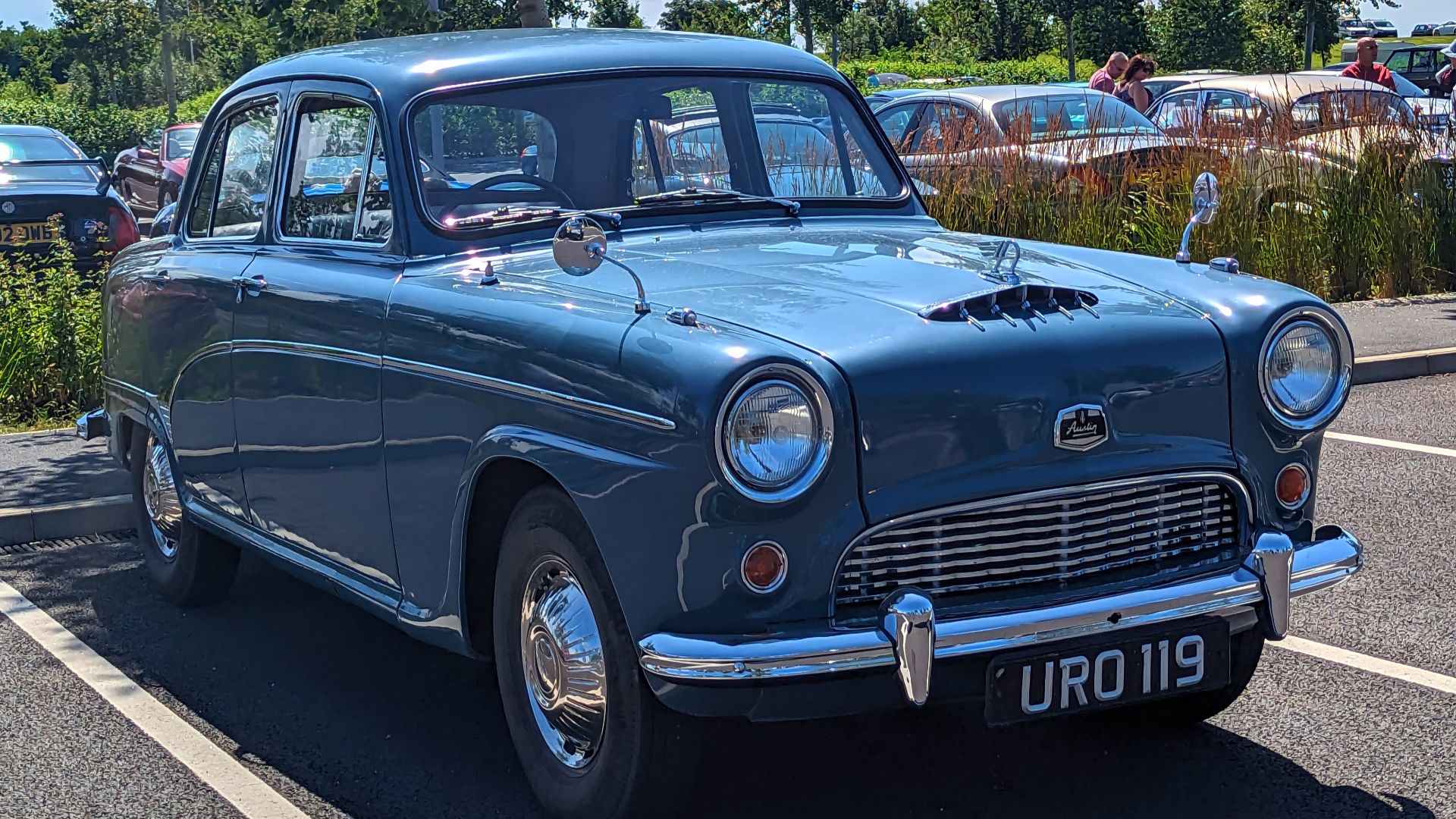
Austin A90 Westminster (1954–1959)
British luxury didn't always mean Jaguar or Rolls-Royce. Austin's Westminster offered roomy accommodations and smooth six-cylinder power for buyers wanting comfort without extravagance. Outside Britain, however, it remains one of the most forgotten executive cars of the decade.
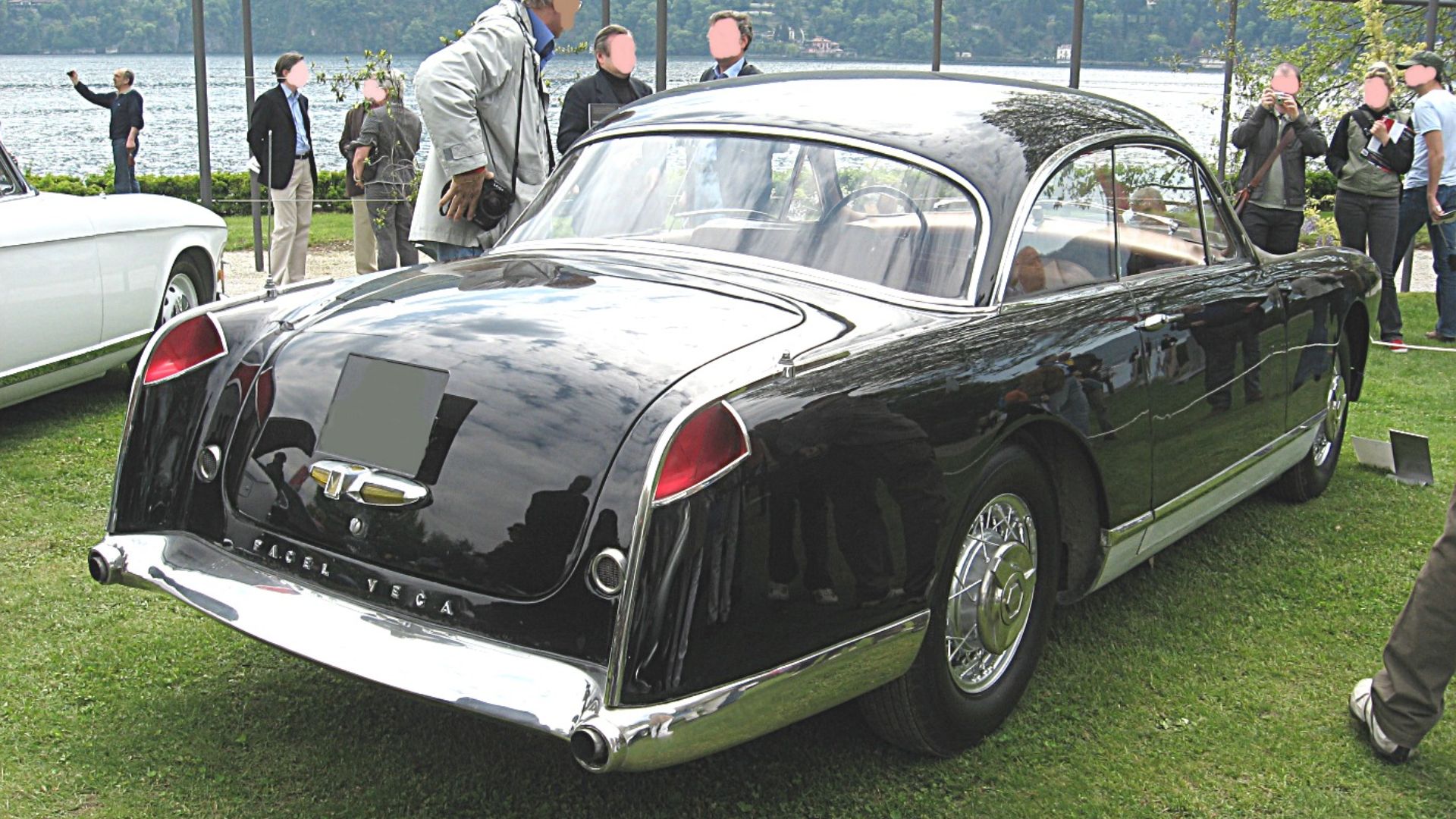
Facel Vega FV (1954–1958)
French styling. Hand-built luxury. Big Chrysler V8 power. The Facel Vega was basically Europe's answer to the grand touring coupe. It attracted celebrities and royalty, yet production numbers stayed tiny. Today, spotting one feels almost like spotting a unicorn.
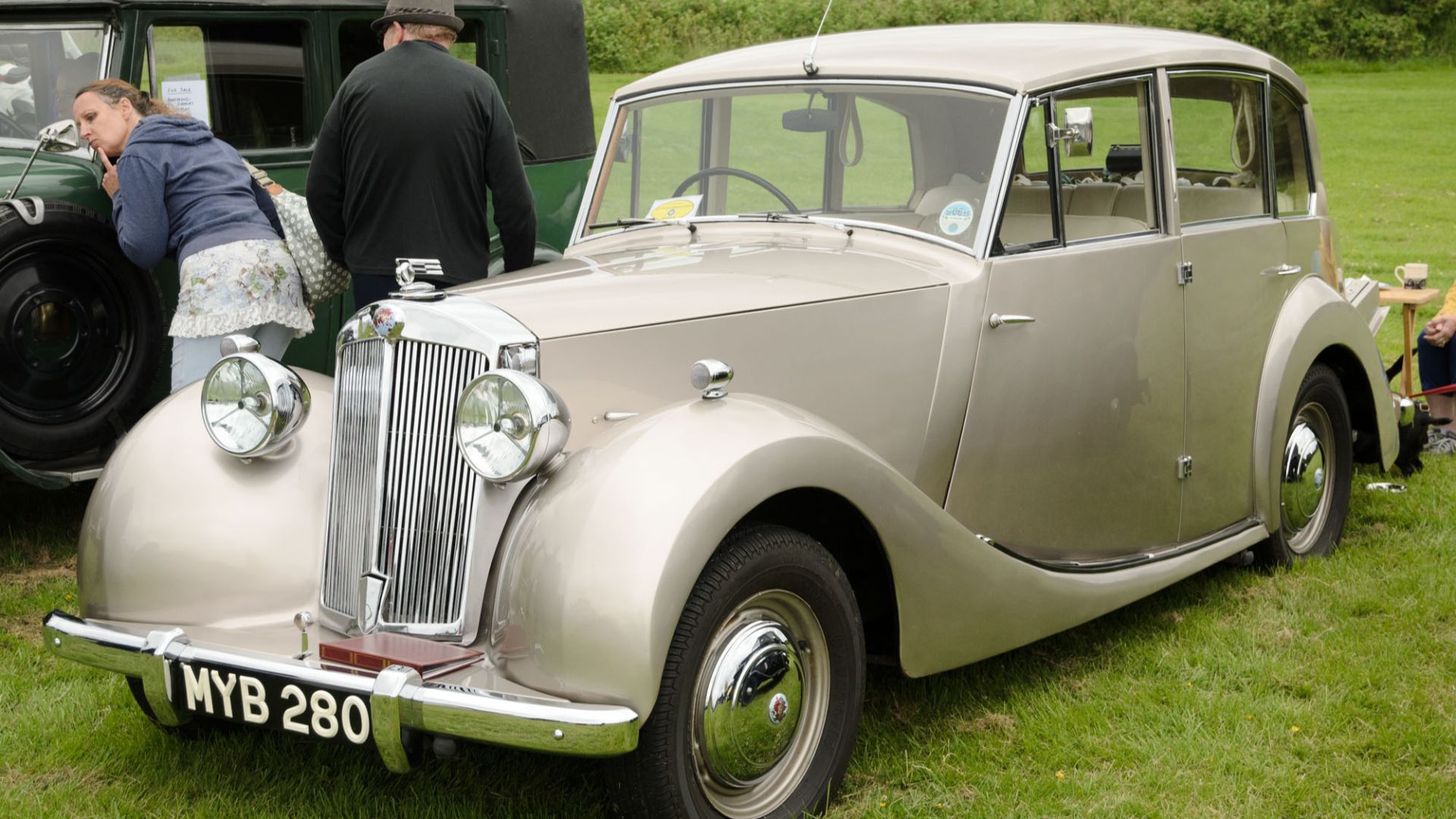
Triumph Renown (1950–1954)
Before Triumph became famous for small sports cars, it also built stately sedans like the Renown. Its unusual razor-edge styling looked classy in Britain but never found much international success. Most people are surprised Triumph even made cars like this.
Singer SM1500 (1950–1954)
Singer built reliable family cars before the company eventually disappeared into automotive history. The SM1500 wasn't exciting, but it was dependable transportation for thousands of families. Today, many enthusiasts associate the Singer name with the modern Porsche restoration company rather than this long-defunct British automaker.
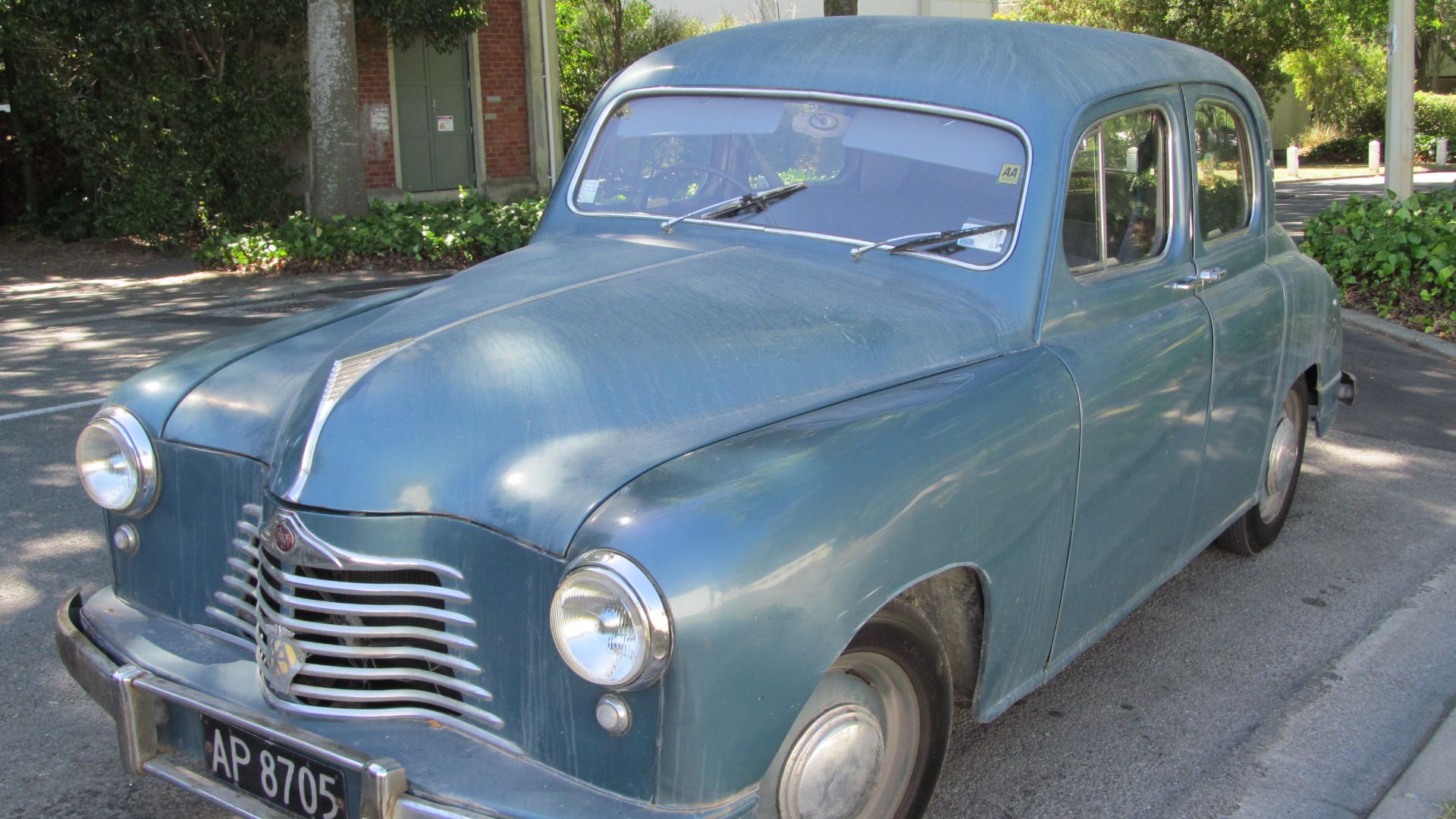 Riley from Christchurch, New Zealand, Wikimedia Commons
Lloyd Alexander (1957–1961)
Tiny even by European standards, the Lloyd Alexander squeezed surprising practicality into a very small package. It arrived during Europe's postwar boom in small, economical cars, but it was overshadowed by better-known rivals like the BMW Isetta and Volkswagen Beetle.
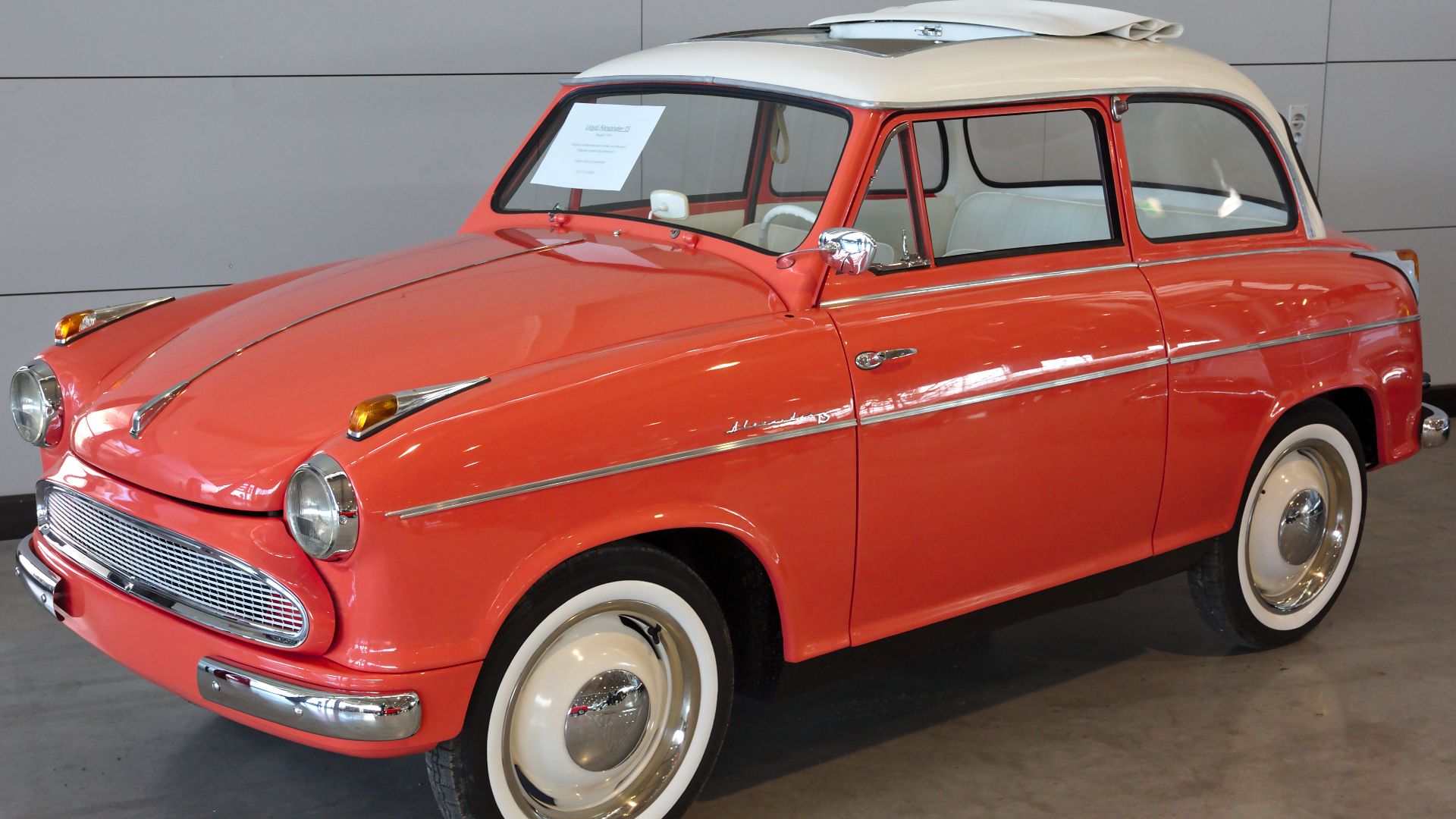 Alexander Migl, Wikimedia Commons
They Deserve Another Look
So be honest. How many did you actually recognize? If you got more than five, congratulations...you're probably the person everyone calls during classic-car trivia night. And we totally respect that.
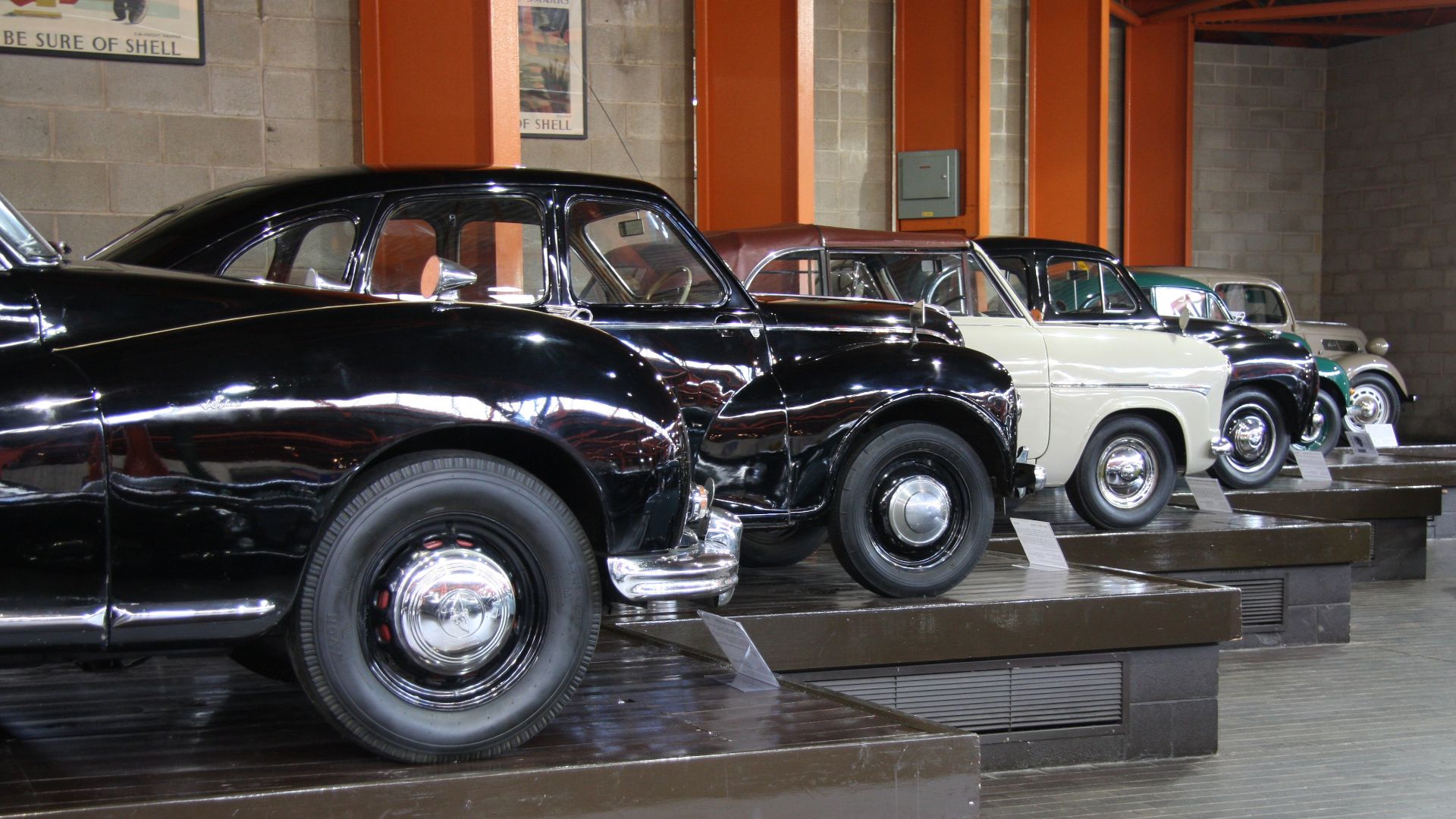 Brian Snelson from Hockley, Essex, England, Wikimedia Commons
You Might Also Like:
Forgotten Supercars Of The 1980s—How Many Of These Rare Exotics Do You Remember?