Where It All Began
The battle between the Robertson screw and the Phillips screw helped shape the modern automotive industry and American manufacturing itself. One design was tougher, more efficient, and loved by Canadian tradespeople. The other became the standard across US factories. The rivalry shows how engineering perfection can take a back seat to business politics and industry timing.
The Problem With Early Screws
Before the twentieth century, most screws used simple slotted heads that were frustratingly easy to strip and difficult to align quickly on assembly lines. Workers constantly slipped off the screw head, damaging products and slowing production. Manufacturers searched desperately for a fastening system better suited for mass production.
 Peter Elfelt, Wikimedia Commons
Peter Robertson’s Accident
Canadian inventor Peter Lymburner Robertson reportedly thought up his famous square-drive screw after injuring his hand with a slipping slotted screwdriver around 1906. The experience convinced him there had to be a safer and more efficient design. His frustration soon turned into one of Canada’s most important industrial inventions.
The Birth Of The Robertson Screw
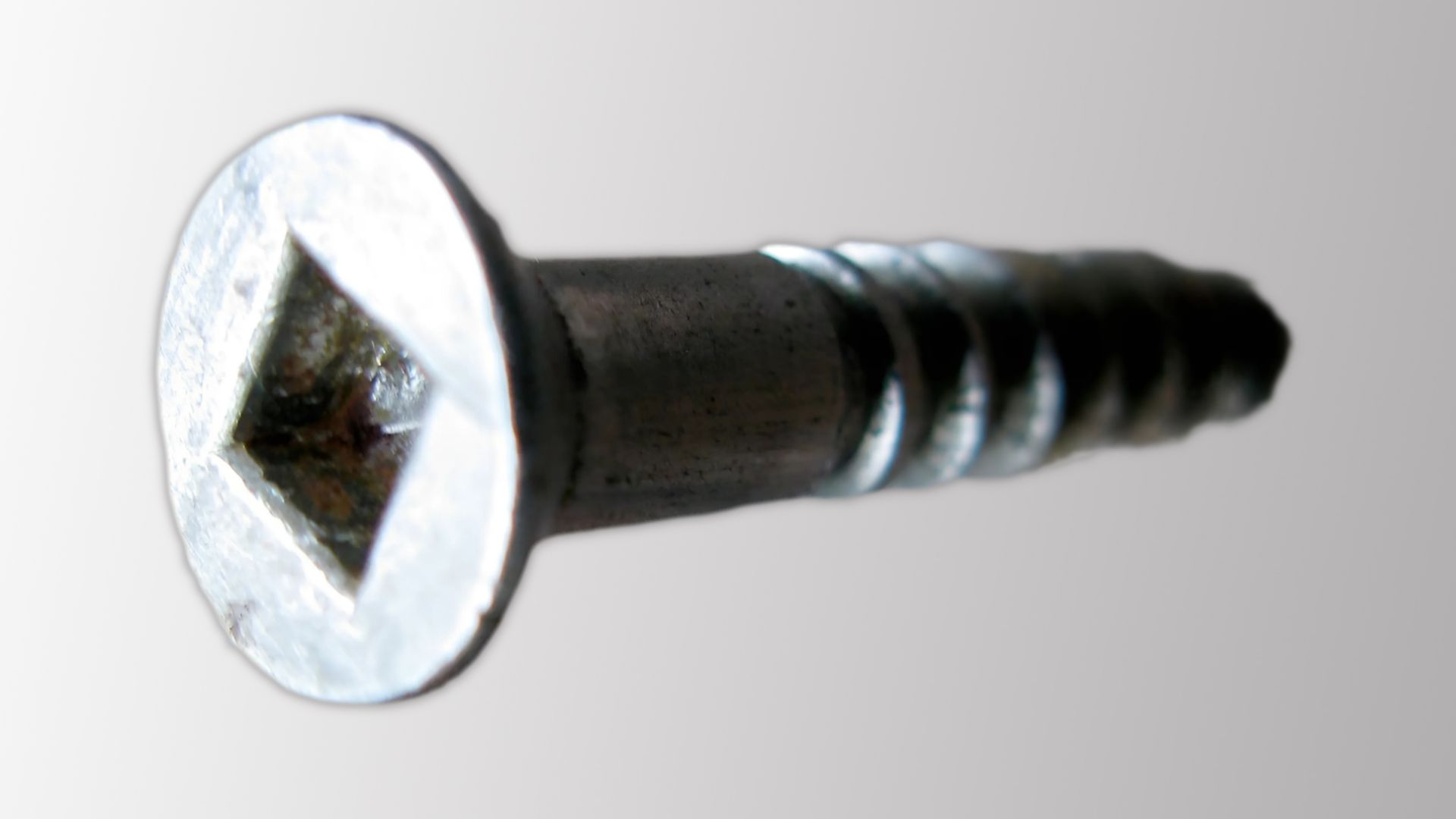
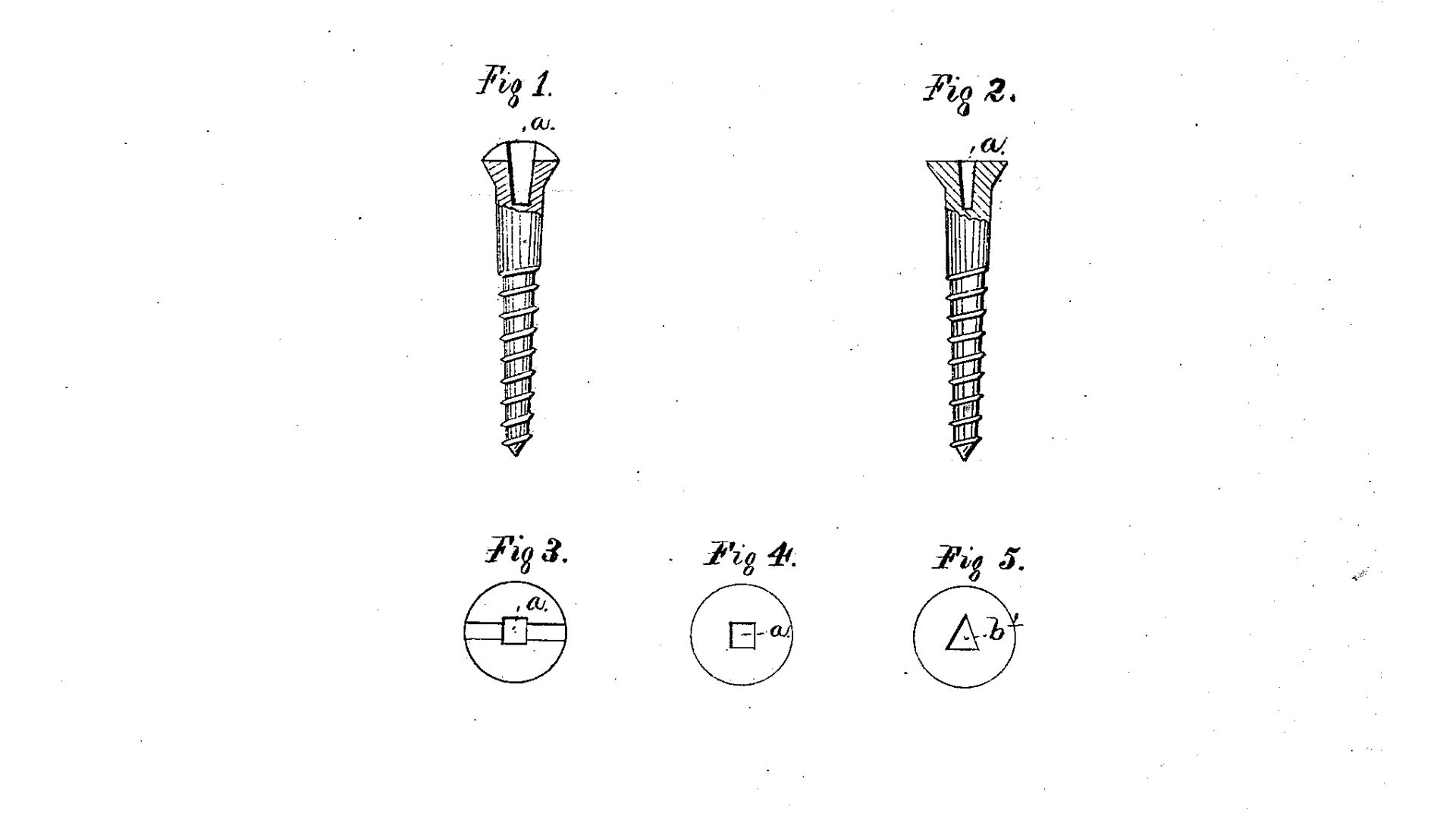
Robertson patented his square-drive screw in 1909, creating a design that practically locked the screwdriver into place. The tapered square socket reduced slipping and made one-handed driving possible. Tradespeople immediately recognized its advantages, but Robertson himself was still cautious about how widely he licensed the invention.
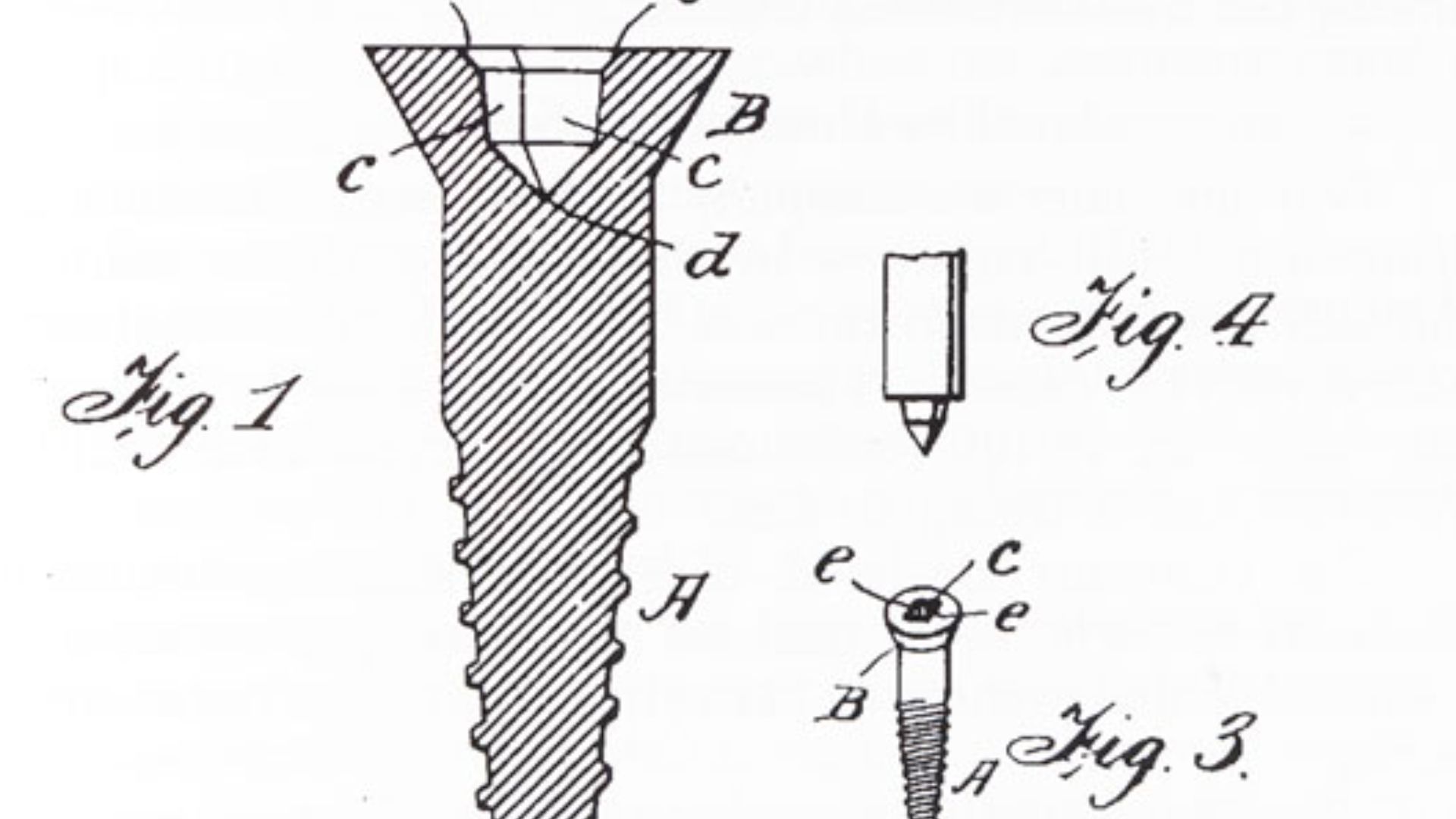 Library and Archives Canada, Wikimedia Commons
Why The Robertson Worked So Well
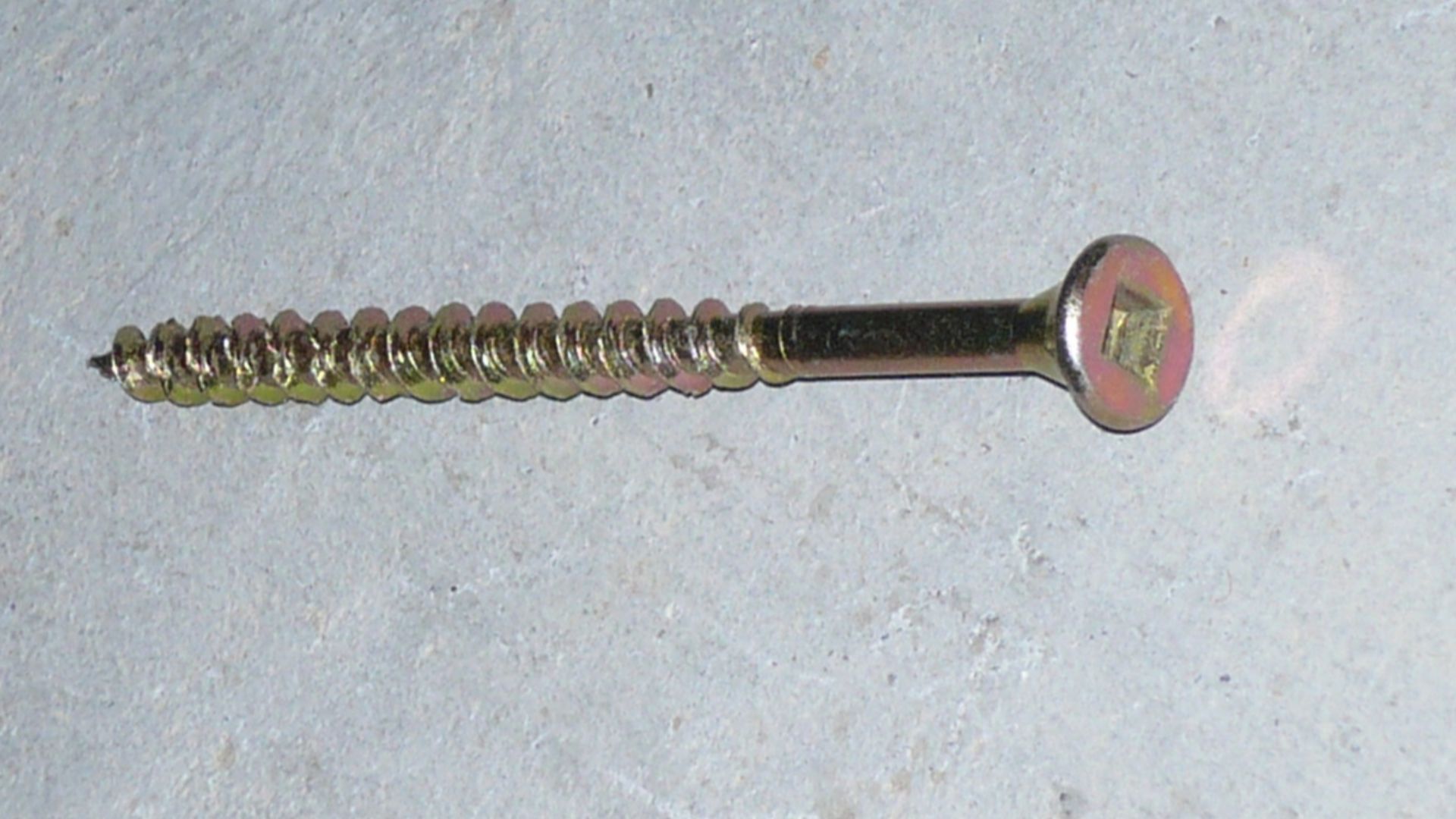
The Robertson screw offered several practical advantages over slotted screws. Drivers naturally centered themselves in the square recess, reducing stripped heads and dropped fasteners. Workers could often hold screws on the screwdriver tip without using a second hand. Those advantages soon gained the attention of major manufacturers south of the border.
Henry Ford Took Notice
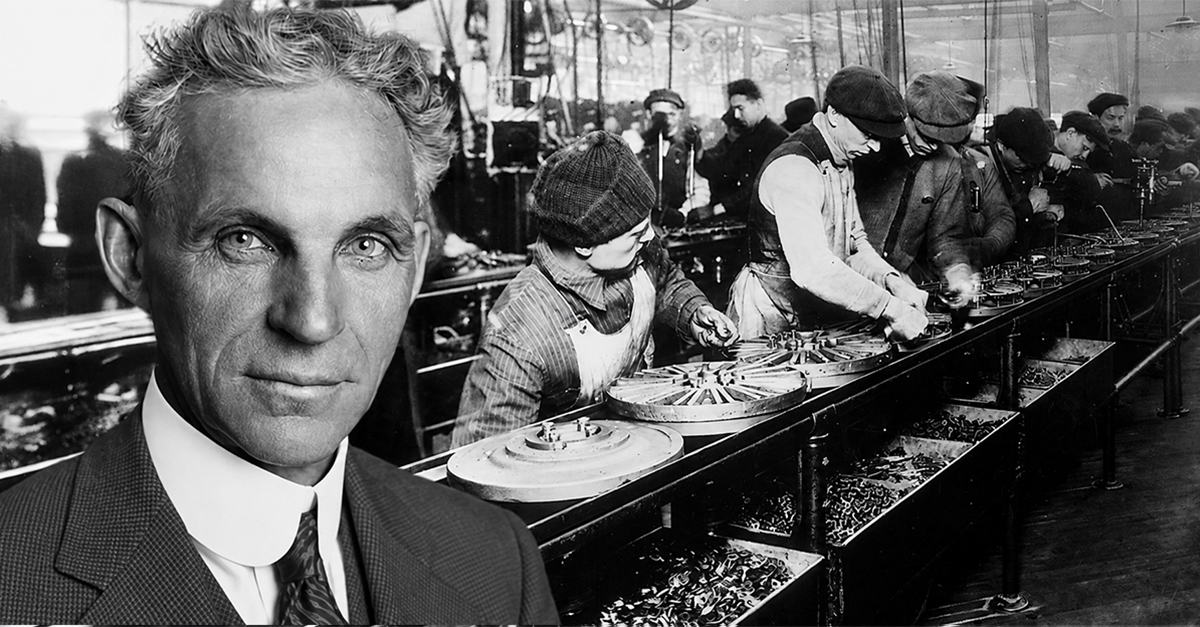
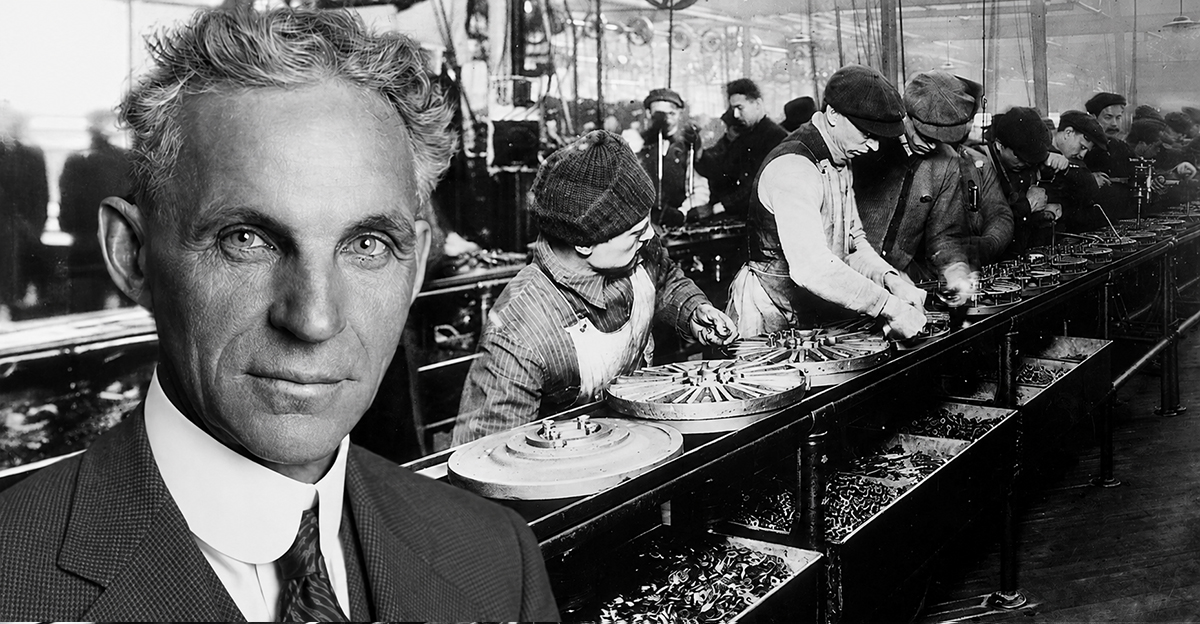
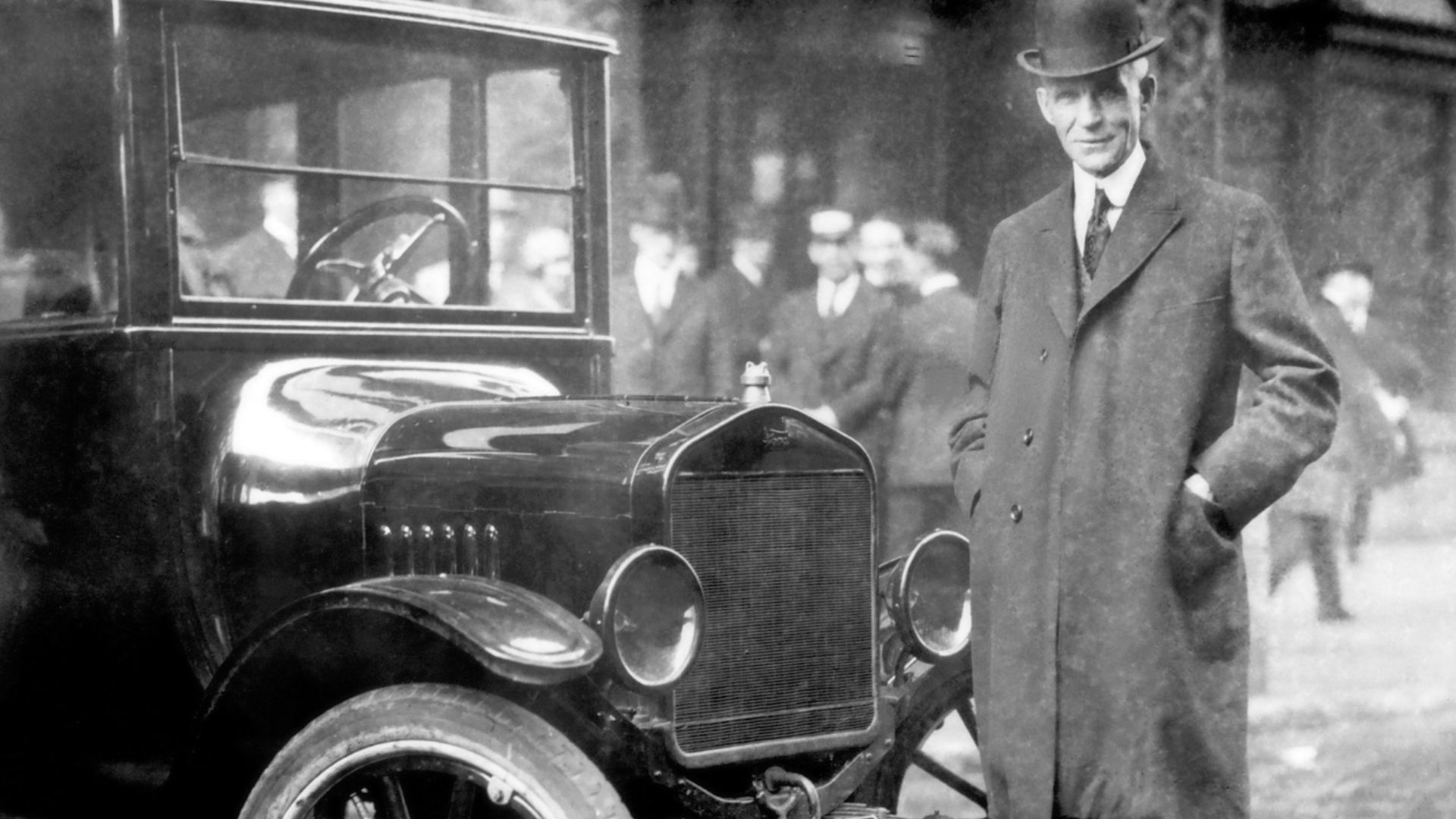
Henry Ford became fascinated with Robertson screws during the rise of the Model T assembly line. Ford engineers saw that the design could dramatically speed up production while reducing worker fatigue. At a time when every second mattered, the square-drive screw looked revolutionary.
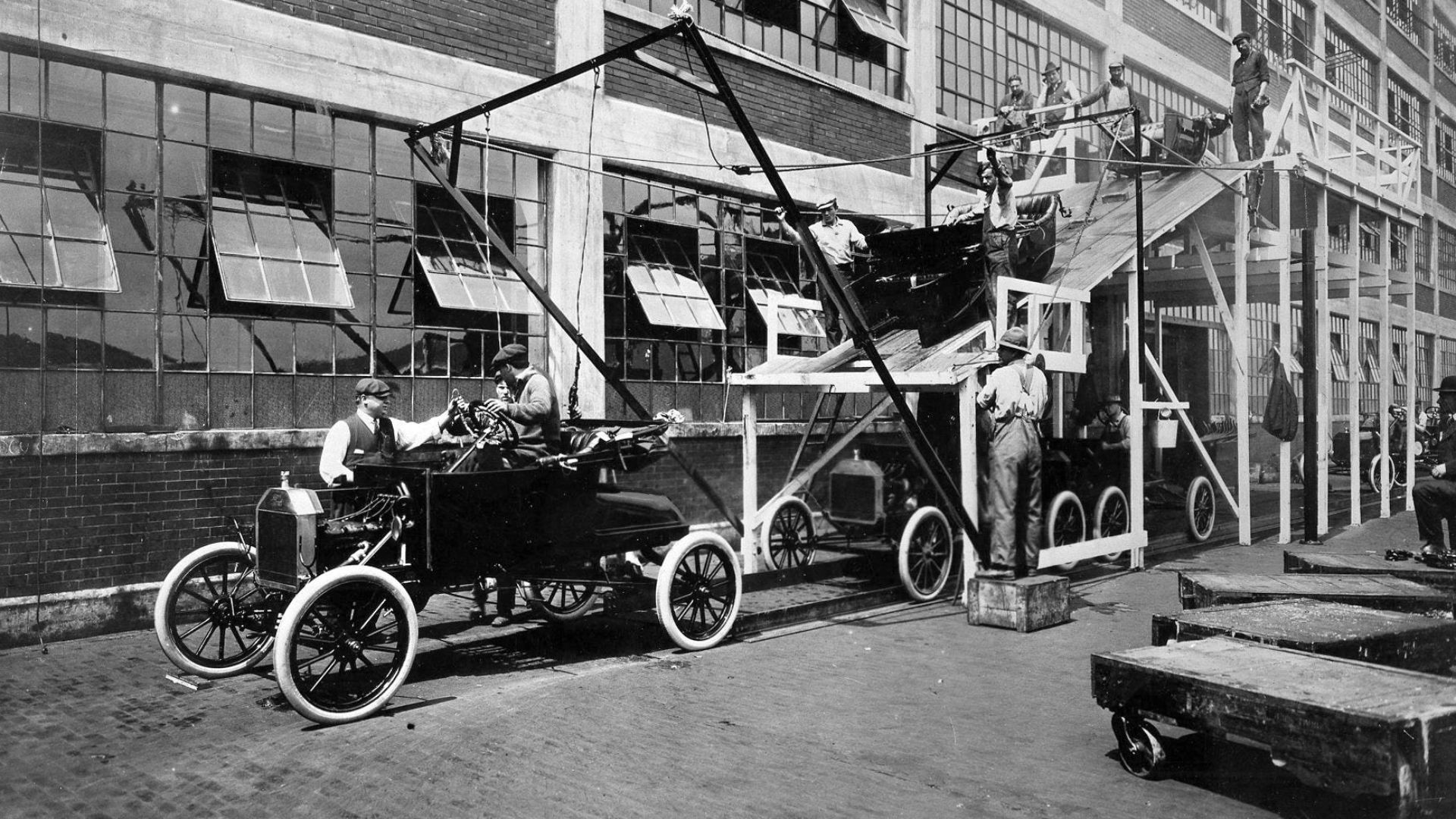 Unknown authorUnknown author, Wikimedia Commons
Robertson Screws In The Model T
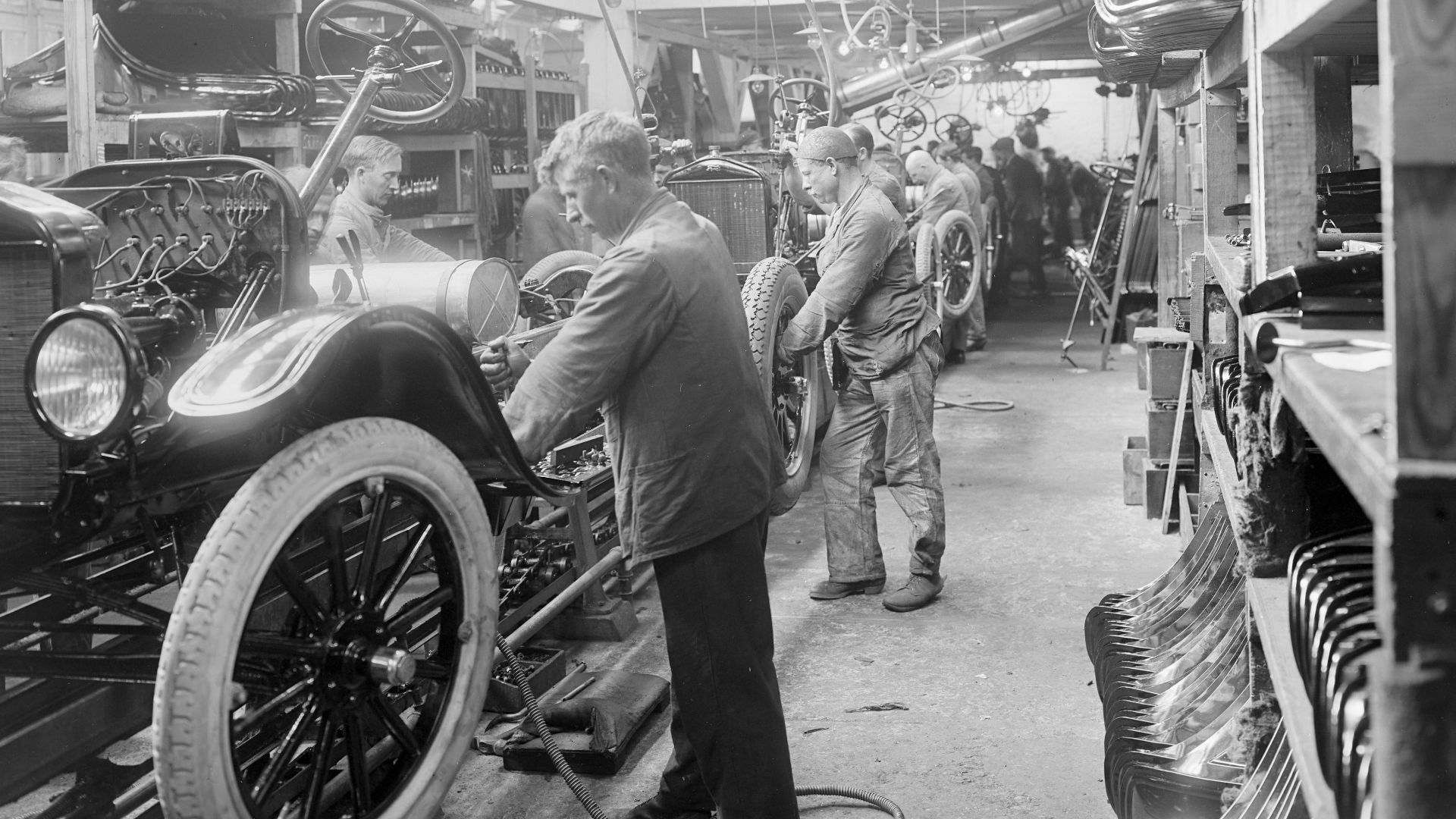
Ford reportedly used hundreds of Robertson screws in early Model T production because workers could install them quickly with fewer mistakes. The screws reduced assembly time and helped improve manufacturing consistency. Their success inside Ford plants seemed to point toward a massive future for the Canadian invention.
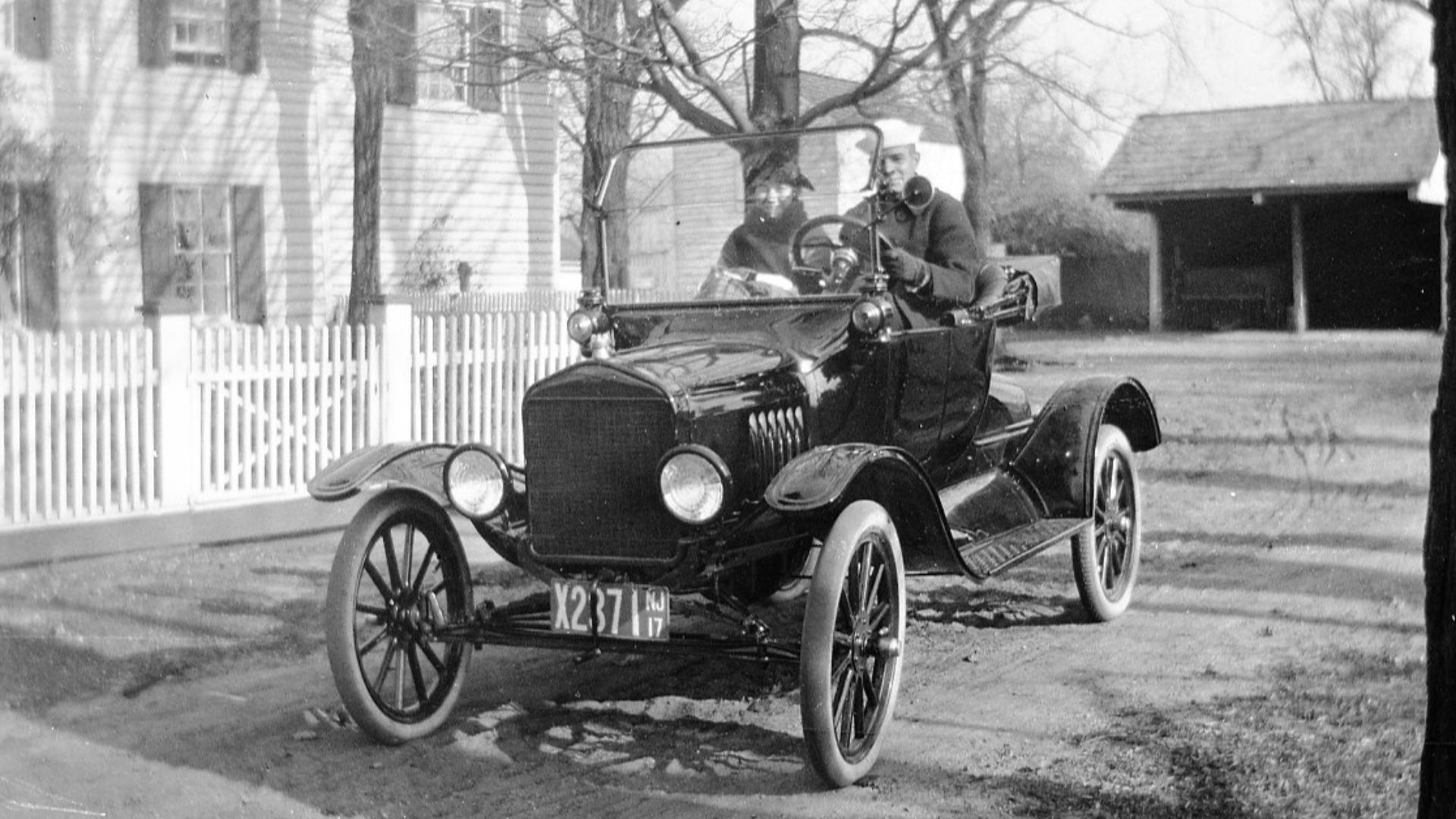 Richard from USA, Wikimedia Commons
Ford Wanted More Control
Despite admiring the design, Ford wanted guaranteed large-scale production rights and tighter manufacturing control over the Robertson screw system. But Robertson was still protective of his patents and refused to hand over extensive licensing rights. That business disagreement would turn into one of the most far-reaching industrial standoffs in manufacturing history.
 Ford Motor Company, Wikimedia Commons
Robertson’s Reluctance
Robertson feared losing control of his invention if he licensed it too broadly. Earlier inventors had watched larger corporations dilute or exploit their patents, and Robertson wanted to avoid a similar fate. His caution protected his ownership rights, but it also limited the screw’s expansion into the United States.
 Allan Cummings, Wikimedia Commons
Henry Ford Walks Away
Unable to secure the rights he wanted, Ford gradually abandoned the Robertson screw despite its clear technical advantages. The decision opened the door for competing screw systems to capture the American market. That opportunity would soon be seized by an Oregon businessman with a very different approach.
 Fred Hartsook, Wikimedia Commons
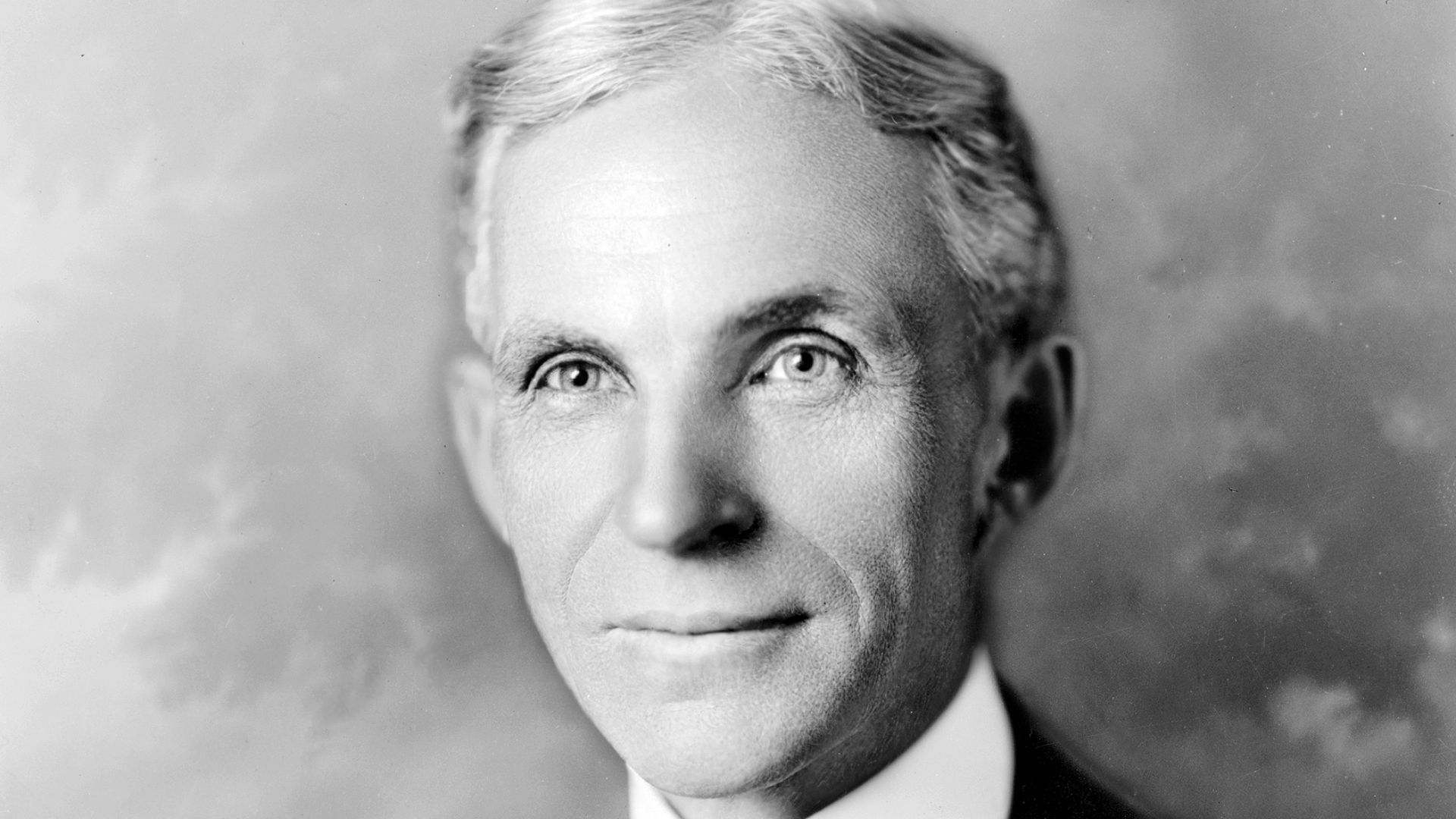
Enter Henry Phillips
Henry F. Phillips didn't invent the Phillips screw himself, but he recognized its commercial potential during the 1930s. Phillips secured the rights to a cruciform screw design and aggressively marketed it to American manufacturers. Unlike Robertson, Phillips eagerly pursued licensing agreements.
 Andrew Pertsev, Wikimedia Commons
The Phillips Gains Attention
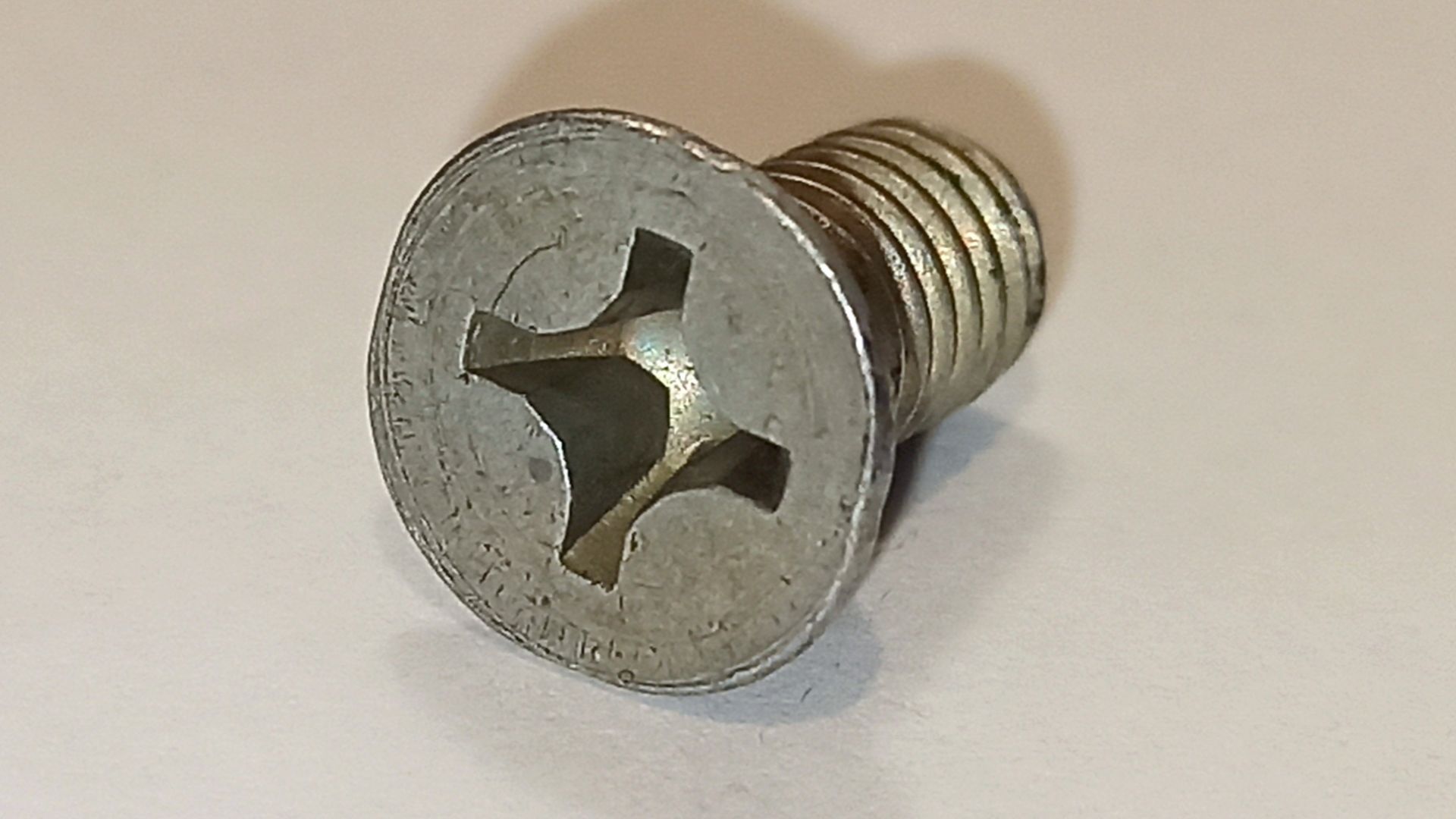
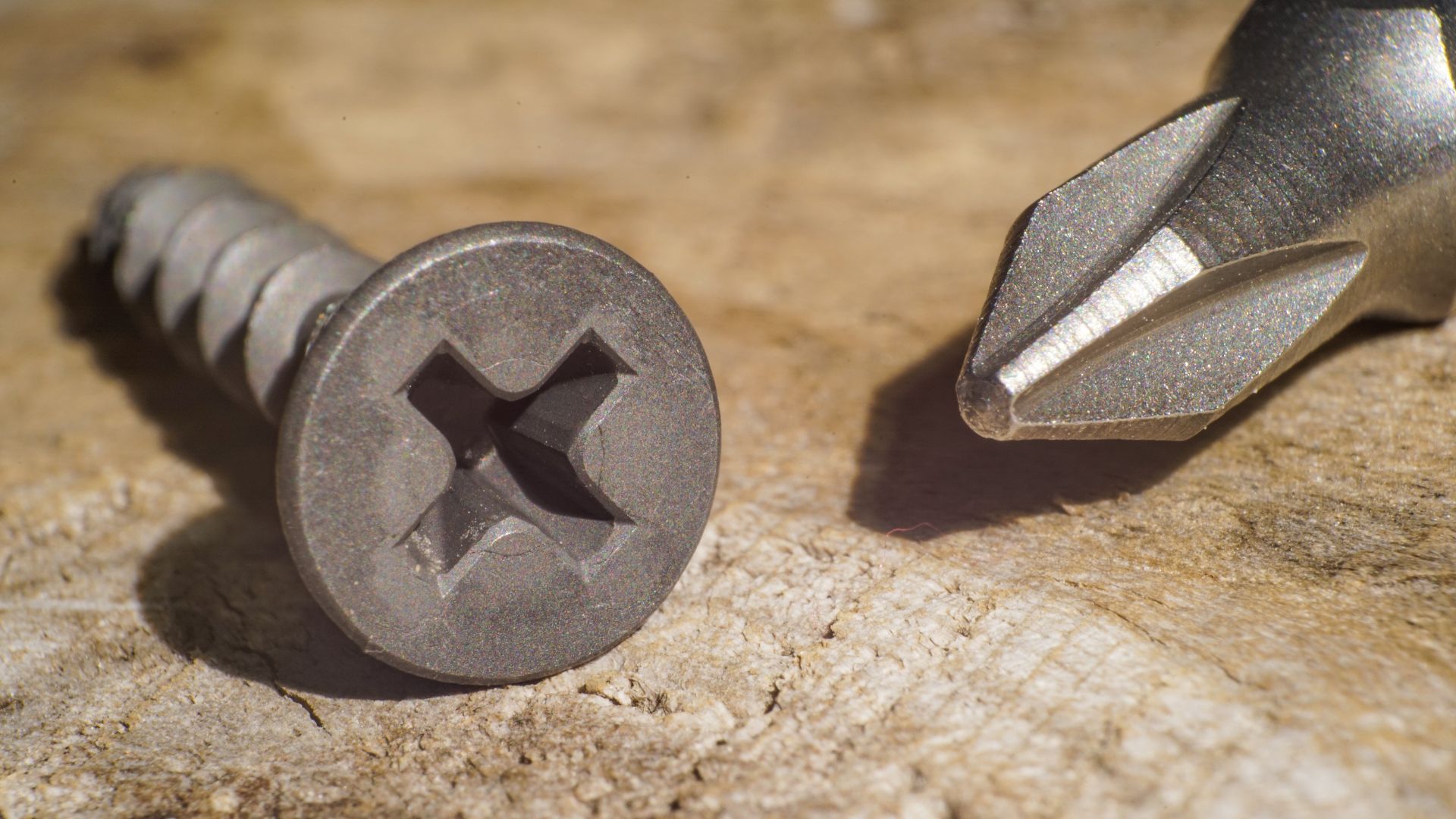
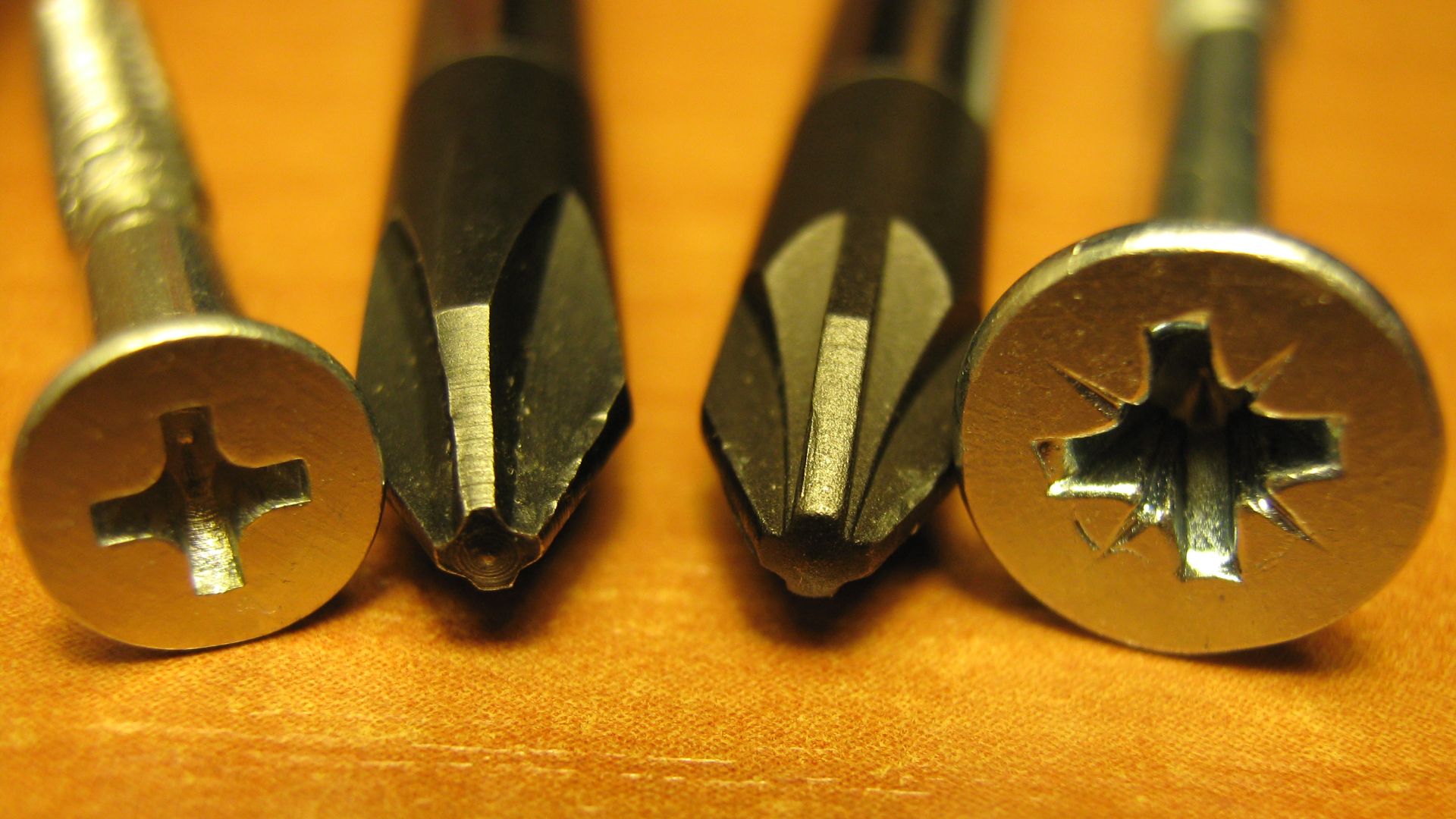
The Phillips screw featured a cross-shaped recess that allowed screwdrivers to self-center more effectively than slotted designs. Manufacturers appreciated how easily the screws could be aligned by workers on moving assembly lines. The design also offered another feature that would unexpectedly become an advantage.
The Camming-Out Effect
Unlike Robertson screws, Phillips screws were intentionally prone to “camming out,” where the screwdriver slips out under excessive torque. While frustrating for mechanics, this reduced the risk of overtightening screws with early powered tools. In the 1930s, that feature actually appealed to factory engineers.
 Bronzaclose, Wikimedia Commons
Early Power Tools Changed Everything
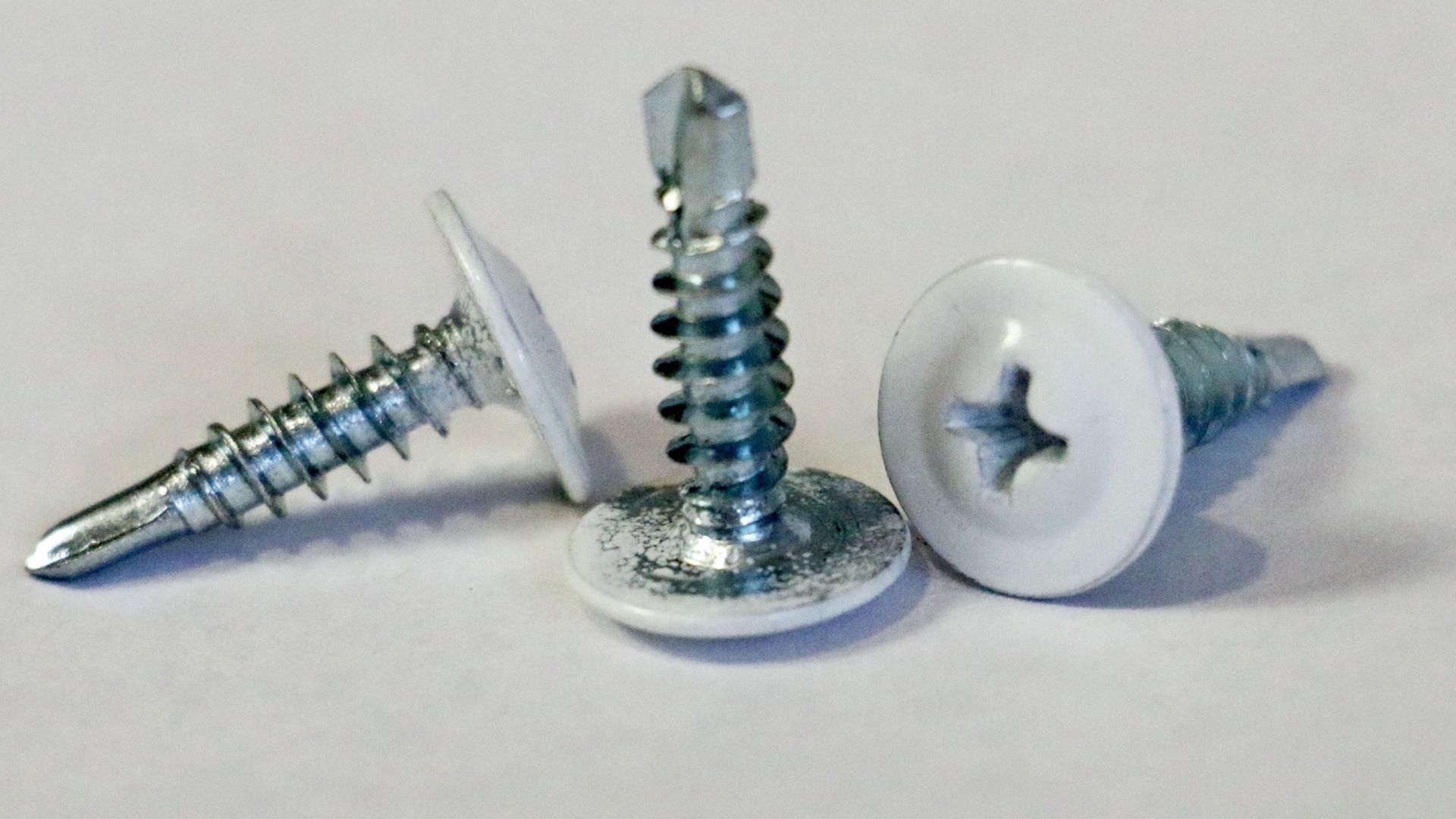
Powered screwdrivers and assembly tools were an increasingly common sight during the interwar years. Robertson screws transferred torque very efficiently, but that could sometimes snap screws or damage materials with primitive equipment. Phillips screws sacrificed grip strength in exchange for smoother operation on automated lines.
 Andrew Pertsev, Wikimedia Commons
GM Adopts Phillips Screws
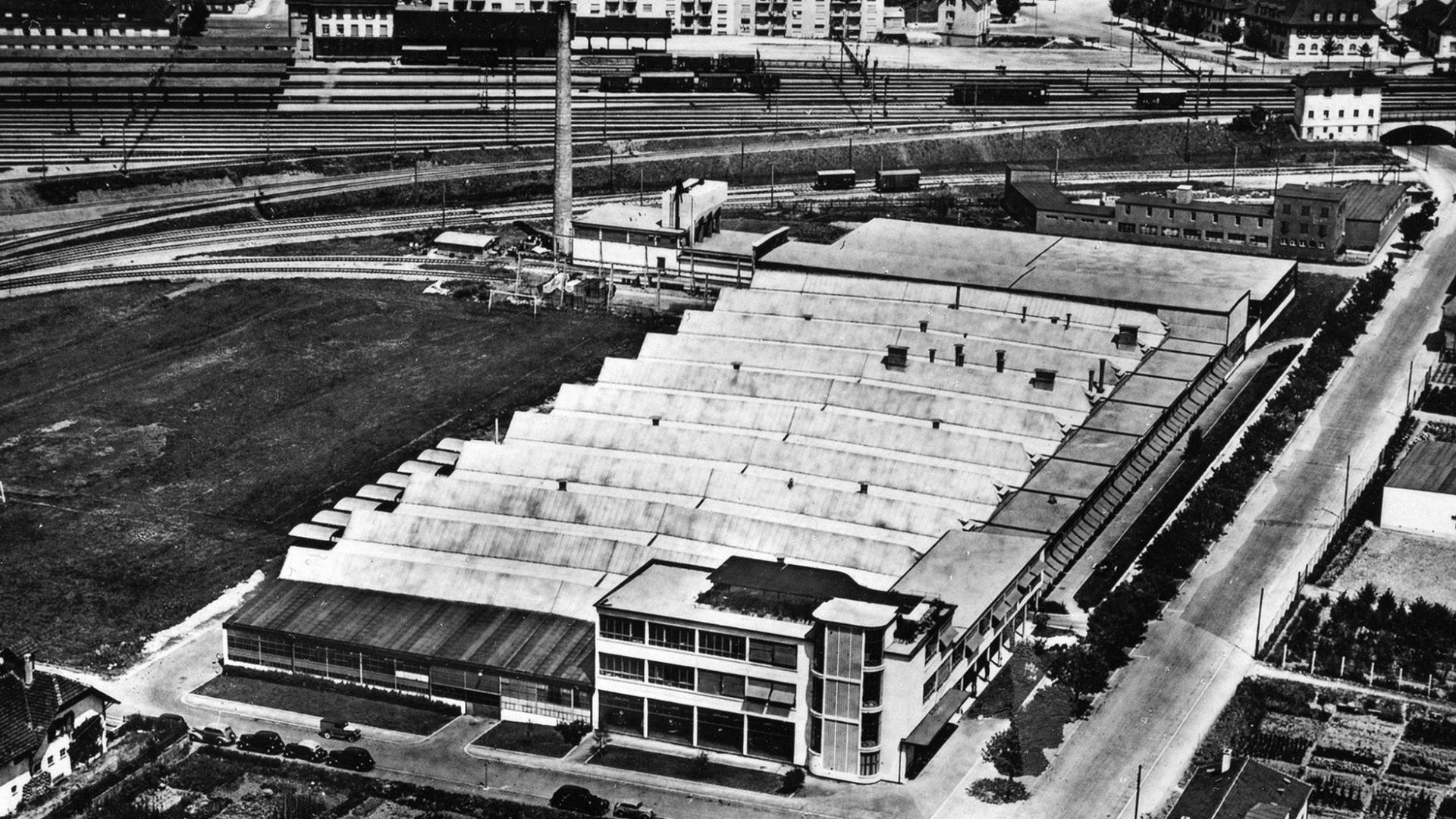
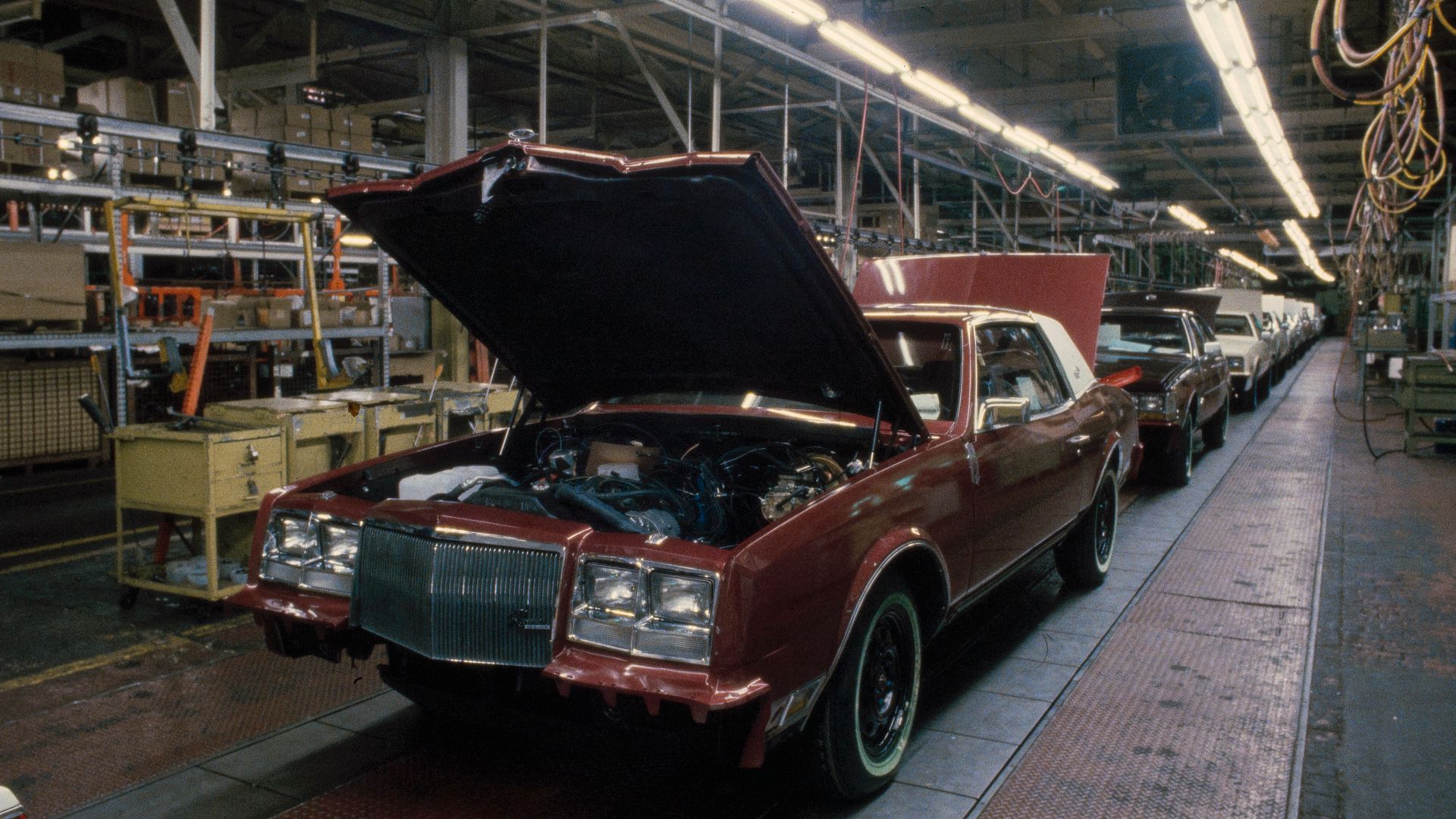
General Motors became one of the first major corporations to adopt Phillips screws on a large scale. The company valued compatibility with automated assembly systems and appreciated Phillips’ willingness to cooperate commercially. Once GM committed, other American manufacturers quickly followed.
Licensing Made The Difference
Henry Phillips aggressively licensed his design across multiple manufacturers and tool companies. This created broad compatibility and ensured enormous production capacity. Robertson’s more guarded approach kept a tighter lid over quality, but Phillips’ openness helped establish a national manufacturing standard throughout the United States.
 Bernard Gotfryd, Wikimedia Commons
WWII Accelerates Standardization
The industrial demands of World War II accelerated the spread of Phillips screws across American factories. Military contracts required massive production volumes and interchangeable tooling. Phillips screws fit neatly into America’s rapidly expanding wartime manufacturing ecosystem.
 US Government, Wikimedia Commons
Canada Stayed Loyal To Robertson
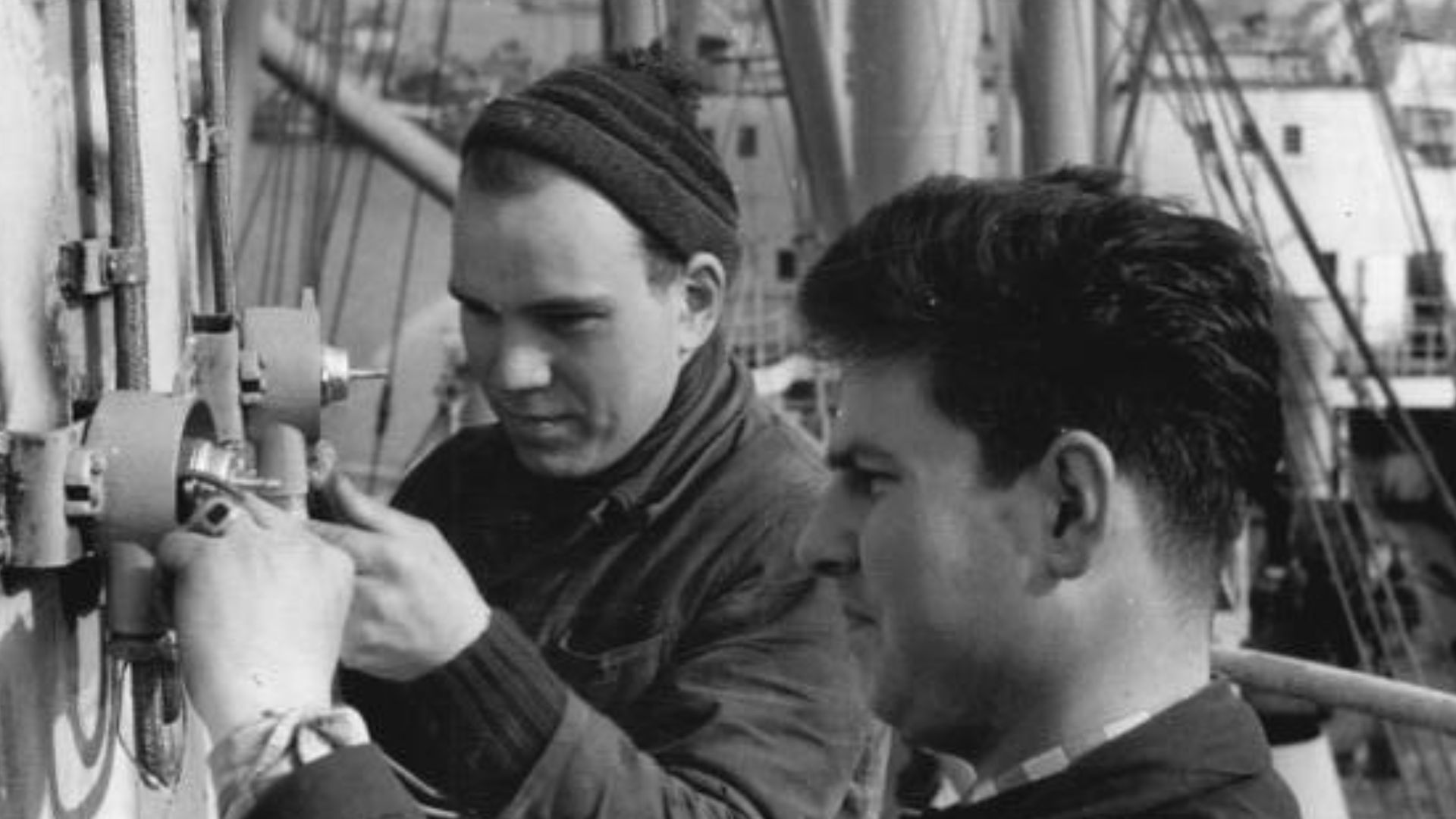
While Phillips screws dominated the United States, Robertson screws maintained enormous popularity in Canada. Canadian carpenters, mechanics, and electricians appreciated the screw’s superior grip and reduced cam-out tendency. The border effectively became a dividing line between two fastening cultures.
Tradespeople Often Preferred Robertson
Many tradespeople considered Robertson screws easier to work with in real-world conditions. Workers could drive screws one-handed on ladders or in tight spaces without constant slipping. Even today, many Canadian professionals remain fiercely loyal to the square-drive design despite the global dominance of Phillips screws.
 User:Saforrest, Wikimedia Commons
US “Square” Drive Vs True Robertson Screws
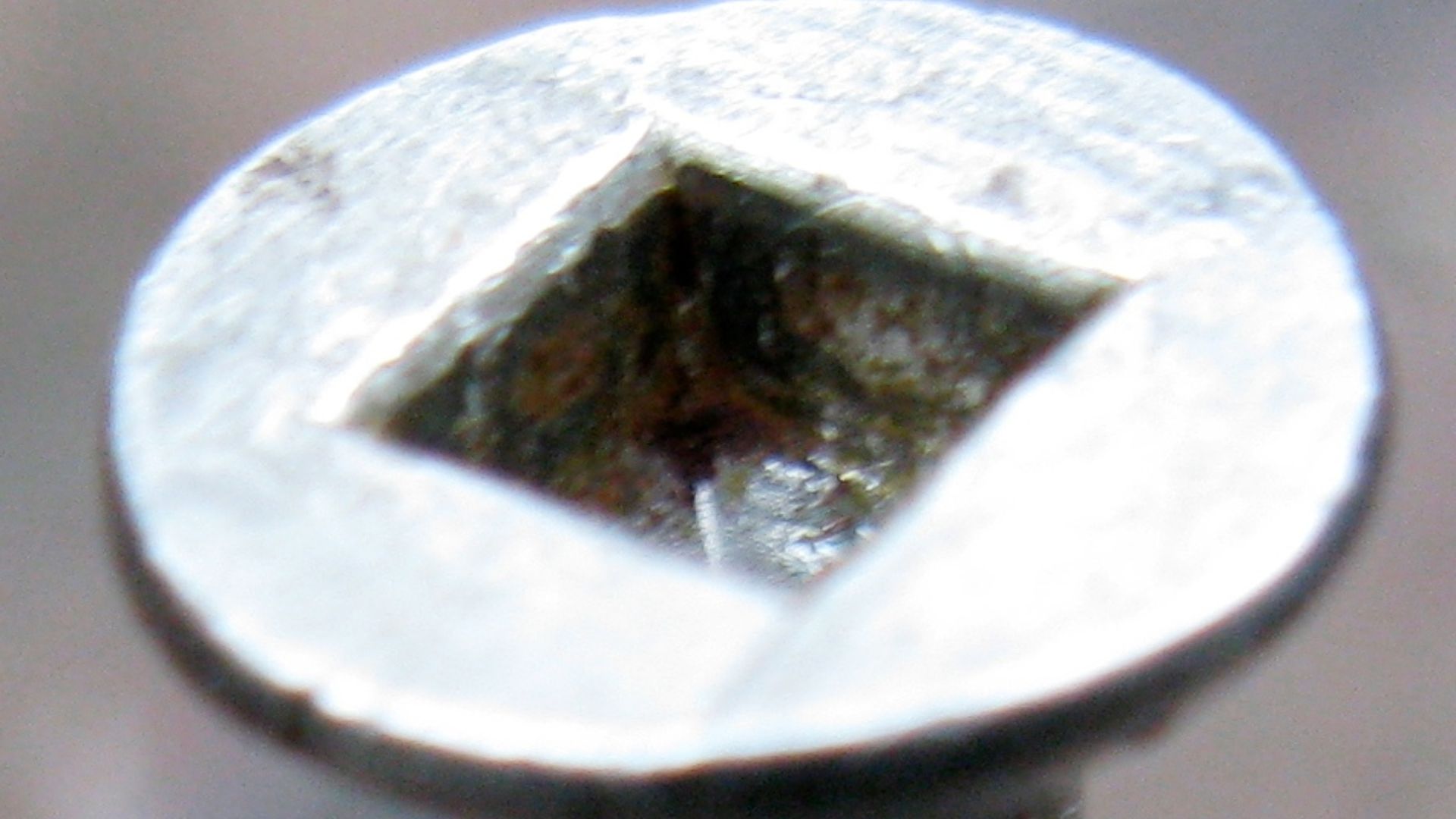
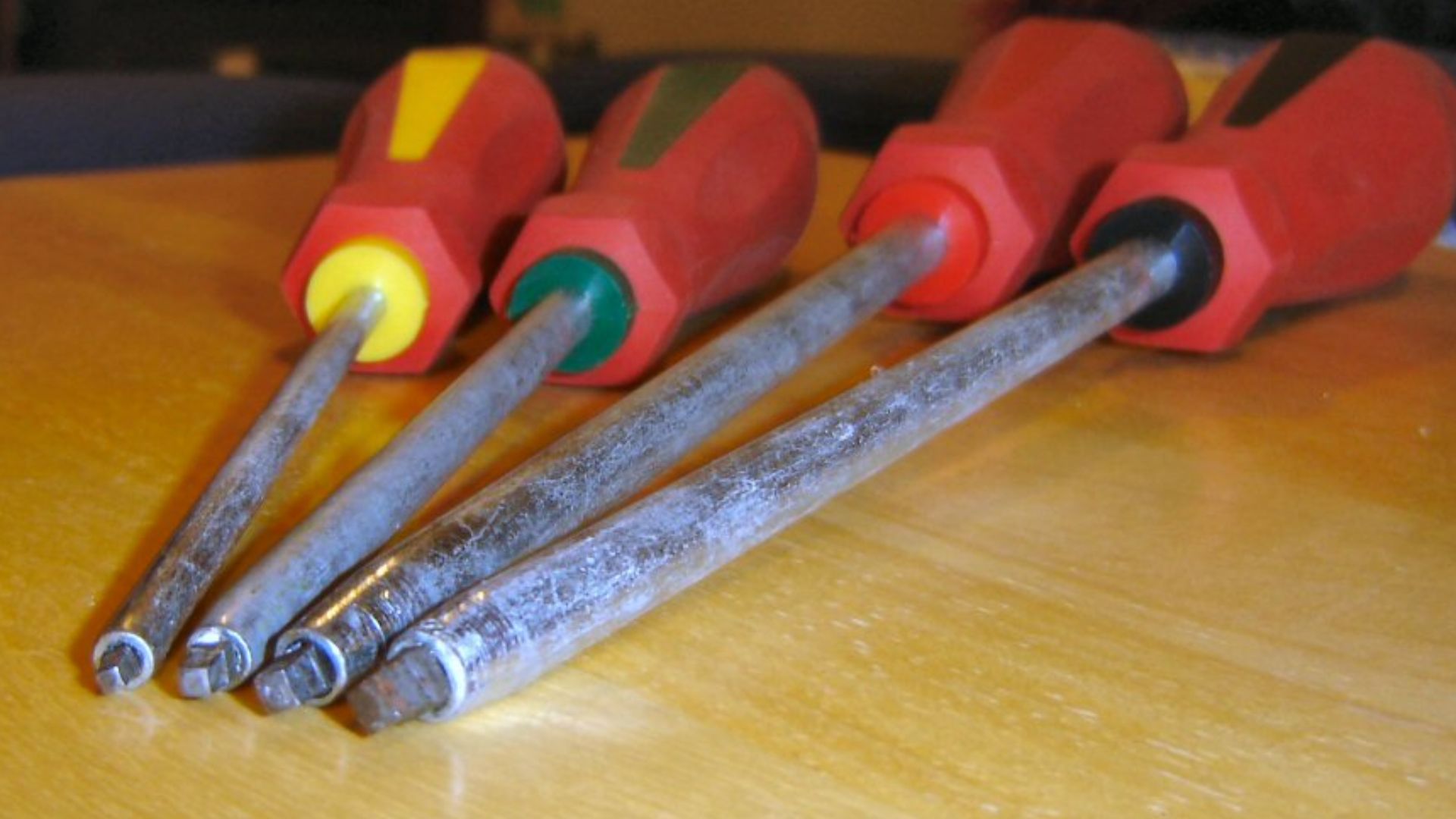
Many Americans casually refer to any square-drive fastener as a “Robertson” screw, but there are important differences. Genuine Robertson screws use a patented tapered square socket that grips the driver tightly and centers itself smoothly. Many generic American square-drive screws lack the same precise taper and manufacturing tolerances, resulting in looser fitment and slightly reduced performance.
Phillips Screws Were Cheaper To Scale
Phillips screws benefited from America’s enormous industrial scale and standardized tooling systems. Multiple manufacturers could cheaply produce compatible screws and drivers under license agreements. Robertson screws often required more controlled production tolerances, which slightly increased manufacturing complexity during the early mass-production era.

Robertson Reduced Worker Fatigue
Factory workers and tradespeople frequently reported less hand fatigue when using Robertson screws because the driver stayed engaged more naturally. Workers spent less time repositioning slipping tools or recovering dropped screws. Those ergonomic advantages explain why Robertson screws never disappeared entirely from industrial use.
Rise Of Consumer Electronics
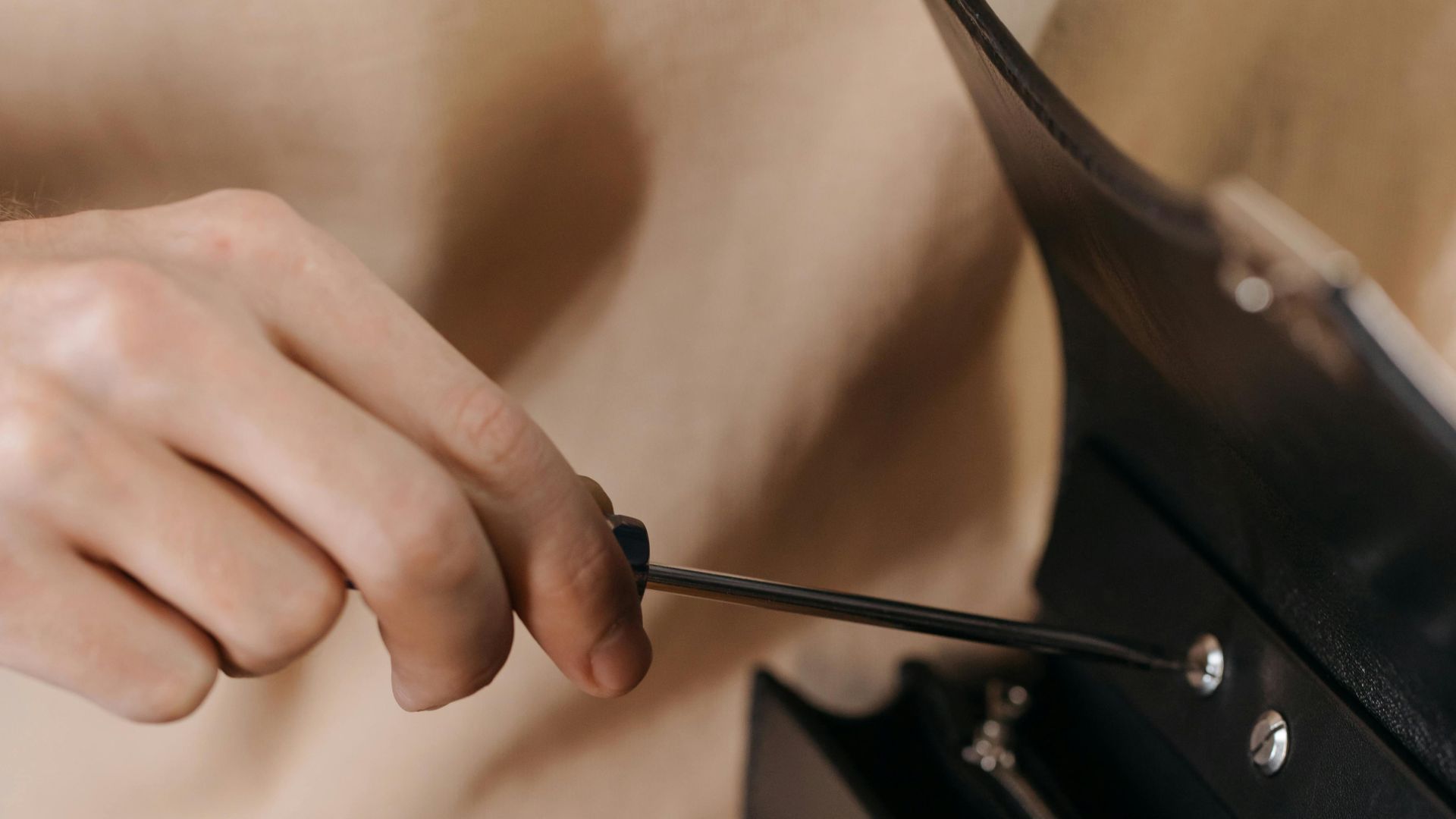
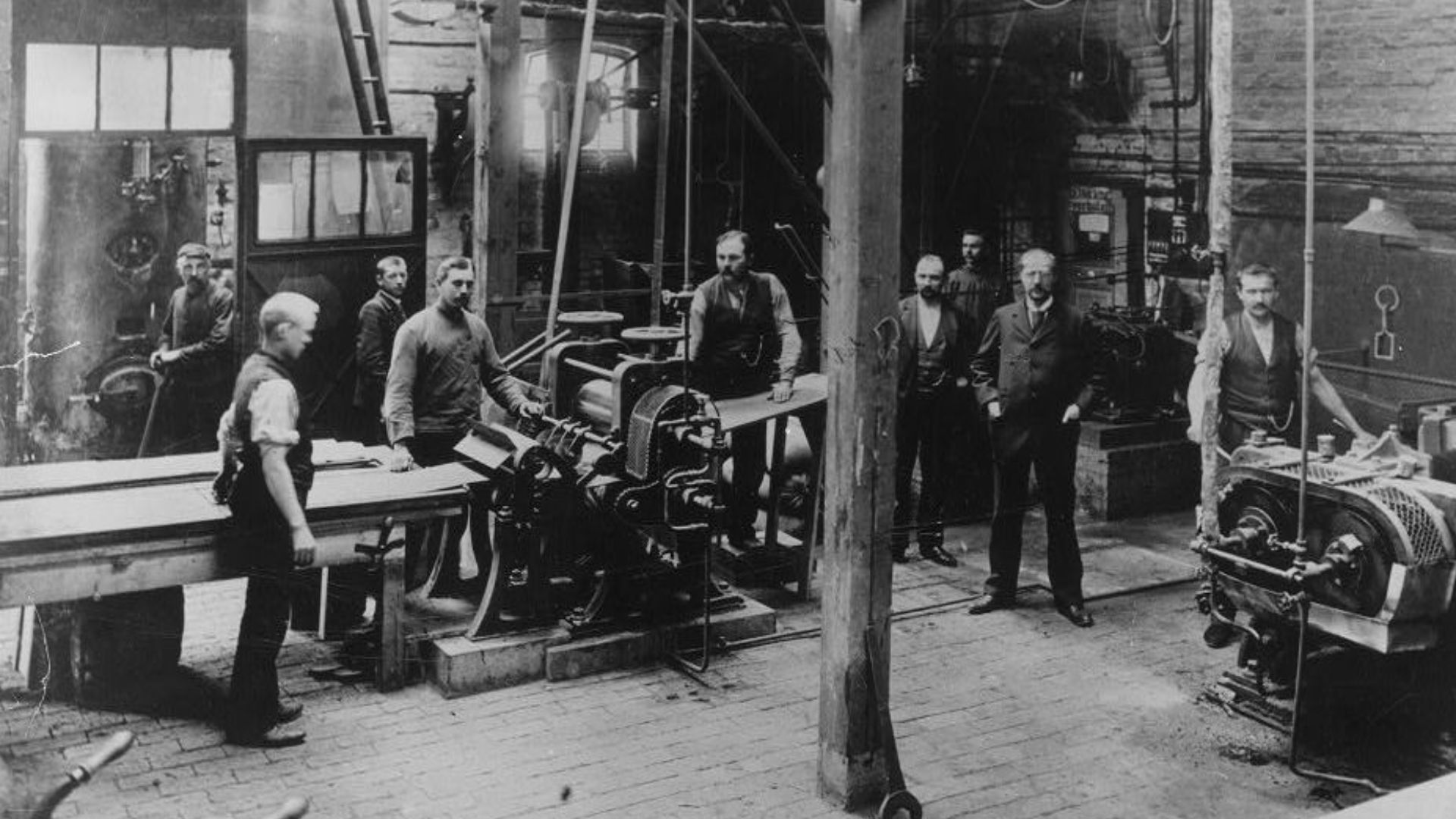
As consumer appliances and electronics exploded after World War II, Phillips screws became deeply embedded in global manufacturing. International companies often followed American industrial standards because of the size of the US market. The Phillips design became the default screw for countless household products.
 Library of Congress, Reinhold Lessmann, postprocessed Stern at German Wikipedia, Wikimedia Commons
Japanese Manufacturers Improve The Design
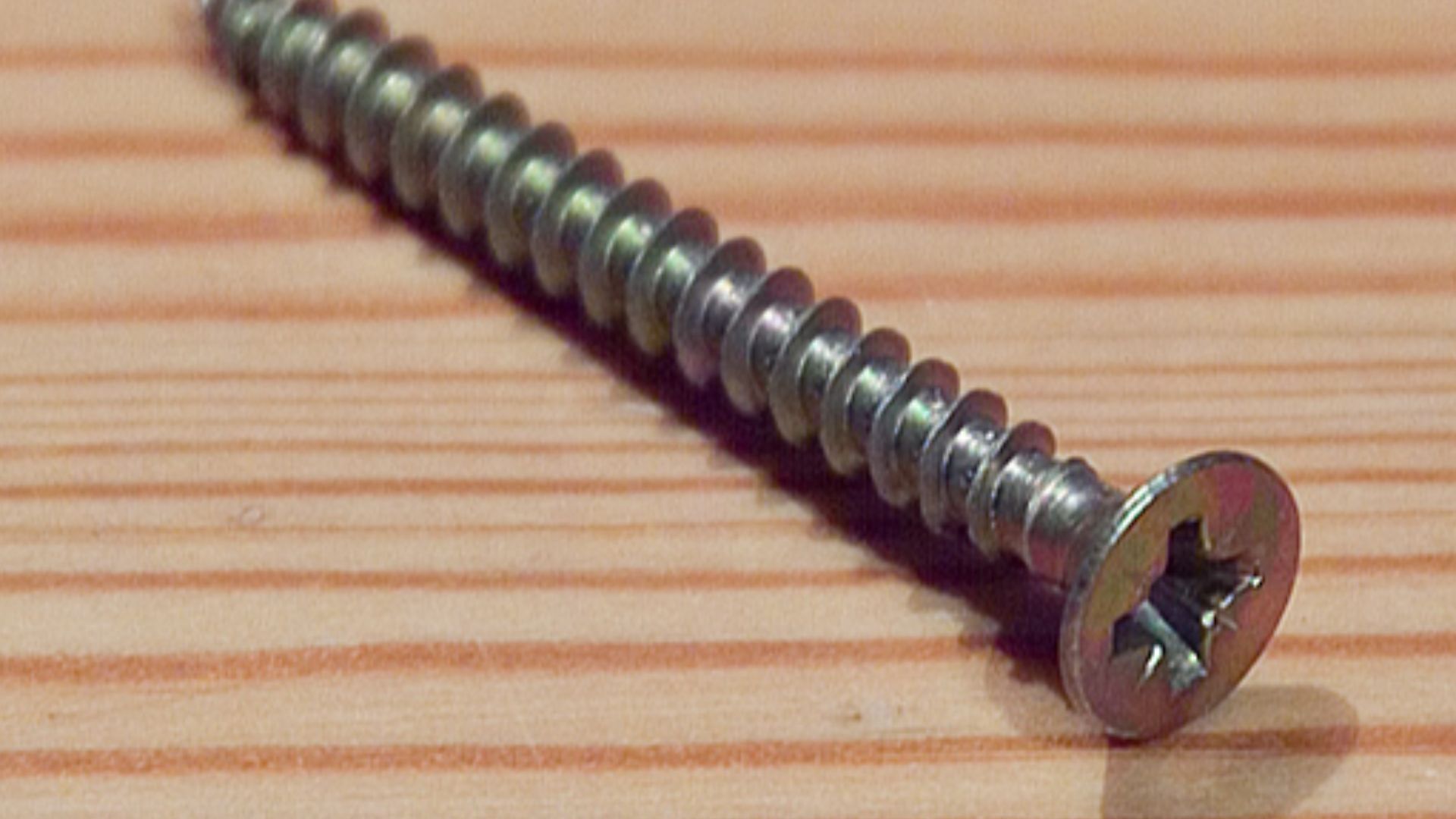
Japanese manufacturers later introduced the JIS cross-head screw standard, which resembled Phillips but reduced cam-out problems. This reflected growing dissatisfaction with some limitations of the original Phillips design. By then, however, Phillips screws had already become deeply entrenched across North America.
 Tommy Halvarsson, Wikimedia Commons
Torx Changed The Industry Again
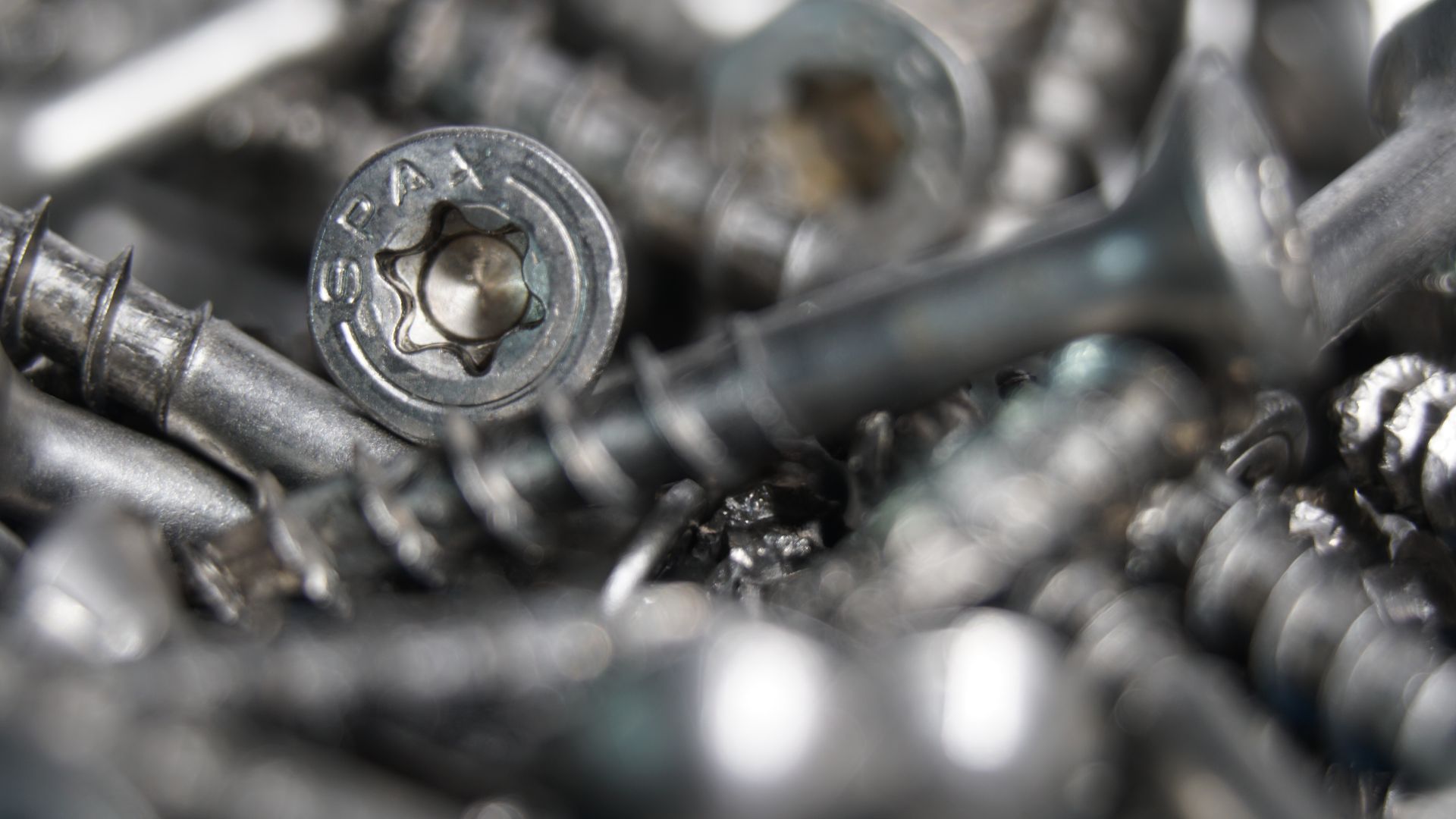
By the late twentieth century, newer designs such as Torx fasteners offered even better torque transfer and reduced stripping. Automotive manufacturers increasingly adopted these systems for precision assembly. Still, the older Robertson-versus-Phillips rivalry remained one of manufacturing history’s most influential design battles.
A Missed Opportunity For Robertson
Many historians view Robertson’s refusal to license broadly as a major missed business opportunity. Had Ford secured the rights he wanted, Robertson screws might have become America’s dominant fastener. Instead, the invention remained a largely Canadian success story while Phillips conquered international manufacturing.
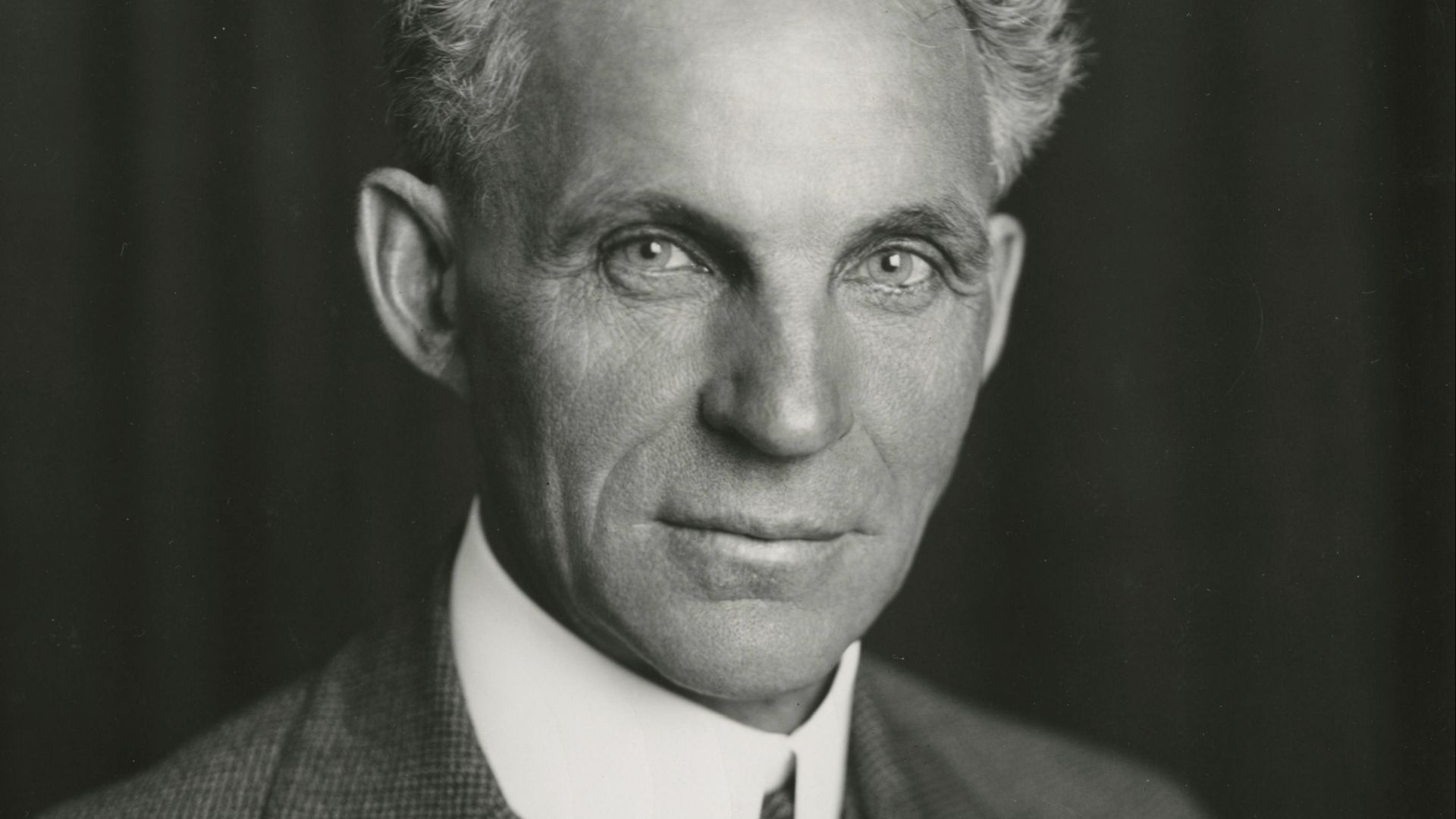 Ford Motor Company. Photographic Department, Wikimedia Commons
Why Robertson Still Has Fans
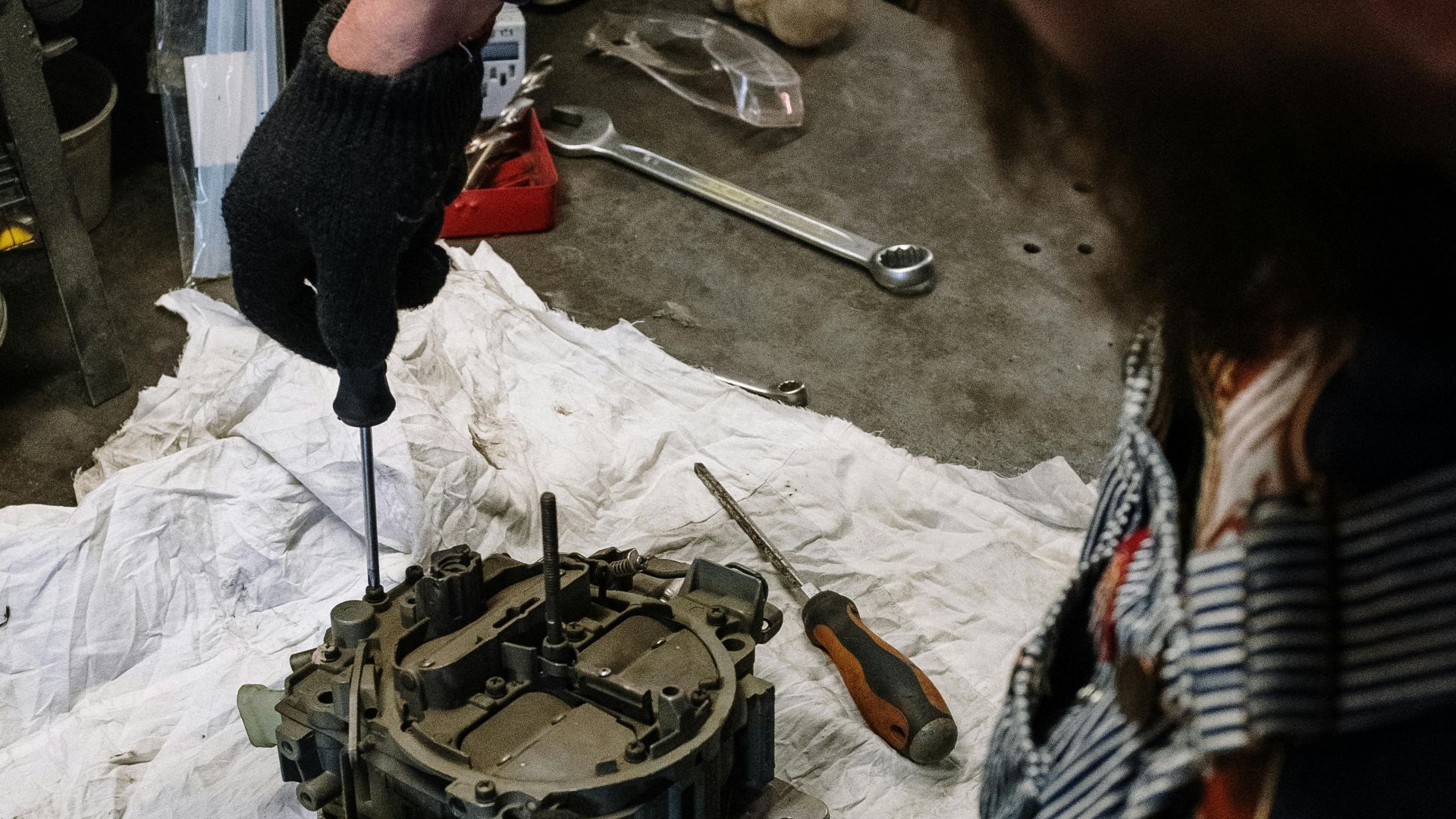
Robertson screws continue to enjoy a devoted following among woodworkers, contractors, and mechanics who value their reliability and strong grip. Many users still consider them technically superior to Phillips screws for everyday work. The debate between practicality and standardization is still going strong more than a century later.
A Tiny Invention With Big Consequences
The rivalry between Robertson and Phillips screws demonstrates how manufacturing history often turns on small engineering decisions and even smaller business negotiations. One inventor prioritized control while another prioritized expansion. The result shaped the tools, cars, and factories of the modern industrial world.
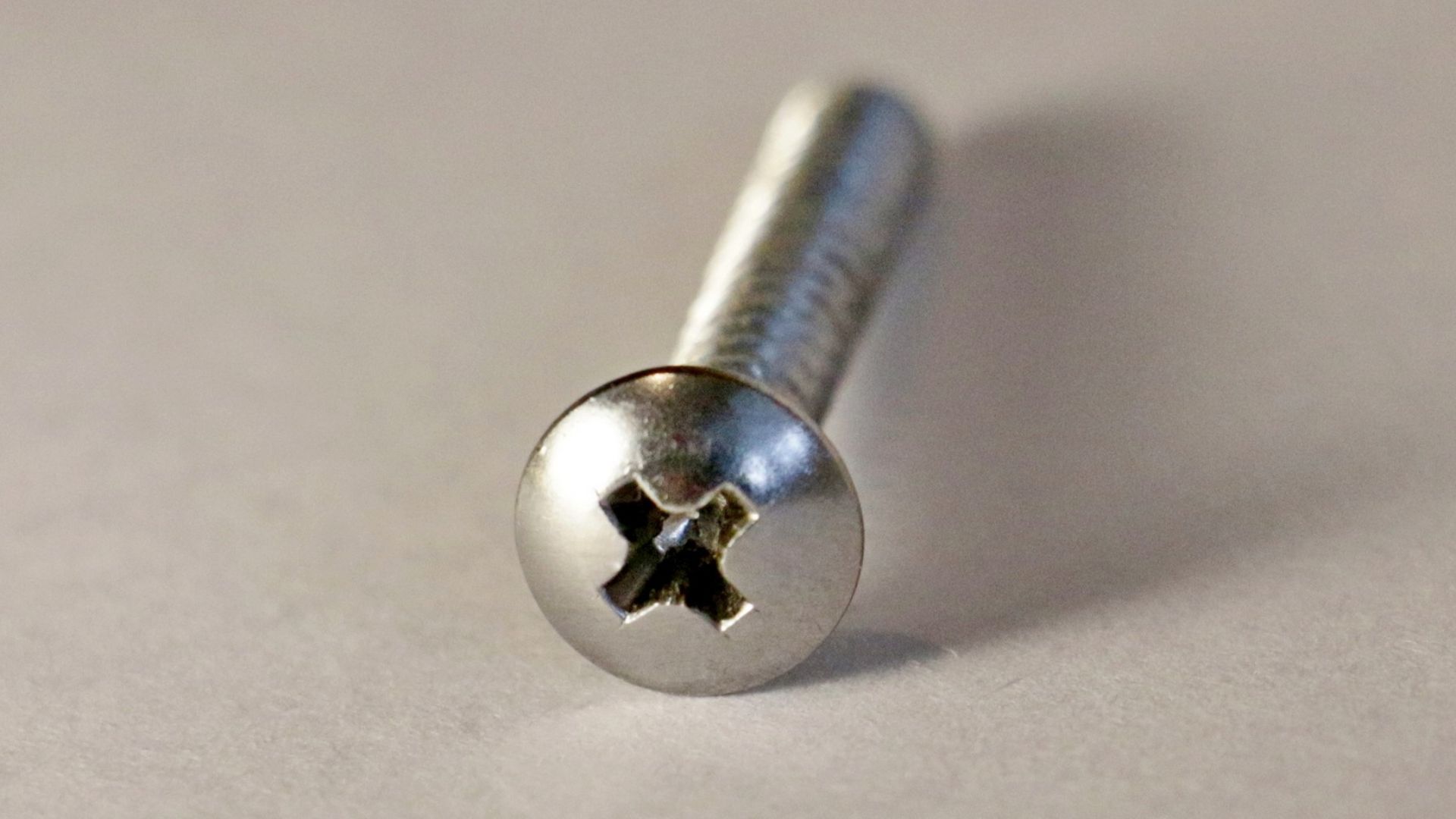 Andrew Pertsev, Wikimedia Commons
You May Also Like:
Essential Tools And Tips For Removing Rusted Stuck Bolts
20 Tools Every Home Mechanic Needs In Their Garage