The Silence You Never Get Used To
You bought a newer vehicle and quickly found that the automatic start-stop feature drives you nuts when it shuts the engine off at red lights. You can switch the system off each time you start the car up, but you’d like to see if you can disable it permanently without harming the vehicle, voiding your warranty, or triggering dashboard warnings. The answer depends on how you disable it and how your vehicle’s system is designed.

Why Start-Stop Exists In The First Place
Start-stop technology was brought in to get better fuel economy and lower emissions during idling. Governments have tightened up their fuel economy and emissions standards, especially in Europe and North America. Automakers adopted these start-stop systems as a relatively cheap way to meet regulatory requirements without having to redesign the entire powertrain.
How The System Actually Works
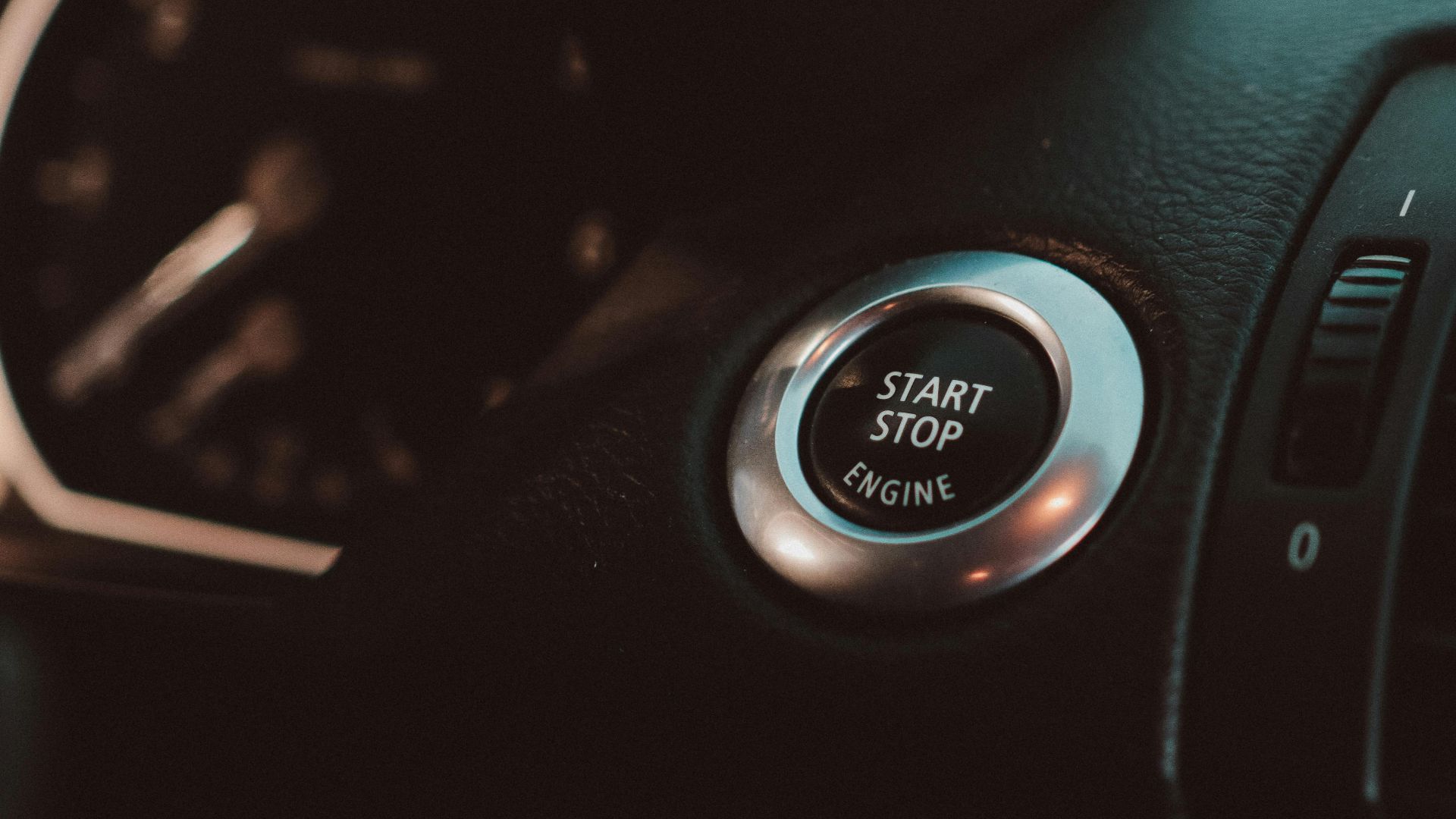
When you come to a stop and keep your foot on the brake, the system temporarily shuts off the engine. Then the moment you release the brake pedal, the engine starts up again. Sensors monitor the battery charge, engine temperature, cabin climate demand, and other factors before allowing the shutdown.

Reinforced Components Make It Possible
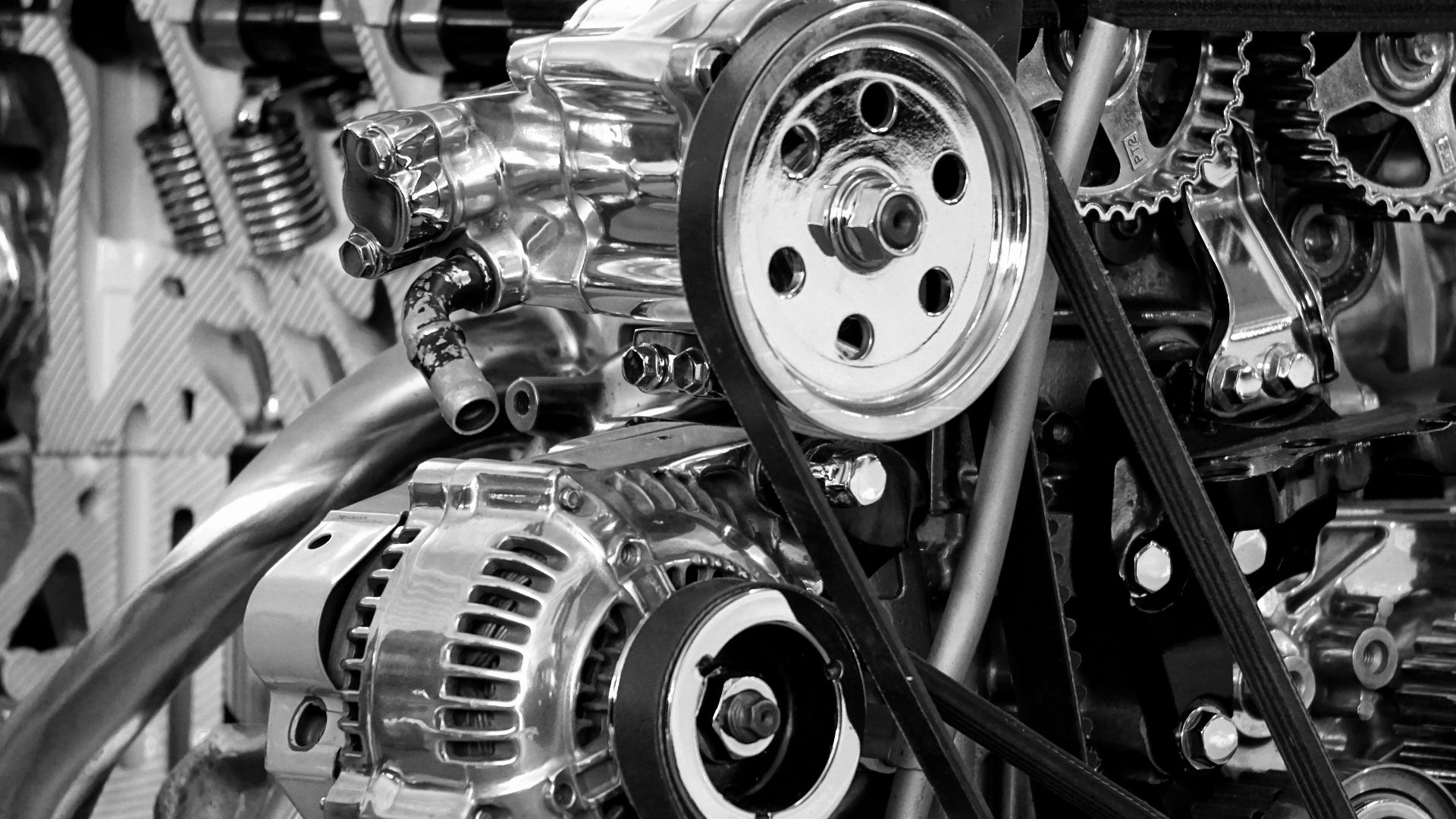
You may be worried that constantly restarting your engine could be causing damage. In most modern vehicles, the starter motor, battery, and flywheel are all reinforced to handle the increased number of cycles. Engineers design these systems for increased durability in comparison to more traditional setups.

Fuel Savings Vs Annoyance
Manufacturers claim start-stop can improve fuel economy by several percentage points, especially in city driving. For some drivers, that modest savings is more than worth the slight delay on takeoff. But for others, the interruption feels intrusive and frustrating during daily driving, and they feel like they’re losing a bit of control of the vehicle
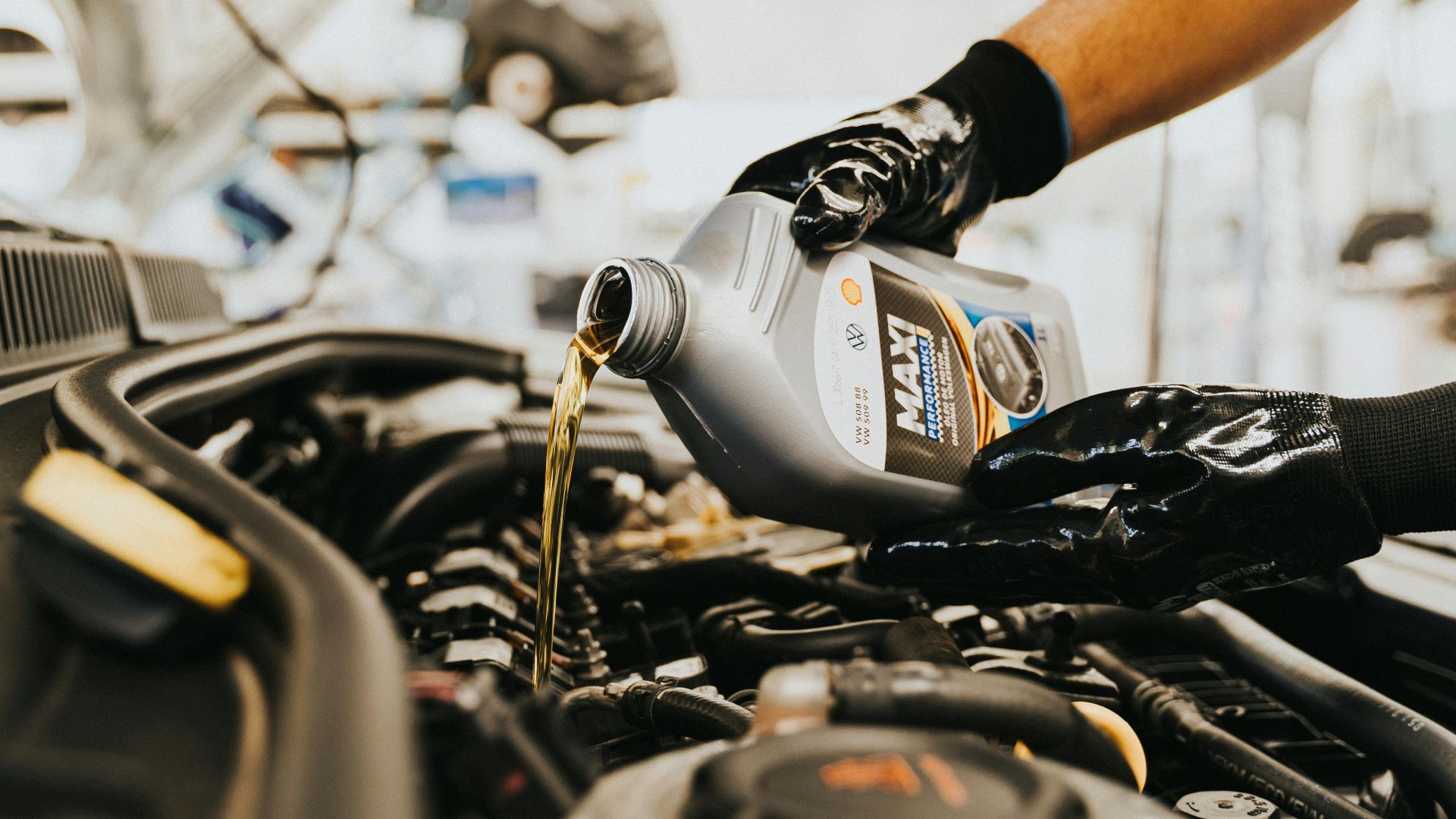
Is It Hurting Your Engine?
Under normal operation, start-stop shouldn’t damage your engine. Modern oil systems retain their lubrication during short shutdowns. However, if your battery or starter becomes weak, that repeated cycling can put strain on already aging components.
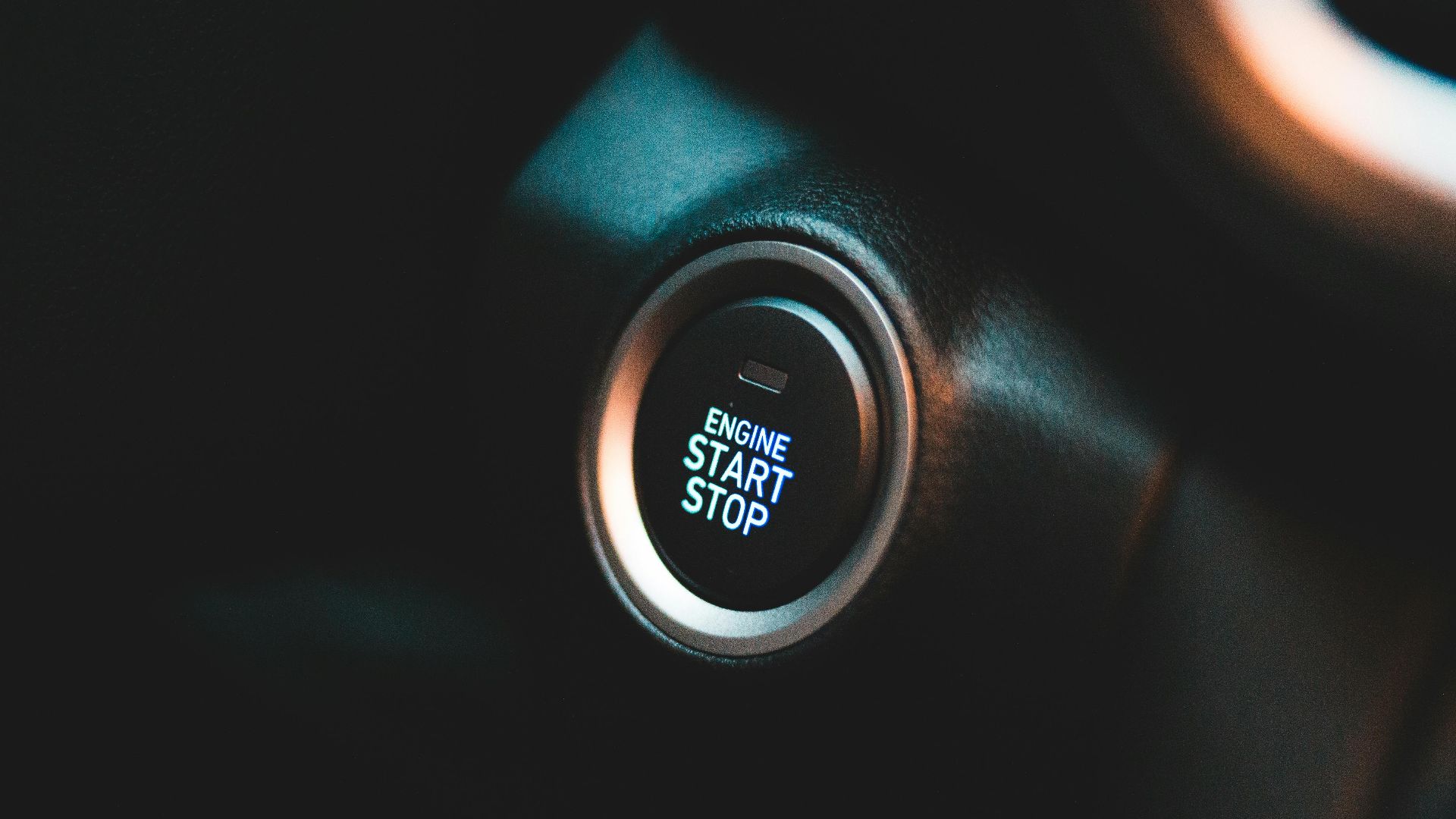
The Factory Override Button
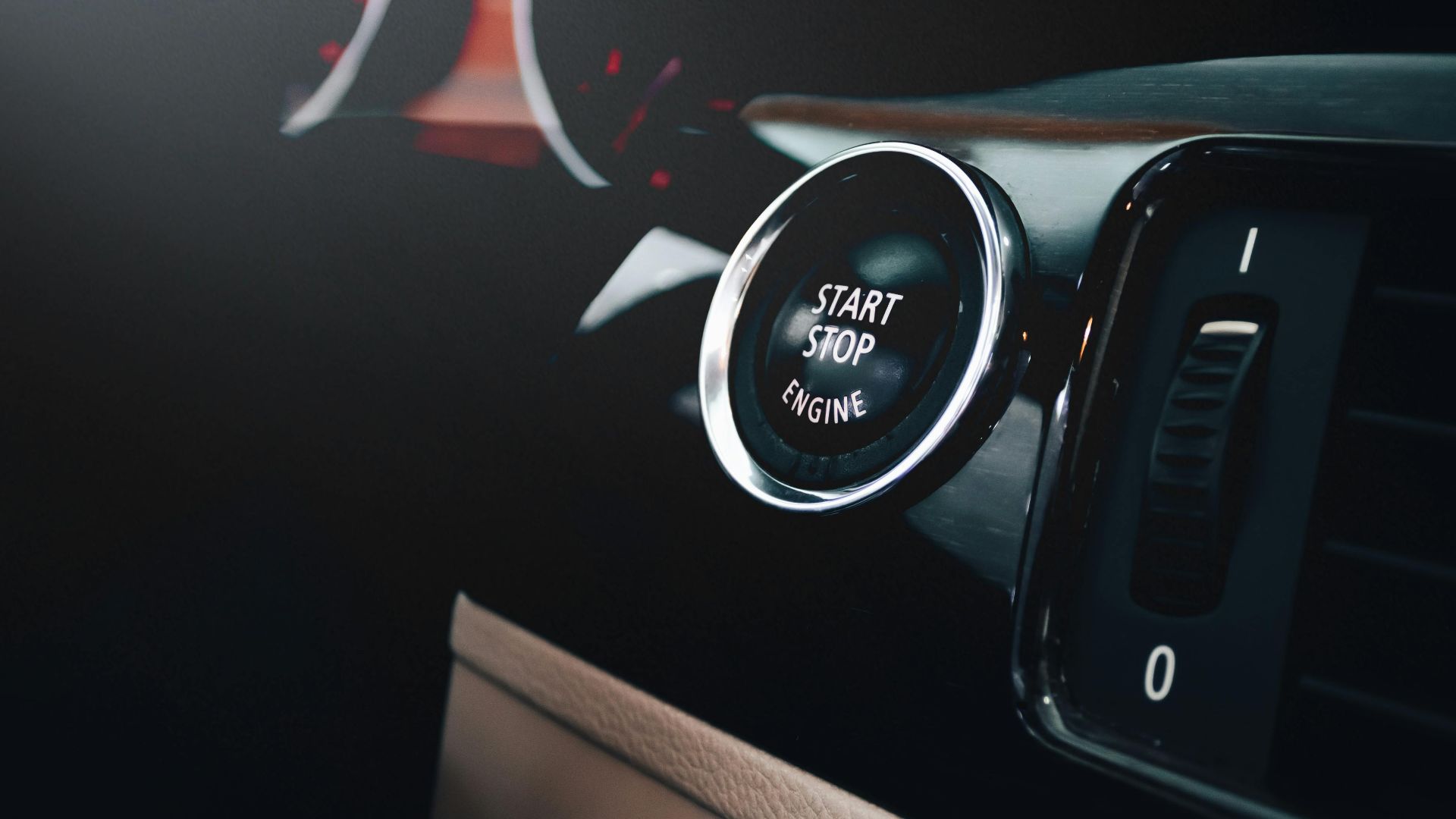
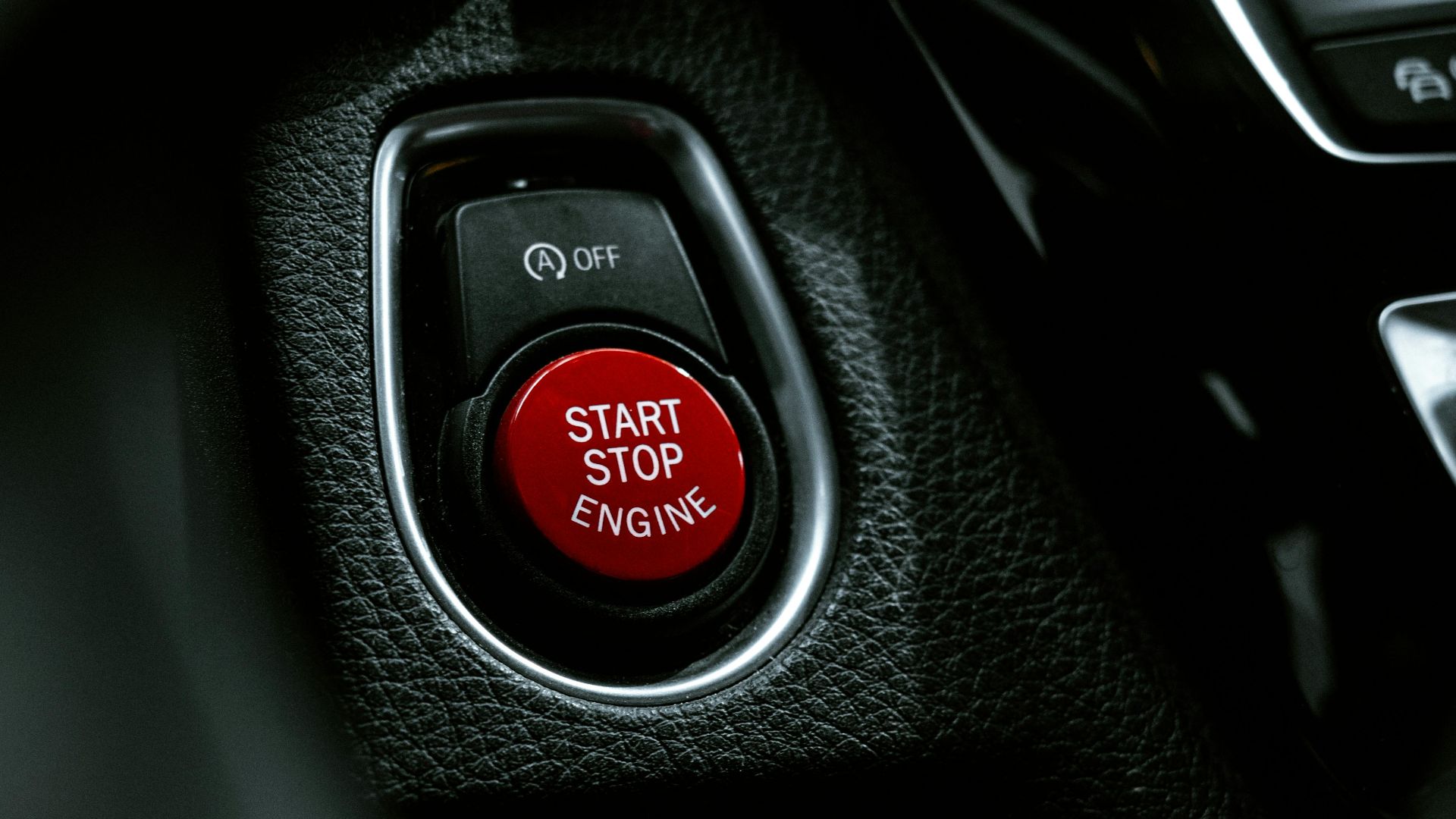
Most start-stop vehicles include a dashboard button that disables the start-stop for that drive cycle. This is the safest and simplest method you can use. The system typically resets every time you restart the vehicle, meaning that you must press that button each time.
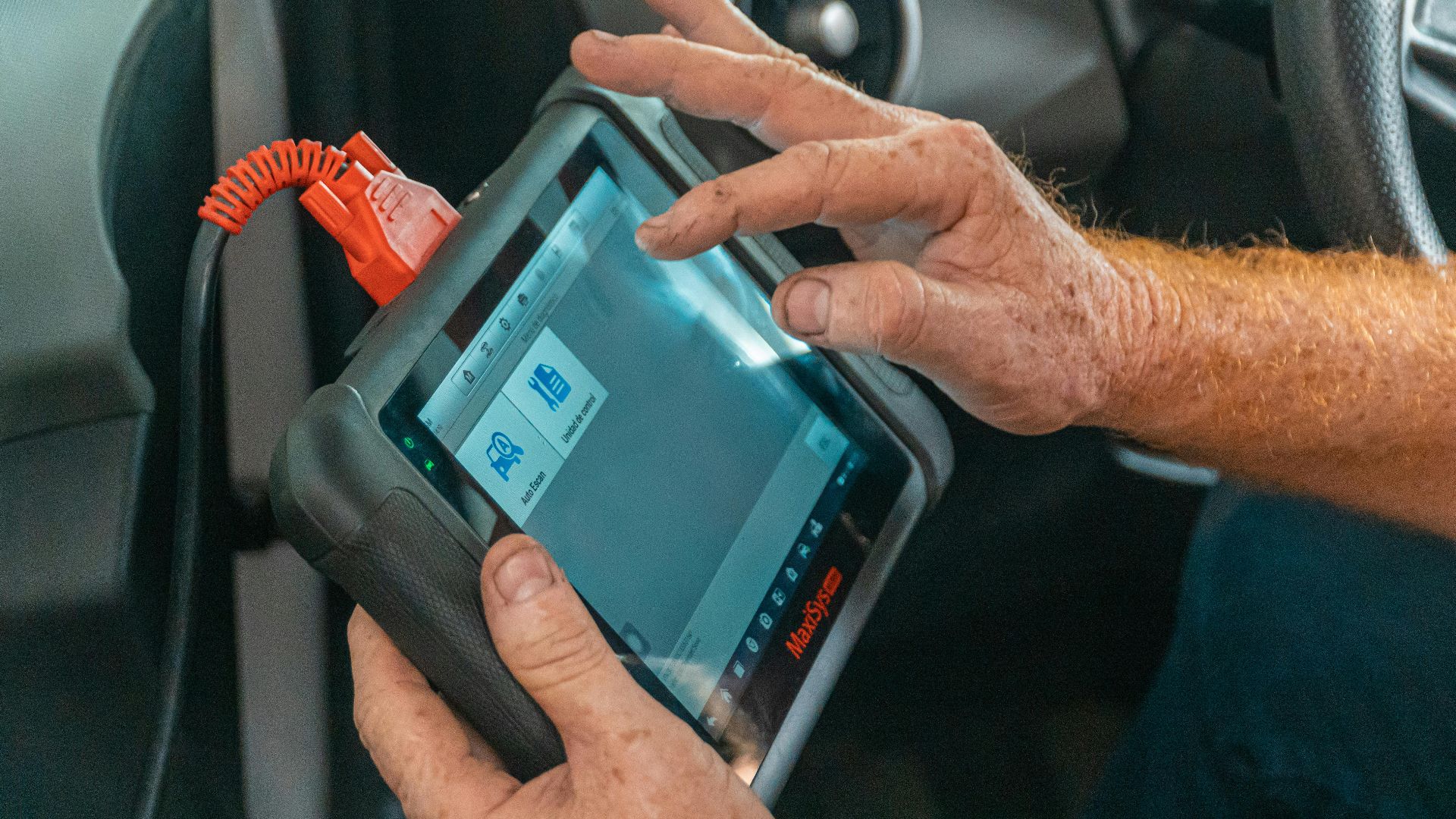
Permanent Software Coding Options
Some owners explore coding or software modifications to permanently disable the start-stop feature. While this can work, it also could affect emissions compliance and warranty coverage. Altering the factory software of your vehicle carries potential risk if the dealer notices unauthorized programming.
 Jose Ricardo Barraza Morachis, Pexels
Aftermarket Disable Modules
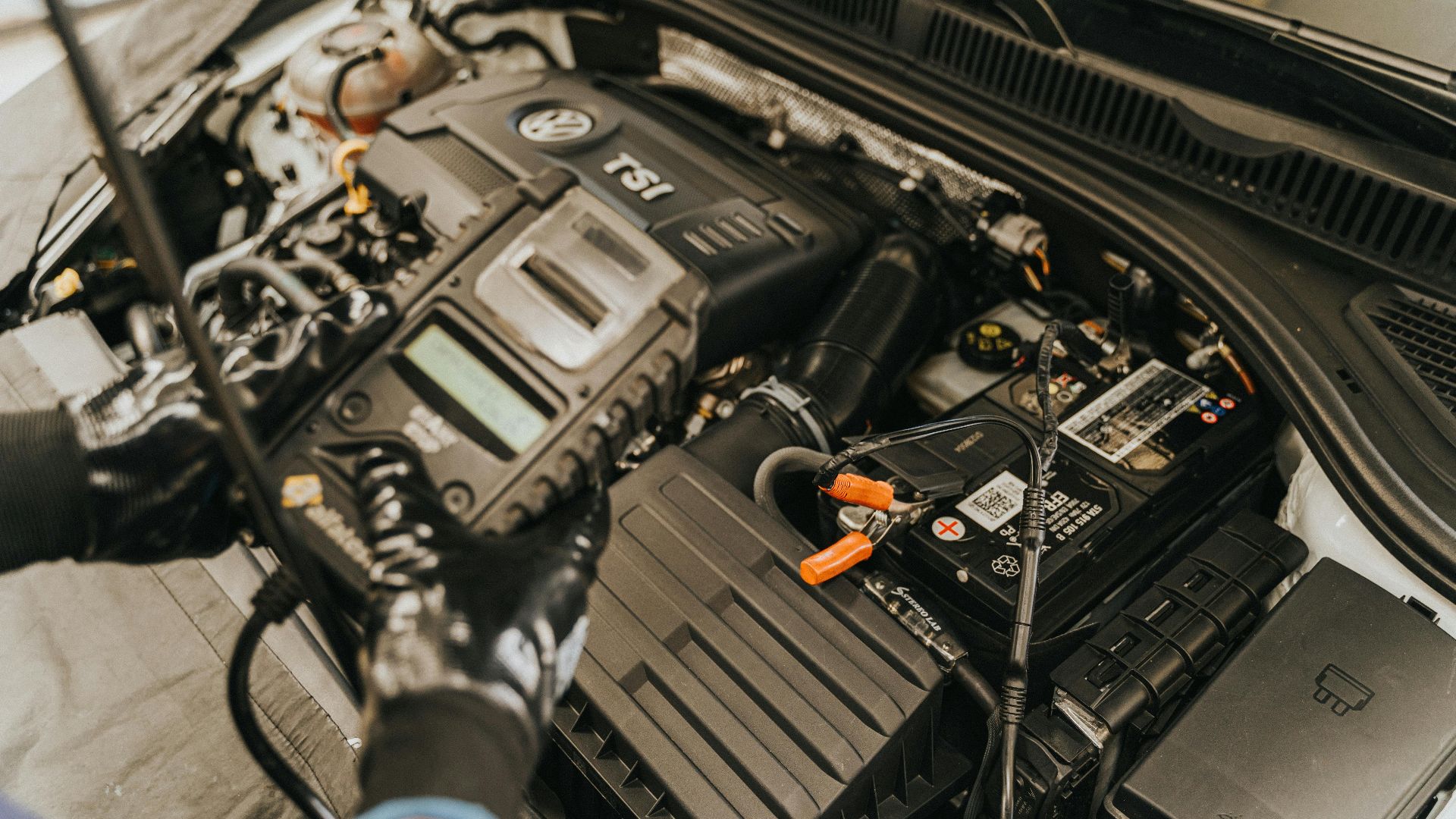
There are plug-in modules set up to remember your preference and keep the start-stop function off automatically. These devices intercept system signals without altering factory software. While they are generally reversible, they may still raise warranty concerns depending on the manufacturer’s policy.
 Daniel @ bestjumpstarterreview.com, Pexels
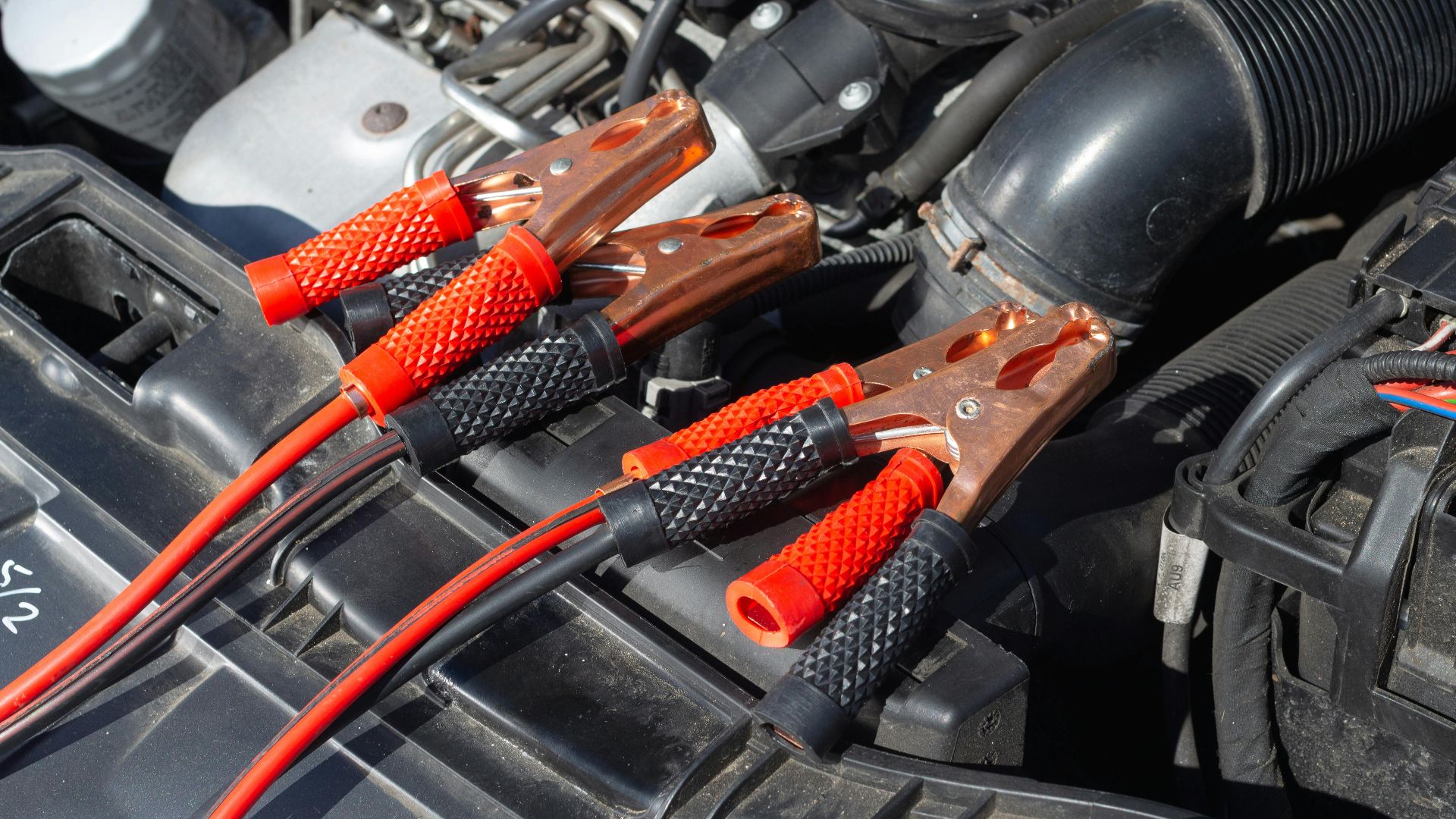
Disconnecting Sensors Or Batteries
Some drivers try to trick the system by disconnecting the hood latch sensor or installing lower-capacity batteries. These shortcuts may successfully disable the start-stop but can also trigger warning lights and unintended diagnostic trouble codes.
The Battery Upgrade Debate
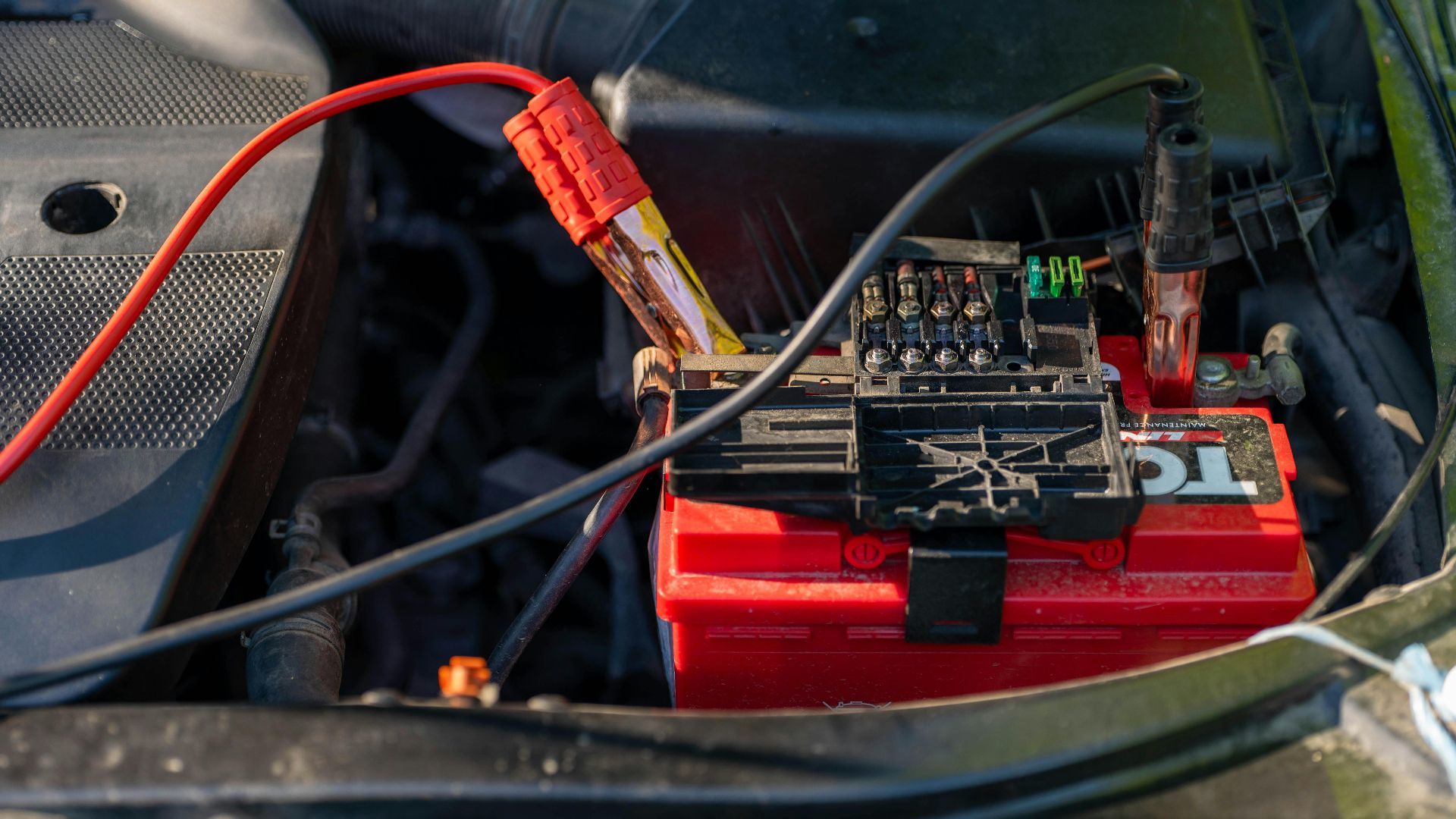
Start-stop vehicles usually use AGM or enhanced flooded batteries designed for deep cycling. If you replace that battery with a cheaper alternative, the system may actually malfunction. Disabling start-stop improperly through battery changes can also shorten battery life. Do you want that? No, not really.
Climate Control And Comfort Factors
You may notice start-stop stays inactive when cabin temperature demands inside the car are high. That’s because the system prioritizes comfort and compressor operation. In hot or cold conditions, your vehicle will often override the automatic engine shutdown automatically.

Traffic Conditions Matter
In heavy stop-and-go traffic, the system may frequently cycle. On highways, you’ll hardly even notice it. The nature of your daily commute will at least partially determine whether the start-stop feature feels helpful or frustrating.

Transmission And Drivetrain Compatibility
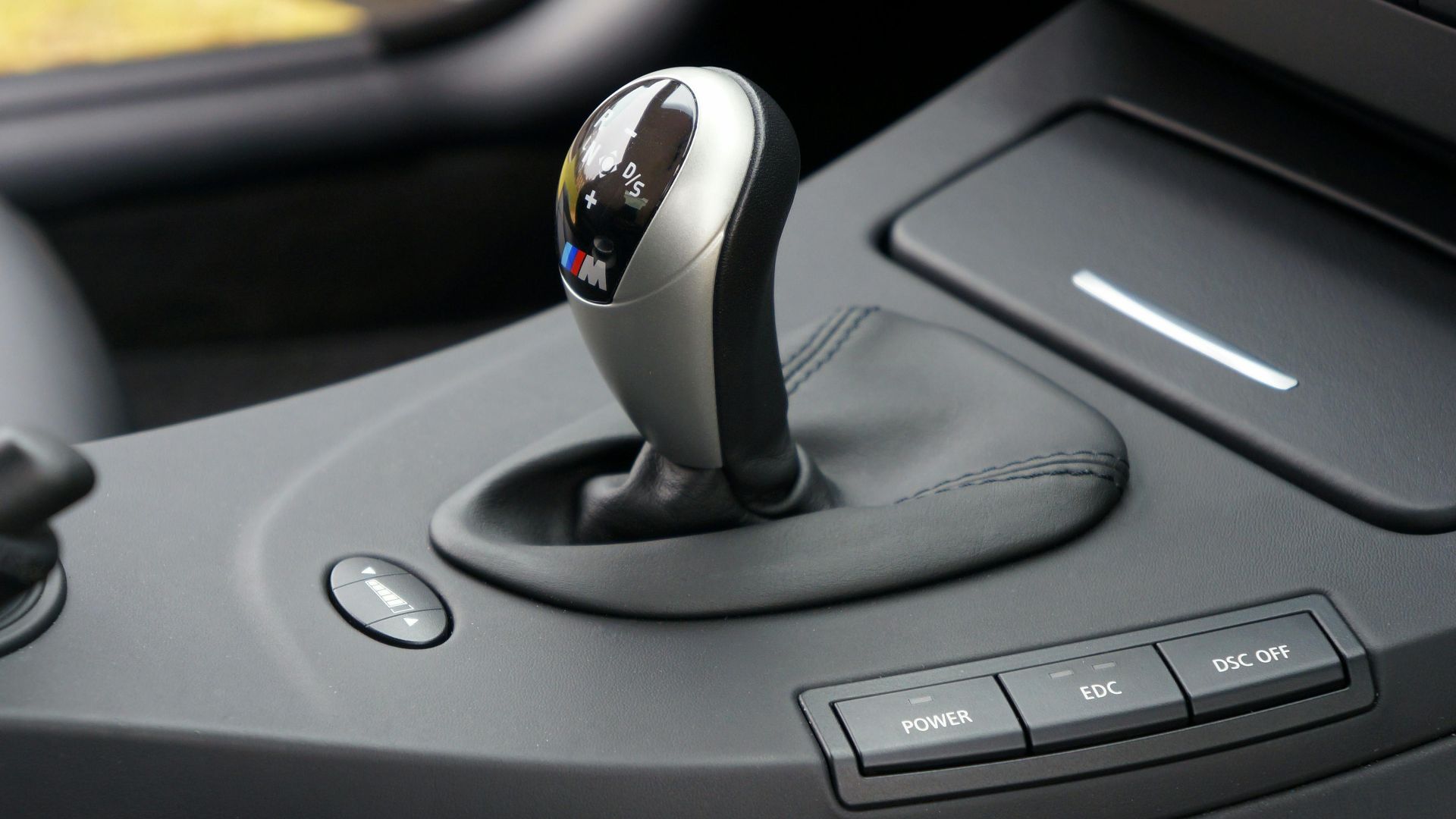
Start-stop is typically paired with automatic or dual-clutch transmissions. It coordinates with brake pressure and transmission control modules to stop any rolling. Improper modification could interfere with drivetrain calibration.
Warranty Implications
Before you even begin to consider permanently disabling this feature of your vehicle, you really should review your warranty documents. Manufacturers could argue that electronic modifications were a major contributor to the later issues. Even small plug-in modules may needlessly complicate any future warranty claims you make.

Emissions Compliance Concerns
Start-stop contributes to certified emissions ratings. Permanently disabling the system could technically alter your vehicle’s emissions performance. In regions with strict emissions inspections, that factor might become relevant over time, and even come back to haunt you.
Long-Term Wear Considerations
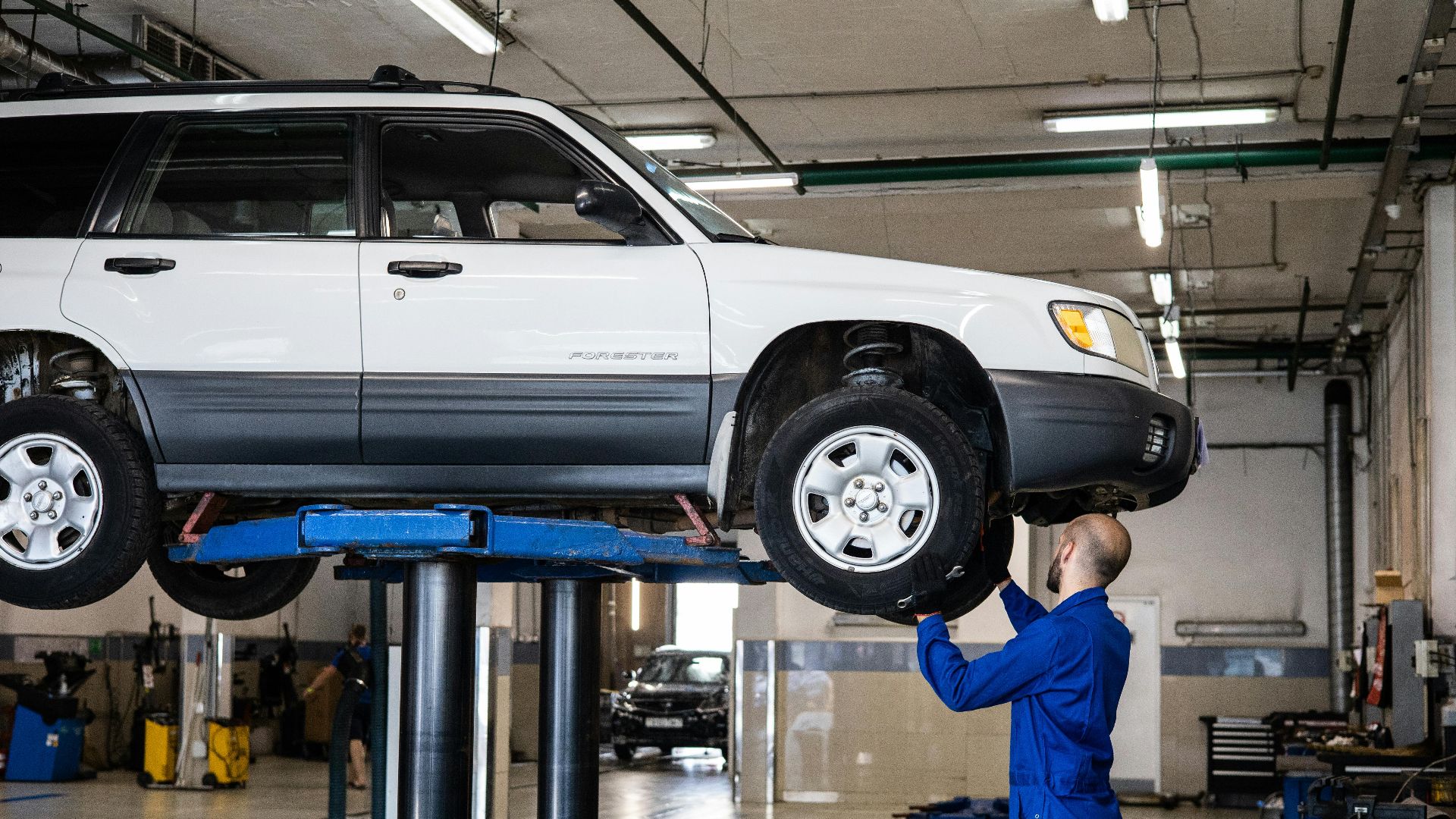
Although the components are reinforced, more cycles inevitably create wear. However, testing generally supports that these systems meet long-term durability expectations under normal use.
The Psychological Factor
Part of your frustration may simply be perceptual. That small delay when the engine restarts may feel dramatic, even if the actual wear is minimal. Some drivers simply prefer the reassuring sound of a consistent engine idle.

When Disabling Makes Practical Sense
If the feature truly disrupts the drivability of your specific vehicle, using the factory button or a reversible module may be the simplest reasonable compromise. Try to avoid invasive or irreversible modifications unless you fully grasp the long-term consequences.
Final Recommendation
You can disable start-stop safely using the factory override or certain reversible devices. We recommend that you stick with that alternative. Permanent software tampering could affect warranties and emissions compliance. The system is in place to reduce fuel use and meet regulations, not to damage your engine. Choose the method that balances convenience with long-term protection.
You May Also Like: