The Car That Was Designed To Run On Perfume In Wartime France
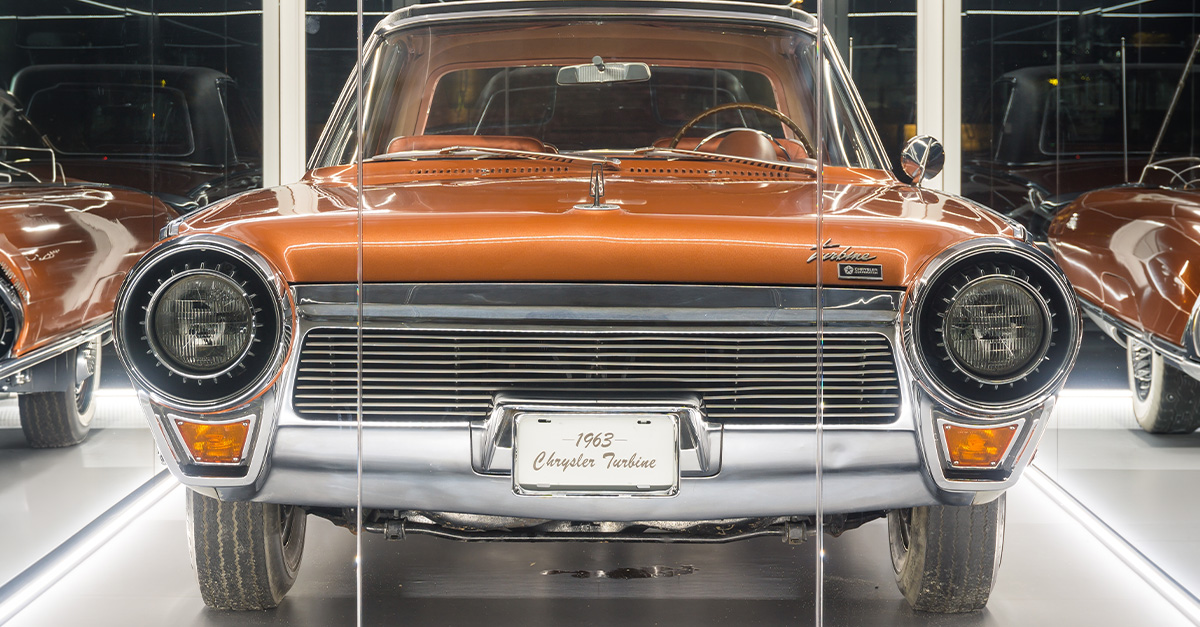
What if we told you there was a car that could run on perfume, tequila, peanut oil, or even Chanel No. 5? It sounds like automotive folklore, the kind of tall tale you’d hear at a classic car show. But in the early 1960s, Chrysler built a fleet of futuristic coupes powered by jet turbines—engines so flexible they could burn almost anything flammable. Born from wartime necessity and refined during the Space Age, the 1963 Chrysler Turbine Car remains one of the wildest production experiments Detroit ever unleashed on the public.
A Wartime Idea Fueled By Scarcity
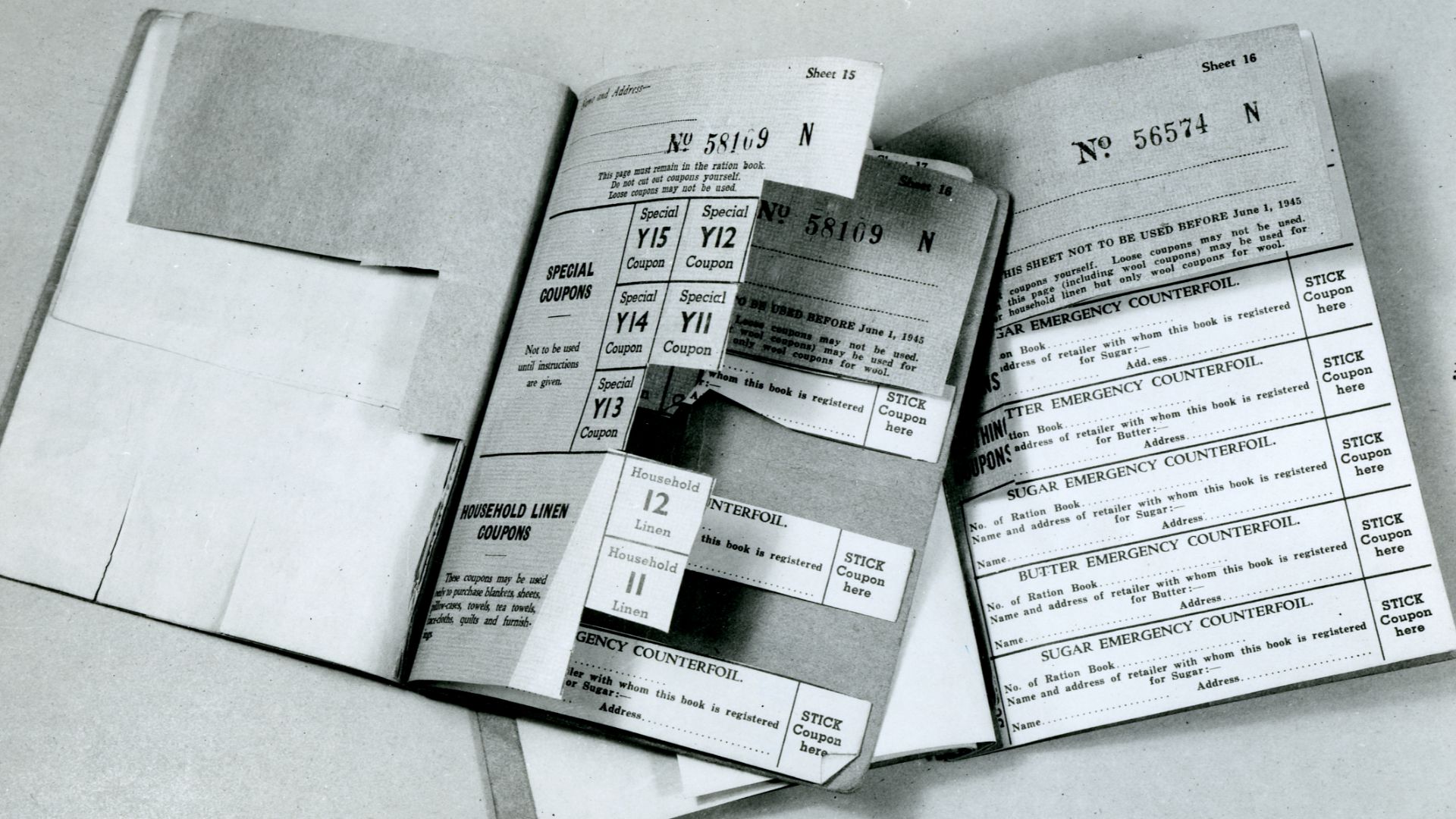
The turbine dream didn’t begin in the optimistic 1960s—it started in the desperation of World War II. In Nazi-occupied Europe, fuel shortages were severe, and engineers across the continent experimented with alternative propulsion systems. The idea of a turbine engine that could run on a wide variety of fuels held enormous appeal. If gasoline disappeared, perhaps kerosene, diesel, heating oil—or yes, even perfume—could keep vehicles moving. That seed of flexibility would later blossom into Chrysler’s most audacious project.
 Archives New Zealand from New Zealand, Wikimedia Commons
From Fighter Jets To Family Cars
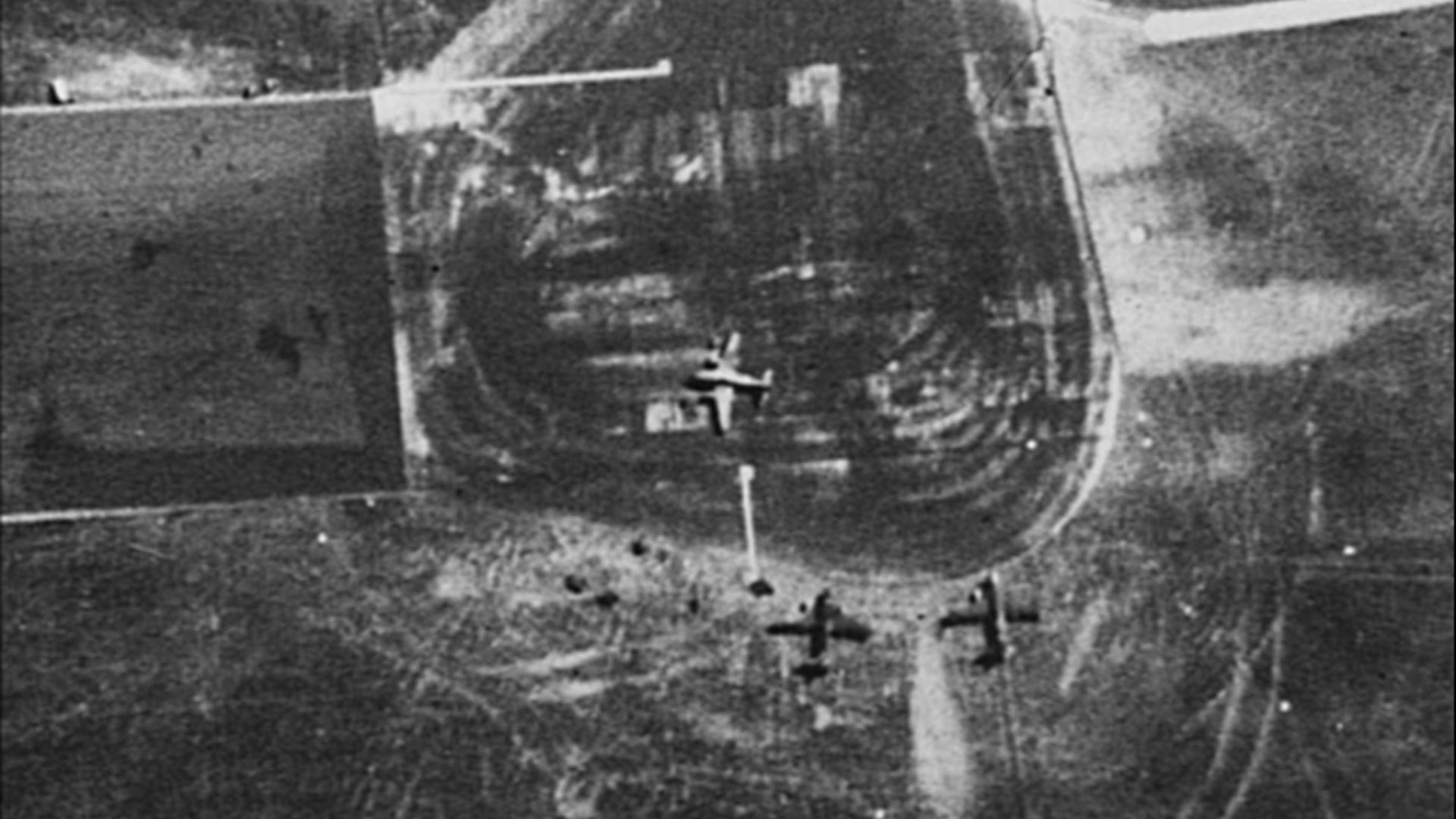
Gas turbines were already proving themselves in aircraft by the 1940s. Jet engines were lighter for their power output, mechanically simpler in some ways, and capable of astonishing performance. Automotive engineers began wondering: if turbines could push a fighter plane through the sky, why not a sedan down Main Street? The challenge wasn’t power—it was adapting a jet-age concept to traffic lights, grocery runs, and suburban driveways.
 Australian armed forces, Wikimedia Commons
Chrysler Bets Big On Turbine Power
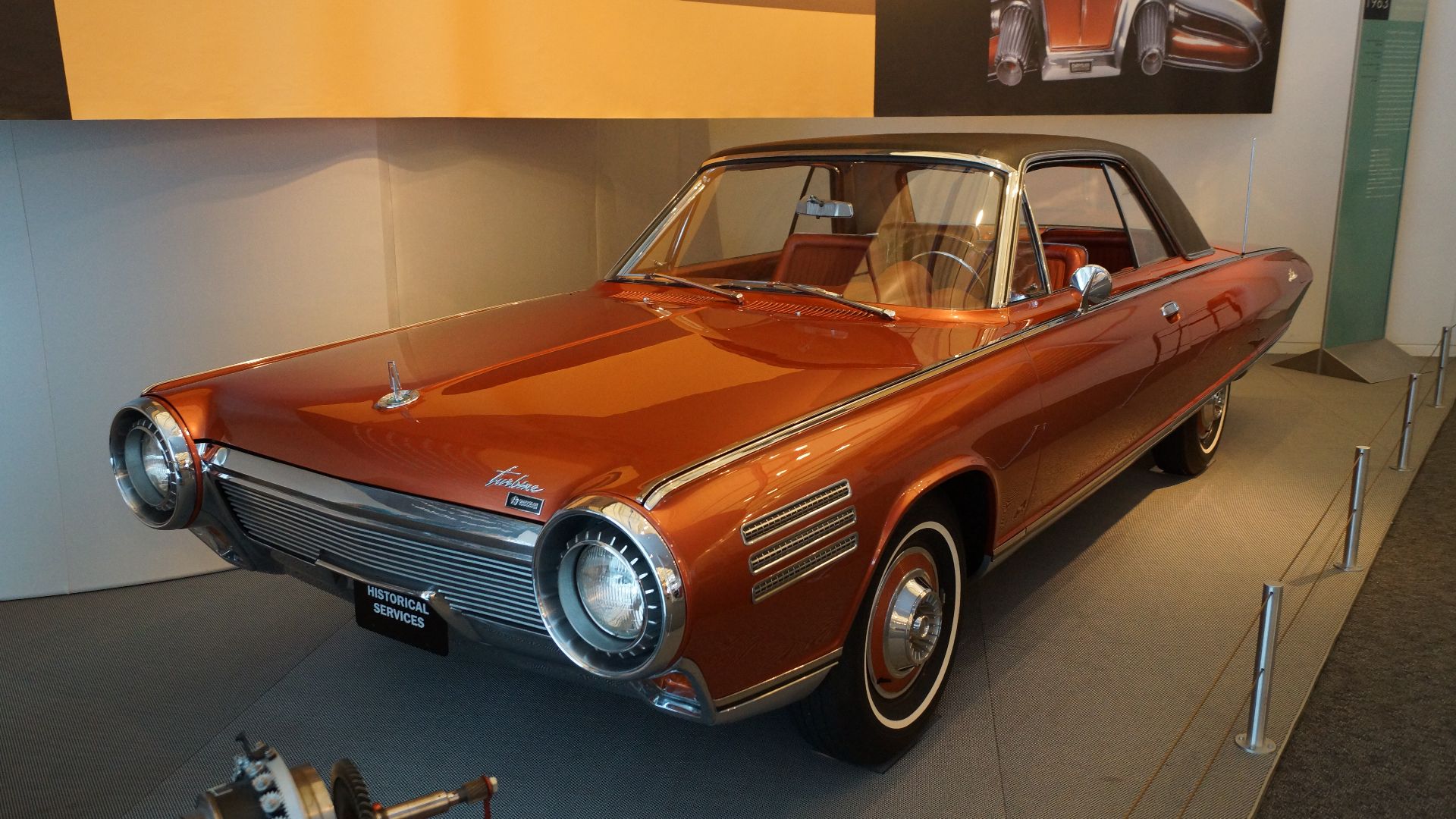
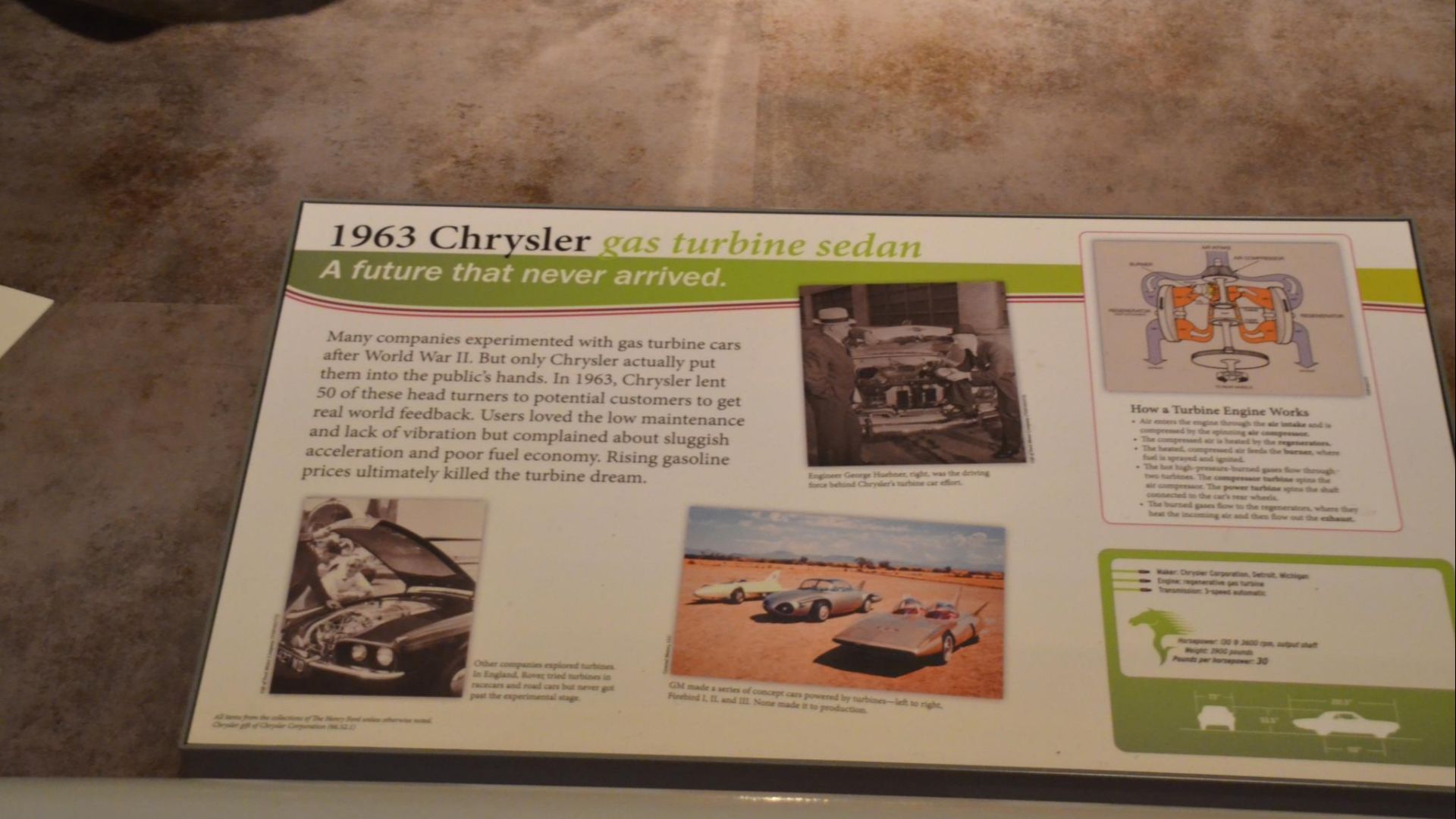
Chrysler became the American automaker most committed to making turbine cars a reality. Beginning in the late 1940s, the company poured money into turbine research, convinced it could leapfrog conventional piston engines. Engineer George Huebner led much of the development, championing turbines as smoother, more durable, and less maintenance-intensive than traditional V8s. Chrysler wasn’t tinkering—they were serious.
 Greg Gjerdingen from Willmar, USA, Wikimedia Commons
Early Prototypes Light The Fire
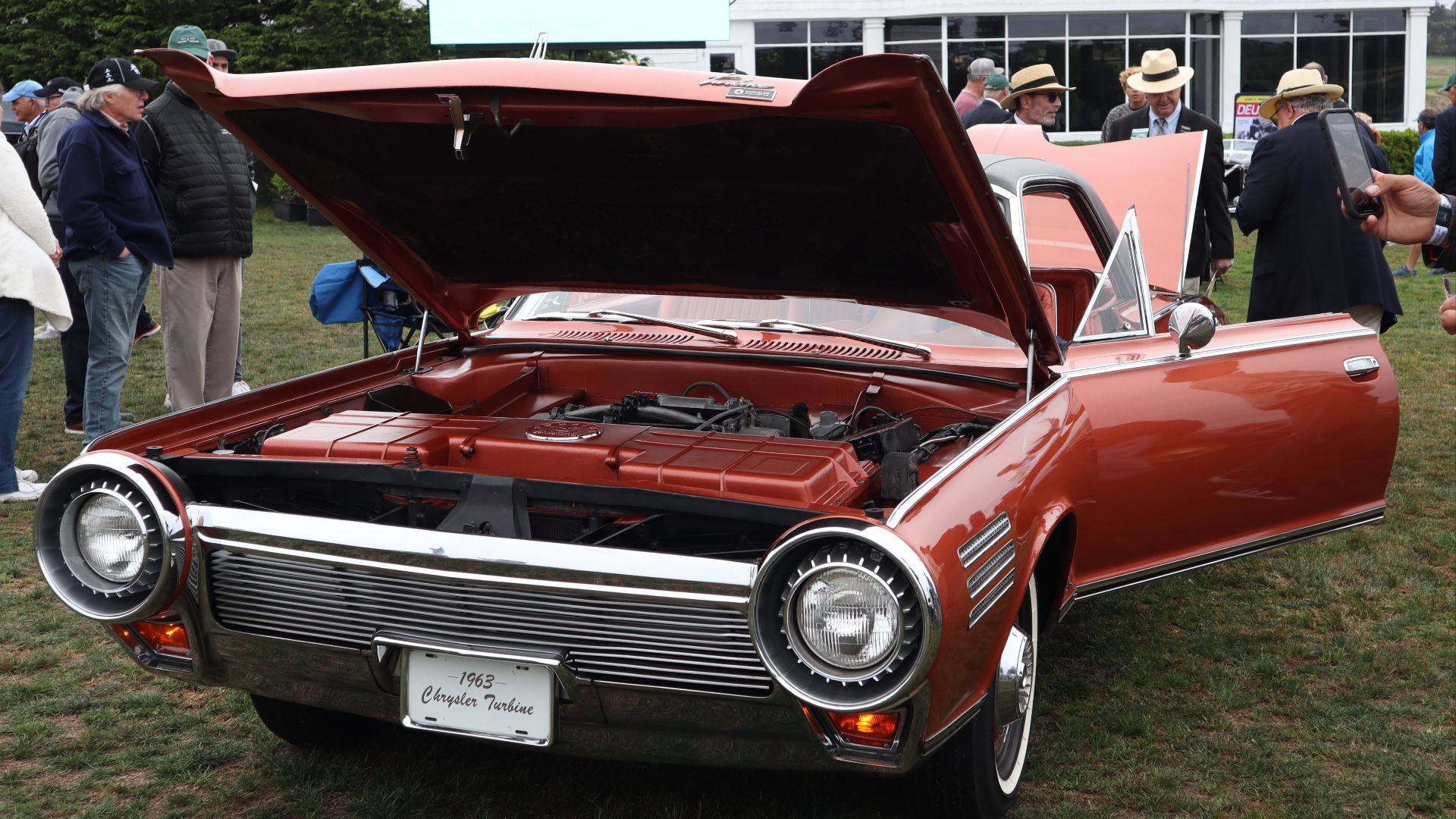
By 1954, Chrysler had a working turbine car based on a modified Plymouth. It looked relatively normal but hid a jet-like whir under the hood. Over the next decade, Chrysler refined the concept through several generations of experimental engines, solving issues like throttle lag, excessive heat, and poor fuel economy. Each prototype edged closer to something that might actually survive in the real world.
Enter The 1963 Chrysler Turbine Car
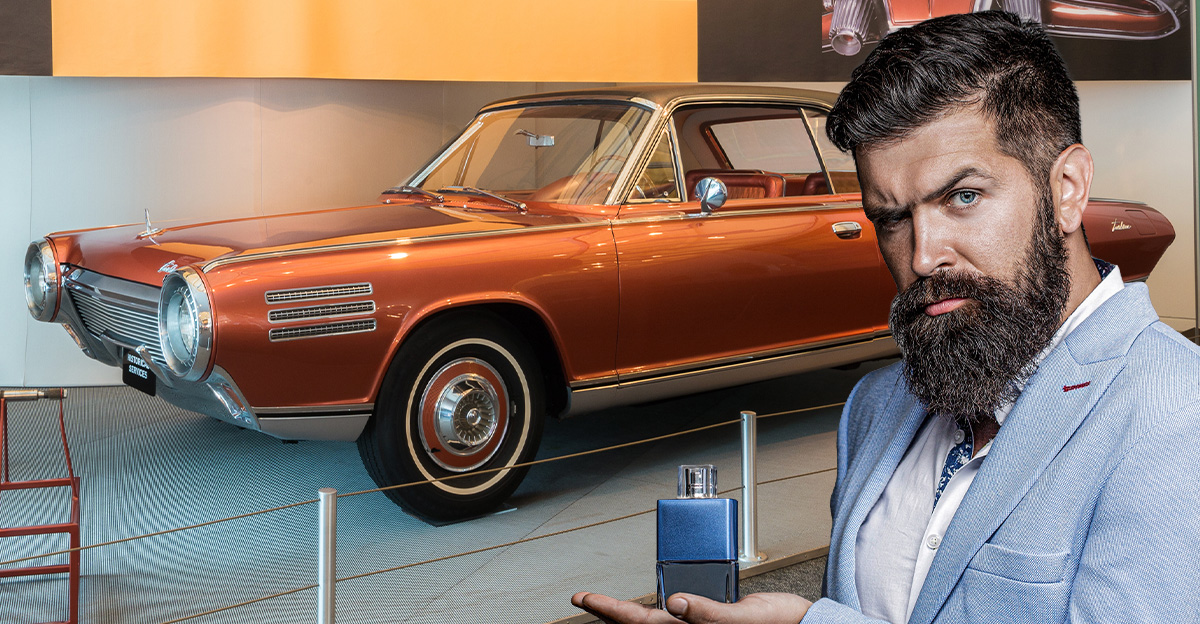
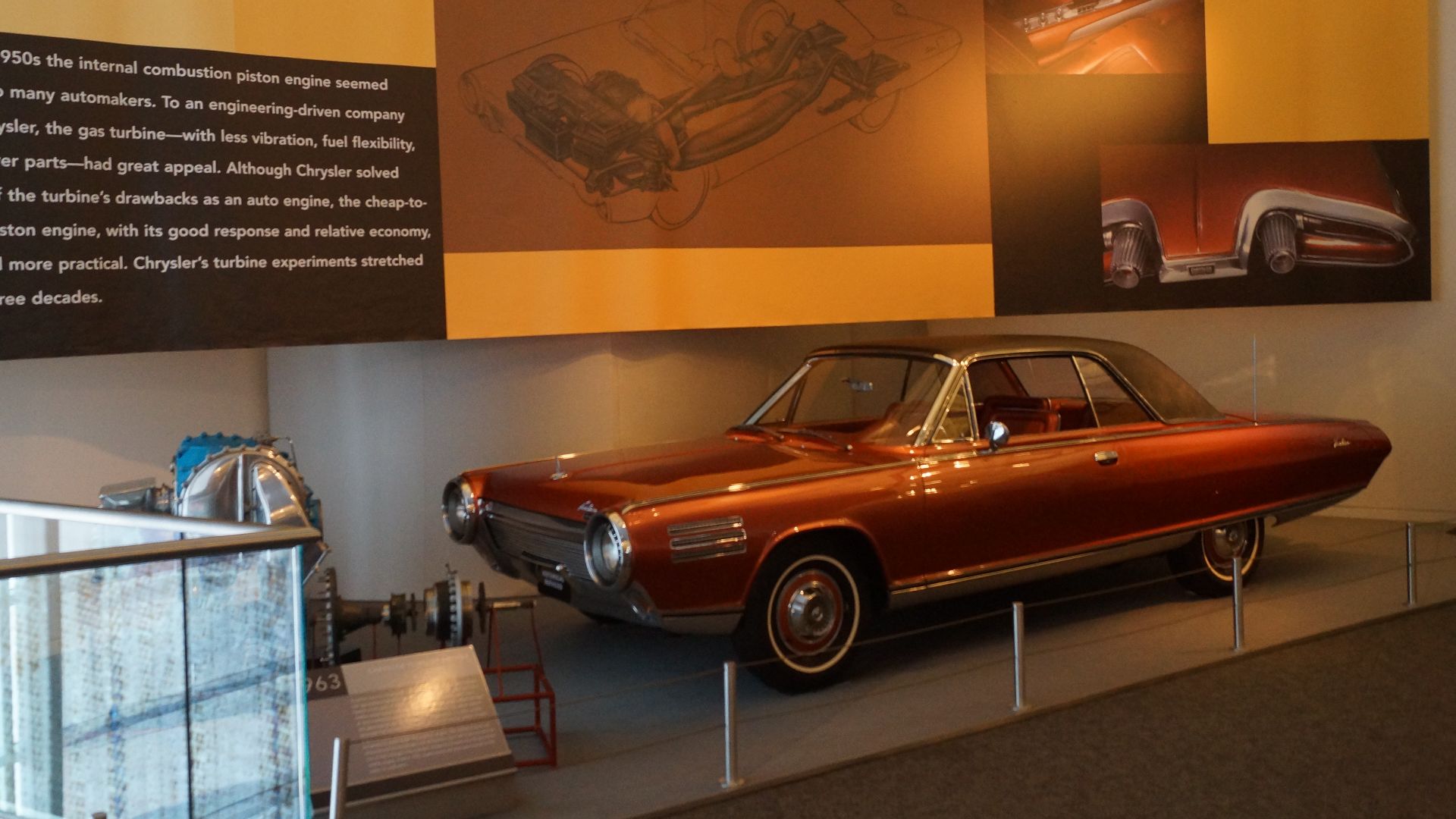
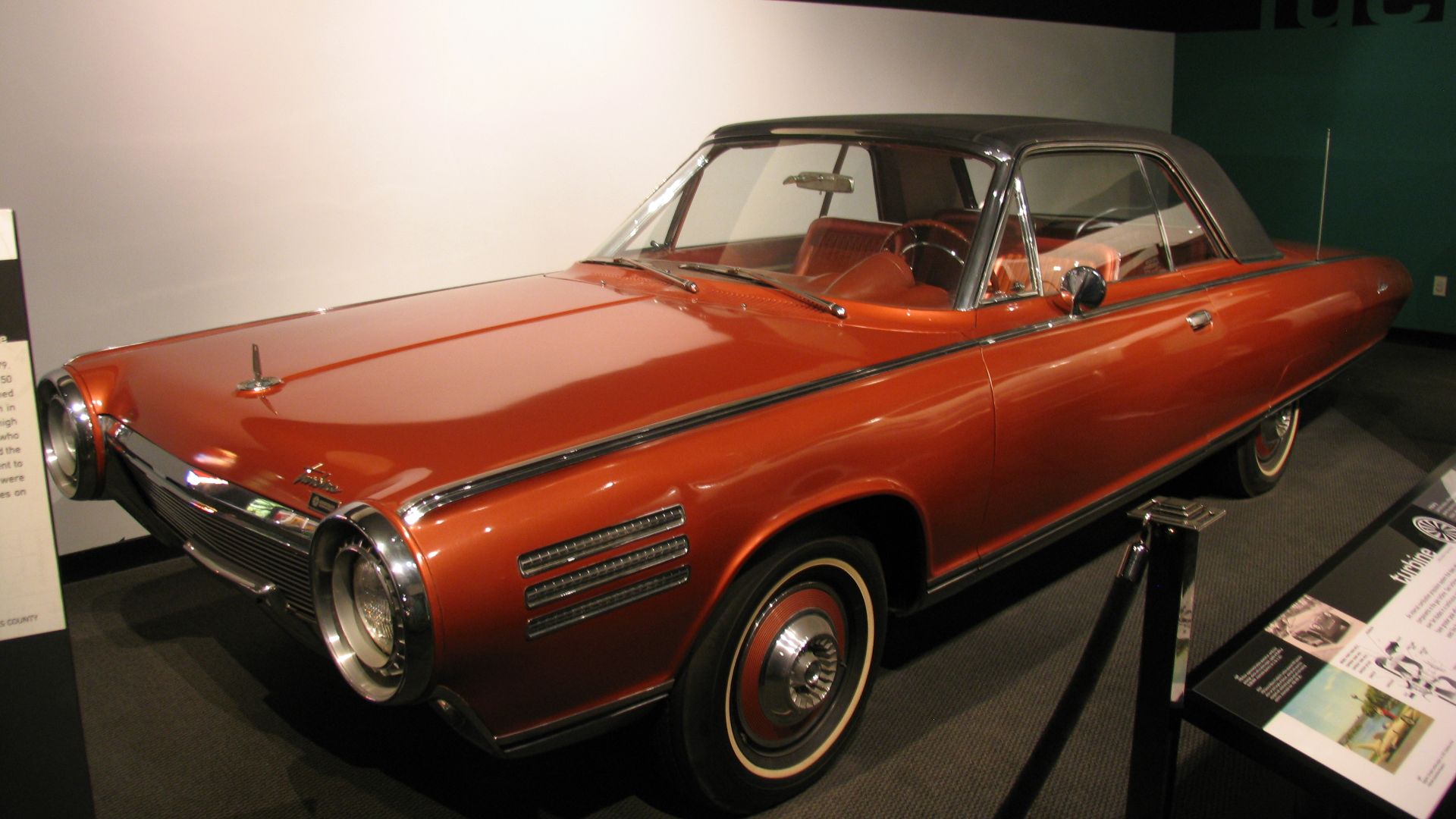
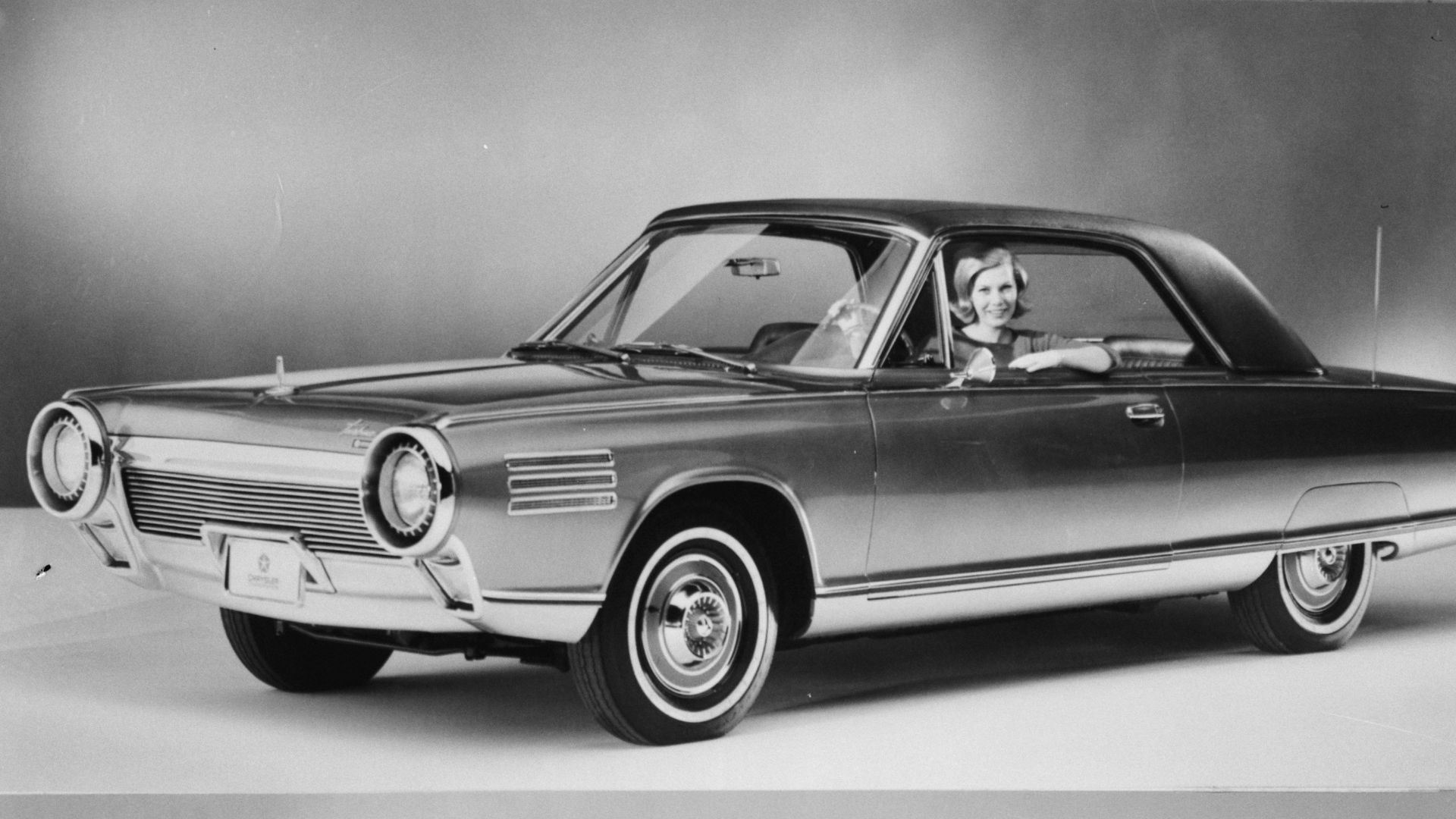
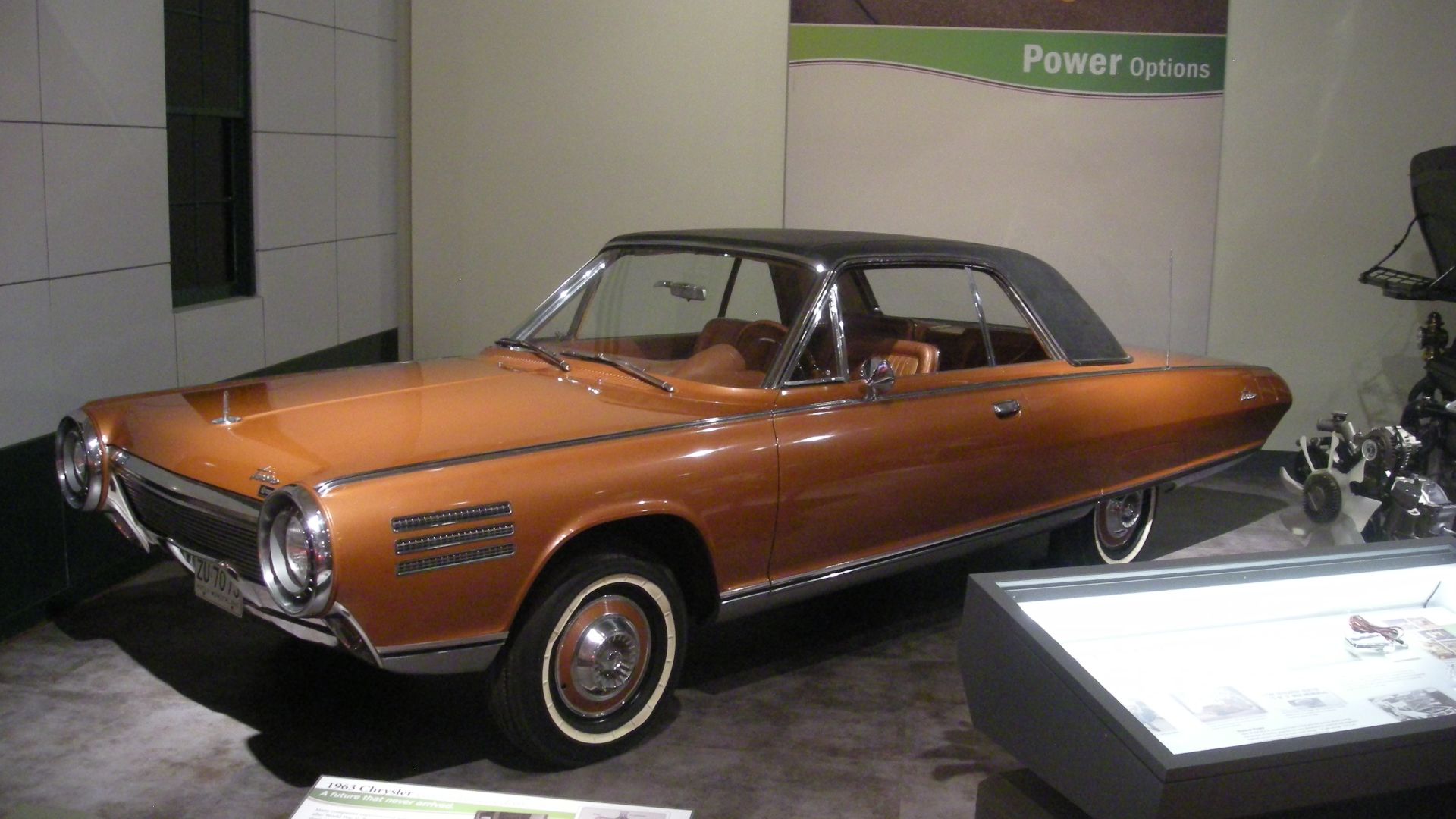
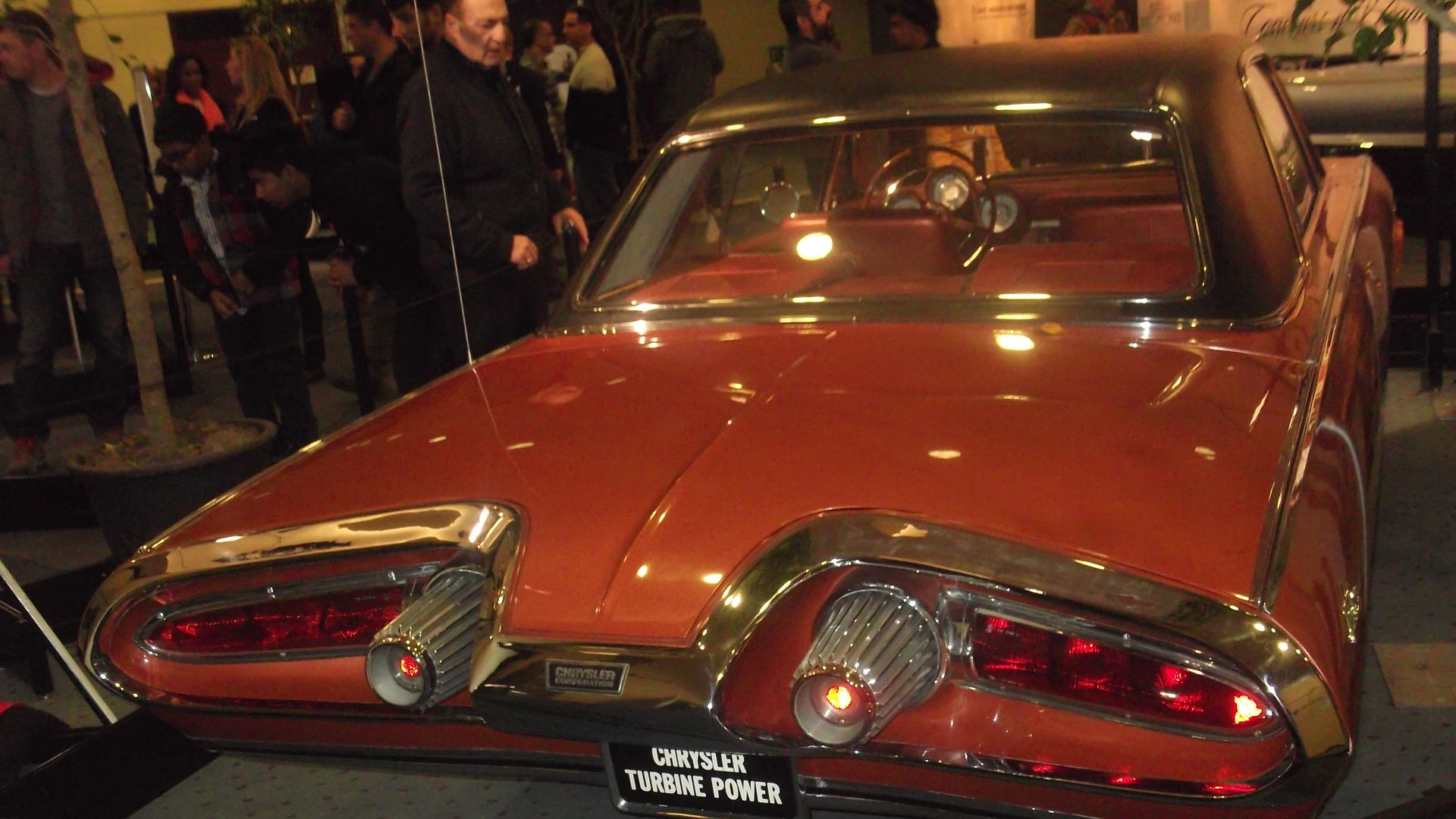
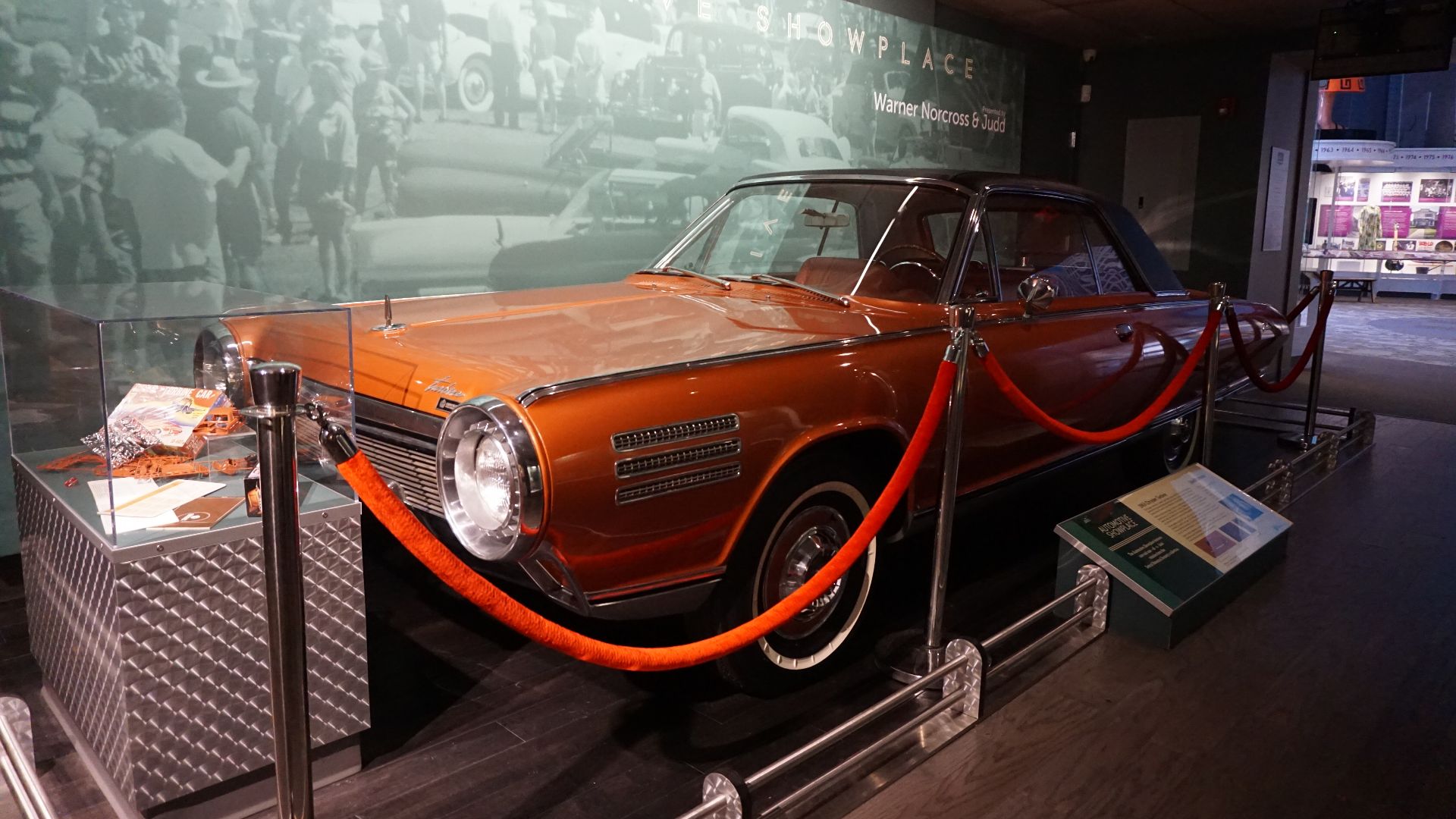
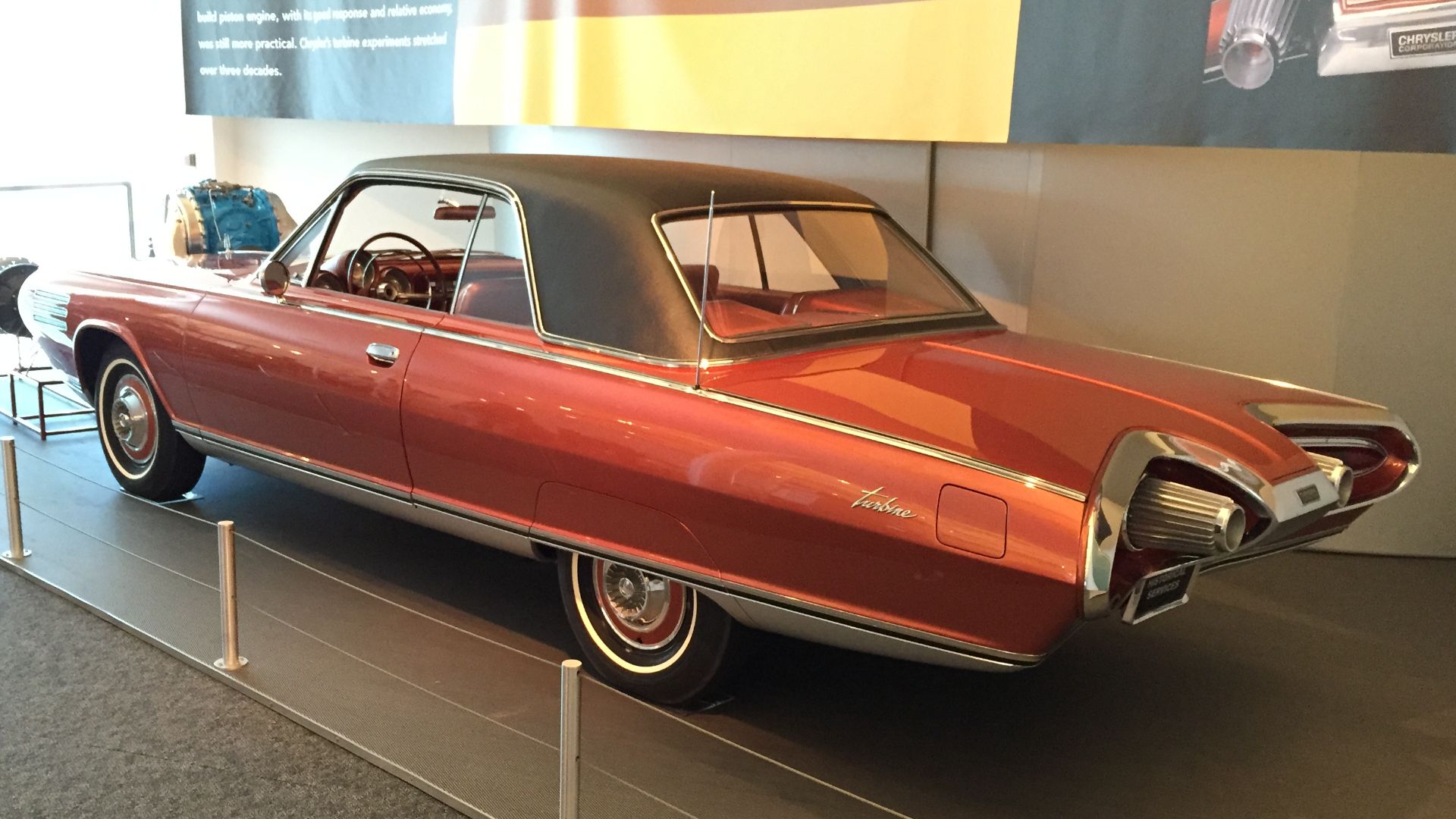
Then came the showstopper. In 1963, Chrysler unveiled a sleek, purpose-built coupe that looked like it had rolled straight off a sci-fi movie set. Designed by Elwood Engel and built by Italy’s Ghia, the Turbine Car wasn’t just a test mule—it was a fully realized grand tourer. With its bronze paint (officially called Turbine Bronze) and jet-inspired details, it looked every bit as futuristic as its powerplant promised.
 Greg Gjerdingen from Willmar, USA, Wikimedia Commons
Built In Italy, Powered By The Future
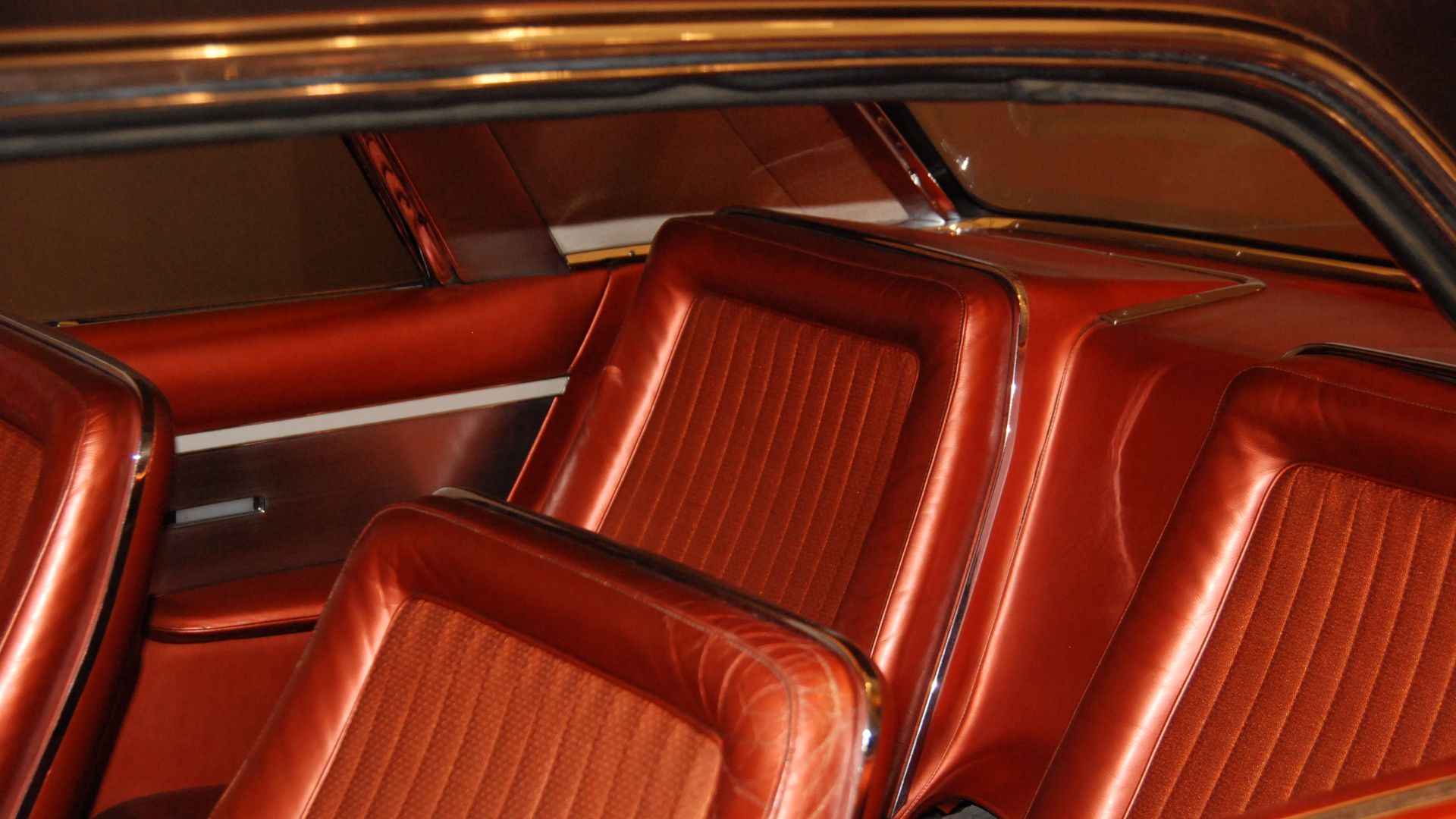
Chrysler contracted Ghia in Turin to hand-build 55 Turbine Cars—50 for public testing and five for internal use. The bodies were crafted in steel rather than fiberglass, giving them a solid, premium feel. The styling mixed American muscle proportions with European elegance, complete with turbine-themed badging and subtle air-intake cues. It was as much a design statement as it was an engineering experiment.
 ilikewaffles11, Wikimedia Commons
A Jet Engine Under The Hood
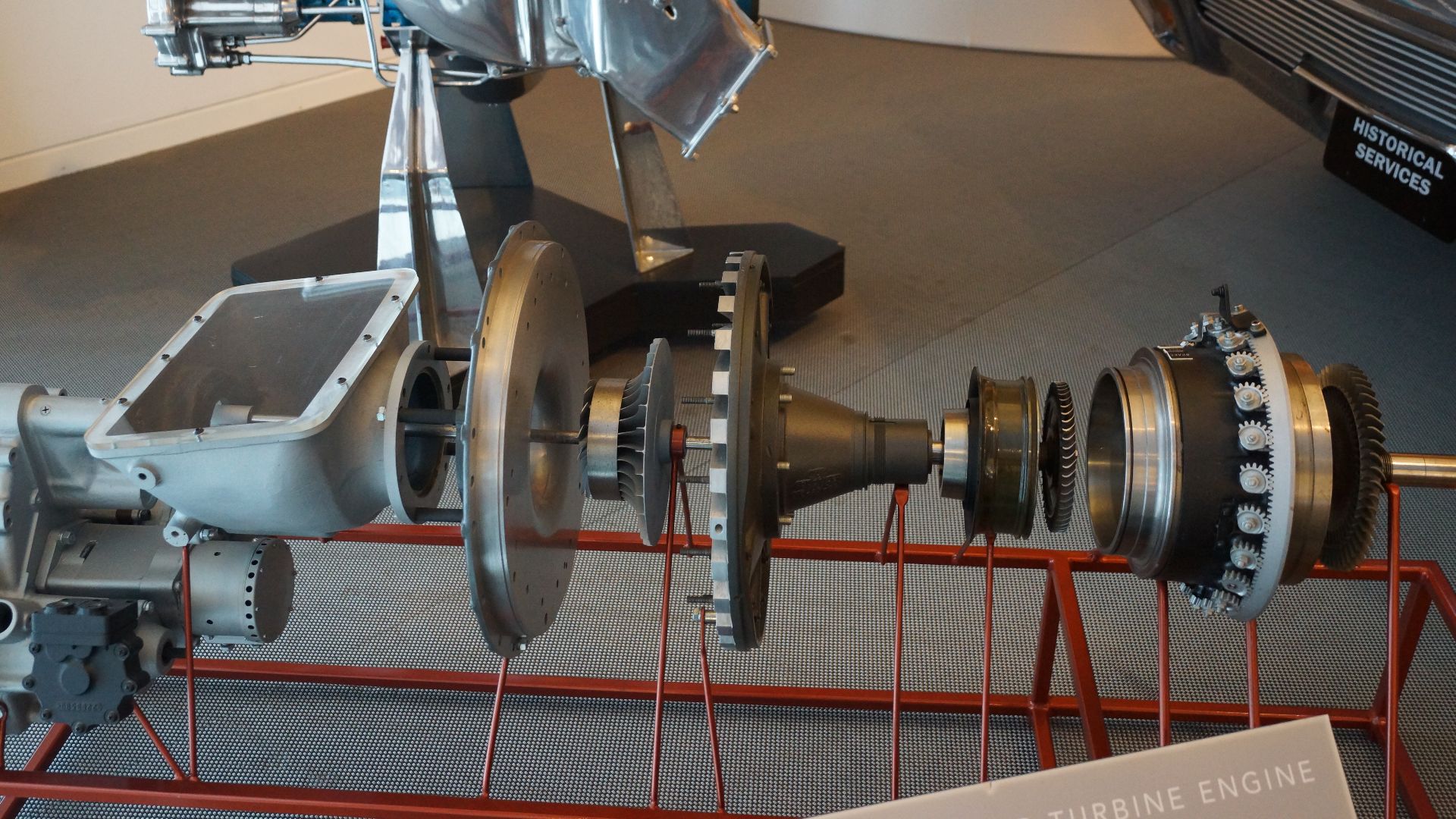
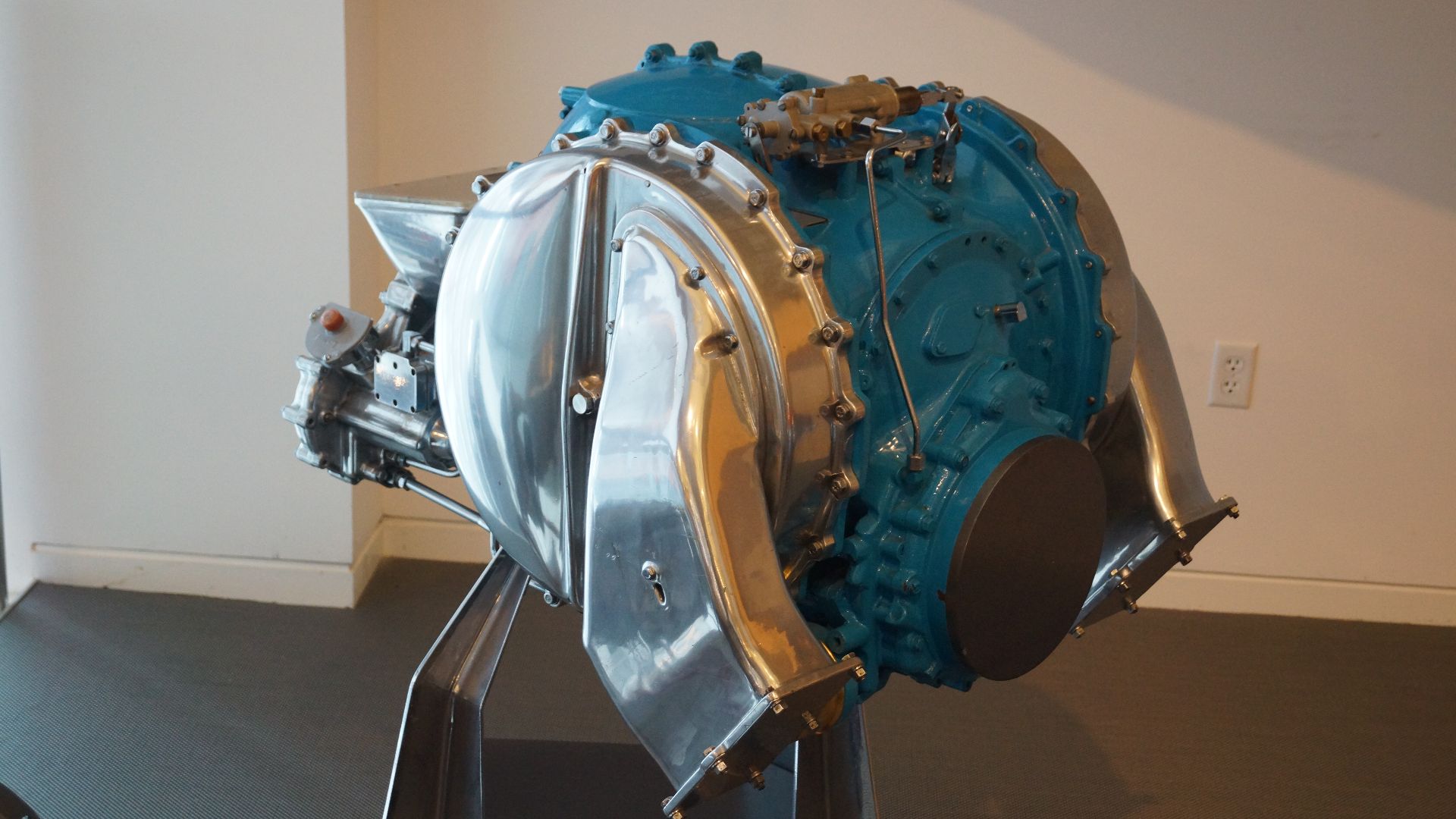
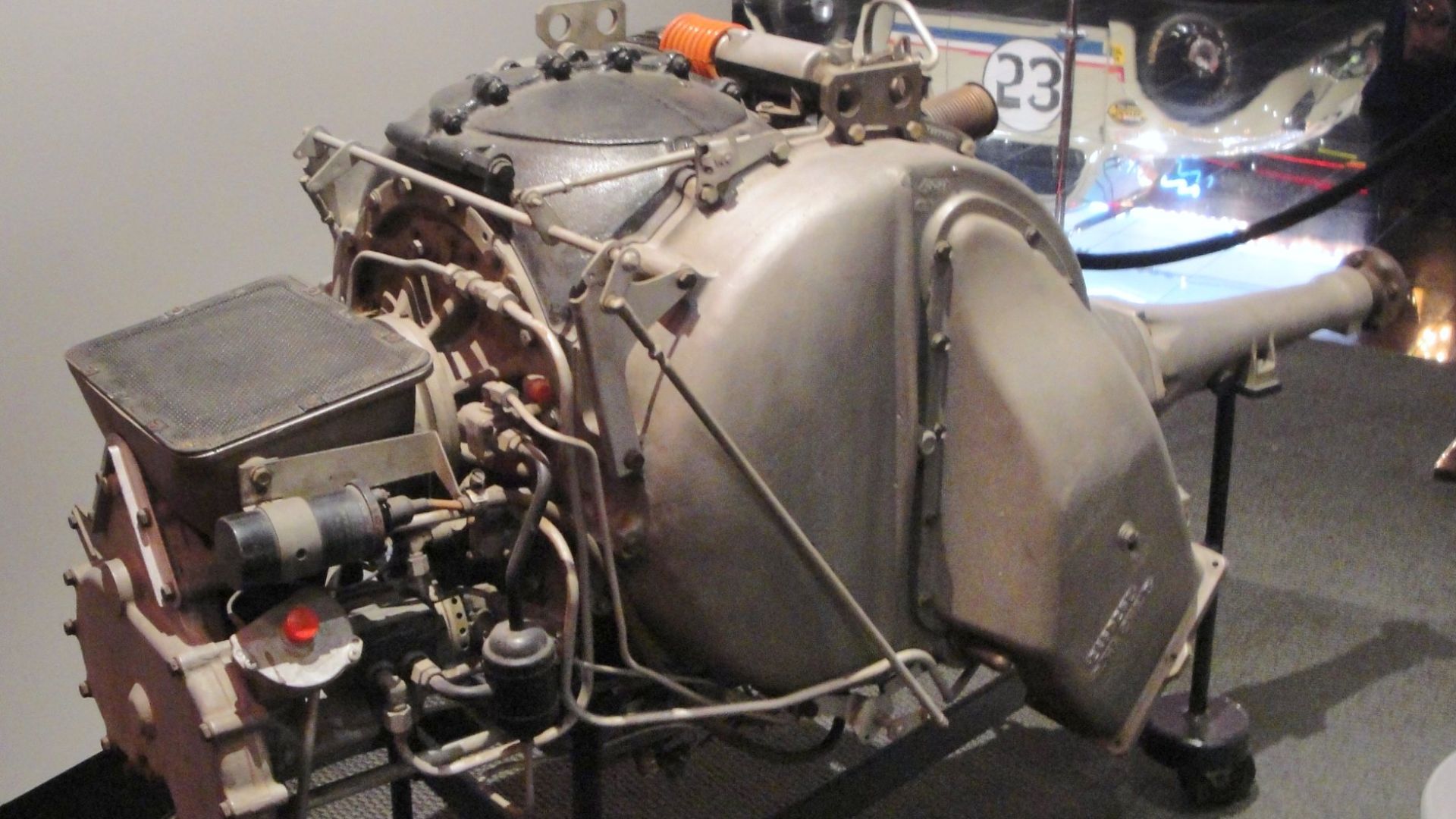
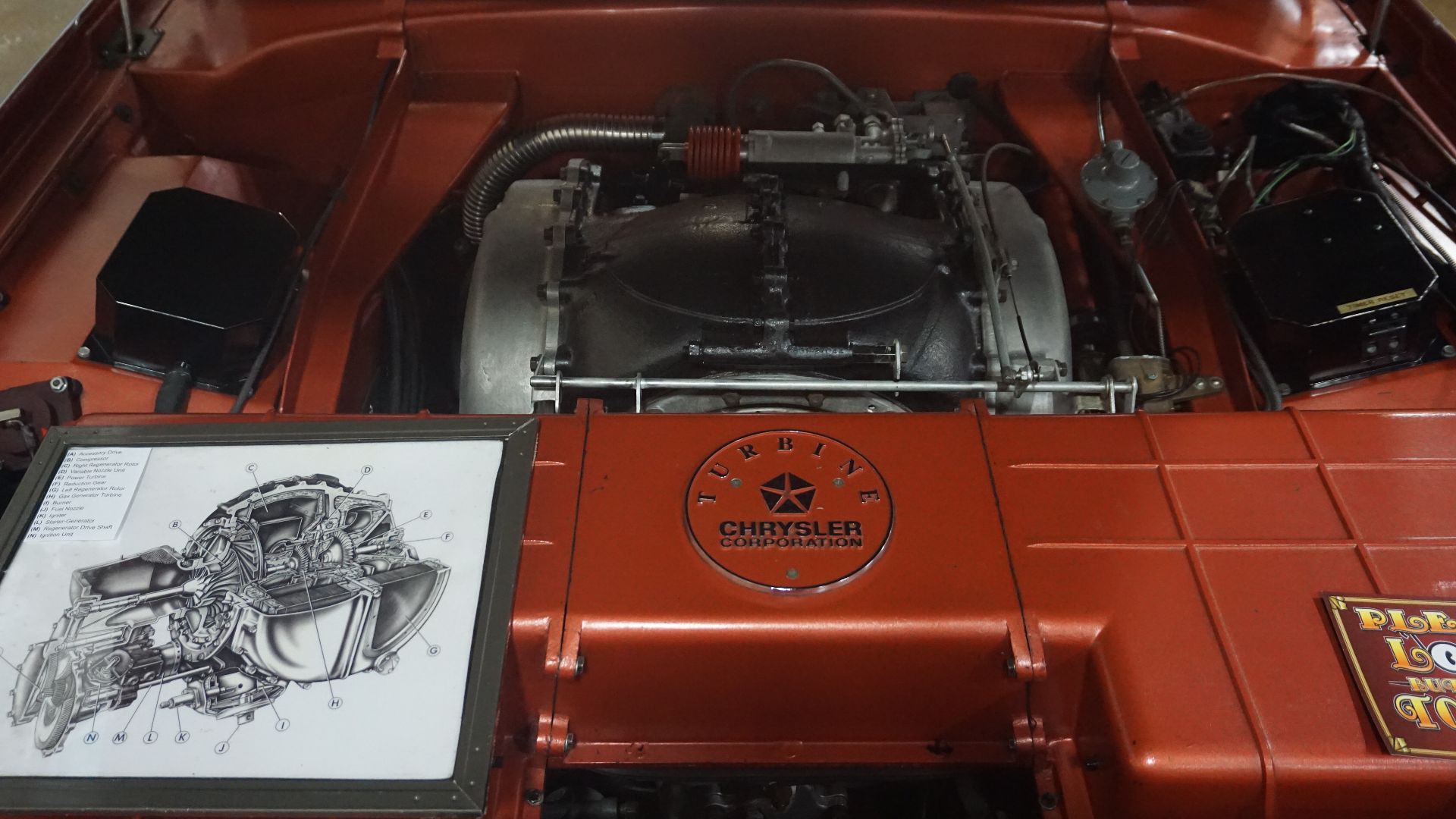
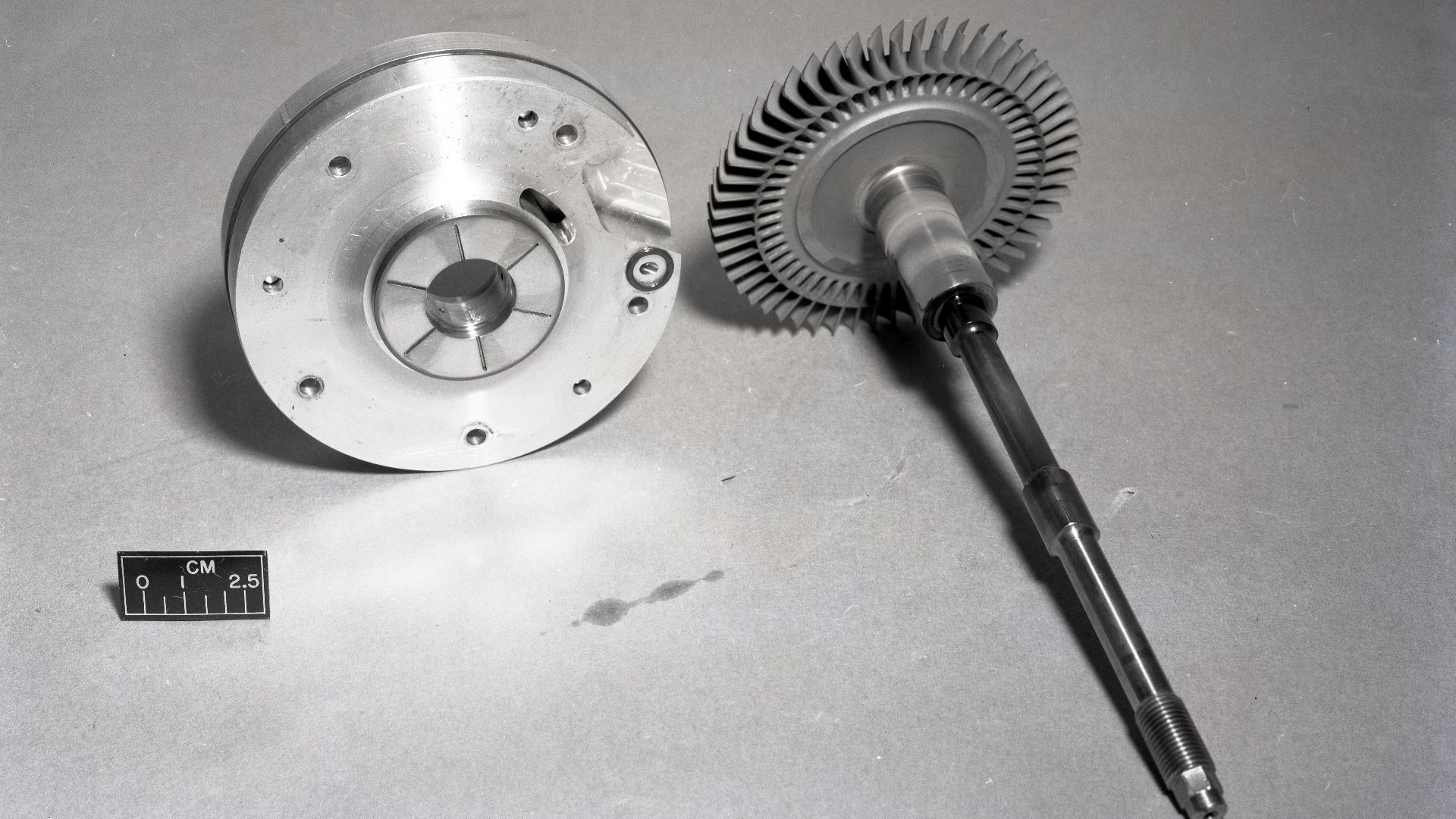
The heart of the Turbine Car was Chrysler’s fourth-generation turbine engine. Instead of pistons moving up and down, it used rotating compressor and turbine wheels spinning at tens of thousands of RPM. Air entered the engine, was compressed, mixed with fuel, ignited, and then expelled to spin a turbine that produced power. It sounded more like a small aircraft than a car idling at a stoplight.
 Greg Gjerdingen from Willmar, USA, Wikimedia Commons
Multi-Fuel Madness
Here’s where things get wild: the engine could run on diesel, kerosene, unleaded gasoline, jet fuel, heating oil, peanut oil, and even perfume. Chrysler famously demonstrated the engine running on Chanel No. 5. The reason? Turbines don’t rely on precise octane ratings the way piston engines do. As long as the fuel could burn and wasn’t corrosive, the Turbine Car would likely accept it.
 Greg Gjerdingen from Willmar, USA, Wikimedia Commons
Simple By Design
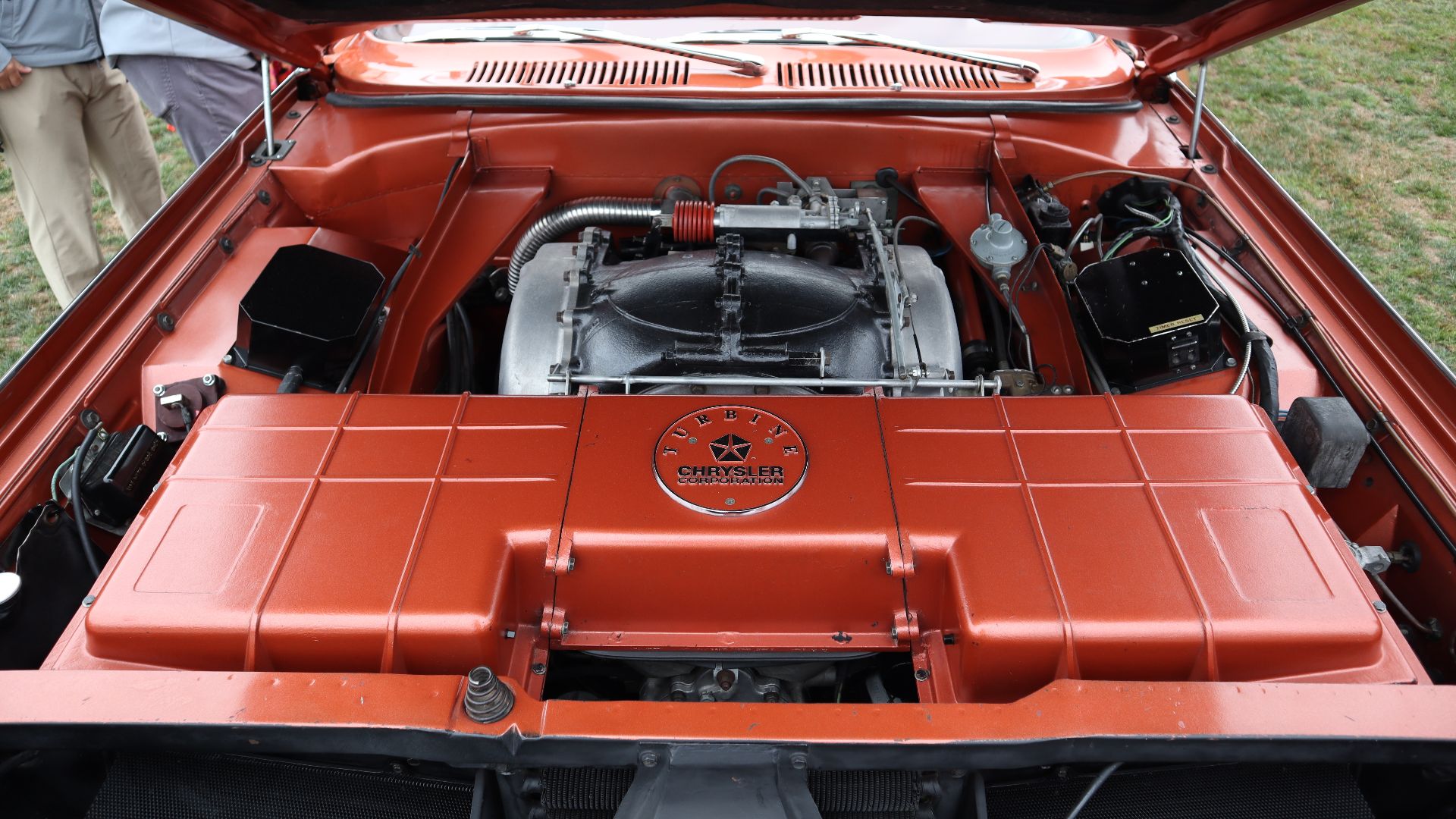
One of the turbine’s biggest selling points was simplicity. The engine had far fewer moving parts than a conventional V8—around 60 compared to hundreds in a piston engine. There were no spark plugs, no distributor, no carburetor in the traditional sense. Fewer parts theoretically meant fewer things to break, less maintenance, and greater longevity.
Smooth Like Nothing Else
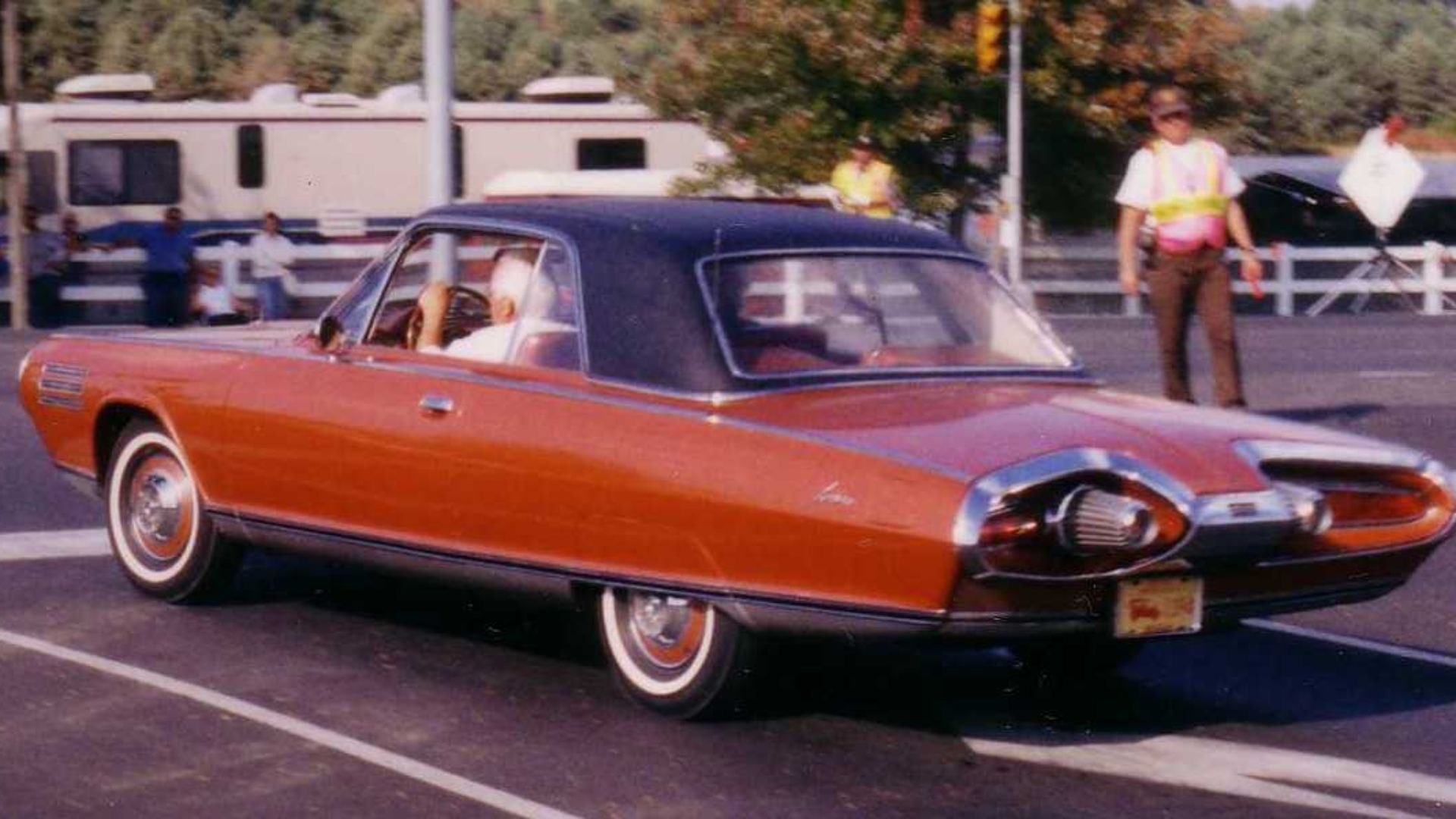
Drivers who tested the Turbine Car often remarked on its smoothness. Without reciprocating pistons, vibration was minimal. Acceleration felt steady and linear rather than punchy. It didn’t lurch or rumble—it whooshed. The driving experience was described as serene, almost eerie, especially compared to the burbling V8s dominating American roads at the time.
The Sound Of Tomorrow
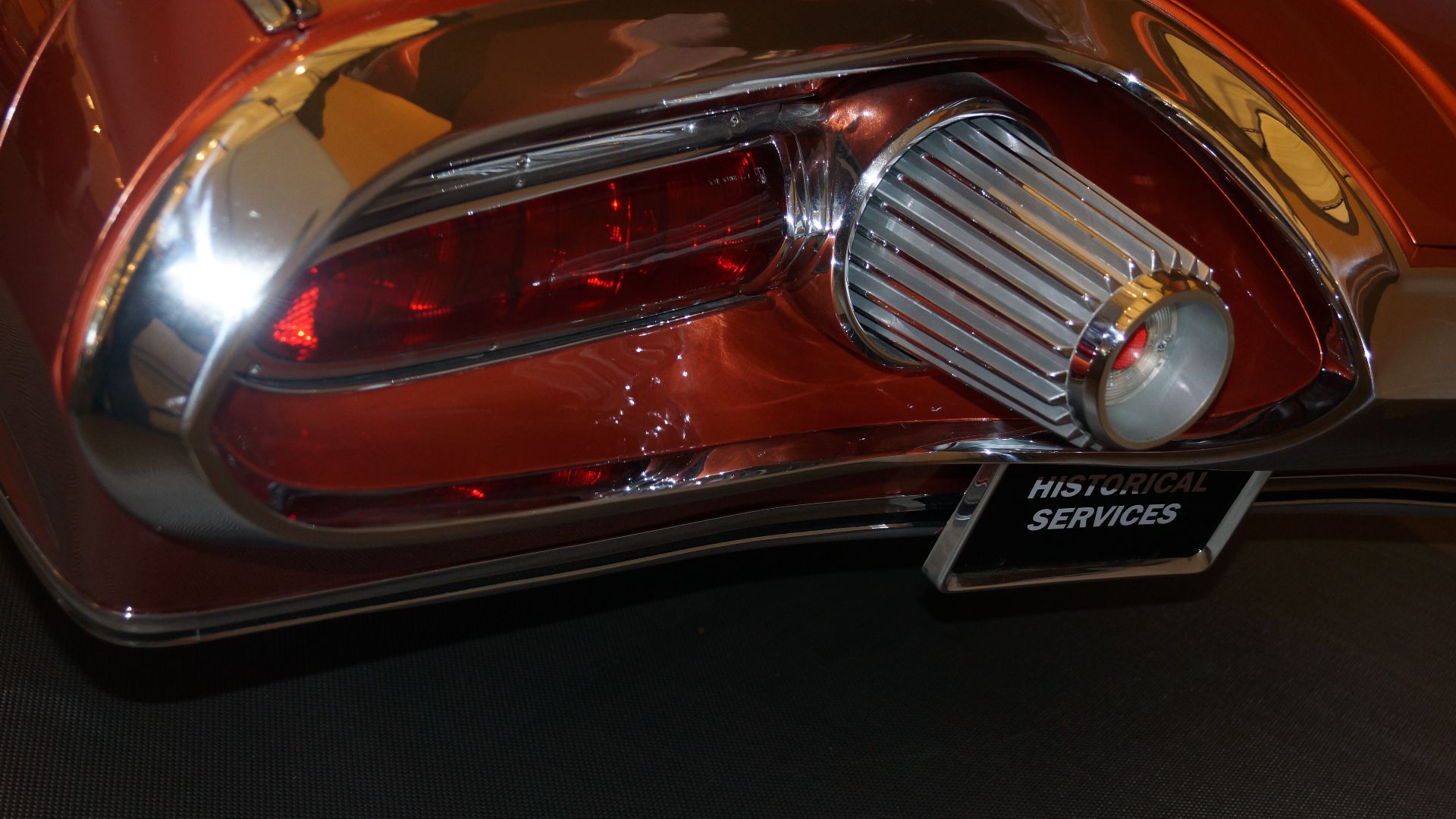
If you expected a throaty exhaust note, you were in for a surprise. The Turbine Car emitted a soft, jet-like whistle that rose in pitch with acceleration. It wasn’t loud, but it was unmistakably different. Pulling into a parking lot sounded more like taxiing at an airport than arriving in a Chrysler coupe.
 Greg Gjerdingen from Willmar, USA, Wikimedia Commons
Public Testing Like Never Before
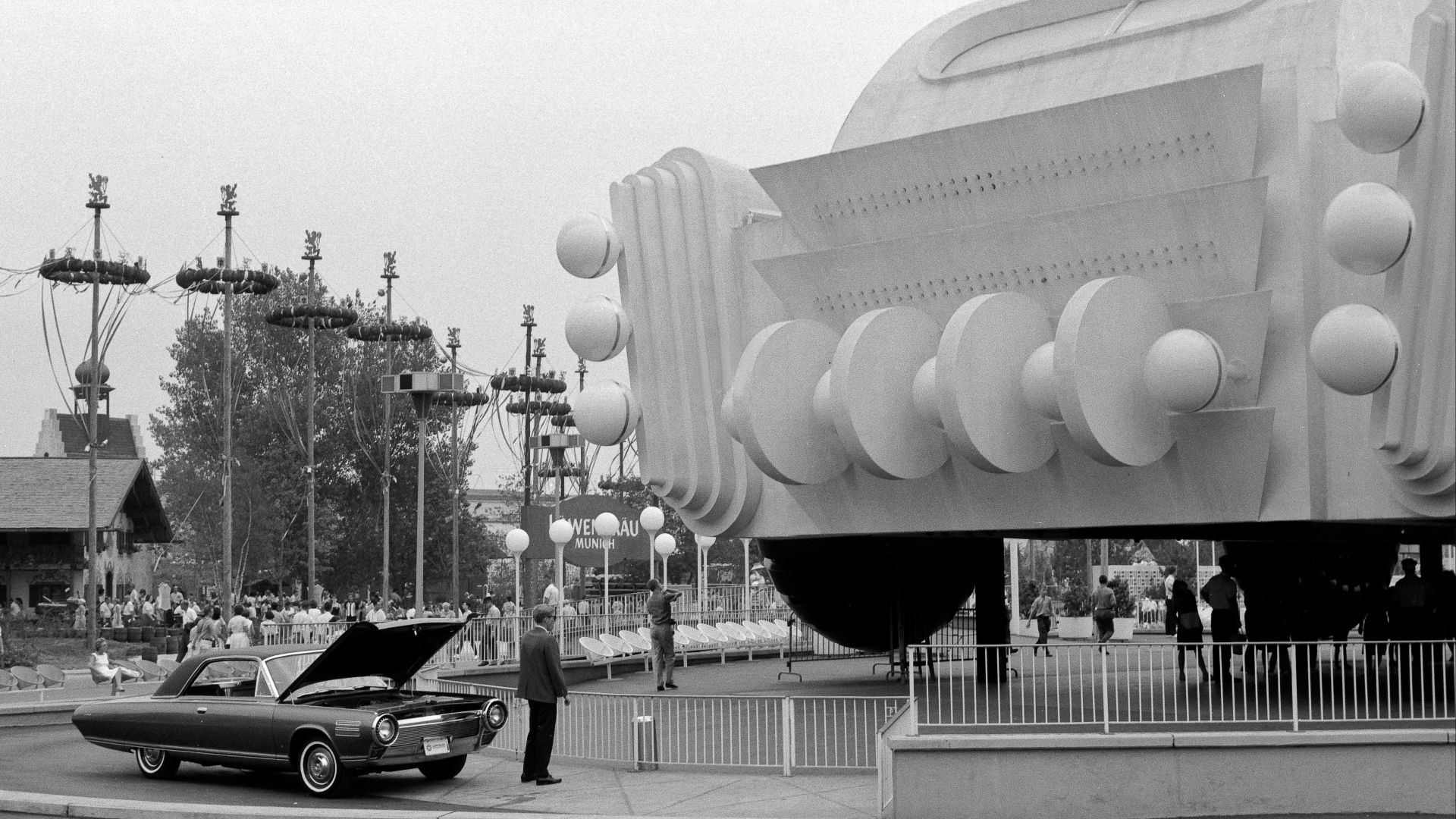
Chrysler didn’t just keep the Turbine Cars locked in a lab. Instead, they launched one of the boldest consumer trials in automotive history. Beginning in 1963, 50 cars were loaned to everyday Americans across the country. Each participant kept the car for three months, using it as their primary transportation and reporting their experiences back to Chrysler.
Regular Drivers, Extraordinary Machine
The program wasn’t limited to engineers or car enthusiasts. Families, commuters, and retirees got behind the wheel. In total, more than 200 drivers participated, collectively logging over a million miles. Chrysler wanted real-world data—how did the turbine perform in traffic, in winter, in the hands of people who just wanted to get to work?
 Joe Ross from Lansing, Michigan, Wikimedia Commons
Surprisingly Reliable
The results were impressive. The Turbine Cars proved remarkably durable, with relatively few mechanical failures. Many drivers loved the smooth ride and unique character. For a radical new technology, the program was a success in terms of reliability and public interest. Chrysler had shown that turbine power wasn’t just a gimmick—it worked.
 Greg Gjerdingen from Willmar, USA, Wikimedia Commons
But Not Perfect
Of course, there were drawbacks. Throttle response lagged behind traditional engines, especially from a standstill. Fuel economy was disappointing, particularly in city driving. Turbines are most efficient at steady speeds, not in stop-and-go traffic. In an era when gas was cheap, that wasn’t a dealbreaker—but it hinted at future challenges.
Heat And Emissions Challenges
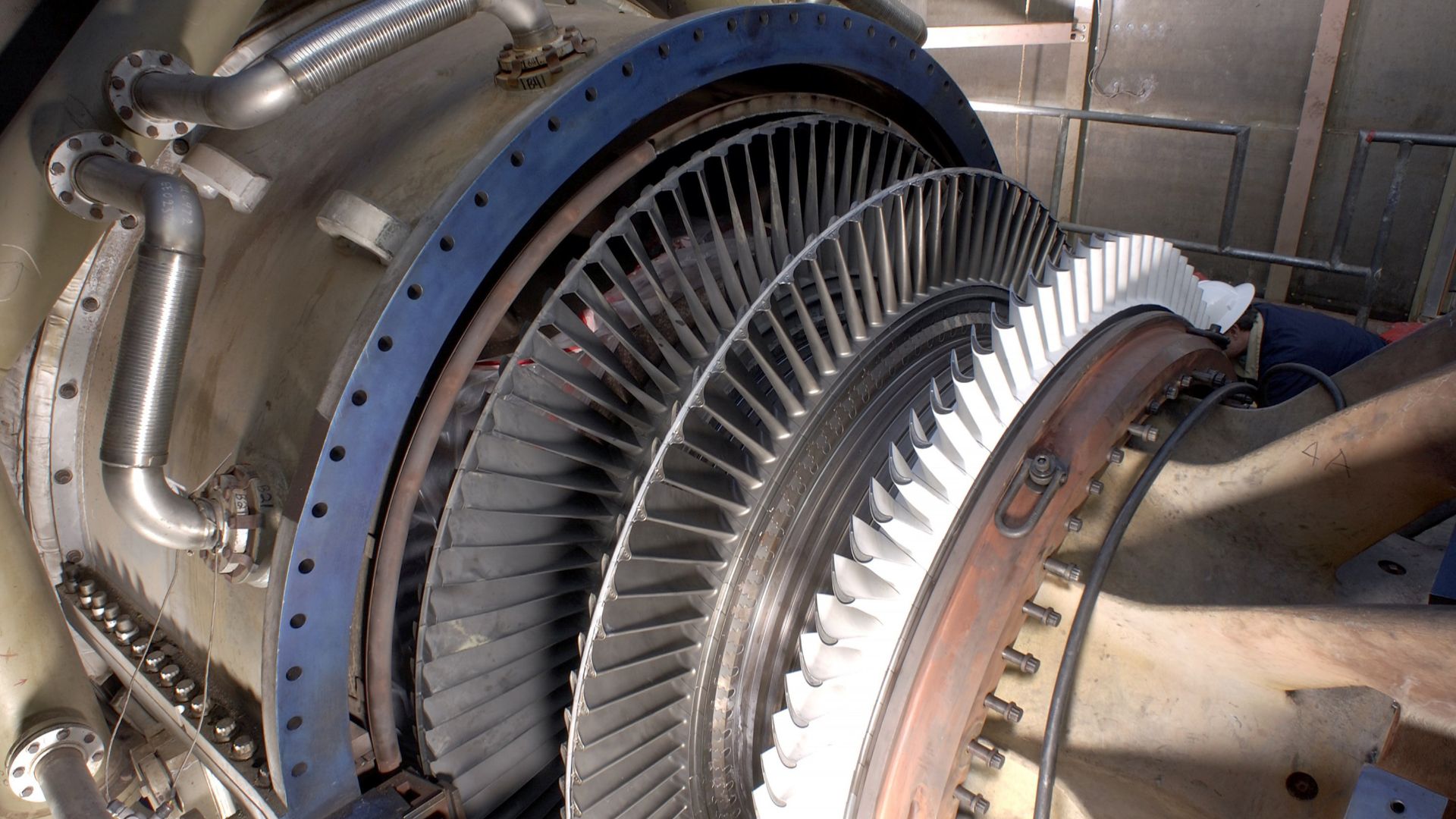
Turbine engines run extremely hot, and managing that heat in a passenger car proved tricky. Additionally, while turbines could burn many fuels, controlling emissions—especially nitrogen oxides—was complicated. As emissions standards tightened in the late 1960s and early 1970s, the turbine’s environmental hurdles became harder to ignore.
 Michael Barera, Wikimedia Commons
The Cost Problem
Perhaps the biggest obstacle was cost. Turbine engines required exotic materials capable of withstanding extreme temperatures. Precision manufacturing added expense. While Chrysler made strides in reducing costs over successive generations, the Turbine Car remained far more expensive to produce than a conventional piston-powered vehicle.
A Changing Automotive Landscape
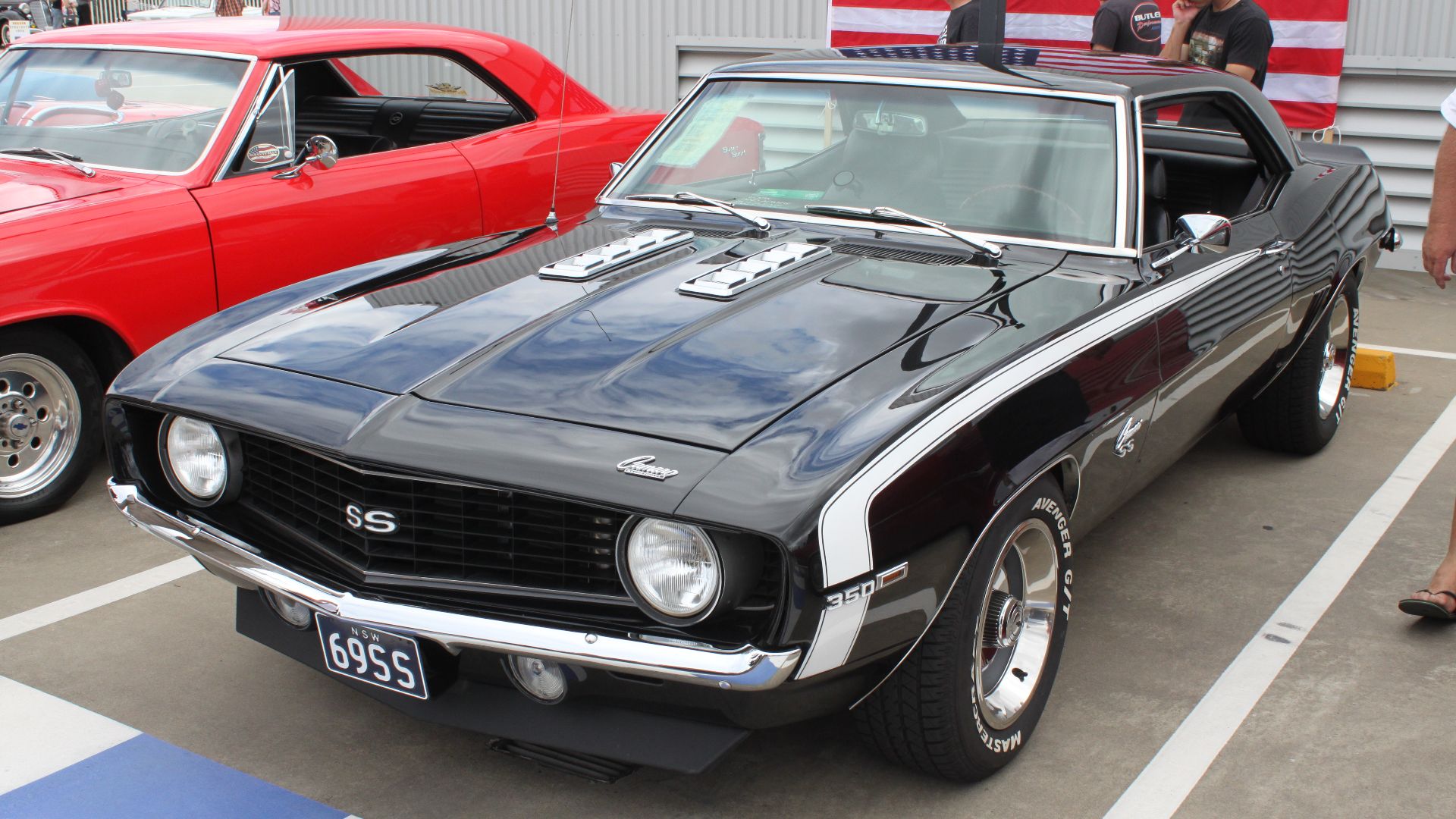
By the late 1960s, the automotive world was shifting. Muscle cars were in their golden age, and buyers craved horsepower and aggressive styling. Meanwhile, looming fuel crises and stricter emissions regulations were reshaping priorities. The turbine, once a symbol of the future, began to look like a technological detour.
 Jeremy from Sydney, Australia, Wikimedia Commons
The Program Winds Down
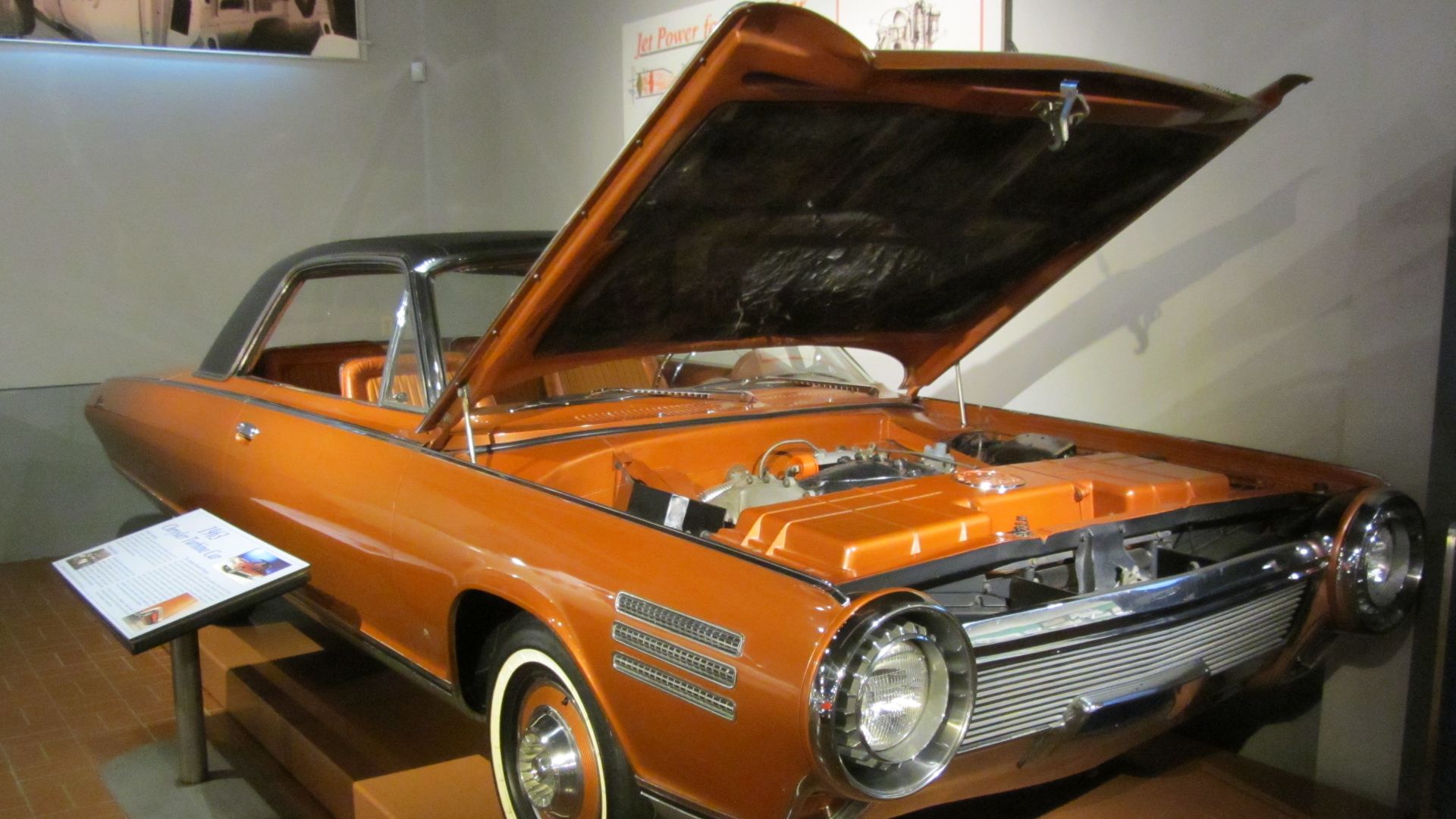
Despite years of research and millions invested, Chrysler ultimately decided not to mass-produce turbine cars. The public trial ended in 1966. Most of the 55 Turbine Cars were recalled and destroyed, partly due to contractual obligations with Ghia and partly to avoid import taxes and liability concerns.
 JOHN LLOYD from Concrete, Washington, United States, Wikimedia Commons
Saved From The Crusher
Thankfully, not all were lost. Chrysler preserved a handful for museums and historical collections. Today, nine examples are known to survive, residing in places like the Henry Ford Museum and private collections. They remain some of the most fascinating artifacts of automotive ambition ever created.
 Michael Barera, Wikimedia Commons
A Design That Still Turns Heads
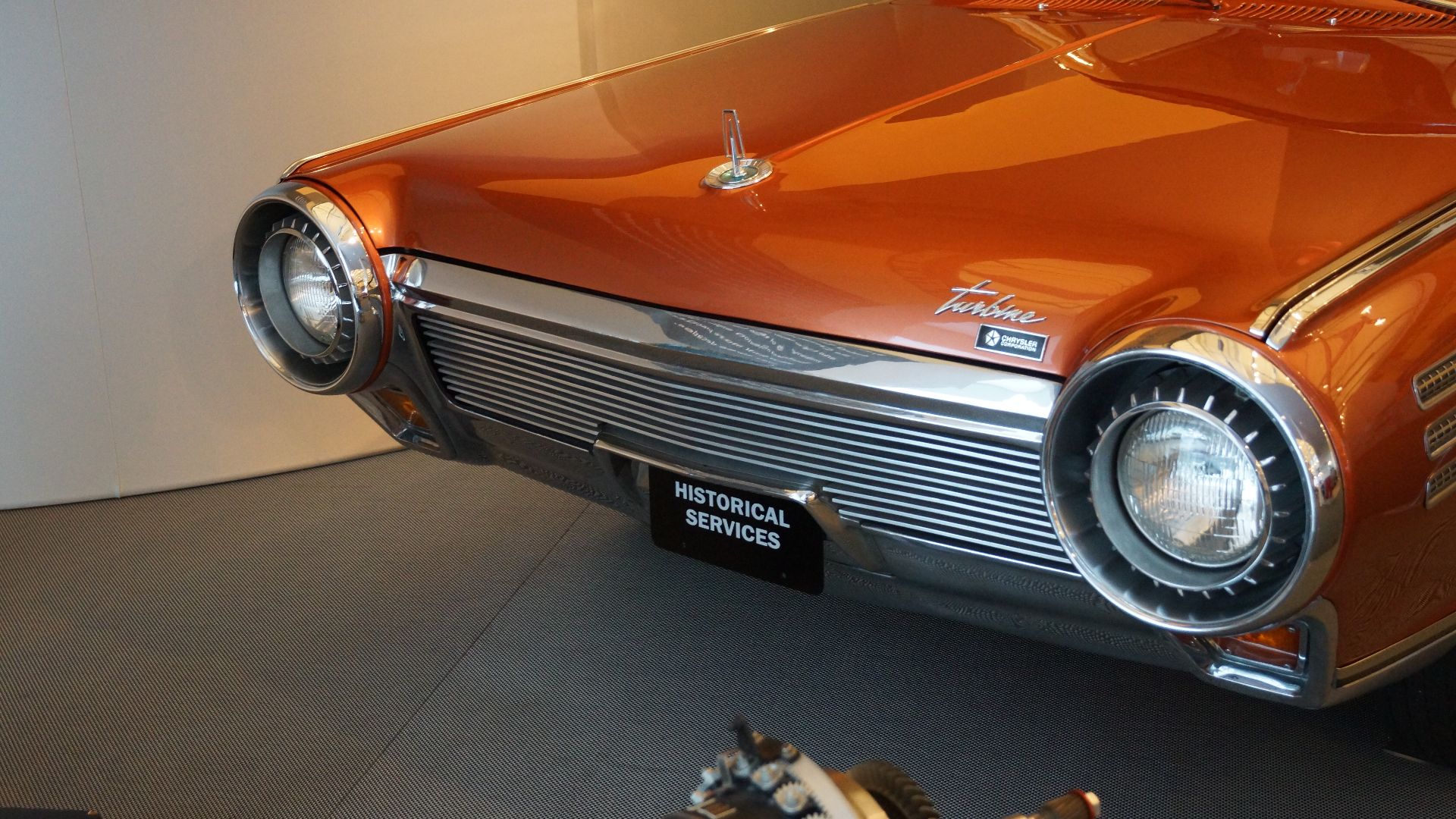
Even decades later, the 1963 Turbine Car looks strikingly modern. Its clean lines, quad headlights, and turbine-inspired details give it a timeless appeal. It’s a reminder that Chrysler didn’t just experiment under the hood—they delivered a cohesive, beautifully designed automobile.
 Greg Gjerdingen from Willmar, USA, Wikimedia Commons
Lessons Learned
Though the turbine never replaced the piston engine, Chrysler’s program advanced materials science, combustion research, and manufacturing techniques. The company gained invaluable knowledge that influenced later engine development. Sometimes, the journey matters as much as the destination.
 Unknown authorUnknown author or not provided, Wikimedia Commons
The Romance Of Alternative Fuels
In today’s world of electric vehicles and hydrogen prototypes, the Turbine Car feels oddly relevant. Its ability to run on multiple fuels anticipated modern conversations about flexibility and sustainability. The idea that your car could adapt to whatever fuel was available remains deeply appealing.
Why It Still Captivates Us
Part of the Turbine Car’s enduring charm lies in its boldness. Chrysler didn’t just tweak an existing formula—they reimagined what powered a car. It represents a moment when automakers believed the future would be radically different, and they were willing to gamble big to shape it.
 Michael Barera, Wikimedia Commons
The Perfume-Powered Legend
The image of a car running on perfume captures the imagination because it feels rebellious, almost magical. In reality, it was simply a testament to turbine technology’s versatility. Still, there’s something delightfully theatrical about fueling a car with fragrance and driving off into the sunset.
 DRIVERofPONTIACS, Wikimedia Commons
An Experiment Worth Remembering
The 1963 Chrysler Turbine Car wasn’t a commercial success, but it was a technological triumph. It proved that turbine-powered transportation was possible, practical, and surprisingly user-friendly. More importantly, it showed that innovation sometimes requires daring leaps rather than cautious steps.
 Corvair Owner, Wikimedia Commons
The Jet Age Dream That Almost Was
In the end, the Turbine Car stands as a gleaming bronze monument to optimism. Born from wartime fuel scarcity and matured in the Space Age, it carried the promise of a radically different automotive future. It may not have replaced the V8, but for a brief, glorious moment, America’s highways echoed with the whisper of jet power—and the faint scent of perfume.
 Director: Jack Arnold, released by Universal Pictures, Wikimedia Commons
You May Also Like:
Car-Free Cities Seem Impossible To Americans—But From New York To Paris, The Car Era Is Ending
They're Called Hypercars For A Reason—The Fastest Production Vehicles Ever Released