The Garage Next Door Feels Like A Problem
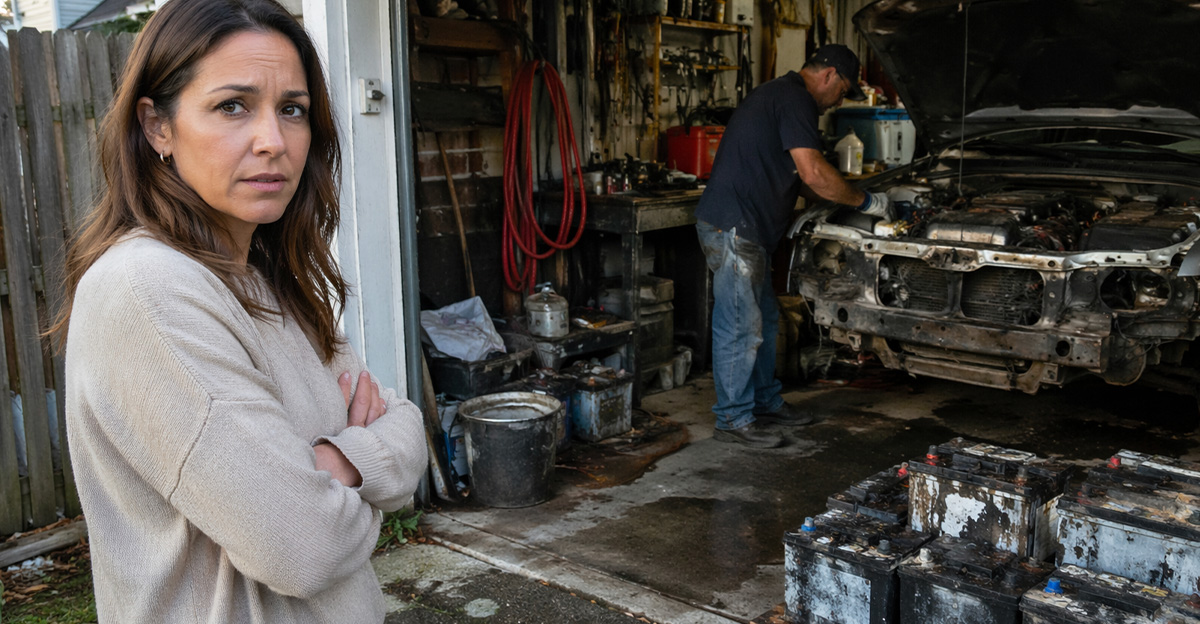
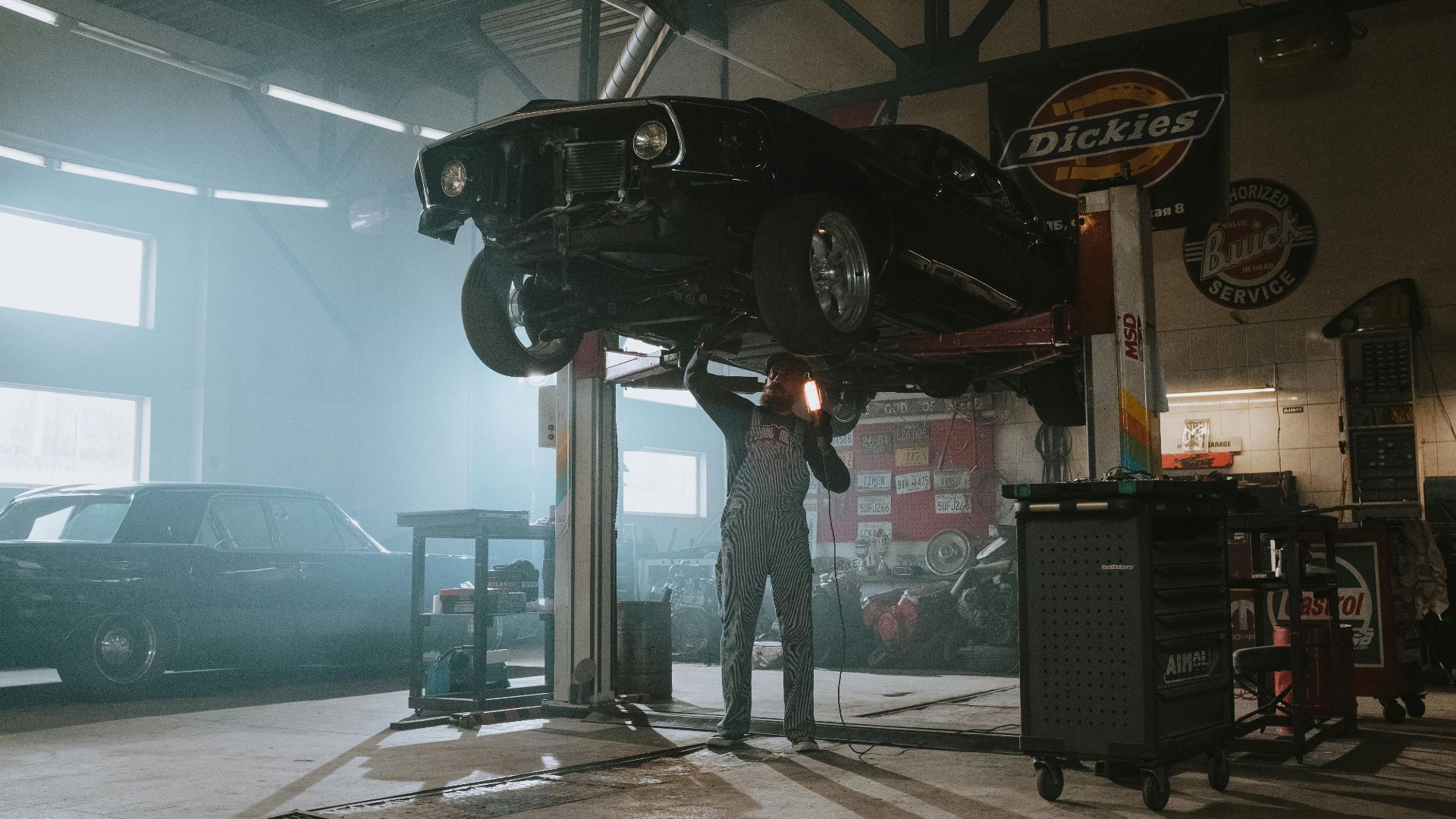
A neighbor working on cars in a garage may not seem like a huge deal at first. But when it starts looking like a real mechanic shop, and old batteries are sitting around leaking, it becomes a safety issue. If you are worried your kids could be exposed to something harmful, that concern is valid. The good news is that you do have ways to protect your family and address the problem.
Why Leaking Batteries Matter
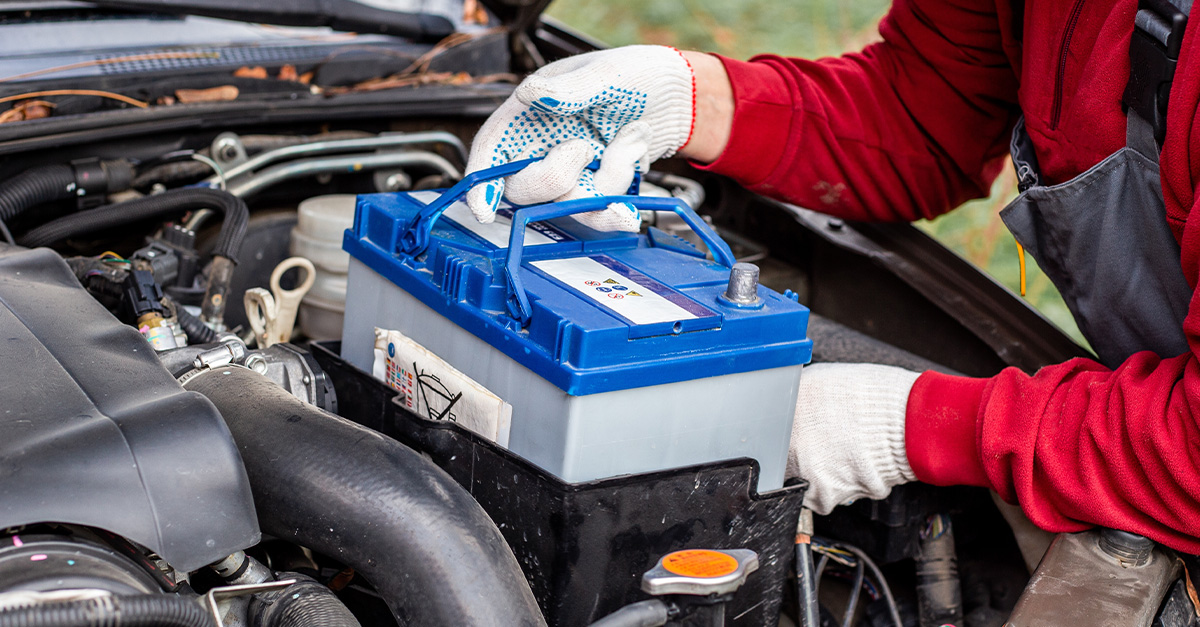
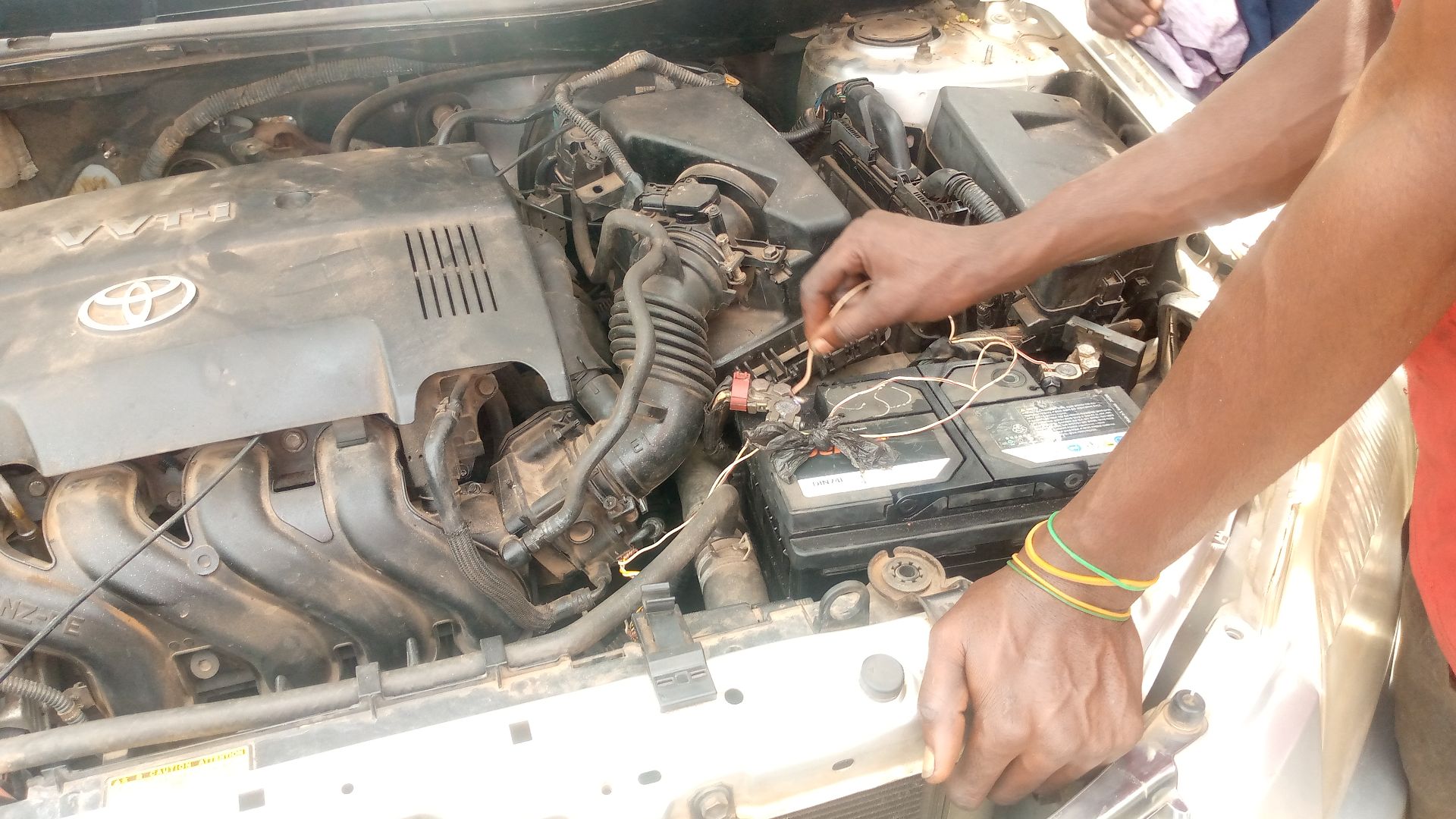
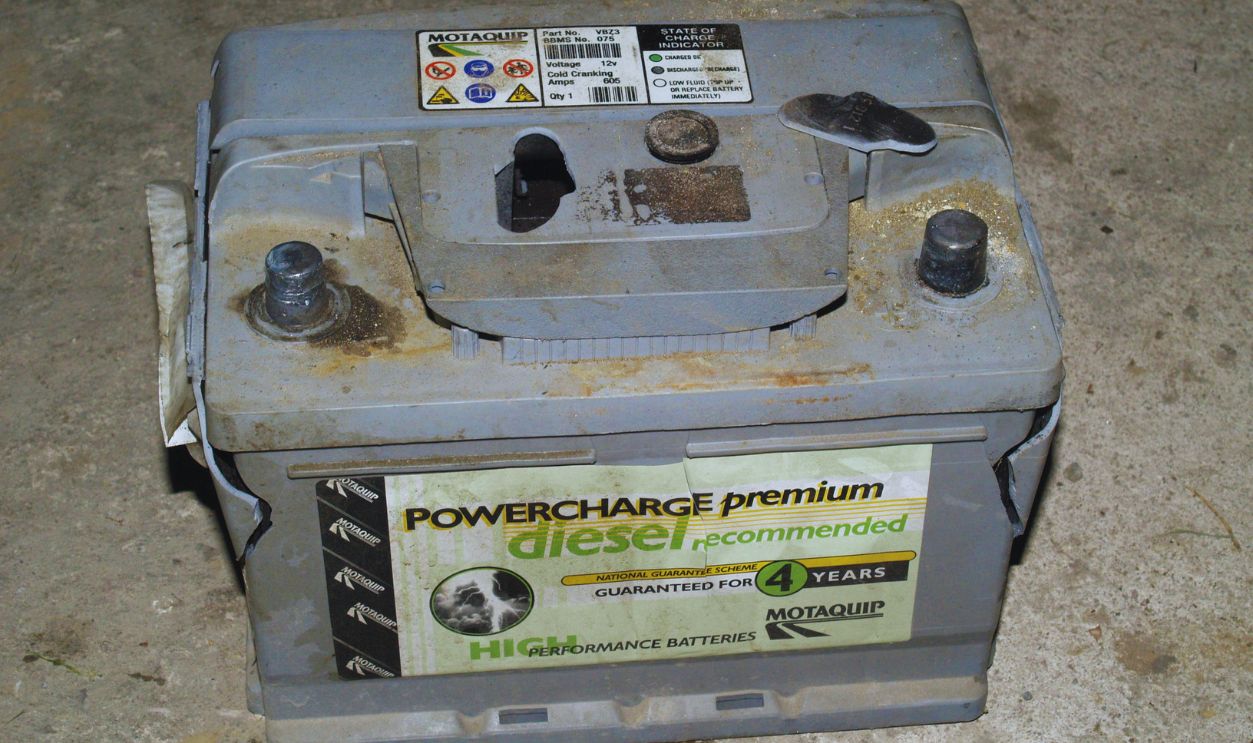
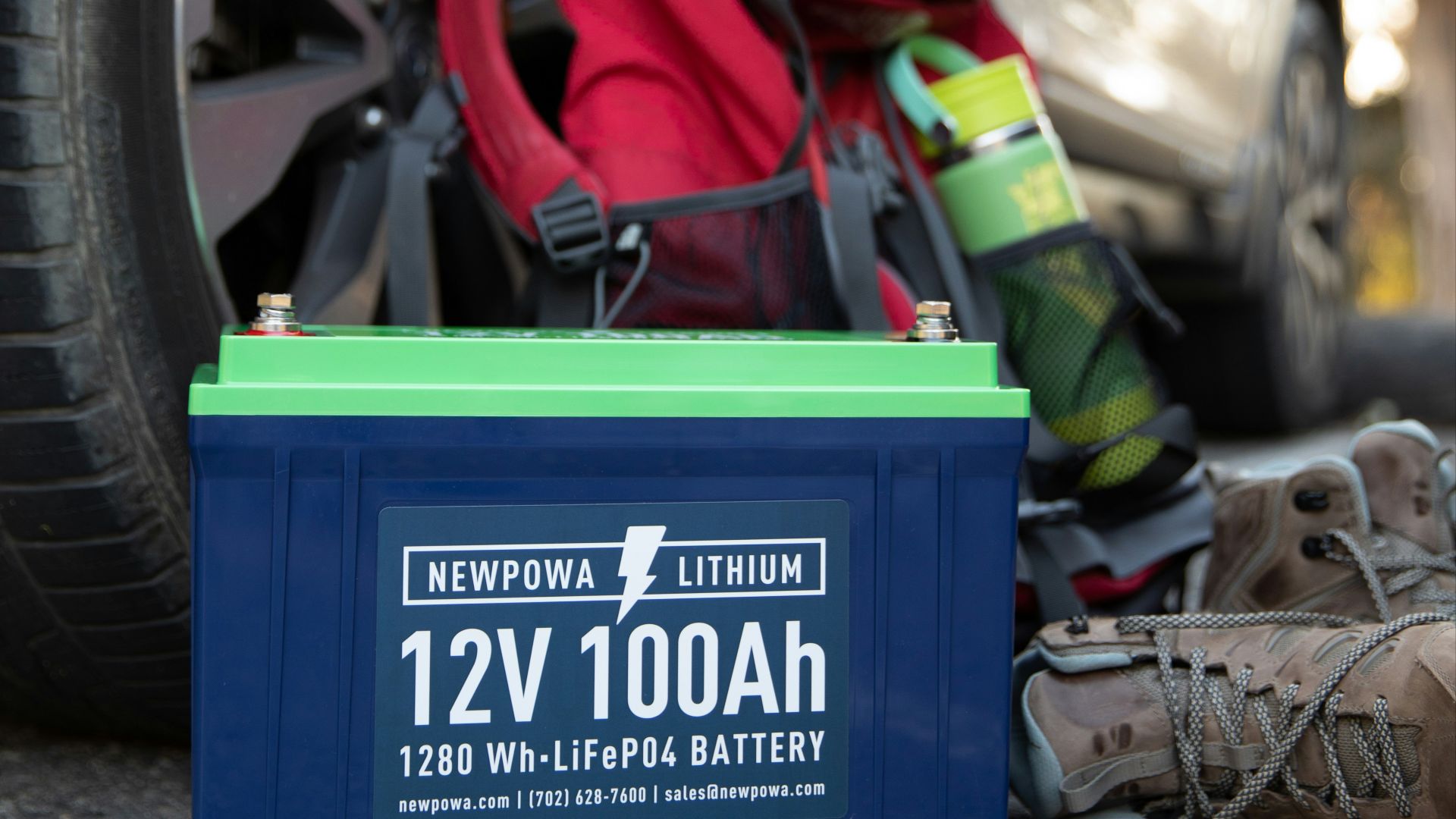
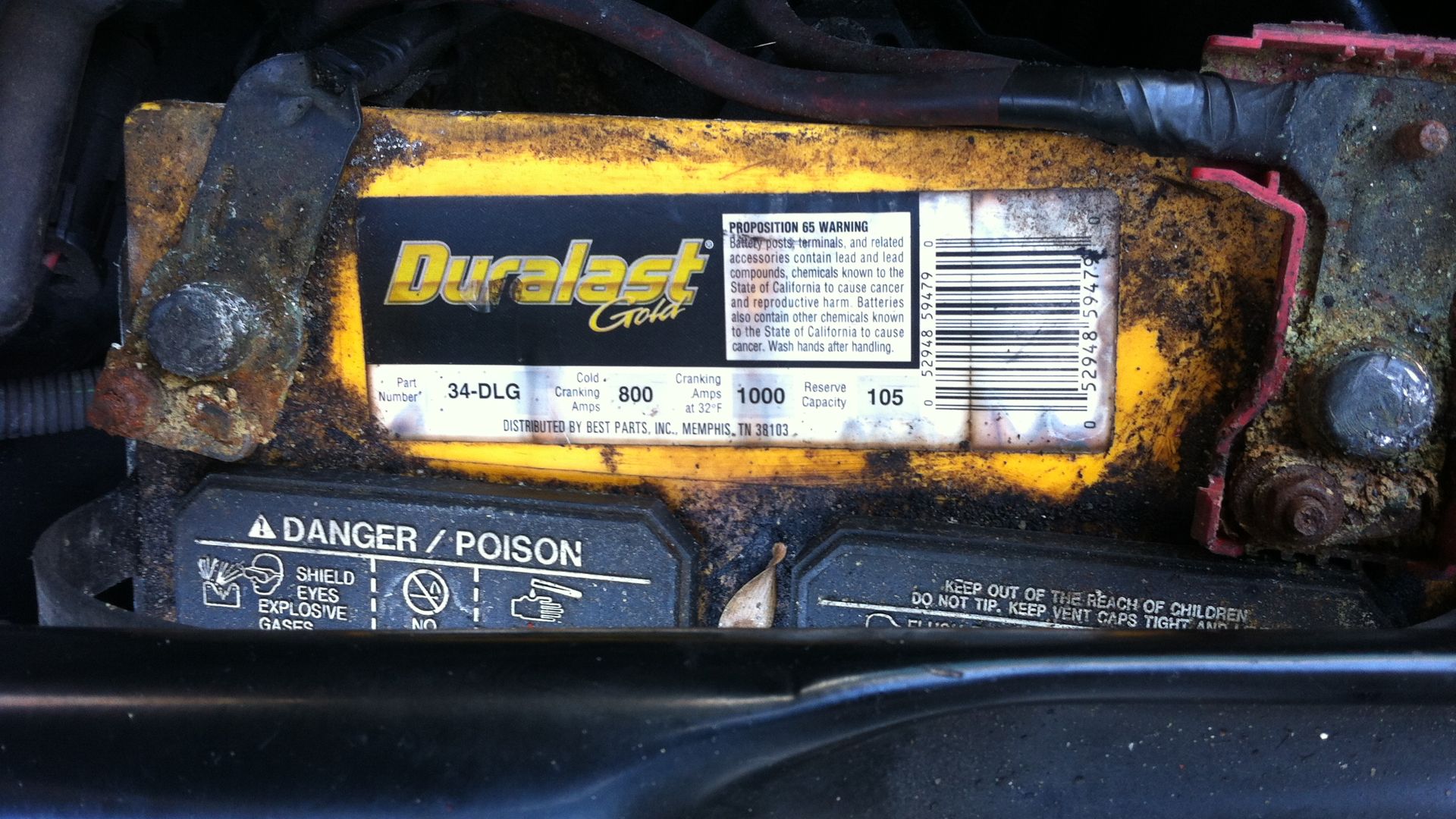
Old car batteries are not harmless junk. Many contain lead and acid, both of which can be dangerous if they leak onto concrete, dirt, or grass. Even if the mess looks small, it can still create a problem. Children and pets should not be anywhere near that kind of waste.
Kids Are More Vulnerable
Children are more likely to touch things, play close to the ground, and forget to wash their hands. That makes them more vulnerable to harmful substances. What looks minor to an adult can be a bigger risk for a child. That is why this kind of situation deserves attention.

The Mess Can Spread
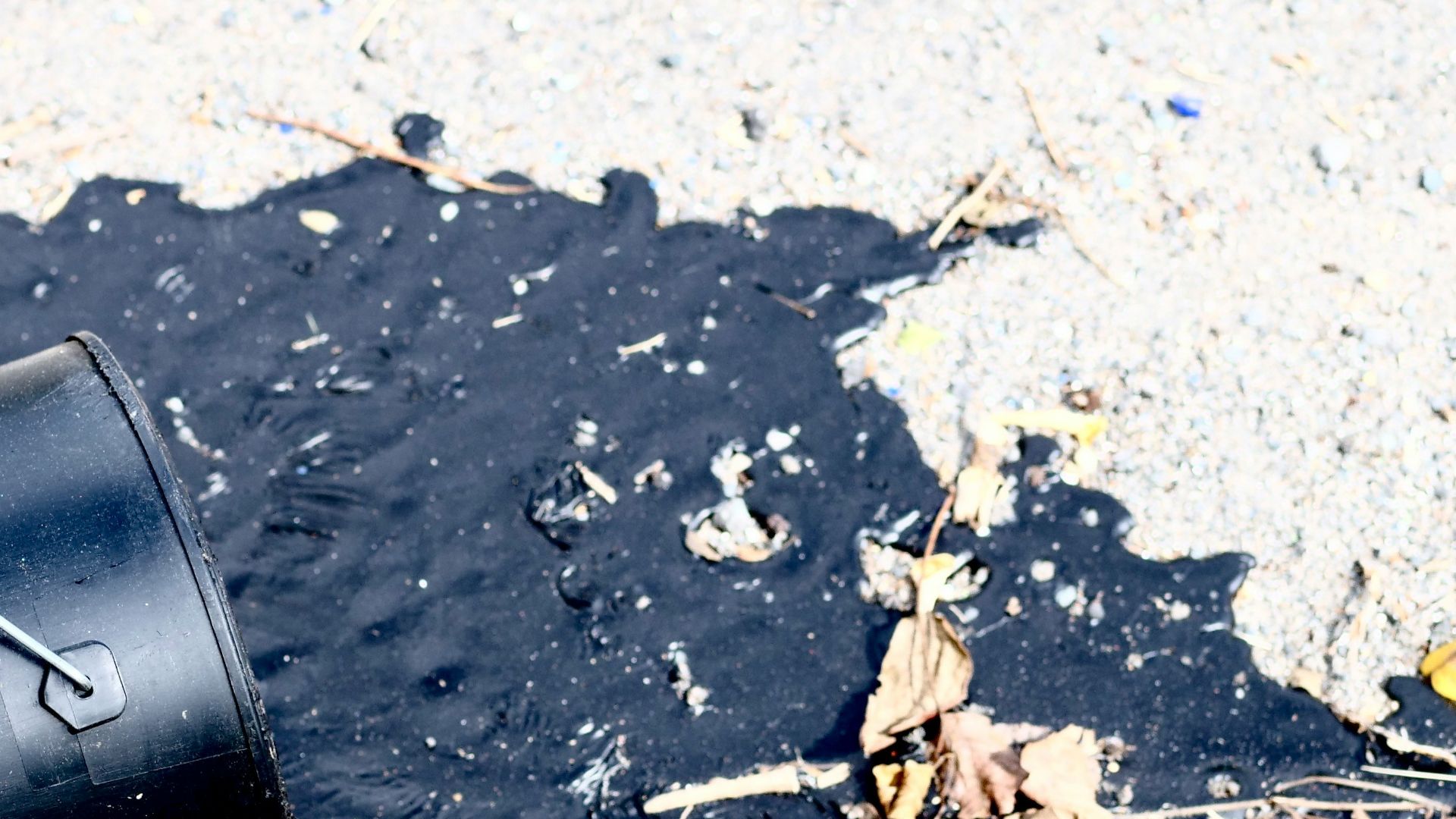
Battery leaks do not always stay in one neat spot. Residue can spread through rain, shoes, runoff, or dirt. What starts in a garage area can move farther than you expect. That is one reason these situations can be more serious than they first appear.
Keep Kids Away First
The first thing to do is simple: keep your kids away from the area. Make the garage side, fence line, or driveway edge off-limits. Even before you know how bad it is, distance is a smart first step. Reducing contact right away gives you peace of mind.

Check Your Own Yard
Take a quick look around your property near the shared edge. Watch for stains, strange residue, plastic pieces, or signs of runoff. You are not trying to investigate like a detective. You are just checking for anything that seems out of place.

Document What You See
If the batteries look old, cracked, or are clearly leaking, take photos from your own property or a public area. Write down dates and what you noticed. This can help later if you need to contact an authority. Good notes make your complaint stronger.
Talk To The Neighbor If You Feel Safe
If the neighbor seems approachable, a calm conversation may help. Keep it simple and focused on safety. You can say you noticed old batteries outside and are worried about your kids being nearby. Sometimes a direct but polite comment solves more than people expect.

Stay Focused On The Hazard
Try not to mix this issue with every other irritation on the block. The main concern is hazardous material, not noise or clutter. Keeping the conversation focused makes you sound reasonable. It also makes the problem easier for others to understand.
Home Garages Still Have Limits
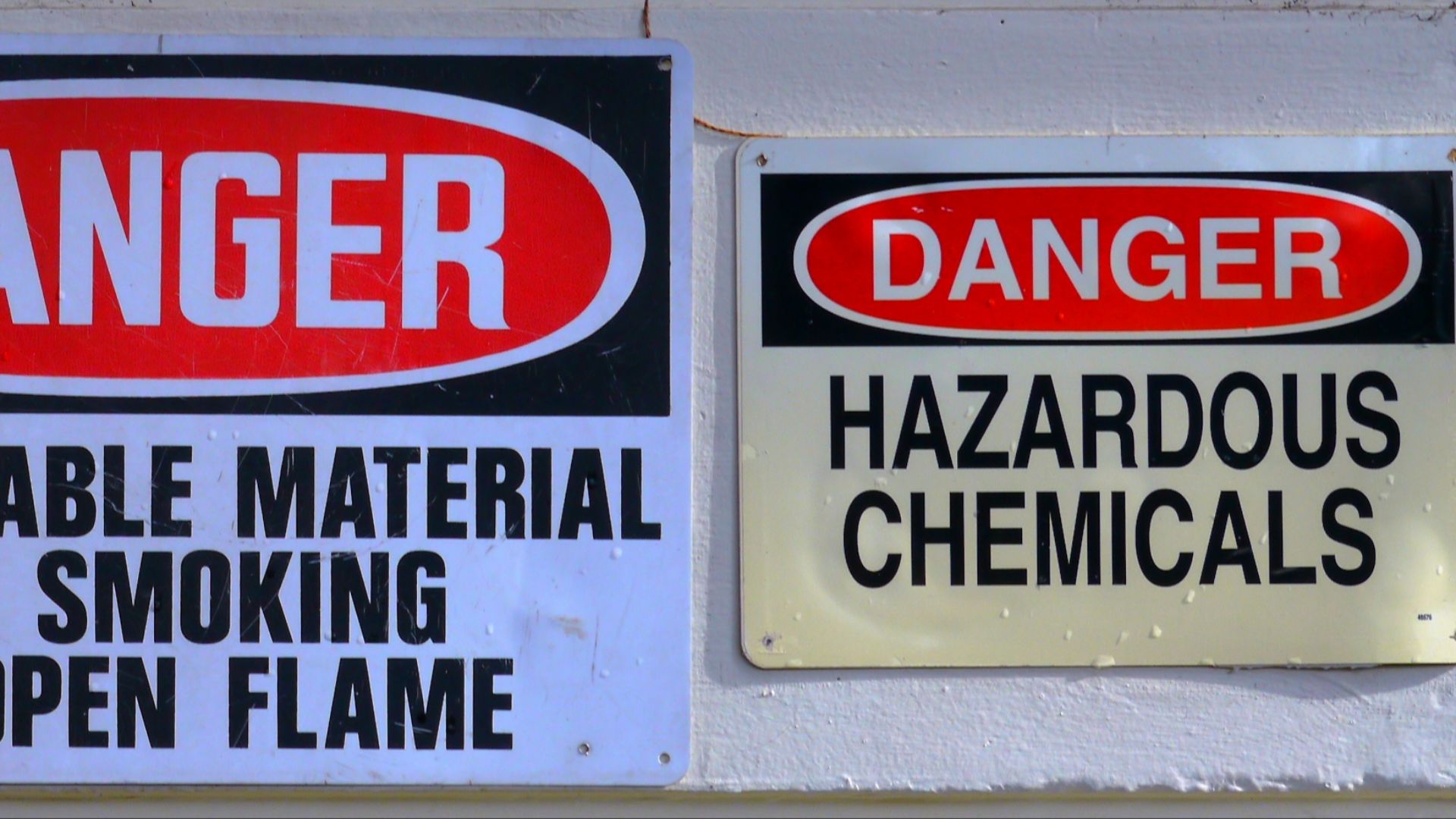
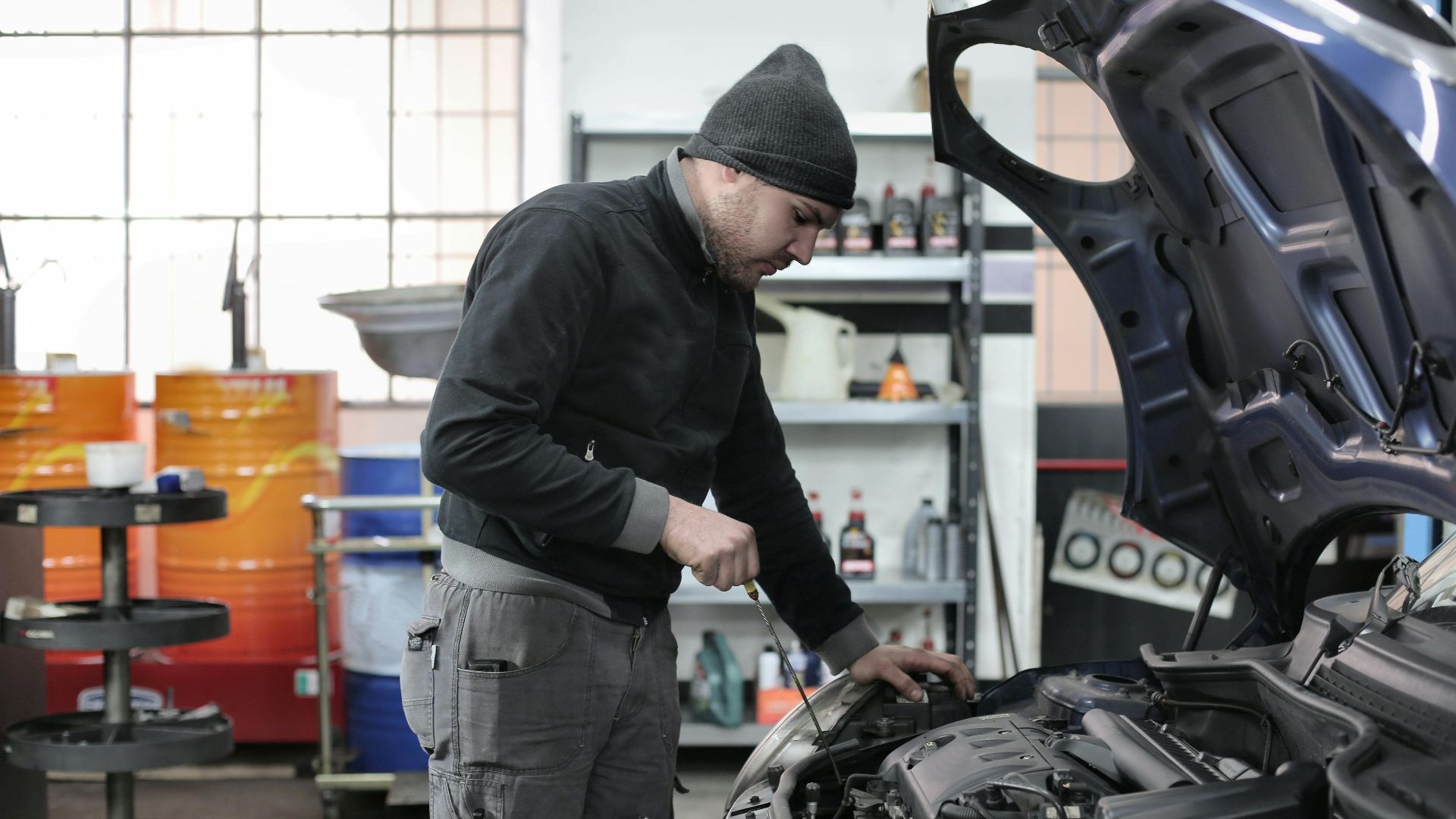
People can work on their own cars at home, but there are still rules. Running a business from a residential property and storing hazardous waste may not be allowed. Even an informal setup can cross the line. That matters when batteries are involved.
Contact Code Enforcement
If the issue continues, your local code enforcement office may be the right place to start. They often handle improper home businesses and property safety concerns. If they are not the correct office, they can usually point you in the right direction.

Consider The Health Department
If your main concern is possible contamination, your local health department may also help. They can tell you whether the situation sounds serious enough for inspection. Even if they do not handle it directly, they may know who does.

Environmental Agencies May Be Involved
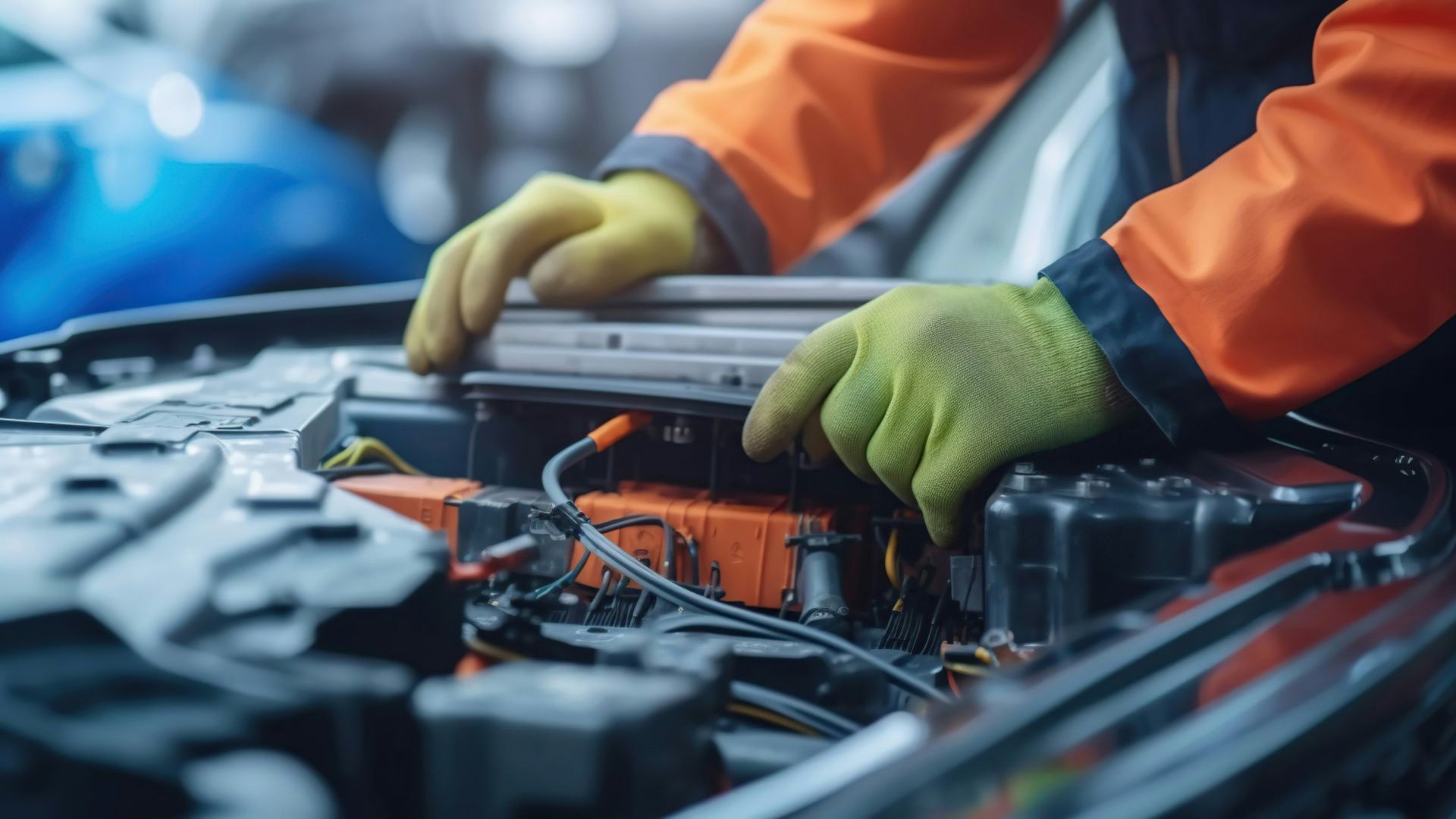
Leaking batteries can fall under hazardous waste concerns. That means your city, county, or state environmental office may need to know. Improper storage or disposal is often more than just a neighbor dispute. It can become an environmental issue fast.
Landlords And HOAs Can Help
If you rent or live in an HOA neighborhood, report the issue there too. A landlord or HOA may already have rules covering unsafe storage, home businesses, or visible waste. Sometimes they can act faster than a public agency.

Shared Spaces Raise The Stakes
If the batteries are near a shared driveway, fence, or drainage area, that is important. Shared spaces make it easier for contamination to spread. Mention that in any complaint you file. It helps show that the issue affects more than one property.
Watch For Possible Exposure
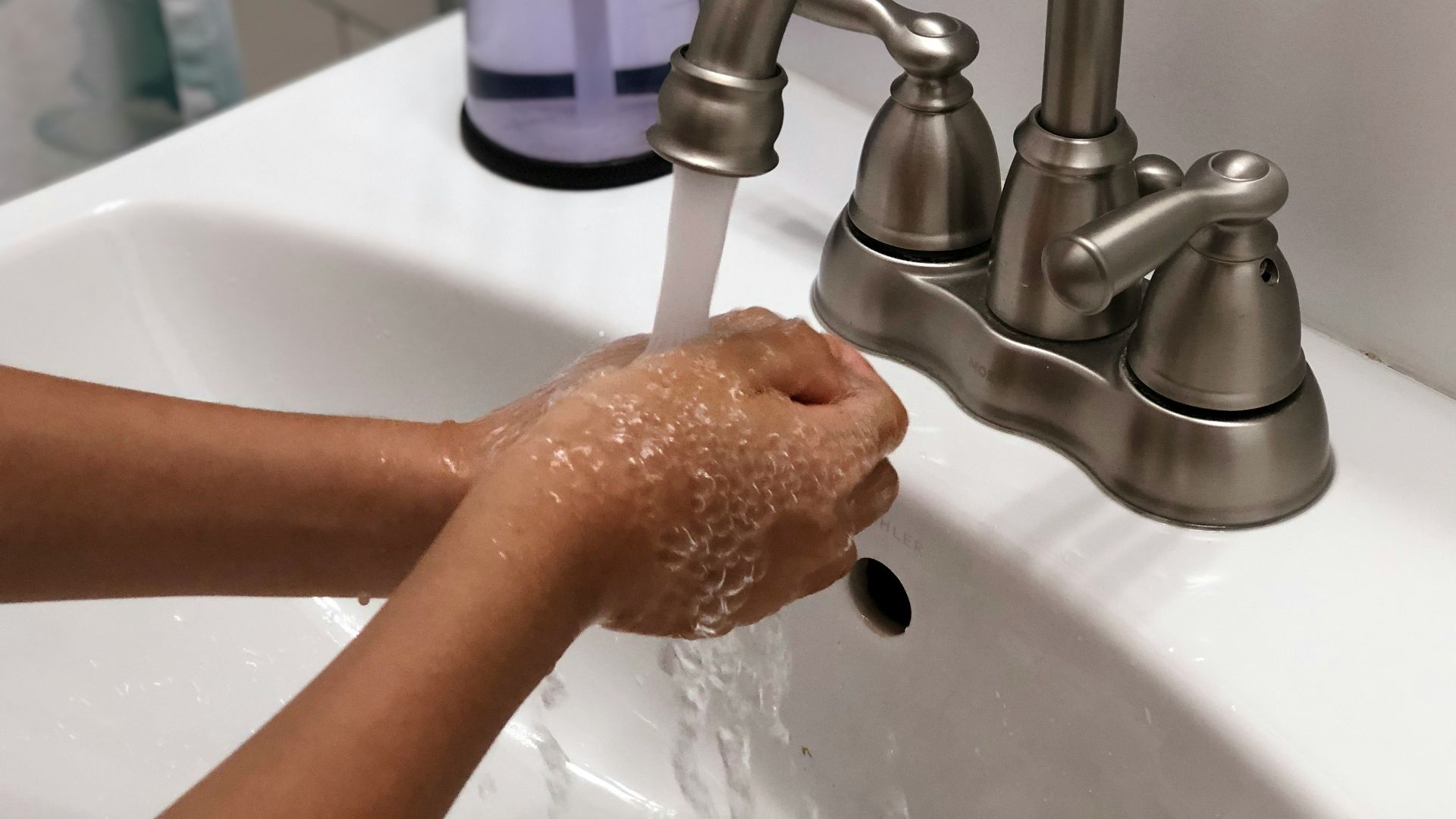
If you think your child may have touched something contaminated, wash hands and clean shoes right away. Keep an eye out for any unusual symptoms and call your pediatrician if you are worried. It is better to ask than sit and stress.
Do Not Clean It Yourself
Do not try to move or clean up your neighbor’s batteries. Leaking batteries can be dangerous to handle without the right gear. You could expose yourself or make the mess worse. This is a report-it problem, not a DIY one.

Protect Your Yard For Now
While you are figuring it out, keep toys and play equipment away from the shared edge. Have kids remove outdoor shoes at the door and wash up after outside play. These small habits can help reduce risk in the meantime.
Notice Smells And Runoff
Chemical smells, wet streaks, or dead grass near the garage can all matter. These details help show that the issue is more than untidy storage. The more specific you are, the easier it is for officials to take the complaint seriously.

Traffic And Noise Add Context
If cars come and go regularly or loud tools are running all the time, mention that too. It helps support the idea that this is not casual hobby work. It may be a business operating where it should not be.

Expect Some Defensiveness
Neighbors do not always respond well to criticism. If the person gets angry or dismissive, do not push the conversation. Back off and let the proper authorities handle it. Your goal is safety, not a fence-line showdown.

Keep Reports Clear And Simple
When you report the issue, stick to the facts. Say the neighbor appears to be running a mechanic shop from a residential garage and storing old batteries that may be leaking. Add that you are worried about exposure to children nearby. Clear facts work best.
Know When To Act Fast
If you see active leaking, runoff, smoke, or a spill near where kids play, report it immediately. If a child or pet may have had direct contact, act quickly. Urgent situations should not wait for a better moment.
Save Everything
Keep photos, emails, and complaint numbers together. If you make a phone call, write down who you spoke with and when. A paper trail is helpful if the problem continues. It shows you acted responsibly.

You Are Not Overreacting
It is easy to worry about seeming difficult. But concern about leaking batteries near children is not petty. This is not about being nosy. It is about protecting your family from a possible hazard.
 Muundahweed, Wikimedia Commons
This Is About Safety, Not Revenge
The goal is not to punish your neighbor. It is to get dangerous materials stored or removed properly. That is better for your family and for the neighborhood. Keeping that perspective makes the situation easier to handle.
Trust Yourself And Speak Up
If something next door feels unsafe, take that feeling seriously. Keep your kids away, document what you see, and report it if needed. You do not have to be an expert to know when something looks wrong. Speaking up is often the smartest thing you can do.

You May Also Like:
Americans Should Know That These “Normal” Driving Things They Do Are Illegal In Canada
Cars From The 1970s That No One Remembers—Seriously, Do You Remember Even 5 Of These Vehicles?