Running On Memories
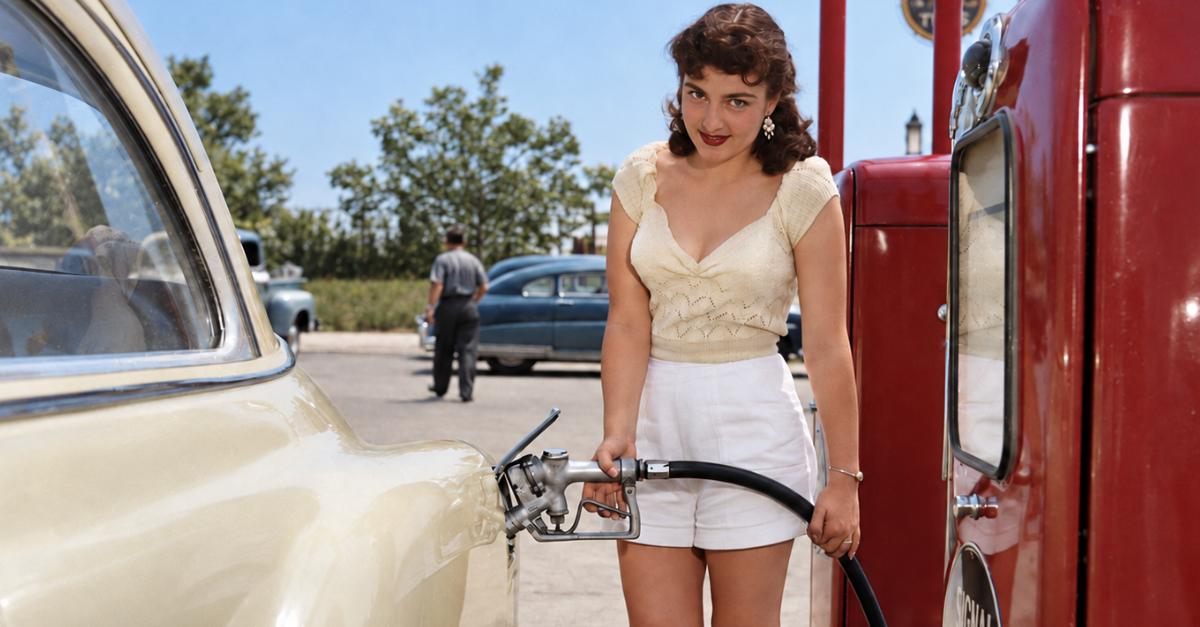
You probably remember the car your dad drove. But what about the name on the pump when he filled it up? These gas brands were around in the 1950s, and some stayed for decades afterward. Others disappeared before the kids in the back seat were old enough to drive.
How many have these names ring a bell?
 Michael Ochs Archives, Getty Images
Kan-O-Tex
The name practically gave you its original sales territory: Kansas, Oklahoma, and Texas. Kan-O-Tex paired a star with a sunflower, giving motorists a little geography lesson before they touched the pump. Anderson-Prichard acquired the company in 1953, putting this regional name on the road toward becoming a collector’s item.
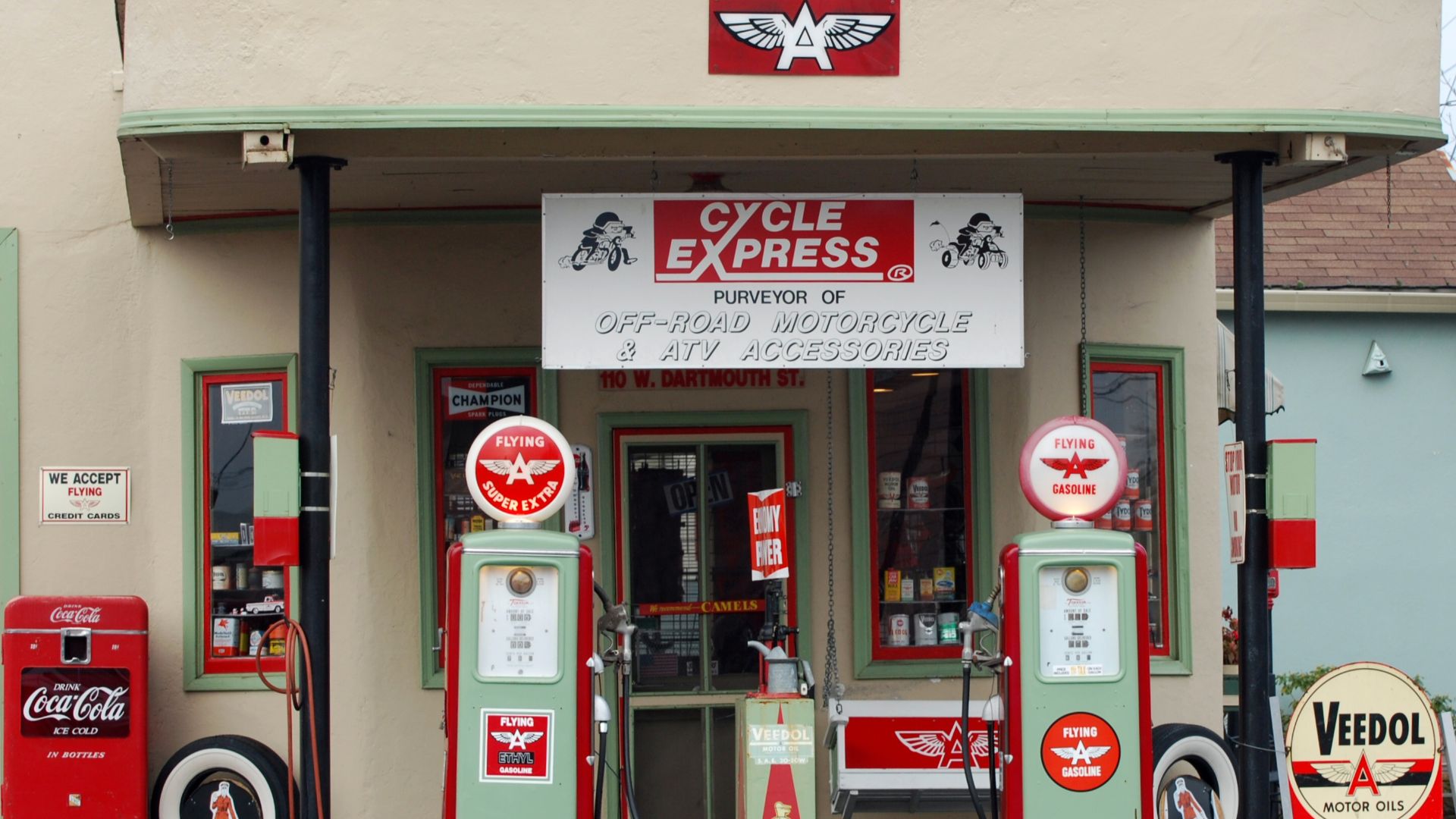
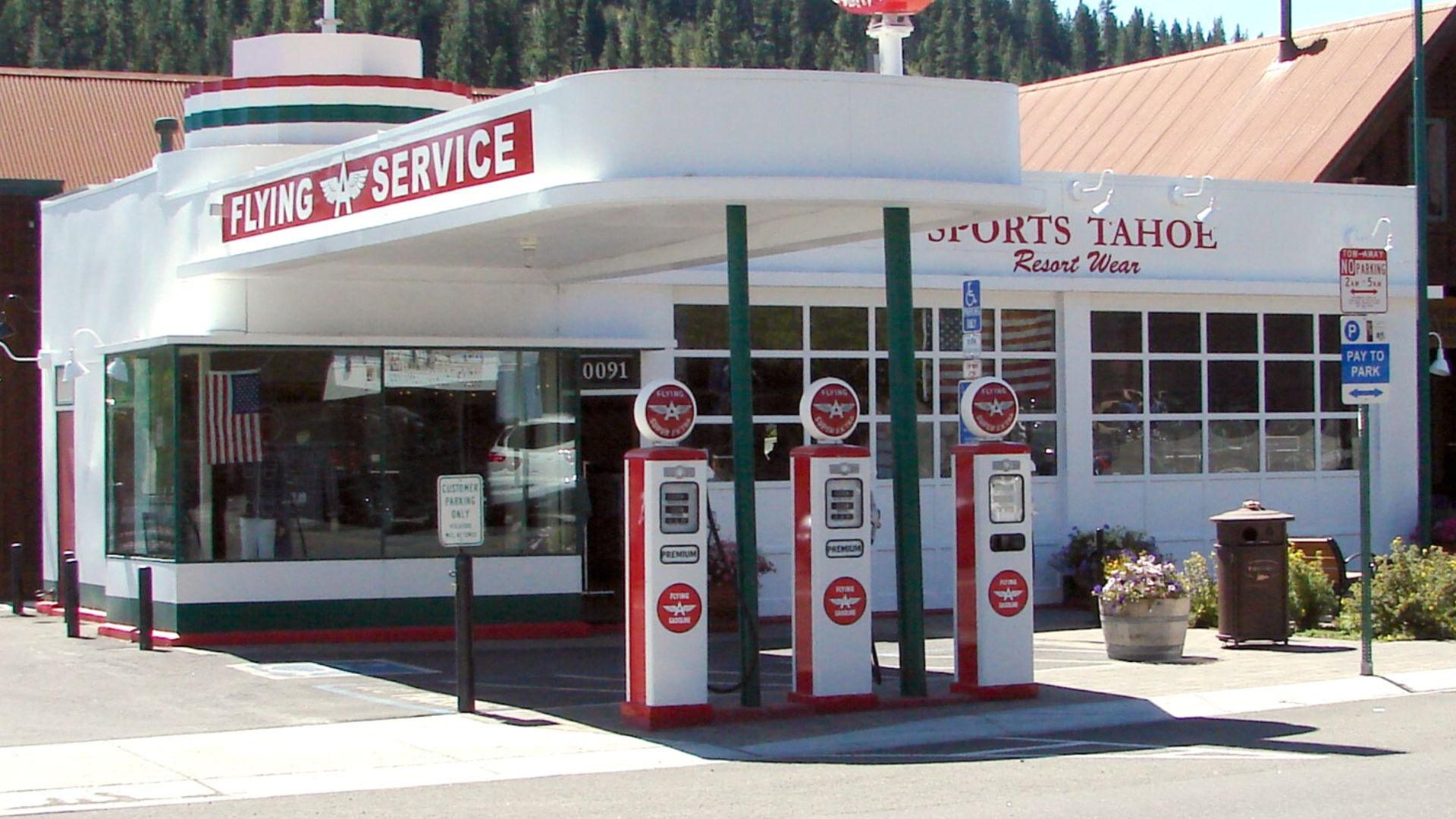
Flying A
That winged A looked right at home beside a car with enormous tail fins. Tidewater used Flying A branding on both coasts during the 1950s, alongside the Associated and Tydol names before simplifying its identity. Later deals split the network, and Eastern stations eventually became Getty. The wings didn’t keep this one in the air forever.
 Noël Zia Lee, Wikimedia Commons
Amlico
Amlico sounds like an insurance company, but it was American Liberty Oil Company’s gasoline brand. Its stations appeared in Texas during the 1950s, including around Dallas, Abilene, and Lubbock. American Petrofina acquired the brand in 1957. If you only remember Fina, you missed one of the names that came before it.
Leonard
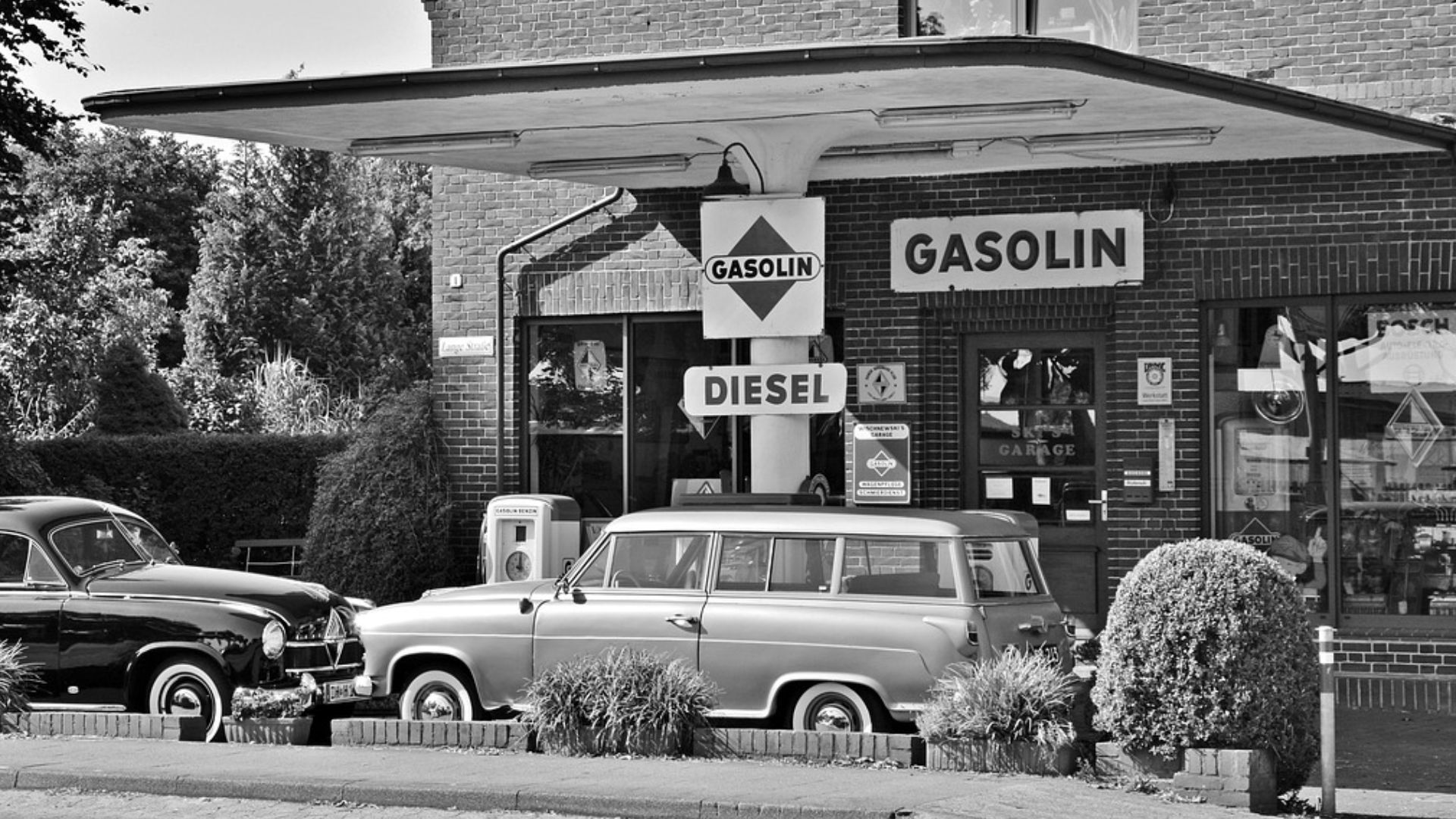
Michigan motorists had a local name competing for their gas money: Leonard. During the 1950s, the company promoted increasingly high-octane gasoline, advertising a 105-octane fuel in 1957. By 1961, more than 700 stations sold Leonard products. This was a serious regional business, even if the name means nothing to you today.
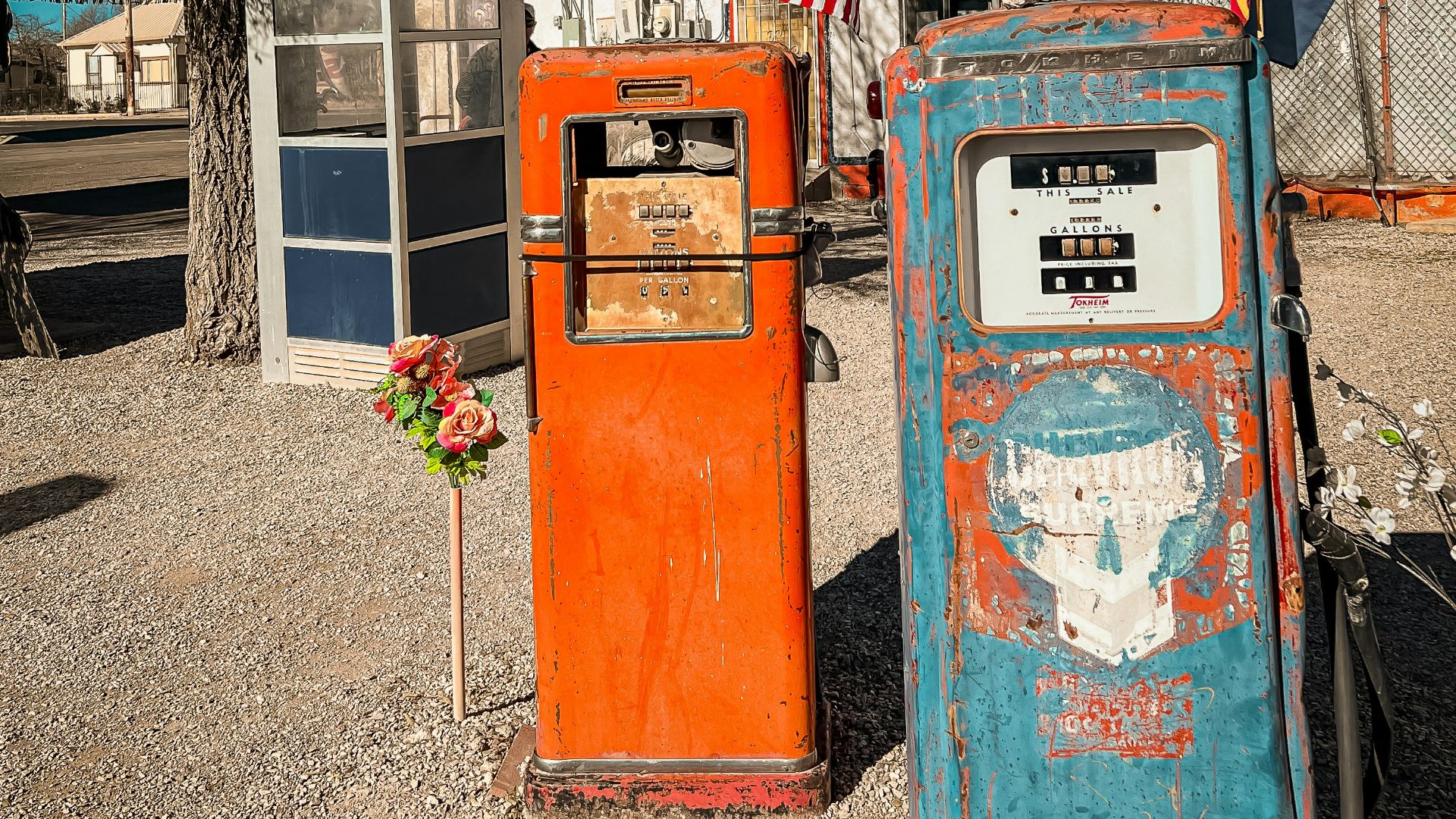
Deep Rock
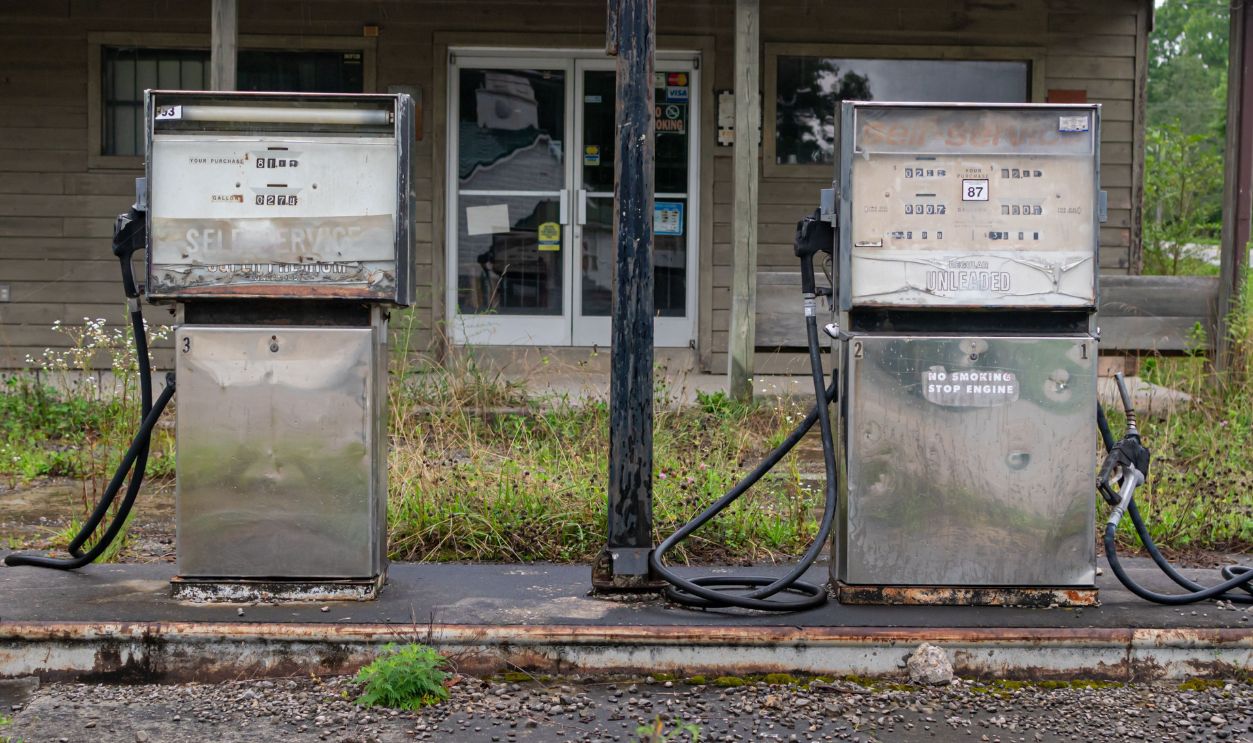
Deep Rock sounds more like a quarry than somewhere your dad bought gasoline, but its stations were spread across the Midwest. Kerr-McGee acquired the business in 1955, including hundreds of retail outlets. The Deep Rock name continued afterward, so the purchase didn’t immediately mean a new sign above your usual pumps.
 Thomas J. O'Halloran, Wikimedia Commons
Hi-Power
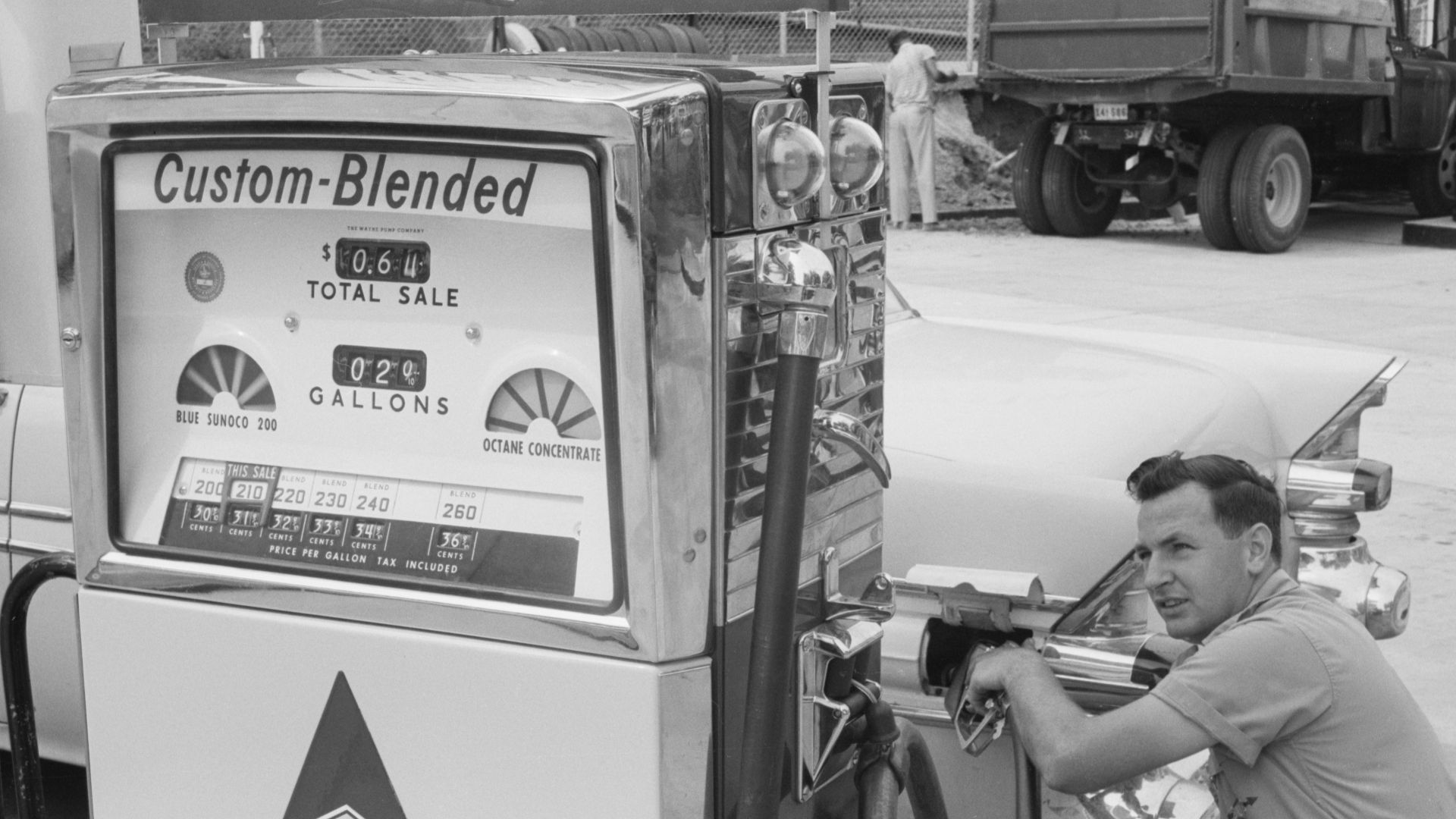
H. Earl Clack’s company sold Hi-Power gasoline across a broad stretch of the northern United States. By the time it merged with Husky in 1954, the business had about 200 wholesale and retail facilities across seven states. Husky Hi Power became the retail name, giving those familiar stops a new identity.
Utoco
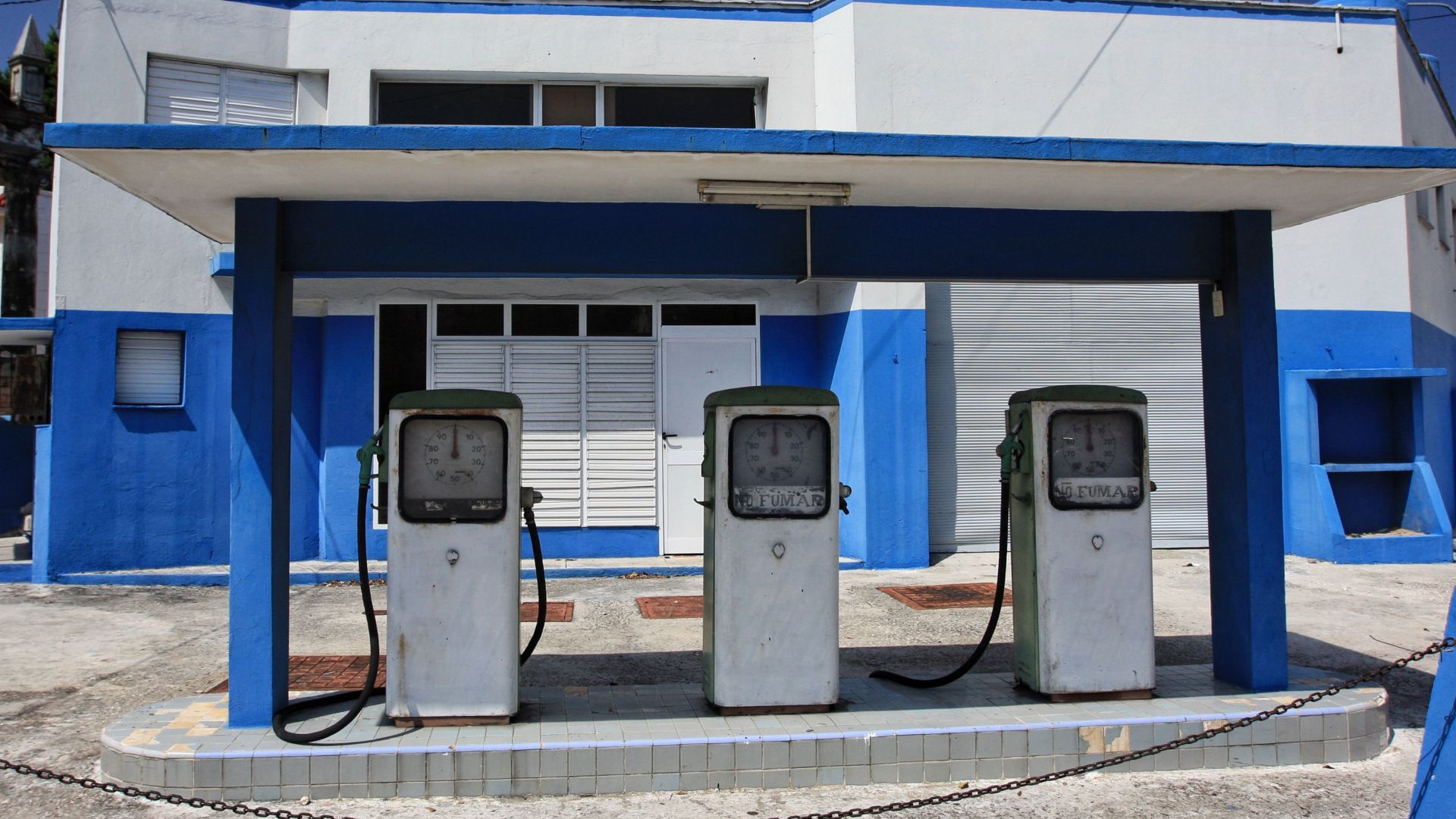
Utoco sounds like somebody shortened a much longer name. That’s essentially what happened with this Utah Oil Refining Company brand. Its territory included Utah, Idaho, and adjoining Western markets during the 1950s. Beginning in 1961, its stations became American. Another familiar name disappeared without the pumps necessarily going anywhere.
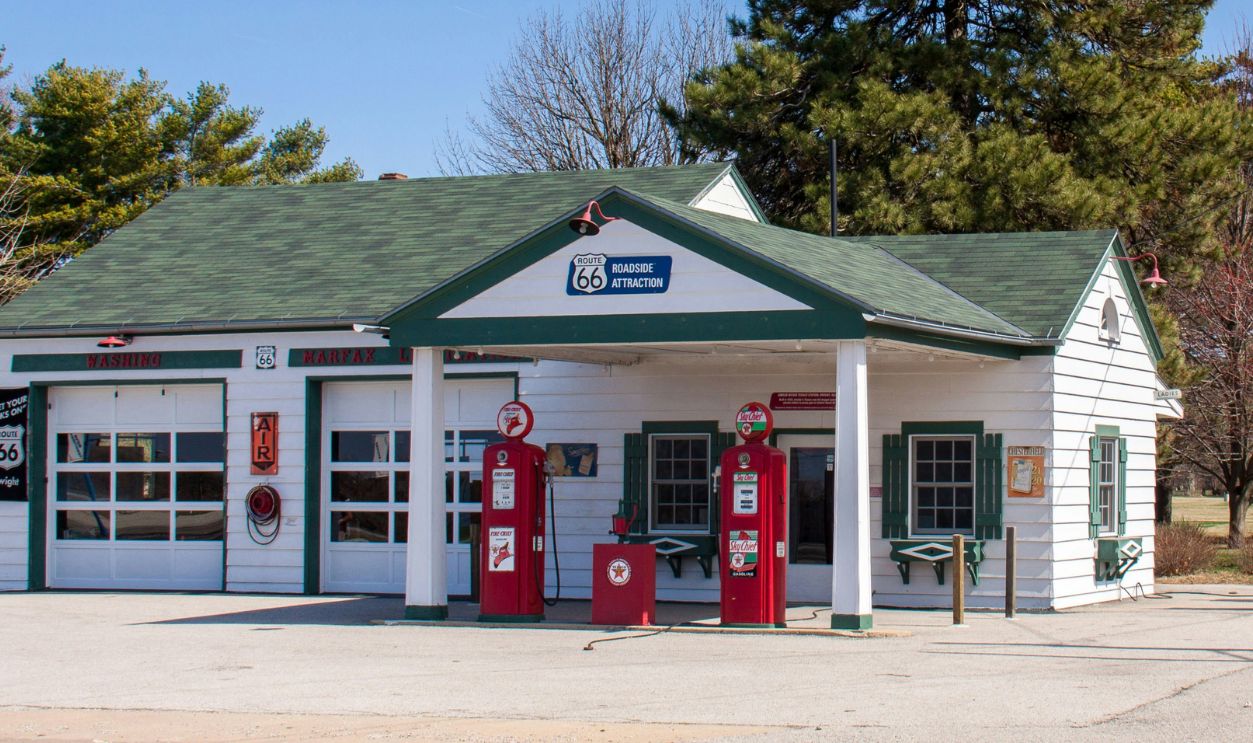
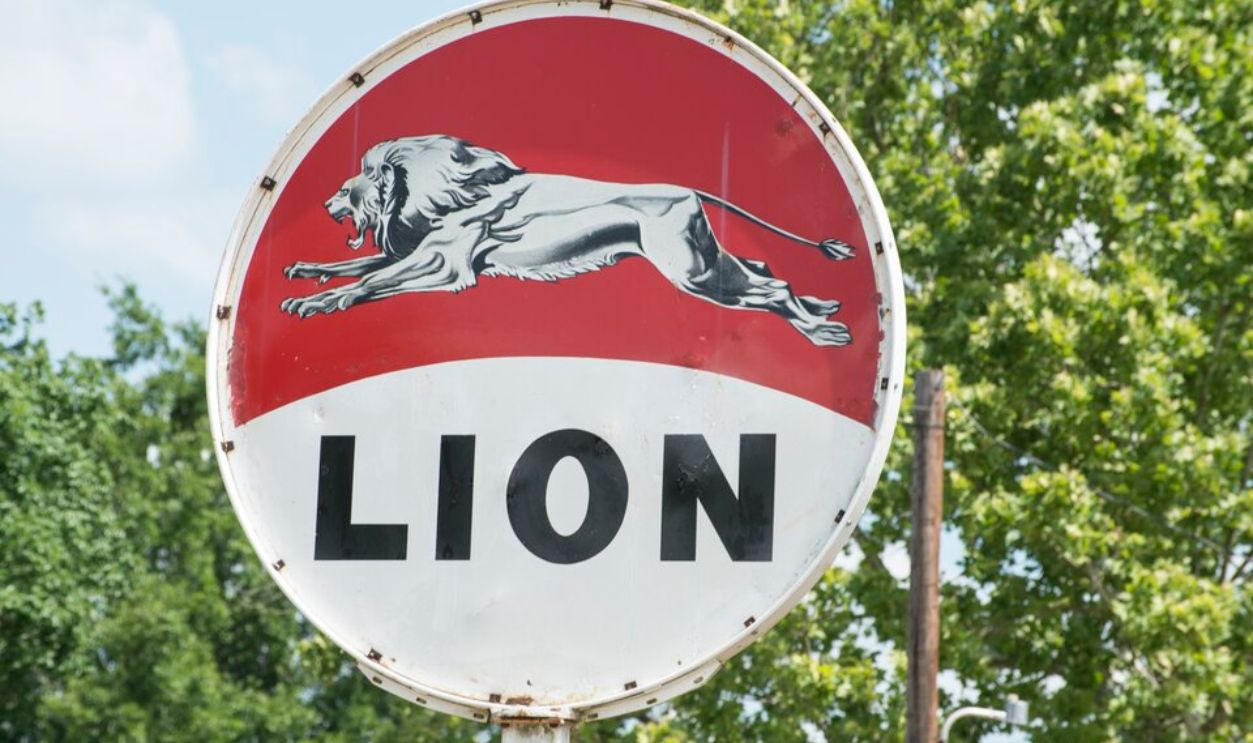
Lion
Lion wasn’t some tiny operation with three pumps and a homemade sign. At its mid-1950s peak, nearly 2,000 Lion service stations dotted the South. The Arkansas company merged with Monsanto in 1955, although the station identity lasted longer. That’s a lot of places to fill up for a name people barely recognize now.
 Carol M. Highsmith, Wikimedia Commons
Perfect Power
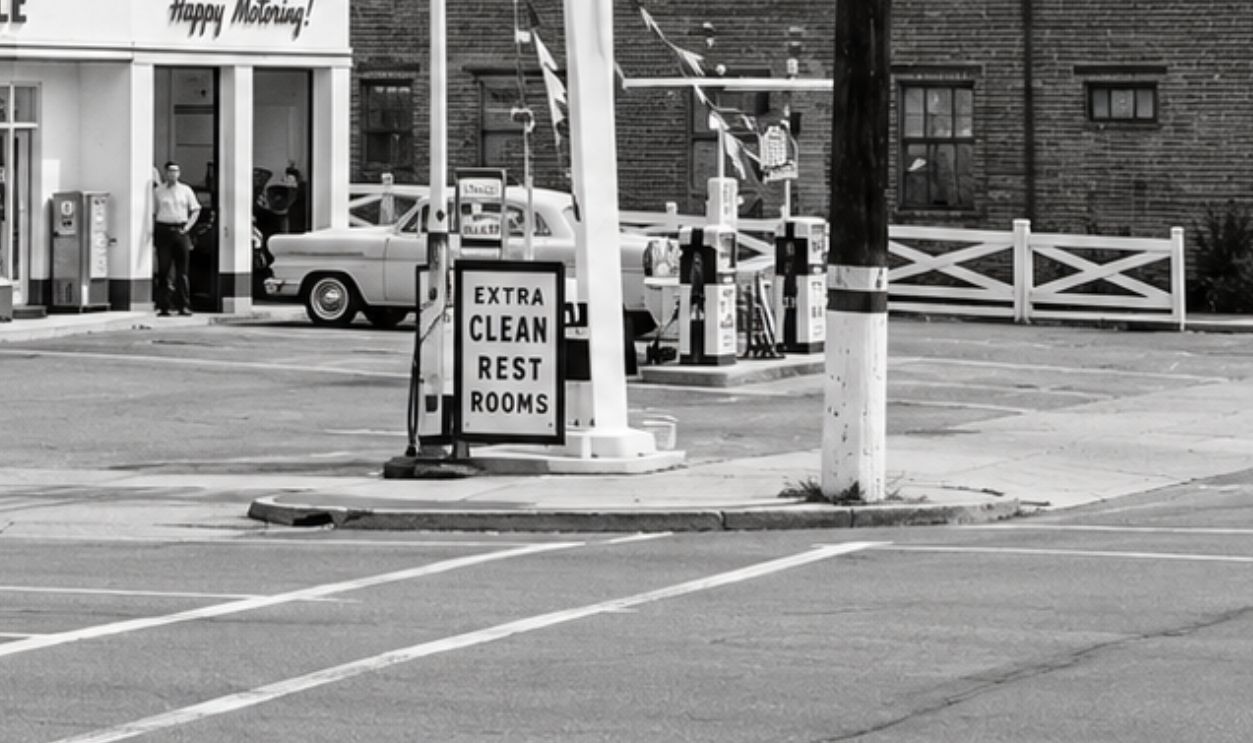
Perfect Power didn’t leave much room for modesty. The Chicago-based discount gasoline retailer was still issuing road maps in 1957, shortly before Standard Oil of New Jersey acquired it. Its stations became Oklahoma, then later Enco. Remembering your usual gas station apparently required keeping up with a whole series of name changes.
 Seattle Municipal Archives, Wikimedia Commons, Enhanced
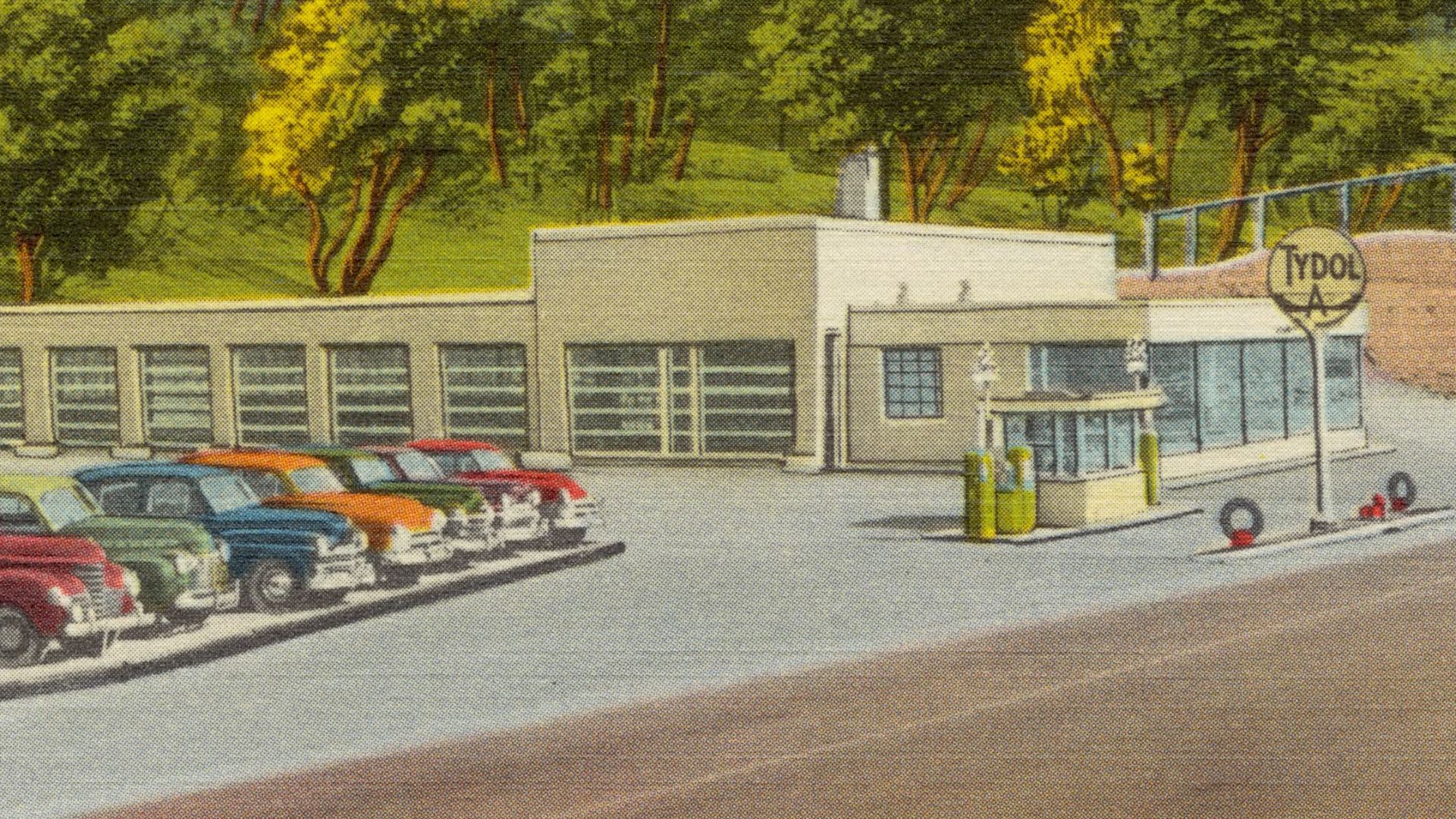
Tydol
If Flying A rang a bell, Tydol might explain why. Tidewater used the Tydol Flying A identity in its Eastern territory before simplifying the branding to Flying A during the mid-1950s. These were connected identities within the same business. But recognizing the winged A doesn’t necessarily mean you remember seeing Tydol beside it.
 Tichnor Brothers, Publisher, Wikimedia Commons
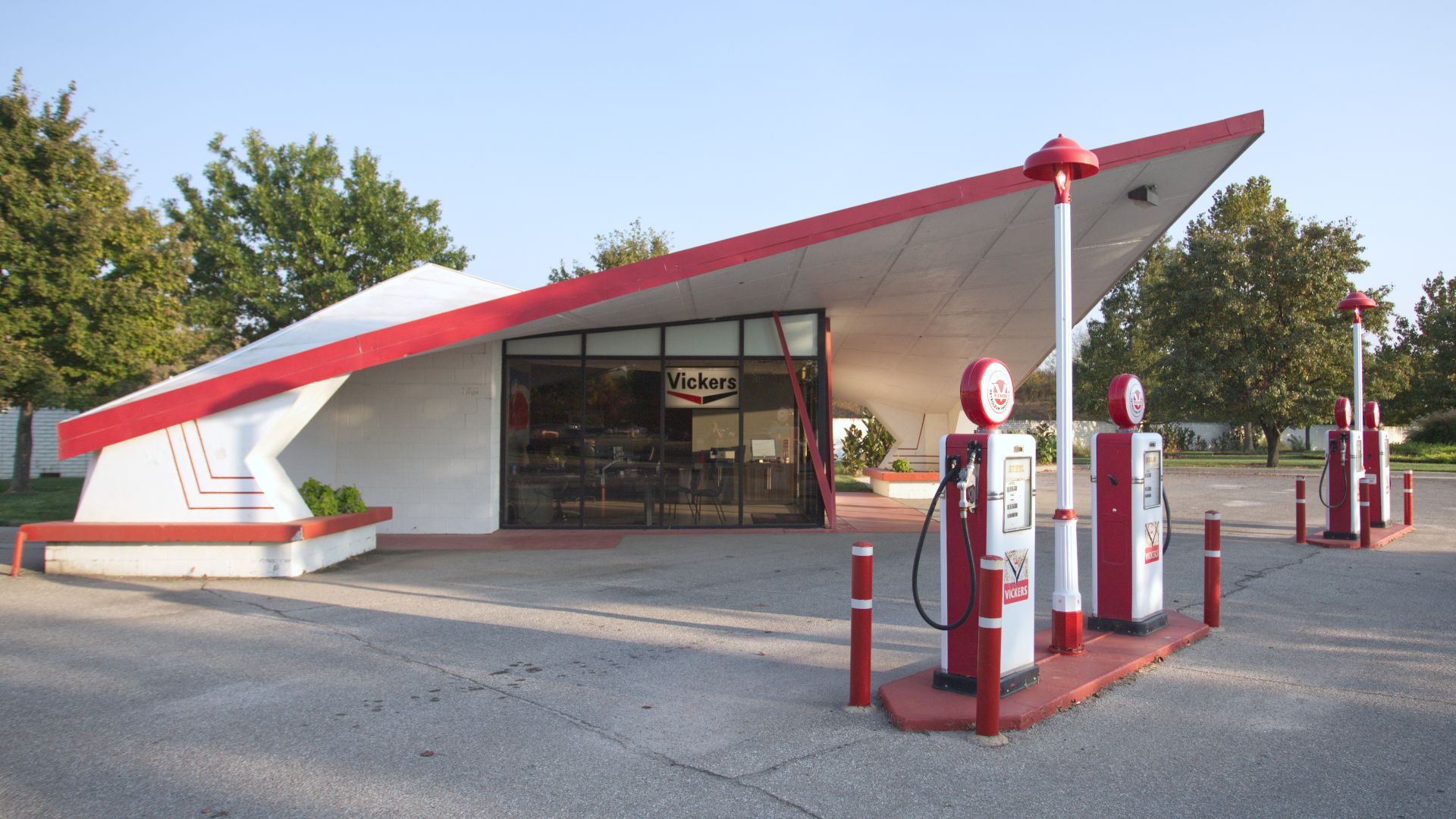
Vickers
By the 1950s, Vickers had a chain of about 300 service stations across the Midwest. The Kansas company also sponsored the Wichita Vickers basketball team, giving people another reason to recognize the name. Buying gasoline and following basketball could involve the same company. That’s one way to keep customers thinking about you.
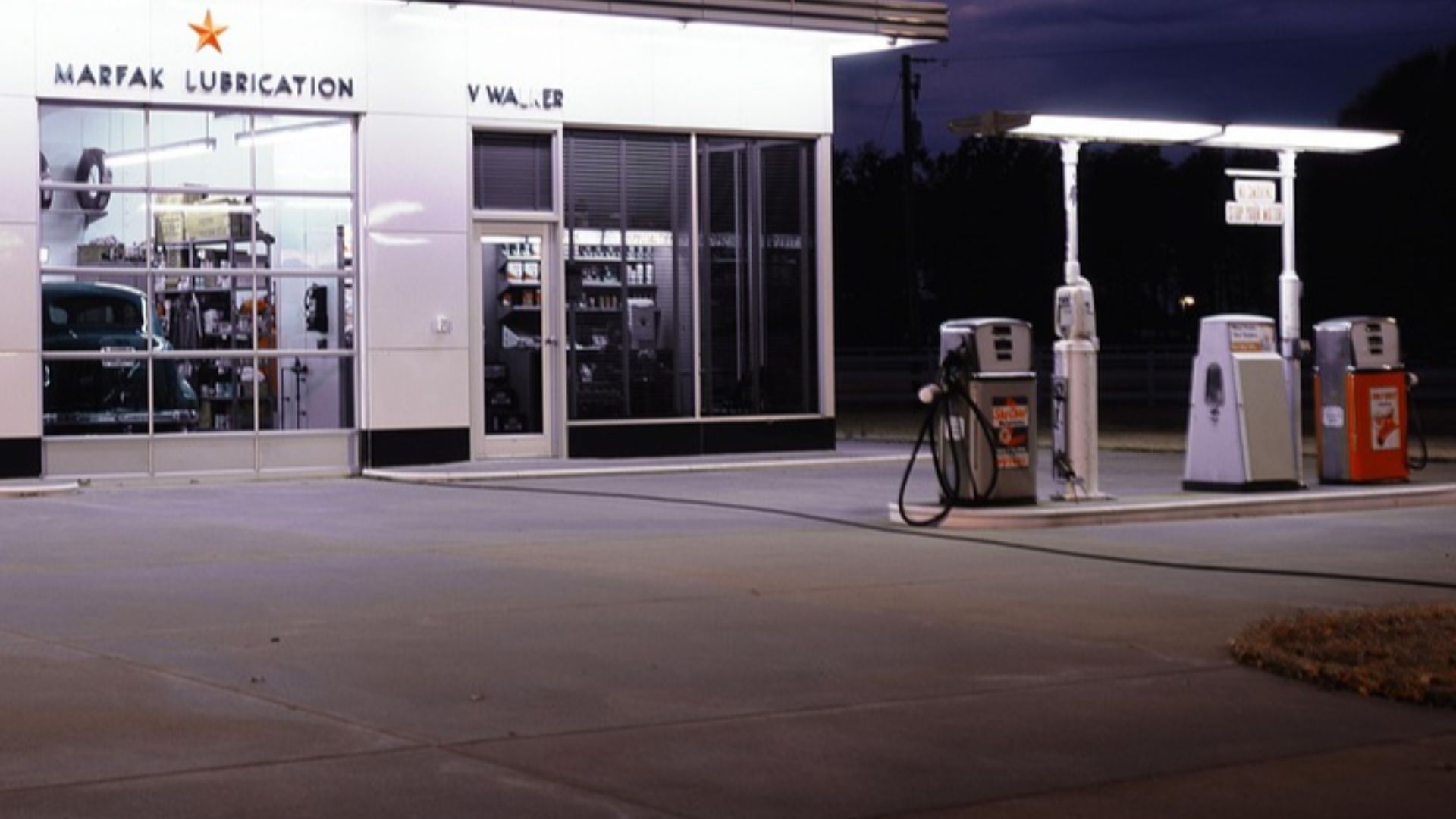
Elreco
Elreco sounds mysterious until you know it came from the El Dorado Refining Company of Kansas. The company operated service stations across the western Plains before American Petrofina acquired its operations in 1958. Fina branding followed. Another regional gasoline name was being pushed aside before the 1960s even began.
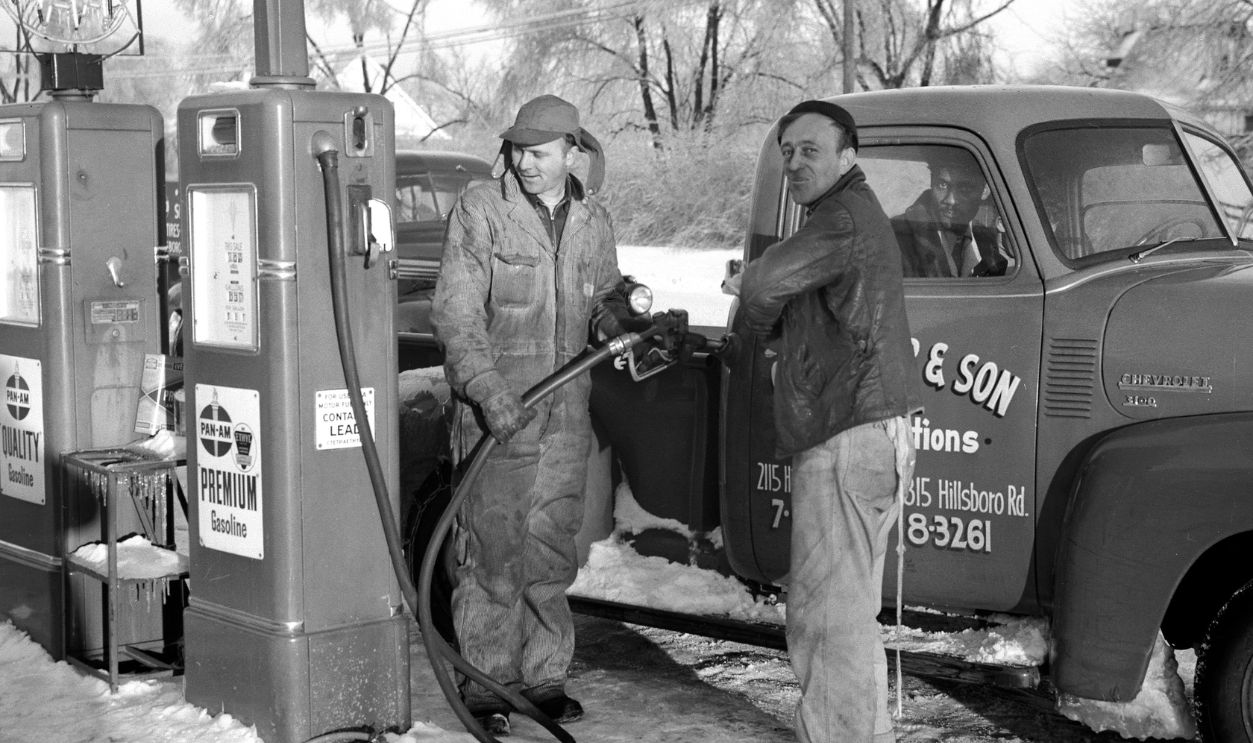
Pan-Am
Pan-Am wasn’t only a name associated with air travel. Southern motorists could also buy Pan-Am gasoline in Alabama, Louisiana, Mississippi, and Tennessee. Standard Oil of Indiana began converting those stations to Amoco in 1956. If your family kept stopping at the same place, the name above the pumps could change around you.
Johnson
Johnson sounds ordinary enough that you could mistake it for the surname of the man running the station. But Chicago-based Johnson Oil Refining marketed gasoline across the Midwest. Gaseteria bought the company in 1956, then changed hands itself the following year. Former Johnson stations subsequently received the Oklahoma brand.
Falcon
Before Ford’s Falcon reached showrooms, Falcon was already a name motorists could encounter while buying gasoline. The Consumers Cooperative Association used it for retail operations after World War II, and a surviving 1955 road map carries the brand. This Falcon belongs in your memories of the pumps, rather than the driveway.
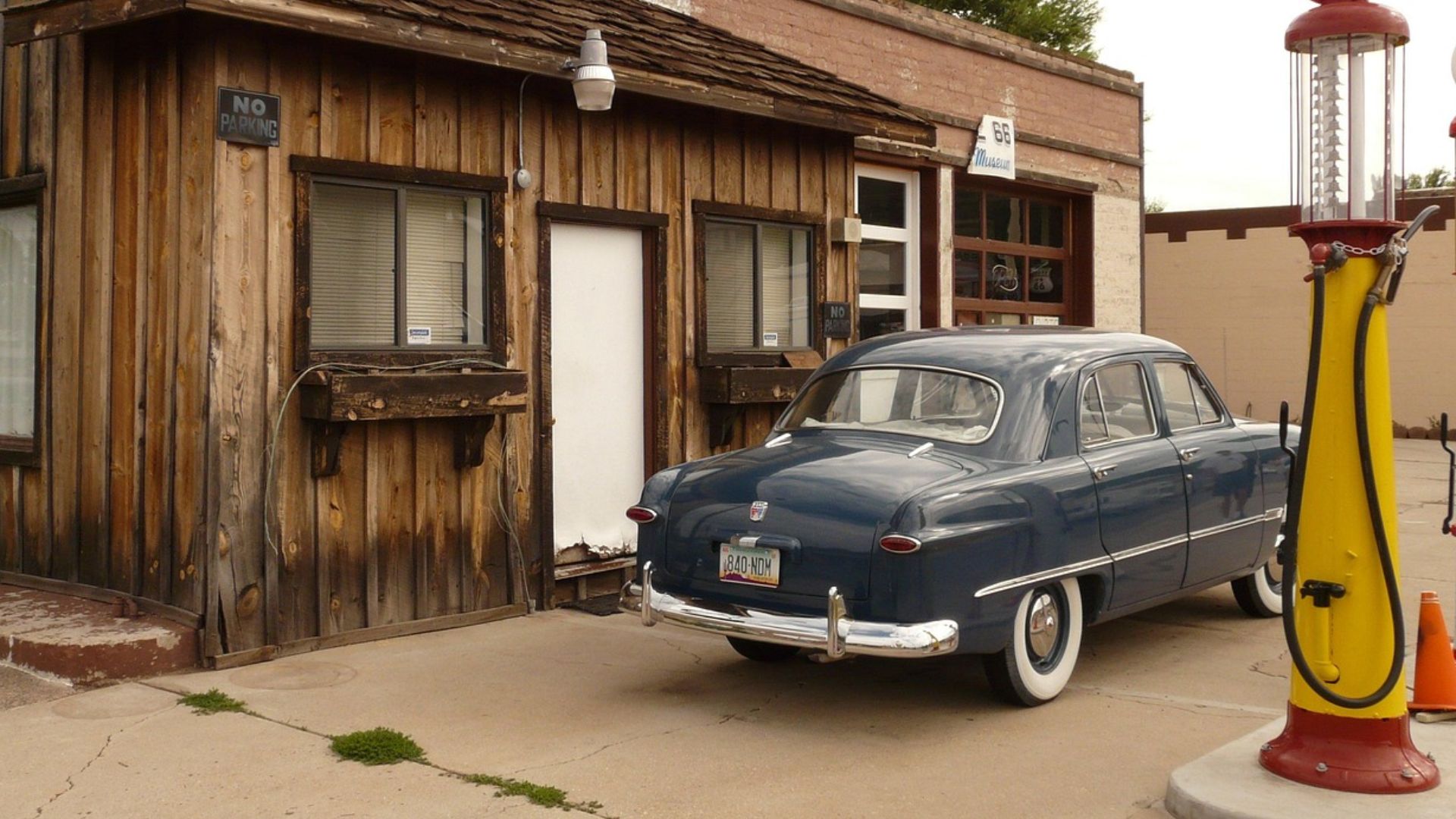
Wilshire
Wilshire wasn’t only a famous Los Angeles boulevard. It was also a gasoline brand with some wonderfully unusual station architecture. Certain late-1950s locations featured canopies pierced by tall, spear-like supports. Gulf eventually replaced the Wilshire branding, but those distinctive buildings gave the old name something to leave behind besides signs and maps.
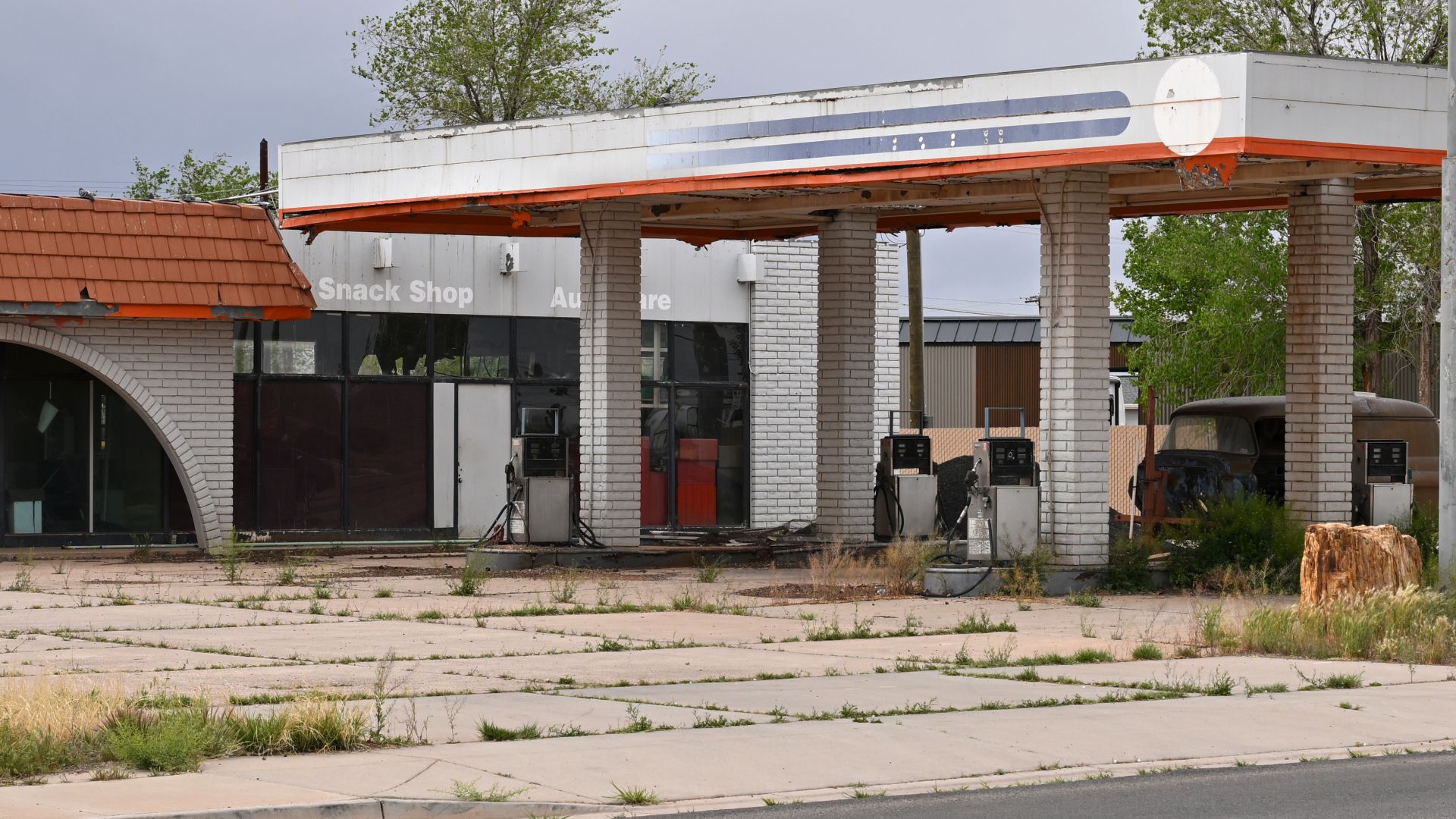 G. Edward Johnson, Wikimedia Commons
Dixie
Dixie wasn’t confined to the part of the country its name suggests. A Michigan-based distributor association connected independent petroleum businesses under the brand, with affiliates operating well beyond the South. A 1952 map from its El Paso affiliate survives. Your chances of remembering it depend on more than where you grew up.
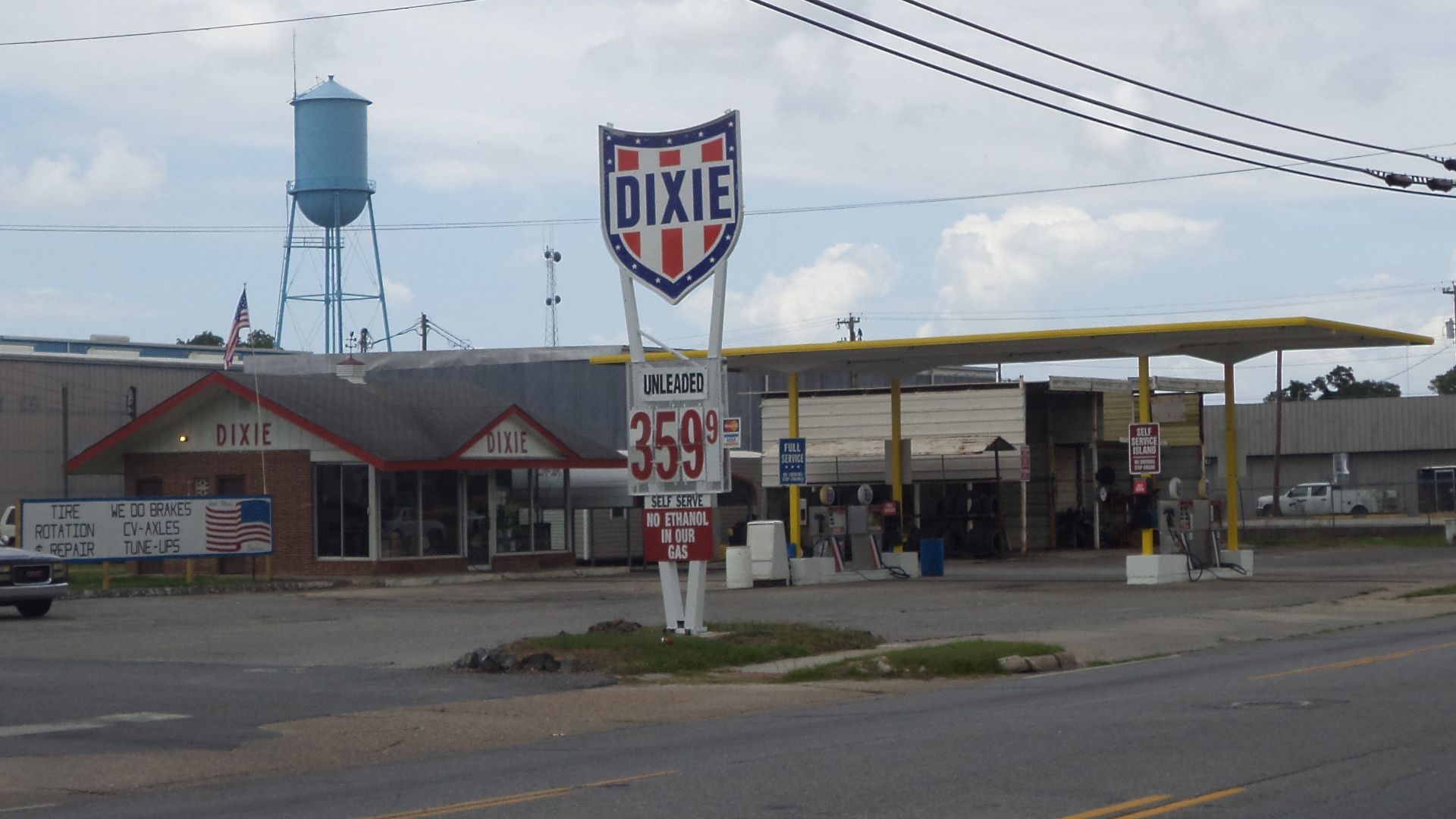 Michael Rivera, Wikimedia Commons
Champlin
Champlin was based in Enid, Oklahoma, and had built a substantial network of service stations and wholesale outlets before the 1950s began. It changed owners in 1954, but the name stayed on the pumps. The retail business wasn’t sold to American Petrofina until 1984. Some supposedly forgotten brands had surprisingly long runs.
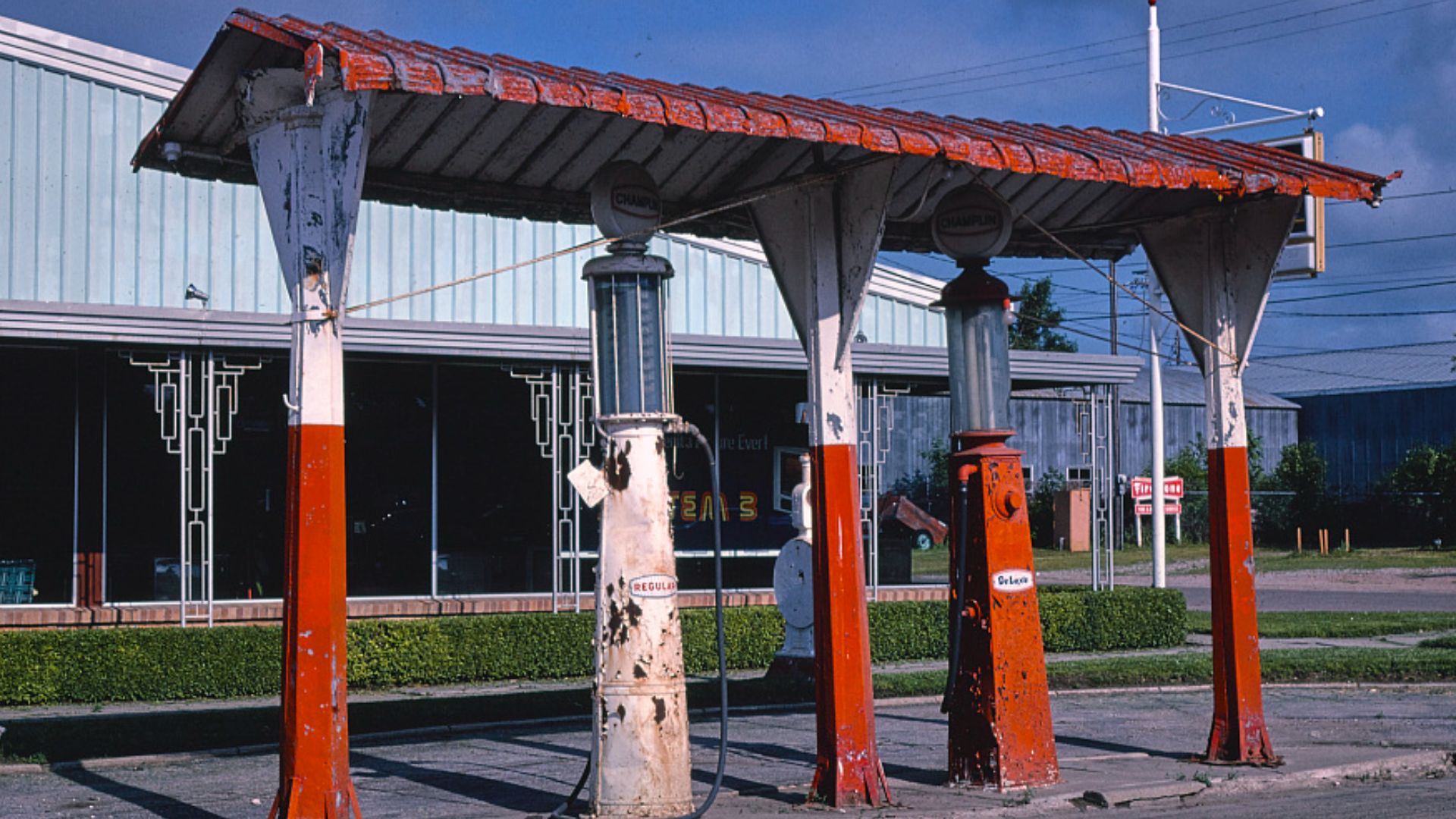 The Library of Congress, Wikimedia Commons
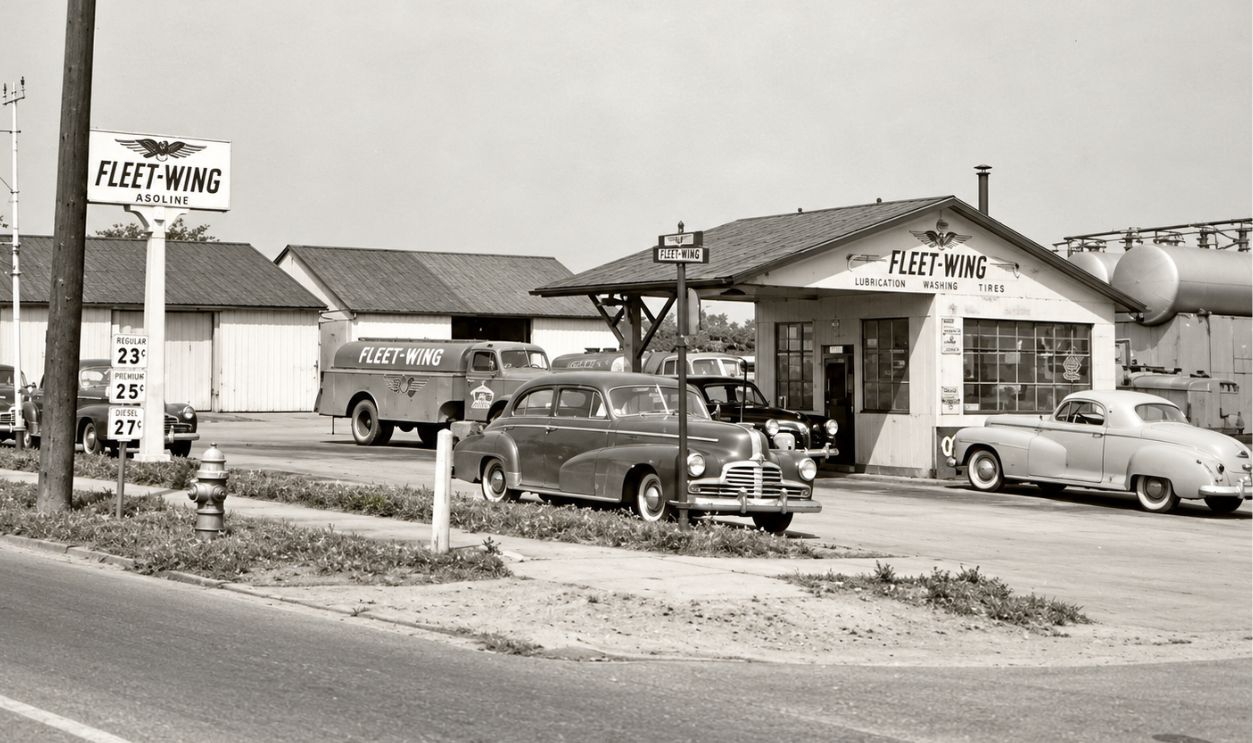
Fleet-Wing
Ohio-area motorists could fill up at Fleet-Wing, a regional gasoline name owned by Standard Oil of Ohio. In 1952, the brand offered Cleveland baseball player pictures and an album as a customer promotion. Gasoline got Dad into the station. A chance to collect his favorite players could make the stop interesting for the kids, too.
 Unknown Author, Wikimedia Commons, Enhanced
Pennzip
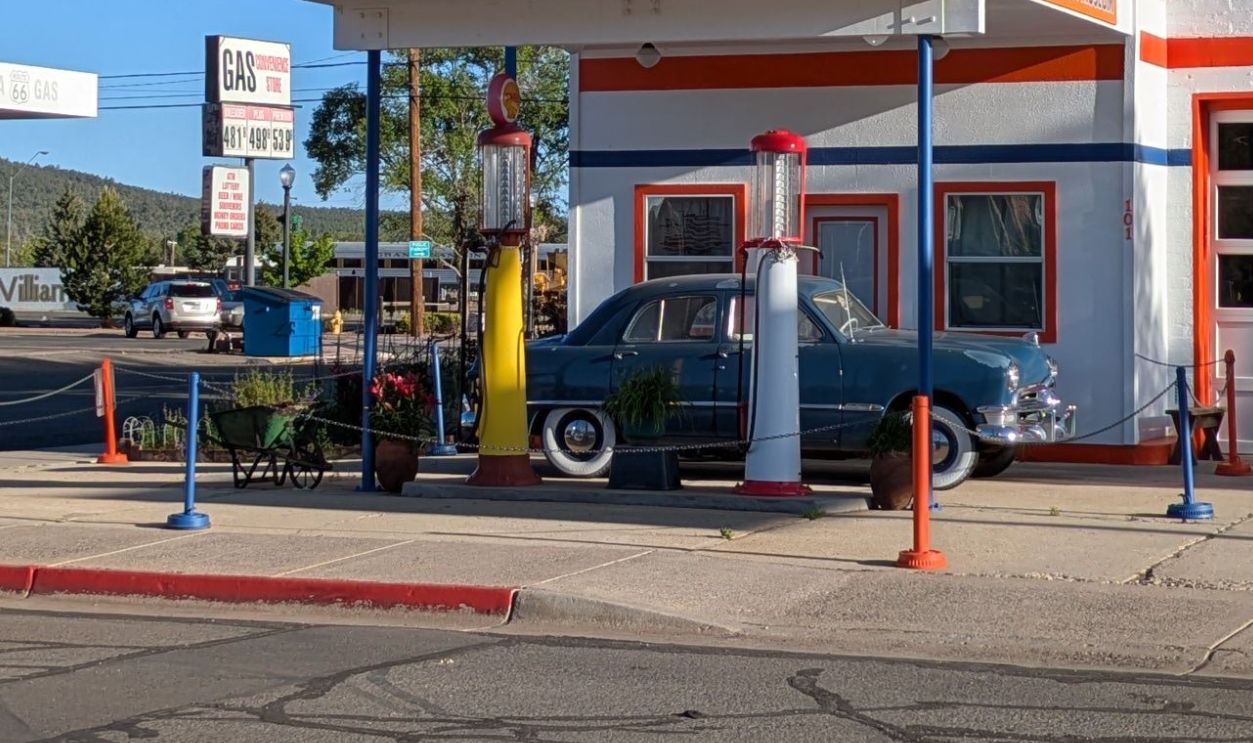
You know Pennzoil, but does Pennzip ring any bells? Pennzoil used that name for its gasoline business, which operated in parts of the eastern United States. Surviving 1950s road maps carry the brand. Apparently, remembering what Dad poured into the engine doesn’t mean you’ll remember what he put in the tank.
D-X
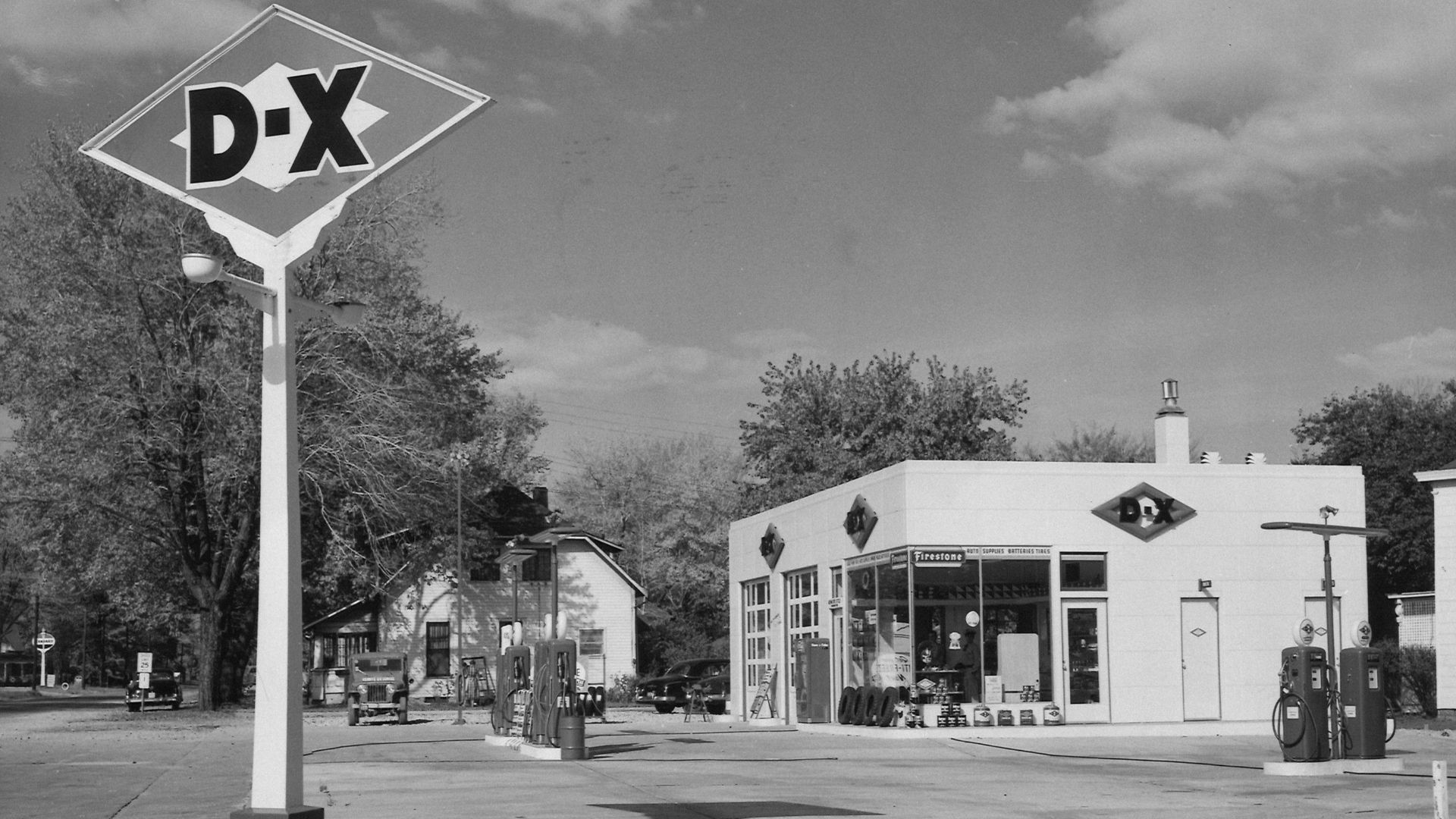
Two letters were enough to identify this Midwestern gasoline brand. Mid-Continent Petroleum had previously used Diamond and Diamond D-X branding, but a 1954 road map shows the simpler D-X identity. The hyphen later disappeared, too. Sun Oil eventually acquired the business, sending another familiar roadside name toward replacement.
 Marshall Public Library, Unsplash
Richfield
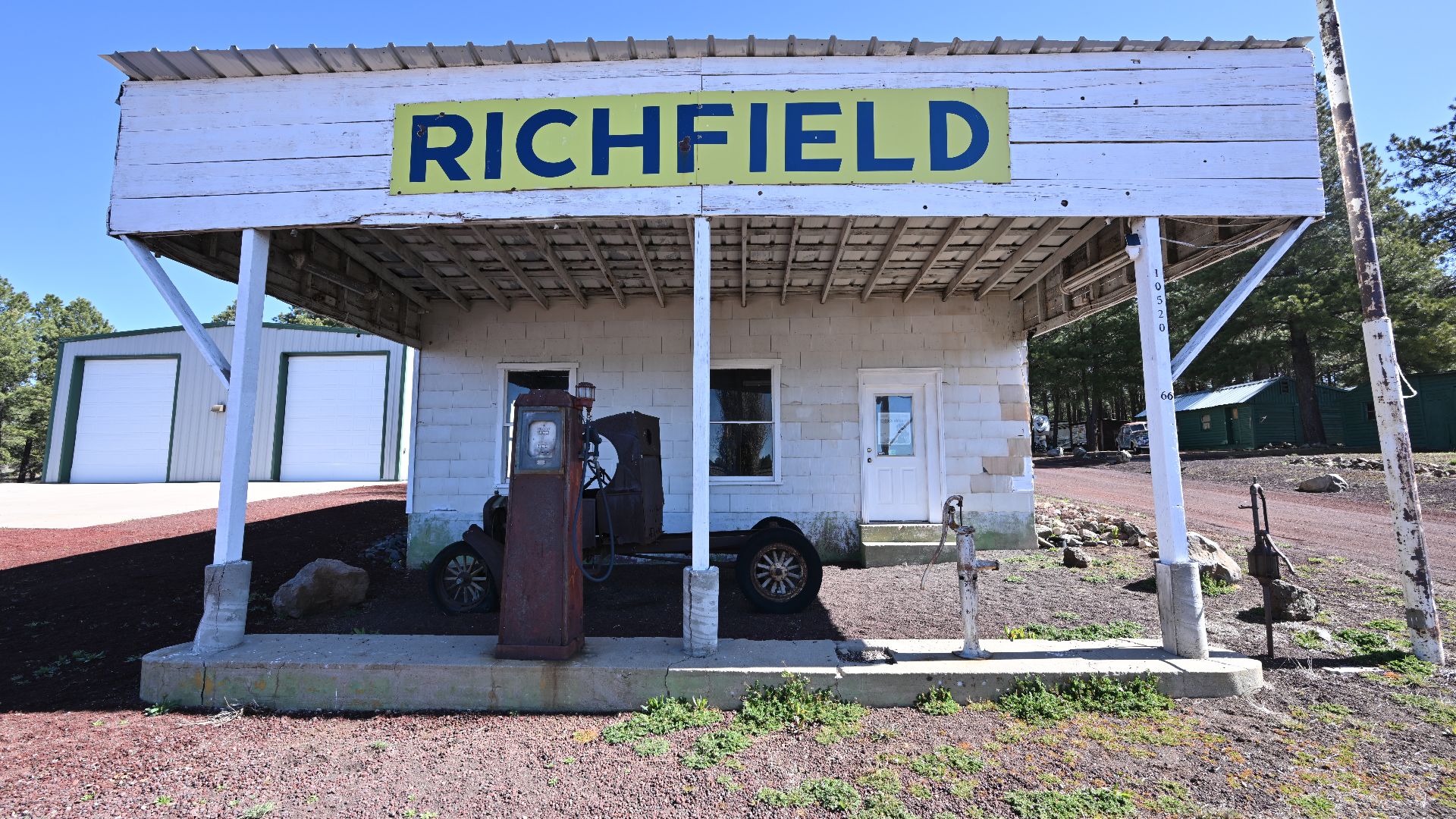
Richfield was a substantial Western oil company, with stations serving motorists throughout the 1950s. In 1966, it merged with Atlantic to create Atlantic Richfield, the name behind ARCO. So this one didn’t simply disappear without a trace. Millions of drivers have encountered its corporate descendant without knowing what the original name was.
 G. Edward Johnson, Wikimedia Commons
Which One Did Your Dad Stop At?
Some of these brands disappeared while Baby Boomers were still riding in the back seat. Others survived long enough for those same kids to become paying customers. How many names came back to you, and which station would your dad drive past three others to reach?
 inkknife_2000 (7.5 million views +), Wikimedia Commons
You Might Also Like:
The Hardest Muscle Car Trivia Quiz Ever—Can You Even Get 8 Out Of 20?
Cars With Pop-Up Headlights That Became Icons Before Safety And Styling Changed Everything