
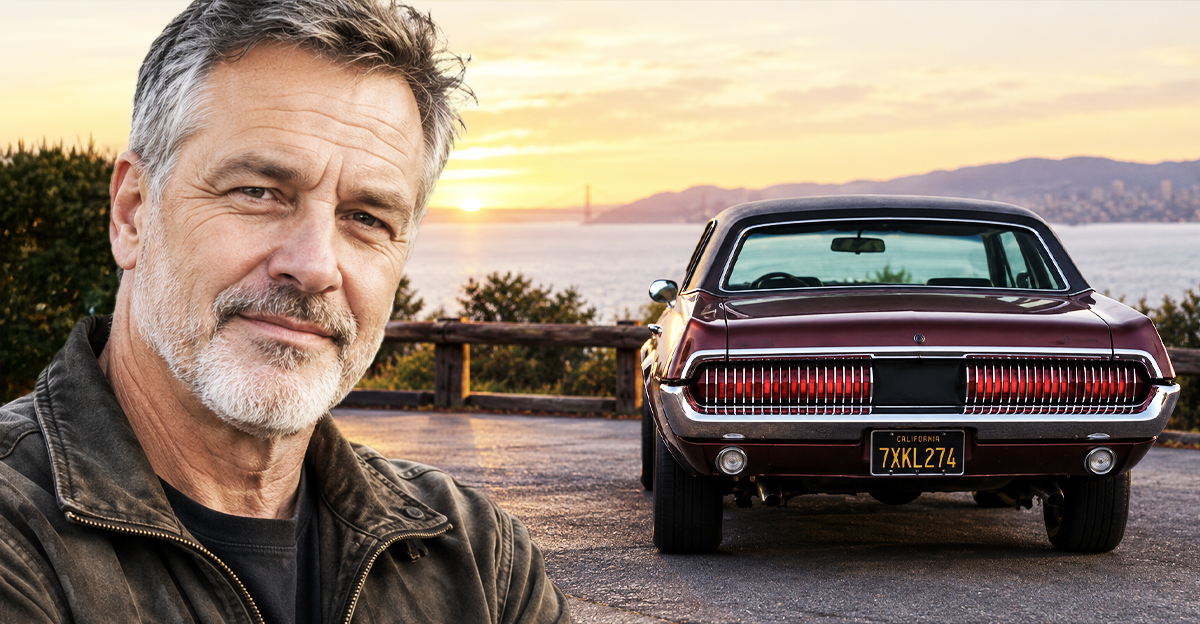
Know Them From Behind?
Headlights usually get the glamour, but great taillights can identify a car just as quickly. From Cadillac's rocket-like fins to Mustang's triple lamps and today's elaborate LEDs, automakers have repeatedly turned required safety equipment into unforgettable styling. How many could you recognize without seeing the badge?
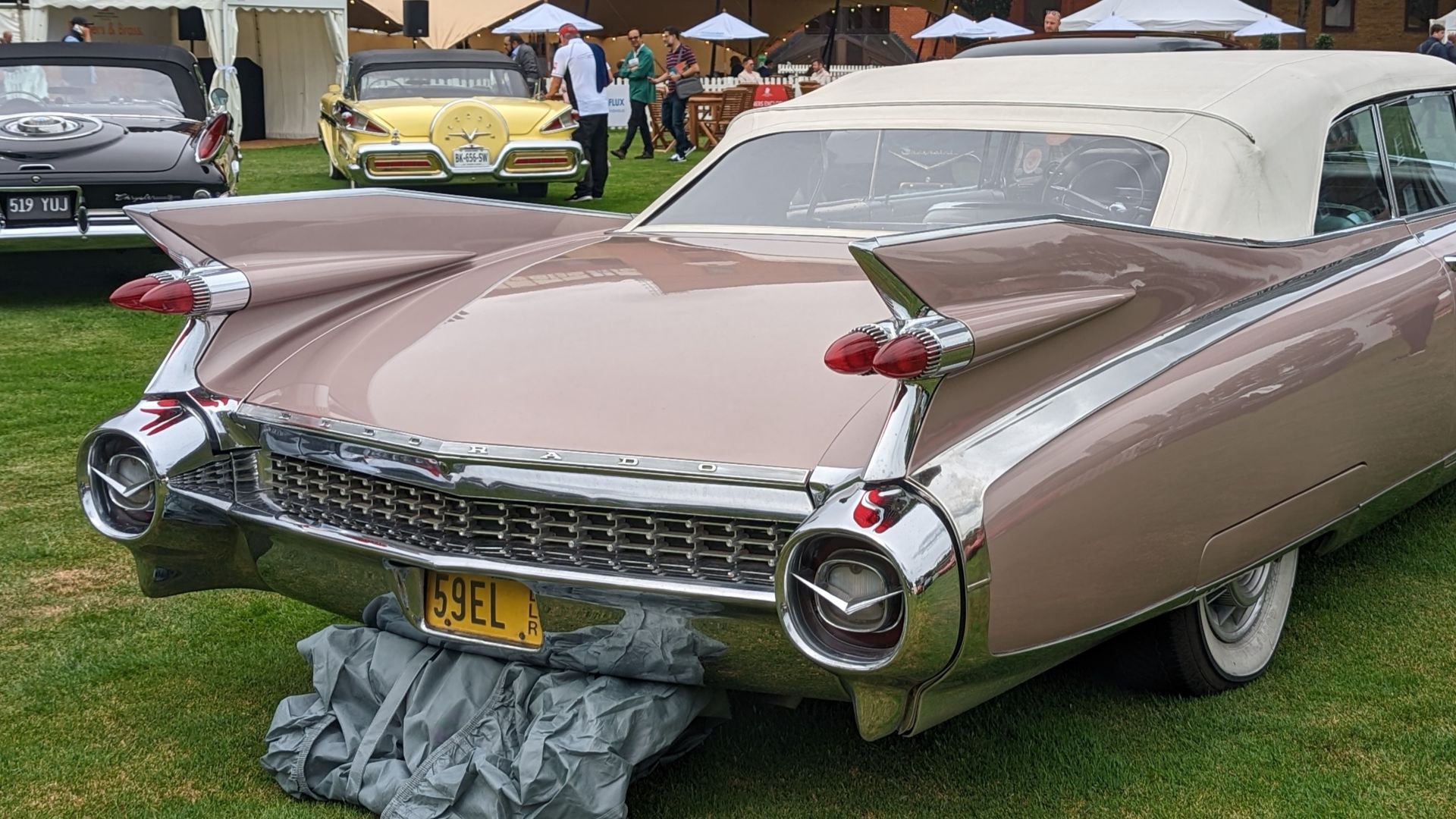
1959 Cadillac Eldorado
Few rear ends scream 1950s America like the 1959 Cadillac. Enormous tailfins rise above paired bullet-shaped taillamps, creating a design seemingly inspired equally by automobiles, rockets, and jet aircraft. Cadillac itself calls the Eldorado's dual taillamp nacelles one of automotive history's most recognizable designs.
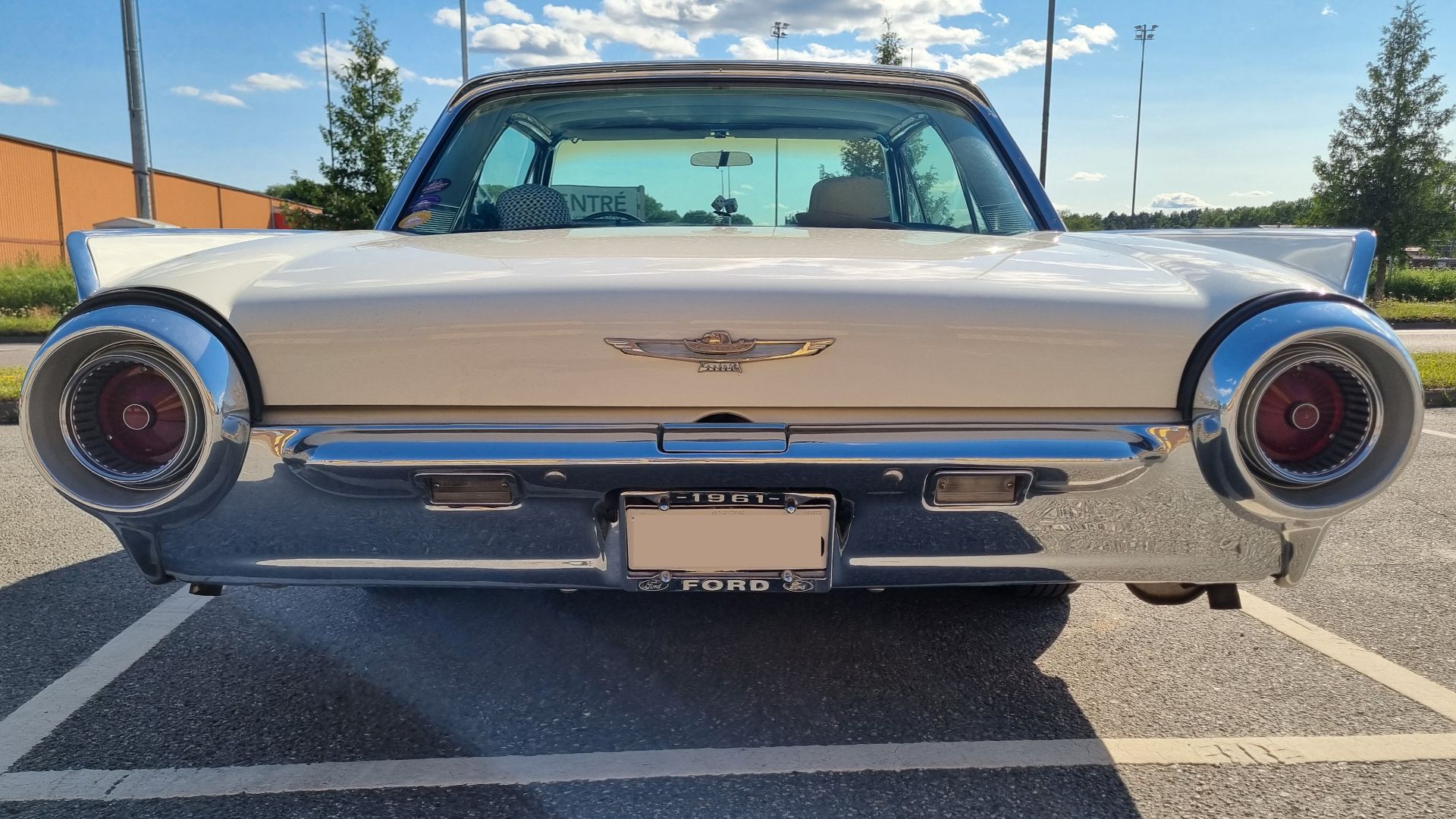
1961 Ford Thunderbird
The third-generation Thunderbird arrived with beautifully integrated round taillights set into a broad, highly sculpted rear panel. Ford's upscale personal car looked futuristic without needing Cadillac-sized fins. Seen illuminated at night, those large circular lamps remain an excellent recognition test for fans of early-1960s American styling.
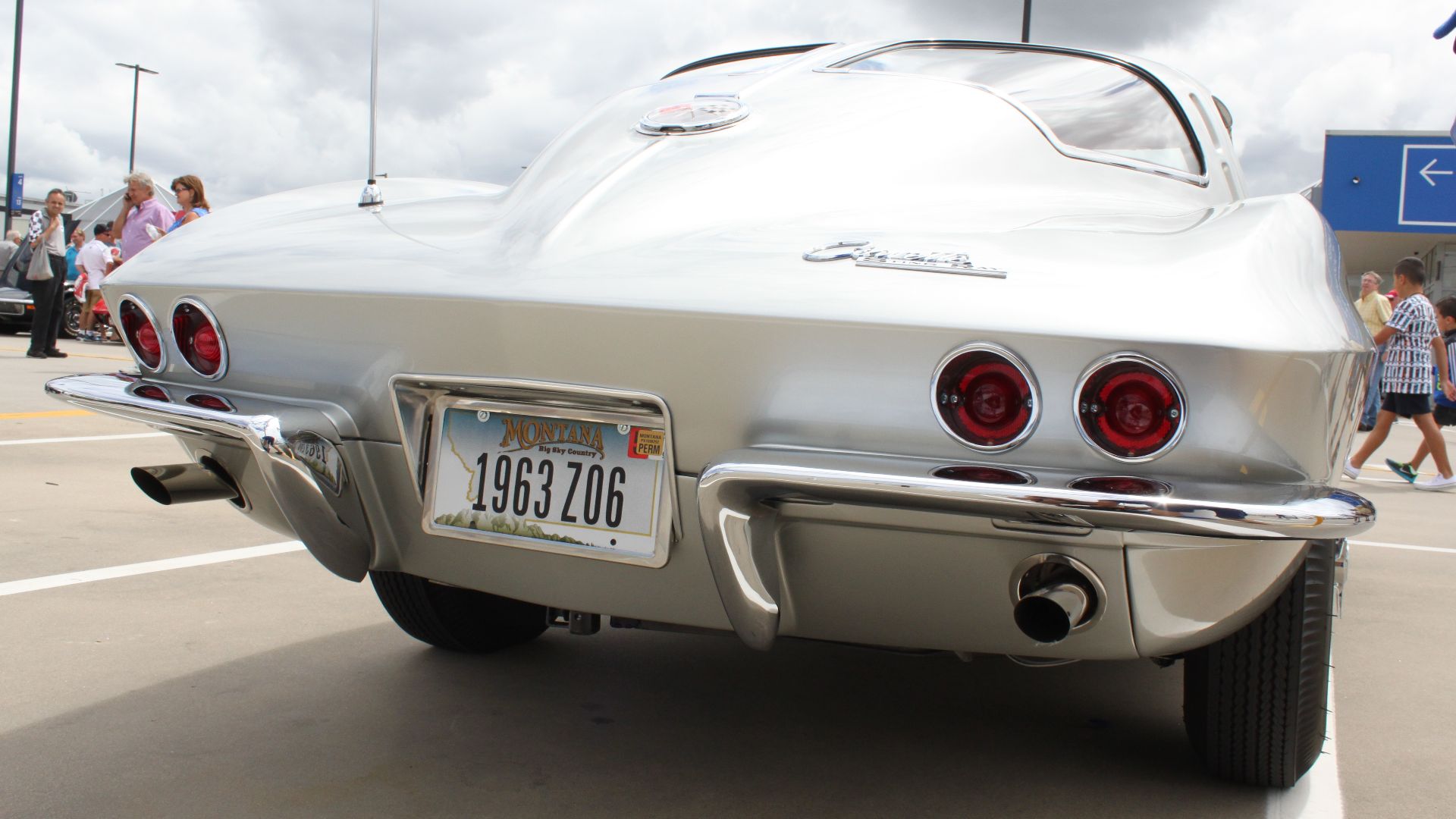
1963 Chevrolet Corvette
Chevrolet gave the revolutionary Sting Ray four round taillights, establishing one of Corvette's longest-lived visual signatures. The arrangement survived across multiple generations and became so strongly associated with America's sports car that abandoning round lamps on the C7 Corvette decades later generated considerable controversy among traditionalists.
 Jeremy from Sydney, Australia, Wikimedia Commons
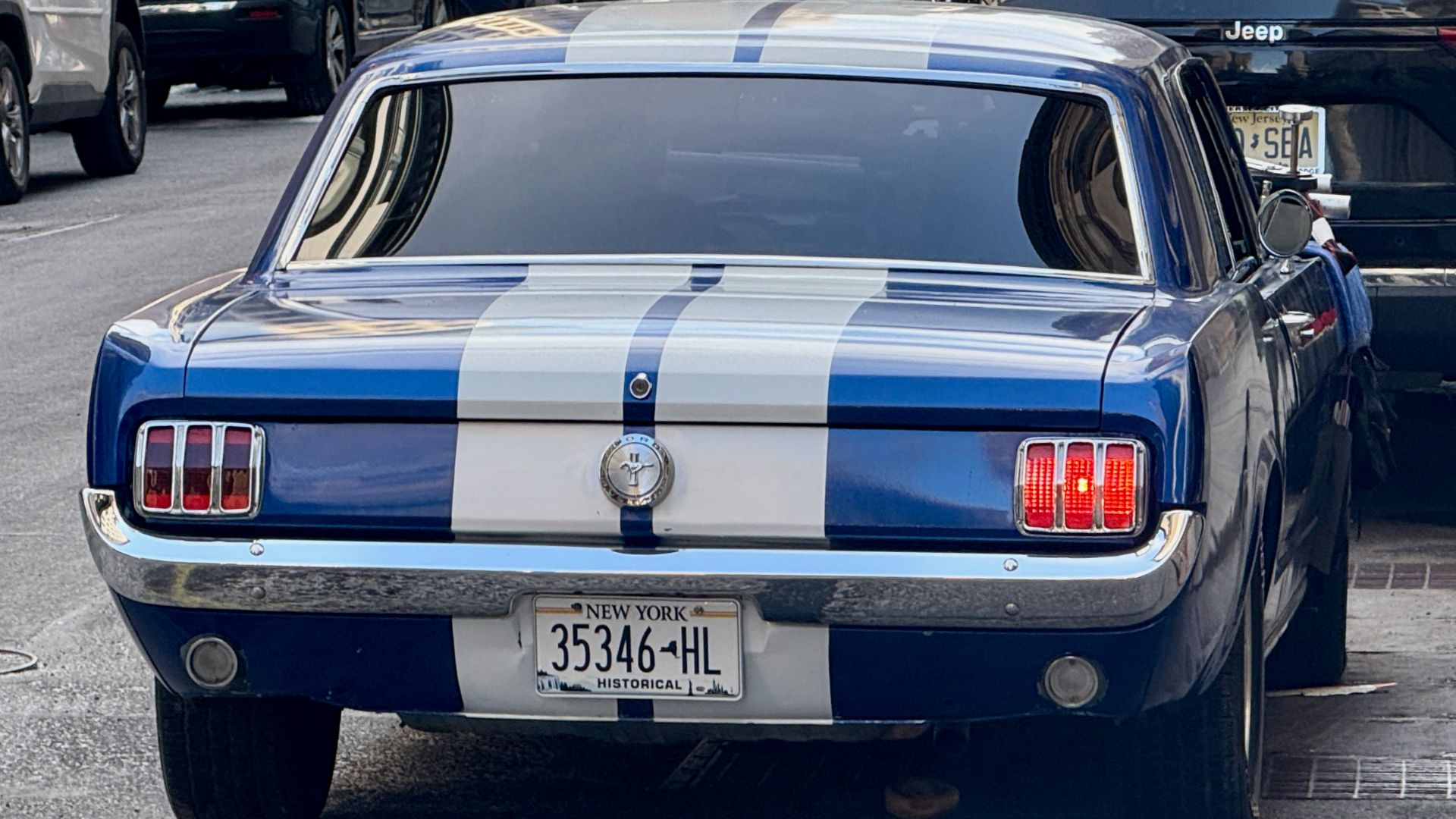
1965 Ford Mustang
The original Mustang's three vertical taillamp segments became part of the pony car's identity almost immediately. Ford has repeatedly returned to the tri-bar theme, sometimes rearranging or modernizing it dramatically. Today's Mustang still uses rear lamps heavily influenced by the first generation, six decades after its introduction.
 Oleg Yunakov, Wikimedia Commons
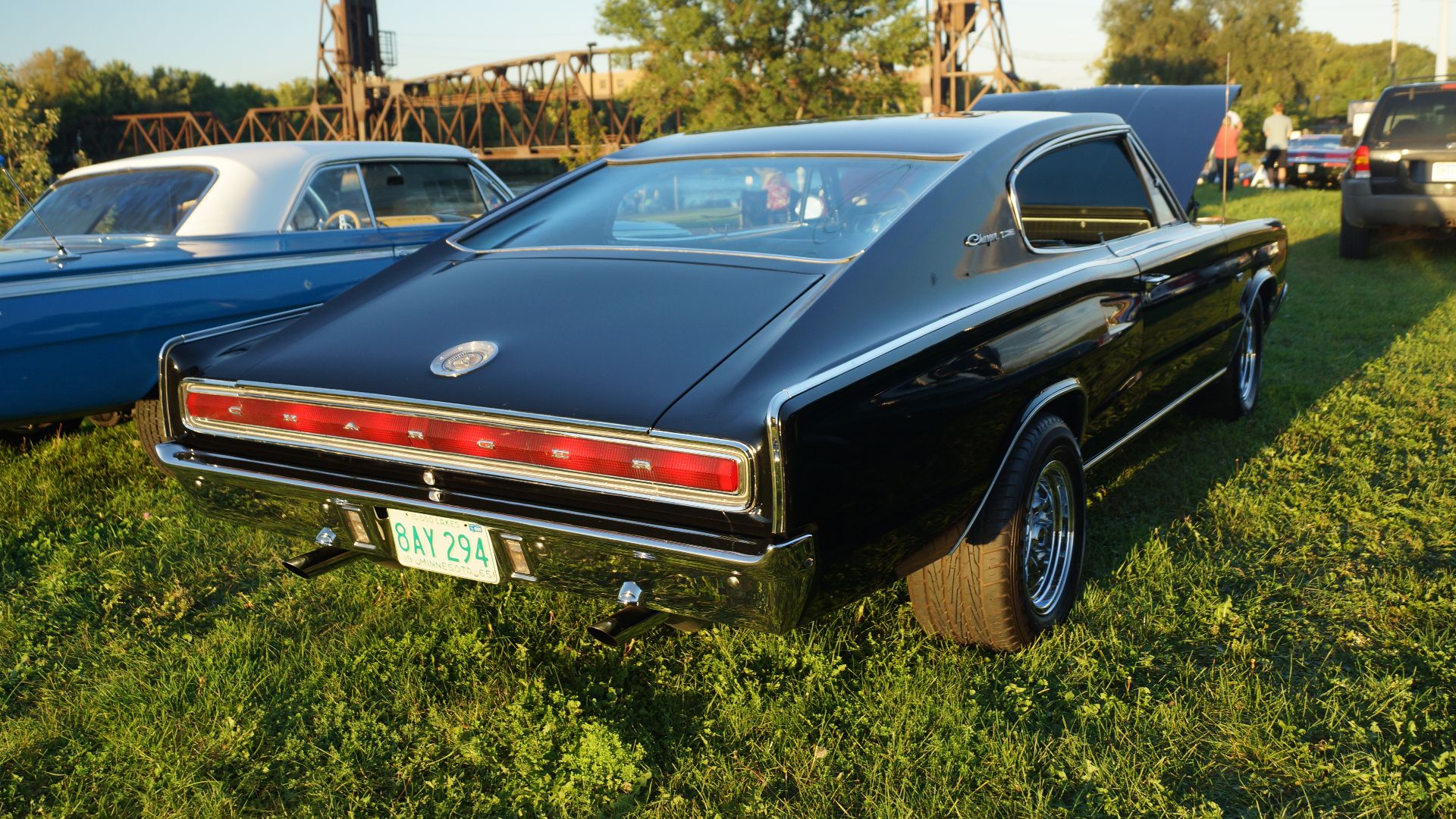
1966 Dodge Charger
The first Charger looked spectacular from behind, where a wide taillight stretched almost continuously across the fastback's rear. The lamps incorporated CHARGER lettering into the assembly, producing a dramatic nighttime signature. Later Chargers looked very different, making this distinctive first-generation treatment especially recognizable to Mopar enthusiasts.
 Greg Gjerdingen from Willmar, USA, Wikimedia Commons
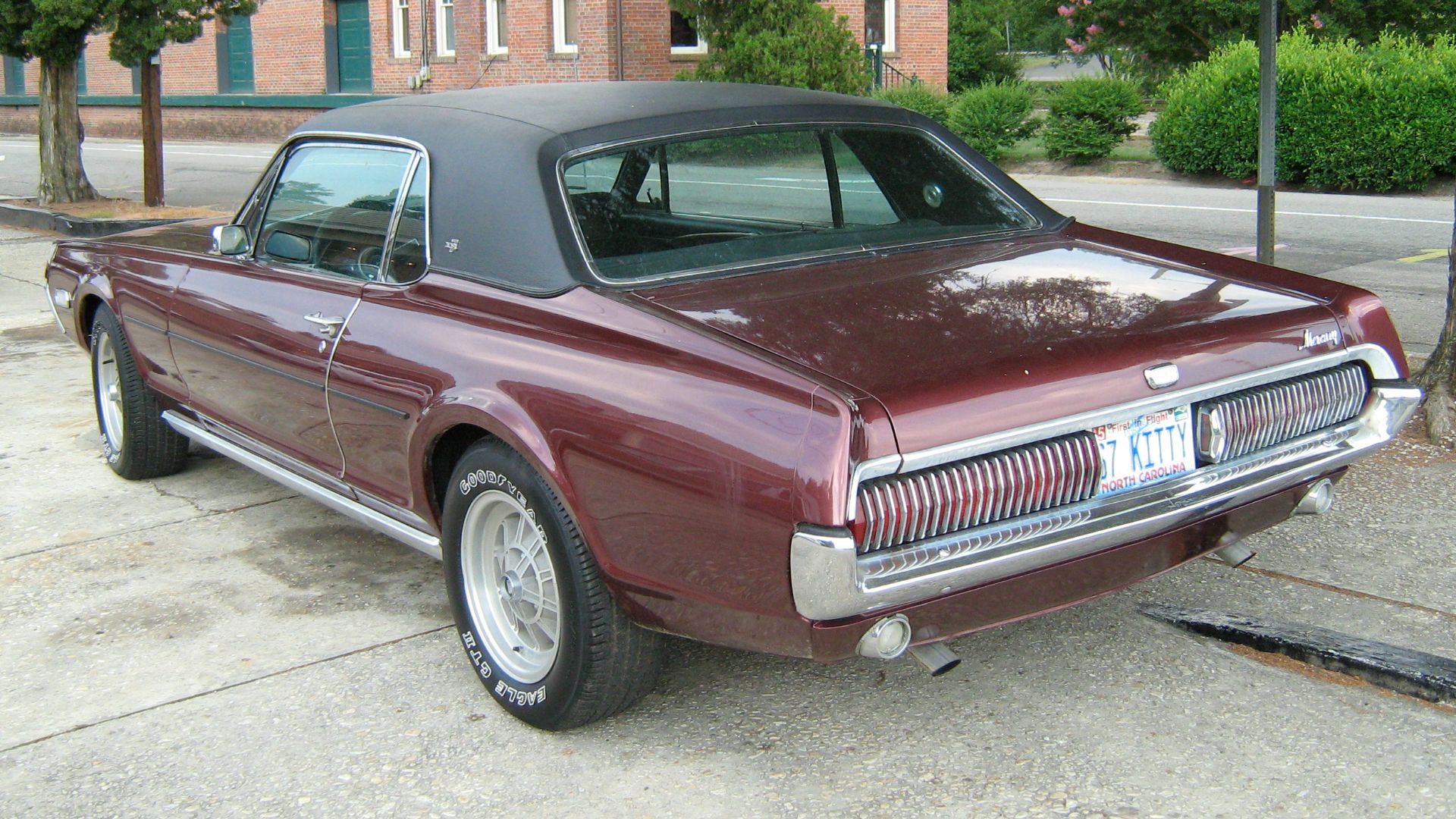
1967 Mercury Cougar
Mercury's upscale Mustang cousin became famous for sequential rear turn signals sweeping across three lamp segments. The idea was theatrical, distinctive, and surprisingly futuristic for the 1960s. Ford notes that Mercury Cougars used sequential signals years before the feature became standard equipment on modern Mustangs.
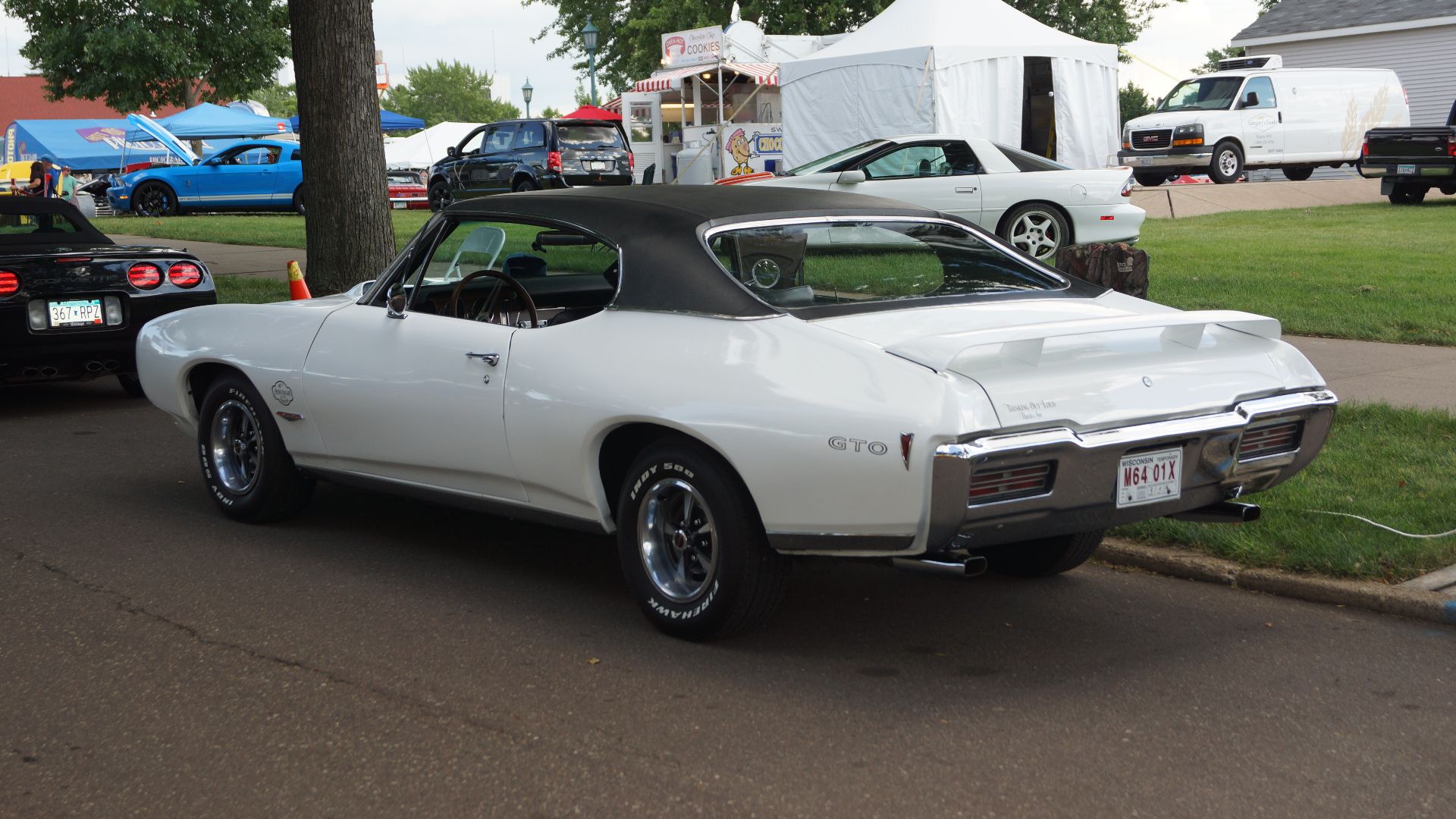
1968 Pontiac GTO
Pontiac designers often concealed lamps within other styling elements, and the 1968 GTO provides a terrific example. Its narrow horizontal taillights were incorporated into the rear bumper area, giving the car a remarkably clean appearance. It's subtler than a Cadillac fin or Mustang tri-bar, making this one considerably tougher.
 Greg Gjerdingen from Willmar, USA, Wikimedia Commons
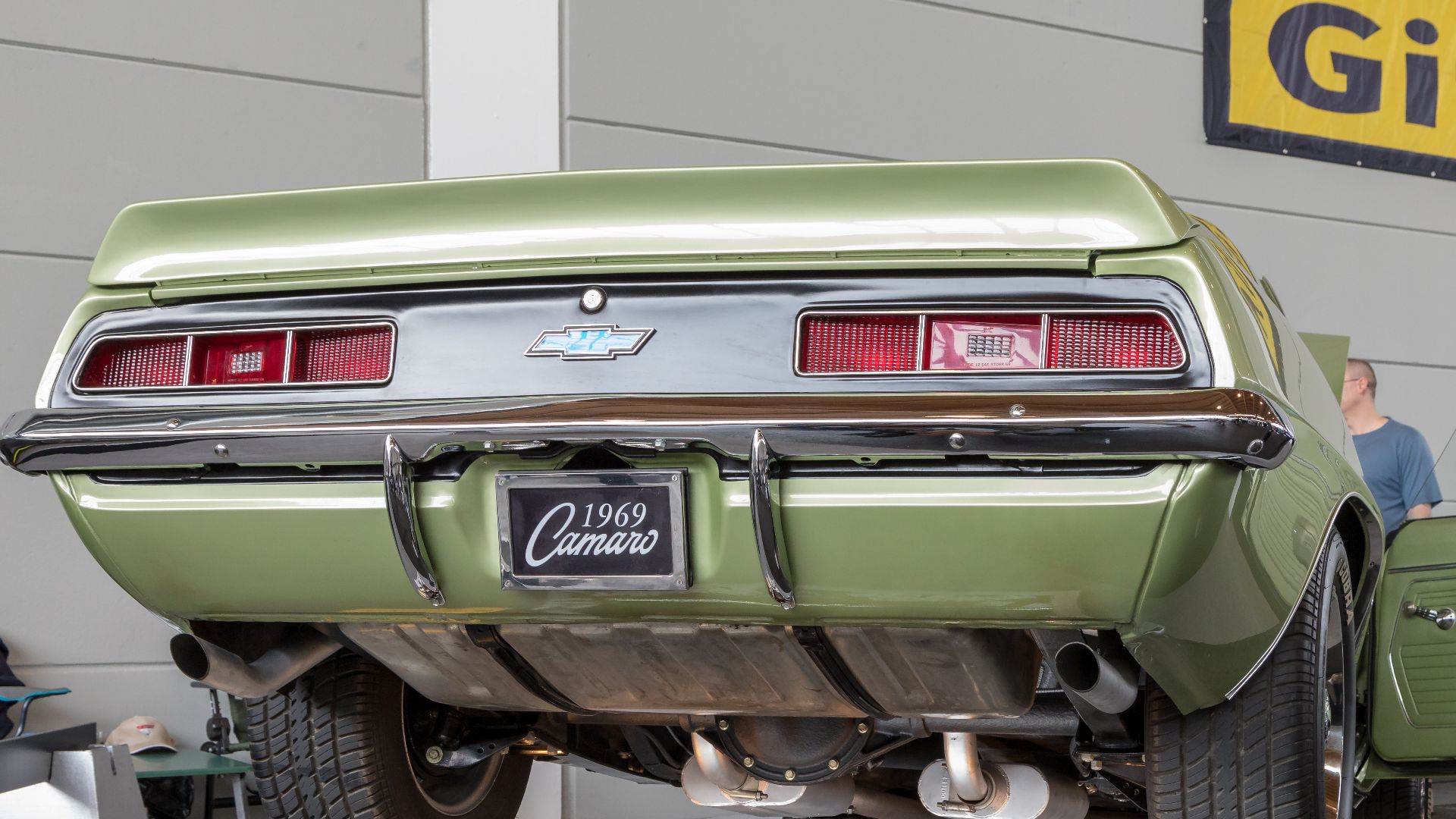
1969 Chevrolet Camaro
The first-generation Camaro changed its taillamp treatment several times, but the 1969 model is particularly memorable. Wide rectangular housings divided into three vertical sections gave the dramatically restyled Camaro a distinctive rear identity. Spot those segmented lamps beneath the trunk and many muscle-car enthusiasts immediately know what they're following.
 Matti Blume, Wikimedia Commons
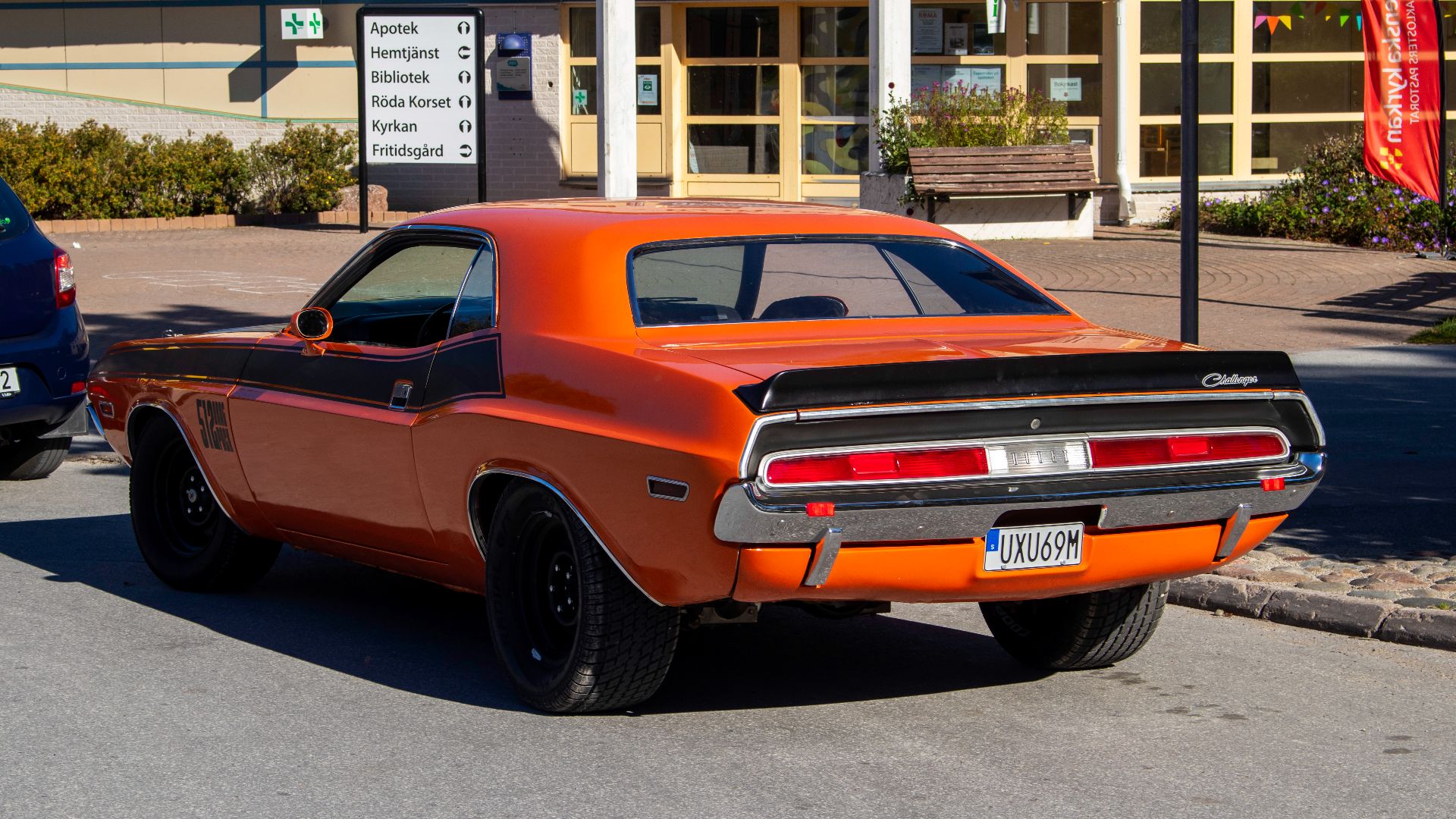
1970 Dodge Challenger
The original Challenger's broad rear panel was dominated by long rectangular taillights separated near the center by the reverse lamps. Combined with the recessed black panel and wide stance, they created an unmistakable muscle-car rear end that Dodge designers would deliberately evoke when the Challenger eventually returned decades later.
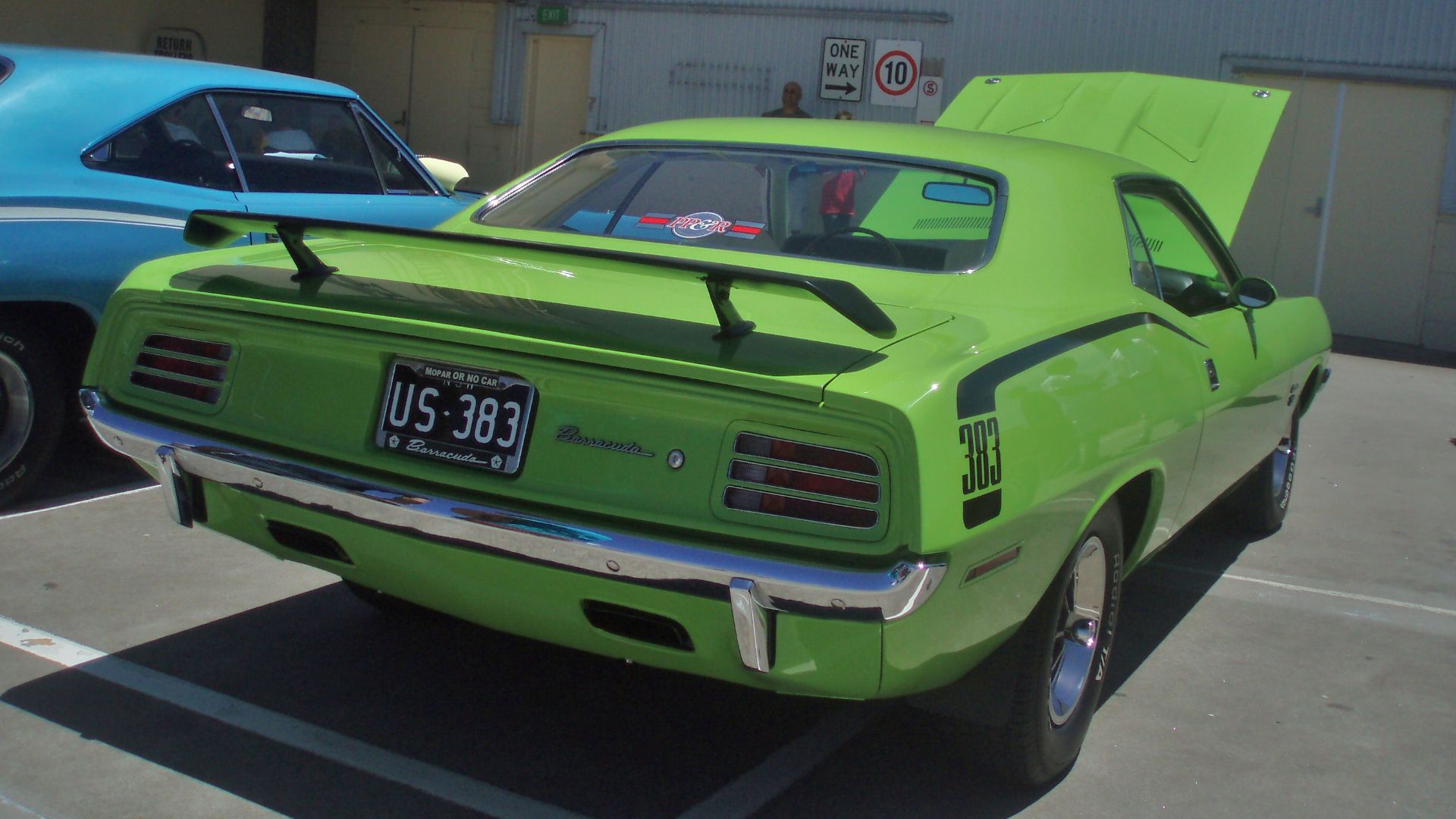
1970 Plymouth Barracuda
The redesigned E-body Barracuda had an aggressive rear treatment to match its dramatically altered proportions. The 1970 model's distinctive segmented taillights sat inside a dark rear panel. Plymouth changed the arrangement repeatedly afterward, meaning serious Mopar fans can often identify an early Barracuda's exact year from behind.
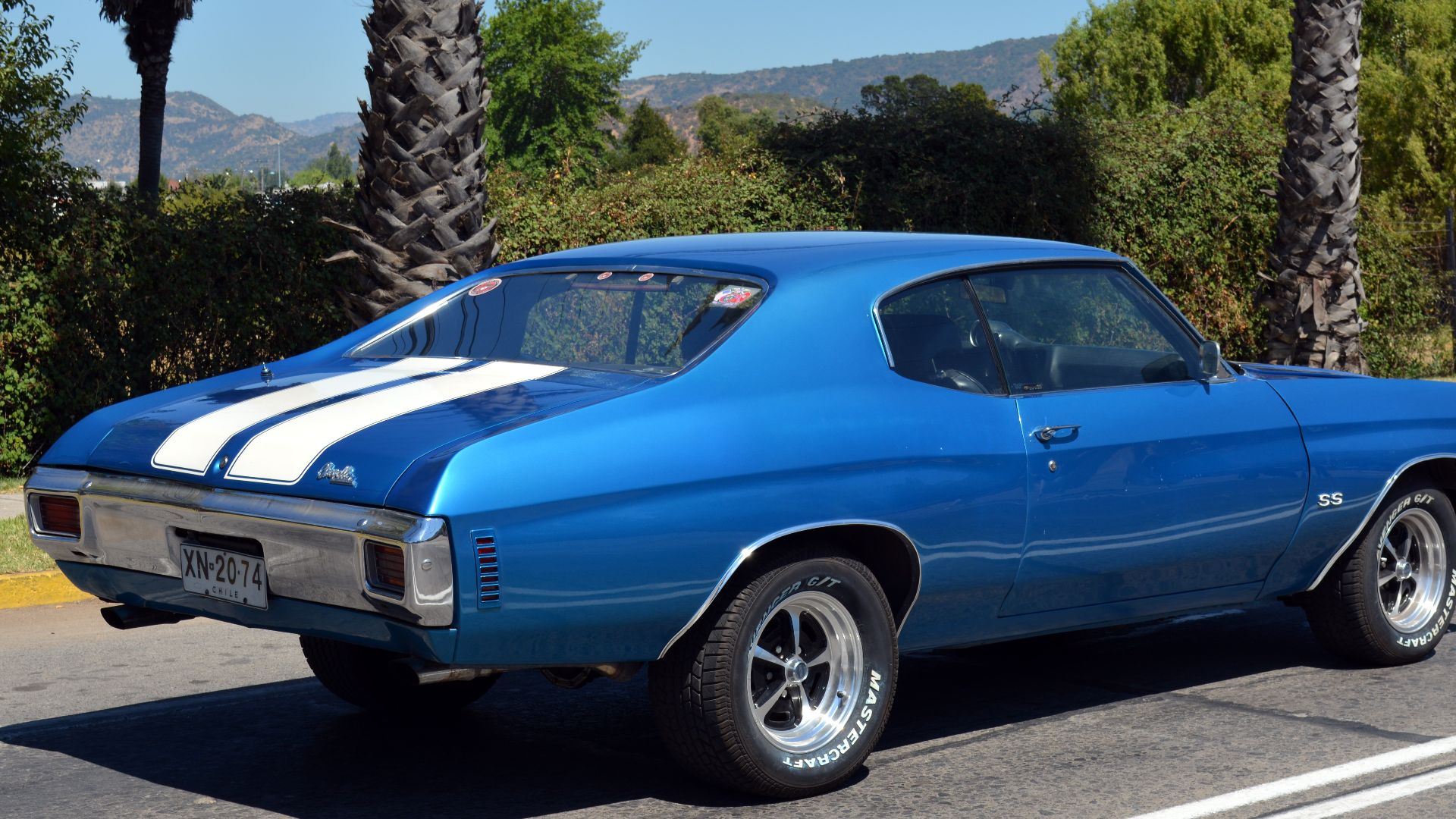
1970 Chevrolet Chevelle
A 1970 Chevelle can sometimes be recognized before you ever see its famous front end. Chevrolet placed rectangular taillights directly into the chrome rear bumper, producing a wonderfully simple arrangement. SS models remain muscle-car royalty, but identifying one solely from those bumper-mounted lamps separates casual admirers from Chevelle devotees.
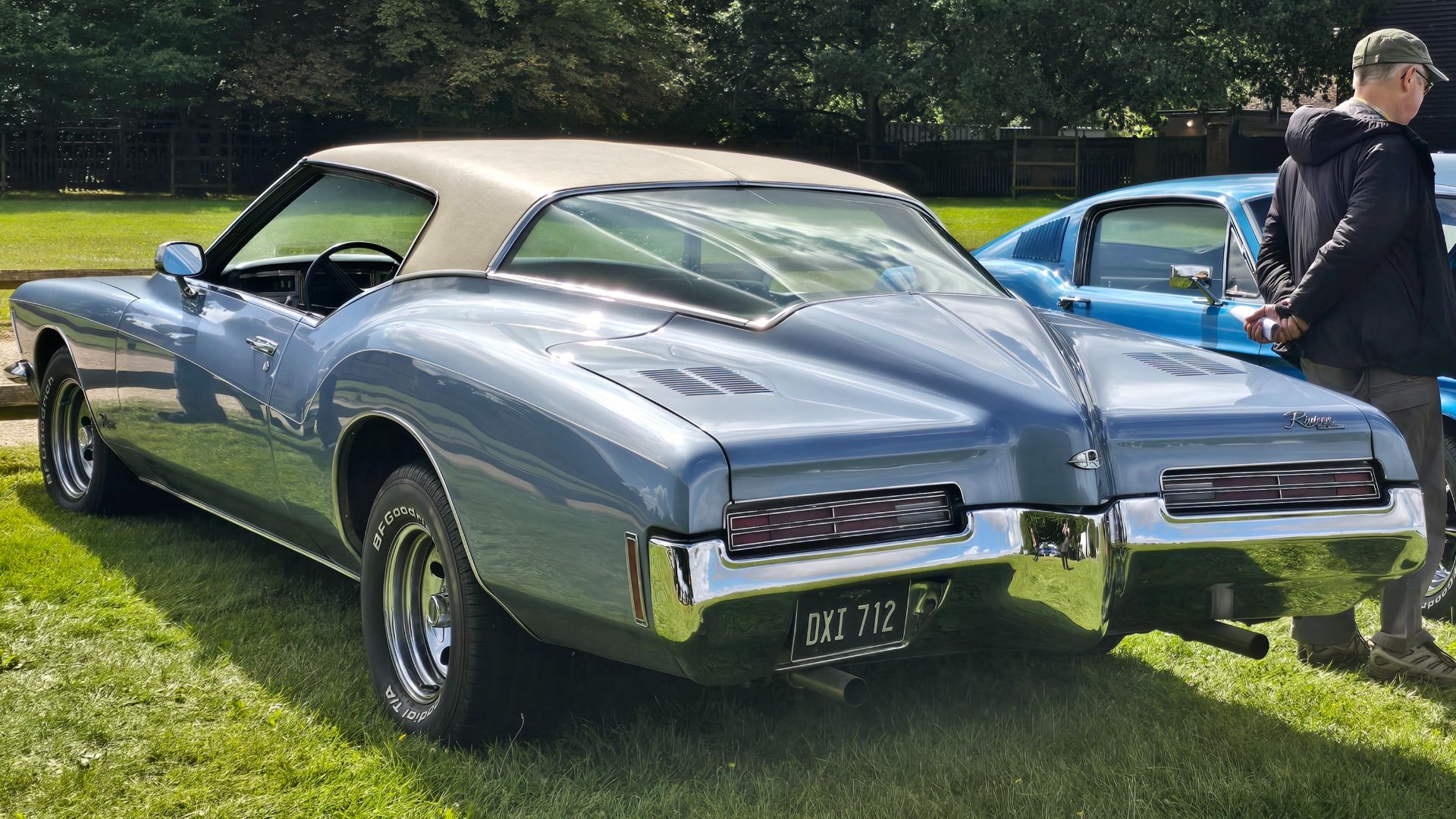
1971 Buick Riviera
Bill Mitchell's dramatic "boattail" Riviera is unmistakable from almost every angle, and the rear is especially memorable. Narrow lamps follow the sharply tapered bodywork toward the pointed center section. Few American luxury cars ever received such an adventurous rear profile, making the 1971-1973 Riviera a comparatively easy nighttime identification.
1977 Pontiac Firebird
The second-generation Firebird evolved constantly, but its later wraparound rear lamps became defining features. By 1977, the wide horizontal taillight treatment complemented the increasingly dramatic Trans Am styling. Add that low stance and rear spoiler, and anyone who grew up around late-1970s muscle probably recognizes the silhouette immediately.
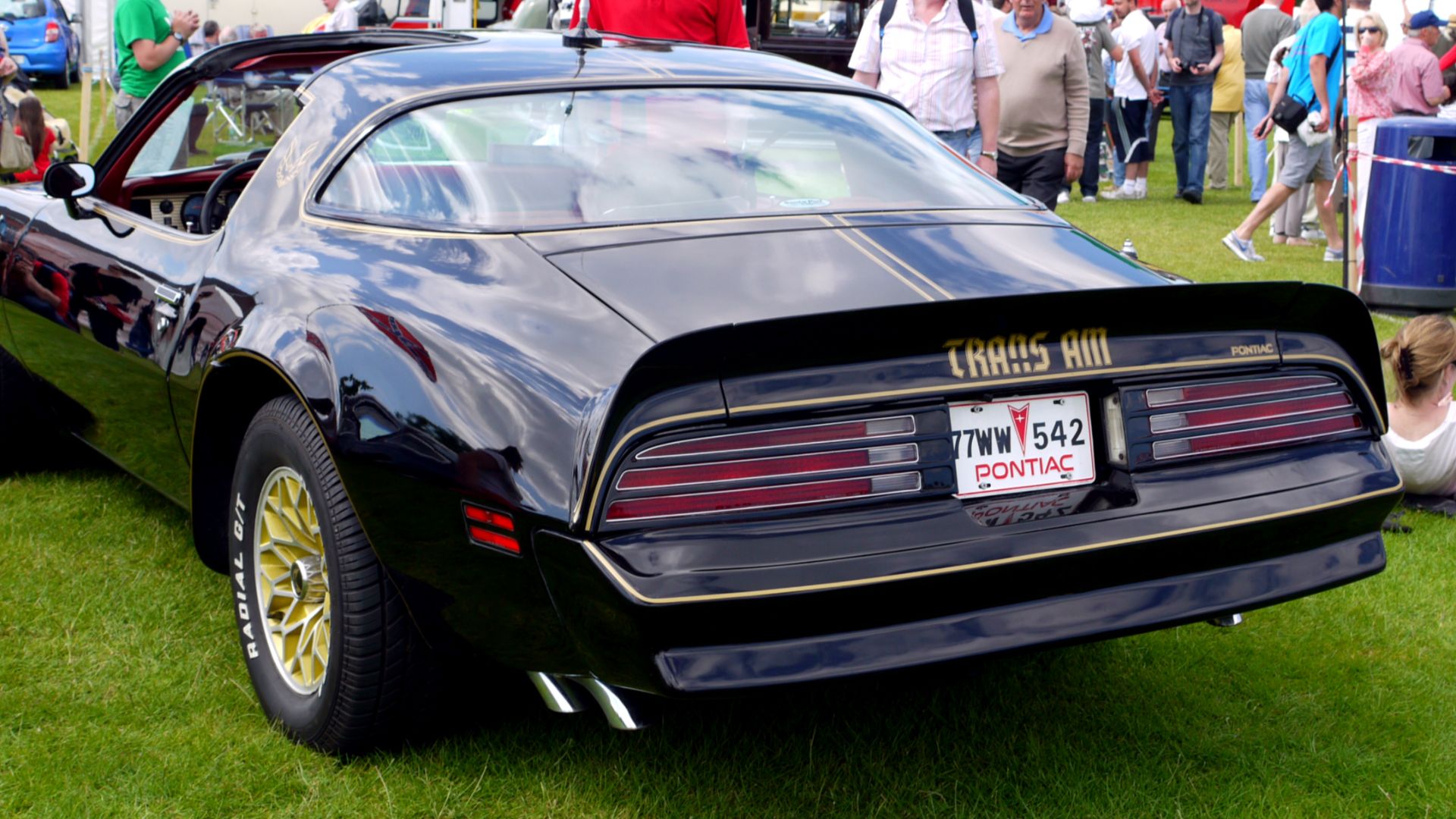 Mic from Reading - Berkshire, United Kingdom, Wikimedia Commons
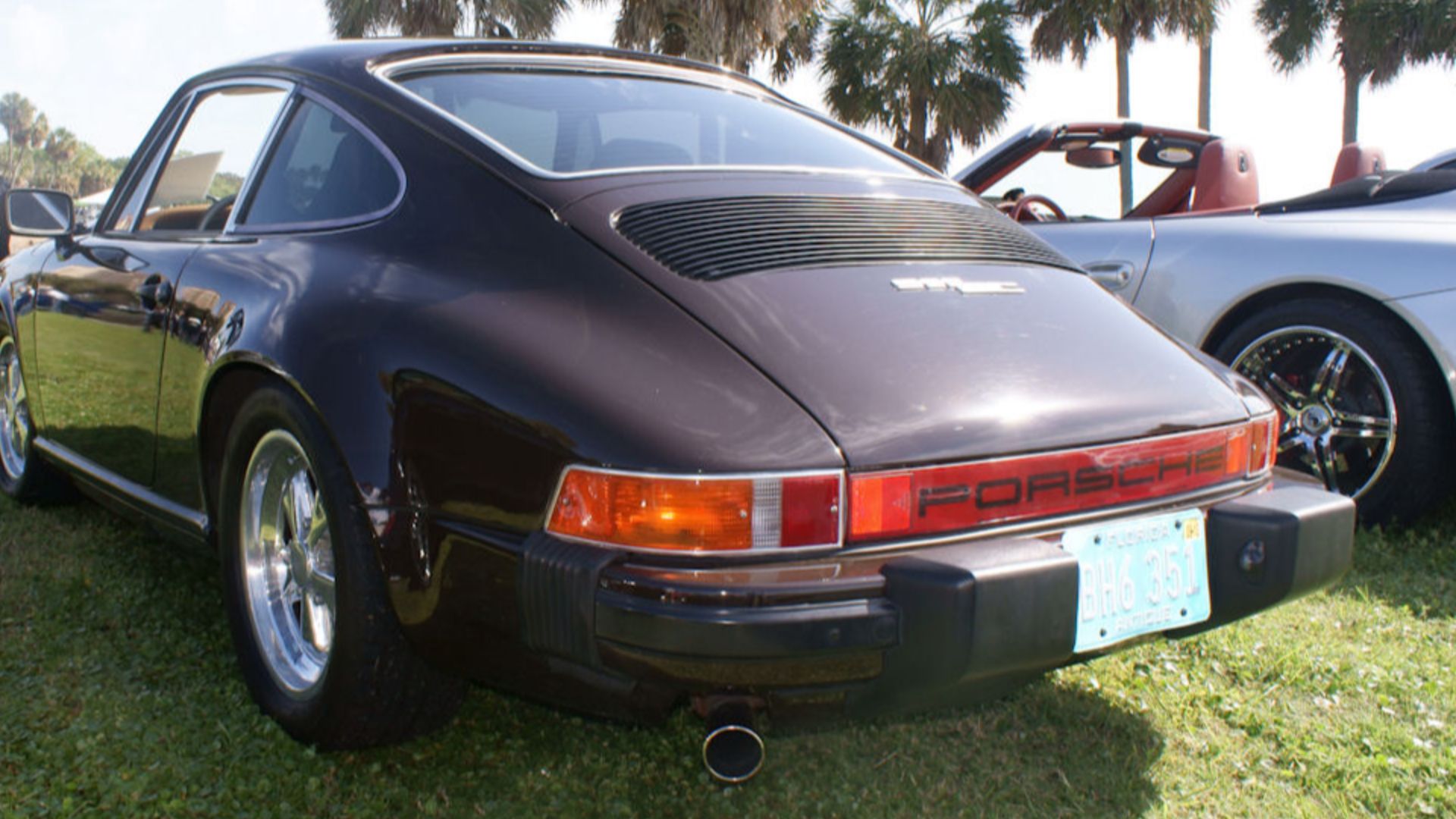
1978 Porsche 911
Porsche increasingly emphasized visual width across the back of the 911, eventually making the illuminated rear strip an important design cue. Modern Porsche designers openly reference 1970s styling when describing today's continuous LED light bar, demonstrating how a period detail can become part of a marque's enduring identity.
1982 Pontiac Firebird
The third-generation Firebird's arrival produced another instantly recognizable rear view. Long, darkened horizontal taillamps stretched across the back beneath the hatch glass, particularly effectively on black Trans Ams. The futuristic treatment suited a car that became permanently associated with 1980s technology and television-car culture.
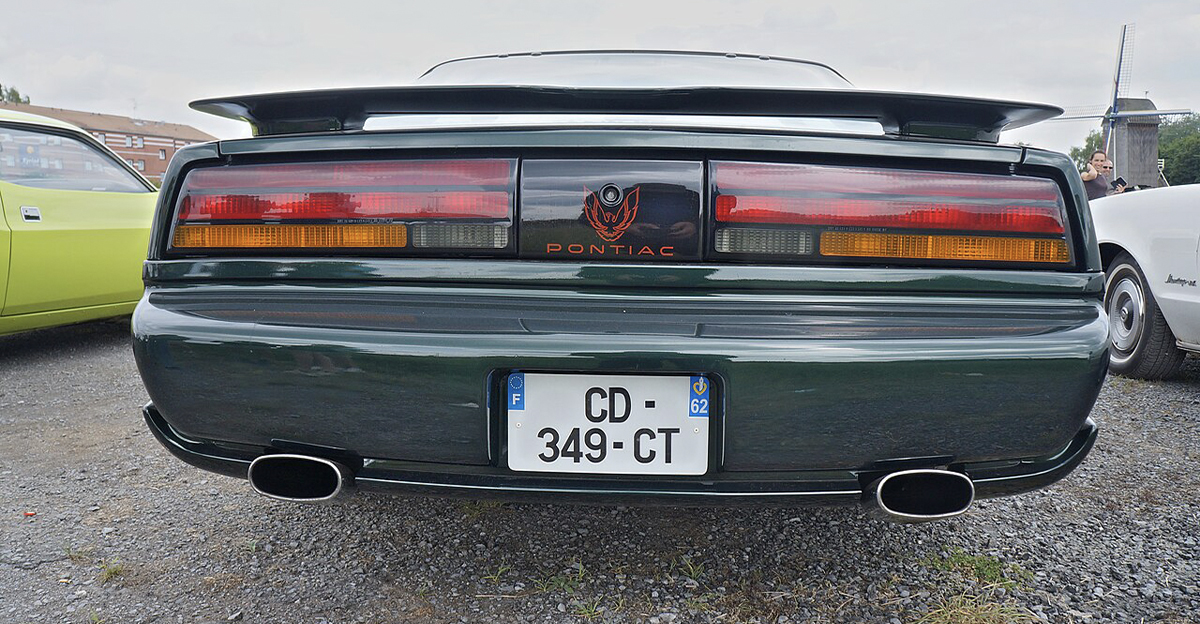 PIERRE ANDRE LECLERCQ, Wikimedia Commons
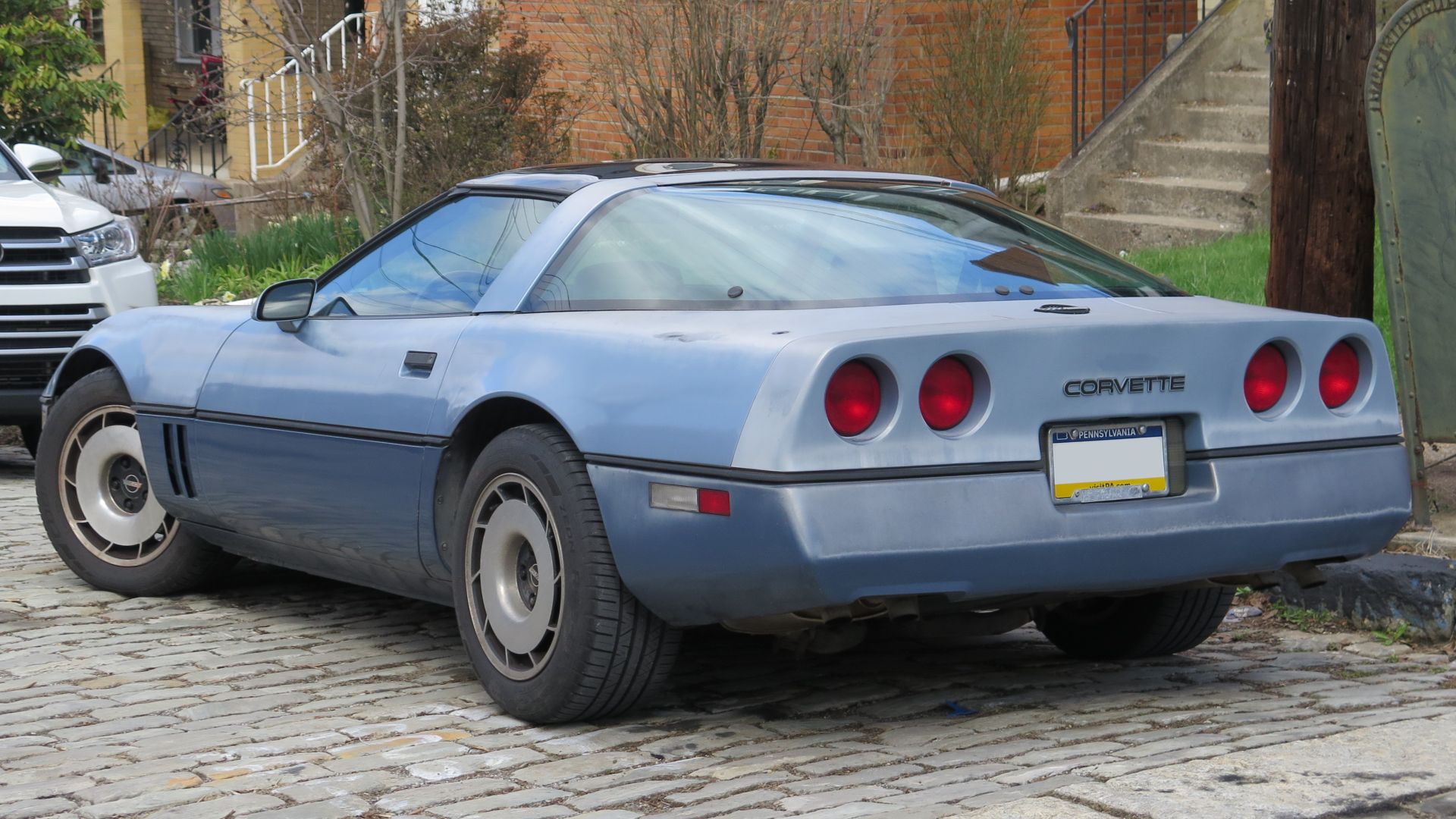
1984 Chevrolet Corvette
The C4 Corvette modernized Chevrolet's sports car without abandoning its signature four round taillights. The circles were now integrated into a much cleaner, flatter rear fascia. At night, those four glowing red lamps told following motorists exactly what was ahead long before they could read the CORVETTE lettering.
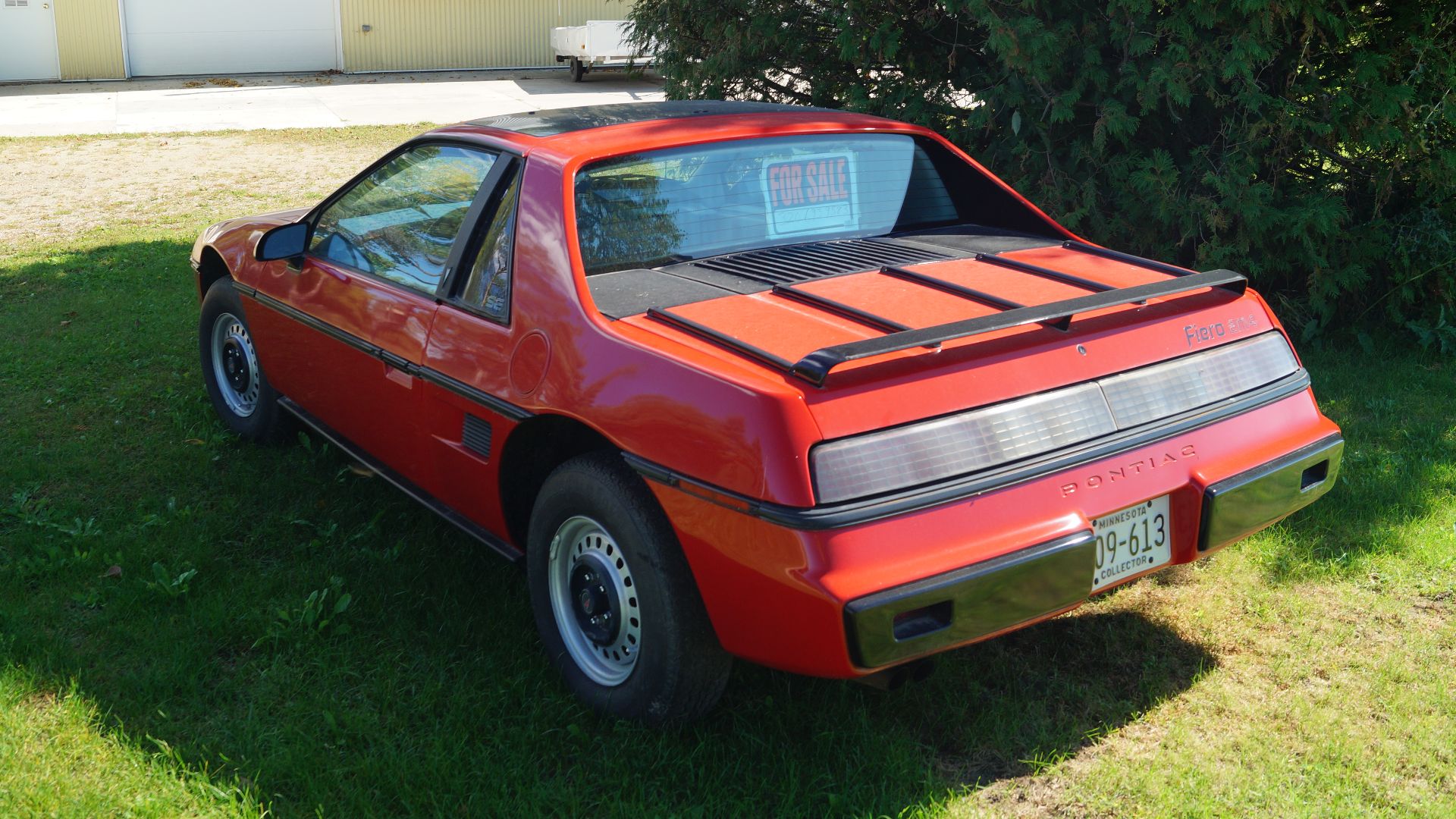
1984 Pontiac Fiero
Pontiac's mid-engine two-seater looked unlike almost anything else sold by an American manufacturer. Its wide rear lamp assemblies and blacked-out treatment became particularly distinctive on later GT fastbacks. Even though Fiero production lasted only five model years, its low, wedge-shaped rear remains immediately recognizable to 1980s-car enthusiasts.
 Greg Gjerdingen from Willmar, USA, Wikimedia Commons
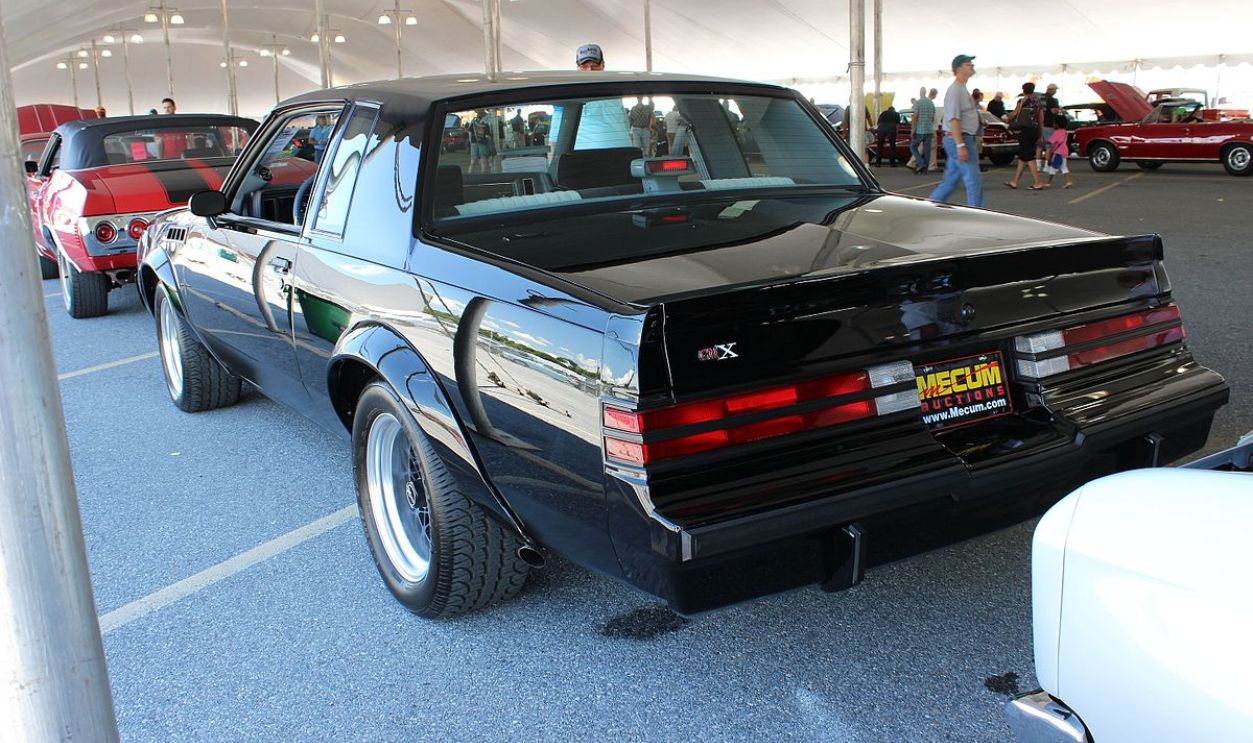
1987 Buick GNX
The sinister GNX didn't need exotic lamps to make an impression. Its upright rectangular taillights were shared conceptually with other Regals, but surrounded by the GNX's black bodywork they became part of one of the decade's most intimidating rear views. Sometimes context turns an ordinary lighting design into an icon.
 ilikewaffles11, CC BY 2.0, Wikimedia Commons
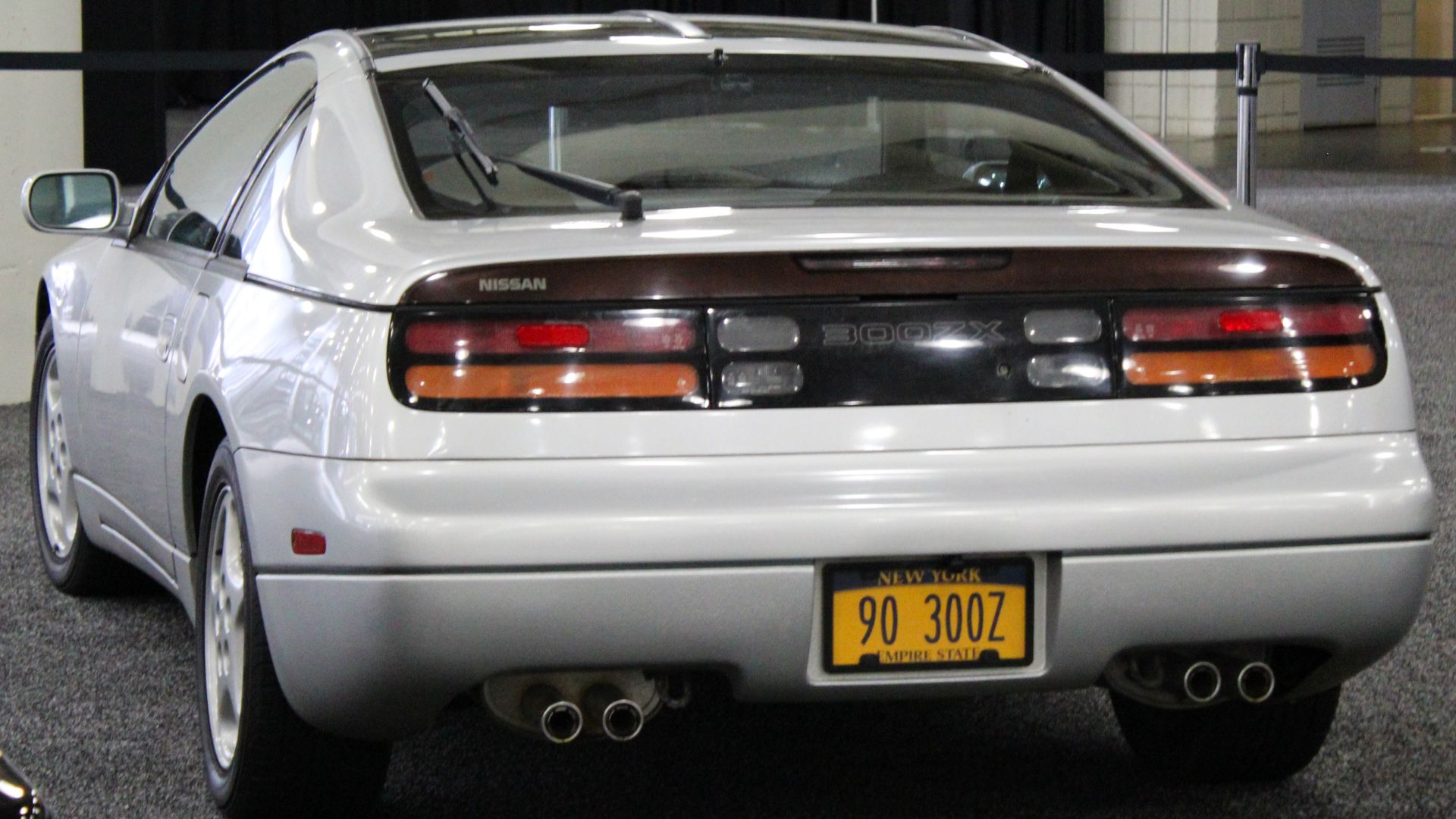
1990 Nissan 300ZX
The Z32 300ZX looked radically modern when it arrived, and its long horizontal taillamps were crucial to the effect. Multiple illuminated sections sat beneath a dark upper band across the rear. The arrangement was sufficiently memorable that Nissan later referenced Z-car heritage when designing subsequent generations of its sports coupe.
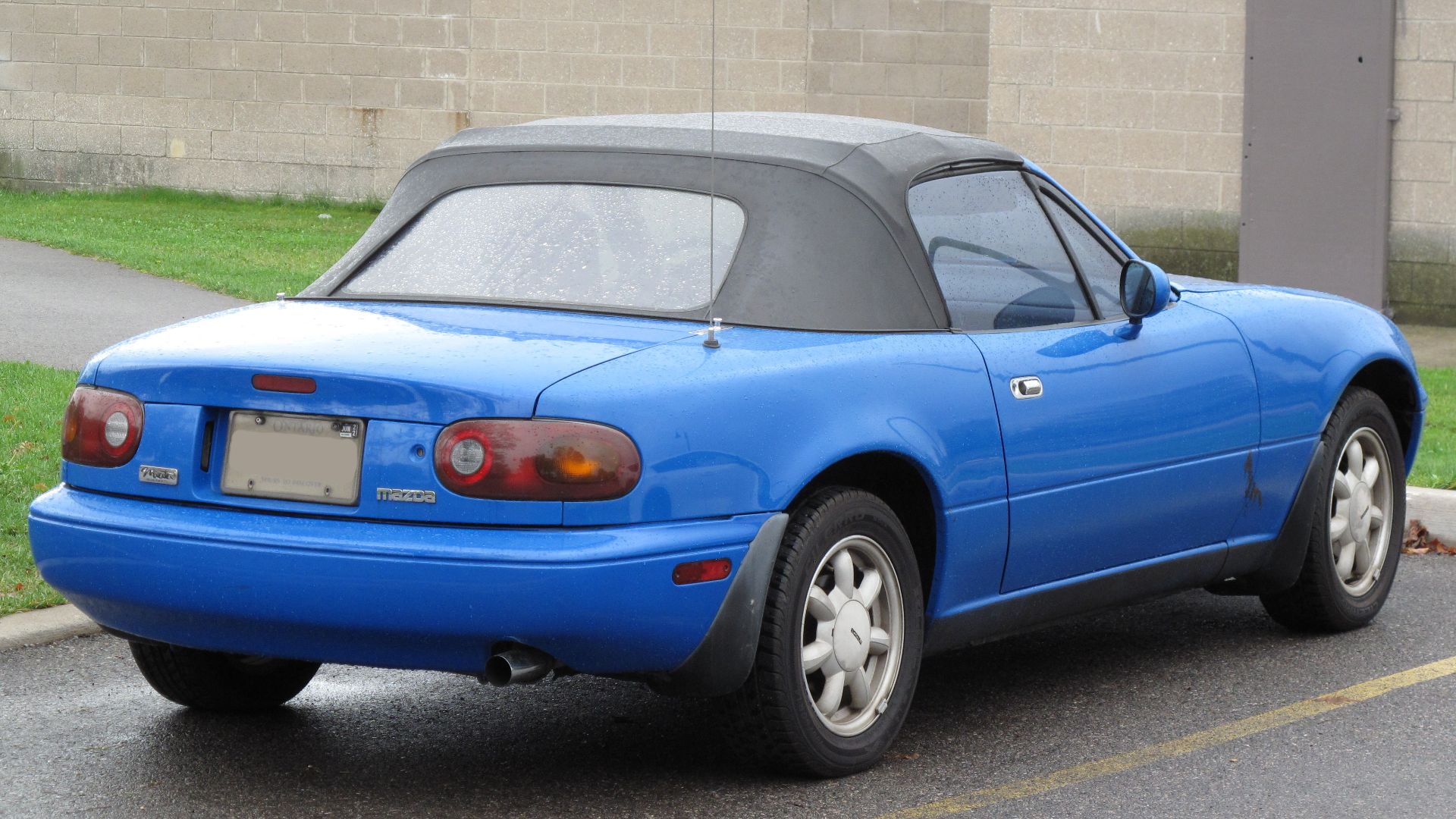
1990 Mazda Miata
The original MX-5 Miata's rear lamps are unusually important in design history. Their compact oval-like composition combined red, amber, and white elements into a beautifully coherent unit. The entire NA Miata was intentionally simple and friendly, and those small rear lamps perfectly complemented its rounded, lightweight proportions.
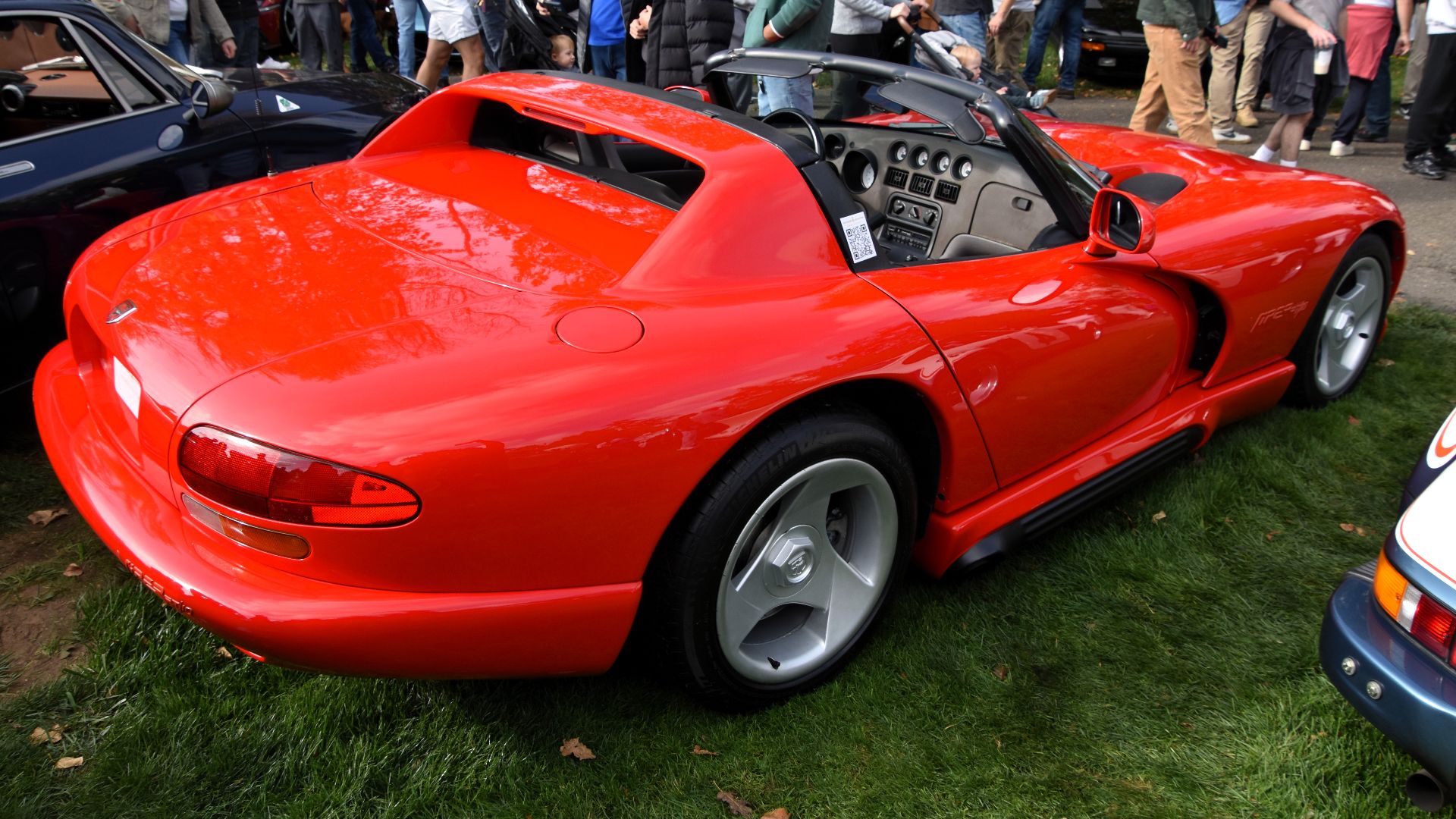
1992 Dodge Viper
Everything about the original Viper was deliberately outrageous, yet its taillights were comparatively simple. Wide red units sat at the outer corners of an enormously broad rear end. Combined with the low deck, huge tires, and unmistakable proportions, they made Dodge's V10 roadster nearly impossible to mistake for anything else.
 Charles from Port Chester, New York, Wikimedia Commons
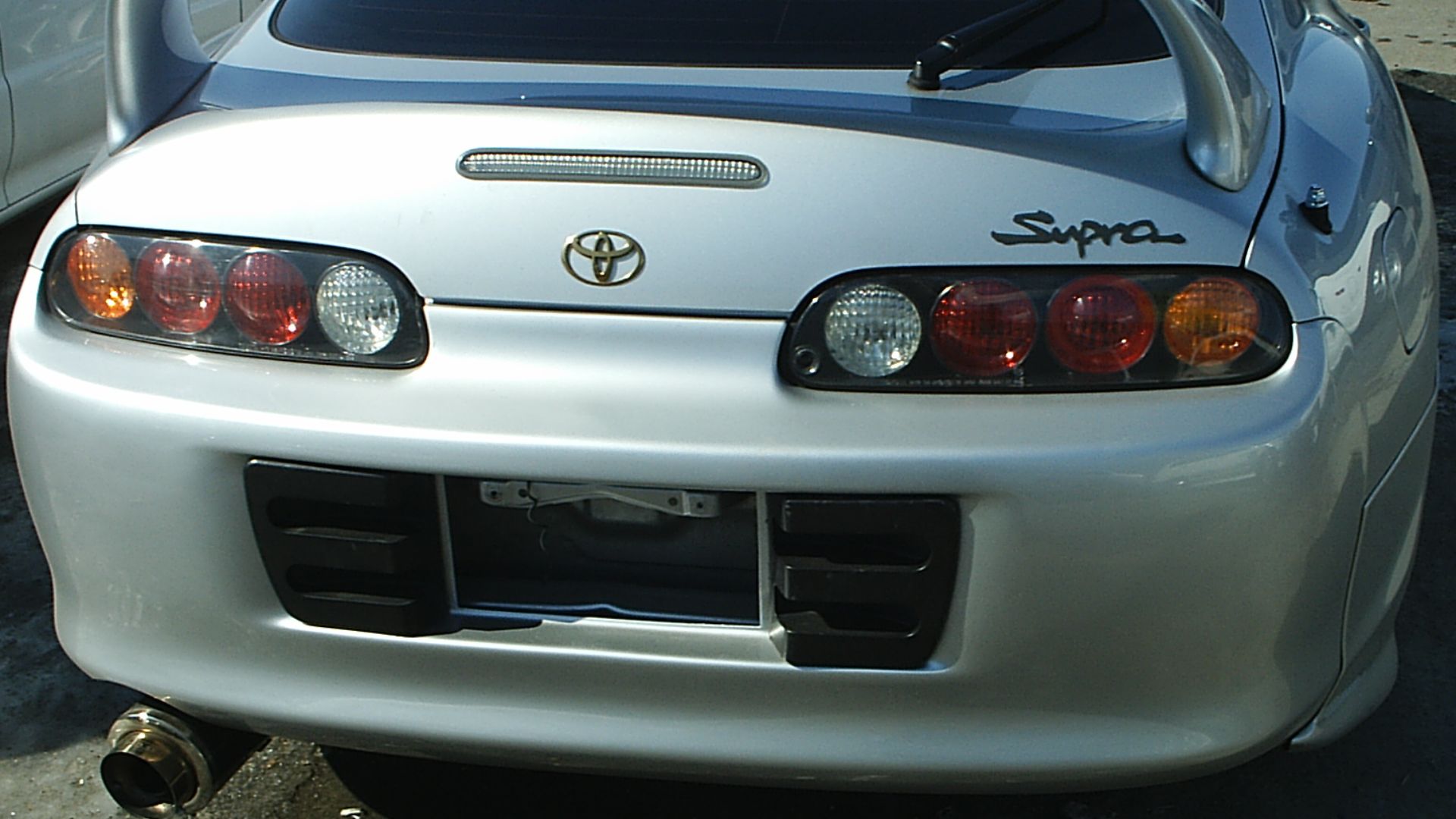
1993 Toyota Supra
The fourth-generation Supra gave car enthusiasts one of the 1990s' great rear views. Each side featured four circular elements contained within a rounded housing, creating a signature instantly associated with Toyota's turbocharged hero. The design became even more famous as the A80 Supra achieved extraordinary enthusiast and pop-culture status.
 w:ru:Skyline (talk | contribs), Wikimedia Commons
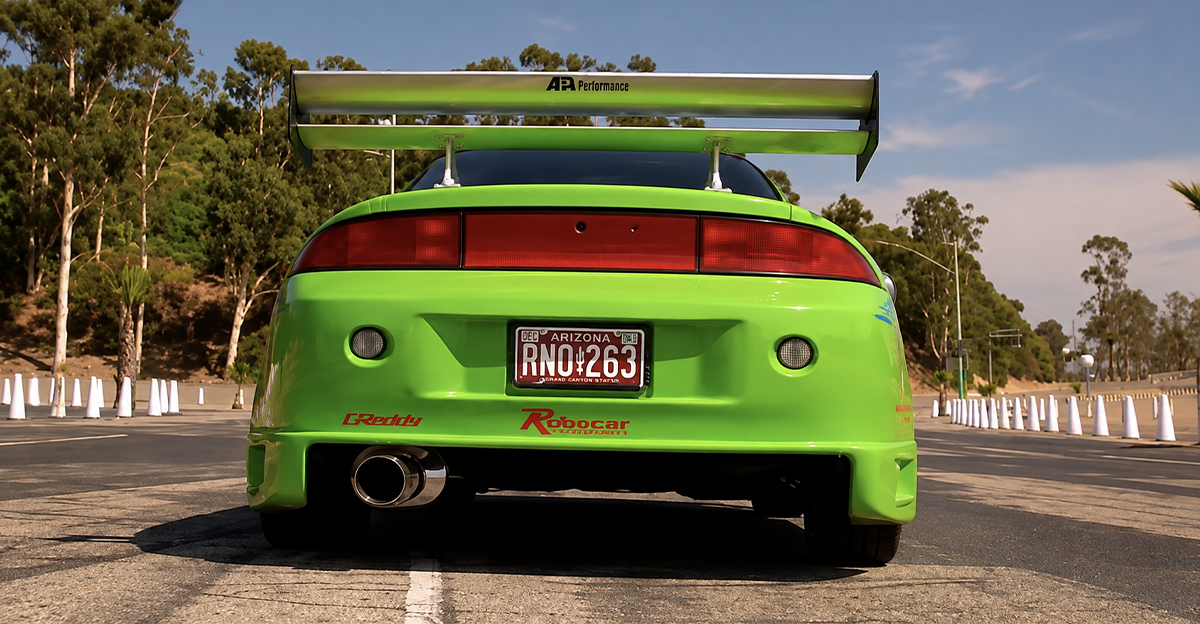
1995 Mitsubishi Eclipse
The second-generation Eclipse embraced the rounded styling of the mid-1990s, including a broad rear lighting treatment that stretched visually across the hatch area. Eagle Talon and Plymouth Laser relatives make early DSM identification tricky, but the later Eclipse's curvy silhouette and distinctive lamps became icons of the tuner generation.
 Screenshot of 1995 Mitsubishi Eclipse RS (2001), enhanced; Universal Pictures
1999 Nissan Skyline GT-R
Four round taillights became one of the Skyline GT-R's strongest visual signatures. On the R34, two circles of different sizes appeared on each side, producing an unmistakable nighttime pattern. Long before many Americans could legally own one, enthusiasts recognized those four red circles through video games, magazines, and movies.
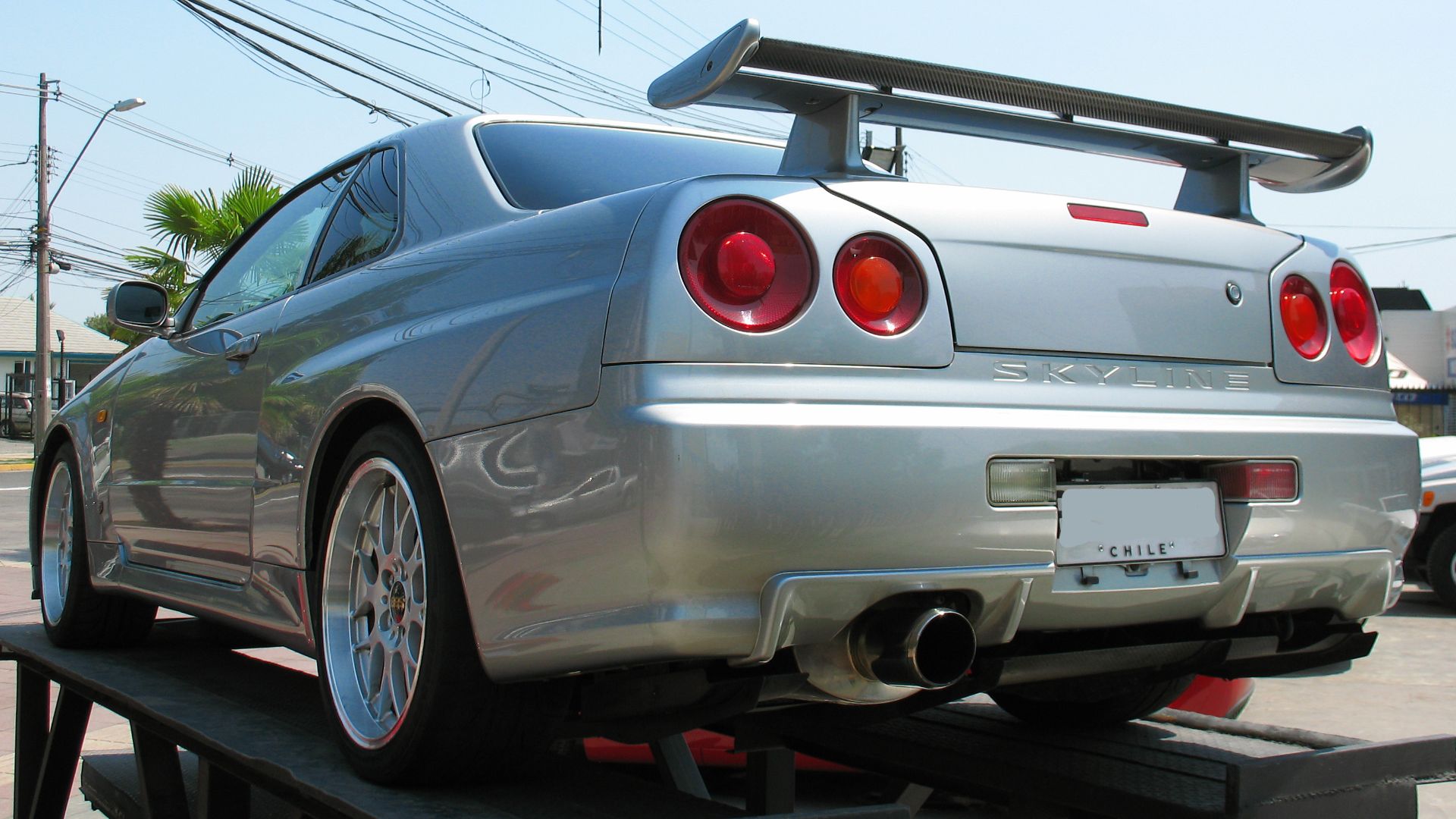 RL GNZLZ from Chile, Wikimedia Commons
2005 Ford GT
Ford's retro-modern supercar referenced the legendary GT40 without simply copying it. Huge circular taillights dominate the corners of the rear fascia, surrounding an exceptionally wide central section. With its enormous width, central exhaust outlets, and unmistakable lamps, the GT provides one of this quiz's easier silhouettes.
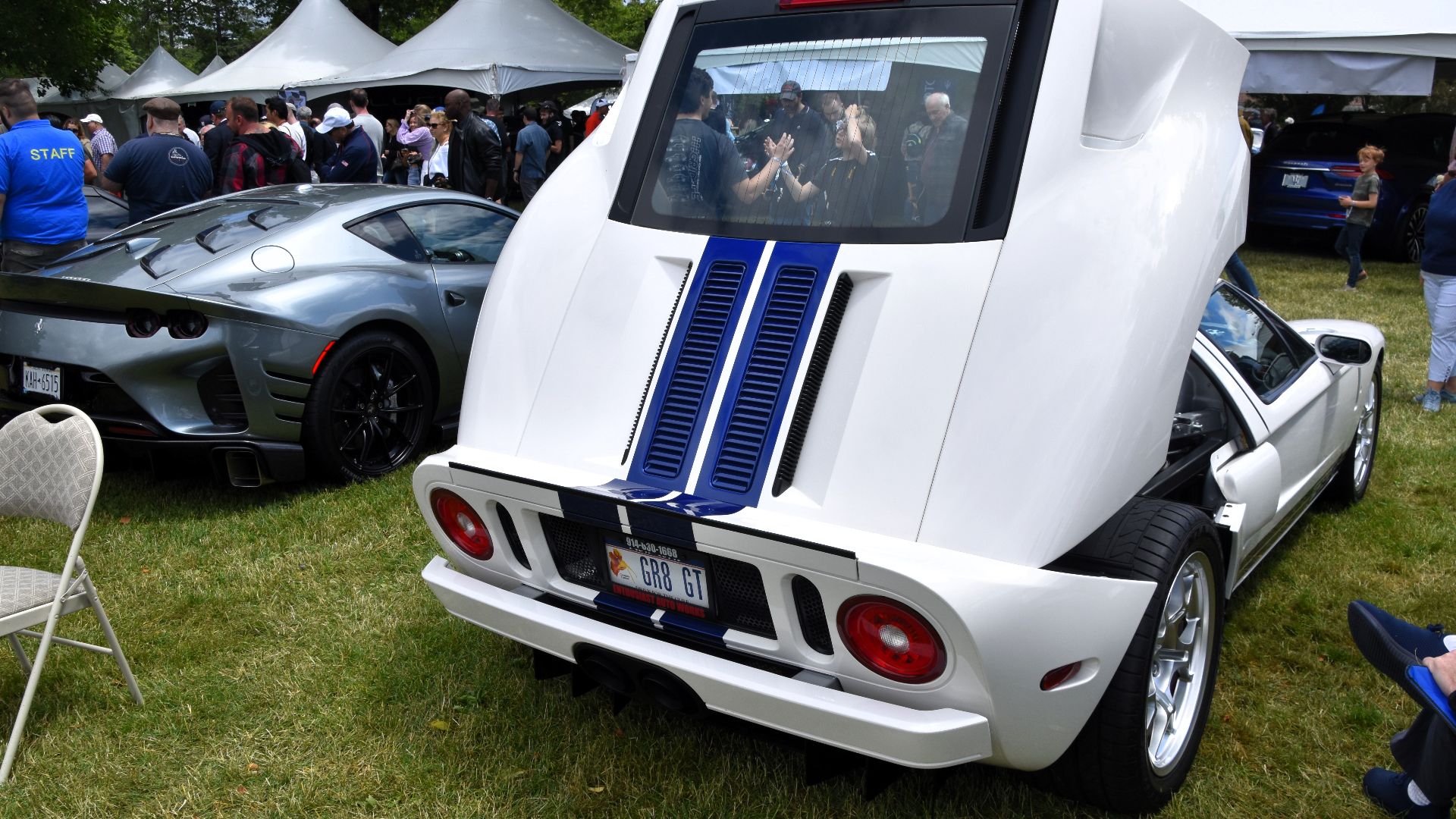 Charles from Port Chester, New York, Wikimedia Commons
2008 Nissan GT-R
When Nissan separated the GT-R from the Skyline nameplate, it wisely preserved one crucial piece of visual DNA: four round taillights. The R35's large outer circles and smaller inner ones became recognizable worldwide, allowing the radically modern supercar to maintain a direct visual connection with its celebrated predecessors.
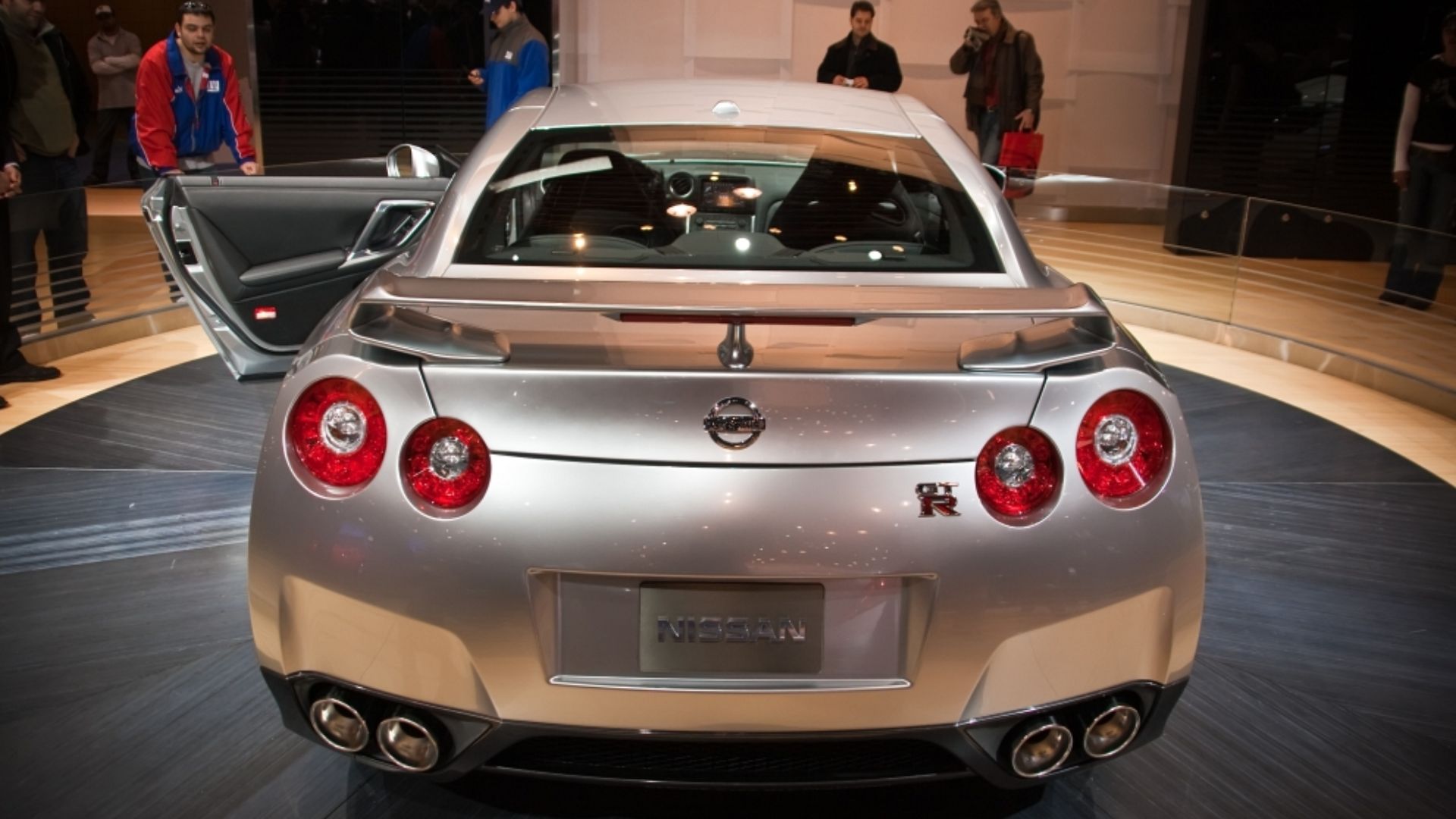 Rian Castillo from Vestavia Hills, USA, Wikimedia Commons
2010 Ford Mustang
The Mustang's three-section taillights never truly disappeared as a styling theme, but 2010 brought something particularly special: sequential turn signals became standard across the Mustang lineup. Ford says earlier Shelby GT350 and GT500 models had offered them in 1968, making the modern feature a clever revival of pony-car history.
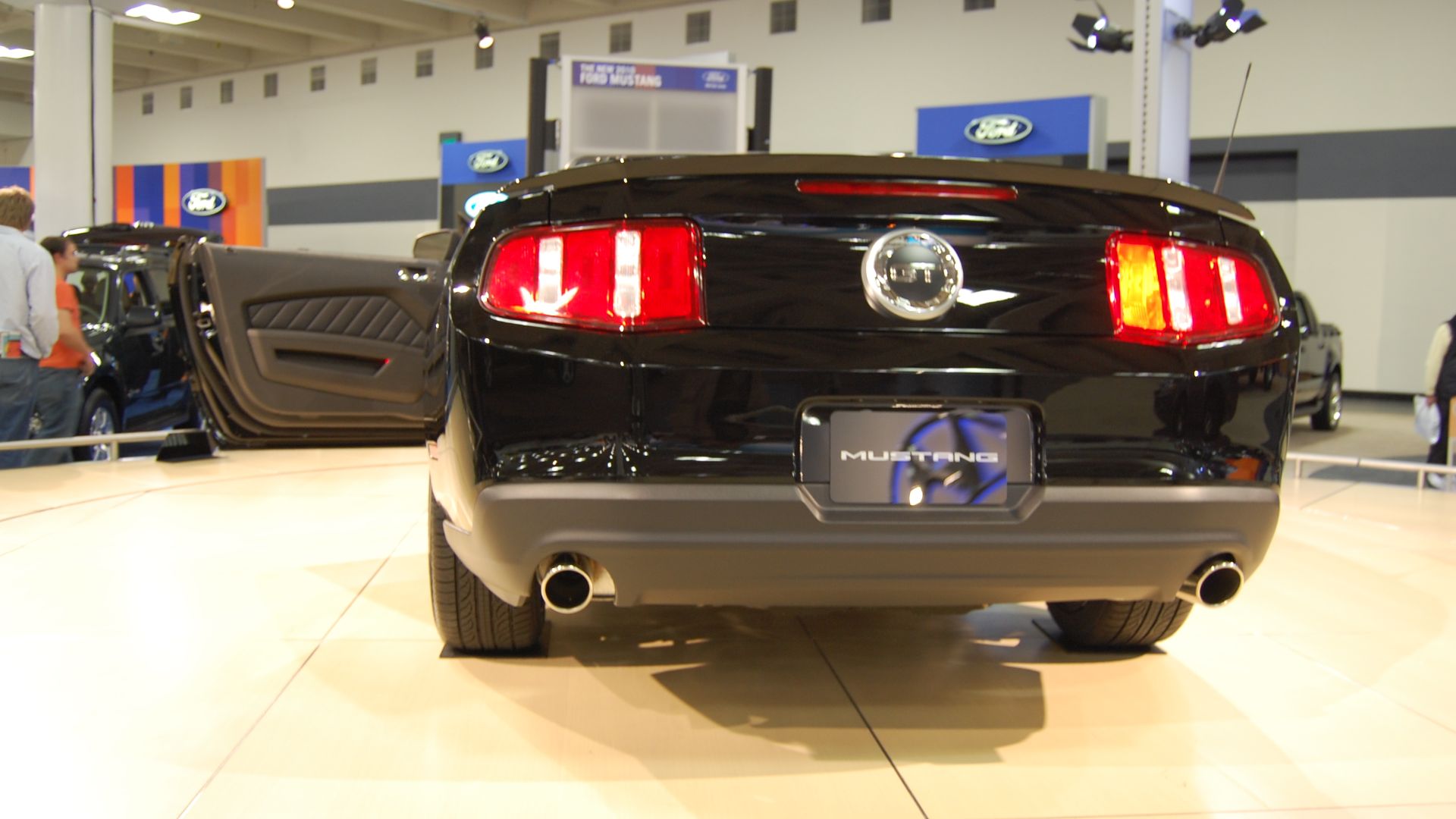 Denmark from United States, Wikimedia Commons
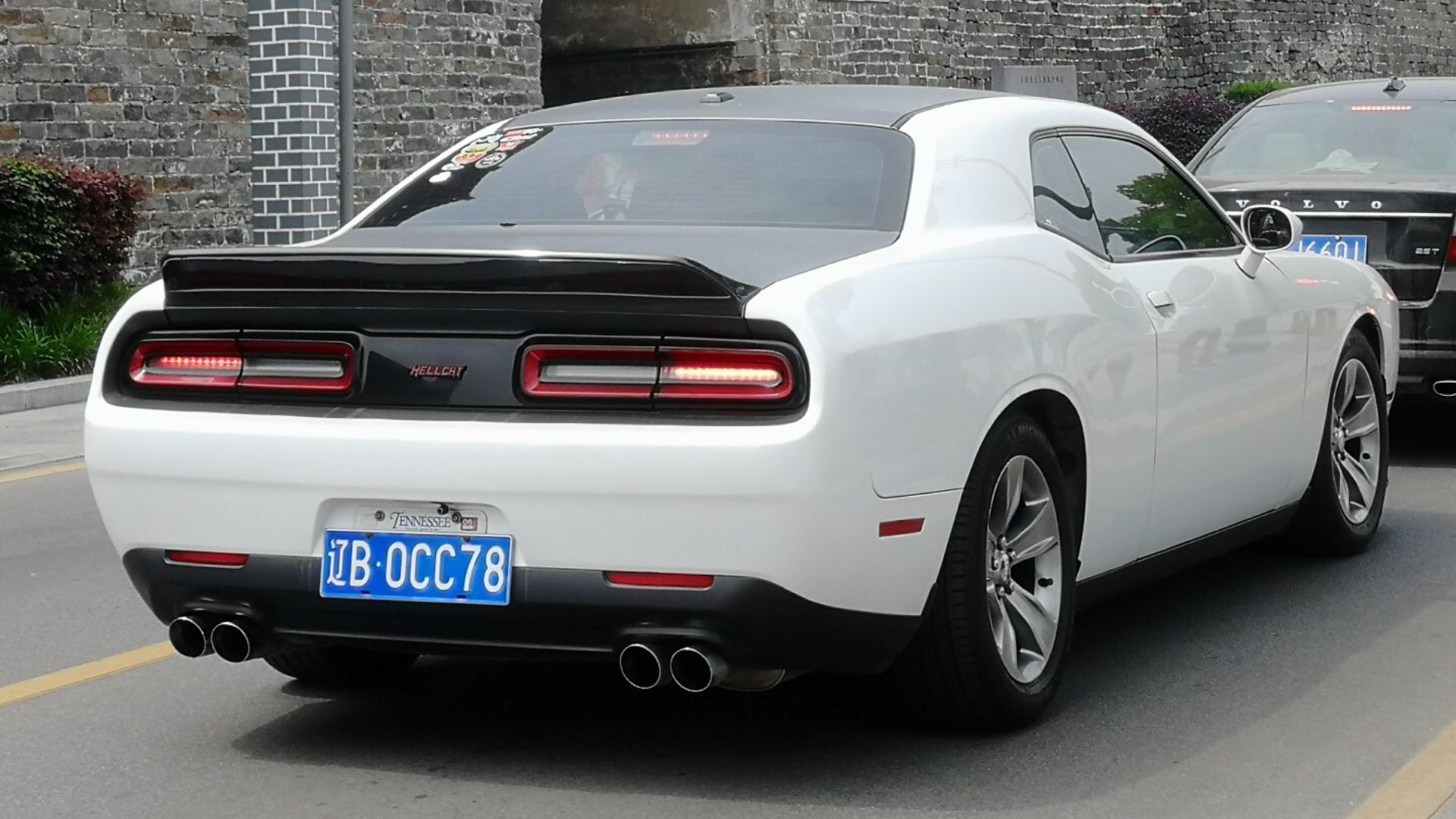
2015 Dodge Challenger
The modern Challenger brilliantly reinterpreted its 1970 ancestor, and the 2015 refresh made its rear signature even stronger. LED lamps created illuminated outlines stretching across the back, separated centrally by DODGE lettering. It looked contemporary while remaining unmistakably connected to the original muscle car's wide horizontal treatment.
 Jengtingchen, Wikimedia Commons
2020 Porsche 911
The 992-generation 911 demonstrates how dramatically lighting technology has changed this recognition game. A seamless LED strip spans almost the entire rear, giving the Porsche what the company calls an "unmistakable night design." It's thoroughly modern technology deliberately echoing Porsche styling from decades earlier.

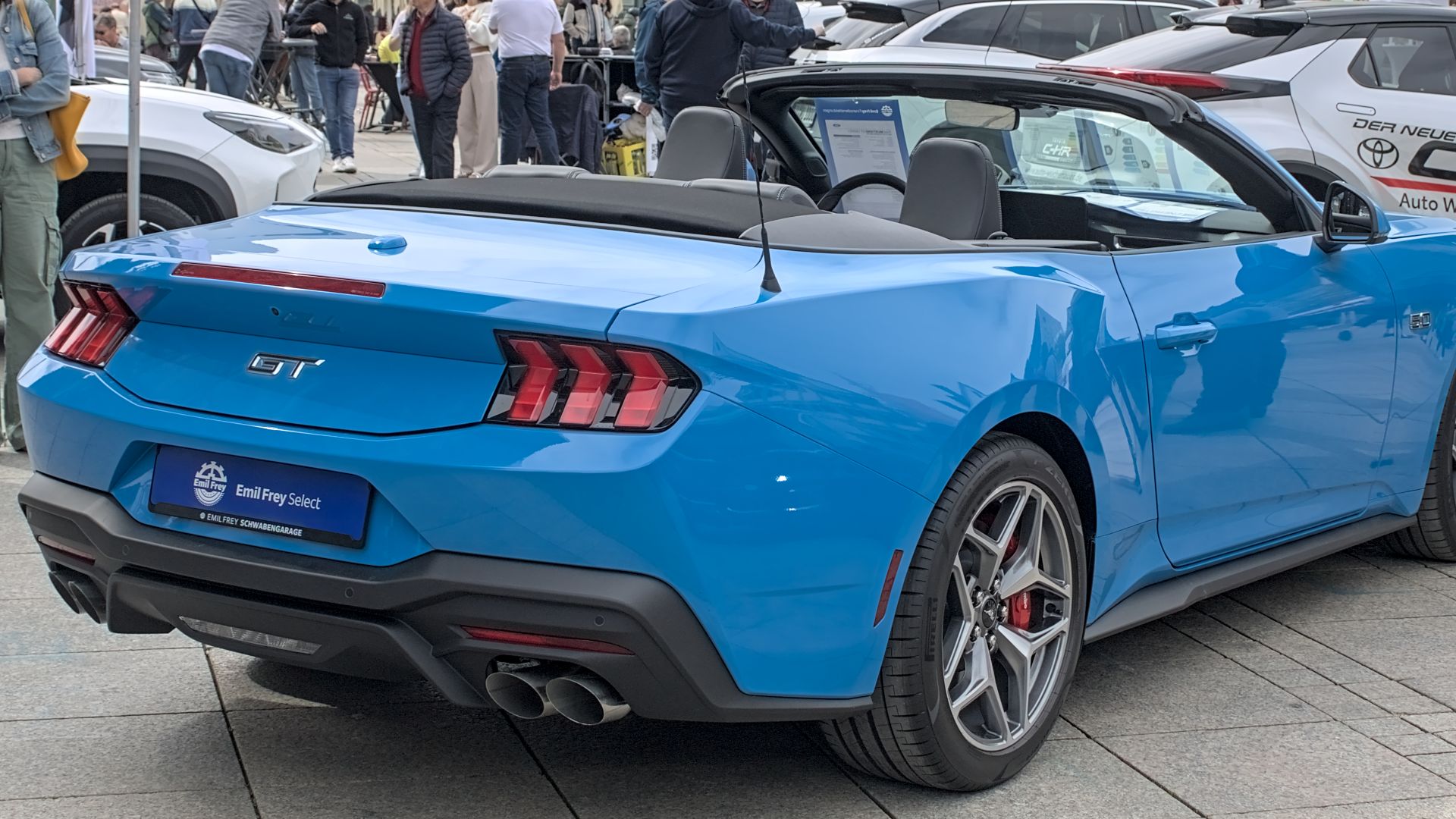
2024 Ford Mustang
Six decades after the first Mustang, three vertical rear elements remain essential to its identity. Today's lamps are angular, three-dimensional LEDs rather than simple 1960s lenses, but the family resemblance is unmistakable. Ford specifically describes the current rear lights as heavily influenced by the original first-generation Mustang.
 Alexander-93, Wikimedia Commons
You May Also Like:
The Hardest Classic Car Trivia Quiz Ever—Can You Get 8 Out Of 20?
Everything You Need To Check Before Buying A Classic Car

.jpg)
_Et%C3%A92016_(2).jpg)
.jpg)
.jpg)