Dreams On Four Wheels
Buying a classic car can feel like unlocking a childhood memory. Maybe it’s the car your parents drove, something you saw in an old movie, or just a machine that makes modern vehicles look a little too bland. The excitement is real—but so are the risks. Classic cars come with decades of wear, repairs, and sometimes questionable history. Before you hand over your money, it’s worth slowing down and checking a few key things first.
 Mykola Romanovskyy, Shutterstock.com
Know What Kind Of Classic You Actually Want
Before you start browsing listings, figure out what kind of classic owner you want to be. Some people want a spotless show car that spends most of its life under a cover, while others want something they can take out for weekend drives. Then there are the brave souls looking for a project car they can slowly restore in the garage. Each option comes with different costs, effort levels, and expectations. Knowing what you want ahead of time makes it much easier to avoid buying the wrong kind of classic.
Set A Budget That Includes Repairs
It’s easy to focus on the purchase price, but that’s rarely the full story with classic cars. Even well-maintained vehicles can need repairs simply because parts wear out after decades of use. A good rule is to leave room in your budget for maintenance, replacement parts, and the occasional surprise problem. Nothing kills the excitement of a new classic faster than realizing you can’t afford the first repair bill. Planning ahead makes ownership a lot less stressful.

Research The Model Before You Shop
Every classic car has its quirks, and longtime owners usually know them by heart. Some models are known for rust in certain areas, others have transmissions that don’t age gracefully, and a few develop electrical issues that seem to come and go for no reason. Spending a little time researching these common problems can save you a lot of trouble later. When you know what to look for, you’re far less likely to miss warning signs during an inspection. Think of it as doing homework before making a big purchase.
Make Sure The VIN Checks Out
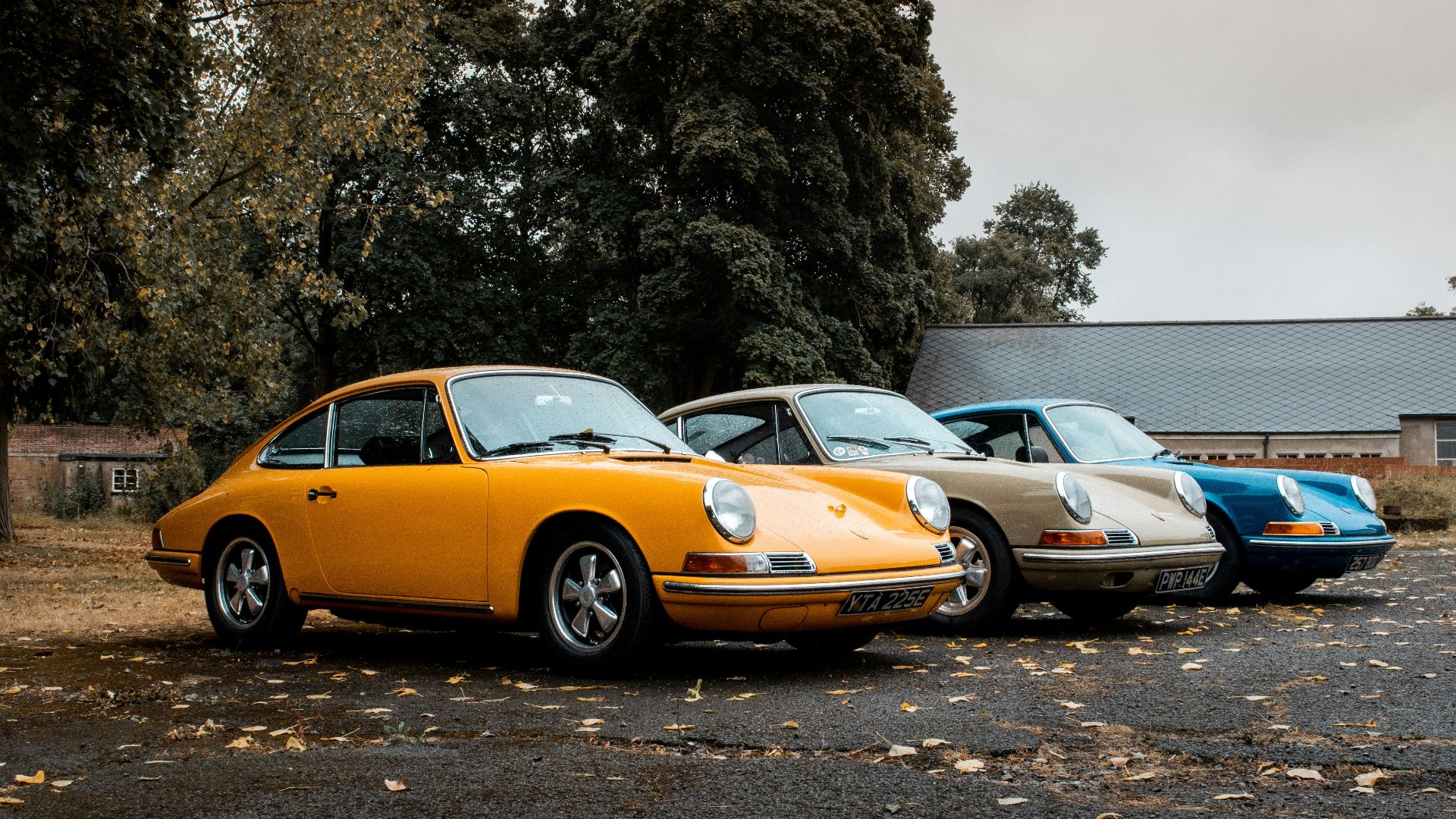
The Vehicle Identification Number is basically the car’s fingerprint. It confirms details like the model year, engine type, and original configuration. When buying a classic car, it’s important to make sure the VIN on the vehicle matches the paperwork and hasn’t been altered. If something looks off or inconsistent, it’s worth asking questions before going any further. Authenticity matters, especially if you’re hoping the car will hold its value over time.

Look Into The Car’s History
Classic cars often have long and interesting histories. Some have been carefully maintained by enthusiastic owners, while others have changed hands many times without much documentation. Service records, restoration receipts, and ownership history can all give you clues about how the car has been treated. A seller who proudly shows off maintenance records is usually a good sign. When the history is vague or missing entirely, it just means you’ll need to inspect the car a little more carefully.

Check For Rust Everywhere
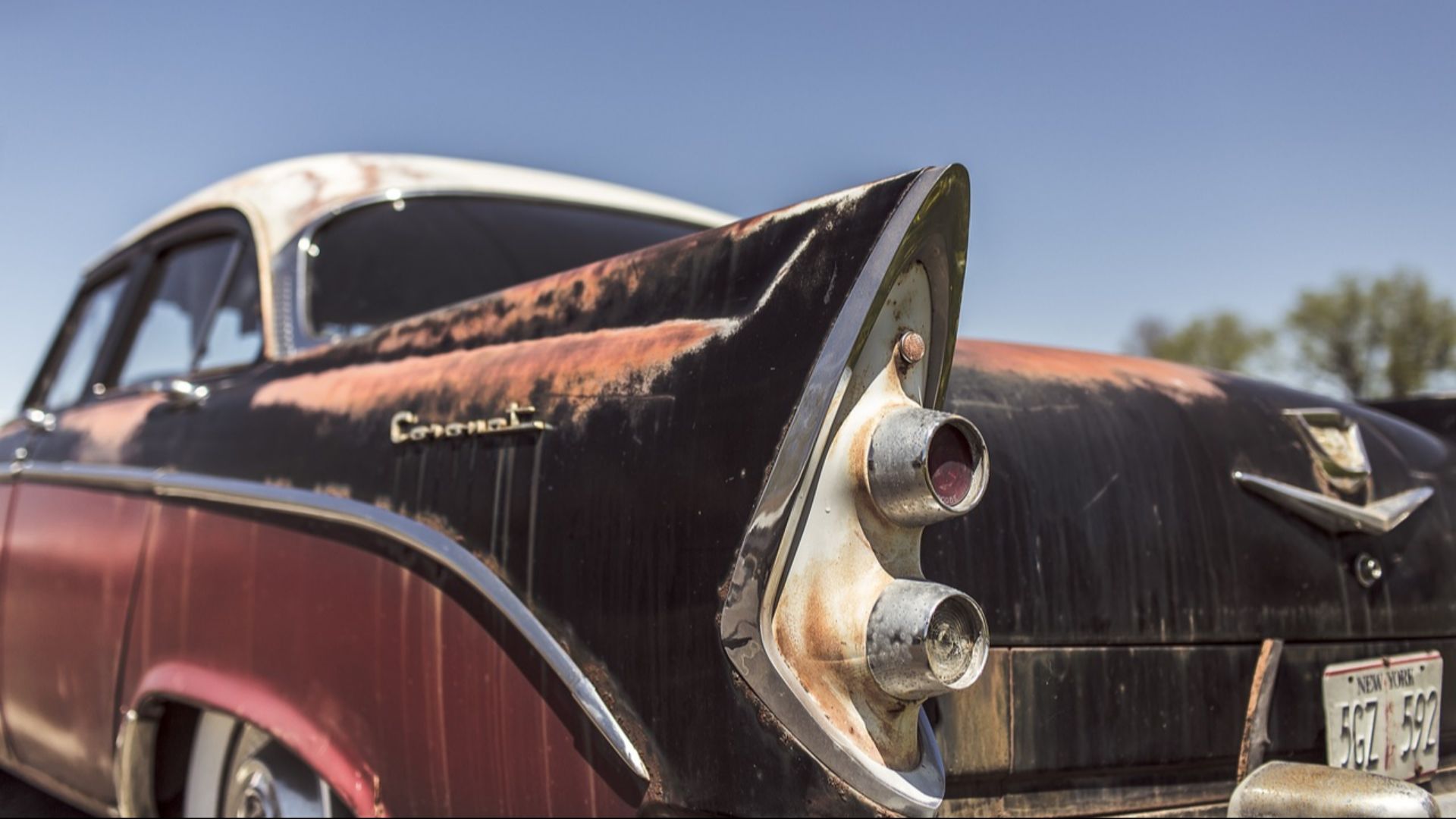
Rust is probably the biggest enemy of classic cars. It tends to show up in places like wheel arches, floor pans, rocker panels, and underneath the vehicle. A small amount of surface rust isn’t always a disaster, but structural rust can be expensive and difficult to fix. Always take a close look underneath the car and around the lower body panels. What looks like a tiny issue on the surface can sometimes hide much bigger problems.

Take A Close Look At The Paint
A shiny paint job can make almost any classic car look amazing at first glance. The trick is looking past the shine to see what’s really going on. Uneven paint, bubbling, or mismatched panels can hint at previous repairs or hidden rust. Overspray on trim or rubber seals can also reveal that the car was repainted quickly rather than properly restored. Sometimes the cars that look the best in photos deserve the closest inspection in person.
Inspect The Areas Most People Ignore
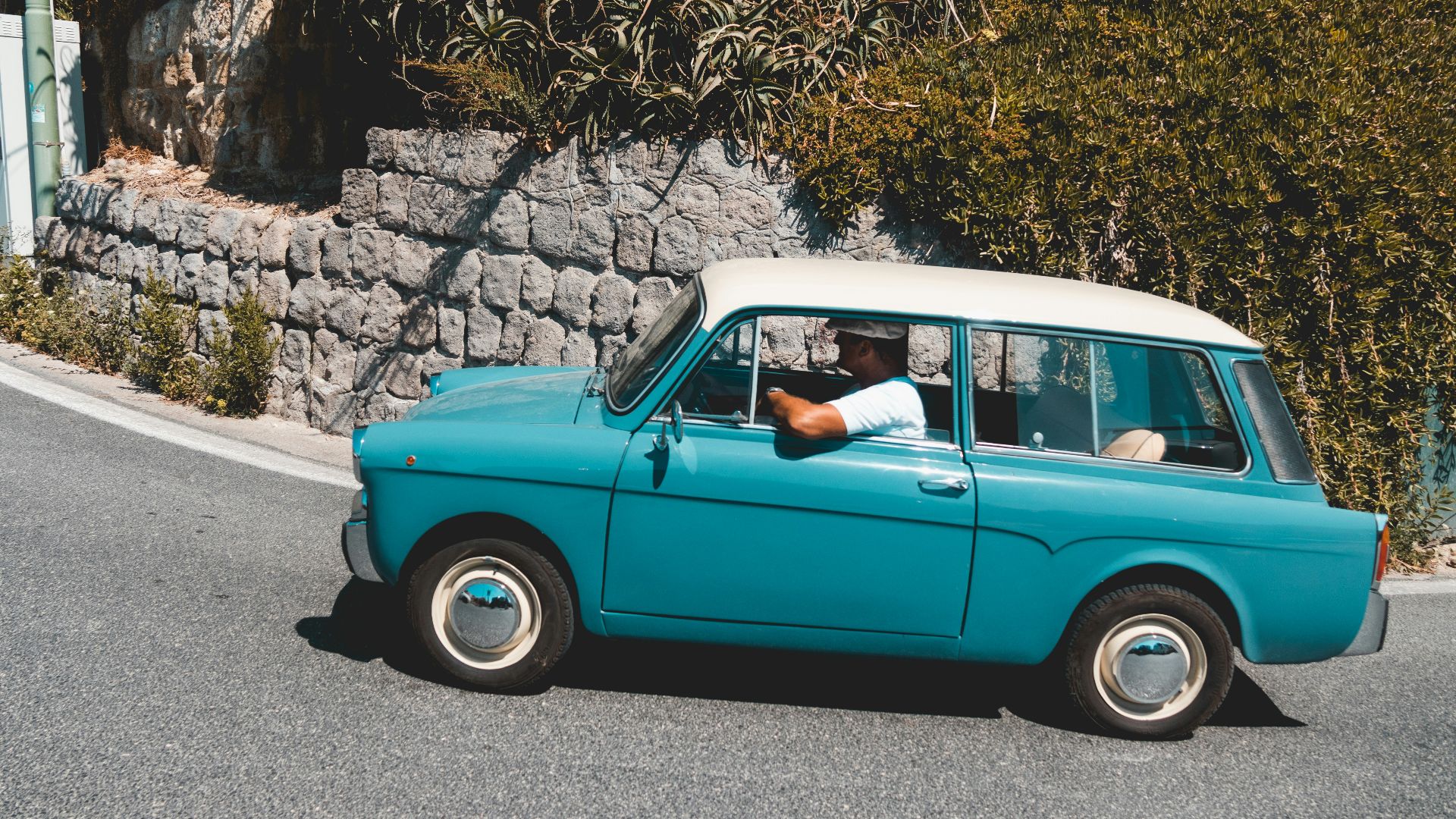
If you want the real story about a car, check the places most buyers forget to look. Door jambs, trunk seams, and the edges of interior panels can reveal whether a restoration was done carefully or just for appearance. Sloppy paint or rust in these hidden areas often means corners were cut elsewhere too. These small details can tell you a lot about the overall quality of the car. Think of them as clues in a mechanical mystery.
Look Over The Engine Bay
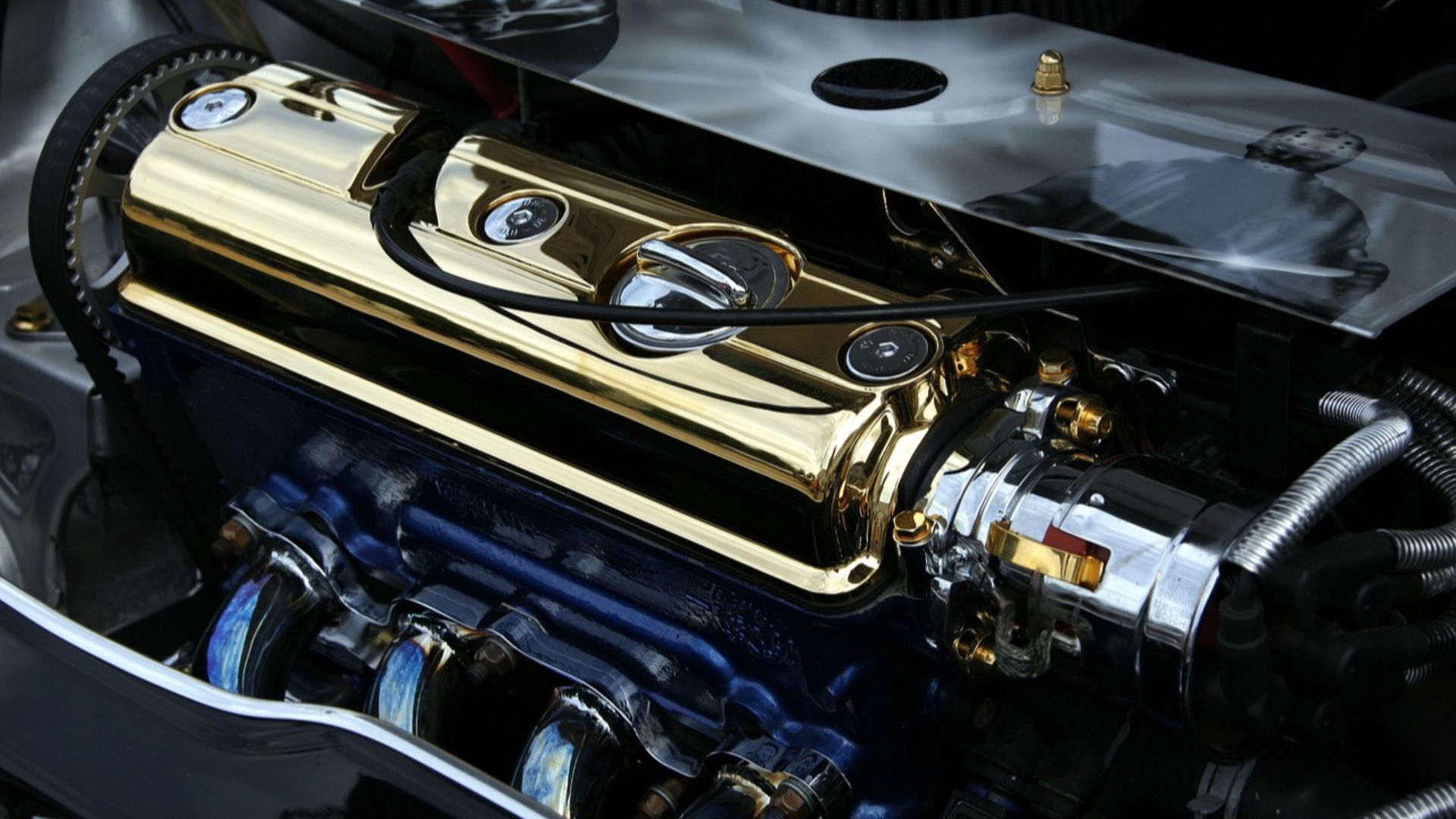
You don’t need to be a professional mechanic to get a general sense of how healthy an engine is. Look for oil leaks, cracked hoses, messy wiring, or signs that parts were replaced with random substitutes. Check the condition of belts and fluids while you’re there. A clean, organized engine bay usually suggests the owner paid attention to maintenance. If everything looks neglected, there’s a good chance the rest of the car was treated the same way.
Pay Attention To The Transmission
Transmission issues can be some of the most expensive problems to fix in a classic car. During a test drive, pay attention to how the vehicle shifts between gears. Grinding, slipping, or hesitation are all signs something may be wearing out. Even if the car still drives, these symptoms can signal repairs in the near future. A smooth-shifting transmission is always a reassuring sign.
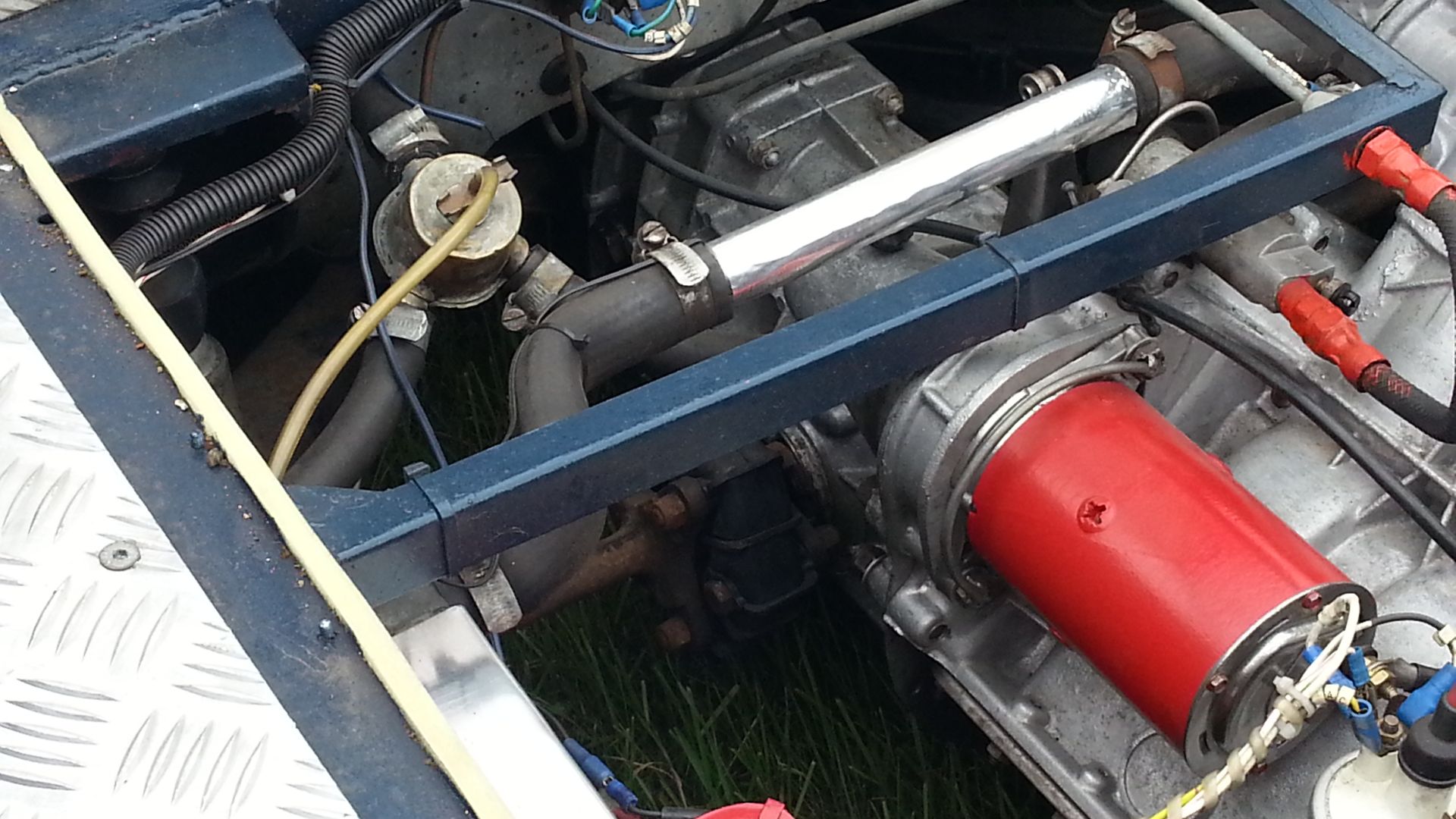 Andy Dingley, Wikimedia Commons
Check The Rest Of The Drivetrain
The drivetrain includes parts like the driveshaft and differential that transfer power to the wheels. These components should operate quietly and smoothly while the car is moving. Strange noises, vibrations, or fluid leaks may indicate worn parts that need attention. While many of these issues can be fixed, they can add unexpected costs to your purchase. Taking a moment to check them now can prevent surprises later.

Examine The Suspension And Steering
Classic cars don’t always handle like modern vehicles, but they should still feel stable and predictable. Worn suspension components can cause the car to bounce excessively or wander on the road. Loose steering can make driving feel vague or uncomfortable. These parts can often be replaced, but the work adds up quickly if several components are worn out. A solid suspension usually means the car has been maintained with care.

Test The Brakes Carefully
Older cars sometimes use braking systems that require more maintenance than modern ones. When inspecting a classic, check the condition of brake lines, fluid, pads, and rotors or drums. During a test drive, the car should stop smoothly without pulling to one side. Weak or inconsistent braking may indicate worn components or aging hydraulic parts. Since brakes are a safety system, this is one area you definitely don’t want to overlook.
Make Sure The Electrical System Works
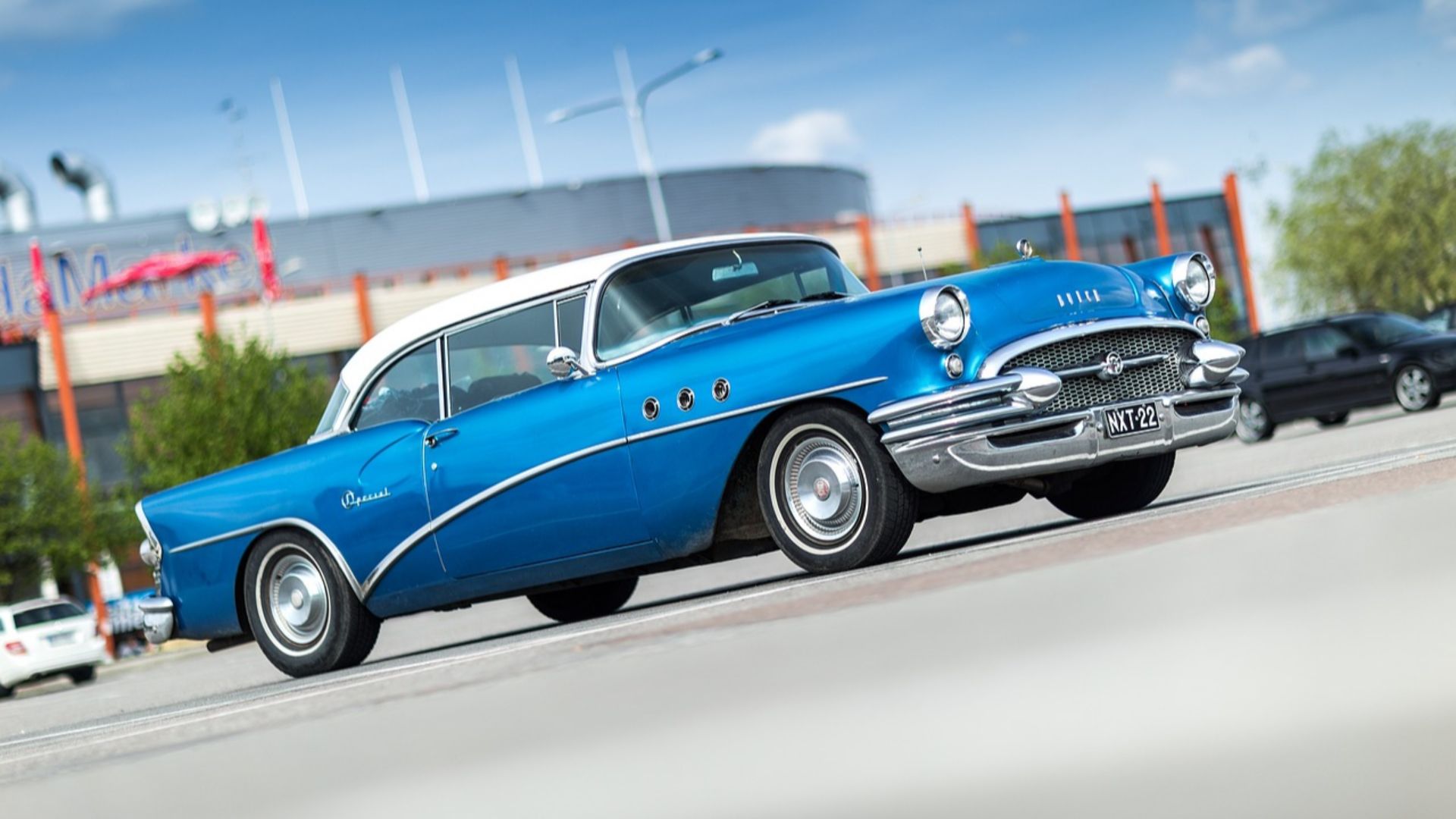
Electrical systems in older cars can be surprisingly unpredictable. Over the years, wiring may have been modified, patched together, or repaired multiple times. Check that headlights, gauges, interior lights, and switches all function correctly. Electrical issues can be frustrating because they often take time to track down. A car with a healthy electrical system will save you a lot of headaches.

Look At The Interior Condition
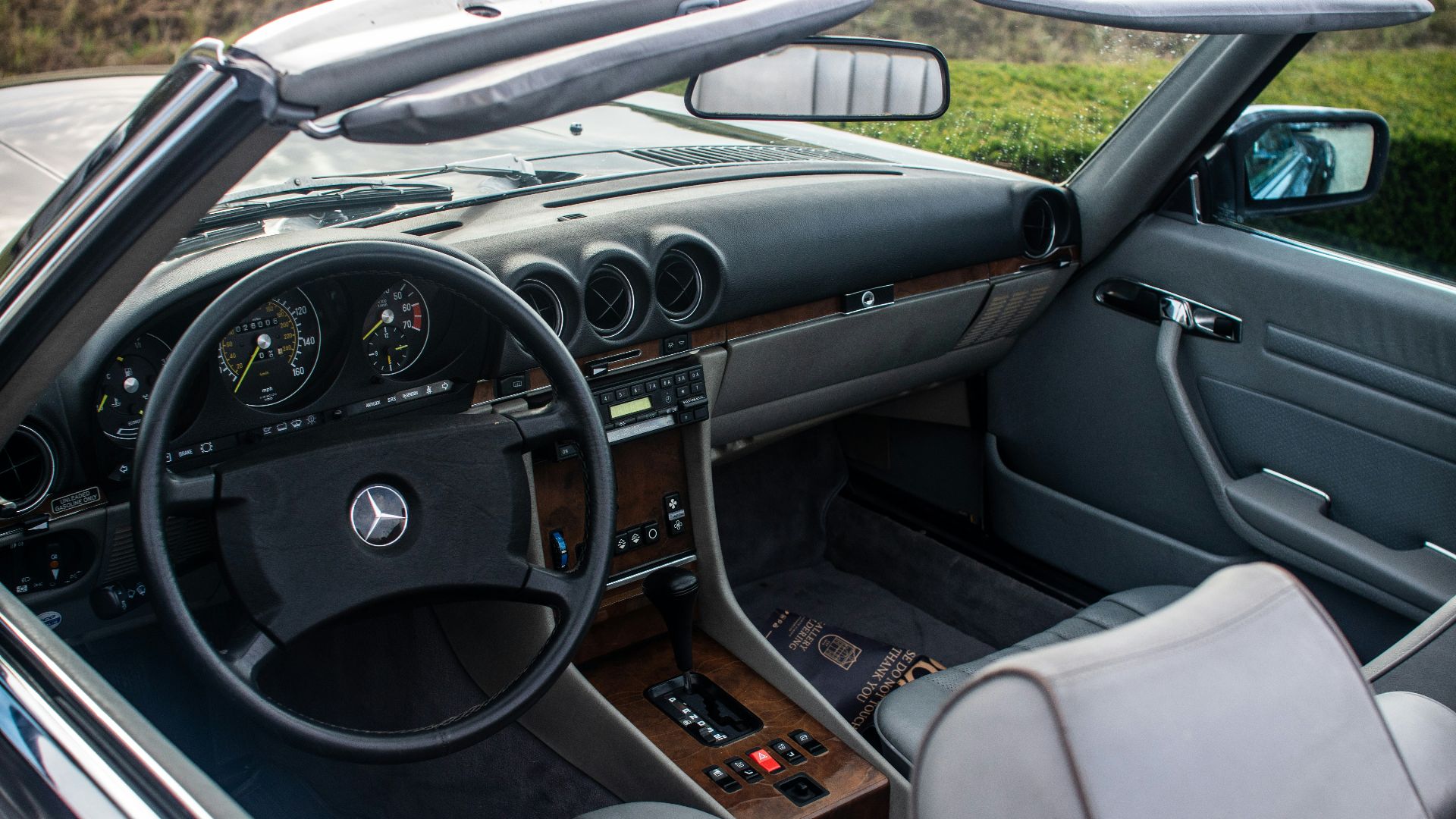
The interior tells you a lot about how the car was treated throughout its life. Cracked dashboards, torn seats, and worn carpets are common signs of age and use. While these problems may seem cosmetic, restoring an interior can be surprisingly expensive. On the other hand, a well-preserved cabin often means the car was stored properly and cared for over time. Sometimes the interior condition speaks louder than the odometer.
Check If Parts Are Easy To Find
Some classic cars are supported by huge aftermarket communities, which makes finding parts relatively easy. Others rely on rare components that may take months to locate. Before buying, it’s worth researching how available parts are for the model you’re considering. If replacement parts are scarce, even minor repairs can turn into long and frustrating projects. Availability can make a huge difference in the ownership experience.
Join Owner Communities Early
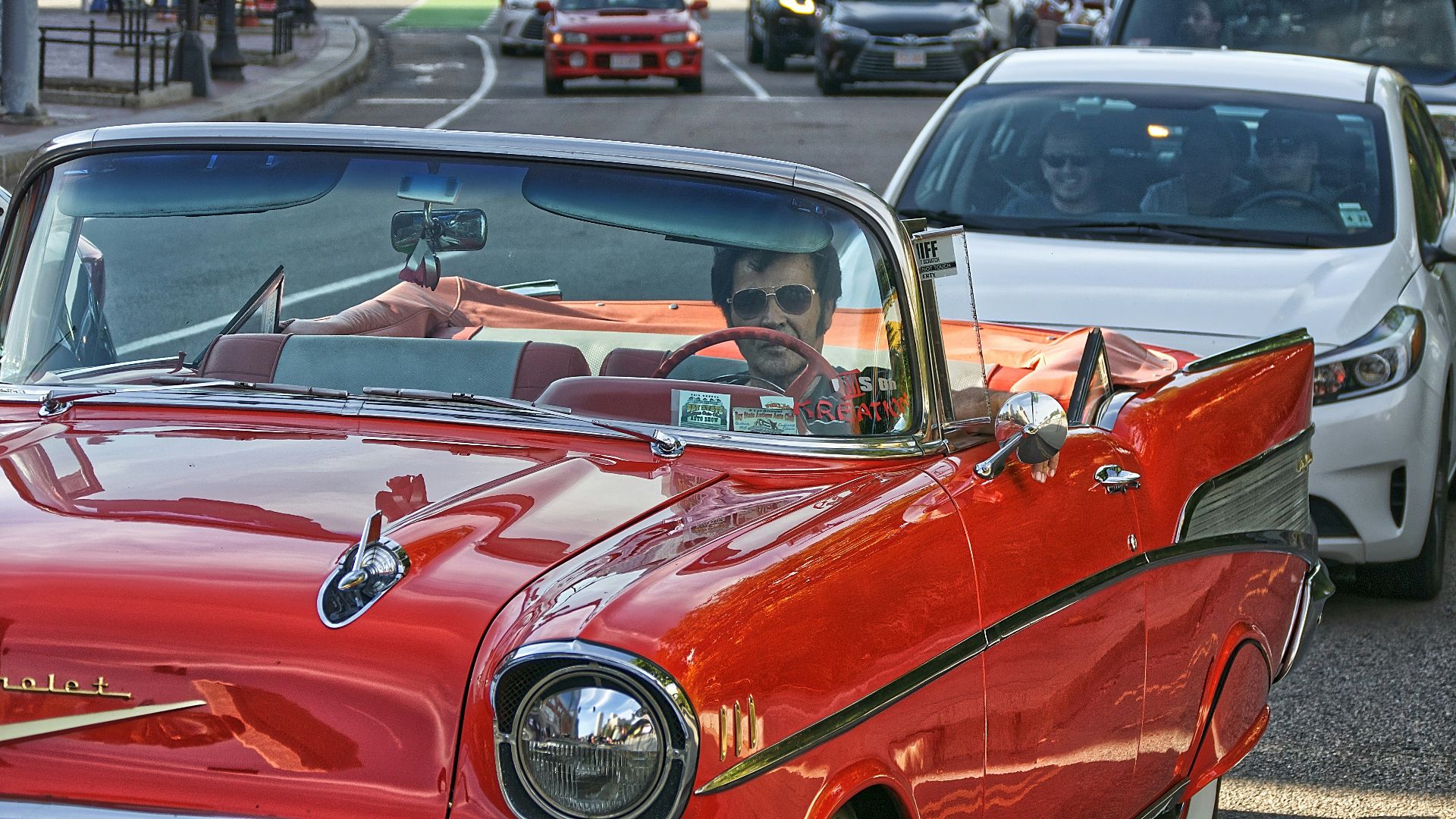
One of the best sources of information about a classic car is the community of people who already own one. Online forums, enthusiast groups, and car clubs often share tips, maintenance advice, and warnings about common issues. These communities can also help you locate rare parts or trusted mechanics. Spending time around knowledgeable owners can make the entire experience more enjoyable. Plus, you’ll probably hear some great stories along the way.
 Karolina Grabowska www.kaboompics.com, Pexels
Consider Getting A Professional Inspection
Even if you feel confident inspecting a car yourself, a professional mechanic can still provide valuable insight. A trained eye may spot hidden rust, mechanical problems, or poorly done repairs that are easy to miss. Paying for a pre-purchase inspection might seem like an extra expense. But compared to the cost of major repairs later, it’s often money well spent.

Take The Car For A Proper Test Drive
Photos and inspections are helpful, but nothing replaces actually driving the car. Pay attention to how it accelerates, brakes, and handles different speeds. Listen for unusual noises and feel for vibrations that shouldn’t be there. The test drive often reveals issues that aren’t obvious when the car is sitting still. It’s also the moment you find out whether the car truly feels right to you.

Be Ready To Walk Away
The hardest part of buying a classic car is sometimes saying no. These vehicles have personality, charm, and just enough nostalgia to make buyers overlook warning signs. But if something feels wrong—whether it’s the paperwork, the condition, or the seller’s answers—it’s better to step back. There will always be another classic car waiting somewhere. Walking away from the wrong one can save you a lot of money and frustration later.
 Vodafone x Rankin everyone.connected, Pexels
You May Also Like: