When Your Ride Is Great But The Payment Isn’t
If your car payment makes you wince every month, you’re not alone. Between higher interest rates, rising insurance, and everything else getting pricier, that once-manageable ride can turn into a budget bully fast. The good news is you’ve got options. Whether you want to keep the car and shrink the pain, or bow out gracefully and move on, there’s a path that protects your cash flow and your credit as much as possible.

Take a Breath And Do A Quick Financial Triage
Before changing anything, get a crystal-clear picture of the numbers. List your current payment, remaining balance, interest rate (APR), months left, insurance cost, fuel, and typical maintenance. This isn’t busywork; it tells you whether you have a payment problem, a total cost of ownership problem, or both. That difference will guide every decision you make next.

Get A Payoff Quote And A Realistic Car Value
Call your lender for a 10-day payoff amount, then check what your car could realistically sell for. Use a few sources (private-party and instant cash offers) to find a realistic range, not a dream number. The gap between your payoff and value tells you if you have equity (you do a little dance) or negative equity (you plan around it). Either way, now you’re dealing with facts, not vibes.

First Keep-The-Car Move: Ask About A Loan Refinance
If your credit has improved or rates have dipped since you bought, refinancing can lower the rate and the payment. Shorter terms save more interest, longer terms lower the payment. Be honest about your goal. If cash flow is the crisis, a longer term may be a bridge even if it costs more over time. Watch for lender fees, prepayment penalties on your current loan, and “yo-yo” refinance promises that sound too good to be true.

Stretching The Term: When It Helps And When It Hurts
Extending the term is the fastest route to a smaller payment, but it can keep you upside-down longer and increase total interest. Make it safer by pairing the longer term with a plan to toss in small extra principal payments when you can. That way, you keep the lower required payment for breathing room but still chip away at interest.

Payment Relief: Forbearance, Deferrals, And Hardship Programs
If this is a short-term squeeze (like a job change, medical bill, temporary setback) ask your lender about hardship options. A payment deferral or short forbearance can keep your account current and your credit intact. Get every detail in writing: how long, what interest does during the pause, whether it extends the term, and how missed payments are handled at the end.

Insurance Surgery: Lower Premiums Without Torching Coverage
Car budgets aren’t just payments; insurance is often the silent killer. Shop your policy, raise deductibles sensibly, drop duplicative add-ons, ask about telematics or multi-policy discounts, and update your annual mileage if it has fallen. Savings here can make the monthly picture workable without touching the loan at all.

Kill The Sneaky Costs You Can Control
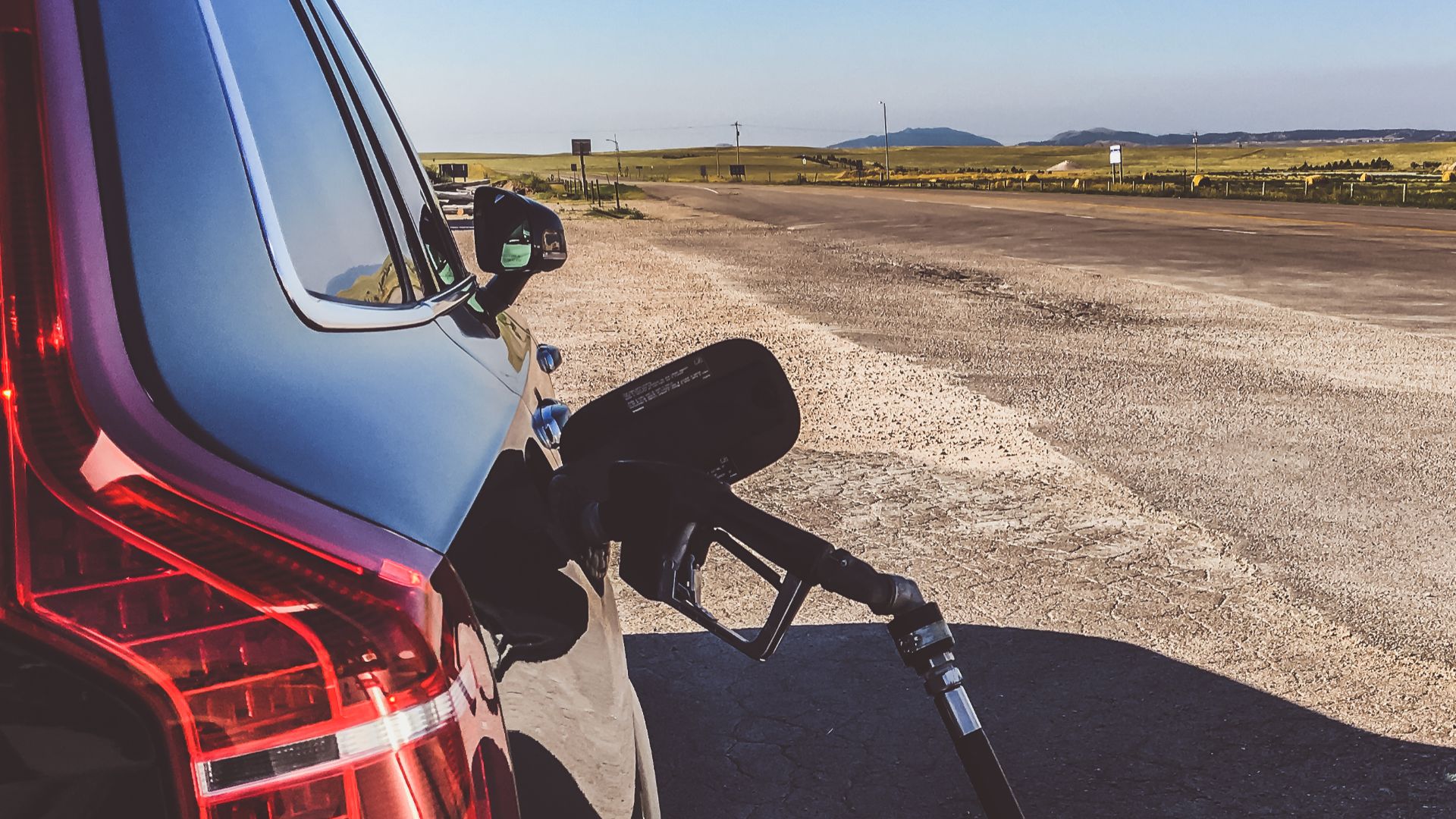
If you keep the car, look for easy wins: cheaper gas stations, warehouse-club fuel programs, DIY cabin filters and wipers, and staying current on maintenance to avoid big repairs. Small savings multiplied over months can offset a painful car note more than you’d think.
 Tony Webster from Minneapolis, Minnesota, United States, Wikimedia Commons
Recasting (If Your Lender Allows It)
A loan recast is a niche move: you pay a lump sum toward principal and ask the lender to re-amortize the remaining balance over the existing term, reducing the payment. Not all lenders do it for auto loans, but if they do and you have a cash infusion (bonus, tax refund), it can be a sneaky-good way to keep the car and lower the monthly.

Side Income As A Temporary Bridge
This isn’t a forever solution, but a short sprint can stabilize things. A few months of gig work or freelancing earmarked exclusively for the car can buy you time while you refinance, sell, or restructure. The goal is to create options, not grind indefinitely.

If You Decide To Sell: Private Party vs. Instant Cash Offers
Private sale usually nets the most money. Instant cash offers (from dealers or online buyers) are fast and painless but pay less. If you’re underwater, the best price matters because it shrinks the negative equity you’ll need to cover. If time is your bigger problem than dollars, the instant route can still be the right call.

How To Sell With A Loan (It’s Totally Doable)
Buyers get spooked by liens because they don’t want paperwork drama. Solve that upfront: tell buyers you’ll close at your lender or a trusted escrow service. Buyer pays, lender releases title, everyone leaves happy. If using a dealer or online buyer, they’ll handle the payoff for you and cut you a check for any equity—or tell you what you owe if you’re negative.

Tackling Negative Equity Without Sinking Yourself
If you owe more than the car is worth, you have choices. You can bring cash to closing to wipe the difference, take a personal loan for the shortfall (only if the terms are reasonable and it truly helps), or roll it into another auto loan (generally not ideal, but sometimes necessary if you must have a car and can score a much cheaper one). Whatever you do, don’t hide the negative equity in a new, longer, high-rate loan without thinking through the total cost.

Trade-In vs. Sell Then Buy
Trading in is easy and can reduce sales tax on your next purchase in some states, but it often yields less than a private sale. If you have negative equity, the higher price from a private sale may be worth the extra effort. If your budget and life are on fire, a trade-in or instant sale can be the sanity play.
 order_242 from Chile, Wikimedia Commons
Maybe You Don’t Need This Car: Right-Size The Ride
If you must drive, can you switch to a cheaper, reliable “bridge” car for a year or two? Downsizing from a new SUV to a dependable compact can slash both the payment and insurance. Focus on total cost: payment + insurance + fuel + expected maintenance. You’re not marrying the bridge car; you’re dating it until your finances glow up.

Lease Buyout Or Lease Exit (If You’re In A Lease)
If it’s a lease, review your buyout figure versus market value. Positive equity in a lease isn’t unicorn stuff anymore; you might profit by buying and selling. If you’re underwater, ask the leasing company about early termination math and whether a dealer will do a “pull-ahead” into something cheaper. Read every fee; lease math can be sneaky.

Don’t Nuke Your Credit If You Can Avoid It
Late payments and repossessions stick around on your report for years. If you’re cornered, talk to the lender before you miss. Even a voluntary repossession is still a repossession, and you could owe a deficiency balance after auction. Treat your credit score like the passport to your next, cheaper loan.

Mind The Paperwork And The Pitfalls
If you refinance, verify there’s no prepayment penalty on your current loan. If you sell, keep records of payoff letters, bill of sale, and release of liability with your state’s DMV. If you negotiate a hardship plan, get every term in writing. The fix is only real when it’s documented.

Build A Payment That Survives Real Life
Whatever path you take—refinance, sale, or swap—build yourself a margin. This is a payment you can only barely make is still a problem. Aim for a number that’s boringly easy, with a small emergency cushion baked into your monthly budget. Calm finances beat cool cars every time.

The Bottom Line
You’re not stuck. You can keep the car and make the payment gentler, or you can exit with a plan that preserves your credit and your sanity. The smart play is the one that gives you breathing room now and flexibility later. Run the numbers, choose the least expensive pain, and don’t let pride turn a money problem into a life problem. You’ve got options, and now you’ve got a roadmap.

You May Also Like:
My dealer promised “free oil changes for life.” What’s the catch?
I caught my mechanic test-driving my car all the way across town. Is he allowed to do this?
My car loan company repossessed my vehicle after one late payment. Can they really do that?