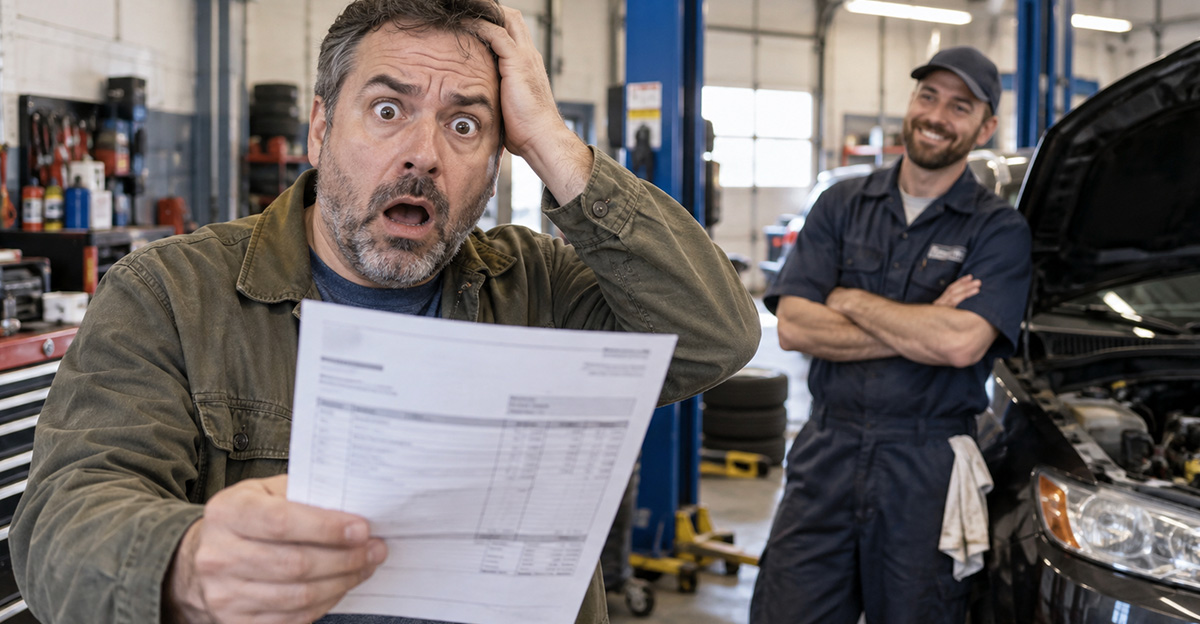
A Case Of Buyer’s Remorse
You followed the dealership technician’s recommendation and gave the go-ahead for a transmission flush at around 60,000 miles. Now your transmission shifts harder, hesitates, or feels inconsistent. That wasn’t something it was doing before. You’re worried the service caused damage, and you’re wondering if this is temporary, reversible, or just the beginning of a much bigger problem.

Why Transmission Flushes Are Controversial
Transmission flushes force new fresh fluid through the system under pressure. On higher-mileage vehicles, this can dislodge and remobilize debris that had previously settled in the bottom of the transmission. While flushes can help some transmissions, others don’t react so well, especially if the fluid was overdue or the transmission already had some internal wear.
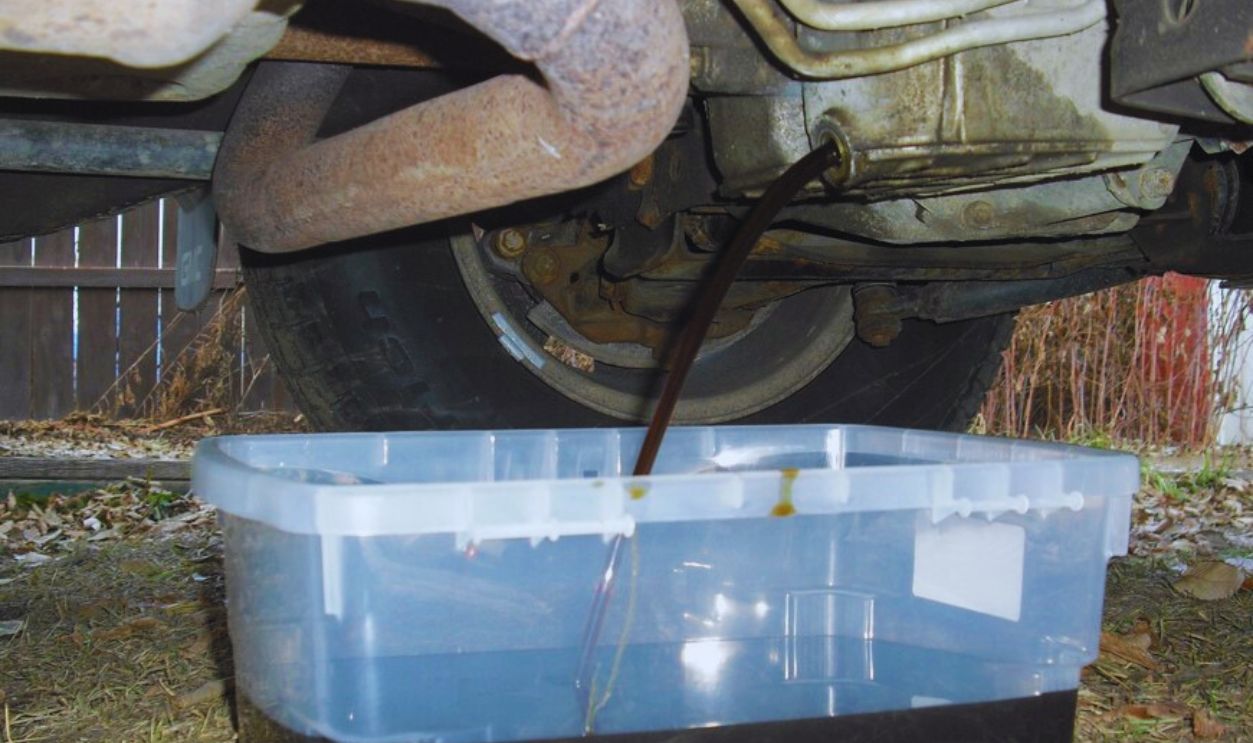
Confirm Exactly What Service Was Performed
First, figure out whether the dealership did a full flush or a standard drain-and-fill. These are very different procedures. Review your invoice carefully and ask the service advisor to explain exactly what machine or process was used. This detail is important when trying to trace back and figure out what went wrong.
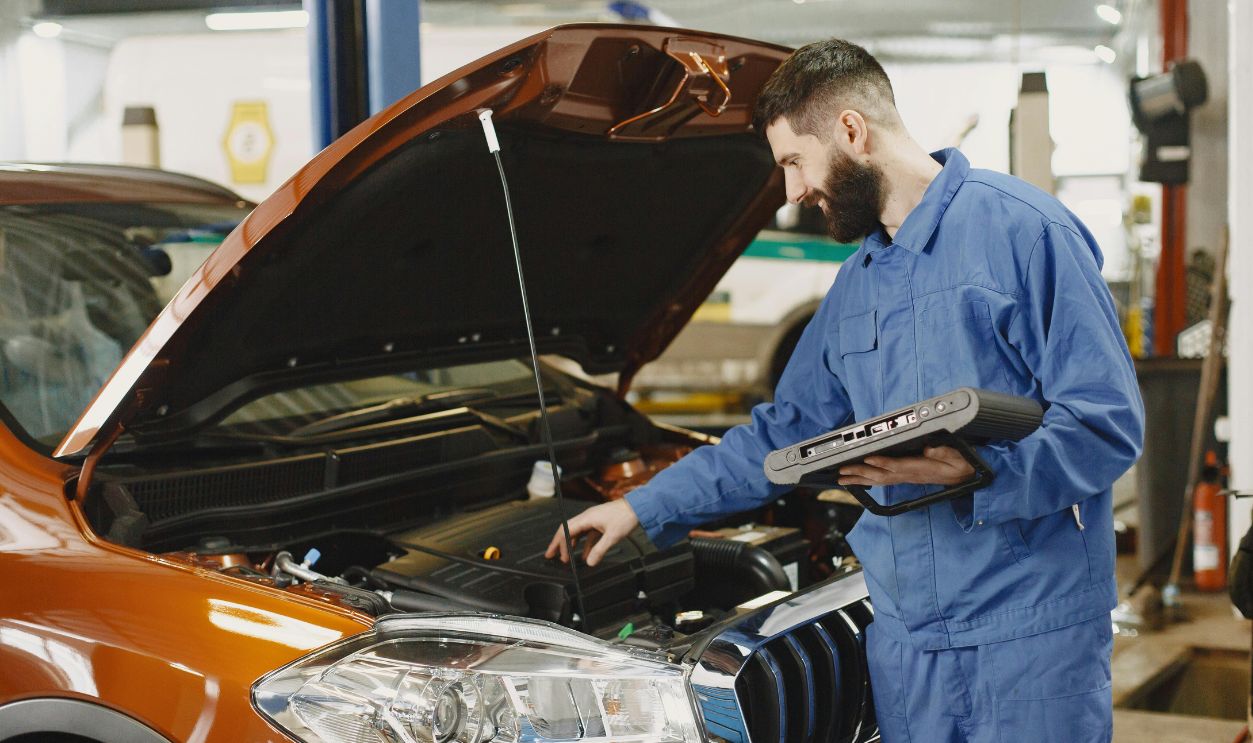
Manufacturer’s Maintenance Recommendations
Pull up your vehicle’s owner’s manual or factory maintenance schedule. Some manufacturers specifically warn against doing transmission flushes and recommend only drain-and-fill services. If the dealership did a flush contrary to manufacturer guidelines, that strengthens your case.
Go Back To The Dealership Immediately
Don’t wait weeks hoping the problem resolves itself on its own. Bring the car back as soon as you can and describe clearly what’s going on. Ask for a documented test drive and inspection. Early reporting sets down a timeline that connects the rough shifting back in a straight line to the service.
Get A Fluid Level And Condition Check
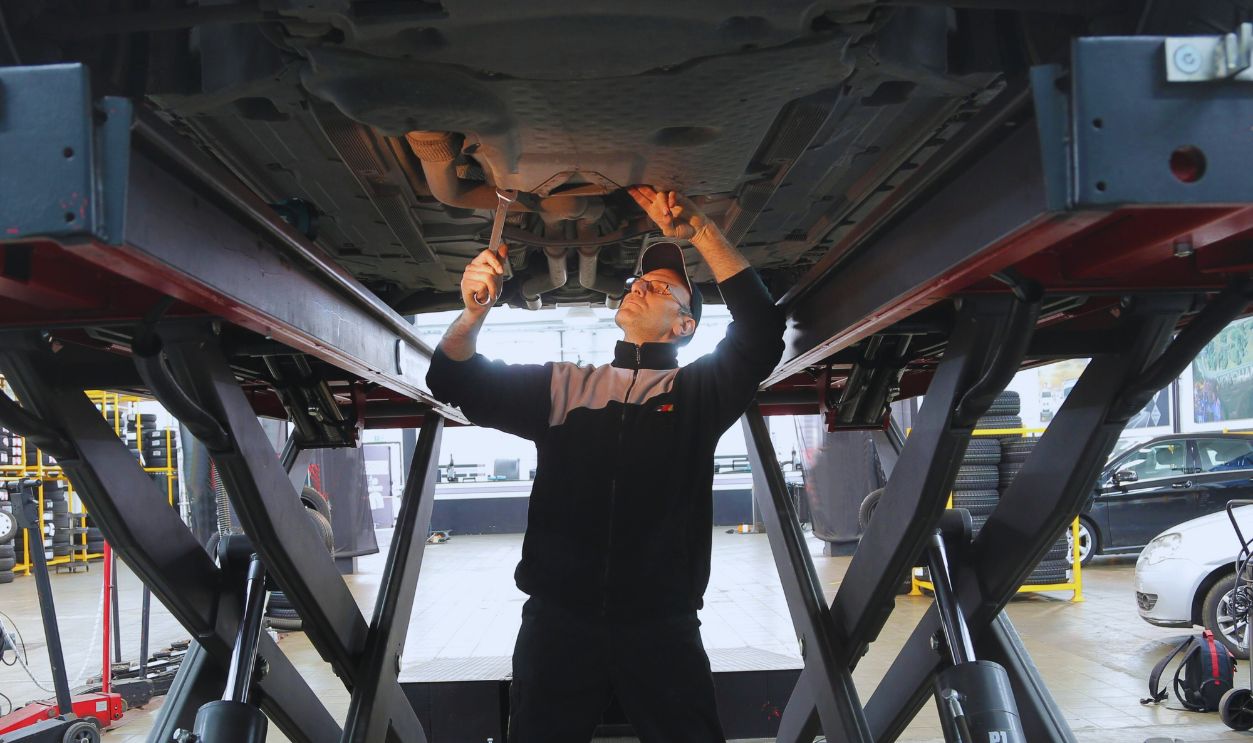
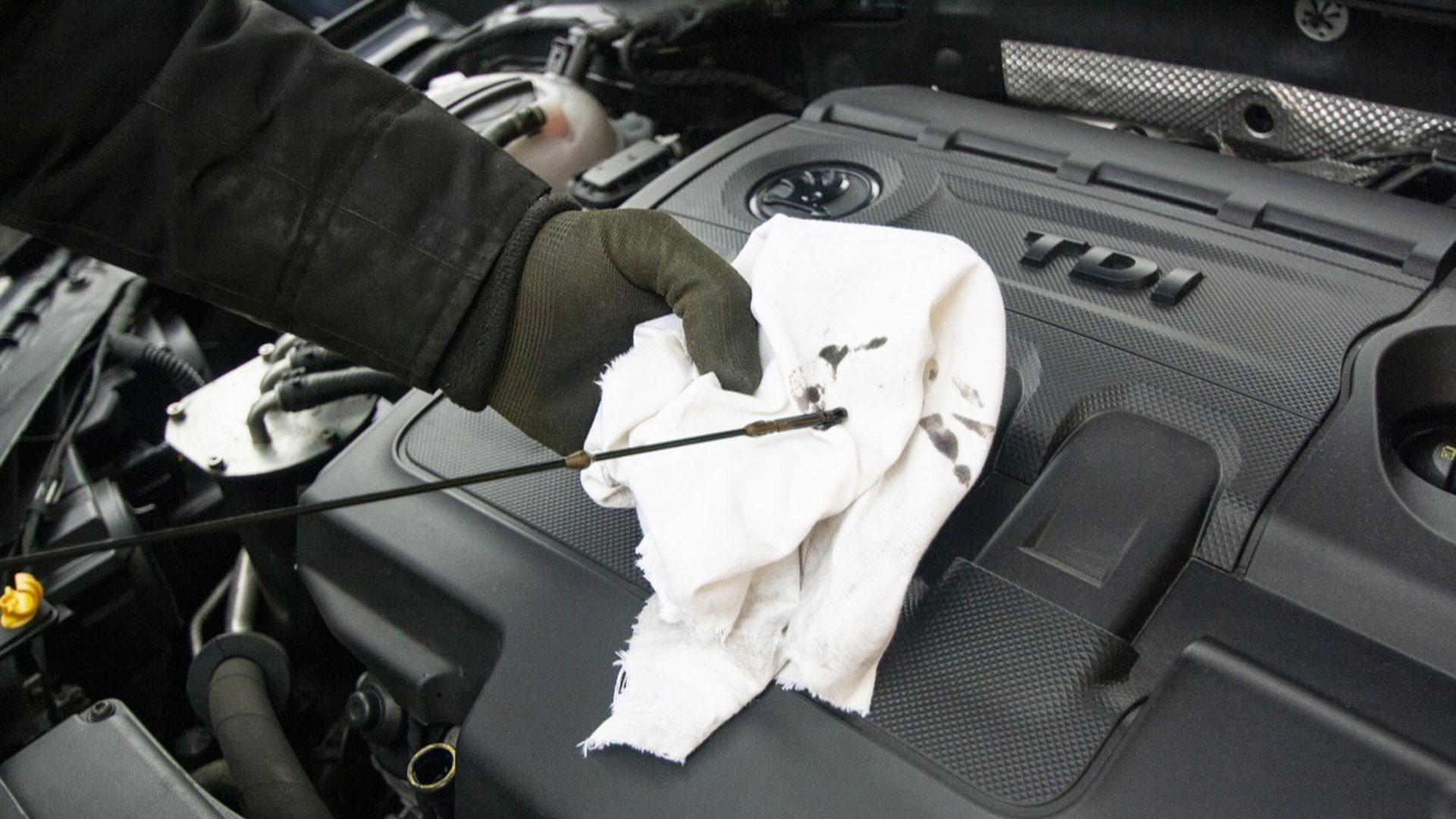
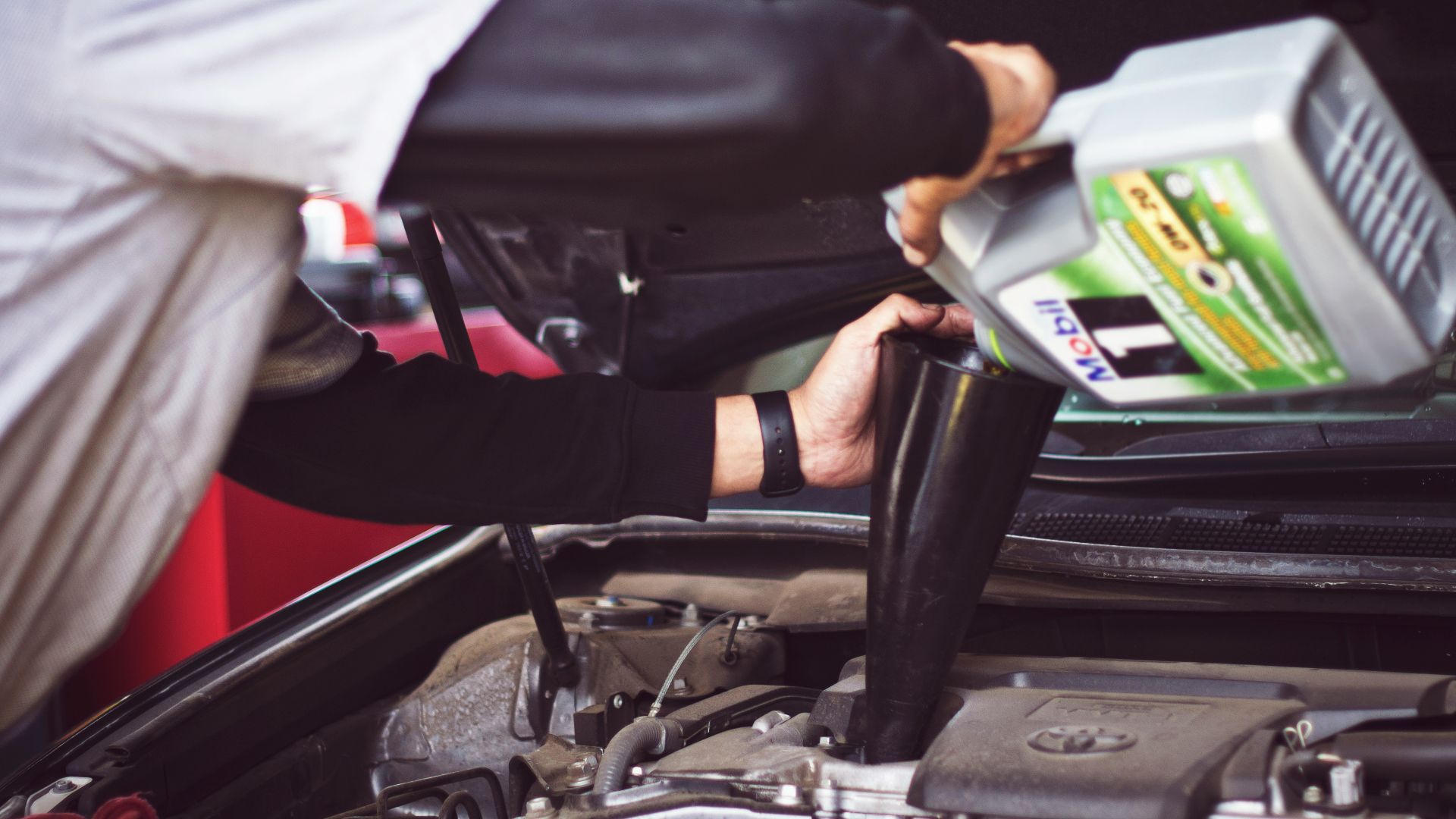
Improper fluid levels can cause rough shifting. Ask the dealership to check the fluid level, fluid type, and temperature-specific fill procedure. Even a small overfill or underfill can cause harsh shifts, slipping, or delayed engagement.
Ask For Diagnostic Code Scan
Modern transmissions put heavy reliance on electronic controls. Get them to do a scan for transmission-related trouble codes, even if no warning lights are on. Stored or pending codes can show pressure issues, solenoid problems, or adaptive learning errors triggered after the fluid change.
Understand Transmission Relearning Periods
Some vehicles require a relearning or adaptation period after the fluid service. Shifting may feel different for a little while the transmission control module adjusts. However, relearning should improve behavior, not make it get worse.
Document That The Issue Started After Service
Write down the date of service, mileage, and the exact symptoms you noticed afterward. Keep copies of all repair orders and communications. This documentation is important in case the issue escalates into a warranty claim or dispute over responsibility.

See If You Still Have Powertrain Warranty Coverage
If the flush was done while your vehicle was still under a powertrain warranty, transmission issues following dealer service should be covered. Even if you are just outside the warranty window, dealerships will sometimes offer goodwill repairs when problems come up right away after their work.

Get A Second Opinion From An Independent Shop
If the dealership doesn’t properly take your concerns into account, get an inspection from a reputable independent transmission specialist. A written diagnosis stating that the flush contributed to the issue can give you leverage.

Avoid Doing Major Repairs Right Away
Don’t agree to expensive transmission repairs until you clarify who’s responsible for the problem. Premature authorization can undermine your case for arguing that the damage was service-related.
Ask To Replace Fluid Again If Appropriate
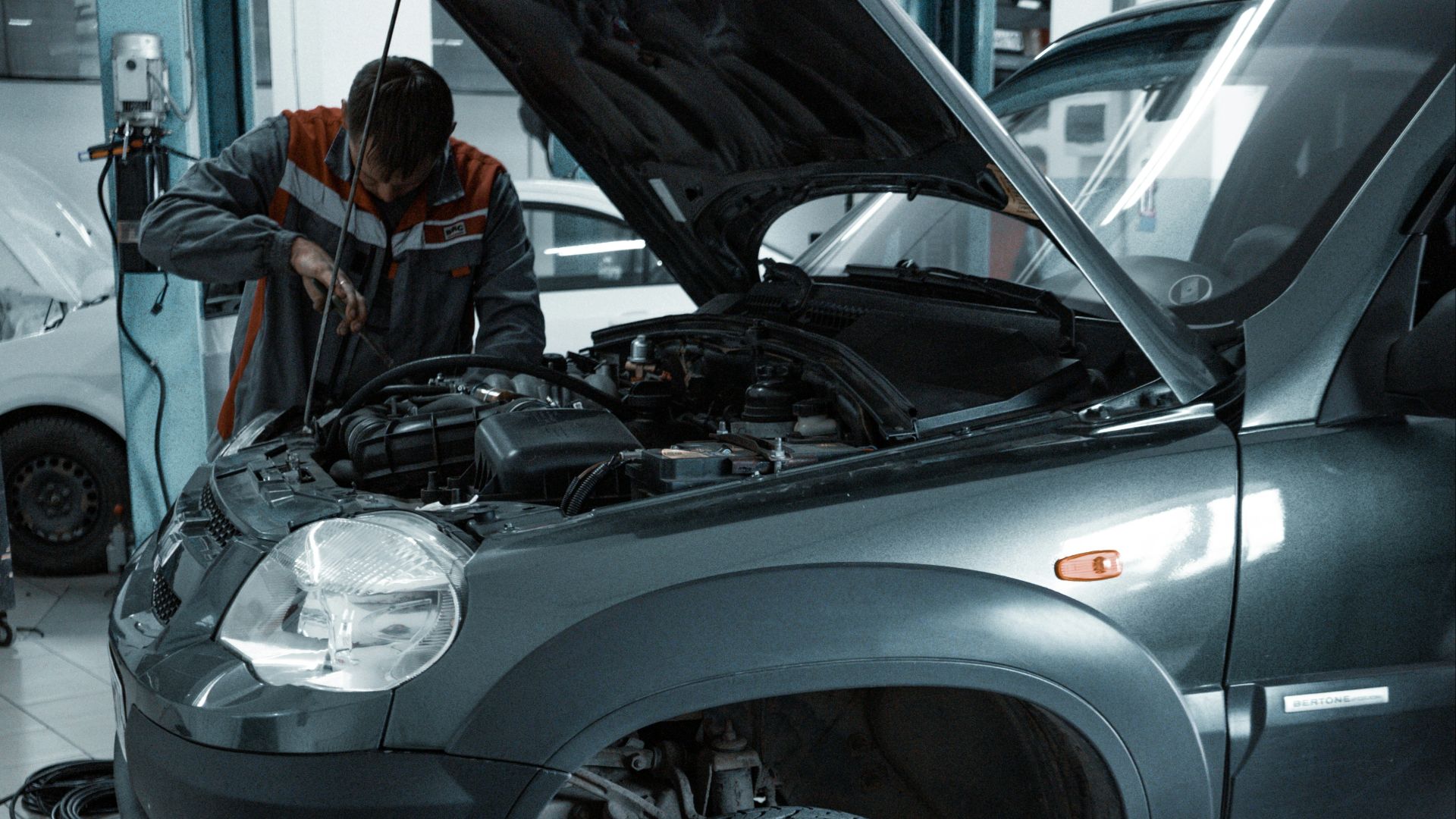
In some cases, a second drain-and-fill using the correct fluid can get rid of the shifting problems caused by the flush. This is occasionally recommended before assuming internal damage has occurred.
Escalate To The Manufacturer If Necessary
If the dealership refuses to help, contact the manufacturer’s customer care line. Give them your service records, your timeline, and the symptoms. Automakers often intervene when dealer-performed maintenance appears to have caused issues.

Understand When Flush Damage Becomes Permanent
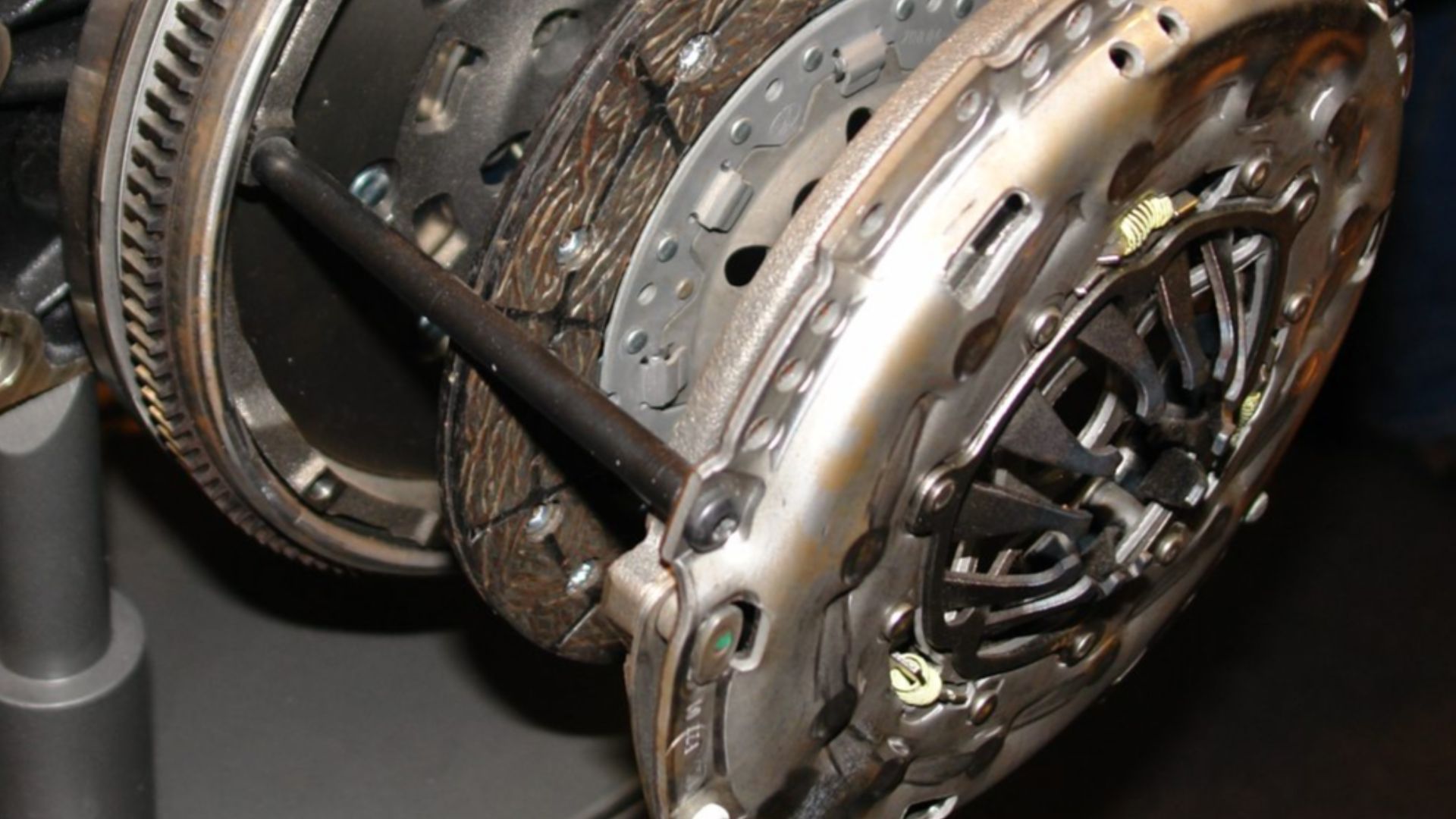
If internal clutches were already worn before the servicing, a flush can expedite the failure timeline by removing friction material from the fluid. In these cases, symptoms just get worse and worse over time.
 User:Kolossos, Wikimedia Commons
Major Repair Vs Vehicle Value
If the transmission needs major work, compare the repair costs to the vehicle’s value. Sometimes the most financially responsible choice you can make is to not repair it at all.

To Avoid This In The Future
Going forward, always follow manufacturer-recommended service intervals and procedures. Be wary of doing flushes on older or high-mileage vehicles. Asking detailed questions before you approve service can prevent costly mistakes.
Stay Calm But Persistent
Dealerships are more likely to help when you stay firm, factual, and organized. Don’t shout at people or make emotional accusations. Stick to documentation, timelines, and manufacturer guidelines when you lay out your case.
 Wedmoments.stock, Shutterstock
Know That You’re Not Alone
Transmission problems after flushes are common enough that many technicians now warn against even doing them at all. That doesn’t necessarily mean that damage will happen, but it does mean your concerns are warranted and worth pursuing until you get answers that make sense.

Quick Action Counts
When rough shifting happens right after a transmission flush, quick action is of the utmost. Verify the service performed, document the symptoms in writing, and push for immediate inspection and accountability. With the right approach, you might be able to resolve the issue through adjustment, warranty coverage, or dealer responsibility before it turns into a major failure.

You May Also Like:
My mechanic broke something while fixing something else—and now they won’t take responsibility.