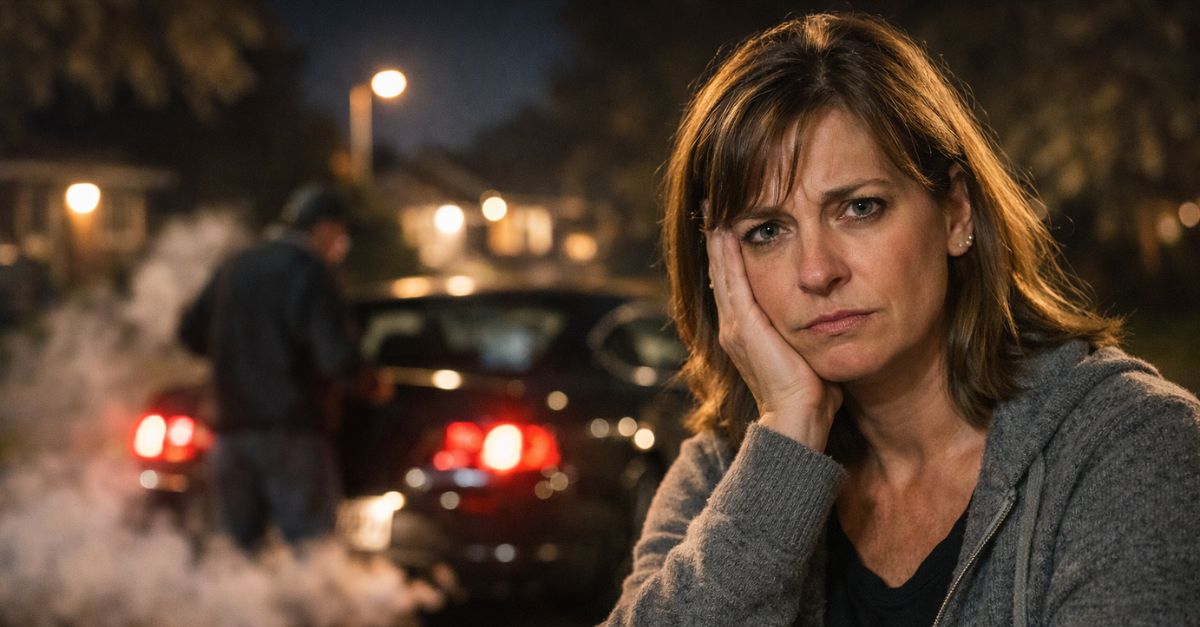
When A Cold Start Becomes A Neighborhood Headache
A loud engine rev at 11 p.m. can feel like a lot more than one person tapping the gas pedal. Late-night revving can wreck sleep, raise stress, and turn a quiet street into a source of constant tension. The good news is that you may have a few solid ways to deal with it, and most of them do not start with a legal fight.

Why Car Noise Feels Worse After Dark
Noise stands out more at night because everything else gets quieter and people are trying to sleep. The Centers for Disease Control and Prevention says noise can contribute to stress and sleep problems, which helps explain why even a short burst of revving can feel so disruptive. What seems harmless to one driver can be a real problem for everyone nearby.
First, Figure Out What You Are Hearing
Not every loud car is being revved on purpose. Some cars idle higher right after startup, especially in cold weather, and some modified exhaust systems make even normal driving sound much louder than usual. Before reacting, it helps to notice whether the sound is a quick cold start, repeated throttle blips, or long stretches of revving.
Cold Starts Really Can Be Loud
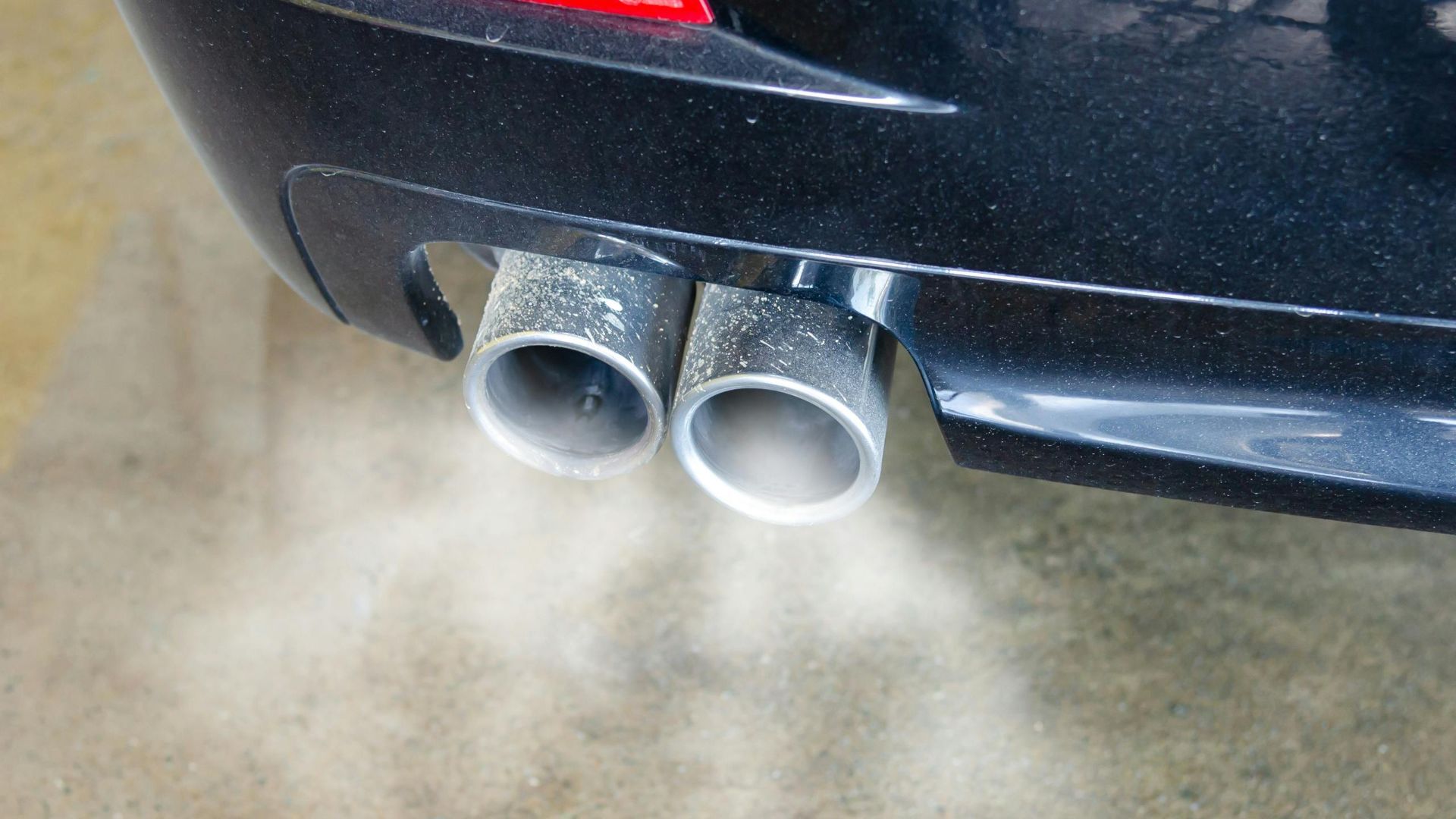
Modern engines often run at a higher idle for a short time after startup to help emissions systems warm up. The Environmental Protection Agency explains that catalytic converters need heat to work properly, which is one reason a vehicle can sound louder right after it starts. That does not excuse unnecessary revving, but it does matter if you are trying to judge what is actually happening.

Modified Exhausts Can Change The Whole Situation
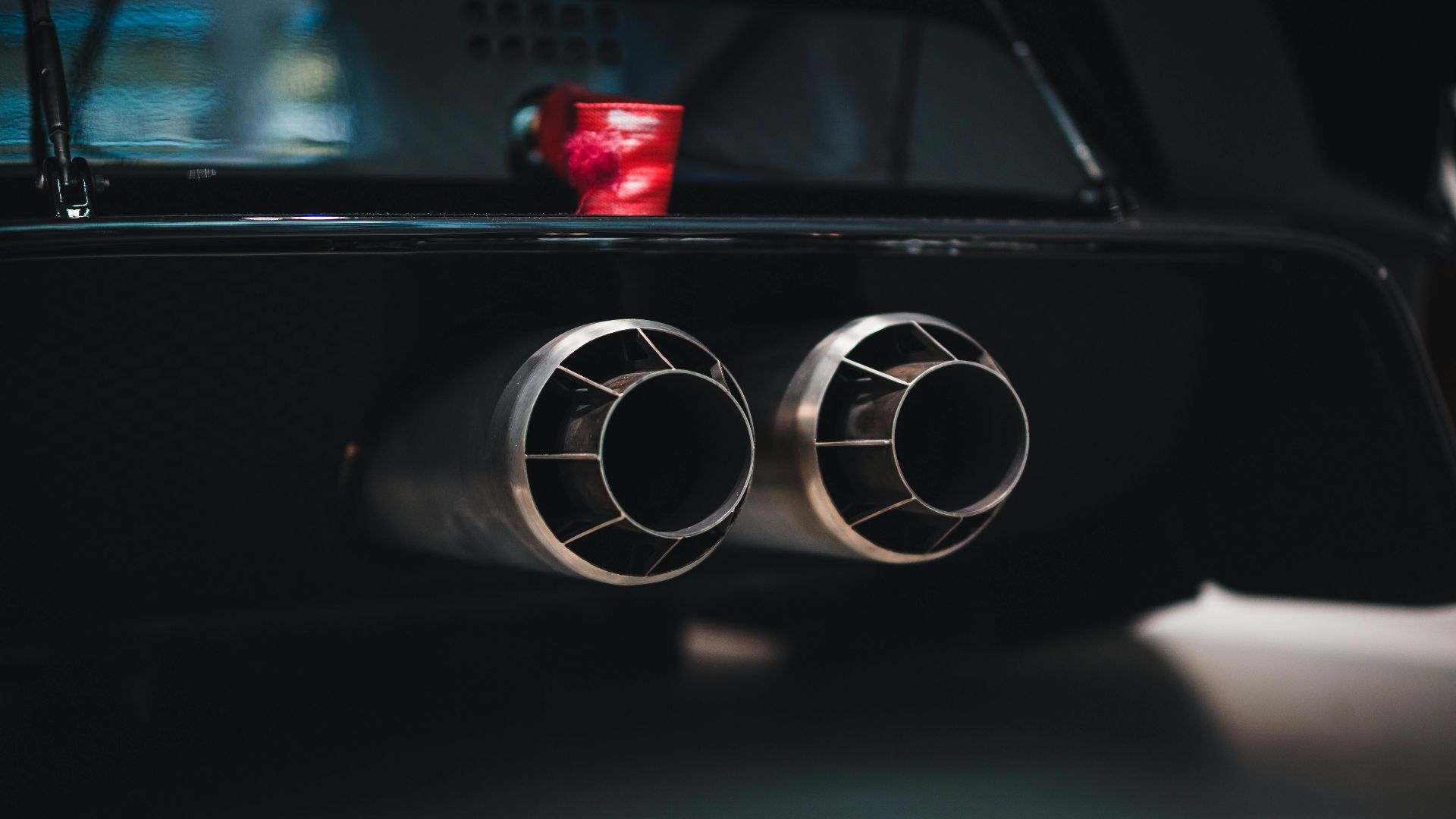
An aftermarket muffler or exhaust can turn an ordinary startup into a street-wide alarm clock. The Specialty Equipment Market Association notes that exhaust modifications are common, but state and local laws still decide what is legal on public roads. If your neighbor changed the setup, the car may simply be loud all the time, not just when the driver is showing off.

Some States Directly Regulate Mufflers And Noise
Many states require vehicles to have mufflers in good working order and ban excessive or unusual noise. California Vehicle Code section 27150 is one clear example. It requires an adequate muffler and prohibits devices like cutouts that increase noise. Your state may use different wording, but the general idea is common across the country.
Local Rules Usually Matter Even More
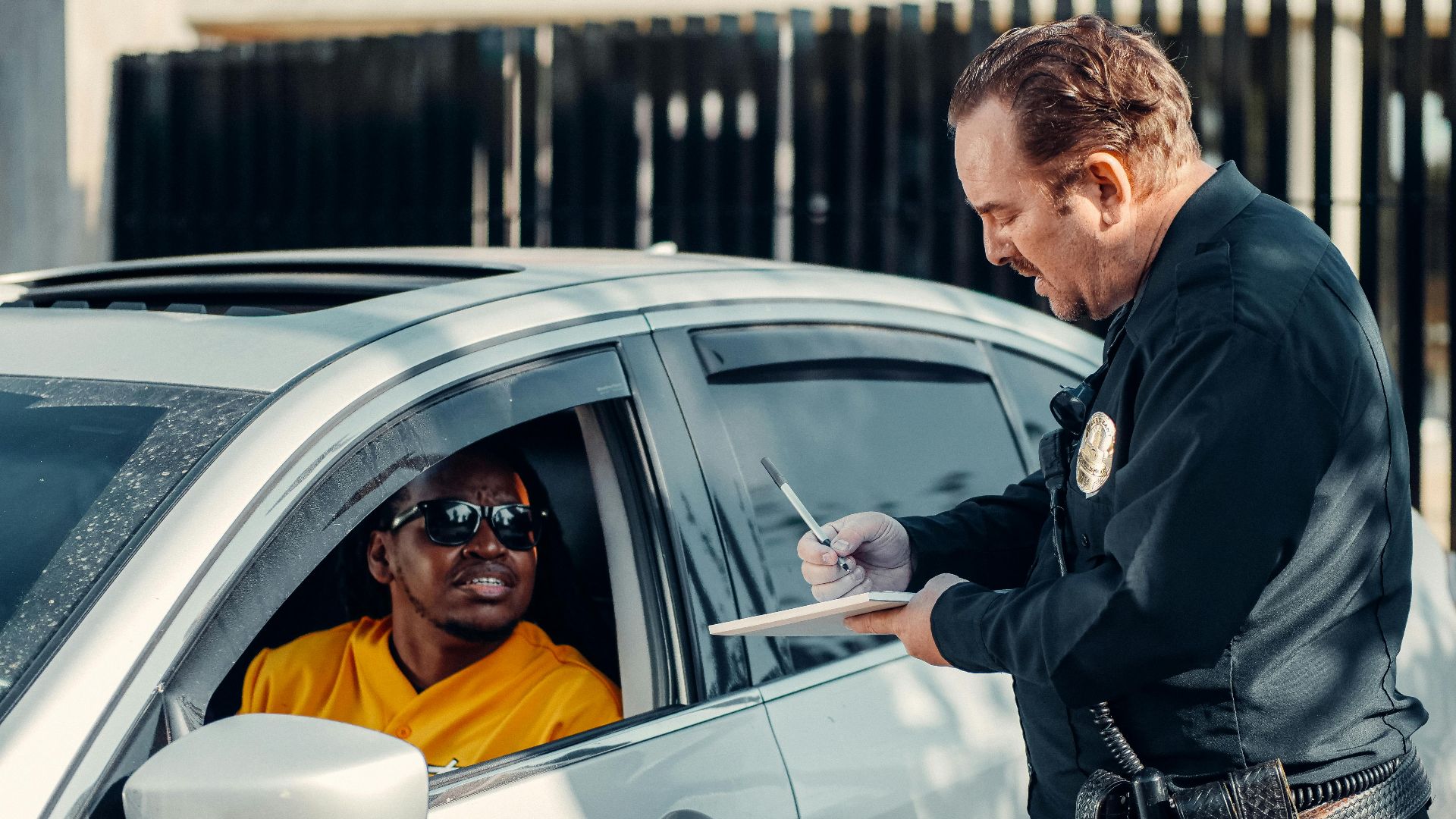
State vehicle laws are only part of the story. Cities and counties often have their own noise ordinances that set quiet hours and give police or code enforcement another way to deal with repeated disturbances. In real life, your local city code may matter more than a statewide muffler law.

Quiet Hours Are Often The Key
Many communities have nighttime quiet hours, often starting around 10 p.m. or 11 p.m., though the exact times vary. If the revving happens during those hours, your complaint is usually easier to frame as a standard noise issue instead of an argument about loud cars. That simple difference can make officials more likely to take it seriously.

Check Your Local Code First
This may be the least dramatic step, but it is often the most useful. Search your city or county website for terms like noise ordinance, quiet hours, nuisance noise, or vehicle noise. You want the actual code language so you can see when the rule applies, who enforces it, and what kind of evidence usually helps.
Documentation Works Better Than Anger
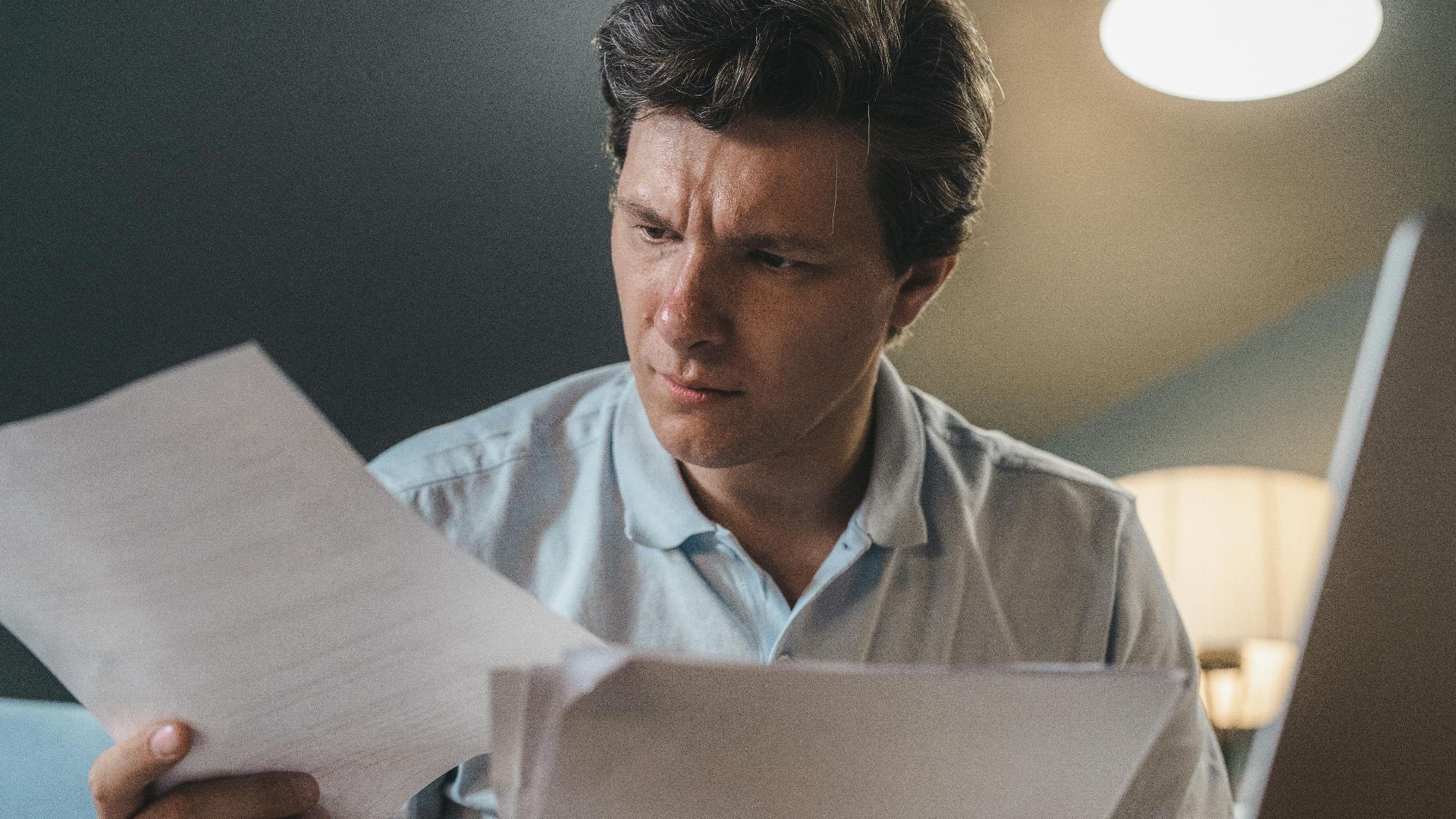
If the noise keeps happening, start a simple log with the date, time, length, and what you heard. Note whether it sounded like a cold start, repeated revving, or someone driving back and forth. A calm record usually helps more than saying “this happens all the time.”

Video Can Help If You Use Common Sense
A short recording from your own property can help show how often the revving happens and how long it lasts. Keep it legal, avoid confrontation, and do not trespass or push the situation just to get a better clip. The goal is to document the problem, not turn it into a neighborhood feud.

Phone Apps Can Be Useful, But They Are Not Perfect
Many phone apps estimate sound levels, but they are not usually the same as certified sound meters used for official enforcement. The National Institute for Occupational Safety and Health has published a sound level meter app for iOS and also notes that phone hardware can affect accuracy. A phone reading can support your notes, but it usually will not settle the issue on its own.

Start With The Least Confrontational Option
If you feel safe doing it, a polite conversation is often the quickest fix. Your neighbor may not realize how far the sound carries or how often it wakes people up. A calm request to avoid revving late at night can solve the problem without bringing in police, landlords, or code officers.

Pick A Better Time To Talk
Do not start the conversation while you are angry and the engine is still echoing down the block. Wait until daylight or another calm moment when people are more likely to stay reasonable. “Hey, the car has been waking us up after 11” is far more likely to work than opening with an insult.

Be Clear About The Problem
People tend to respond better to specific requests than vague complaints. Mention the time, the revving, and the impact on sleep, children, or work the next day. You do not need to argue about whether loud cars are cool. You just need to explain what behavior is causing the problem.

Offer An Easy Way Out
Sometimes a few small changes can make a big difference. The driver might skip the extra throttle blips, move the car earlier in the evening, park farther from bedrooms, or keep the startup and departure as short as possible. A practical solution is often easier to get than total agreement.

If Talking Feels Unsafe, Skip It
You do not have to confront anyone face to face if you think it could go badly. If the neighbor is aggressive, intoxicated, or already hostile, move straight to formal options. Your safety matters more than trying to seem friendly.
Landlords And HOAs Can Be Powerful
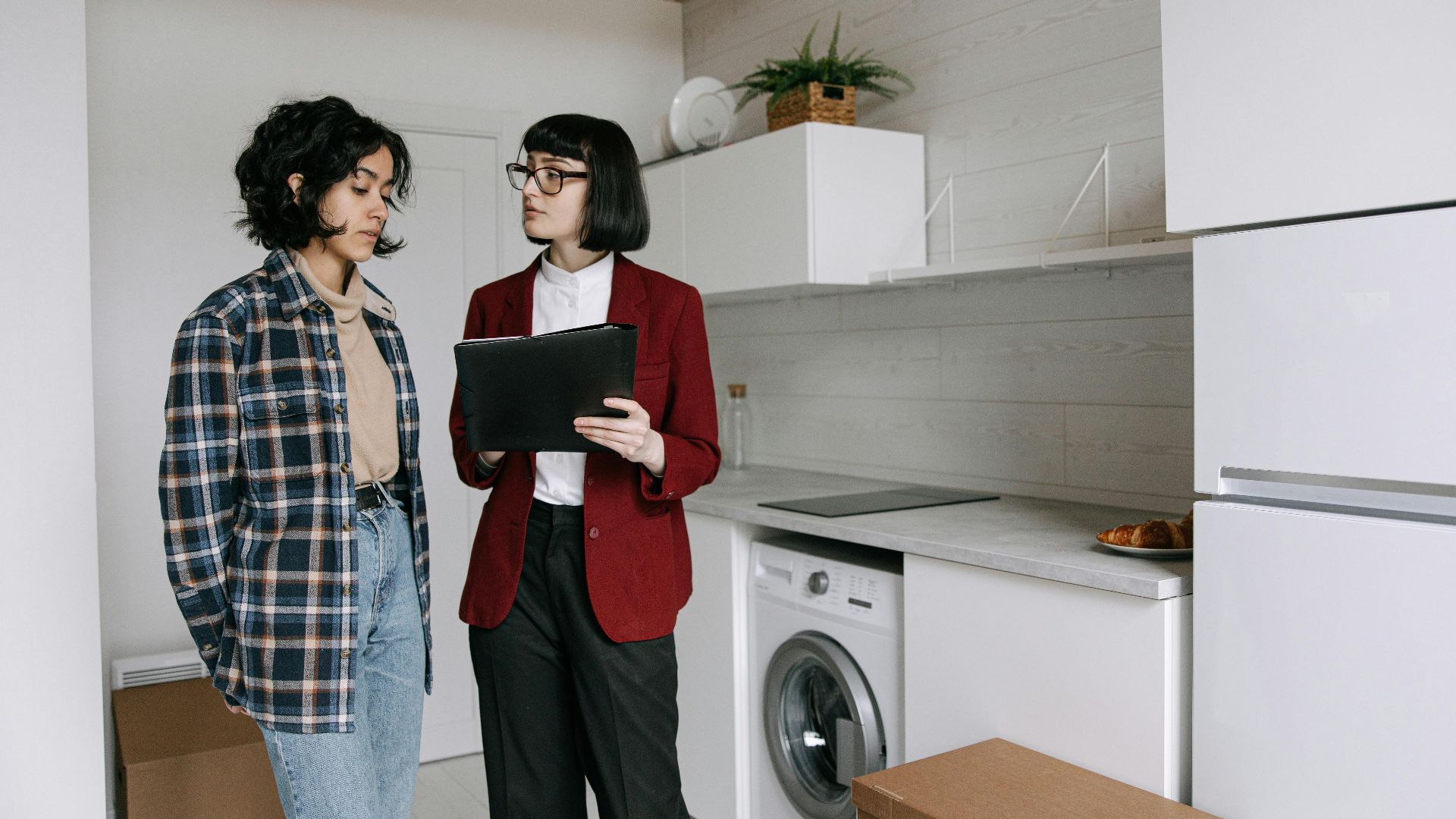
If you live in an apartment, condo, or HOA neighborhood, check the lease or community rules. Many housing agreements ban nuisance behavior, especially repeated late-night noise. A landlord or homeowners association may be able to step in faster than the city.
Police Are Not Always The Best First Call
For a non-emergency noise issue, a local non-emergency number or code enforcement office is often a better choice than 911. Some cities send noise complaints to police, while others use separate departments or online reporting systems. Knowing the right place to report it can save time and improve your chances of getting a response.

Repeated Complaints Usually Matter More
One loud night may not lead to much action, especially if officers do not hear it themselves. A repeated pattern usually carries more weight, especially if it lines up with local quiet hours. That is another reason a noise log can be so useful.
 mikoto.raw Photographer, Pexels
What Enforcement Usually Looks Like
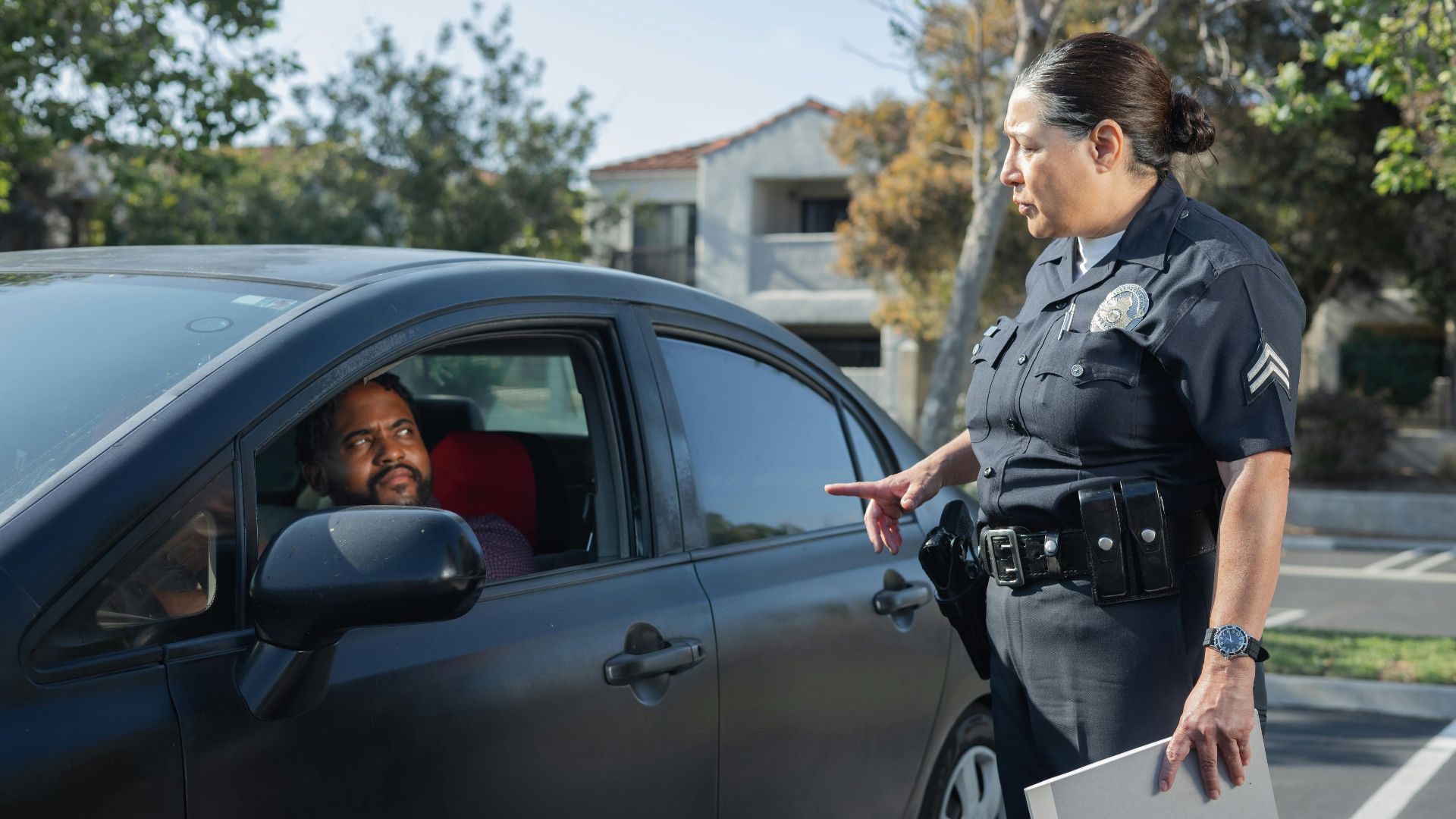
Depending on the local law, enforcement can range from a warning to a ticket or fine. In some places, officers need to hear the violation themselves. In others, repeated complaints and supporting evidence can help establish a nuisance. It is often less dramatic than people expect, but it can still work.
Not Every Loud Car Is Automatically Illegal
This is where many people get tripped up. A car can be annoying without clearly breaking a specific sound limit, and some places use broad terms like unreasonable or disturbing noise instead of a set decibel number. That is why the exact wording of your local code matters so much.

But Some Exhaust Setups Obviously Push It
If the vehicle has no effective muffler, uses a bypass or cutout, or seems clearly altered to increase noise, that can help your case. California law is one example that directly bans certain noise-increasing equipment on road vehicles. A modified setup does not prove a violation everywhere, but it can still be relevant.
Sleep Loss Is A Real Issue
This can seem like a small neighborhood annoyance until it keeps happening night after night. The CDC has pointed to the connection between noise and sleep problems, and poor sleep can affect mood, focus, and health. Framing the issue around sleep and daily life is often more effective than arguing about manners or taste.

Mediation Can Help If The Whole Street Is Involved
If the problem has turned into a broader conflict, community mediation may help. Many cities and counties offer dispute resolution services for neighbor problems before they turn into legal fights. It may not be flashy, but it can help people keep the peace when they still have to live next door to each other.

Retaliation Usually Backfires
Blasting your own music, confronting the driver in the driveway, or shaming them online may feel satisfying for a moment. It also makes escalation more likely and can make you look unreasonable if authorities get involved. Calm communication, documentation, and formal channels are usually the smarter move.

When Legal Advice Might Make Sense
If the noise is severe, constant, and ignored through normal channels, it may be worth speaking with a local attorney or tenant advocate about nuisance options. That may matter even more if a landlord refuses to act or the problem is seriously affecting your ability to enjoy your home. Legal advice is usually a later step, not the starting point.

The Bottom Line On Late-Night Revving
Yes, there is often something you can do about a neighbor who revs a loud car late at night. Start by checking local rules, documenting the pattern, and making a polite request if it feels safe. If that does not work, landlords, HOAs, code enforcement, and non-emergency police channels are the next practical steps.