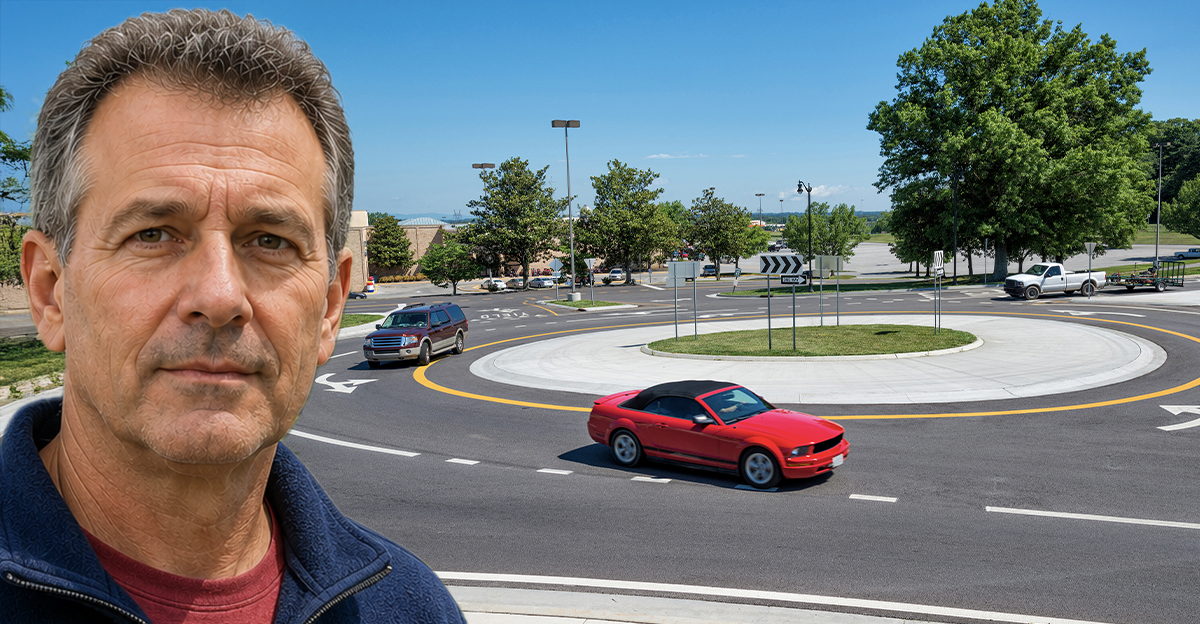
A Confusing New Intersection
When a new two-lane roundabout opens, accidents often spike temporarily as drivers get used to the new traffic pattern. That can make people question whether roundabouts are really safer. Studies generally say they are, but understanding how they work is often the key to realizing those safety benefits.
 Carolyn Franks, Shutterstock; Factinate
Why Roundabouts Exist
Roundabouts are designed to keep traffic moving while reducing the number of severe conflict points found in traditional intersections. Instead of forcing vehicles to stop and wait for signals, they encourage drivers to slow down and continuously merge through the intersection.
Fewer Conflict Points
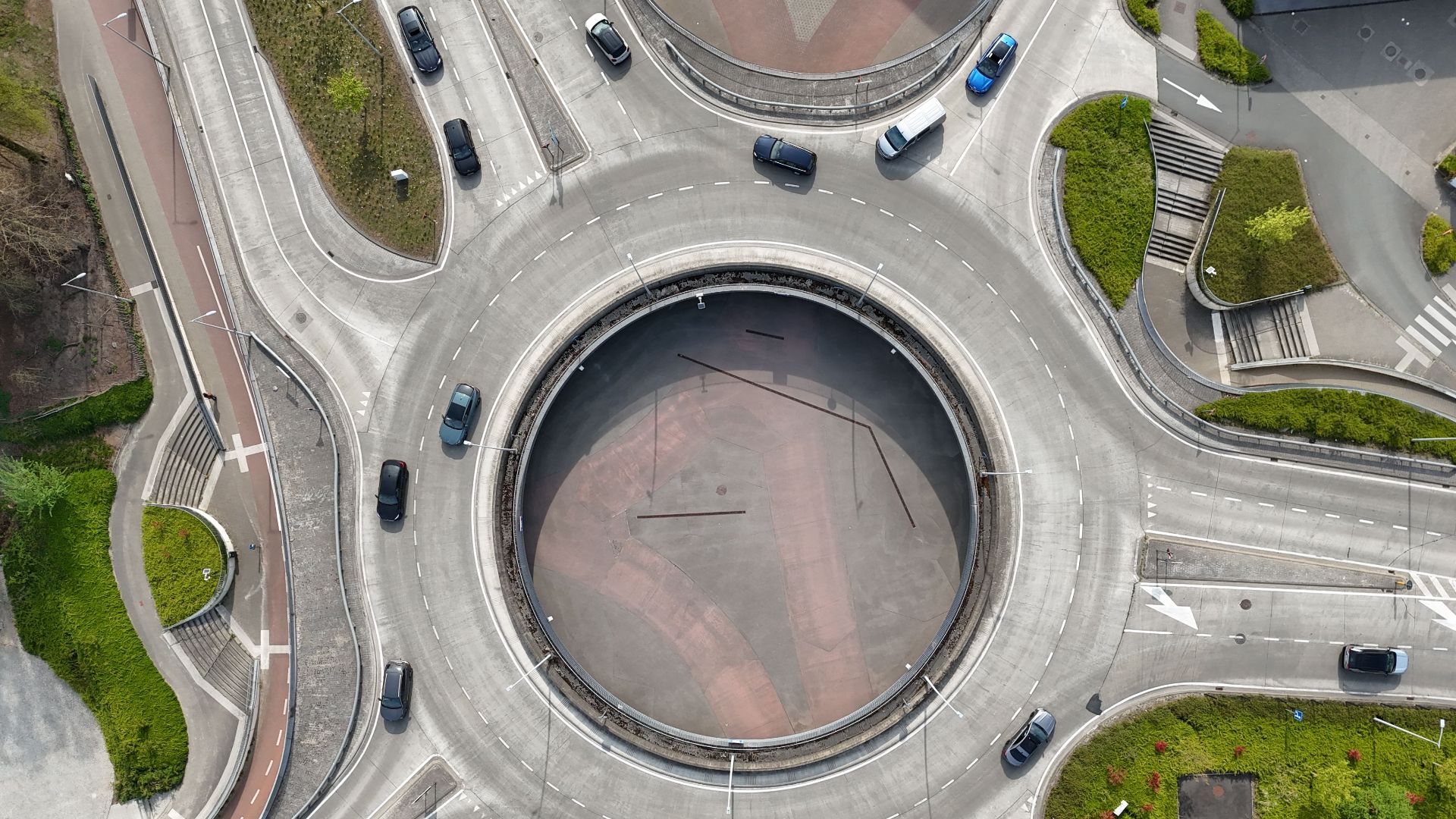
One reason safety experts favor roundabouts is that they dramatically reduce conflict points where vehicles can collide. Traditional four-way intersections contain numerous crossing movements, while roundabouts largely eliminate the dangerous right-angle crashes associated with traffic lights and stop signs.

Lower Speeds Matter
Roundabouts naturally force drivers to slow down before entering. Because vehicles travel at reduced speeds, any collisions that do occur tend to involve less force. Lower-impact crashes generally result in fewer serious injuries than high-speed intersection collisions.

Studies Show Safety Benefits
Research cited by traffic safety organizations has found that roundabouts can significantly reduce serious injury and fatal crashes. While minor fender-benders may still occur, the overall safety record tends to compare favorably with signalized intersections.
Eliminating T-Bone Crashes
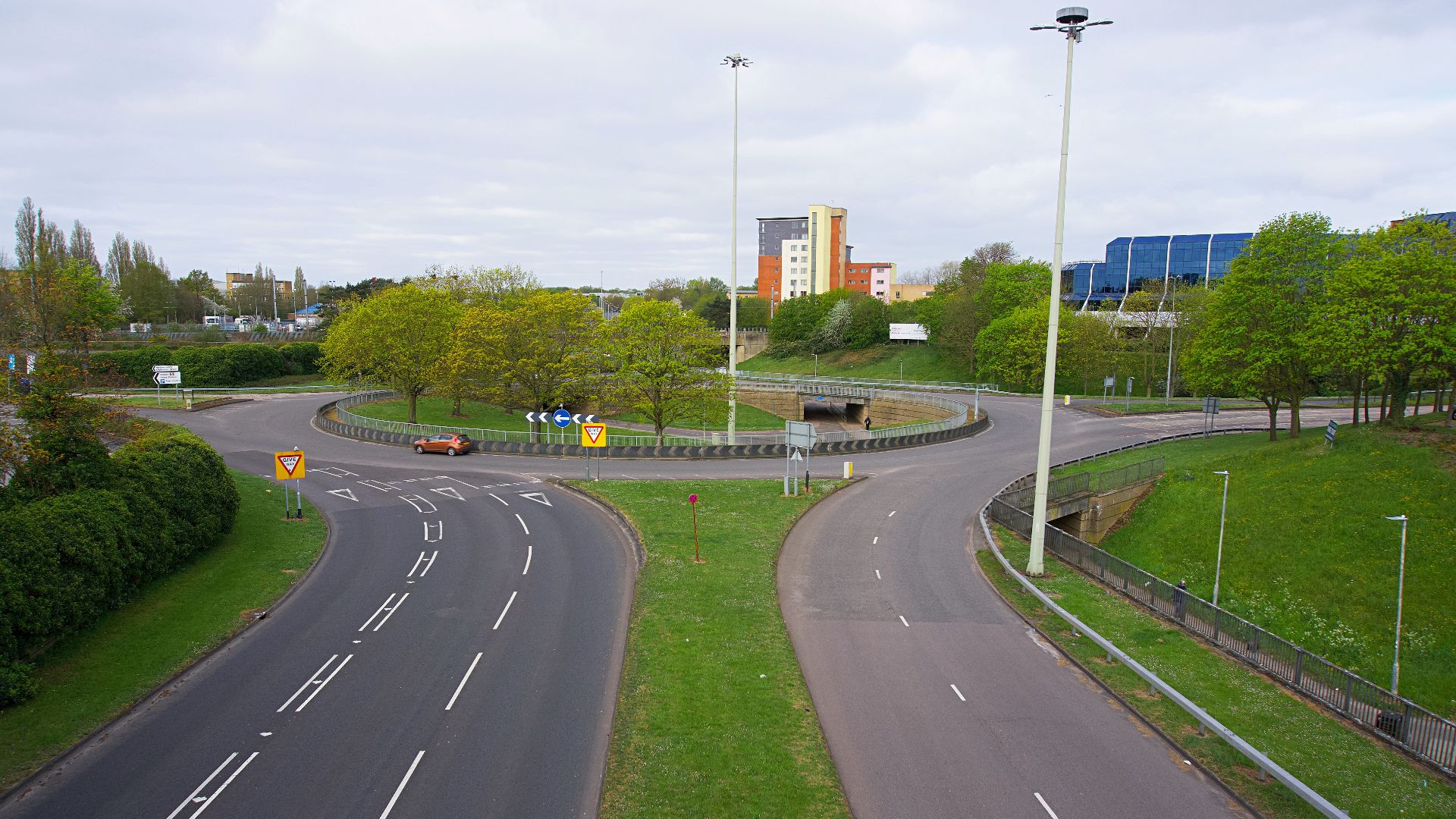
One of the greatest advantages of roundabouts is the reduction of T-bone collisions. These side-impact crashes are among the most dangerous accidents at conventional intersections because one vehicle often strikes another at relatively high speed.

Continuous Traffic Flow
Unlike traffic lights, roundabouts do not require drivers to sit through repeated red-light cycles. Vehicles can often enter whenever a safe gap appears, reducing congestion and improving traffic flow during many periods of the day.

Fuel And Emissions Benefits
Because drivers spend less time idling and accelerating from a complete stop, roundabouts can reduce fuel consumption and vehicle emissions. These environmental benefits are often cited alongside the safety advantages when transportation agencies evaluate intersection designs.

Why New Roundabouts Feel Dangerous
Many drivers encounter roundabouts only occasionally. When a new one appears in a neighborhood, uncertainty can lead to hesitation, sudden braking, missed lane choices, and other behaviors that increase the likelihood of minor crashes during the adjustment period.

Single-Lane Versus Two-Lane
Single-lane roundabouts are generally straightforward. Two-lane roundabouts introduce additional complexity because drivers must choose the correct lane before entering and remain aware of vehicles traveling beside them throughout the maneuver.

Choosing The Correct Lane
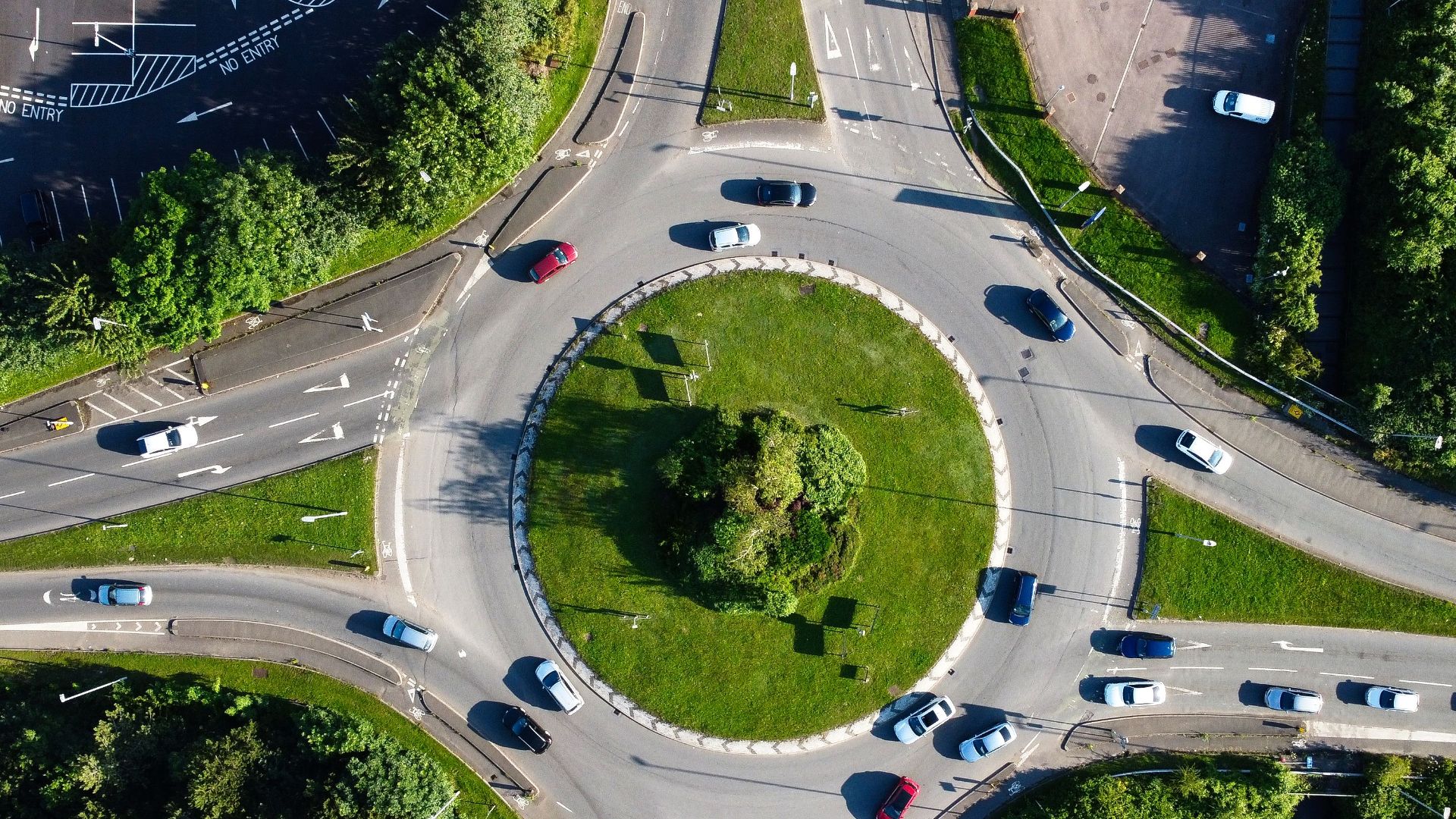
In most two-lane roundabouts, signs and pavement markings indicate which lane serves which destinations. Drivers who fail to select the correct lane before entering may suddenly change lanes inside the roundabout, creating confusion and potential collision risks.
Stay In Your Lane
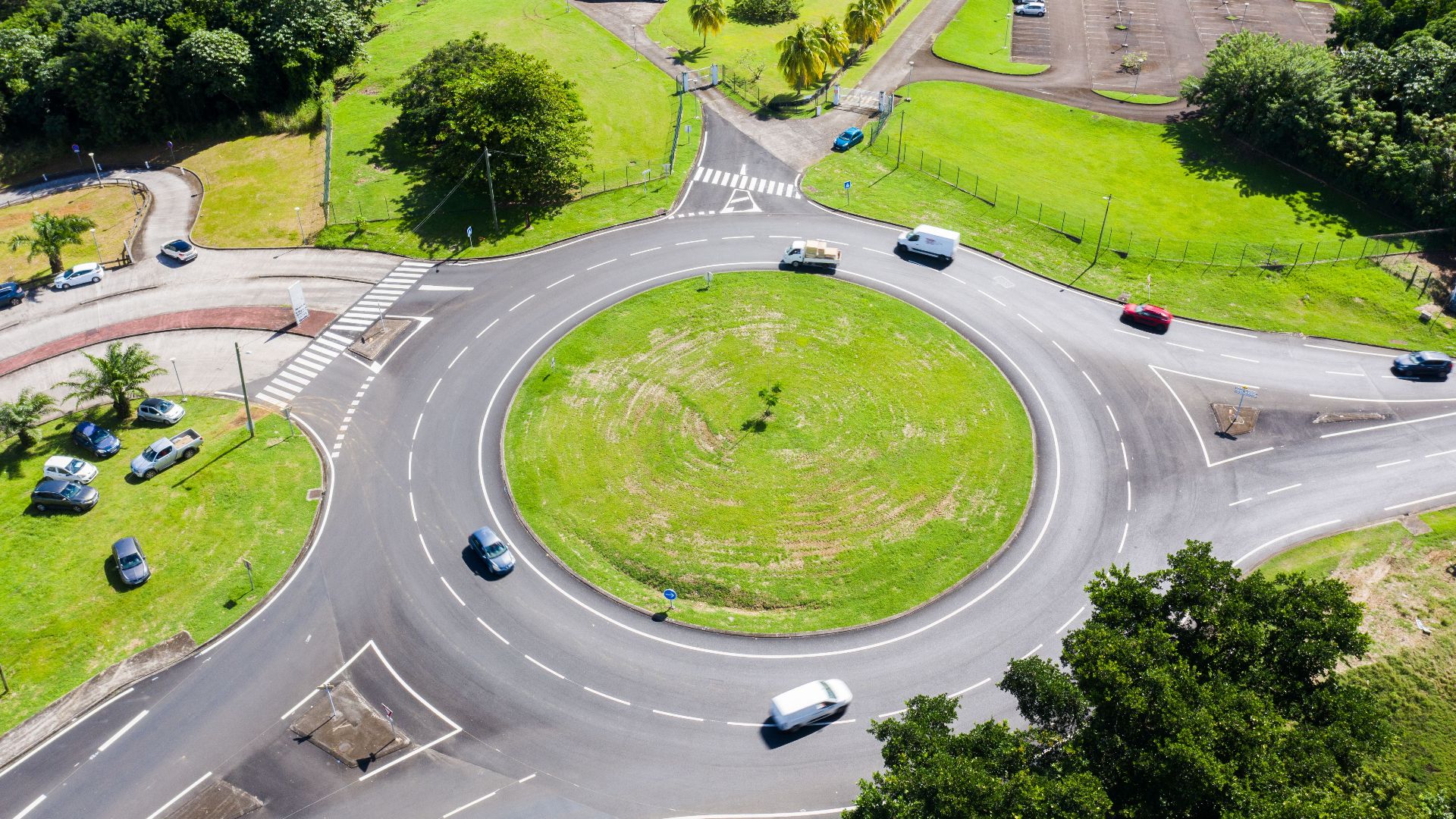
One of the most important rules of a two-lane roundabout is maintaining your lane while circulating. Drivers should not weave between lanes inside the circle unless markings specifically permit such movement.

Yield Before Entering
Roundabouts operate on a yield system rather than a stop system. Drivers entering the roundabout must yield to traffic already circulating. Failing to yield is one of the most common causes of roundabout-related crashes.

Watch For Lane Exits
A lot of accidents happen when drivers in the inside lane attempt to exit too late or cut across vehicles traveling in the outside lane. Understanding the designated exit paths for each lane is essential for safe navigation.

Signal Your Exit
Traffic experts recommend signaling when leaving a roundabout. Although practices vary among drivers, using turn signals helps communicate intentions and can reduce uncertainty for other motorists approaching or circulating within the intersection.

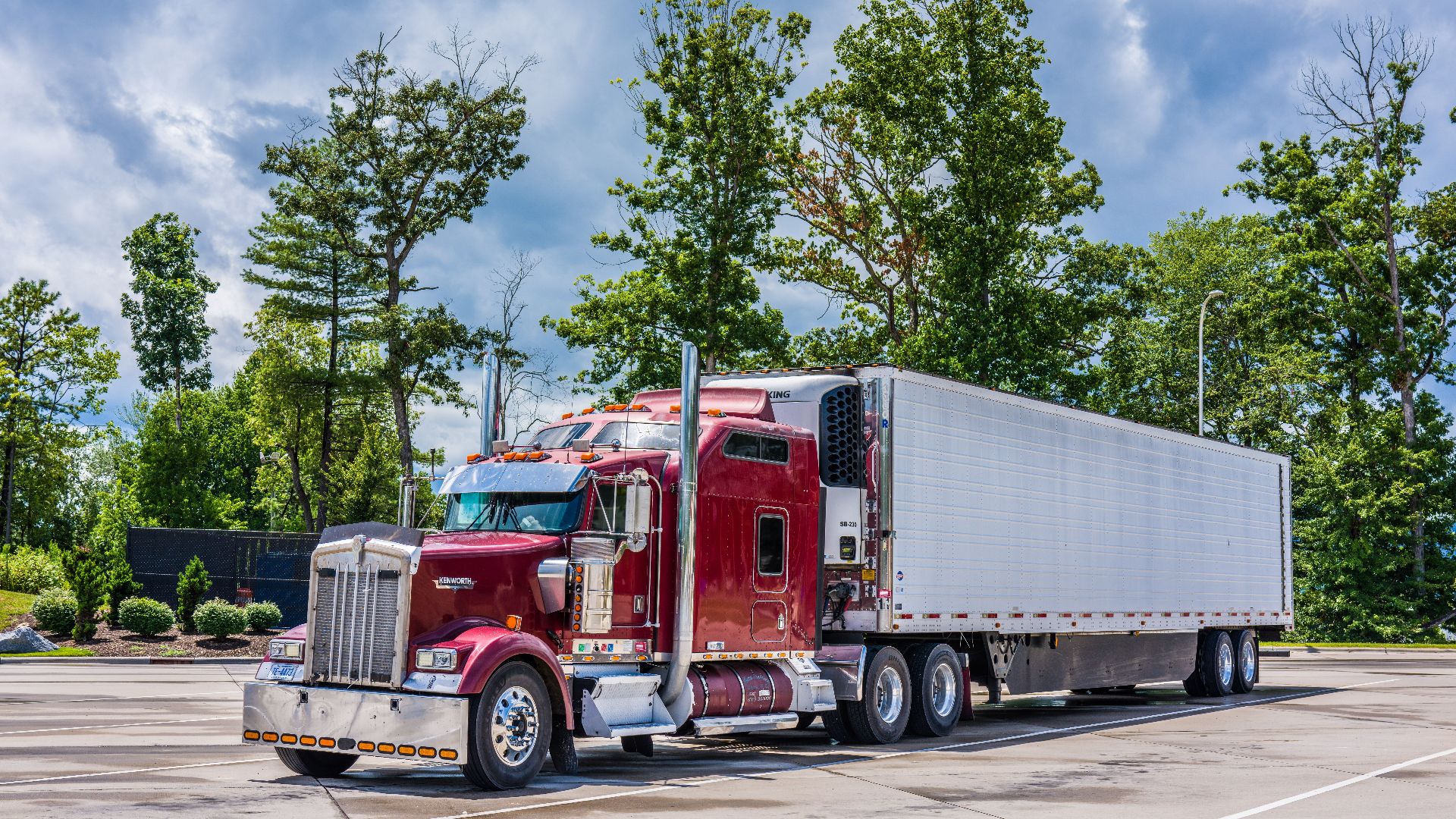
Large Vehicles Add Complexity
Tractor-trailers, buses, and other large vehicles sometimes require additional space while navigating roundabouts. Drivers should avoid lingering beside large vehicles and allow them sufficient room to complete turns safely.
 R9 Media Photo Collective, Pexels
Pedestrian Considerations
Roundabouts can improve pedestrian safety because vehicle speeds are generally lower than at conventional intersections. However, pedestrians still need to be alert and use designated crossing locations rather than attempting unpredictable crossings.

Learning Curve Effects
Transportation agencies often observe a learning curve after installing new roundabouts. Residents may initially report confusion and an increase in minor crashes, but familiarity tends to improve driver performance over time.

Common Beginner Mistakes
Frequent errors include stopping unnecessarily inside the roundabout, entering without yielding, choosing the wrong lane, failing to signal, and attempting last-second exits. Most of these mistakes become less frequent as drivers gain experience.

Helpful Road Markings
Modern roundabouts typically include directional arrows, lane-use signs, and pavement markings designed to guide drivers. Paying close attention to these visual cues can significantly cut down confusion, especially in two-lane designs.
Defensive Driving Helps
Drivers unfamiliar with a roundabout should slow down, read signs carefully, and avoid making sudden decisions. A cautious approach allows more time to process lane assignments and identify safe gaps in circulating traffic.

Why Engineers Still Prefer Them
Despite occasional complaints and adjustment-period accidents, transportation engineers still favor roundabouts because of their strong safety record. The long-term reduction in severe injury crashes is one of the most persuasive arguments for replacing traditional intersections.

The Big Picture
A few accidents immediately after a roundabout opens doesn't necessarily mean the design is flawed. Roundabouts often require an adjustment period, particularly two-lane versions. Once drivers become familiar with the rules, the long-term safety benefits frequently become more apparent.

You May Also Like:
It’s Official: The Fourth Traffic Light Color Has Been Chosen
Is There A Reason Why No One Seems To Understand How 4-Way Stops Work Anymore?